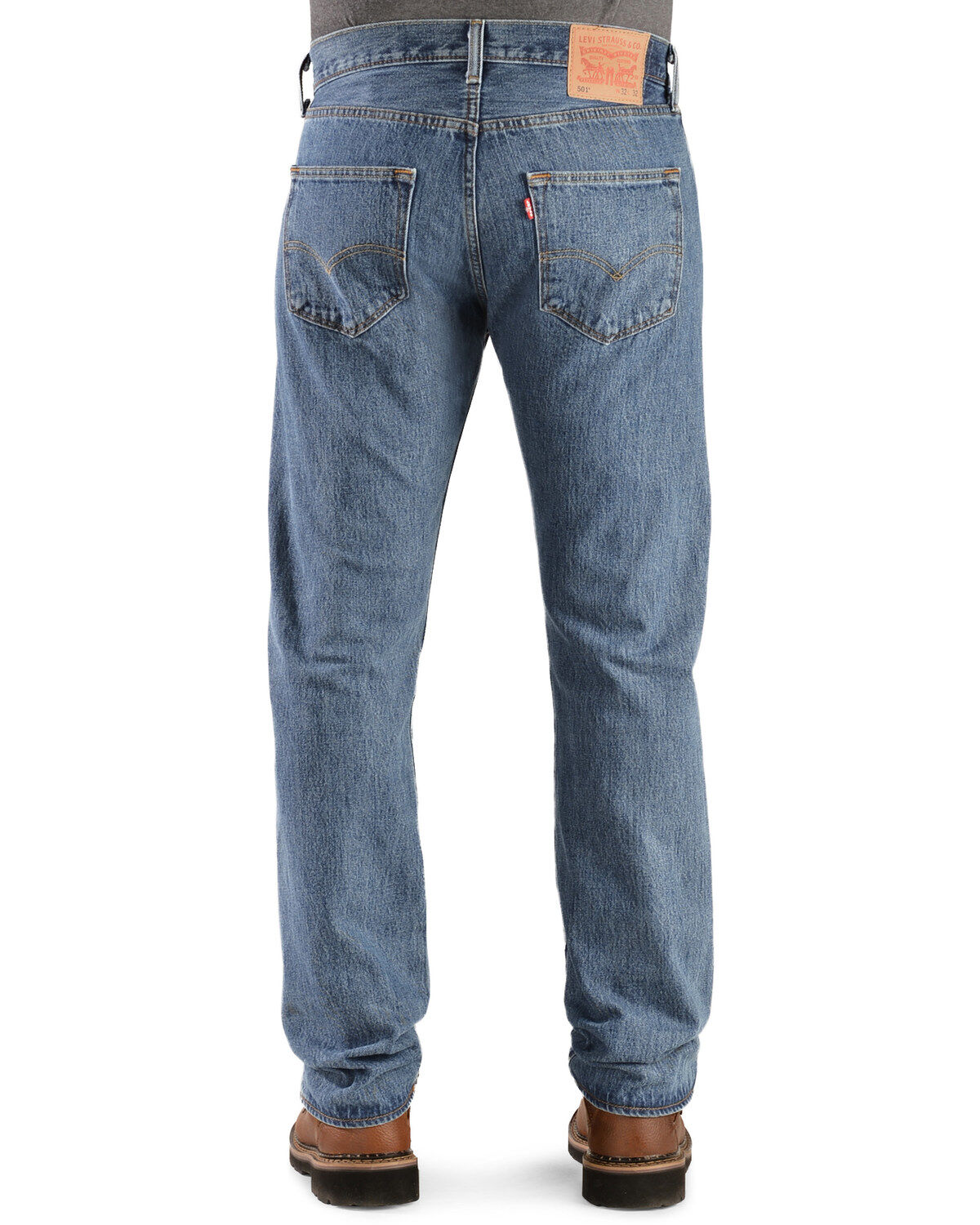
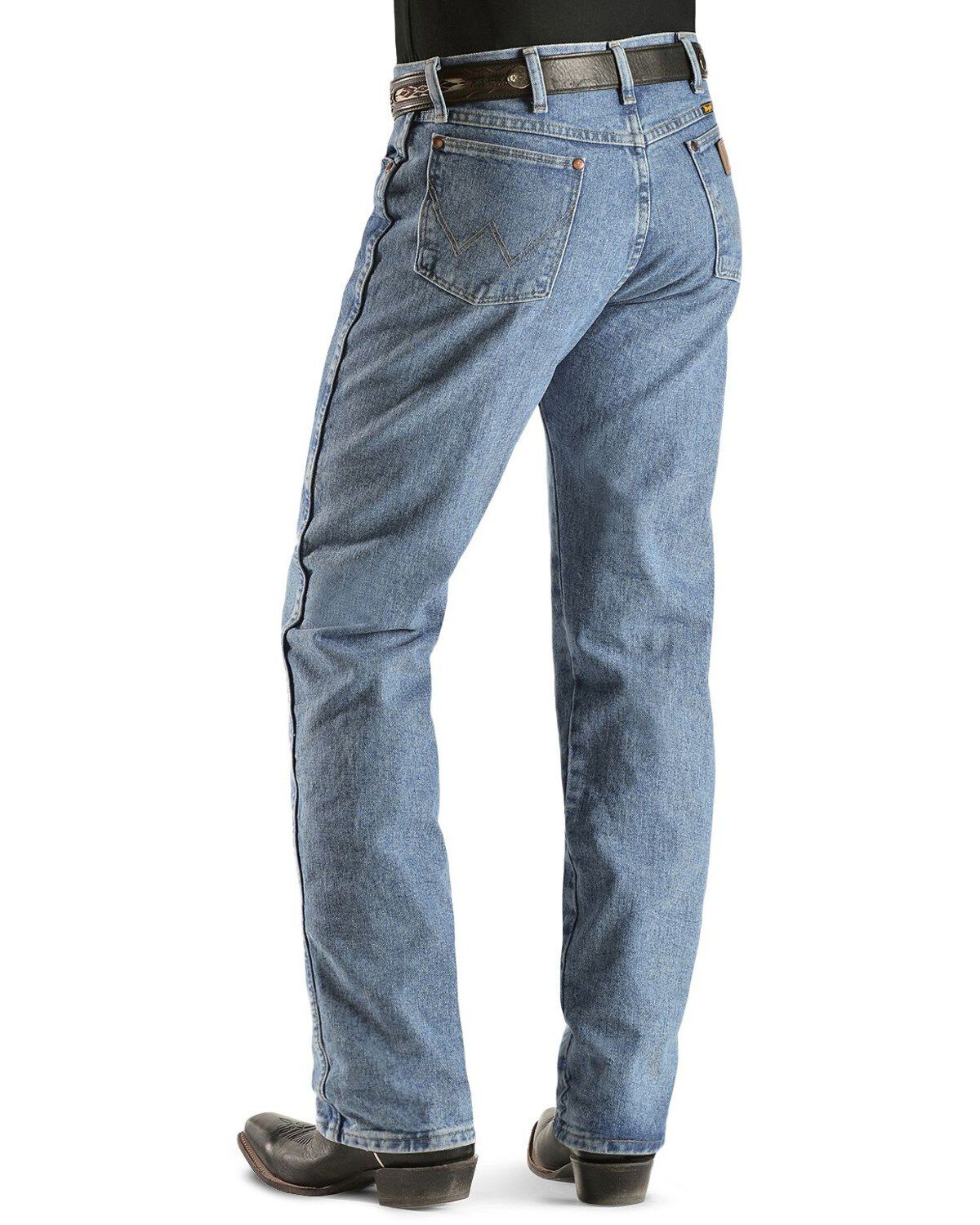
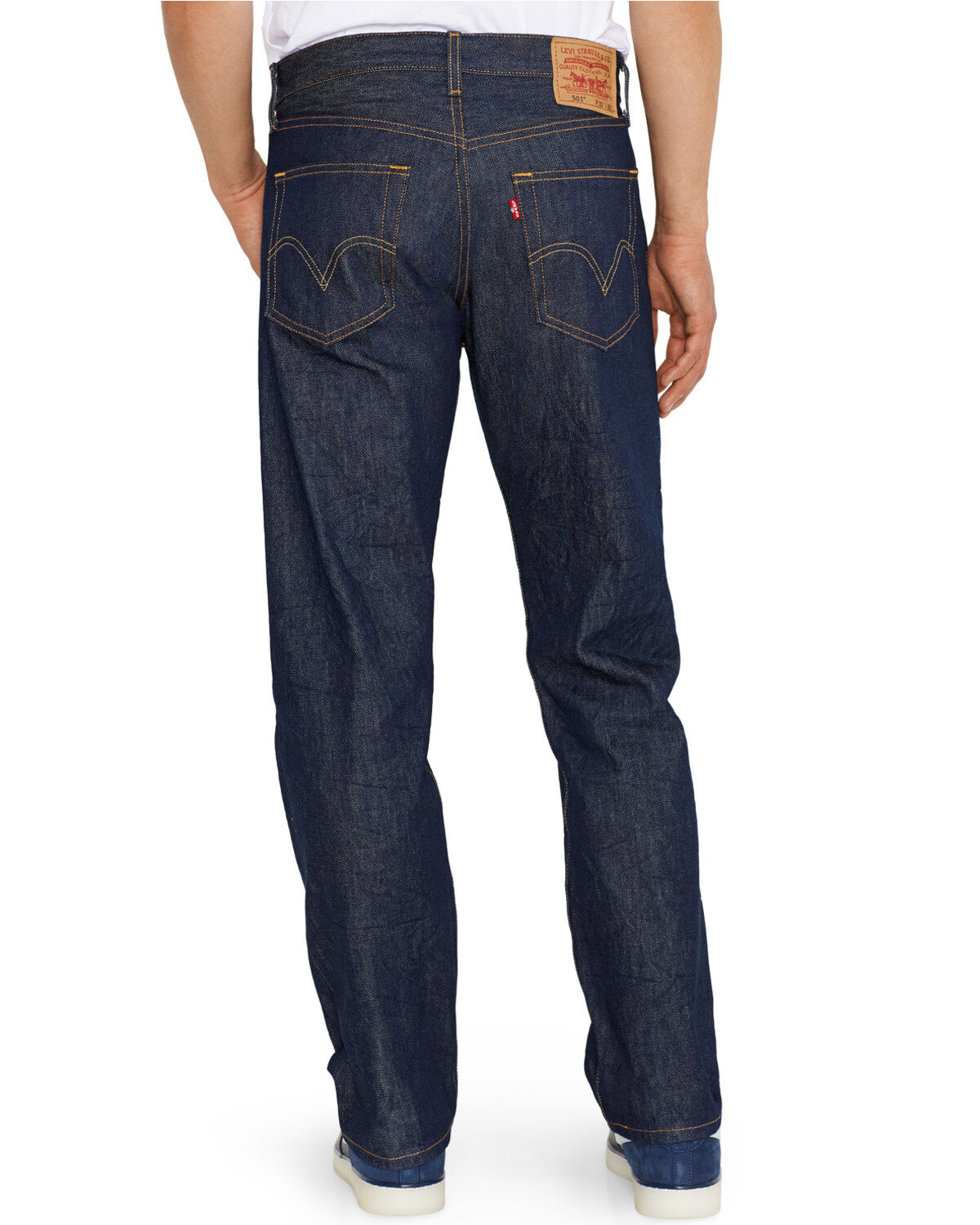
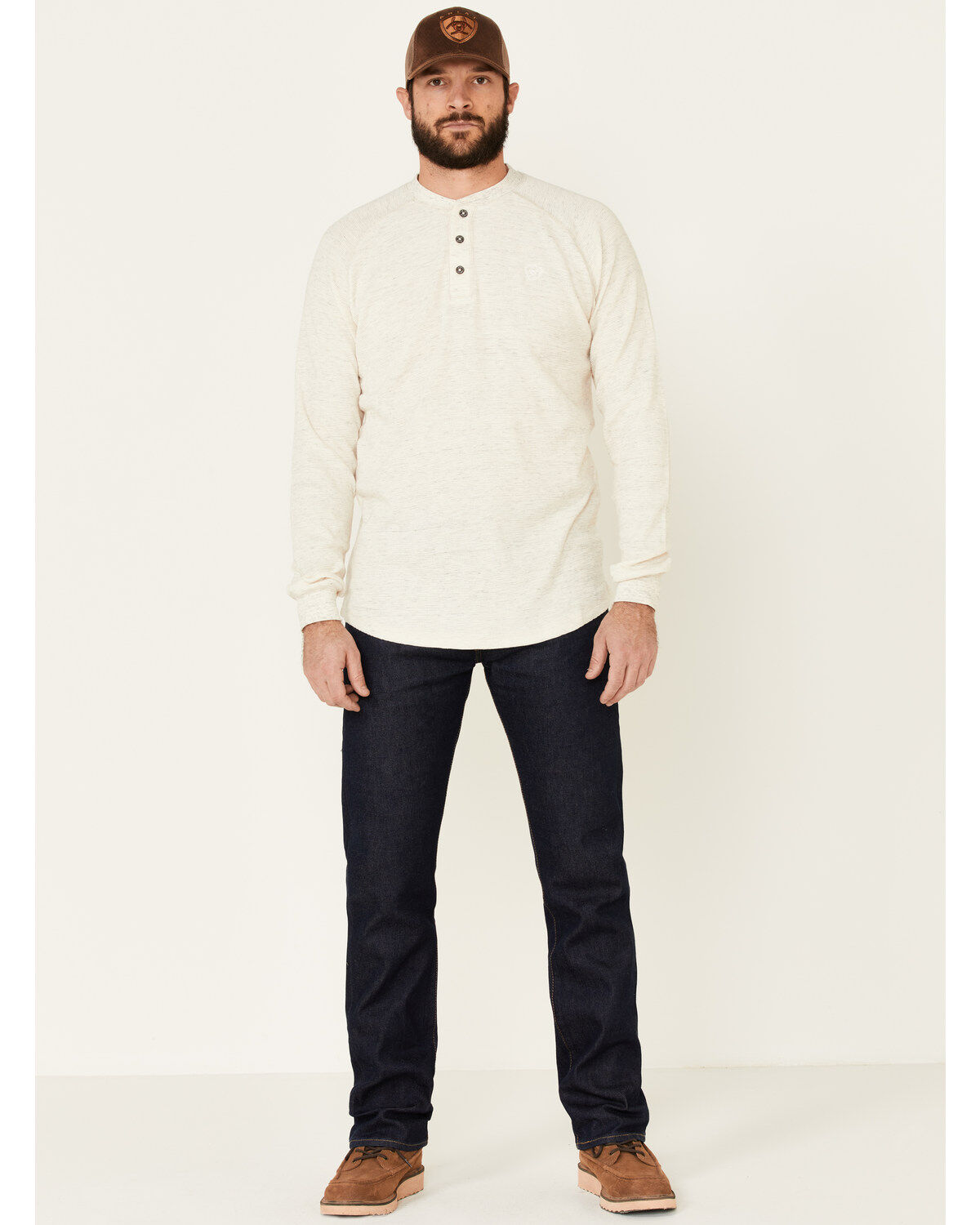
Looking for durable and tough jeans that can keep up with your active lifestyle? Our collection of rigid jeans is designed to withstand the rigors of everyday... wear while maintaining a classic Western look. Crafted from high-quality denim, these jeans offer both style and functionality, making them a must-have addition to any cowboy or cowgirl's wardrobe. Whether you're working on the ranch or hitting the town, our Rigid Jeans will provide you with the comfort and durability you need to tackle any task with confidence.
Read more
Rigid Jeans
Looking for durable and tough jeans that can keep up with your active lifestyle? Our collection of rigid jeans is designed to withstand the rigors of everyday... wear while maintaining a classic Western look. Crafted from high-quality denim, these jeans offer both style and functionality, making them a must-have addition to any cowboy or cowgirl's wardrobe. Whether you're working on the ranch or hitting the town, our Rigid Jeans will provide you with the comfort and durability you need to tackle any task with confidence.
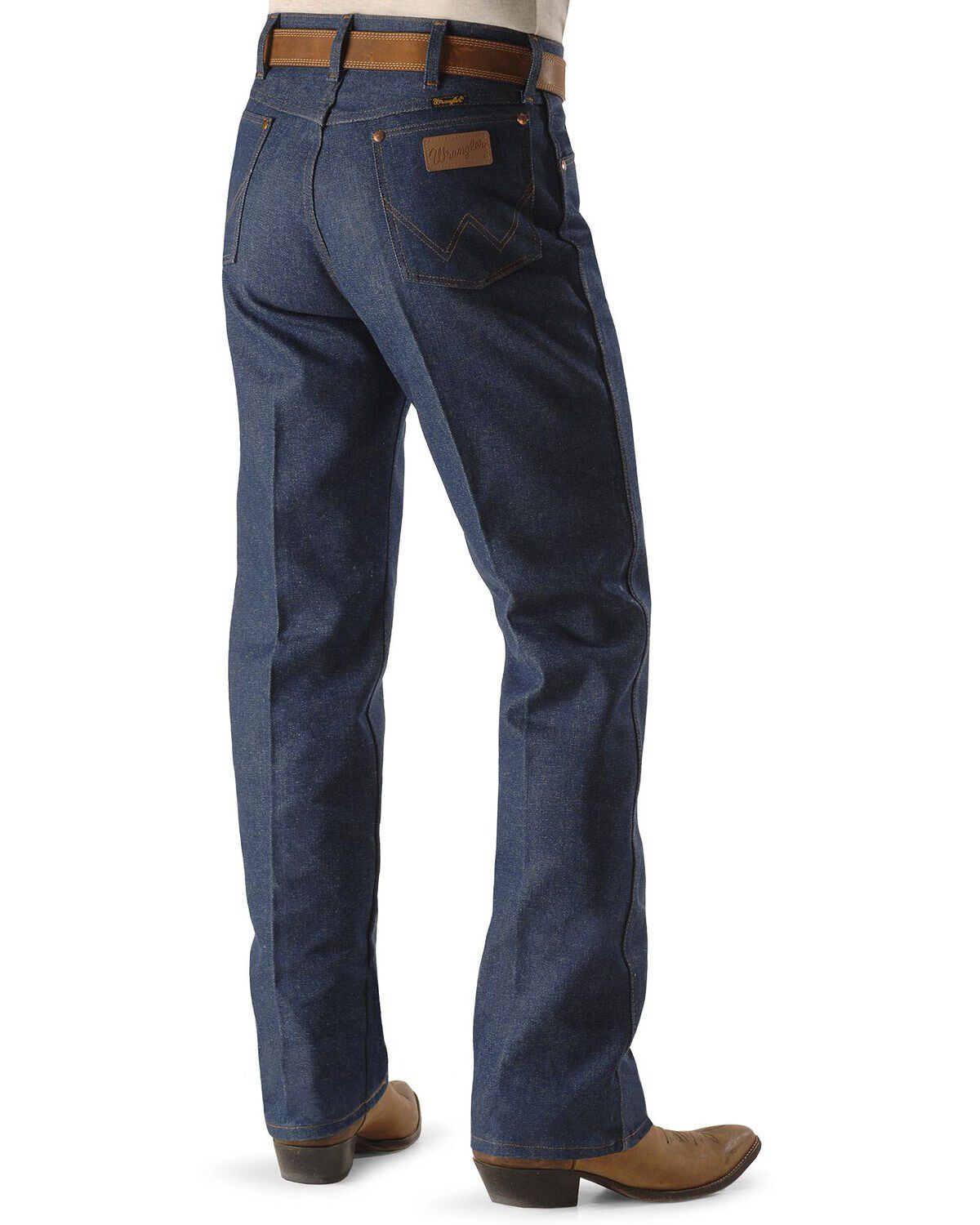
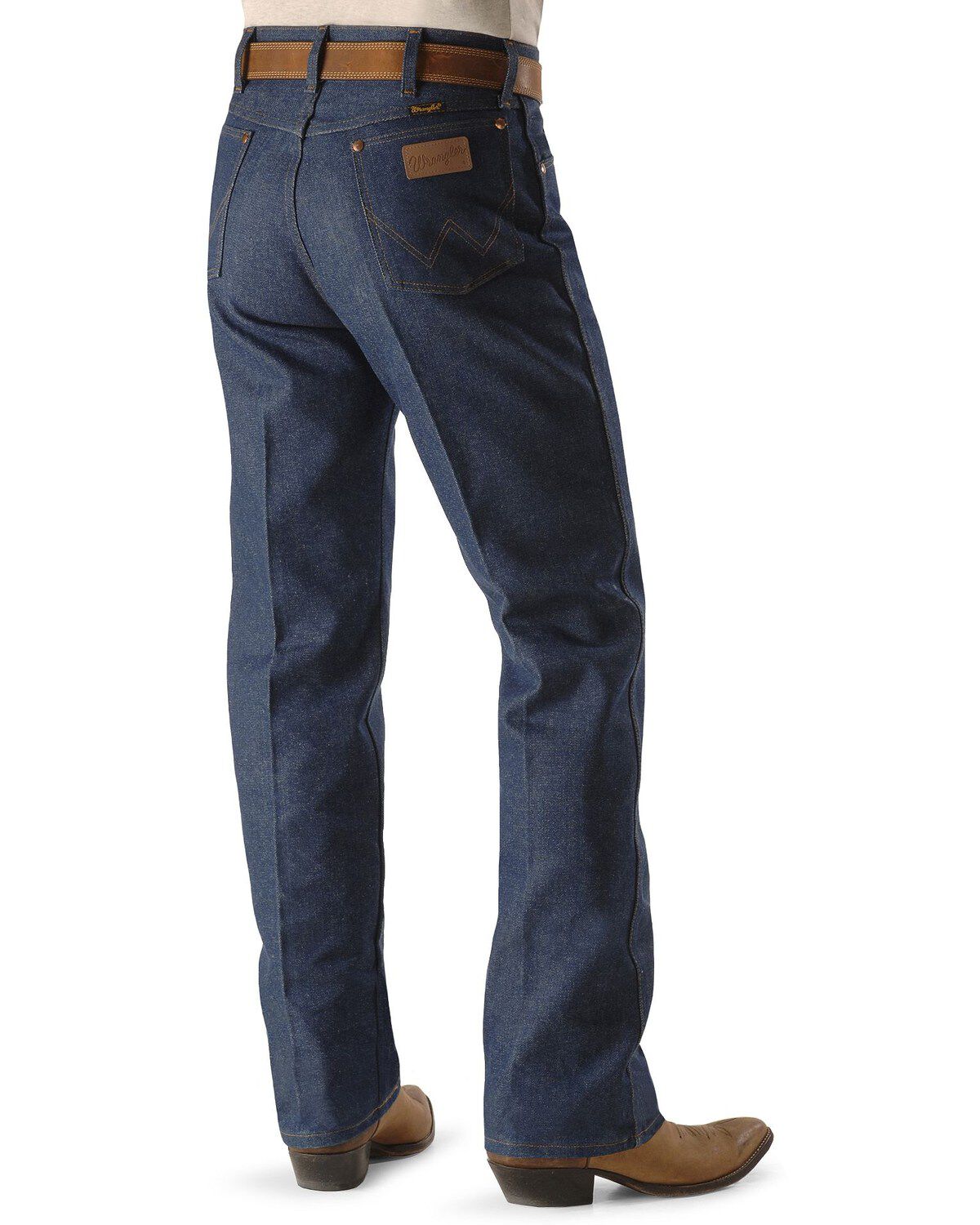
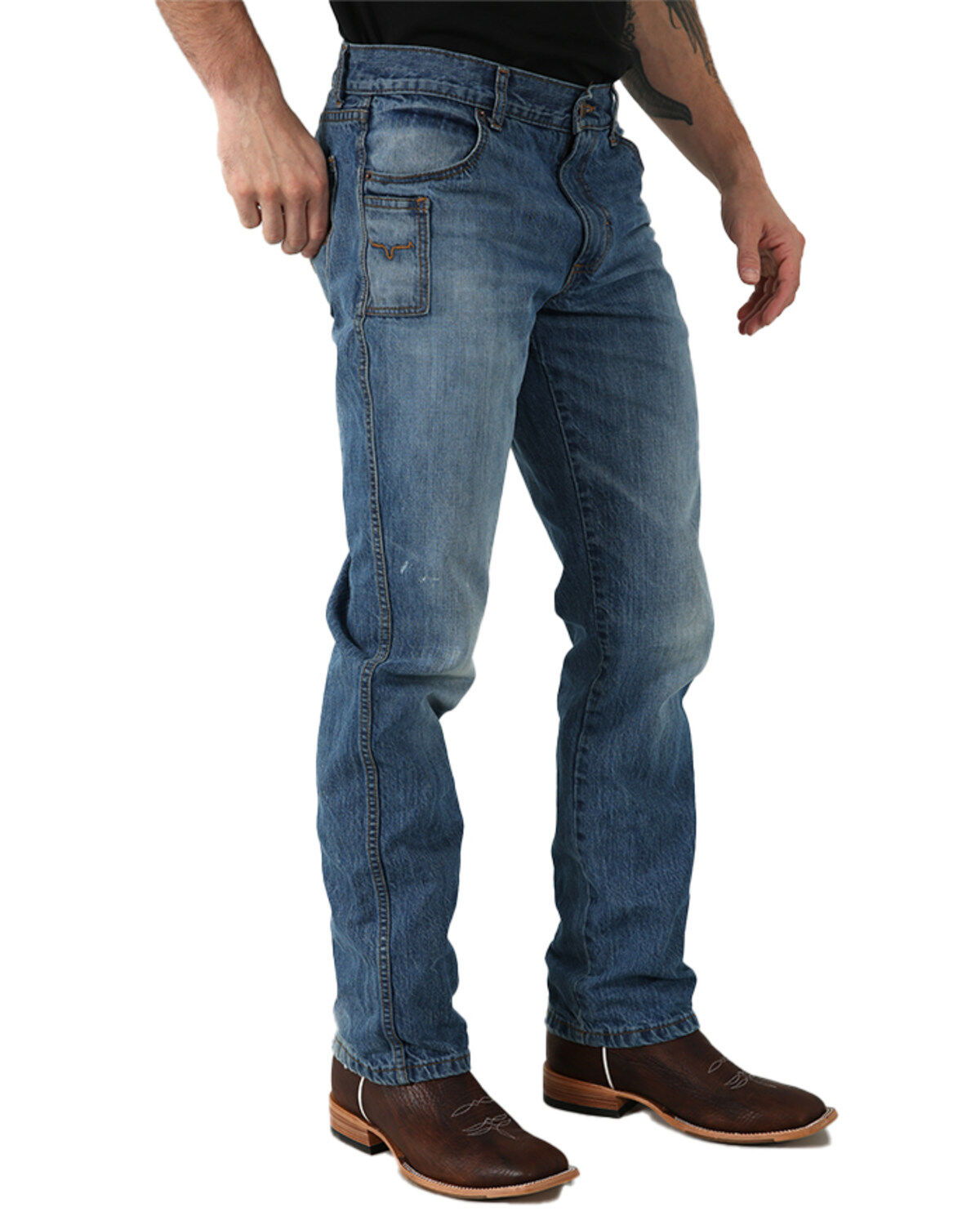
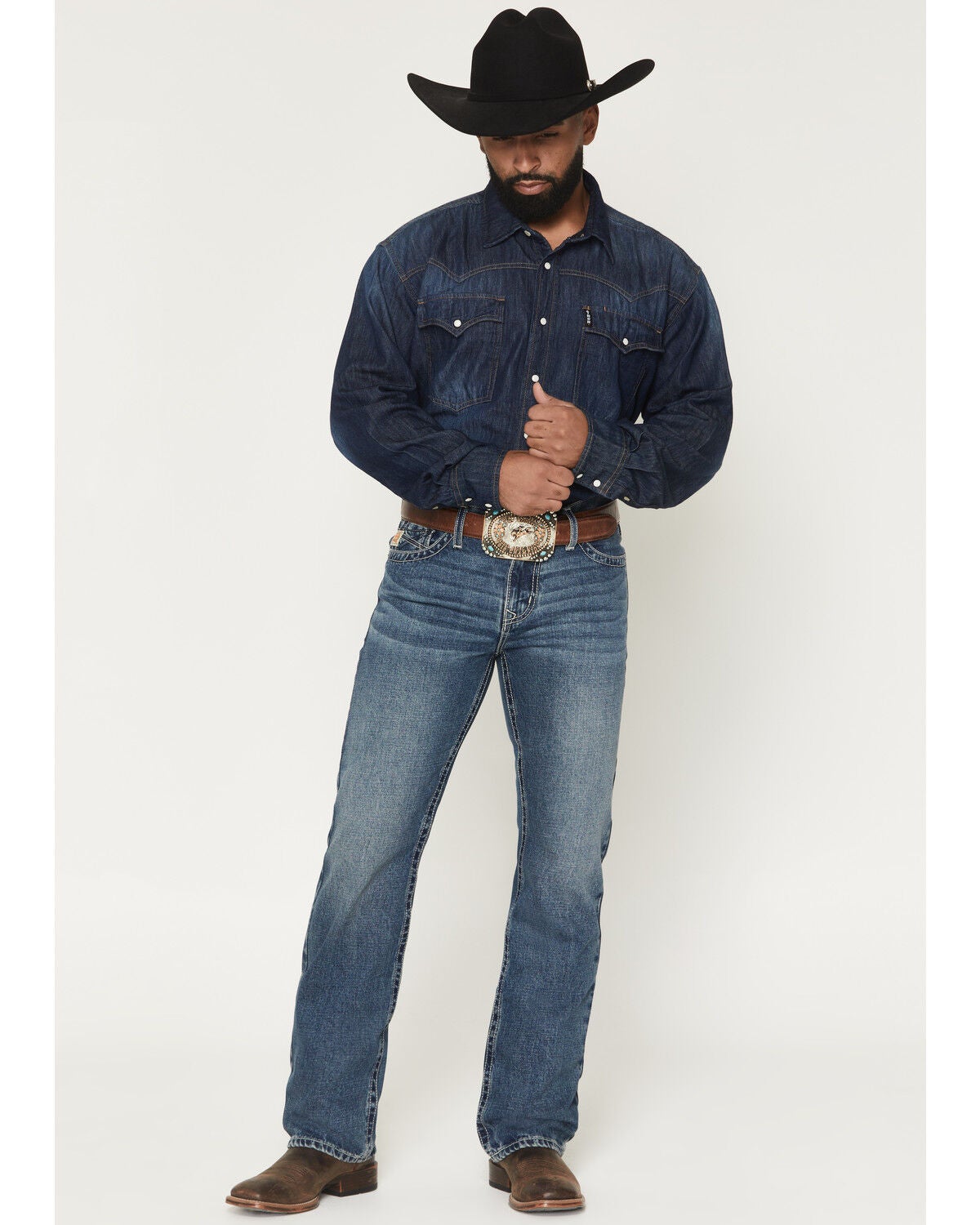
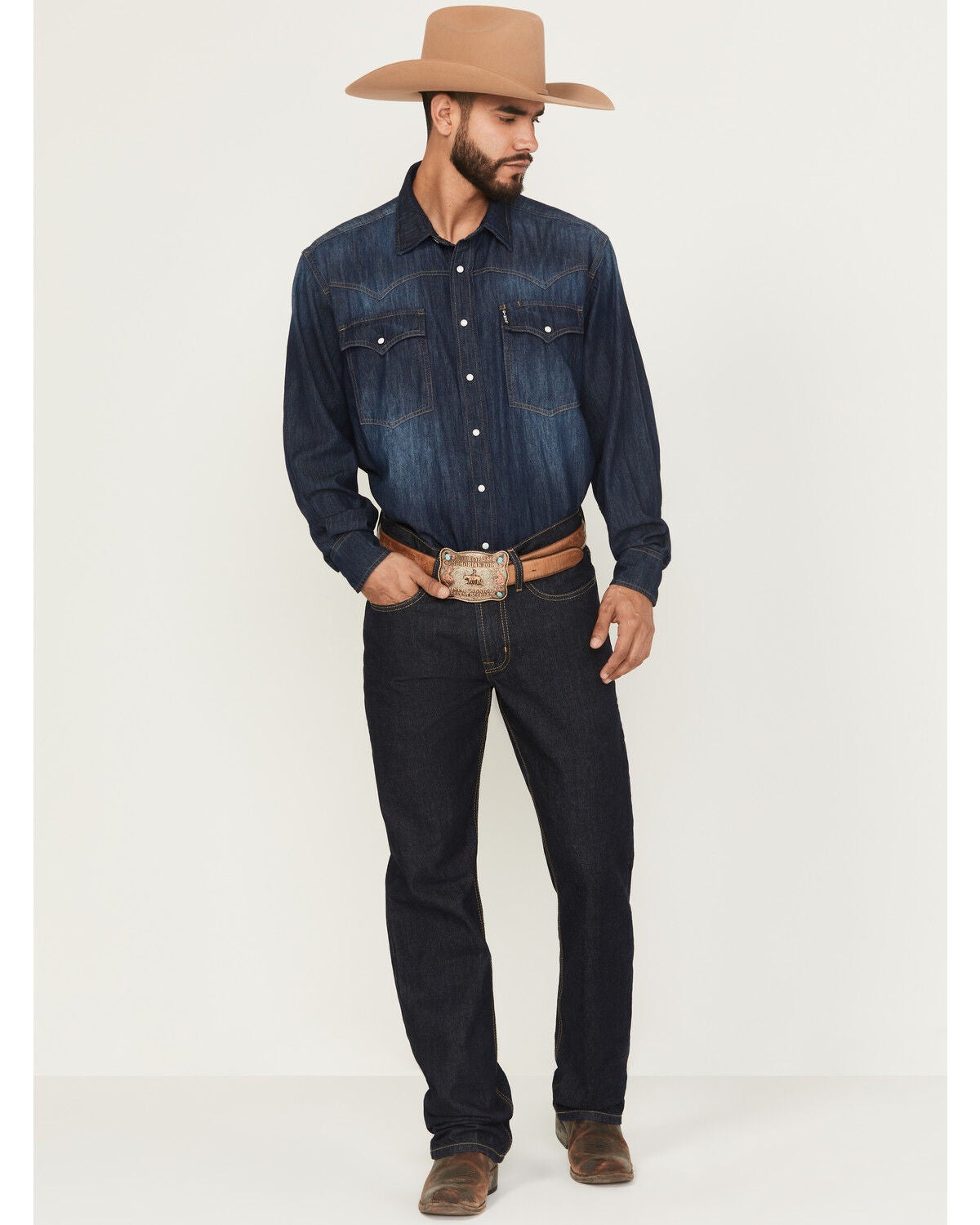
Rigid jeans are non-stretch denim pants, typically made from 100% cotton without elastic fibers such as spandex or elastane. Their firm construction gives them a structured shape and a substantial feel that sets them apart from stretch denim. Rather than flexing immediately with every movement, the fabric gradually softens and settles around the wearer through regular use. That break-in is part of the appeal: creases develop behind the knees, the seat relaxes slightly, and areas of repeated friction can fade with time. Rigid denim has deep roots in workwear and western clothing, where sturdy fabric, practical pockets, and dependable construction matter. It also fits naturally into an everyday wardrobe, whether paired with a tucked-in western shirt, a plain cotton T-shirt, or a heavier overshirt during the cooler months. Rigid and raw denim are related terms, but they do not mean exactly the same thing. Rigid refers to the absence of stretch, while raw generally describes denim that has not been washed after dyeing. Non-stretch jeans can be washed or finished for a softer feel and still qualify as rigid. Some retail descriptions also use rigid to indicate an unwashed finish, so fabric content and finish details provide a clearer picture than the name alone. Dark indigo gives these jeans a clean, traditional appearance, while lighter washes bring out the cotton texture and the contrast along seams. The familiar five-pocket design keeps small essentials close, and a defined leg shape works well with western boots, work boots, or casual shoes when the opening provides enough room. For shoppers drawn to Classic Jeans, rigid denim offers that same straightforward character with a firmer feel. Its appeal lies in the balance of structure and gradual wear, with denim that develops its own pattern of creases and fading rather than relying on added stretch for comfort.
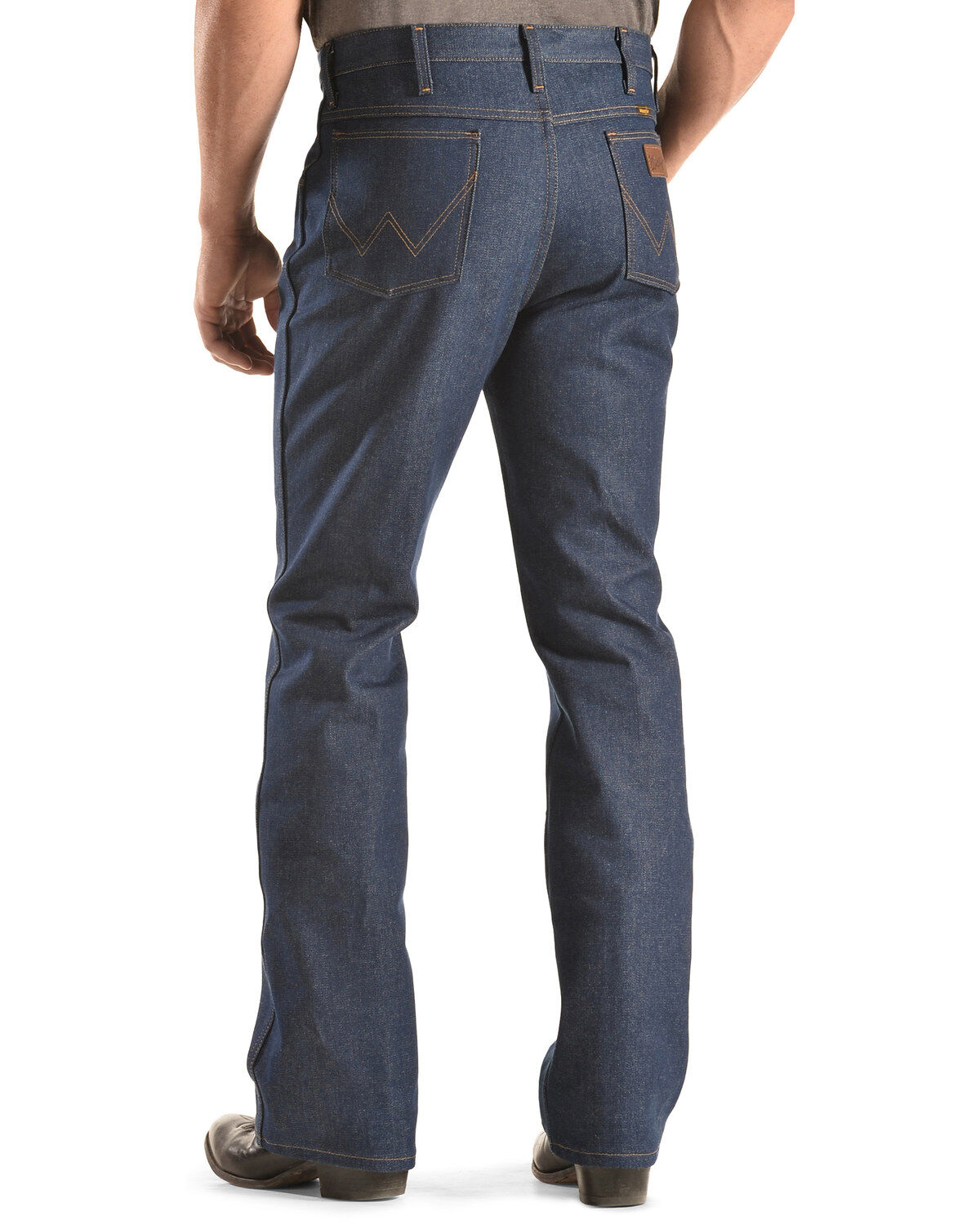
Fit matters especially with rigid jeans because the fabric offers less give when sitting, bending, or climbing into a truck. A comfortable waist should stay in place without digging in, and the seat and thighs need enough room for normal movement from the first wear. Some relaxation is expected, but a pair that pinches sharply or restricts a full step should not depend on break-in alone to fit properly. Slim cuts hold closer through the leg, straight cuts maintain a more consistent line, and relaxed fits provide extra room where it often matters most during active days. A bootcut widens toward the hem, creating space over a boot shaft without requiring extra width throughout the thigh. The cut name is only a starting point, since measurements and proportions vary. Rise affects where the waistband sits and how the jeans feel while seated; a higher rise may provide more coverage when bending, while a lower rise rests farther down the hips. Inseam and leg opening also shape the finished look. A hem that rests neatly over a shoe will sit differently over a tall western boot, and too much length can drag under the heel and wear through. Trying jeans with the footwear intended for them gives a more useful sense of length than checking them barefoot. Fabric weight adds another consideration. Heavier denim often feels firmer and provides more substance for cooler days or repeated contact with rough surfaces, while lighter rigid denim offers a less bulky option without introducing stretch. Weight alone does not determine strength; yarn quality, weave, stitching, and reinforcement all contribute. For men and women who prefer a defined silhouette, rigid cotton denim can hold a clear line through the leg without clinging. For someone spending long hours driving, working around a property, or moving between indoor and outdoor tasks, adequate room through the hips and knees may matter more than a close fit.
Care has a direct effect on how rigid jeans fit, feel, and wear over time. Cotton denim can shrink, especially with heat, and the amount depends on the fabric treatment and washing method. Preshrunk denim is treated to limit shrinkage, though some dimensional change may still occur. Unsanforized denim has not received that particular shrink-control treatment and can change size more noticeably after washing. The care label and fit information should guide expectations rather than a blanket rule about sizing up or down. Washing when the jeans are dirty, using the recommended water temperature, and avoiding unnecessary high heat help manage wear without turning denim care into a complicated routine. Turning dark jeans inside out can reduce surface abrasion in the wash, and washing them with similar colors helps protect other clothing from loose dye. Deep indigo may also transfer onto light upholstery, pale leather, or other fabrics, particularly when new or damp. Air-drying can limit heat exposure, but the garment instructions remain the best reference for the finish involved. Everyday use leaves its marks: pocket edges lighten, hems show friction from boots, and folds take shape across the lap. Those changes are normal, although thinning fabric, loose seams, and worn pocket corners deserve attention before a small repair turns into a larger one. Strong cotton denim can be patched or reinforced, but no pair is immune to abrasion. Rigid jeans suit yard work, casual riding, workshop tasks, and everyday wear when the fit allows the movement involved. Ordinary denim is not a substitute for required flame-resistant clothing or other protective work gear. During cooler months, a roomier cut can also accommodate a light base layer without crowding the waist and thighs. As a gift, rigid jeans are a practical choice for someone who already favors non-stretch denim, particularly when their preferred measurements, rise, and leg shape are known. The lasting value is straightforward: a useful pair of jeans with a firm foundation, a familiar look, and a feel that grows more personal with wear.

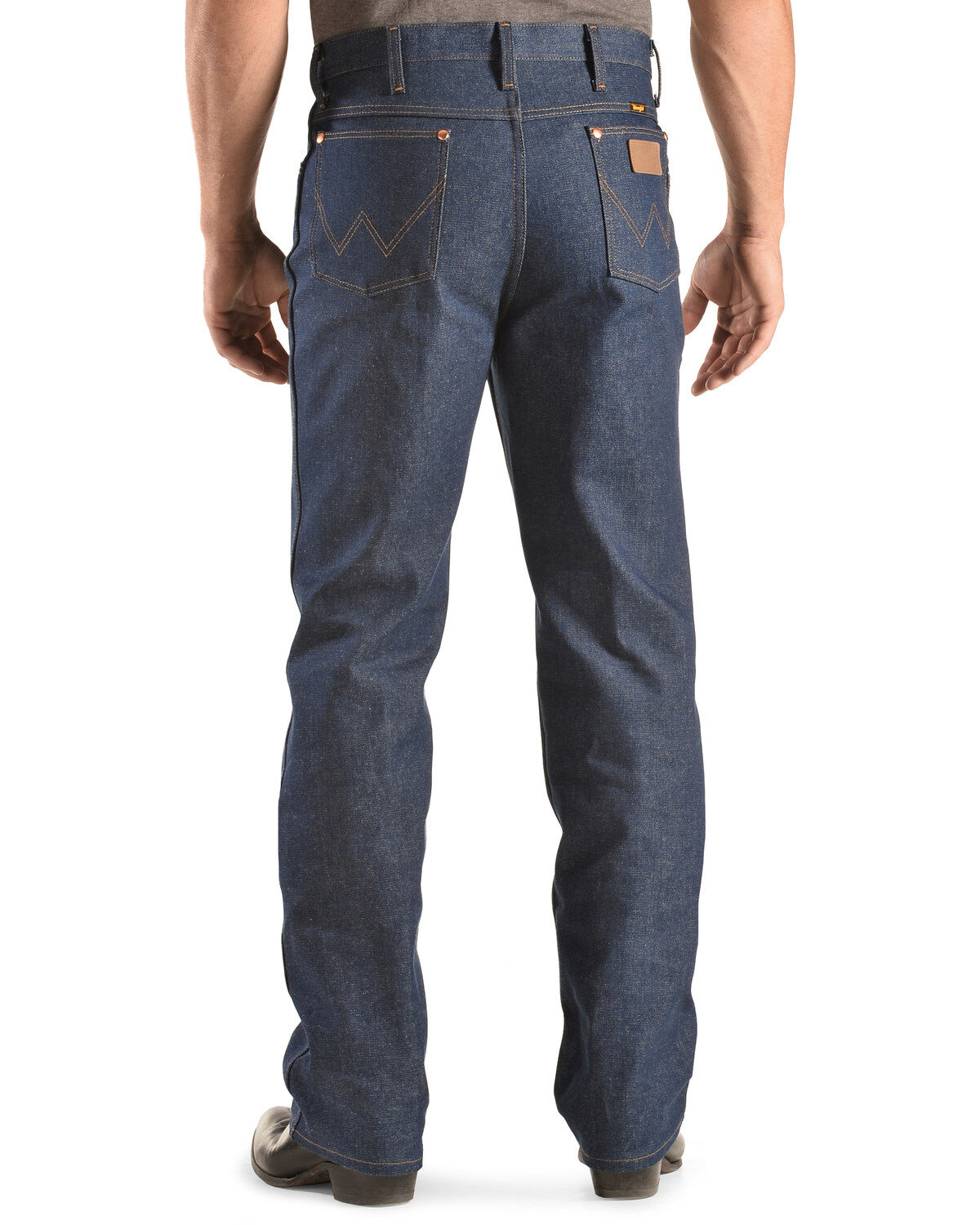
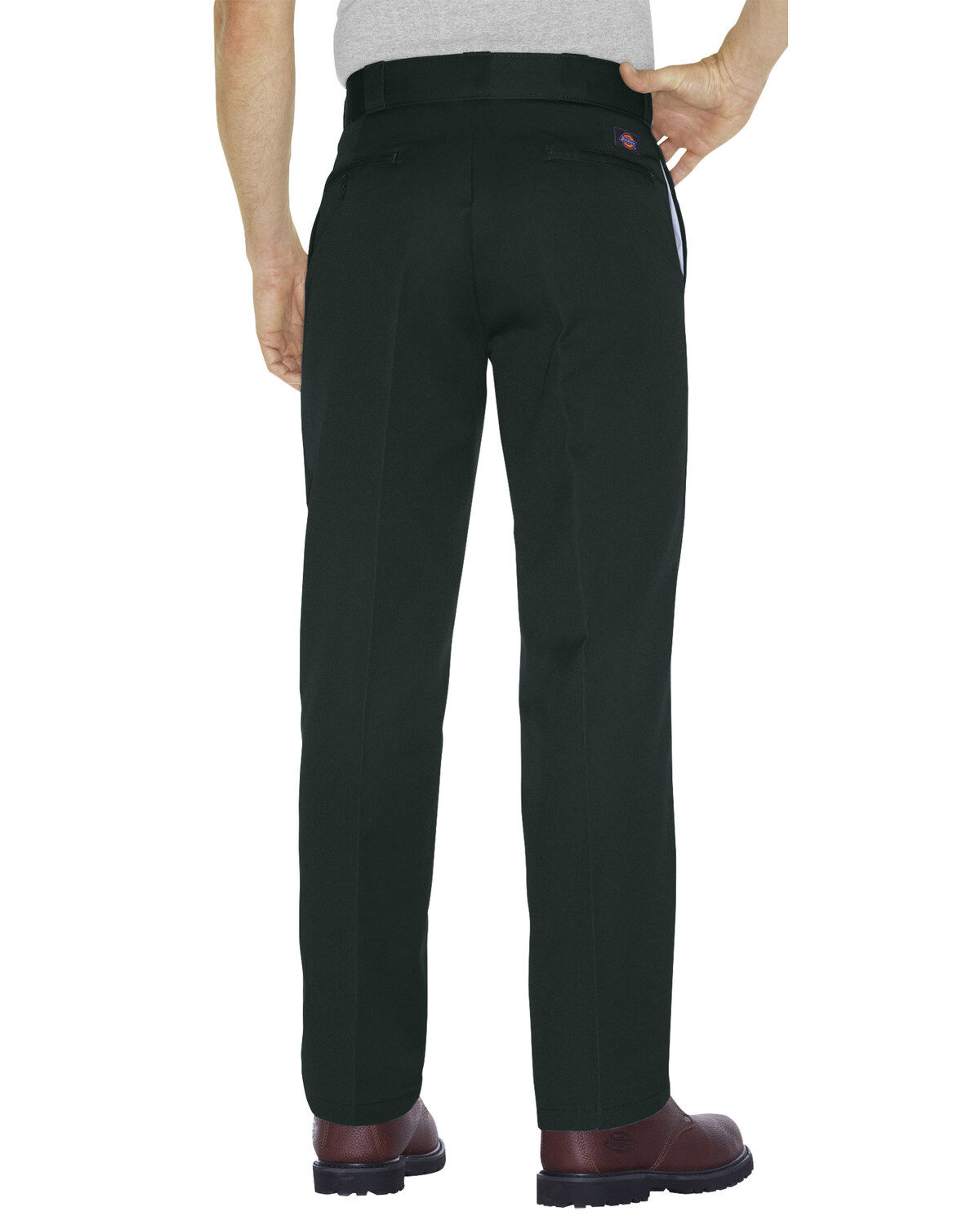 $29.99
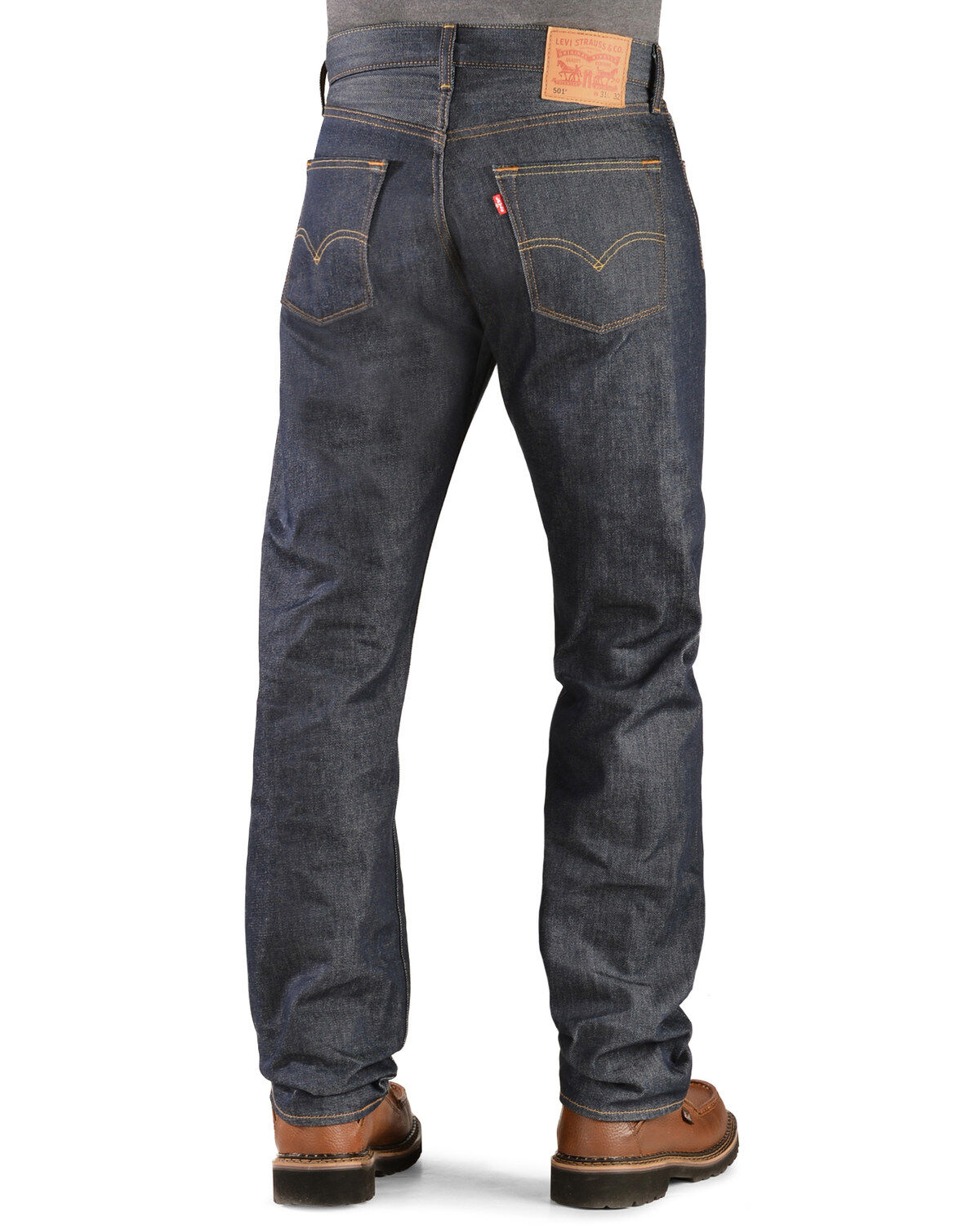 $74.99
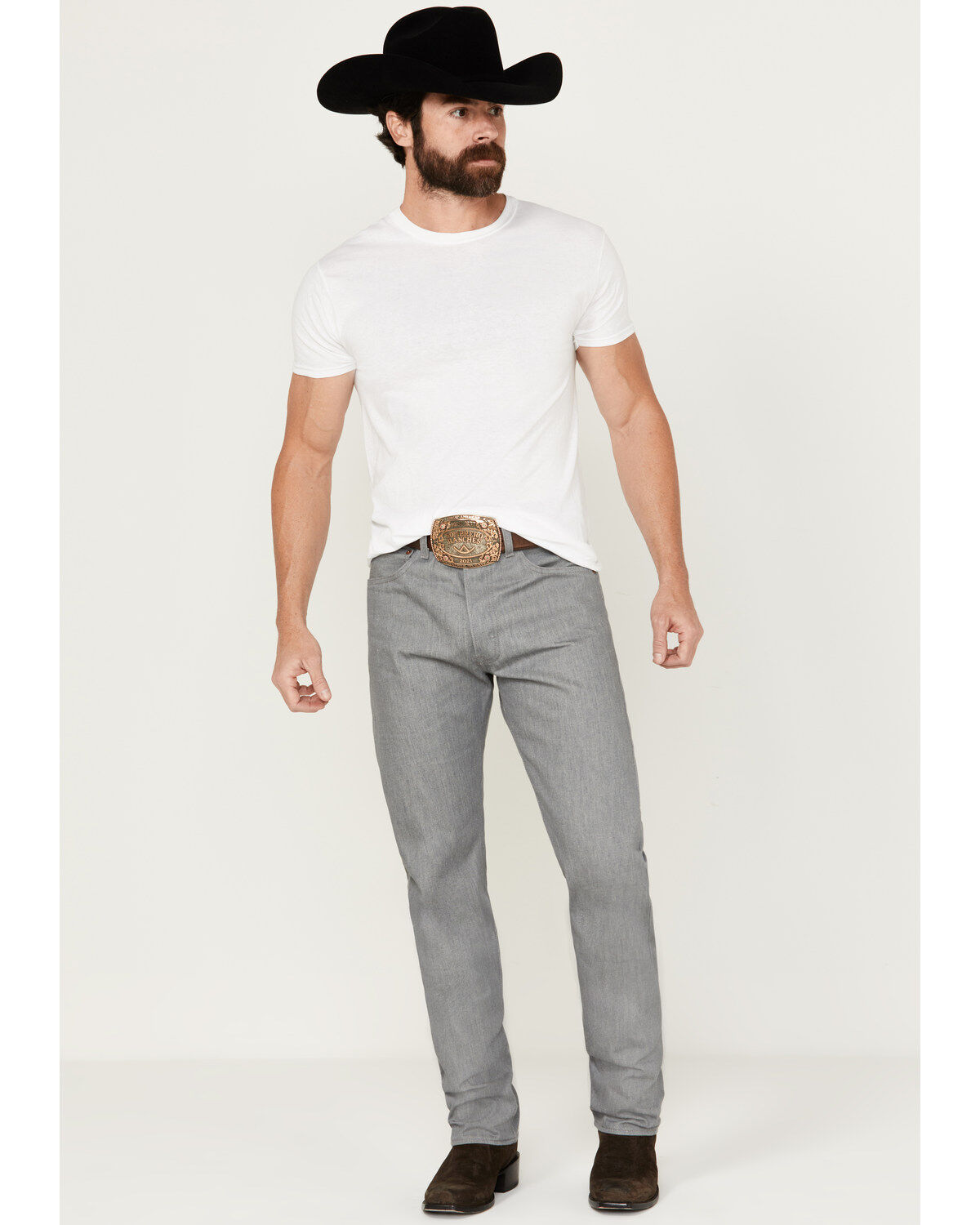 $74.99
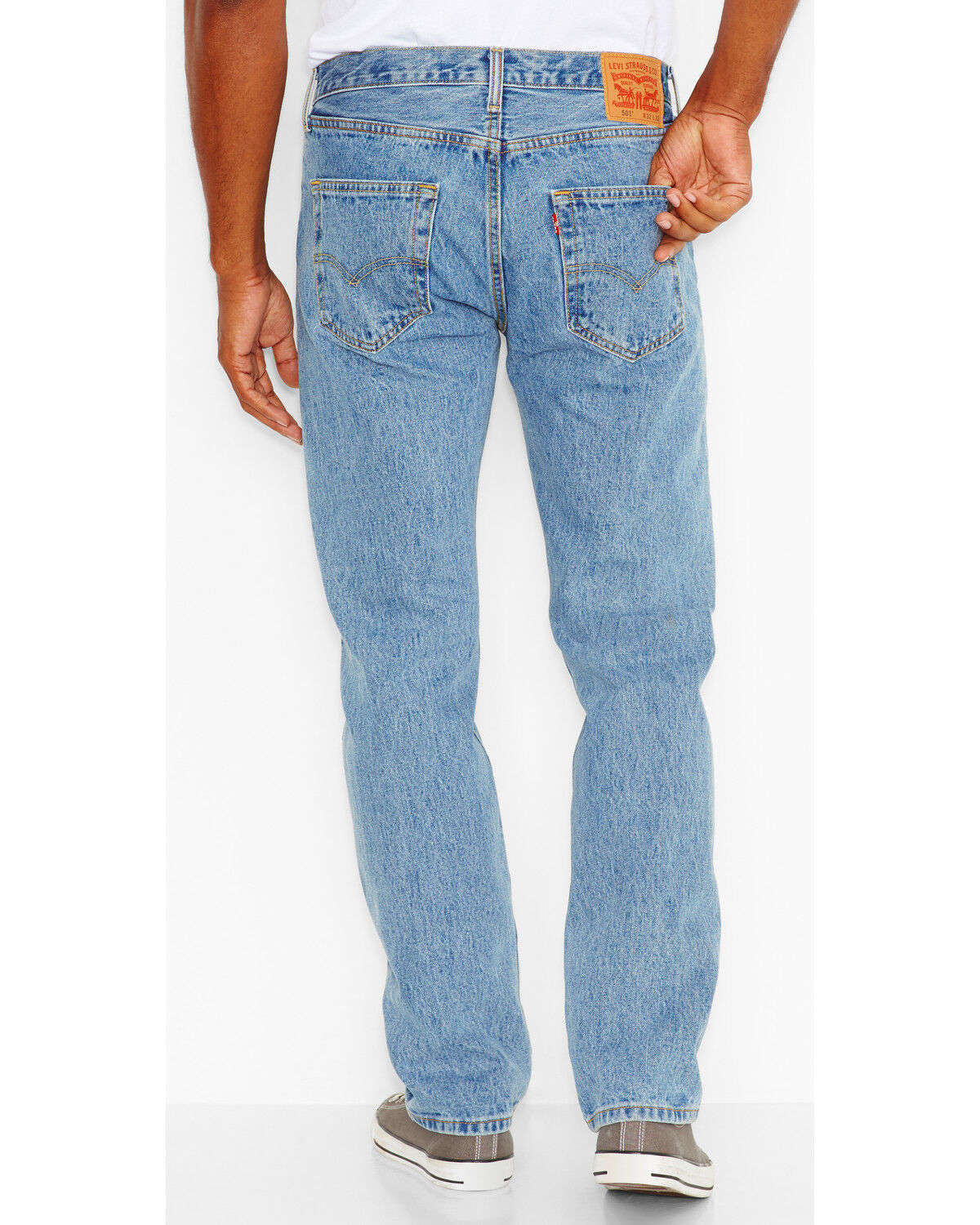 $69.99
 $69.99