Rancher Shirts

Shop rancher shirts for everyday western wear, paired with jeans and boots. Browse the available selection and compare sizing and design details to find a shirt that suits your style and fits your routine.

Read More

Shop Your Store: Shop Your Store: Find a Store

(Turn off Shop Your Store to see all items)

(Turn off Shop Your Store to see all items)

close
  • Recommended
  • Lowest Price
  • Highest Price
Skip pass products
  • Men's Blue Ranchwear Twill Long Sleeve Work Snap Shirt
    Original Price $54.99 $36.97
    33% Total Savings
  • Men's RANK 45 Bulldogger Dobby Geo Button-Down Western Shirt
    Original Price $54.99 $36.97
    33% Total Savings
  • Men's RANK 45 Rampage Geo Long Sleeve Button-Down Western Shirt
    Original Price $59.99 $34.97
    42% Total Savings

End of products

Rancher Shirts

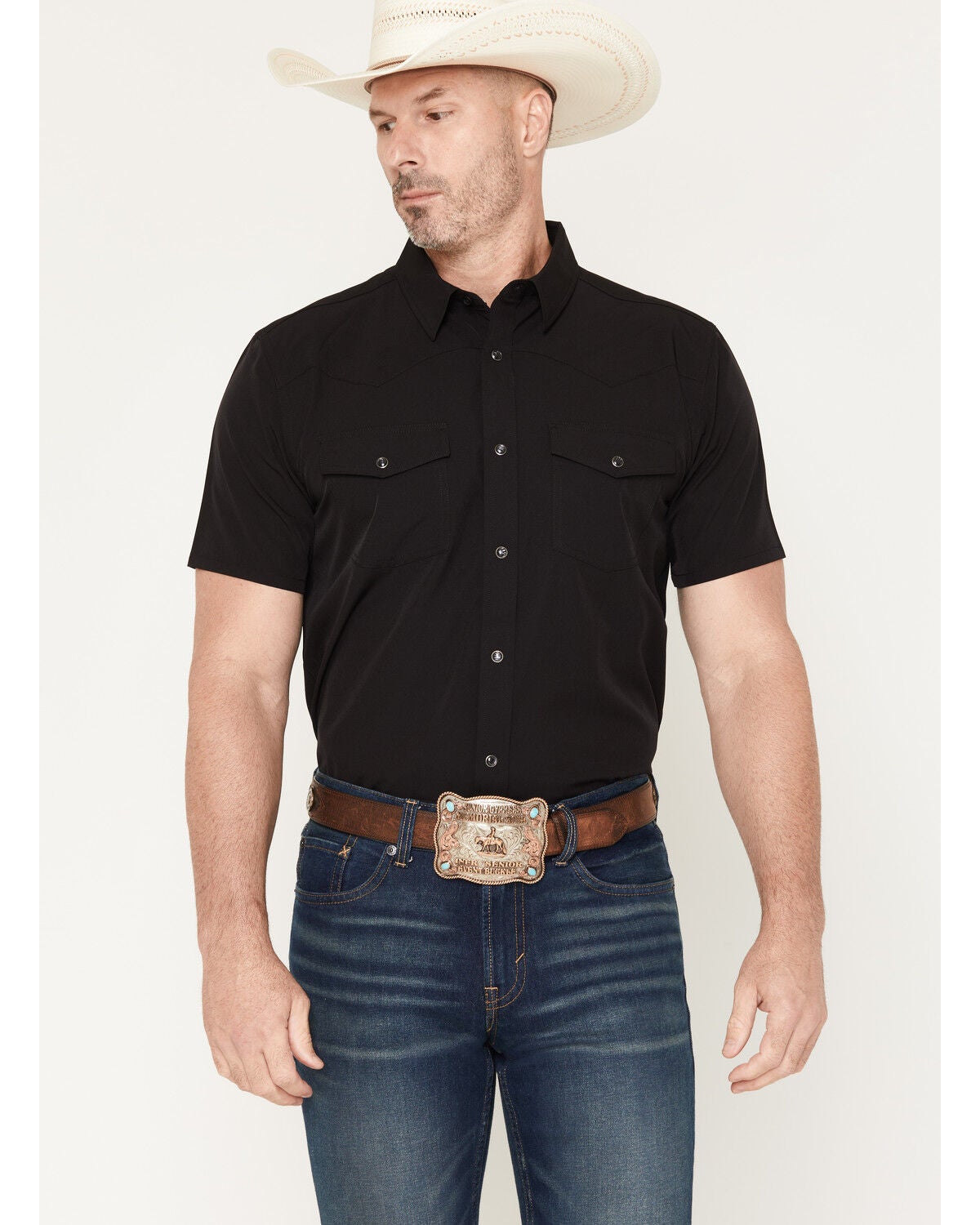
Rancher shirts are button-front or snap-front western shirts designed for ranch work, horseback riding, and everyday wear. Their defining details often include a pointed collar, front and back yokes, chest pockets, and cuffs that fasten at the wrist. Some lean toward a traditional western look with shaped pocket flaps and decorative stitching. Others keep the design straightforward, with clean lines and little ornament. The common purpose is a shirt that fits the demands of a working day without looking out of place afterward. Fabric makes a substantial difference in how that shirt feels and wears. Cotton is a familiar choice for its softness and breathability, while cotton blends can offer easier care, stretch, or improved resistance to wrinkles, depending on their construction. Denim, twill, chambray, and plain-weave fabrics each bring a different feel. Denim generally has more substance, though its weight varies. Twill has a diagonal weave and often provides a good balance of flexibility and durability. Chambray can deliver the appearance of denim in a lighter fabric, making it useful when a less substantial shirt is preferred. A smooth plain weave offers a crisp appearance that works well beyond the ranch. Fabric weight matters as much as the fabric name: two cotton shirts can feel very different in hand and perform differently through repeated wear. Heavier cloth may suit chores that put more abrasion on sleeves and elbows, while lighter cloth can allow easier movement and a less bulky tuck. Neither is automatically the better choice. The right construction depends on the task, the fit, and the amount of wear expected. Reinforced seams, secure pocket stitching, and well-attached closures are useful details to look for in a working shirt. Those small construction choices matter when reaching across a fence, handling tack, or carrying feed puts the same parts of a garment under strain day after day. A rancher shirt can also be part of a western wardrobe for someone whose work takes place far from a barn.

Fit determines whether those details are useful in practice. A ranch shirt should leave enough room across the shoulders and upper back to reach forward without pulling hard at the placket or armholes. At the same time, excess fabric through the body can bunch under a belt or interfere with a clean tuck. Shoulder seams should generally sit near the edge of the shoulder unless the shirt is intentionally cut with a different shape. A trim fit offers a closer outline, while a relaxed fit provides more room through the chest and waist; neither description replaces checking measurements. Sleeve length deserves particular attention for riding and hands-on work. When the arms extend toward reins or a gate latch, the cuffs should not pull far up the forearms. When the arms rest at the sides, the sleeves should not hang so low that they cover the hands. Longer shirttails help a shirt stay tucked through bending and reaching, while a shorter hem may work better for someone who prefers an untucked look. Collar shape and cuff adjustment also affect comfort over a full day. A collar that sits neatly without pressing against the neck is easier to wear fastened, and adjustable cuffs can help control the sleeve opening. Snap fronts offer straightforward fastening and a recognizable western finish. Buttons provide another familiar option, and button-down collar points help keep a collar in place. Pocket layout is worth considering, too. A flap can help retain small belongings, but a chest pocket is not secure storage for everything carried on a job. For work around moving equipment, follow workplace clothing rules rather than relying on fit alone. Ordinary rancher shirts are not a substitute for required protective clothing. Beyond chores, solid colors, stripes, checks, and restrained patterns pair naturally with jeans and boots. A neatly pressed shirt can suit a family gathering, a livestock auction, or a meal in town without requiring a separate approach to getting dressed.

Care has a direct effect on how long rancher shirts remain comfortable and presentable. Start with the care label, since fiber content, dyes, finishes, and decorative details can call for different treatment. Cotton may shrink, and excessive dryer heat can affect fit even when a shirt looked right before its first wash. Blends also need care suited to their fibers rather than assumptions based on appearance. Address dirt and stains before washing when the label permits it, and avoid scrubbing so aggressively that the fabric surface wears thin. Washing with similar colors helps protect the appearance of both solid and patterned shirts. Heavy, rough garments can create extra abrasion in the wash, so separating laundry by fabric weight can be useful. Follow the recommended drying method, then smooth collars, pocket flaps, and plackets before hanging or folding. Iron only at a setting appropriate for the fabric, taking care around snaps, buttons, and trim. A loose button or a small opening in a seam is easier to handle before repeated wear makes it worse. Regular attention to cuffs, elbows, and pocket corners can reveal wear early, especially on shirts used for chores. For a more casual alternative to a collared shirt, Ranch T Shirts offer a different way to dress for everyday routines. Collared ranch shirts remain a practical gift for riders, ranch hands, livestock owners, and anyone who prefers western clothing with a clear purpose. A useful gift starts with the recipient’s actual habits: whether shirts stay tucked, whether chest pockets get used, and whether a close or roomy fit feels right. Checking the measurements of a well-fitting shirt is more dependable than guessing from a size letter alone. Familiar colors and patterns are often easier to wear repeatedly than a design chosen only for its appearance on a hanger. The strongest choice brings fabric, fit, and care requirements into line with the person wearing it, whether that means a shirt for checking pens, spending time in the saddle, or heading into town.
Read More

FAQs