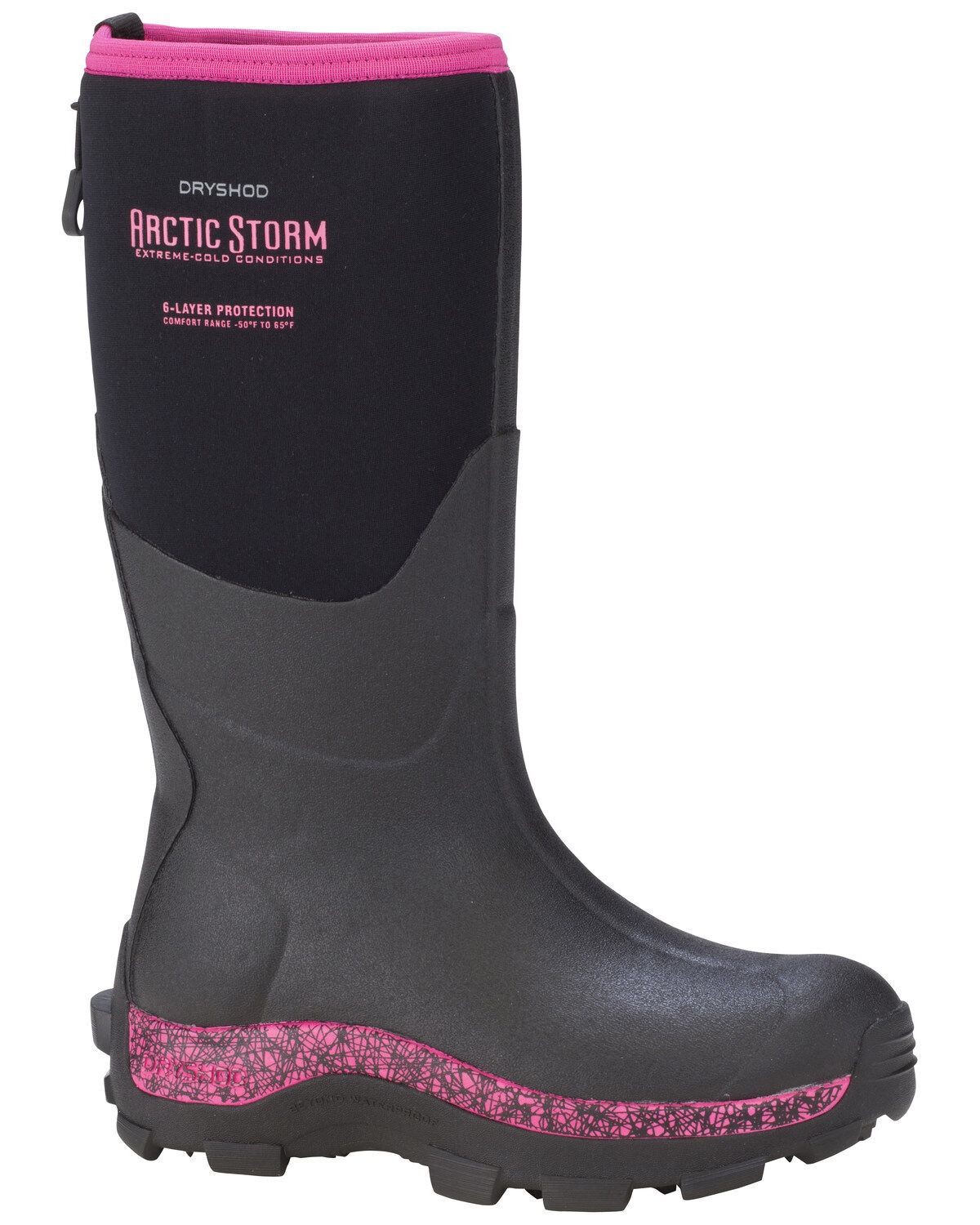
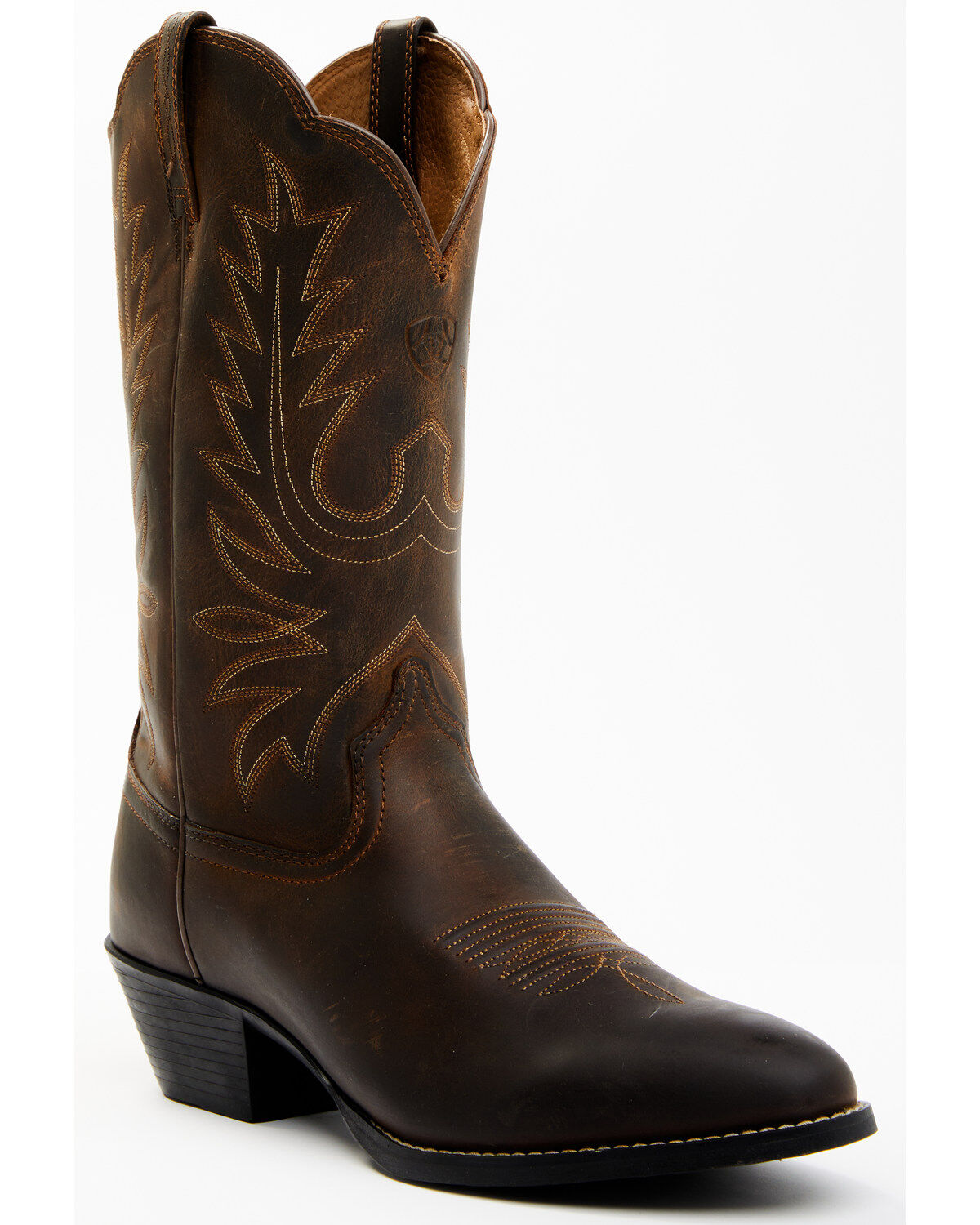
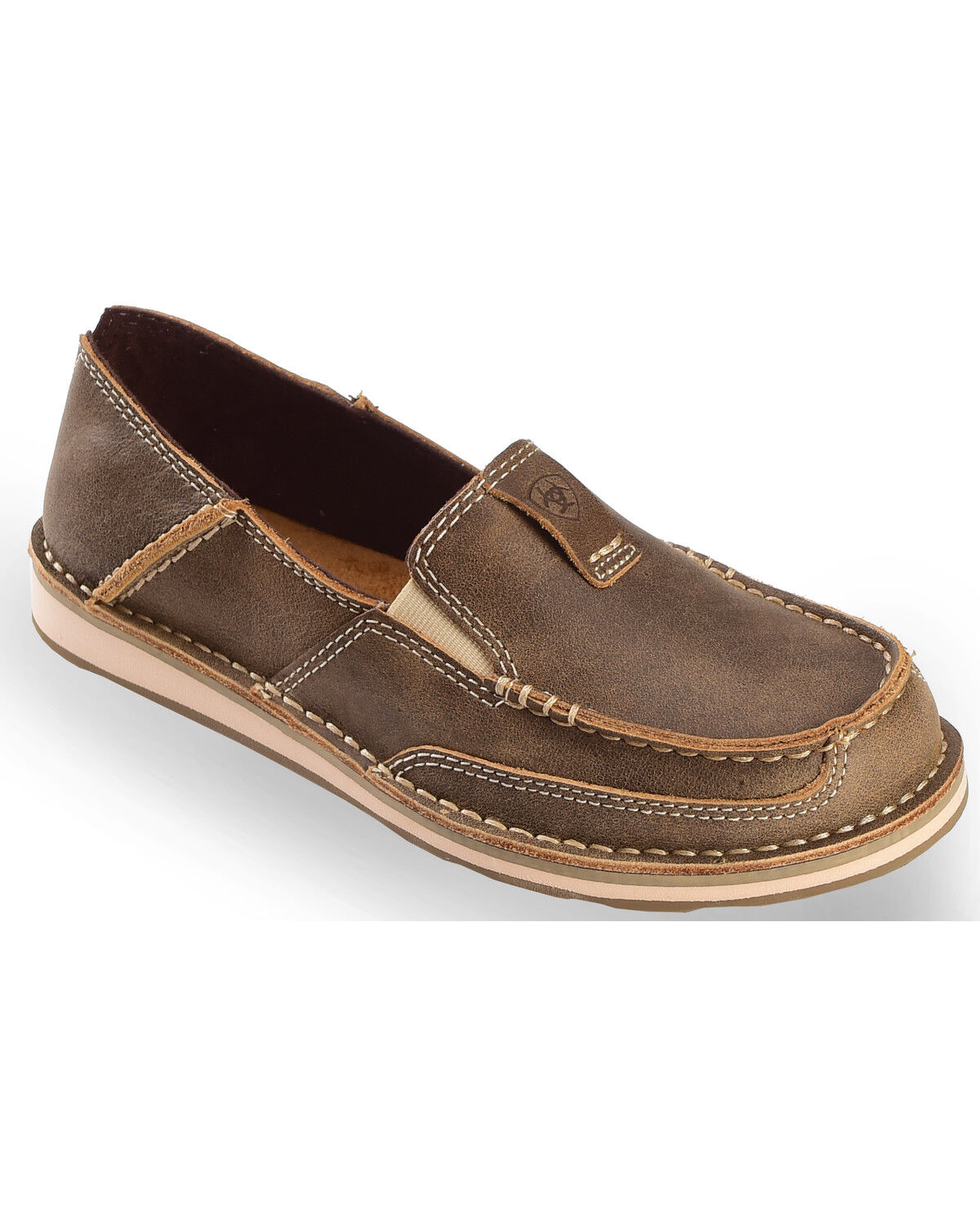
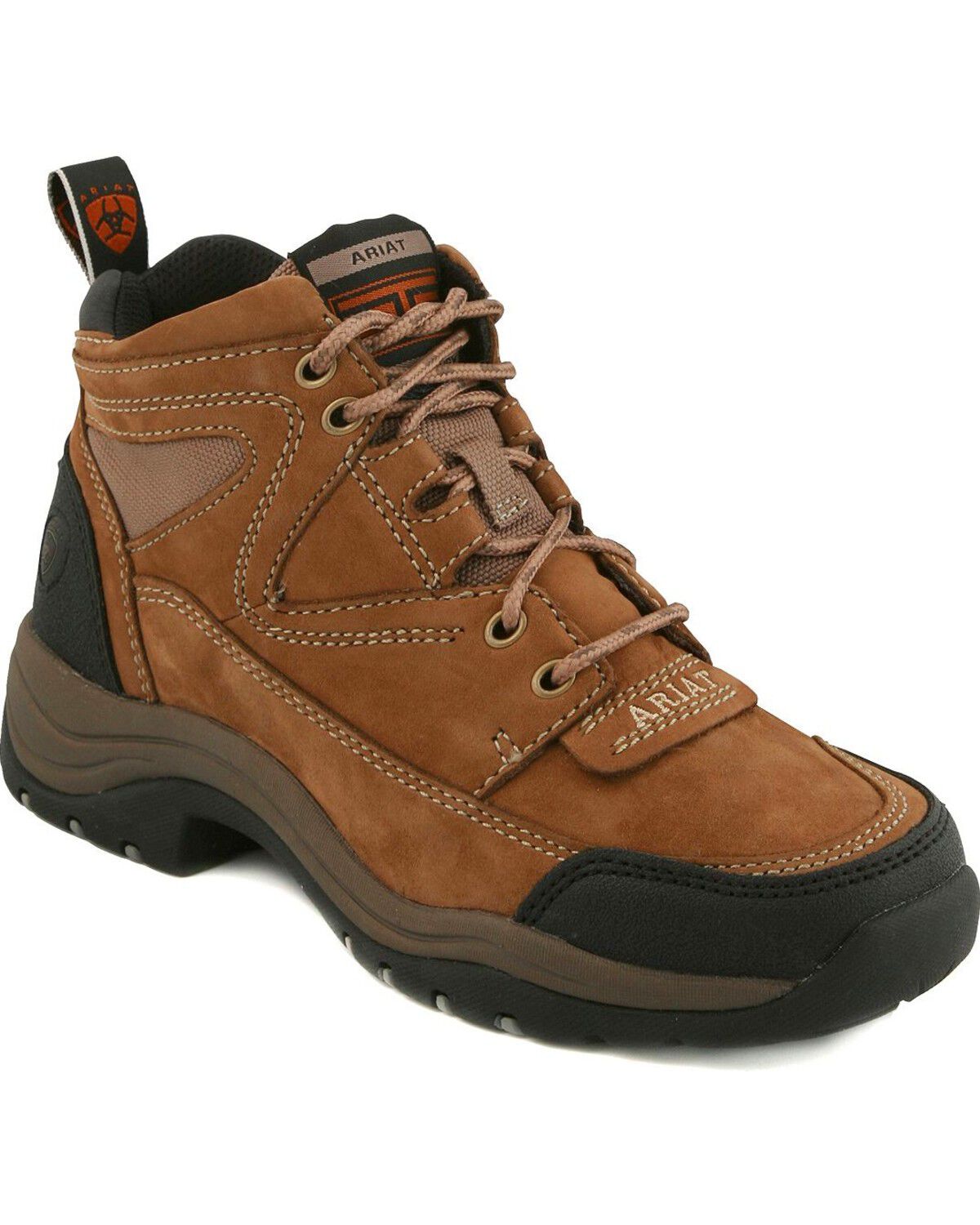
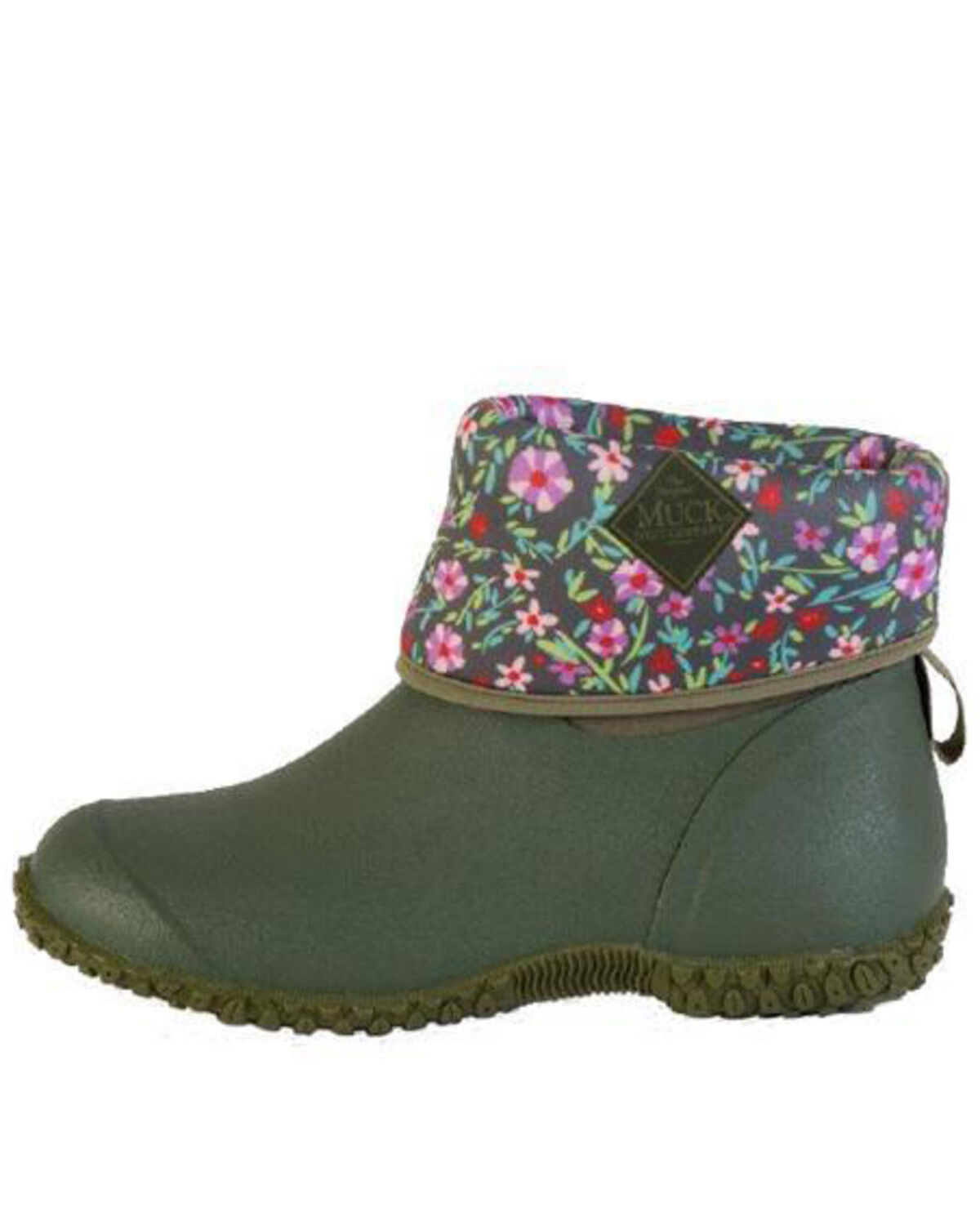
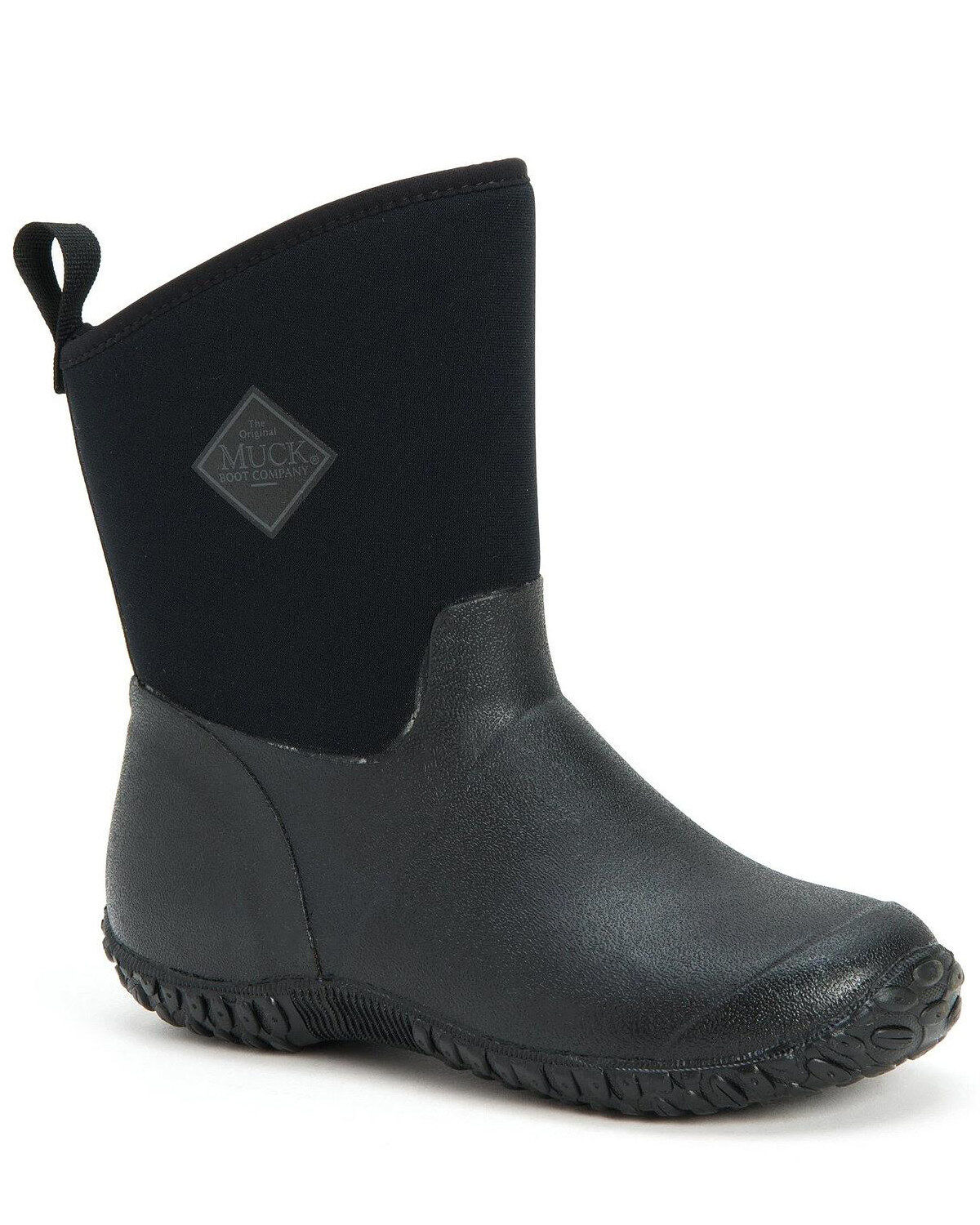
Step into a world where style meets functionality with this collection of pink winter boots. Perfect for adding a pop of color to the chilly months, these... boots are designed to keep you warm and fashionable. Whether you're navigating snowy streets or enjoying a cozy evening by the fire, each pair combines comfort and durability with a playful twist. Explore various styles that cater to every taste, from sleek and sophisticated to bold and adventurous, ensuring your winter wardrobe is as vibrant as it is practical.
Read more
Pink Winter Boots
Step into a world where style meets functionality with this collection of pink winter boots. Perfect for adding a pop of color to the chilly months, these... boots are designed to keep you warm and fashionable. Whether you're navigating snowy streets or enjoying a cozy evening by the fire, each pair combines comfort and durability with a playful twist. Explore various styles that cater to every taste, from sleek and sophisticated to bold and adventurous, ensuring your winter wardrobe is as vibrant as it is practical.
Pink winter boots range from lightly lined styles for everyday wear to insulated designs intended for snow and slush. Their warmth and weather protection depend on construction, not color. A soft pink suede upper, a bright pink textile shaft, and a molded rubber lower each bring different strengths to cold-weather footwear. Leather offers structure and can hold up well with proper care, while textile panels can reduce weight and allow easier movement. Suede has a distinct texture but needs protection from moisture and road salt. Rubber around the foot helps resist wet conditions, although water can still enter through unprotected seams, openings, or the top of the shaft. Waterproof construction matters for slushy sidewalks and wet snow; water-resistant materials provide more limited protection. Insulation helps retain warmth, while a soft lining adds comfort against the foot and leg. Those features are related, but they are not interchangeable. A plush interior alone does not establish how warm a boot will feel outside. Activity level, sock choice, wind, moisture, and time spent outdoors all affect comfort. Someone walking briskly from a parking lot to a building has different needs from someone standing beside a sledding hill. Higher shafts provide more coverage against loose snow, especially when paired with pants that fit over the opening. Lower profiles can feel less restrictive for errands, school drop-offs, or short walks on cleared paths. Pink shades also vary in everyday use. Pale blush creates a softer contrast with dark denim, while deeper rose and brighter pink make the color more pronounced. Snow, mud, and salt marks may show differently across those shades and materials. The practical choice starts with the conditions the boots will face, then balances coverage, weight, flexibility, and the look the wearer prefers. A boot intended mainly for dry, cold pavement does not need the same construction as one worn through melting snow around a driveway or barn entrance.
Fit matters just as much as insulation in pink winter boots. The foot needs enough room for the socks that will actually be worn, without sliding forward or lifting excessively at the heel. Thick socks inside a tight boot can compress the lining and restrict circulation, leaving feet less comfortable rather than warmer. Wool-blend or synthetic socks can help move moisture away from skin, which matters when a walk outside is followed by time in a heated building. Toe room should allow natural movement without making the boot feel loose through the instep. A secure heel and a supported midfoot make walking more controlled, especially over packed snow or uneven ground. Laces offer adjustment along the foot and shaft, while pull-on construction simplifies getting dressed. Zippers can make entry easier, but the protection around the zipper matters when water and slush are involved. Shaft width deserves attention, too. A close fit over leggings may feel very different with jeans tucked inside, and an opening that is too wide can admit snow. Children need room for comfortable movement and reasonable growth, not so much extra length that their feet slide with every step. For anyone spending long stretches on foot, boot weight and sole flexibility can make a noticeable difference by the end of the day. Outsole tread also deserves a close look. Deeper, well-spaced lugs can help grip loose snow and release debris, while rubber compounds differ in how they behave in low temperatures. No ordinary winter outsole guarantees traction on ice. Steps, painted walkways, wet tile, and smooth indoor floors can remain slippery even when a boot handles snow well. Intended use should stay clear: winter footwear for errands or outdoor recreation does not automatically provide the safety features required for a jobsite. Matching the boot to the activity helps avoid unnecessary bulk for short outings or too little protection for extended exposure.
Regular care helps pink winter boots keep their appearance and perform as intended. Road salt and gritty slush are hard on uppers, stitching, and sole edges, particularly when residue is left to dry repeatedly. Wiping away surface dirt with a soft, damp cloth after wear keeps buildup from becoming harder to remove. Suede needs a different approach from smooth leather, often including drying before gentle brushing with a tool suited to the material. Cleaning methods and protective treatments should follow the boot maker’s directions because a treatment appropriate for one upper can darken, stain, or change the finish of another. Waterproof membranes and coated textiles may also require specific care to maintain their performance. After a wet outing, boots need airflow and time to dry thoroughly. Removable liners or insoles can dry separately when the construction allows it. Direct heat from a radiator, fireplace, or high-temperature dryer can damage leather, adhesives, and other components. Storage matters between wears as well: a dry location away from strong sunlight helps protect both materials and color. Durability depends on more than a heavy sole. Reinforced high-wear areas, sound stitching, secure hardware, and a firm bond between upper and outsole all contribute to a boot that handles repeated use. Wear at the heel, separation along the sole, or damaged closures can affect comfort and protection before the upper looks worn out. For a gift, pink winter boots make the most sense when the recipient’s size, usual activities, and preferred shaft height are known. An adult commuting on foot may value a lighter profile, while a child playing in snow may need more coverage and an opening that is easy to manage. Children who favor a cowboy silhouette may also like Pink Western Kids Boots, though winter suitability still depends on each boot’s materials and construction. Whether the preference is pale pink or a stronger shade, dependable fit, appropriate protection, and straightforward care are what make the boots useful beyond their color.