Mid Calf Western Boots For Women

Find mid-calf western boots for women with a shaft that reaches partway up the calf. Browse the selection of women’s cowboy boots, and compare shaft height and sizing to find the coverage and fit you want for wearing with jeans, skirts, or dresses.

Shop Your Store: Shop Your Store: Find a Store

(Turn off Shop Your Store to see all items)

(Turn off Shop Your Store to see all items)

close
  • Recommended
  • Lowest Price
  • Highest Price
Skip pass products
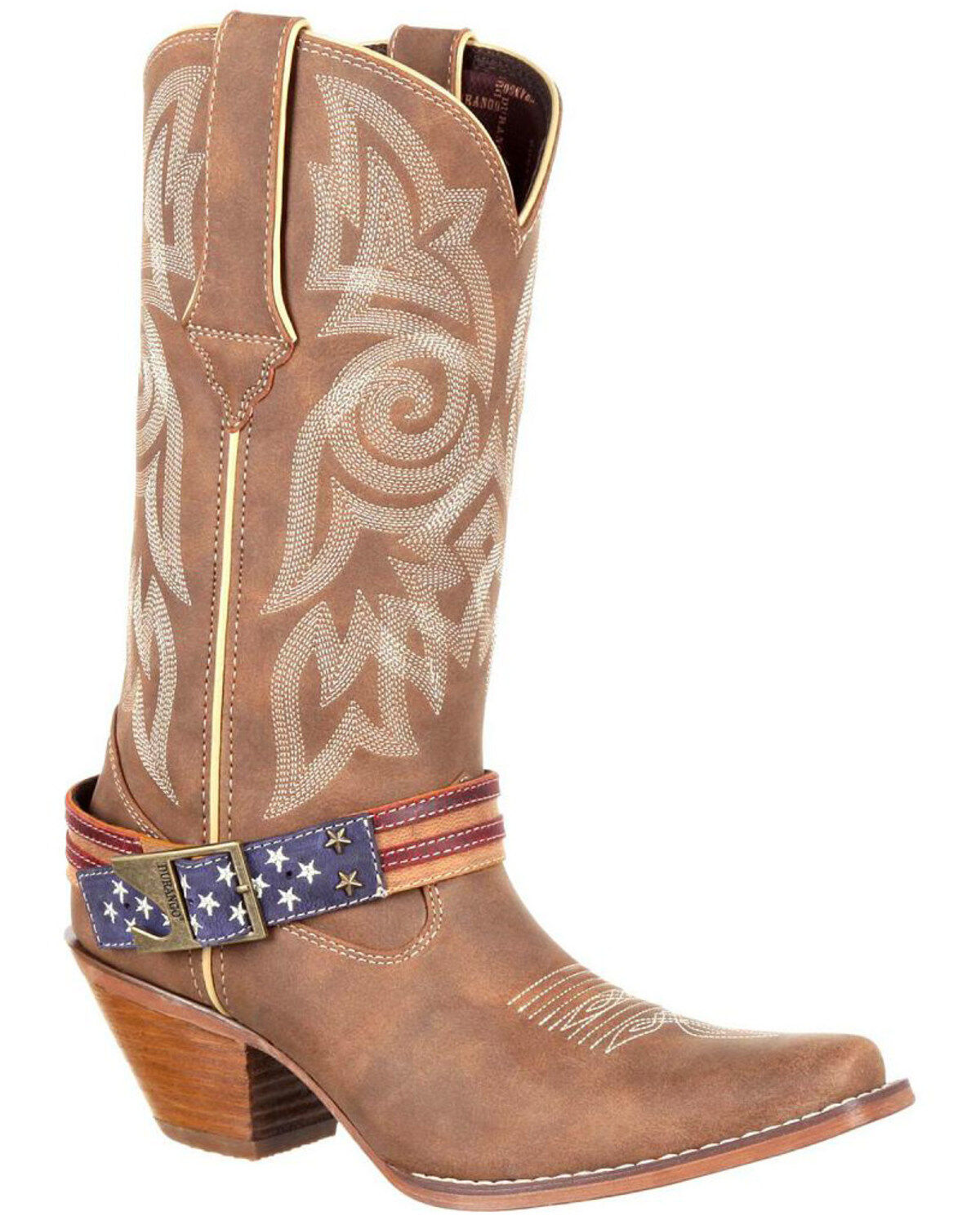
  • Women's Durango Crush Flag Accessory Western Boots - Snip Toe
    Original Price $139.99 $69.97
    50% Total Savings
  • Women's Corral Wing & Cross Convertible Western Booties - Snip Toe
    Original Price $259.99 $180.97
    30% Total Savings
  • Women's Dante Lafayette Western Boots - Round Toe
    Original Price $229.99 $134.97
    41% Total Savings
  • Women's Wrangler Footwear Classic Western Boots - Square Toe
    Original Price $219.99 $124.97
    43% Total Savings
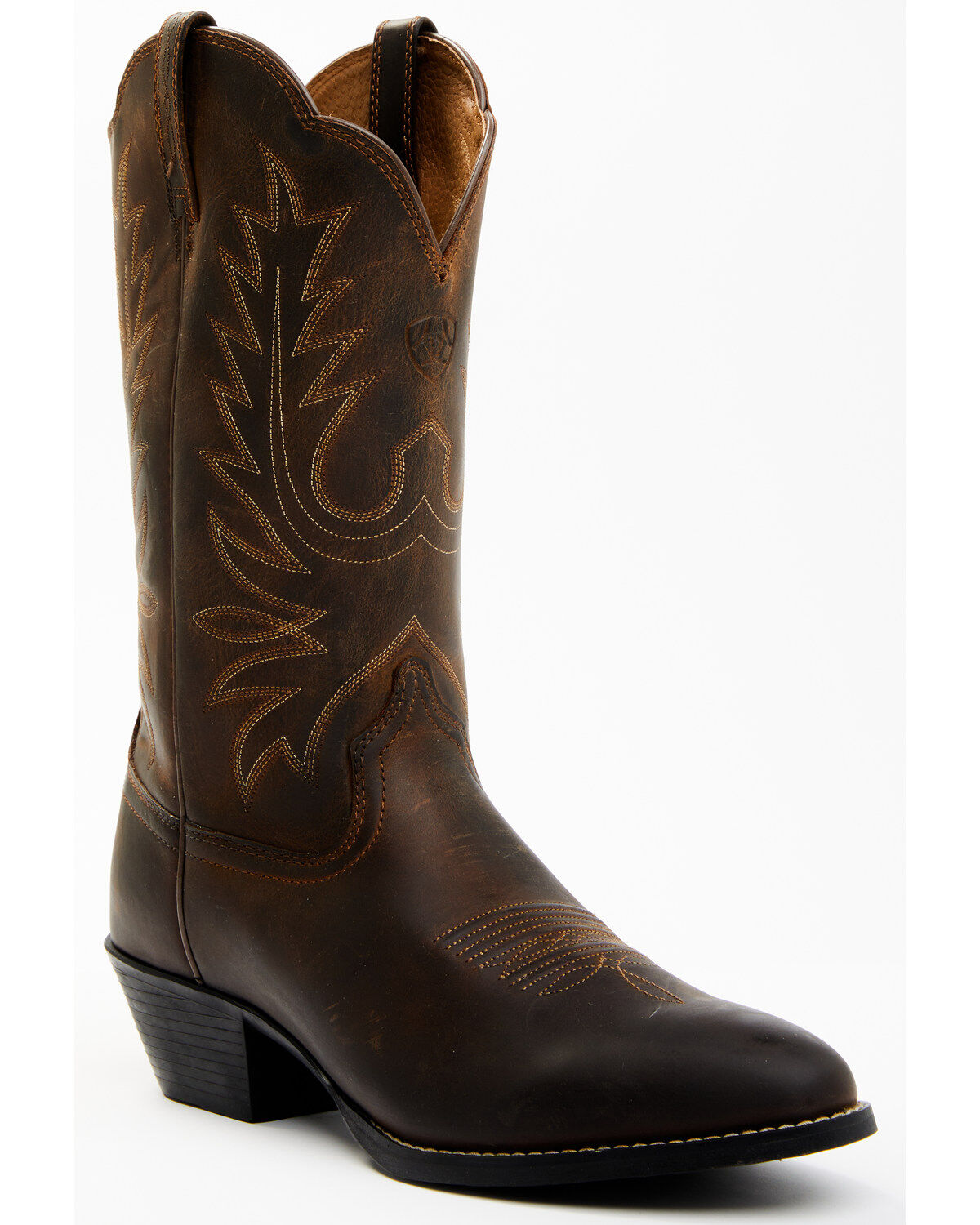
  • Women's Shyanne Rachel Western Boots - Snip Toe
    Original Price $189.99 $113.97
    40% Total Savings

End of products

Mid Calf Western Boots For Women

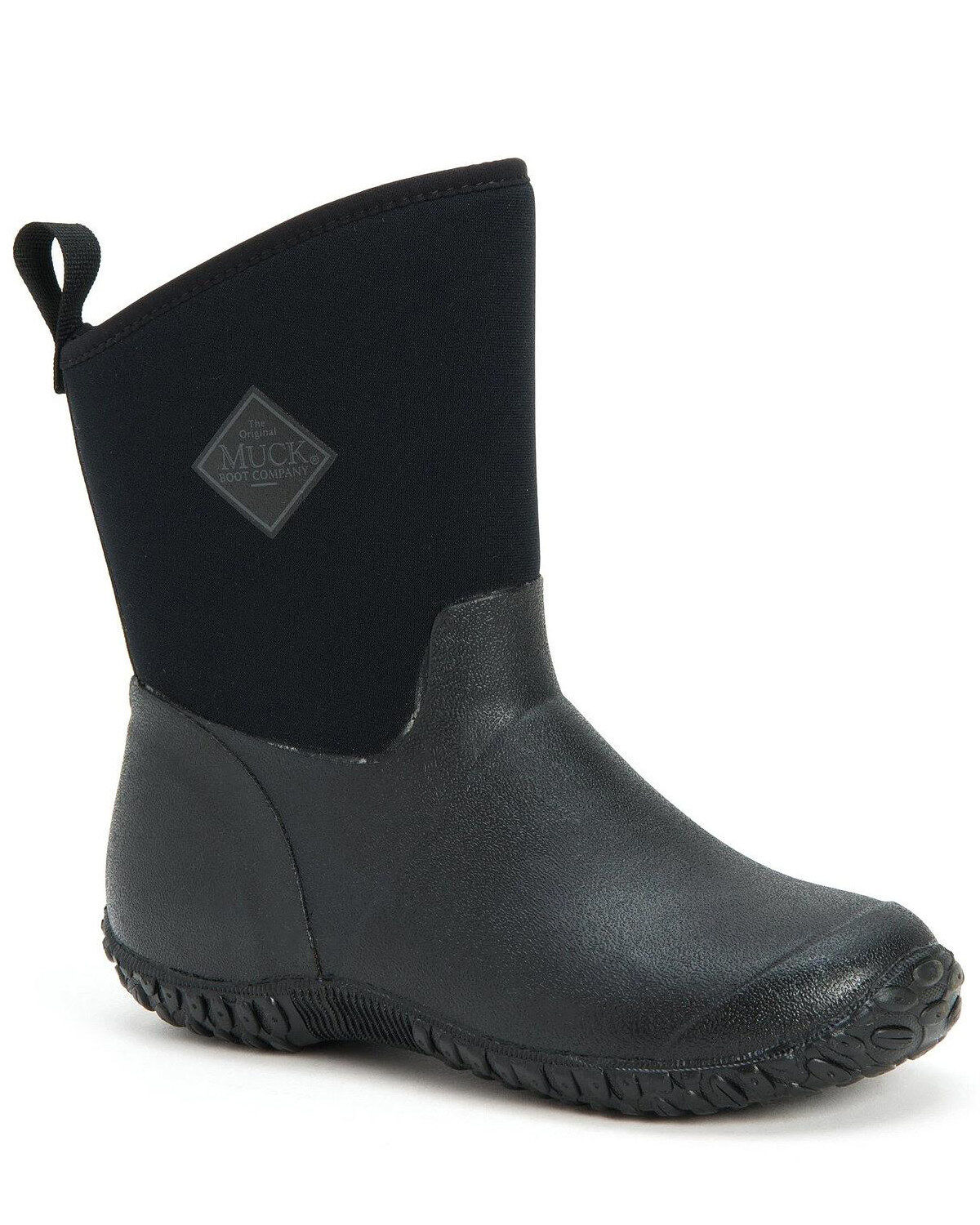
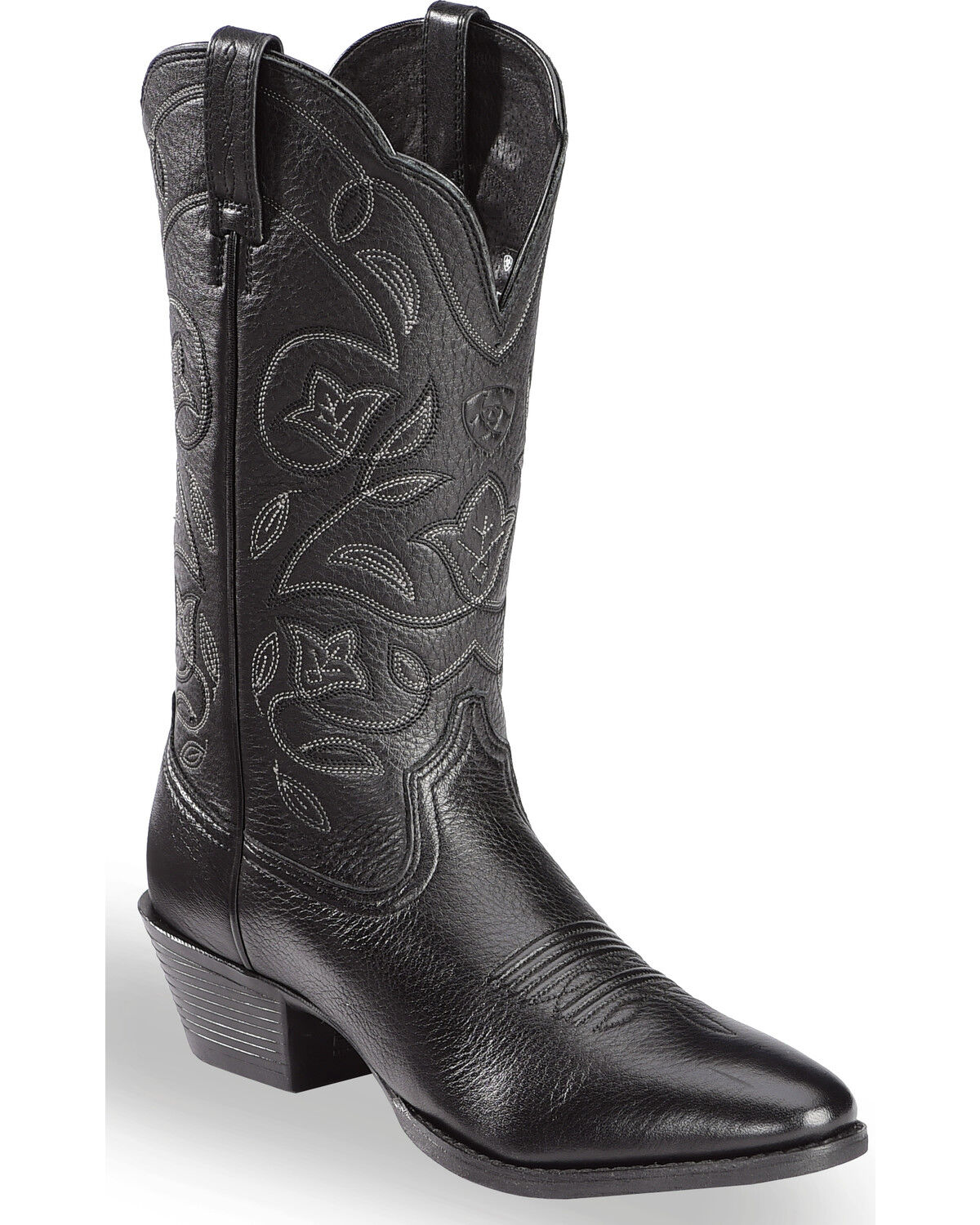
Mid-calf western boots for women pair the familiar shape of a cowboy boot with a shaft that generally reaches around the middle of the calf. The exact height on the leg depends on the boot’s measurements and the wearer’s proportions, so the same shaft can sit differently from one person to another. This height offers more coverage than an ankle boot while leaving more of the leg exposed than a taller western style. Signature details can include stitched shafts, pull tabs, shaped heels, and pointed, round, snip, or square toes. Some designs keep the leather and stitching understated. Others feature contrasting thread, embroidery, inlays, or metal accents that give the shaft a stronger presence. Within the broader Mid Calf Boots category, western styles have a distinct profile built around the relationship between the toe, heel, and shaft. A narrow toe and angled heel create a different outline than a broad square toe and low walking heel, even when the boots reach the same height. That difference matters when putting together an outfit. Straight-leg and bootcut jeans can fall over the shaft, leaving the foot and heel visible. Dresses and skirts show more of the stitching and shaft shape, while slim pants tucked inside put the full boot on display. The opening should leave enough room for the intended outfit without pressing into the calf or bunching the fabric. These boots suit everyday wear, country concerts, rodeo outings, dancing, and casual gatherings, though comfort for any occasion depends on the individual construction and fit. A plain leather pair can work with denim and a button-front shirt without drawing attention away from the rest of the outfit. More detailed stitching or contrasting colors can serve as the main accent with a simple dress. The appeal is straightforward: a defined western shape with enough variety to feel personal rather than tied to one way of dressing.

Materials and construction affect how women’s mid-calf western boots feel, hold their shape, and wear over time. Smooth leather often develops natural creases and changes in appearance with use. Full-grain leather retains the hide’s surface character, while other leather finishes may provide a more uniform look. Suede has a soft, textured surface that calls for different care than smooth leather. Synthetic uppers can offer consistent color and finish, but their flexibility, breathability, and response to wear depend on the material. Lining matters as well, particularly around the heel and shaft, where rough seams or poorly placed edges can create friction. Footbeds range from firm, traditional constructions to cushioned designs, and more padding does not automatically mean a better fit. The foot still needs to sit securely inside the boot. The ball of the foot should align with the widest part of the sole, with room for the toes and a comfortably snug feel across the instep. A small amount of heel movement can occur in a new pull-on western boot, but repeated rubbing, pronounced slipping, or sharp pressure deserves attention. A break-in period should not be expected to fix an incorrect size. Leather may relax across areas of pressure, but a boot that is too short will not gain meaningful length. Shaft circumference is separate from foot size, making calf measurements useful when comparing shapes. Trying boots with the socks intended for regular wear gives a more accurate sense of fit. Anyone using an insert also needs enough internal room to avoid crowding the foot. Outsole and heel construction deserve the same attention. Rubber outsoles can provide flexibility and traction, while leather outsoles have a traditional feel and may move differently across smooth surfaces. Grip varies by tread, surface, and wear. A lower, broader heel often feels different underfoot than a taller, narrower heel, especially during extended standing or walking. For riding or demanding work, task-specific construction matters more than western styling alone.

Regular care helps mid-calf western boots maintain their finish and structural integrity. Dust and grit left around seams, welt edges, and the base of the shaft can contribute to wear, so routine cleaning starts with removing loose dirt using a soft brush or cloth suited to the upper. Smooth leather may need a leather cleaner and occasional conditioner, applied according to the material’s care directions. Too much conditioner can change the finish or leave residue, and a product suited to smooth leather may not be appropriate for suede, embroidery, or specialty finishes. A small test on a hidden area helps reveal unwanted darkening before treating a larger section. Suede generally needs a dedicated brush and products labeled for that material. After cleaning, boots should dry naturally away from direct heat. Storing them upright with suitable support helps limit deep creases and keeps the shafts from folding over. Pull tabs help with putting boots on, while a boot jack can make removal easier without repeatedly pressing one heel against the other boot. Rotating between pairs allows the interiors to dry between wears, particularly after long periods on the feet. Over time, worn heel caps, thinning soles, loose stitching, or damaged lining can affect comfort and function. Some constructions allow resoling or other repairs; others do not, so repair options depend on how the boot is made. Intended use should shape expectations, too. A pair worn occasionally for dinners and concerts faces different demands than one used for daily walking or long hours standing. For a gift, the recipient’s usual size is only a starting point. Preferred toe shape, heel height, calf fit, and everyday clothing all matter. Someone who favors quiet details may appreciate tonal stitching, while a person who regularly wears statement footwear may prefer a more pronounced shaft pattern. Familiar preferences make a stronger basis for a footwear gift than appearance alone, especially when the boots are meant to earn regular use.

FAQs