Men's XXL insulated vests offer reliable comfort and versatile style for those who need a larger fit without sacrificing warmth. Perfect for layering during... cooler weather or adding an extra touch of western flair, these vests are designed to keep you comfortable whether you're working outdoors or heading into town. Explore a wide selection of men's XXL insulated vests to find the ideal addition to your wardrobe, tailored for durability and all-day wear.
Read more
Men's XXL Insulated Vests
Men's XXL insulated vests offer reliable comfort and versatile style for those who need a larger fit without sacrificing warmth. Perfect for layering during... cooler weather or adding an extra touch of western flair, these vests are designed to keep you comfortable whether you're working outdoors or heading into town. Explore a wide selection of men's XXL insulated vests to find the ideal addition to your wardrobe, tailored for durability and all-day wear.
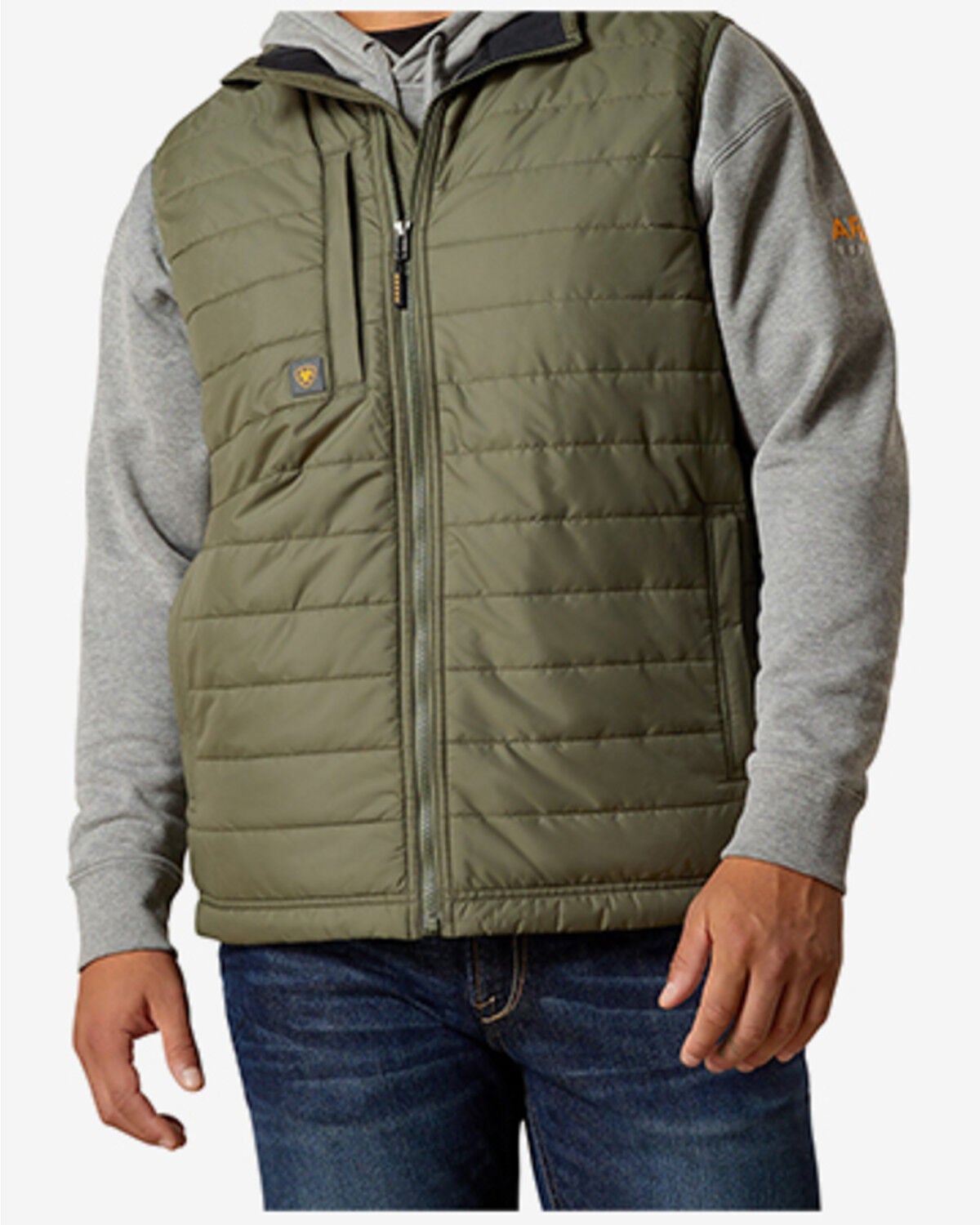
Men's XXL insulated vests add warmth through the chest and back while leaving the arms free for work, driving, and everyday movement. That sleeveless construction makes them useful over a flannel shirt or sweatshirt when a full jacket feels restrictive, or beneath a roomy coat when conditions call for another layer. Insulation holds warm air close to the body, while the outer shell helps protect that layer from wind and wear. The balance depends on the materials and construction. Cotton duck and canvas shells have a substantial feel suited to regular contact with fence rails, lumber, and rough surfaces. Nylon and polyester shells can provide lighter weight and a smoother surface that slides more easily beneath outerwear. Ripstop fabric uses a reinforcing grid designed to help limit the spread of small tears, though its overall toughness still depends on fabric weight and construction. Quilted stitching helps keep insulation distributed across the vest rather than allowing it to settle into uneven sections. Synthetic fill generally retains useful insulating ability when damp and often suits work that involves perspiration or occasional exposure to moisture. Down offers considerable warmth for its weight and compresses well, but untreated down can lose loft and insulating performance when wet. Neither fill type makes a vest waterproof. A water-resistant finish can help shed light moisture, while protection from steady rain depends on the complete garment, including its fabric, seams, and closures. Fleece or brushed linings can add a softer feel against a shirt and reduce the cold touch of a smooth shell. A lined stand collar provides coverage at the neck without the bulk of a hood. These differences matter when choosing between a lightweight layer for active chores and a heavier vest for slower work outdoors. An XXL size identifies the general size category, not the warmth level, shell strength, or fit. Those qualities come from the vest's measurements, fill, fabric, and design.
The fit of a men's XXL insulated vest should account for the clothing worn beneath it and the movements expected throughout the day. Size labels are not standardized across manufacturers, and XXL does not automatically mean a tall cut or the same chest measurement in every garment. Body measurements and the size chart provide a better starting point than the label alone. A regular fit may sit closer to the torso, while a relaxed cut can leave more room through the chest and waist. Neither should pull tightly across the back when reaching forward or bunch heavily beneath a coat. Enough space for a work shirt does not always mean enough space for a thick hooded sweatshirt, especially once the vest is fully zipped. At the shoulders, the garment should sit securely without extending so far outward that it interferes with arm movement. Armholes need room for bending and lifting, but oversized openings can leave gaps that let warmth escape. Length matters just as much as width. A hem that reaches below the waistband helps keep the lower back covered when bending to lift a feed sack or leaning into a truck bed. A longer back hem can add coverage without placing as much fabric across the lap while seated. Adjustable hems allow a closer fit at the waist, although excessive tightening can cause the vest to ride up. Men comparing neighboring sizes can also review Mens Xl Quilted Vests, using the relevant measurements rather than treating the two sizes as interchangeable. Closures and pockets shape daily comfort, too. A full-length zipper allows quick changes in ventilation, while a backing flap behind the zipper can help reduce drafts. A two-way zipper, when included, opens from the bottom to provide more room while sitting. Zippered pockets help contain small essentials, and open hand pockets offer easier access. Pocket placement should remain comfortable with a belt, seated posture, and any outer layer worn over the vest. Heavy pocket loads can pull the garment out of position and create pressure beneath a coat.
Insulated vests suit men whose days move between outdoor tasks, vehicle cabs, workshops, and other spaces where a full coat may be more coverage than needed. A ranch hand checking gates, a homeowner stacking firewood, or a driver making repeated stops may appreciate core warmth without insulated sleeves catching or bunching at the elbows. The right level of insulation depends partly on activity: steady lifting and walking generate more body heat than standing in one place. A vest worn for active work therefore serves a different purpose from one worn while watching an outdoor event or waiting beside a field. It leaves the arms exposed, so shirts, gloves, and additional outerwear still matter when conditions require more coverage. Insulation alone also does not establish flame resistance or suitability for a hazardous job; required protective clothing must meet the workplace's stated standards. For everyday wear, a straightforward vest pairs naturally with jeans, work pants, and a button-front shirt without needing a complicated outfit. As a gift, it is most useful when the recipient's measurements, usual layers, and daily routine are known. A familiar size label alone may not account for a preferred loose fit or extra body length. Long-term performance also depends on care. The garment label determines whether machine washing is appropriate, which water temperature to use, and how the insulation should be dried. Thorough drying matters because trapped moisture can leave fill clumped and encourage unwanted odors. Down requires particular attention to restoring loft, while shell finishes may need care that preserves their water resistance. Dirt around cuffs is not a concern on a sleeveless garment, but collars, pocket openings, and the lower front often collect grime through repeated wear. Prompt attention to loose stitching, damaged zipper teeth, and small fabric tears can prevent a minor issue from becoming a larger repair. Storing the vest clean, fully dry, and without prolonged tight compression helps preserve its shape and insulating loft between uses.





 $99.99
 $99.99
 $99.99
 $99.99
 $99.99


