Men's Western Clothing

Shop men's western clothing, from western shirts to jeans for everyday wear. Whether you are putting together a dressed-up look or keeping it casual, find styles that suit your routine and pair with your boots.

Shop Your Store: Shop Your Store: Find a Store

(Turn off Shop Your Store to see all items)

(Turn off Shop Your Store to see all items)

close
  • Recommended
  • Lowest Price
  • Highest Price
Skip pass products

End of products

Men's Western Clothing

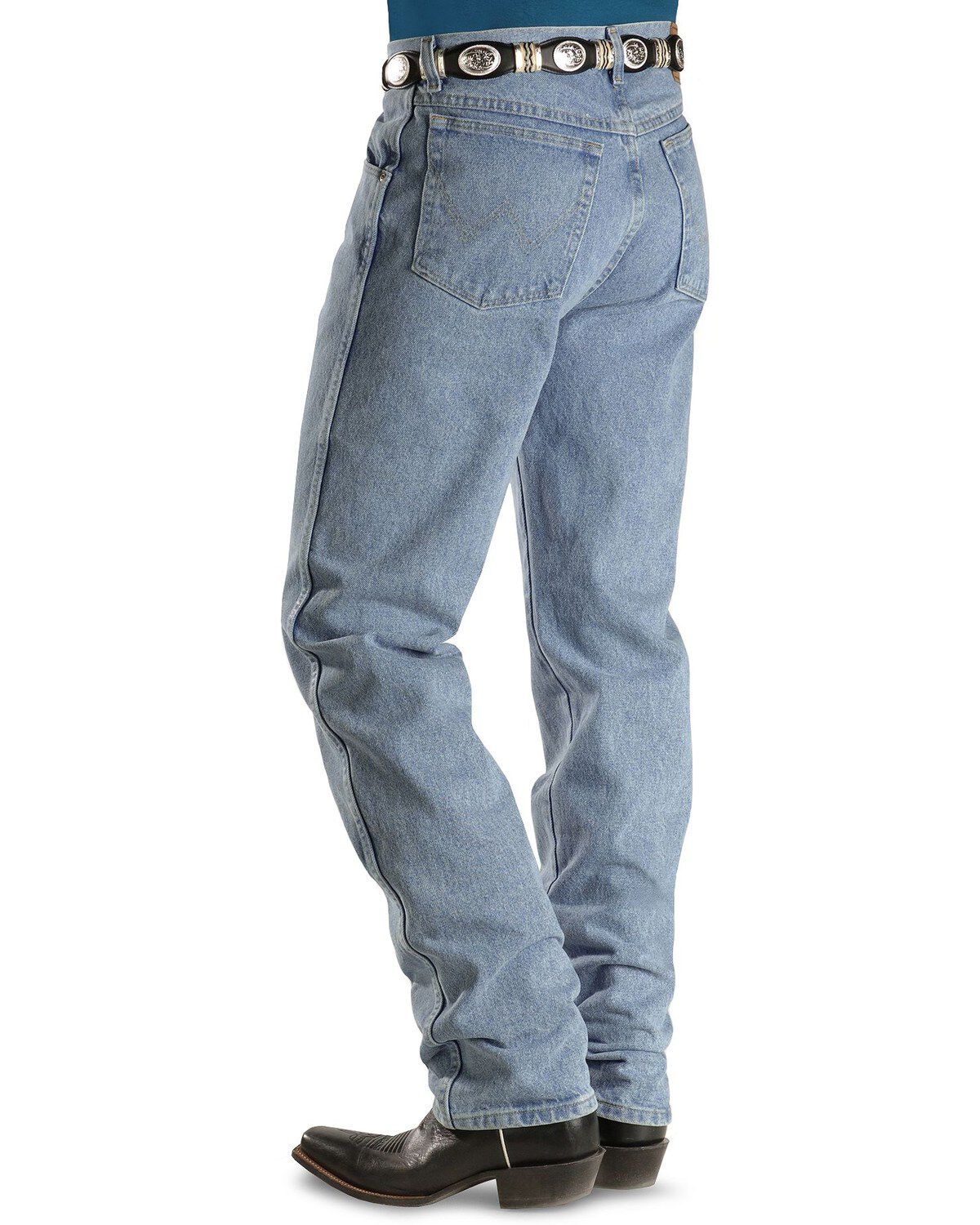
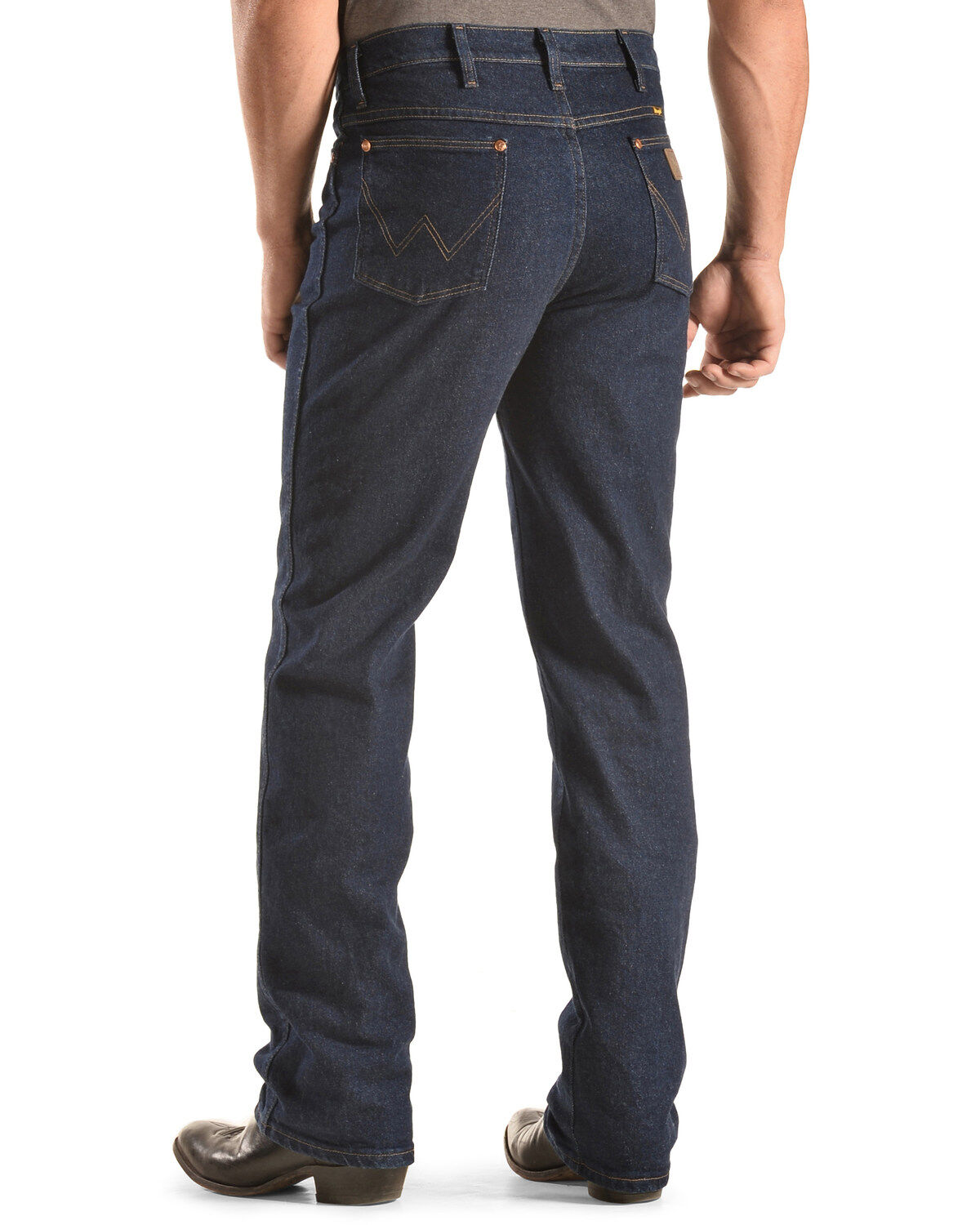
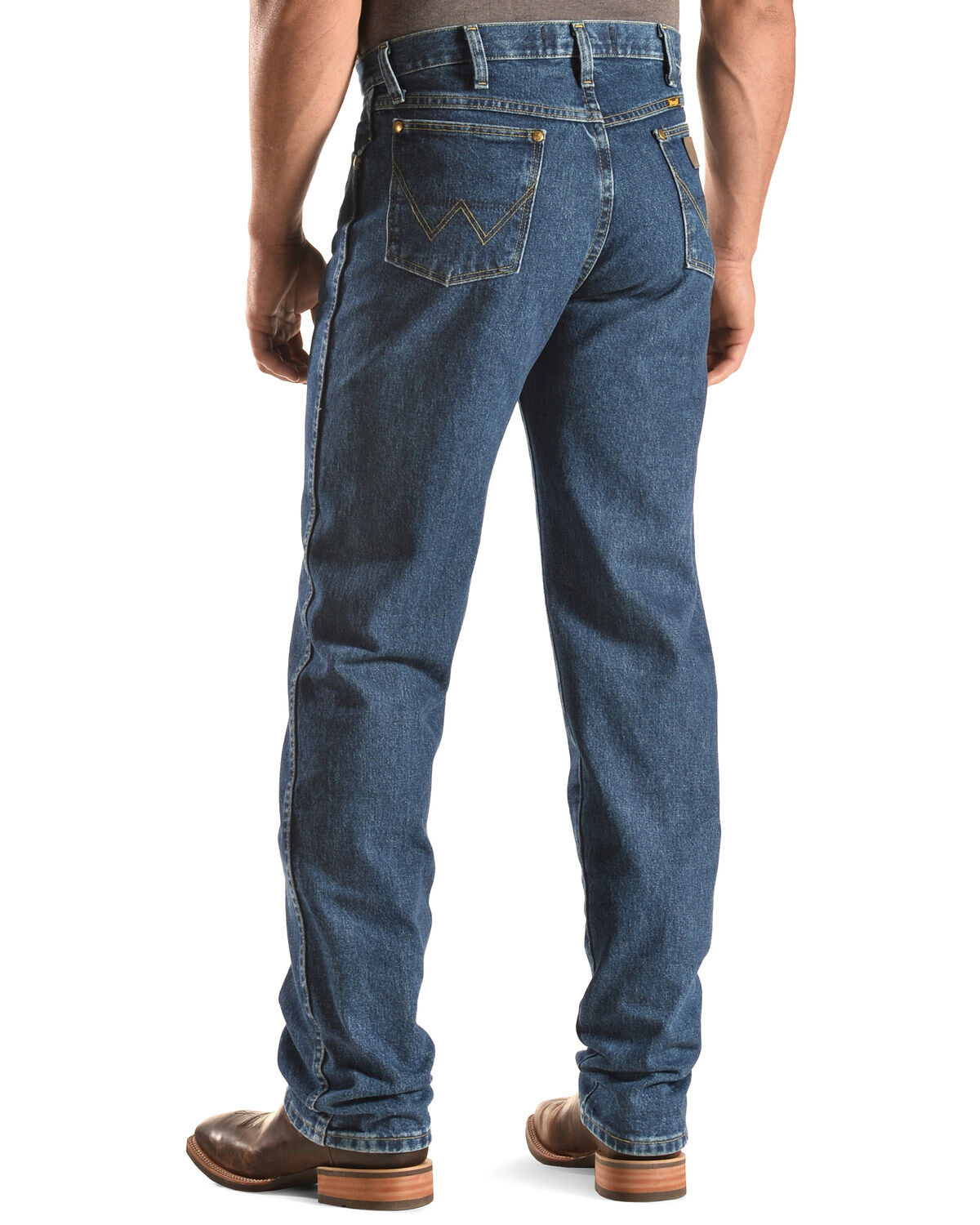
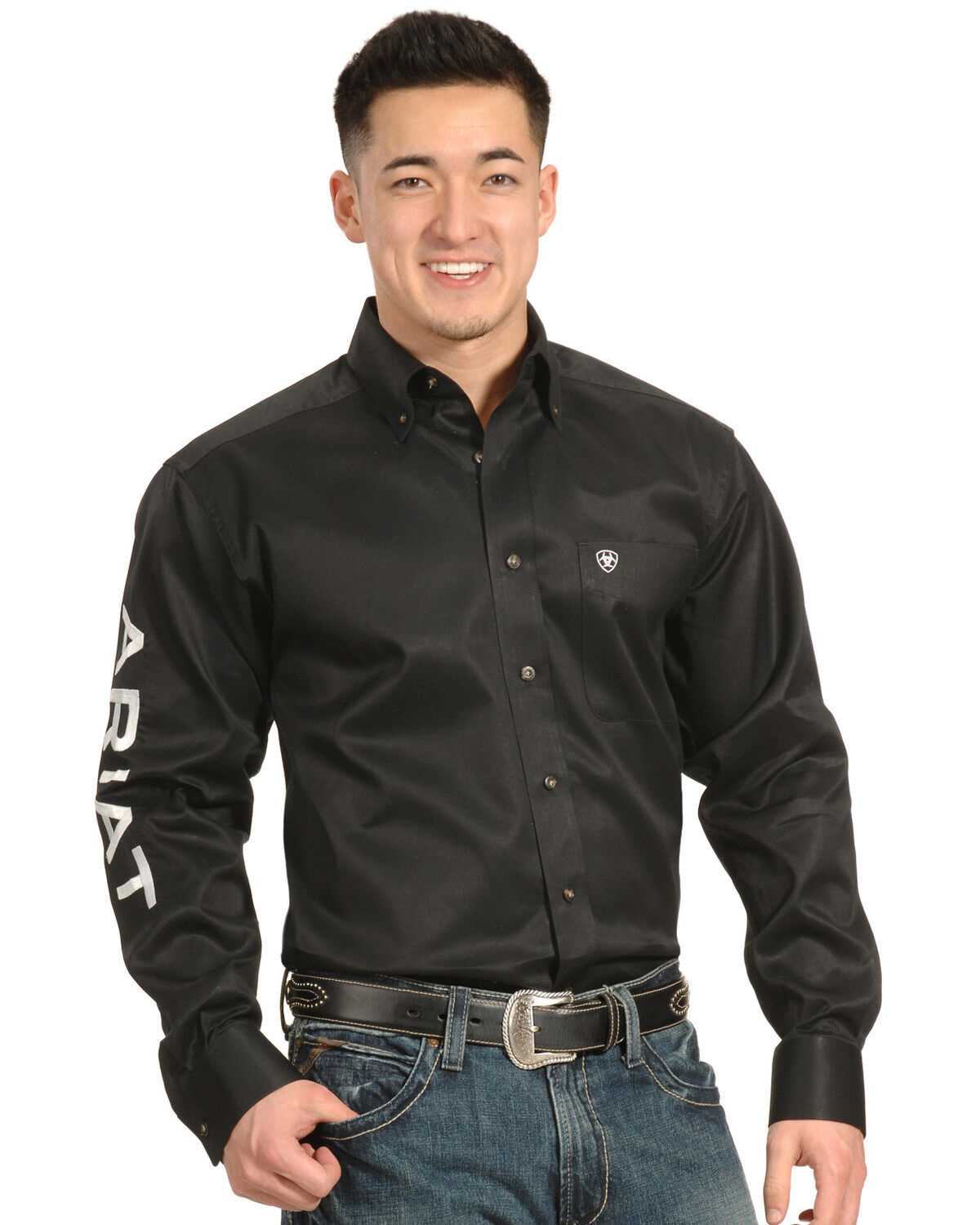
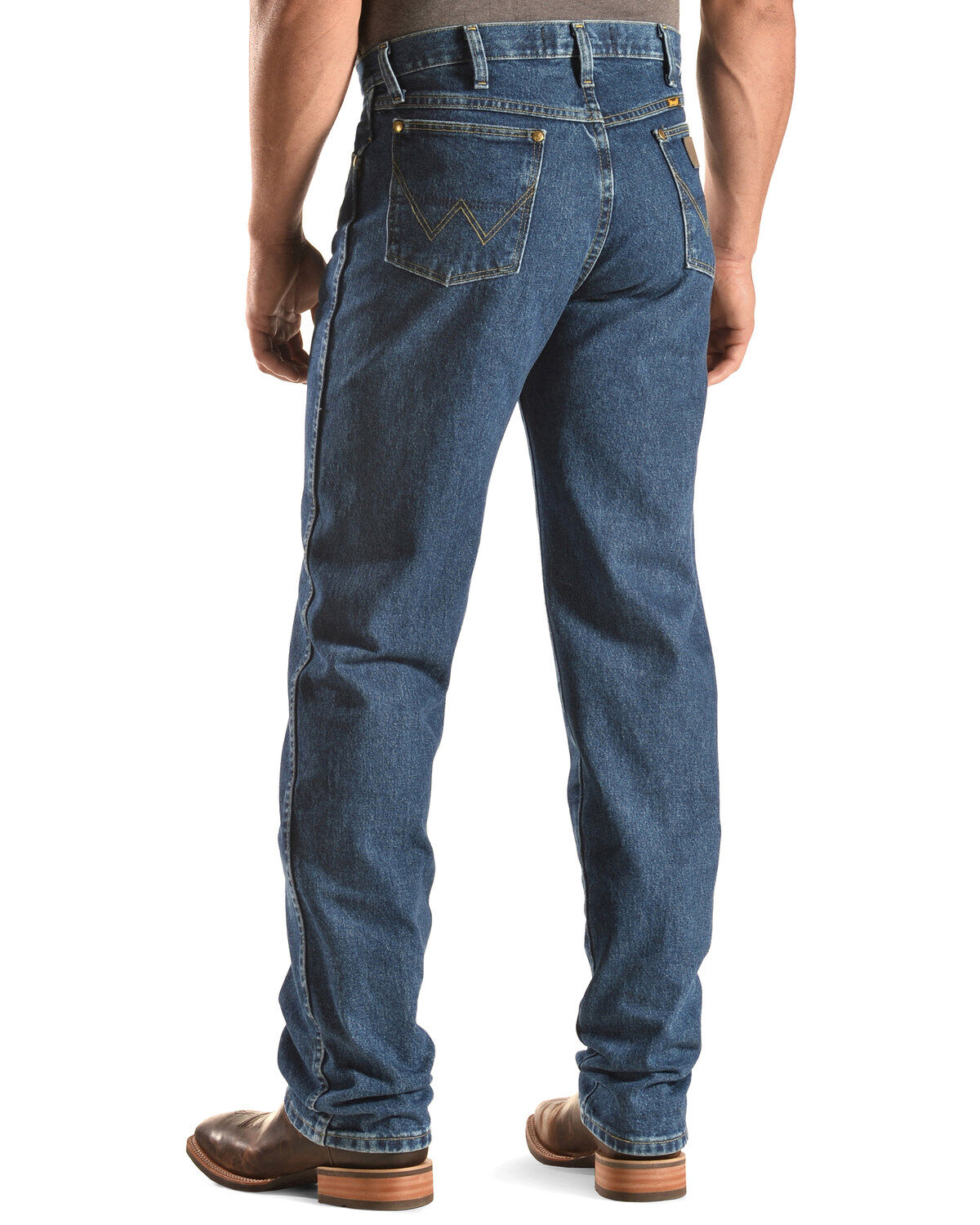
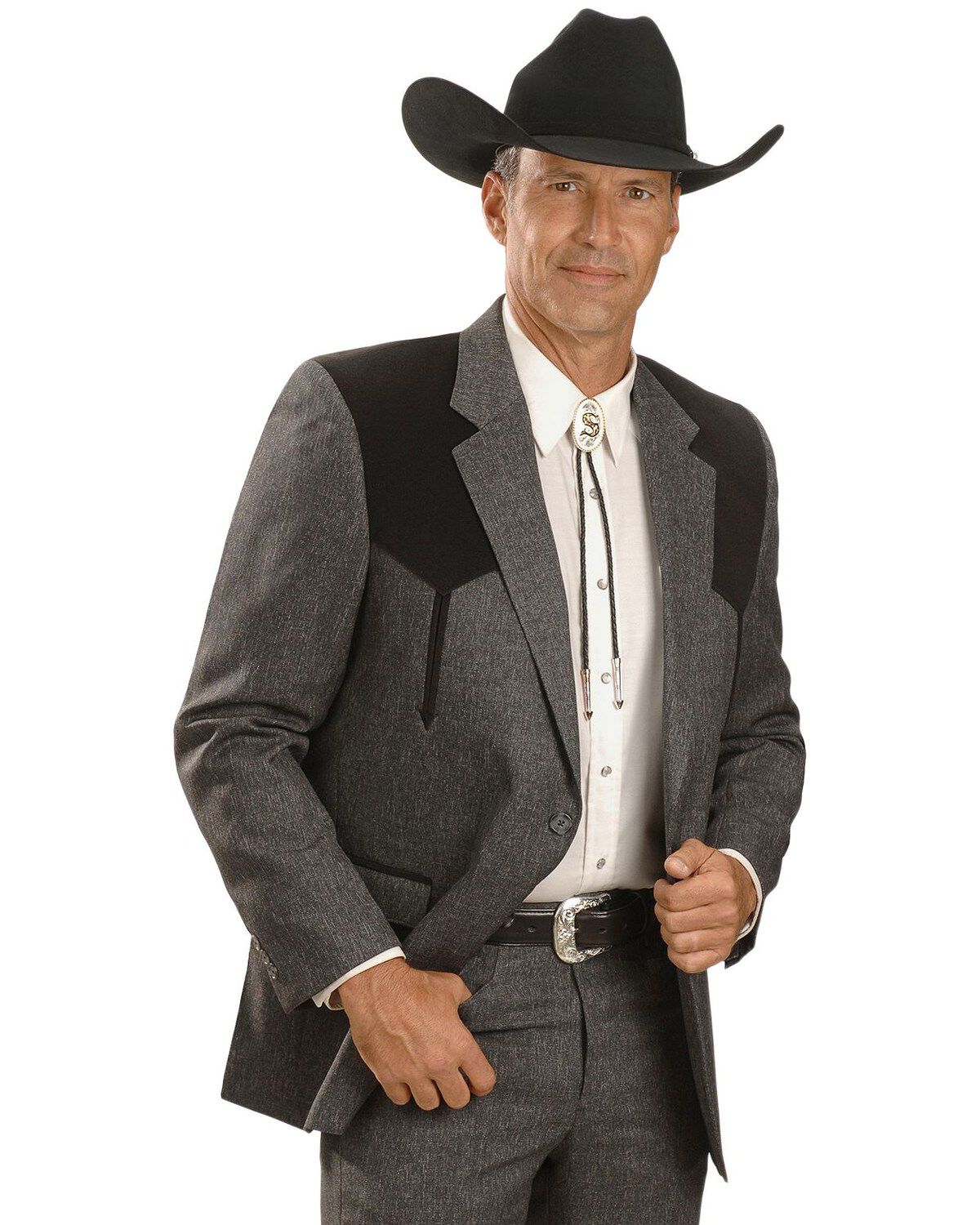
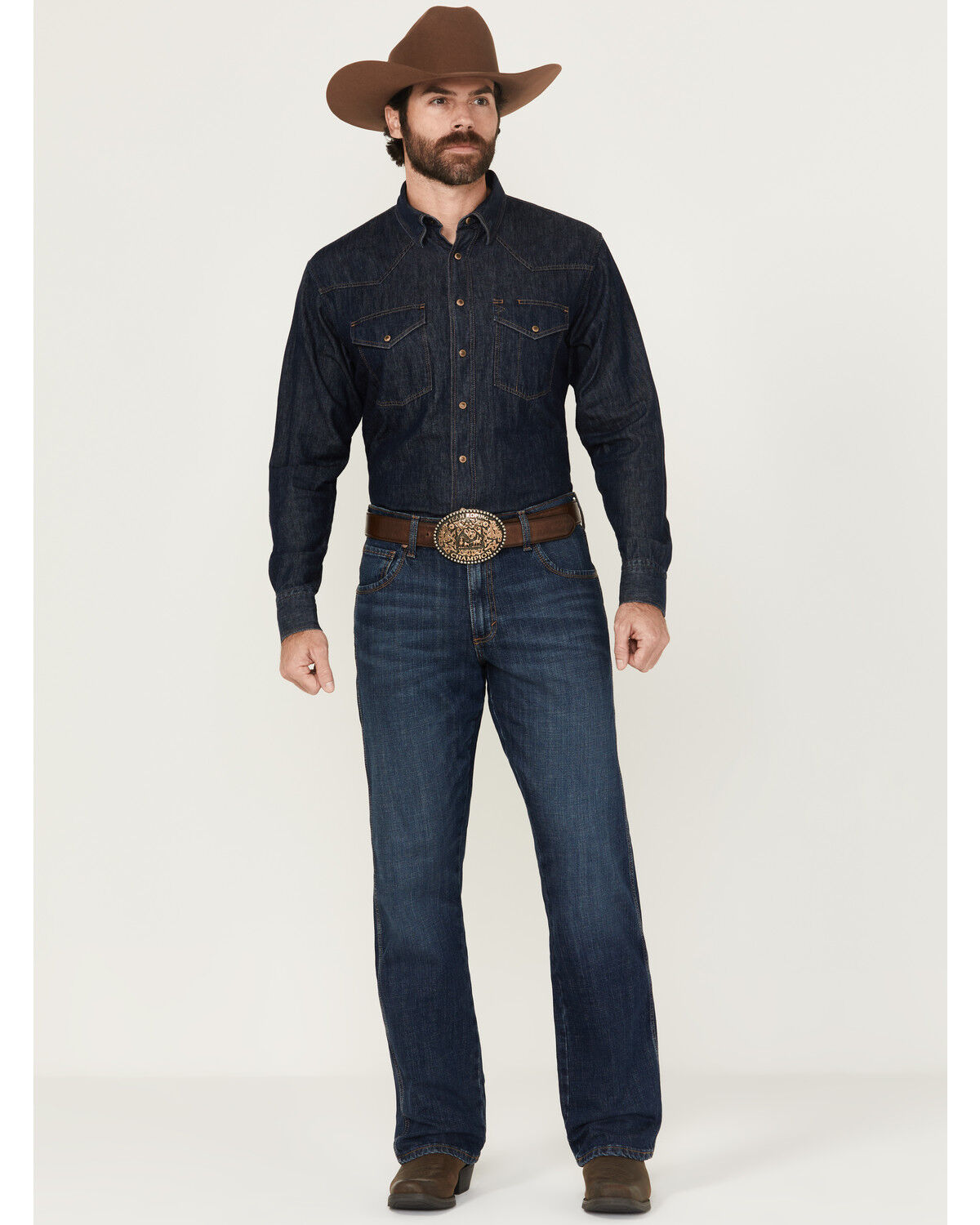
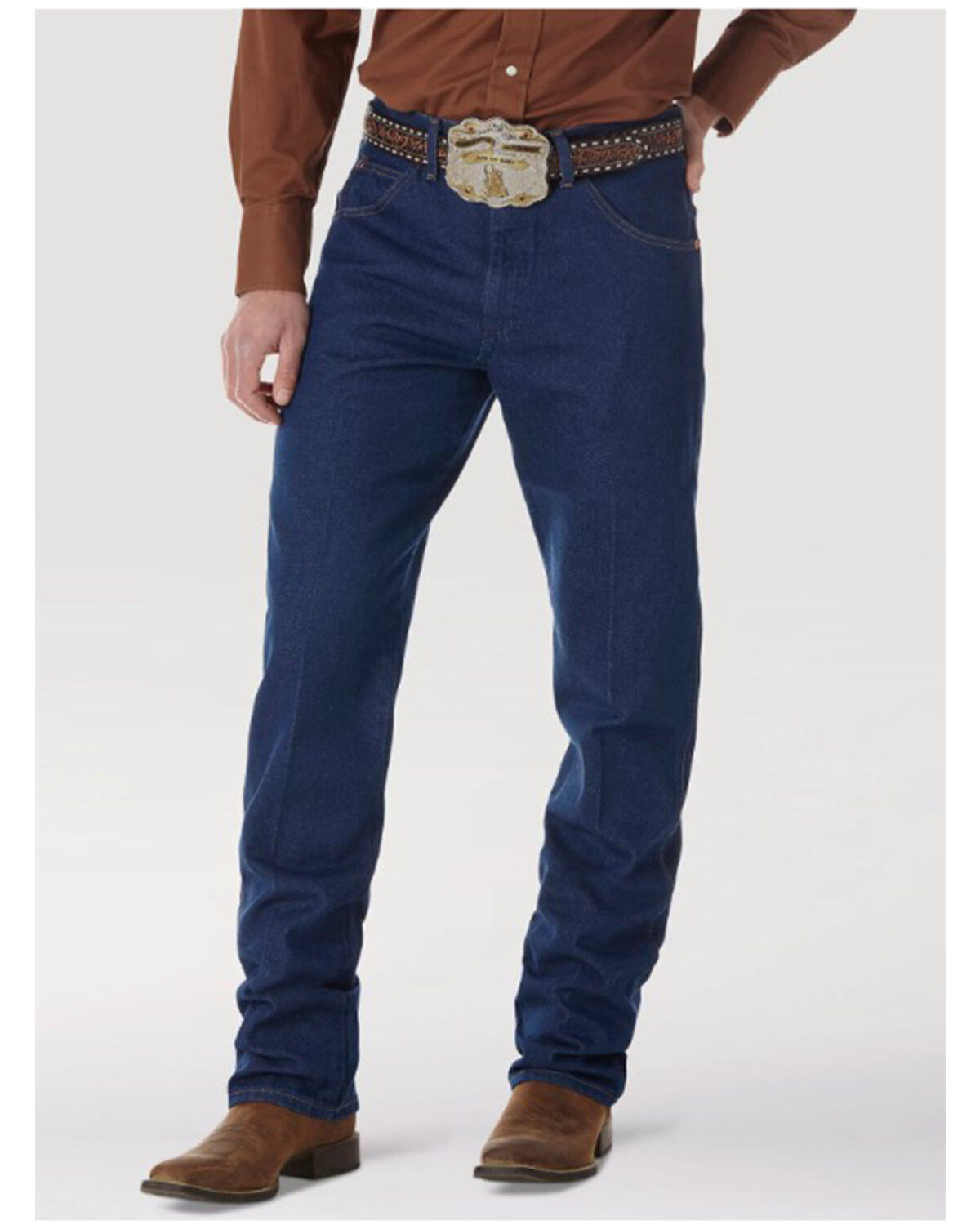
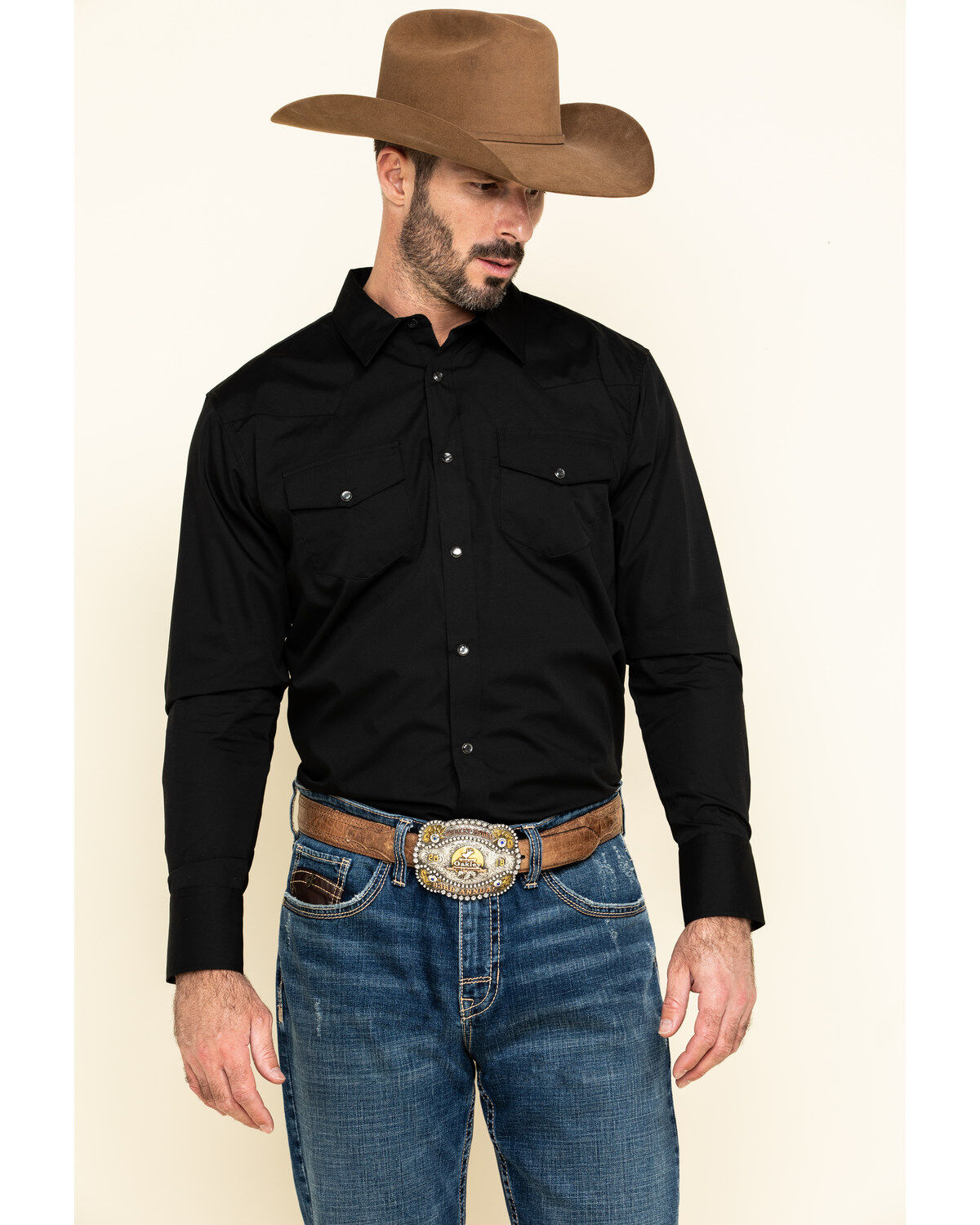
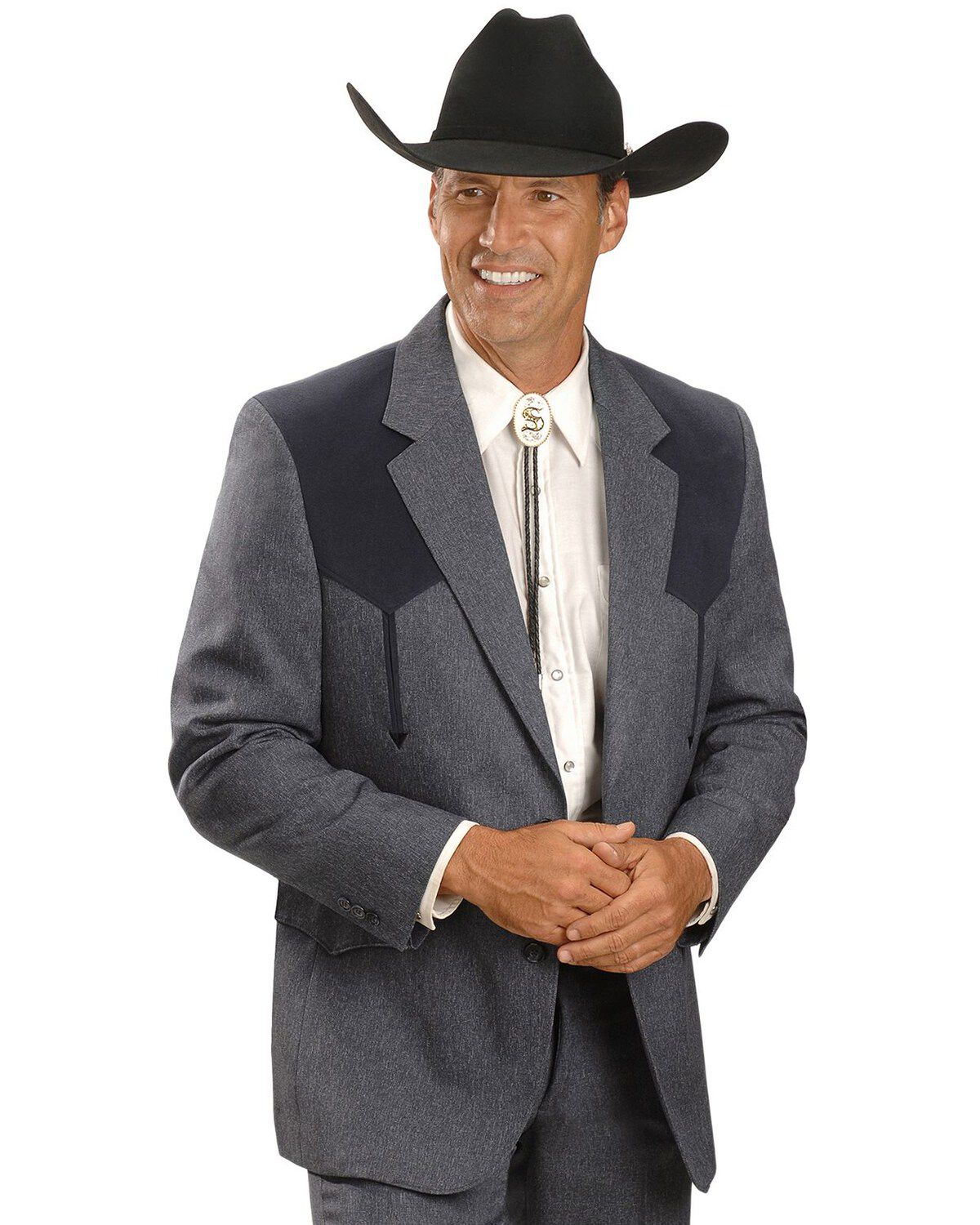
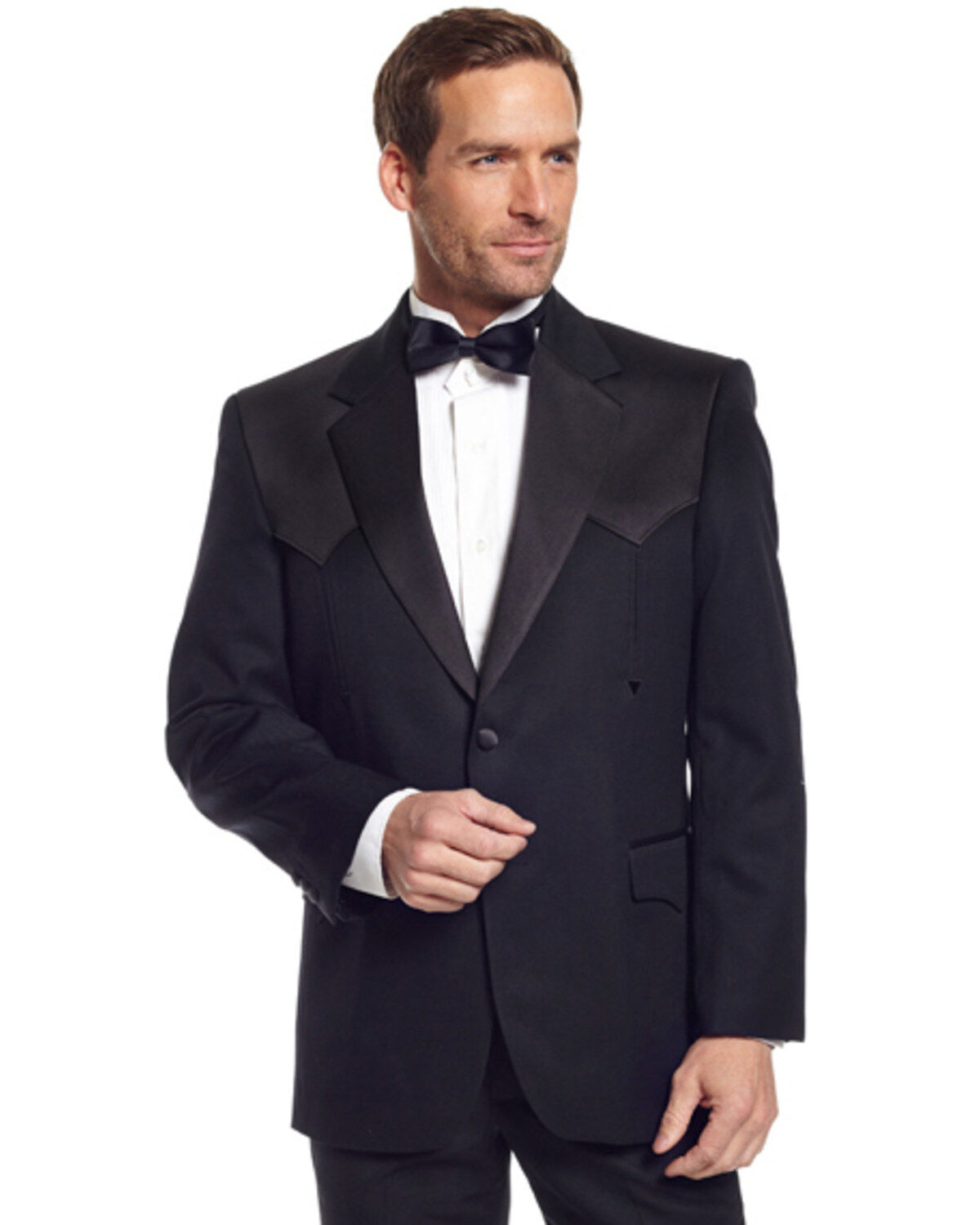
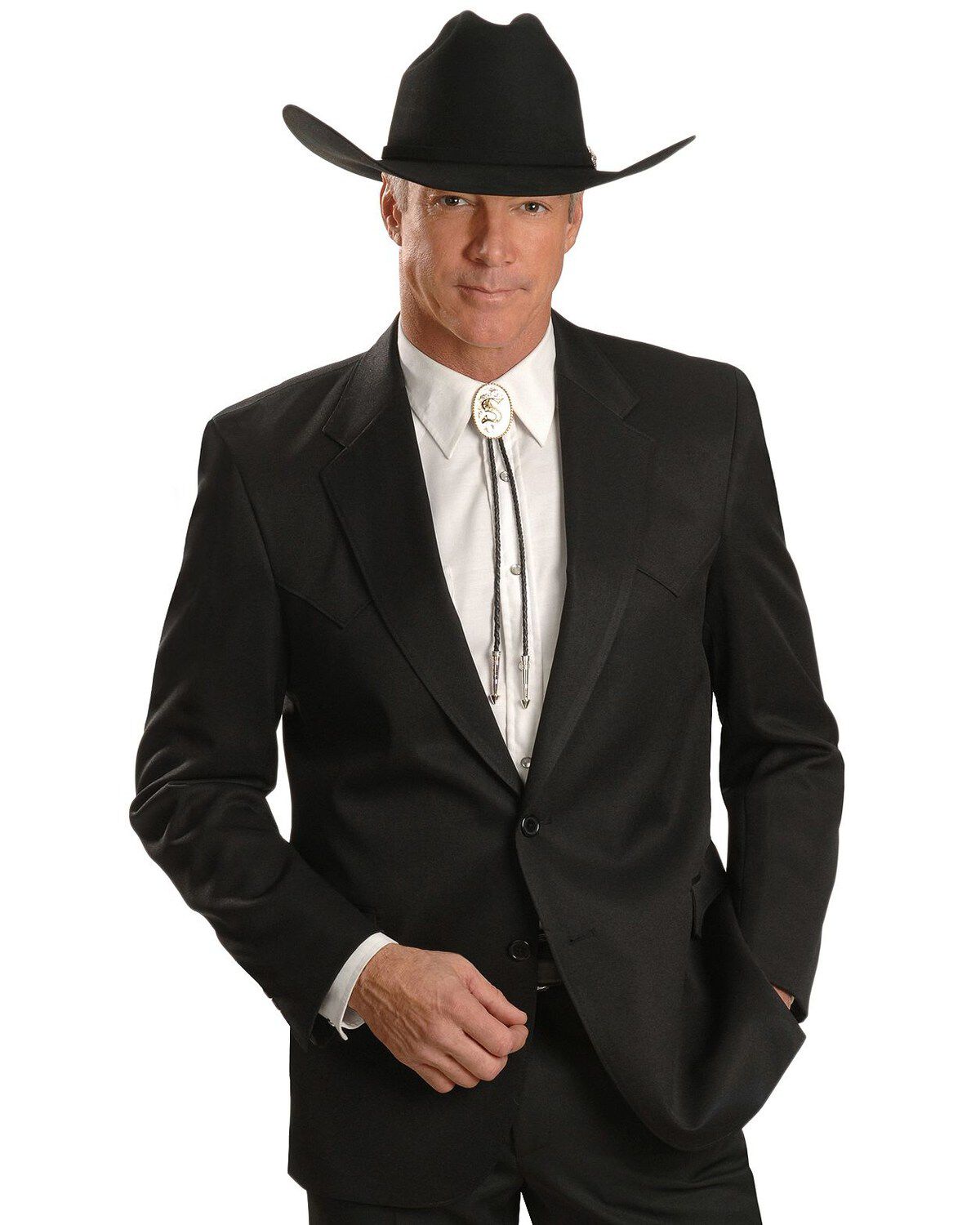
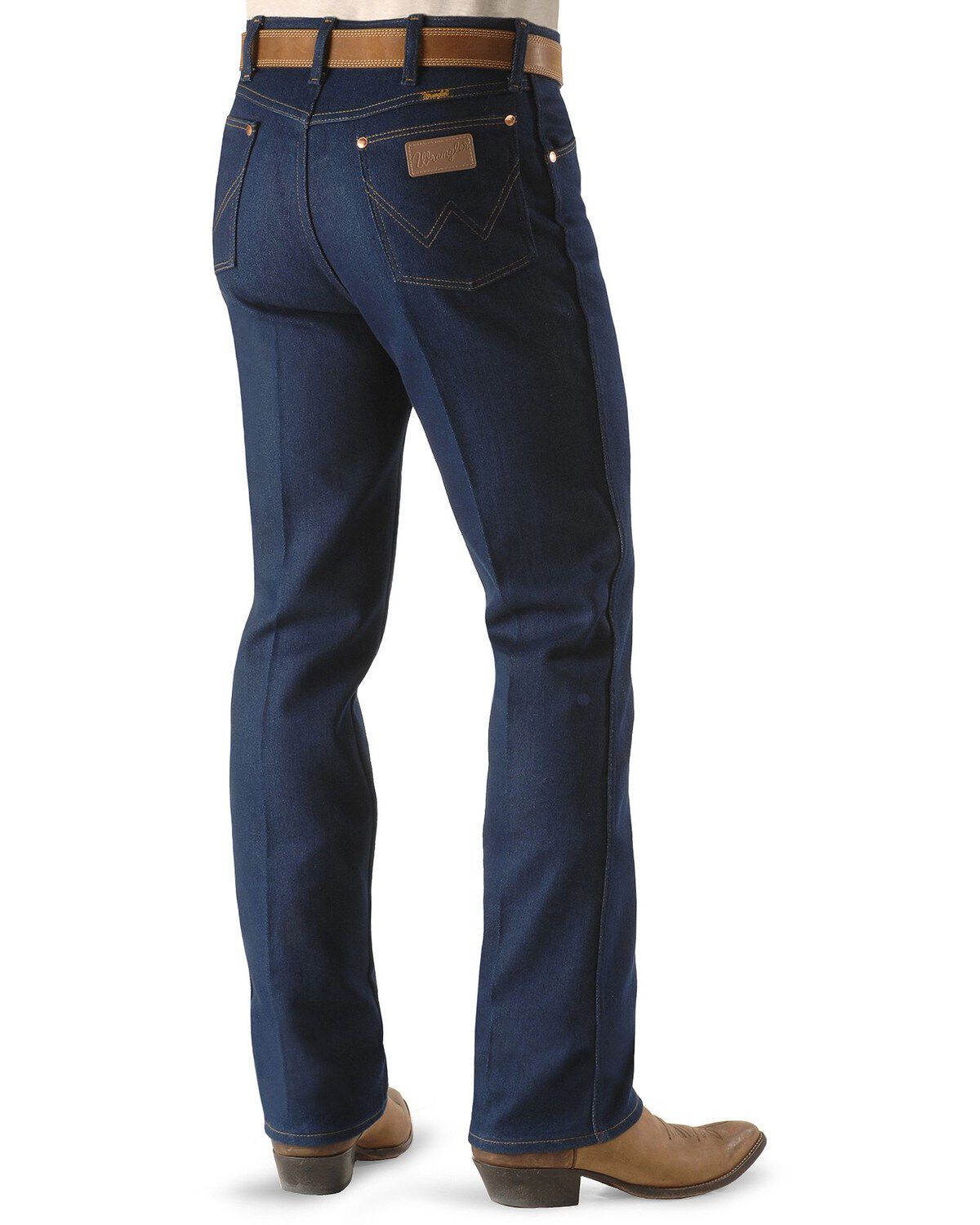
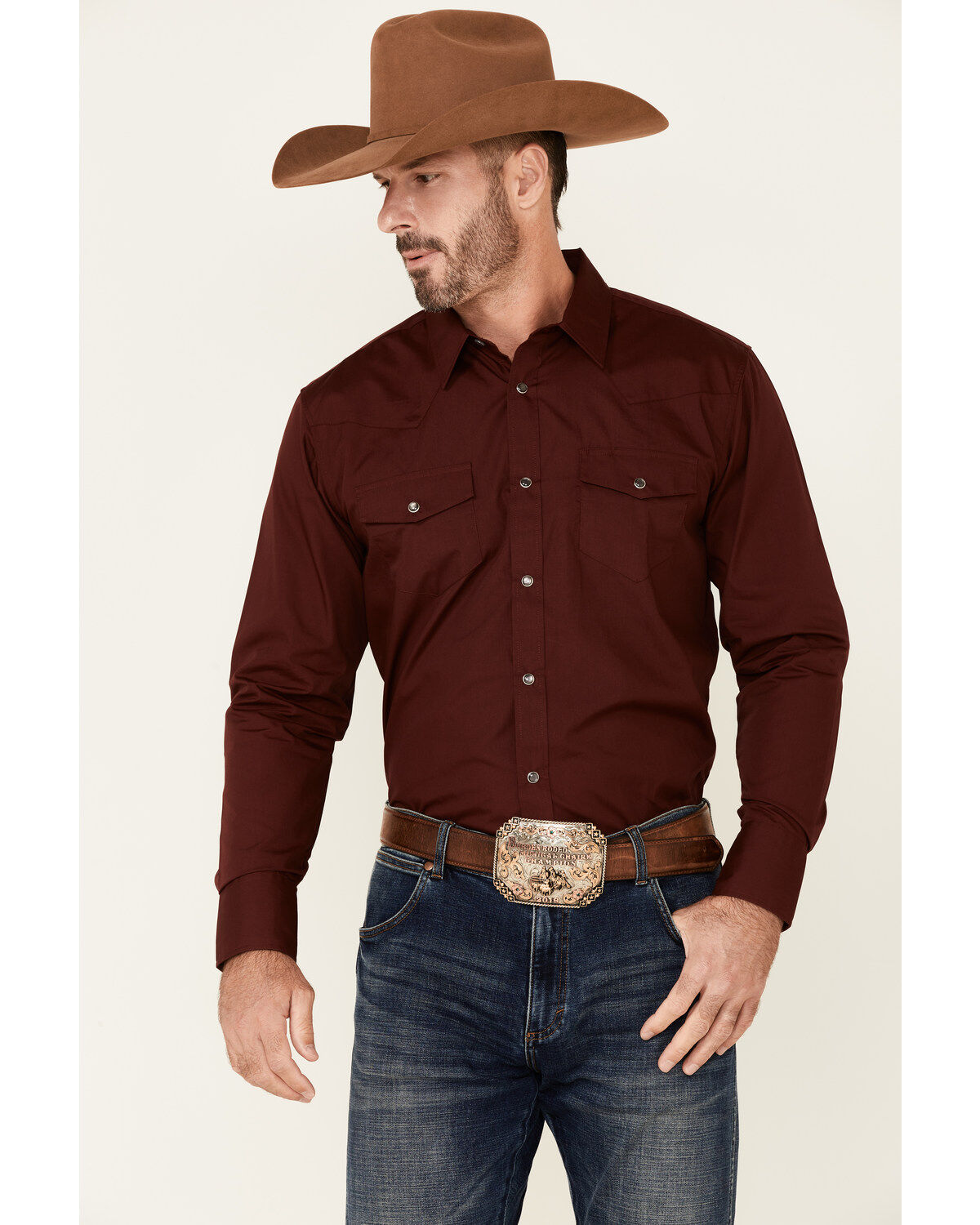
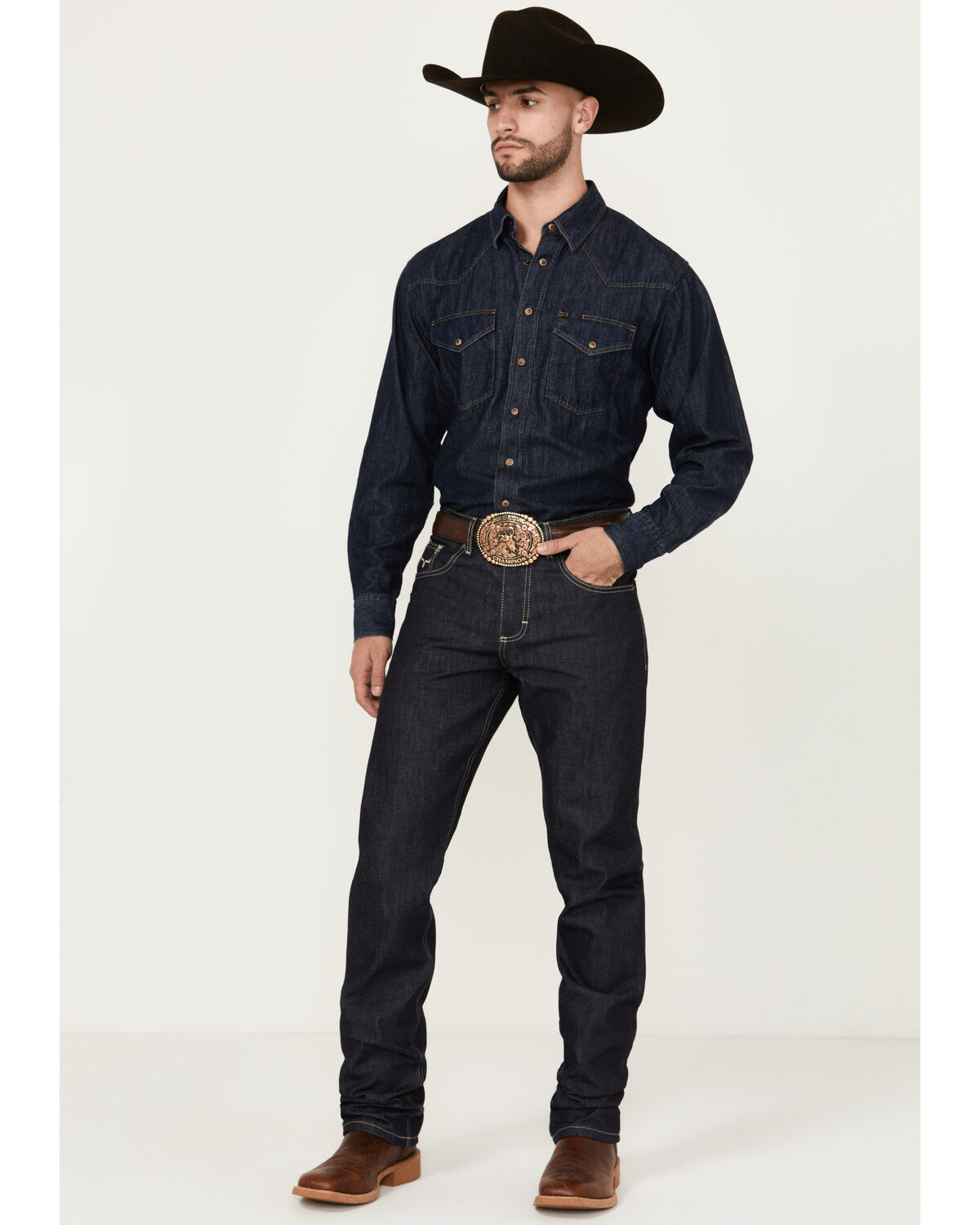
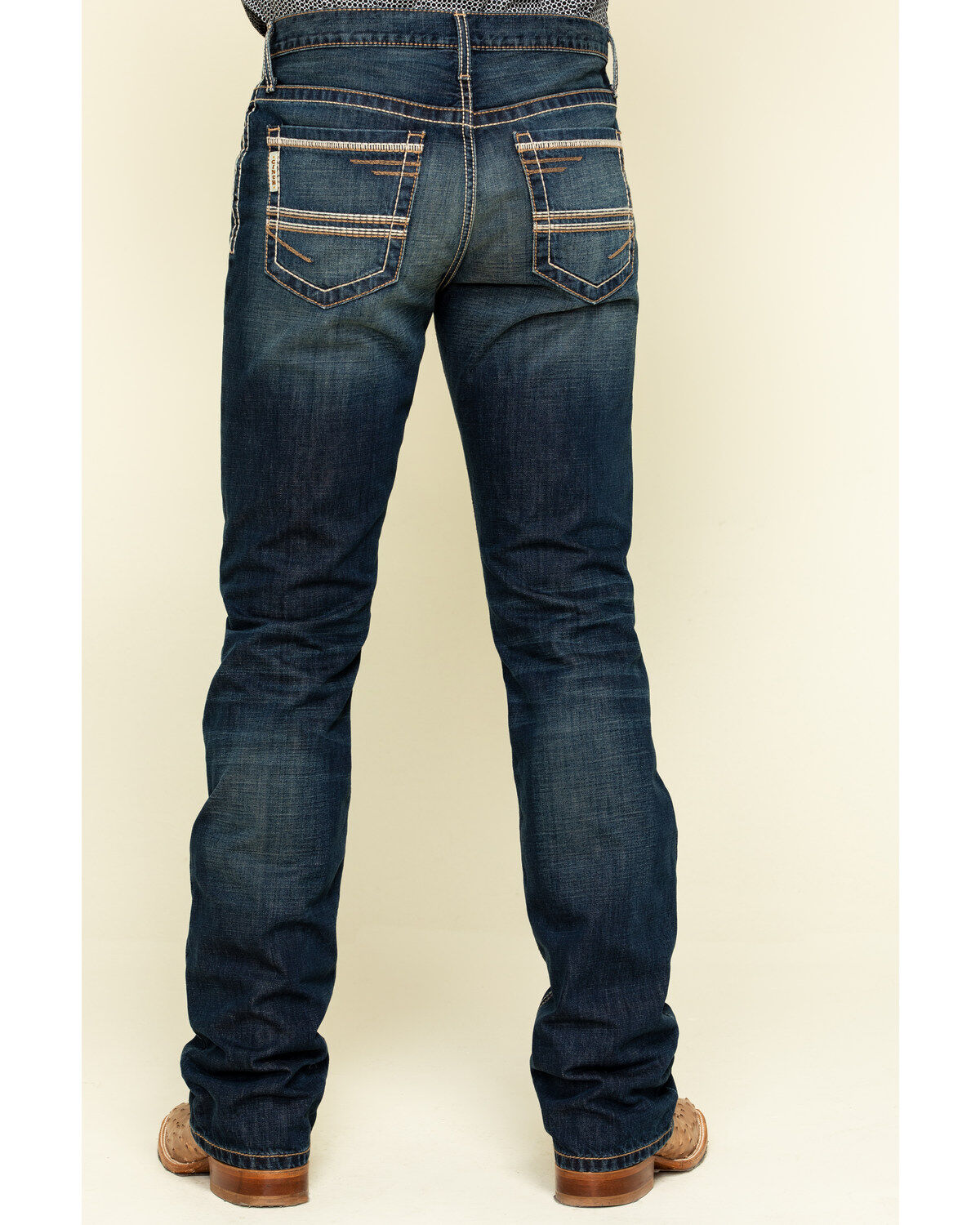
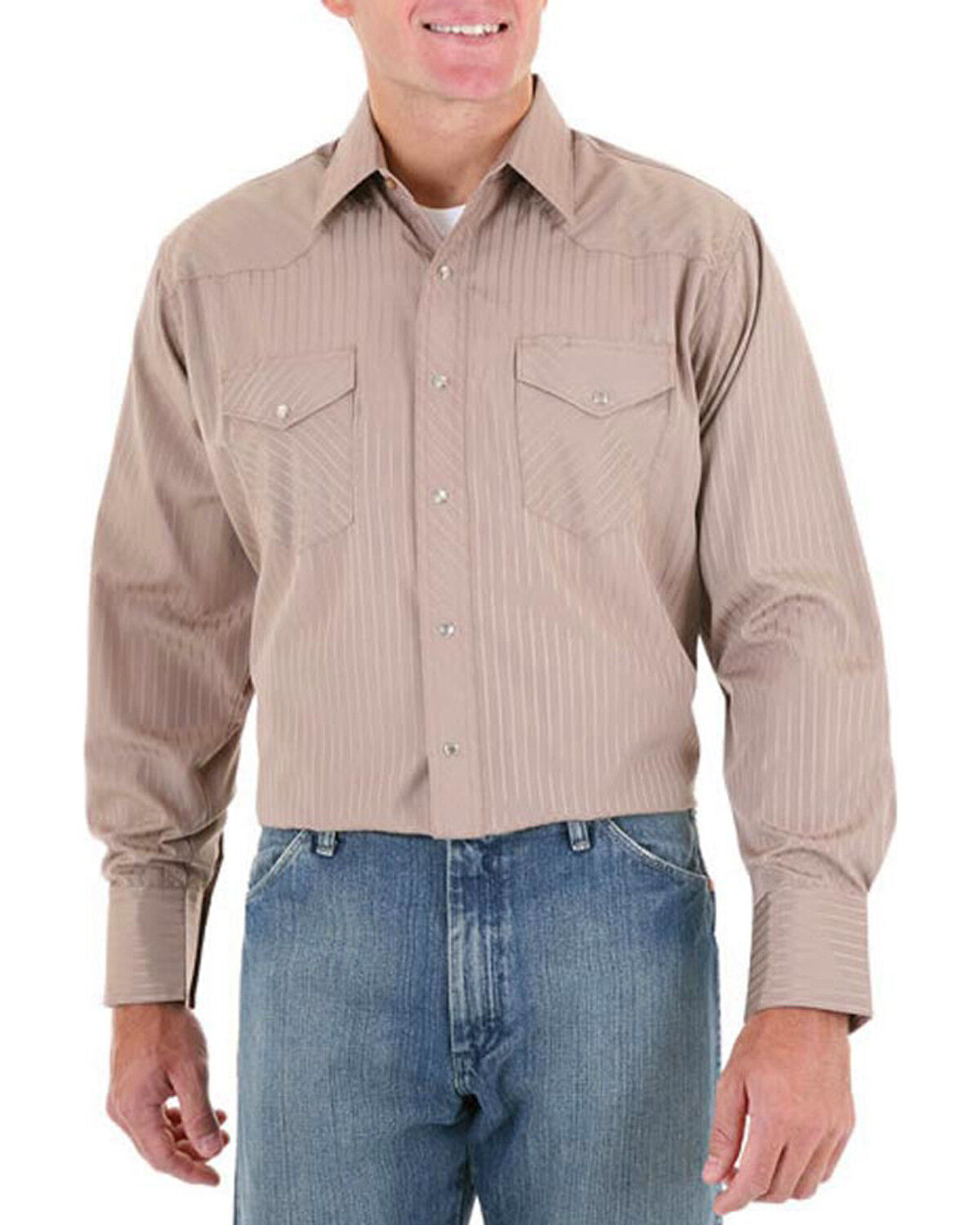
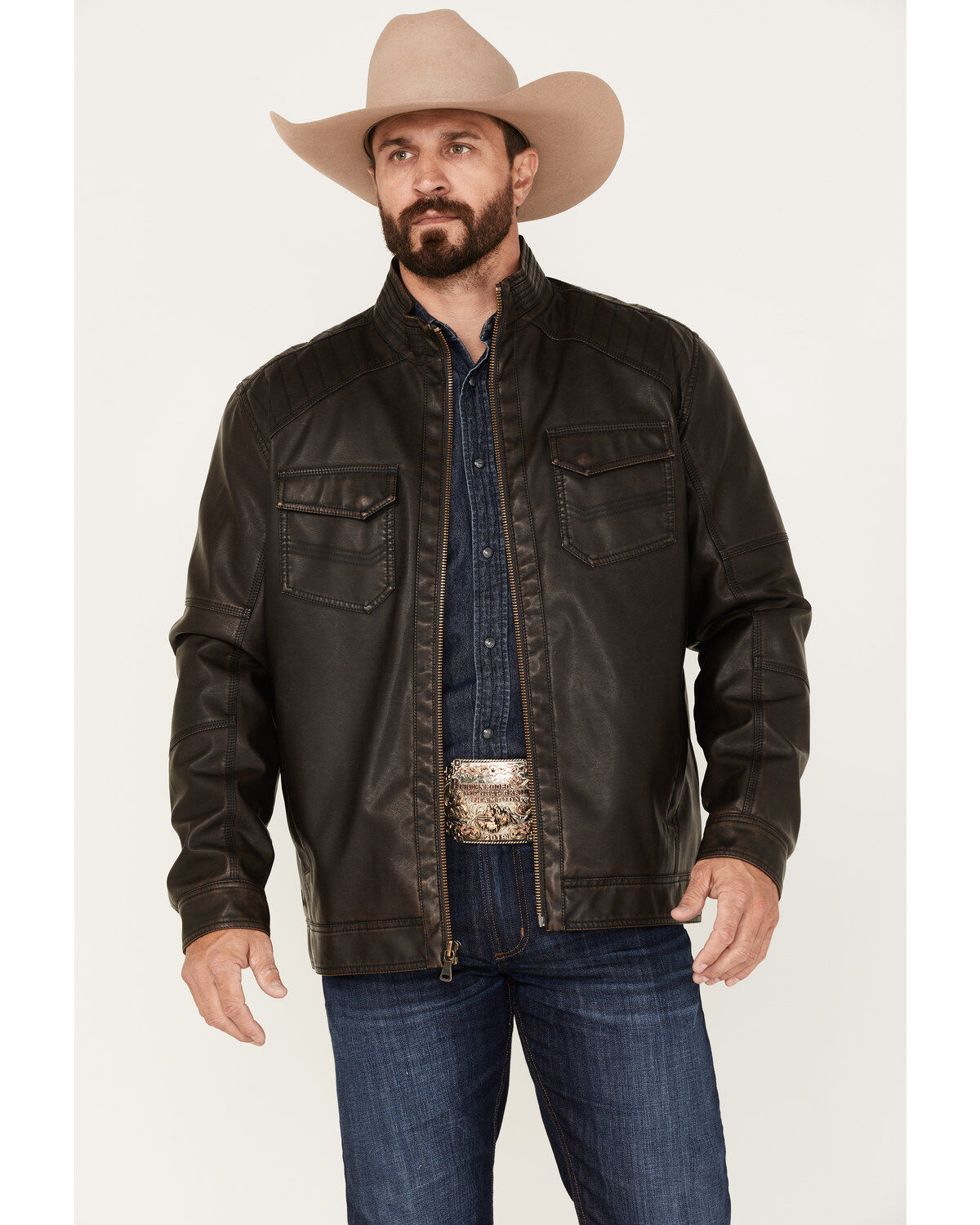
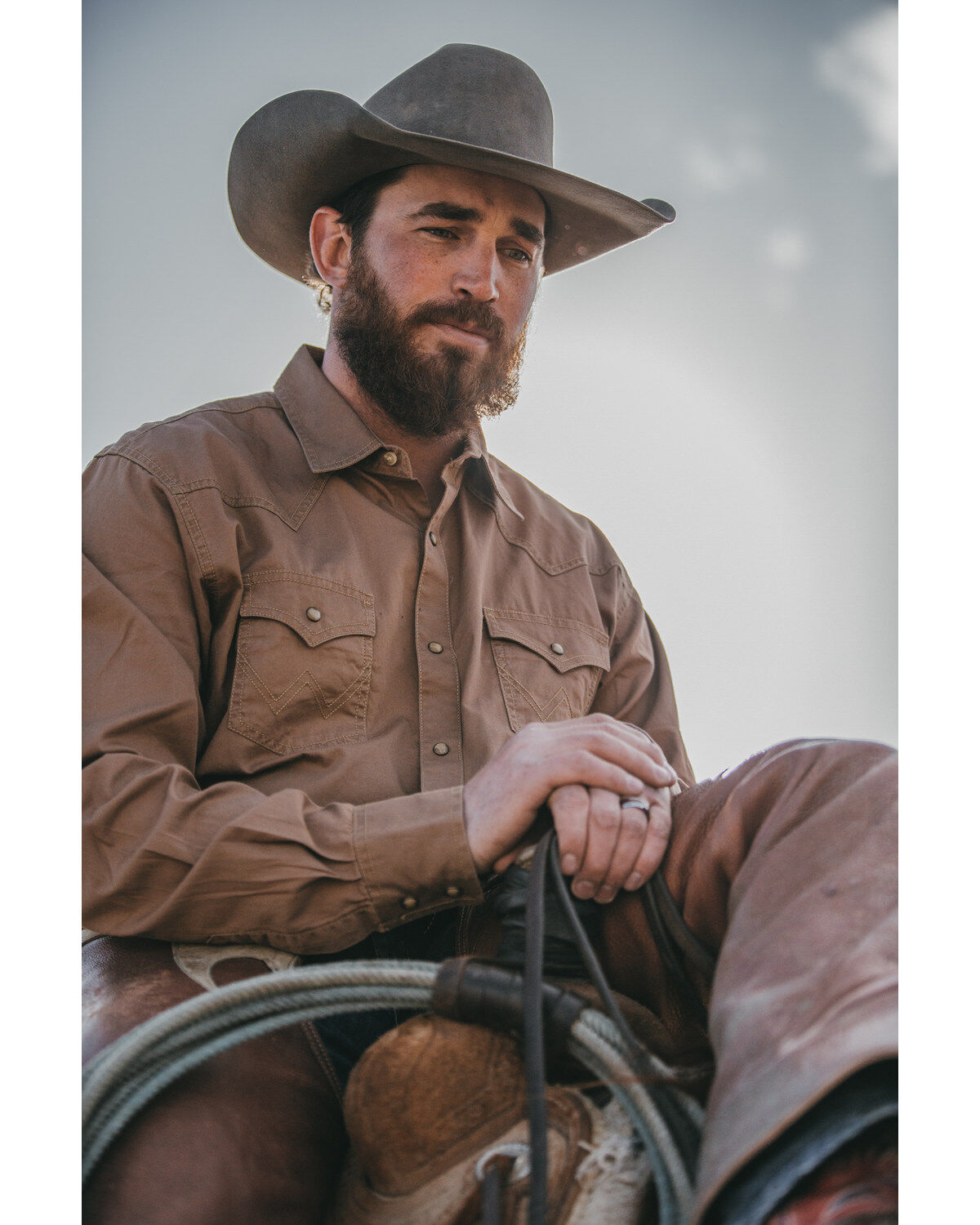
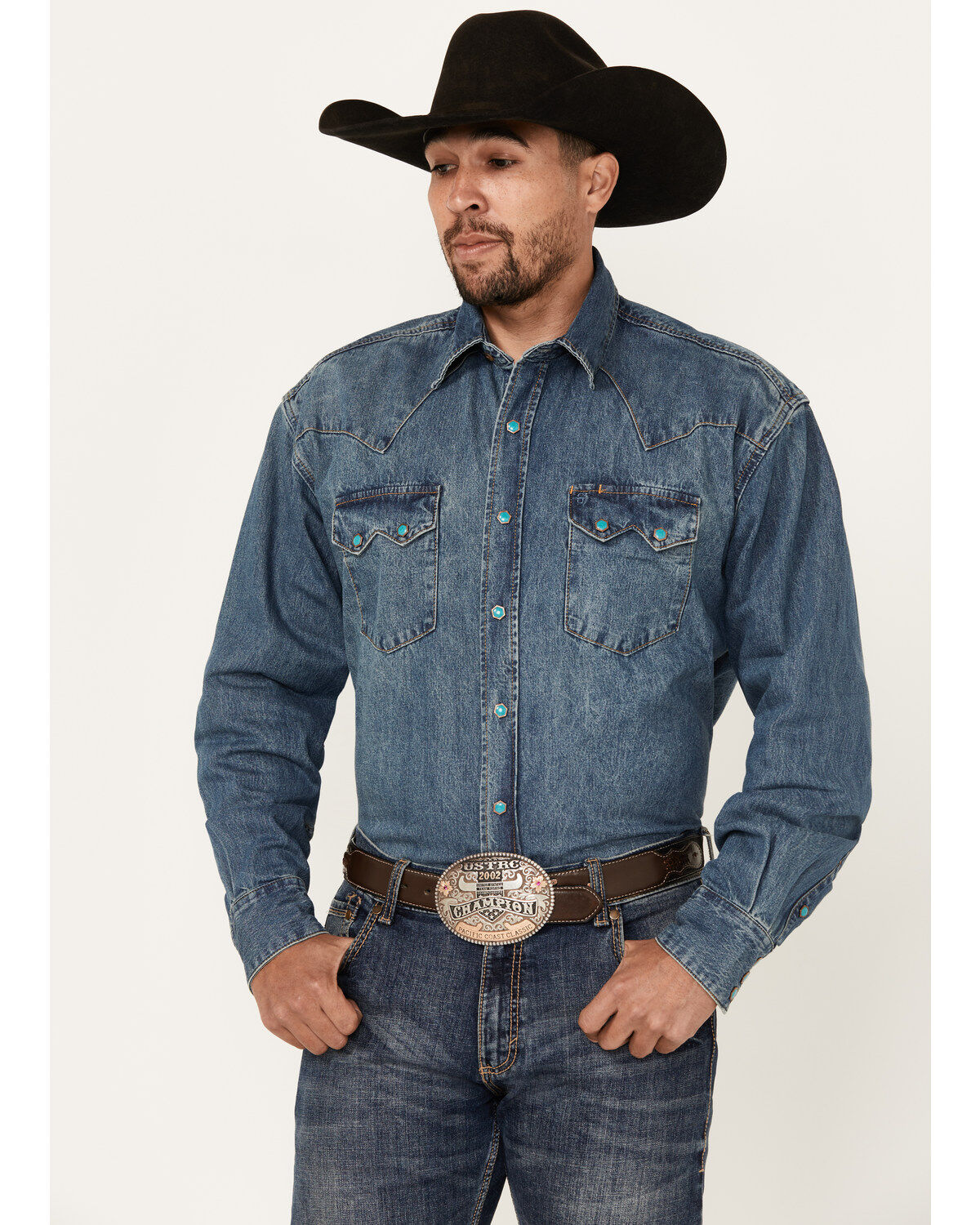
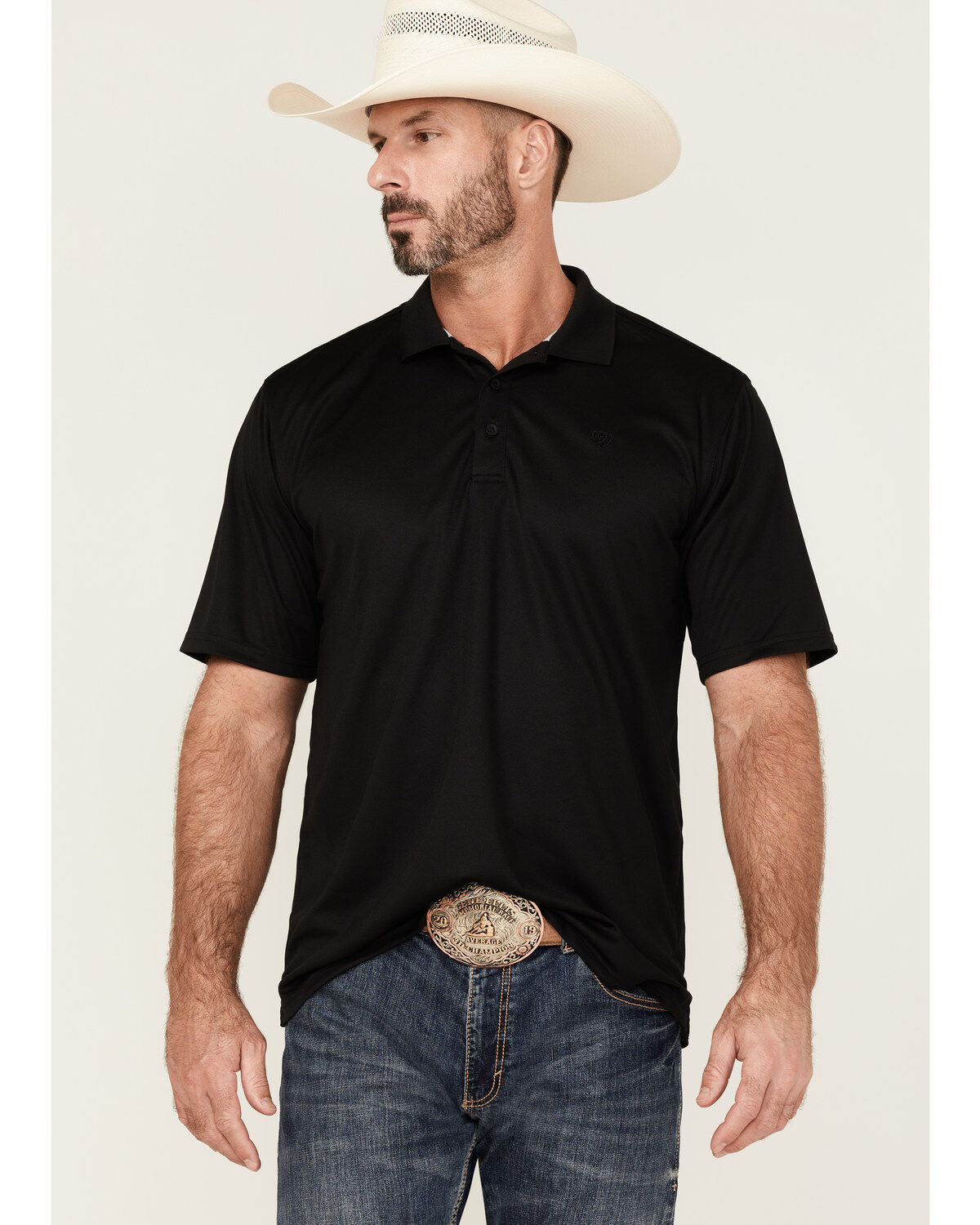
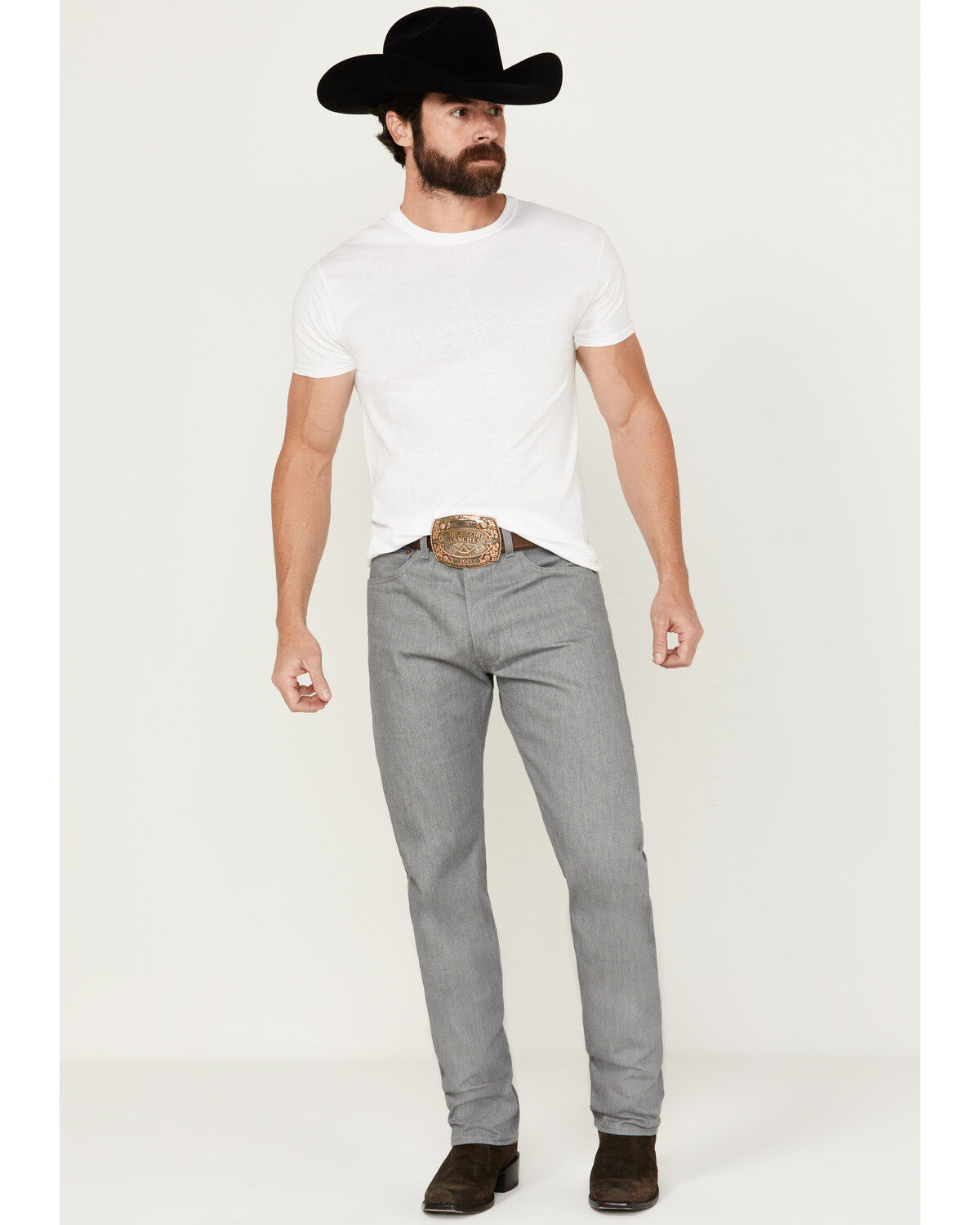
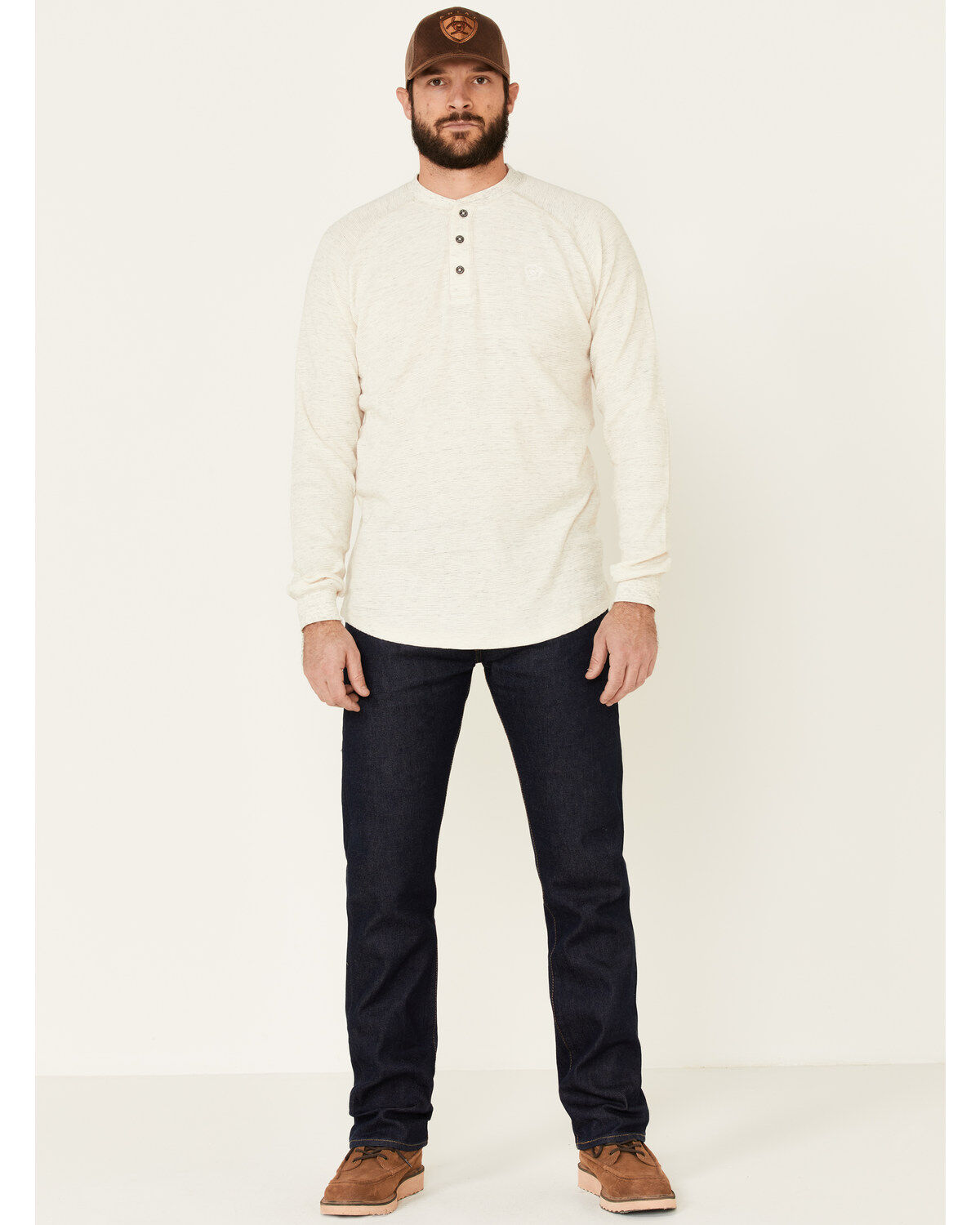
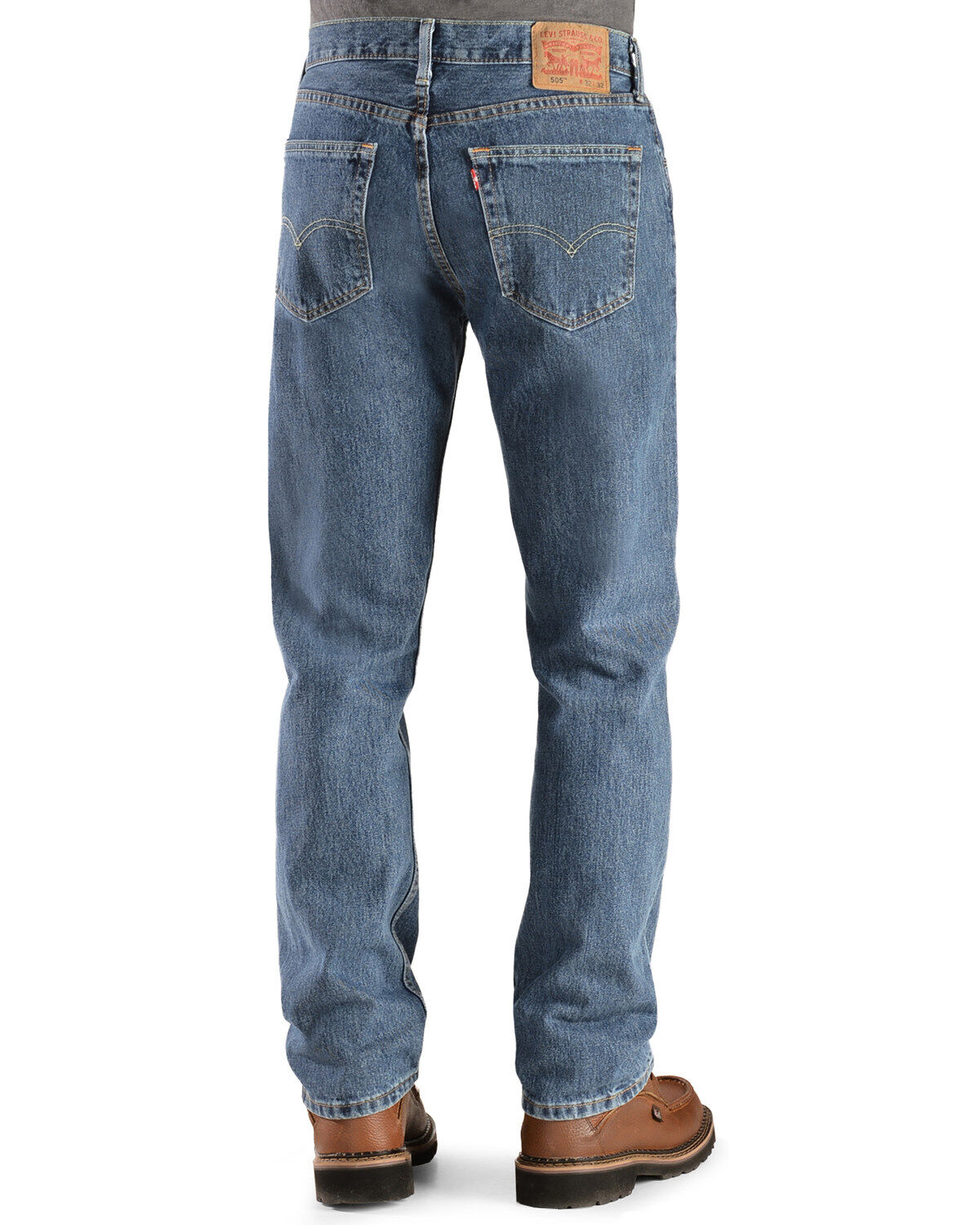
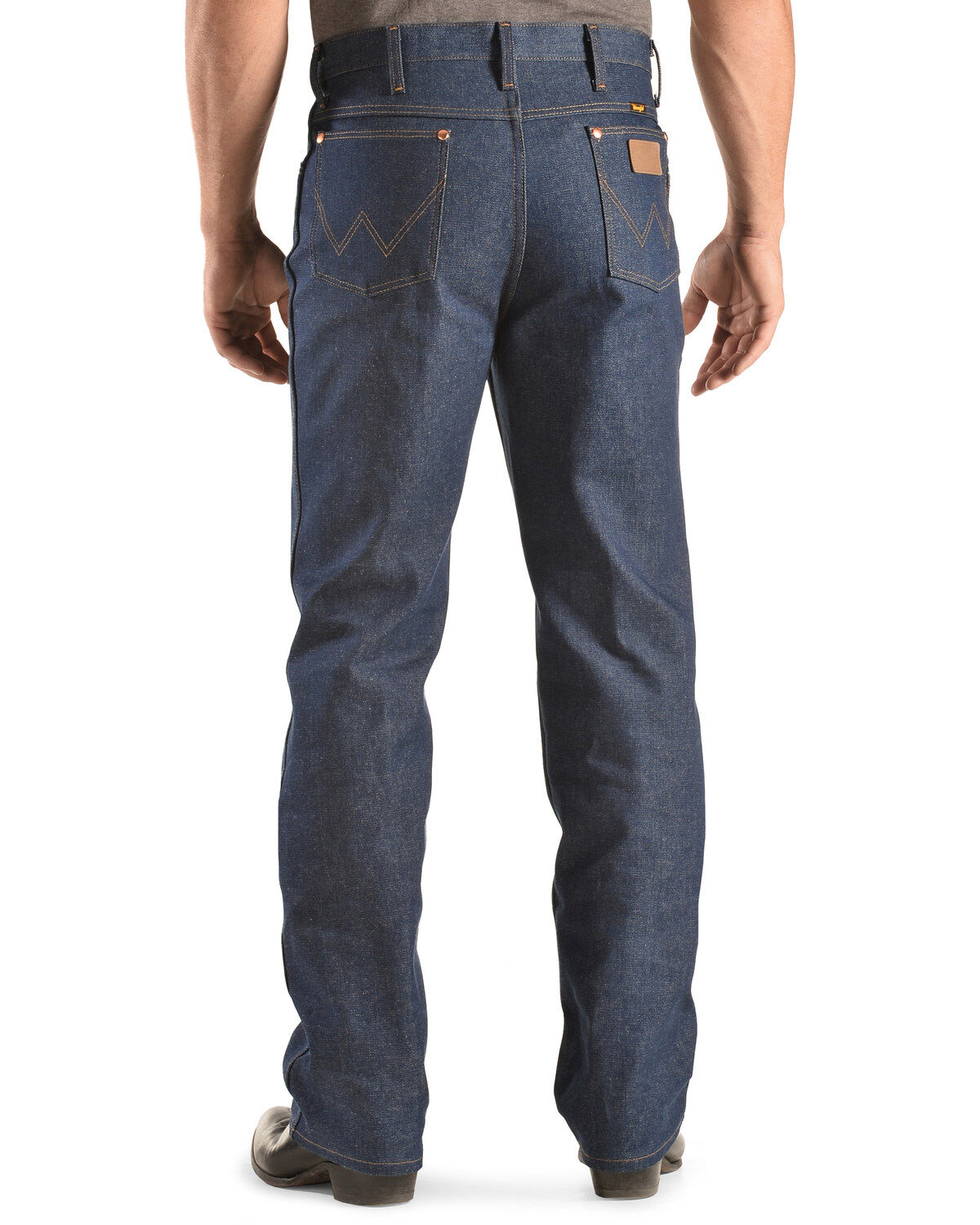
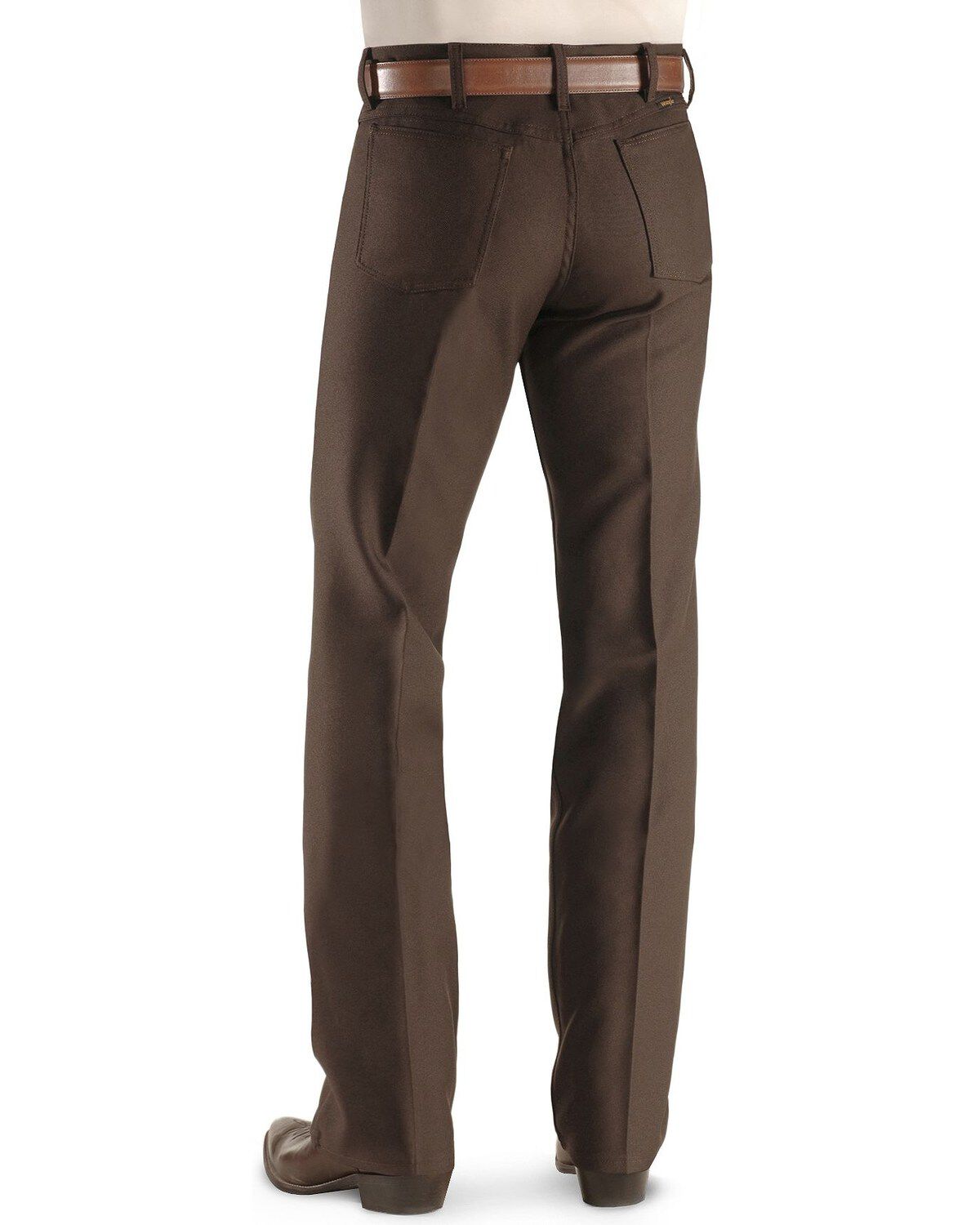
Men's western clothing combines familiar ranchwear details with pieces made for everyday use. Denim, twill, plaid shirts, and snap-front styles work for men who spend their days around livestock, travel between job sites, or simply prefer the straightforward look of western wear. The difference is often in the construction: shaped shoulder yokes, chest pockets, sturdy seams, and cuts that leave room to move. These details give western clothing its character without requiring a head-to-toe statement. A plain shirt and dark jeans can look right at a family dinner, while a patterned shirt and broken-in denim feel natural at a rodeo or an afternoon at the arena. Clothing should match what the day asks of it, whether that means reaching across a fence, sitting in a truck, or spending several hours on foot. Western shirts range from simple solids to checks, stripes, and stitched details, with button or snap closures that change the overall feel. Subtle patterns are easy to pair with denim, while larger checks and contrast trim make the shirt more noticeable. For a more polished outfit, men's stylish western shirts offer a natural starting point for dinner, a concert, or a special gathering. Dark, evenly colored jeans generally create a cleaner appearance than heavily faded denim, especially with a pressed shirt and a leather belt. For casual use, a broken-in wash or a textured twill brings a less formal finish. Keep the balance simple: a detailed shirt usually needs little extra decoration, and a plain shirt leaves more room for a distinctive buckle or hat. Western jackets and vests add another option without changing the foundation of the outfit. A vest should allow the shirt underneath to lie flat, while a jacket needs enough room through the shoulders for comfortable movement. The strongest combinations have colors, textures, and proportions that work together without competing for attention.

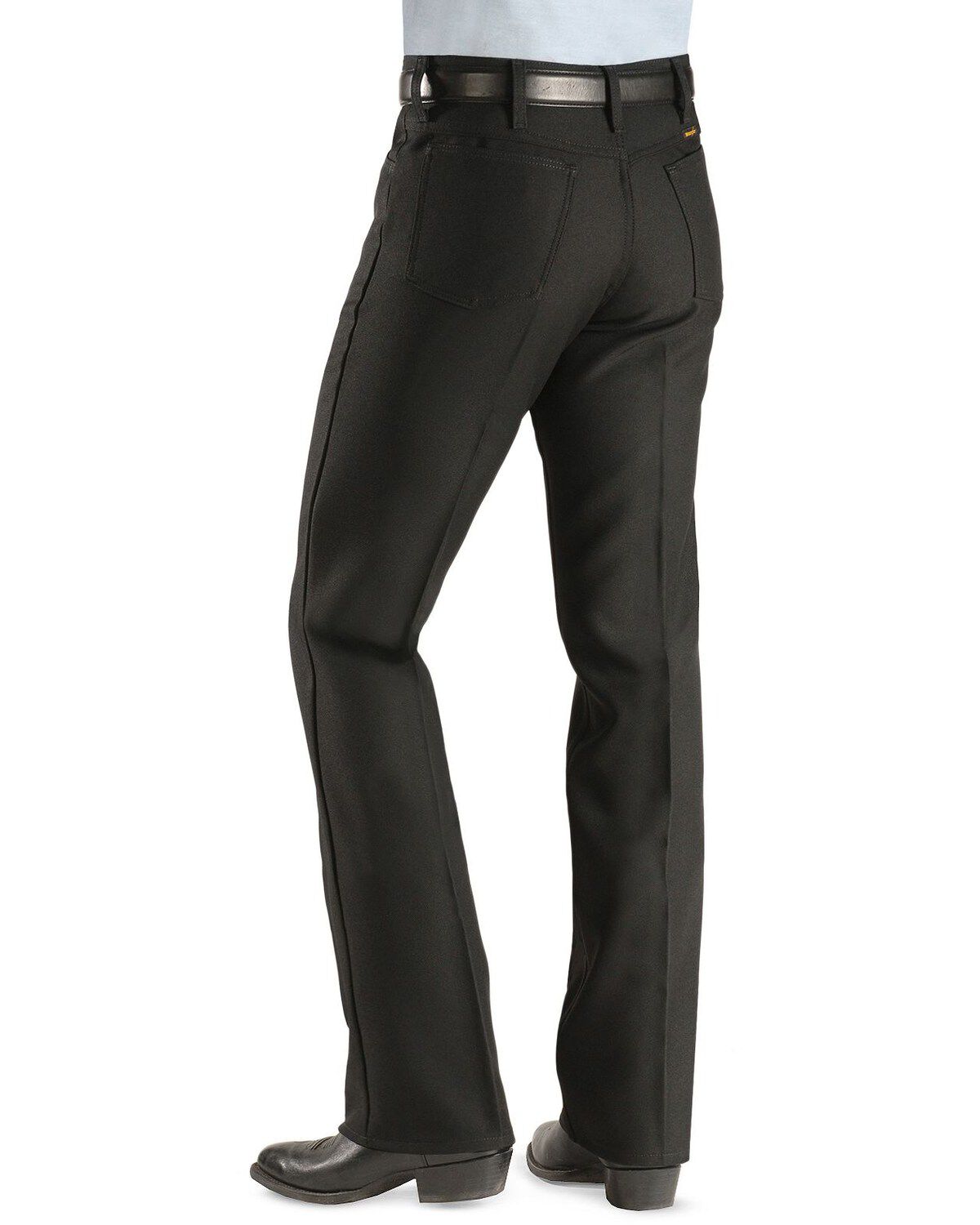
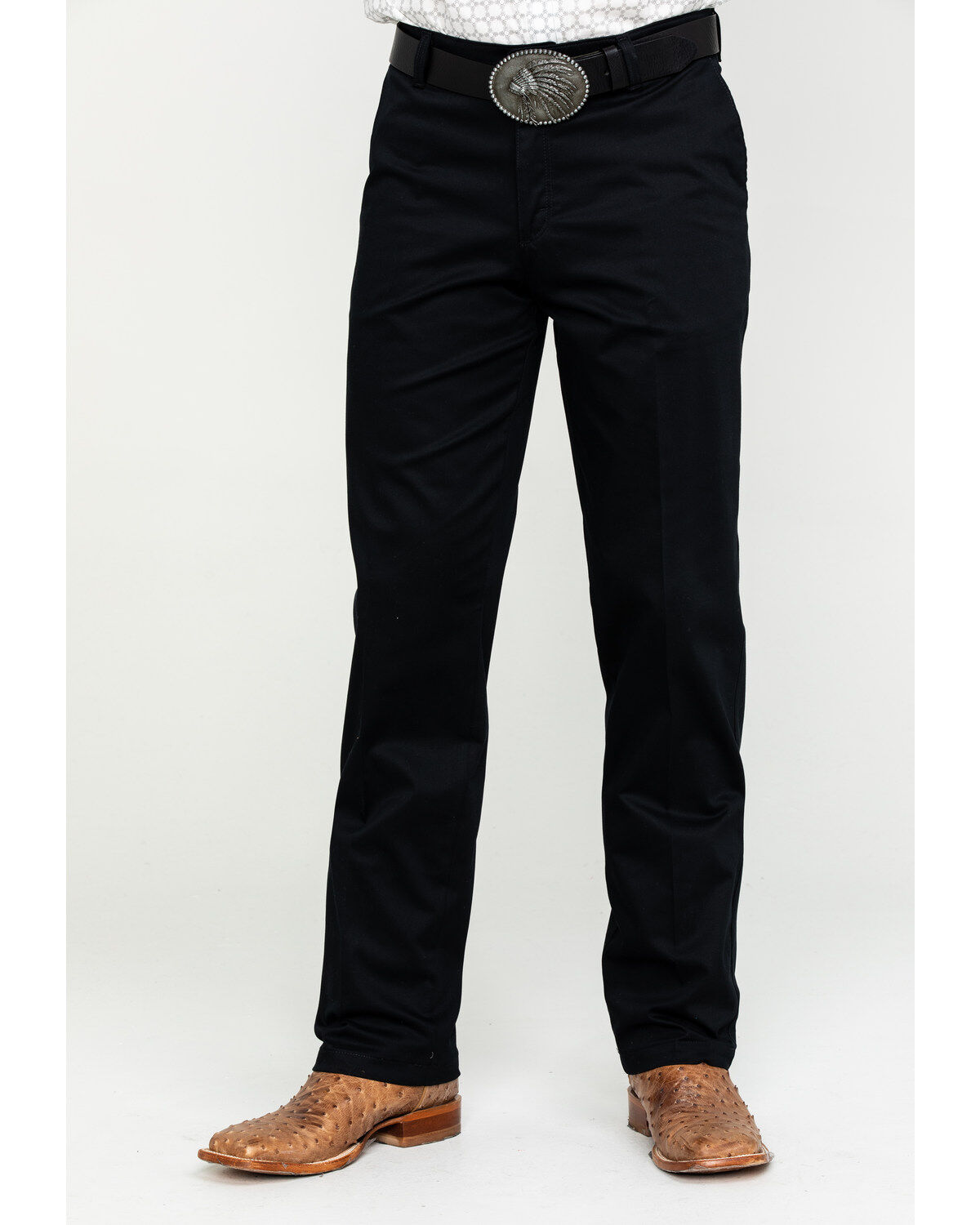
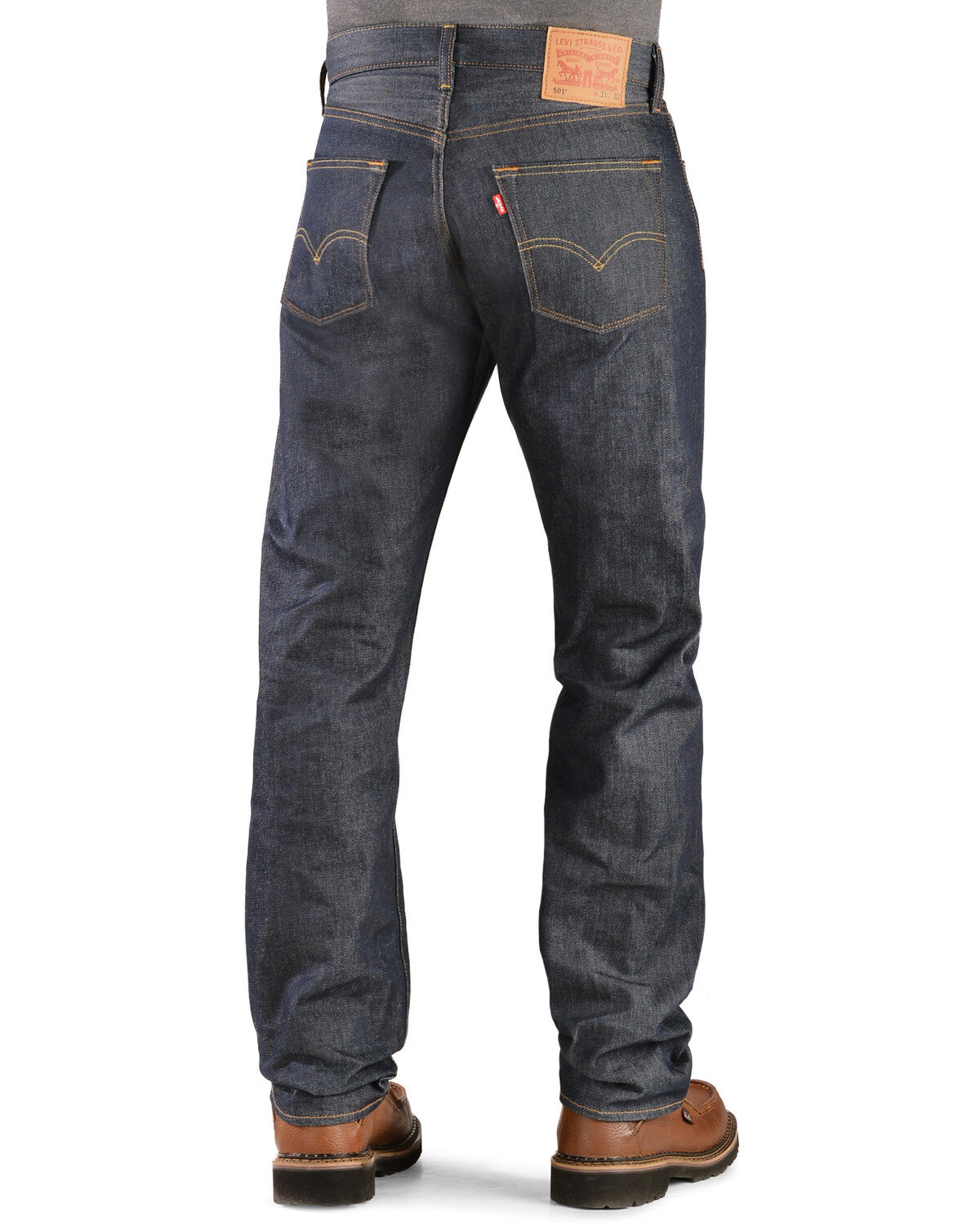
Fabric and fit make the biggest difference once clothing becomes part of a regular routine. Cotton denim has a substantial feel and develops a softer hand with wear, while cotton twill offers a smoother surface that suits both casual pants and more polished outfits. Fabric weight matters as much as fiber content. Heavier material can stand up well to repeated wear, but it may feel stiff before it breaks in. Lighter fabric tends to drape more easily and can be comfortable for long stretches of sitting or walking. Blends with a small amount of stretch can allow easier movement at the knees, seat, and elbows without a noticeably loose fit. Check the fabric label rather than assuming every pair of jeans or western shirt will behave the same way. A comfortable waistband should stay in place without digging in when seated, and the rise should suit both the wearer's build and the way the pants will be worn. Men who tuck in their shirts need enough room at the waist for the fabric without bunching. Through the seat and thighs, a good fit allows bending and stepping without strain across the seams. A boot-cut leg provides space around the boot shaft, while a straight leg creates a more even line; either needs an opening that works with the footwear underneath. Inseam length is worth checking while wearing boots, since the heel and shaft can change how the hem falls. A small amount of stacking may suit the look, but excess fabric dragging under the heel wears out quickly. Shirt fit deserves the same attention. Shoulder seams should sit near the edge of the shoulder, the chest should close without pulling, and sleeves should reach the wrist without covering the hand. A shirt intended to stay tucked needs enough length to remain in place when reaching overhead. For an untucked fit, a shorter hem generally gives a cleaner proportion. Trying familiar movements—sitting, bending, and extending both arms—reveals more about comfort than standing still in front of a mirror.

Durability depends on how clothing is made, how it is used, and how it is cared for. Look for even stitching, securely attached buttons or snaps, and seams that lie flat rather than twisting. Reinforcement at pocket corners and other stress points can help garments handle regular movement, though no construction detail makes fabric immune to wear. Men who spend time in a saddle may prefer jeans with comfortable seams and enough room through the thighs, while someone moving between an office and a job site may favor a neater fit with stretch. Ordinary western clothing is not a substitute for protective workwear; tasks with specific hazards require garments that meet the applicable safety requirements. For everyday care, follow the garment label, since denim, woven cotton, stretch blends, and embellished shirts may need different treatment. Turning dark jeans inside out can help limit surface abrasion during washing. Fastening closures and separating rough fabrics from shirts with decorative stitching can reduce snagging. Treat stains promptly with a method suited to the material, and avoid aggressive scrubbing that can leave a lighter patch. Drying instructions matter, too: high heat can affect fit, fibers, and stretch recovery. Remove garments promptly after drying to limit deep creases, and press shirts only at the temperature allowed on the label. Hanging woven shirts supports their shape, while neatly folded jeans are easy to store without sharp, unwanted creases. Western clothing also makes a practical gift for a husband, father, brother, or friend who already wears it. The most useful clues are often in the clothes he reaches for repeatedly: his usual shirt size, preferred jean cut, waist and inseam measurements, and whether he chooses solids or patterns. Familiar colors and comfortable fits are sound choices for a birthday or another personal occasion. A gift does not need elaborate details to be meaningful. A well-chosen shirt or pair of jeans can become part of an everyday routine, worn for the same reasons western clothing has remained useful: dependable construction, freedom of movement, and a recognizable look.

FAQs