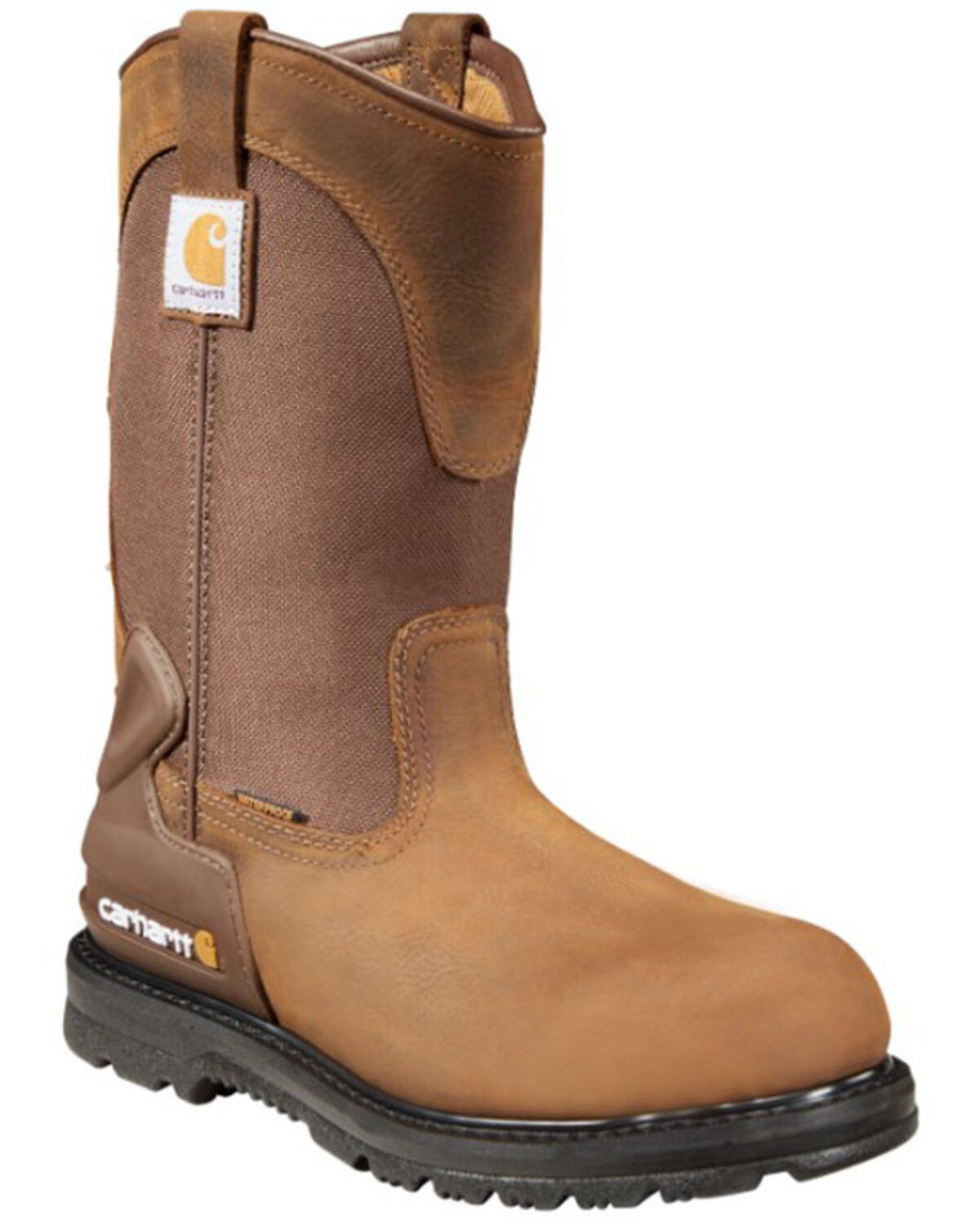
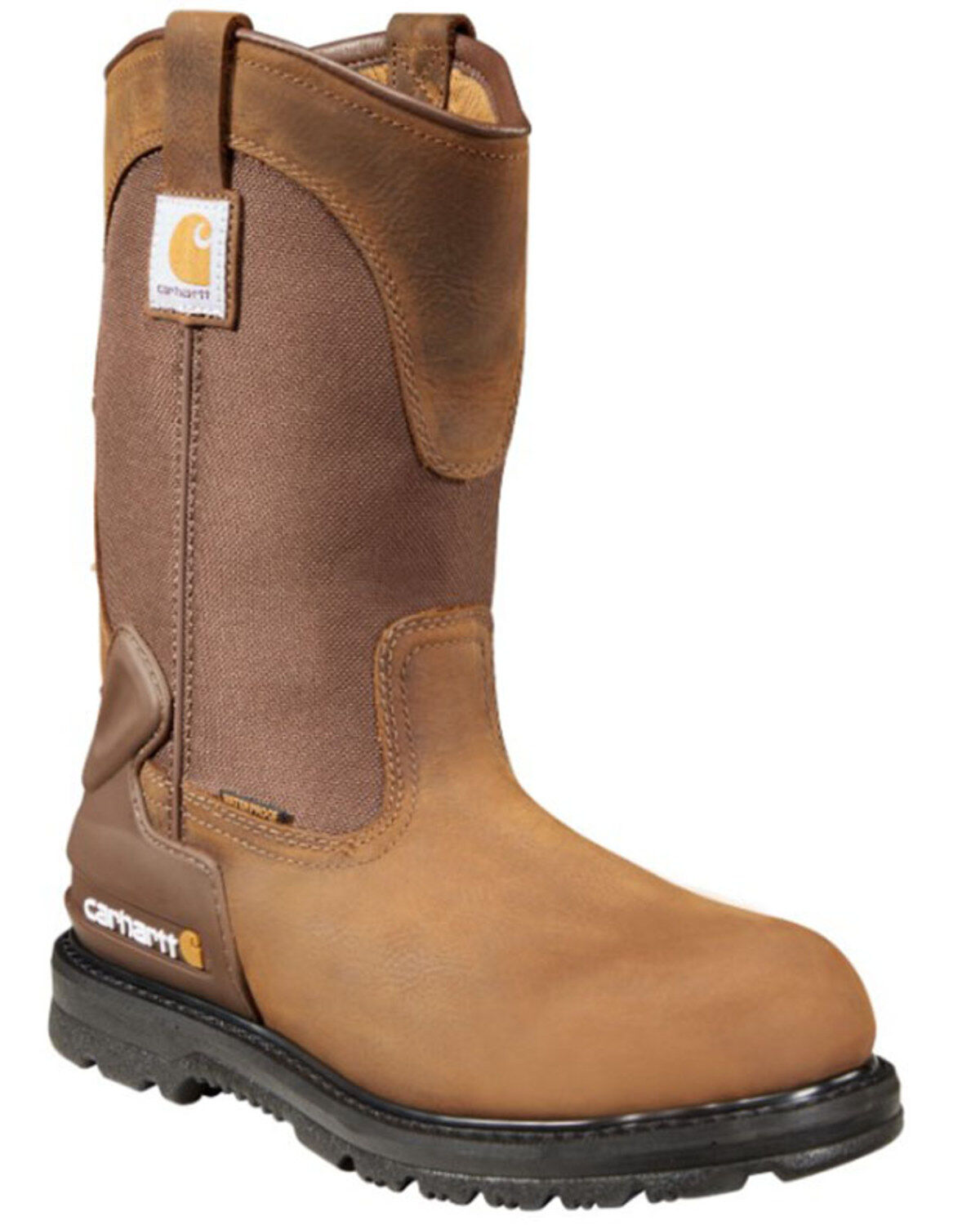
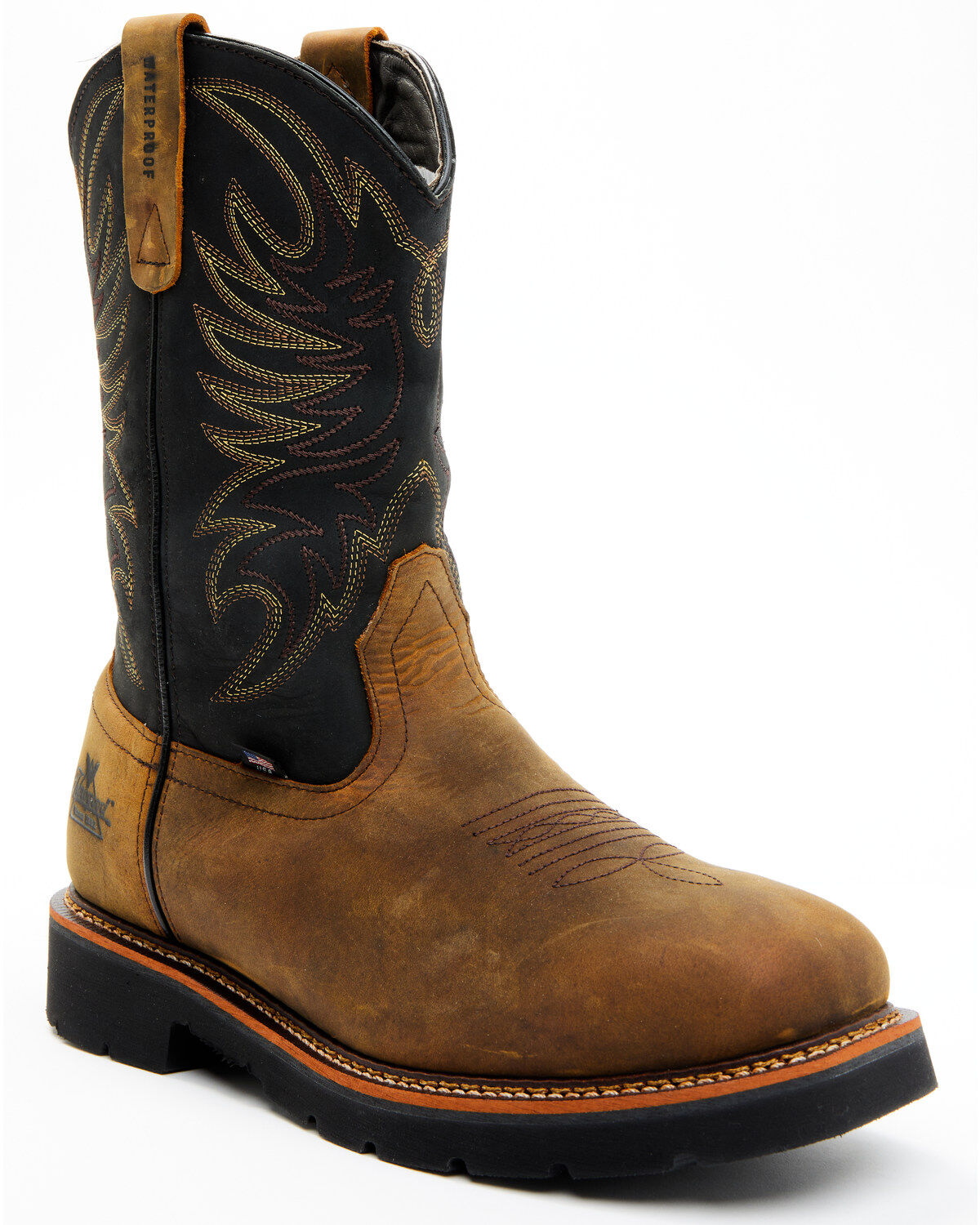
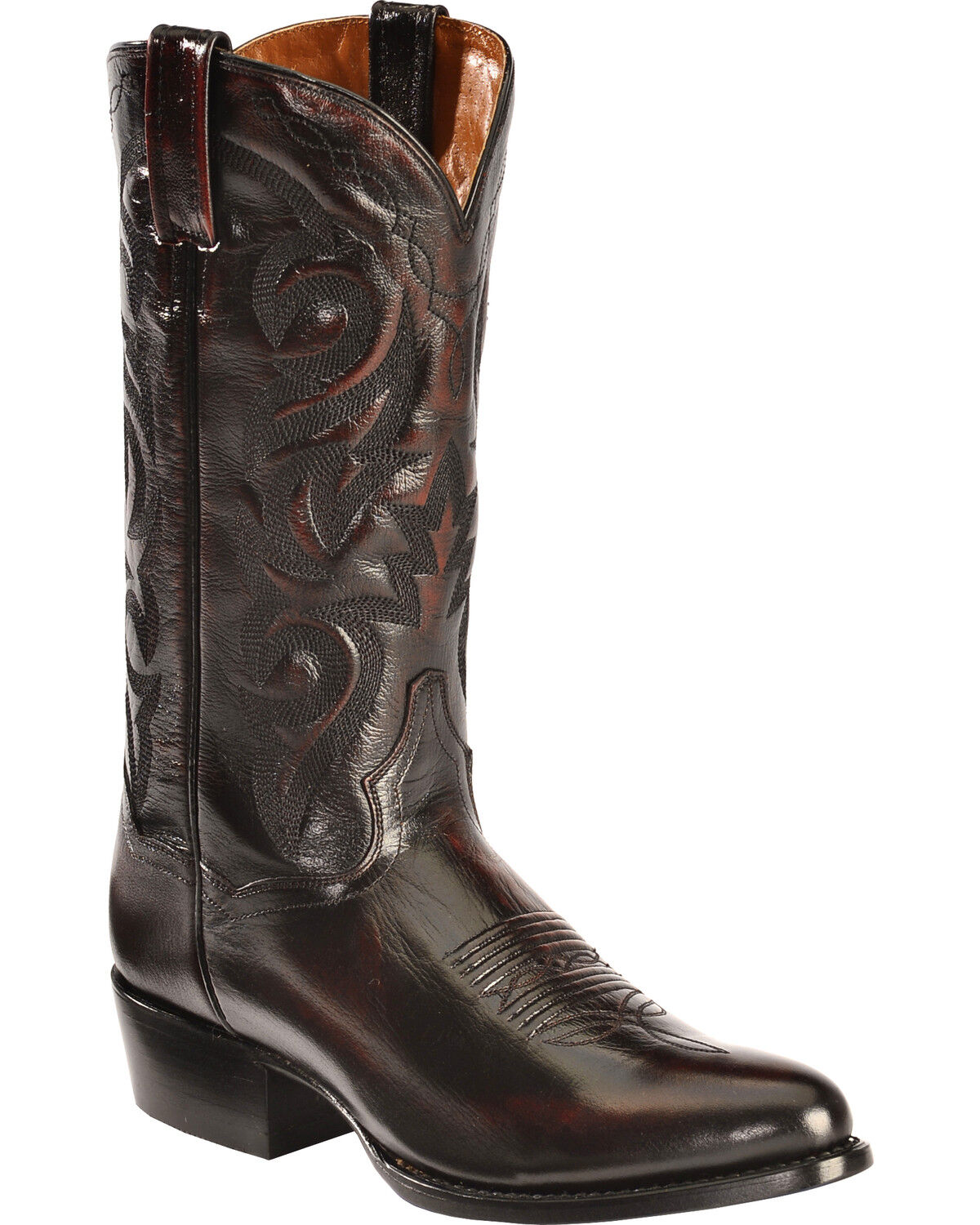
men's waterproof leather wellington boots

Shop men’s waterproof leather Wellington boots for dependable coverage in wet conditions. Browse the available selection to compare leather Wellington boots designed to help keep feet dry, with styles suited to work and everyday wear.

Read More

Shop Your Store: Shop Your Store: Find a Store

(Turn off Shop Your Store to see all items)

(Turn off Shop Your Store to see all items)

close
  • Recommended
  • Lowest Price
  • Highest Price
Skip pass products

End of products

men's waterproof leather wellington boots

Men’s waterproof leather Wellington boots bring together the straightforward fit of a pull-on boot and protection built for wet ground. Their tall shafts cover more of the lower leg than ankle-height footwear, while the laceless design leaves fewer places for mud, loose hay, and debris to collect. That makes them a practical choice for ranch work, farm chores, property maintenance, and jobs that move between a shop floor and an outdoor yard. Walking through wet grass before daylight, checking a fence after rain, or unloading supplies on a muddy driveway calls for footwear that can handle moisture without giving up support. Leather provides a substantial outer layer that can soften with wear while standing up to everyday abrasion. Full-grain leather retains the hide’s outer surface and is often chosen for its strength, though leather type, thickness, and finish all affect how a boot feels and wears. Waterproof construction adds protection beyond the leather itself, often through an internal barrier, sealed seams, or a combination of methods. A leather upper alone does not make a boot waterproof, and surface treatments do not replace a properly built waterproof system. These boots are intended to help keep outside moisture from reaching the foot during ordinary wet-weather use, not to serve as waders. Water can still enter over the shaft opening, and deep standing water may exceed a boot’s intended use. For men who spend much of the day moving through changing conditions, that distinction matters. A waterproof Wellington can make sense for damp fields and muddy paths without being the right footwear for prolonged immersion. During the cooler months, protection from rain and slush is useful, but waterproofing and insulation are separate features. Uninsulated construction may suit active work or frequent trips indoors, while insulation can help when long stretches outside involve less movement. The right balance depends on the work, the conditions, and how much warmth the wearer needs.

Fit has a direct effect on how well waterproof leather Wellington boots perform over a full day. With no laces to tighten across the instep, the shape of the boot must hold the foot securely without creating pressure. The instep should feel comfortably snug, the toes should have room to move, and the widest part of the foot should line up with the widest part of the boot. A small amount of heel movement can be normal in a new pull-on boot, but the foot should not slide around or lift excessively with every step. Leather can ease as it breaks in; it will not turn a boot that is too short into the right size. Trying boots with the socks intended for work gives a more useful sense of fit than trying them with a thin pair worn only for convenience. Shaft width also matters, particularly for men with fuller calves or those who need room for thicker socks. Toe shape is another consideration, though appearance alone does not establish how much space a boot provides. For a rounded profile, Mens Round Toe Wellington Boots offers a related style to consider alongside width, instep fit, and overall proportions. Underfoot construction deserves just as much attention. Cushioning can soften repeated steps across hard surfaces, while a stable midsole and supportive footbed help maintain a secure feel through long periods of standing and walking. Outsole patterns affect performance in different settings: deeper lugs can provide purchase on loose ground, while shallower patterns may be easier to clear of packed mud. Slip resistance varies by outsole and surface, and no tread prevents every slip on wet concrete, oil, or ice. A defined heel may suit certain tasks, but it should match the equipment and footing involved. Where workplace hazards require a safety toe, electrical hazard protection, or other protective features, the boot’s stated rating must meet the job’s requirements. Waterproof construction does not establish any of those protections.

Durability comes from the whole boot, not just a thick leather upper. Seams, sole attachment, heel structure, and the lining all take wear as the boot bends, rubs, and carries weight. Repeated crouching puts stress across the forefoot, climbing adds abrasion around the toe, and rough gravel can wear an outsole differently than a smooth warehouse floor. Boots used around livestock or in muddy work areas also face manure, grit, and moisture that should not remain on the leather longer than necessary. Knocking off loose dirt and wiping the uppers with a damp cloth after use keeps buildup from settling into seams and creases. A soft brush helps lift dried mud without scraping the finish. Cleaning products and leather conditioners should suit the leather type and be compatible with the waterproof construction. Too much conditioner can oversaturate leather, while an unsuitable treatment may alter its finish or interfere with performance. Following the maker’s care directions is especially important for waterproof linings and treated uppers. Wet boots should dry naturally in a ventilated space, away from a heater, fireplace, or other direct heat source that can dry out leather and strain adhesives. Removing removable footbeds helps the interior air out, and giving boots time to dry between wears supports comfort as well as care. Moisture inside a boot is not always a sign that water has leaked through; perspiration can build up during physical work, particularly with heavy socks or insulation. Moisture-managing socks and warmth suited to the workload can help. Regular checks for worn tread, cracked leather, separated seams, and damage around the sole make it easier to spot problems before a wet morning exposes them. For a man who handles daily chores, maintains acreage, or works outdoors, waterproof leather Wellingtons can also be a useful gift when his size, width, and workplace requirements are known. Their value lies in everyday use: easy pull-on entry, dependable coverage, and construction suited to the ground underfoot. A well-fitting pair should feel secure at the start of the day and remain comfortable enough for the work still left at the end.
Read More

FAQs