Men's Tall Leather Boots

Shop men's tall leather boots for added leg coverage and a higher shaft. When comparing styles, consider shaft height and calf fit along with foot size, and check each pair's sizing details before choosing.

Read More

Shop Your Store: Shop Your Store: Find a Store

(Turn off Shop Your Store to see all items)

(Turn off Shop Your Store to see all items)

close
  • Recommended
  • Lowest Price
  • Highest Price
Skip pass products
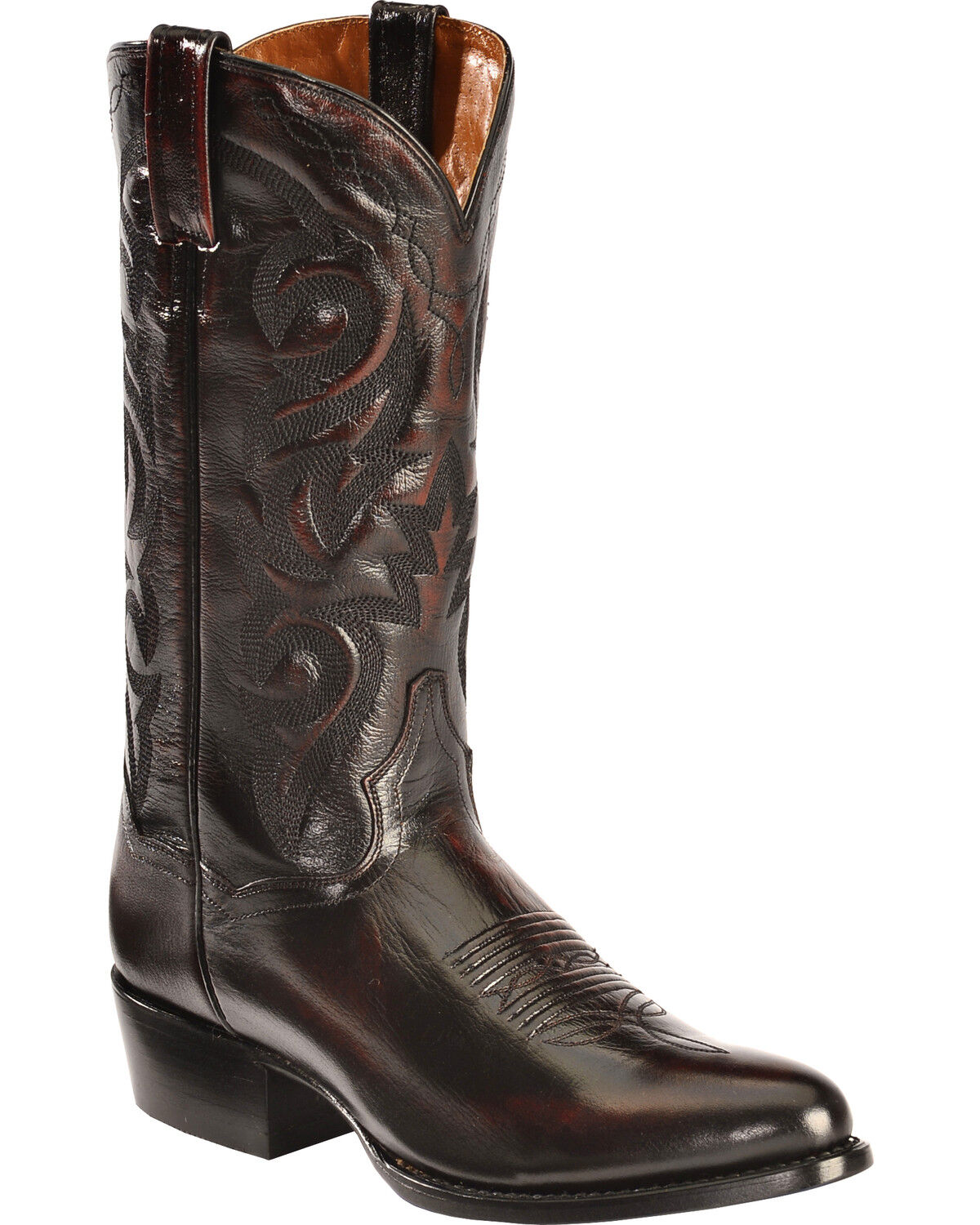
  • Men's Dan Post Calvin Tall Western Boots - Square Toe
    Original Price $267.99 $187.97
    30% Total Savings

End of products

Men's Tall Leather Boots

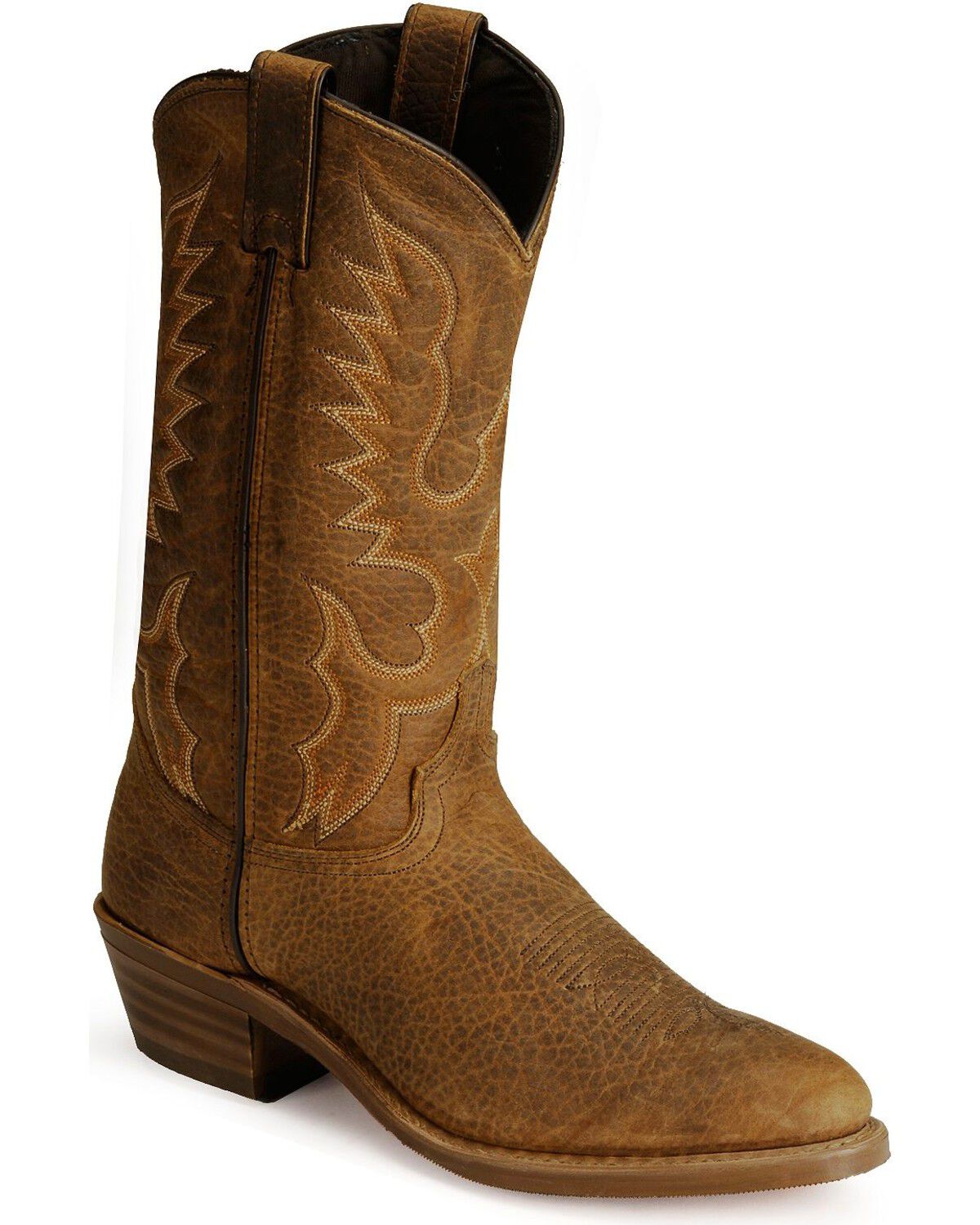
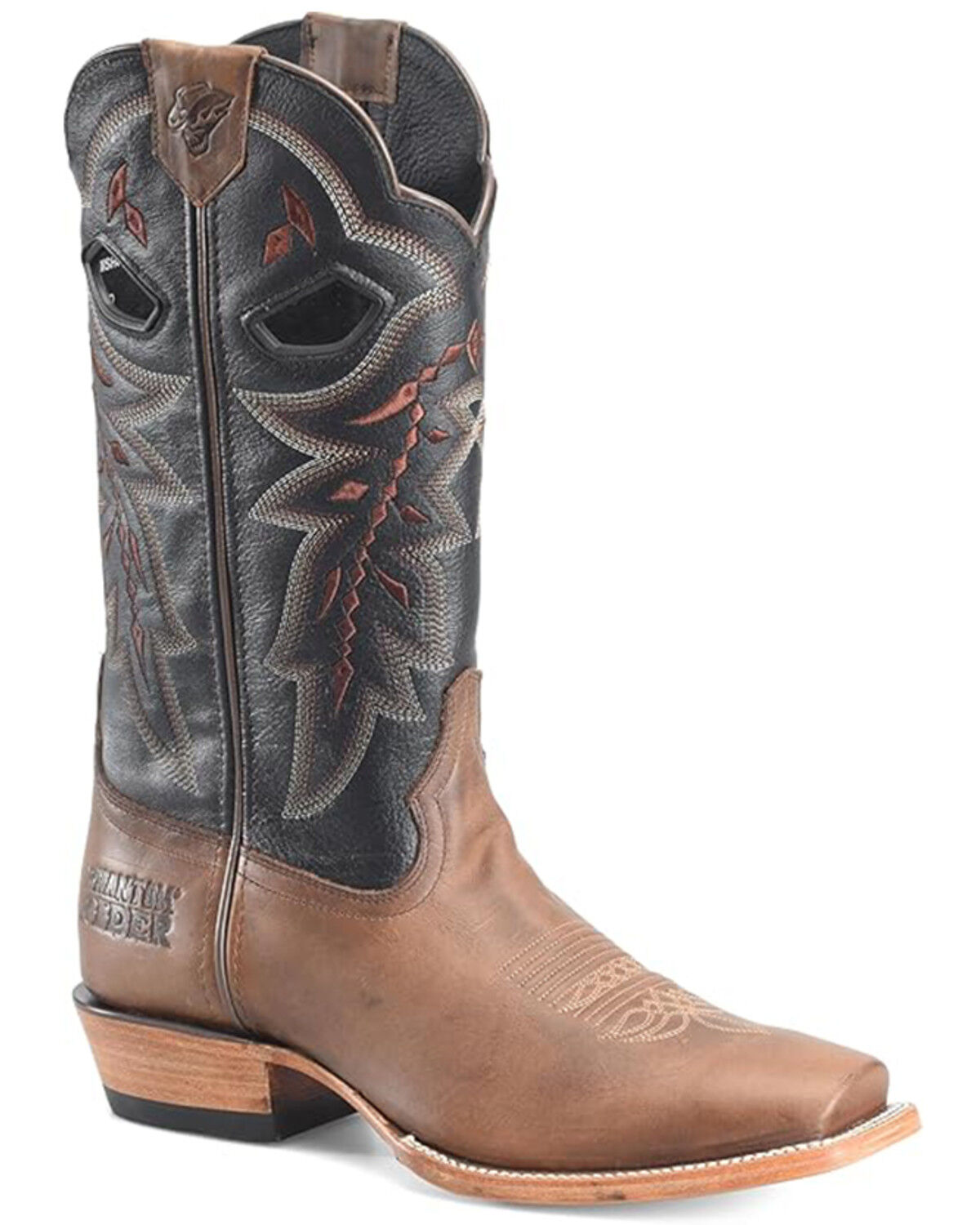
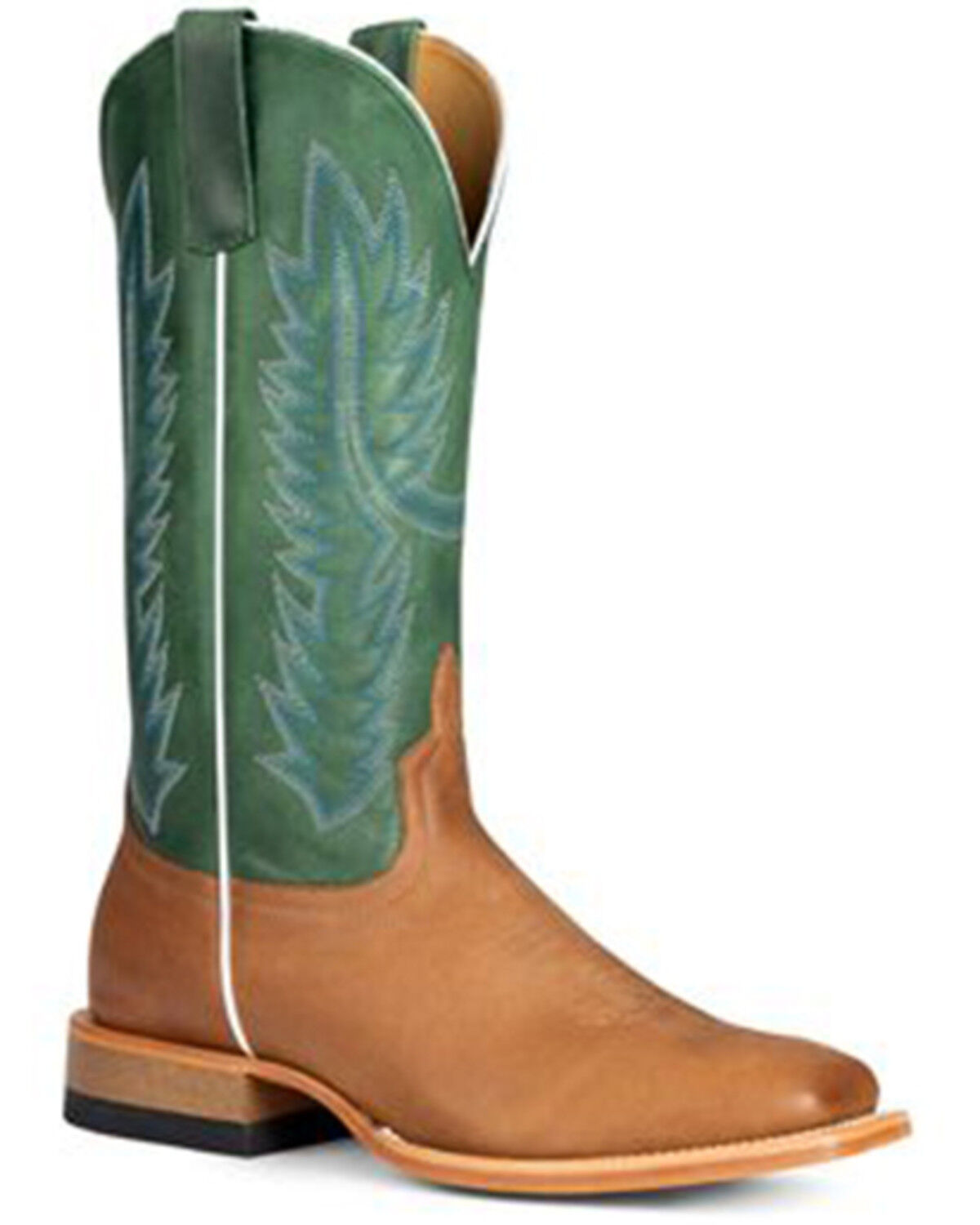
Men's tall leather boots combine an extended shaft with the structure and character of leather footwear. Heights vary, from styles that reach well up the calf to designs that sit closer to the knee. That added height changes the look of the boot, the coverage around the lower leg, and the way it fits beneath a pair of jeans. Western boots often feature shaped tops, stitched shafts, pull straps, and a defined heel, while other tall leather designs may have straighter shafts, buckles, or zippers. Those details serve different purposes, so appearance alone does not determine whether a boot is suited to riding, physical work, or everyday wear. The leather and construction tell more of that story. Full-grain leather retains the hide's natural surface, including variations in grain that give each pair its own appearance. A smooth finish has a different feel and care routine than suede or roughout, which have an exposed nap. Firm leather can provide a more structured fit, while softer leather generally flexes more easily from the start. Thickness alone is not a measure of quality; sound stitching, secure sole attachment, and well-finished interior seams also matter. A lined shaft can feel different against the leg than an unlined one, particularly around the calf and at the top edge. Underfoot, the insole, cushioning, and support structure help determine how the boot feels through a full day. A sturdy upper paired with an unsuitable footbed will not deliver the same experience as a boot built around its intended use. Tall leather boots can suit men who prefer substantial footwear for ranch routines, time in the saddle, or a familiar pairing of boots and denim. For everyday wear, a clean shaft and restrained stitching offer a different look from bold embroidery or contrasting leather, without changing the basic appeal of a tall boot.

Fit matters at the foot, ankle, and calf, not just at the toe. A pull-on leather boot should hold the instep securely without pinching or creating numbness. Some heel movement can be normal in a new pull-on design as the sole begins to flex, but excessive slipping can indicate the wrong size or shape. The toes need room to rest naturally rather than pressing against the front or sides. Pointed, round, and square toes create different profiles, though the shape seen from above does not tell the whole story about interior space. For a broader-looking profile, men's square toe leather boots offer a distinct alternative to narrower-looking toe shapes; actual room still depends on the boot's size, width, and construction. Tall shafts add another fit consideration because calf shape varies independently of foot size. A shaft that fits comfortably while standing should also allow natural movement when sitting, bending, or climbing a step. Pull straps and zippers can make entry easier, but they do not correct an overly tight shaft or a loose foot. Trying boots with the socks intended for regular wear gives a more useful sense of fit than using an unusually thin or thick pair. Intended use also affects the outsole and heel. Leather soles can suit traditional western styling, while rubber outsoles may provide tread and abrasion resistance suited to particular surfaces. Traction depends on the sole design and the surface beneath it, not simply on whether the outsole is rubber. Riding calls for attention to heel shape, sole profile, and compatibility with the stirrup. Work settings may require documented safety features, including a protective toe or electrical hazard rating. A tall shaft and a substantial leather upper do not establish that a boot meets those requirements. Likewise, a motorcycle-inspired appearance is not proof of protective riding construction. The right match comes from the boot's stated purpose and features, rather than its height or weight alone.

Regular care helps tall leather boots retain their shape, finish, and flexibility. Dust left around the welt, seams, and shaft stitching can work into small spaces, so a soft brush or clean cloth is useful after wear. Smooth leather generally benefits from a cleaner and conditioner appropriate to its finish, used sparingly and tested first on a concealed area. Too much conditioner can darken leather or leave it feeling heavy, and products intended for smooth leather may flatten or stain suede and roughout. Those textured finishes need their own brushes and suitable care products. Leather that gets damp should dry naturally away from direct heat, with enough air circulation to dry the interior as well as the outside. A leather upper by itself does not make a boot waterproof; that depends on the complete construction and any stated waterproof features. Boot trees can help support the foot shape, while shaft supports keep taller uppers from folding sharply during storage. Giving boots time to air out between wears also helps manage moisture inside. Scuffed heels, worn outsole edges, and loose stitching deserve attention before damage spreads. Some constructions allow resoling or other repairs, but repair options depend on how the boot is made and the condition of the upper. Beyond care, tall boots work best with clothing that allows their shape to sit naturally. Straight-leg and bootcut jeans can fall over the shaft without catching at the top, provided the leg opening has enough room. A trouser hem should clear the ground rather than drag beneath the heel. Tall leather boots can also make a thoughtful gift for a man who already wears them, especially when his preferred toe shape, heel height, foot width, and calf fit are known. A familiar size is a starting point, not a guarantee across different boot designs. The most useful pair reflects how the wearer spends his day, with leather, construction, and fit chosen for that routine.
Read More

FAQs