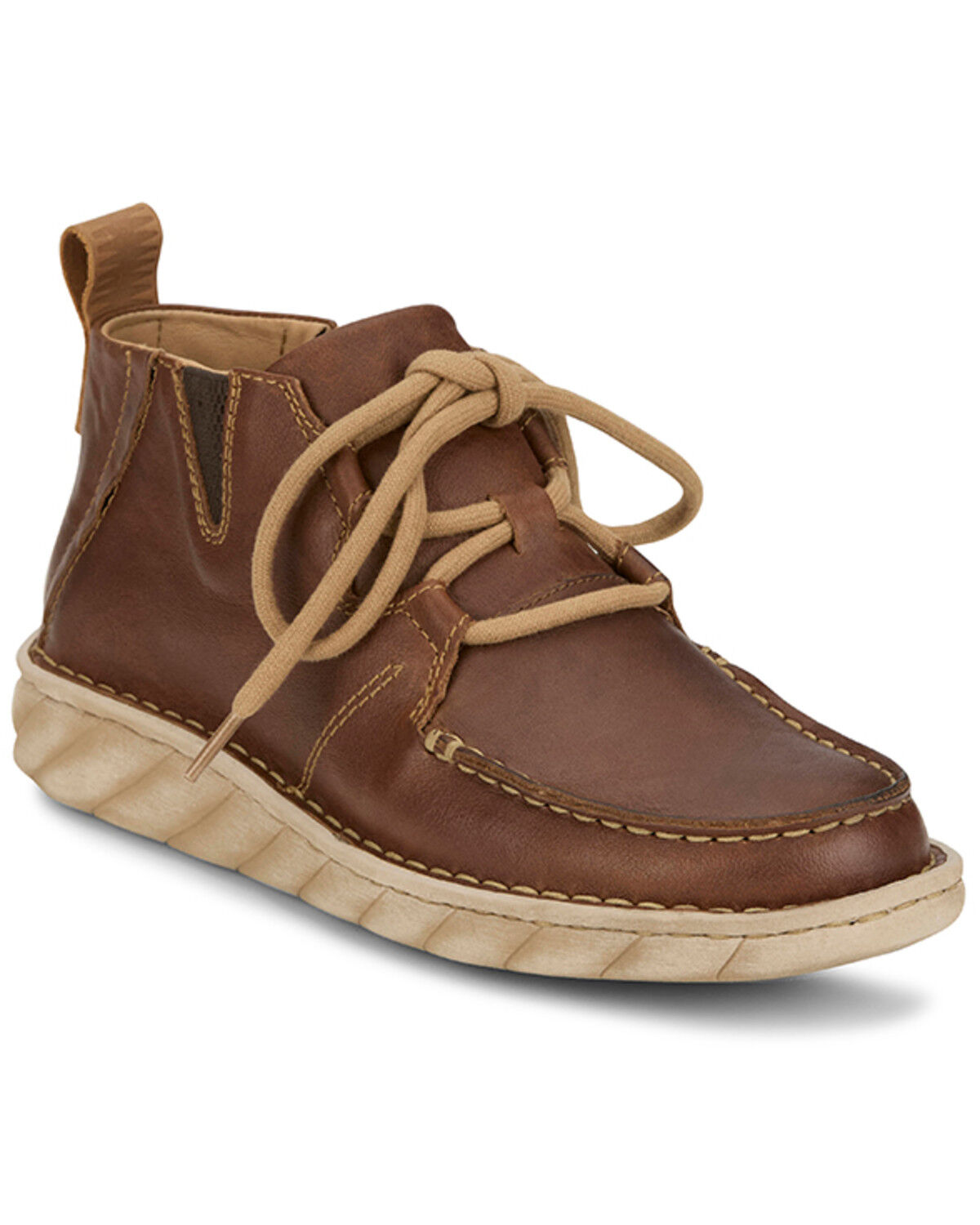
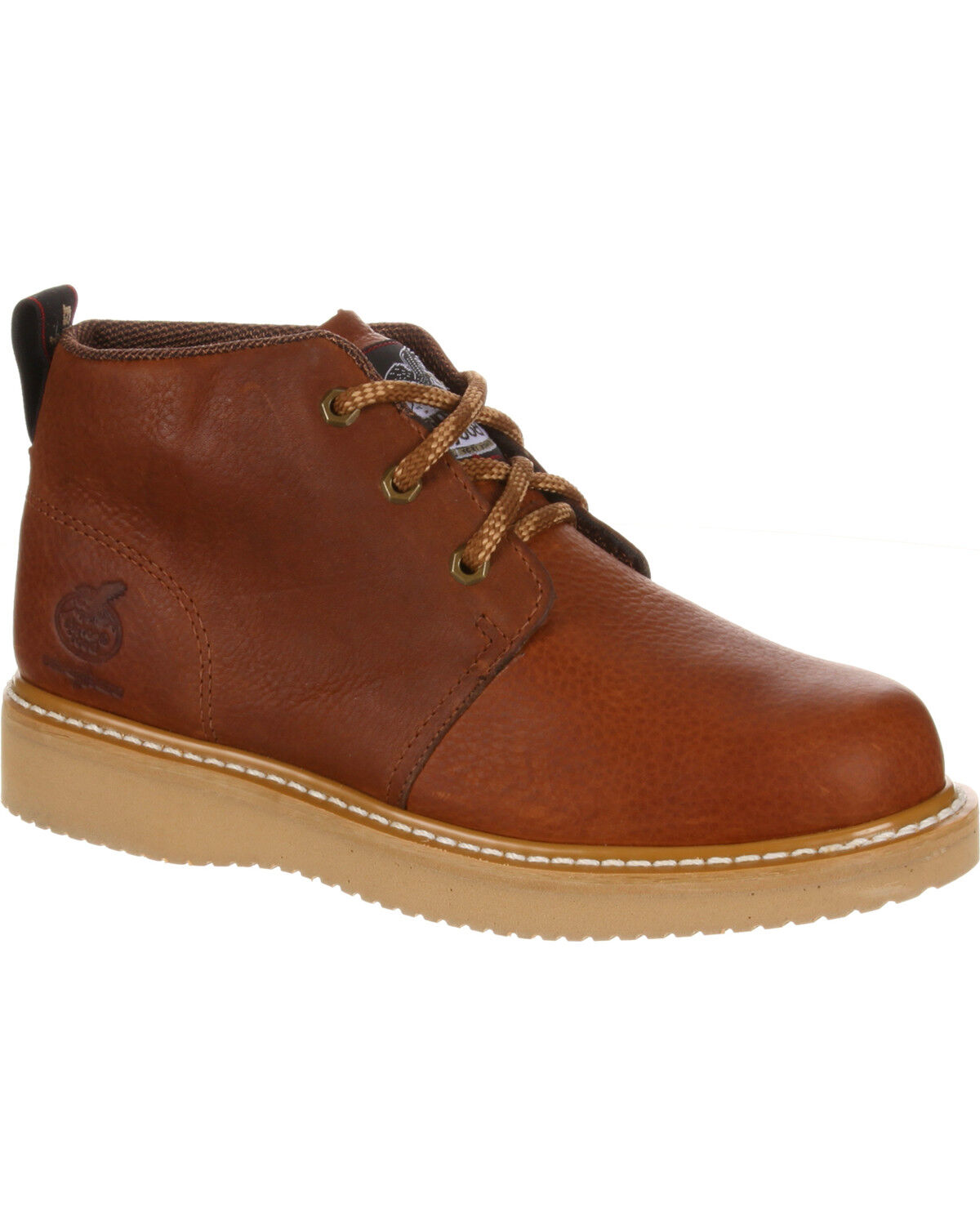
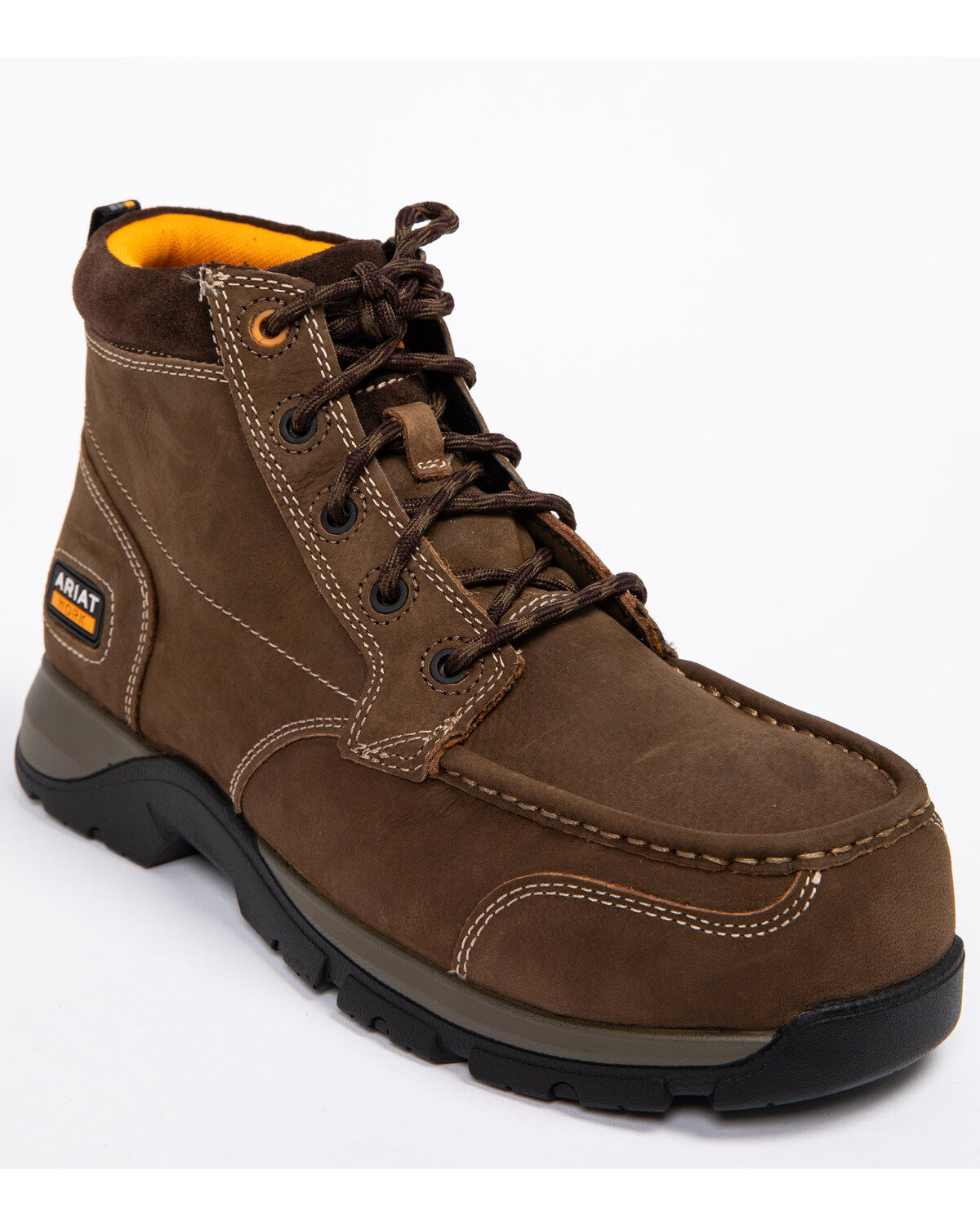
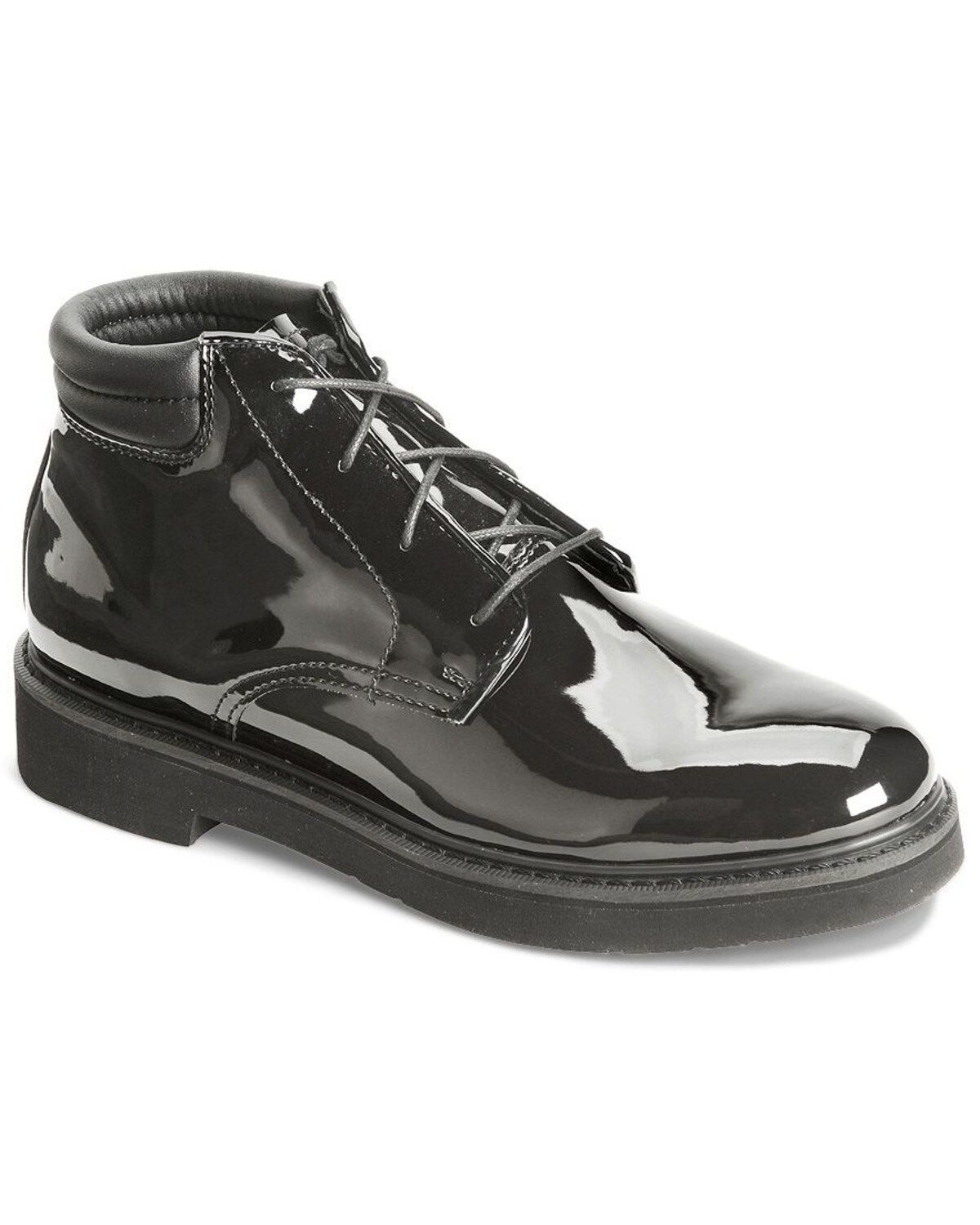
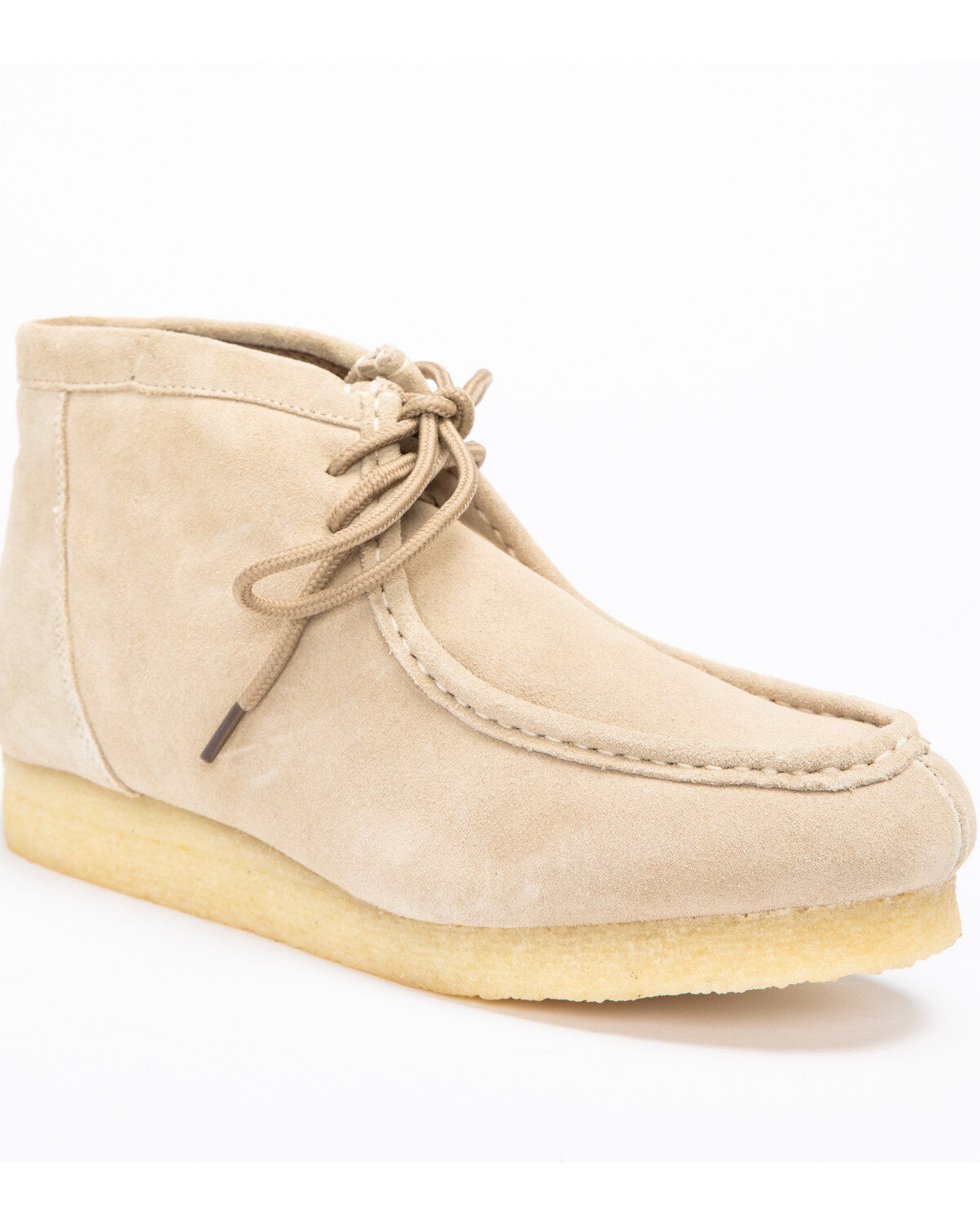
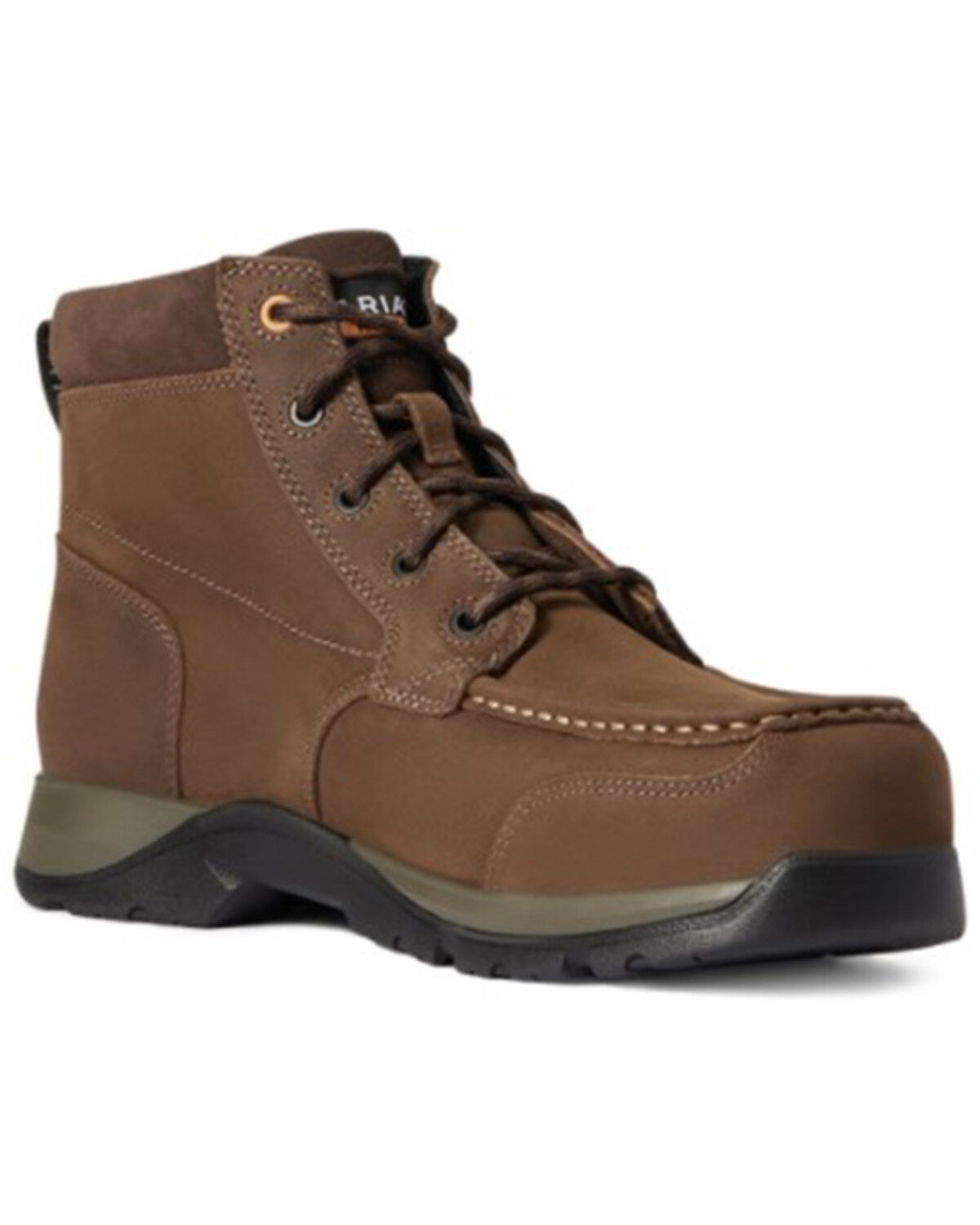
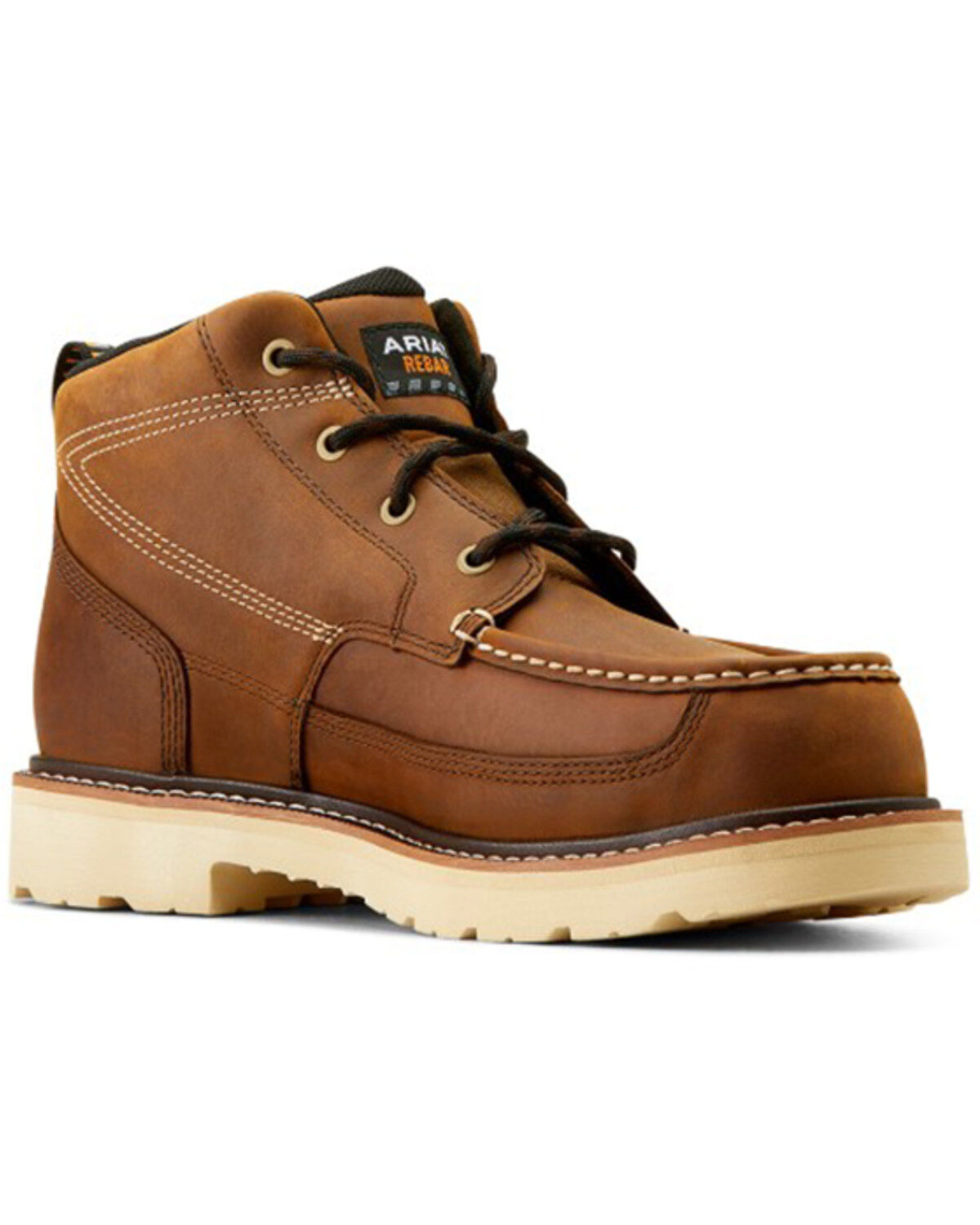
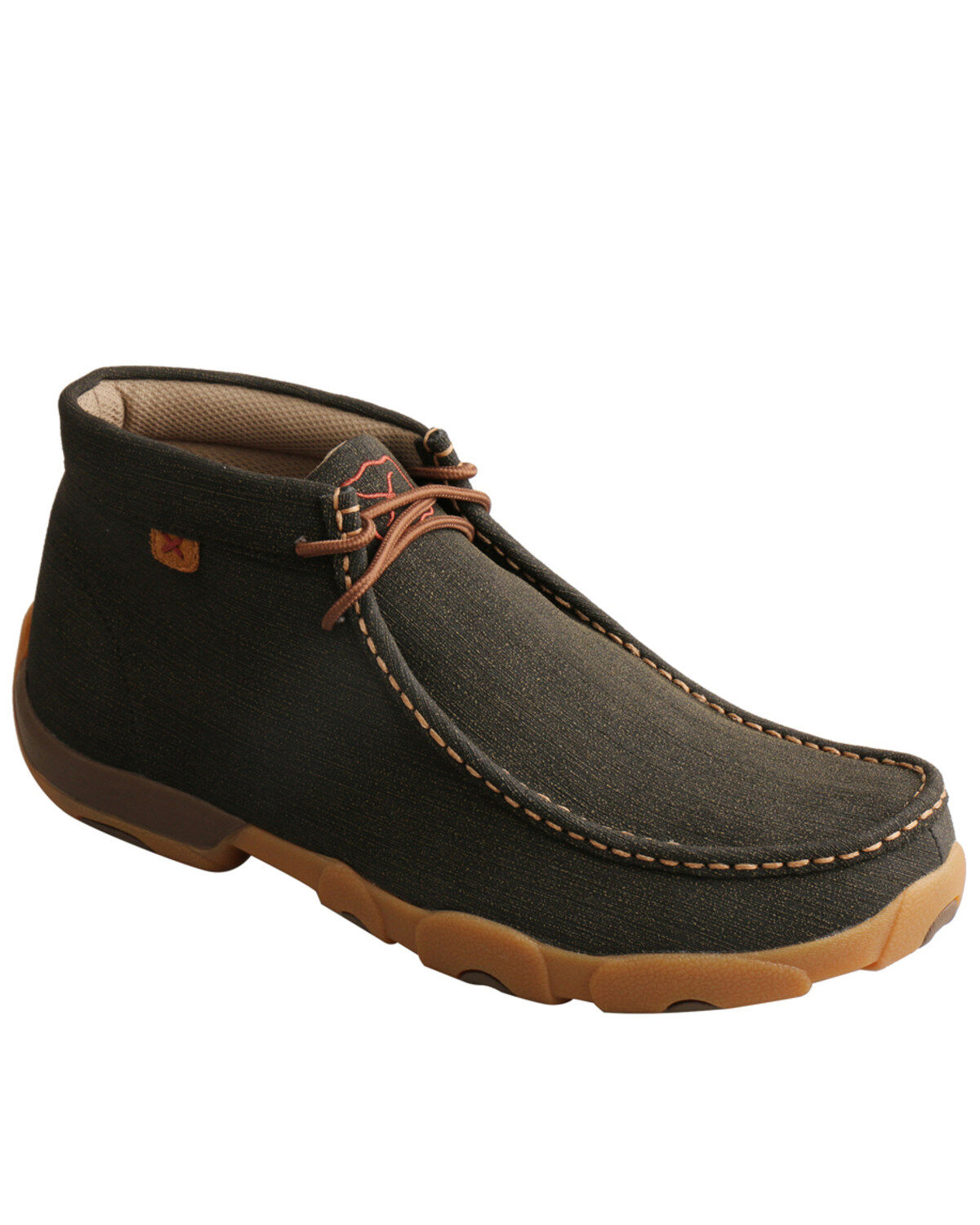
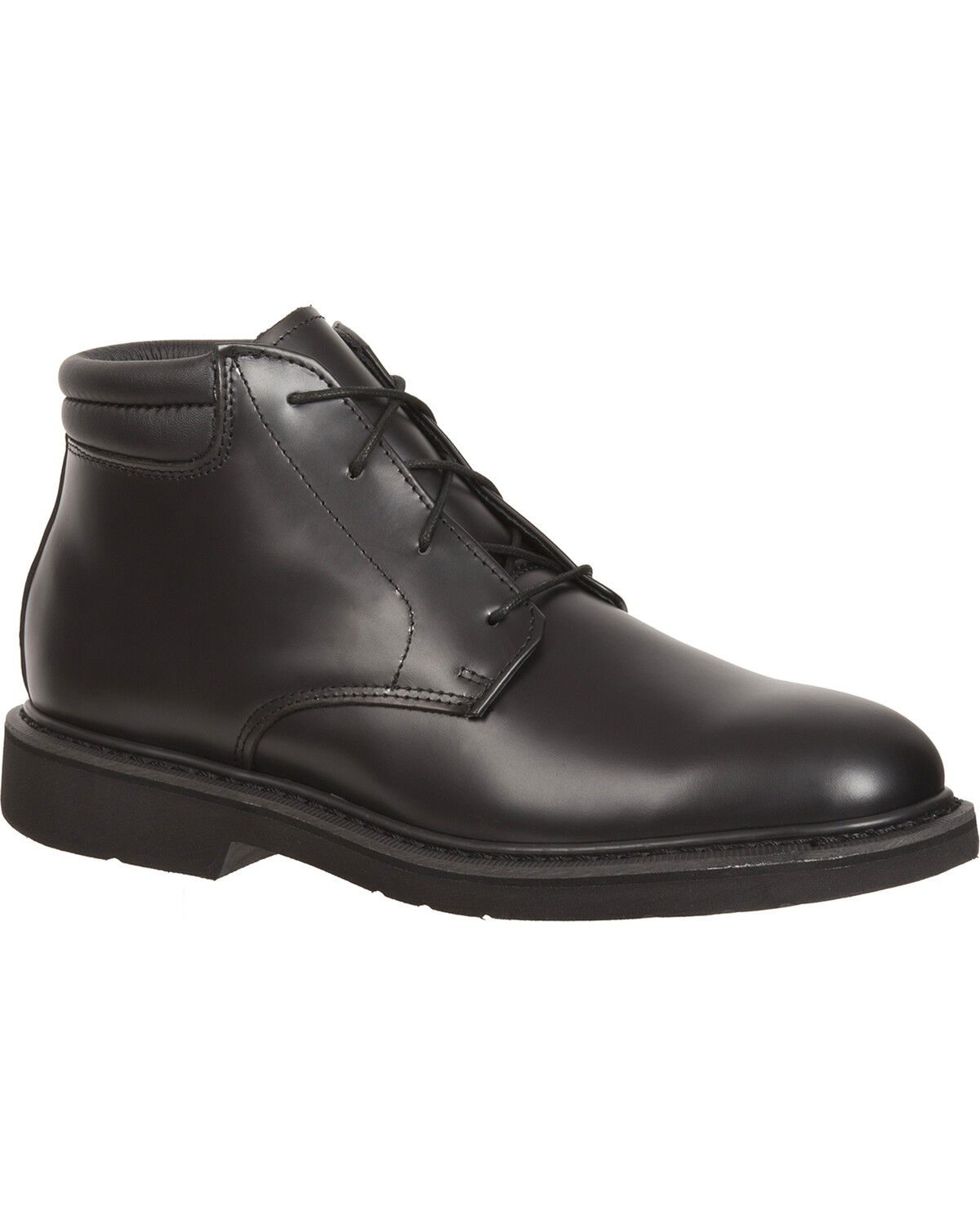
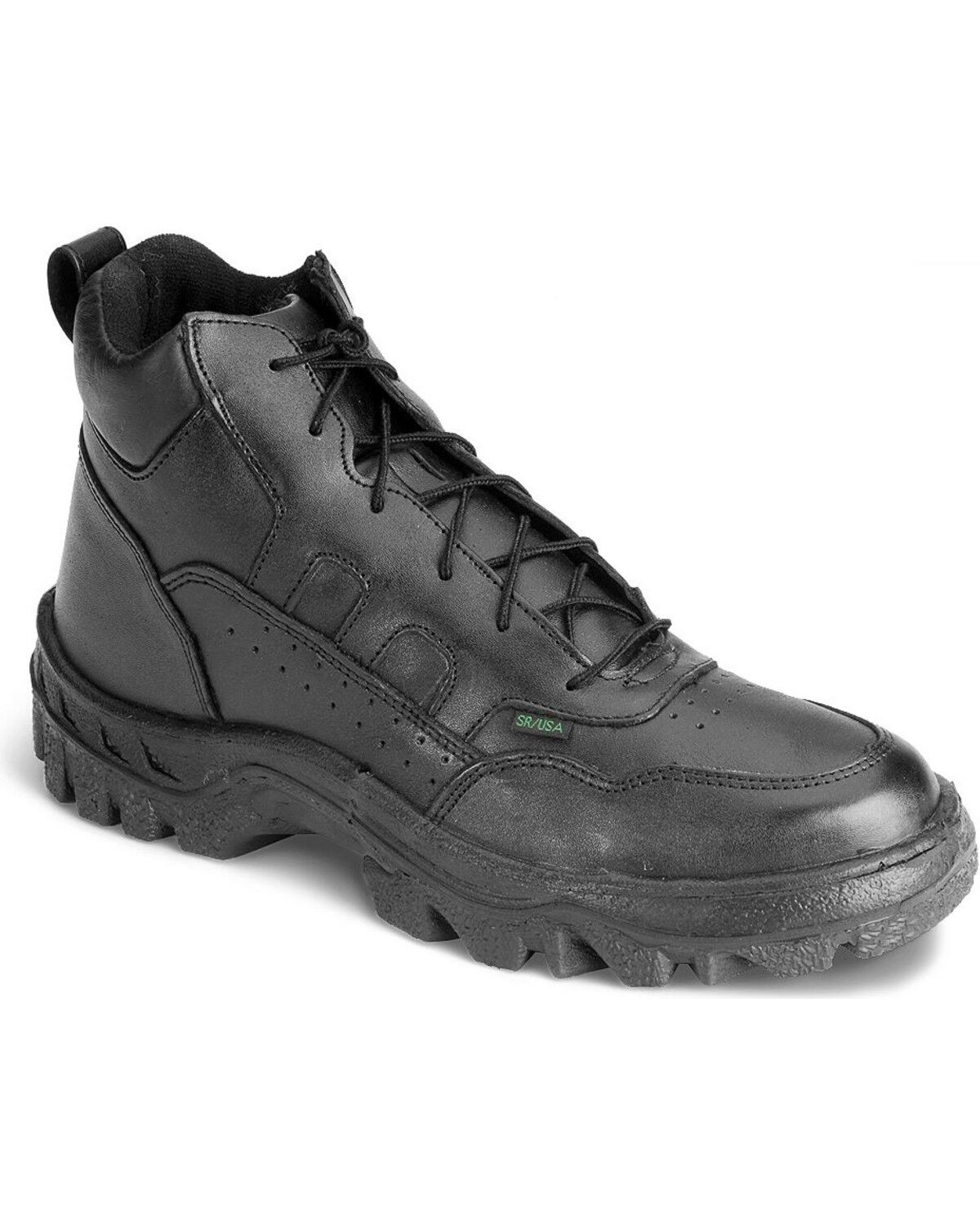
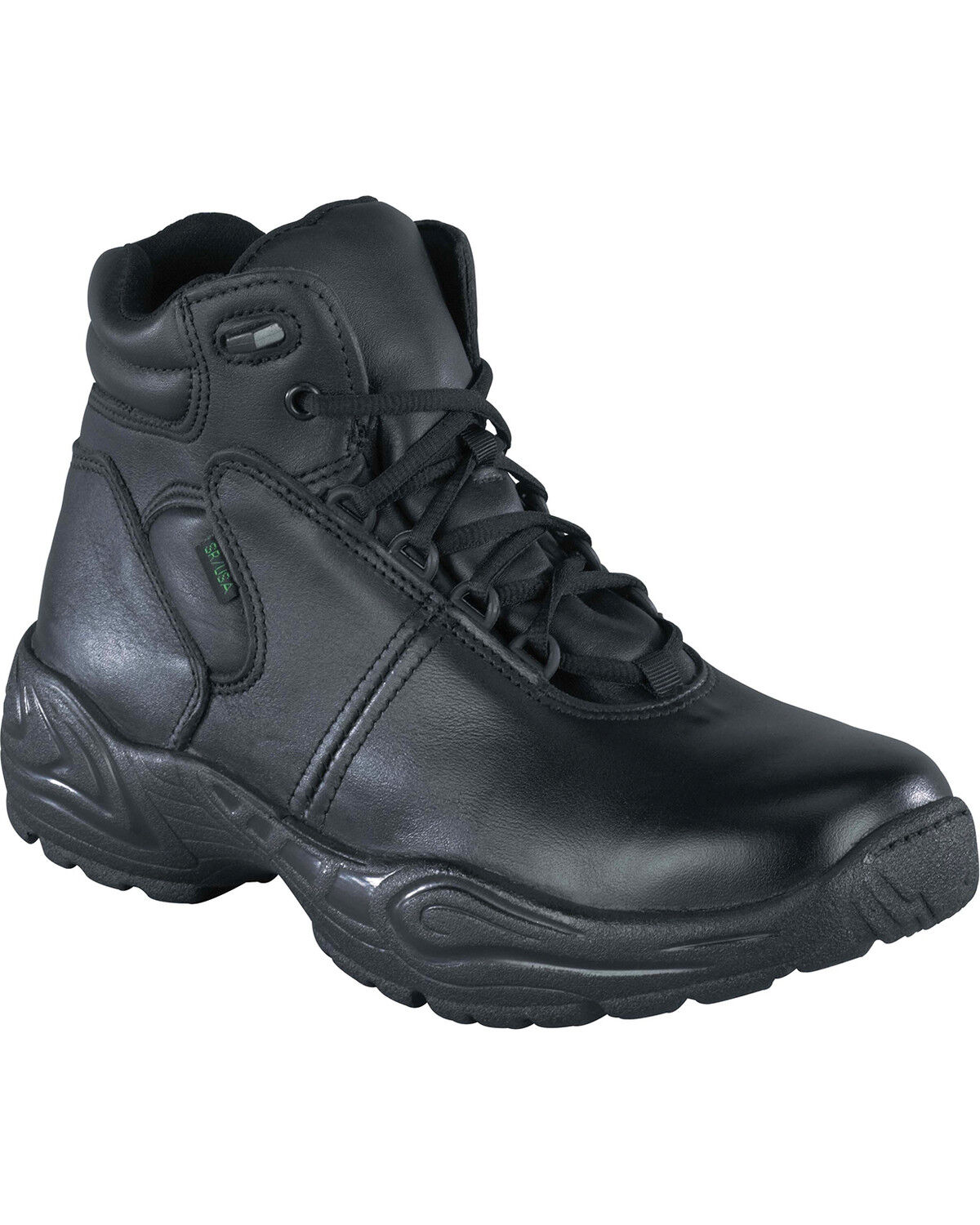
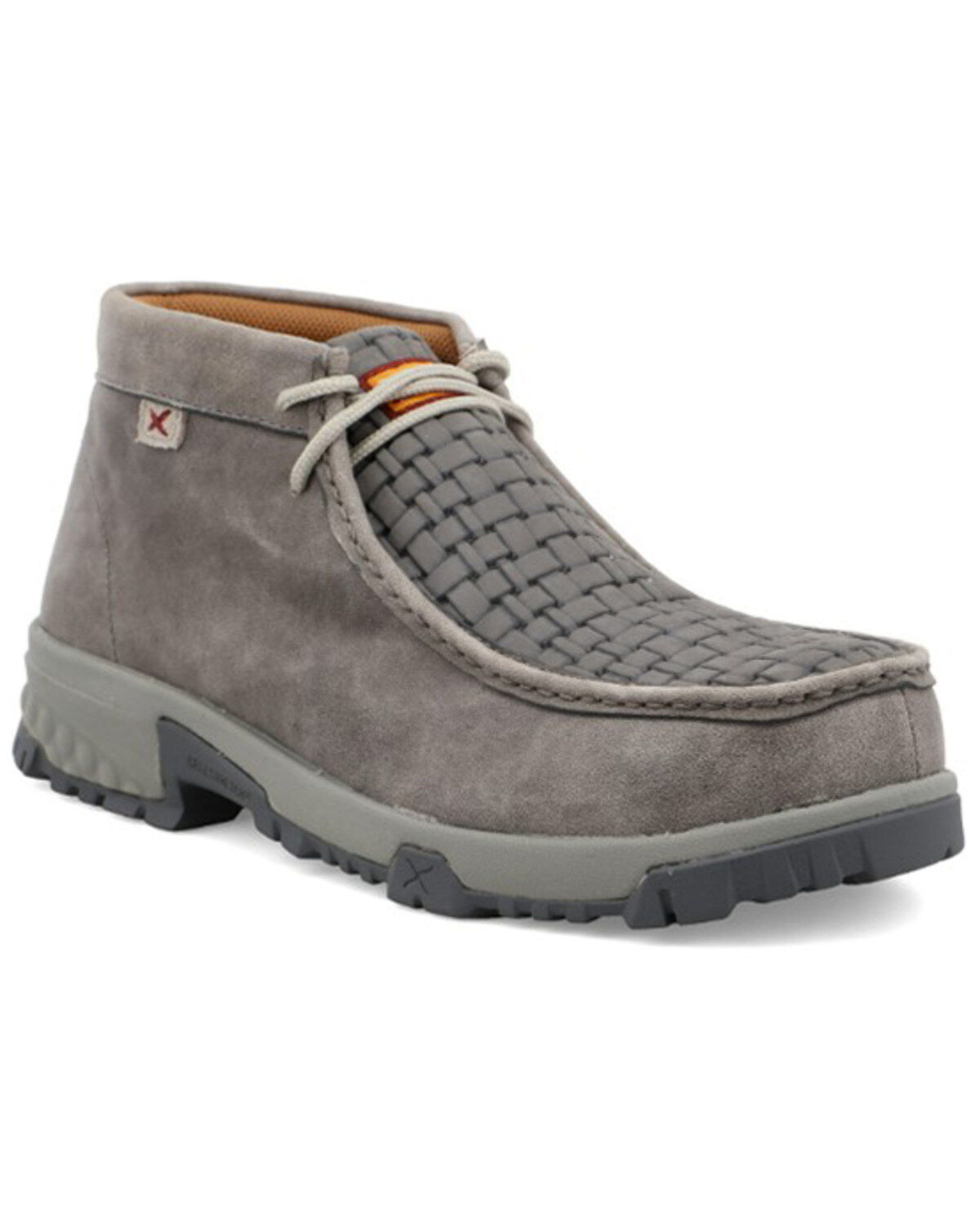
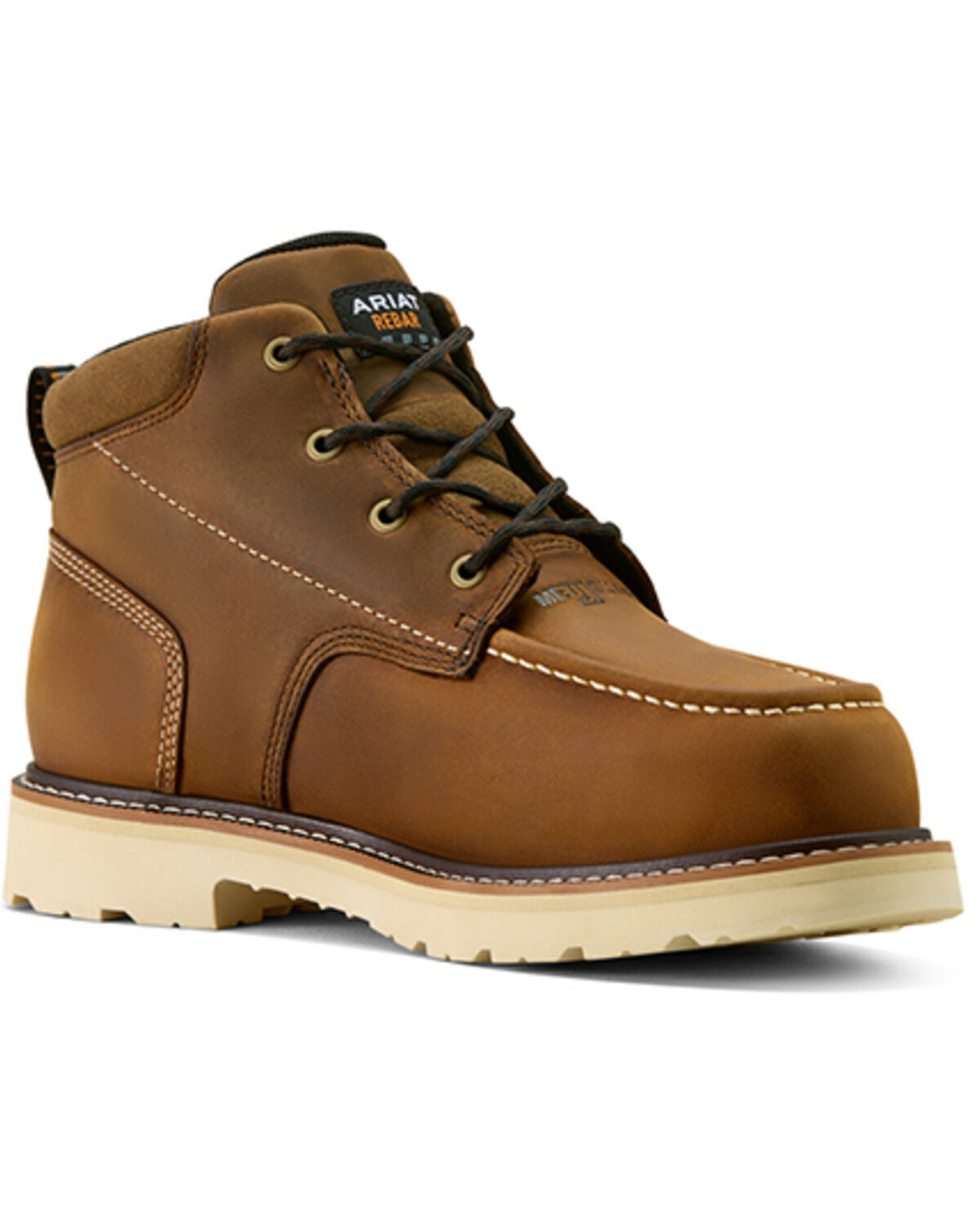
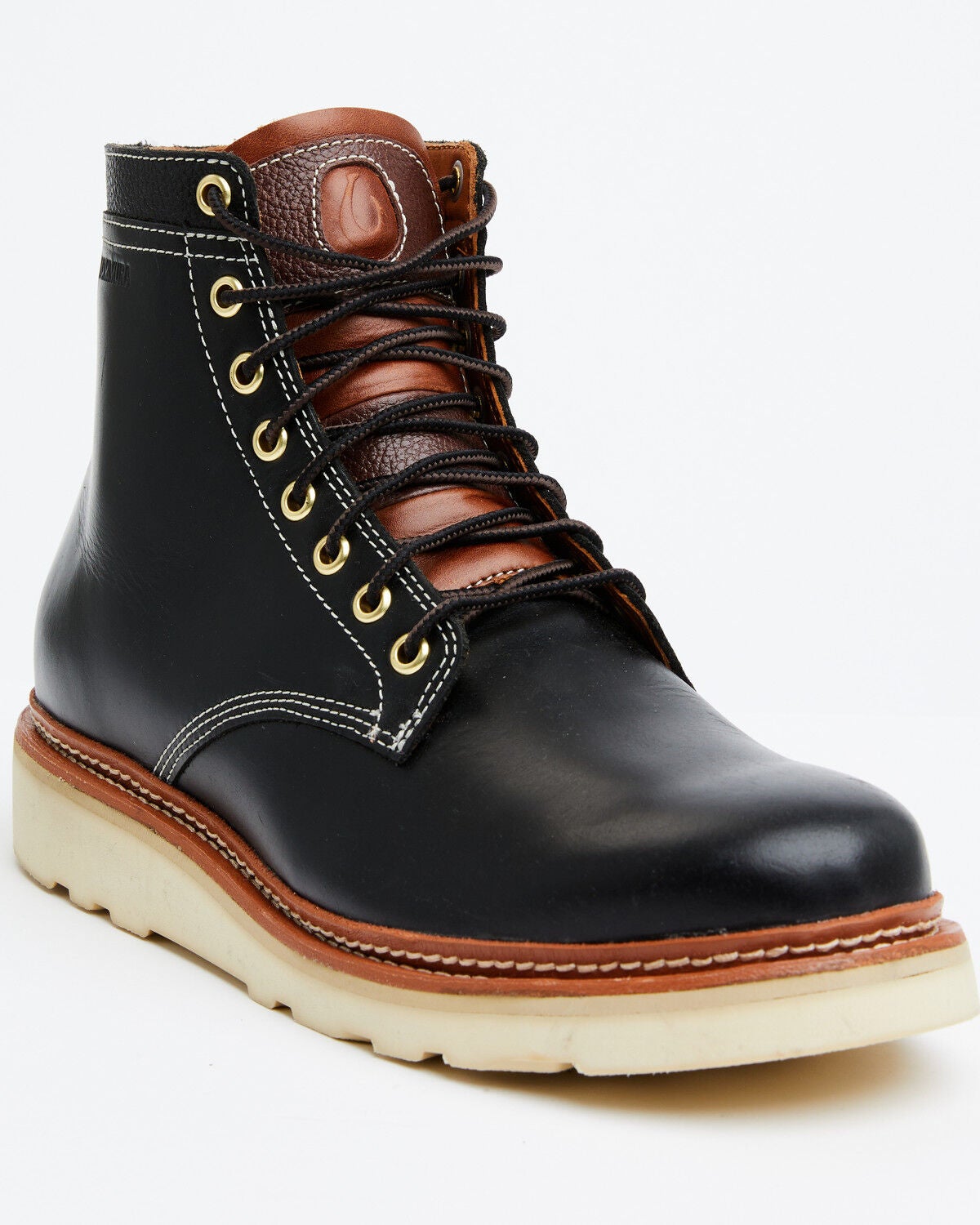
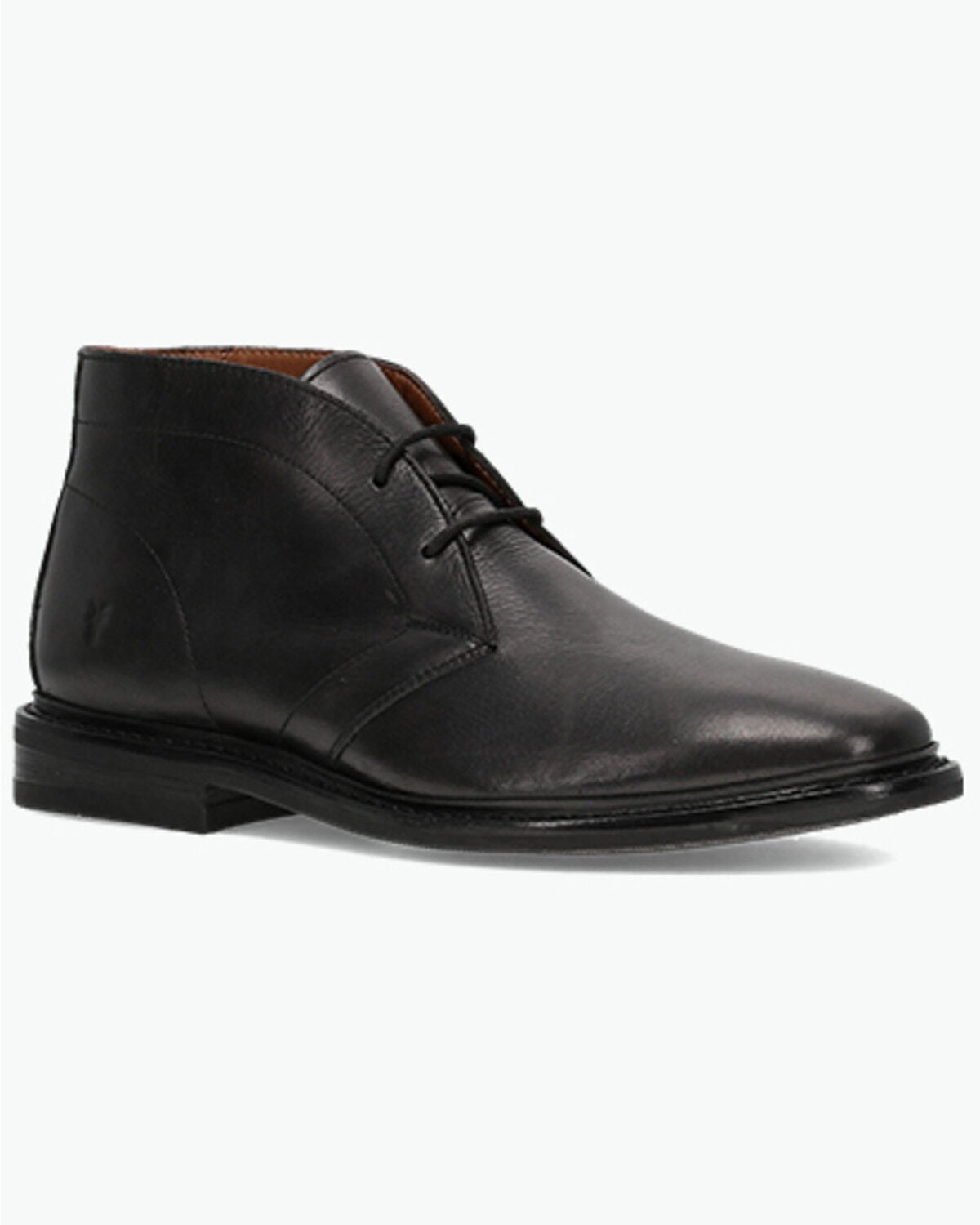
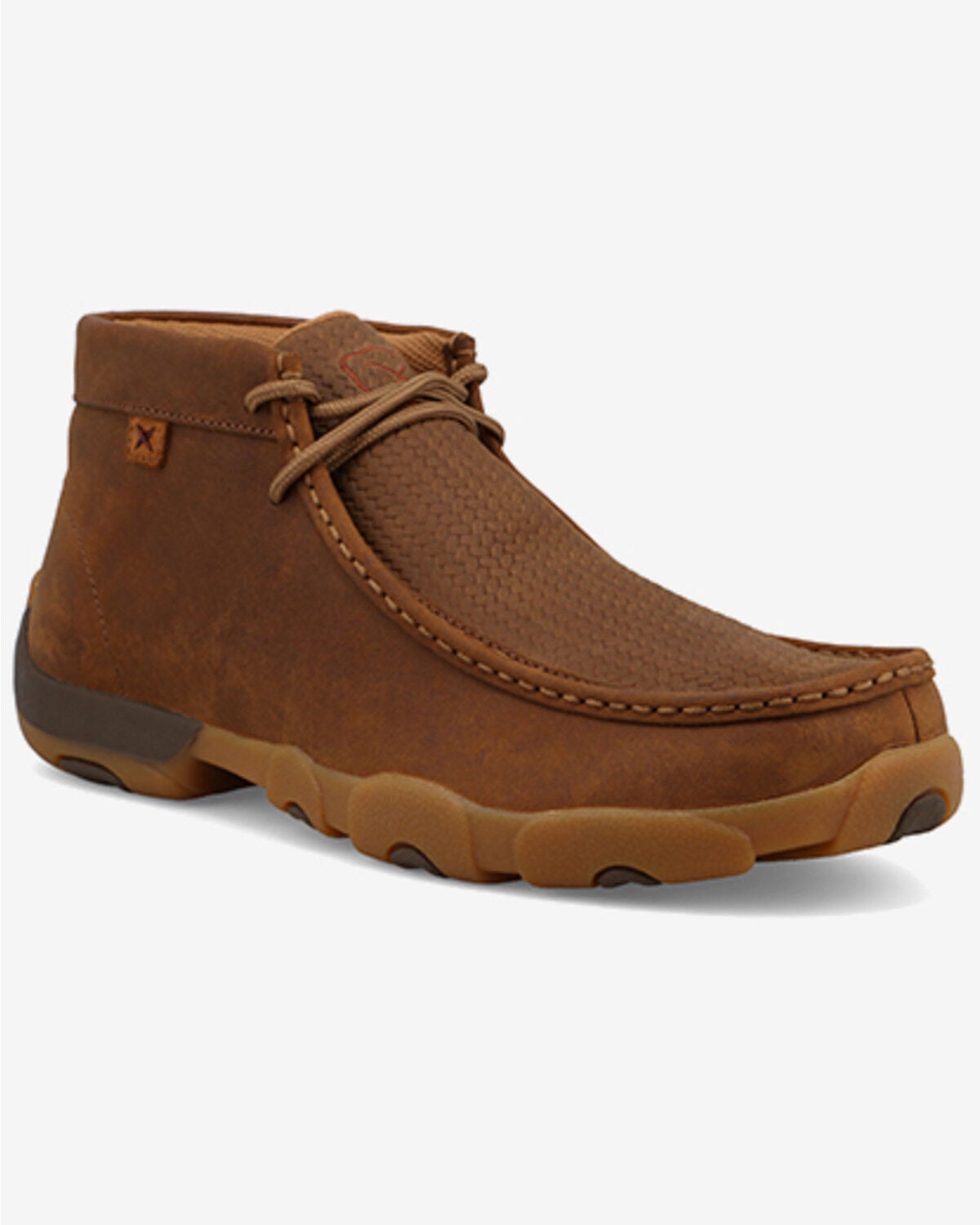
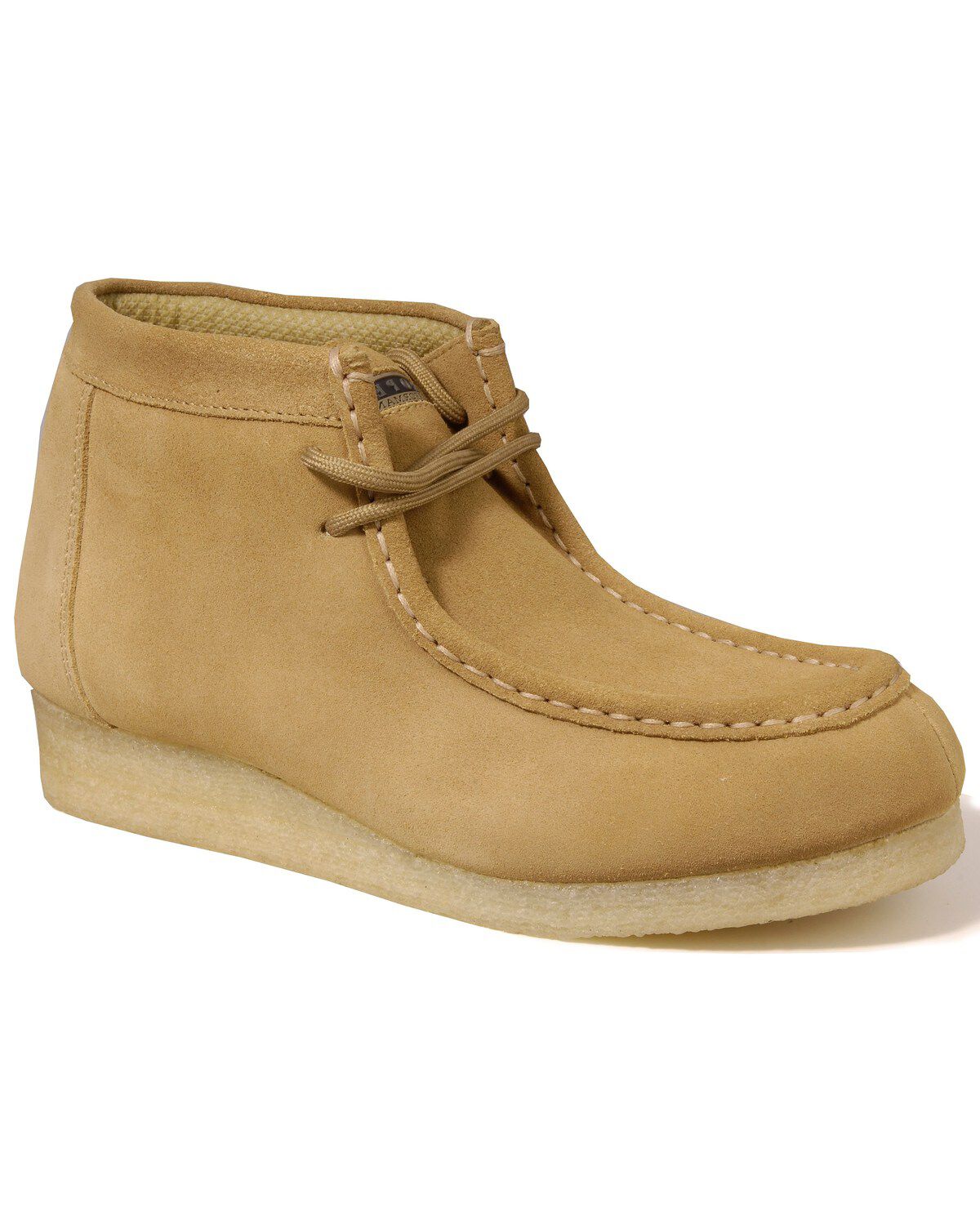
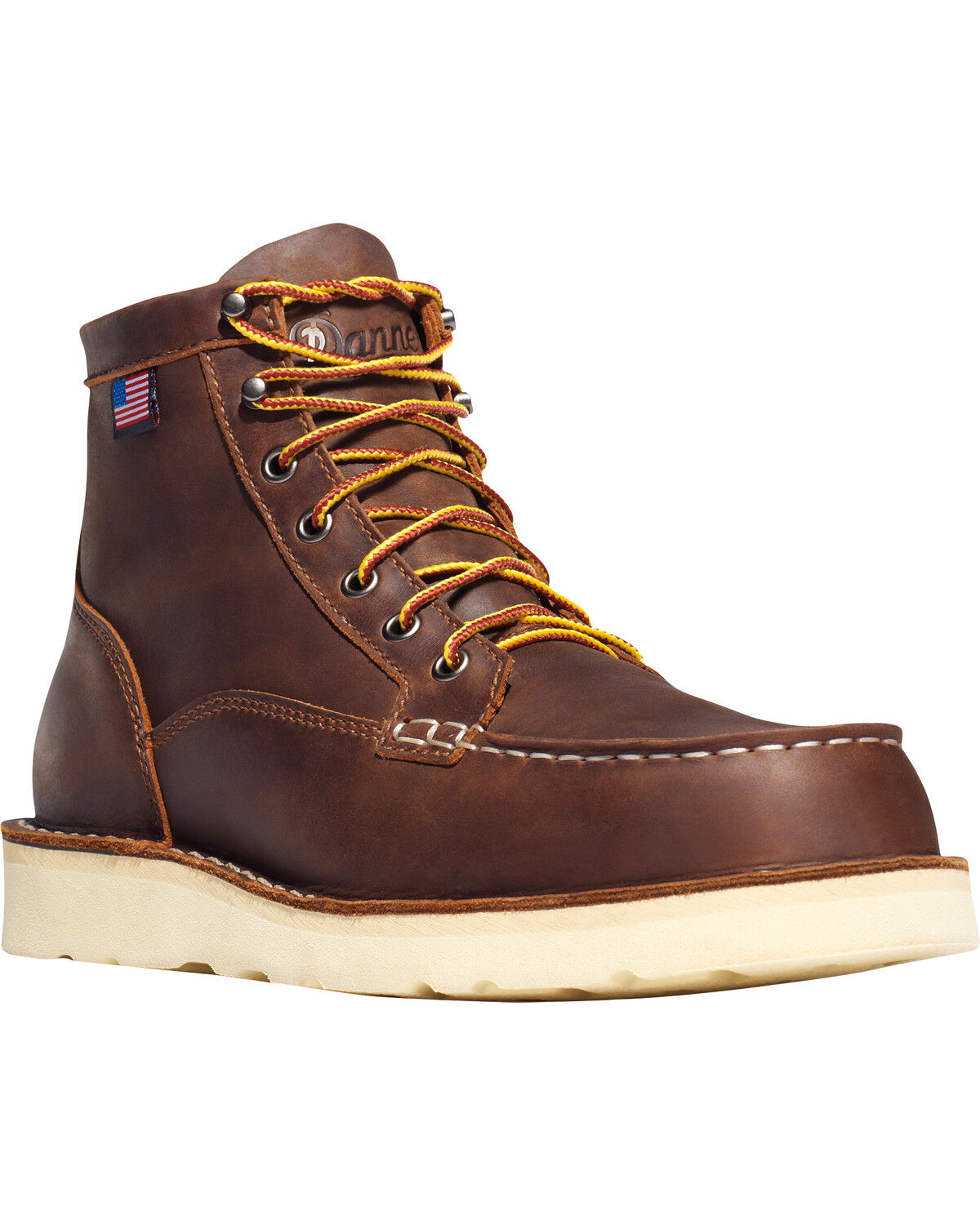
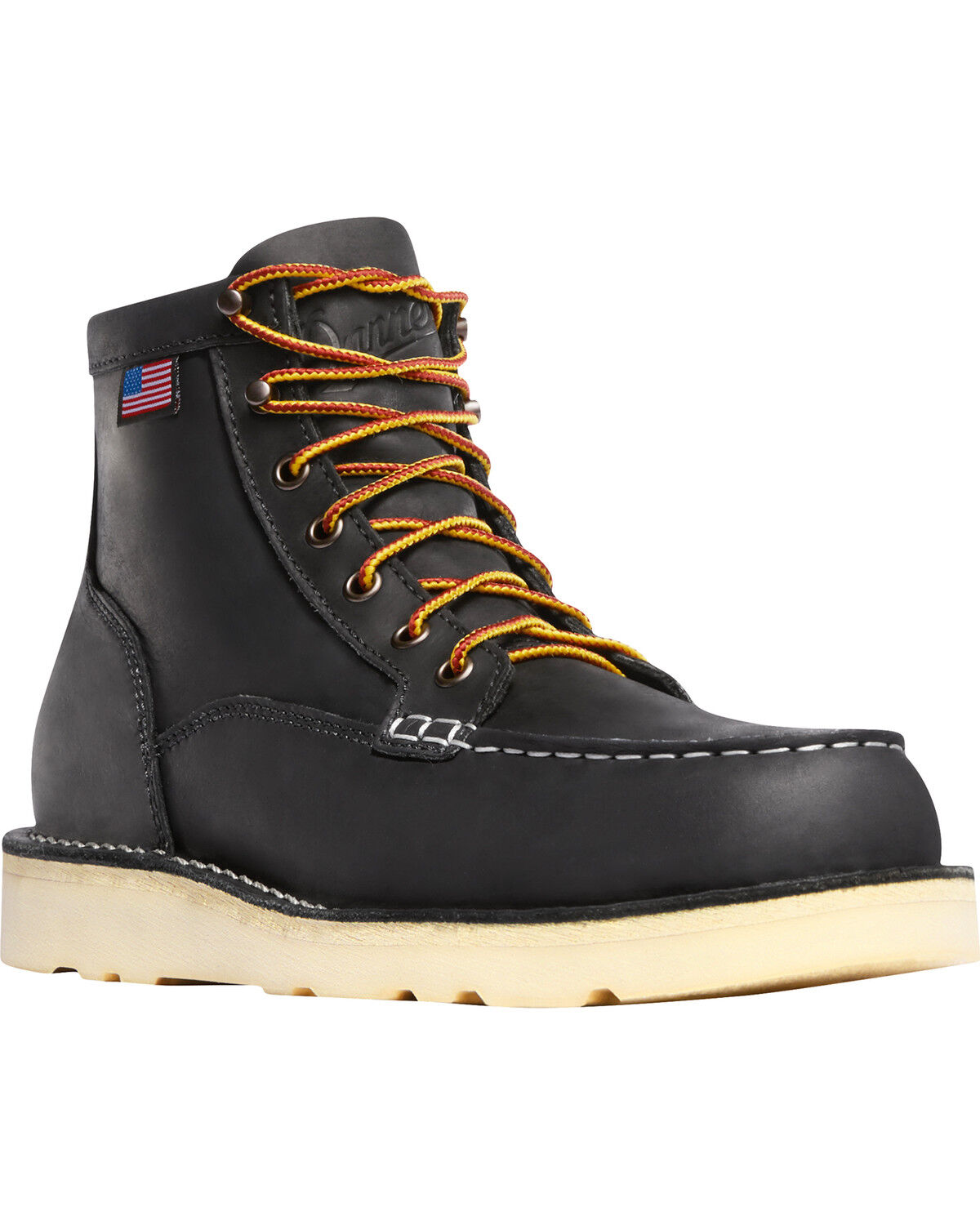
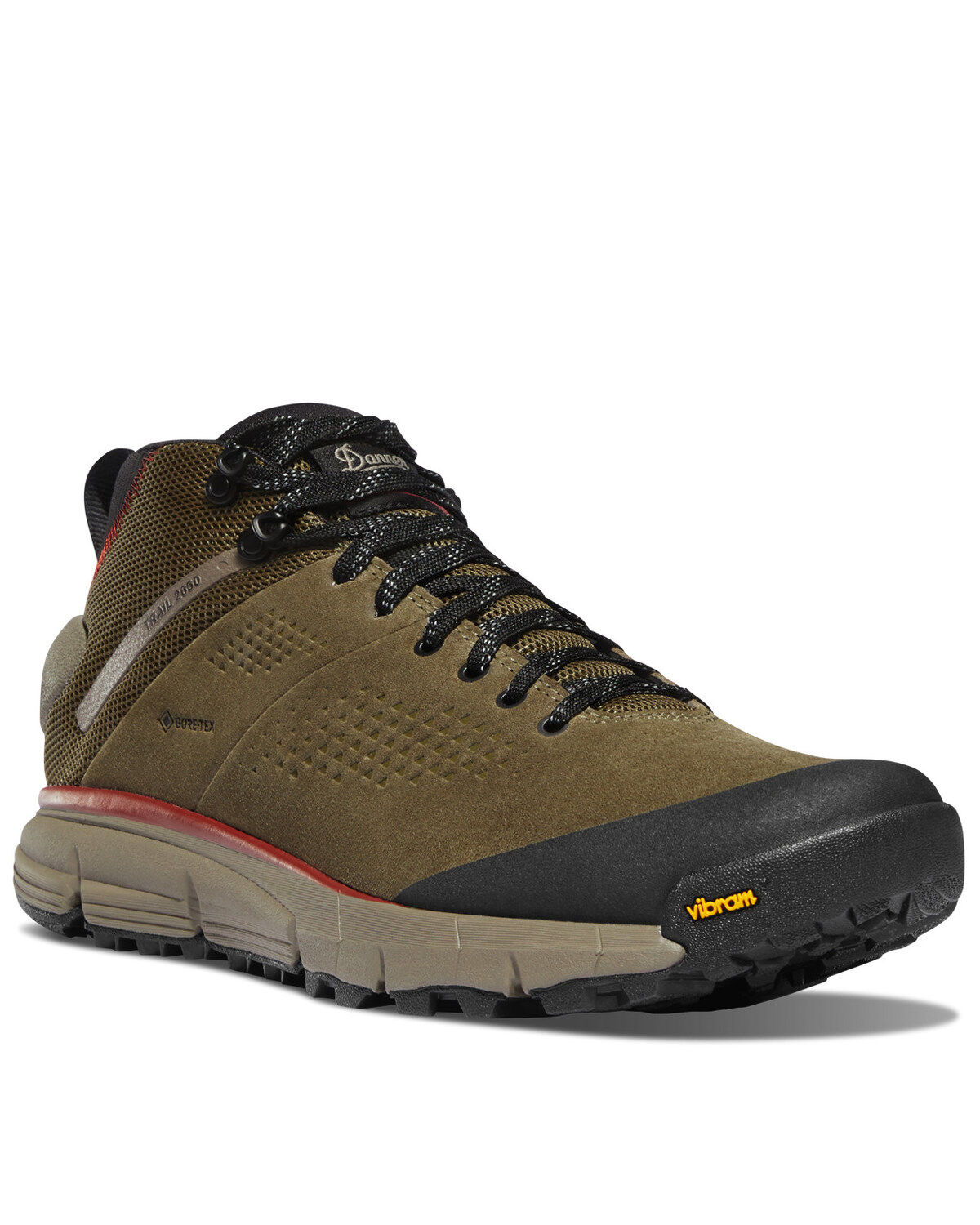
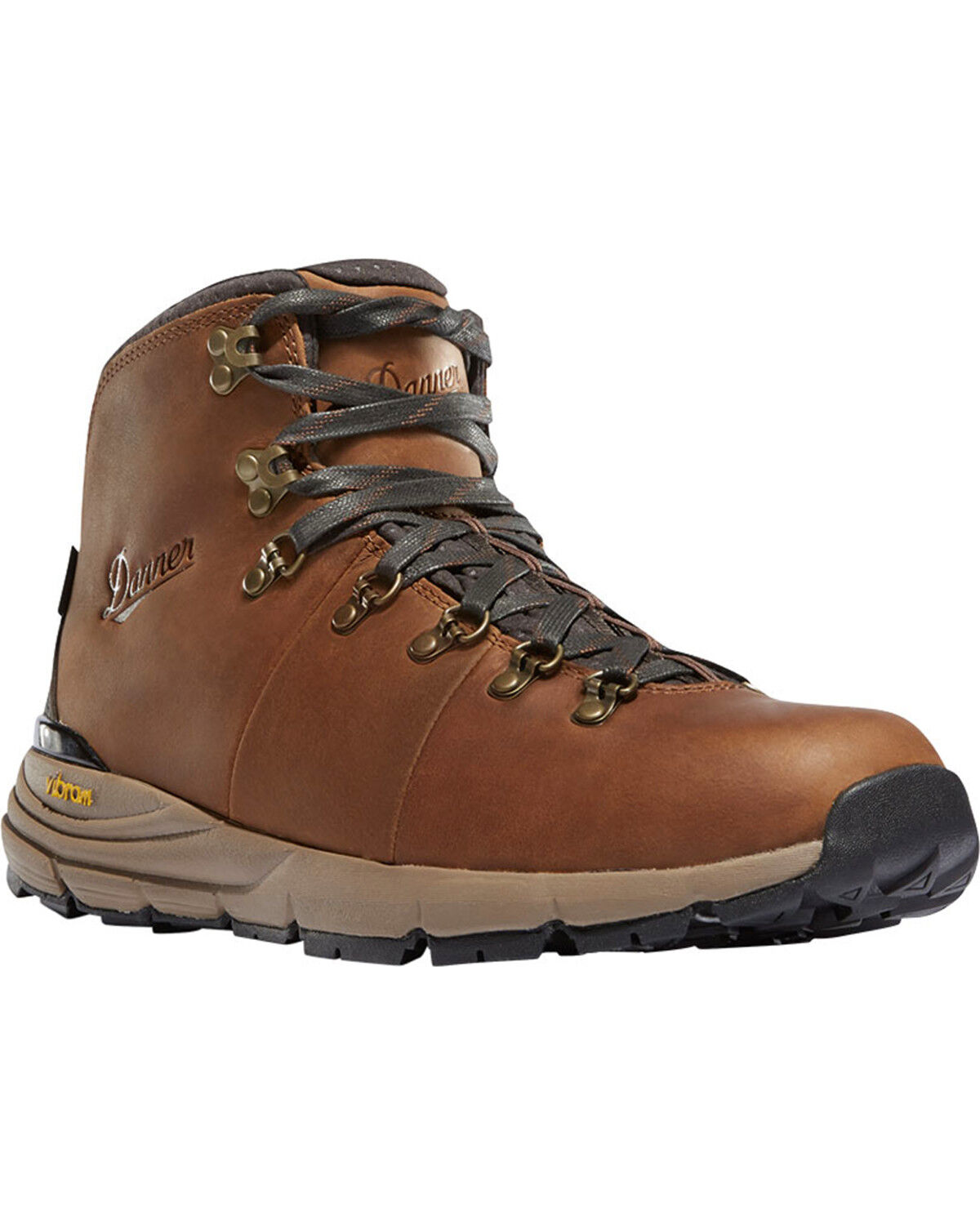
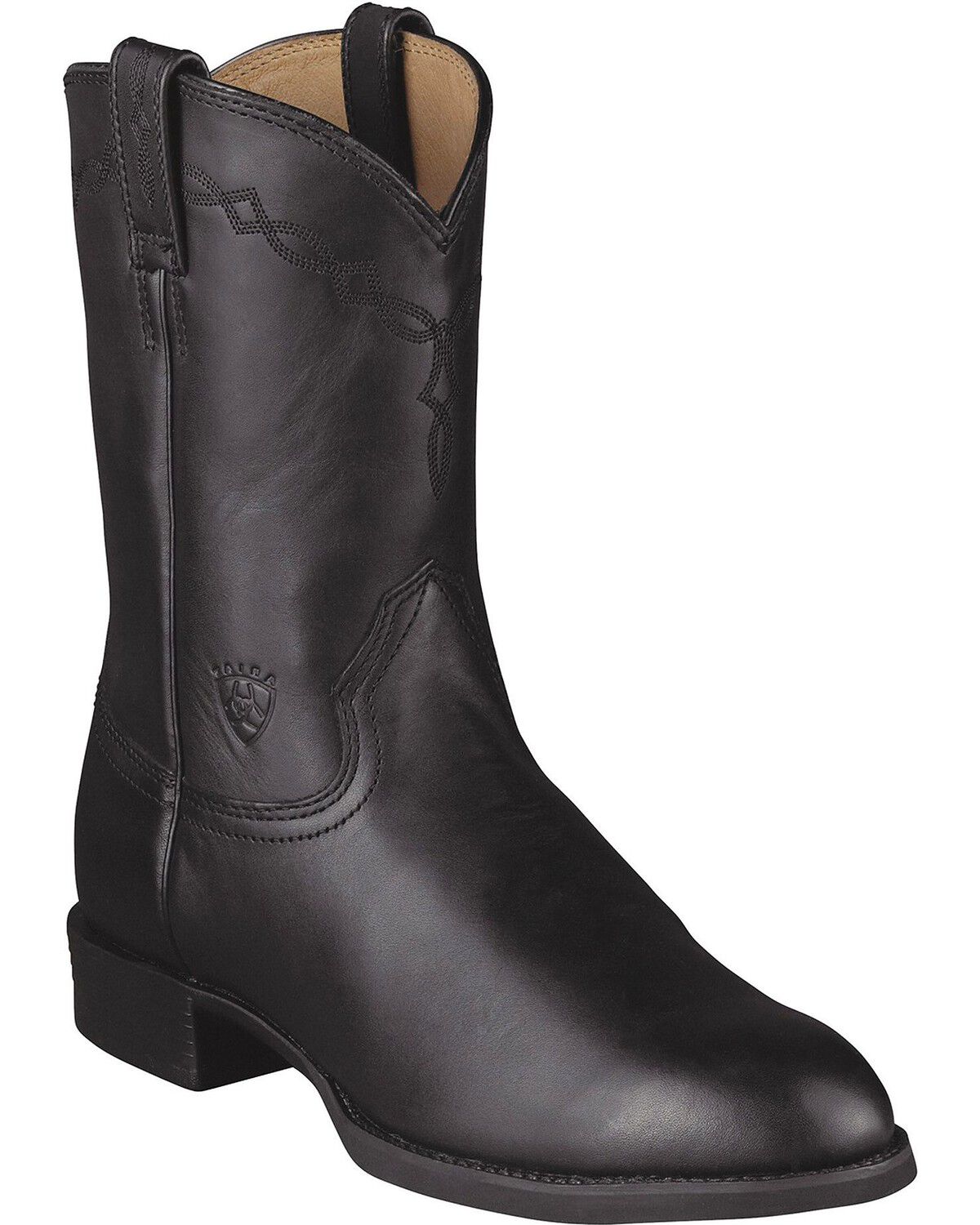
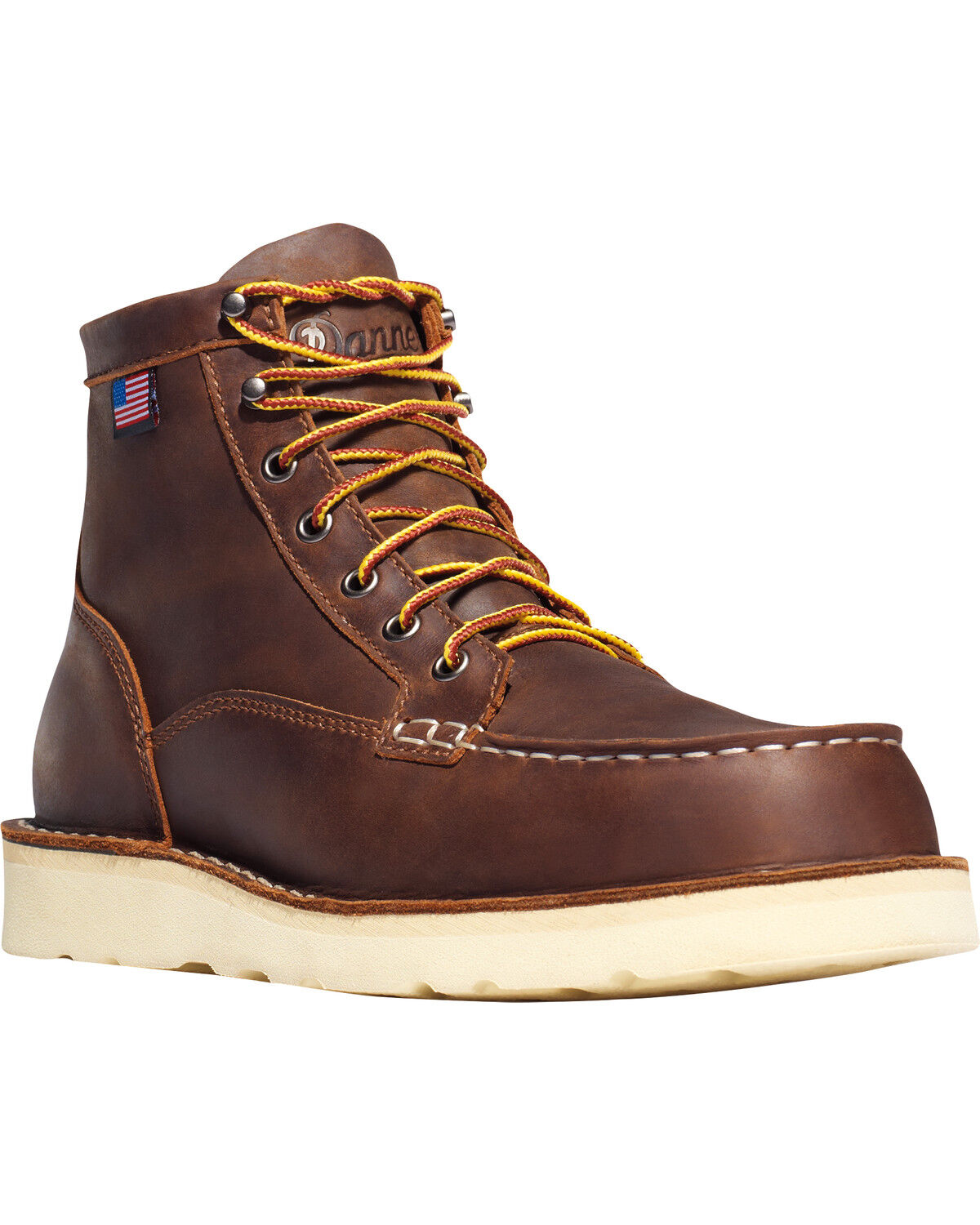
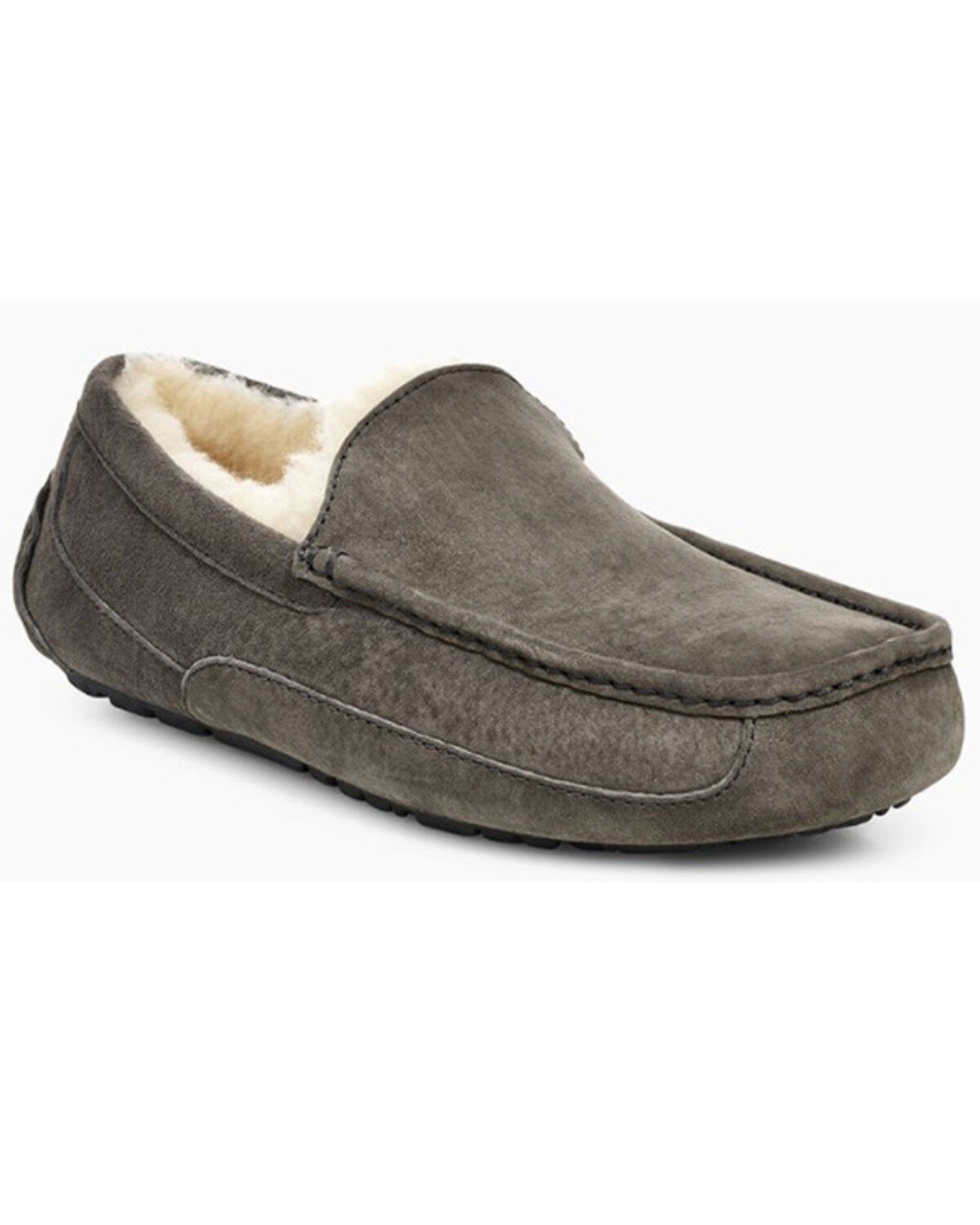
Men's Leather Chukka Boots

Shop men's leather chukka boots for a versatile option to wear with jeans or chinos. Defined by an ankle-high profile and a simple lace-up design, leather chukkas offer a clean, understated alternative to taller boots for casual and smart-casual outfits.

Shop Your Store: Shop Your Store: Find a Store

(Turn off Shop Your Store to see all items)

(Turn off Shop Your Store to see all items)

close
  • Recommended
  • Lowest Price
  • Highest Price
Skip pass products

End of products

Men's Leather Chukka Boots

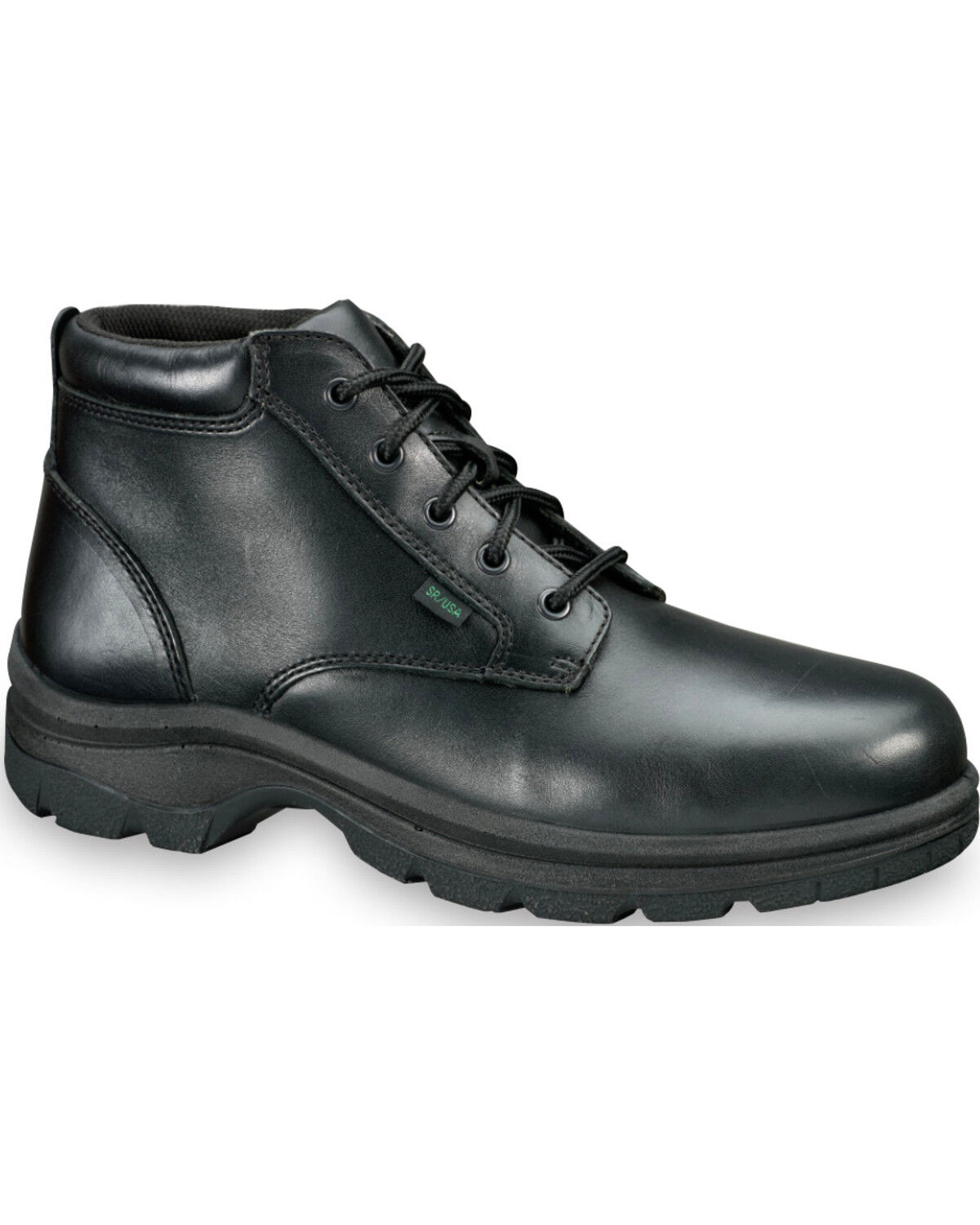
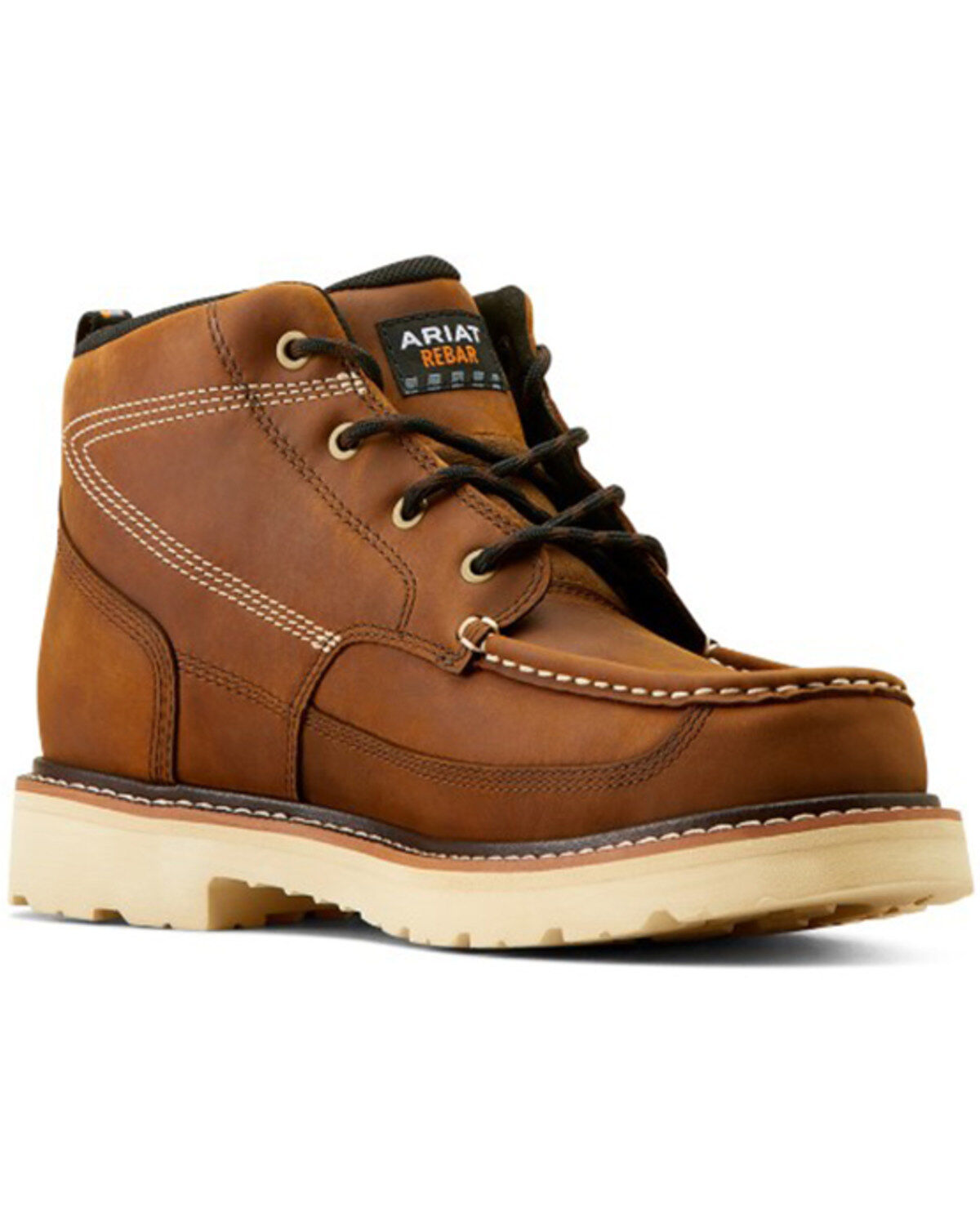
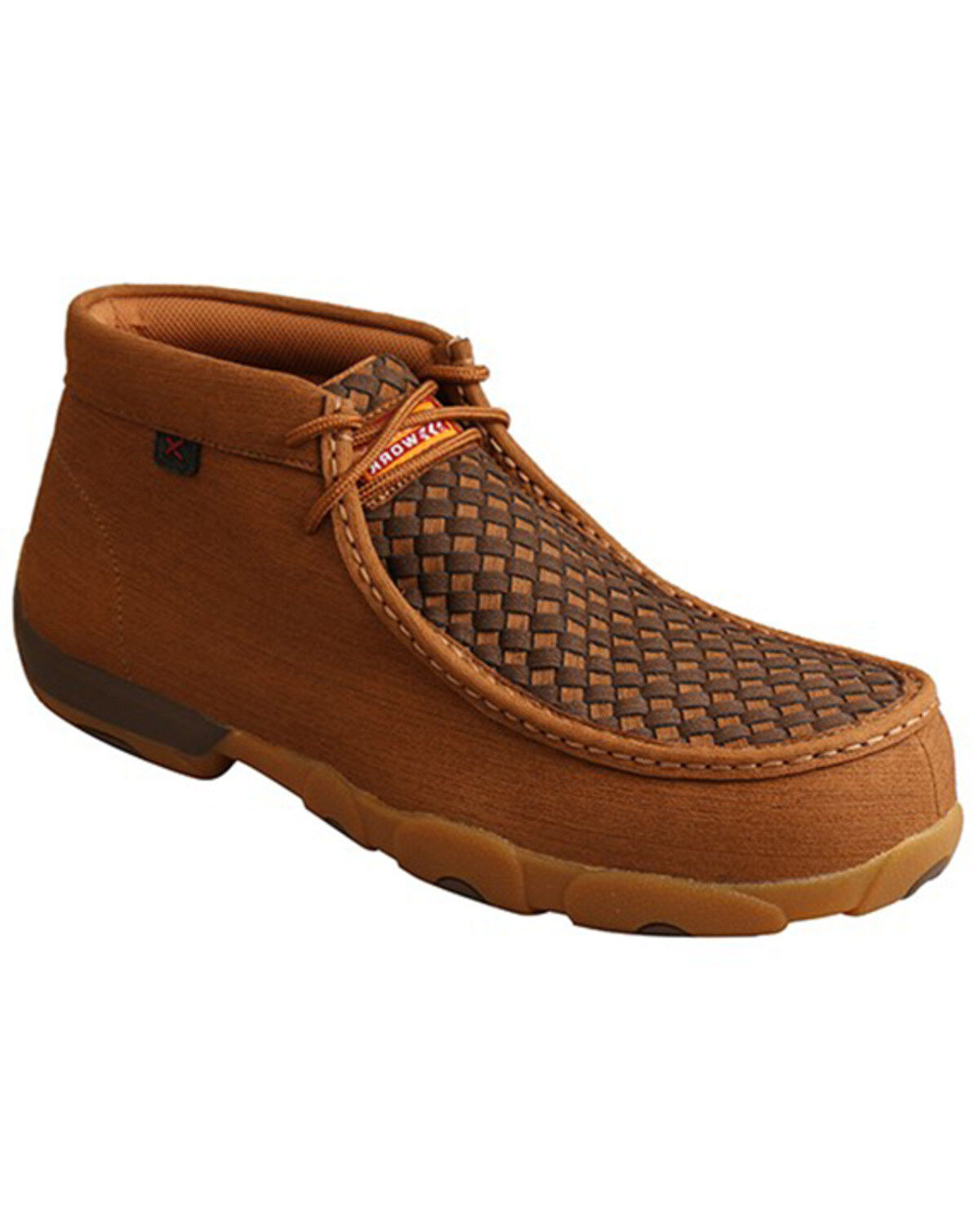
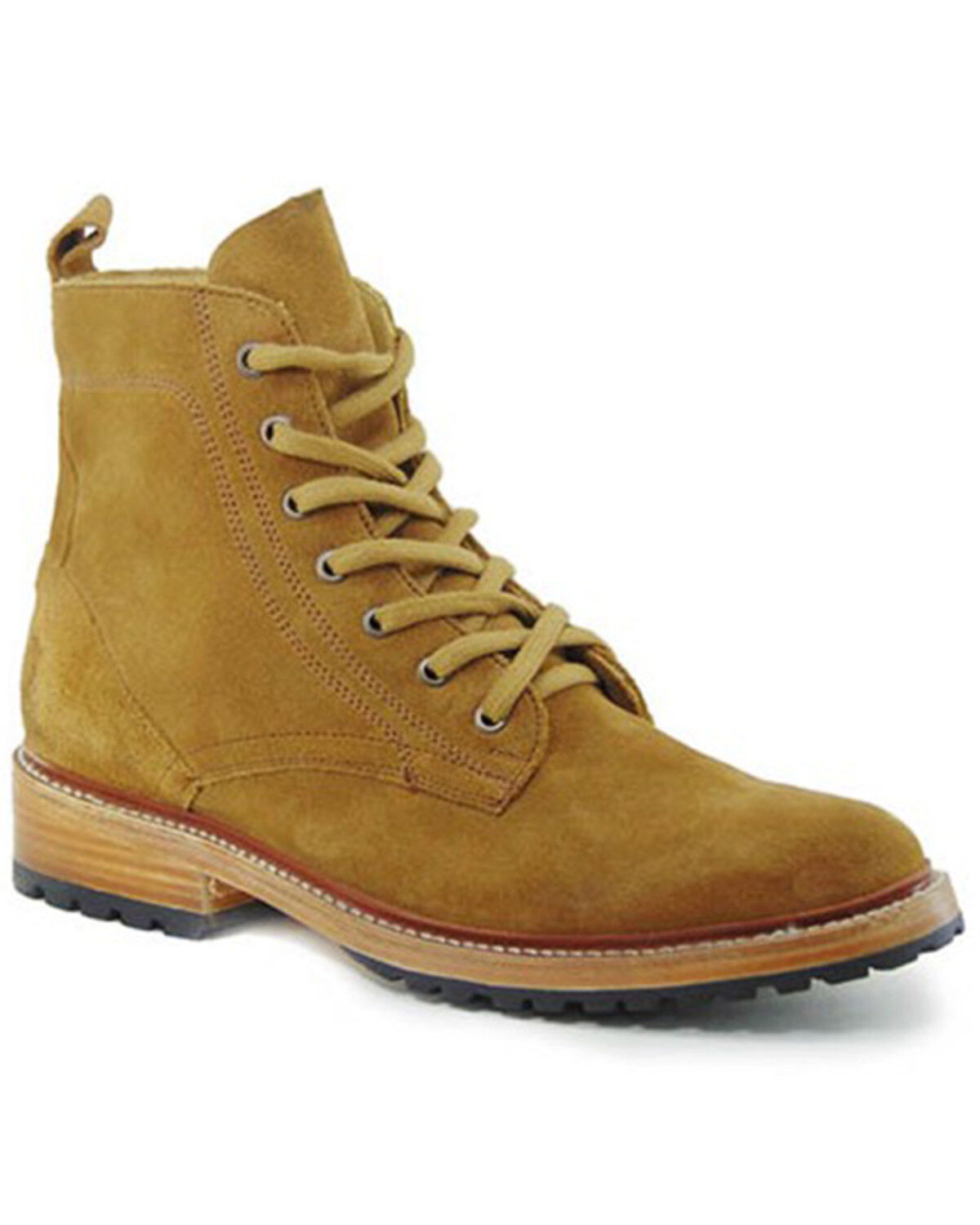
Men's leather chukka boots offer a straightforward balance between a casual shoe and a traditional boot. The familiar shape sits around the ankle, usually with two or three pairs of eyelets, an open lacing system, and a rounded toe. That restrained design makes chukkas easy to wear with denim, chinos, and other everyday pants without adding much bulk beneath the hem. They suit a man who moves from a desk to dinner, spends part of his day on his feet, or wants a lace-up option alongside taller boots. Leather gives the style much of its character, but different finishes have different looks and care needs. Smooth full-grain leather retains the hide's natural surface and can develop creases and variations in color with wear. Other smooth leathers may have a more uniform finish, depending on how the surface is treated. Suede has a soft, textured nap, while nubuck has a finely buffed surface that also needs care suited to its finish. Neither should be treated exactly like polished leather. A brown leather upper can pair naturally with dark jeans and a plain button-down shirt, while a darker, smoother finish often works well with tailored casual pants. Stitching, toe shape, and sole thickness also affect how a boot fits into an outfit. A low-profile sole and clean upper tend to look more refined; a thicker sole and visible stitching give the same basic shape a more substantial appearance. Pant hems should sit comfortably over or just above the collar rather than bunch heavily around it. For long drives, a day at the office, or an evening out, the appeal is practical: a familiar lace-up fit, ankle-height coverage, and a shape that does not demand a particular outfit. Intended use still matters, since a casual leather chukka is not automatically built for the demands of a jobsite or extended walking over rough ground.

Fit deserves as much attention as leather color or finish. A chukka should hold the heel securely without pinching the toes or pressing across the top of the foot. There should be enough room for the toes to move naturally, but not so much space that the foot slides forward with every step. Trying boots with the socks intended for regular wear gives a more useful impression than trying them with a much thinner or thicker pair. Standing and walking help reveal pressure points that may not be obvious while seated. The ball of the foot should line up with the boot's natural flex point, and the collar should not rub sharply against the ankle. Leather may soften and conform with use, but break-in should not be counted on to correct a boot that is too short, too narrow, or painful from the start. Laces allow some adjustment over the instep, though they cannot make every foot shape work with every last. Anyone who uses orthotics should check whether the footbed is removable and whether the boot has enough depth for the insert. Underfoot construction makes a noticeable difference during a full day of wear. Cushioning can soften contact with hard floors, while a stable base helps keep the foot supported. Rubber, crepe, and leather outsoles each have different characteristics; tread pattern, sole thickness, and the complete construction matter more than the material name alone. A flatter sole may feel familiar on pavement, while a pronounced tread can provide more grip on uneven surfaces. Traction depends on the surface and conditions, so appearance alone is not a reliable measure. Durable stitching, secure sole attachment, and reinforced high-wear areas also deserve attention. Some constructions allow resoling, but that should be confirmed rather than assumed. For work that requires safety toes, electrical hazard protection, or other rated features, choose footwear that meets the stated requirements. An ankle-height silhouette and sturdy leather do not establish those protections.

Regular care helps leather chukka boots hold their shape and keeps ordinary dirt from becoming harder to remove. Brush away loose dust before applying any cleaner, and use products intended for the specific leather finish. Smooth leather can often be wiped with a lightly damp cloth, then allowed to dry naturally before conditioning when needed. A suitable conditioner can help keep the leather supple, but heavy applications may darken the surface or leave residue. Testing a small, less visible area first is a sensible habit, especially with lighter shades. Suede and nubuck need a different approach: a brush made for the finish can lift the nap and remove surface dirt, while stubborn marks may require a compatible cleaner. Standard polish and smooth-leather creams can change their texture. Follow the footwear maker's care directions, and keep boots away from direct heat during drying. Loosening the laces before taking them off reduces strain on the heel and collar. Letting the inside air out between wears, cleaning removable footbeds as directed, and using properly sized shoe trees can help maintain a comfortable interior and a consistent shape. Check laces, eyelets, stitching, and heel wear periodically rather than waiting for a small problem to affect how the boots walk. Uneven wear can change the feel underfoot, and damaged laces are easier to address before they fail. When choosing chukkas as a gift, the recipient's usual footwear offers useful clues. A man who wears dark denim and simple shirts may favor a clean, understated upper, while someone who prefers textured fabrics may appreciate suede. Confirming his size, width, and preferred fit is more dependable than choosing by appearance alone. Color is another practical consideration. Brown shades offer varied pairing options with denim and earth tones; Men's Black Chukka Boots provide a darker alternative for gray pants, black denim, and other understated combinations. The strongest choice is a pair that fits comfortably, suits the wearer's routine, and can be maintained without guesswork.

FAQs