Men's Gray Western Boots

Find men's gray western boots for a neutral look that pairs easily with denim and western wear. As you browse, check each pair’s sizing and fit information to help choose gray cowboy boots that suit your style and fit needs.

Shop Your Store: Shop Your Store: Find a Store

(Turn off Shop Your Store to see all items)

(Turn off Shop Your Store to see all items)

close
  • Recommended
  • Lowest Price
  • Highest Price
Skip pass products
  • Men's Moonshine Spirit Evens Western Boots - Square Toe
    Original Price $199.99 $139.97
    30% Total Savings
  • Men's Cody James Hoverfly Western Performance Boots - Square Toe
    Original Price $189.99 $129.97
    32% Total Savings
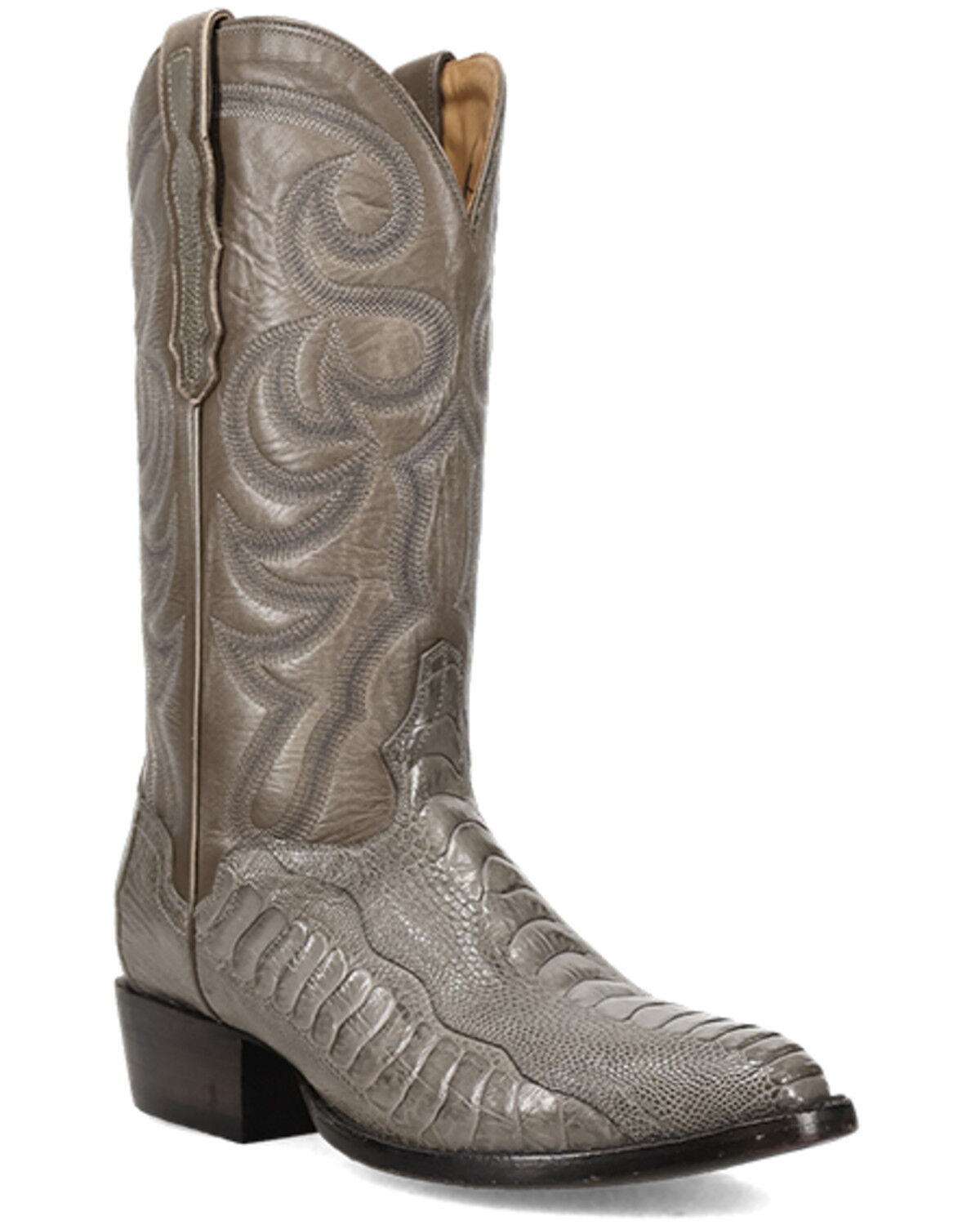
  • Men's Dan Post Exotic Snake Western Boots - Snip Toe
    Original Price $399.99 $249.97
    38% Total Savings
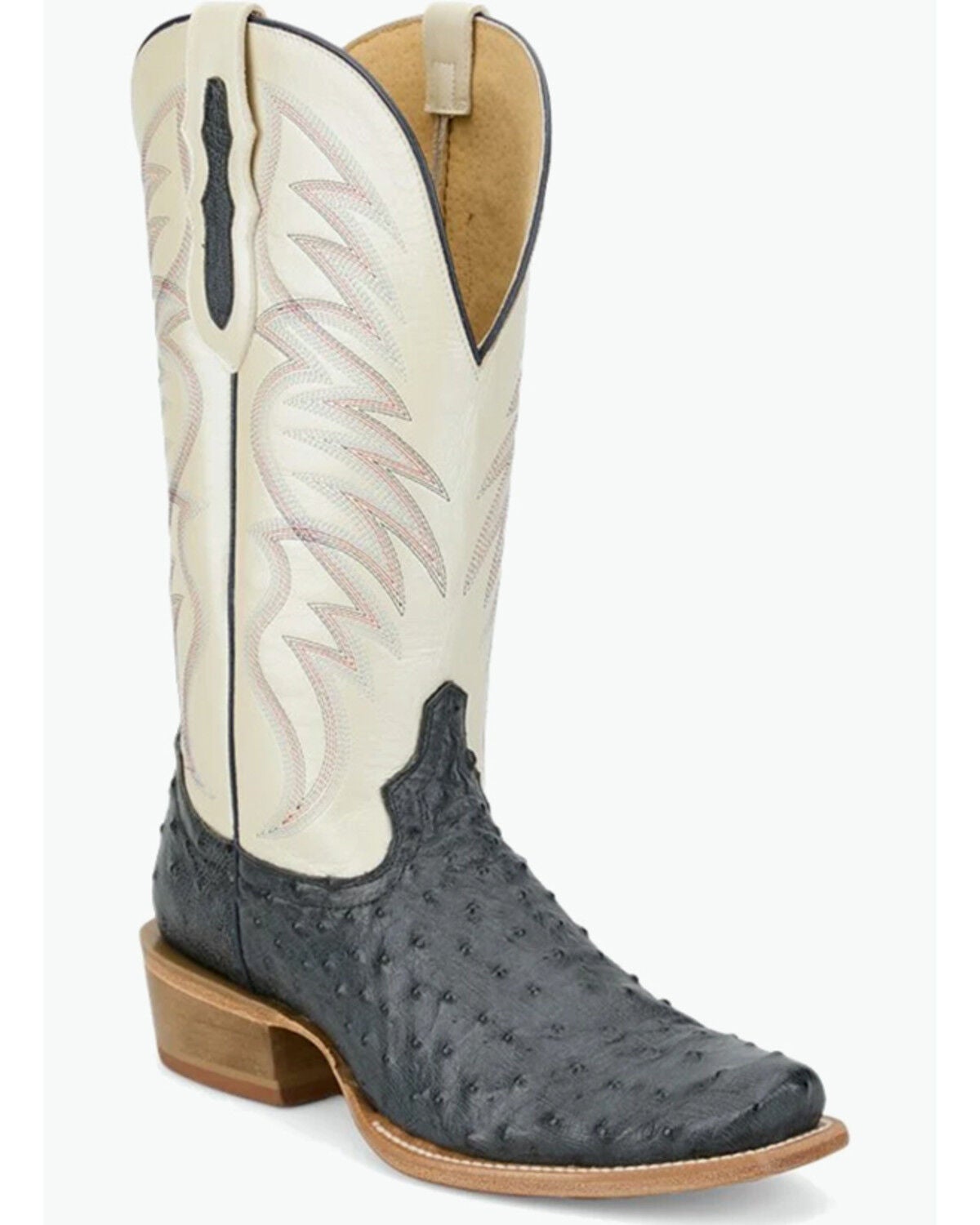
  • Men's Cody James Alton Western Boots - Broad Square Toe
    Original Price $199.99 $139.97
    30% Total Savings

End of products

Men's Gray Western Boots

Men's gray western boots pair a traditional cowboy boot shape with a color that works easily alongside denim, canvas, and tailored clothing. Gray ranges from pale ash and stone to charcoal, with each shade giving the leather a different character. A smooth, dark gray finish can look clean and restrained beneath straight-leg black jeans. A lighter, distressed finish brings more visible grain and variation, making it a natural match for broken-in blue denim and a cotton western shirt. The appeal of Gray Western Boots comes from that balance: a neutral color with a distinctly western profile. Unlike a flat gray fabric, leather often shows lighter edges, darker creases, and subtle differences across the foot and shaft. Those details give the color depth without requiring heavy stitching or bright accents. Toe shape also changes the overall look. A broad square toe creates a substantial profile, while a round toe follows a more traditional line. Narrower square and pointed shapes can look sharper with dressier trousers, though the right choice still depends on comfort and personal preference. Shaft height, heel shape, and stitch patterns add another layer of distinction. A plain foot with tonal stitching keeps the focus on the leather, while contrasting thread makes the shaft more noticeable when it is exposed. With jeans worn over the boots, the foot, toe, and heel do most of the visual work. A straight or bootcut leg generally falls more naturally over the shaft than a narrow opening that catches on the top edge. For a casual dinner, a live music venue, or a family gathering, gray boots can anchor an outfit without competing with a patterned shirt or belt buckle. For a more dressed-up occasion, a consistent finish and a clean trouser break usually matter more than elaborate details. The result can be distinctly western without making every part of the outfit western.

Material and construction determine how men's gray western boots feel and wear, not just how they look. Full-grain leather retains the natural grain surface and can develop visible character with repeated use. Suede has a soft, napped surface that gives gray a muted appearance, while nubuck has a finely sanded grain surface with a velvety feel. Textured and exotic leathers can bring more pronounced grain or scale patterns, with care requirements that depend on the particular hide and finish. None of these material descriptions alone establishes comfort or durability. Leather thickness, lining, stitching, footbed design, and outsole construction all contribute to the experience underfoot. A leather outsole offers a traditional appearance and feel, while rubber compounds may provide more traction and abrasion resistance, depending on their design. Cushioning can make long stretches on hard floors more comfortable, but a soft footbed cannot make up for a poor fit. In a properly fitted pull-on boot, the instep should feel secure without painful pressure, and the widest part of the foot should align with the widest part of the boot. Toes need room without being pushed against the front or squeezed together. A small amount of heel movement can be normal in a new western boot, but excessive lifting or a foot that slides forward deserves attention. The socks normally worn with the boots belong in the fit assessment, since a thicker sock can change the feel considerably. Width matters as much as length, and a square toe does not automatically mean the entire boot fits wider. Leather can soften through wear, but a boot that is too short should not be expected to gain usable length. For someone spending hours standing, walking between buildings, or moving around a property, secure fit and a suitable outsole deserve priority over appearance alone. Western styling also does not establish protective performance. Tasks requiring safety toes, electrical hazard protection, or specified slip resistance call for footwear with those documented features.

Good care helps preserve both the gray finish and the structure of the boot. Dust and grit left around the welt, seams, and flex points can contribute to wear, so routine cleaning has a practical purpose beyond appearance. Smooth leather generally benefits from a soft brush or cloth, followed by products approved for its finish. Conditioner should be used as directed rather than applied heavily, and a test on a small, hidden area can reveal unwanted darkening. That matters with gray leather, where even a modest color change may be noticeable. Suede and nubuck need tools and treatments intended for their textured surfaces; ordinary smooth-leather creams can flatten the nap or leave marks. Exotic hides may need specialized care to protect their particular structure and finish. Manufacturer instructions remain the best starting point when treatments differ. After cleaning or exposure to moisture, boots should dry naturally away from direct heat. A boot tree or suitable shaft support can help maintain shape, while time between wears allows interior moisture to dissipate. Pulling boots off with a boot jack rather than pressing one heel against the other reduces unnecessary scuffing. Checking heel caps, outsole wear, and loose stitching can also catch repair needs before they become more involved. Some constructions allow resoling, though that depends on how the boot is built and its condition. For everyday wear, these habits help keep a dependable pair looking presentable without trying to erase every crease. Natural wear can suit gray leather well when the surface remains clean and cared for. Men's gray western boots can also make a useful birthday or milestone gift for someone who already wears western footwear or wants a neutral alternative to brown and black. Knowing the recipient's usual size, width, toe preference, and intended use makes that choice more personal and practical. A pair chosen around those details is better suited to regular wear than one selected for color alone.

FAQs