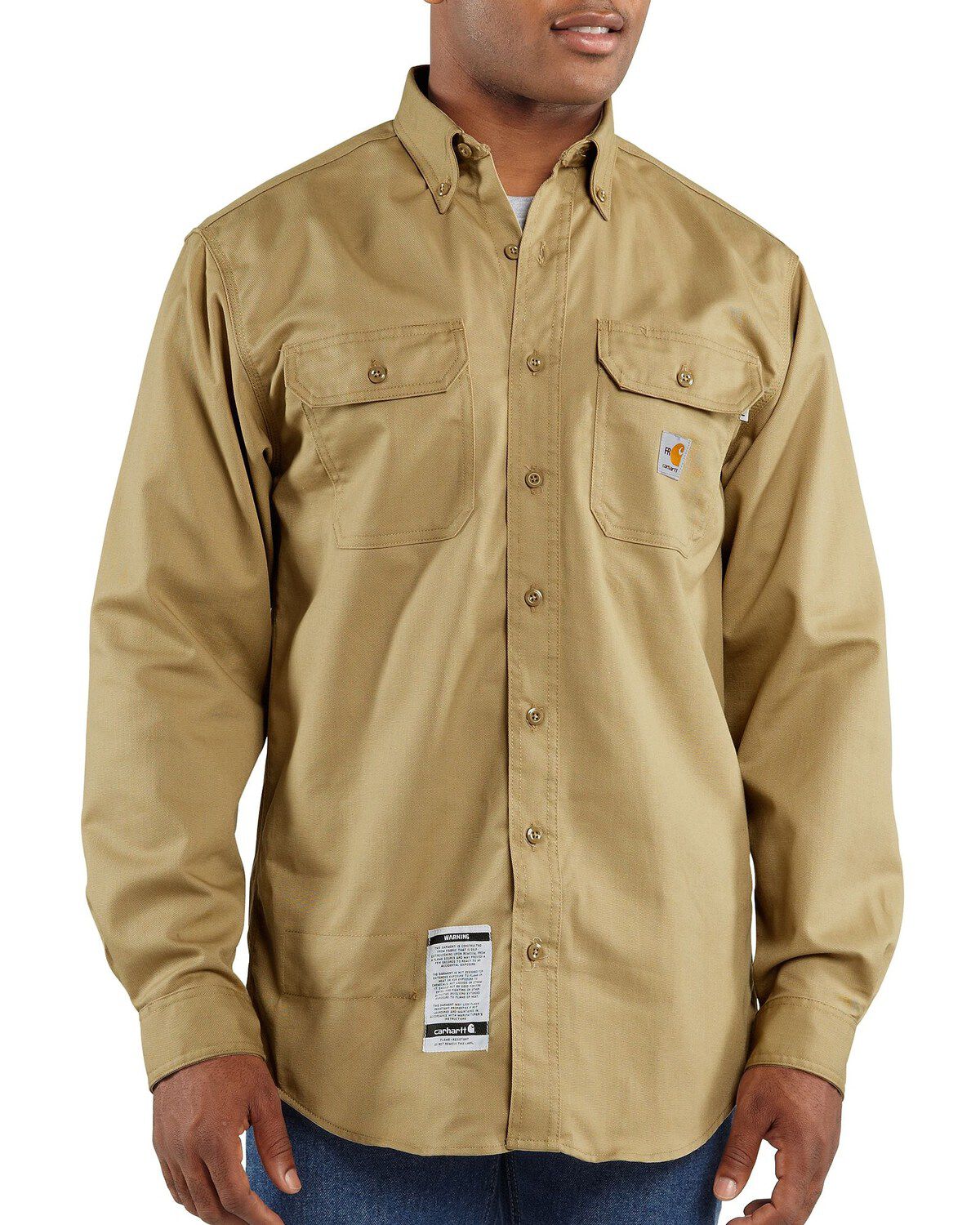
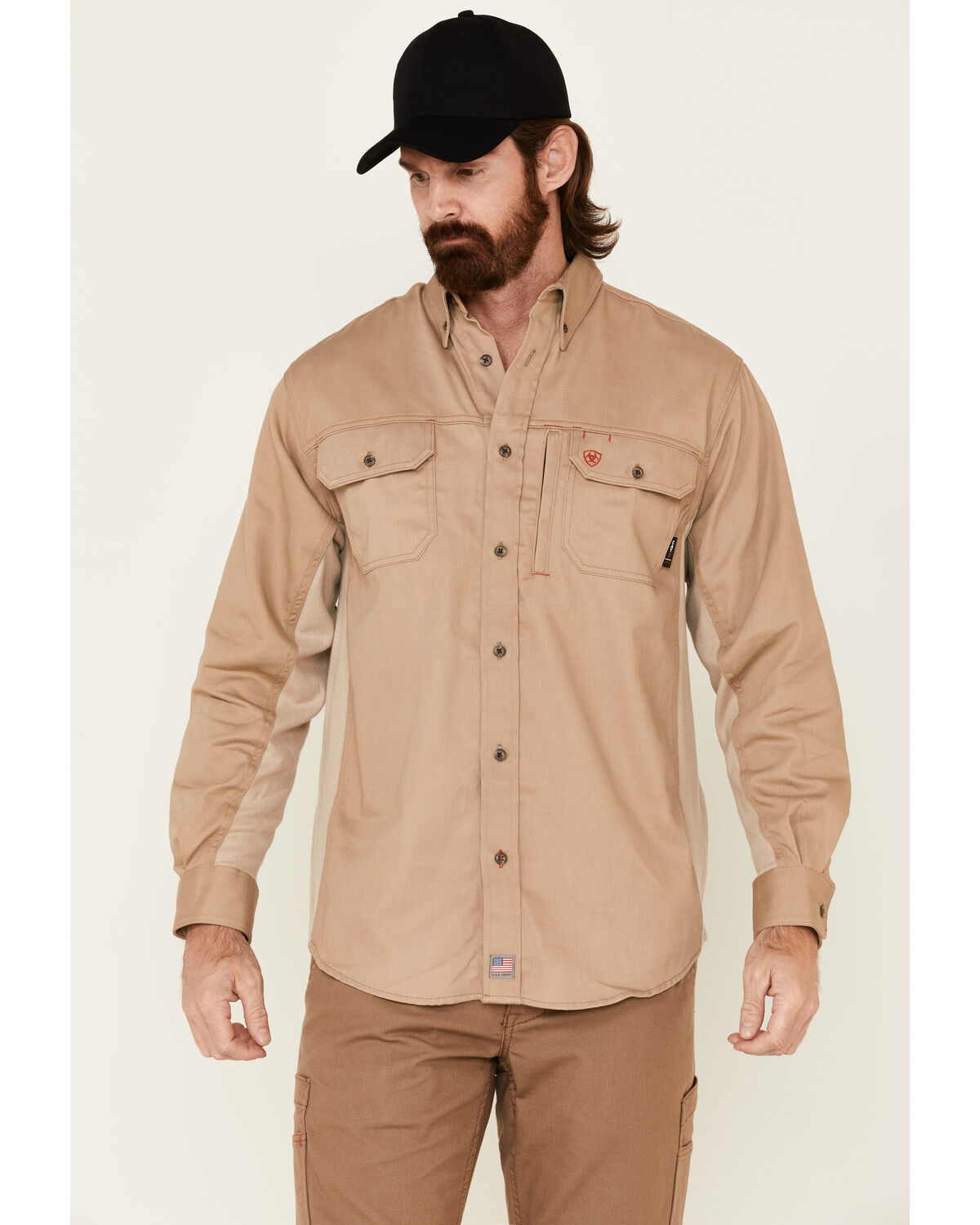
Navigate the rugged demands of your workday with confidence by exploring our selection of men's gas detector loop shirts. Designed to blend functionality... with classic western style, these shirts are essential for those who prioritize safety and comfort. Perfect for professionals who need to keep their gas detectors close at hand, our collection ensures you stay prepared without compromising on the authentic cowboy look you love. Whether you're on the job or enjoying a day outdoors, these shirts offer the practicality and durability you need. Discover how men's gas detector loop shirts can elevate both your workwear and everyday wardrobe.
Read more
Mens Gas Detector Loop Shirts
Navigate the rugged demands of your workday with confidence by exploring our selection of men's gas detector loop shirts. Designed to blend functionality... with classic western style, these shirts are essential for those who prioritize safety and comfort. Perfect for professionals who need to keep their gas detectors close at hand, our collection ensures you stay prepared without compromising on the authentic cowboy look you love. Whether you're on the job or enjoying a day outdoors, these shirts offer the practicality and durability you need. Discover how men's gas detector loop shirts can elevate both your workwear and everyday wardrobe.
Men’s gas detector loop shirts are purpose-built work shirts for professionals who need dependable coverage and a secure place to attach a personal gas monitor. They are commonly worn on oilfields, refinery floors, gas plants, utility sites, pipeline crews, maintenance teams, and other industrial jobs where airborne hazards may be present. The defining feature is a heavy-duty loop positioned on the shoulder or upper chest. When a compatible monitor is clipped to this loop, it stays near the wearer’s breathing zone, remains visible for quick checks, and does not occupy a hand that may be needed for tools, ladders, or material handling. This placement also helps keep the monitor from swinging against equipment or getting buried under a jacket. A gas detector loop shirt is not a substitute for a properly maintained monitor, site training, or required protective equipment, but it can make daily gear easier to wear and manage. Before choosing one, review the requirements for the job site, including the type of monitor used, required monitoring position, approved garments, and any flame-resistant or electrical safety standards that apply. Some shirts are made from treated fabrics, while others use inherently flame-resistant fibers. Their labels may identify protection ratings such as NFPA 2112 for flash fire exposure or NFPA 70E requirements related to electrical work, but ratings vary by garment and should be confirmed on the product label and manufacturer documentation. An arc rating such as ATPV may also be listed, along with a category rating. Those details matter more than appearance when a shirt will be worn around heat, sparks, open flames, or energized equipment. If a company requires a particular rating, fabric composition, color, or closure style, match that requirement before considering secondary features. Compliance is specific to the garment, not simply to the general category of men’s gas detector loop shirts.
Fit and fabric deserve close attention because work shirts often stay on through long shifts, changing temperatures, and repetitive movement. A shirt that fits correctly should allow room to reach, bend, climb, and layer without letting the sleeves or body become loose around machinery. Look for a sleeve length that protects the wrist without interfering with gloves, and check whether the shoulder seams sit where they should when the gas monitor is attached. The loop should feel firmly secured, with stitching and reinforcement suited to regular use. A well-placed loop keeps the monitor accessible without pulling the collar sideways or creating pressure at the neck. Lightweight cotton or blended woven fabrics can be useful in warm, active environments, while heavier twill can provide a more substantial feel during cooler conditions and demanding work. Ripstop construction may help limit the spread of a tear, but no fabric eliminates the need to inspect the shirt after snagging, abrasion, chemical contact, or heat exposure. Moisture-wicking panels, breathable sections, and back vents can improve comfort when a crew is working near equipment that gives off heat. For cooler months, choose a fit that leaves enough room for a base layer without covering the monitor or blocking the loop. Button fronts, snap closures, chest pockets, pen slots, and utility pockets each have a practical role, though the best arrangement depends on the work being done. Pockets should close securely when tools, cards, or small supplies are carried near moving equipment. Reflective details or high-visibility colors may be useful on certain sites, but they should not be assumed to satisfy a site’s visibility policy unless specifically approved. Color can also affect daily wear: darker shades may hide ordinary grime, while lighter shades make some dust and residue easier to spot during a shift. If a more polished western workwear look is preferred for service calls or customer-facing jobs, related options such as Mens Piping Shirts may provide a different appearance, though they should not be treated as a replacement for an FR garment when protective clothing is required.
Care is part of the safety decision. Follow the garment label for washing, drying, and storage instructions, and avoid fabric softeners, bleach, or other products that can affect performance when the manufacturer advises against them. Inspect the gas detector loop, seams, cuffs, snaps, collar, and pocket openings regularly. Fraying, broken stitching, deep abrasion, contamination, or damage from chemicals can change how a shirt performs and may be grounds for removal from service. A shirt that looks acceptable on a hanger may fit differently once a monitor, radio, gloves, and other equipment are attached, so try the full setup before a shift whenever possible. Men’s gas detector loop shirts are especially practical for workers who carry a monitor every day, including field technicians, welders, operators, electricians, mechanics, inspectors, and utility crews. They can also be a thoughtful workwear gift for someone starting an industrial role, provided the buyer knows the recipient’s required rating, size, color, and site policy. The safest choice is not necessarily the thickest or most detailed shirt. It is the garment that meets the work requirement, holds the monitor in the approved position, fits without restricting movement, and remains comfortable enough to wear correctly for an entire shift. During the cooler months, layering under or over the shirt should never interfere with the monitor’s placement or cover required protective markings. As conditions change from indoor maintenance areas to exposed yards and active equipment zones, practical details such as ventilation, durable stitching, and easy access to the monitor can make a measurable difference. Choose based on documented protection, dependable construction, and the demands of the job rather than relying on a general claim that every gas detector loop shirt offers the same level of safety.

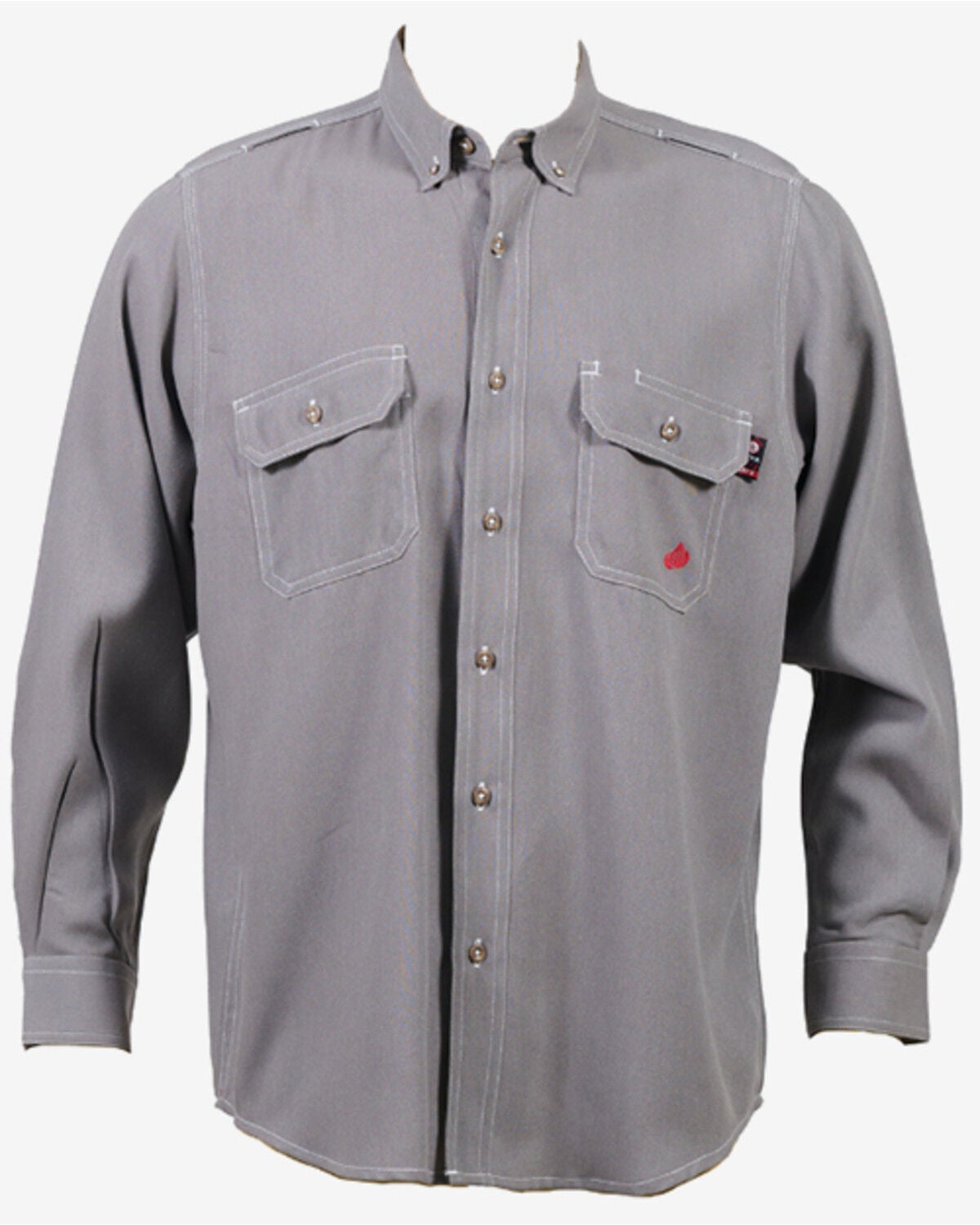


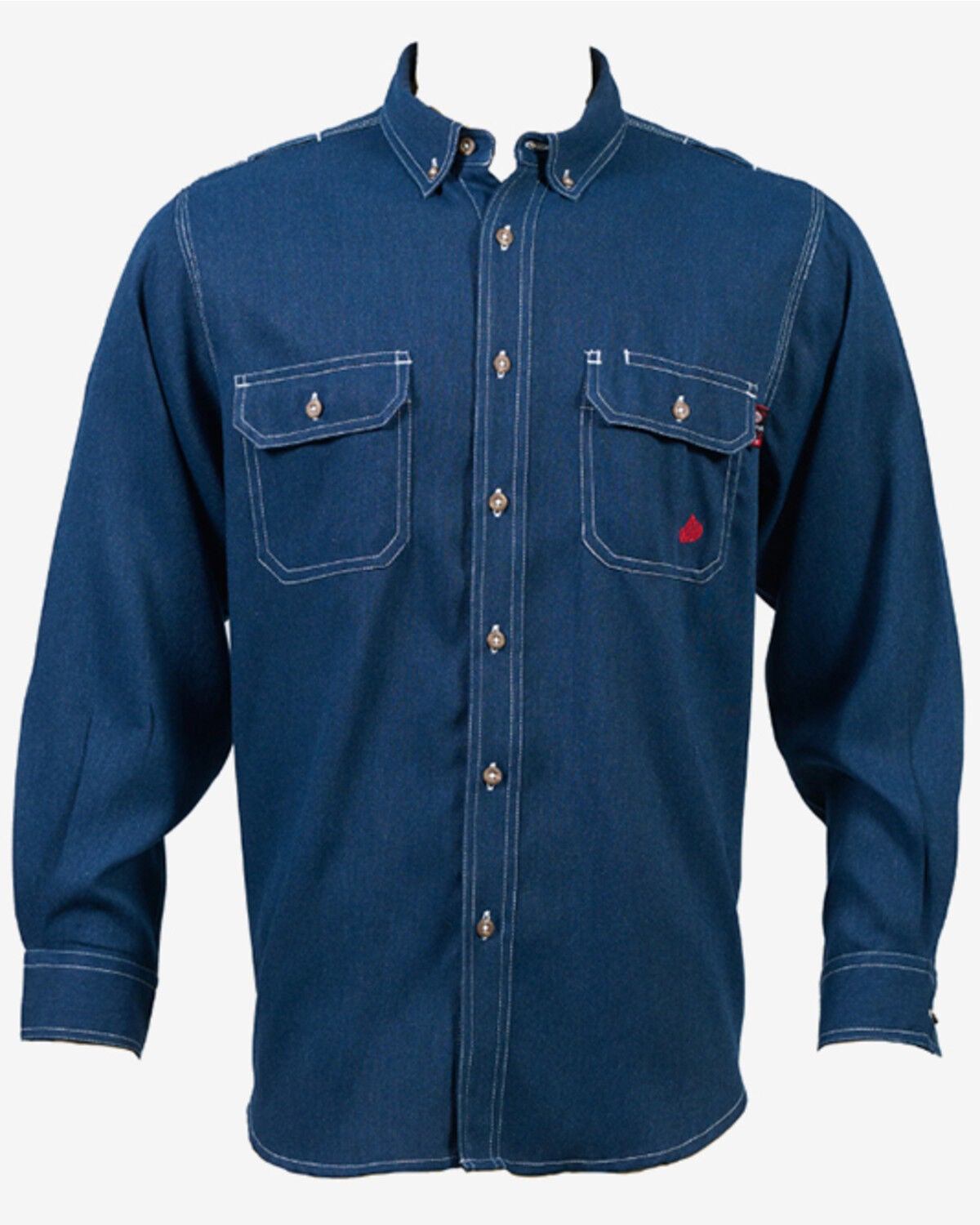
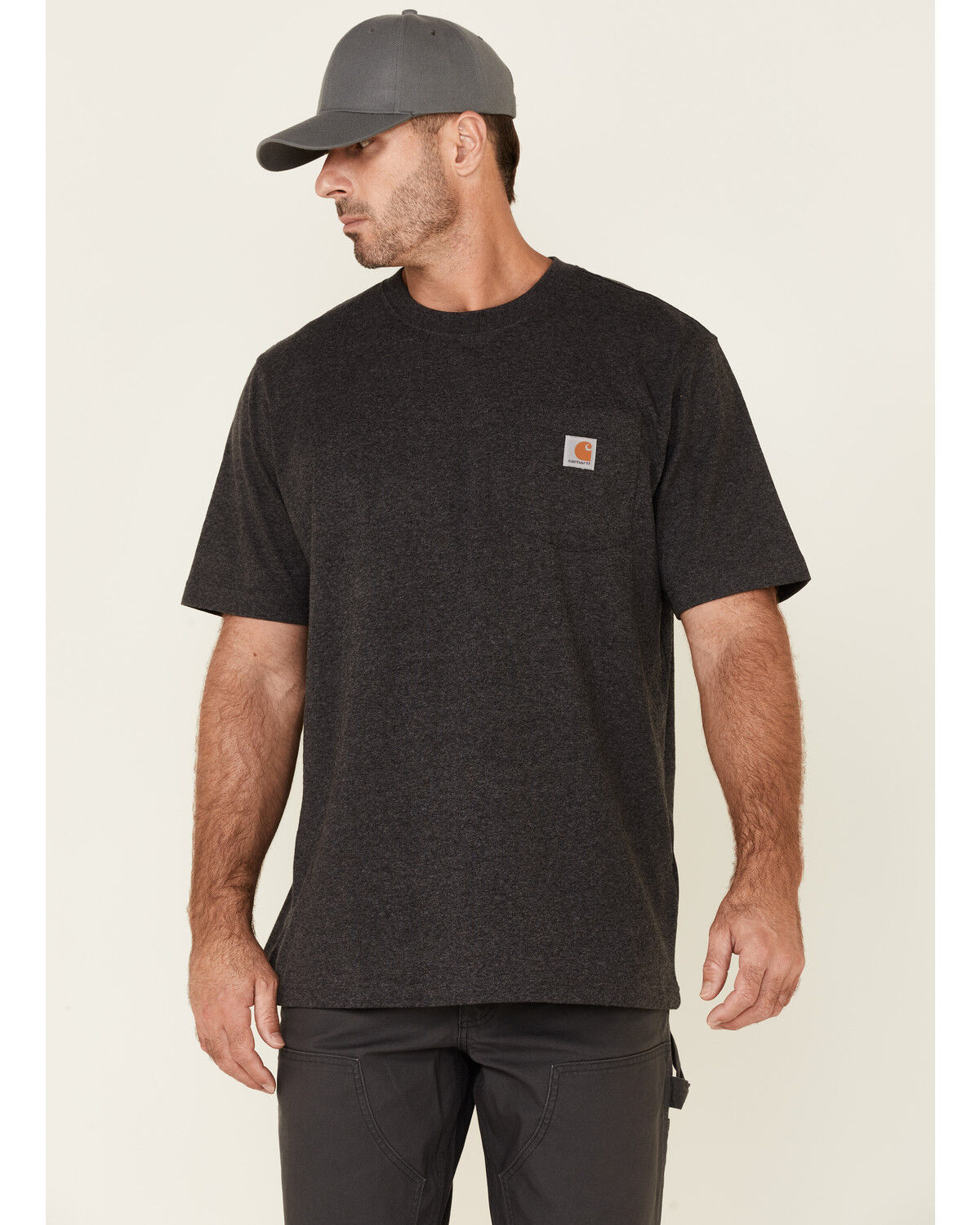 $24.99
 $64.99
 $27.99
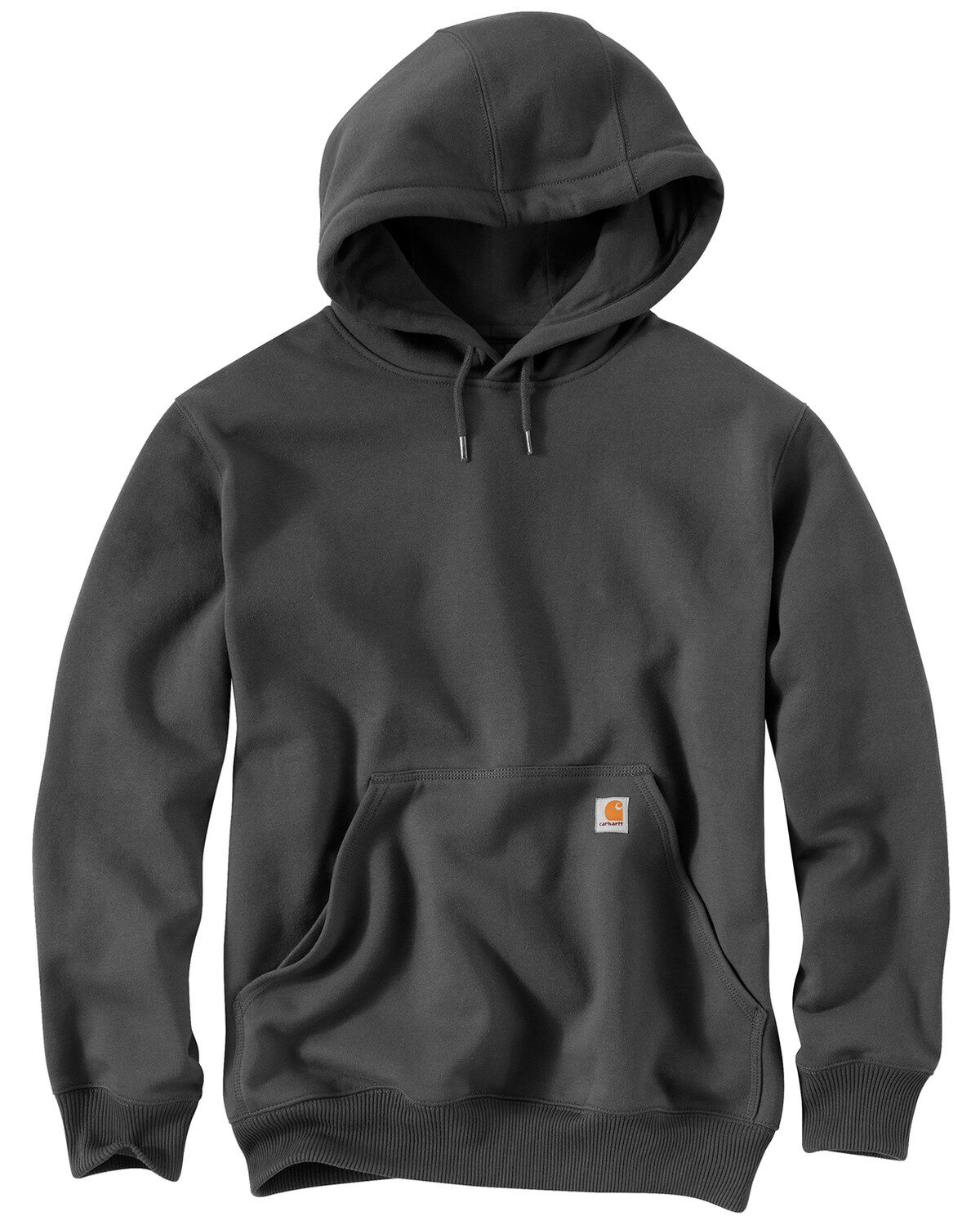 $69.99
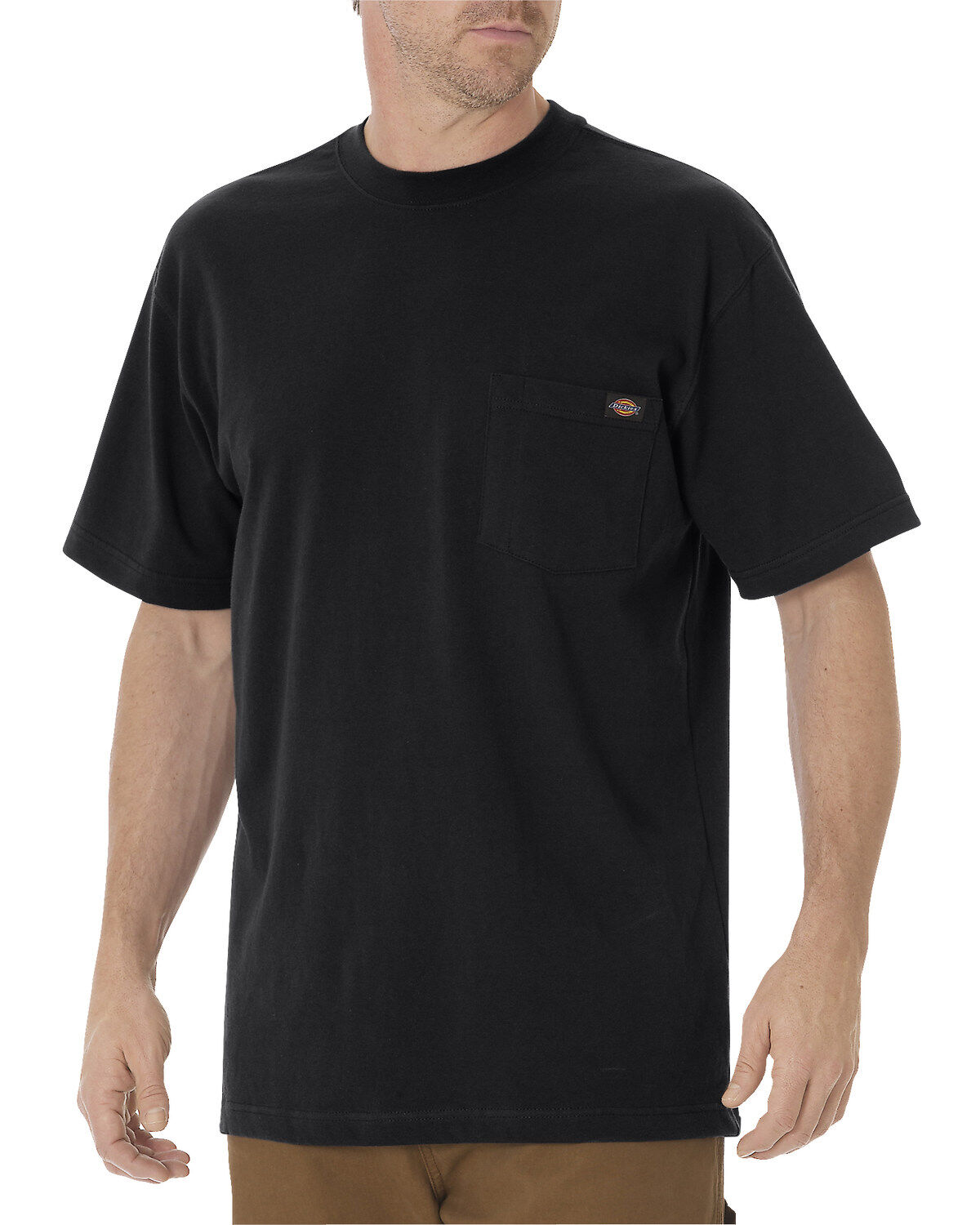 $19.99