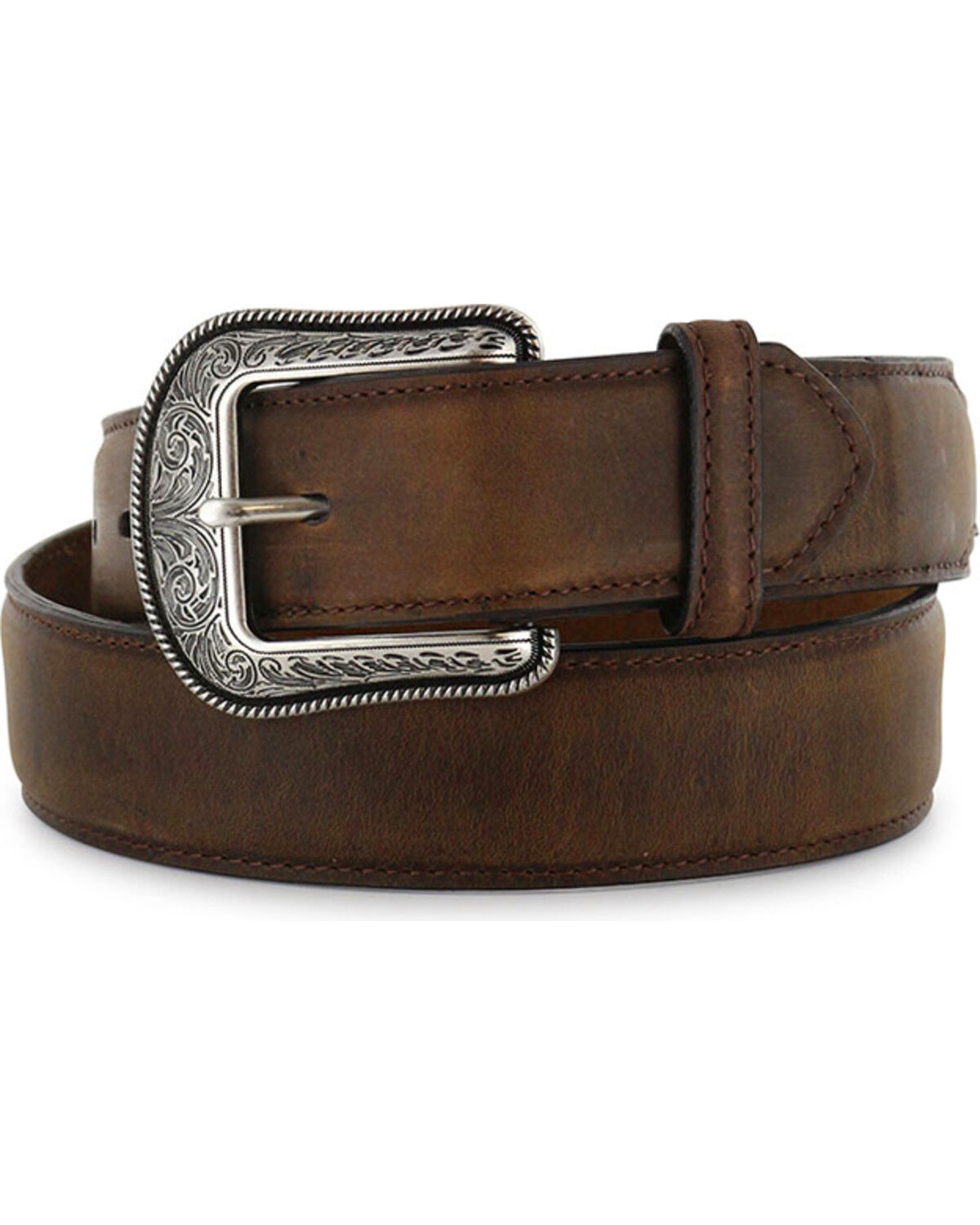
Men's Exotic Belts

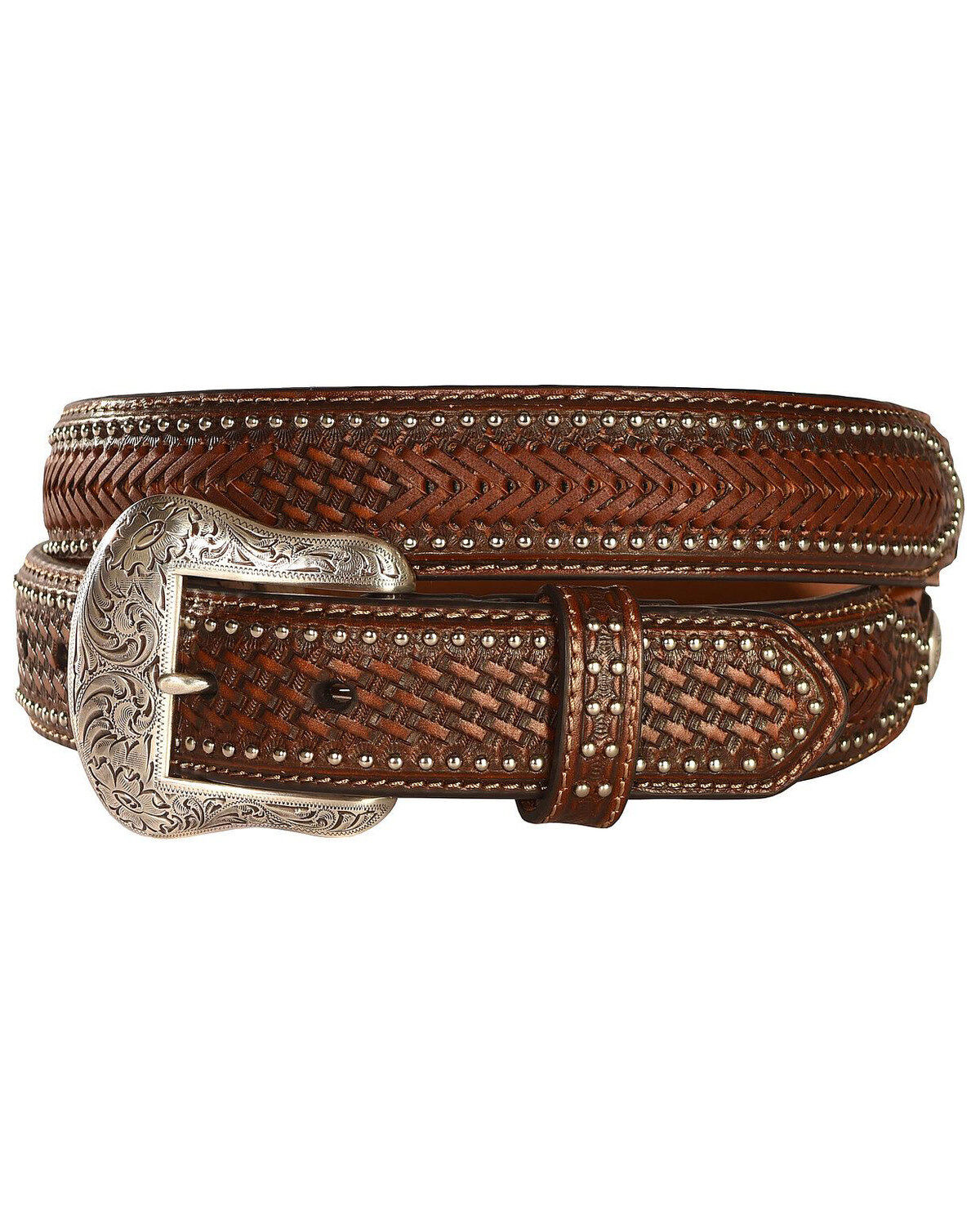
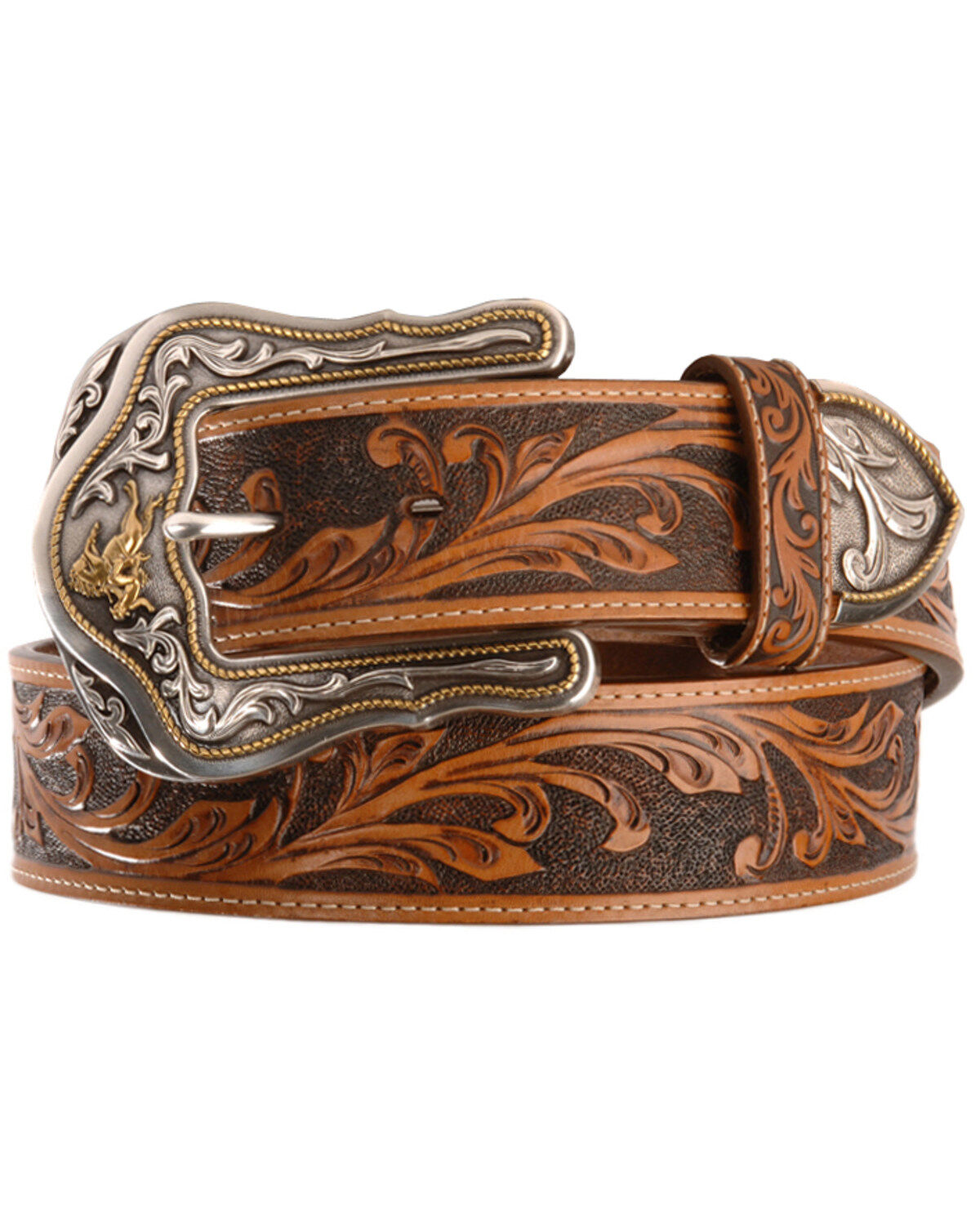
Shop men's exotic belts for a distinctive accent to jeans and western wear. Compare the available styles, and review each belt's material and sizing details to find the right match for your wardrobe and fit.

Shop Your Store: Shop Your Store: Find a Store

(Turn off Shop Your Store to see all items)

(Turn off Shop Your Store to see all items)

close
  • Recommended
  • Lowest Price
  • Highest Price
Skip pass products
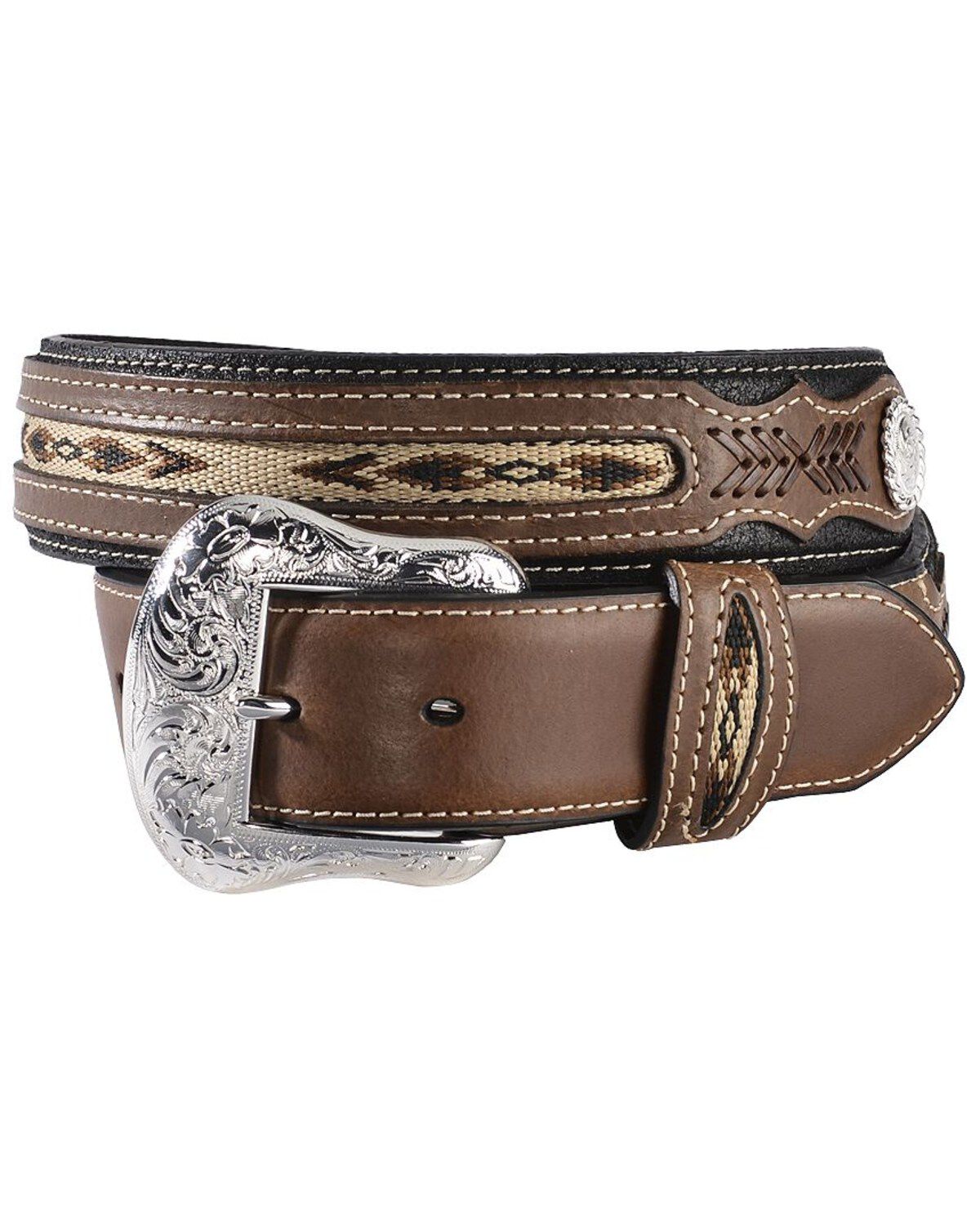
  • Men's Cody James Exotic Pirarucu Billet Belt
    Original Price $119.99 $82.97
    31% Total Savings
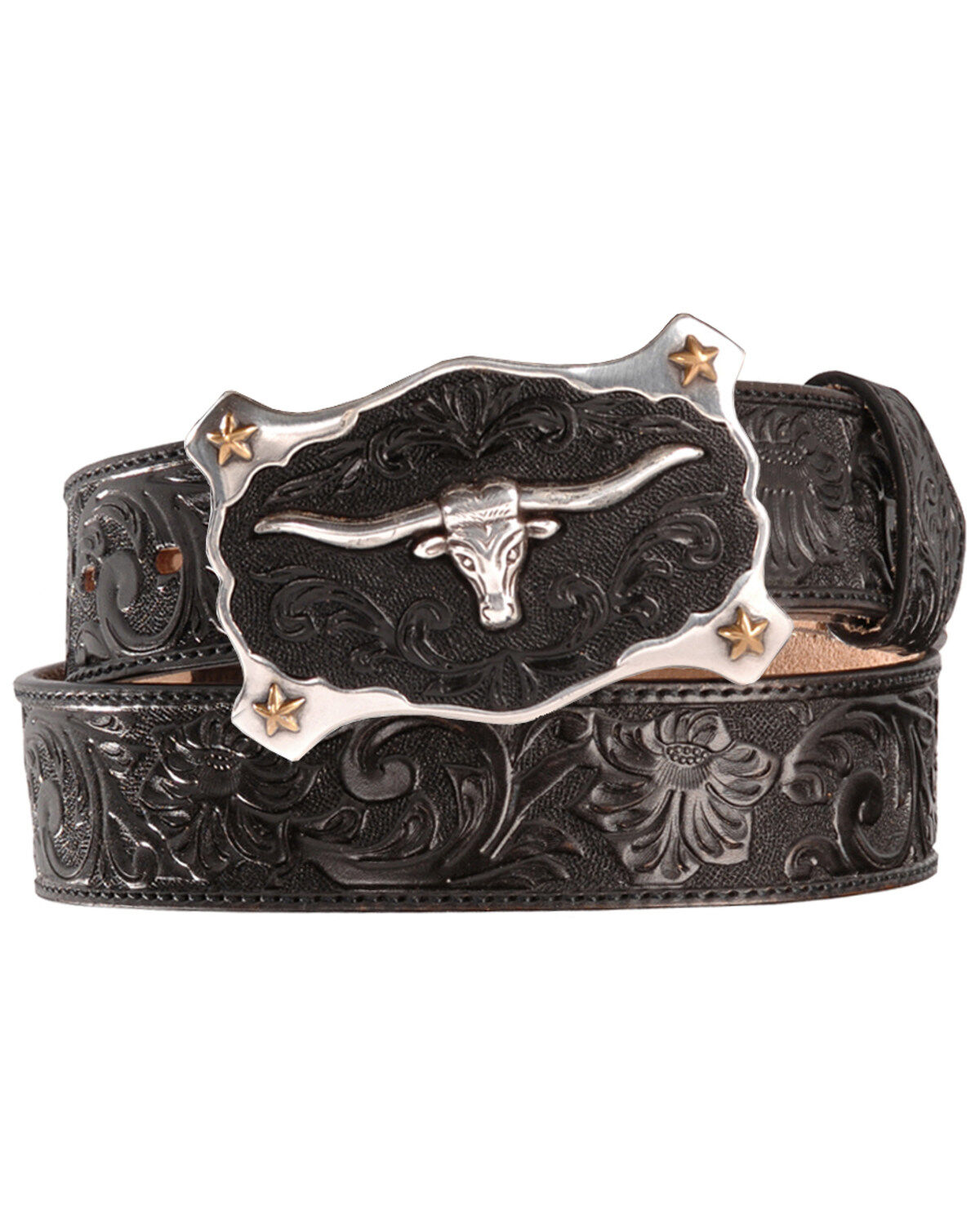
  • Men's Cody James Exotic Lizard Belt
    Original Price $129.99 $89.97
    31% Total Savings
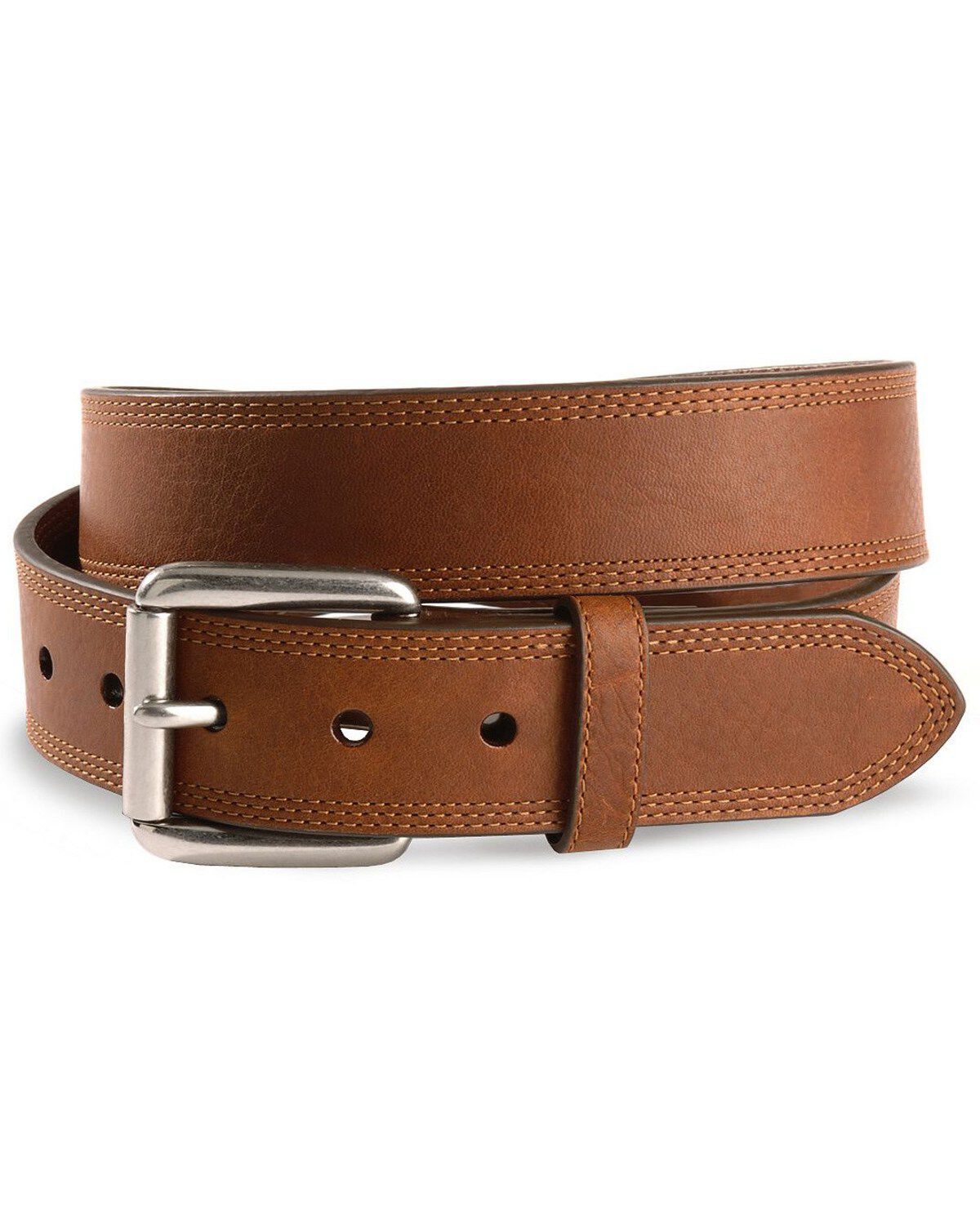
  • Men's Cody James Sheridan Faux Ostrich Print Leather Belt
    Original Price $74.99 $51.97
    31% Total Savings

End of products

Men's Exotic Belts

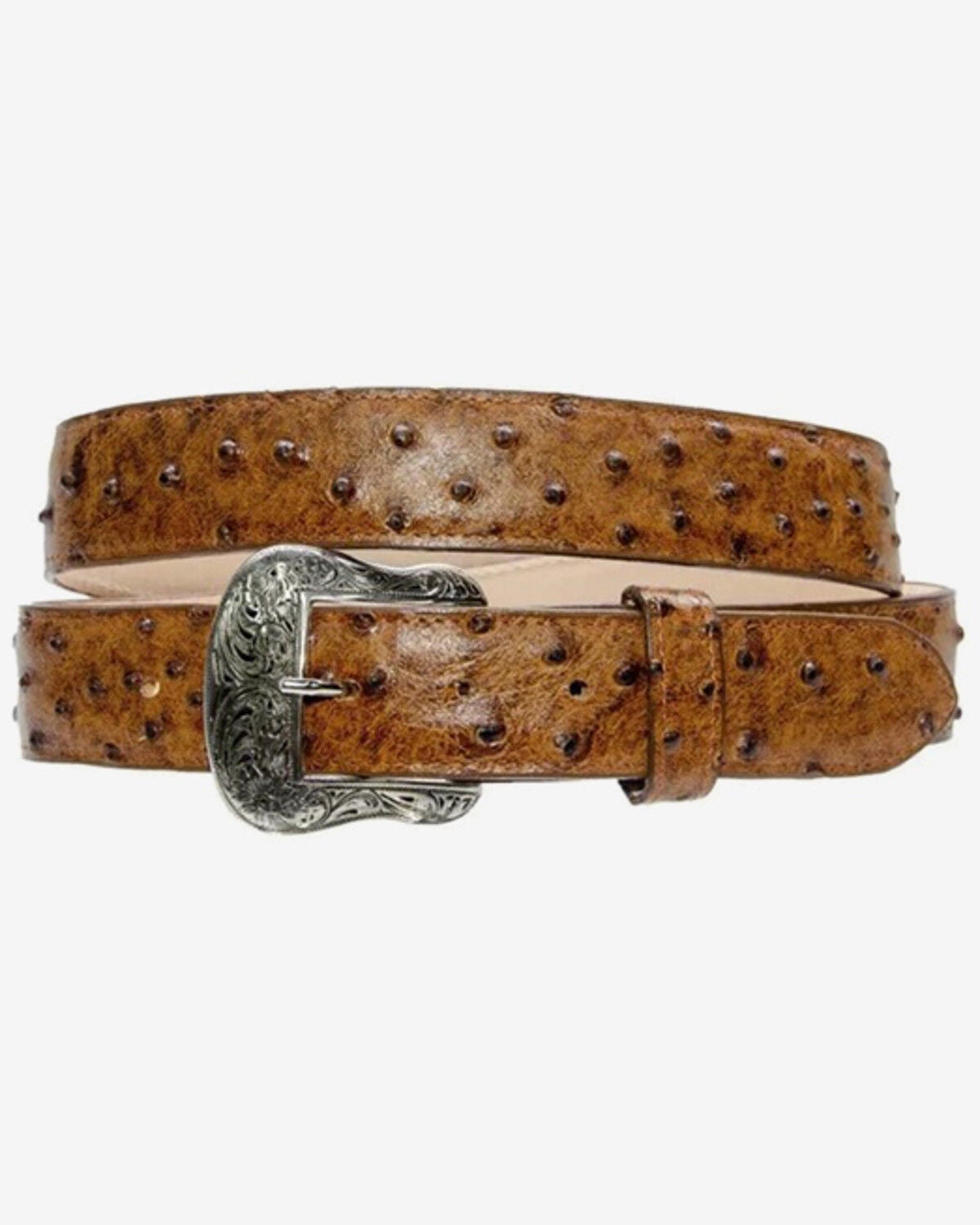
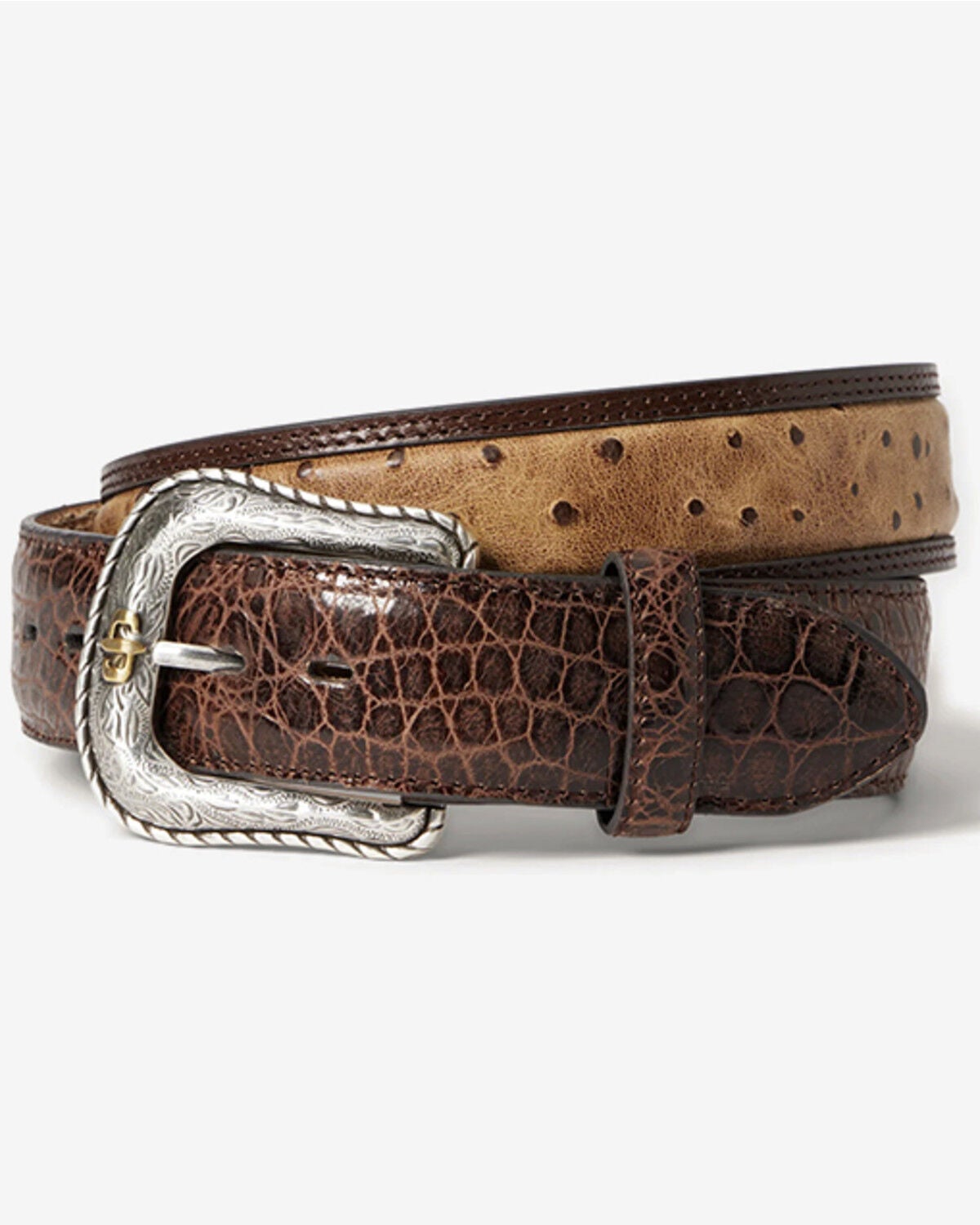
Men’s exotic belts bring distinctive leather texture to a familiar part of a western wardrobe. The difference is visible up close: raised ostrich quills, the defined scale patterns of alligator or caiman, and the overlapping scales of python each give a belt its own character. Those patterns come from the hide itself, so genuine exotic leather can show natural variation in scale size, spacing, and markings. Embossed cowhide offers a different approach, with a pattern pressed into the leather rather than supplied by an exotic hide. The distinction matters when comparing texture, construction, and care requirements. Full-quill ostrich has pronounced bumps where feathers once grew, while smoother sections of ostrich leather have a more restrained appearance. Reptile leathers can create a strong geometric pattern without added stitching or metalwork. Color and finish change the effect further. Dark brown or black can sit comfortably with dress jeans and a tucked western shirt, while lighter shades make the grain and pattern more noticeable. A polished buckle adds contrast; a subdued finish keeps more attention on the leather. Within the broader range of Mens Stylish Western Belts, exotic textures offer a distinct choice for men who prefer the leather itself to carry the detail. They work with cowboy boots and denim, but their use is not limited to that combination. A narrower profile with restrained hardware can also suit chinos or tailored trousers when the belt loops allow it. For a wedding, an evening out, or a day that calls for a tucked shirt, the belt becomes a visible connection between the boots, trousers, and buckle. Matching every shade exactly is not necessary. Similar color depth and compatible finishes generally create a more settled look than several competing focal points. A strongly patterned belt often needs little else around it. Plain denim, a solid shirt, and well-kept boots give the hide room to stand out without making the outfit feel crowded.

Fit and construction matter as much as the face of the leather. A belt should hold the waistband comfortably without requiring the tightest hole or leaving a long tail hanging past the keeper. Pant size alone does not always tell the whole story. The height of the waistband, the thickness of the fabric, and individual sizing conventions can all affect the length needed. A useful reference is a belt that already fits well, measured from the fold where the buckle attaches to the hole used most often. That measurement provides a clearer starting point than the belt’s full end-to-end length, though the maker’s sizing method still matters. Width deserves equal attention. A substantial strap may look right with sturdy denim but bind inside smaller trouser loops. A slimmer belt can pass through those loops more easily, yet its proportions should still make sense beside the buckle. Large western buckles need a compatible attachment and enough strap width to sit securely. Removable buckles are not universal, and a different buckle can alter how the belt fits at the waist. Behind the surface, the backing, lining, stitching, and edge finish help determine how the belt handles repeated wear. An exotic leather face may be paired with a separate leather backing that gives the strap structure. Even stitching and neatly finished edges are useful details because the belt bends, passes through loops, and bears pressure around the same holes each time it is worn. Thickness alone is not a reliable measure of quality or comfort. A belt needs enough support for its intended use while remaining comfortable when sitting, driving, or moving through the day. Exotic leather does not automatically make a belt suitable for carrying heavy tools or enduring abrasive work. Its strengths are often most apparent in everyday clothing and dressier western wear, where the texture stays visible and the surface is less exposed to rough contact. Repeated scraping against equipment can wear even a carefully constructed belt, especially along its edges and raised details.

Care should suit the particular leather rather than follow a single routine for every belt. Ostrich, alligator, caiman, python, and embossed cowhide can respond differently to moisture and conditioning products. The finish also affects what treatment is appropriate. A soft, dry cloth removes ordinary surface dust without soaking the strap or leaving residue in the grain. On scaled leather, gentle handling helps avoid catching or lifting the edges of the scales. A conditioner intended for ordinary boot leather is not necessarily suitable for every exotic hide, and heavy oils can darken leather or change its feel. Care directions supplied with the belt provide the best starting point, with any suitable treatment tested first in a discreet area. If the belt gets damp, blotting away moisture and letting it dry naturally is preferable to placing it near a heater or using direct heat. Extended sunlight can also affect color and dry the leather. Between wears, a belt benefits from being stored away from damp conditions, either hanging straight from suitable support or resting in a loose coil without a sharp bend. Forcing a thick strap into a tight roll puts unnecessary stress on the surface and backing. Buckle care deserves separate attention, since metal polish can stain surrounding leather if it spreads beyond the hardware. These details are especially relevant when an exotic belt is chosen as a gift. Birthdays, anniversaries, graduations, and other milestones can be fitting occasions for a piece that reflects the recipient’s everyday style. The most useful clues are practical: the width of a favorite belt, the color of frequently worn boots, a preference for silver-tone or brass-tone hardware, and whether an existing buckle will be reused. A man who wears dark denim and plain shirts may appreciate pronounced texture, while someone with detailed buckles may prefer a quieter leather pattern. Natural variation is part of the appeal, but fit makes the gift wearable. The right exotic belt adds character without asking the rest of the wardrobe to change.

FAQs