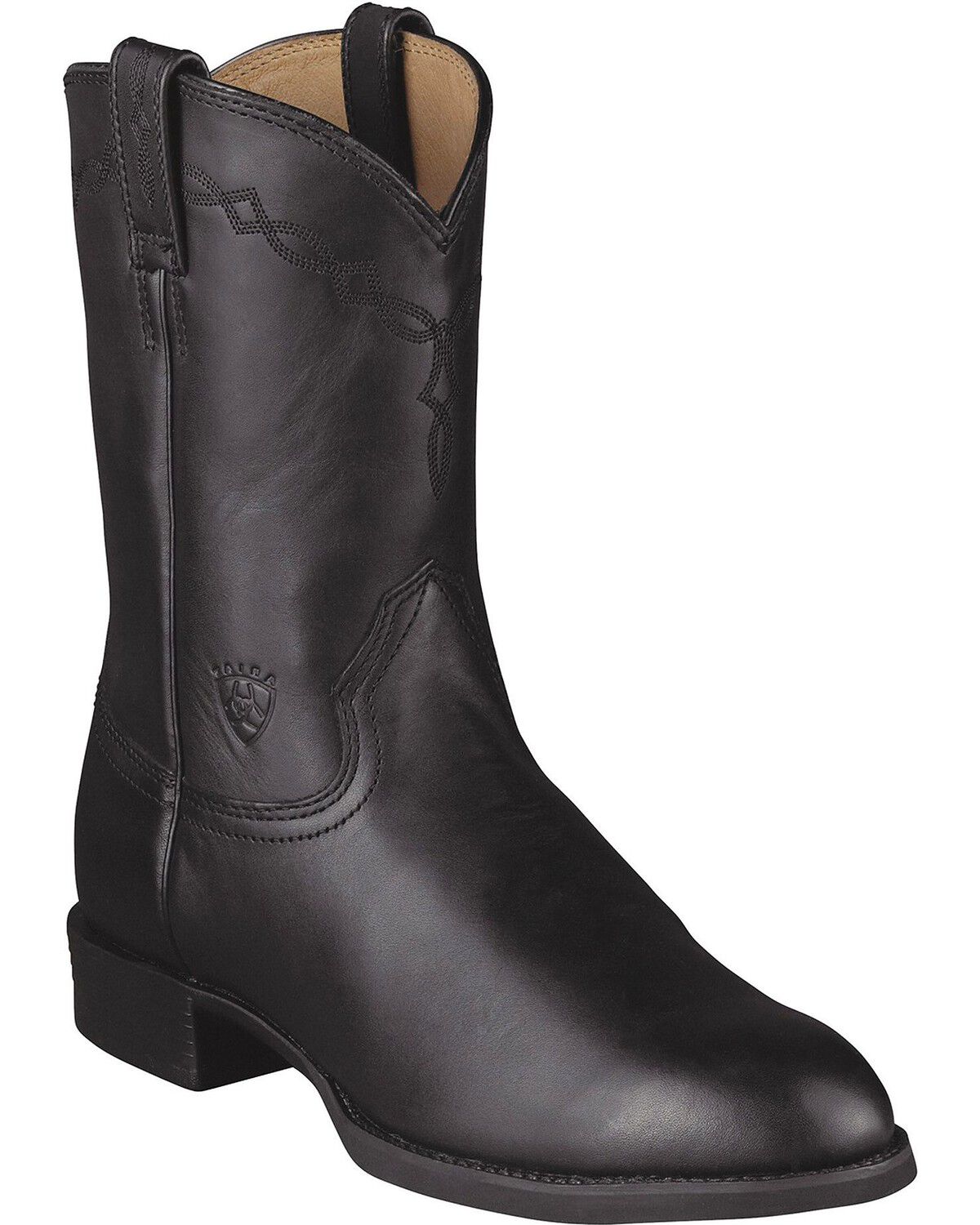
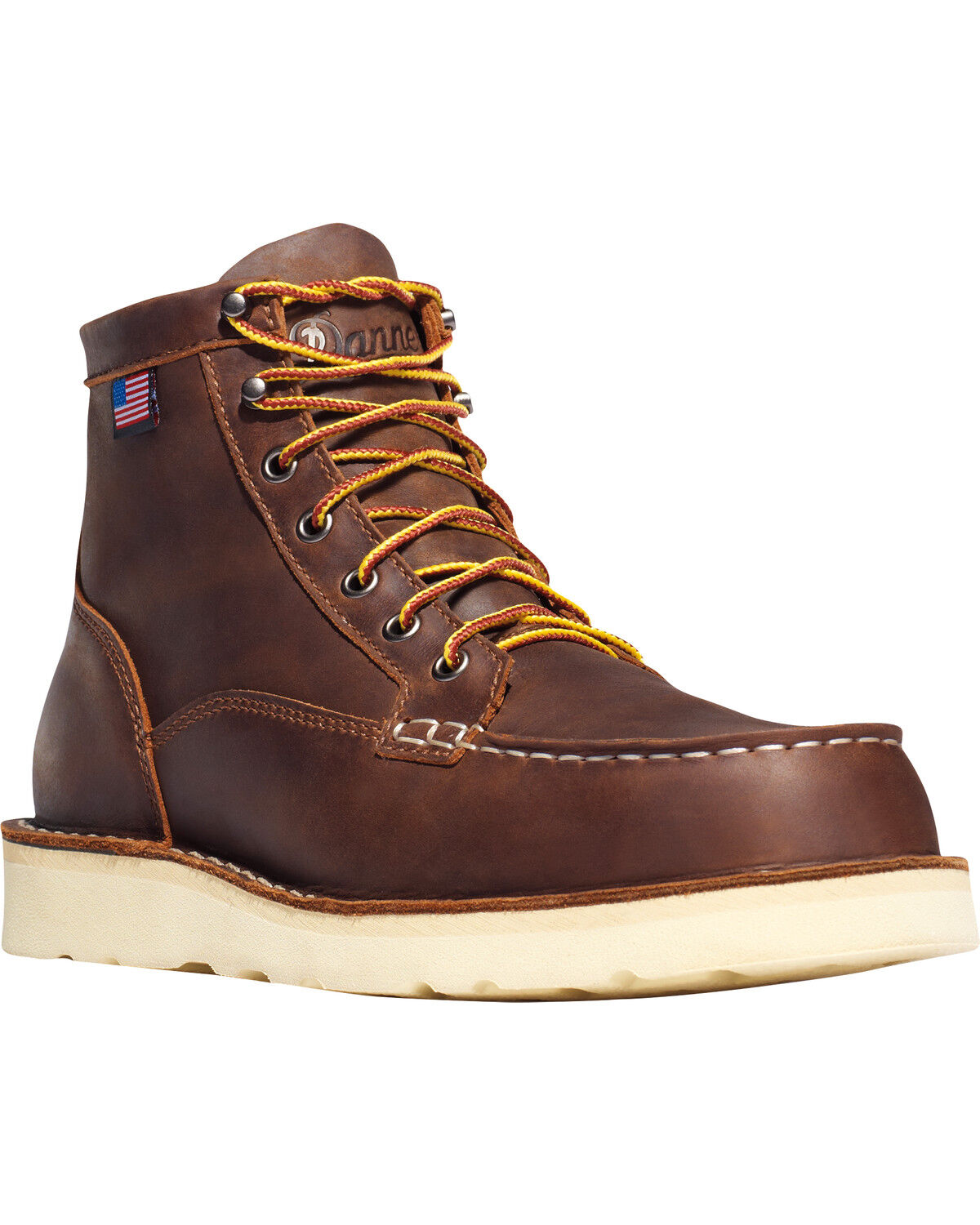
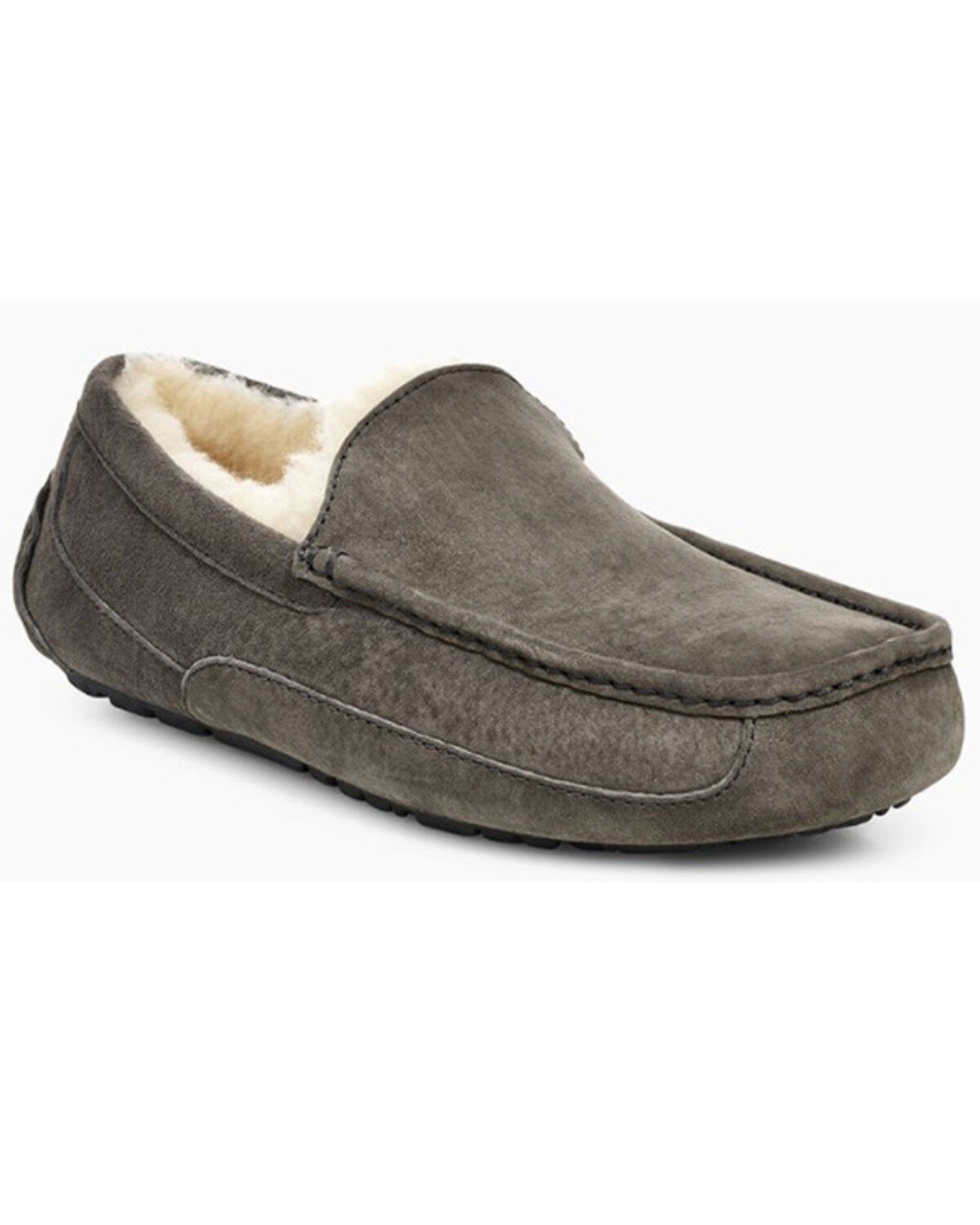
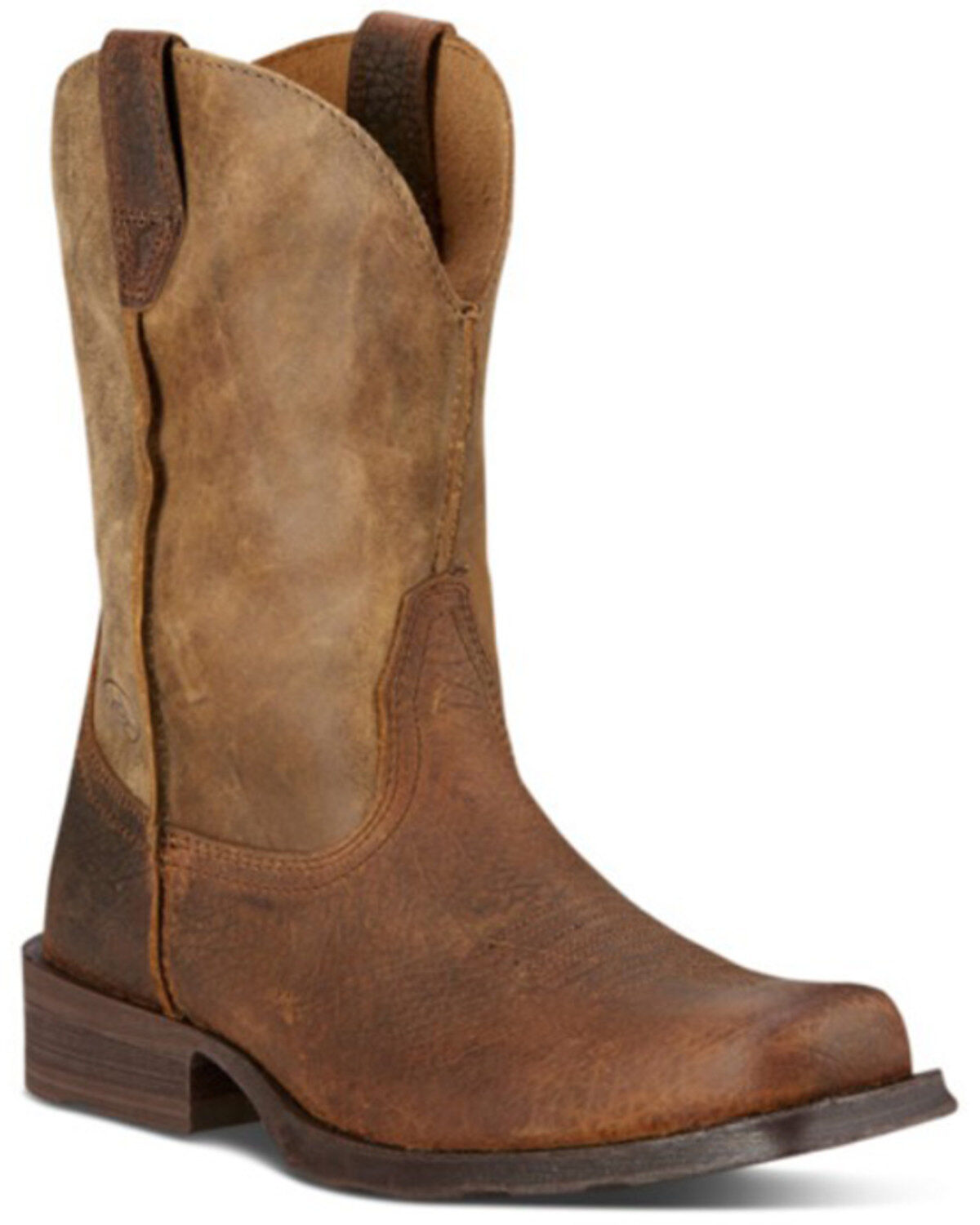
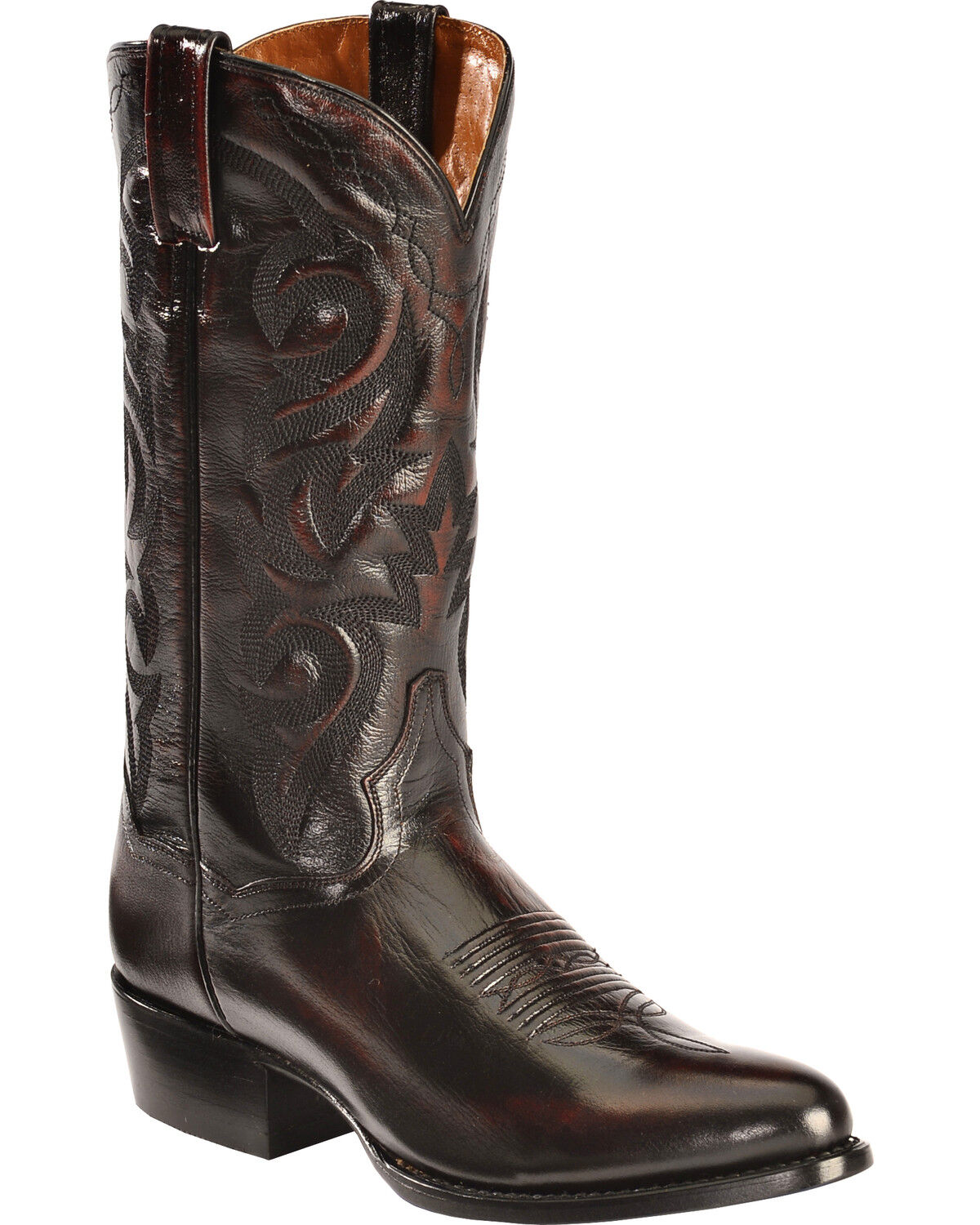
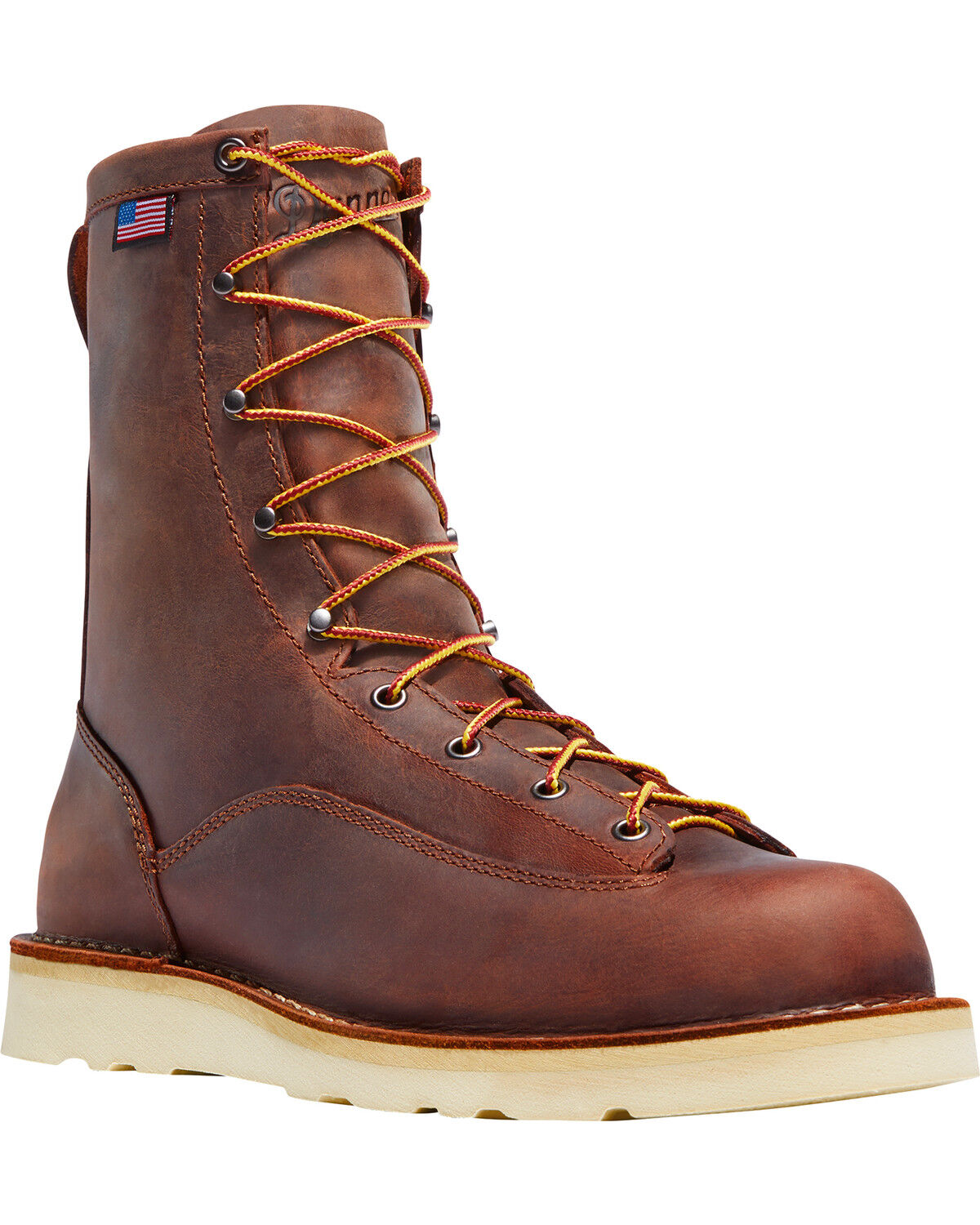
Men's Boots Soft Leather

Browse men's soft leather boots with your preferred fit and everyday style in mind. Compare toe shape, heel height, and construction in the product details, then check sizing and leather care information to help choose the right pair.

Read More

Shop Your Store: Shop Your Store: Find a Store

(Turn off Shop Your Store to see all items)

(Turn off Shop Your Store to see all items)

close
  • Recommended
  • Lowest Price
  • Highest Price
Skip pass products

End of products

Men's Boots Soft Leather

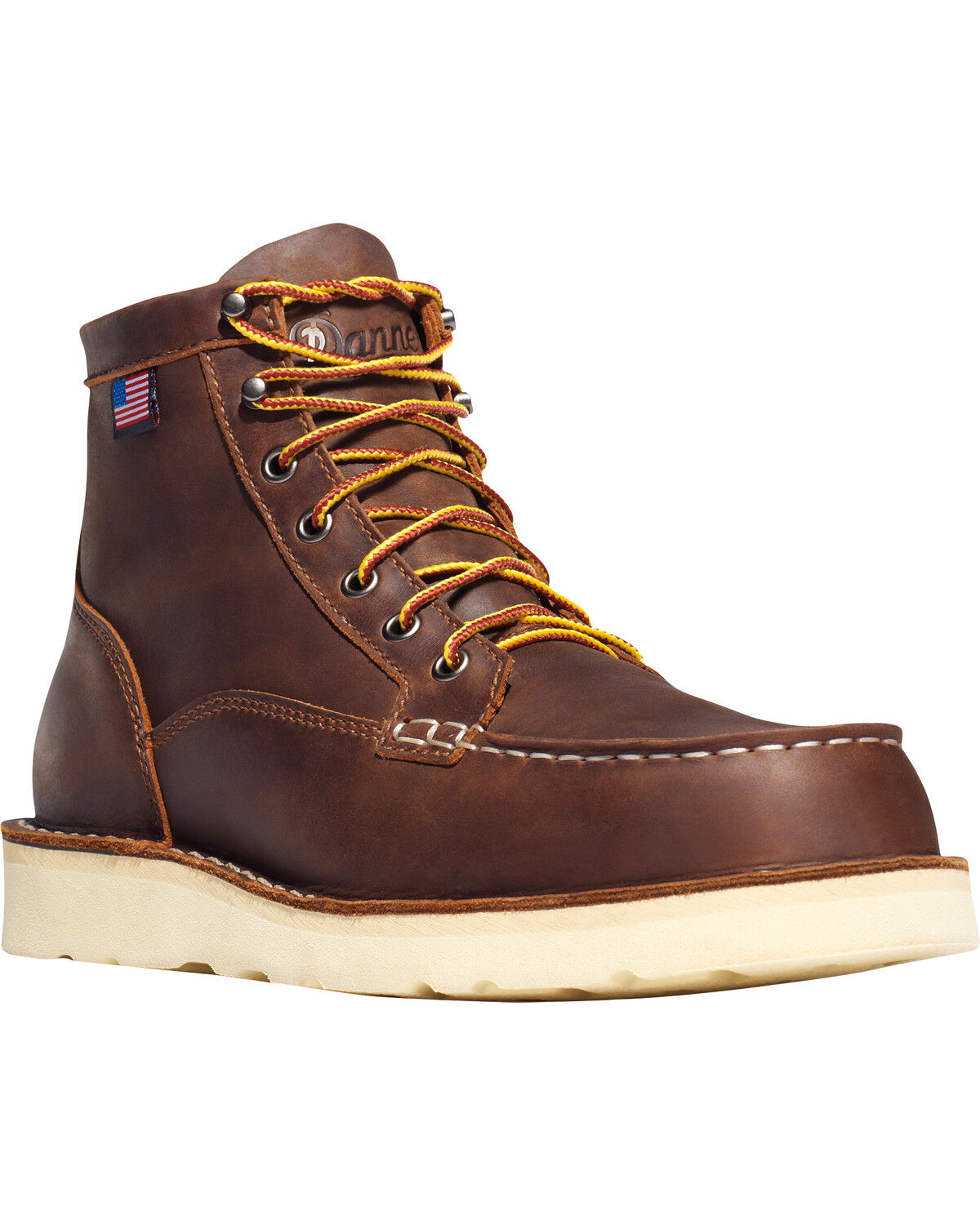
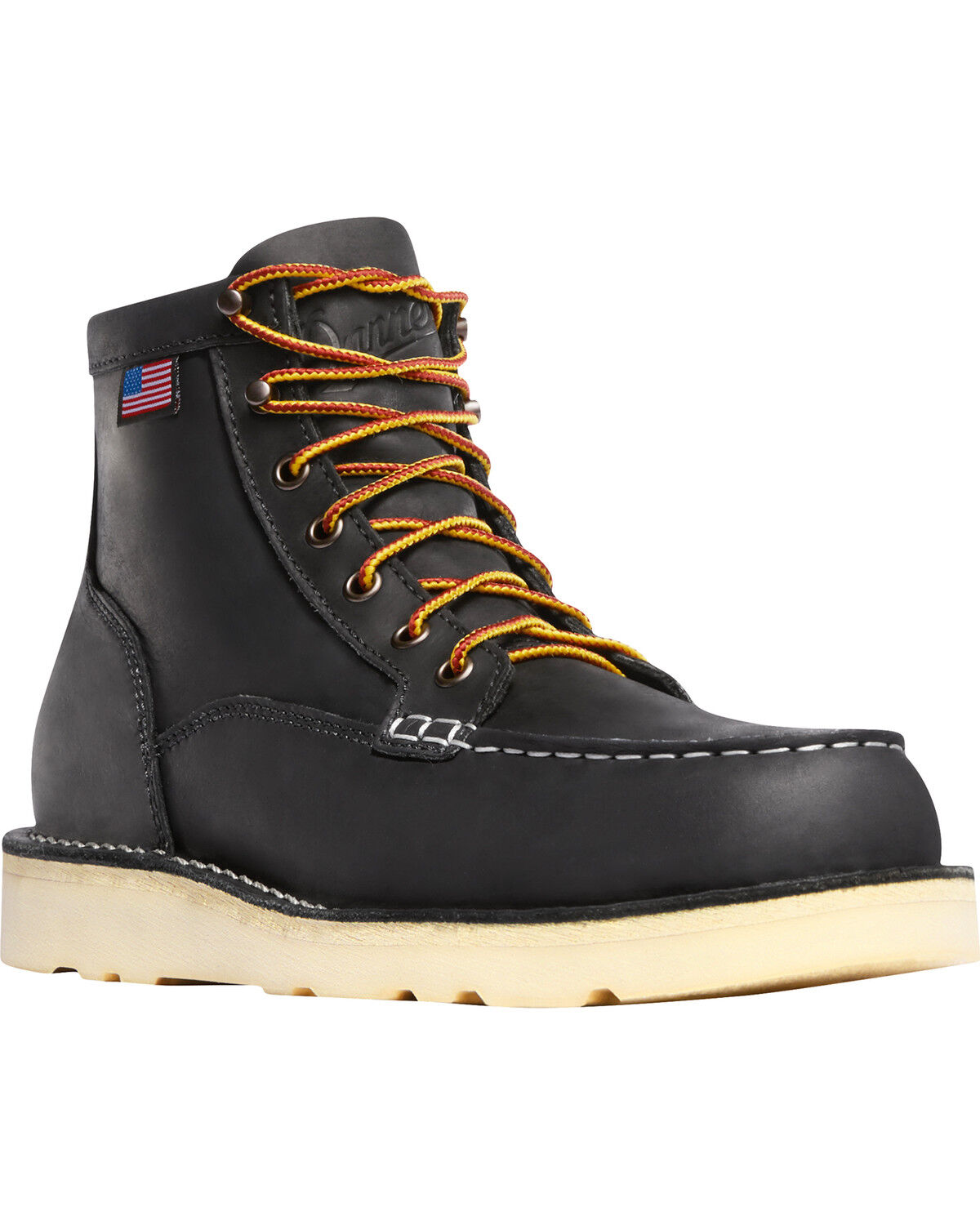
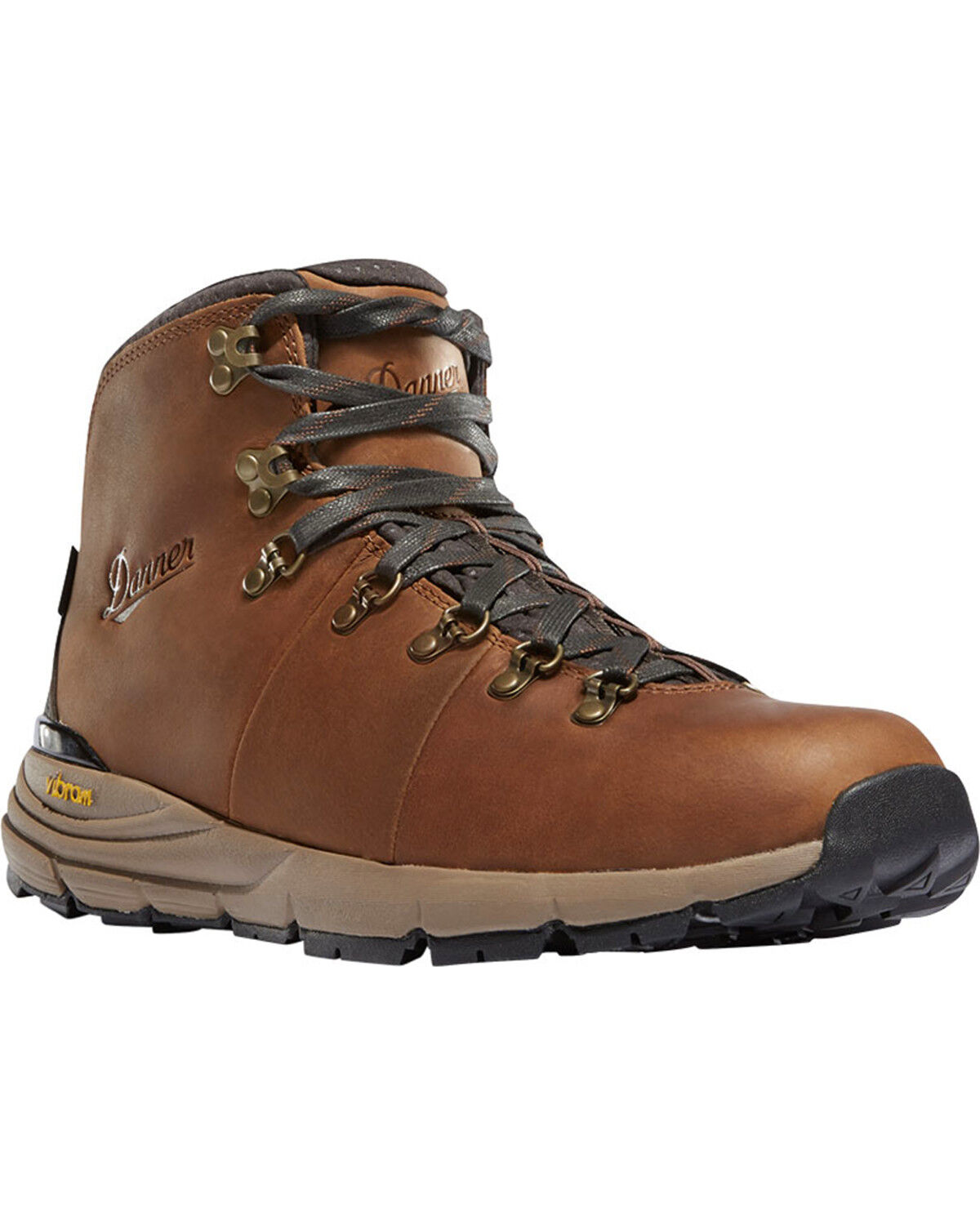
Men's soft leather boots combine supple uppers with the structure and coverage of a leather boot. Their appeal is straightforward: leather that bends readily at the ankle and across the forefoot can feel less restrictive during everyday wear. Softness comes from several factors, including the hide, its thickness, the tanning process, and the finishing treatment. Full-grain leather retains its natural grain surface and can be supple or firm, depending on how it is processed. Tumbled leather is worked to create a more relaxed feel, often with a visible grain texture. Oiled leather contains oils or waxes that influence its feel and finish, while calfskin generally has a finer grain. None of these terms alone guarantees an easy fit or eliminates the need for break-in. A soft upper can still sit over a firm footbed, a stiff heel counter, or a substantial outsole. The result is a boot whose comfort depends on the whole construction, not just the leather felt by hand. Smooth finishes give a cleaner appearance with denim or trousers, while textured leather and suede have a less polished look. Natural grain, small variations in color, and creases at the flex points give leather character as it is worn. Those creases are different from deep cracking, which can signal dryness or damage. For everyday outfits, men's casual leather boots work well with straight-leg jeans, a plain shirt, or a button-down. Western silhouettes add a shaped shaft and distinctive toe profile, while lace-up designs allow more adjustment through the instep and ankle. The right choice depends on how the boot fits, where it will be worn, and whether the wearer prefers a close, structured feel or more freedom of movement. Soft leather is a useful starting point, but it is only one part of a well-built boot.

Fit determines whether that flexibility feels comfortable after a full day. Soft leather should follow the foot without squeezing the toes, pressing hard across the instep, or allowing the foot to slide forward. Leather can ease with wear, but a boot that is too short will not gain useful length through break-in. In pull-on western boots, a secure fit across the instep helps hold the foot in place, and a small amount of heel movement can be normal when the sole is new and firm. Excessive lifting, rubbing, or toe pressure deserves attention rather than an assumption that softness will fix it. Lace-up boots offer more control over how closely the upper wraps the foot, though tightening the laces cannot correct the wrong size or shape. Width matters as much as length, especially for men with a broad forefoot, a high instep, or a narrow heel. The socks normally worn with the boots also affect the fit. A removable insole can provide room for an appropriate insert, but added cushioning may reduce interior space. Underfoot construction deserves equal attention: a cushioned footbed, stable heel, flexible forefoot, and outsole suited to the surface all contribute to comfort. Men who spend much of the day walking between a desk, a shop floor, and a parking area may want a different balance of cushioning and support than someone choosing boots mainly for dinner or occasional wear. For jobsite use, softness is not a substitute for required protection. Safety toes, electrical-hazard ratings, and slip-resistance claims must be checked in the boot's specifications against workplace requirements. A leather upper alone does not establish those features. Soft leather boots can also make a practical gift for a man who wears boots regularly, provided his preferred size, width, toe shape, and pull-on or lace-up preference are known. Familiarity with his usual fit is more useful than choosing by appearance alone.

Durability depends on leather quality, construction, and use rather than softness alone. A supple upper can hold up well when its thickness and design match the demands placed on it. Repeated abrasion against concrete, equipment, or rough edges will affect leather differently from ordinary walking and office wear. Toe shape and outsole design also influence how a boot handles daily use. A lower-profile sole may suit a cleaner casual look, while a deeper tread can provide more purchase on certain surfaces; actual traction depends on the outsole material and conditions underfoot. Welted construction may allow resoling when the boot is built for that service and the upper remains sound. Cemented construction can offer flexibility and a lighter feel, though repair options vary. Care should match the finish. Loose dirt left around seams and flex points can work against the leather over time, so routine brushing or wiping helps preserve the surface. Smooth leather may benefit from a compatible conditioner used sparingly, following the maker's directions. More is not always better: heavy applications can darken the finish, leave residue, or change the leather's feel. Testing a care product on a small, hidden area helps reveal color changes before treating the entire boot. Suede and roughout generally call for a suitable brush and care products intended for their textured surfaces rather than ordinary smooth-leather conditioner. If boots get wet during cleaning or use, room-temperature drying away from direct heat helps protect the leather and construction. Time between wears also lets interior moisture dissipate. Boot trees or light support inside the shaft can help maintain shape without forcing the leather out of position. Attention to worn heel edges, loose stitching, and separating soles can keep small problems from becoming larger repairs. With suitable care and a proper fit, soft leather boots can retain their flexibility while developing the creases and surface character that come with regular wear.
Read More

FAQs