Explore our collection of men's blue pants that combine style and functionality for the modern cowboy. Whether you're working on the ranch or heading out... for a night on the town, these versatile pants are designed to keep you comfortable and looking sharp. From classic denim to rugged workwear styles, find the perfect pair to complement your Western wardrobe.
Read more
Men's Blue Pants
Explore our collection of men's blue pants that combine style and functionality for the modern cowboy. Whether you're working on the ranch or heading out... for a night on the town, these versatile pants are designed to keep you comfortable and looking sharp. From classic denim to rugged workwear styles, find the perfect pair to complement your Western wardrobe.
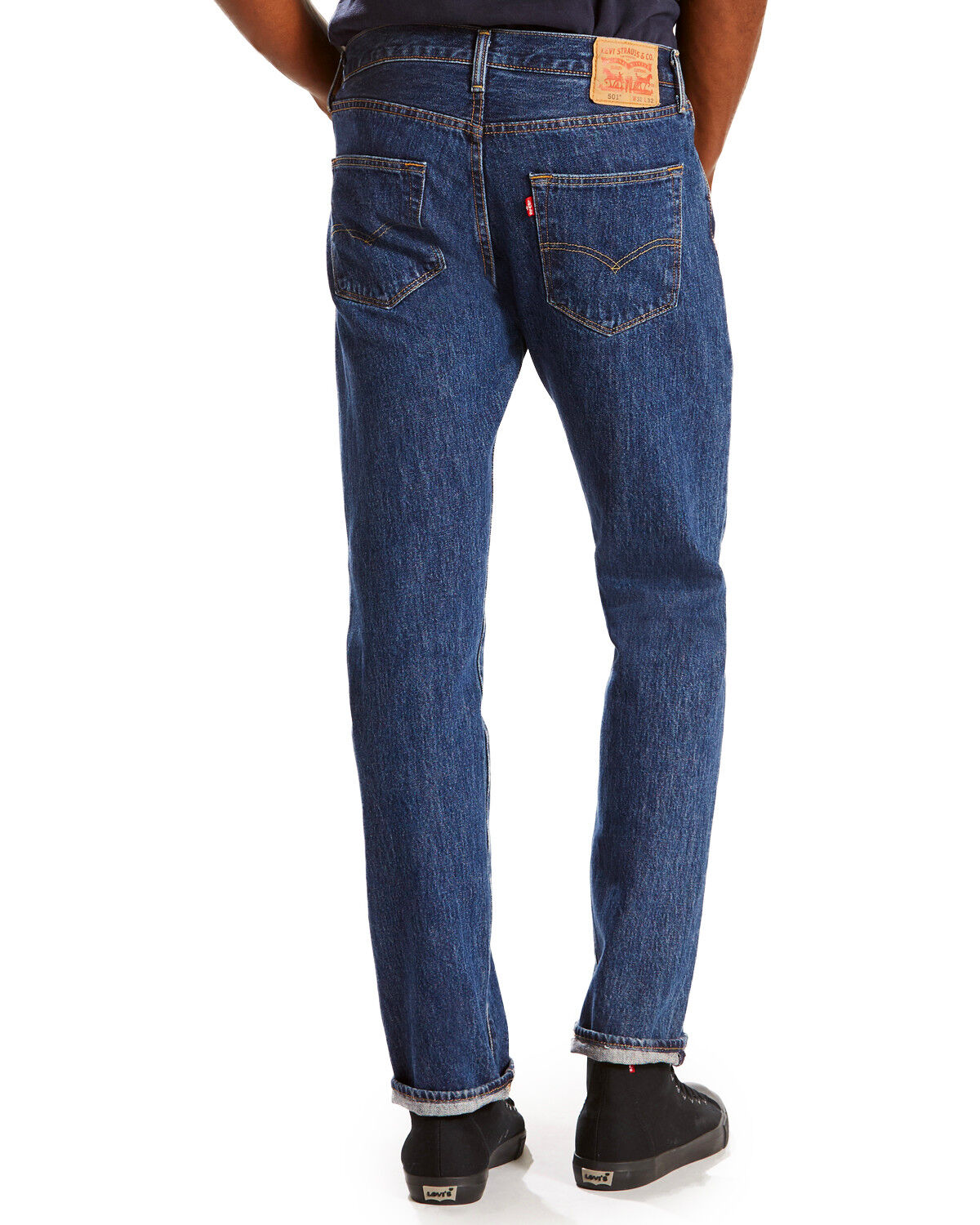
Men’s blue pants cover a broad range of everyday needs, from sturdy denim for outdoor work to clean-lined trousers that fit comfortably into a casual office. Blue has a familiar, practical character that works with much of a man’s wardrobe without demanding much thought. A faded wash brings a relaxed look to a cotton T-shirt or flannel, while a deeper shade pairs naturally with a tucked-in western shirt and leather belt. Between those ends are medium blues that carry easily from a morning spent handling chores to an afternoon in town. The fabric and construction make as much difference as the color. Cotton denim has a substantial feel and develops character through repeated wear, with creases and fading that reflect how the pants are used. Cotton twill generally offers a smoother surface, making it a useful choice when the day calls for something more polished than jeans. Blended fabrics can add flexibility or help a garment hold its shape, though performance depends on the fiber mix and how the fabric is woven. A small amount of stretch may make climbing into a truck, kneeling beside a fence, or sitting through a long drive more comfortable. Rigid denim has a firmer feel that some men prefer for its structure and familiar break-in. Fabric weight matters during the cooler months, too. Heavier cloth can feel substantial on a brisk morning, while a lighter pair may be more comfortable indoors or beneath outer layers. No single fabric suits every setting, and ordinary pants should not be mistaken for protective workwear when a job requires specific safety ratings. For men who prefer a darker foundation, Navy Blue Pants offer a color direction that works well with white, gray, tan, and muted earth tones. Dark blue also provides a clear contrast against brown leather boots without making the outfit feel overly formal. That balance makes blue a dependable choice for men whose days move between hands-on tasks and more settled surroundings.
Fit determines how useful a pair of blue pants will be long after the first wear. The waistband should sit securely without digging in when seated, and the rise should provide enough coverage for bending and reaching. A comfortable fit through the seat and thighs leaves room to move without excess fabric gathering beneath a belt or bunching behind the knees. Men who spend much of the day driving may notice pressure at the waist sooner than someone who mostly stands, while men who climb steps, crouch, or lift need room through the hips and upper legs. A relaxed fit can provide that space, but the right choice still depends on body shape and the cut of the garment. Straight legs offer a familiar outline and work with many types of footwear. A bootcut opens farther at the hem to accommodate a boot shaft, while a tapered leg narrows toward the ankle and may suit lower-profile shoes or boots. The relationship between pants and footwear is especially important with western and work boots. A narrow opening can catch on the shaft instead of falling cleanly, and an overly long hem can drag beneath the heel and wear through. Some stacking above a western boot is a matter of preference, but fabric underfoot is not useful extra length. Inseam, rise, and leg opening deserve attention together rather than as separate measurements. Pocket placement and depth also affect daily comfort. A phone should stay secure without restricting movement, and a wallet should not create unnecessary pressure during a long stretch behind the wheel. Reinforced seams, secure belt loops, and neatly finished pocket edges are useful construction details, particularly in areas that see repeated pulling and friction. Pants intended for hands-on work may benefit from a roomier cut and practical storage, while a cleaner silhouette may be better suited to office hours, dinner, or family gatherings. For men moving between these settings, a straightforward fit with enough mobility often proves more useful than an extreme cut.
Care and intended use help determine how men’s blue pants look and feel over time. Deep blue denim may release dye during early washes, so the care label matters before a new pair shares a load with light-colored clothing. Turning pants inside out and washing with similar colors can help limit visible wear to the outer surface. Water temperature, drying method, and washing frequency should follow the garment’s instructions, especially when stretch fibers or special finishes are involved. High heat can affect fit and elasticity in some fabrics, while cotton may shrink depending on its construction and finishing. Removing ordinary dirt before it becomes embedded in seams and treating stains promptly can help keep pants presentable without harsh scrubbing. Mud near the cuffs, dust along the thighs, and wear at the pocket corners are common results of regular use, but abrasion from dragging hems or overloaded pockets can shorten a garment’s useful life. Rotating between pairs gives each one time to air out and makes laundering easier to manage. For a day spent carrying lumber or tending animals, freedom of movement and sturdy fabric usually matter more than a crisp appearance. For a desk job followed by dinner, a smooth finish and a consistent dark shade may carry more weight. Blue pants can also make a practical gift for a husband, father, brother, or another man whose preferred size and fit are already known. The most useful details are often on the label of a pair he wears regularly: waist, inseam, fabric content, and cut. Matching those preferences is more reliable than choosing by color alone. A man who favors firm denim may not want a soft, highly flexible fabric, and someone accustomed to extra thigh room may find a slim shape restrictive. Whether worn with a thermal shirt and work jacket or a button-front shirt and well-kept boots, blue pants earn their place through comfort, sound construction, and a fit that suits the day.



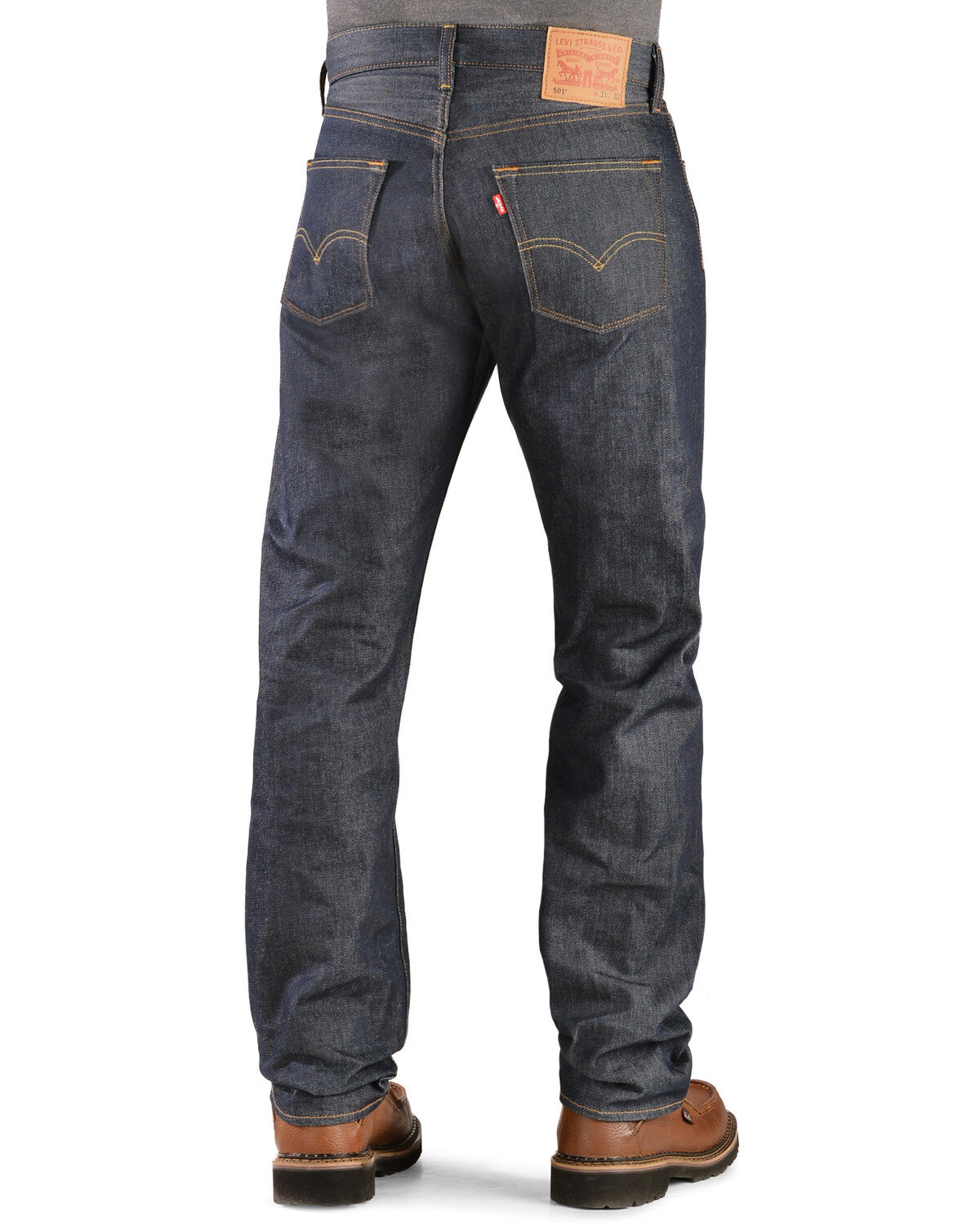 $74.99
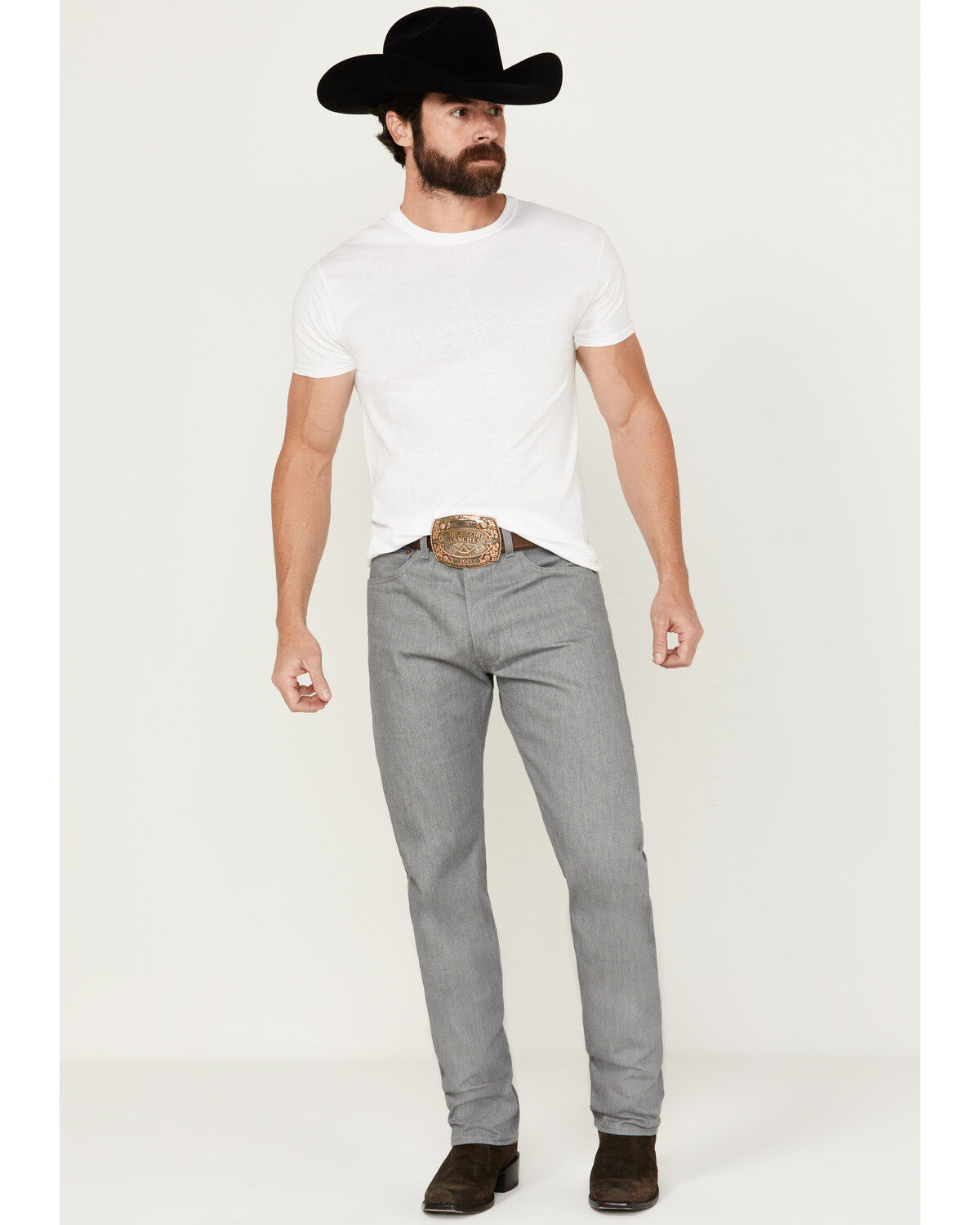 $74.99
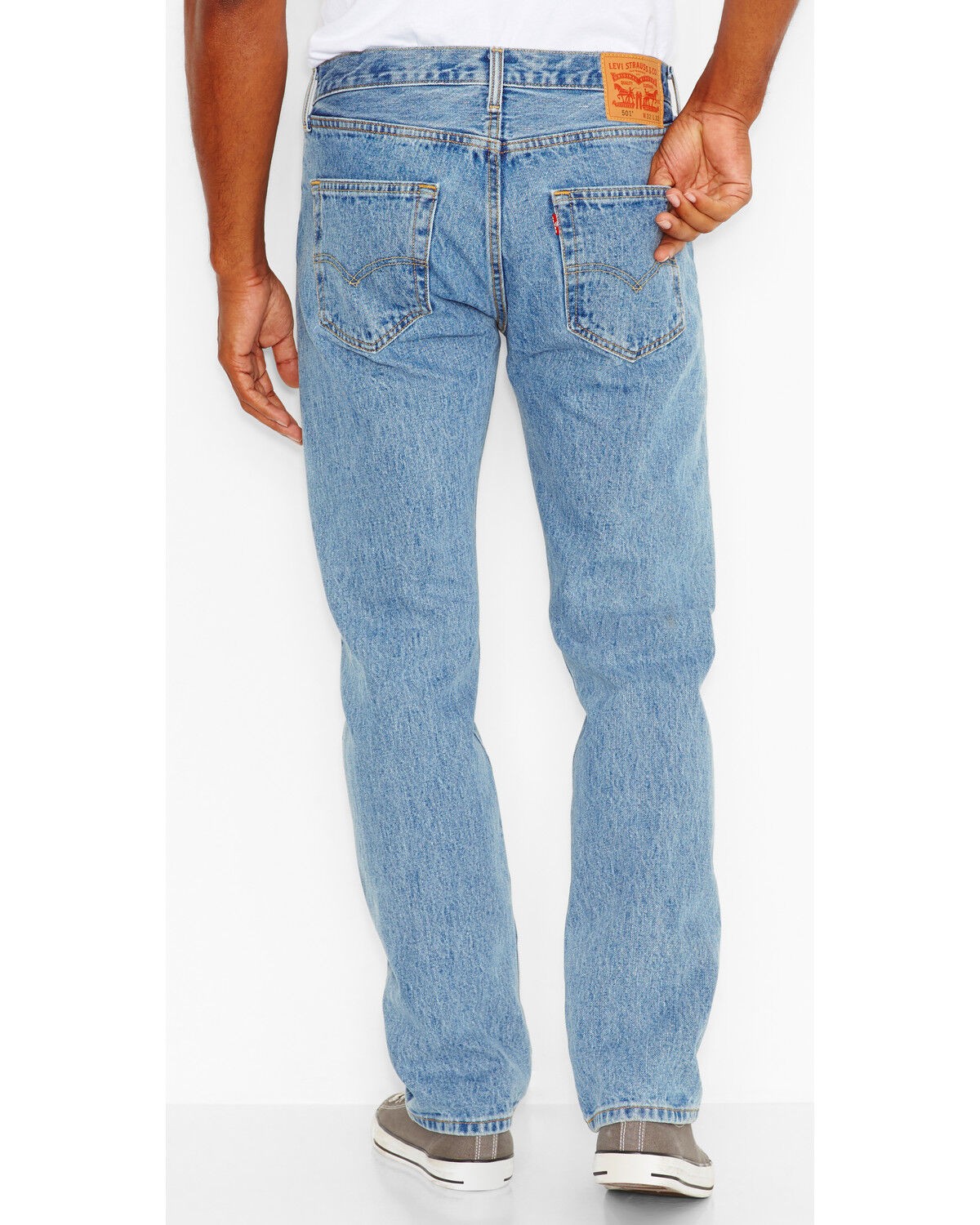 $69.99
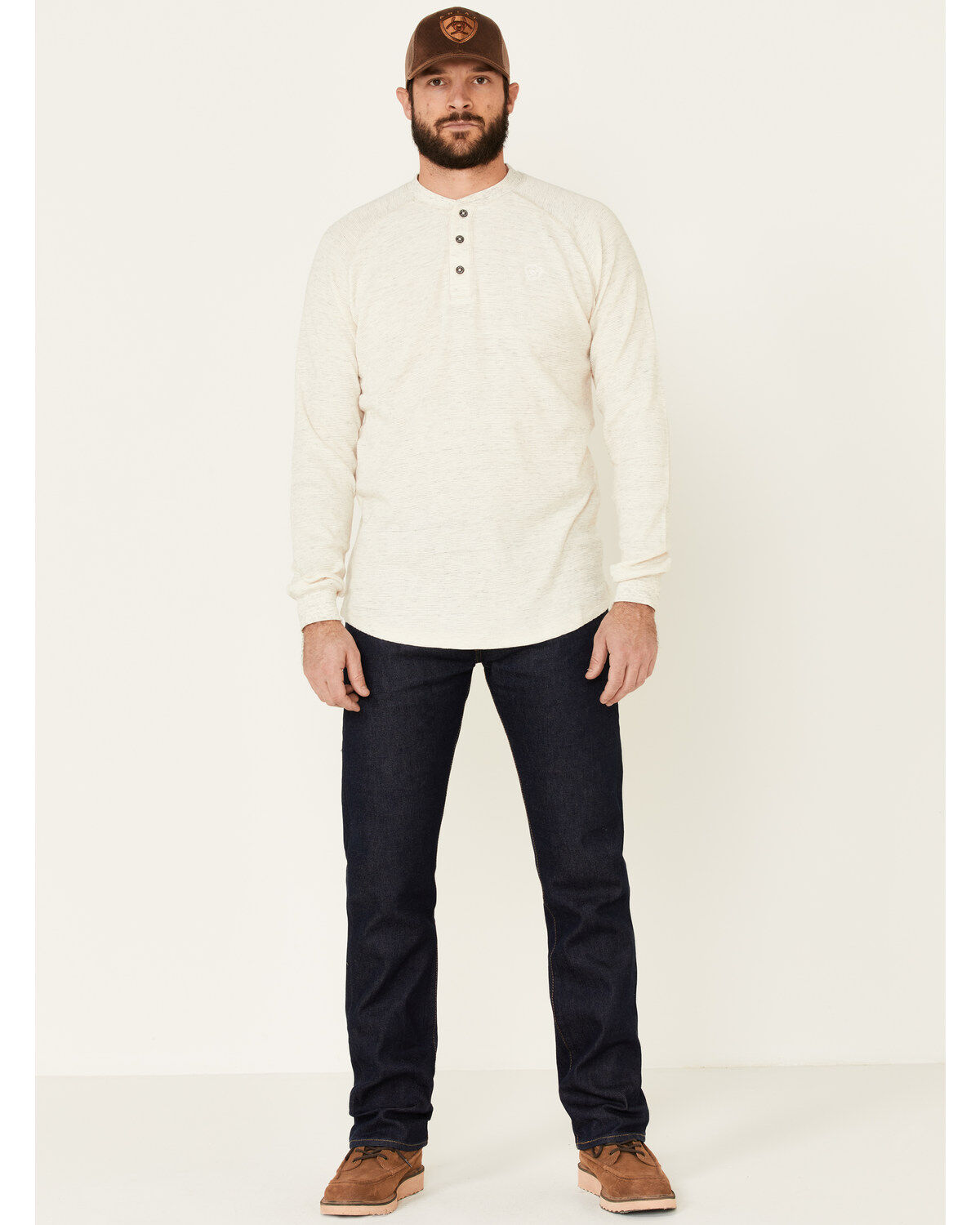 $69.99
 $69.99


