Step into effortless style and comfort with this selection of men's black slip-ons. Perfect for any occasion, these versatile shoes offer a sleek look... that pairs seamlessly with both casual and formal attire. Whether you're heading to the office or enjoying a night out, this collection provides the perfect blend of sophistication and ease. With a focus on quality craftsmanship and timeless design, these slip-ons are an essential addition to almost any wardrobe.
Read more
Men's Black Slip Ons
Step into effortless style and comfort with this selection of men's black slip-ons. Perfect for any occasion, these versatile shoes offer a sleek look... that pairs seamlessly with both casual and formal attire. Whether you're heading to the office or enjoying a night out, this collection provides the perfect blend of sophistication and ease. With a focus on quality craftsmanship and timeless design, these slip-ons are an essential addition to almost any wardrobe.
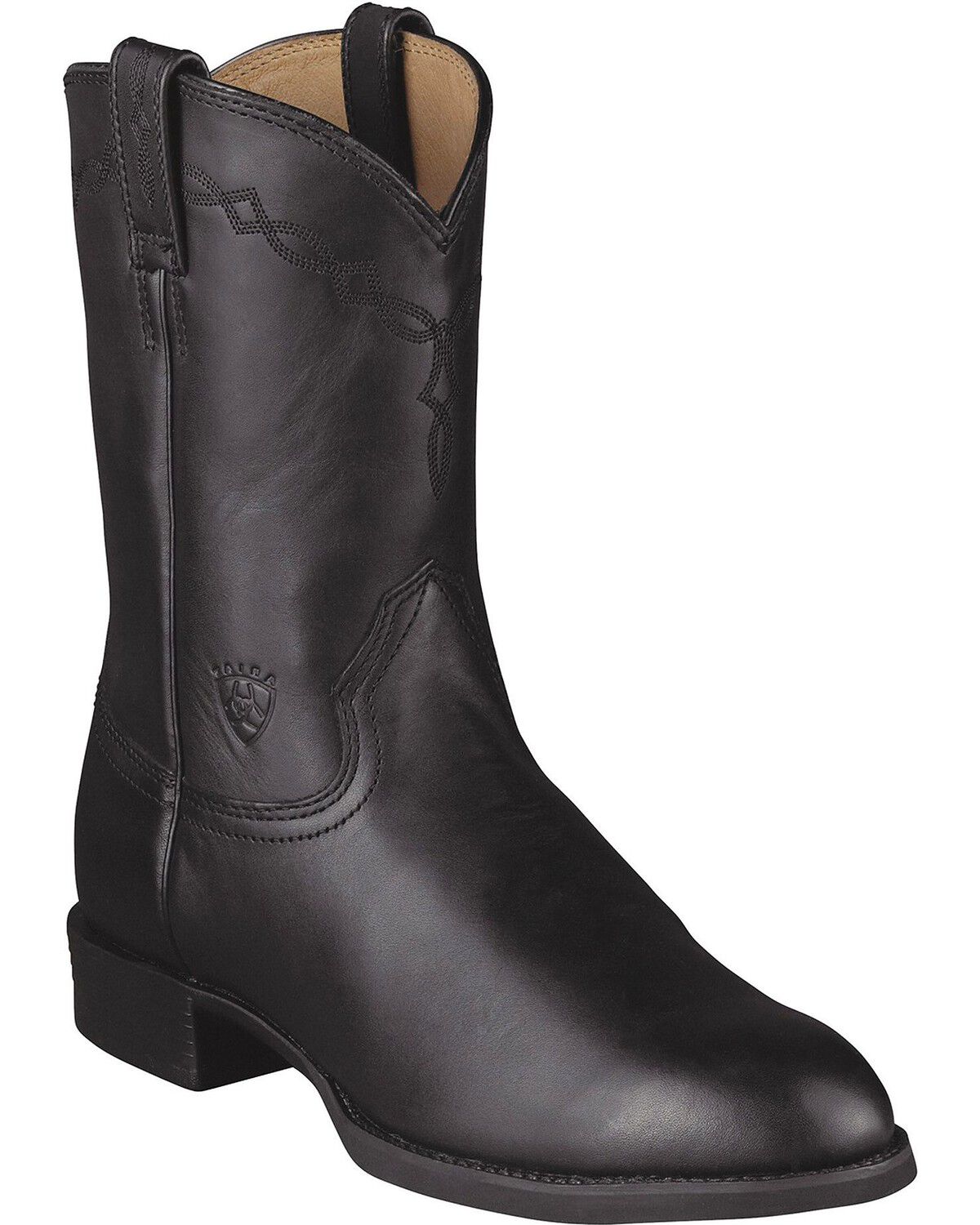
Men’s black slip-ons are lace-free shoes that range from casual sneakers and driving moccasins to loafers and footwear built for specific work settings. Their appeal is straightforward: easy entry, a clean profile, and a color that pairs naturally with denim, chinos, and work trousers. The right style depends on where the day leads. A low-profile canvas slip-on has a relaxed look for errands and time off, while a smooth leather loafer fits comfortably into an office or a dinner out. Moc-toe stitching adds definition across the front of the shoe, and a plain toe keeps the appearance simple. Black uppers paired with black soles create a uniform look; contrasting soles give casual styles a more distinct edge. Materials make a noticeable difference in both appearance and feel. Smooth leather has structure and can develop creases that reflect regular wear. Suede offers a softer, textured finish but needs different care than polished leather. Canvas keeps the construction straightforward, while mesh and knit uppers can allow more airflow, depending on their backing and lining. Synthetic materials vary widely in flexibility, finish, and maintenance needs, so the material description matters more than appearance alone. Elastic side panels, stretch collars, and pull tabs can make entry easier without adding laces to the upper. These details are useful for men who take their shoes off at the door, move between appointments, or prefer less adjustment before heading out. Shape matters as much as color. A rounded toe generally reads more casual, while a slimmer profile can work with tailored trousers. Neither shape guarantees extra room inside. For men building a practical everyday wardrobe, black slip-on shoes can fill the space between athletic footwear and dress shoes, provided the construction matches the activity. A flexible casual pair suits different demands than a structured loafer, and footwear intended for long hours on hard floors needs more than a convenient opening. Comfort comes from the complete shoe, not just its easy-on design.
Fit is especially important with men’s slip-on shoes because there are no laces to tighten around the foot. A secure heel and a comfortable hold across the instep help keep the shoe in place without forcing the toes to grip with each step. Slight movement is different from a heel that repeatedly lifts out. Extra length is not a reliable answer to a tight fit across the forefoot; a wider shape may be more appropriate. The toe box needs enough room for the toes to rest naturally, and the upper should not press sharply across the top of the foot. Leather may soften with wear, but a painful fit is not something to count on changing. Socks also affect the fit. Thin dress socks, cushioned everyday socks, and no-show socks take up different amounts of space, making the intended sock choice worth considering from the start. Underfoot construction deserves equal attention. A padded footbed can soften contact, while a stable midsole and supportive shape help determine how the shoe feels over several hours. Removable insoles may provide room for a compatible replacement or an orthotic, though interior depth still matters. For a man walking between buildings or standing at a counter, cushioning and a secure fit can matter more than a particularly soft upper. Outsole design also changes how a shoe performs. Rubber compounds, tread patterns, and contact surfaces vary, and a casual sole is not automatically suited to a workplace floor. Slip resistance, safety-toe protection, and electrical hazard protection are separate features that need to be stated for the footwear; black color and a substantial-looking sole do not establish those qualities. Durability depends on several parts working together, including upper material, stitching, sole attachment, and wear at the heel. Reinforced areas can help where shoes see repeated friction. Elastic panels should retain their shape, and the heel counter should provide the structure appropriate to the design. Even a well-built slip-on will wear differently on concrete, carpet, and rough ground.
Care helps black slip-ons keep their finish and shape through regular use. Surface dust is more noticeable on some black materials than others, particularly smooth leather and dark fabric, but a gentle cleaning routine can keep buildup from settling into seams. Smooth leather generally benefits from a soft brush or cloth, a suitable cleaner, and conditioner when recommended for that leather. Black polish can help maintain color on compatible finished leather, but it is not right for every upper. Suede and nubuck need tools and treatments made for their textured surfaces rather than ordinary shoe polish. Canvas, mesh, and knit styles have their own care limits; a fabric upper does not necessarily mean the complete shoe is machine washable. The maker’s care directions account for adhesives, linings, and other components that may be damaged by soaking or aggressive cleaning. Air drying away from direct heat helps protect the shoe’s construction after cleaning. Removing loose dirt from the outsole also makes it easier to see tread wear, cracks, or separation around the edges. A shoehorn can reduce pressure on the heel counter during entry, particularly on a more structured loafer. Repeatedly crushing the back of a slip-on can change its fit and damage the lining. Rotating between pairs gives interiors time to dry between wears, while appropriate shoe trees can help structured leather shoes hold their shape. For gifting, the most useful details are the recipient’s usual size, preferred width, and daily routine. A man who wears dark jeans and casual shirts may get more use from a relaxed slip-on than a polished dress style. Someone who spends the day in an office may prefer a cleaner leather profile that works with trousers. Shoppers looking for a similar option for someone else can also browse Women's Black Slip On Shoes. Across styles, the strongest choice is footwear that fits securely, suits its intended use, and can be maintained without more effort than its owner is likely to give it.



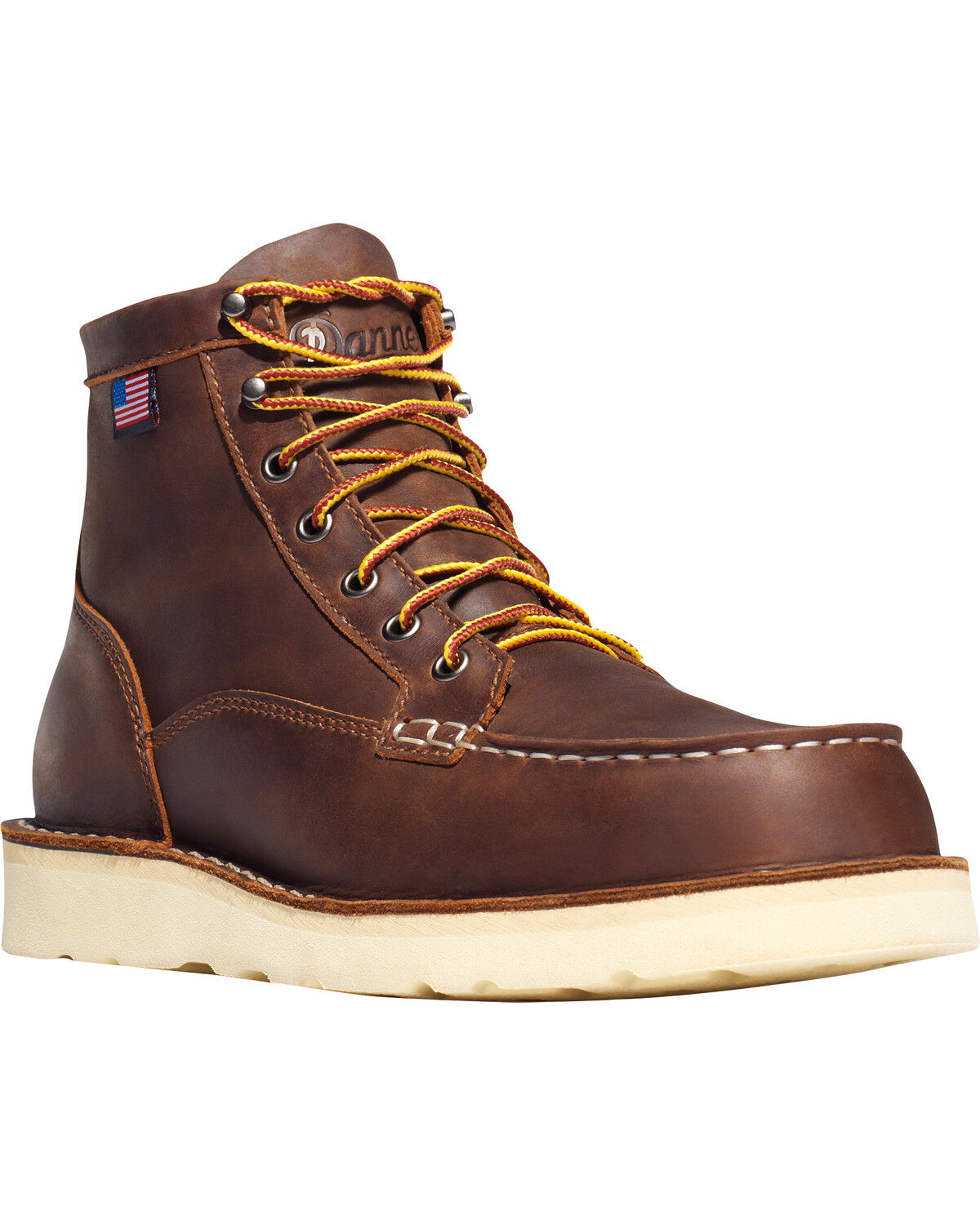 $259.99
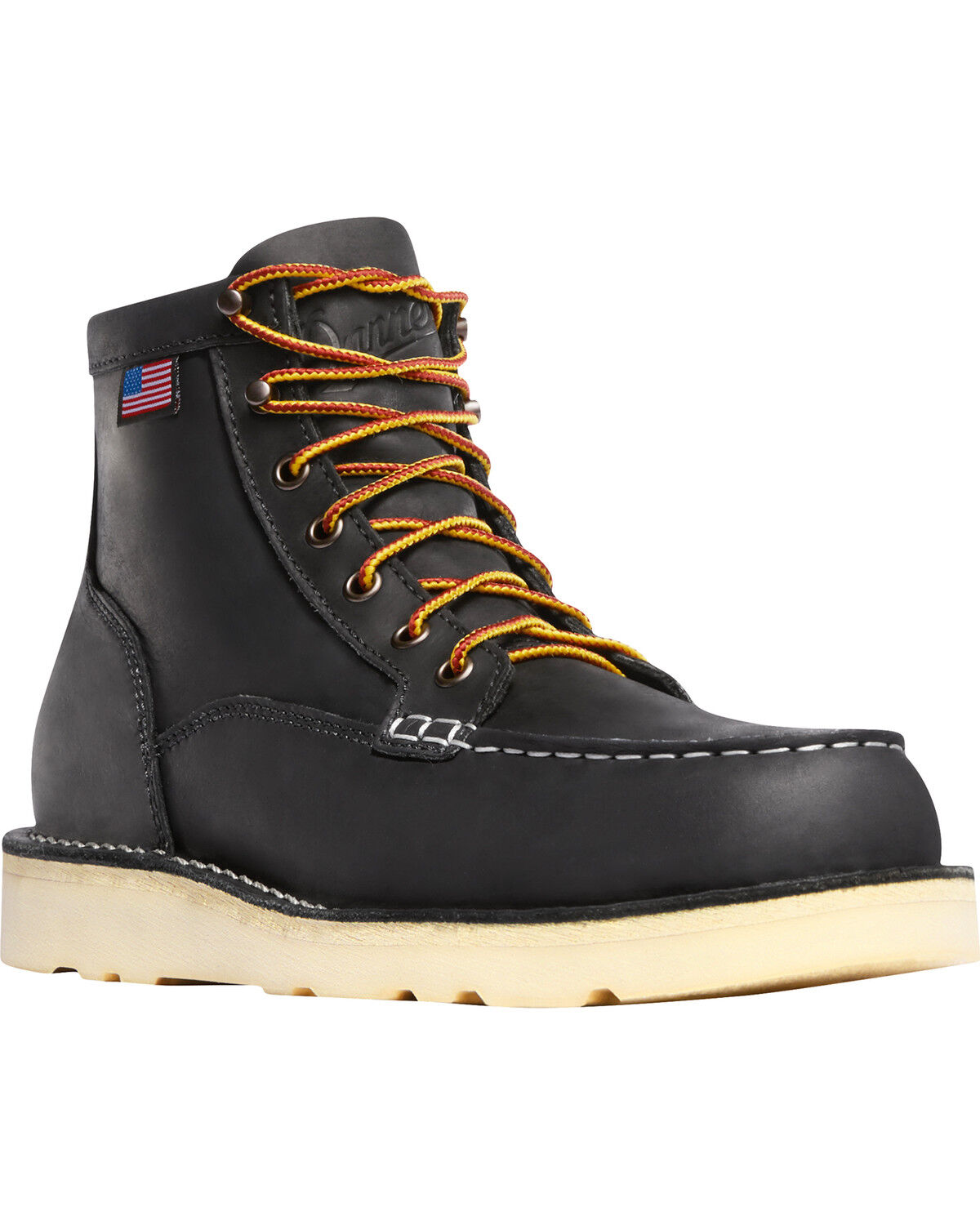 $259.99
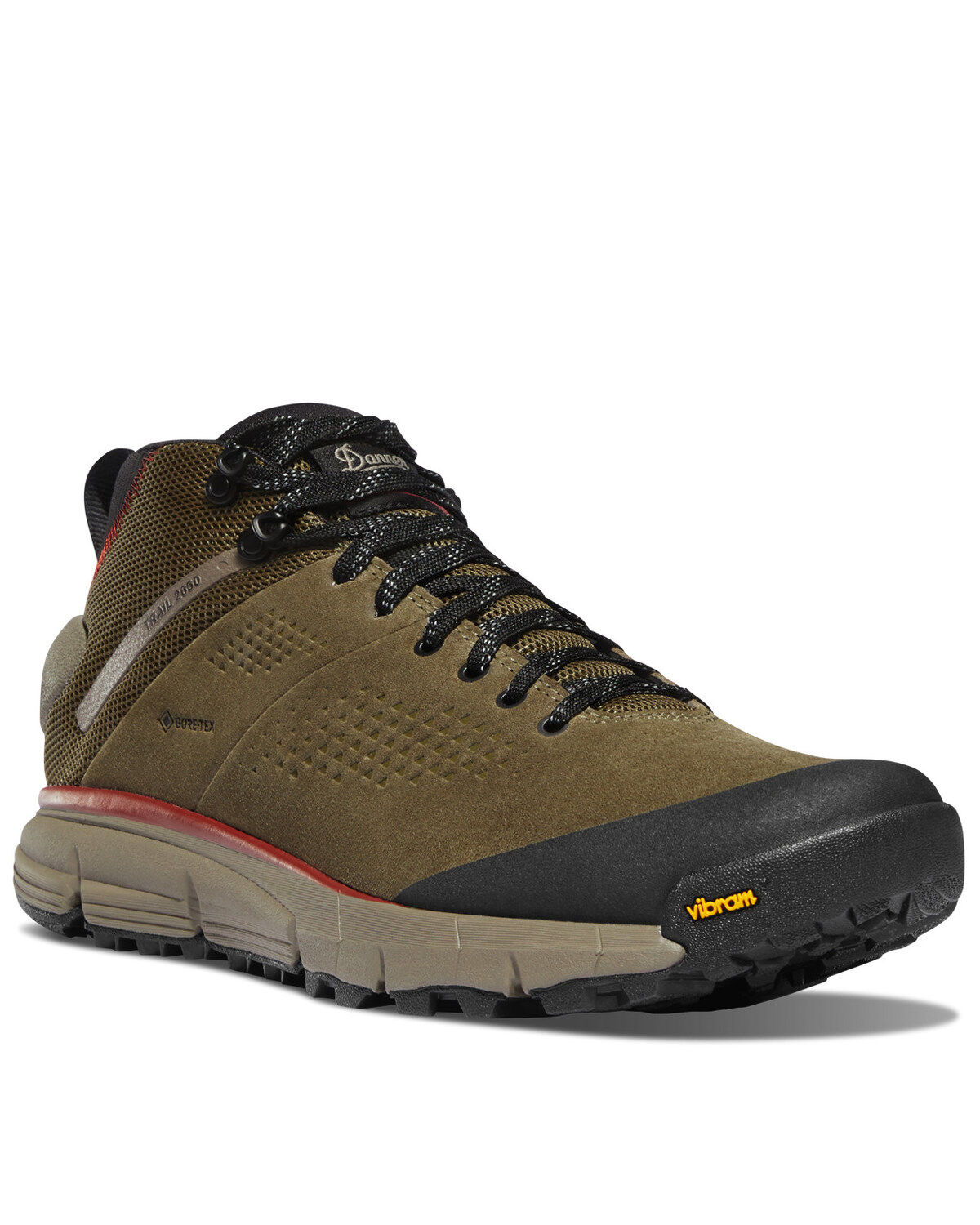 $138.97
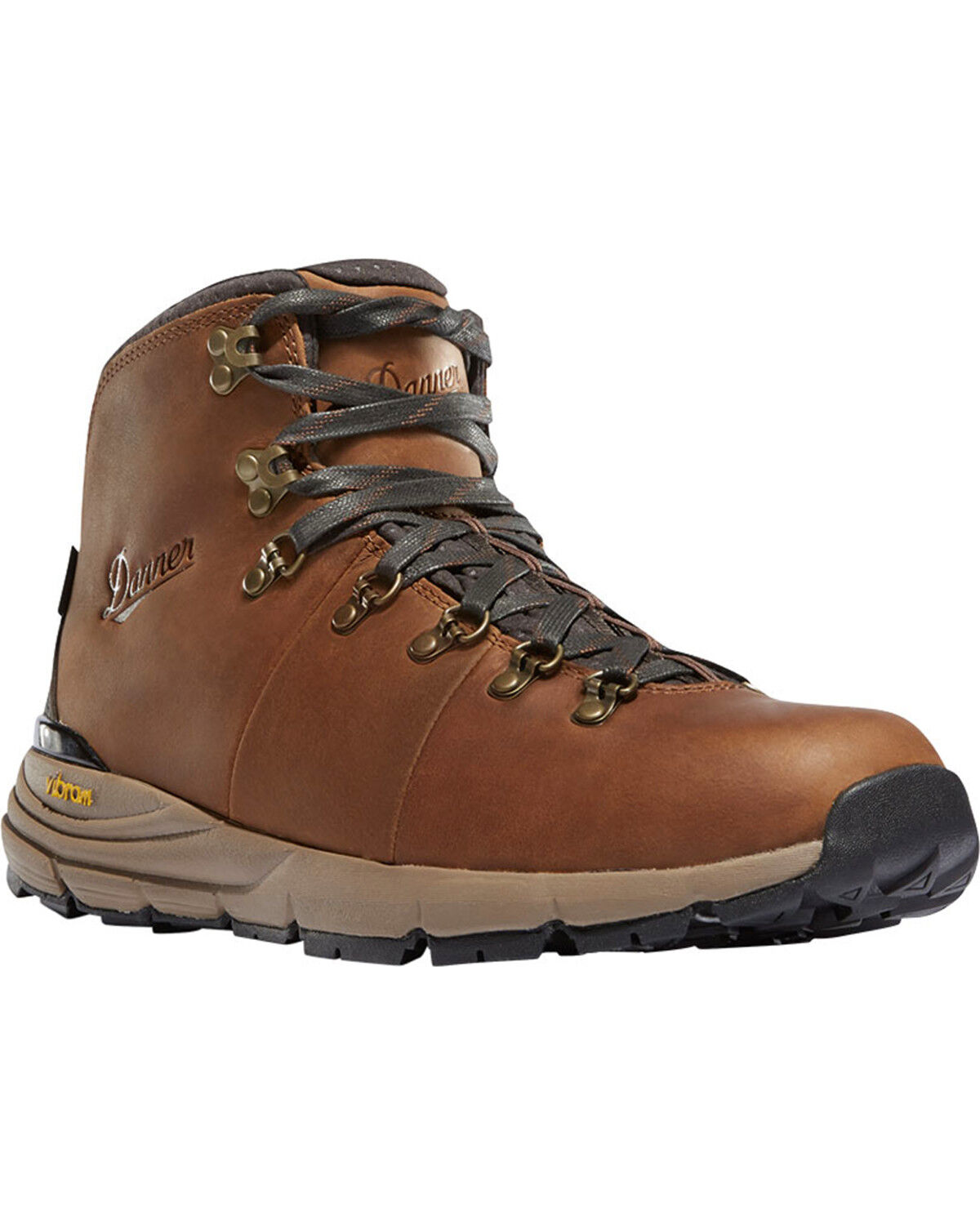 $229.99
 $169.95


