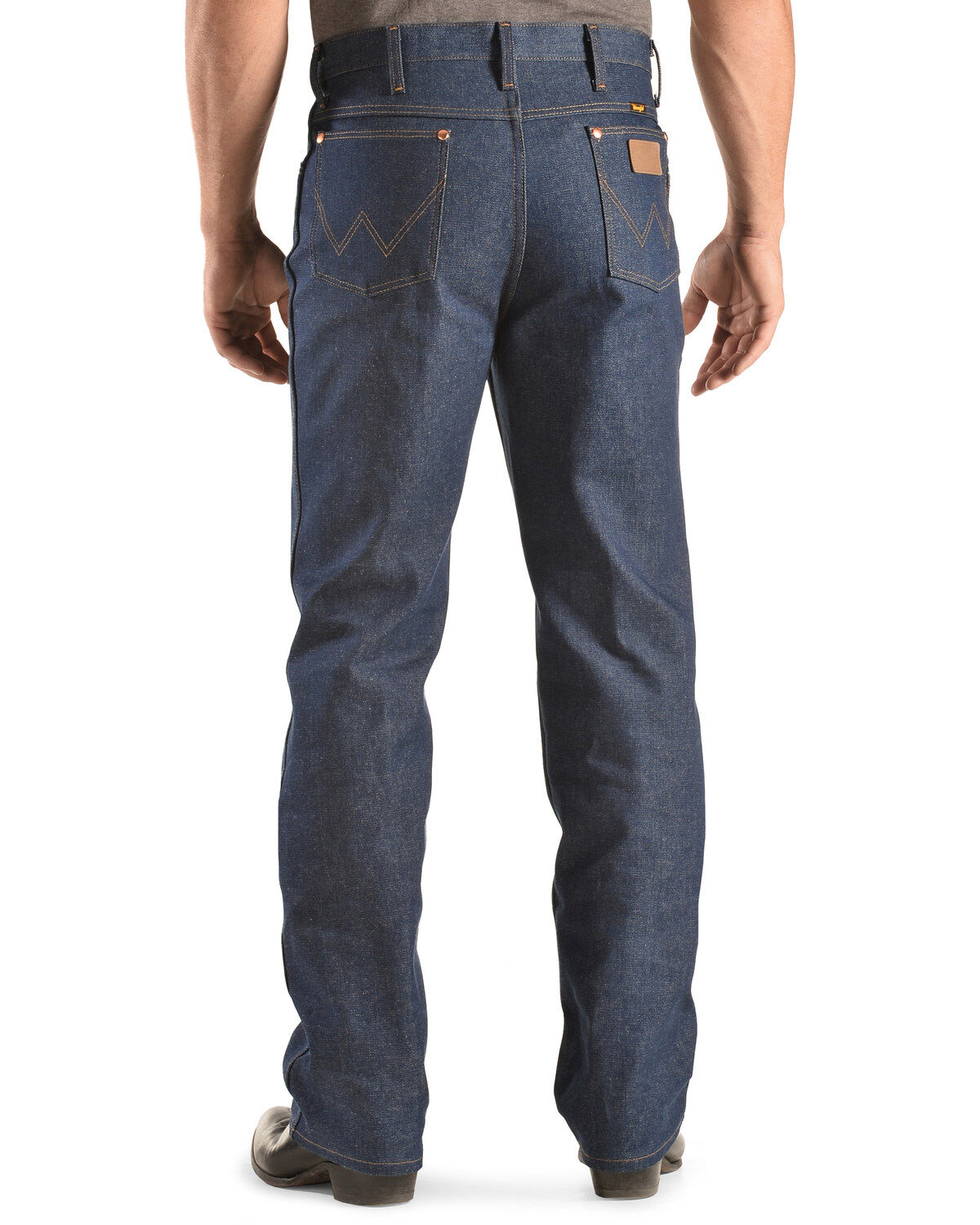
Loose Fit Big And Tall Jeans

Find loose fit big and tall jeans with room through the seat and thighs for comfortable movement. Browse big and tall denim and compare available waist sizes and inseam lengths to choose a fit that suits your build.

Shop Your Store: Shop Your Store: Find a Store

(Turn off Shop Your Store to see all items)

(Turn off Shop Your Store to see all items)

close
  • Recommended
  • Lowest Price
  • Highest Price
Skip pass products

End of products

Loose Fit Big And Tall Jeans

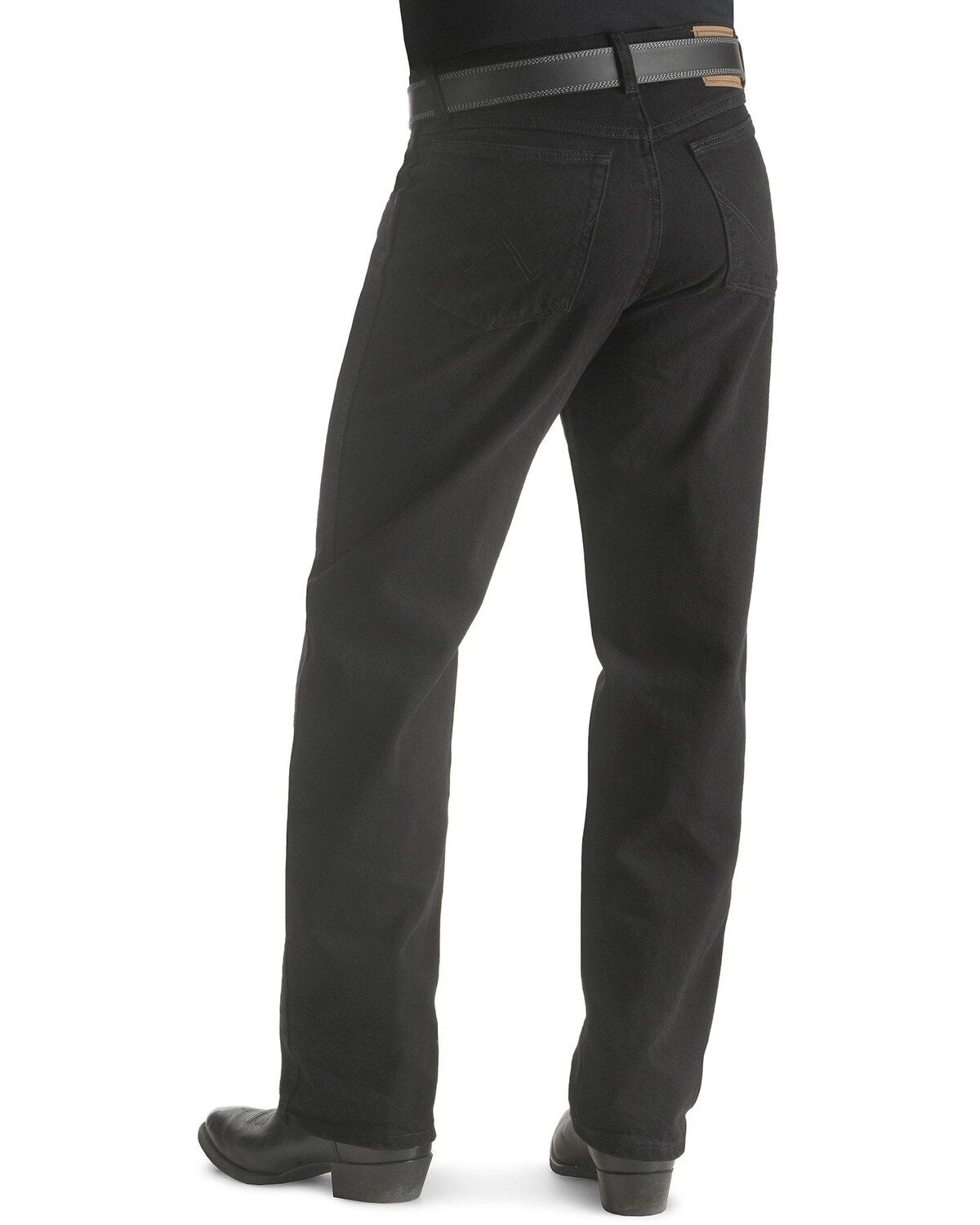
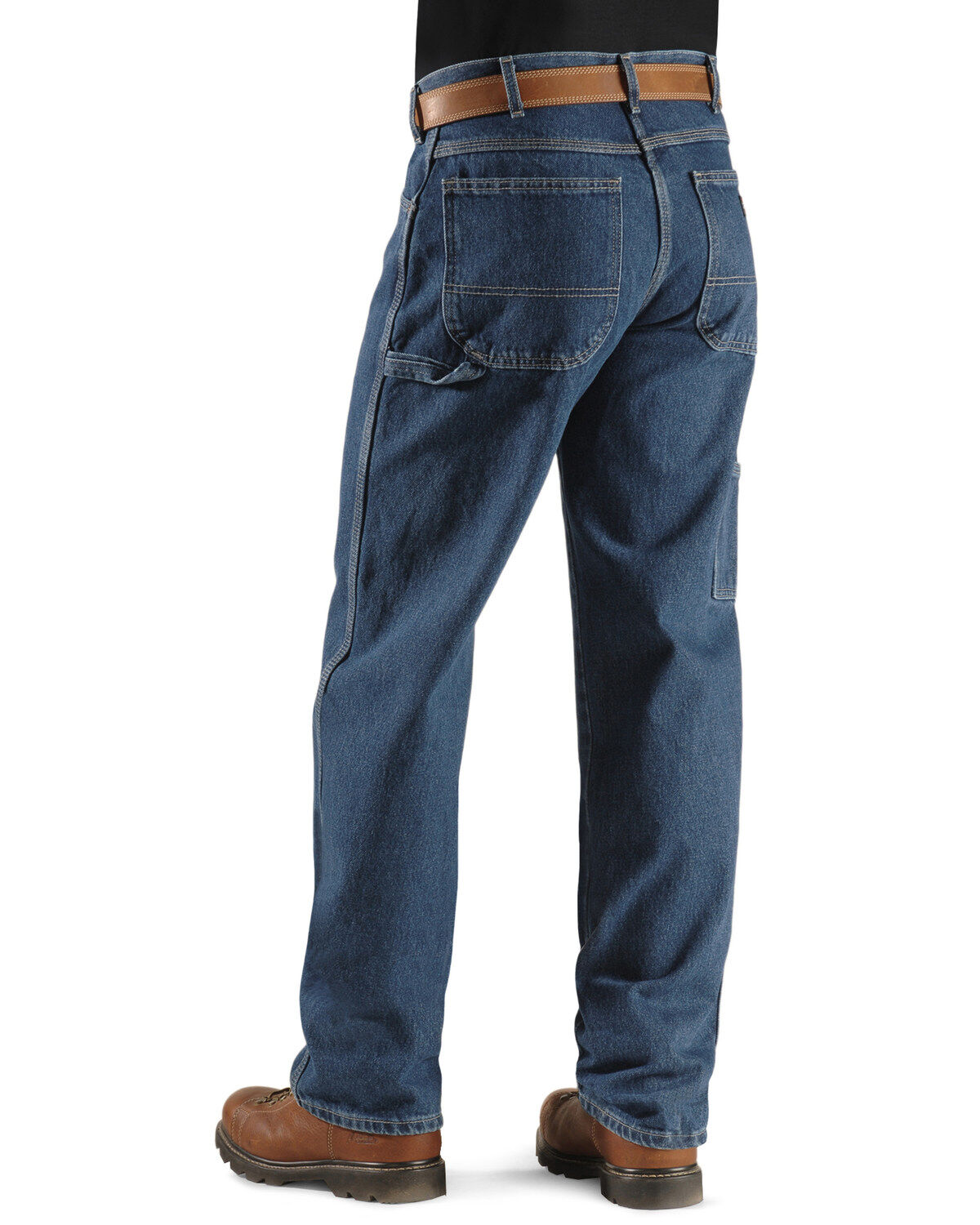
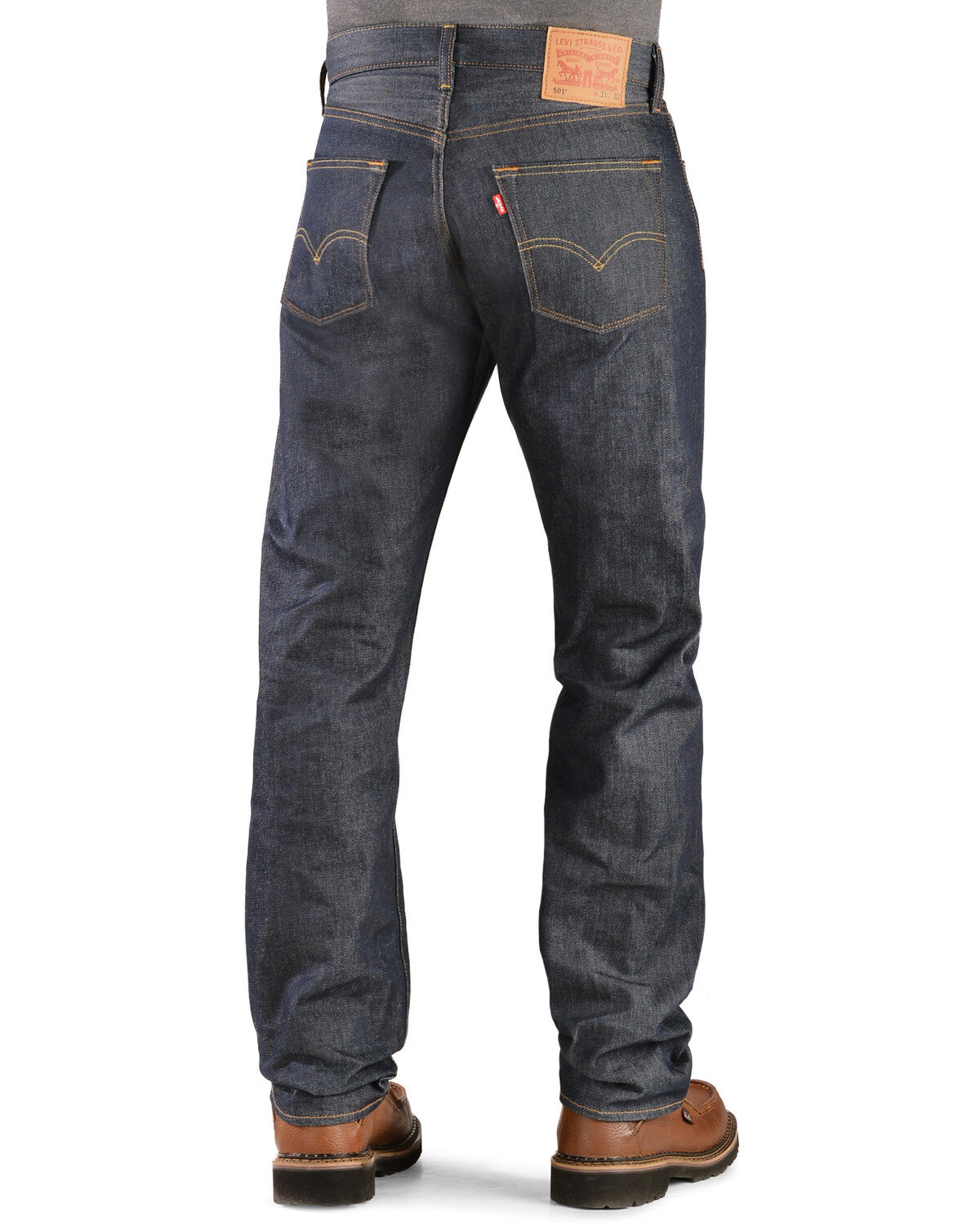
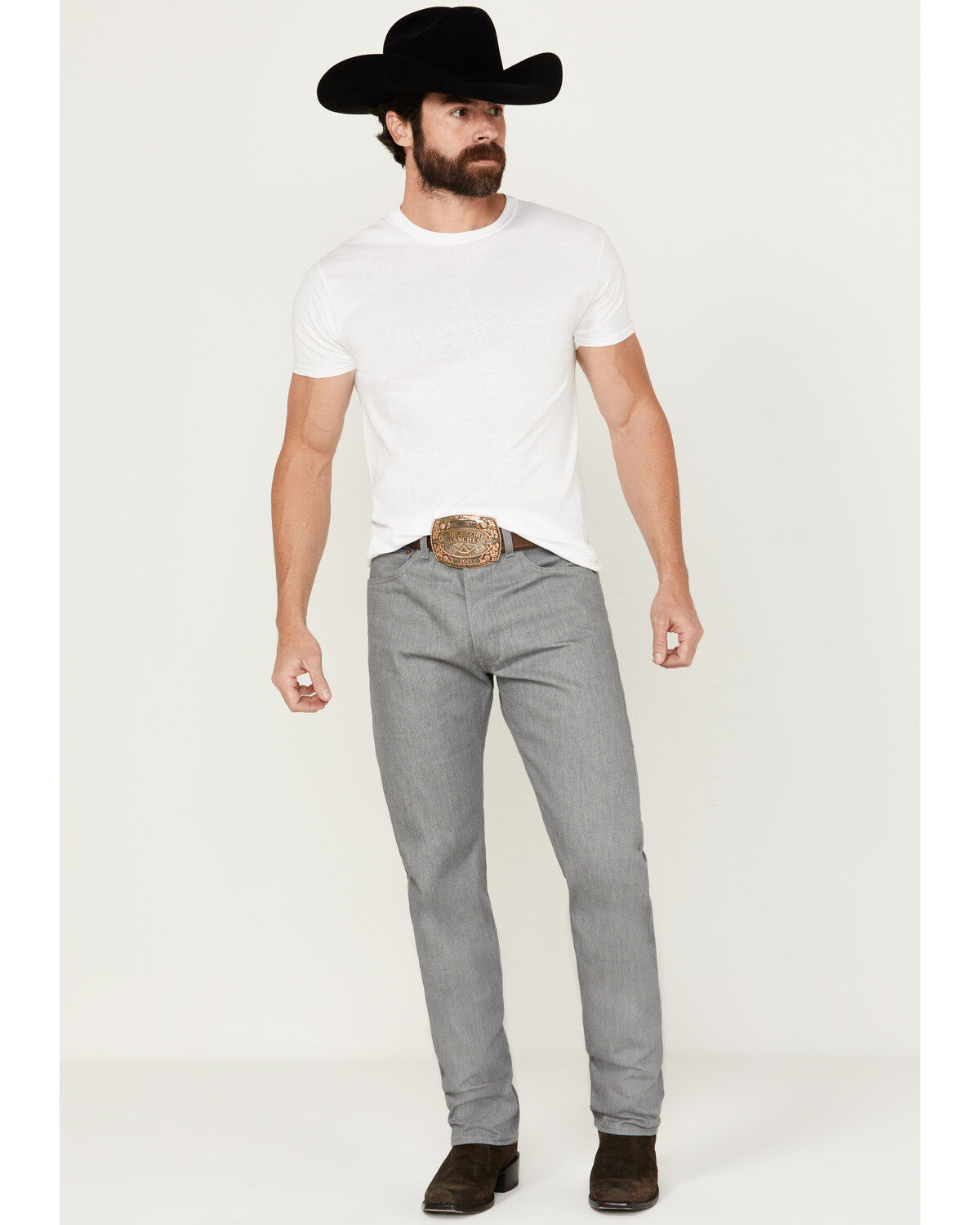
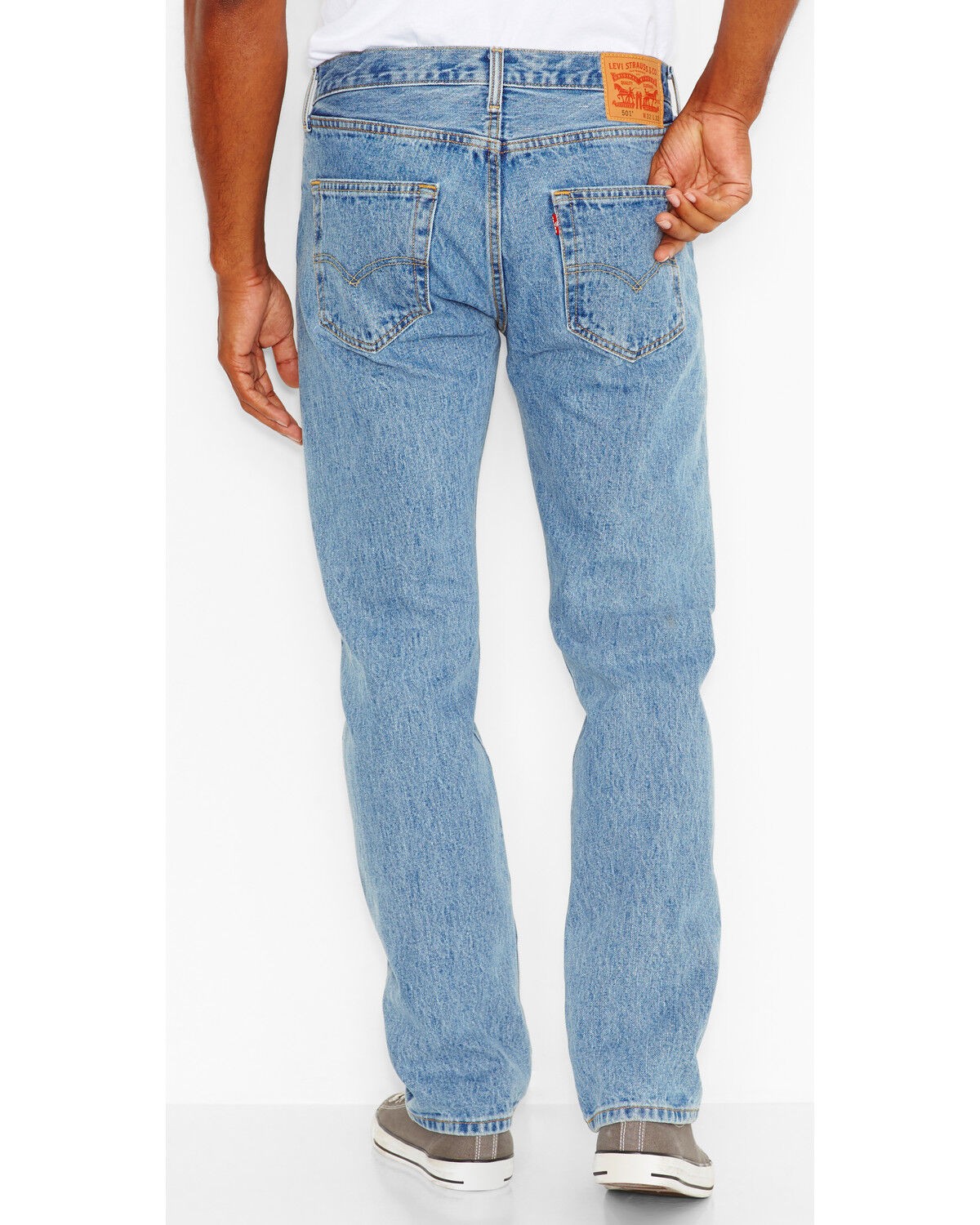
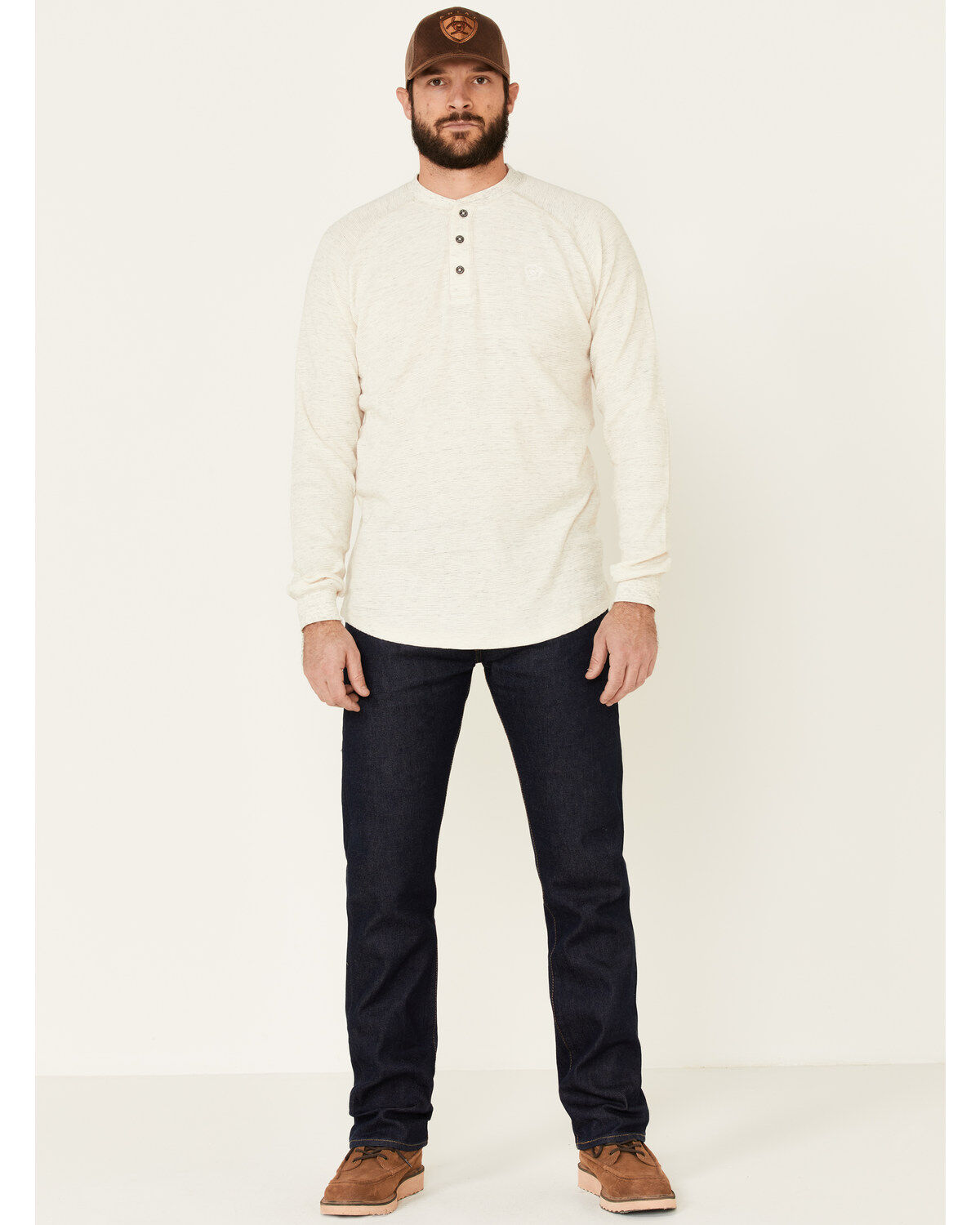
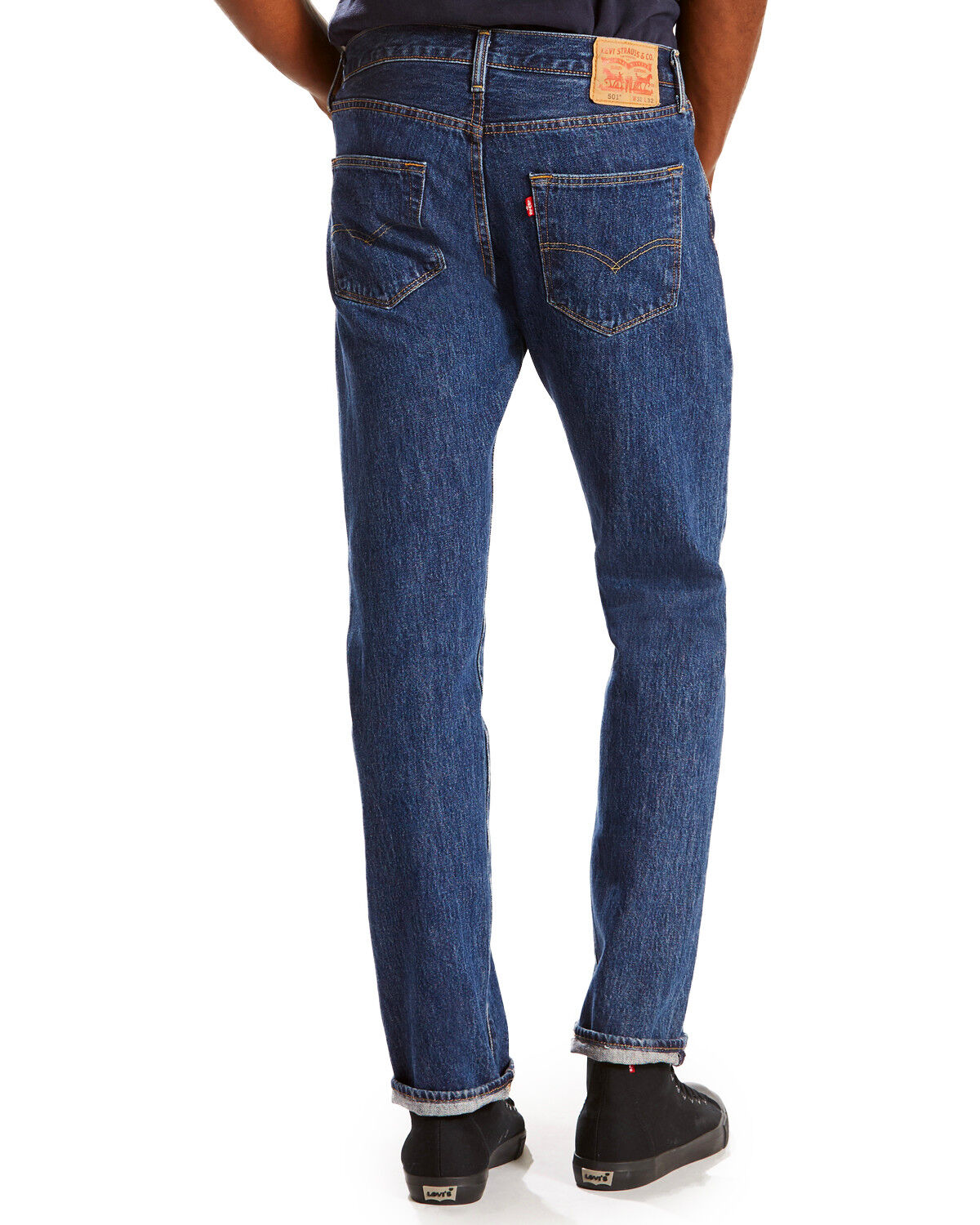
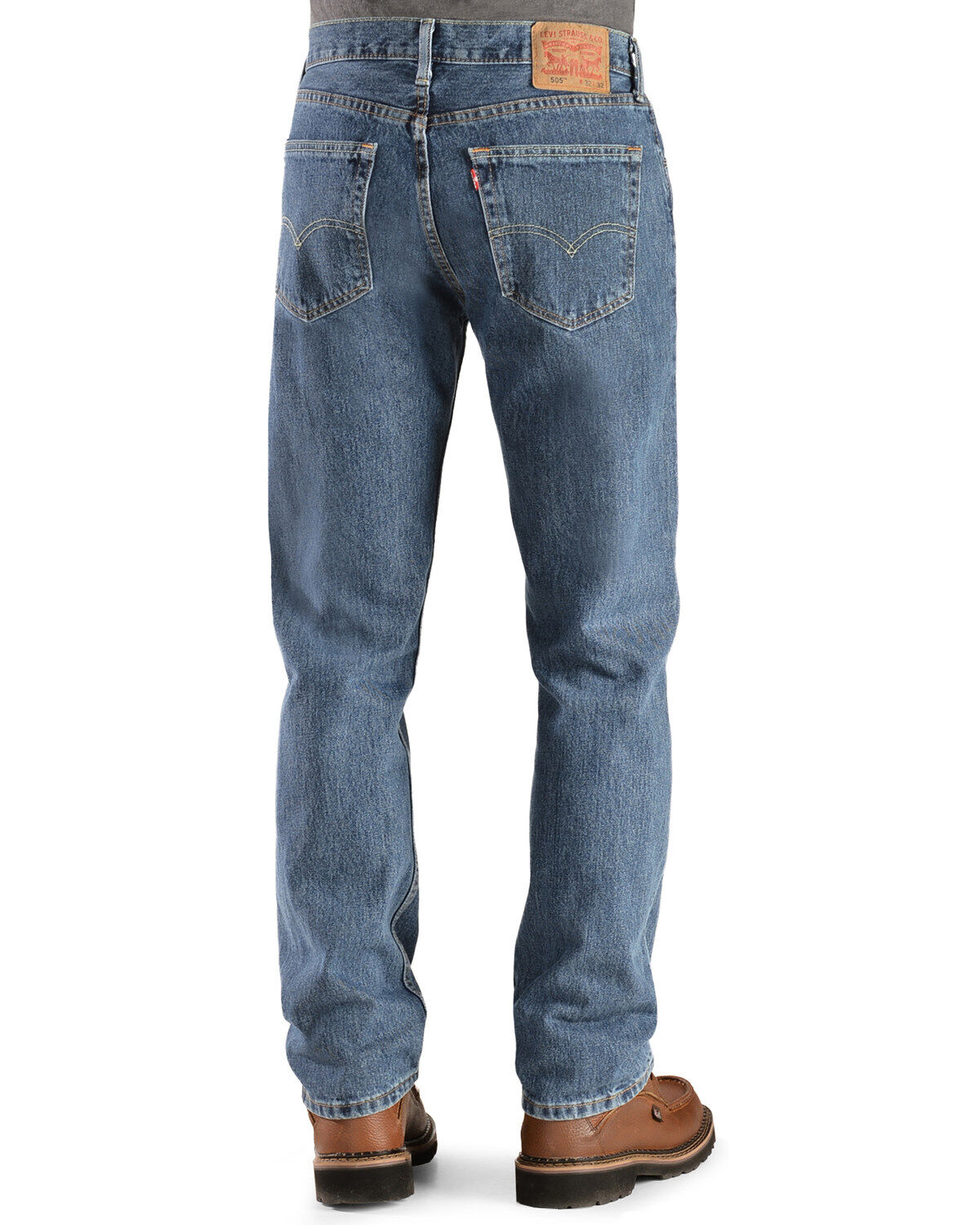
Loose fit big and tall jeans pair extra room through the seat and thighs with sizing designed for larger builds, taller frames, or both. Loose fit describes the cut, while big and tall describes the size range. That distinction matters: a larger waist does not automatically provide enough thigh room, and a longer inseam does not change how a pair fits across the hips. For men who find standard cuts restrictive when sitting, bending, or climbing into a truck, a loose cut can provide more freedom without requiring an oversized waistband. The right fit rests securely at the waist, leaves room across the seat, and allows the knees to bend without pulling hard against the denim. Rise also affects comfort. It is the distance from the crotch seam to the top of the waistband, and it influences where jeans sit on the body. A rise that feels comfortable standing should also feel comfortable seated, without the waistband digging in or the back pulling down. Waist and inseam measurements are useful starting points, but the shape of the leg deserves equal attention. Loose jeans can have straight legs, tapered legs, or wider openings, so extra thigh room does not always mean extra space at the hem. Men who wear cowboy boots or work boots benefit from checking whether the opening falls cleanly over the shaft. The hem should reach an appropriate length with footwear on, without dragging under the heel. Comparing measurements with a pair that already fits well can help account for differences between cuts. Inseam length runs along the inside leg from the crotch seam to the hem. For taller men, that measurement helps prevent a comfortable waist and seat from being paired with legs that finish too high. For broader builds, balanced proportions matter more than simply choosing a larger size. Enough room to move, a stable waistband, and a clean drape make loose fit big and tall jeans useful for everyday wear.

Denim fabric has as much influence on comfort as the cut itself. All-cotton denim often has a firm, substantial feel at first and softens with wear and washing. Denim blended with a small amount of stretch fiber can give more readily at the knees, hips, and waist, which may suit long drives, repeated bending, or hours spent seated. Stretch does not replace the need for a proper fit, though. Fabric that stays pulled tight across the thighs is still under strain, even when it stretches. Fabric weight is another consideration. Heavier denim generally feels more substantial, while lighter denim can feel less bulky through a generous leg. Weight alone does not determine durability; fabric construction, stitching, and the amount of friction during wear also matter. Areas around pocket corners, belt loops, the seat, and the inner thighs tend to receive repeated stress. Secure seams and neatly finished stitching are useful details to examine, particularly when jeans will see frequent wear. Intended use helps narrow the choice. Everyday chores, casual job settings, travel, and time spent at home can each call for a different balance of structure and flexibility. Jeans worn for work must also suit the job and any required clothing standards; ordinary denim is not a substitute for protective workwear. A loose cut should provide movement without leaving excess fabric where it could catch on equipment. Wash and finish affect how jeans fit into a wardrobe as well. Darker denim gives a more uniform appearance with a tucked-in shirt and belt, while lighter washes have a more worn-in look with a T-shirt or casual western shirt. Neither finish changes the need for sound construction and comfortable proportions. The broader Loose Jeans category offers another way to consider this roomy silhouette, with waist size, inseam, rise, and leg opening remaining the key details for a big and tall fit.

Regular care helps denim hold its shape and keeps everyday wear from turning into avoidable damage. The care label should determine wash temperature, drying method, and any special handling, especially for fabrics containing stretch fibers. Turning jeans inside out and washing them with similar colors can help limit surface abrasion and color transfer. Dark denim may release dye during early washes, so contact with light-colored upholstery or clothing deserves some attention. Washing when needed, rather than automatically after every brief wear, can reduce unnecessary laundering, provided the jeans are clean and free of odors. Dirt, perspiration, and abrasive dust should not be left to build up in the fabric. High dryer heat can affect fit and stretch performance, and cotton denim may shrink depending on how it was processed. Following the label is more reliable than assuming every pair will shrink the same amount or return to its original measurements. Drying thoroughly before storing also keeps the fabric from remaining damp in a drawer or closet. Between washes, checking the inner thighs, pocket edges, and hems can reveal thinning fabric or loose stitching before a small problem grows. A hem that repeatedly catches beneath a boot heel will wear faster, which makes correct length part of durability as well as appearance. Loose fit big and tall jeans can also make a practical gift for a husband, father, brother, or another man who already prefers a roomy cut. An existing pair provides better information than a general clothing size: the waist, inseam, rise, and fit description all help identify the proportions he wears comfortably. His footwear and daily routine matter, too. Someone who spends much of the day driving may value flexibility through the hips and knees, while someone who prefers firm denim may favor a more structured feel. The best choice is a pair that suits his build and habits without needing a tight belt, constant waistband adjustments, or cuffs that drag across the ground.

FAQs