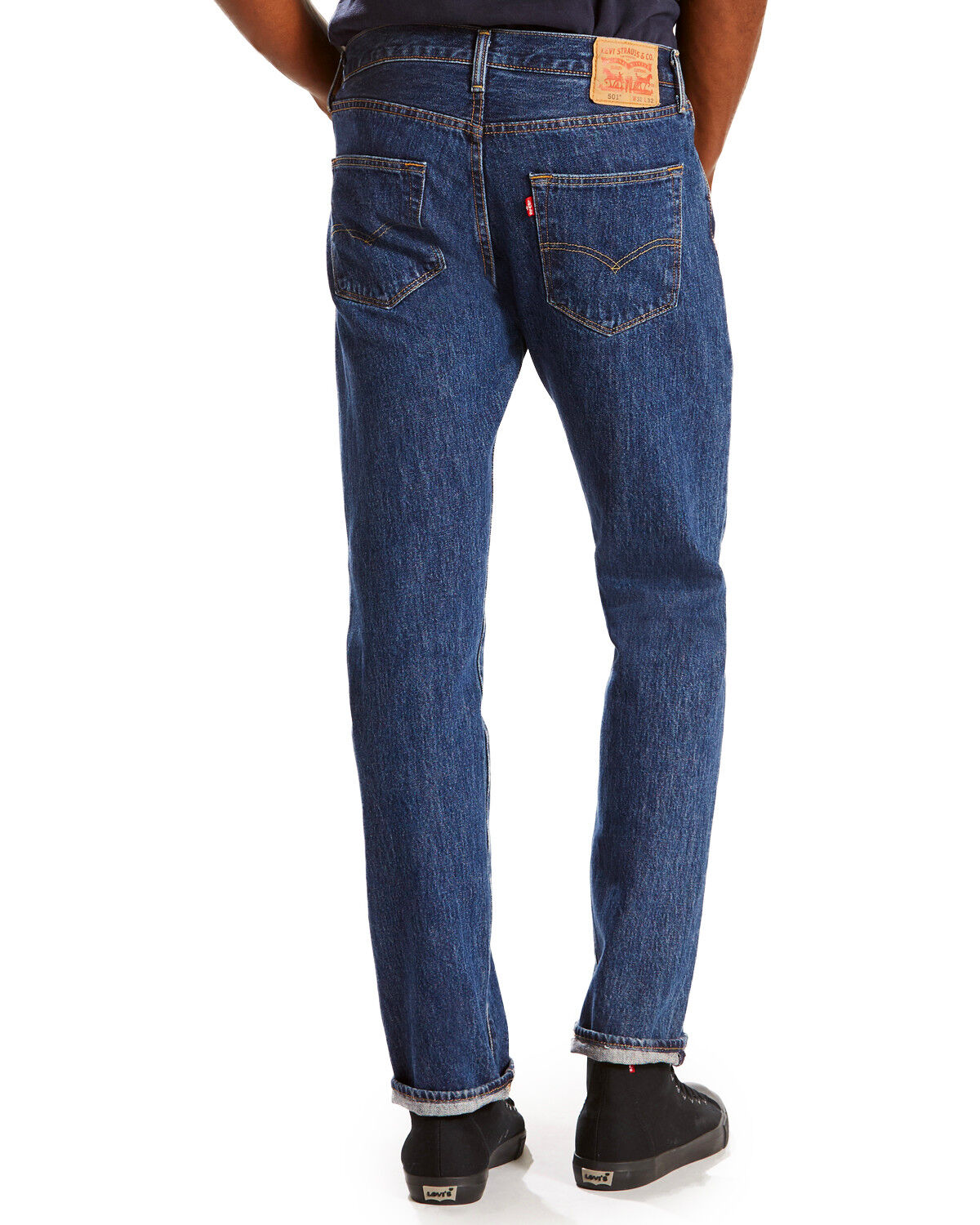
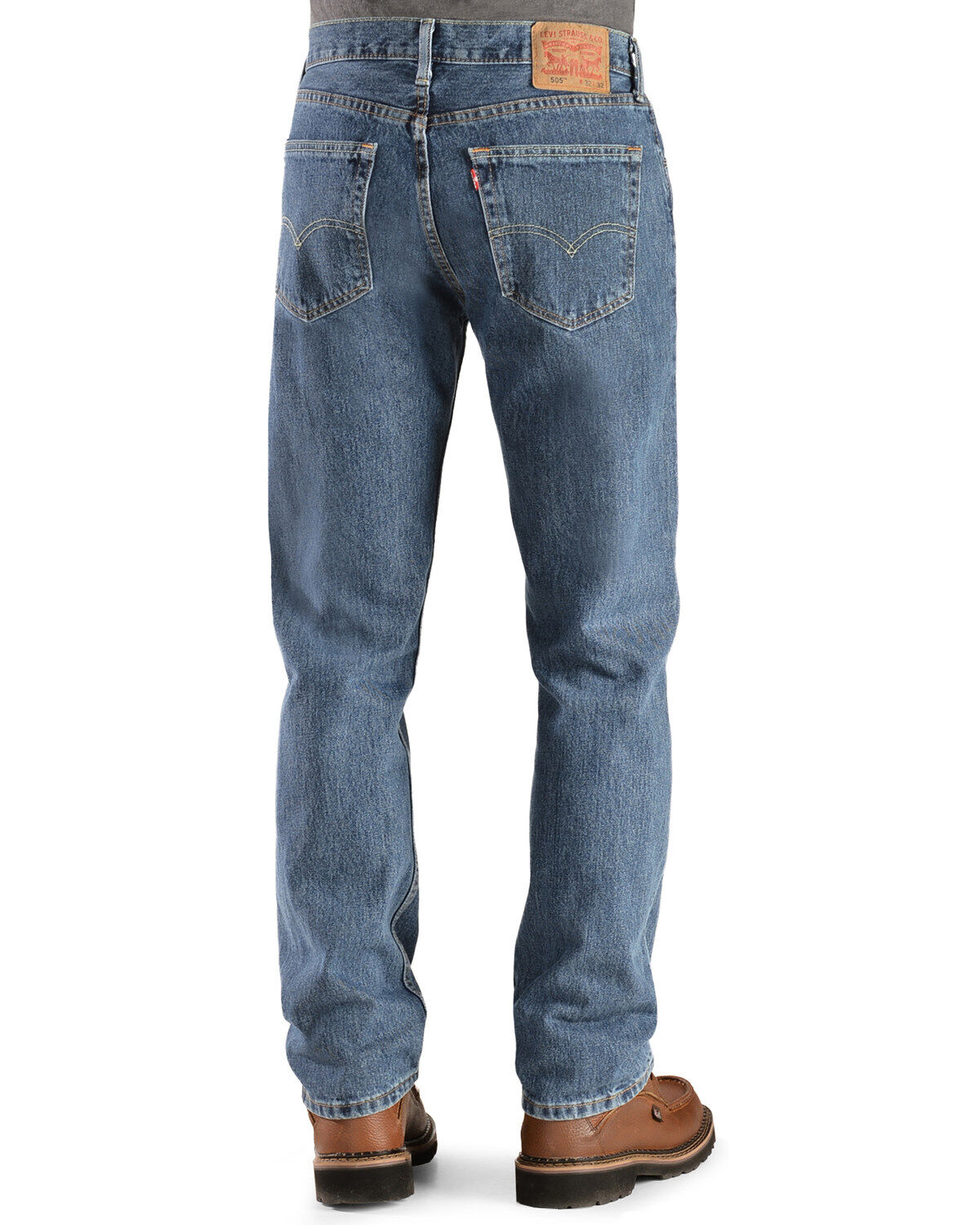
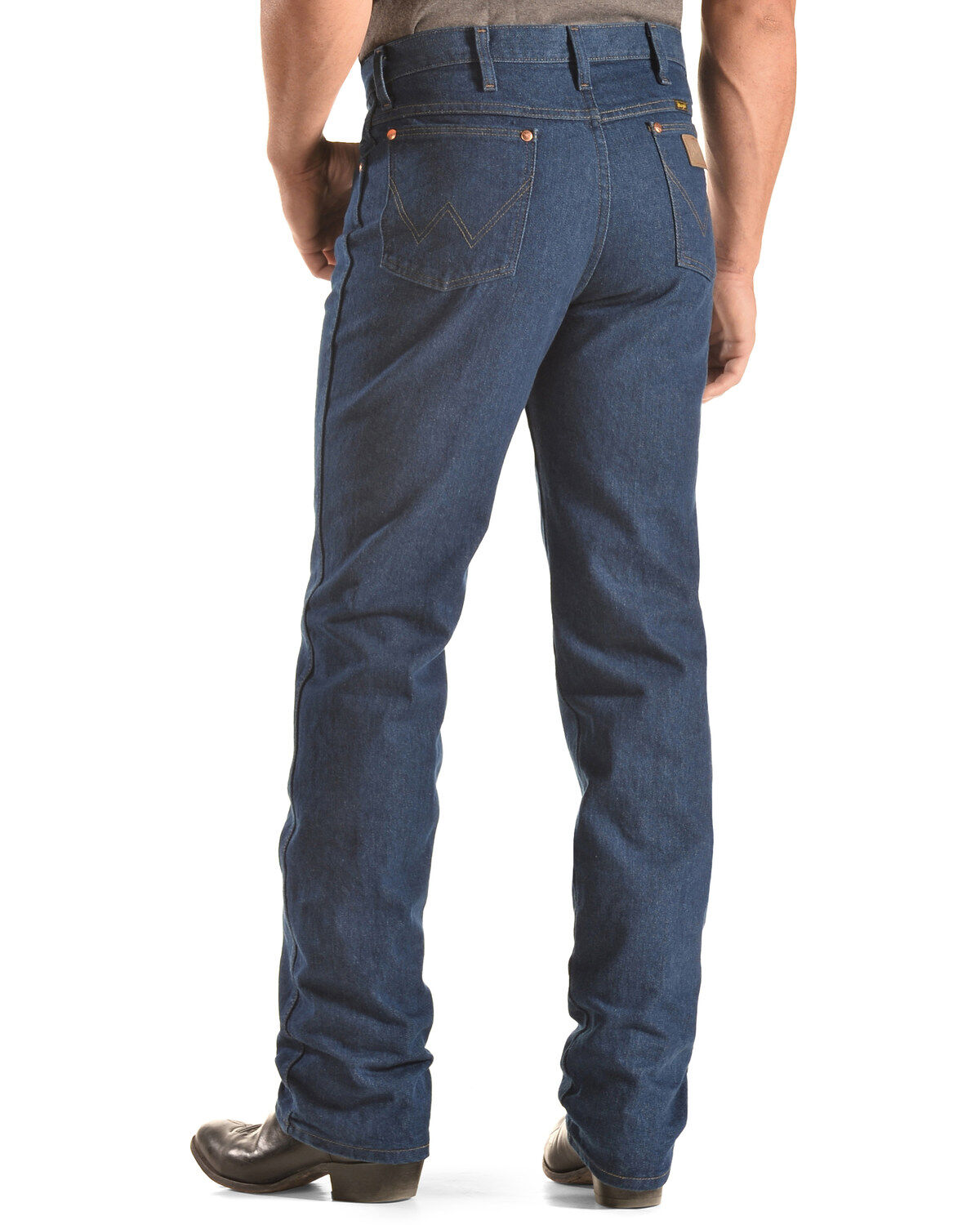
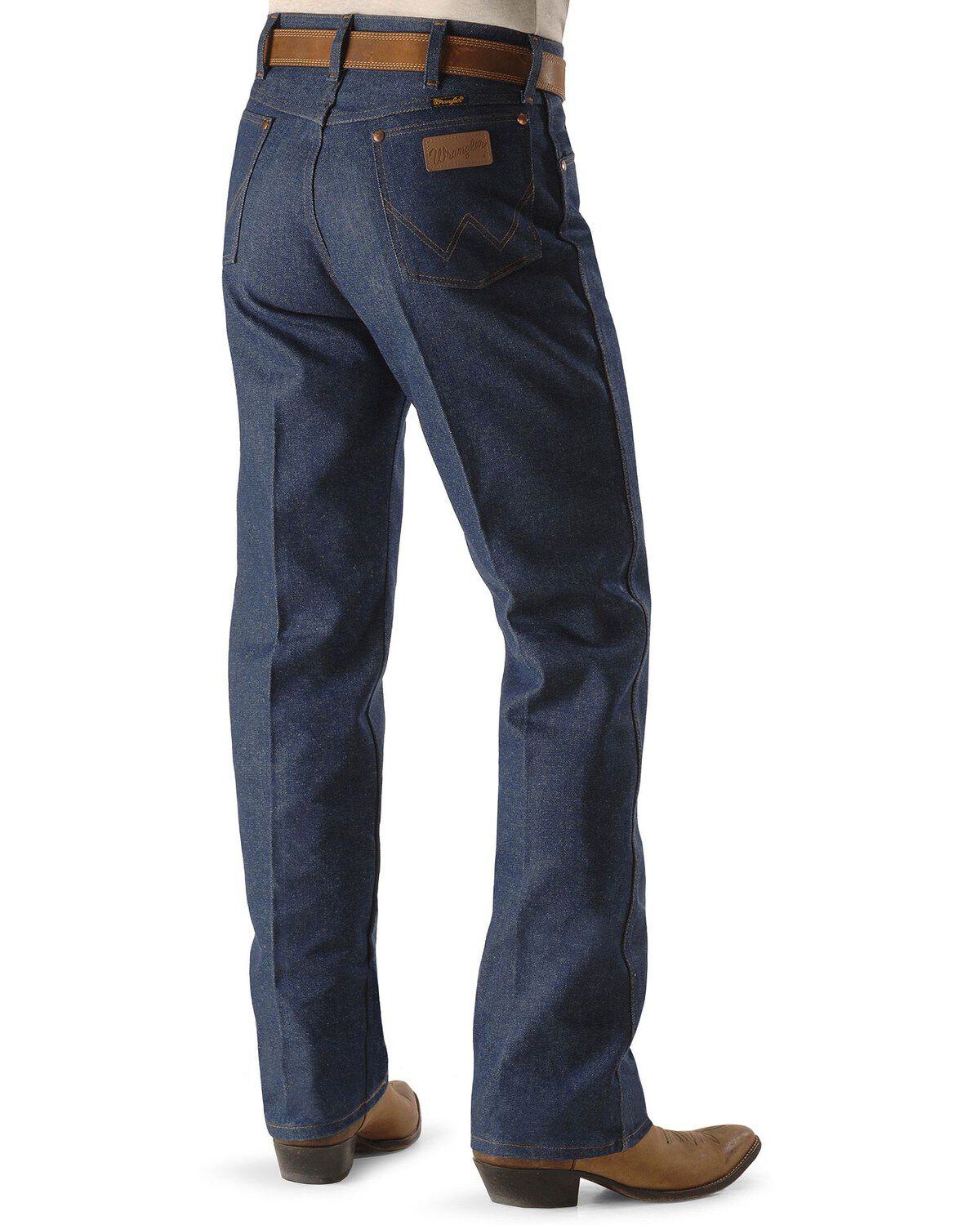
Jean Brands Men

Shop men’s jean brands for workdays, weekends, and everyday western wear. Compare fit and sizing details across the selection of men’s jeans to find a pair that suits your wardrobe and daily routine.

Shop Your Store: Shop Your Store: Find a Store

(Turn off Shop Your Store to see all items)

(Turn off Shop Your Store to see all items)

close
  • Recommended
  • Lowest Price
  • Highest Price
Skip pass products

End of products

Jean Brands Men

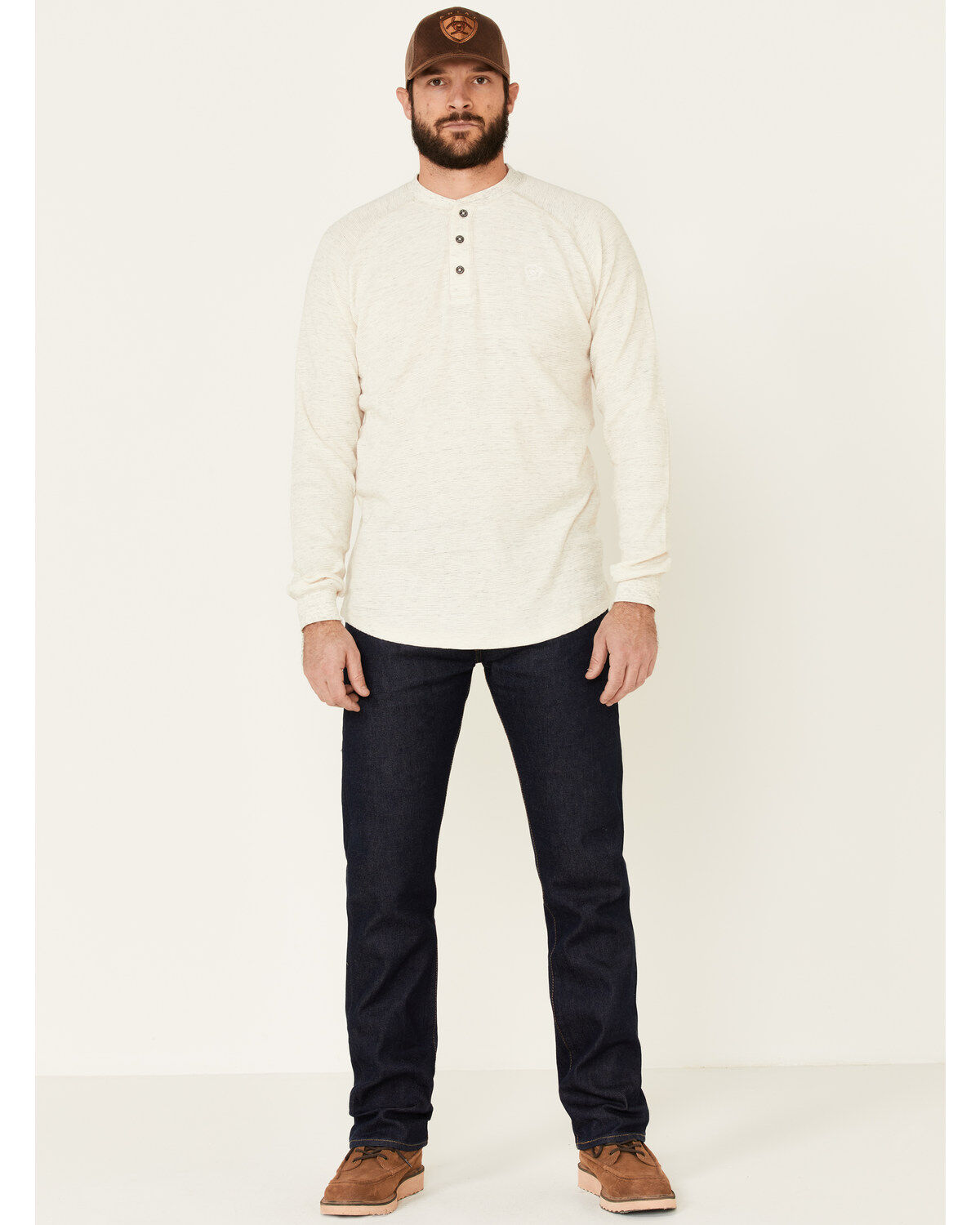
Men’s jean brands differ in fit, denim construction, stretch, and leg shape. Those differences affect how jeans feel at the waist, move through the seat and thighs, and sit over boots. A dependable pair needs to suit both a man’s build and the way he spends his day, whether that means driving between job sites, working around the property, or heading out to dinner. Straight-leg jeans have a fairly consistent shape from the knee to the hem, making them a versatile choice with many boot styles. Bootcut jeans widen below the knee to accommodate a boot shaft, while tapered jeans narrow toward the ankle for a closer silhouette. Slim, regular, relaxed, and loose fits describe different amounts of room, though those terms are not identical across brands. A relaxed fit generally leaves more space through the seat and thighs, while a slim fit follows the body more closely without necessarily fitting tight. The rise matters just as much as the leg shape. It determines where the waistband rests and influences comfort when sitting, bending, or reaching. A waistband that feels comfortable standing should also stay secure behind the wheel and allow movement without digging in. For men with muscular thighs, added room above the knee can matter more than the size printed on the label. Inseam length deserves equal attention, especially with cowboy boots or work boots. Some men prefer a slight stack of denim above the foot; others want a cleaner break with less fabric gathering at the ankle. Too much length can leave the back hem dragging beneath the heel, wearing through long before the rest of the jeans. Measurements and fit descriptions provide a more useful comparison between men’s denim brands than a familiar size alone. The best fit balances a secure waist, comfortable movement, and enough clearance for the footwear worn most often. Fit is not simply a matter of appearance; it determines whether jeans remain comfortable through a full day.

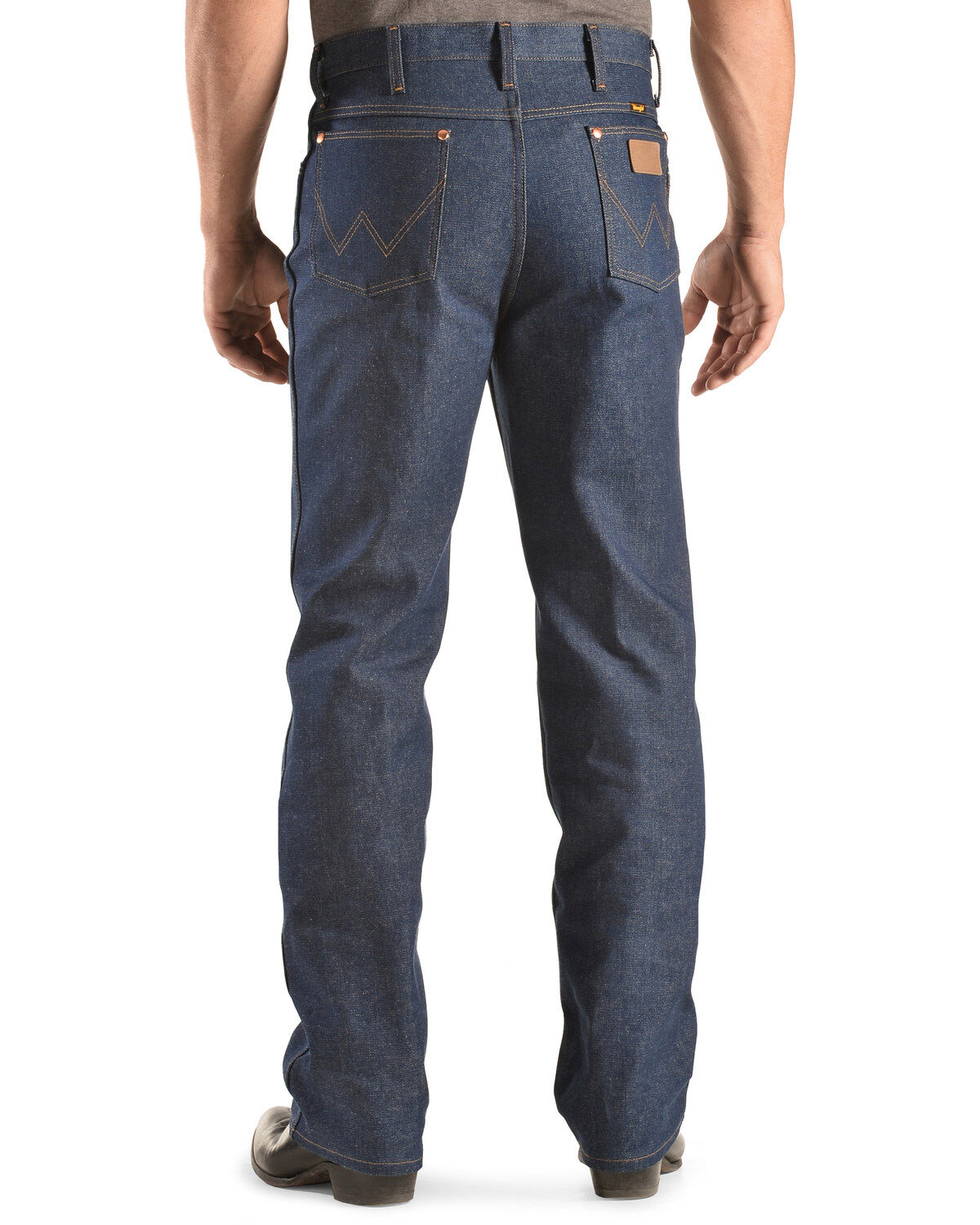
Denim fabric gives men’s jeans much of their character. Traditional denim is a woven cotton fabric with a diagonal pattern, and its weight and fiber blend influence how substantial, flexible, or structured a pair feels. All-cotton denim often has a firm hand at first and softens with wear, developing creases and faded areas shaped by everyday movement. Stretch denim includes fibers that let the fabric give, which can make climbing into a truck, crouching beside equipment, or spending hours seated more comfortable. Stretch content alone does not tell the whole story. The weave, fabric weight, and ability to return to shape also affect whether jeans keep their fit after repeated wear. Heavier denim generally feels more substantial, while lighter denim can feel less restrictive, but weight by itself does not guarantee longer service. Construction matters at the places that carry strain: pocket corners, belt loops, seams, and the seat. Rivets and reinforced stitching can help support these areas, though repeated friction will still wear fabric over time. A phone carried in the same back pocket or a wallet pressed against a seat creates its own wear pattern. Men drawn to Jeans For Rugged Men often value practical details such as useful pocket space, room to bend, and hems that work with substantial boots. Jeans for physical work also need enough room for a full stride without loose fabric getting in the way. Denim is everyday workwear, but ordinary jeans are not a substitute for protective clothing required for a particular job. Wash and finish influence appearance as well as feel. Dark, even washes have a cleaner look with a button-front shirt and leather belt. More pronounced fading gives denim a worn-in appearance that pairs naturally with casual shirts and well-used boots. Distressing changes the fabric itself, so tears and heavily worn areas deserve consideration when durability is a priority. The useful distinction is not simply rugged versus refined; it is how the fabric, construction, and finish match the intended use.

Care plays a direct role in how men’s jeans fit and wear over time. The care label is the starting point because cotton denim, stretch blends, and different finishes do not all respond to washing and drying in the same way. Washing inside out can help limit surface abrasion and preserve the appearance of the wash. Cold water, when permitted by the label, can help reduce fading, while excessive dryer heat may cause shrinkage or affect stretch fibers. Jeans that fit closely through the waist and thighs can feel noticeably different after a hot wash or a long drying cycle. Deep-colored denim may also transfer dye onto lighter upholstery, shirts, or footwear, particularly before its first few washes. Cleaning needs depend on use. Denim worn through a dusty workday has different care needs from jeans worn for a short evening out, and stains are easier to address before they become deeply set. Letting damp jeans dry fully before putting them away helps keep them fresh between wears. Small repairs can extend their useful life: a loose belt loop or thinning pocket edge is easier to address before the surrounding fabric tears. Length alterations also benefit from attention to the intended fit. The right hem depends on the boots worn with the jeans and whether the fabric is expected to shrink under its labeled care routine. For gifting, familiar measurements and established preferences are more reliable than choosing by appearance alone. A man who consistently wears a relaxed fit may not welcome a narrow thigh simply because the wash looks similar. Waist, inseam, rise, leg opening, and preference for rigid or stretch denim all help narrow the choice. Whether jeans are meant for daily work, weekends, or a cleaner everyday look, the strongest comparison between brands comes down to consistent fit, suitable fabric, sound construction, and straightforward care. Those details are what make denim worth reaching for again.

FAQs