High Rise Slim Fit Jeans

Shop high rise slim fit jeans for a higher waist and a close fit through the hips and thighs. Compare each pair’s sizing and leg opening to find the fit you want and make sure it works with your boots or everyday shoes.

Read More

Shop Your Store: Shop Your Store: Find a Store

(Turn off Shop Your Store to see all items)

(Turn off Shop Your Store to see all items)

close
  • Recommended
  • Lowest Price
  • Highest Price
Skip pass products

End of products

High Rise Slim Fit Jeans

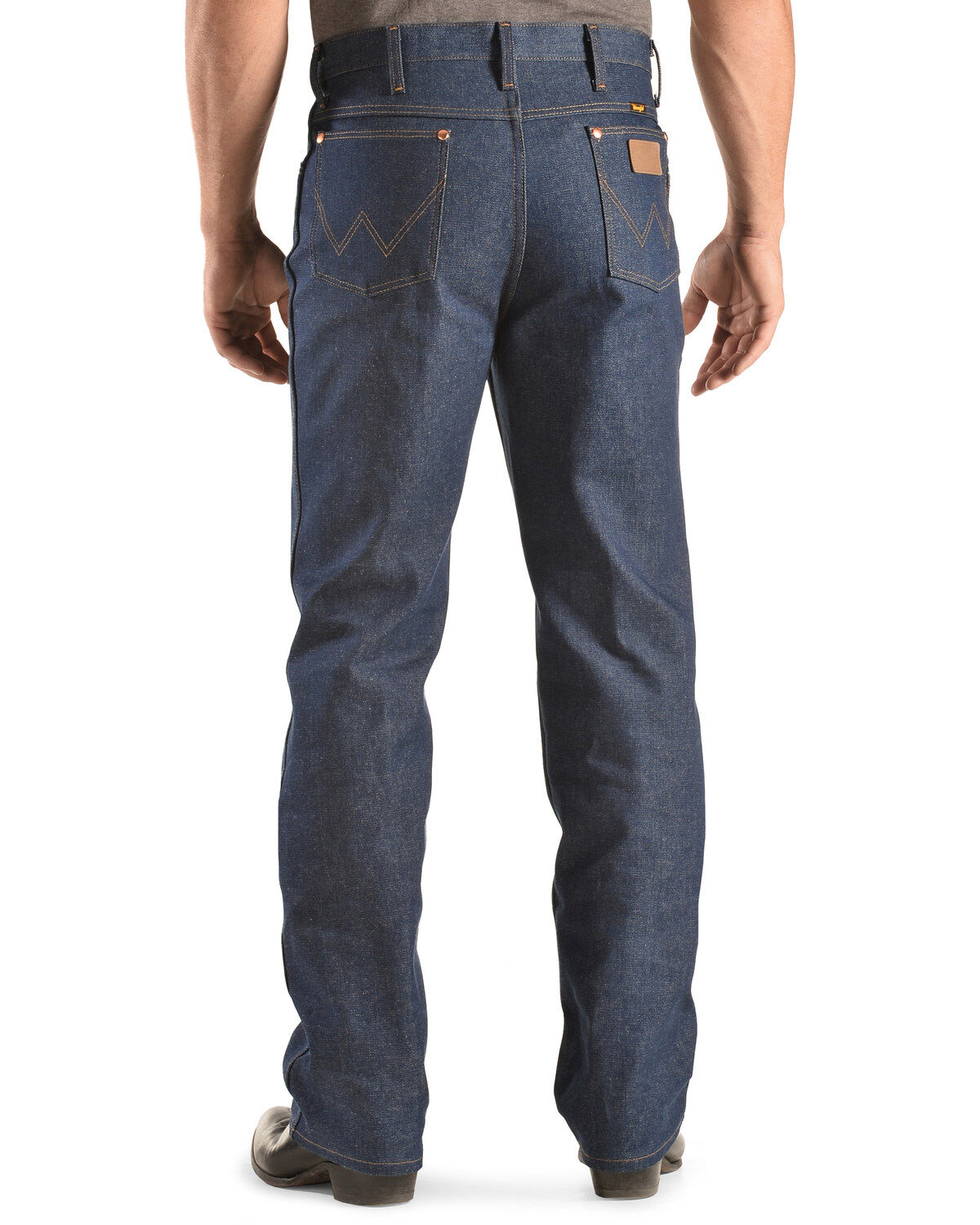
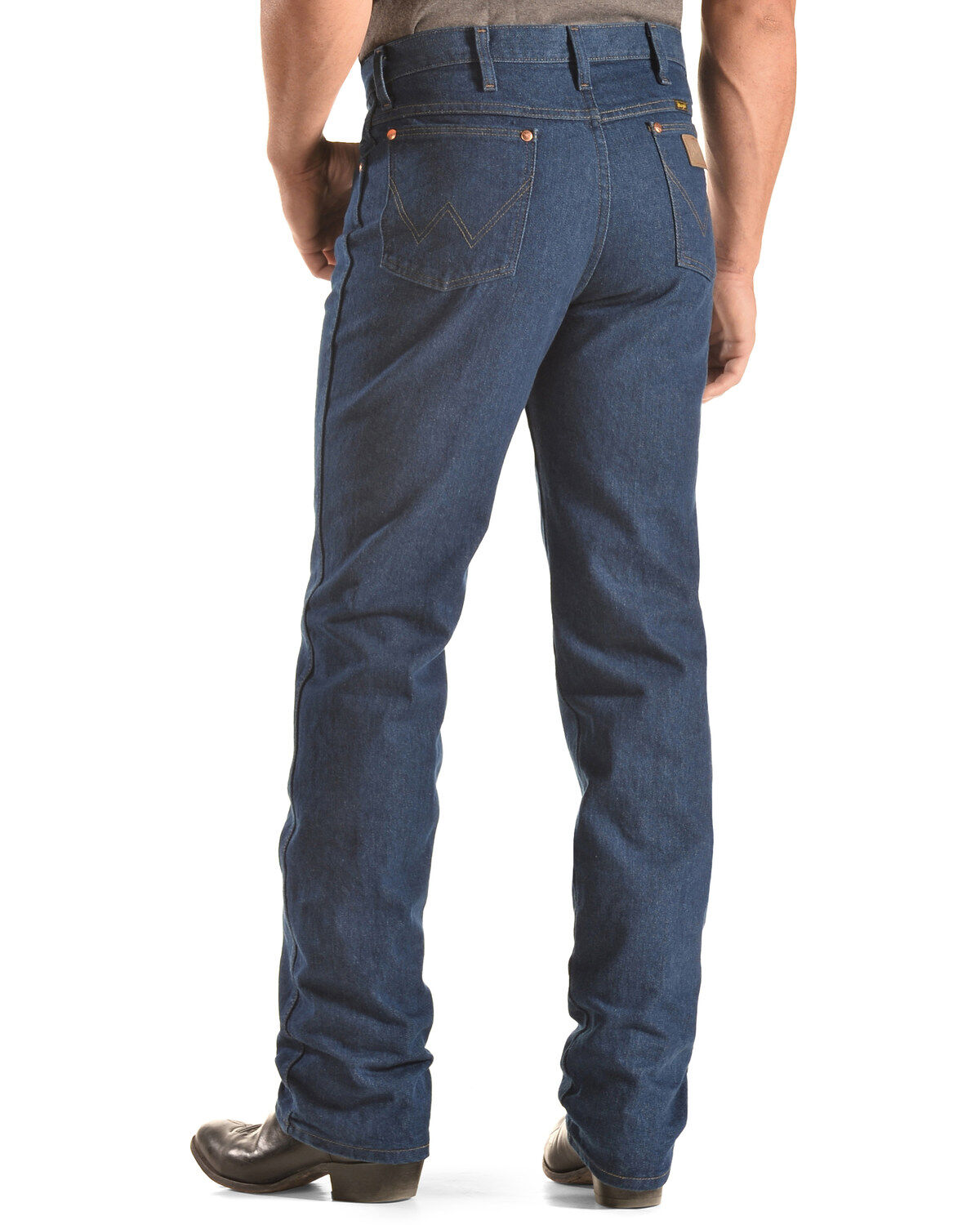
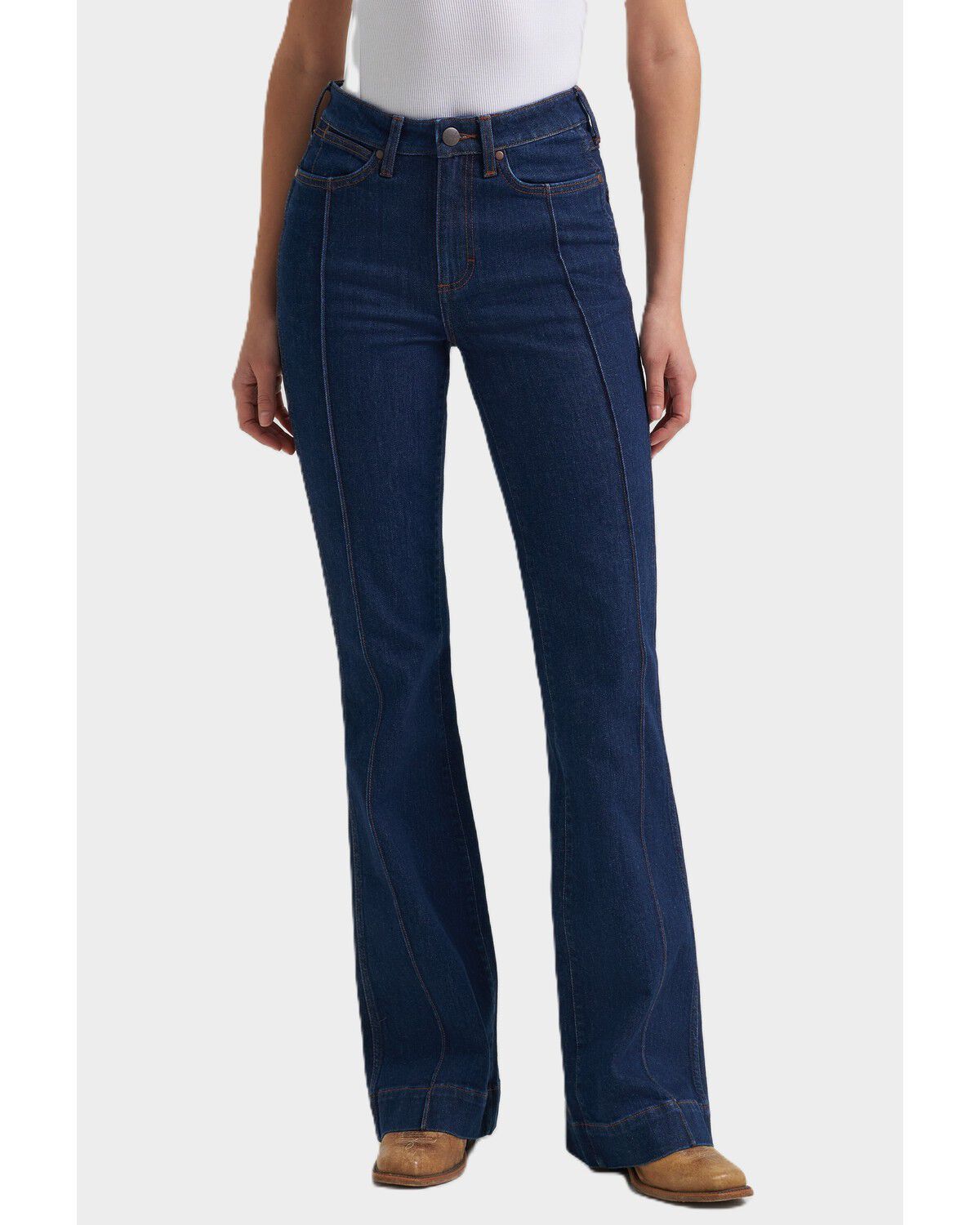
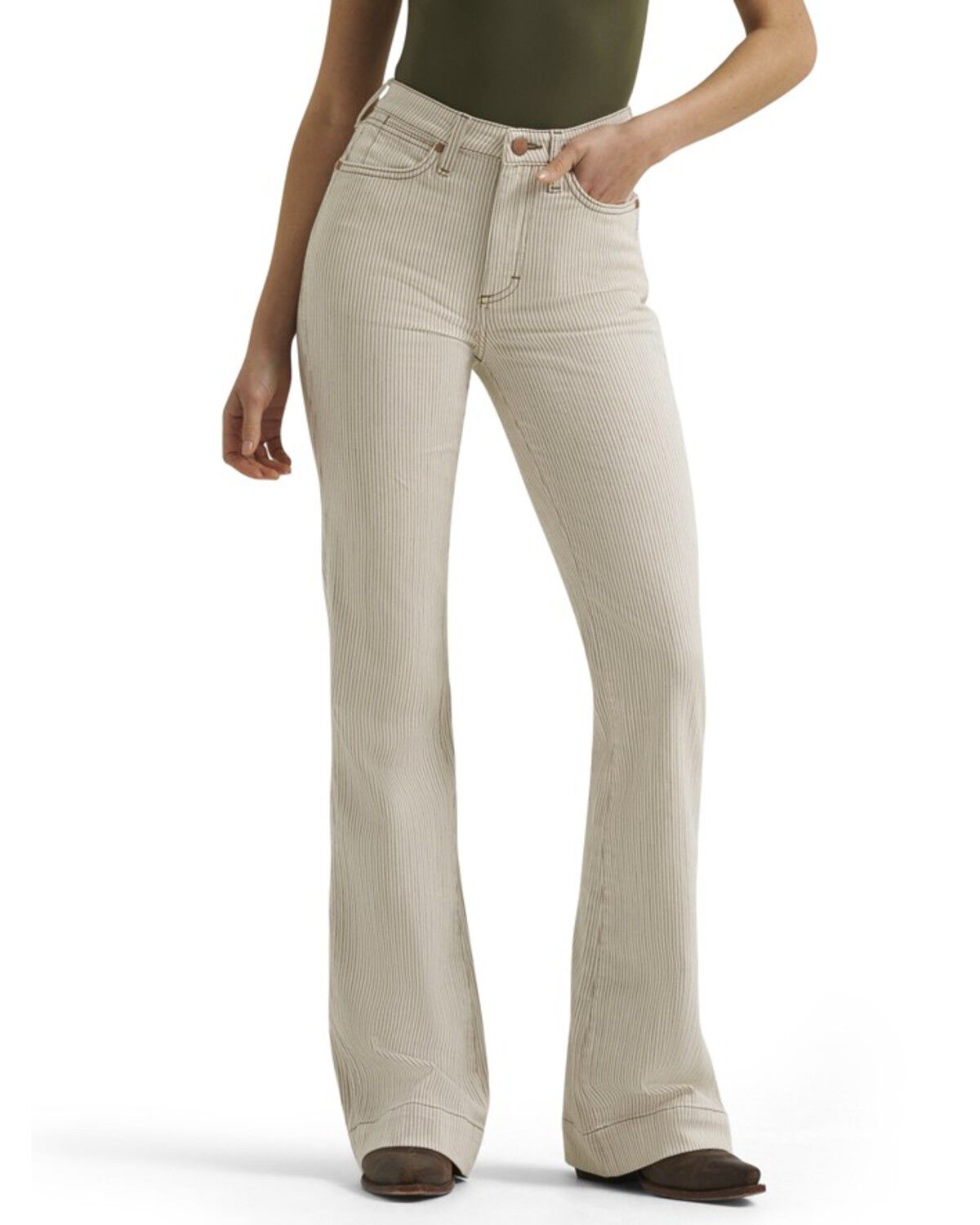
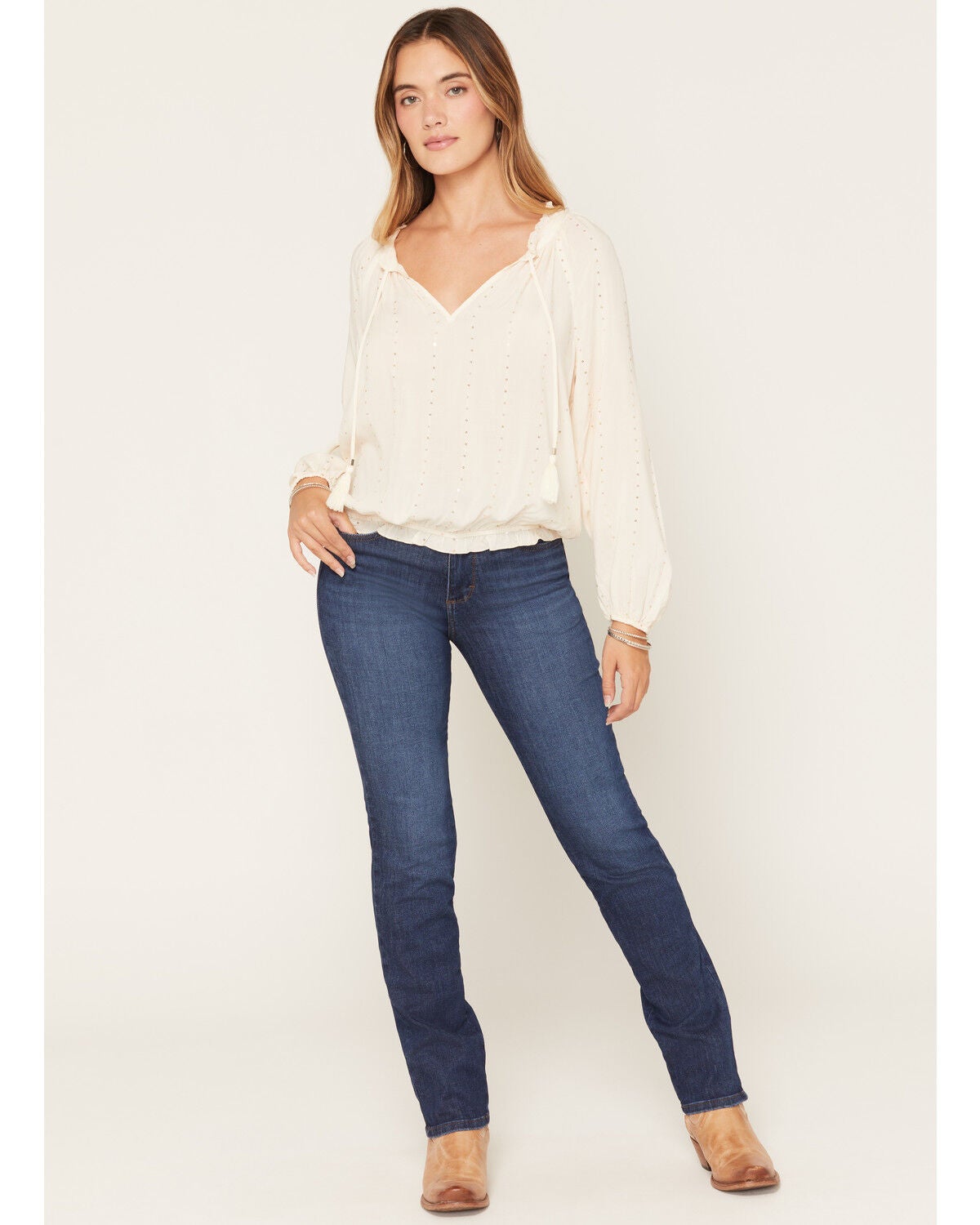
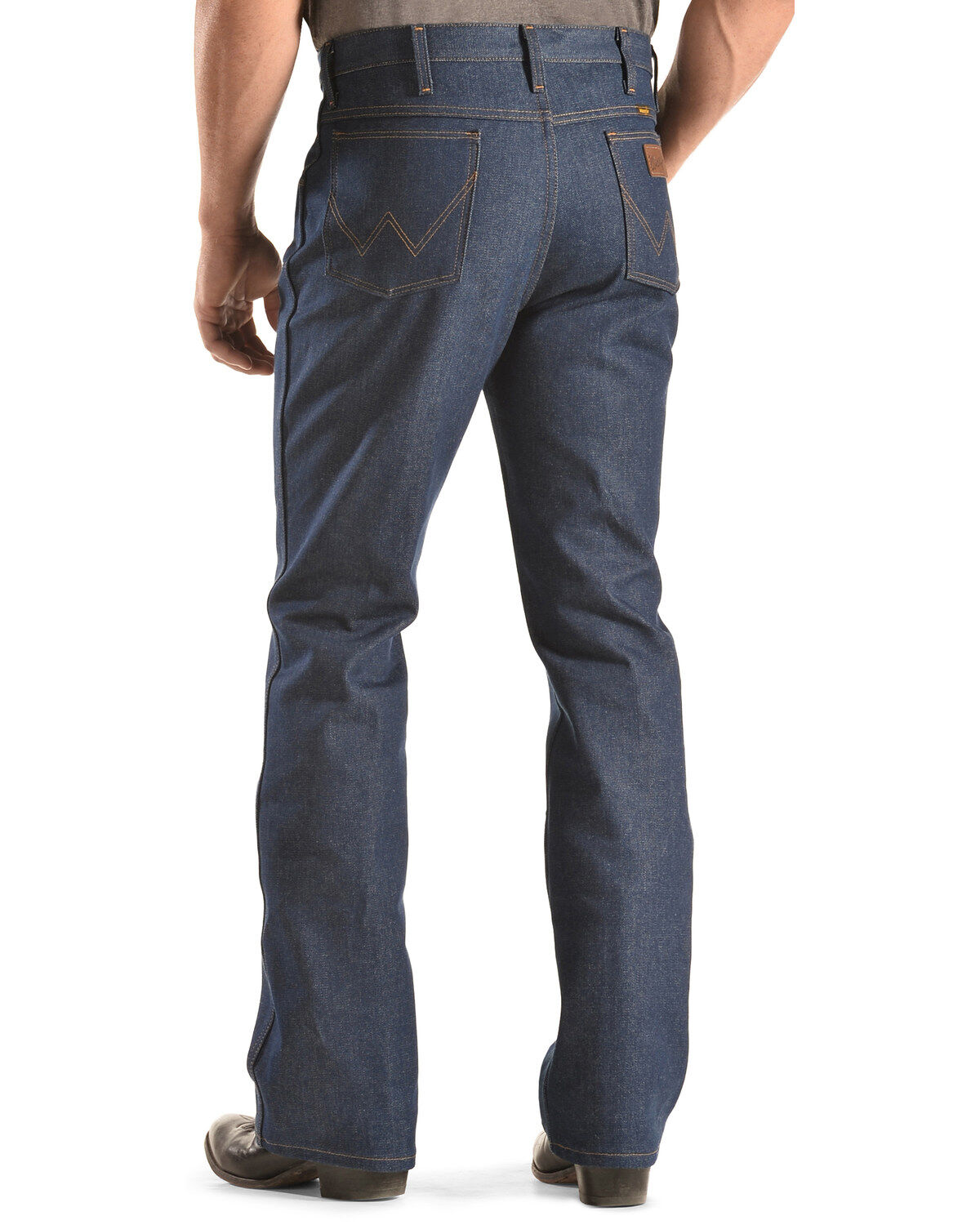
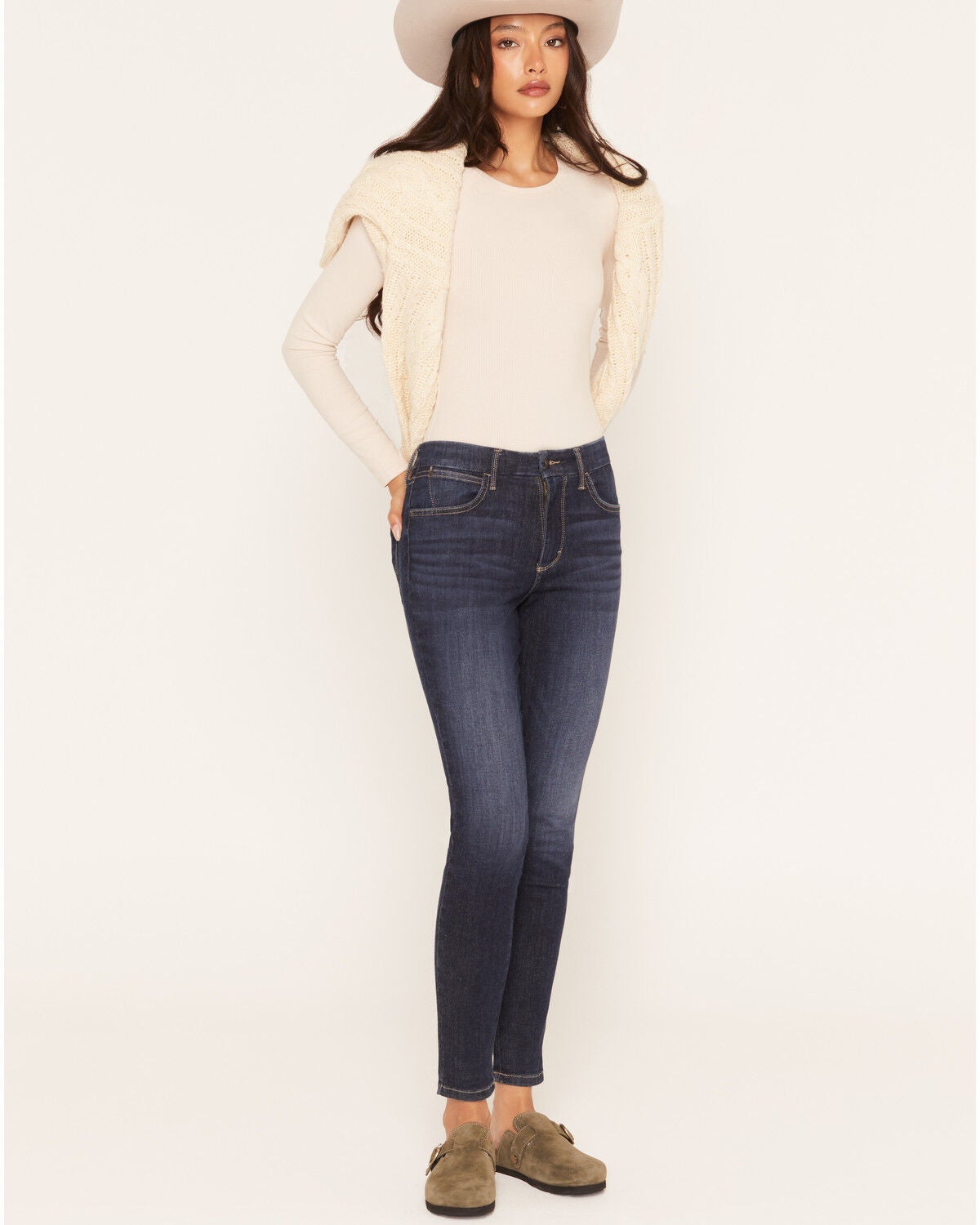
High-rise slim-fit jeans sit high on the torso, usually at or above the belly button, with a close fit through the hips and thighs and a narrow leg that may run straight or taper toward the ankle. The rise describes the distance from the crotch seam to the top of the waistband, while slim fit describes the shape through the seat and legs. These are separate measurements, so a higher waist does not necessarily mean a tighter leg. Compared with skinny jeans, slim-fit denim generally leaves more room through the lower leg, though the difference depends on the cut and fabric. The appeal is straightforward: a defined waist, less excess fabric, and a clean outline that works with tucked shirts, shorter tops, and longer layers. A good fit stays secure at the waist without digging in when seated. The seat should lie smoothly, and the thighs should have enough room for walking, bending, and getting into a truck without the seams pulling hard. Deep horizontal strain lines across the hips or a fly that pulls open can signal that the cut is too tight. A waistband that gaps at the back may point to a mismatch between the waist and hip proportions rather than the wrong size alone. Waist, hip, rise, and inseam measurements are more useful than relying on a familiar size number, since denim sizing varies. Inseam length also changes the look. An ankle-length hem keeps the lower leg visible, while a full-length pair reaches farther over footwear. Extra length can bunch at the ankle, especially with a tapered opening. For a higher waist with a straighter line below the knee, High Rise Straight Jeans offer another shape to consider. Neither cut needs to feel restrictive to look fitted; the right pair follows the body while leaving practical room to move.

Fabric makes a noticeable difference in how high-rise slim-fit jeans feel at the first wear and how they hold their shape through the day. All-cotton denim usually has a firmer feel and softens with wear, developing creases and fading where the fabric bends and rubs. Denim blended with elastane or spandex adds stretch, which can make a close fit easier to wear while sitting, driving, or moving between errands. Other fibers can change the softness, drape, and weight, so the fiber content is worth reading alongside the fit description. A small amount of stretch does not tell the whole story; fabric construction and thickness also affect how much the jeans give and how well they return to shape. Heavier denim often feels more structured, while lighter denim tends to bend more easily and create less bulk under a tucked shirt. A firm waistband can help a higher rise stay in place, but it still needs enough room to feel comfortable when seated. Pocket placement, yoke shape, and seam construction influence how the back of the jeans fits. Smooth pocket bags and flat seams help keep the front from feeling crowded. Dark, even washes pair naturally with a western shirt and leather belt, while faded blue denim has a more relaxed appearance with a plain T-shirt or casual button-down. Minimal distressing keeps the look simple and leaves fewer exposed edges to catch or fray. Footwear deserves equal attention. A narrow hem may fit neatly over low-profile shoes or ankle boots but can catch on a taller boot shaft. When wearing jeans over cowboy boots, the leg opening needs enough width to fall over the shaft without gripping it or bunching above it. Trying the jeans with the intended footwear gives a clearer picture than judging inseam alone. For casual workdays, dinners, travel, or everyday wear, that balance of fabric, movement, and hem shape matters more than a fit label by itself.

Well-made denim benefits from straightforward care. The care label takes priority, particularly with stretch blends, special finishes, or decorative details. When machine washing is permitted, turning jeans inside out, using cold water, and washing with similar colors can help limit surface wear and uneven fading. Dark denim may transfer dye onto lighter fabrics, upholstery, or footwear, especially before its first few washes. A modest amount of mild detergent is generally enough; excess detergent can be difficult to rinse out and may leave residue. High dryer heat can shrink some denim and weaken stretch fibers over time, so air drying or a lower heat setting is often the better choice when the label allows it. Reshape the legs and smooth the waistband before drying to help the jeans keep their intended form. Washing when needed rather than after every brief wear can reduce unnecessary abrasion, though dirt and spills should not be left to build up. Durability depends on more than fabric weight. Even stitching, reinforced pocket corners, secure belt loops, and a sturdy zipper or button closure all contribute to everyday wear. Areas that see repeated friction, such as the inner thighs and hems, deserve occasional attention. A hem that drags under the heel will wear faster, and repairing a small loose seam before it opens farther can extend the life of a pair. Use the waistband rather than a single belt loop to pull jeans into place. For tasks that call for protective clothing, ordinary denim is not a substitute for properly rated gear. High-rise slim-fit jeans are a practical choice for people who prefer a higher waistband and a closer leg without the full cling of a skinny cut. They can also make a useful gift when the recipient’s preferred rise, measurements, inseam, and stretch preference are known. Those details help turn a familiar wardrobe staple into a pair that gets worn regularly.
Read More

FAQs