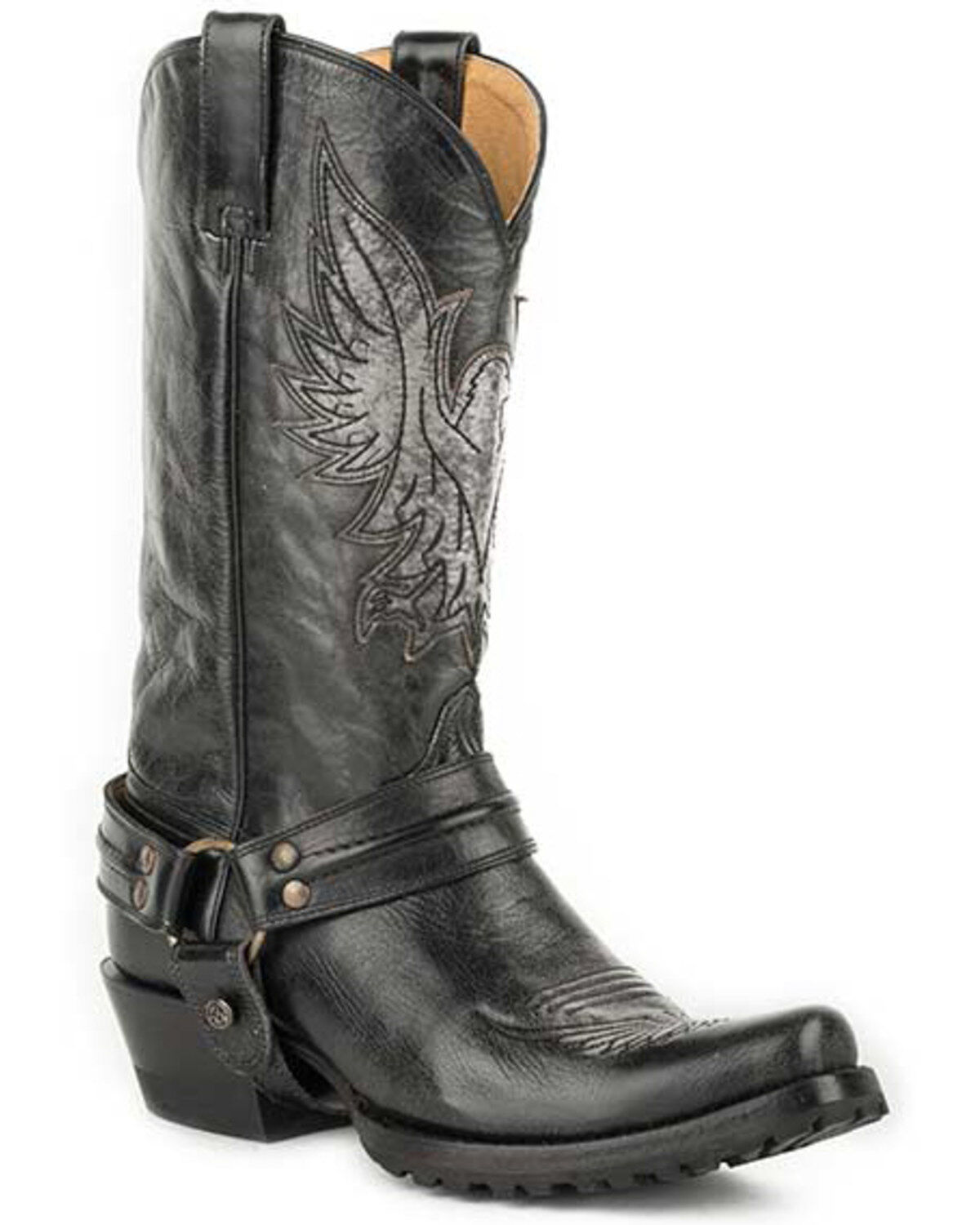
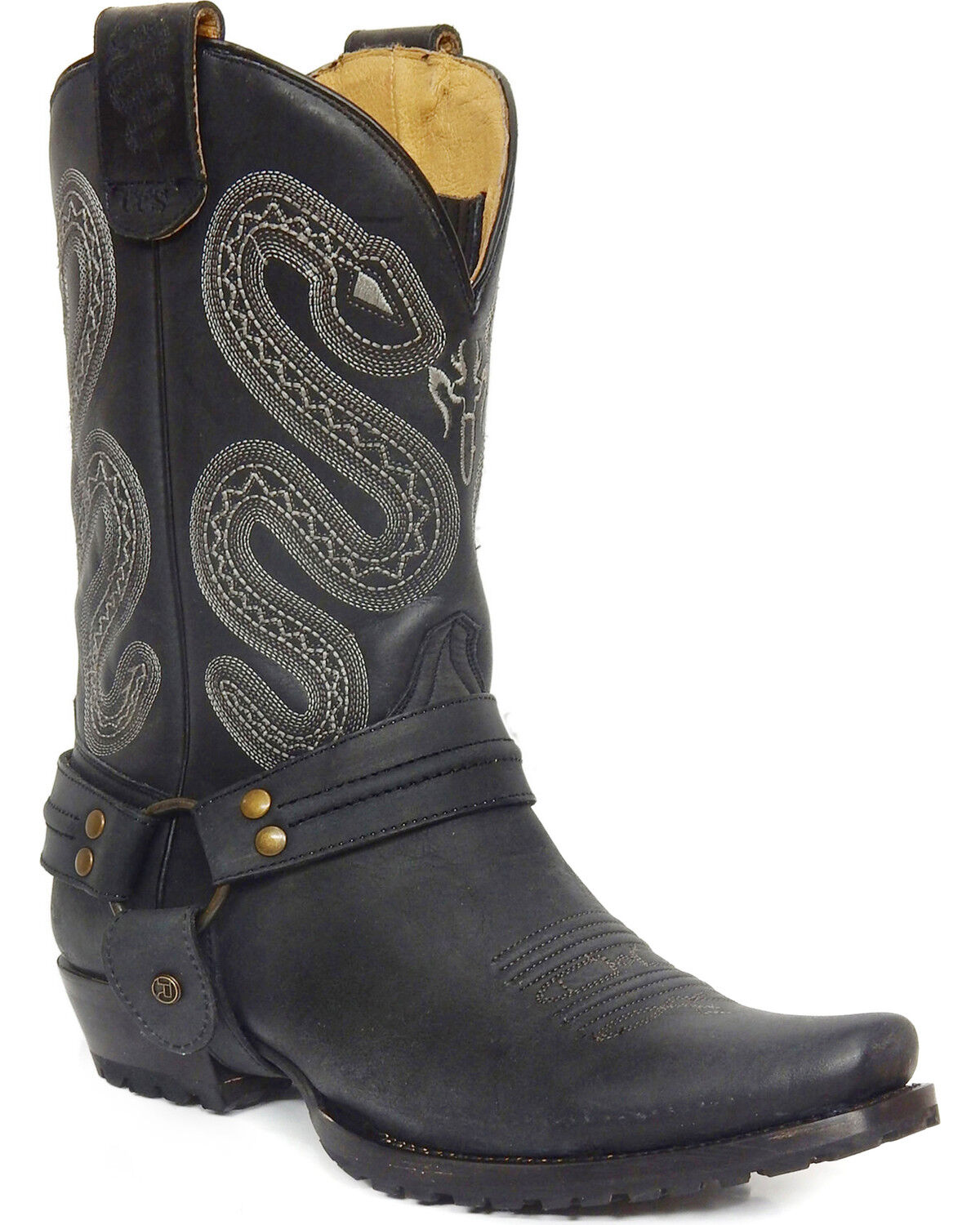
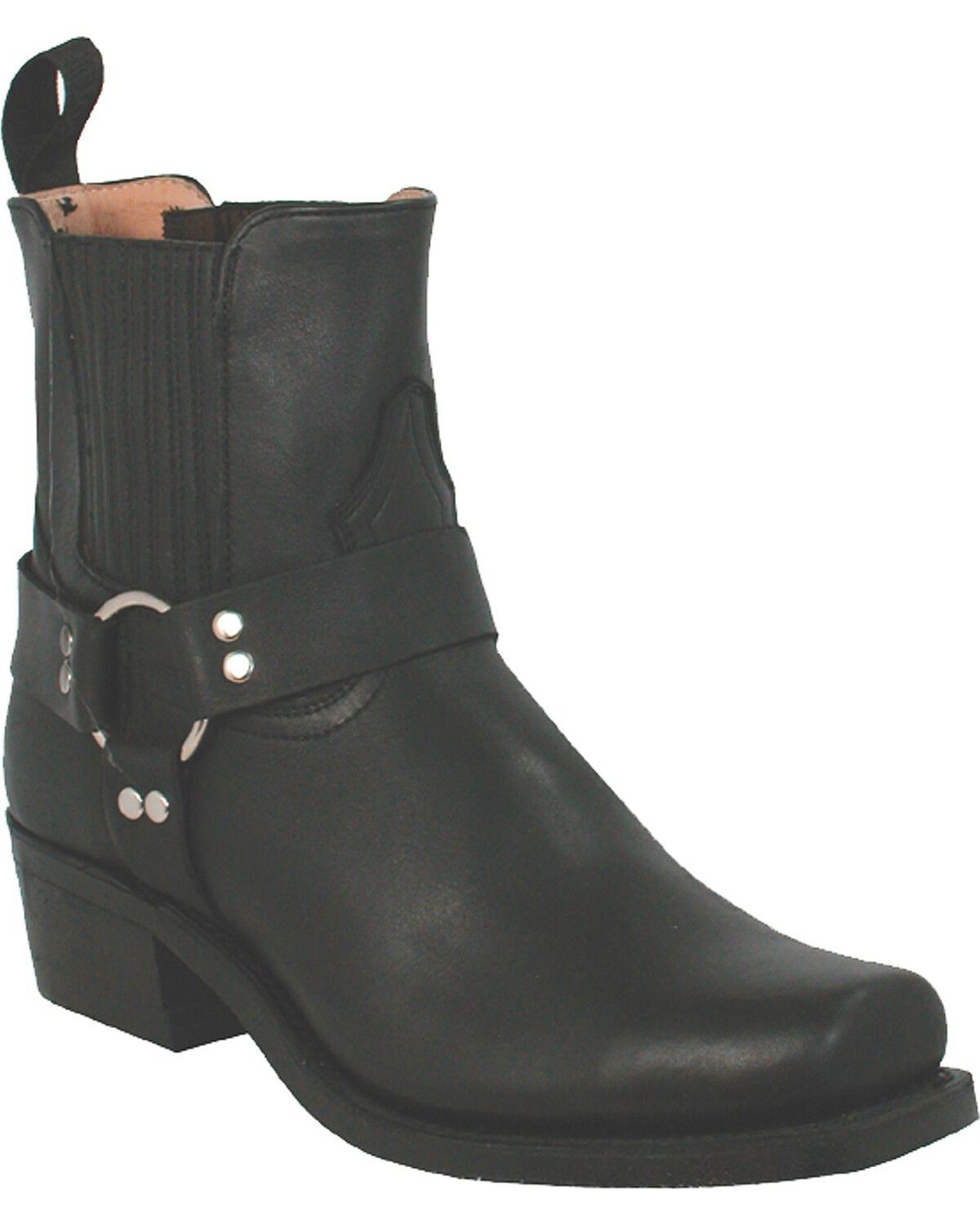
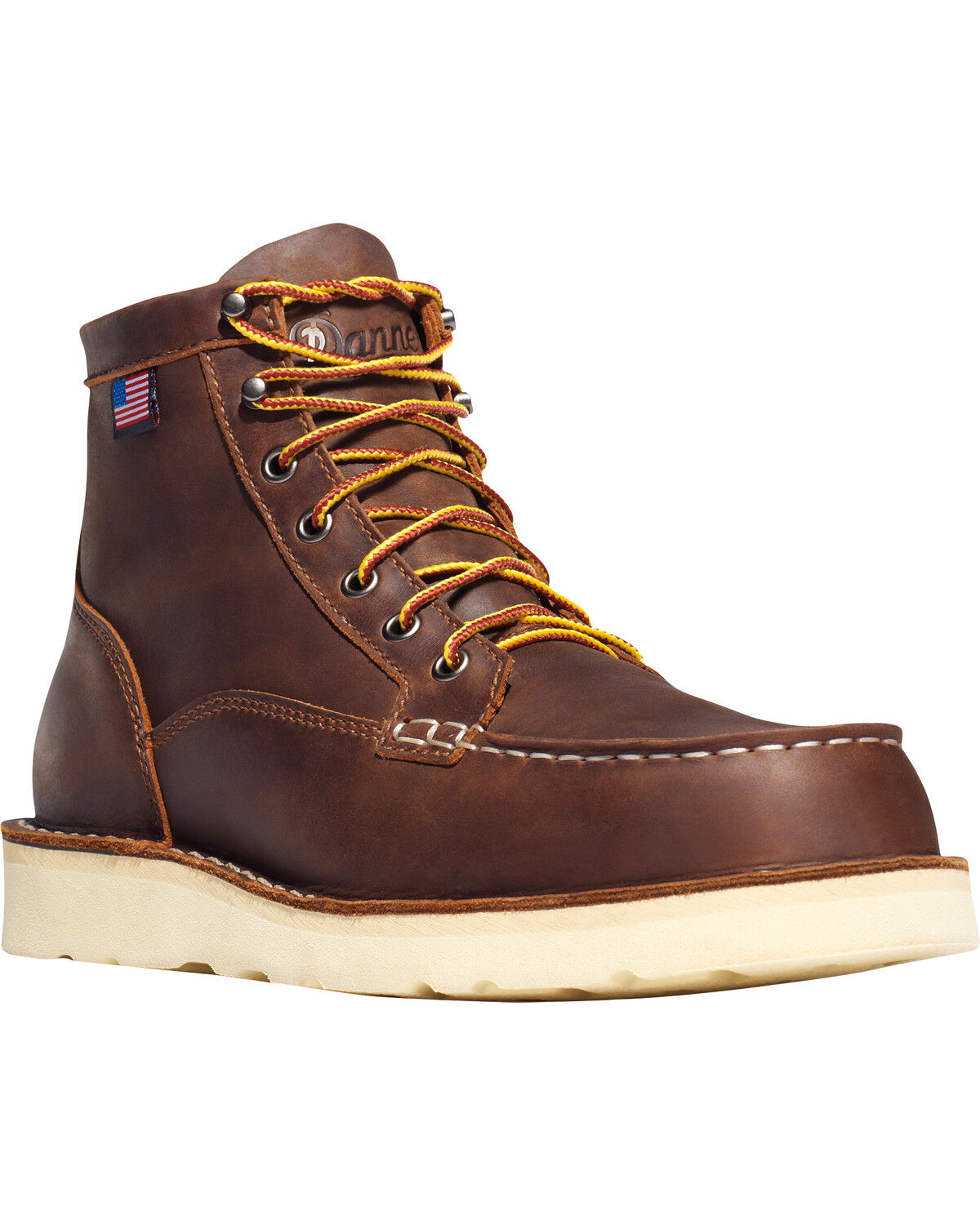
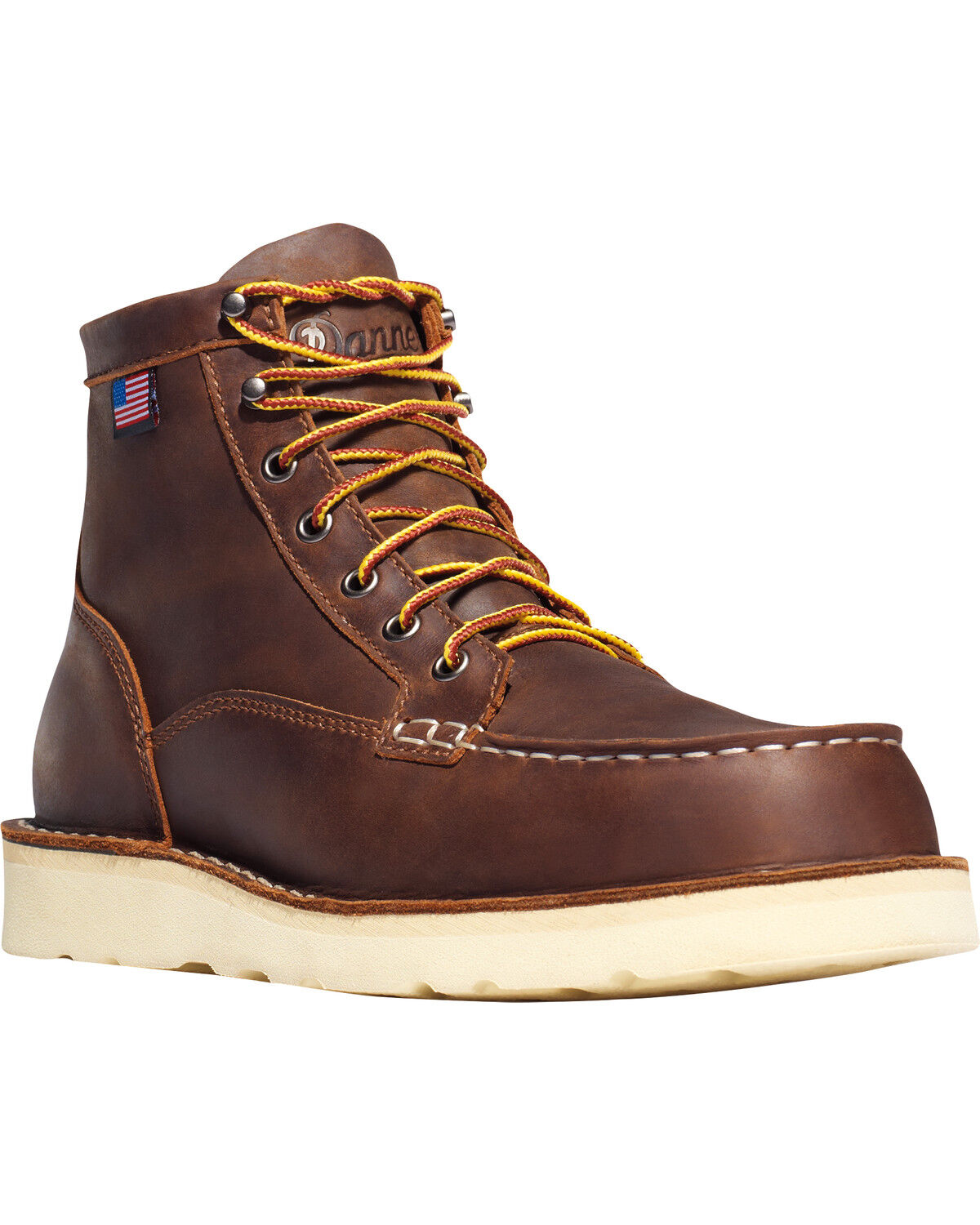
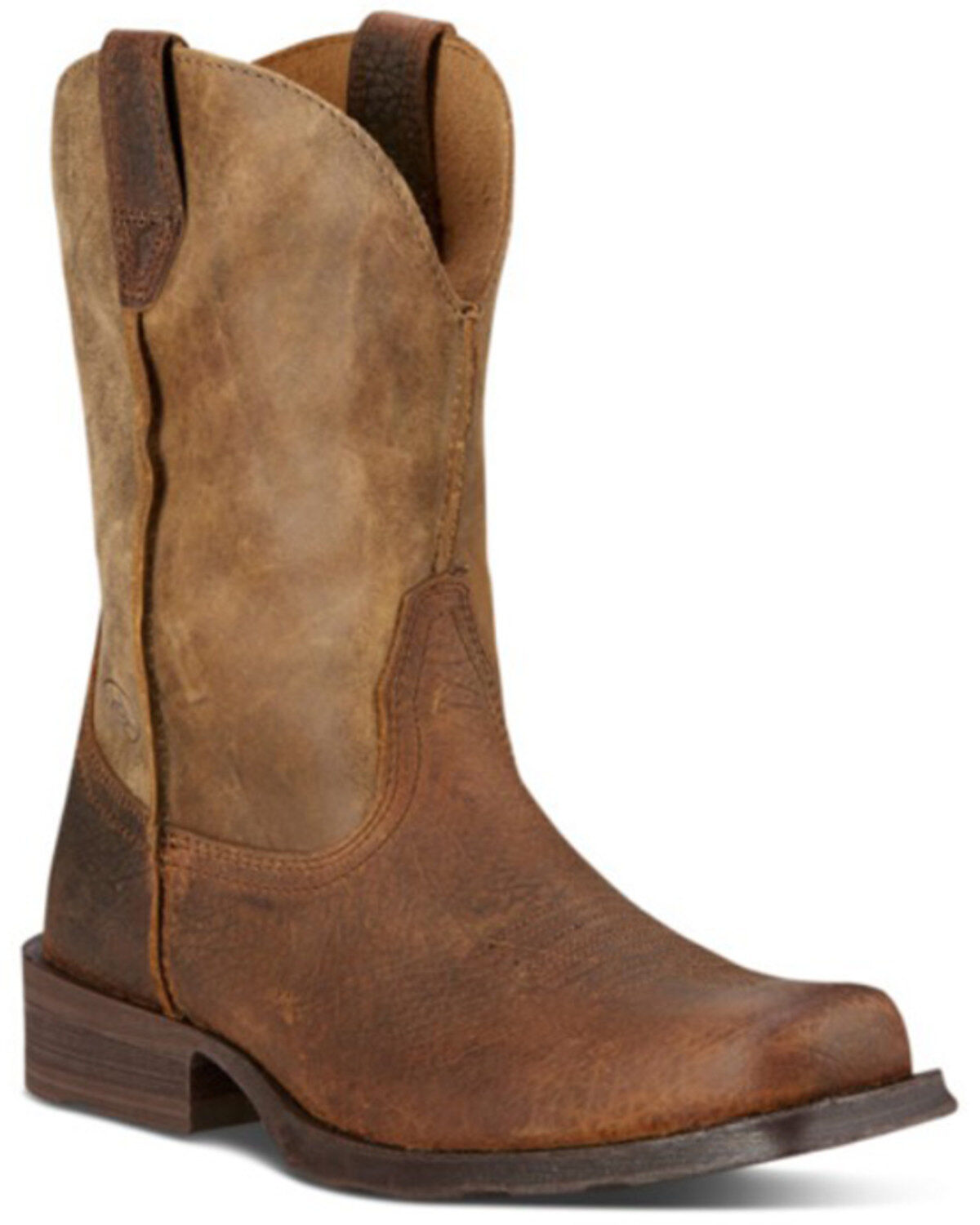
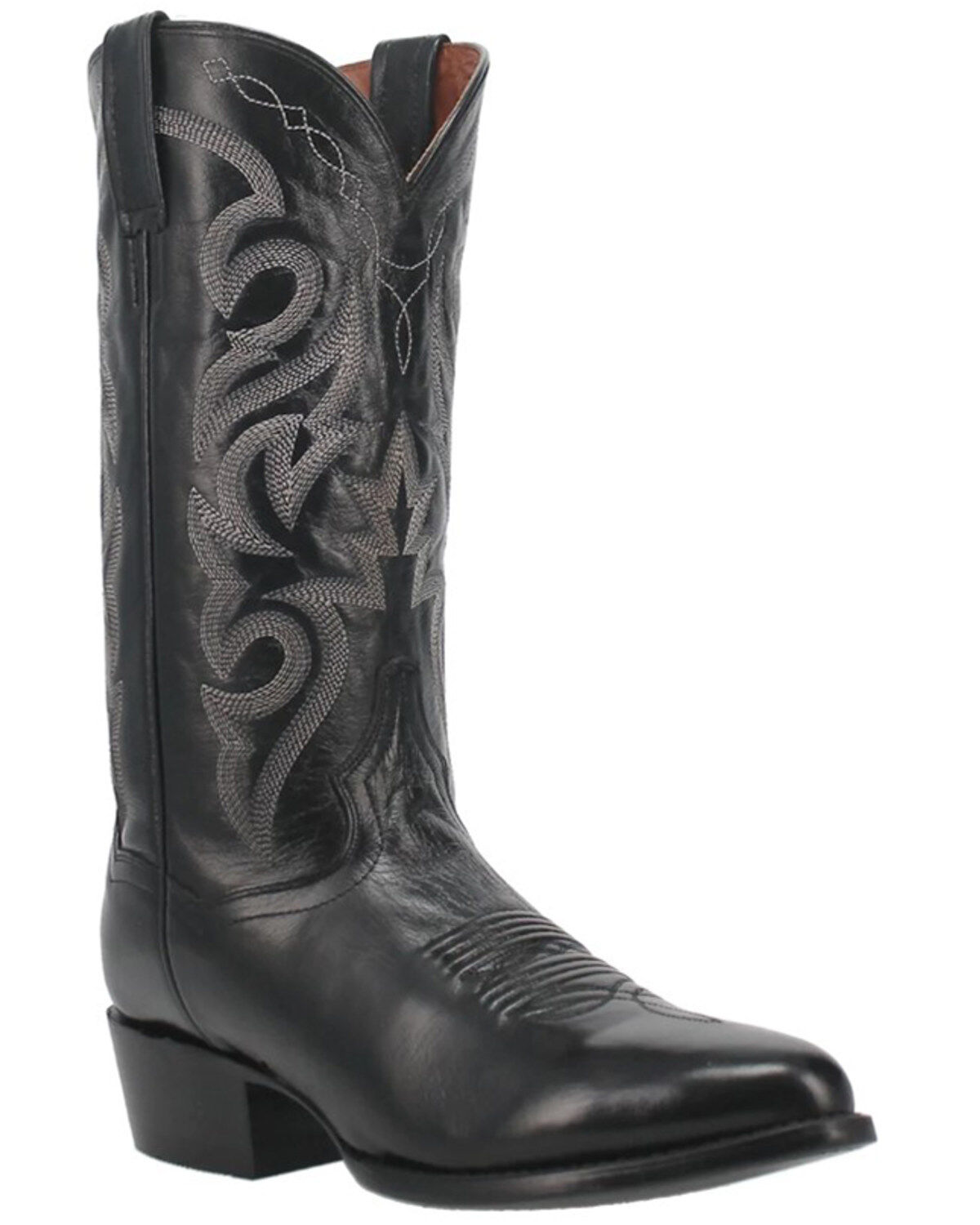
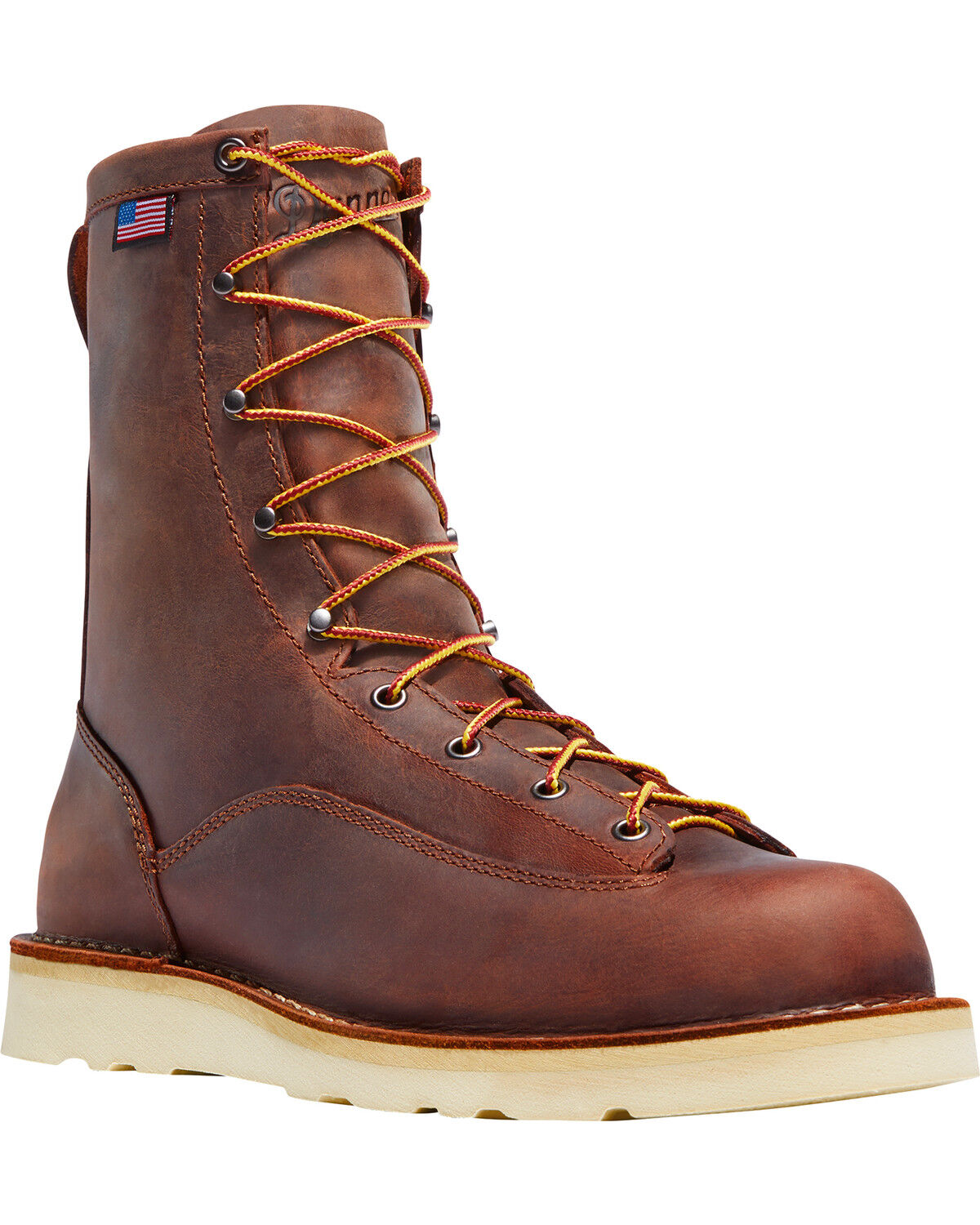
Harness Boots For Men

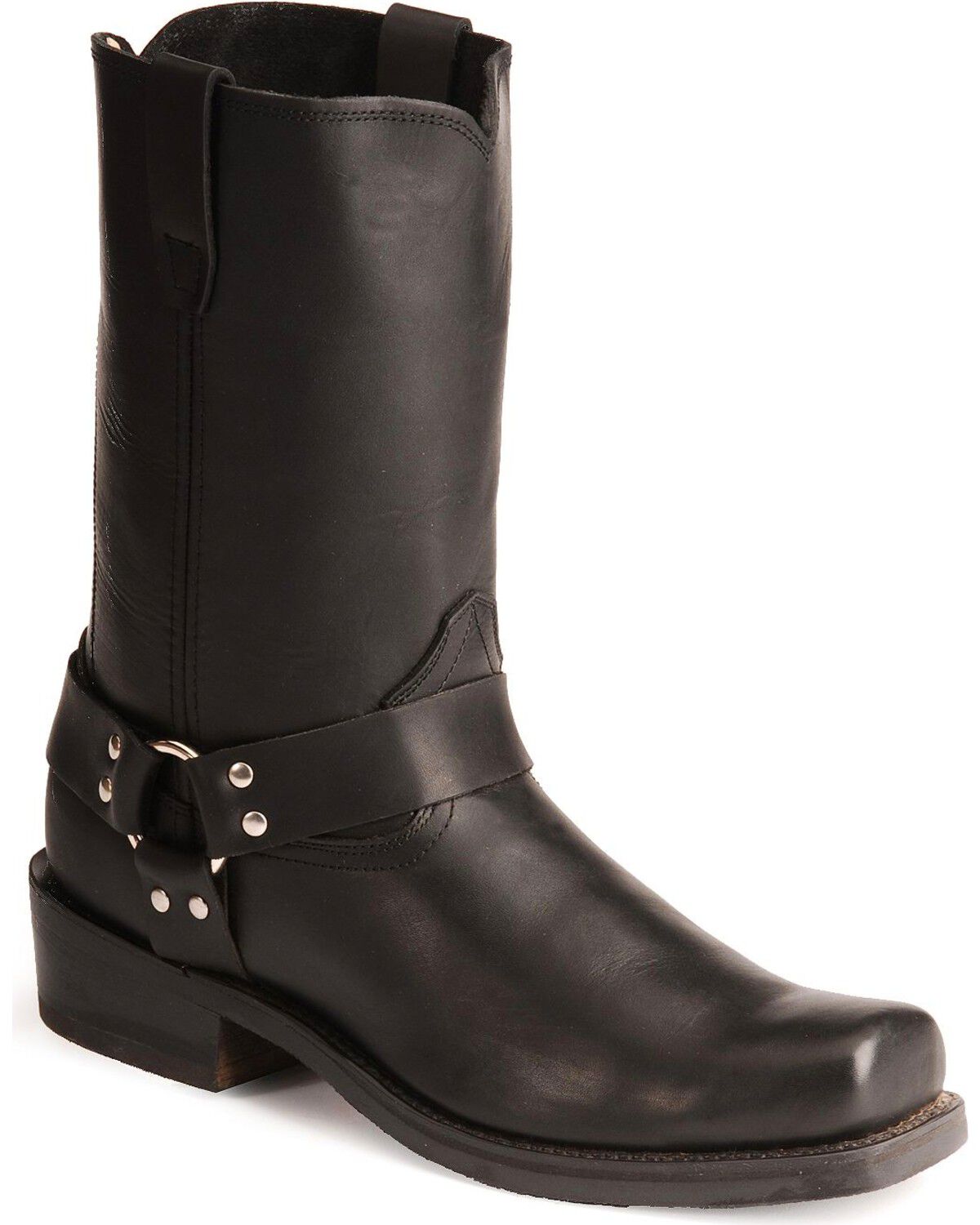
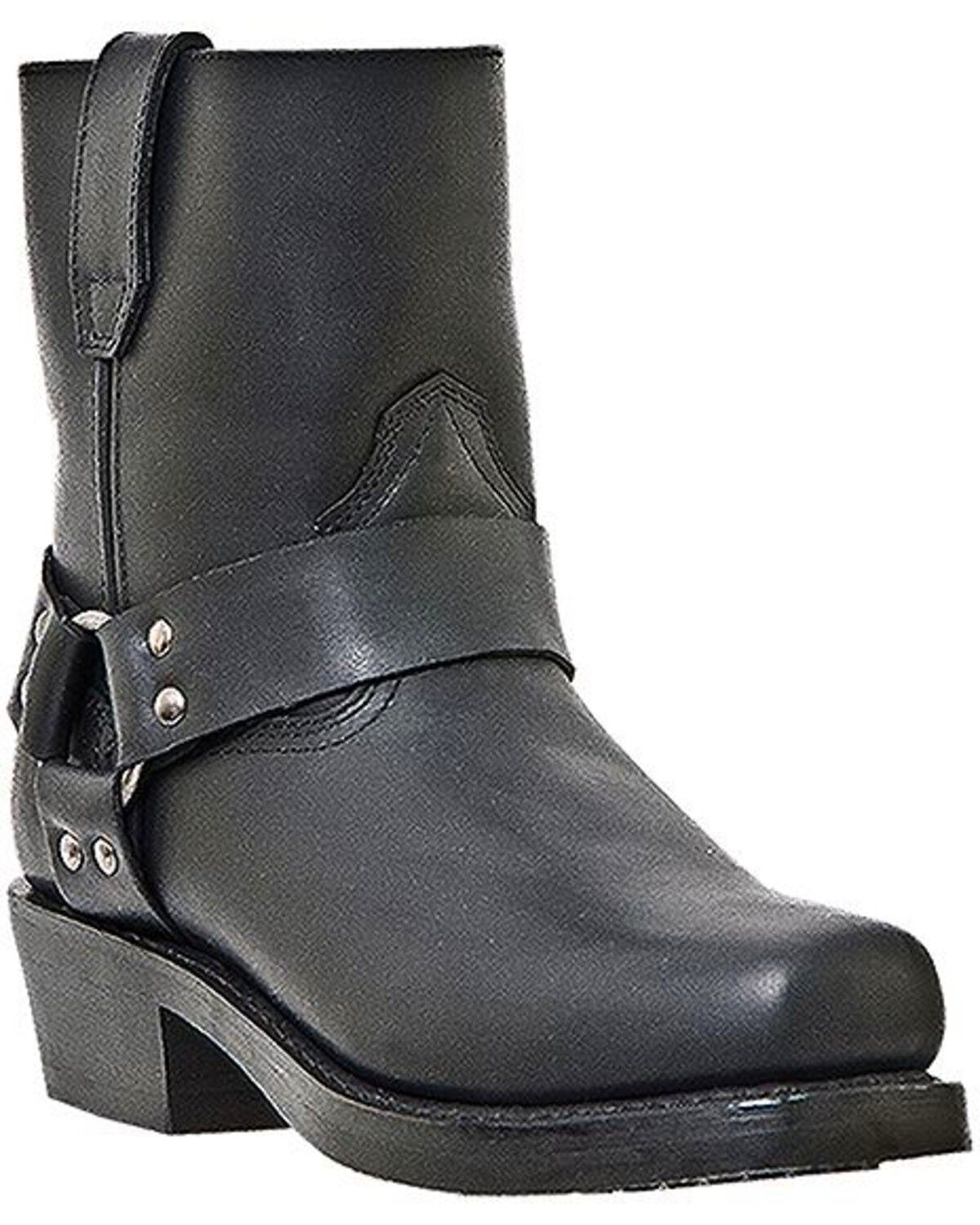
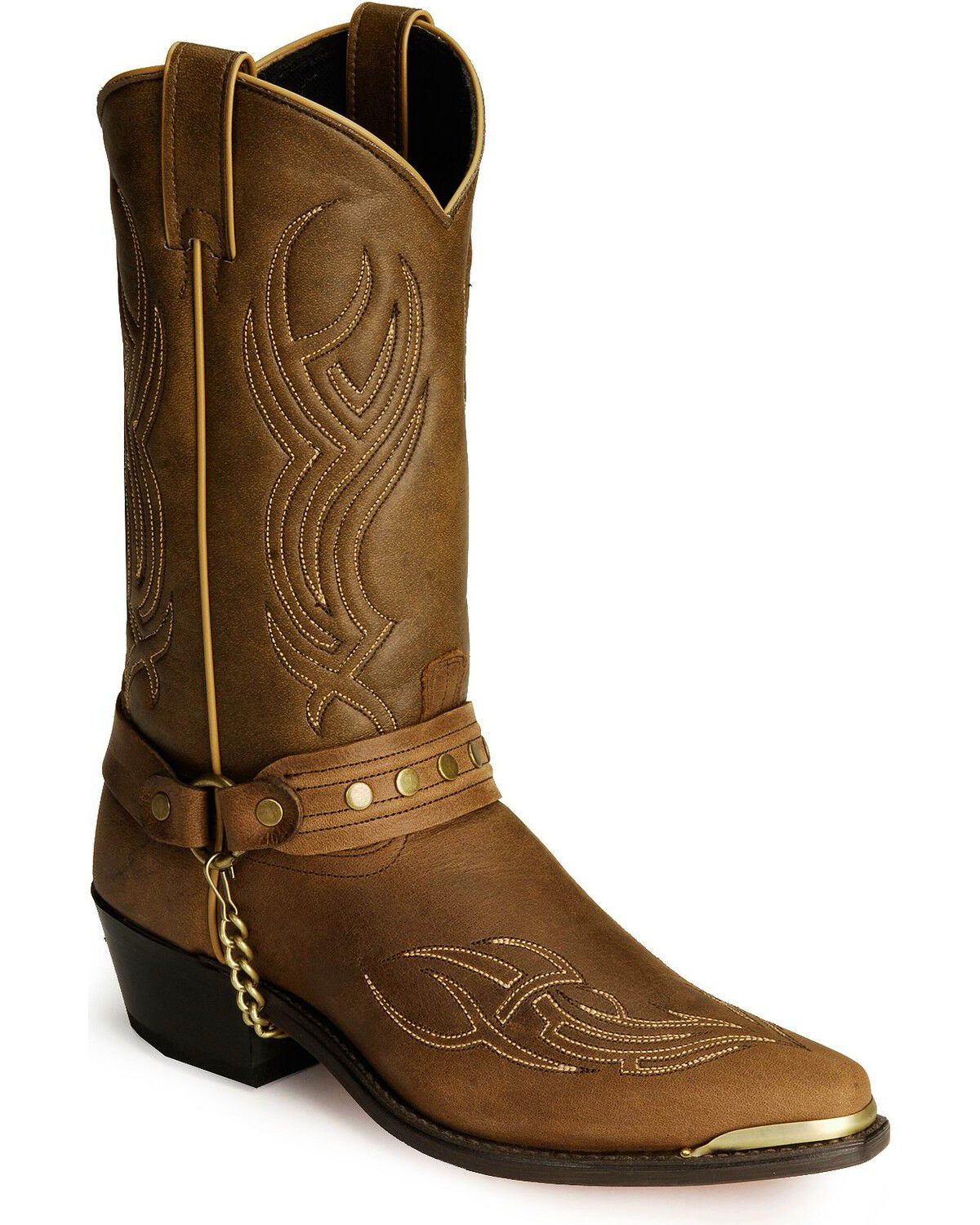
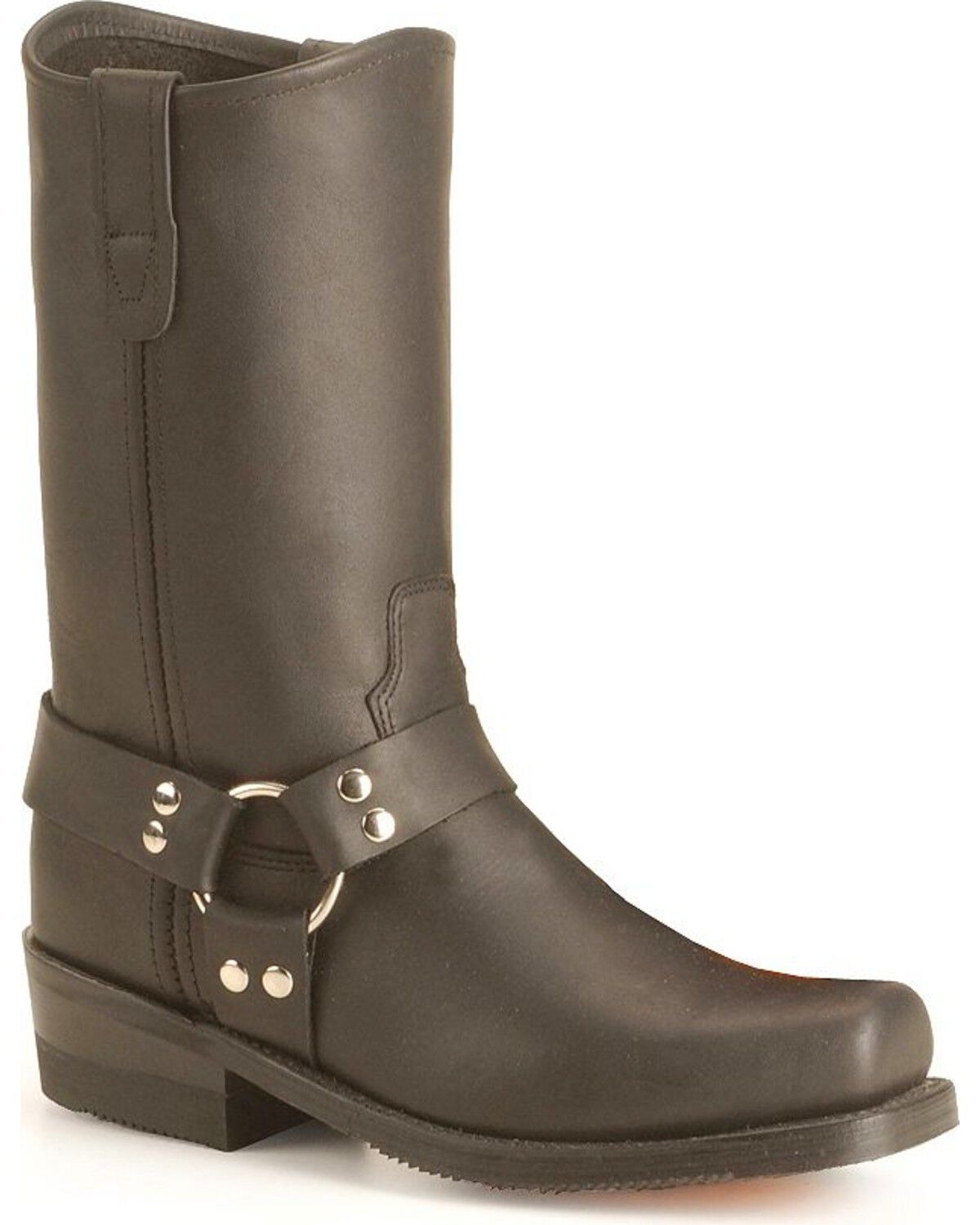
Find harness boots for men with the signature strap-and-ring detail that gives this style its distinct look. Browse the available options, compare designs, and check each pair’s fit and construction details to choose boots that suit your everyday wear.

Shop Your Store: Shop Your Store: Find a Store

(Turn off Shop Your Store to see all items)

(Turn off Shop Your Store to see all items)

close
  • Recommended
  • Lowest Price
  • Highest Price
Skip pass products

End of products

Harness Boots For Men

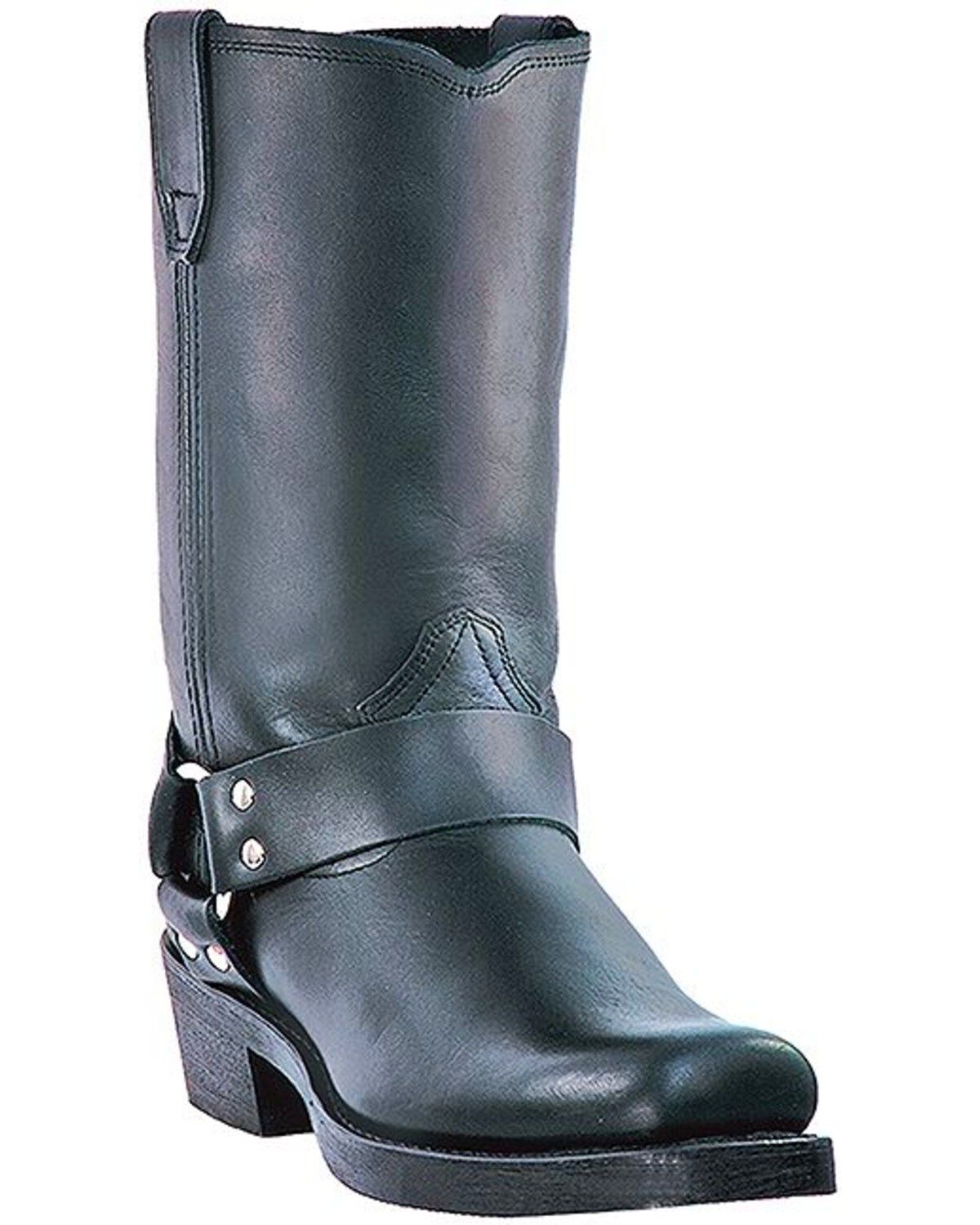
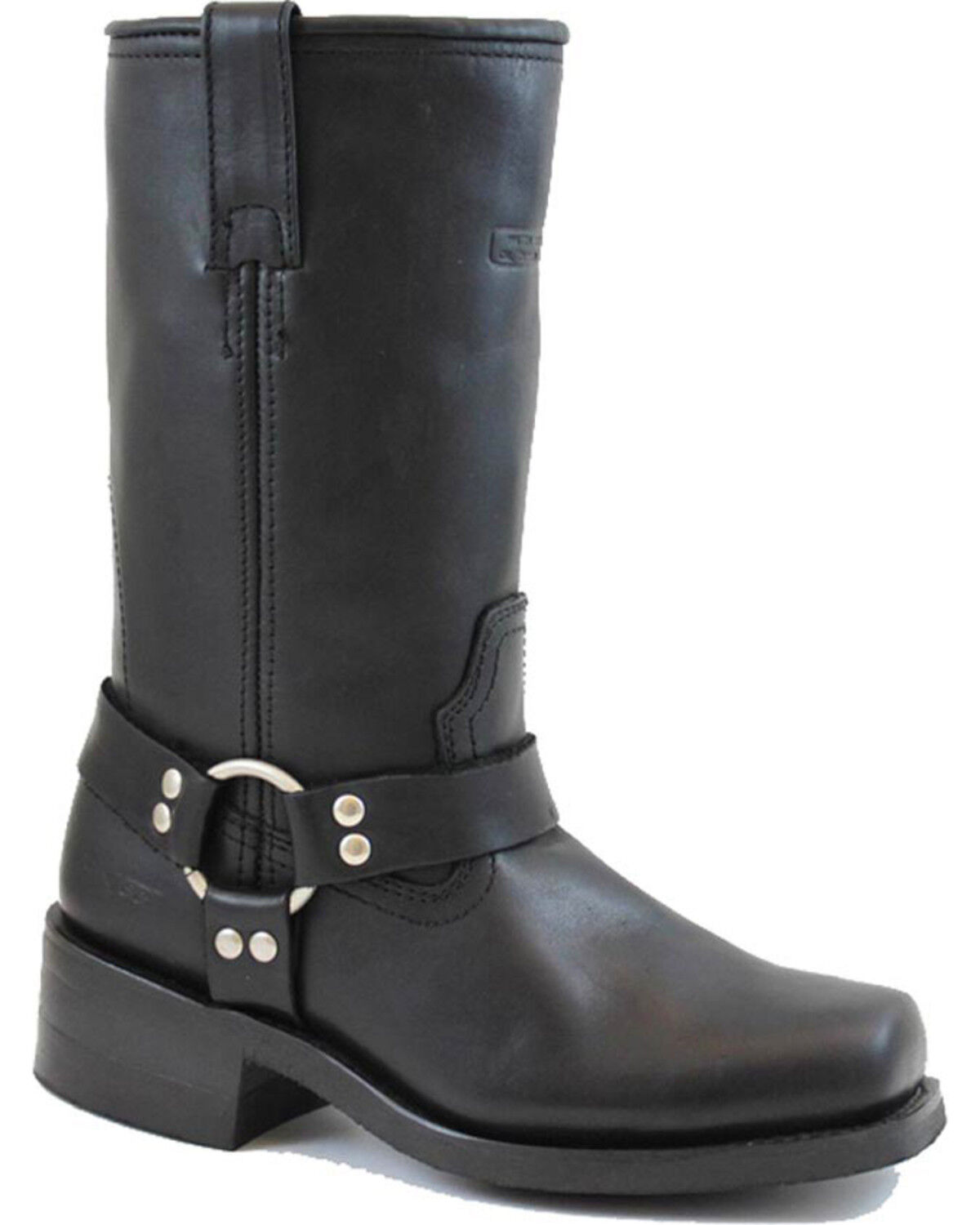
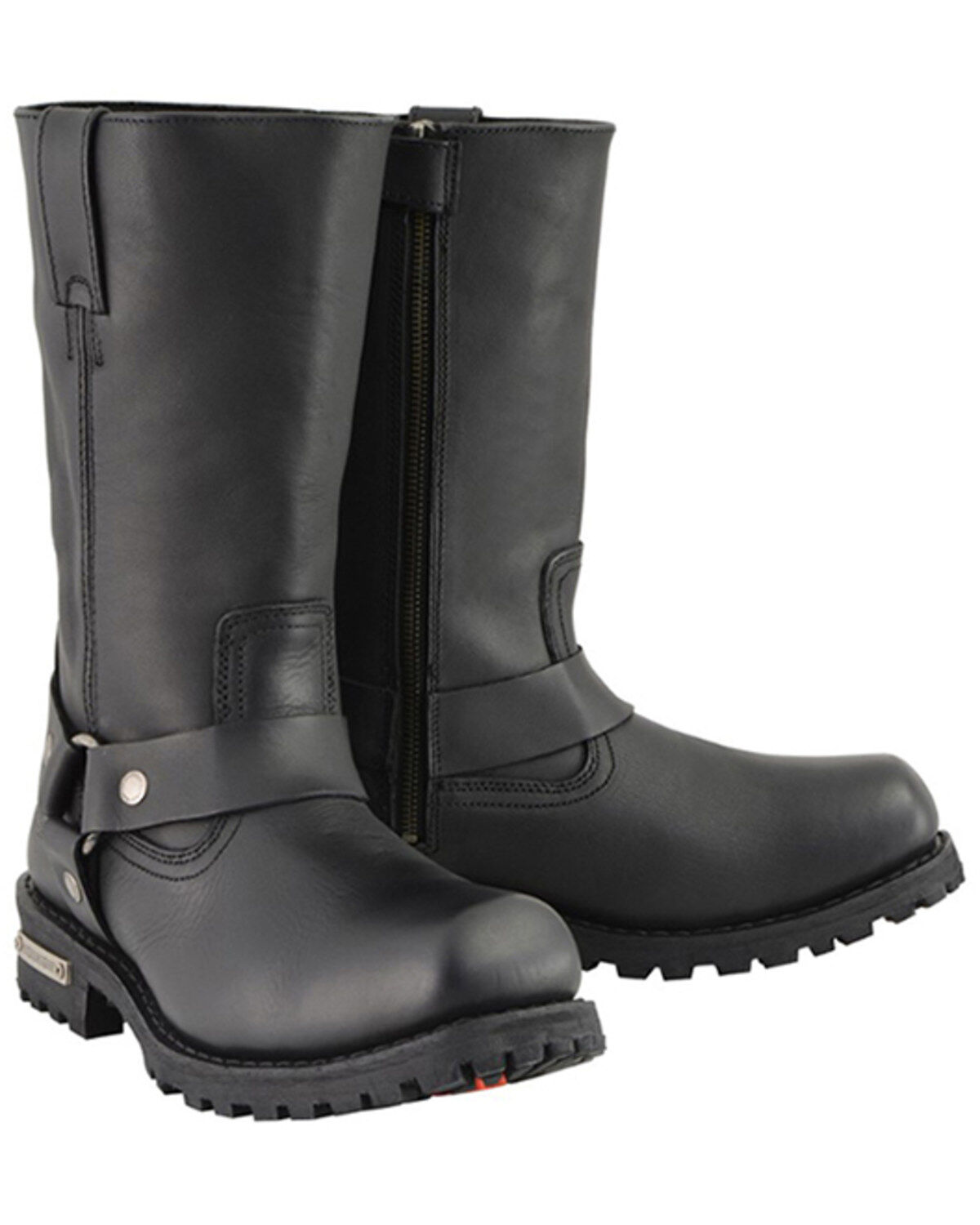
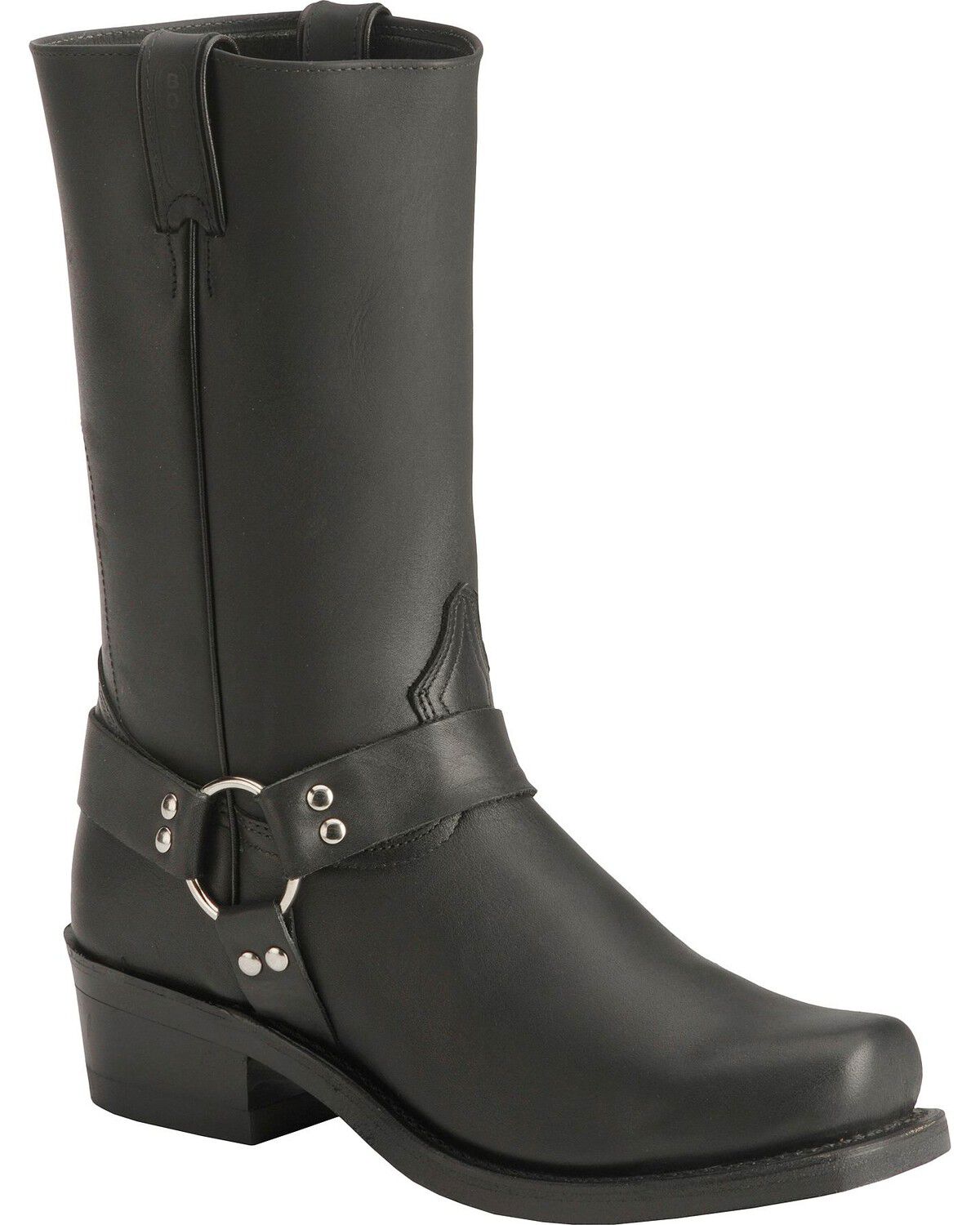
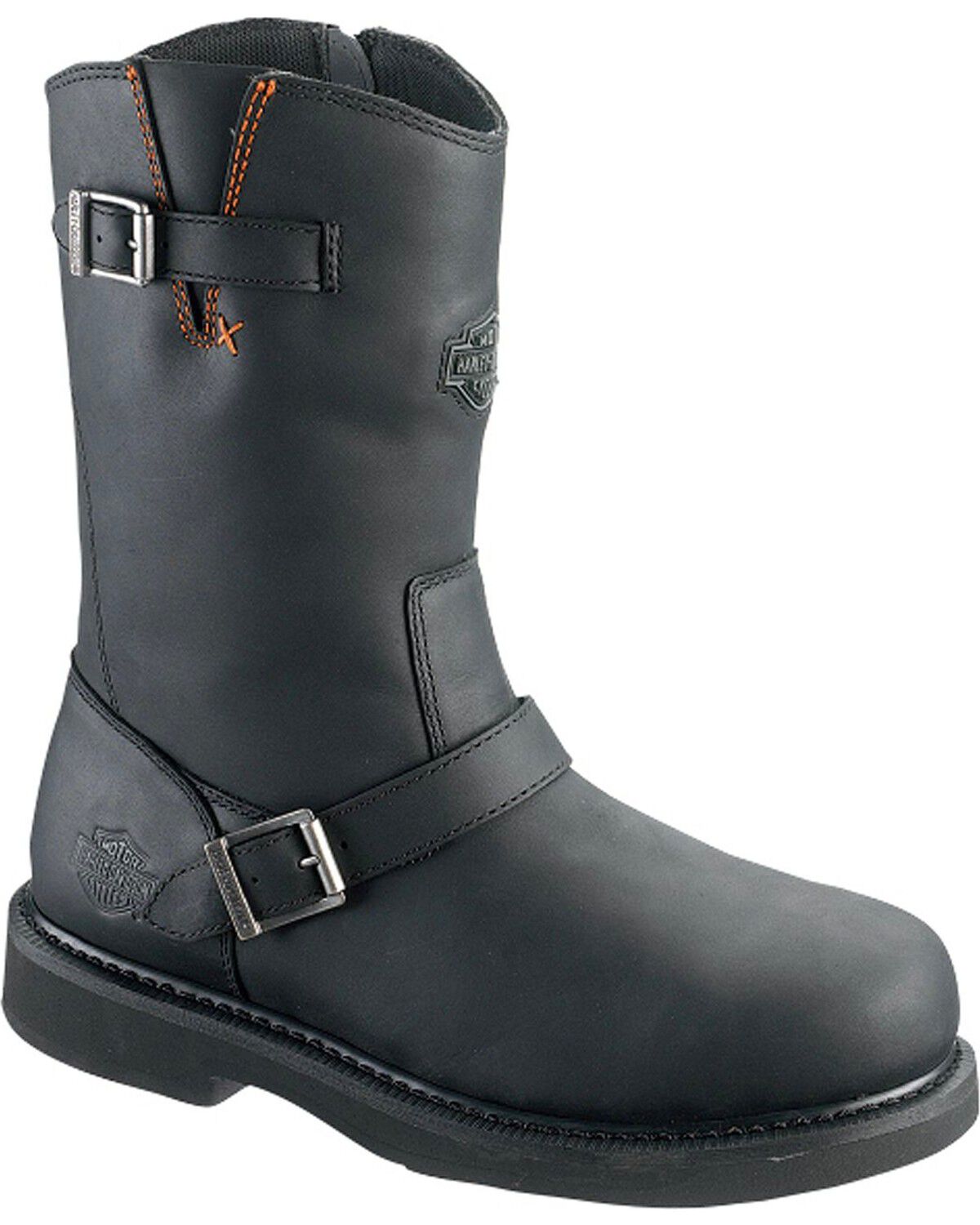
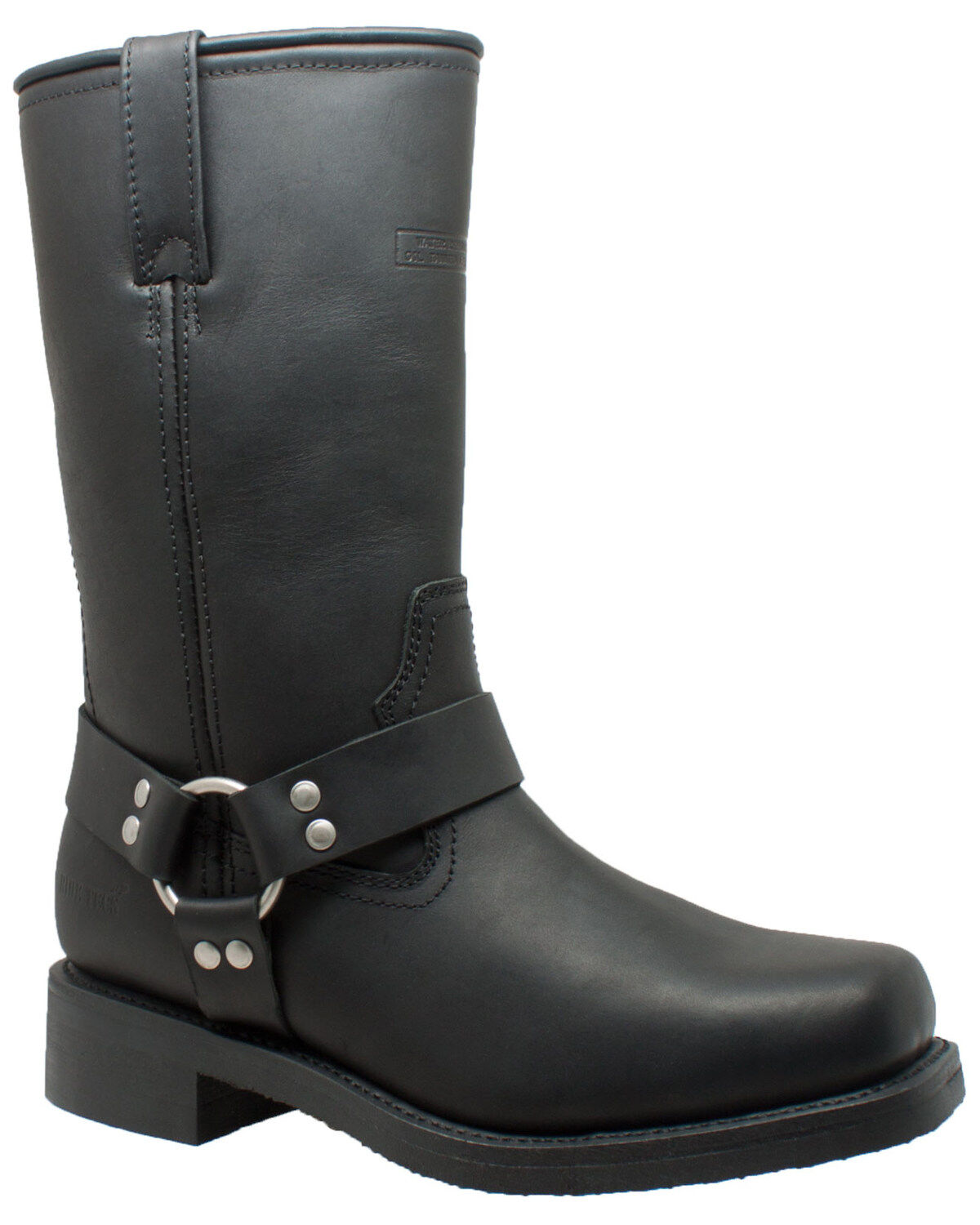
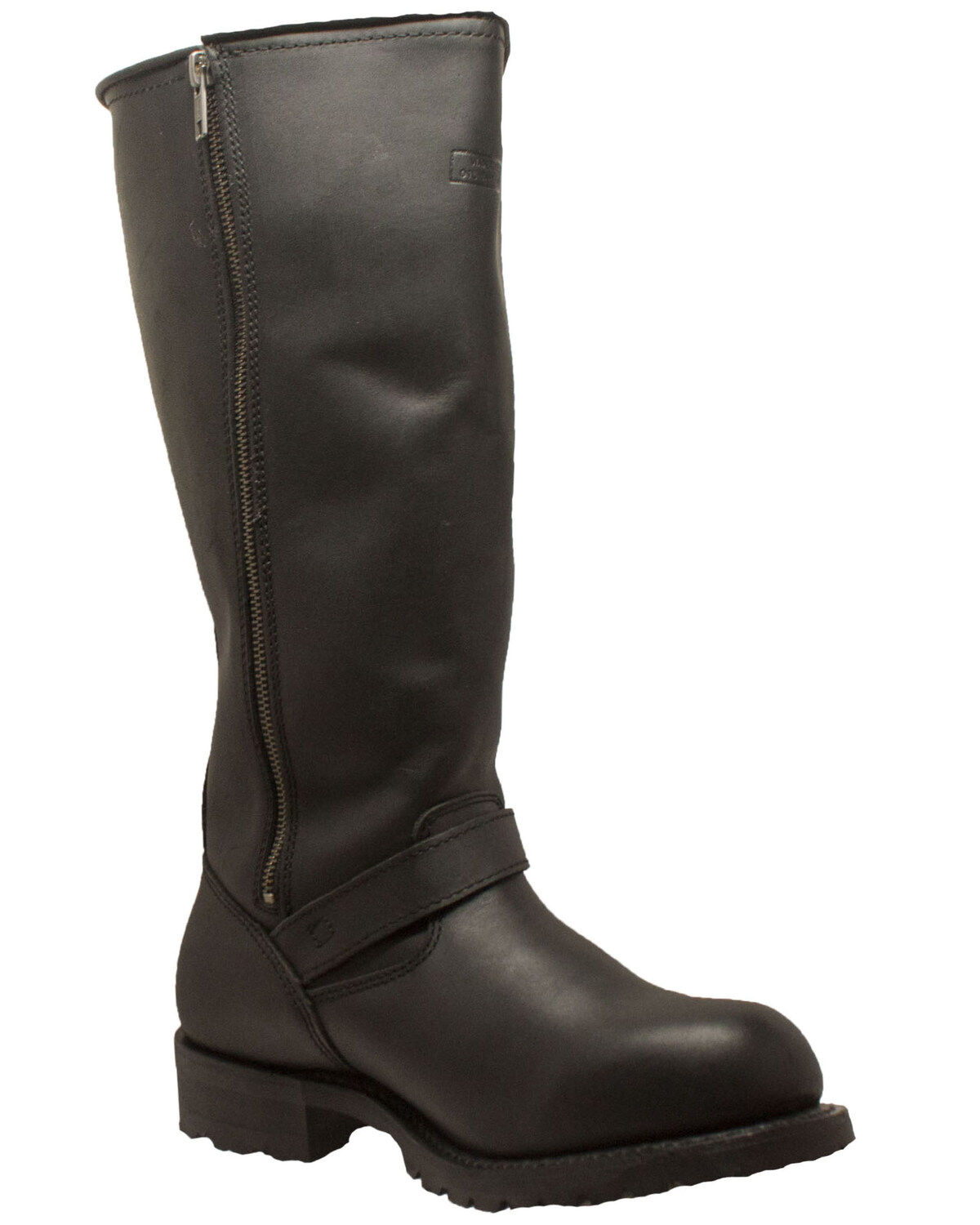
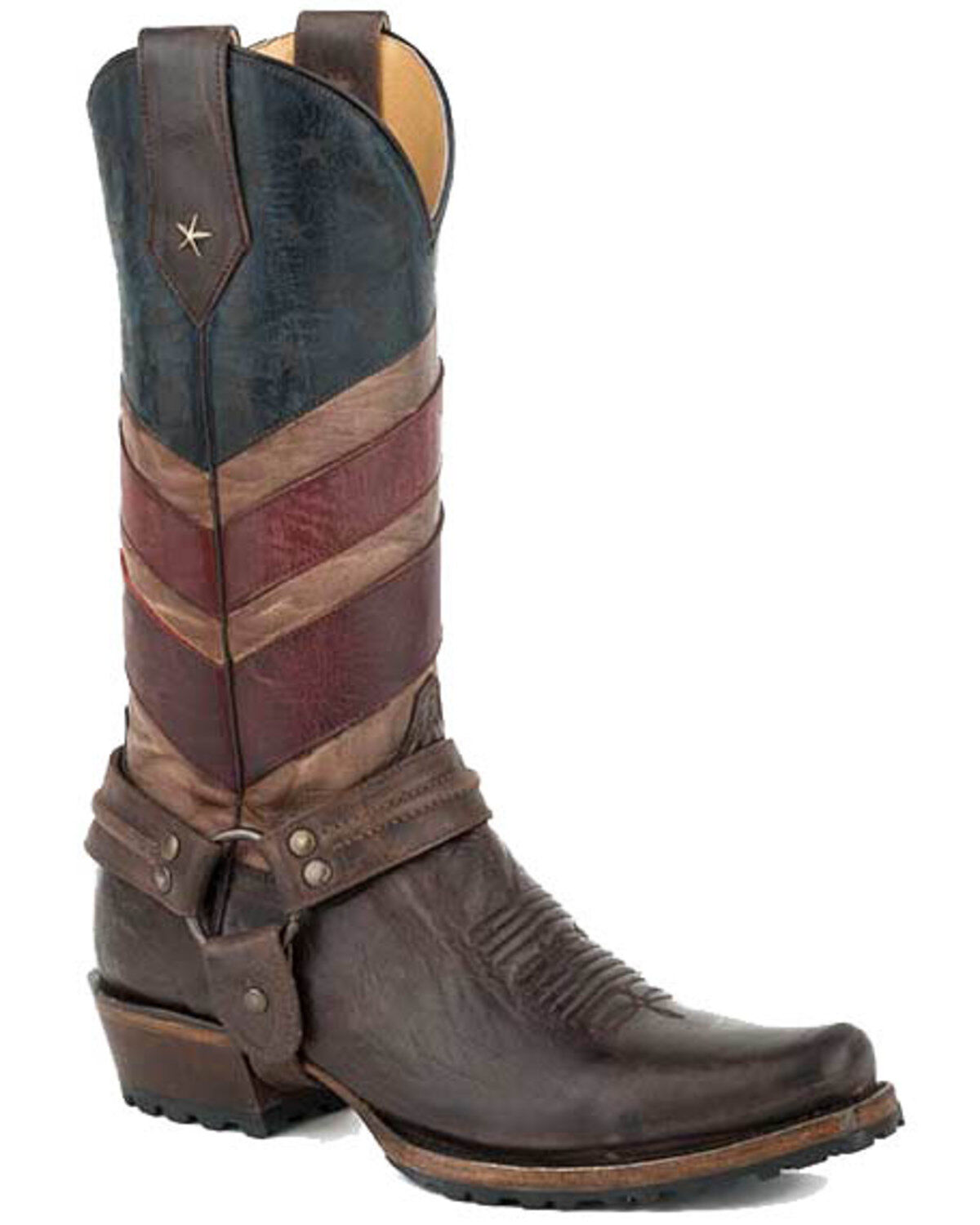
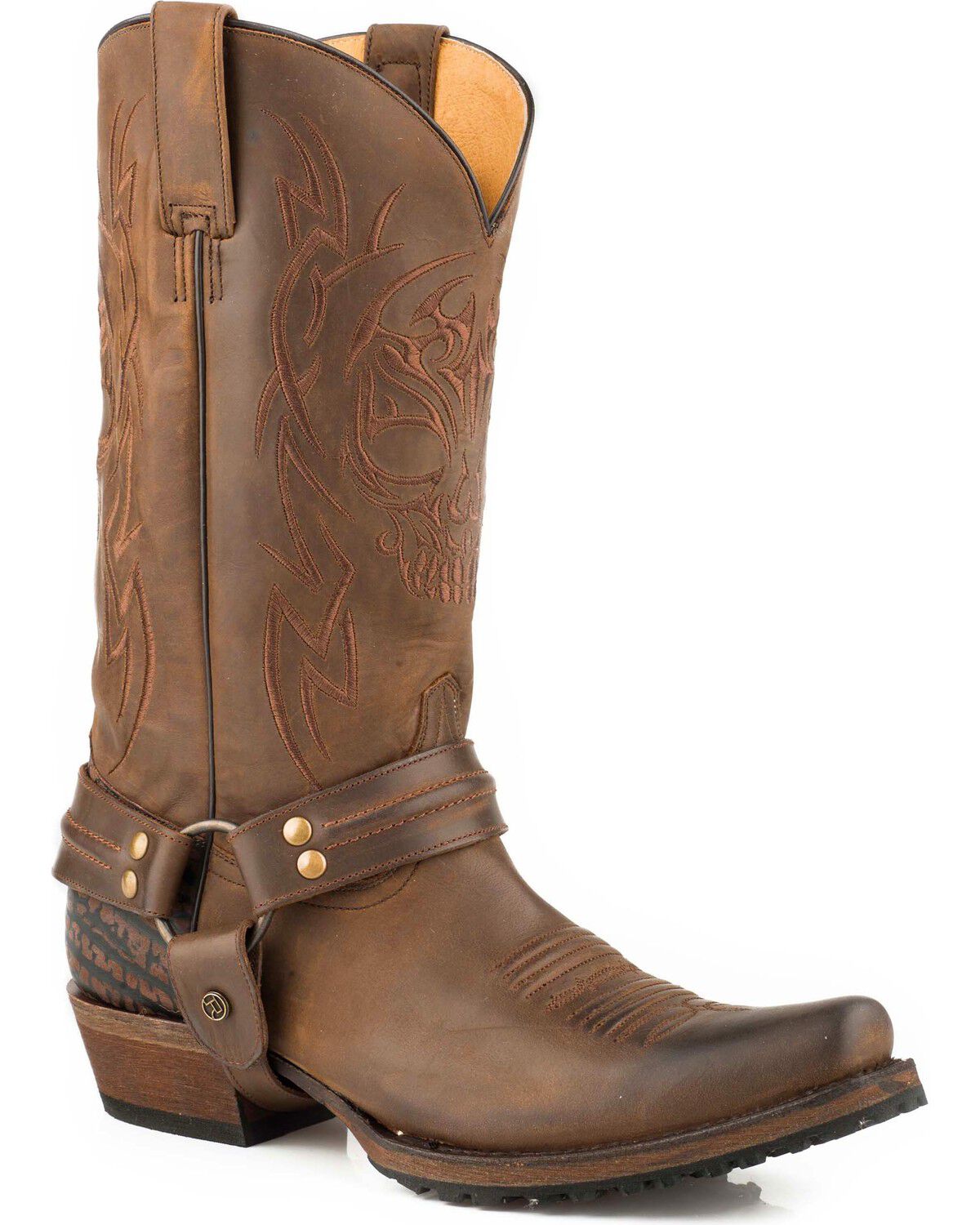
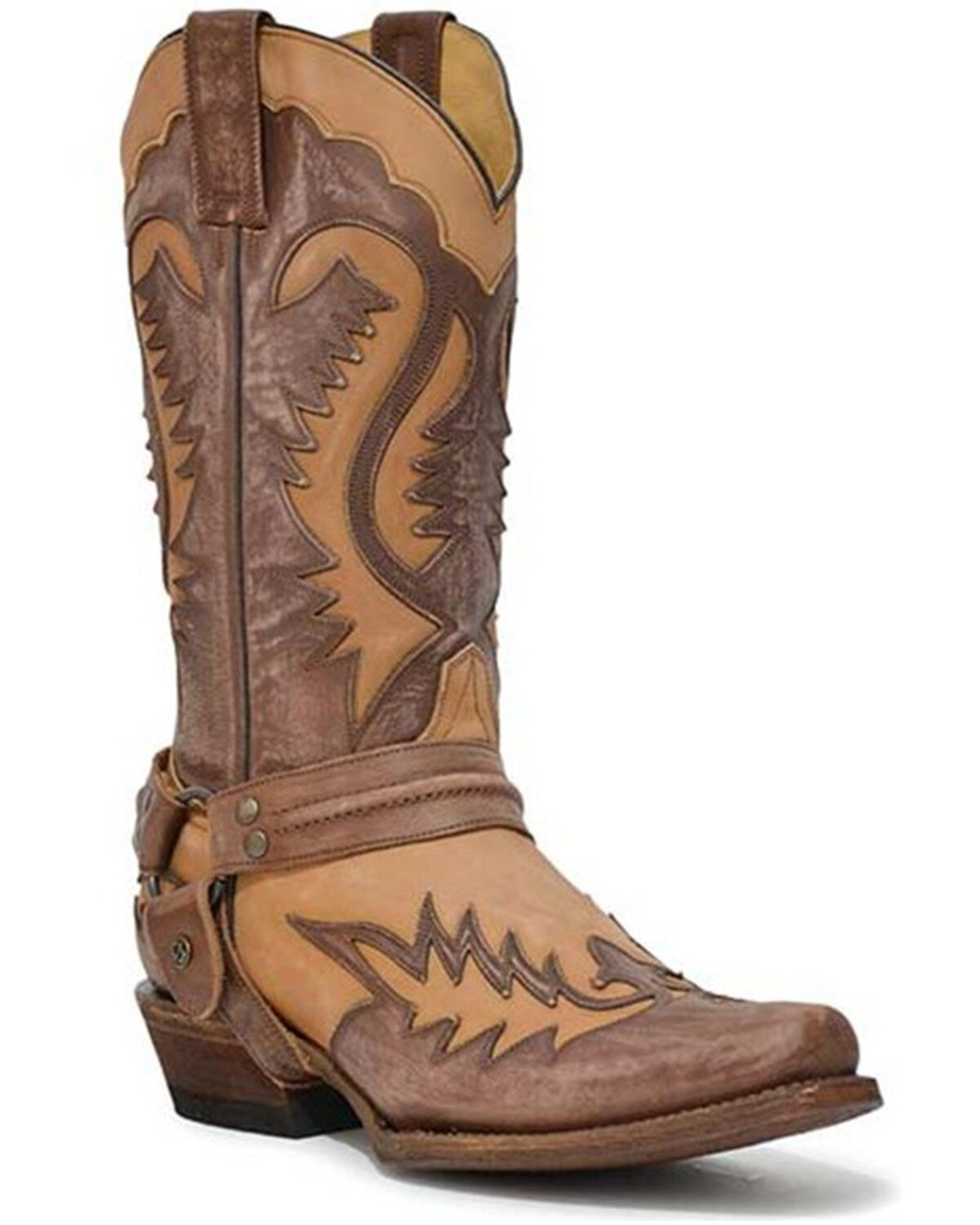
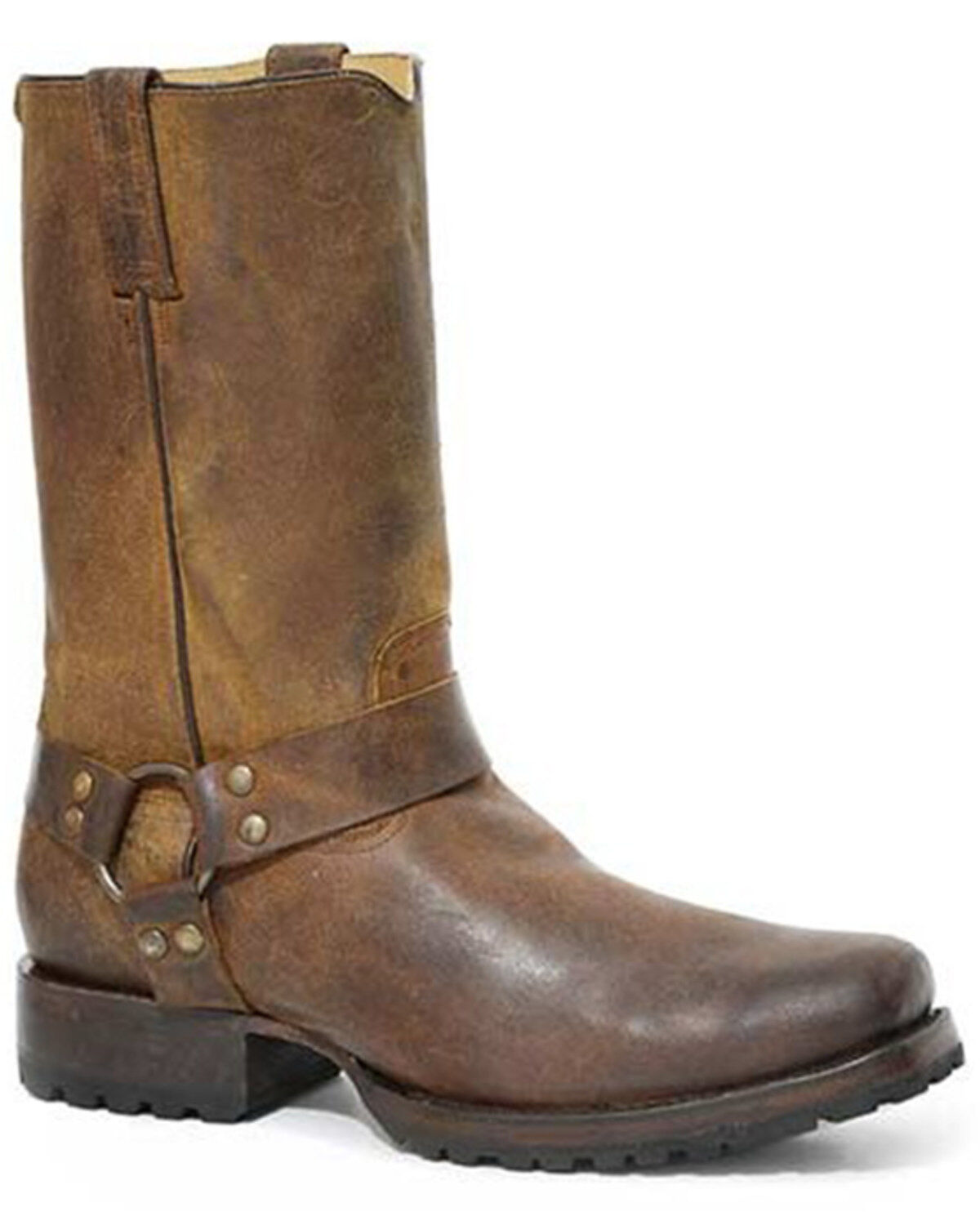
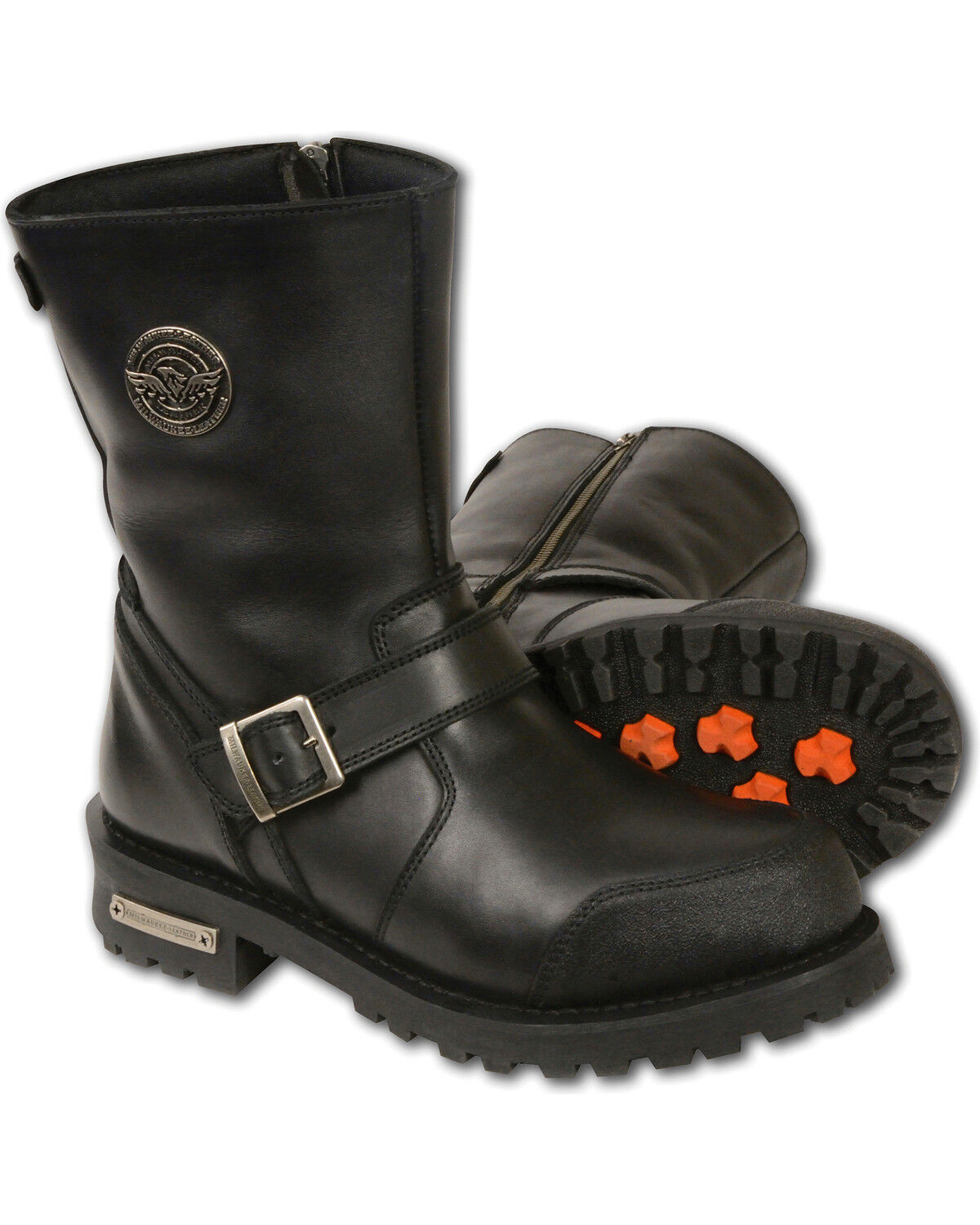
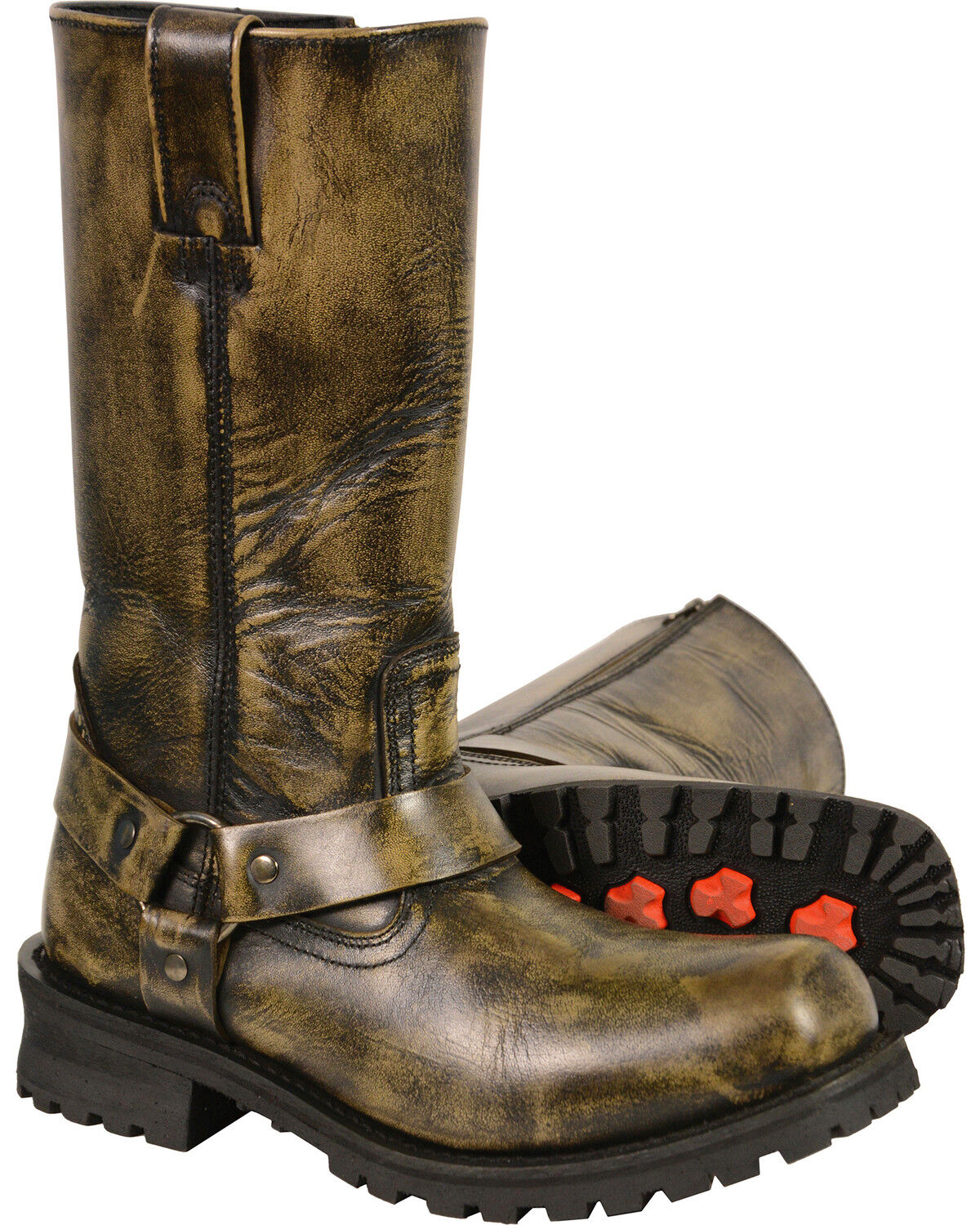
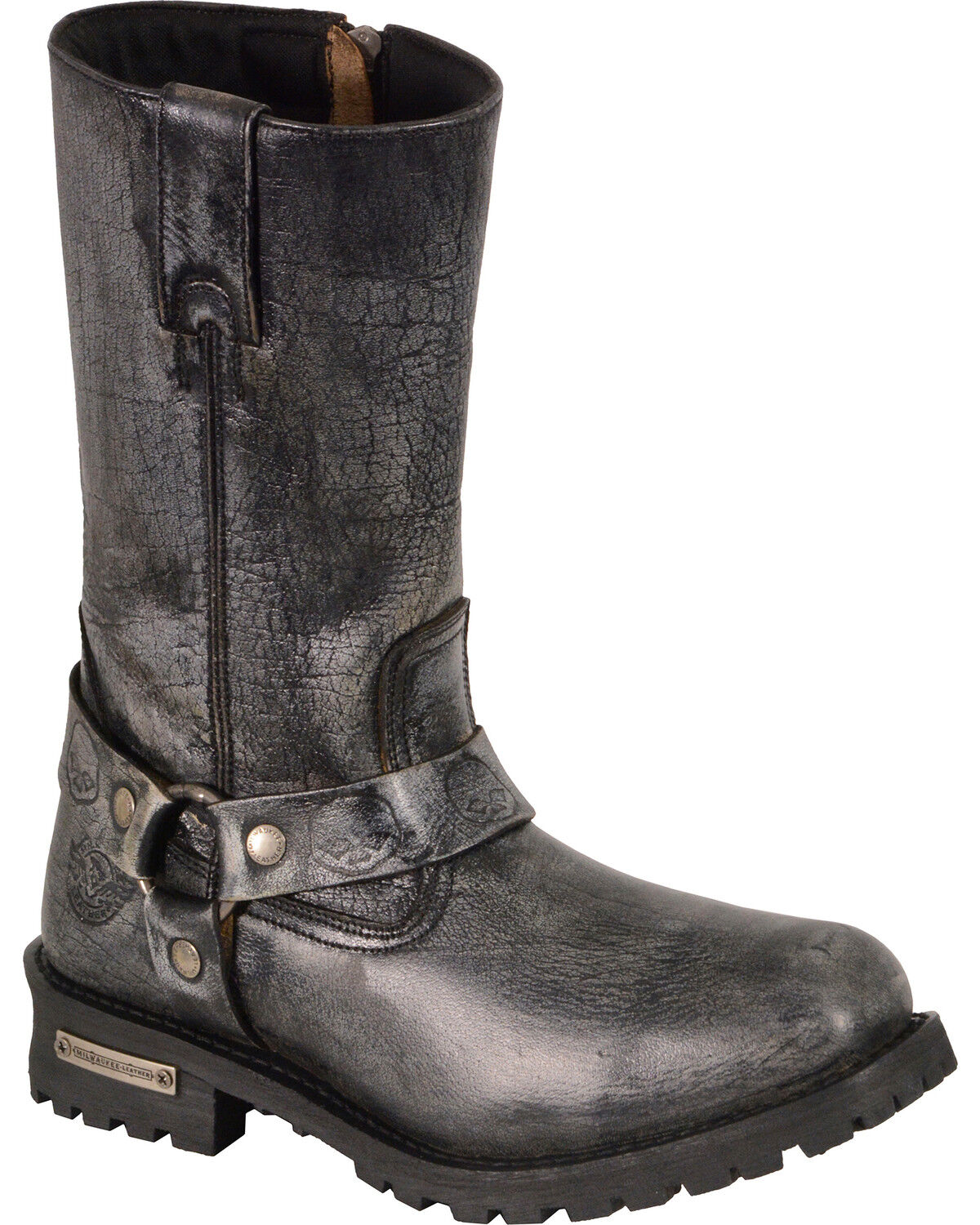
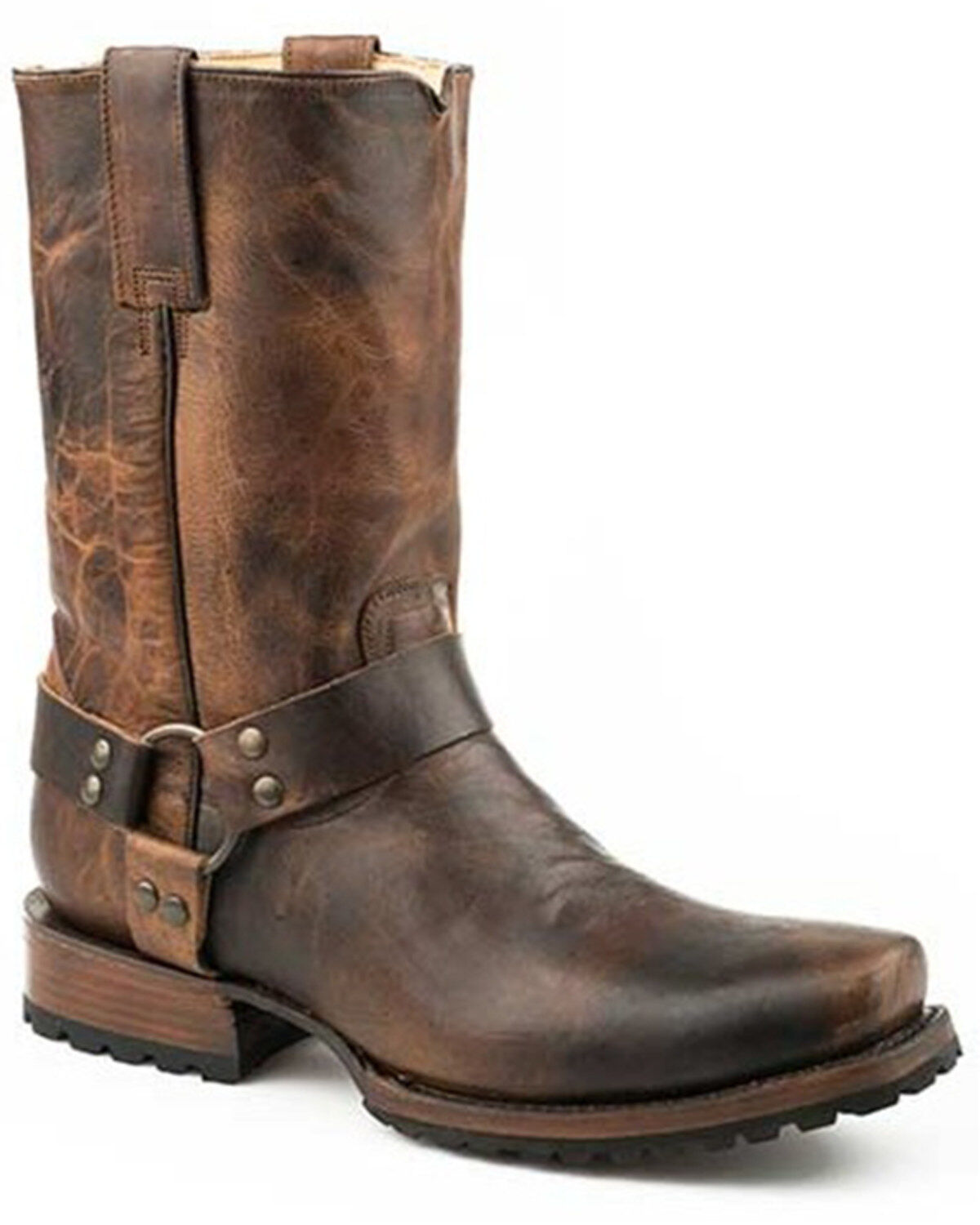
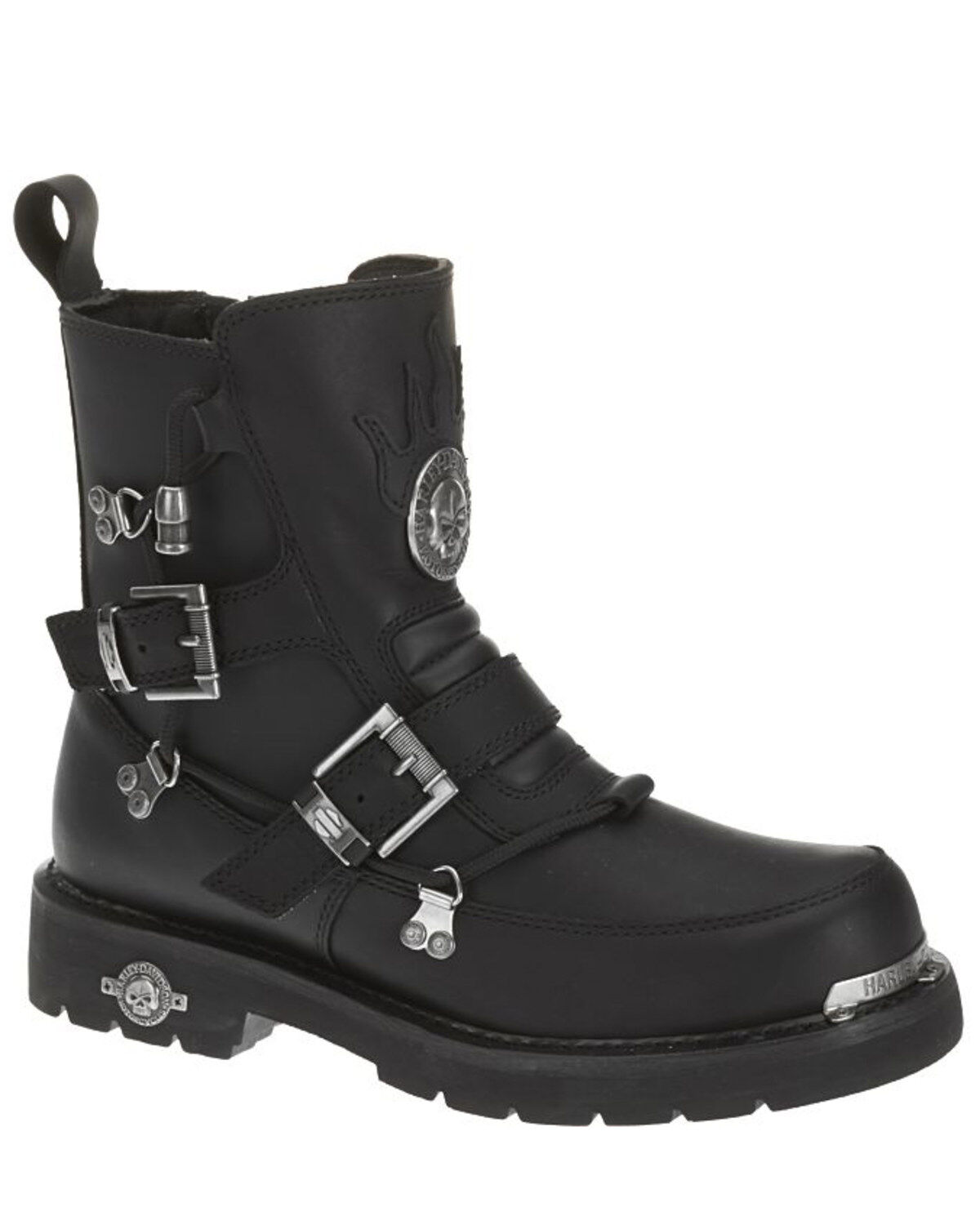
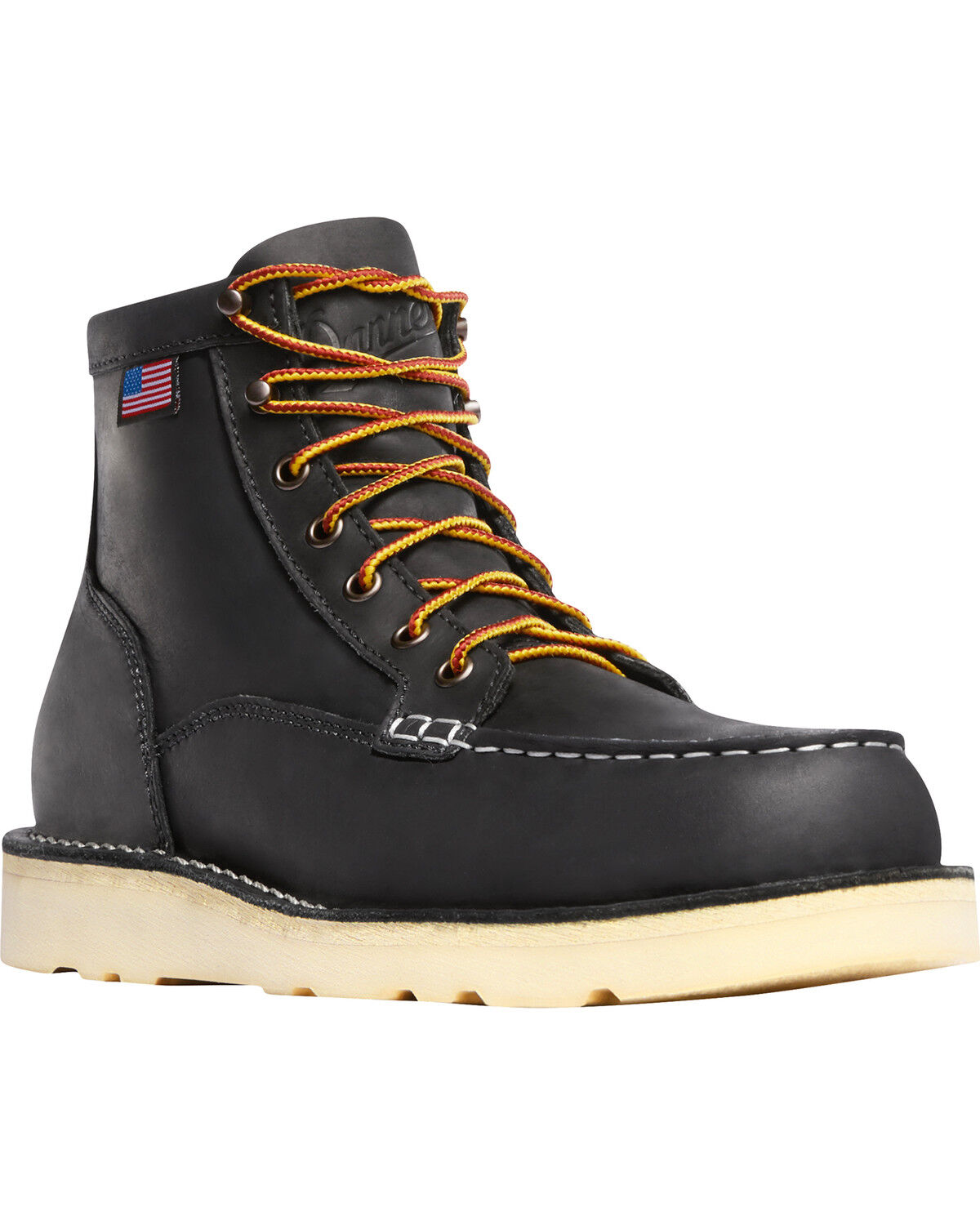
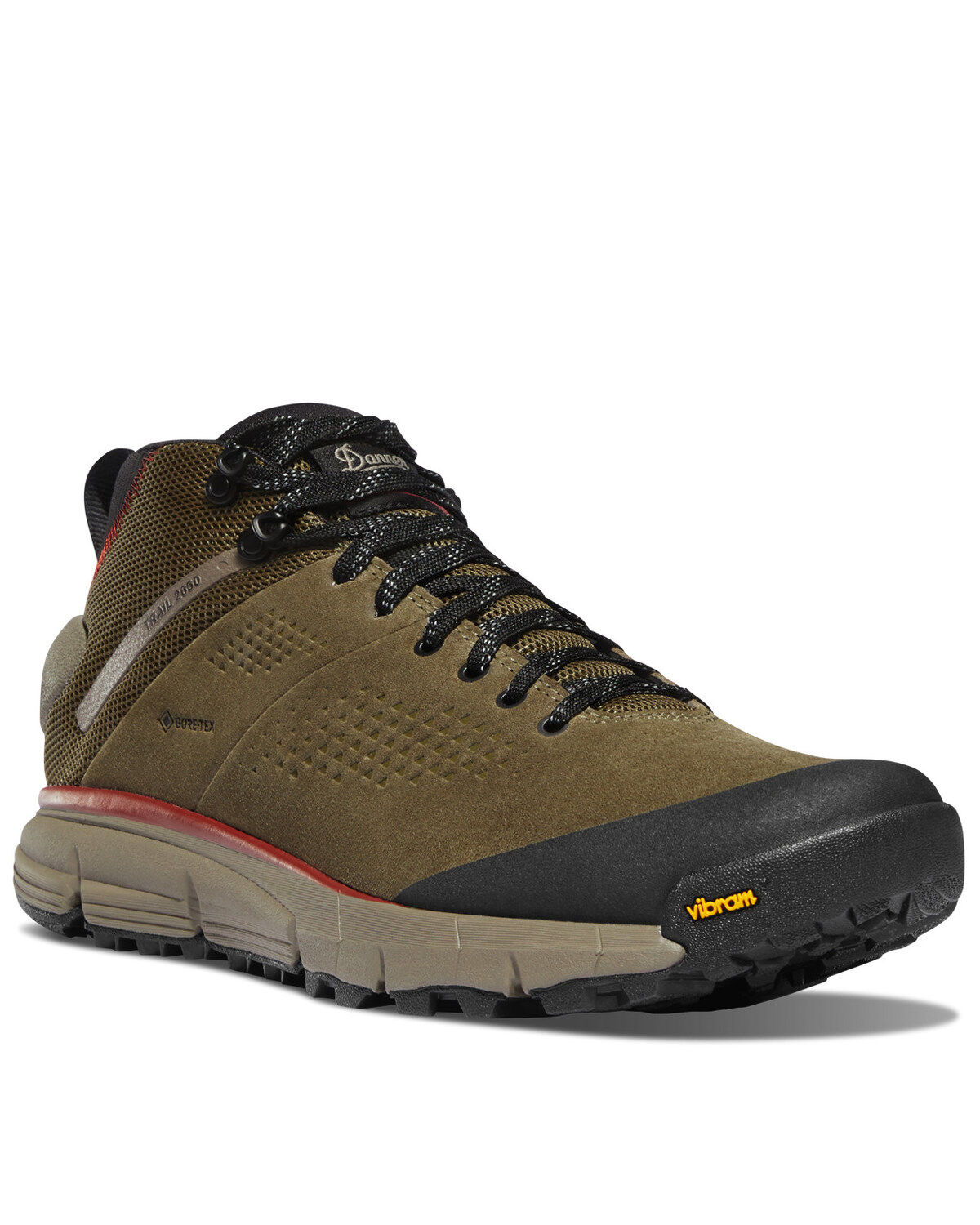
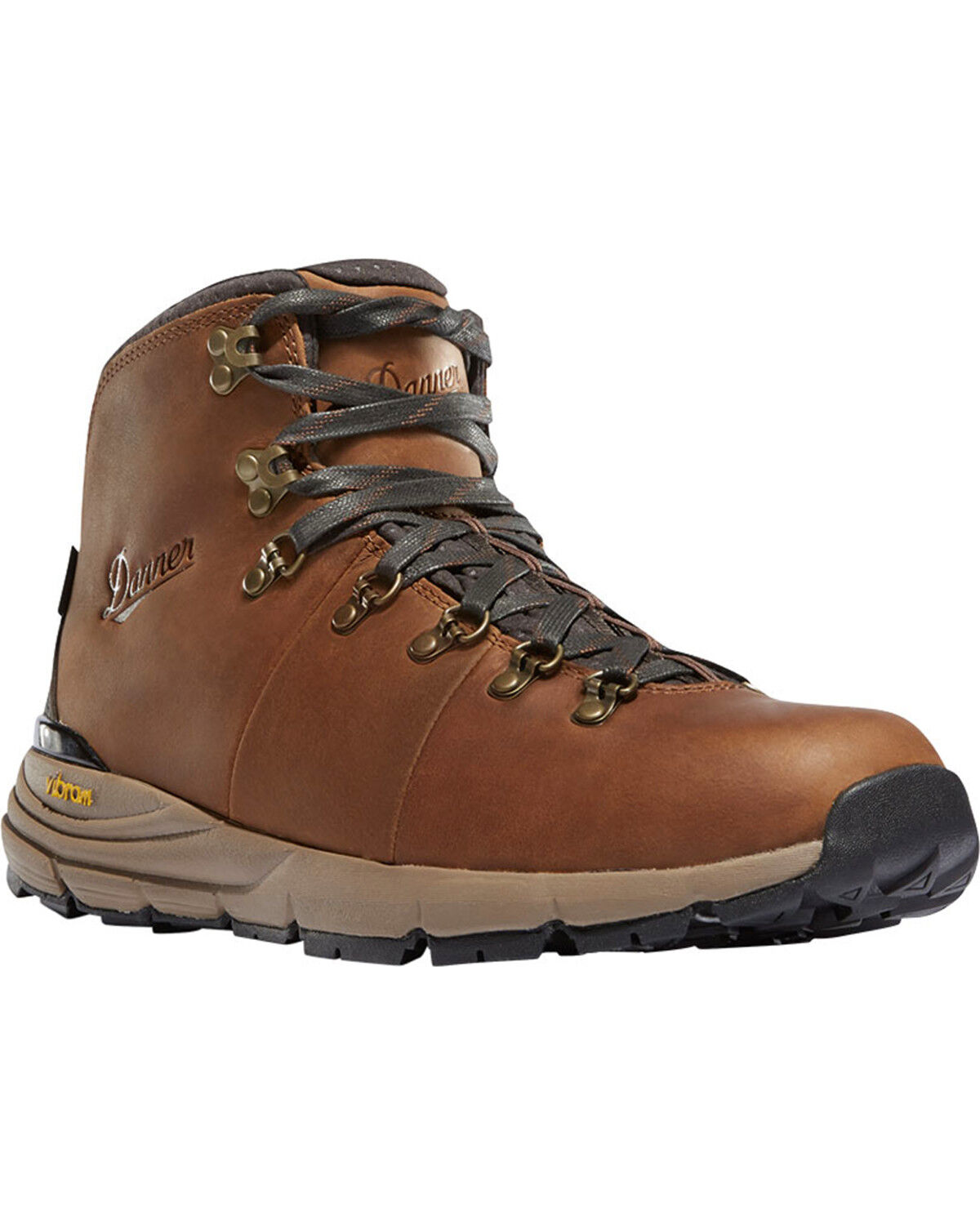
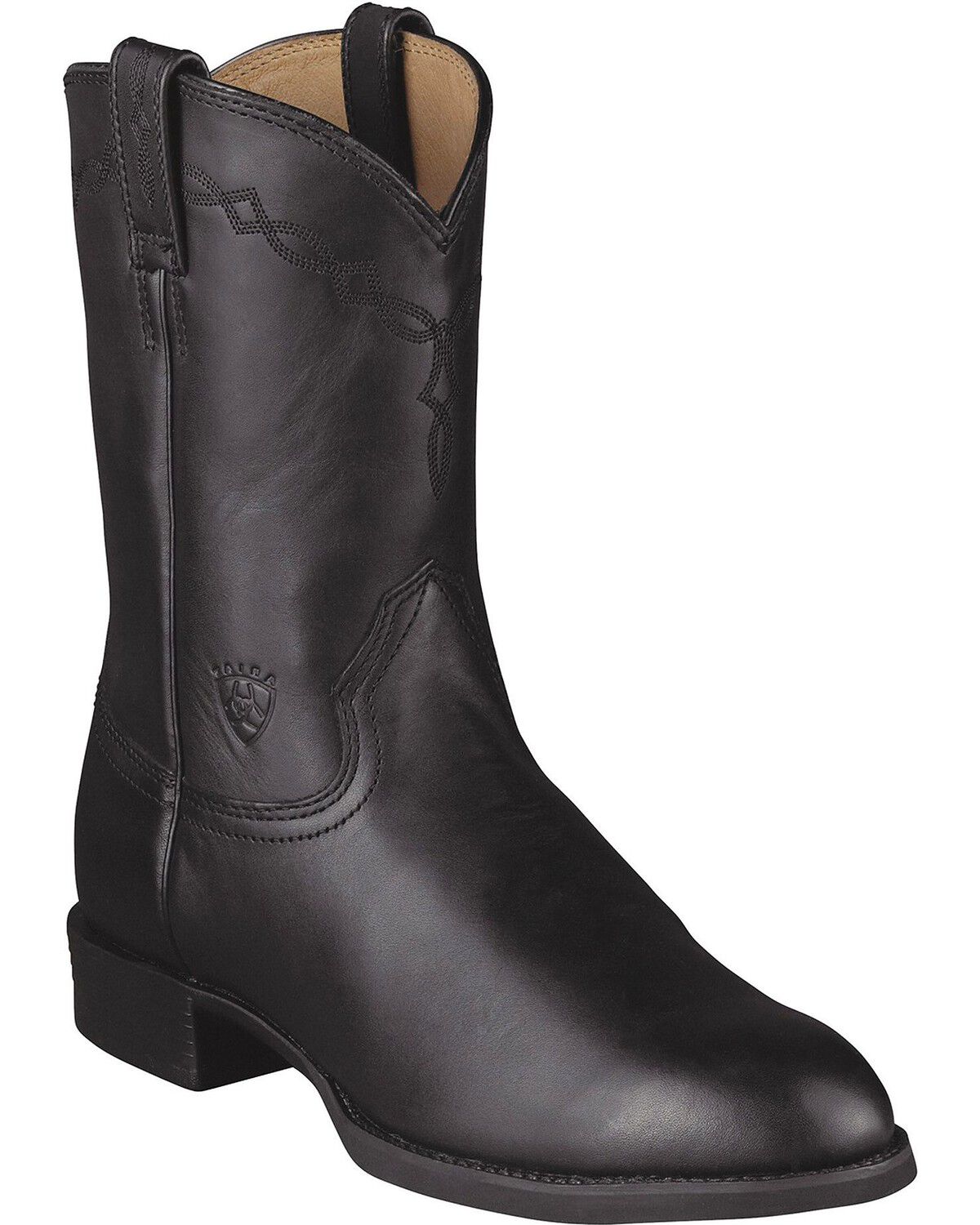
Harness boots for men have a distinct profile: leather straps around the ankle, metal rings, a substantial sole, and a shape that holds its own under a pair of jeans. The harness is usually the defining detail, adding structure and visible hardware without relying on elaborate stitching or a tall, decorated shaft. Rooted in riding styles and closely associated with motorcycle wear, these boots also fit naturally into everyday clothing. A black leather pair with dark denim and a plain shirt has a different feel from brown leather worn with faded jeans and a western shirt, but both keep the focus on solid materials and clean lines. Many harness boots feature a square toe and a low heel, though toe shapes, heel heights, and shaft proportions vary. A broader toe gives the front of the boot a substantial appearance, while a narrower shape creates a more streamlined profile. Shaft height matters, too. A taller shaft sits farther up the calf and needs enough room beneath a trouser leg; a shorter shaft creates less overlap between the boot and the fabric. Straight-leg and bootcut jeans generally leave room for the harness hardware without bunching tightly around it. The hem should fall naturally over the shaft rather than catch on the rings or drag beneath the heel. Hardware finishes also change the overall look. Bright metal makes the harness more noticeable, while darker finishes keep the contrast quieter. For another take on the familiar ankle-ring design, Dual Harness Boots bring additional harness detailing into the profile. Beyond the straps, the proportions make the difference: the width of the toe, the height of the heel, and the thickness of the sole all affect how the boot looks and feels. The result can lean toward traditional riding style, understated western wear, or a heavier everyday boot without needing a complicated outfit around it.

Leather quality and construction have a direct effect on how men's harness boots wear over time. Full-grain leather retains the hide's natural surface and often develops visible character with use. Oiled leather commonly has a less polished appearance, while smoother finishes offer a cleaner look that works well with darker denim or casual trousers. Leather thickness, lining, and flexibility vary, so two boots with similar harness details can feel quite different on the foot. A firmer upper may need more wear before it bends comfortably, while a softer upper may feel flexible sooner. Neither appearance alone nor the harness hardware establishes how durable a boot will be. Stitching, the connection between the upper and sole, heel construction, and the materials beneath the foot all contribute. Welted construction may allow resoling when the design and condition permit, while cemented construction uses adhesive to secure the sole. Rubber outsoles can provide useful grip and cushioning, but traction depends on the tread, the compound, and the surface underfoot. Leather outsoles have a different feel and should not be assumed to grip like rubber. Fit deserves the same attention as construction. Pull-on harness boots need a secure fit through the instep because laces are not there to tighten the upper. Some initial heel movement can be normal, but the foot should not slide around or lift excessively with each step. Toes need room without being pressed against the front, and the ball of the foot should align with the widest part of the boot. Leather can soften and give somewhat across the foot, but it will not add meaningful length. The socks normally worn with the boots affect that fit, especially when they have thicker cushioning. For long stretches of standing or walking, heel height, footbed support, and overall weight matter more than a rugged appearance. Motorcycle-inspired styling does not establish riding protection, and a sturdy harness boot is not automatically safety footwear. Riding and workplace use depend on the protection, testing, and requirements relevant to the activity.

Regular care helps harness boots retain their shape and keeps the leather from becoming excessively dry or stiff. Dust and grit collect along sole edges, seams, and the spaces beneath the harness straps. Removing that buildup with a soft brush or cloth limits abrasion and makes the leather easier to maintain. Smooth leather generally benefits from an appropriate cleaner and conditioner, but the finish determines which treatments belong on it. Suede and nubuck need products suited to their textured surfaces rather than the creams used on polished leather. Conditioner can darken some finishes, so a small test in an inconspicuous spot helps avoid an unwanted change across the entire boot. Heavy applications are not a substitute for consistent care; excess product can leave residue around stitching and hardware. Metal rings and buckles also deserve a wipe-down, particularly where dirt gathers against the leather. Boots that become wet should dry naturally, away from direct heat, which can damage leather and affect adhesives. Giving a worn pair time to air out between uses helps manage moisture inside the boot. Boot trees can support the foot shape, and upright storage keeps shafts from staying folded in the same place. Wear at the heel edge or sole deserves attention before it changes the way the boot sits underfoot. When construction allows repair, addressing those areas early may help preserve the rest of the boot. Harness boots can also make a practical gift for a man who already favors pull-on leather footwear, western clothing, or motorcycle-inspired style. The most useful details are his usual boot size, preferred width, and the heel and toe shapes he finds comfortable. Color and hardware are personal choices, too: someone who wears plain brown boots may prefer restrained metal detailing, while someone who favors black leather may appreciate a more pronounced harness. A familiar look with a well-matched fit is more useful than choosing by appearance alone. For everyday wear, the lasting appeal comes from that balance of distinctive hardware, sound construction, and leather that develops character through regular use.

FAQs