Gifts For Women Who Like Hiking

Find gifts for women who like hiking, with a focus on practical choices for time outdoors. Consider her favorite places to hike, the conditions she usually faces, and her personal style to help narrow your search.

Shop Your Store: Shop Your Store: Find a Store

(Turn off Shop Your Store to see all items)

(Turn off Shop Your Store to see all items)

close
  • Recommended
  • Lowest Price
  • Highest Price
Skip pass products

End of products

Gifts For Women Who Like Hiking

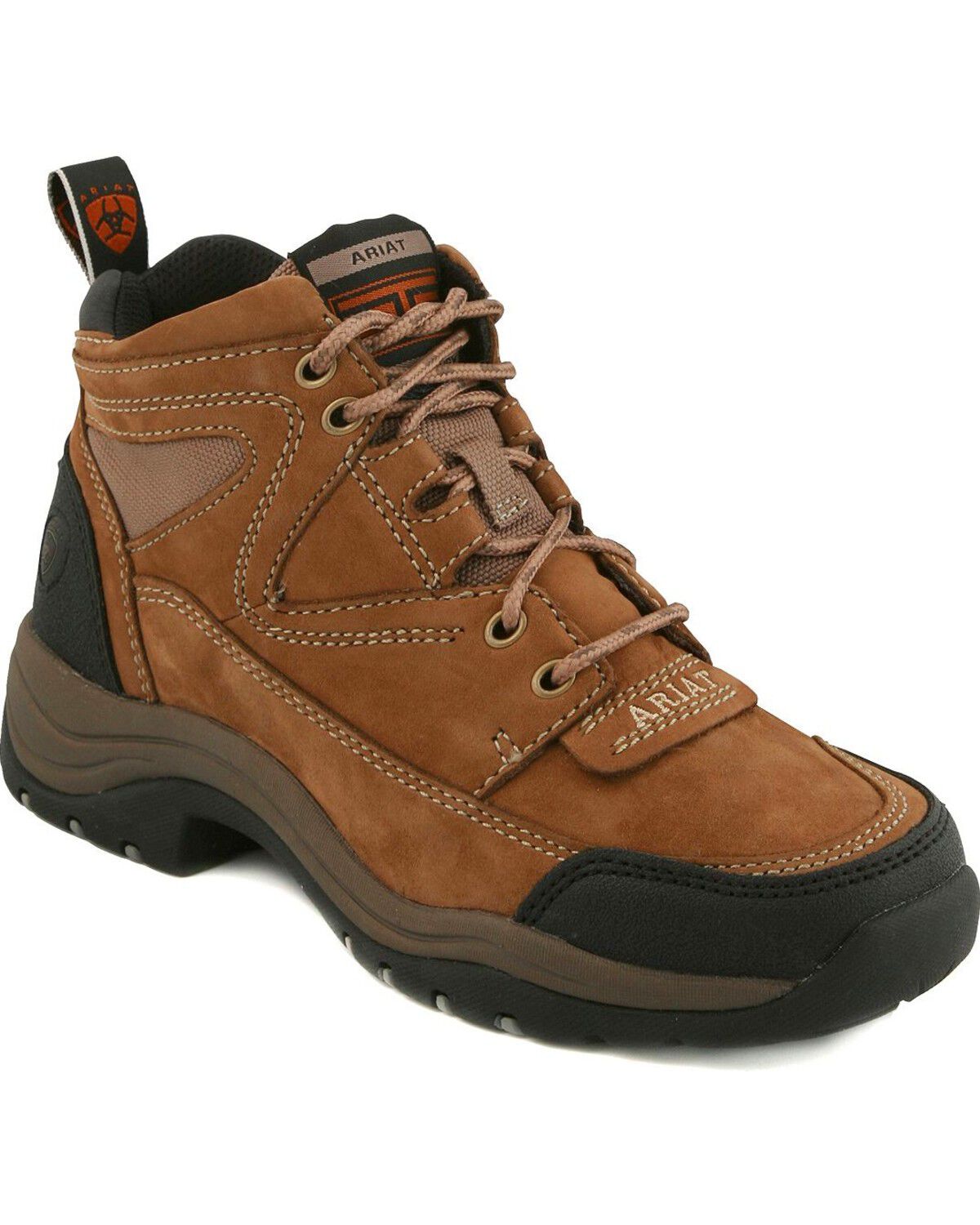
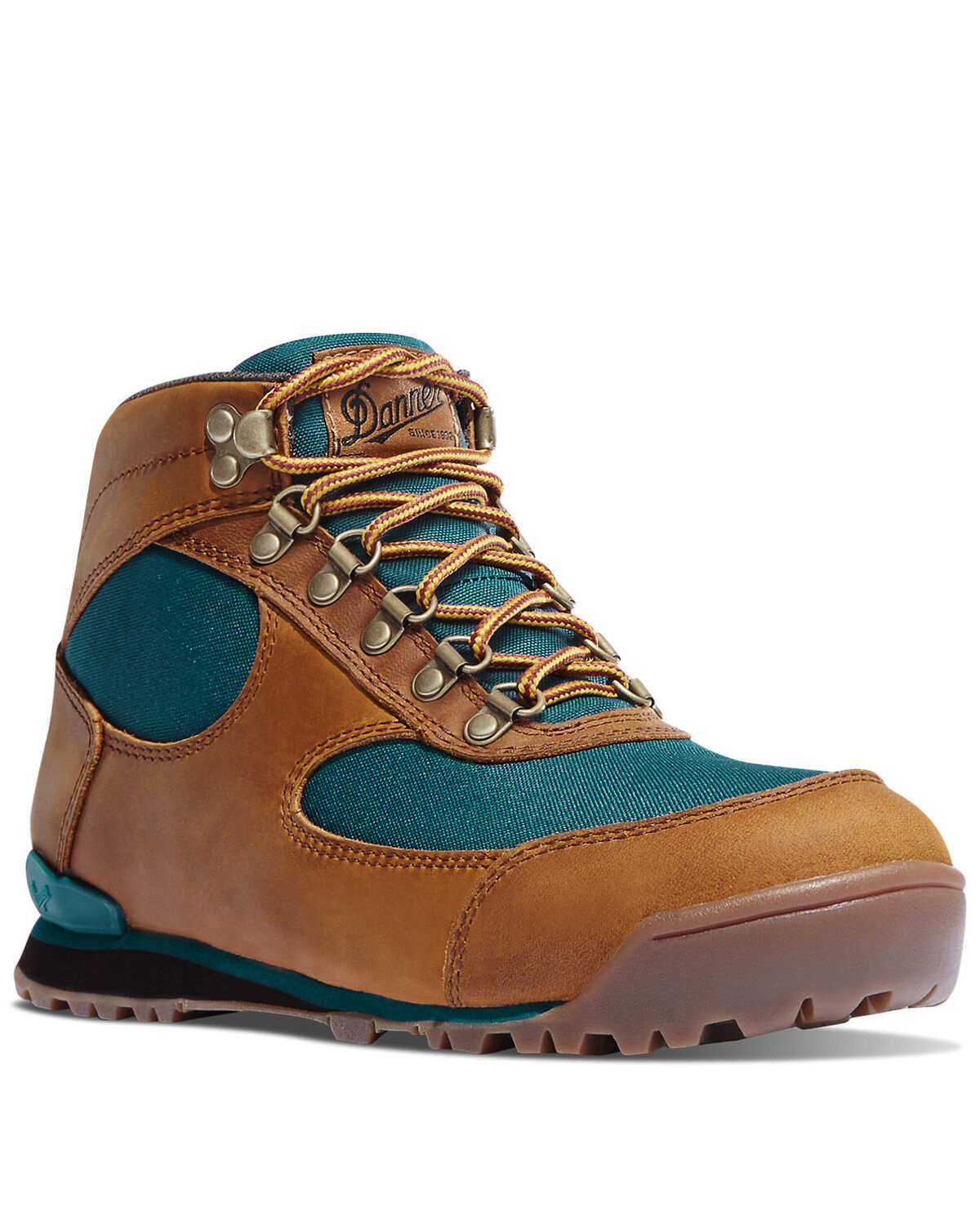
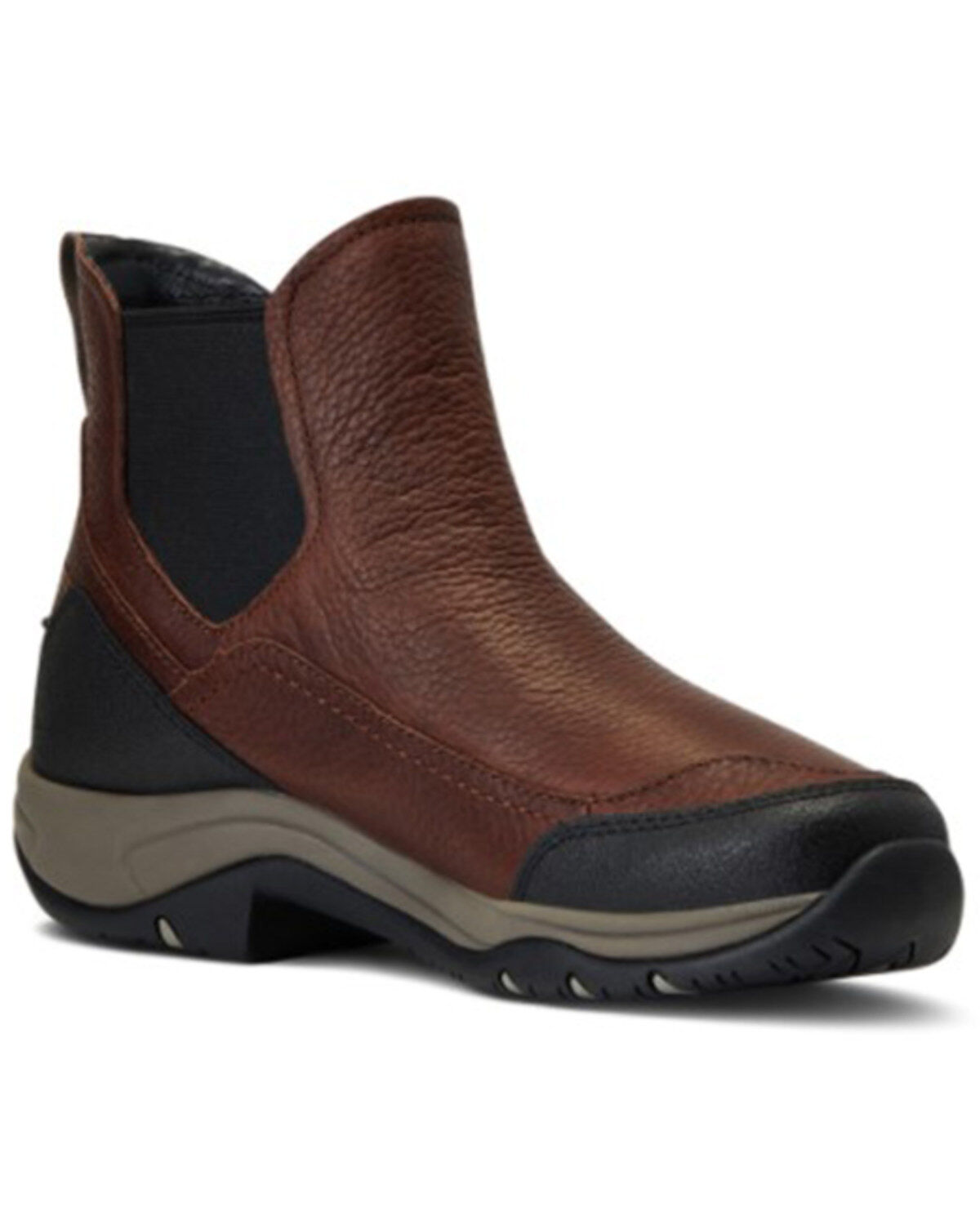
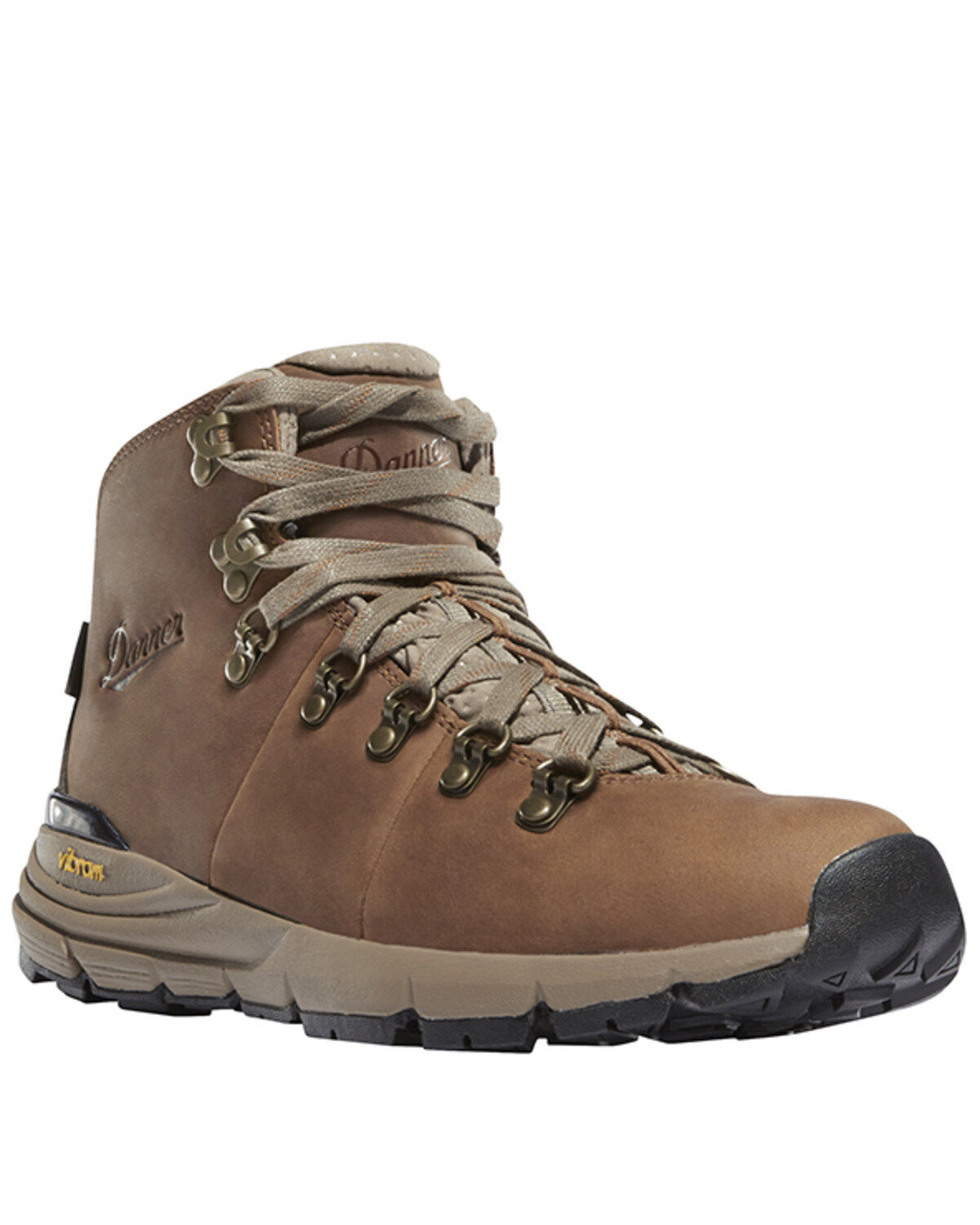
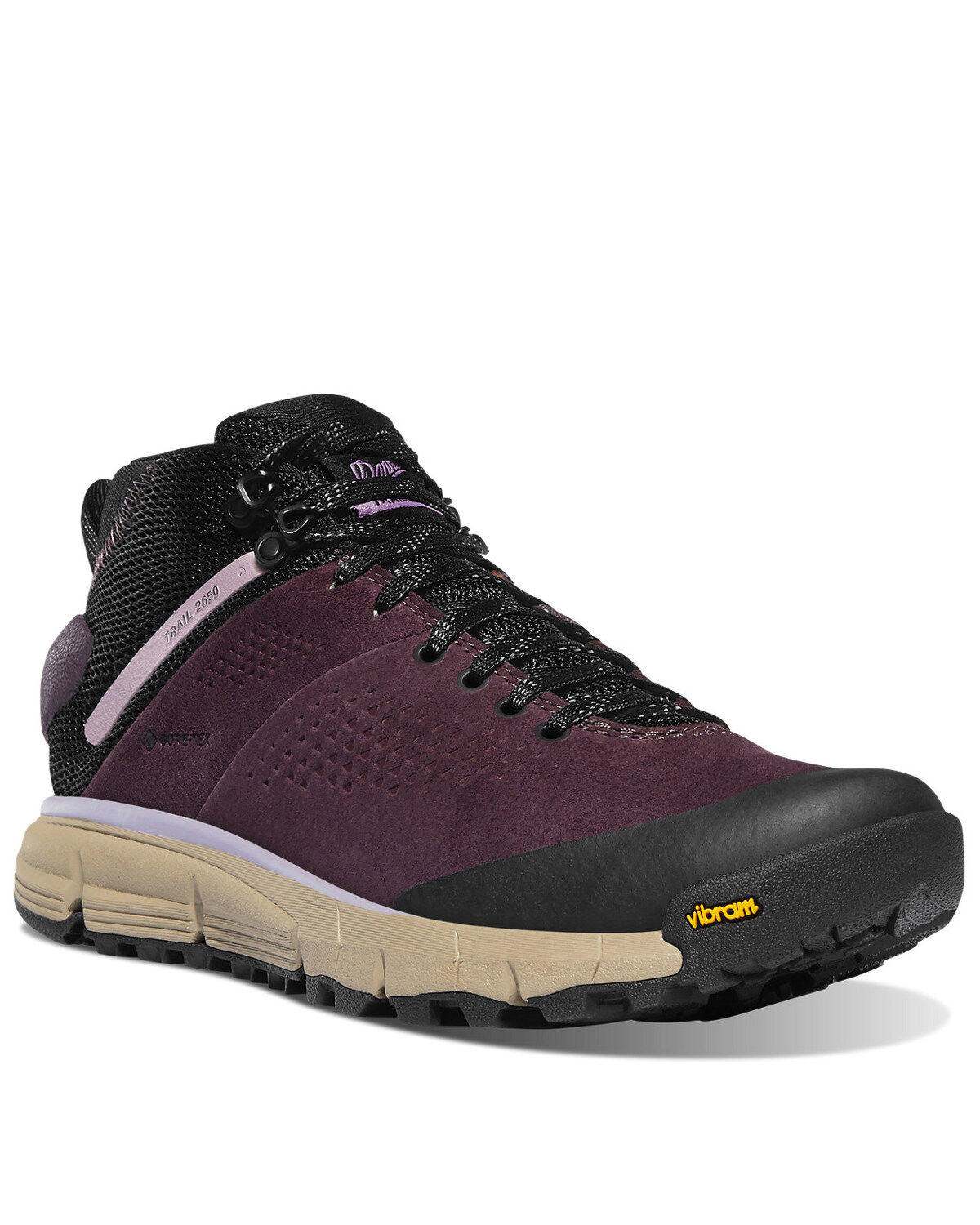
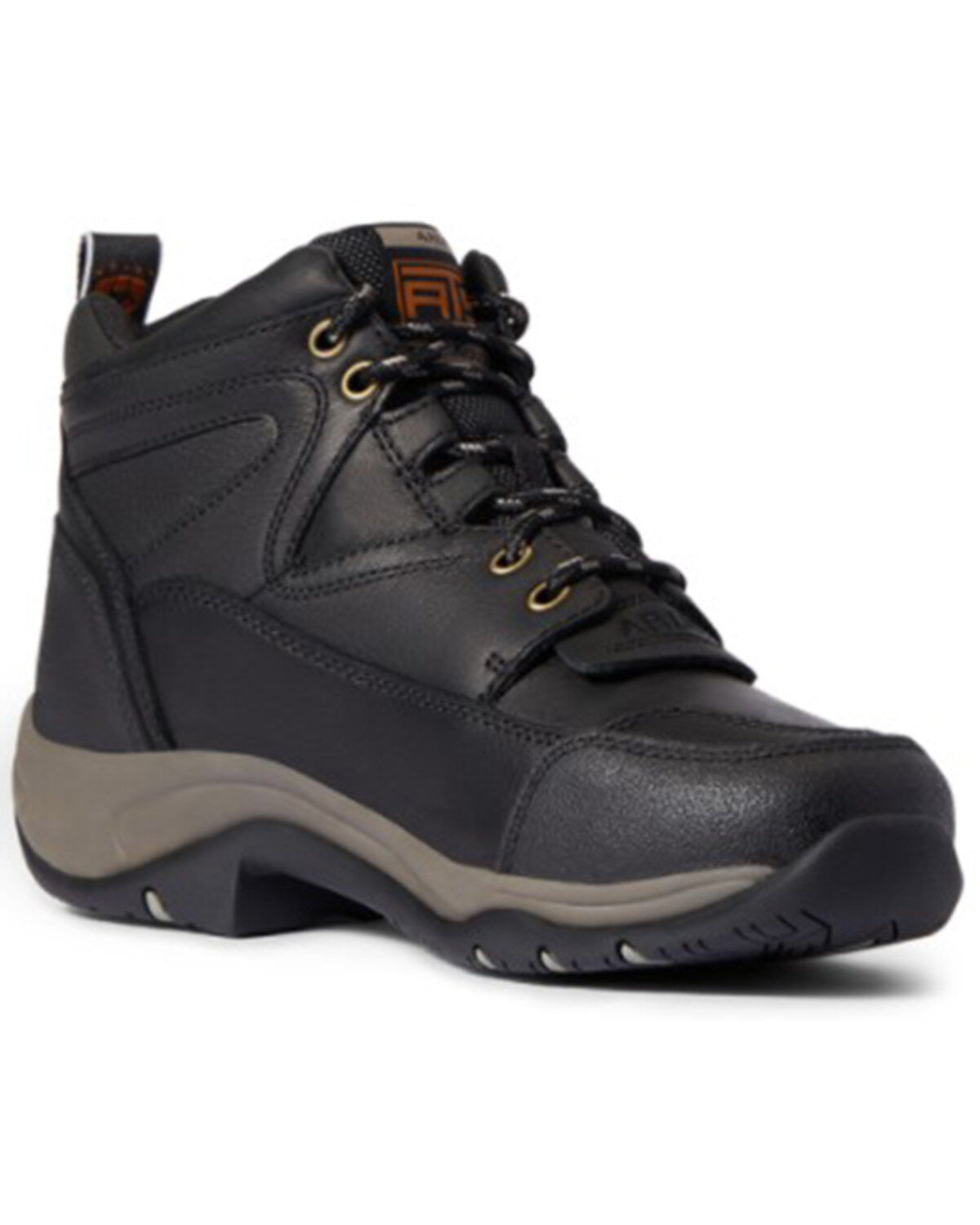
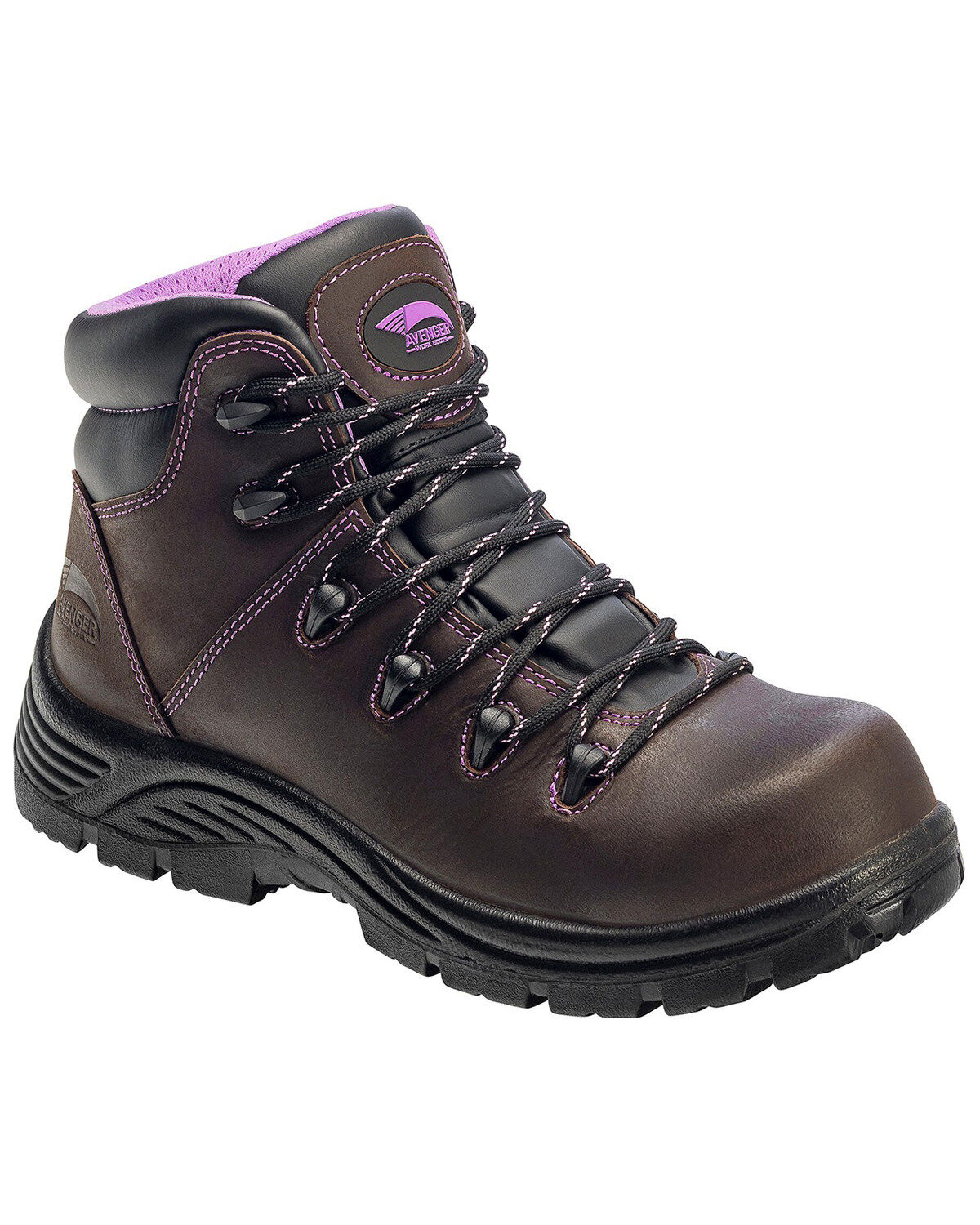
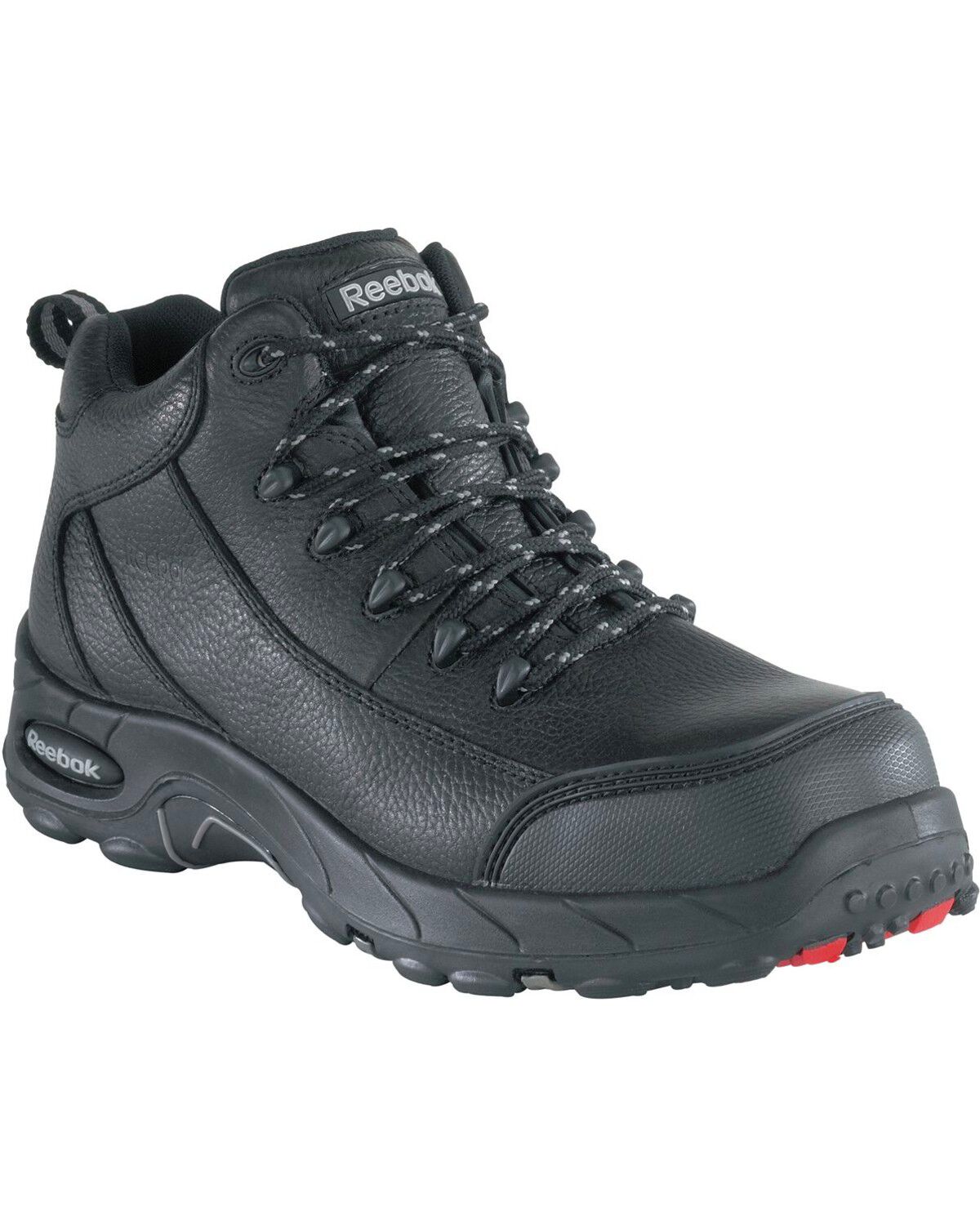
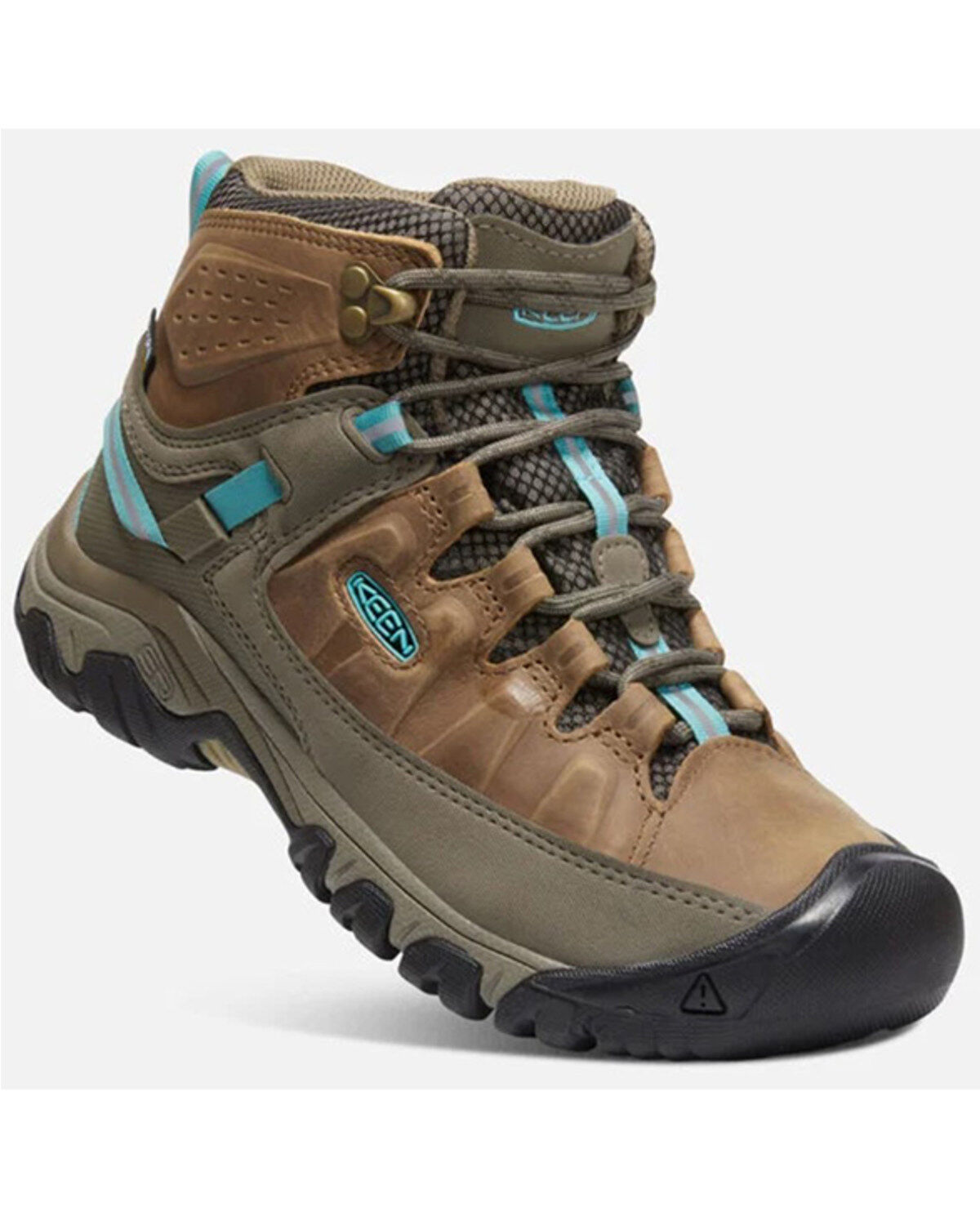
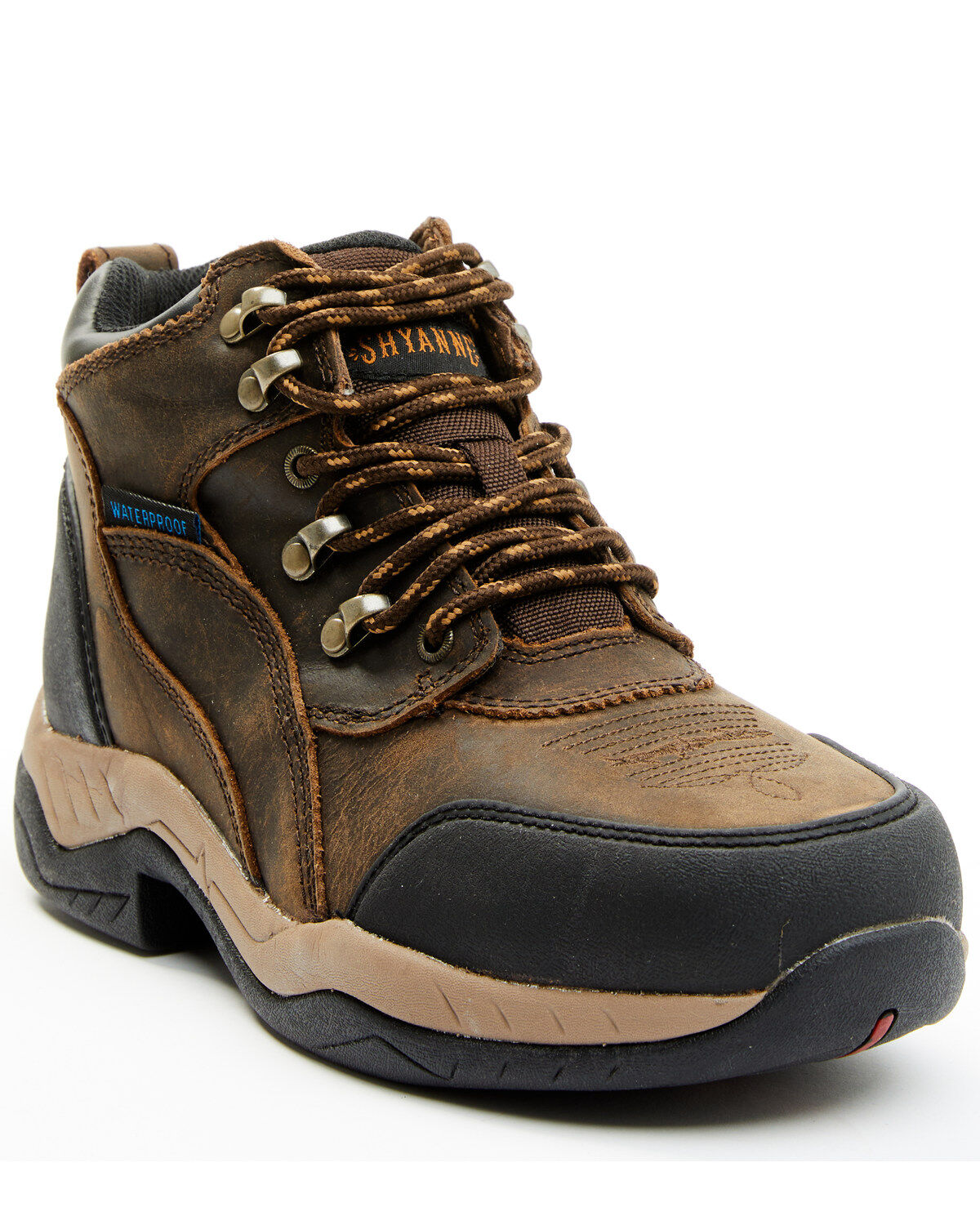
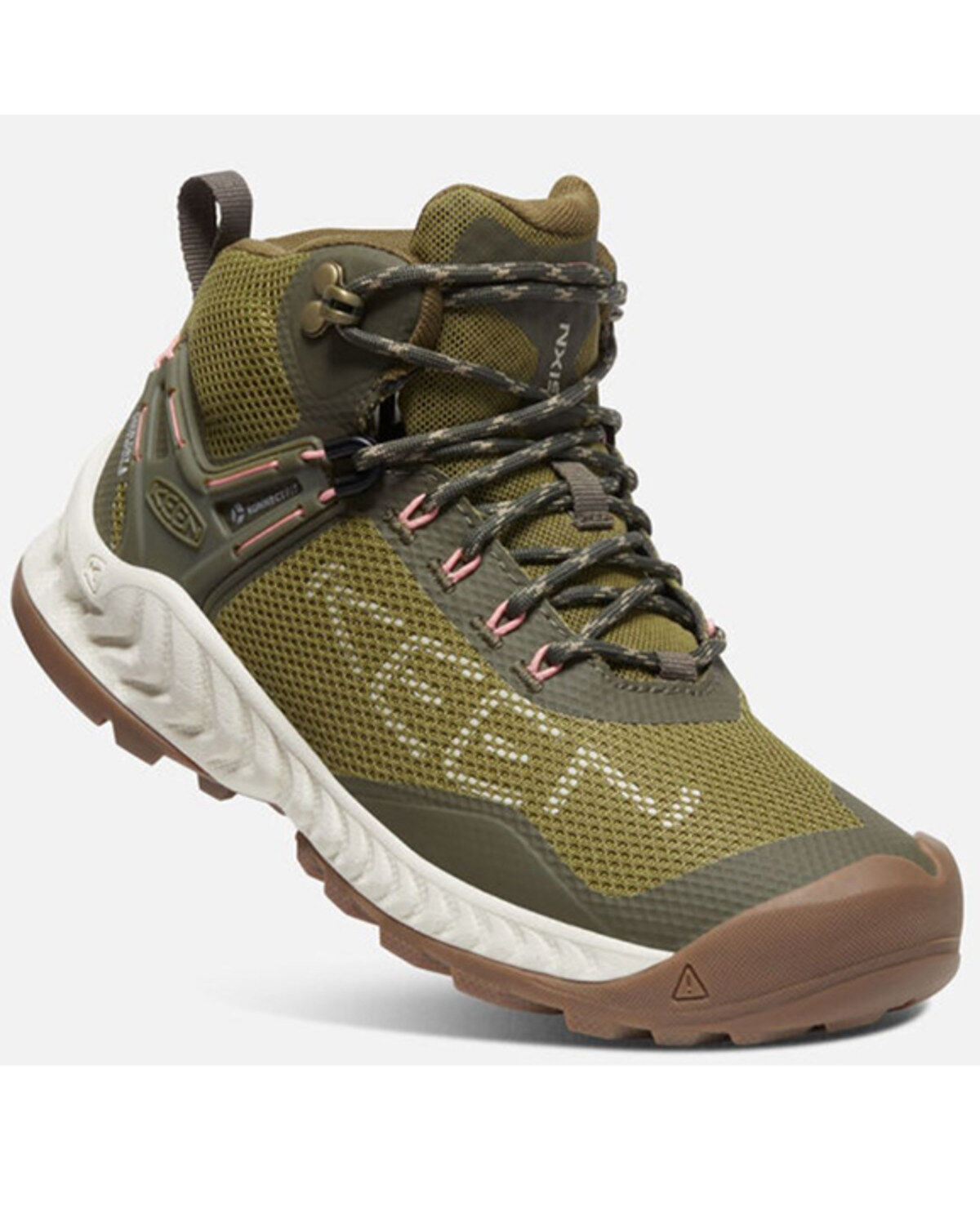
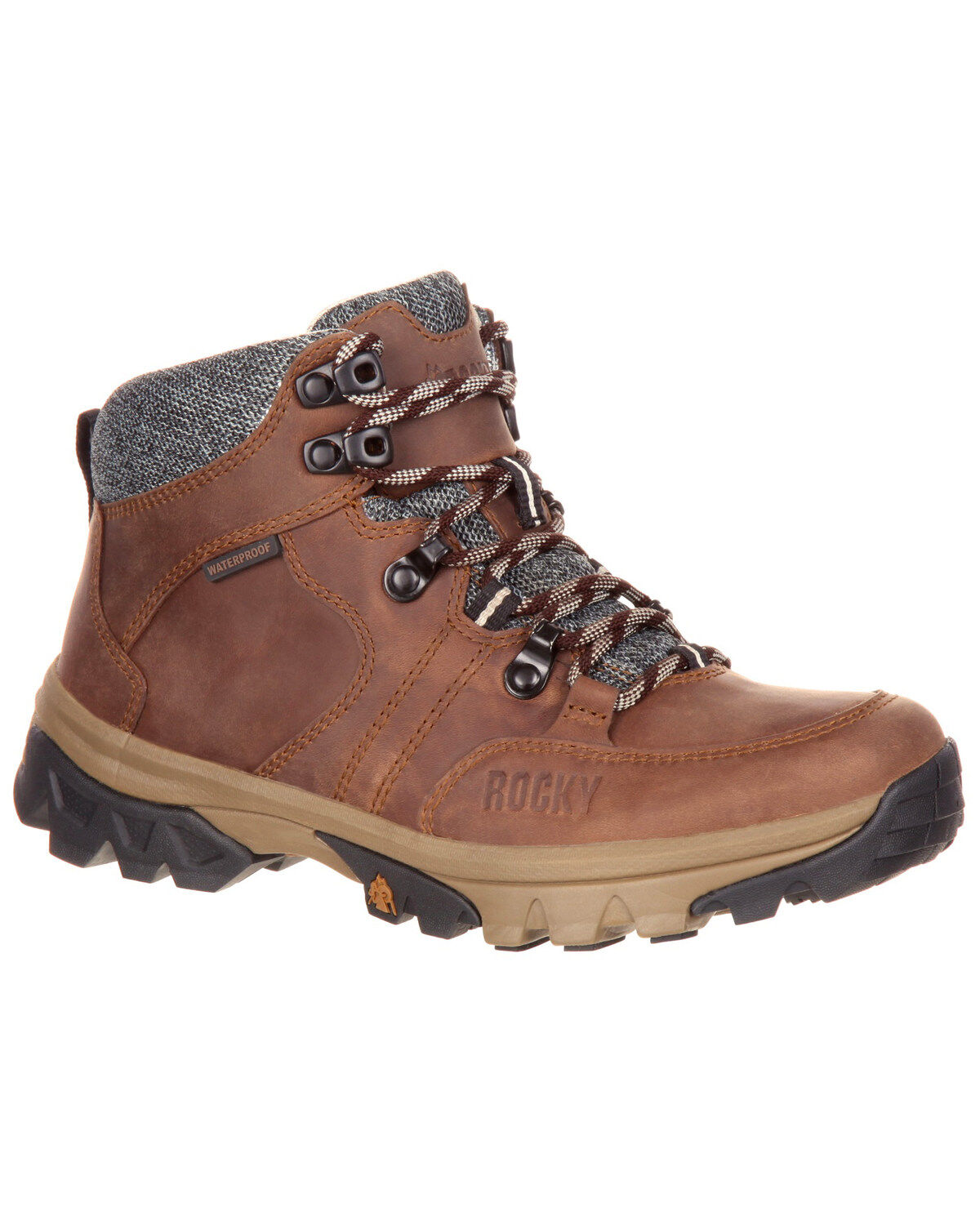
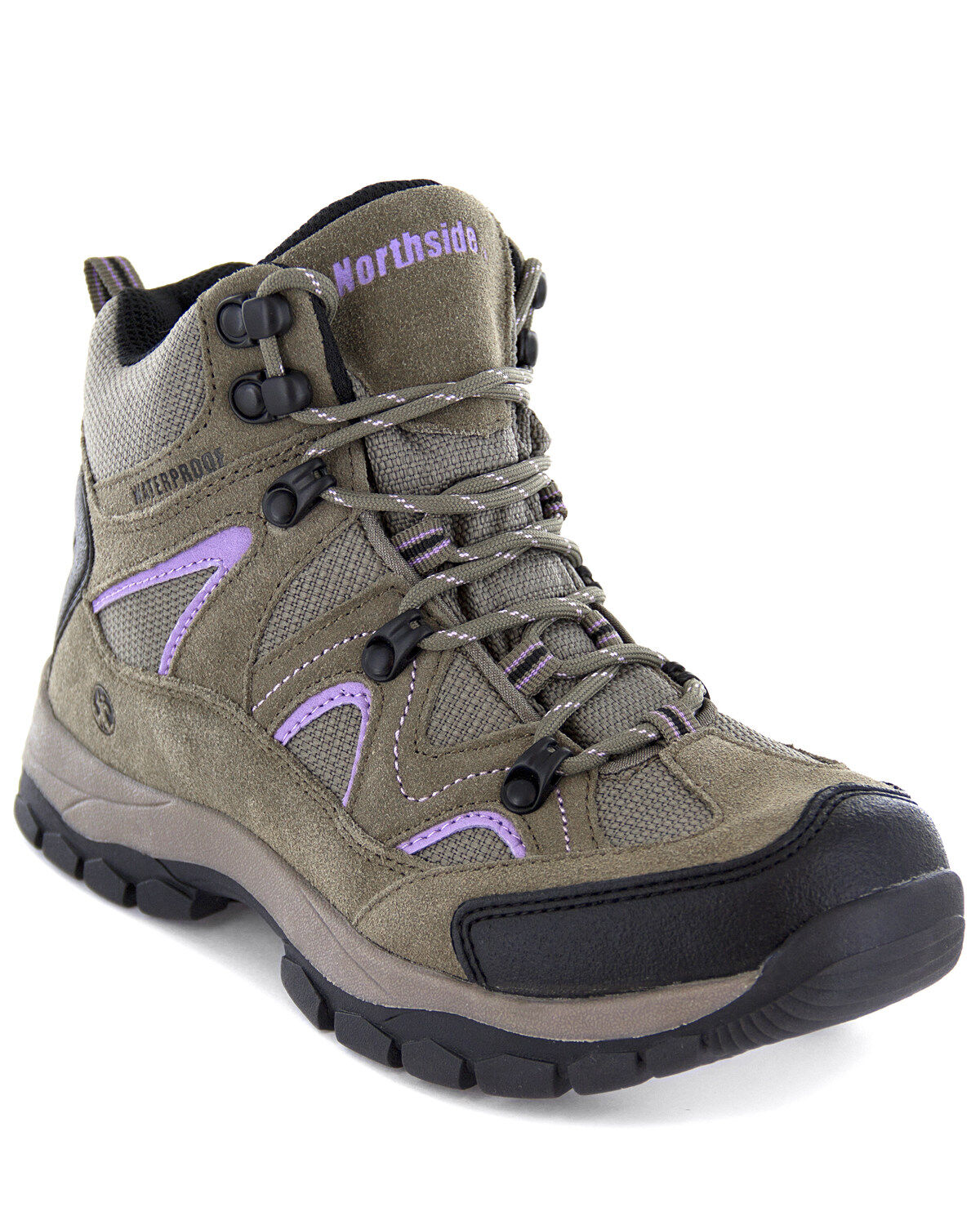
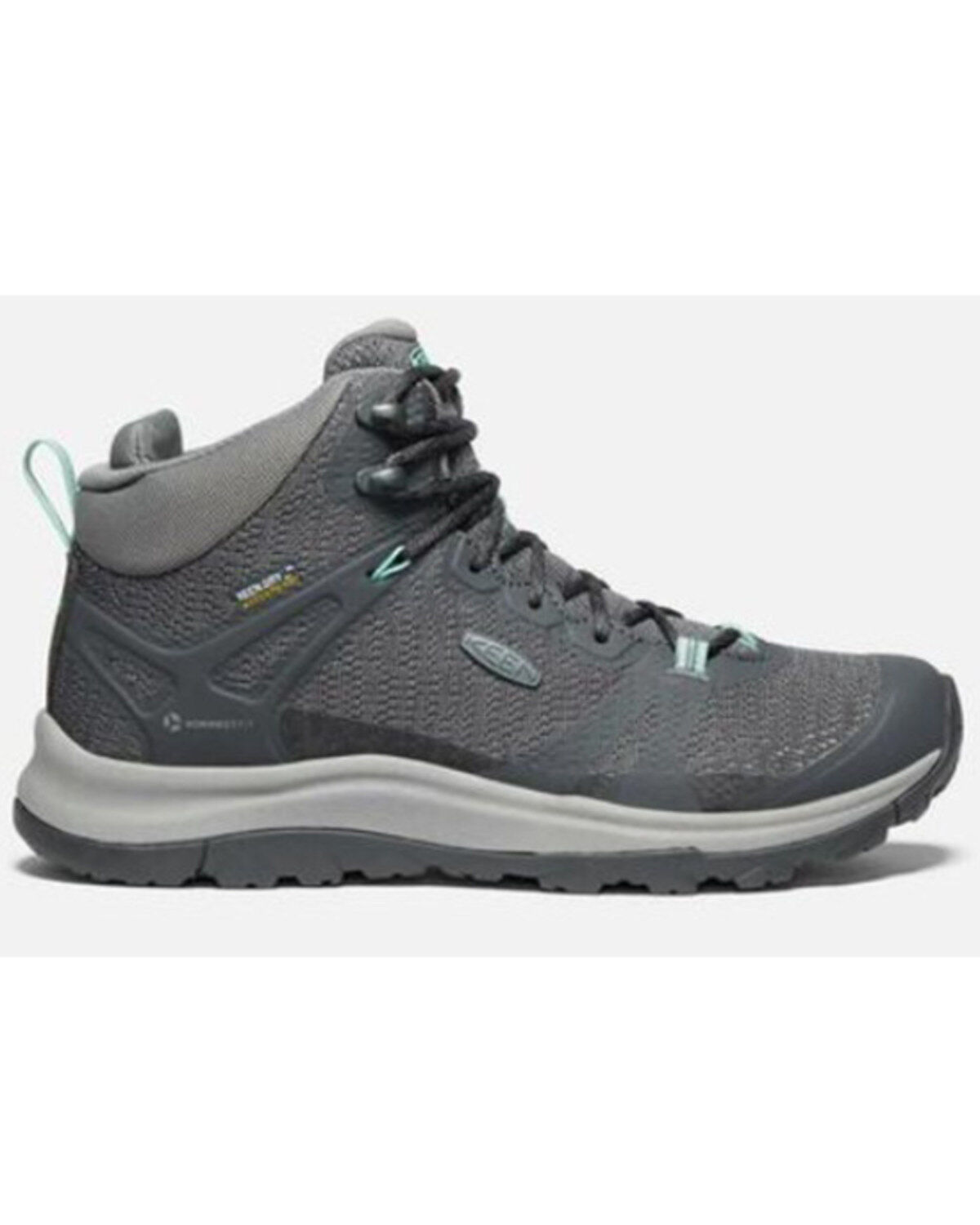
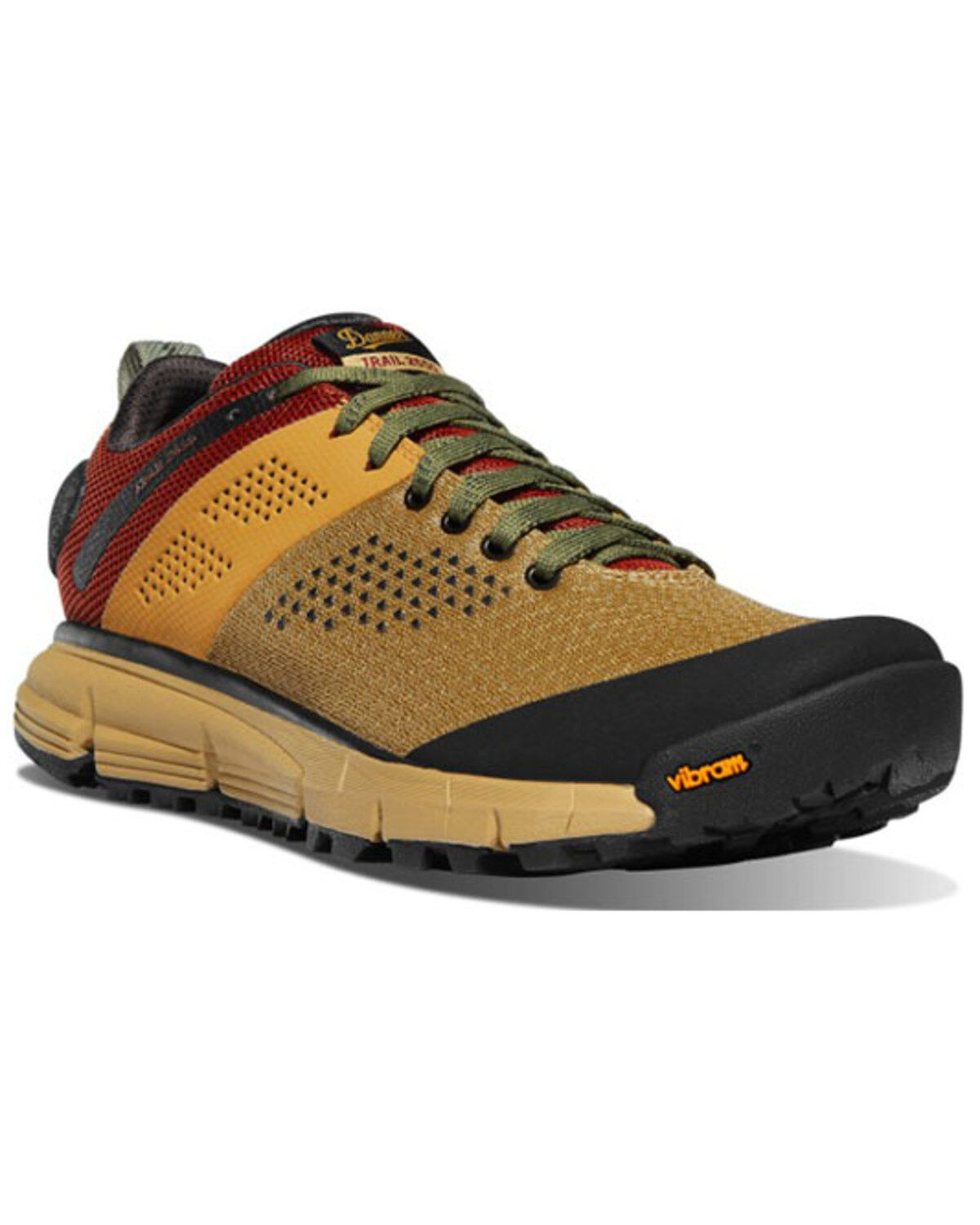
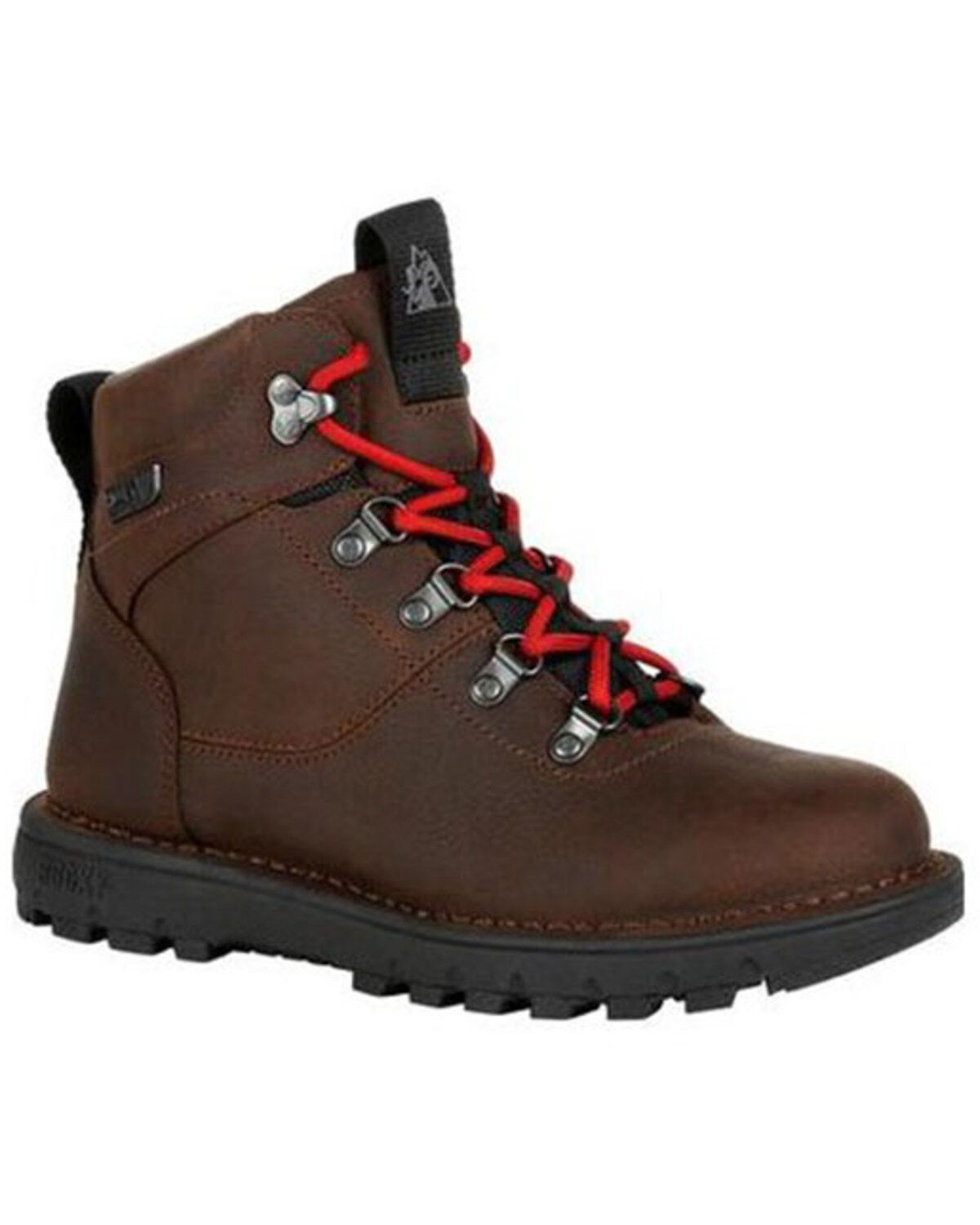
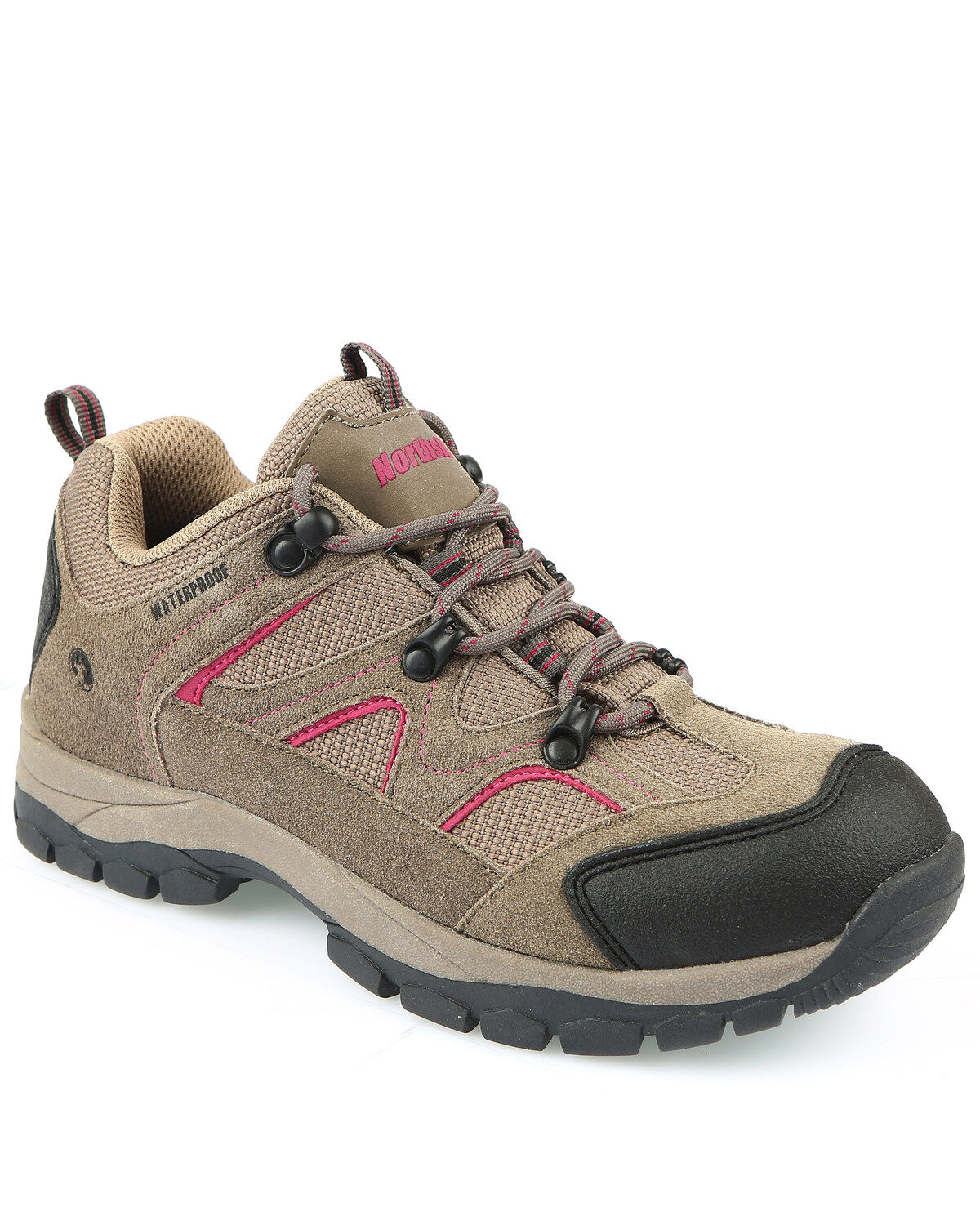
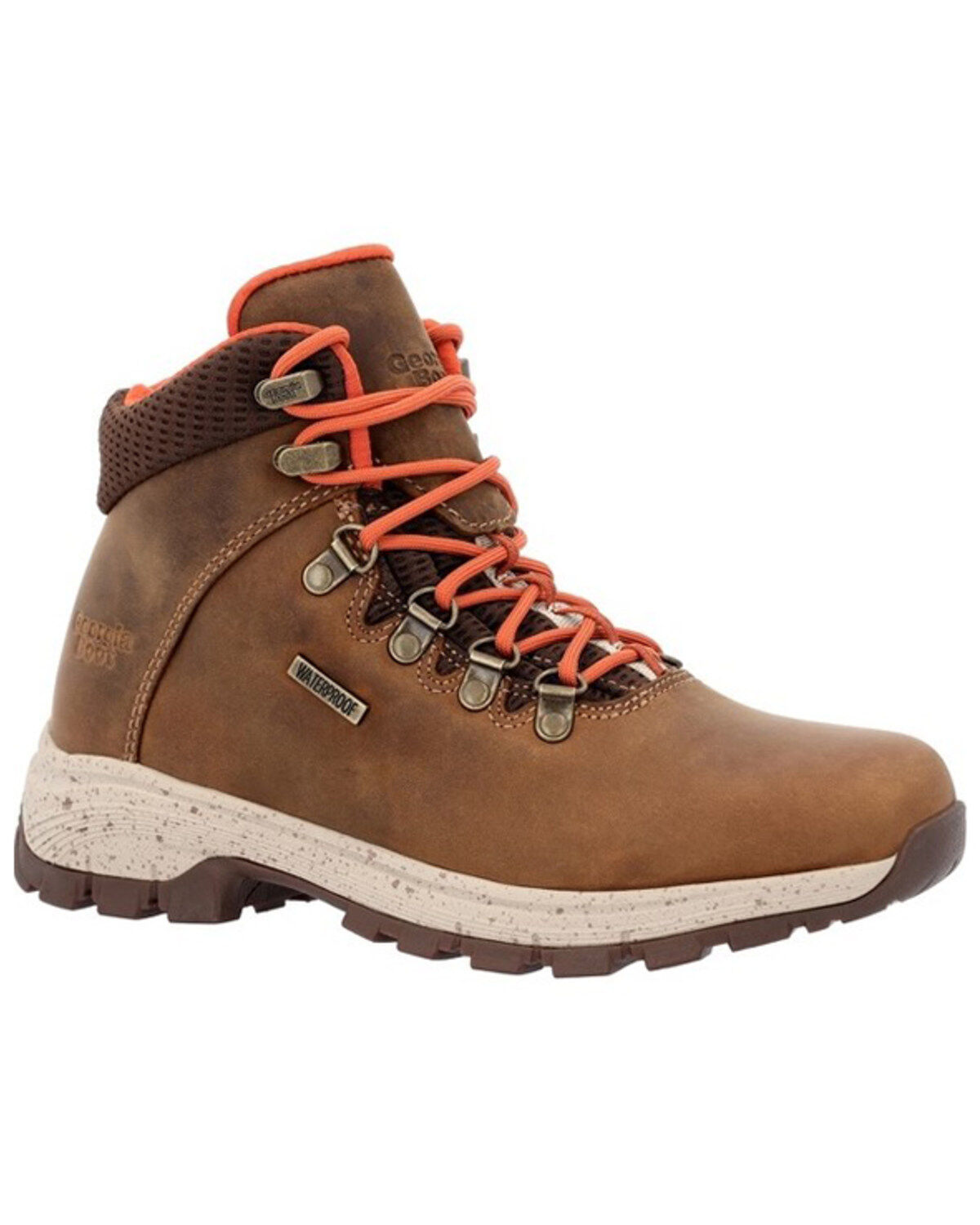
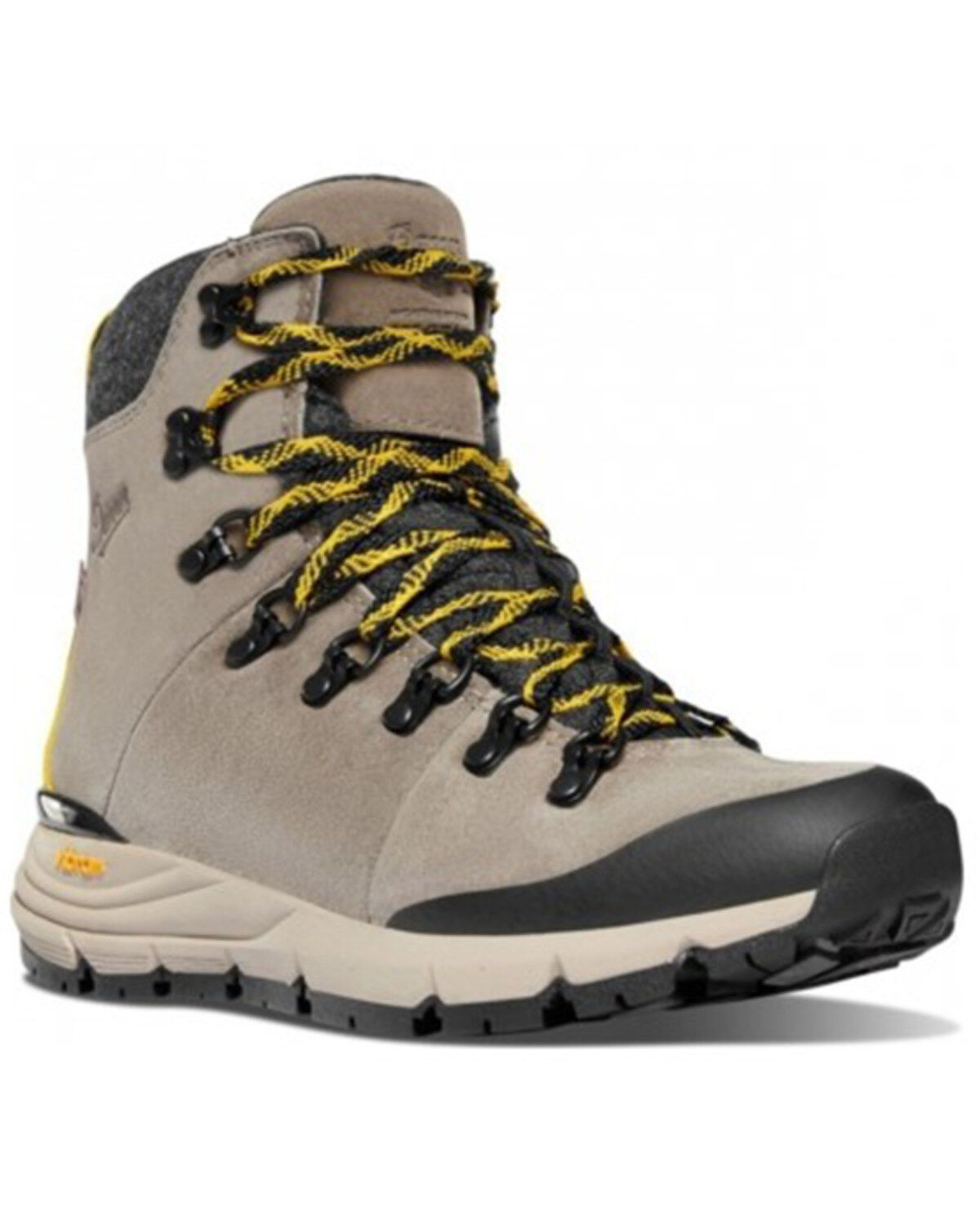
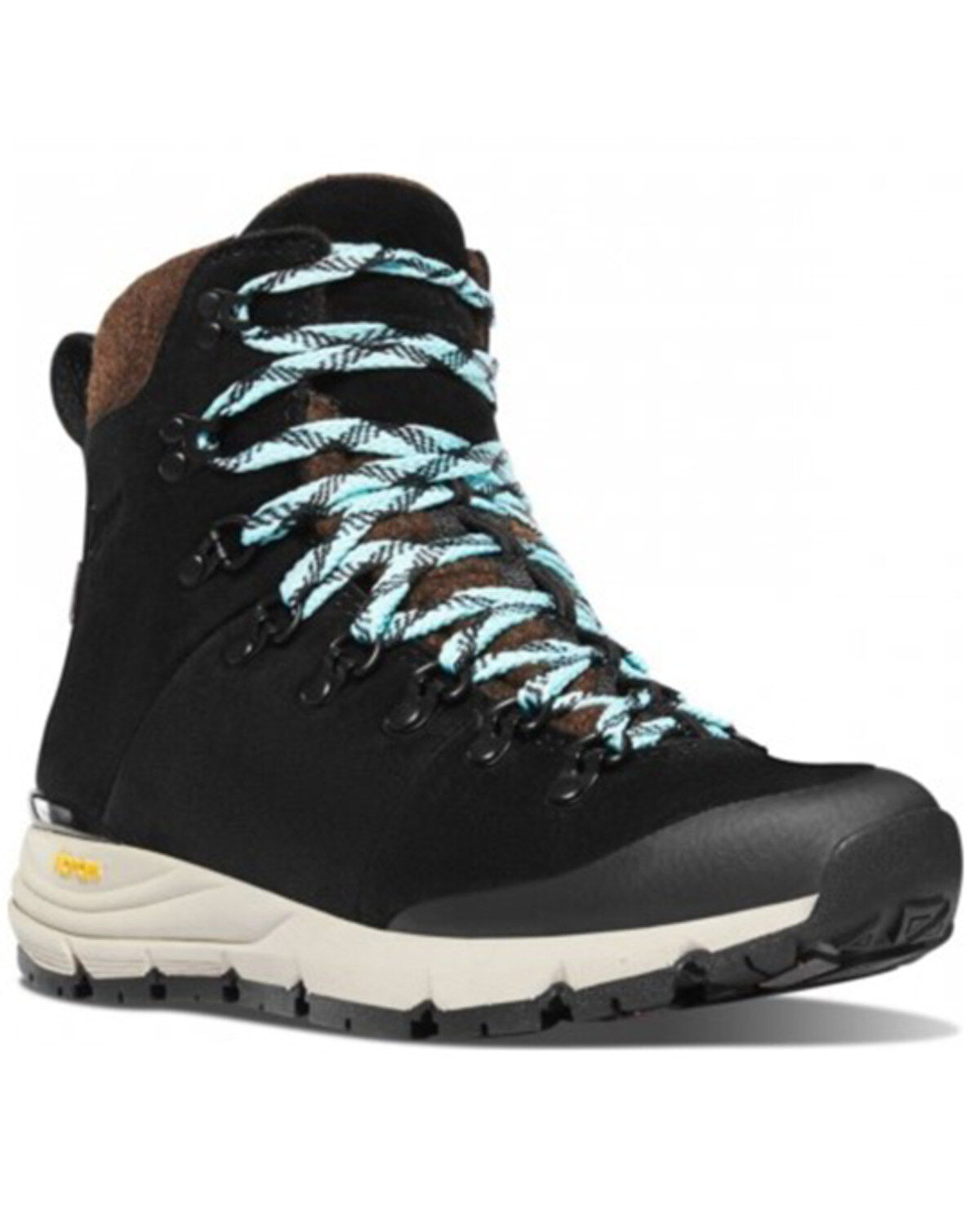
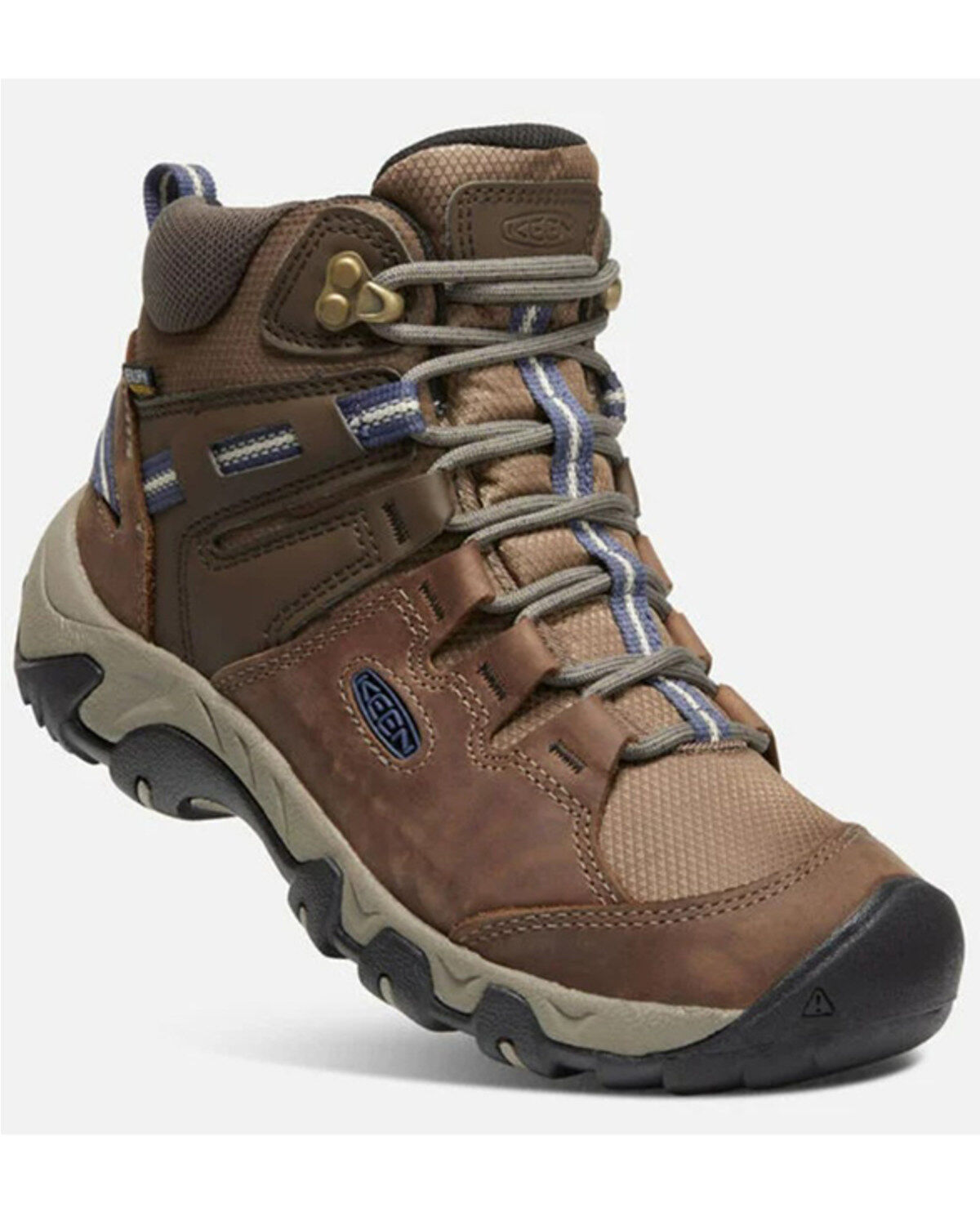
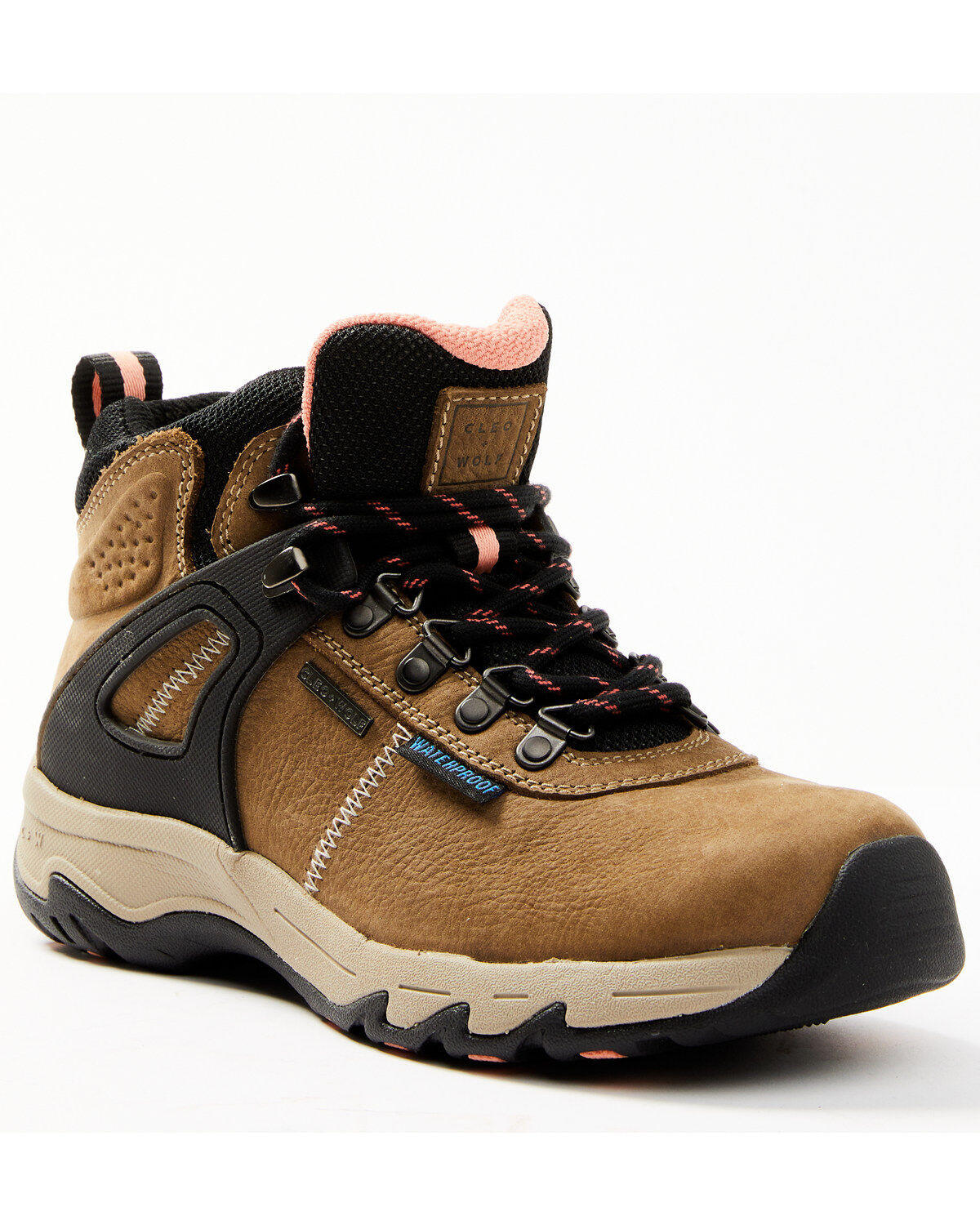
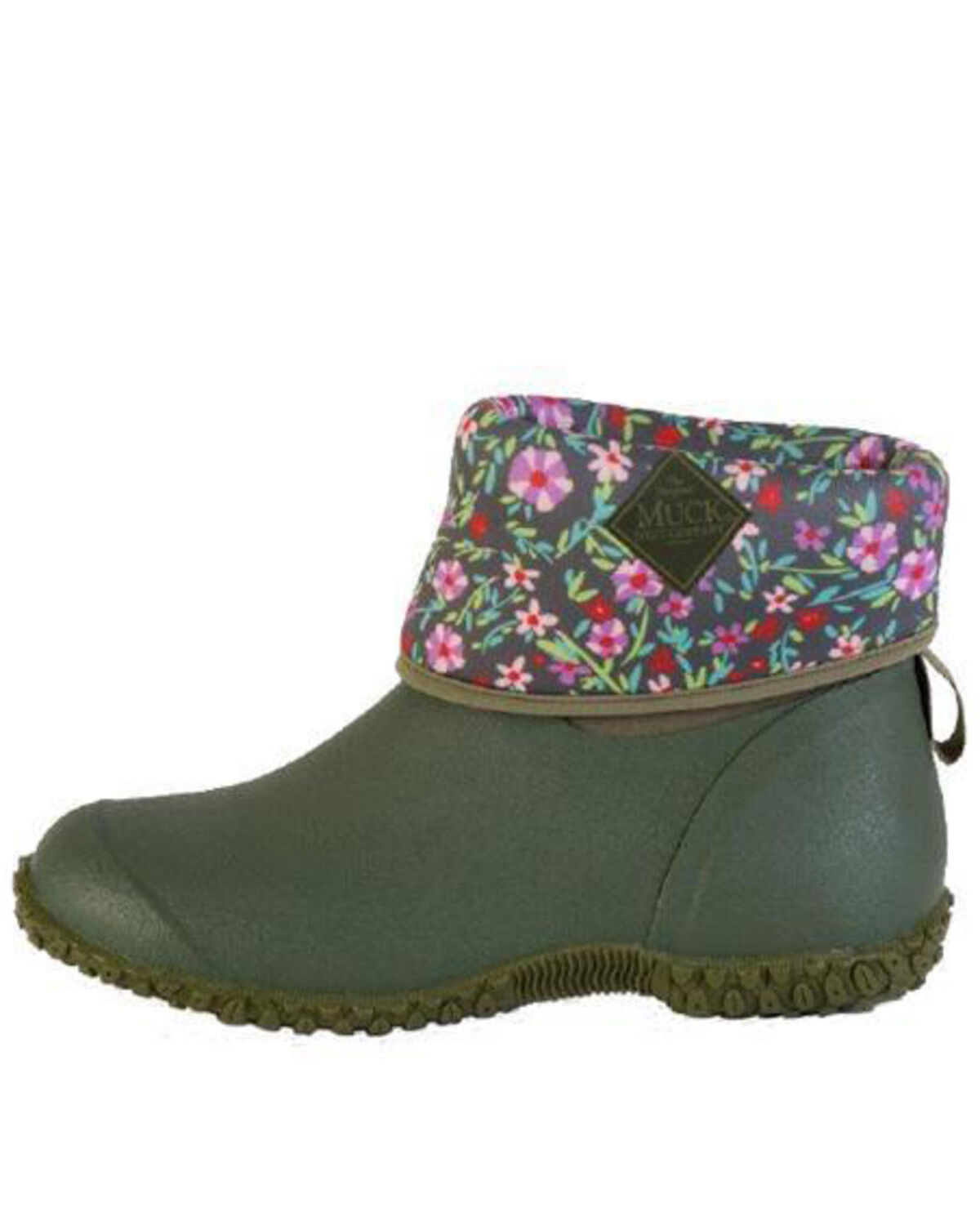
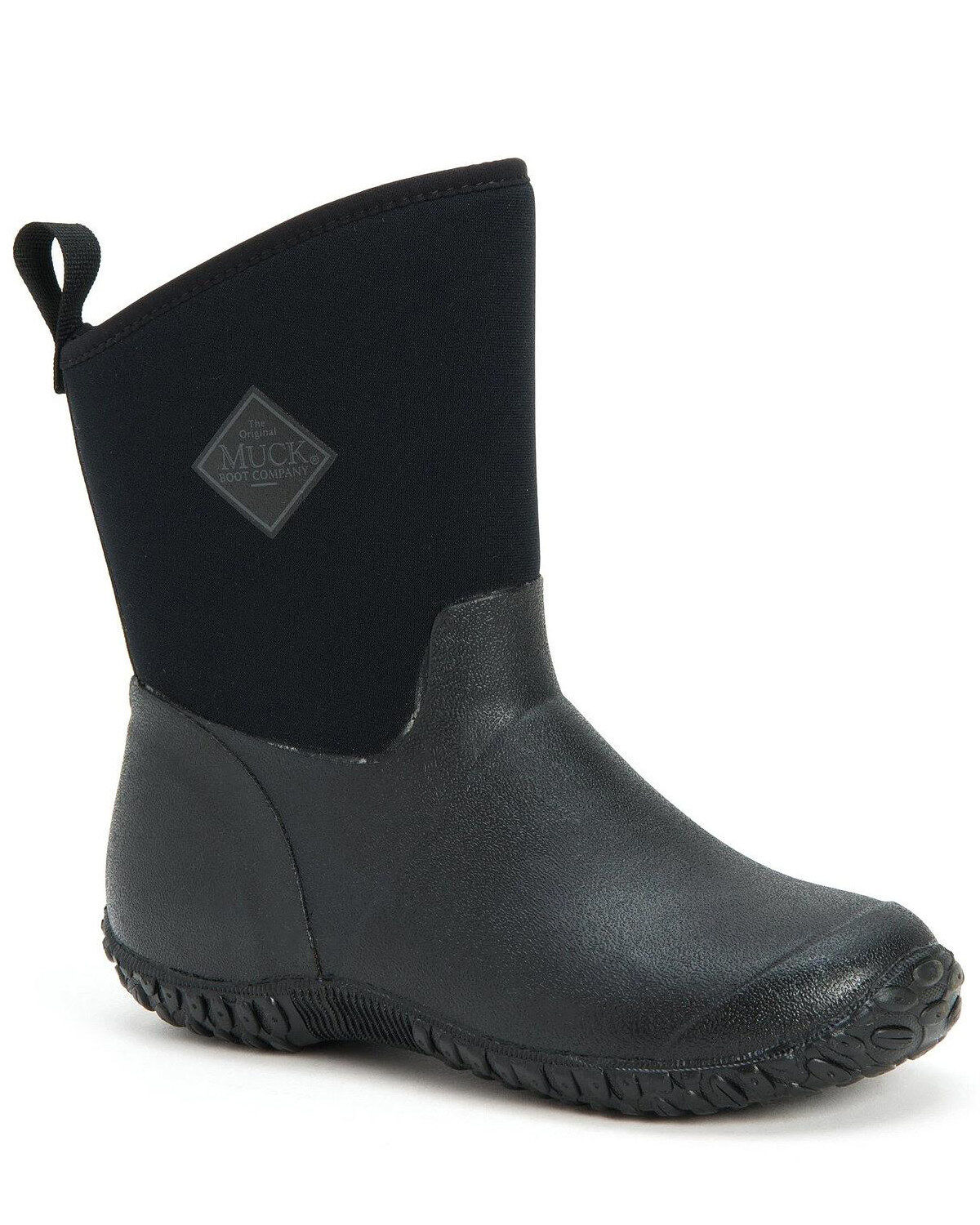
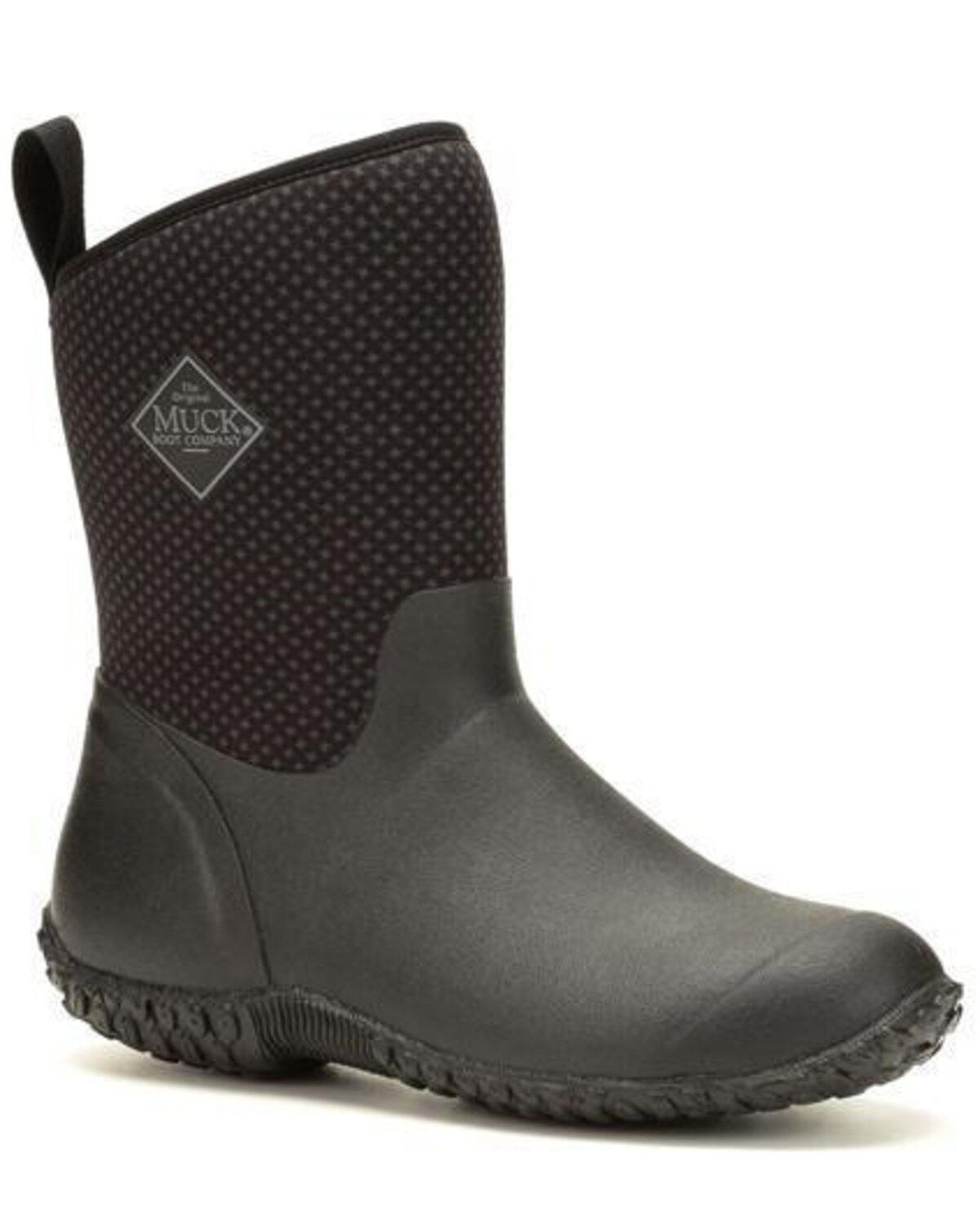
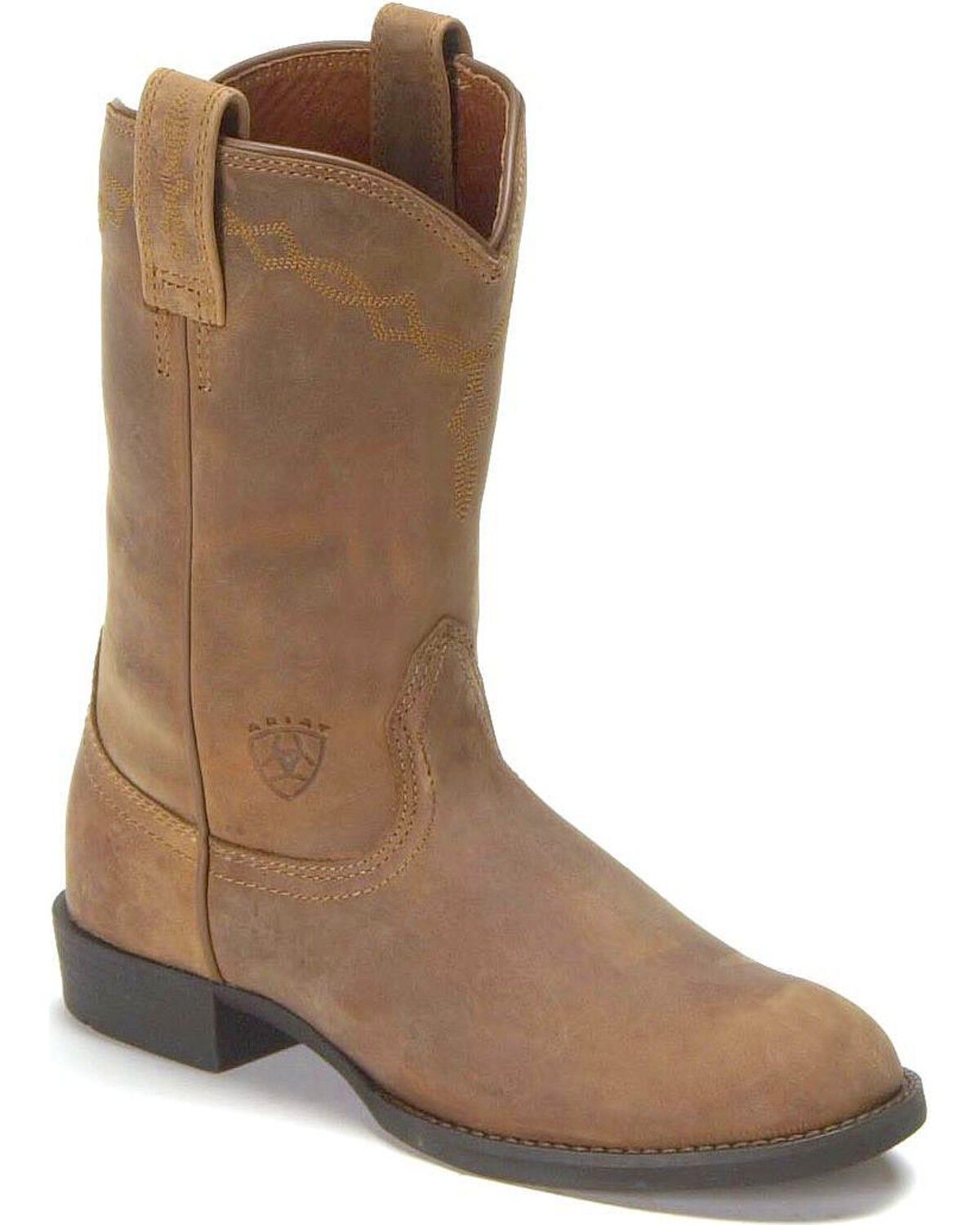
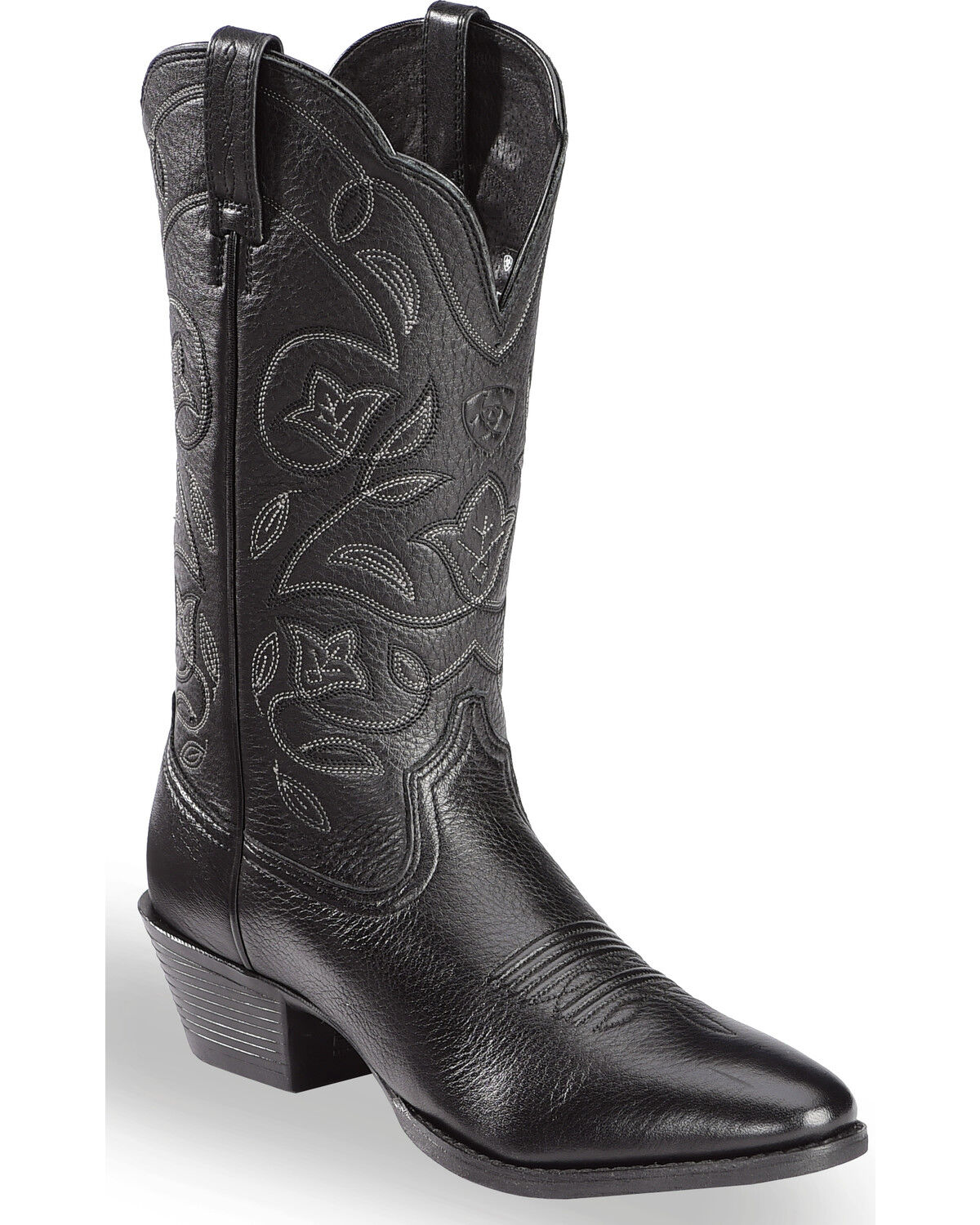
Practical gifts for women who like hiking combine comfort, manageable weight, and durability suited to the trail. Footwear, performance socks, hiking clothing, and easy-to-carry accessories all have a place in a well-used outdoor kit. The right fit depends on how she spends her time outside. A woman who enjoys a few miles on a familiar path may value flexible footwear and a small bag for essentials, while someone who regularly tackles rocky routes may need more underfoot protection and room to carry additional gear. Distance matters, but so do footing, pack weight, and personal preference. Trail footwear should hold the heel securely without squeezing the forefoot, with enough room for toes to move naturally on descents. A comfortable fit also leaves space for her usual hiking socks or an orthotic she already wears. Women’s sizing is a starting point, not a guarantee; foot width, arch shape, and heel volume vary from person to person. Leather uppers offer abrasion resistance and can soften with wear, while textile panels can reduce weight and add flexibility. Reinforced toe areas help protect the footwear where it meets rocks and roots. Outsoles with defined tread can provide traction, though performance depends on the surface and the rubber compound. Cushioning helps soften repeated impact, and a supportive midsole can make uneven ground feel more manageable. Neither feature makes a poor fit comfortable. A secure lace system and a collar that does not rub are just as important on a long walk. For a footwear gift, knowing her preferred size, width, and existing fit makes the choice more personal and useful. Care is part of durability, too. Brushing away grit, following the material’s cleaning directions, and allowing footwear to dry away from direct heat help protect its construction. Leather care should match the finish, since treatments meant for smooth leather may not suit suede or textile panels. A dependable pair earns its place through repeated use, not appearance alone.

Hiking socks and clothing make useful gifts because they address the small sources of discomfort that become noticeable over several miles. A sock that bunches beneath the arch or slides down at the heel can distract from an otherwise good walk. A close, comfortable fit helps keep the fabric in place, while smooth toe seams reduce bulk where toes meet the front of a shoe. Merino wool blends and synthetic performance fibers can help manage perspiration, with nylon often adding durability and stretch fibers helping the sock hold its shape. Cushioning under the heel and forefoot can add comfort, but thicker is not always better. Extra padding takes up room inside footwear and should match the fit of the pair she wears. Sock height matters as well: the fabric should extend above the footwear collar where rubbing could occur. For clothing, freedom of movement is a practical priority. A hiker steps over roots, climbs rock ledges, bends to adjust laces, and reaches into a pack throughout the day. Stretch woven pants and flexible tops can accommodate those movements without excessive loose fabric. Reinforced areas may help clothing stand up to contact with rough surfaces, while well-placed seams can reduce pressure beneath pack straps or around the waist. Pockets are most useful when they hold essentials securely without putting bulky contents against the body during a stride. A waistband should stay comfortable when sitting on a trail-side rock as well as when walking uphill. Fit also depends on the wearer’s preferences: some women prefer a relaxed cut, while others want a closer shape that stays clear of straps and gear. Familiar measurements and the cuts she already wears are more useful than assumptions based on a size label. Clothing care should follow the sewn-in instructions, especially for performance fabrics. Fabric softeners can interfere with moisture-management finishes, and excessive dryer heat can affect stretch fibers. These details matter for gifts intended to become regular trail clothing rather than something saved for occasional use. Comfortable socks and clothing can also serve a woman who combines hiking with walking, camping, or time spent outdoors close to home.

Bags and trail accessories offer another way to give something useful without depending as heavily on clothing or footwear sizing. A daypack works best when its capacity matches what the hiker actually carries. Too much space can add unnecessary bulk, while too little makes it difficult to organize water, food, and other essentials. Pack fit still deserves attention. Torso length, strap placement, and the position of a hip belt affect how the load rests against the body. A women’s fit may work well for some hikers, but the shape should suit the individual rather than the label. Adjustable straps help keep a pack steady, and accessible pockets make frequently used essentials easier to reach without emptying the main compartment. Durable woven fabric, reinforced attachment points, and dependable closures are useful features for a bag that gets set down on dirt and dragged past branches. A reusable water bottle or hydration reservoir can support regular drinking along the route, provided its size and attachment method work with her pack. Wide openings and accessible components make cleaning easier, and reservoirs need thorough drying between uses. Compact lighting can be a practical backup when a walk takes longer than planned; battery type, controls, and secure storage matter more than unnecessary features. Small organizational accessories also have value when they keep a phone, keys, or basic first-aid supplies from settling at the bottom of a bag. For a woman who already has a familiar setup, a gift that complements her existing gear may be more useful than replacing something she trusts. The same principle applies to birthdays, personal milestones, or a gift marking a memorable trail trip: it should reflect how she hikes and what she uses. The broader Gifts For Outdoor Women collection connects that trail-focused approach with other outdoor interests. Whether the recipient is building her first hiking kit or refining one she has used for years, useful gifts respect her routines, fit comfortably, and hold up to repeated miles.

FAQs