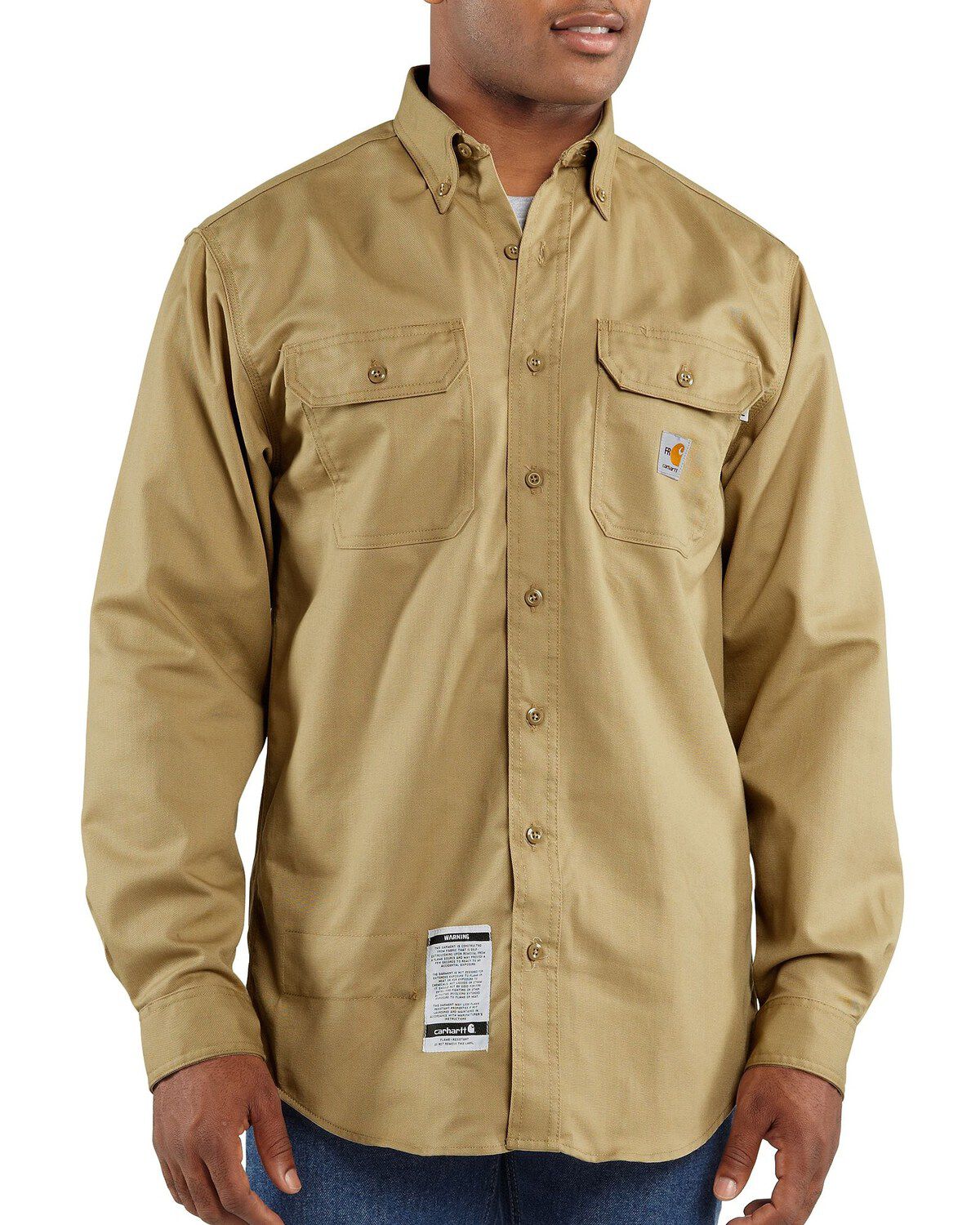
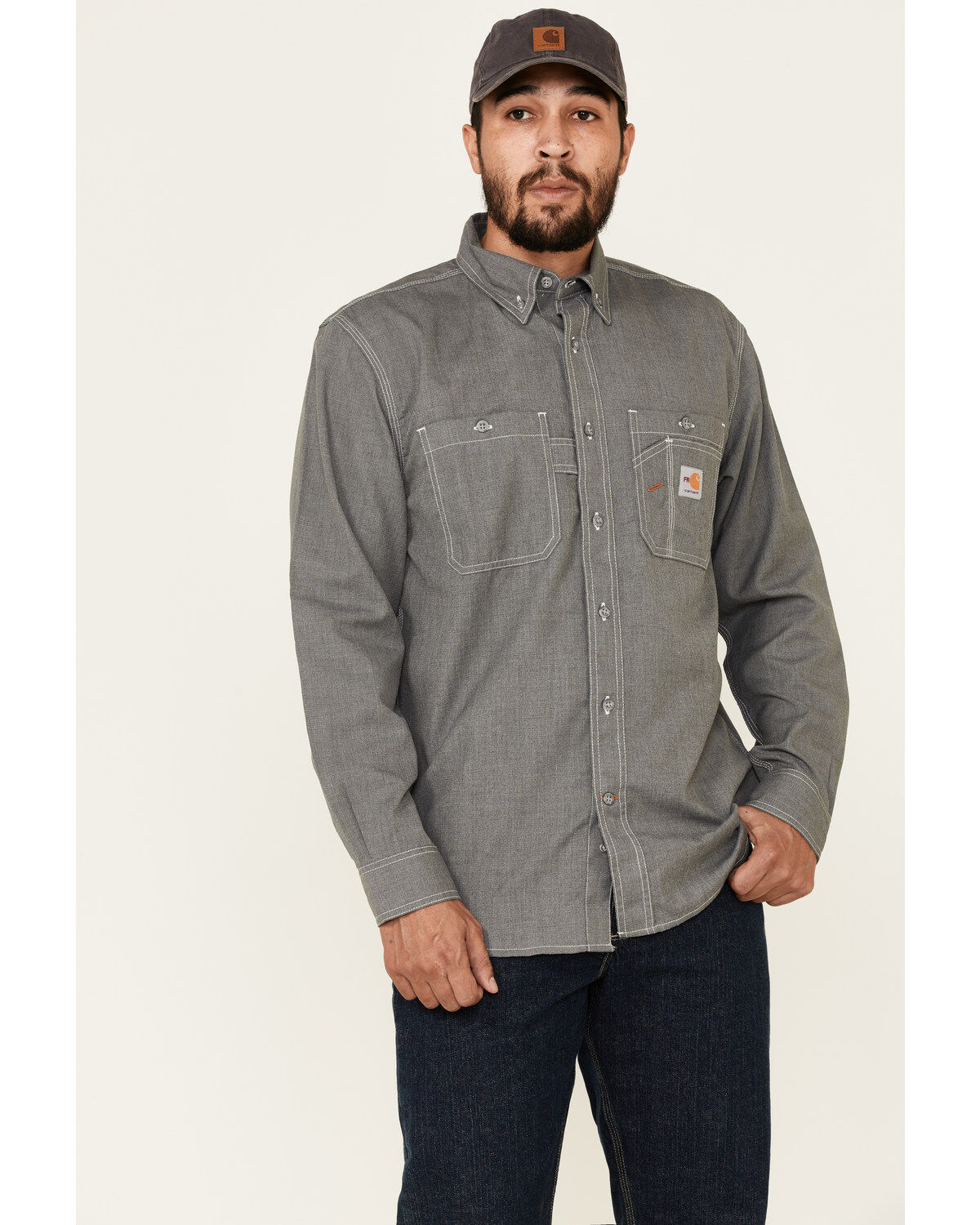
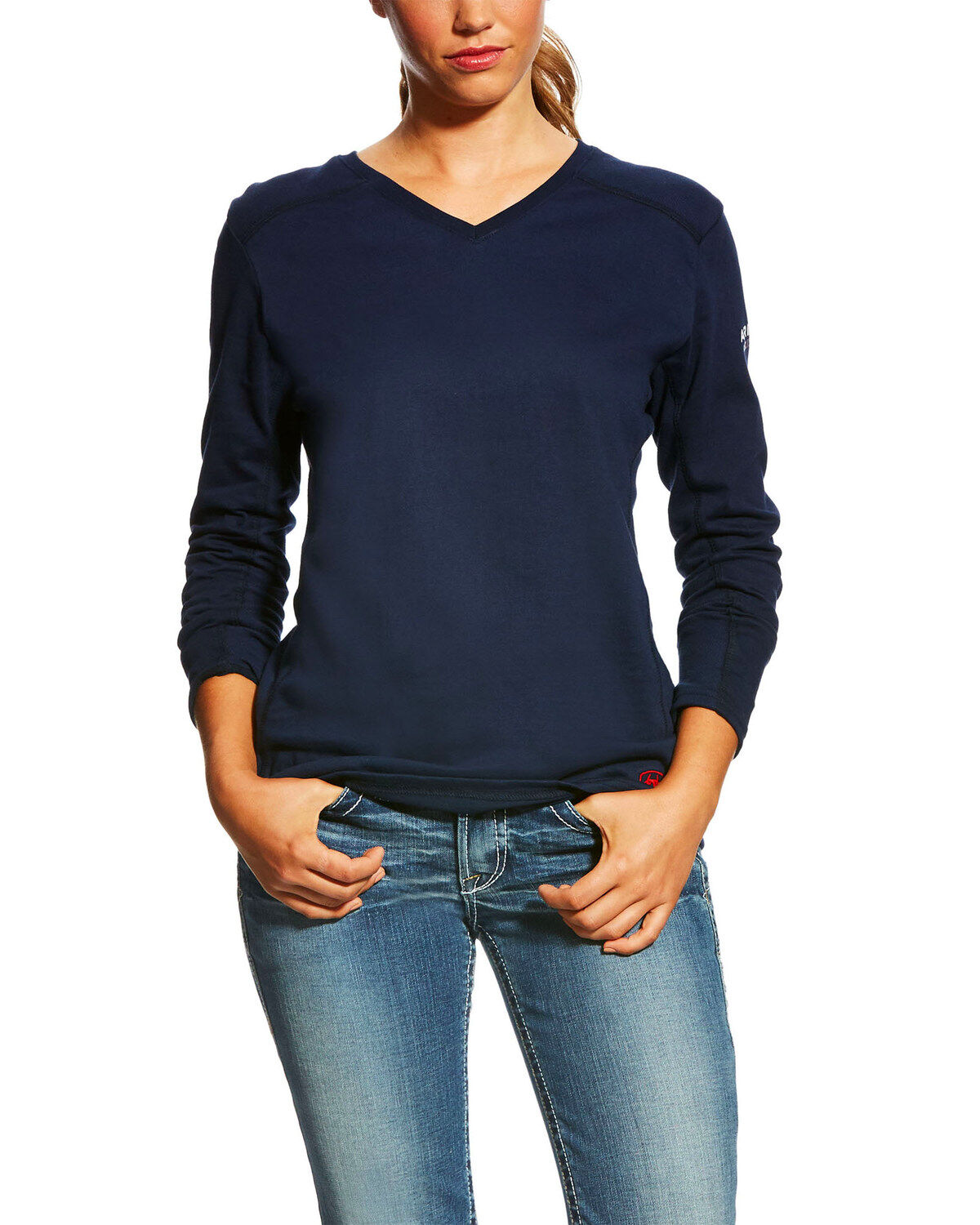
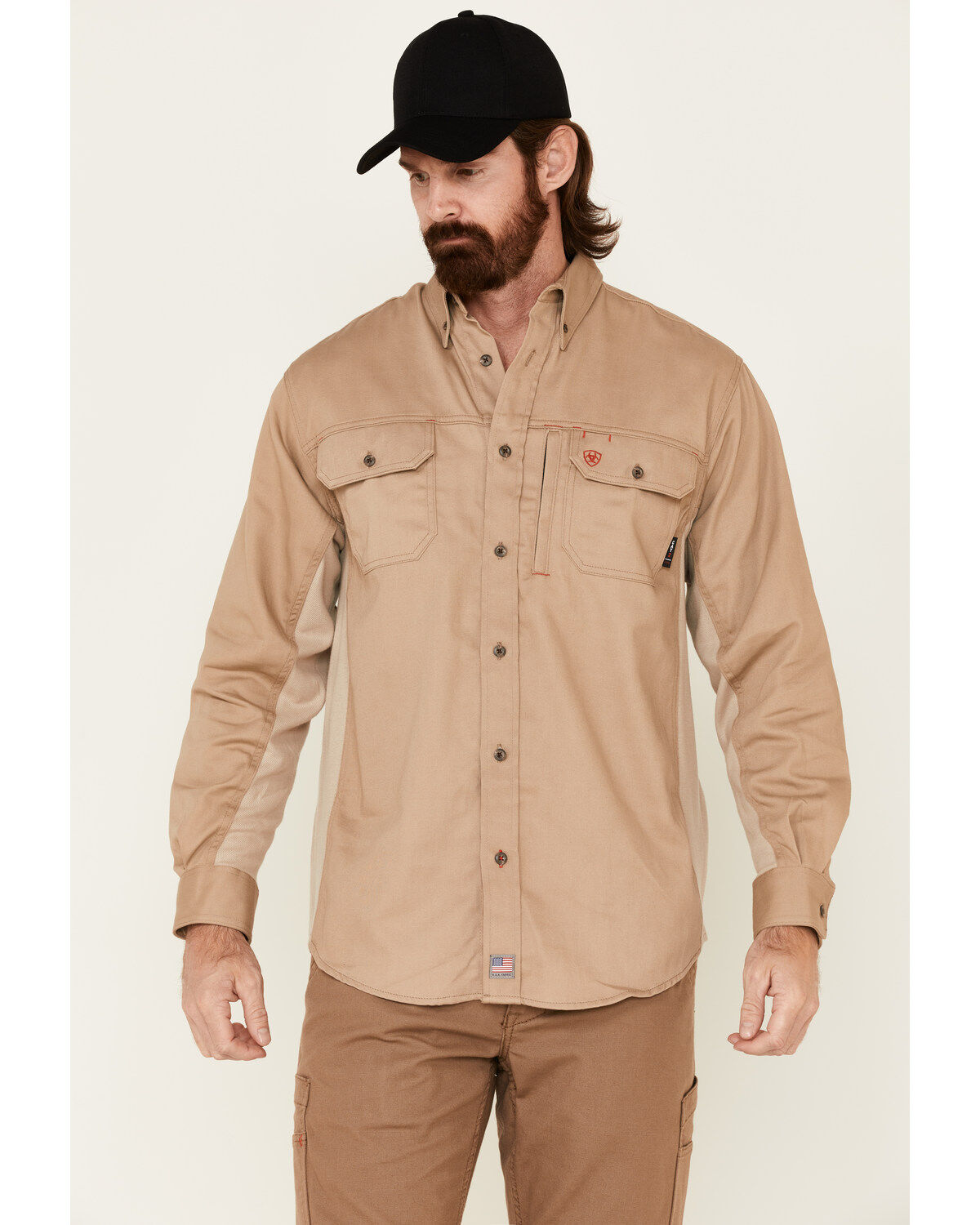
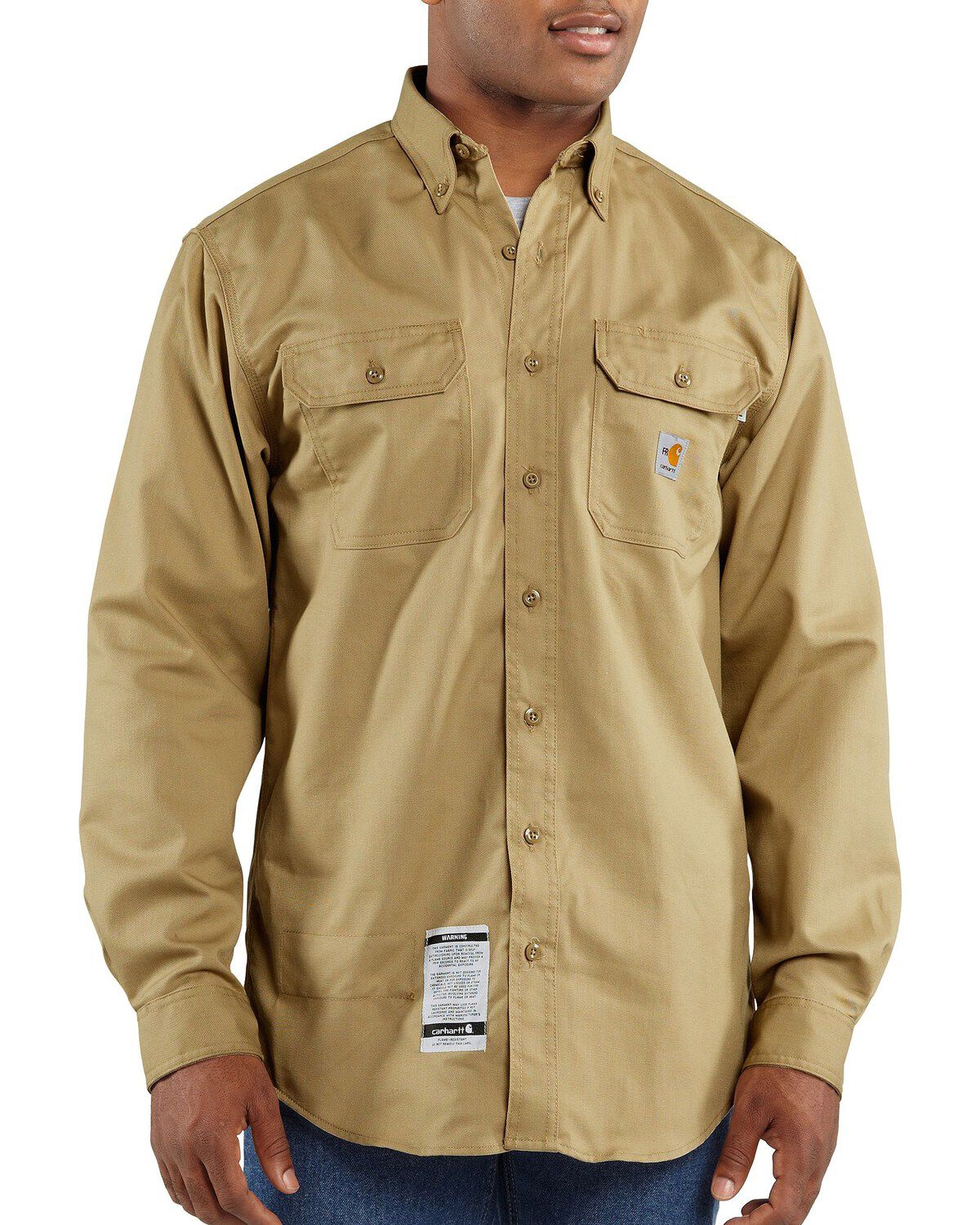
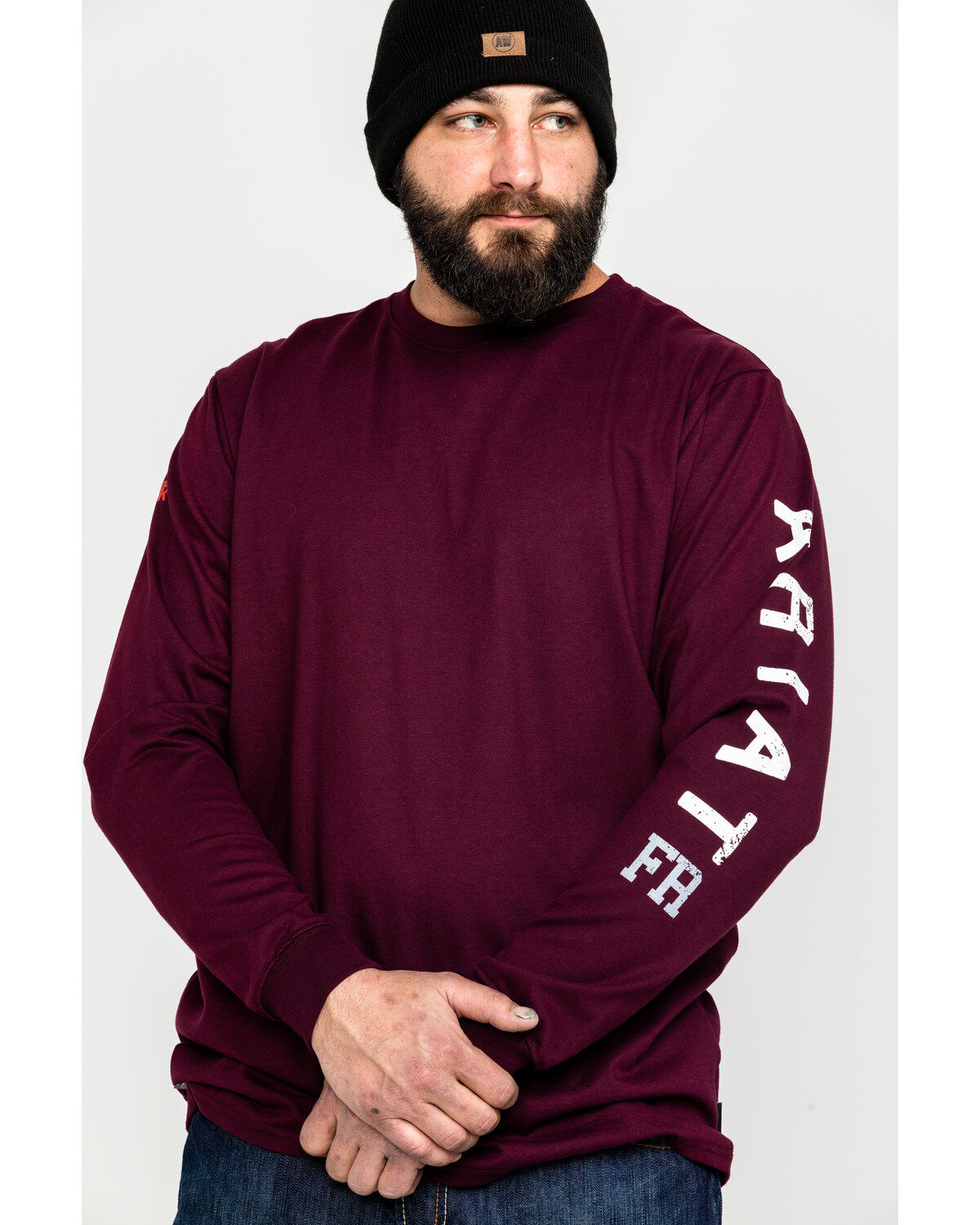
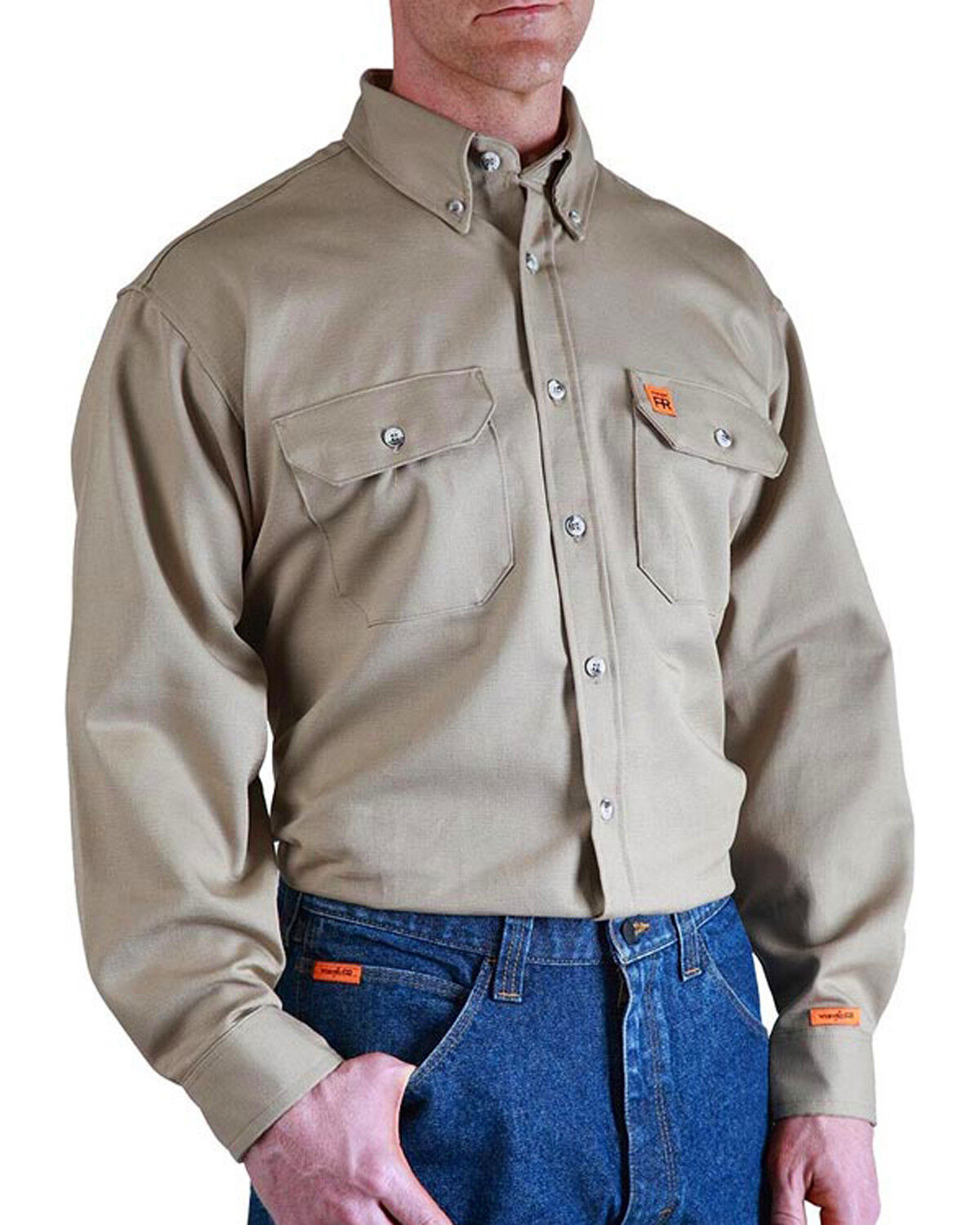
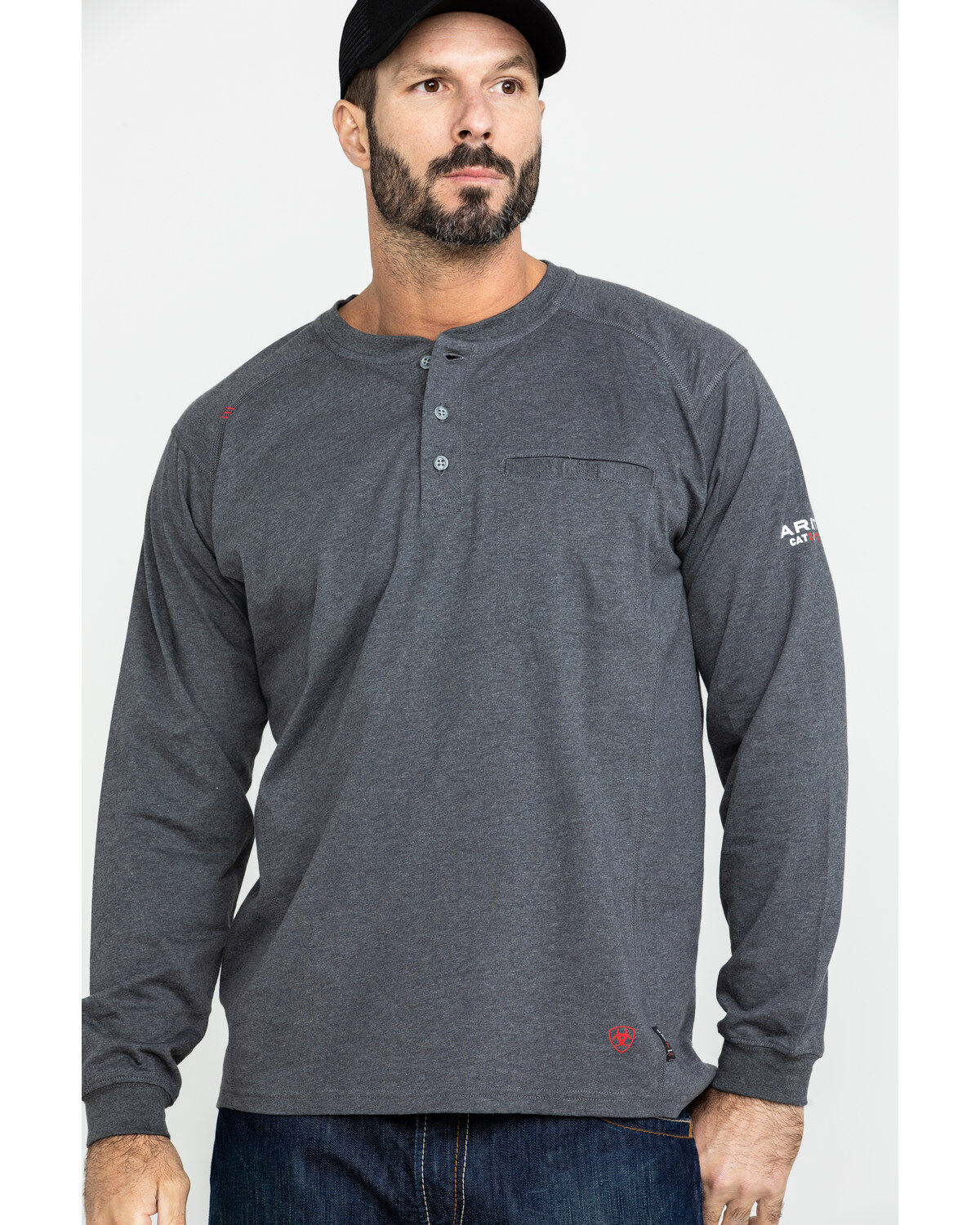
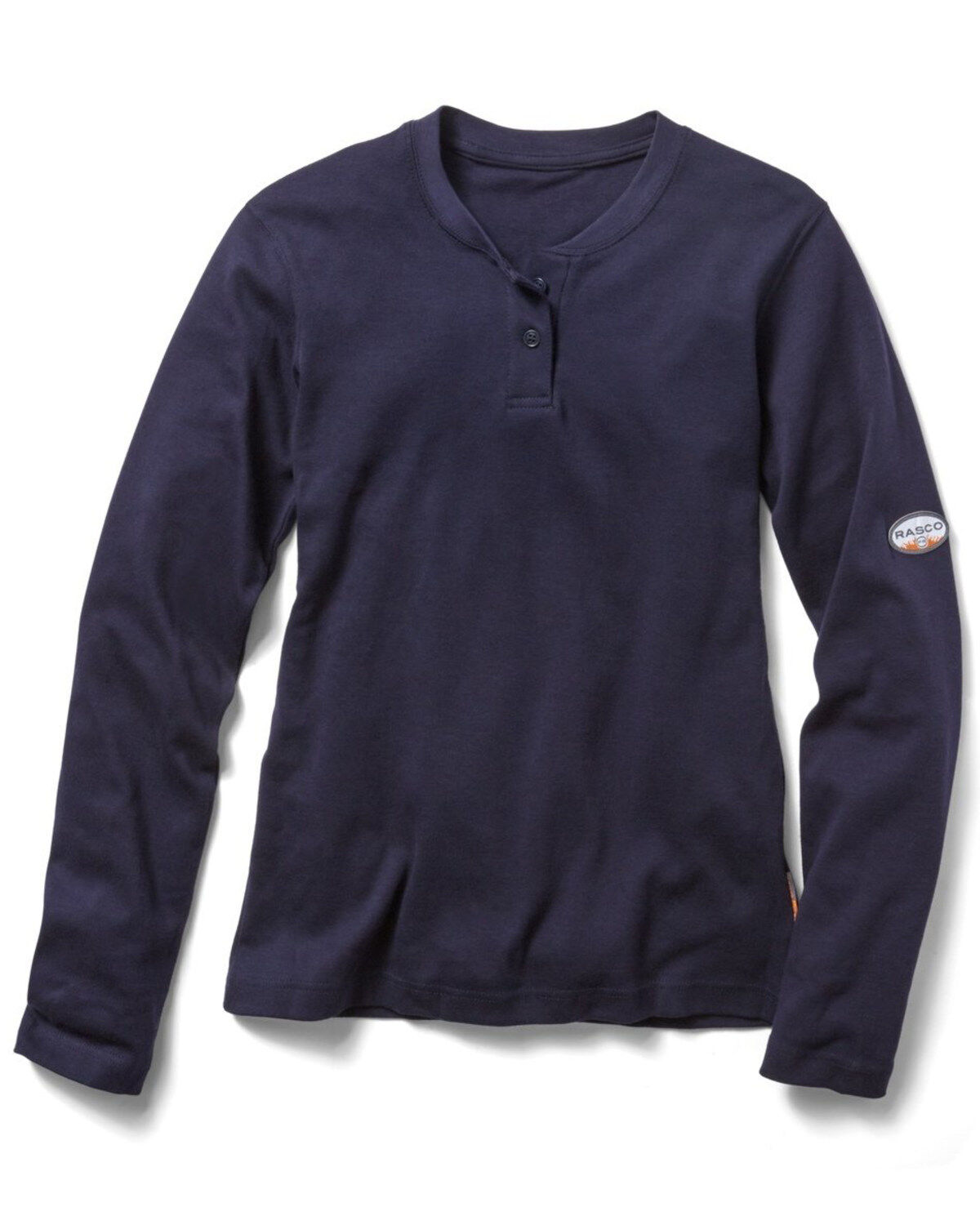
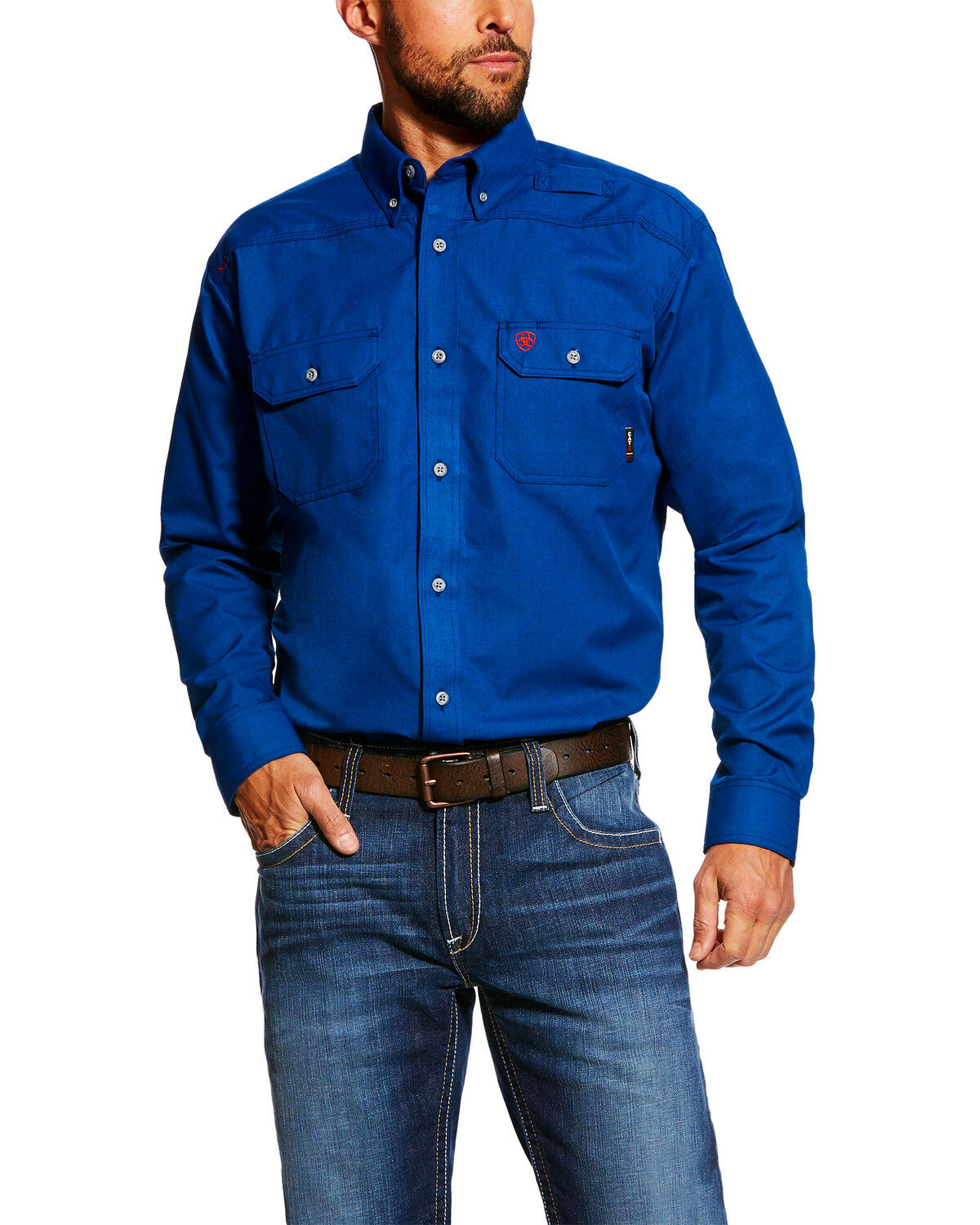
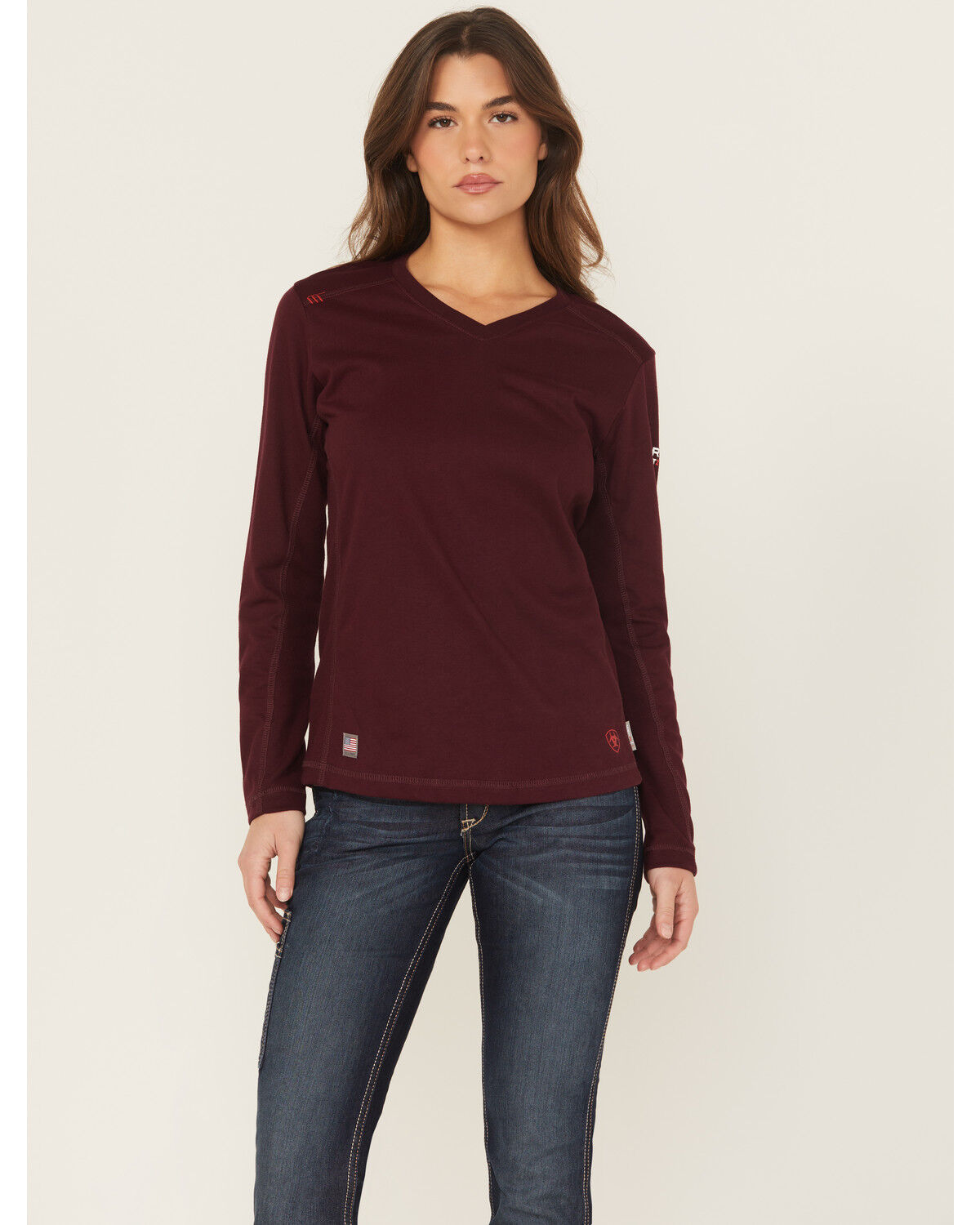
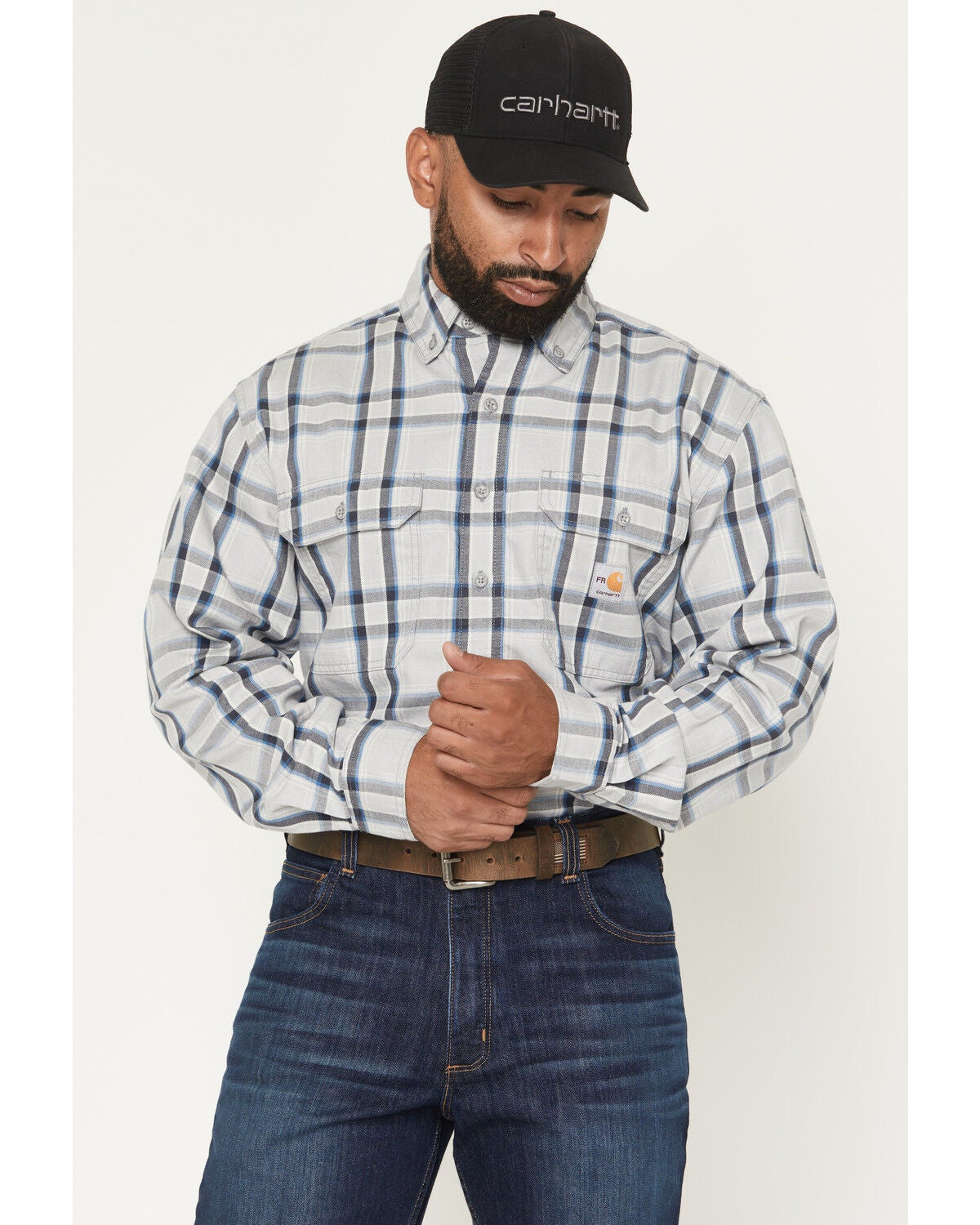
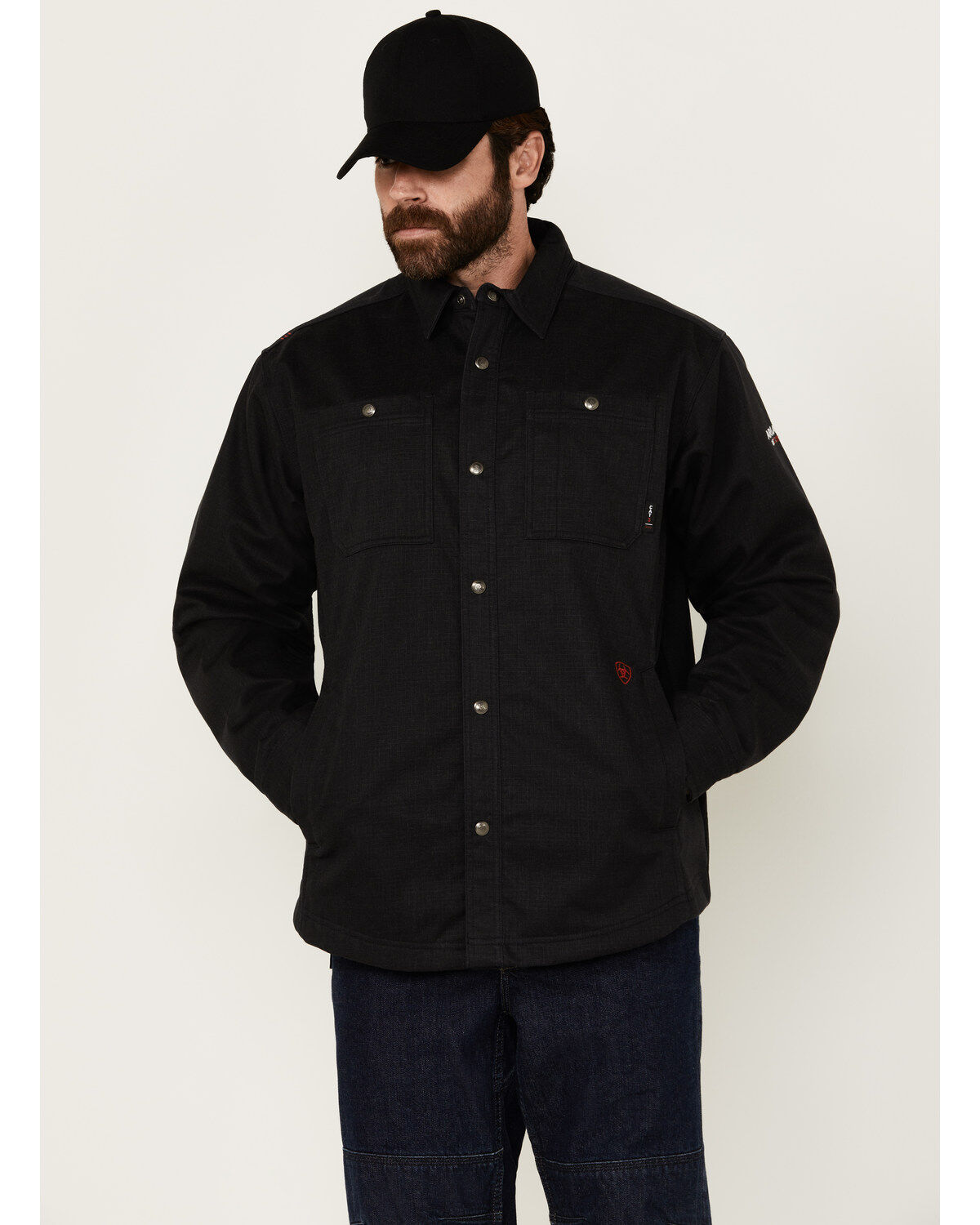
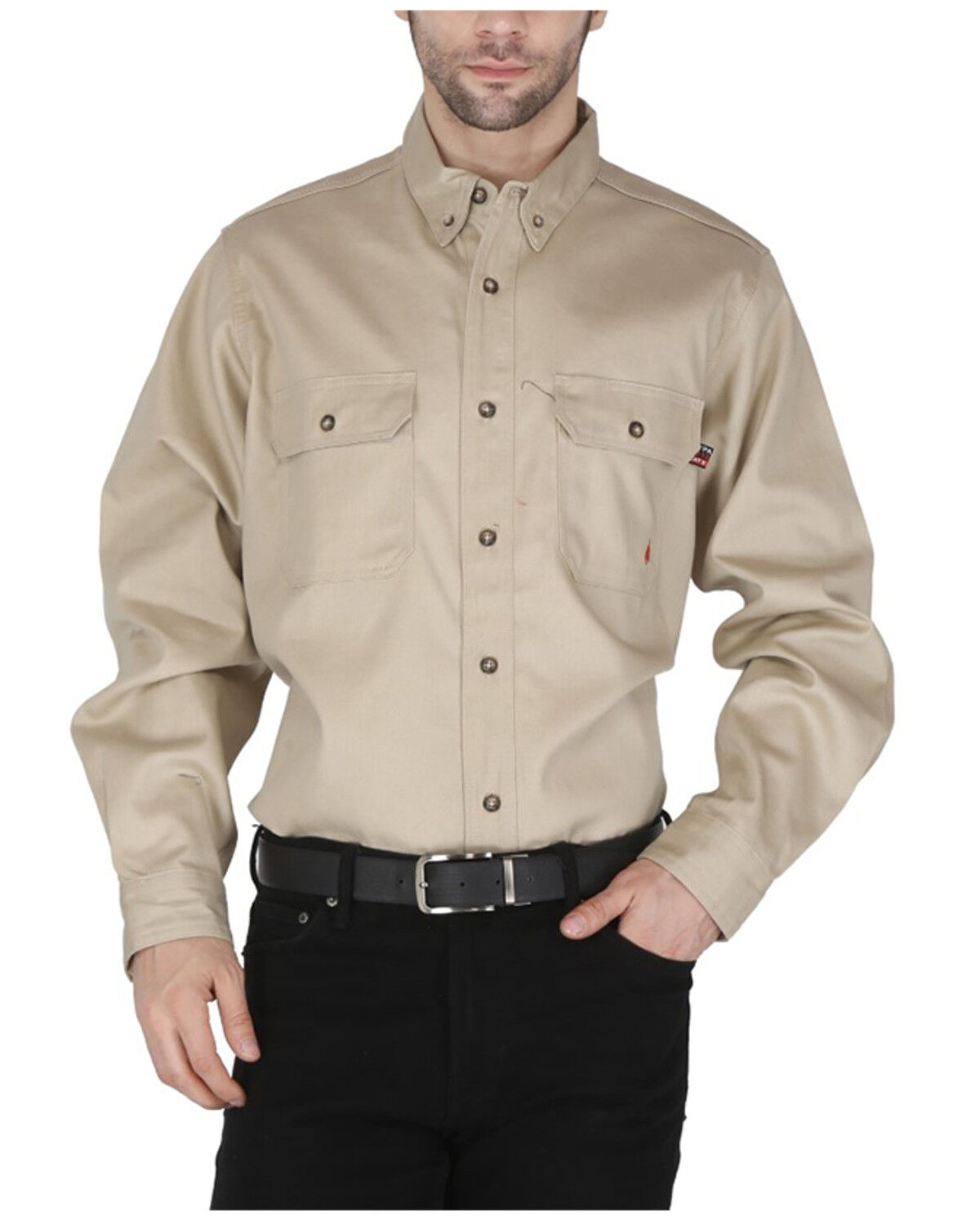
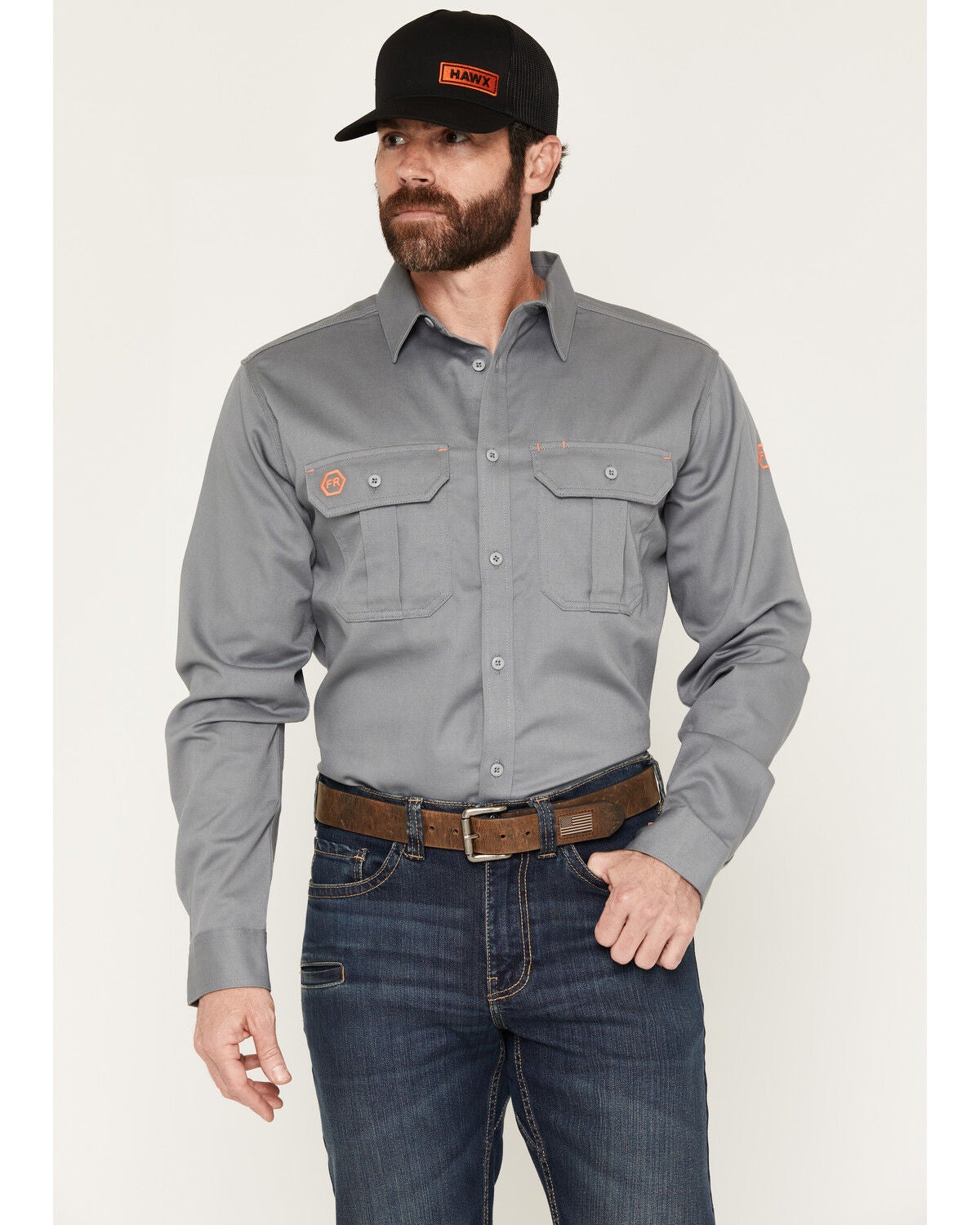
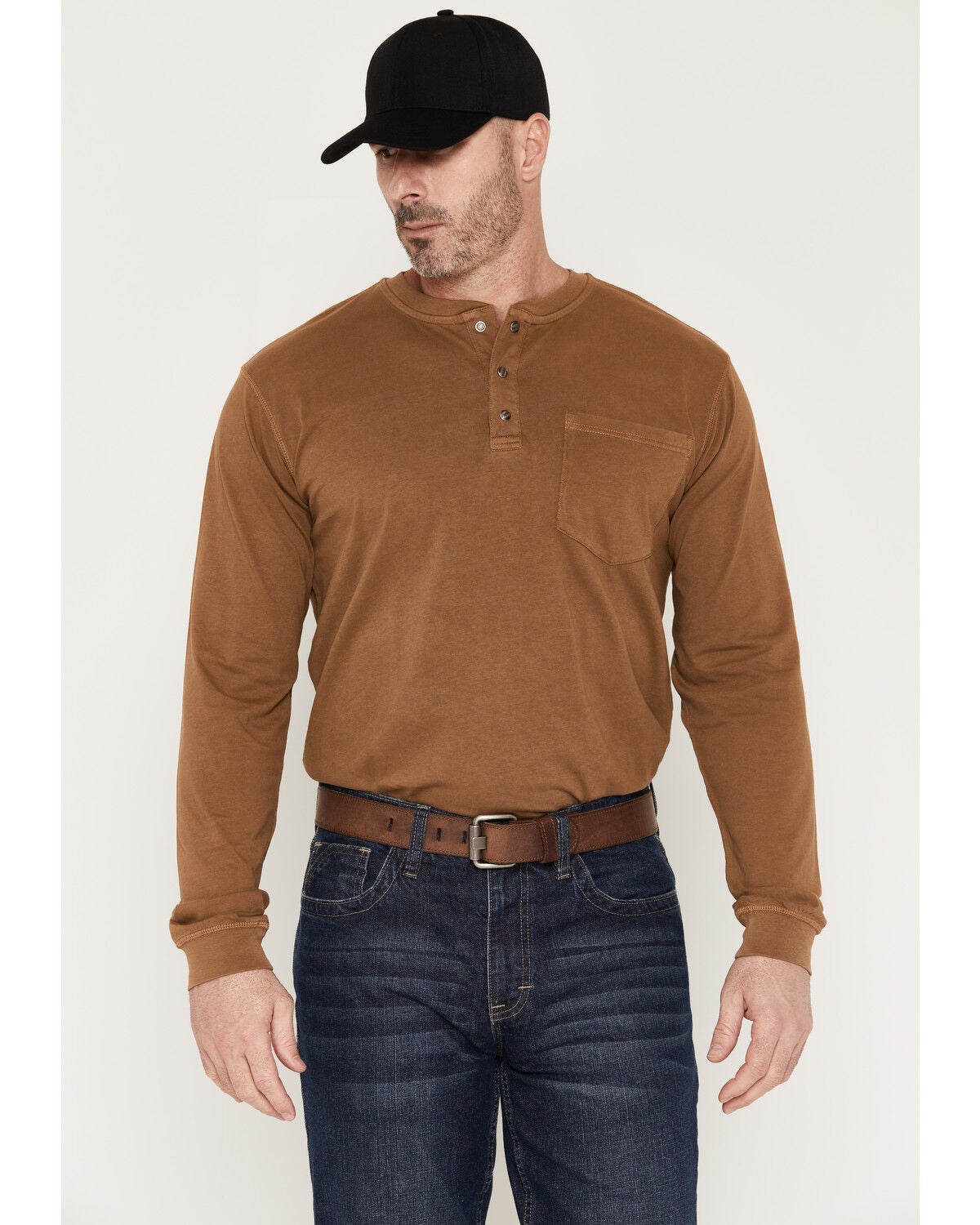
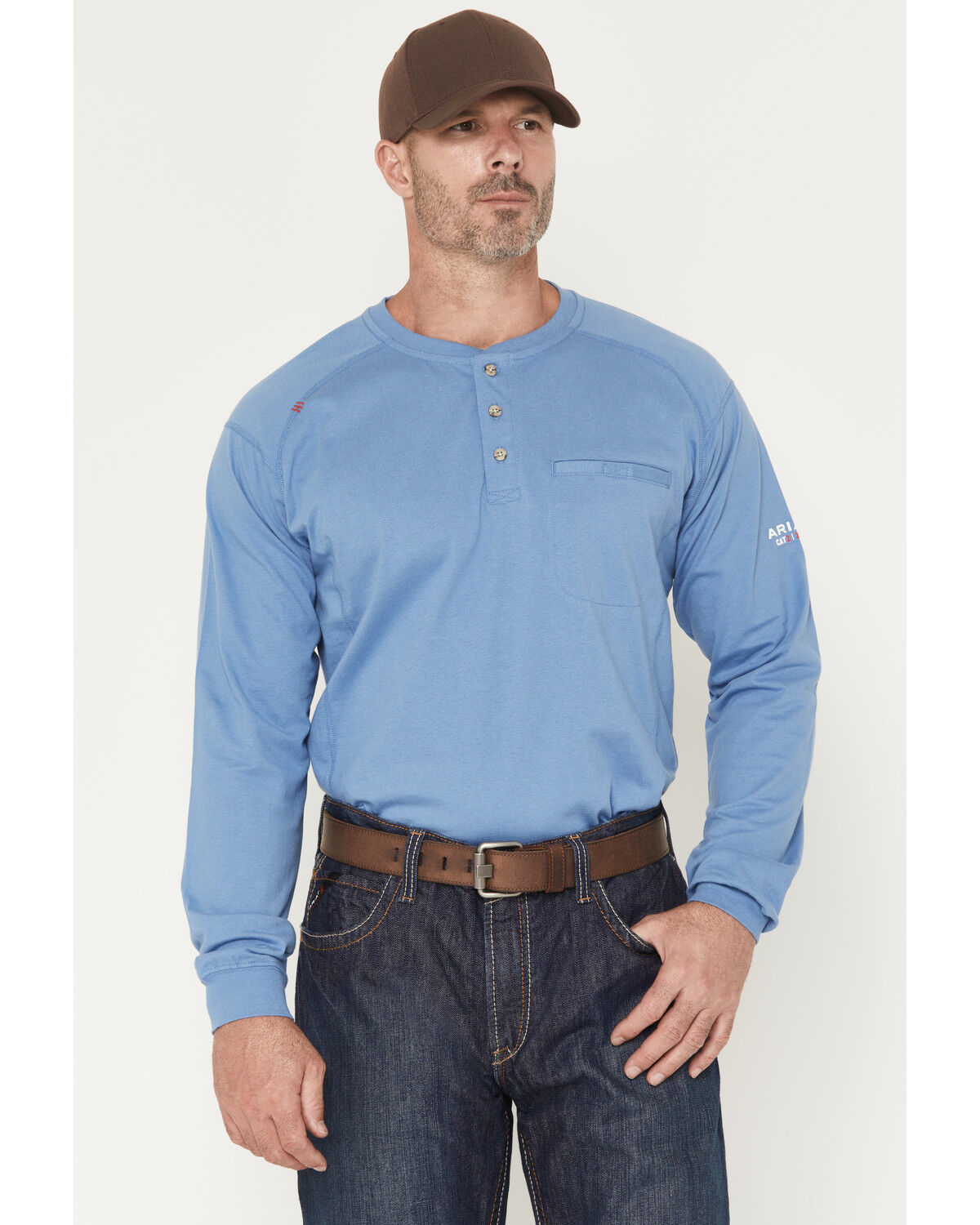
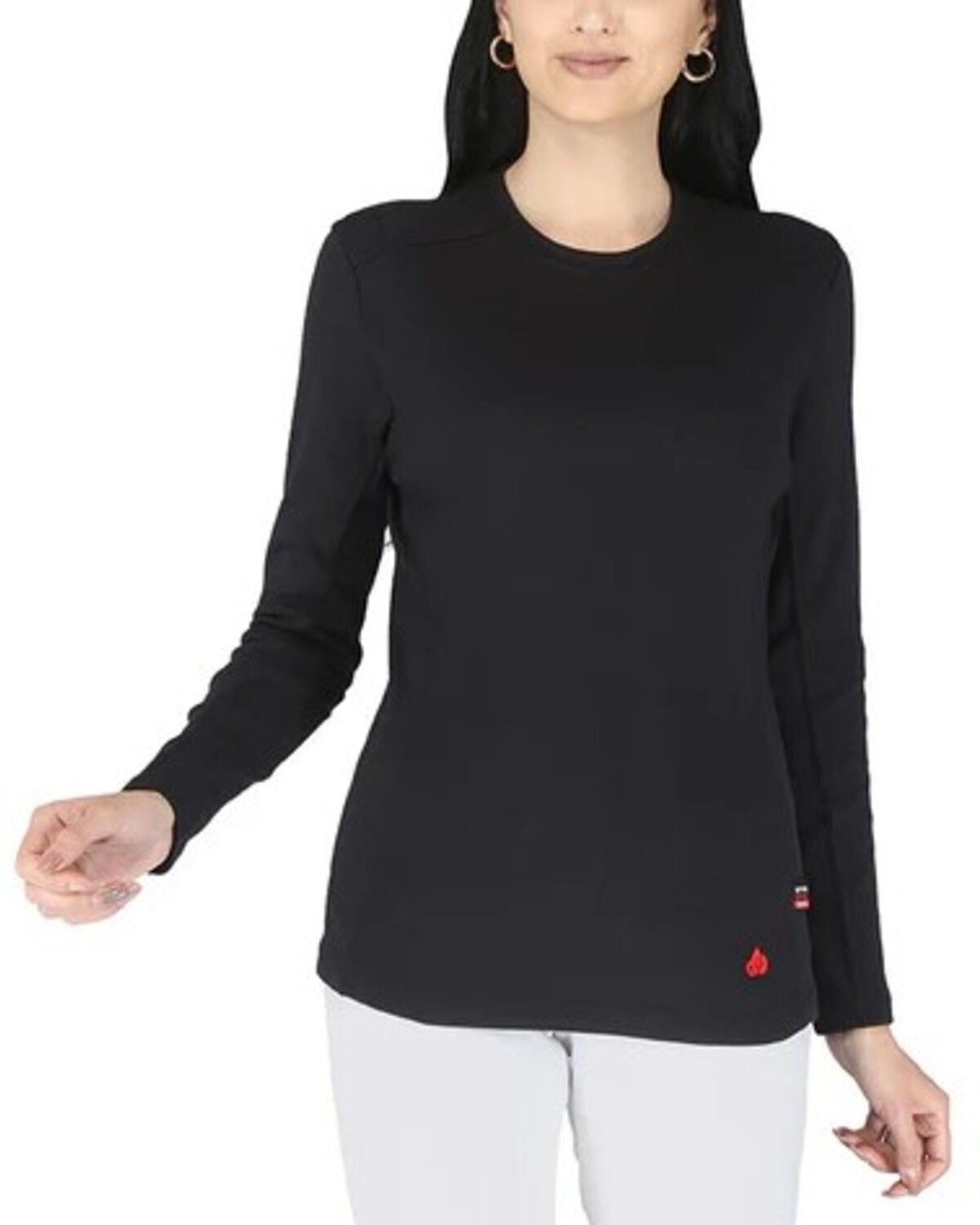
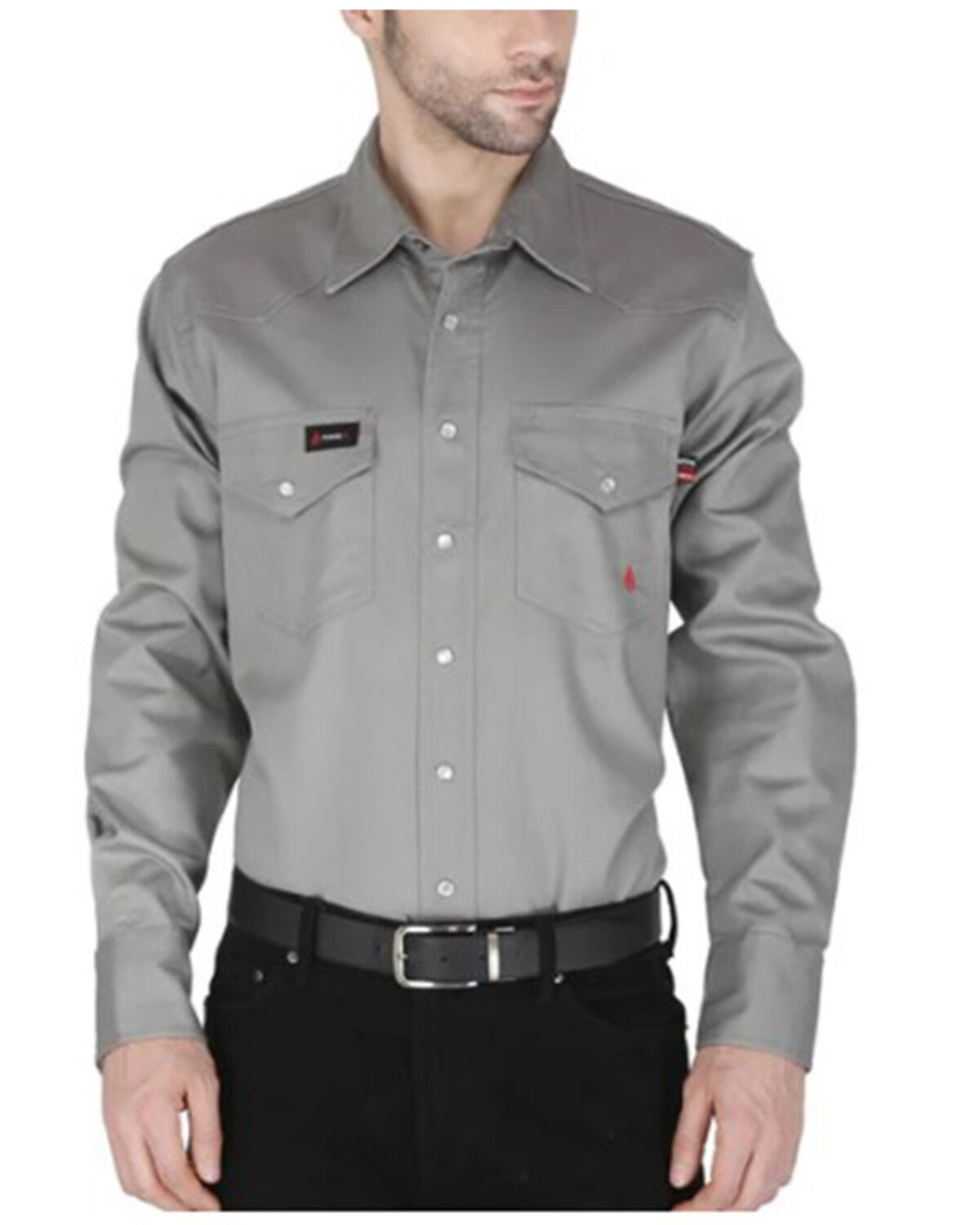
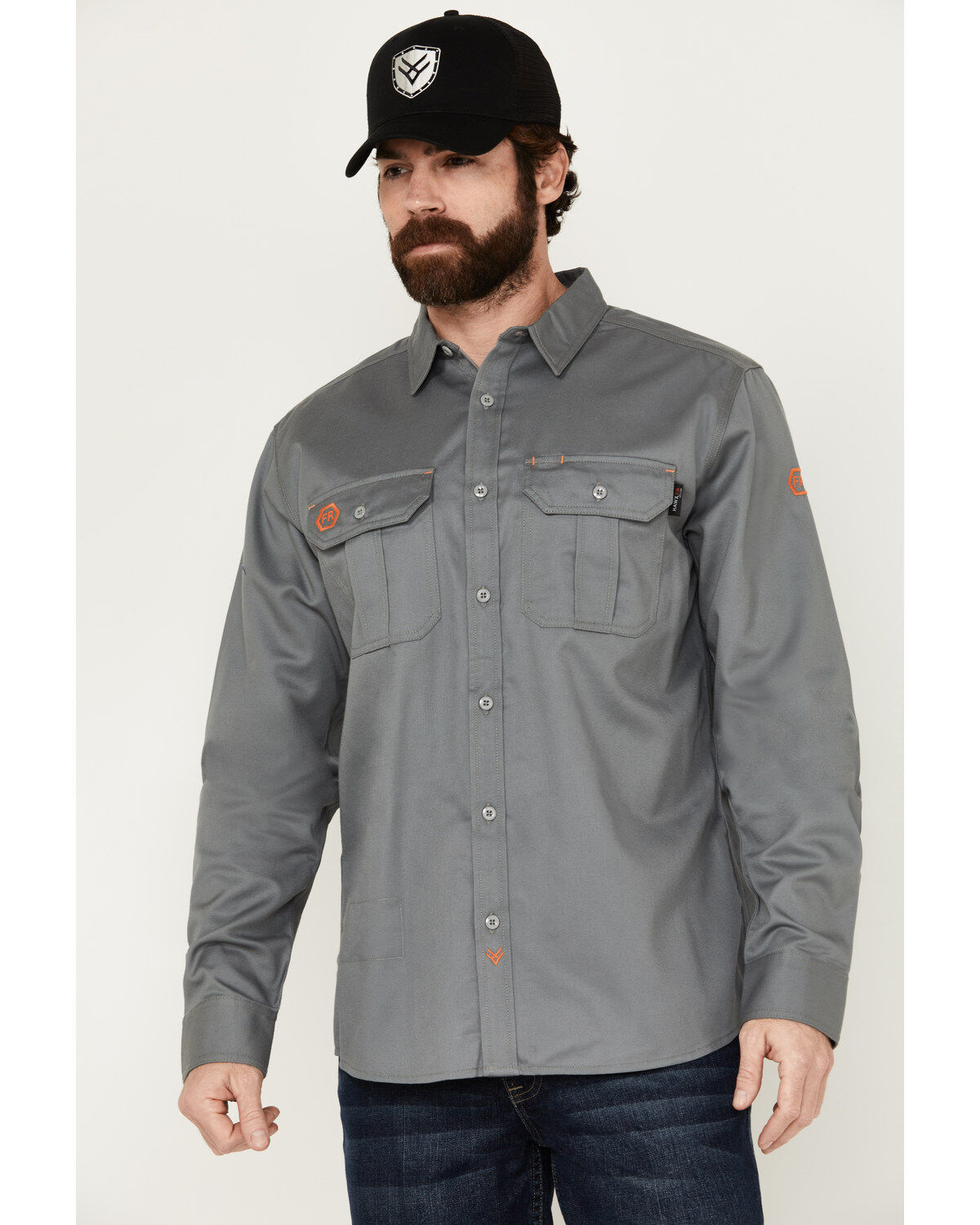
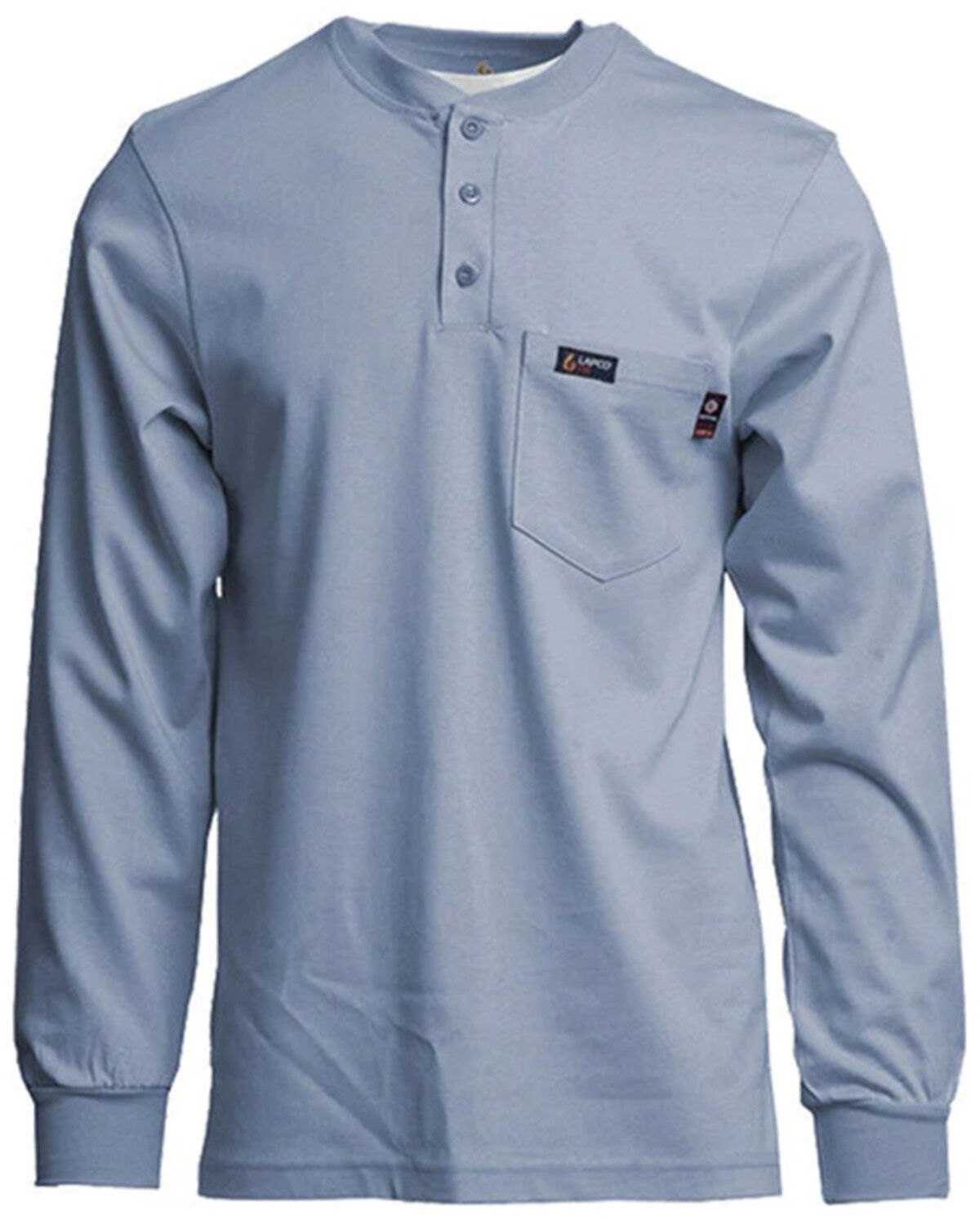
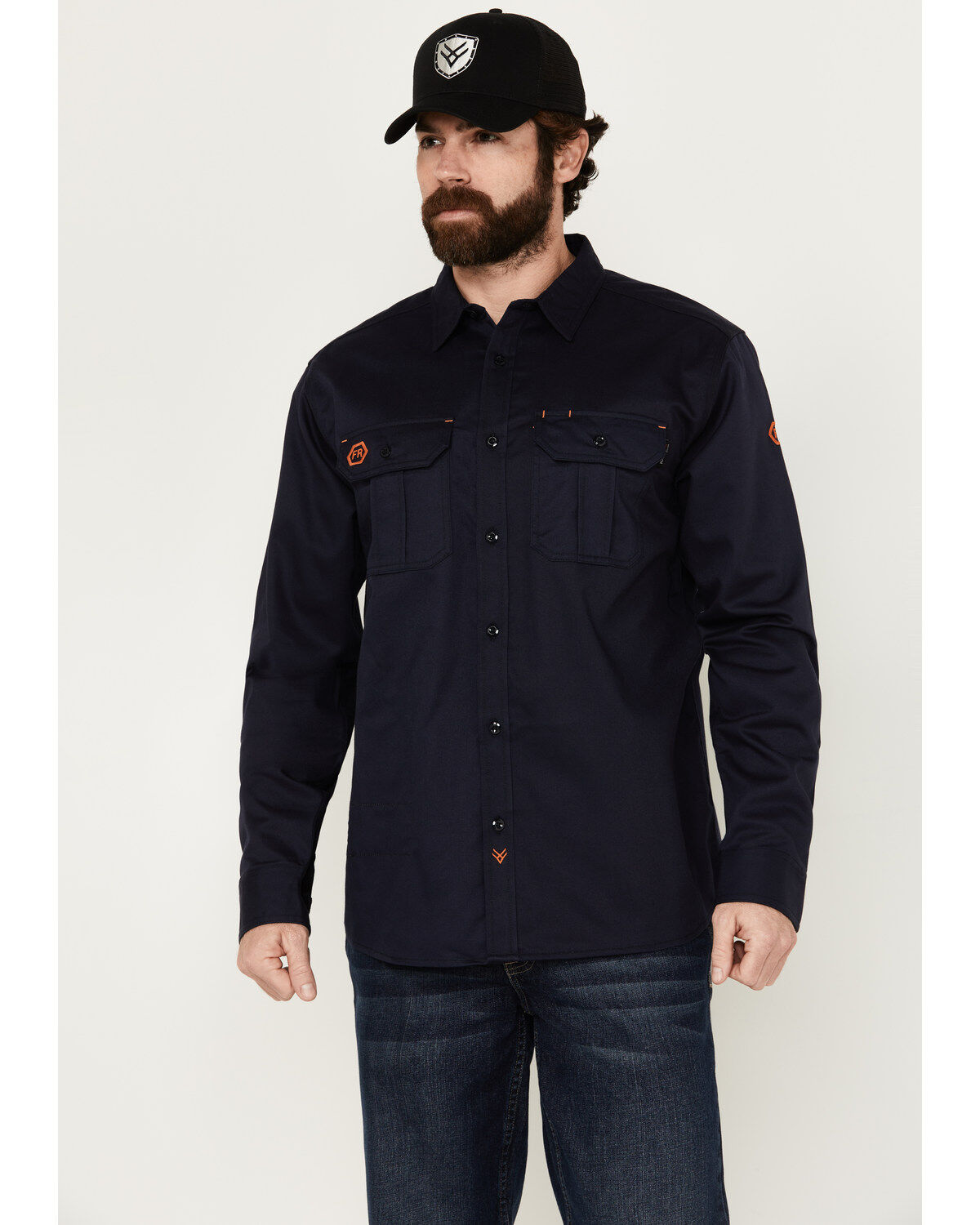
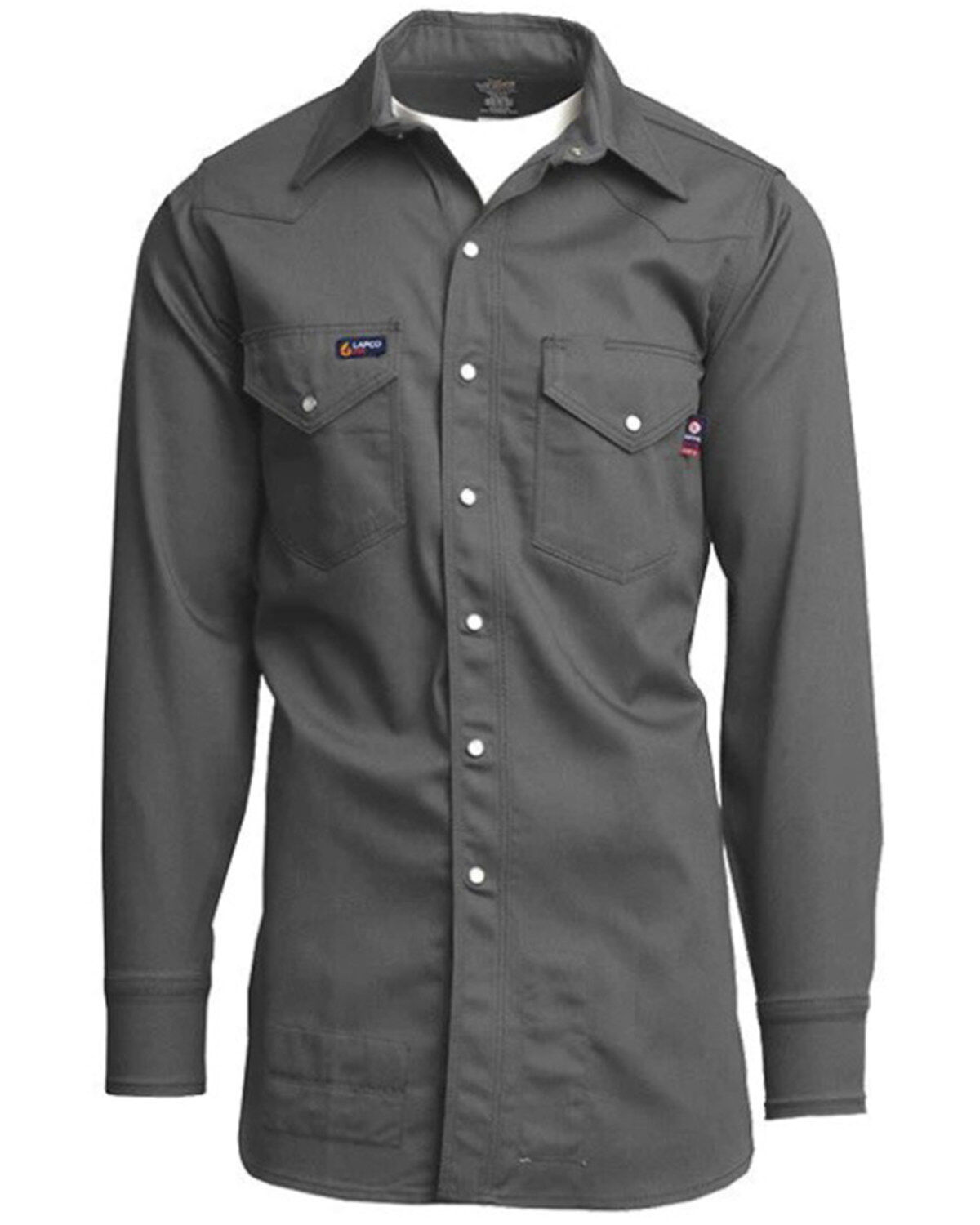
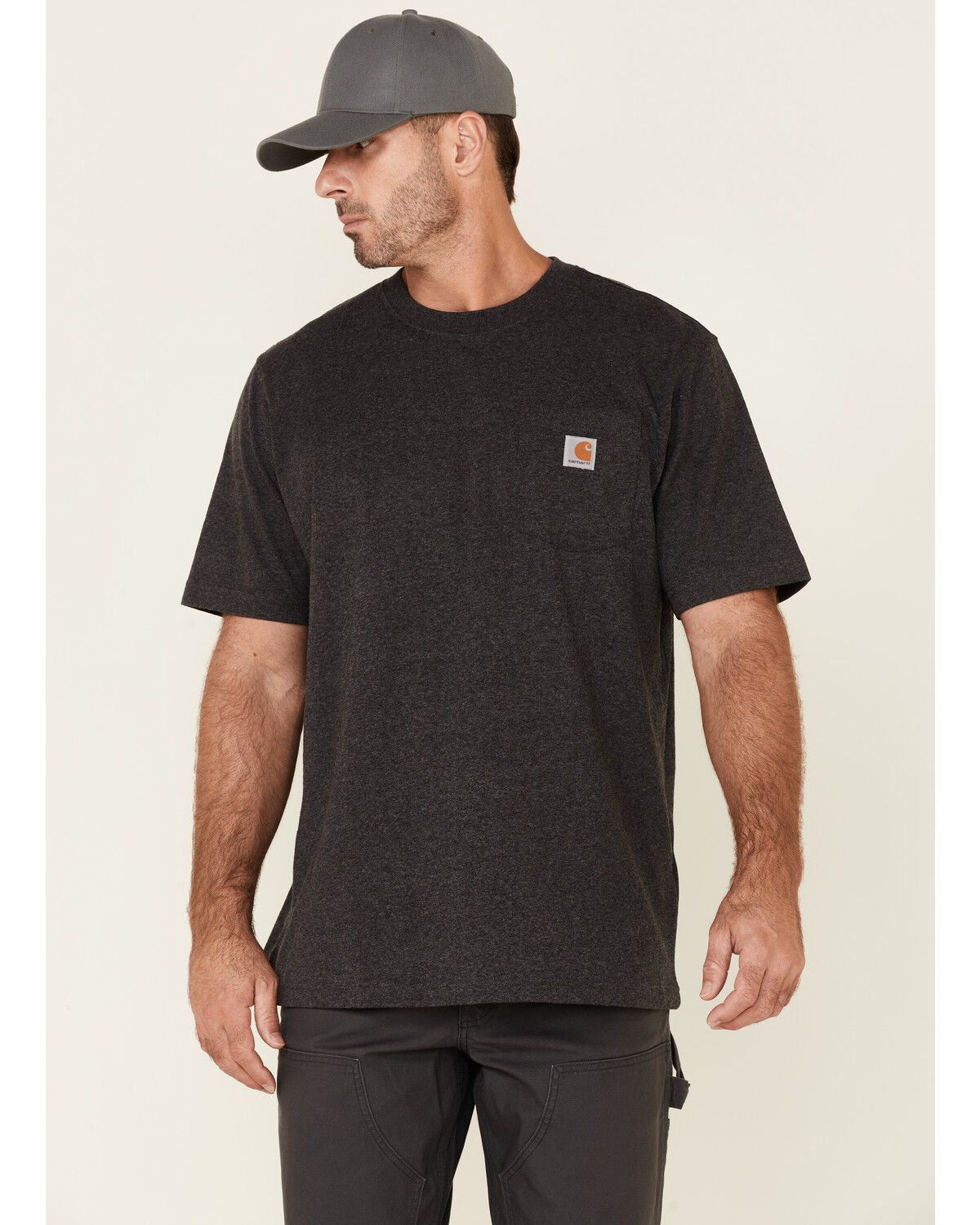
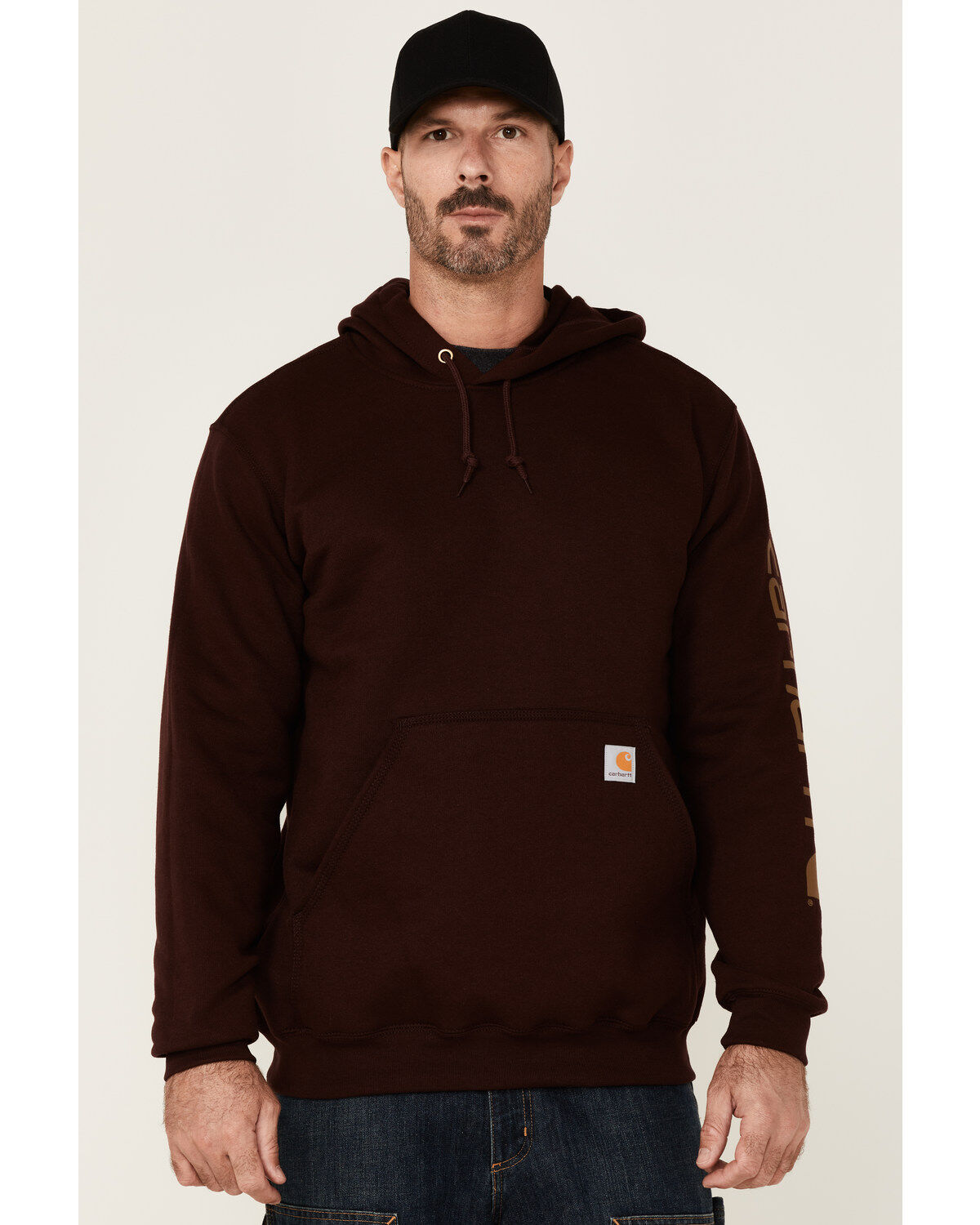
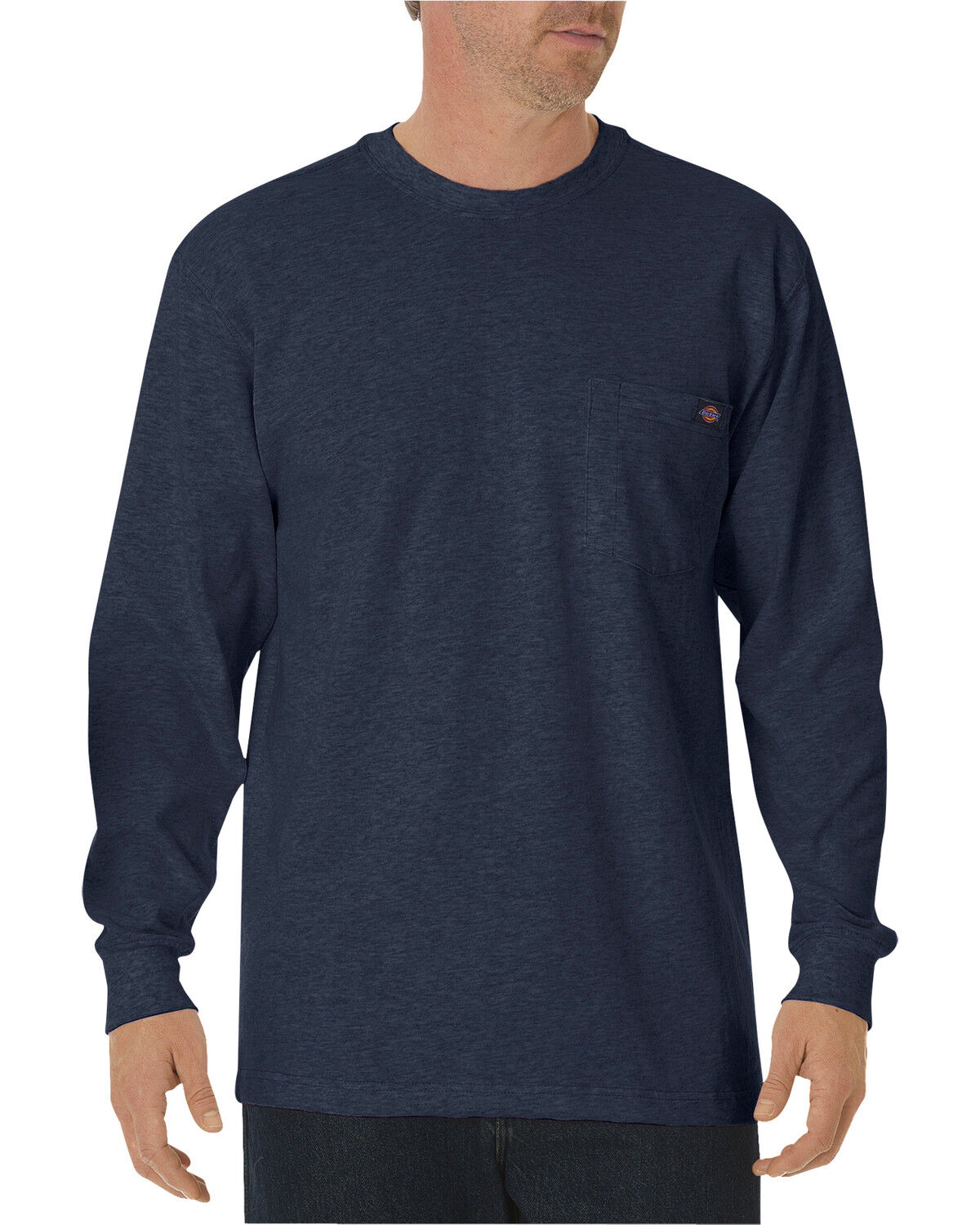
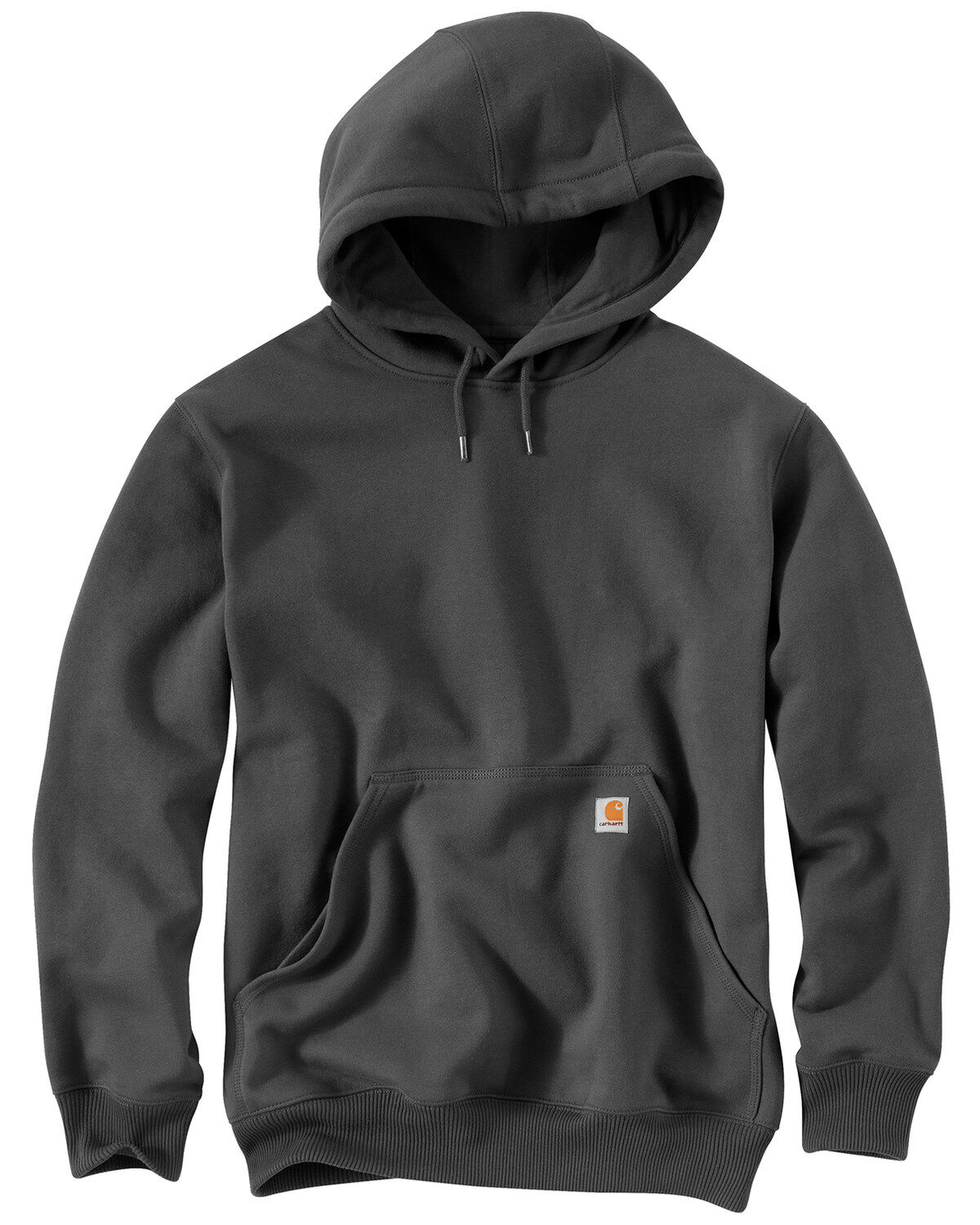
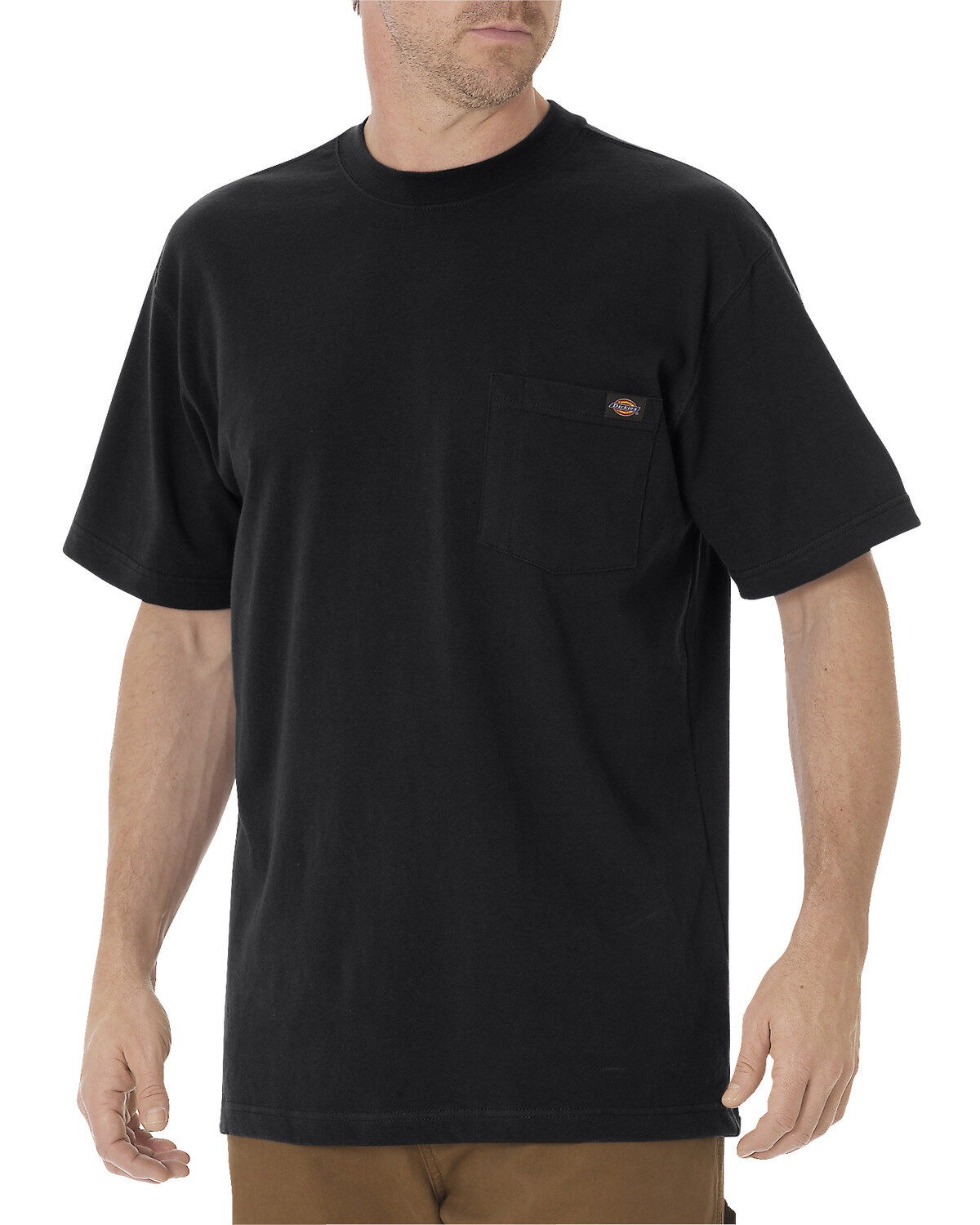
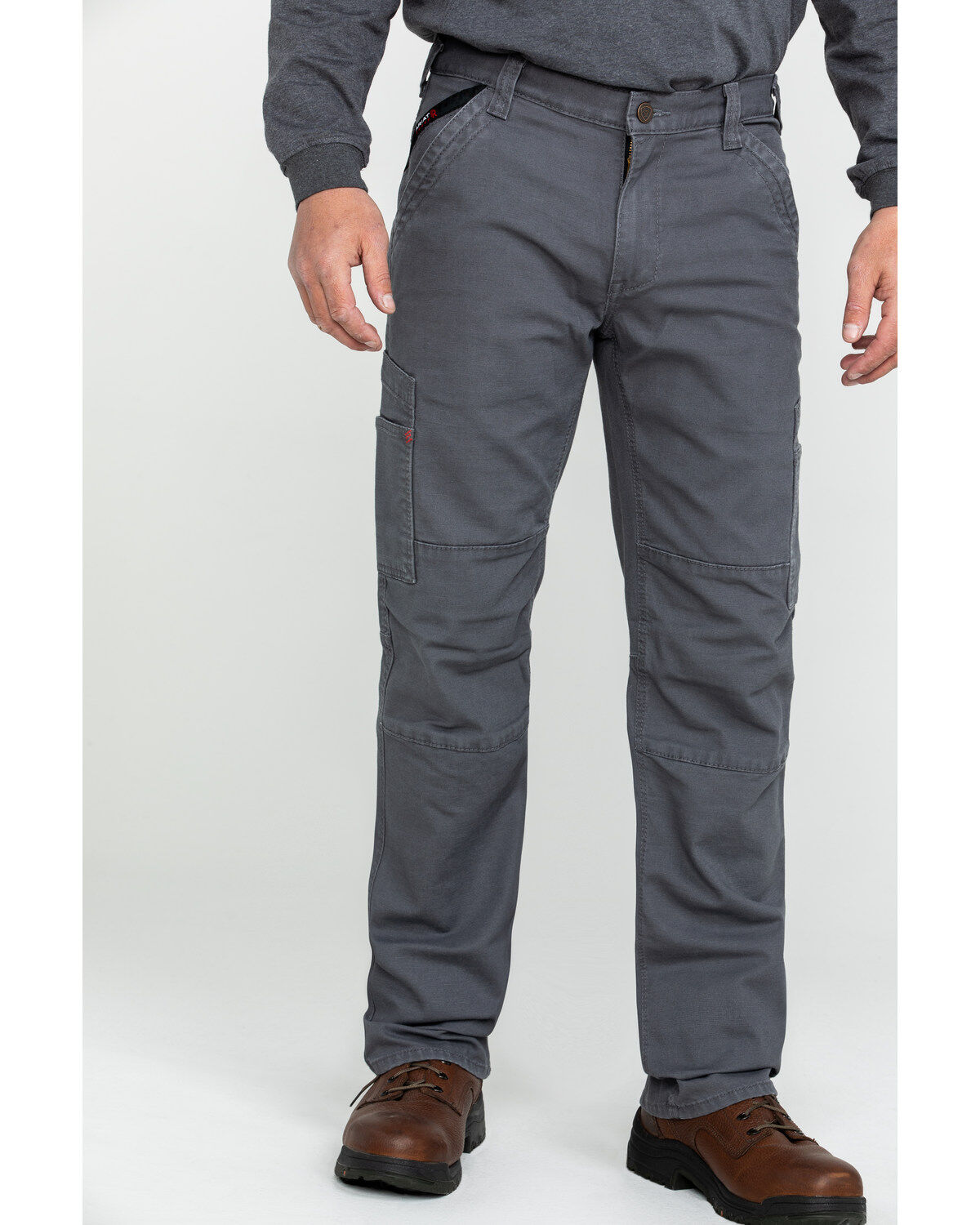
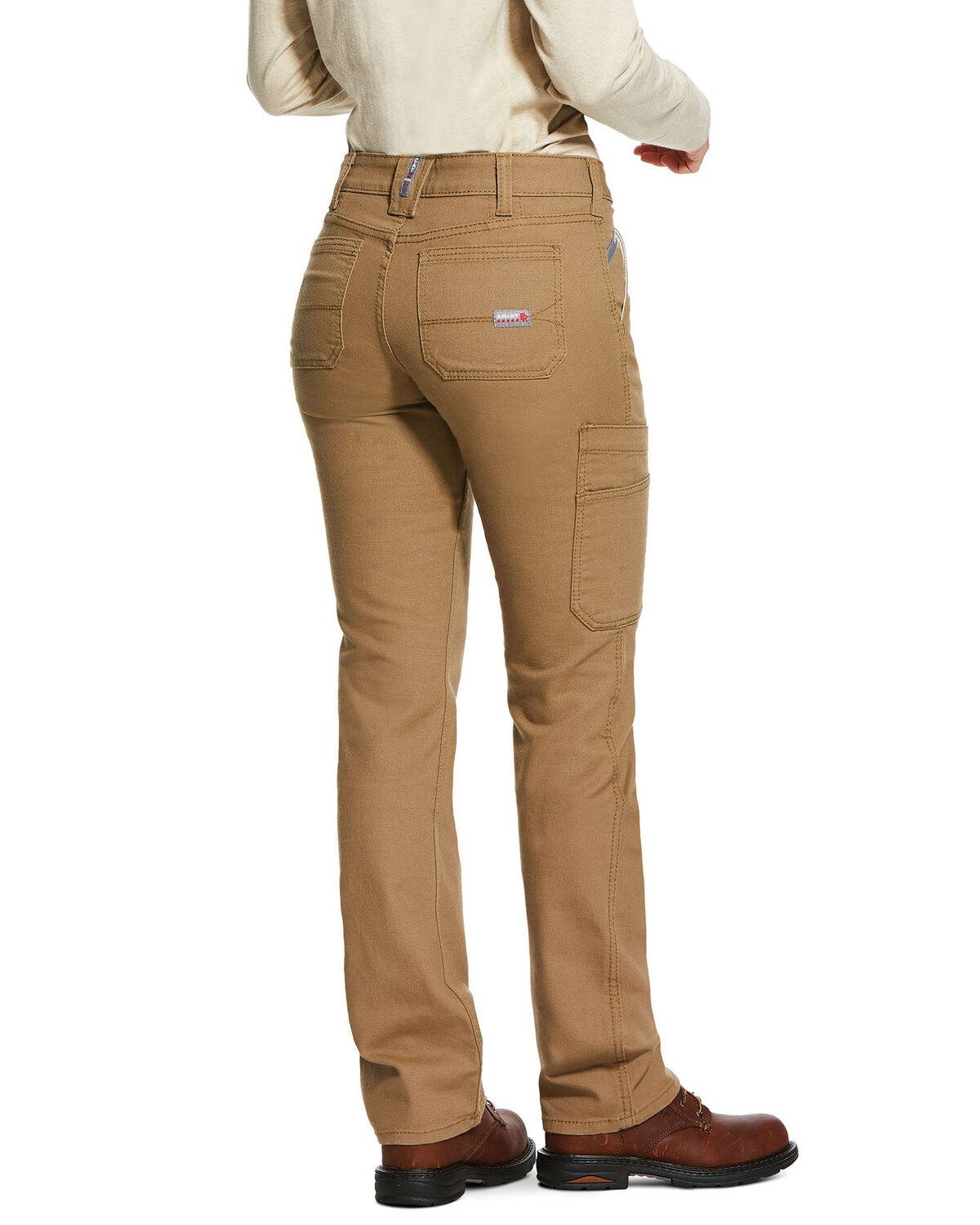
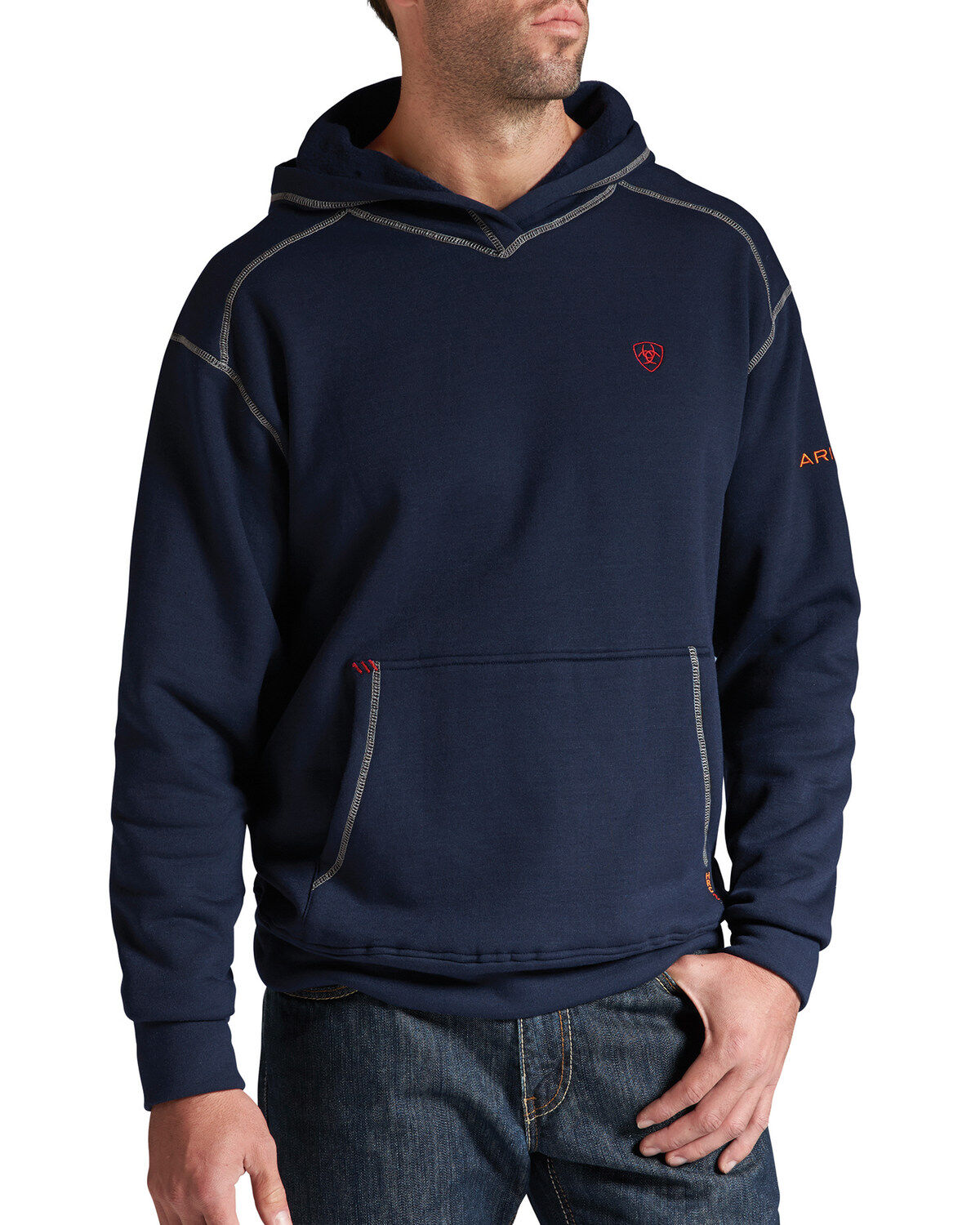
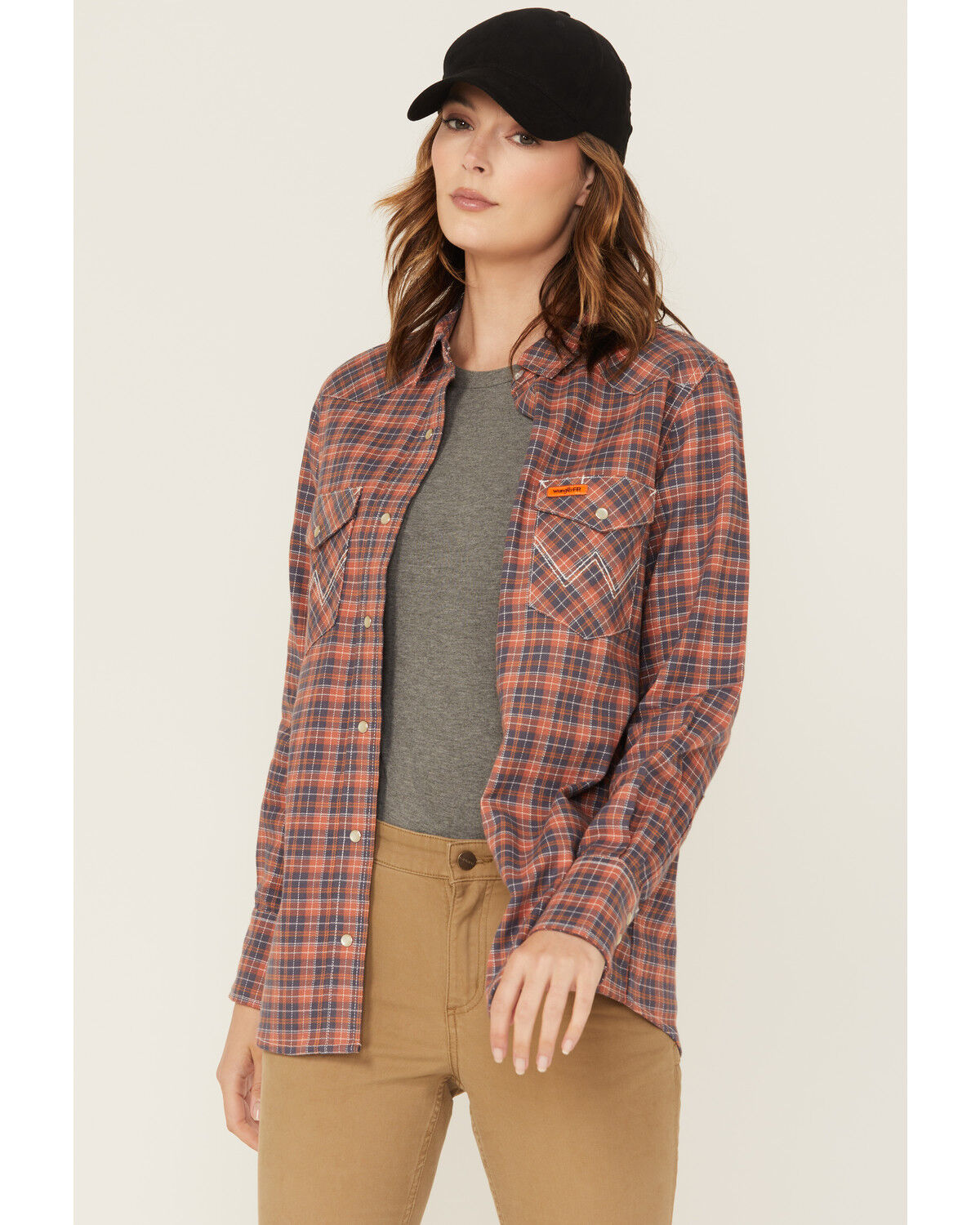
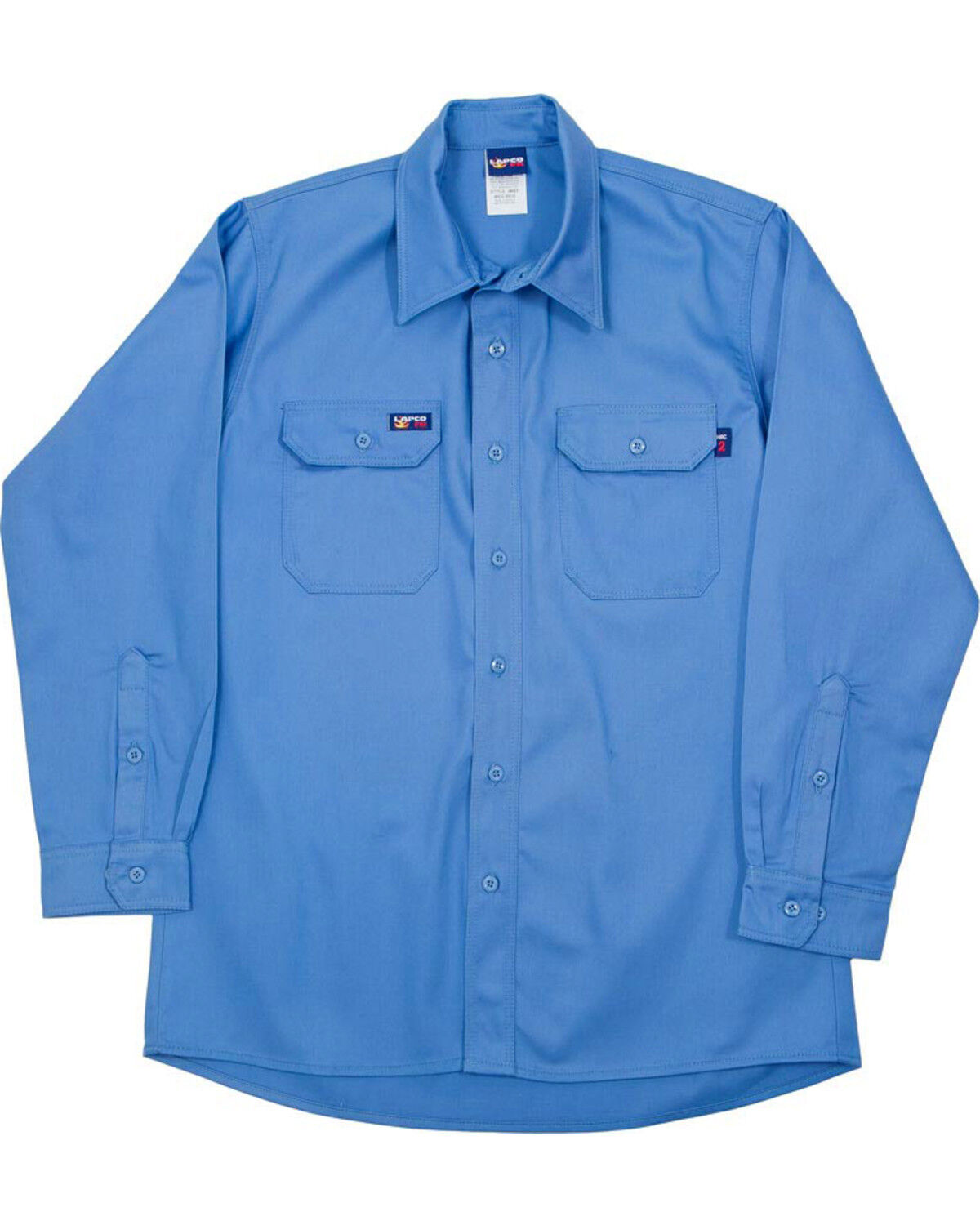
Flame resistant shirts for outdoor work are essential for those who face demanding environments and need reliable protection. Crafted to meet the rigorous... demands of various industries, these shirts offer peace of mind while ensuring comfort throughout the day. Whether you're working on a construction site, in an oil field, or tackling heavy-duty tasks in unpredictable weather, our selection of flame resistant shirts provides both safety and style. Explore options that blend durability with functionality, making them a smart choice for anyone committed to staying protected while working outdoors.
Read more
Flame Resistant Shirts For Outdoor Work
Flame resistant shirts for outdoor work are essential for those who face demanding environments and need reliable protection. Crafted to meet the rigorous... demands of various industries, these shirts offer peace of mind while ensuring comfort throughout the day. Whether you're working on a construction site, in an oil field, or tackling heavy-duty tasks in unpredictable weather, our selection of flame resistant shirts provides both safety and style. Explore options that blend durability with functionality, making them a smart choice for anyone committed to staying protected while working outdoors.
Flame resistant shirts for outdoor work are made for jobs where a brief exposure to flame, flash fire, or electrical arc can become a serious hazard. Utility crews, oil and gas workers, welders, construction teams, maintenance professionals, and industrial workers may rely on FR clothing as part of a larger job-site safety system. These shirts are designed to resist ignition and help limit the spread of flames when exposed to a flash fire or arc event. They are not fireproof, and they do not replace proper training, protective equipment, or an employer’s safety requirements. The right shirt starts with the hazards involved in the work. Check the garment label for its intended protection, fabric composition, arc rating where applicable, and compliance with standards required for the job. NFPA 70E is commonly associated with electrical safety, while NFPA 2112 addresses garments used for flash fire protection. An arc thermal performance value, or ATPV, indicates how much incident energy a garment can withstand before the wearer may receive a second-degree burn. A CAT 2 garment often carries an ATPV in the range of 8 to 9 calories per square centimeter, but the required rating depends on the task and the employer’s hazard assessment. A shirt should never be selected by rating alone. Make sure the full outfit, including the shirt, pants, outer layers, gloves, footwear, and head protection, works together for the conditions at hand.
Outdoor work puts clothing through more than a single hazard. A shirt may need to handle heat rising from pavement, dust carried across an open site, repeated contact with equipment, and long hours spent reaching, bending, or climbing. Fabric weight is one of the first practical considerations. Lightweight materials can feel more comfortable during warm weather and may dry faster, while heavier fabrics can provide a more substantial feel and may stand up well to rough daily use. Common FR options include treated cotton and cotton blends that balance comfort, durability, and protection. Some blends incorporate nylon or other fibers to improve abrasion resistance, moisture management, or shape retention, but the fiber content and care instructions should always be reviewed before purchase. A ventilated back, mesh panel, or breathable construction can help release heat during a long shift, particularly when a worker is moving between direct sun and enclosed equipment areas. A structured collar can provide added coverage around the neck, while adjustable cuffs allow the sleeves to fit securely without getting in the way. Snap or button closures, chest pockets, and pencil slots can make a shirt more useful on the job, provided the design does not interfere with required protective equipment. Fit matters just as much as fabric. The shirt should allow a full range of motion without hanging loose around machinery, and sleeves should remain long enough to cover the wrists when the arms are extended. Leave enough room for a base layer during cooler months, but avoid sizing up so far that the garment catches on tools or equipment. Outdoor shifts can begin in cool air and end in heavy heat, so a shirt that layers cleanly and remains comfortable across changing conditions is often the one that gets worn consistently.
A dependable FR shirt can also be a practical gift for someone who spends long days outside, especially when the buyer knows the recipient’s work requirements and preferred fit. It is a useful choice for a family member starting a utility, welding, fabrication, or industrial job, or for an experienced worker replacing shirts that have faded, frayed, or lost their shape through regular washing. Before giving one, confirm whether the recipient’s employer specifies a particular standard, arc rating, fabric weight, color, or uniform style. Care is part of protection. Follow the label instructions, use the recommended detergent, and avoid fabric softeners, bleach, or other treatments that can affect the garment’s FR performance. Inspect shirts regularly for holes, torn seams, heavy grease, chemical contamination, or damage around snaps and cuffs. Clothing exposed to hazardous substances may need special handling or replacement rather than ordinary laundering. It is also worth keeping a spare shirt available in a truck, locker, or gear bag so a worker can change after a wet or heavily soiled shift. Pairing an FR shirt with properly rated work pants can create more consistent coverage from the waist up and down; explore Flame Resistant Jeans For Outdoor Work for another layer of job-ready protection. Whether the weather is warming or the air turns cooler, the best outdoor work shirt is one that meets the demands of the job, fits without restriction, handles repeated wear, and becomes a reliable part of the daily routine.