Farmer Work Boots

Find farmer work boots for daily chores, barn work, and long hours on your feet. Browse work footwear with your tasks and terrain in mind, comparing fit, support, and traction. Check each pair’s details for the toe protection and other features your work requires.

Read More

Shop Your Store: Shop Your Store: Find a Store

(Turn off Shop Your Store to see all items)

(Turn off Shop Your Store to see all items)

close
  • Recommended
  • Lowest Price
  • Highest Price
Skip pass products

End of products

Farmer Work Boots

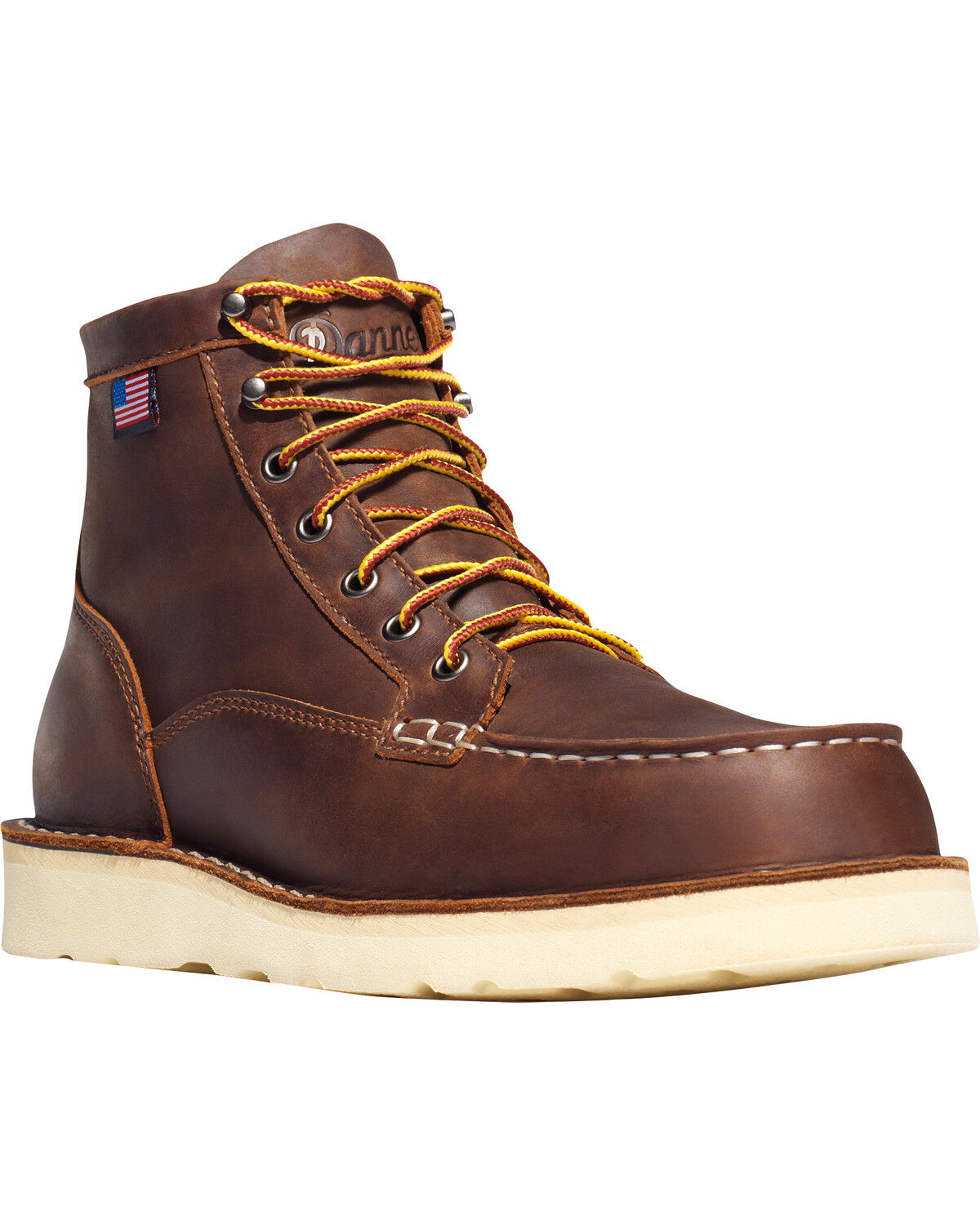
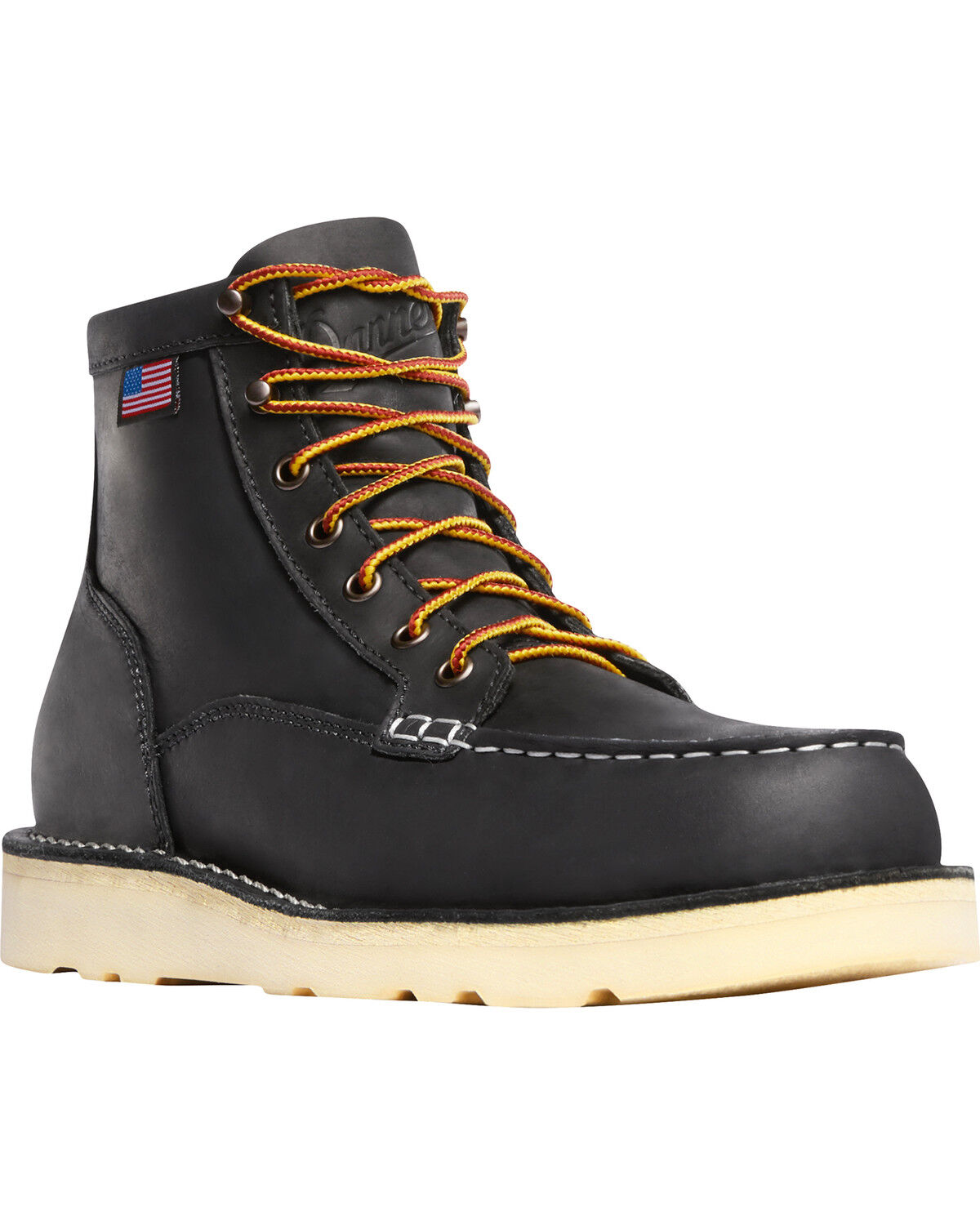
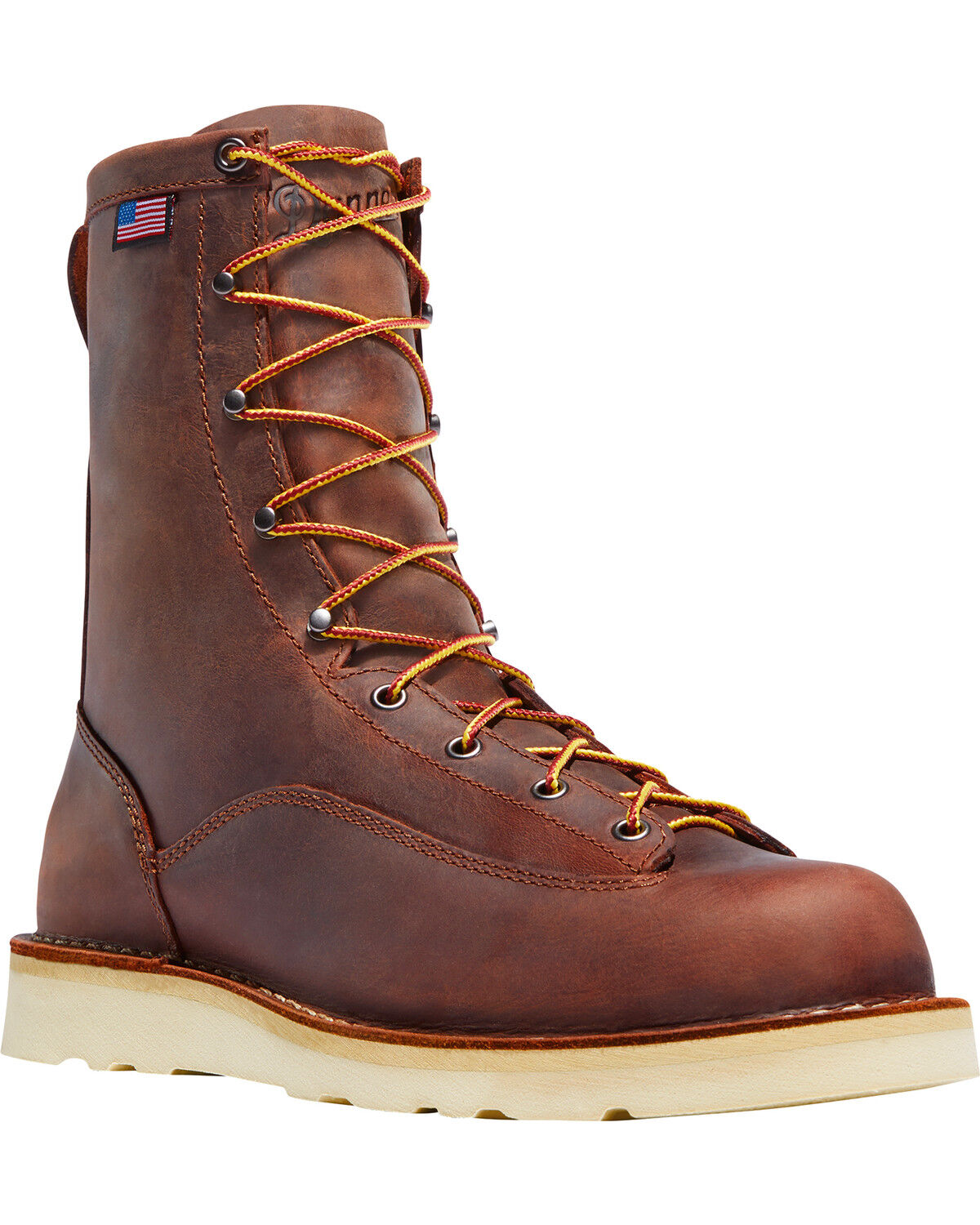
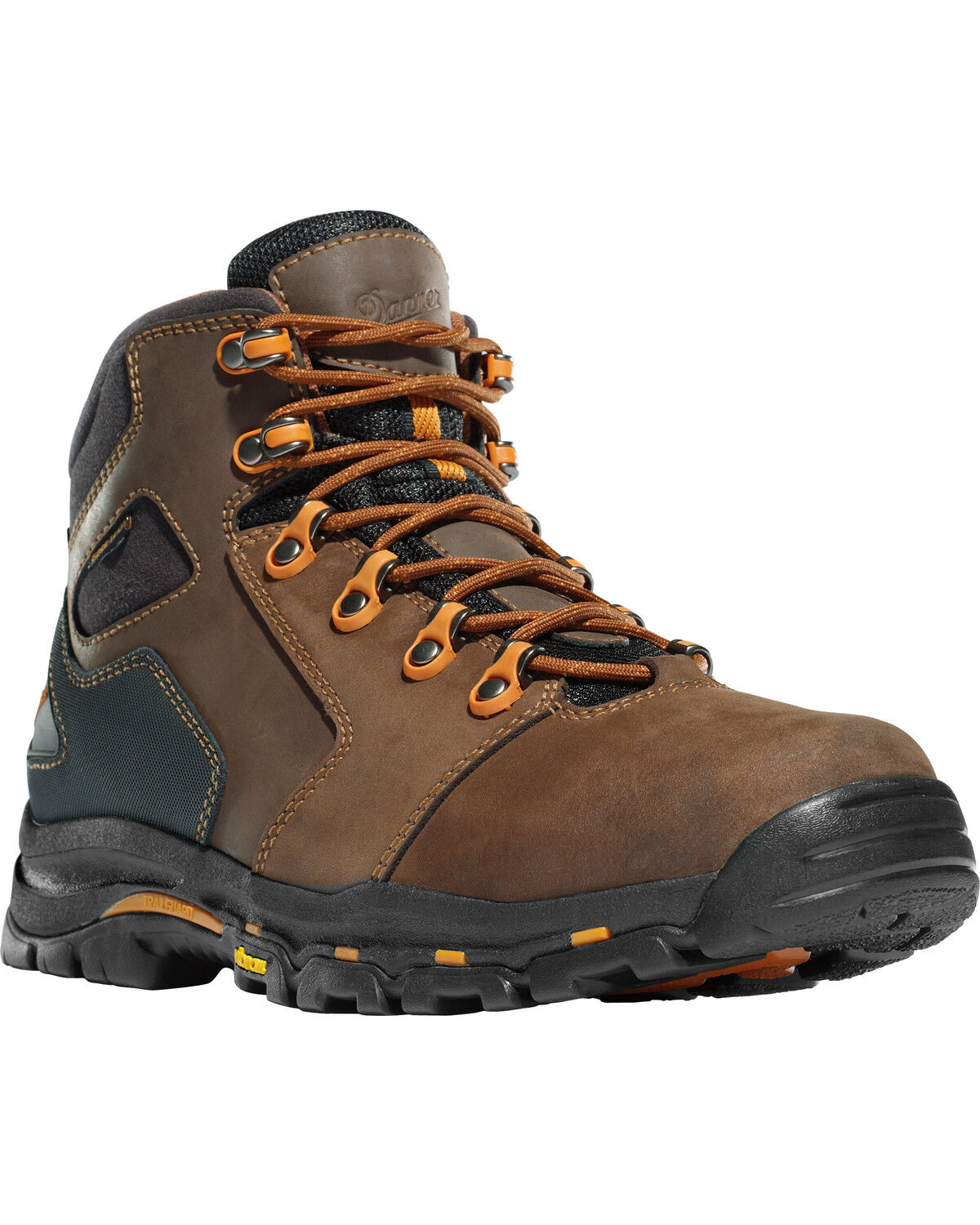
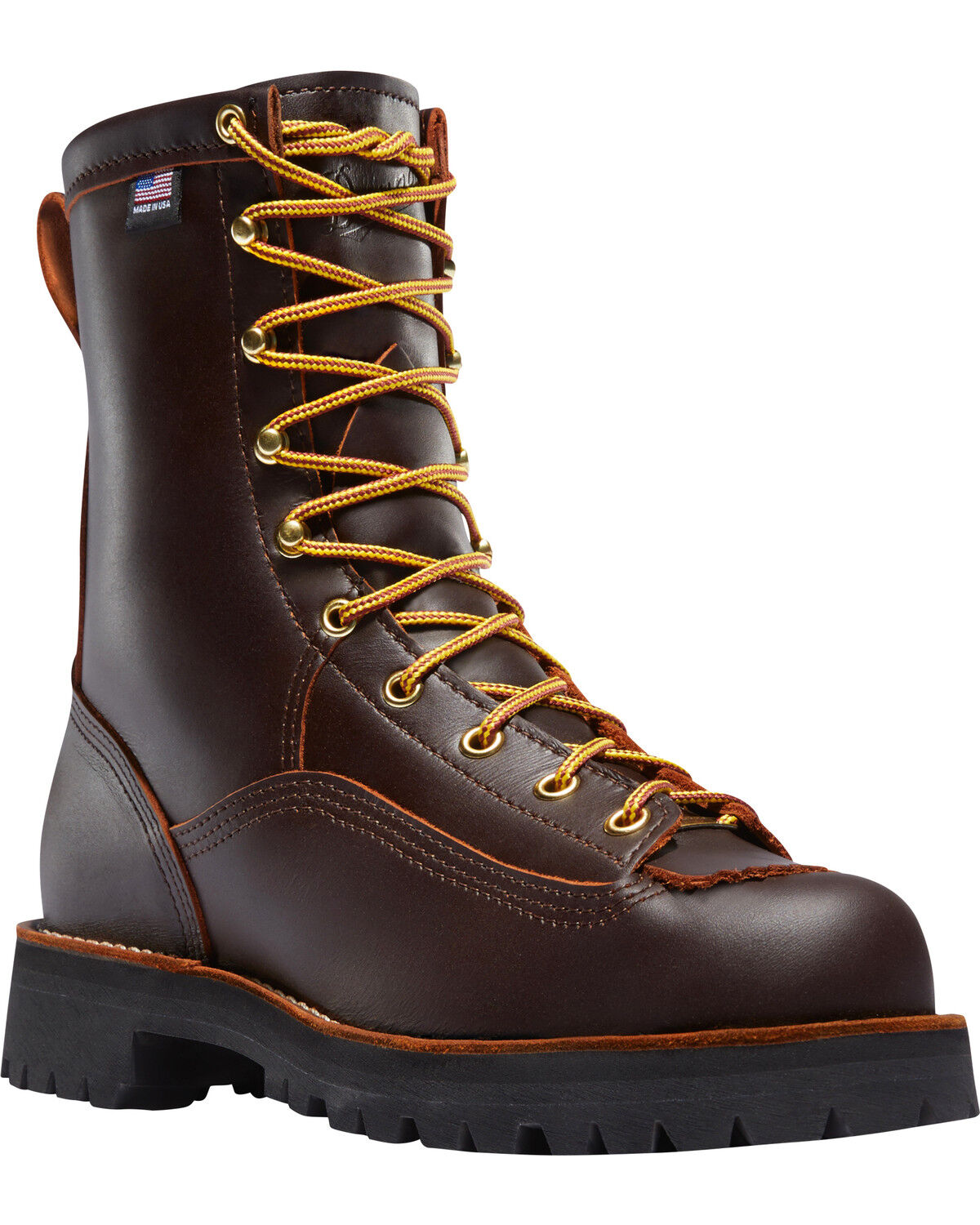
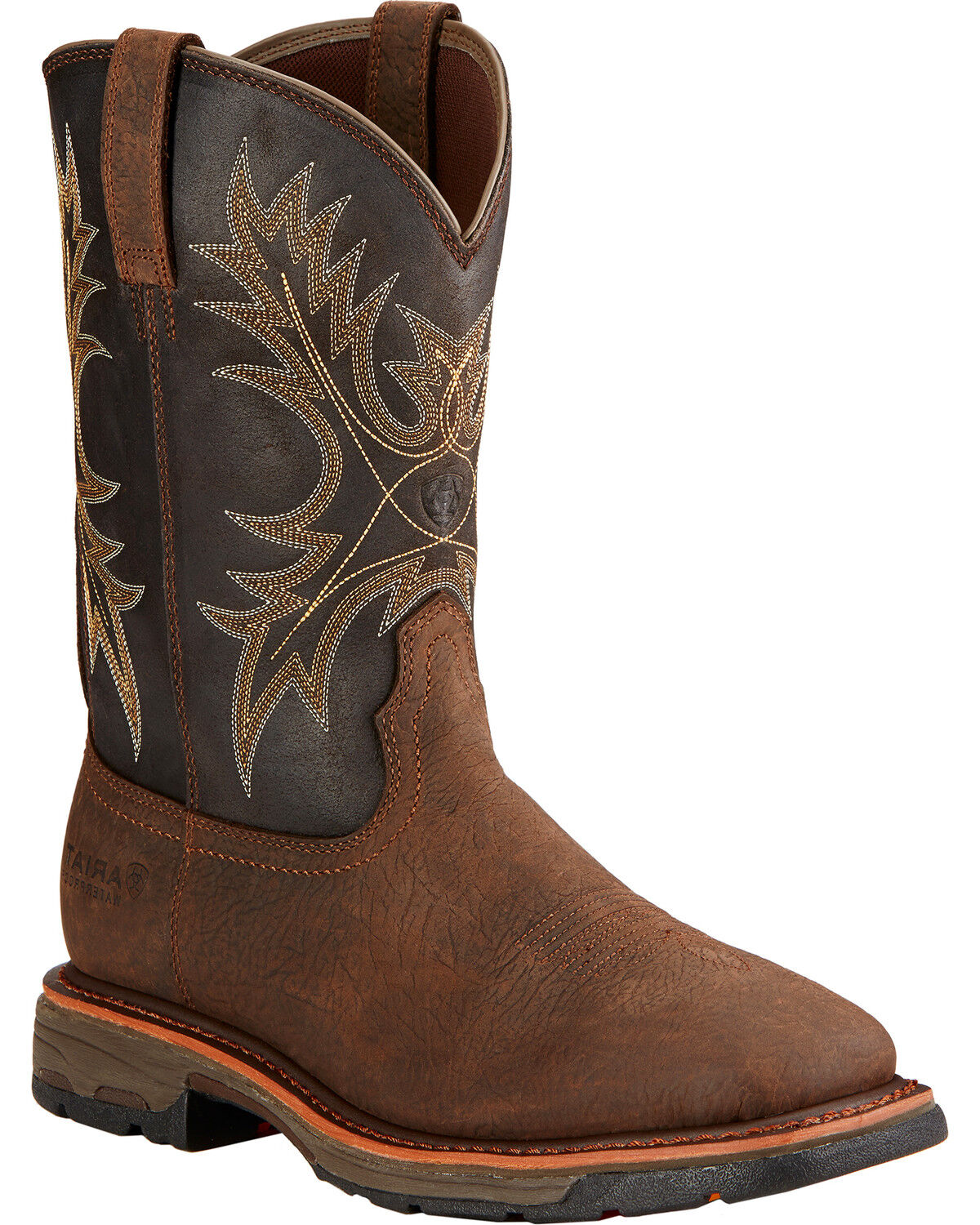
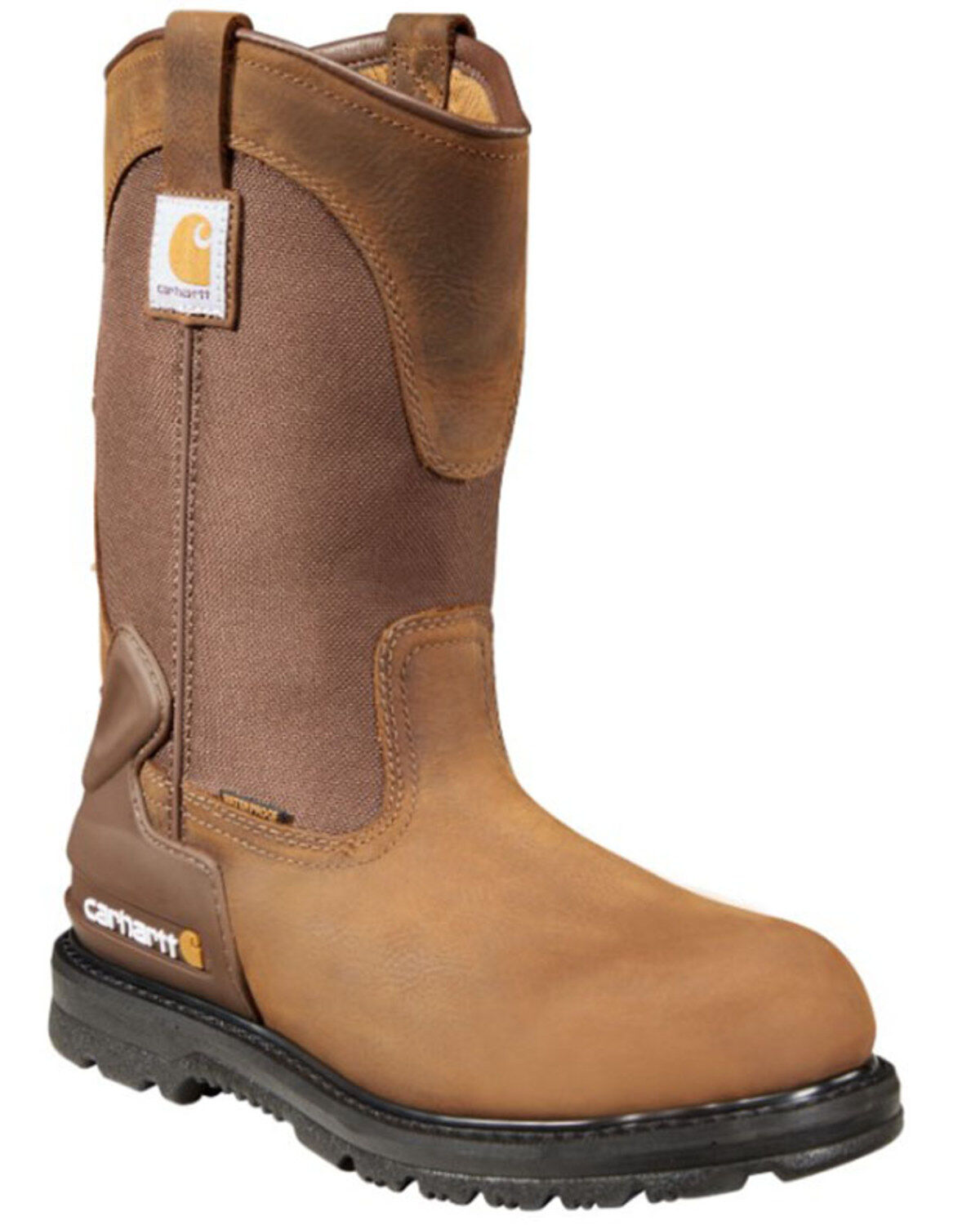
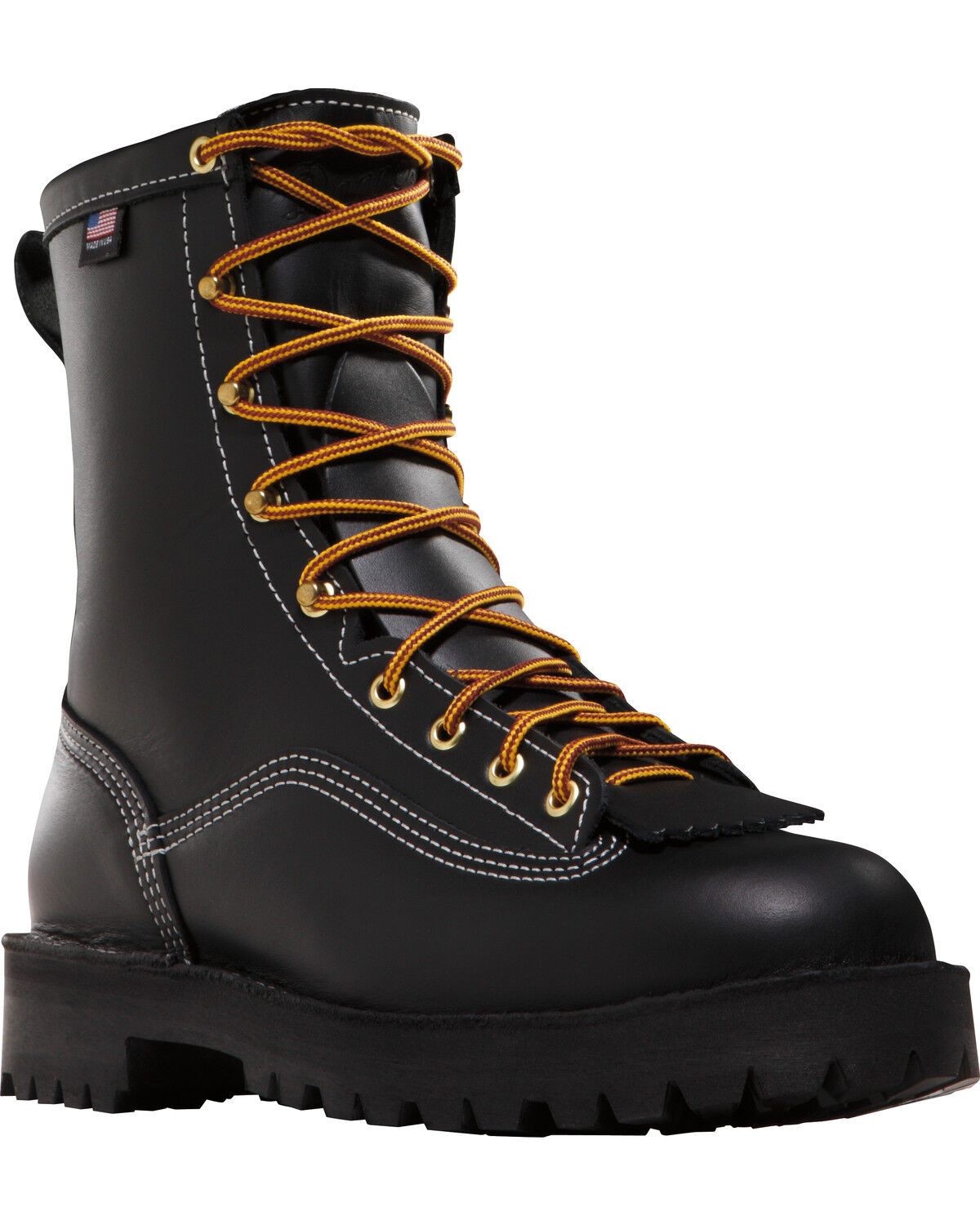
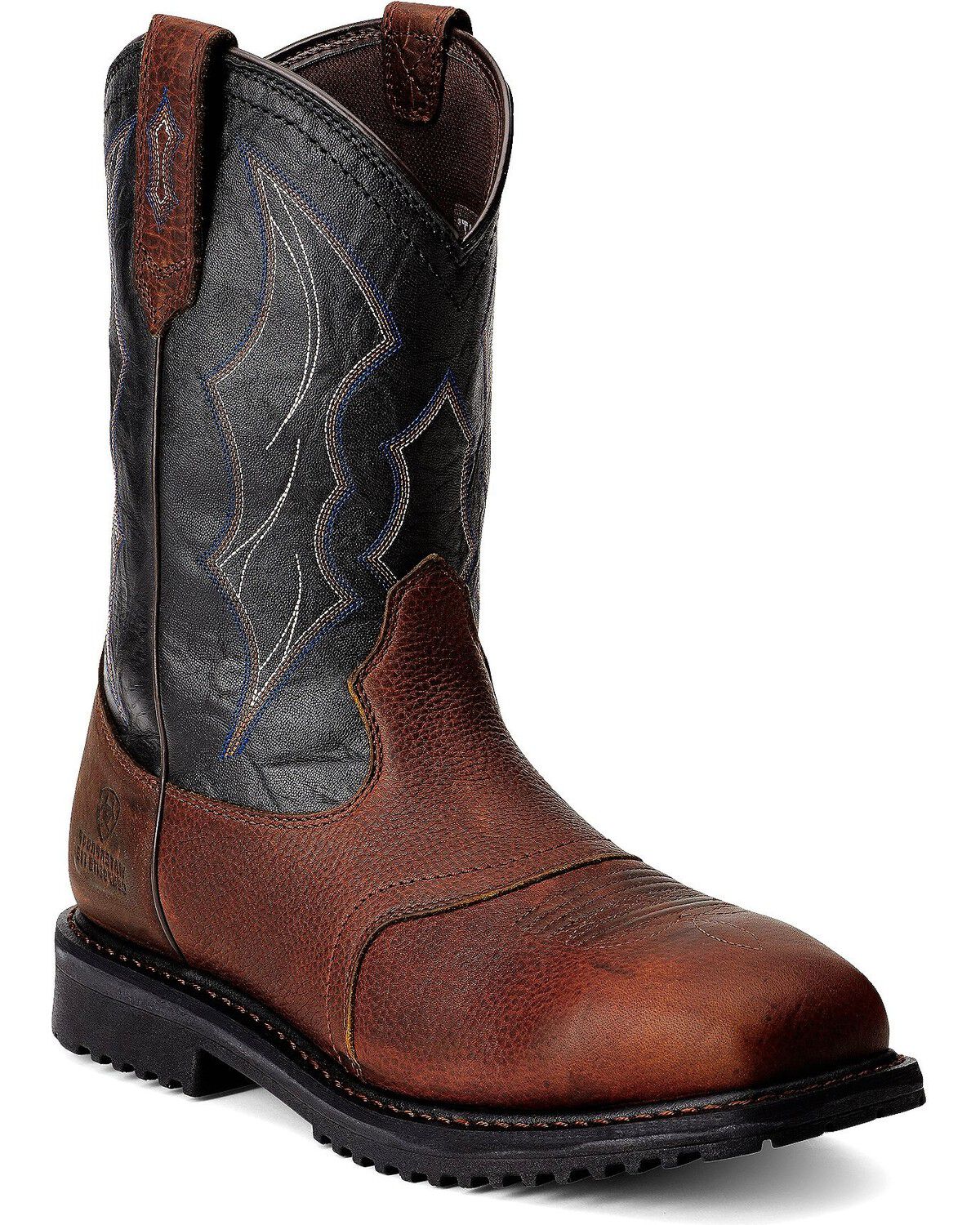
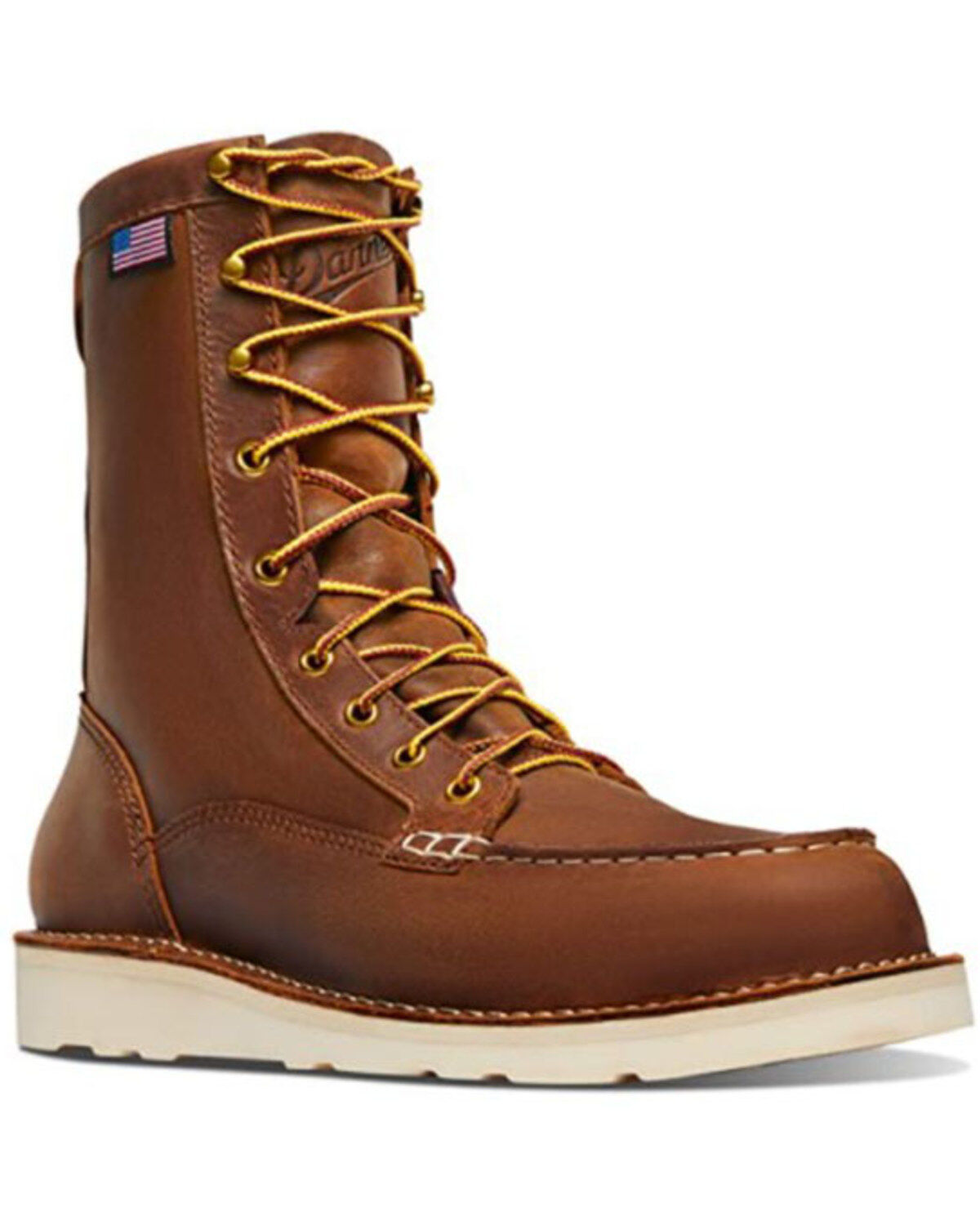
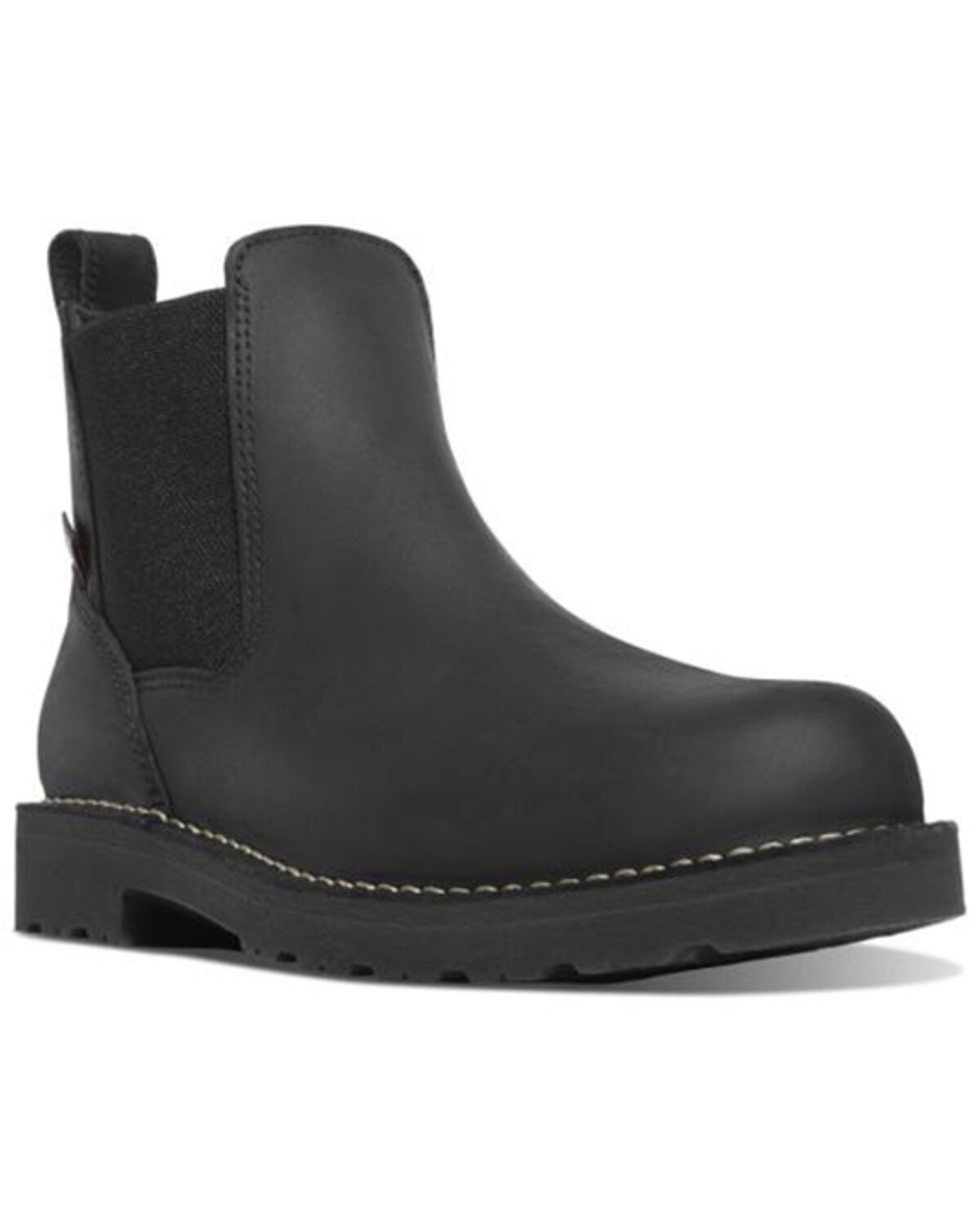
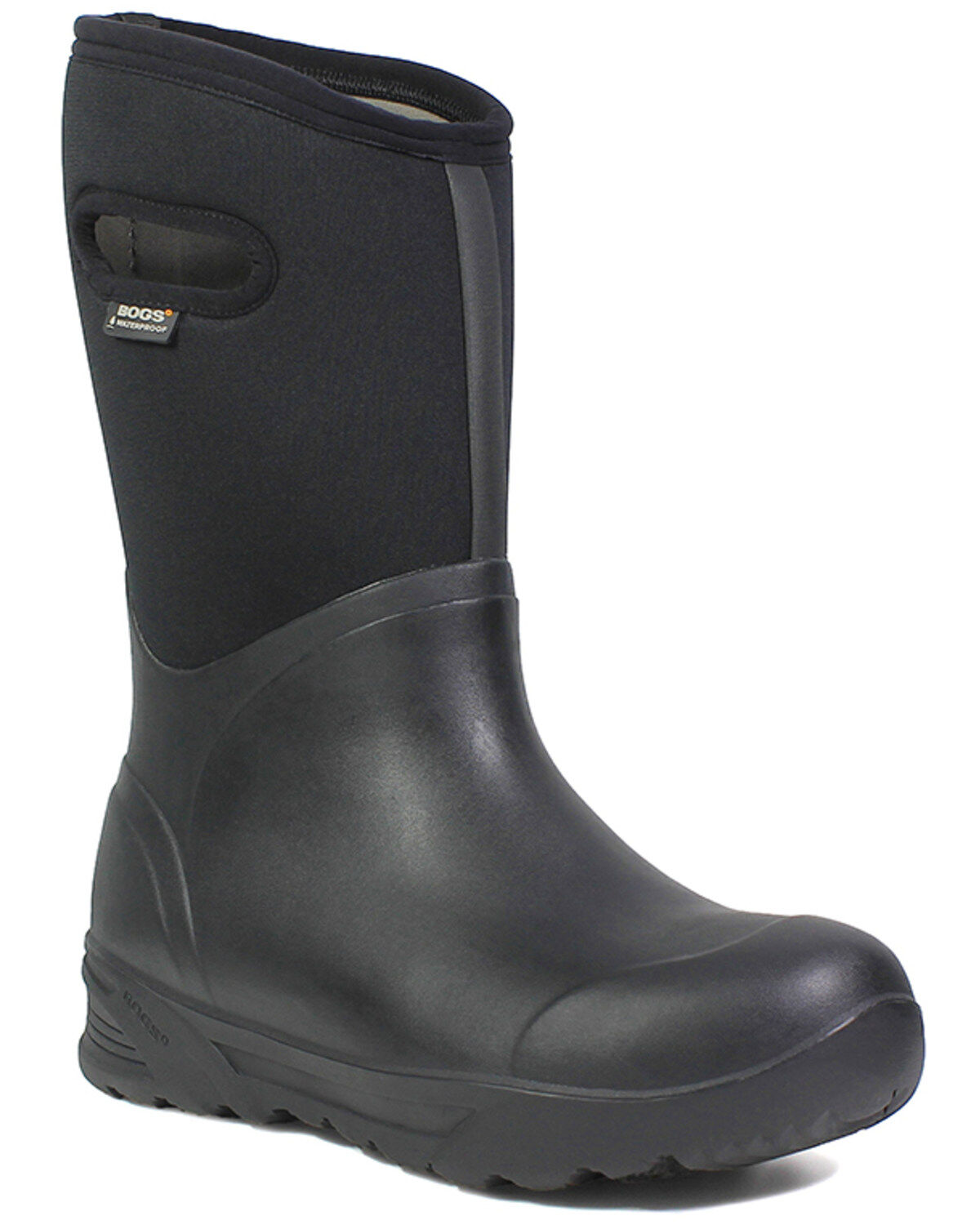
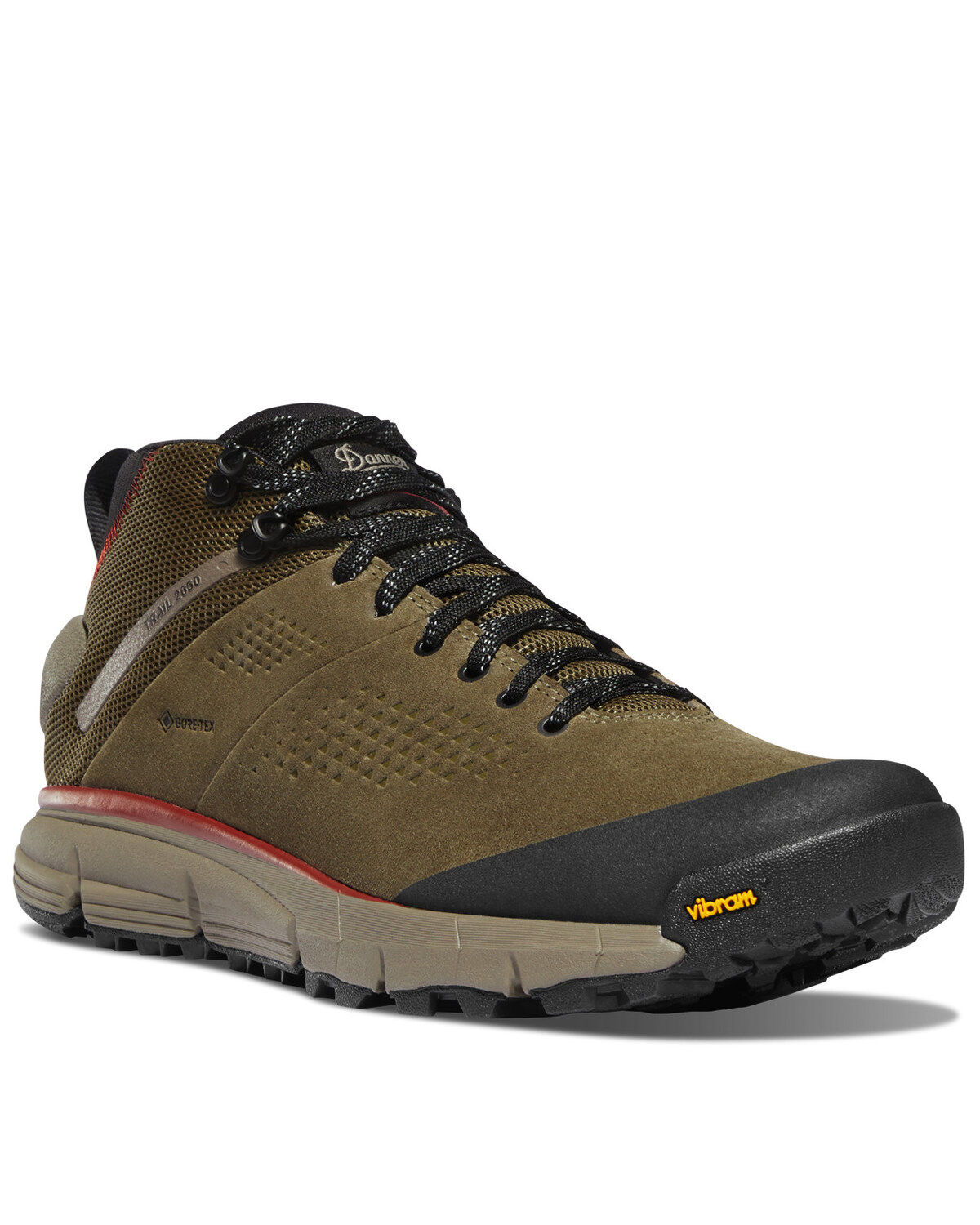
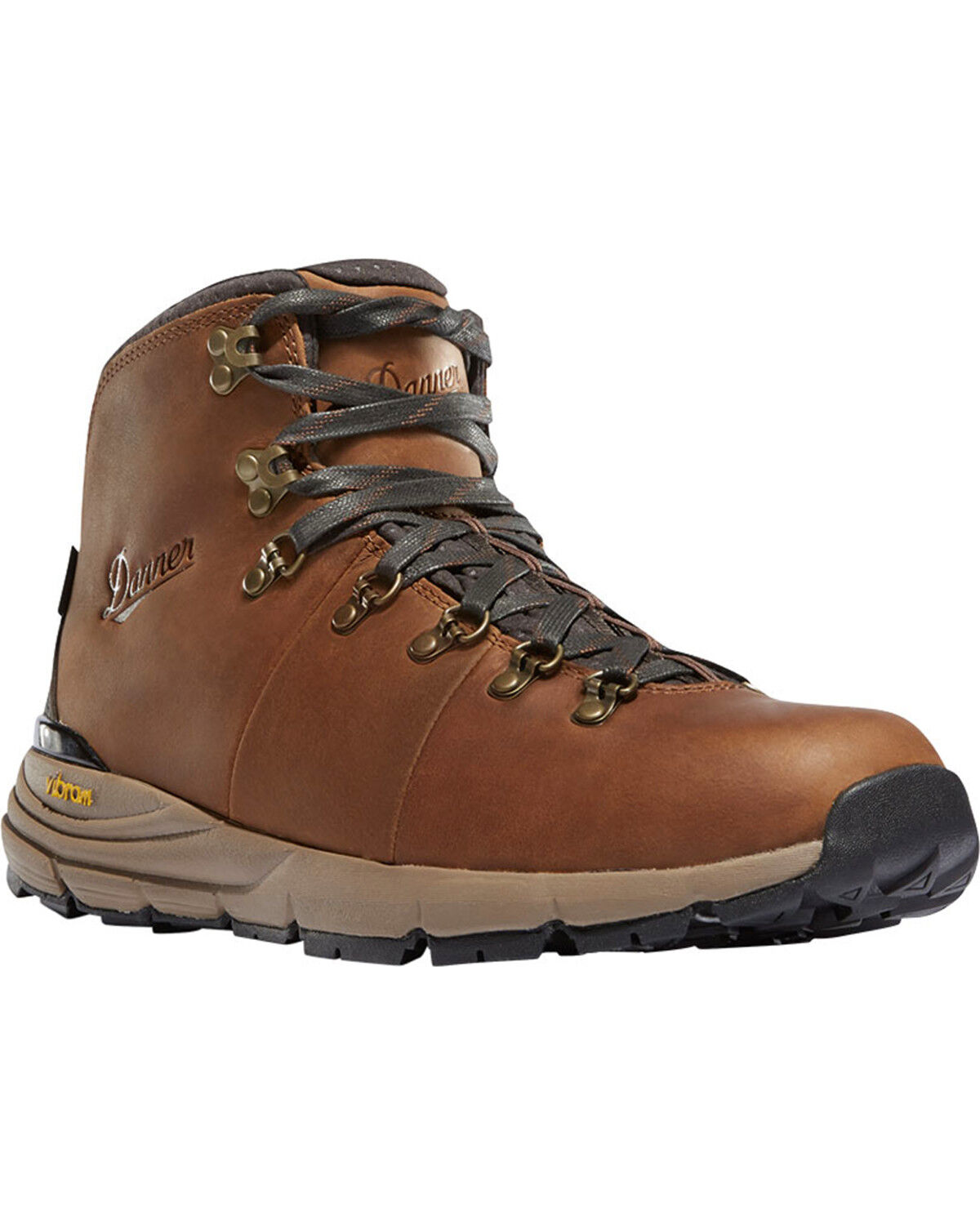
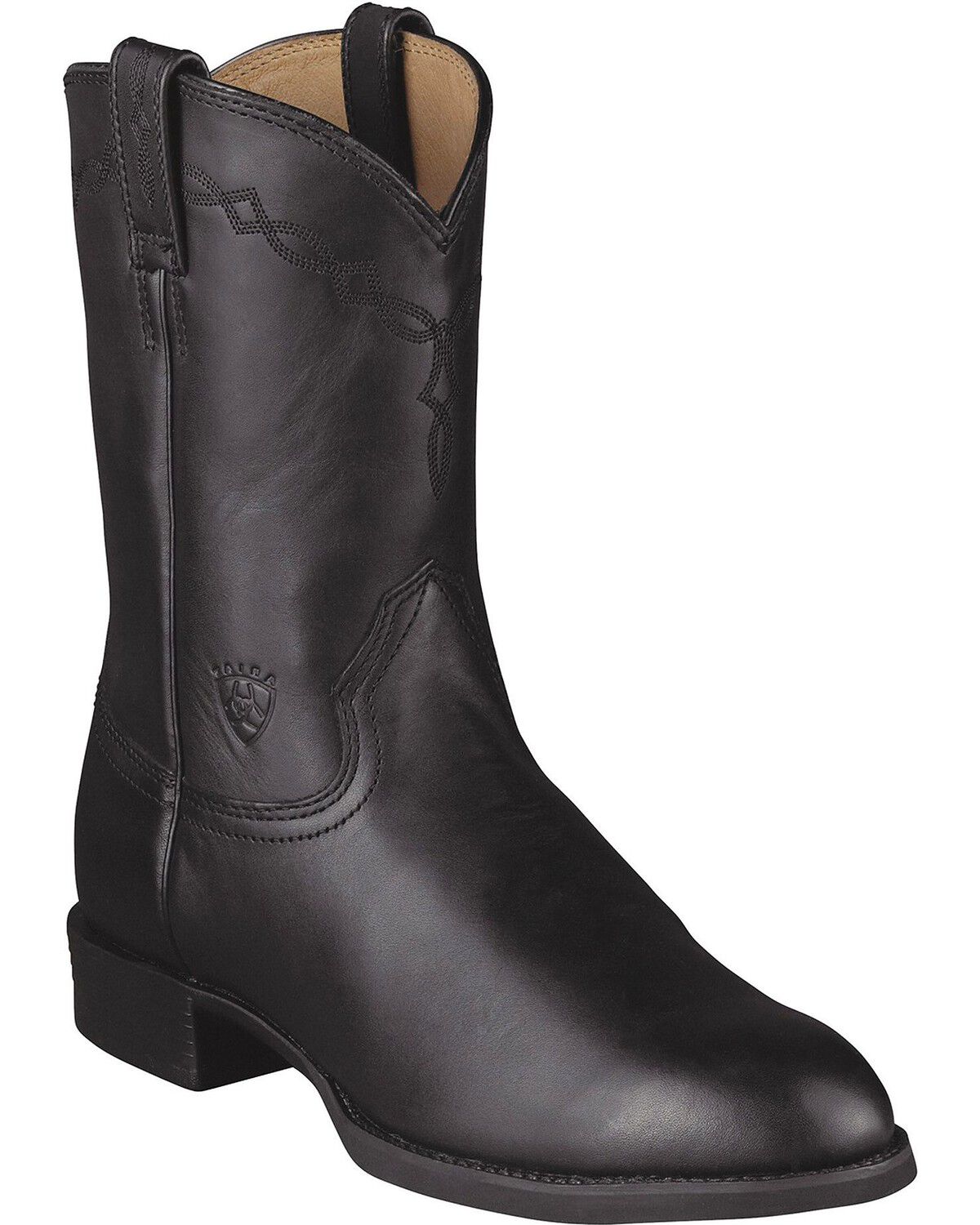
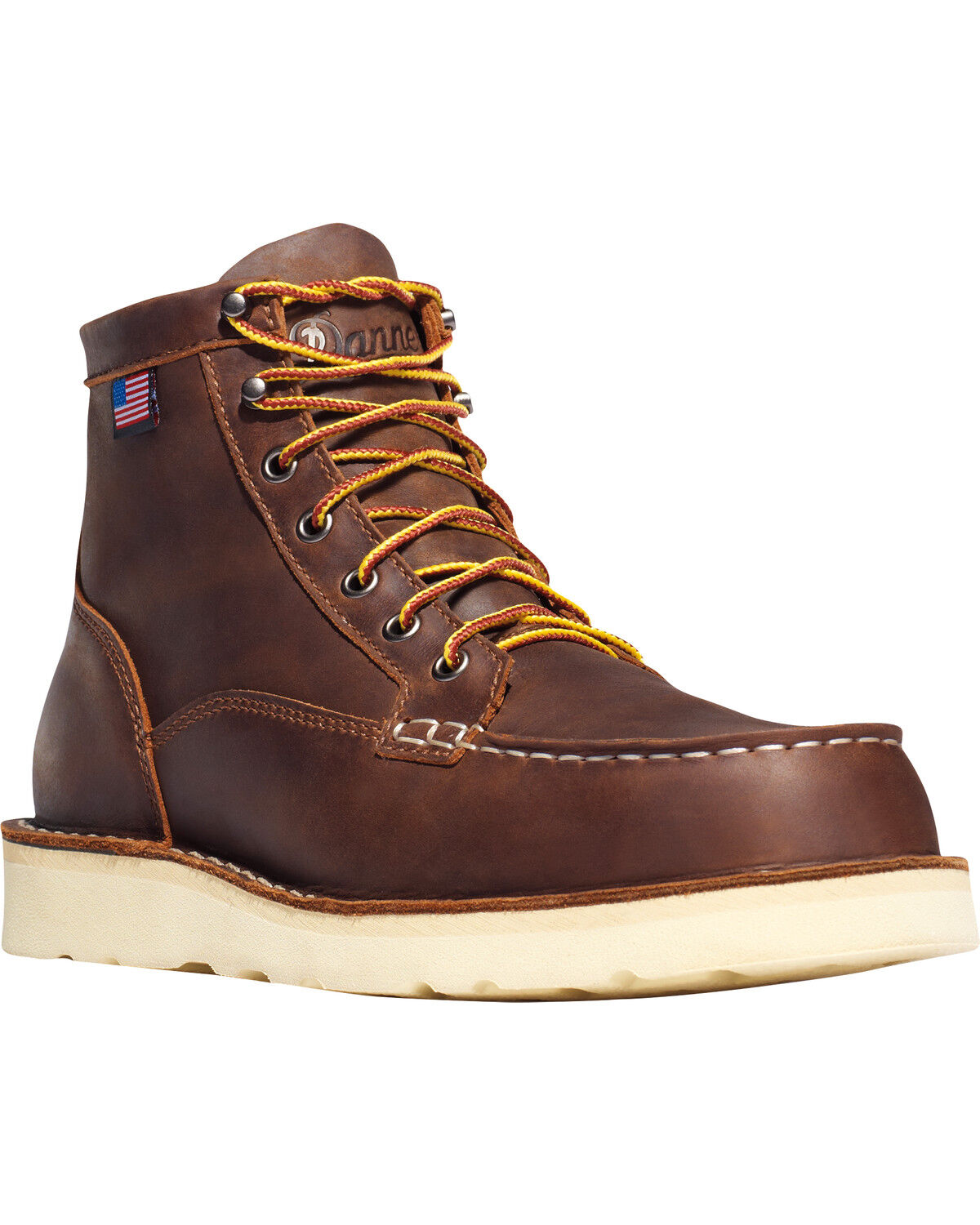
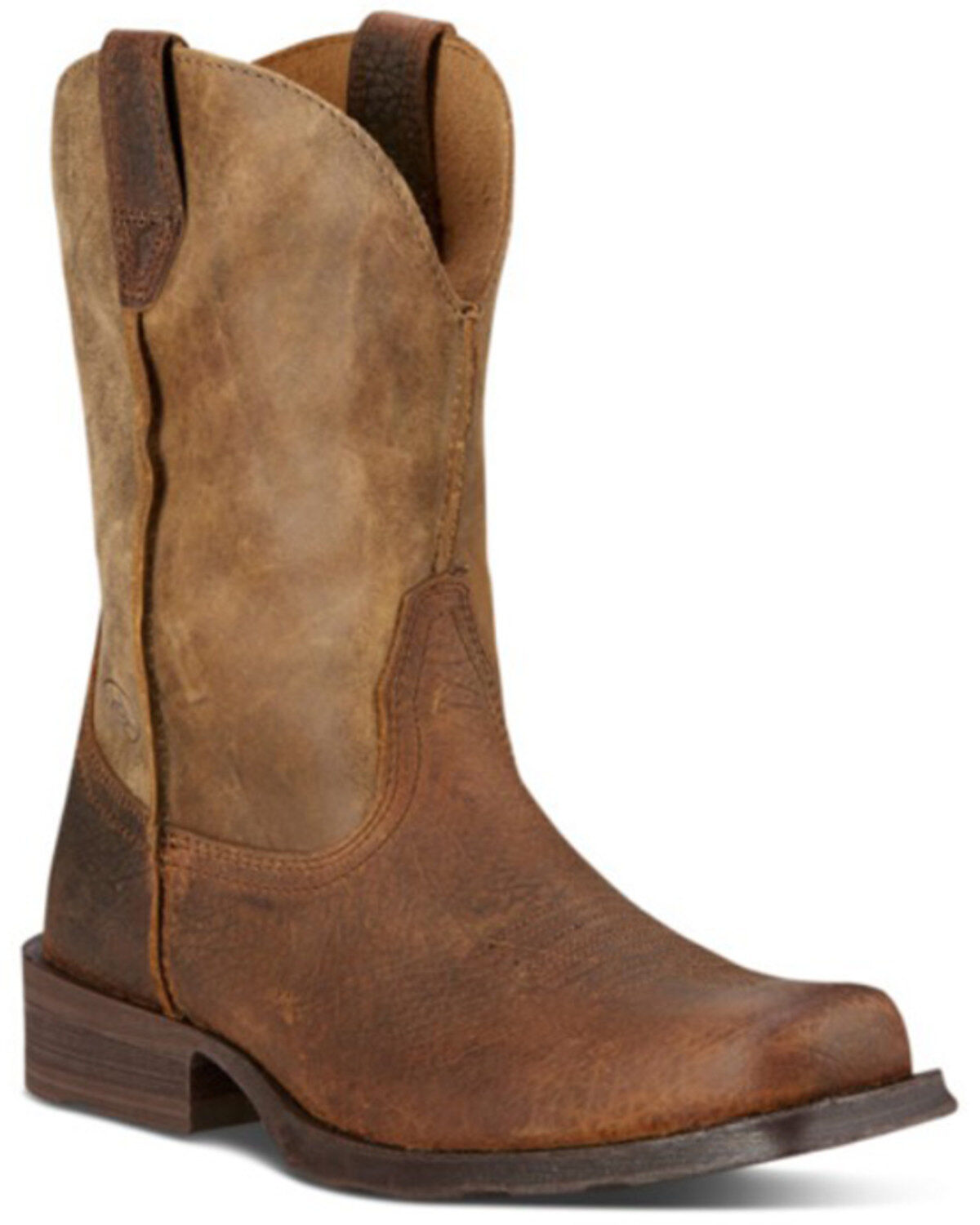
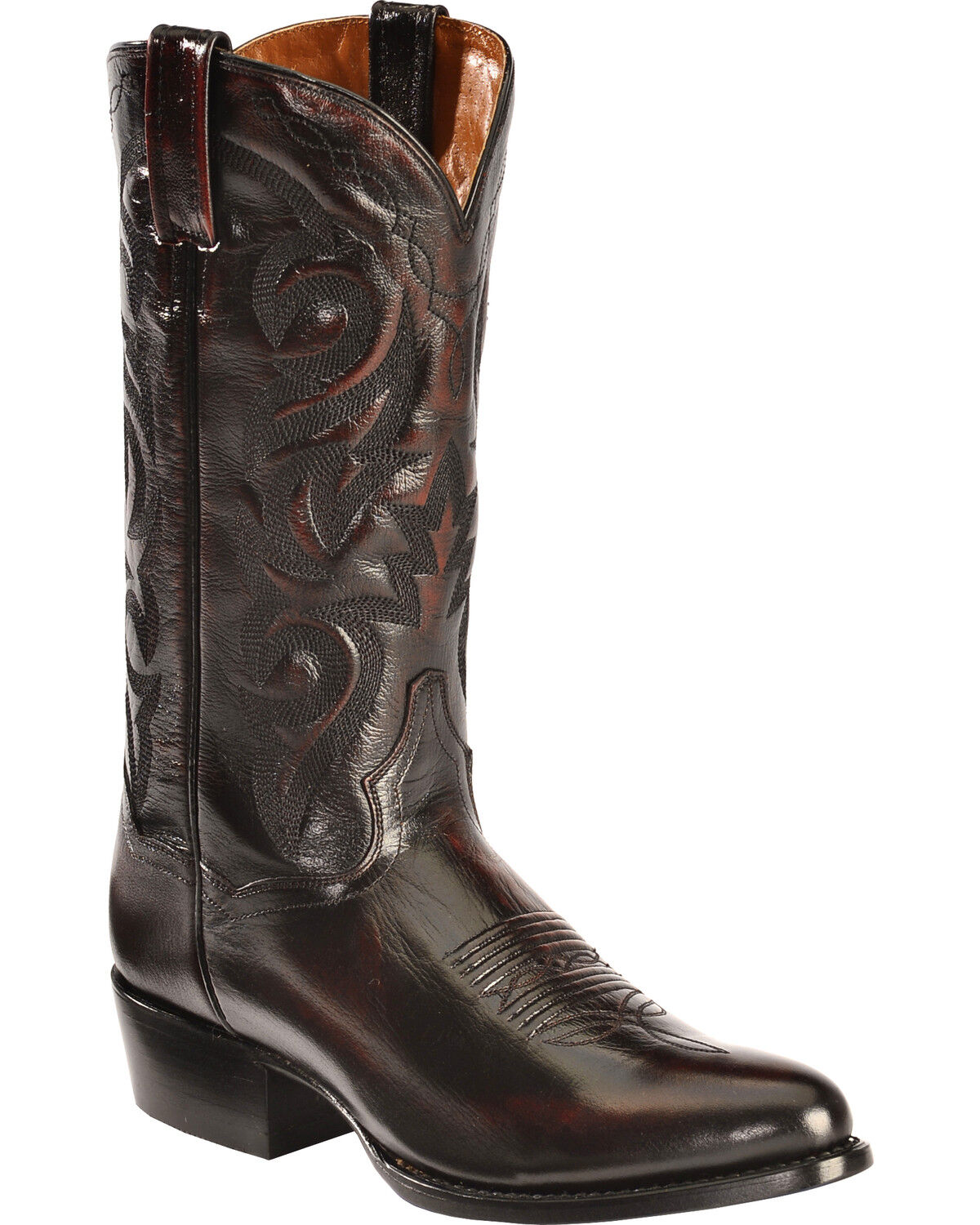
Farmer work boots are built for long hours on foot, uneven ground, and the daily demands of working around livestock, tools, and equipment. The right construction depends on what happens between the feed room, the barn, and the field. Carrying feed bags across packed dirt puts different demands on footwear than cleaning stalls or standing on a concrete shop floor. Leather work boots offer a balance of support, abrasion resistance, and flexibility, with uppers that gradually shape to the foot. Full-grain leather can stand up well to repeated use when it receives regular cleaning and conditioning, though leather alone does not make a boot waterproof. Waterproof membranes and sealed construction add protection against water entering through the upper, while the height of the shaft determines how far that coverage extends. Rubber farm boots serve a different purpose. Their washable surfaces are practical around manure, muddy lanes, and livestock areas where frequent cleanup is part of the job. Resistance to oils, fertilizers, and other farm substances varies by material, so a rubber upper should not be treated as protection against every chemical. Pull-on styles keep closures simple and eliminate laces that can collect debris. Lace-up work boots allow more adjustment across the instep and around the ankle, which can help accommodate different foot shapes. Outsole design matters just as much as the upper. Deeper lugs can grip loose ground, while more open tread patterns can make packed mud easier to clear. Shallower tread can be easier to clean after moving through bedding or feed. No outsole provides dependable traction on every surface, especially where manure, oil, or loose material covers the ground. A useful farm boot brings these features together around the work it will actually do, rather than relying on a rugged appearance alone. Farmers, ranch hands, livestock owners, and people maintaining acreage may all need work boots, but the best match can look different for each job.

Fit determines how well those materials and features work through a full day. Farm work boots should hold the heel securely without squeezing the instep, leave room for toes to move, and support the foot without forcing it into an unnatural position. A little heel movement can occur in some pull-on leather styles before they break in, but repeated rubbing, toe contact, or a foot sliding forward points to a fit problem. Leather may soften with wear; a boot that is too short will not gain useful length. Work socks and any regularly worn inserts belong in the fitting process because both change the space inside the boot. Trying both boots and walking on a clean surface can reveal pressure at the little toe, lifting at the heel, or stiffness across the forefoot. Width is especially important when protective toe caps are involved, since the cap itself does not stretch. Cushioning can ease the feel of hard surfaces, while a supportive midsole and stable outsole help keep the foot from feeling every rut, stone, and edge underfoot. A shank can add support through the middle of the boot when standing on ladder rungs or working across uneven footing, though construction varies. Boot weight deserves attention, too. A heavier build may suit demanding work, but unnecessary bulk adds effort during repeated trips between buildings and can interfere with comfortable movement around equipment controls. Shaft height, opening width, and closure style also affect how easily boots go on and how securely they stay in place. For shoppers comparing pull-on shapes, lace-up construction, and different coverage levels, Men's Farm Boots offers a focused starting point. The practical goal remains the same: footwear that fits the person and the task, whether that means feeding cattle before other chores, checking fence lines, tending a small property, or spending hours repairing machinery at a workbench. Comfort should come from a sound fit and suitable construction, not from accepting painful pressure as part of the job.

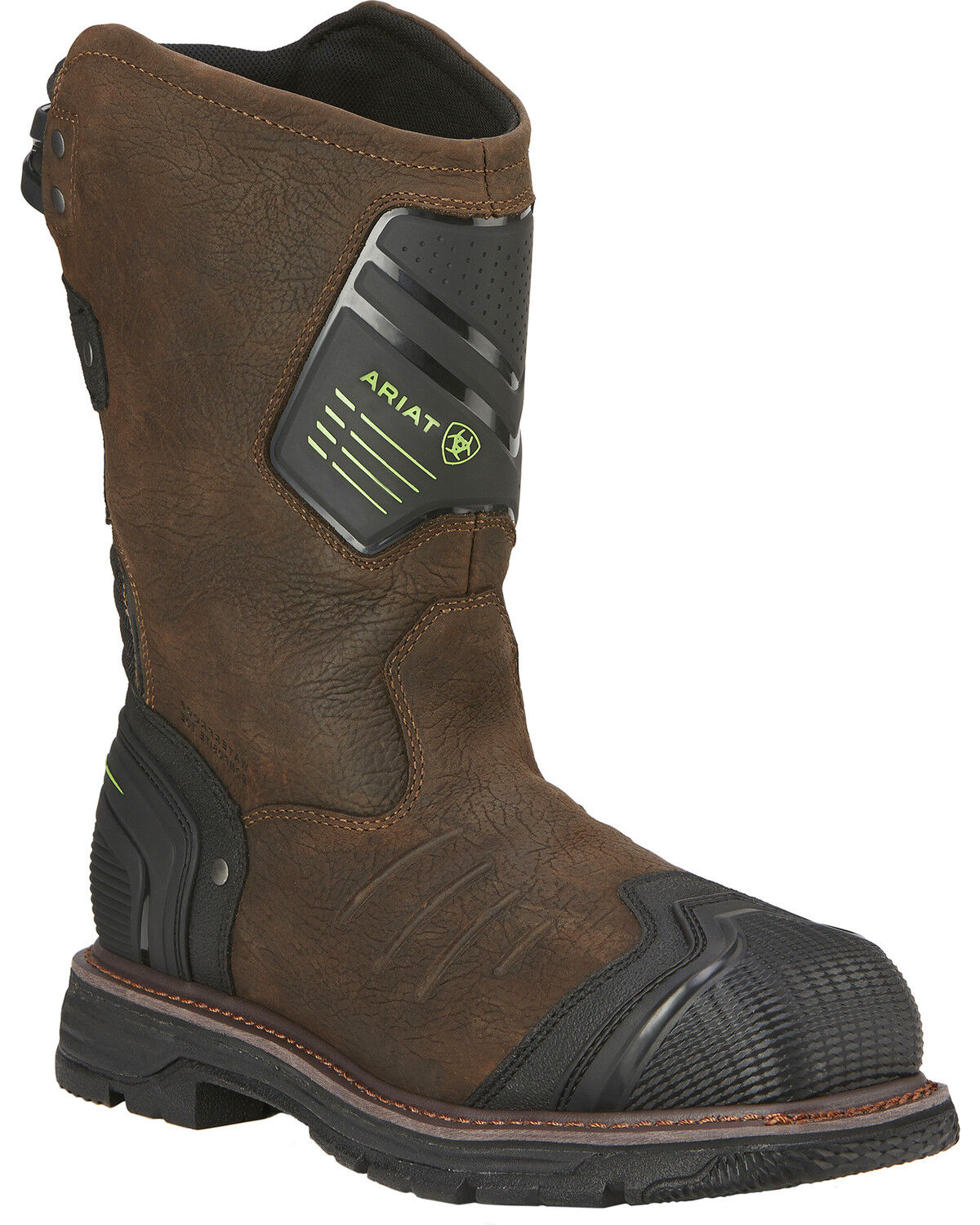
Protection and upkeep round out the choice. Safety-toe farm work boots can help address impact and compression hazards around heavy materials, equipment parts, and dropped tools when they carry the appropriate rating. Steel and composite toe caps can both meet recognized safety standards; the material name alone does not establish the level of protection. Soft-toe boots may suit tasks without those hazards, but they do not provide the same rated toe protection. Puncture-resistant construction and electrical hazard ratings are separate features, not automatic benefits of a safety toe. Workplace requirements and the specific hazards of the job should determine which ratings matter. Durability also depends on details that are easy to overlook, including reinforced stitching, abrasion protection at the toe, secure attachment between the upper and sole, and a heel that remains stable under load. Stitched construction may allow resoling, depending on the boot, while other constructions require different repair approaches. Even a well-built pair needs routine attention after contact with manure, soil, and farm residues. Removing buildup from seams and tread helps keep those areas visible for inspection and prevents debris from staying pressed against the materials. Leather benefits from suitable cleaner and conditioner used according to the maker’s directions; rubber generally needs cleaning methods compatible with its particular material. Boots should dry away from direct heat, which can damage leather, adhesives, and other components. Removable footbeds can be taken out for drying when the construction allows it. Worn tread, separating soles, cracked uppers, and damaged protective components are reasons to reassess whether a pair can still do its job. Farm work boots can also make a useful gift for someone who spends much of the day on their feet, provided their size, preferred fit, and required safety features are known. The lasting value is straightforward: dependable footwear suited to real chores, cared for properly, and replaced when its protection or support is no longer sound.
Read More

FAQs