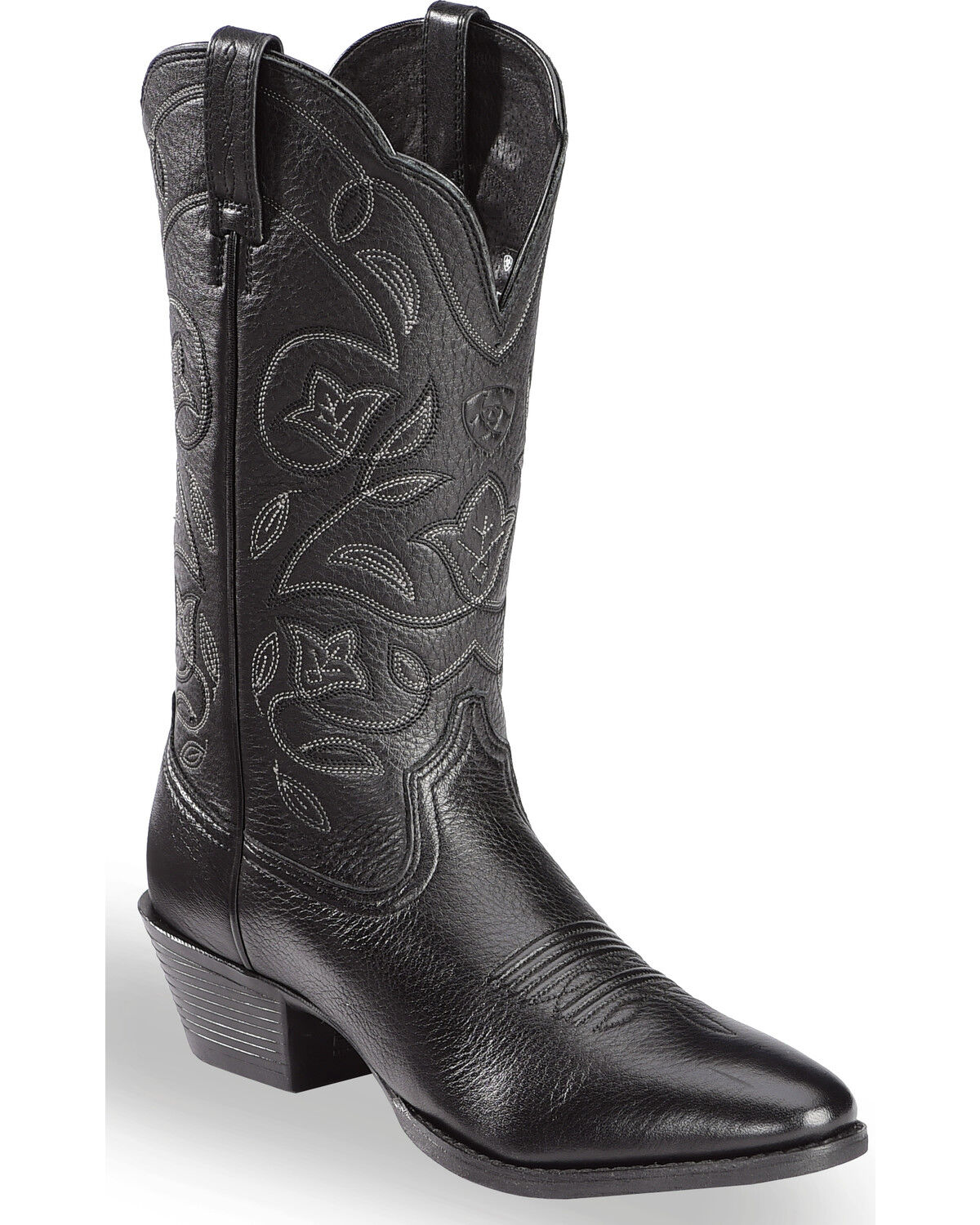
Embellished Western Boots

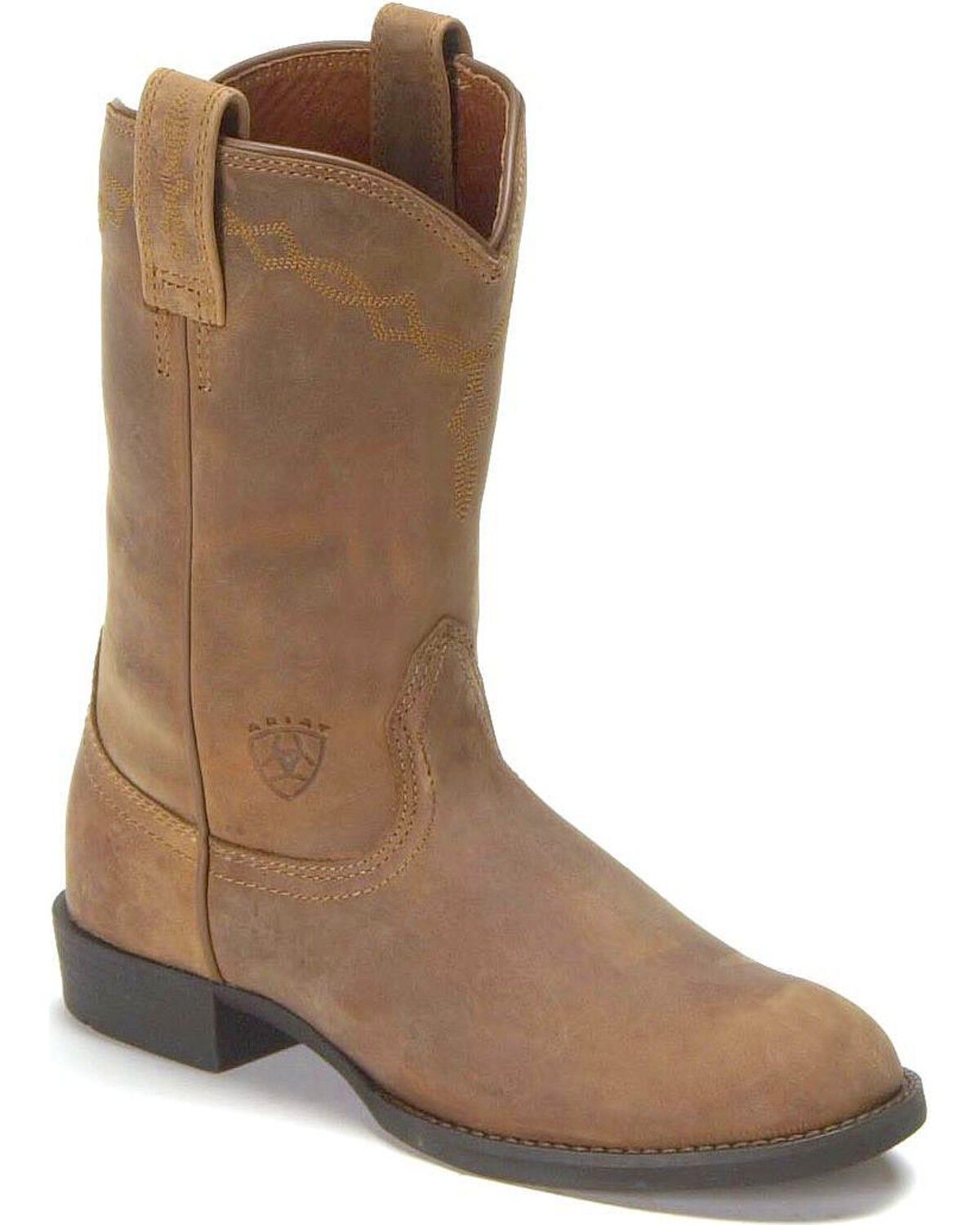
Shop embellished western boots for a detailed take on the classic cowboy boot look. Consider the placement and amount of embellishment to find a pair that complements your jeans, dresses, and other western wear.

Read More

Shop Your Store: Shop Your Store: Find a Store

(Turn off Shop Your Store to see all items)

(Turn off Shop Your Store to see all items)

close
  • Recommended
  • Lowest Price
  • Highest Price
Skip pass products

End of products

Embellished Western Boots

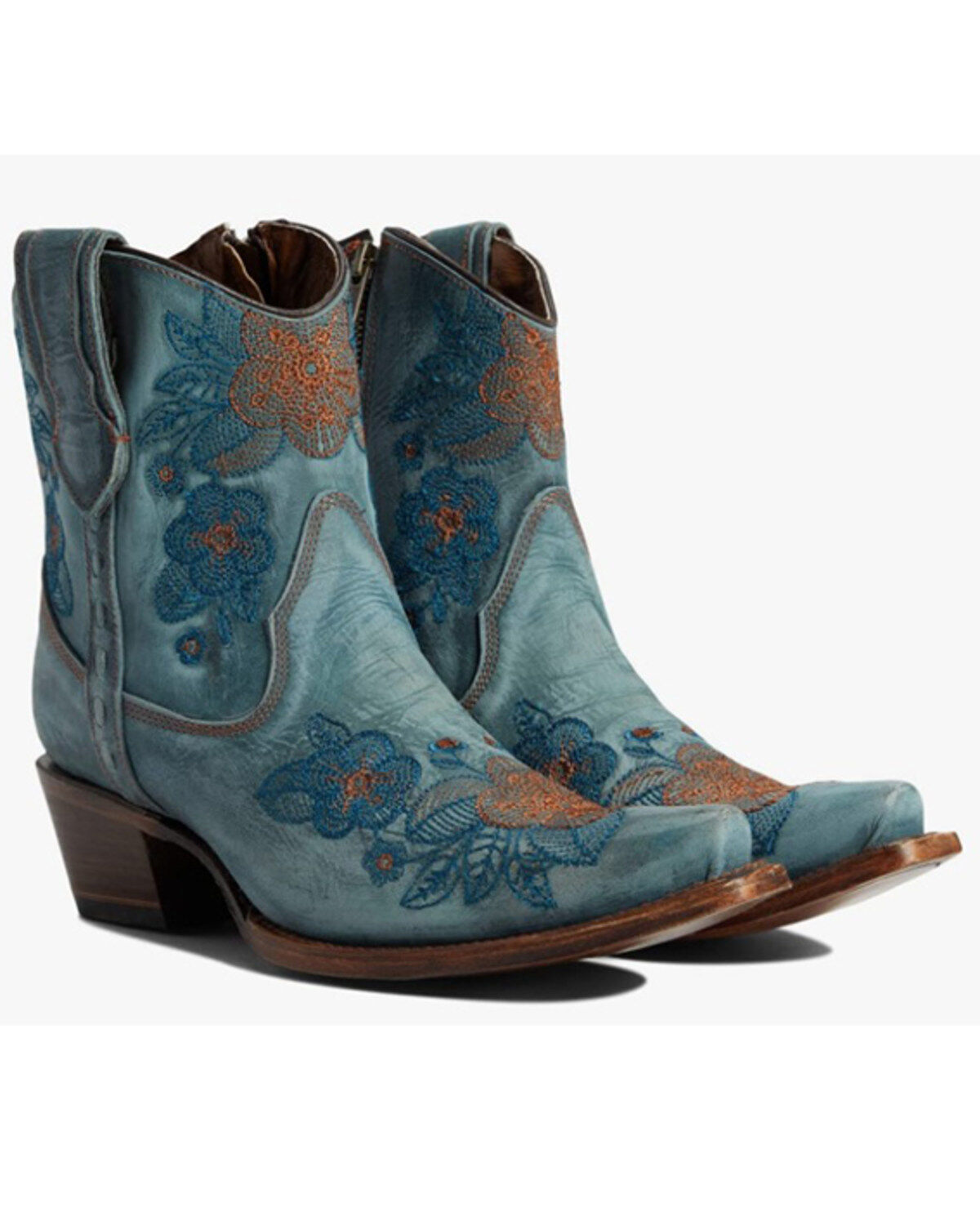
Embellished western boots combine the familiar shape of cowboy boots with details such as embroidery, studs, crystals, rhinestones, fringe, and contrasting leather overlays. The foundation remains recognizable: a shaped toe, a raised heel, and a shaft that brings western character to the silhouette. Embellishment changes the look without replacing that foundation. Tonal stitching can add texture with little contrast, while bright stones or metal accents create a more noticeable finish. Placement matters as much as the amount of detail. An embroidered shaft draws attention above the ankle, a studded collar outlines the top of the boot, and an accented toe keeps some of the design visible beneath jeans. Fringe adds movement, while cutouts and layered leather bring depth without relying on shine. These differences make the category useful for everyday outfits, concerts, dancing, weddings, and other occasions where footwear is part of the look. Smooth leather provides a firm surface for stitching and hardware and can develop natural creases with wear. Suede has a softer, textured appearance that changes how light catches nearby accents. Synthetic materials offer another construction option, with care needs and flexibility that depend on the material used. A highly detailed finish does not establish the quality of the boot by itself. The underlying leather or other upper material, lining, seams, sole attachment, and heel construction still matter. Secure stitching and neatly attached accents help the design hold its shape through ordinary wear. Some designs keep most of the detail on the shaft and leave the foot relatively plain; others carry the pattern from the collar to the toe. That distinction affects how much embellishment shows with different clothing. Straight-leg jeans can reveal a detailed toe and heel, while a skirt or dress leaves more of the shaft visible. For a broader look at footwear with distinctive accents, explore Embellished Boots.

Fit deserves the same attention as the finish, especially when boots will be worn for several hours. Embellished western boots should hold the foot securely without squeezing the toes or pressing sharply across the instep. A small amount of heel movement can be normal in a new pull-on leather boot, but the foot should not slide loosely from side to side. Leather may soften and conform with wear; a boot that is too short will not gain the length needed for a comfortable fit. Toe shape also changes the feel. A pointed profile narrows toward the front, while square and rounded shapes distribute space differently. The right size depends on the boot’s construction and the wearer’s foot, not just the appearance of the toe. The ball of the foot should sit comfortably at the widest part of the boot, with room for natural movement. Socks affect that fit, so the thickness worn with the boots matters when assessing comfort. Shaft height and circumference are equally important. A tall shaft needs enough room around the calf without rubbing behind the knee when seated, and a shorter shaft should not press into the ankle as the foot bends. Pull tabs help with entry, while zippers, when present, should close without forcing the upper together. Heel height influences balance and how weight feels across the foot during standing or walking. Cushioned insoles and supportive construction can help with comfort, though they do not correct a poor fit. Intended use also helps distinguish one design from another. A pair worn for a wedding reception faces different demands than boots worn for regular walking or long hours on the feet. Leather and rubber outsoles behave differently underfoot, and traction depends on both the sole and the surface. Embellishment alone does not make a boot suitable for riding, jobsite use, or other activities that call for specific construction or protection. Hardware and fringe also deserve consideration around stirrups, equipment, or anything that could catch loose details.

Care helps preserve both the boot and the details that set it apart. Dust and grit can collect around stitching, stone settings, overlays, and metal accents, where rough scrubbing may cause damage. A soft cloth or a gentle brush suited to the upper material can remove surface dirt without pulling at attached pieces. Smooth leather, suede, and synthetic uppers require different cleaning methods, and the maker’s care directions take priority. Leather conditioner belongs only on compatible leather surfaces, not automatically across stones, fabric panels, fringe, or glued accents. A small test in a hidden area can help identify unwanted darkening or residue before a treatment reaches a visible section. Suede generally needs tools and cleaners made for its textured surface rather than the products used on smooth leather. Soaking and machine washing can damage materials, adhesives, and the shape of the boot. After cleaning, boots should dry naturally away from direct heat. Storage matters, too. Upright shafts keep their shape better than folded ones, and enough space between pairs helps prevent hardware from scratching neighboring leather. Keeping heavily embellished surfaces from rubbing together can reduce unnecessary wear during storage or travel. Loose stones, lifting overlays, or pulled threads are worth addressing early through a boot repair professional familiar with those materials. Trimming a thread or adding household glue can make a small repair harder to complete cleanly. These practical details also matter when embellished western boots are given as a gift. A familiar boot size is a starting point, but preferred toe shape, heel height, calf fit, and the amount of detail are just as personal. Someone who wears understated leather may appreciate tonal embroidery or a narrow line of studs, while someone who makes footwear the focus of an outfit may prefer a fully accented shaft. The strongest choice reflects how the recipient dresses and where the boots will be worn. Well-matched materials, a comfortable fit, and secure detailing give the design a purpose beyond appearance.
Read More

FAQs