Durable Work Pants For Construction Workers

Find durable work pants for construction workers built for demanding days on the job. Browse workwear with your daily tasks in mind, and compare materials, fit, and pocket layouts to find pants that give you room to move and keep everyday tools within reach.

Read More

Shop Your Store: Shop Your Store: Find a Store

(Turn off Shop Your Store to see all items)

(Turn off Shop Your Store to see all items)

close
  • Recommended
  • Lowest Price
  • Highest Price
Skip pass products

End of products

Durable Work Pants For Construction Workers

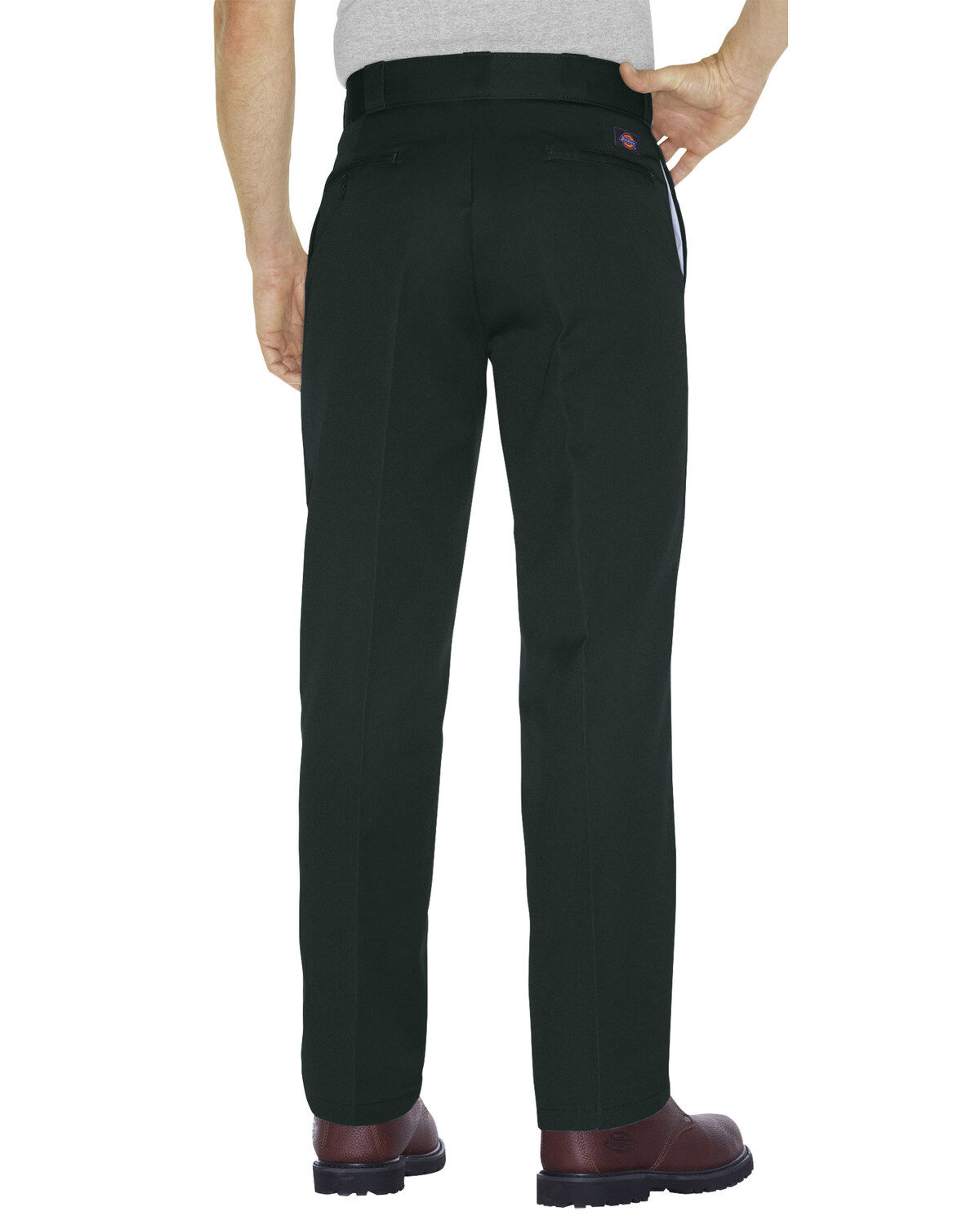
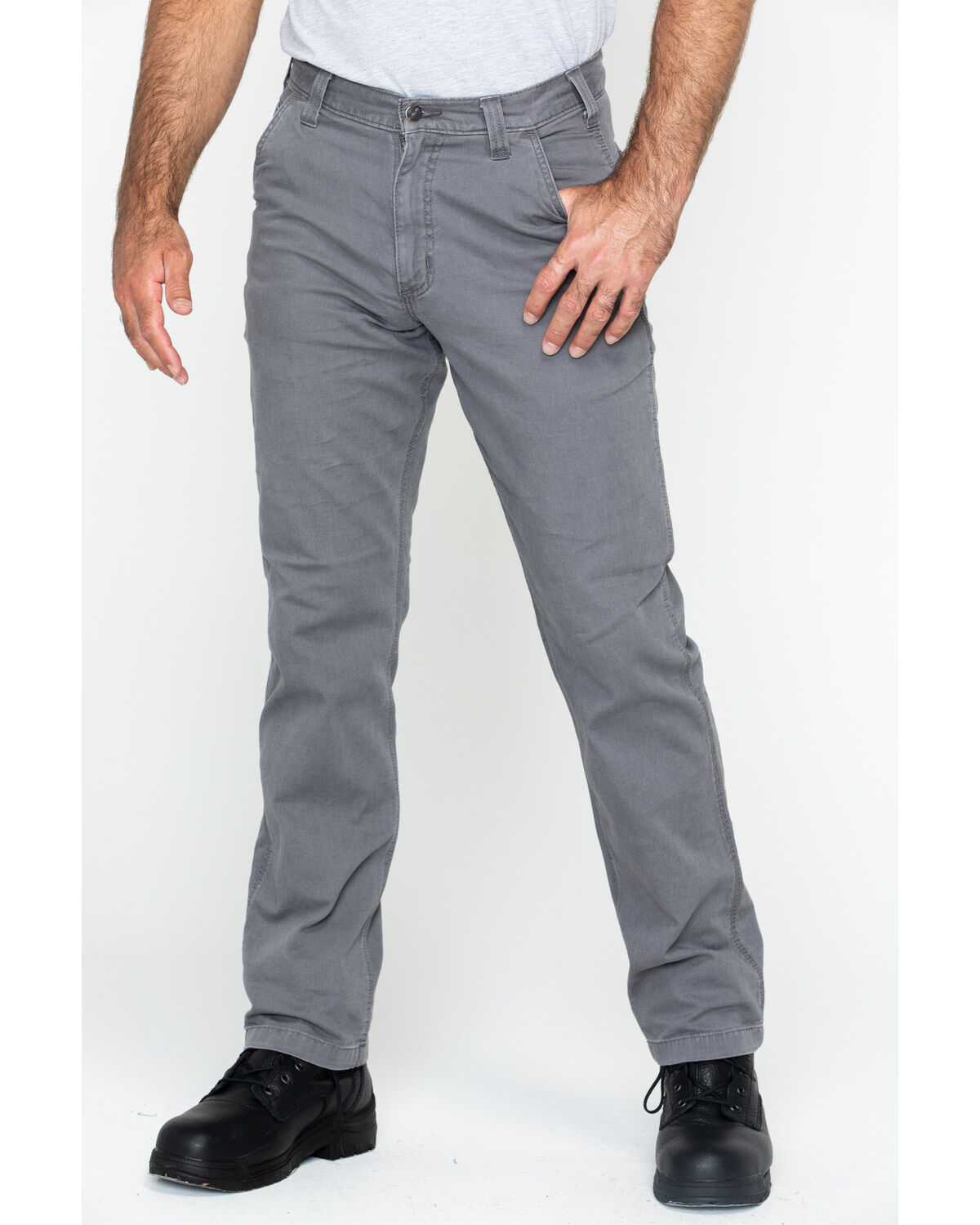
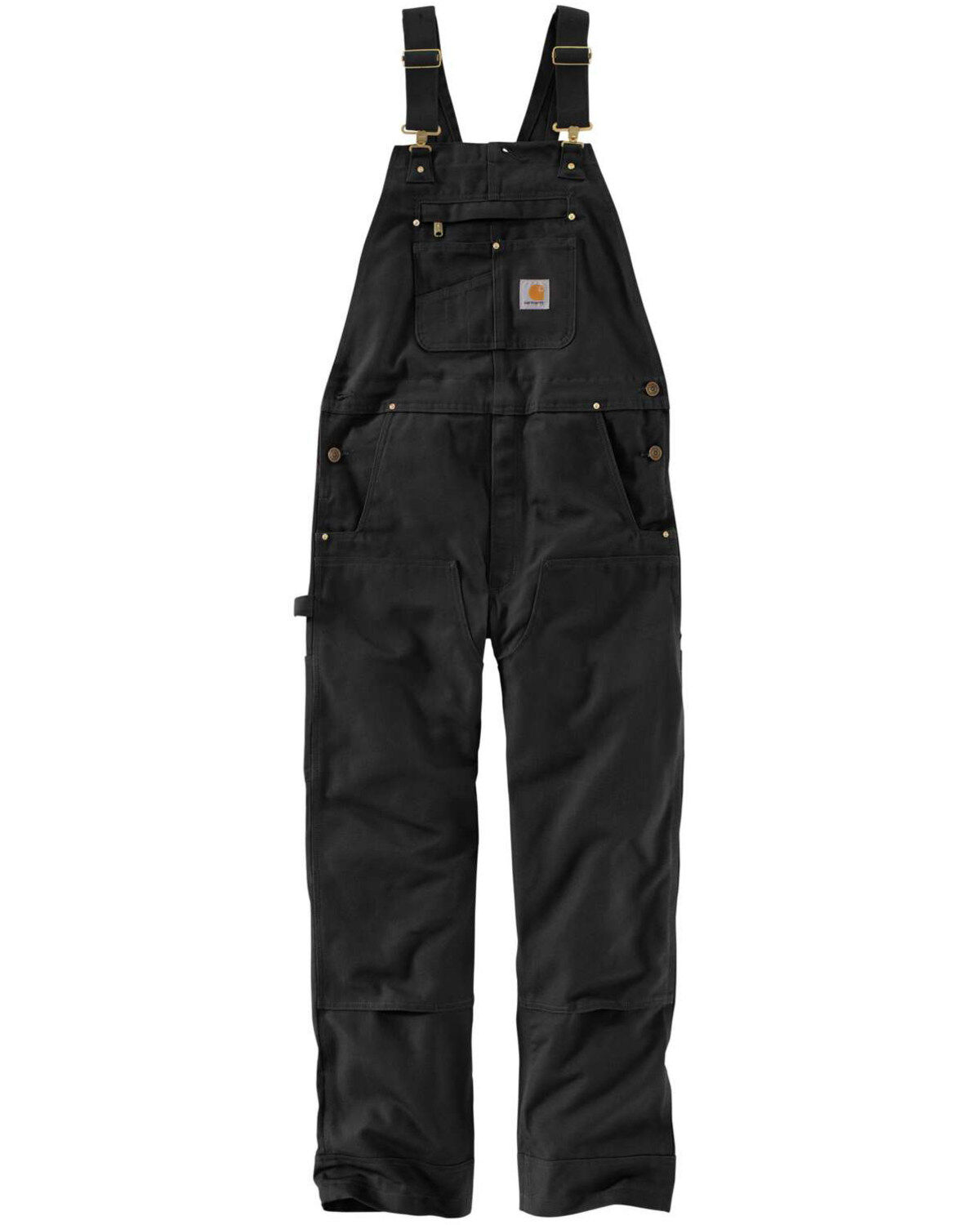
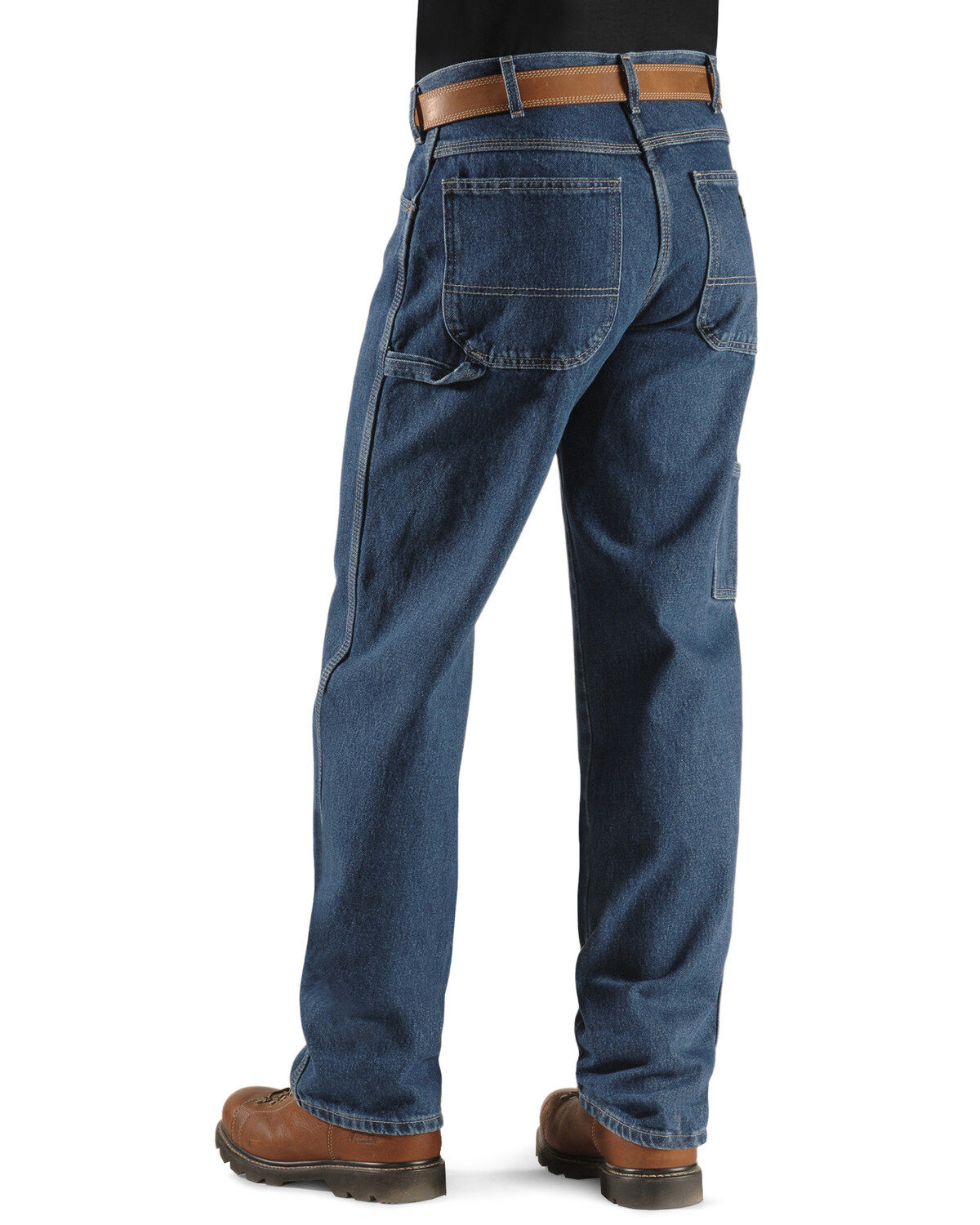
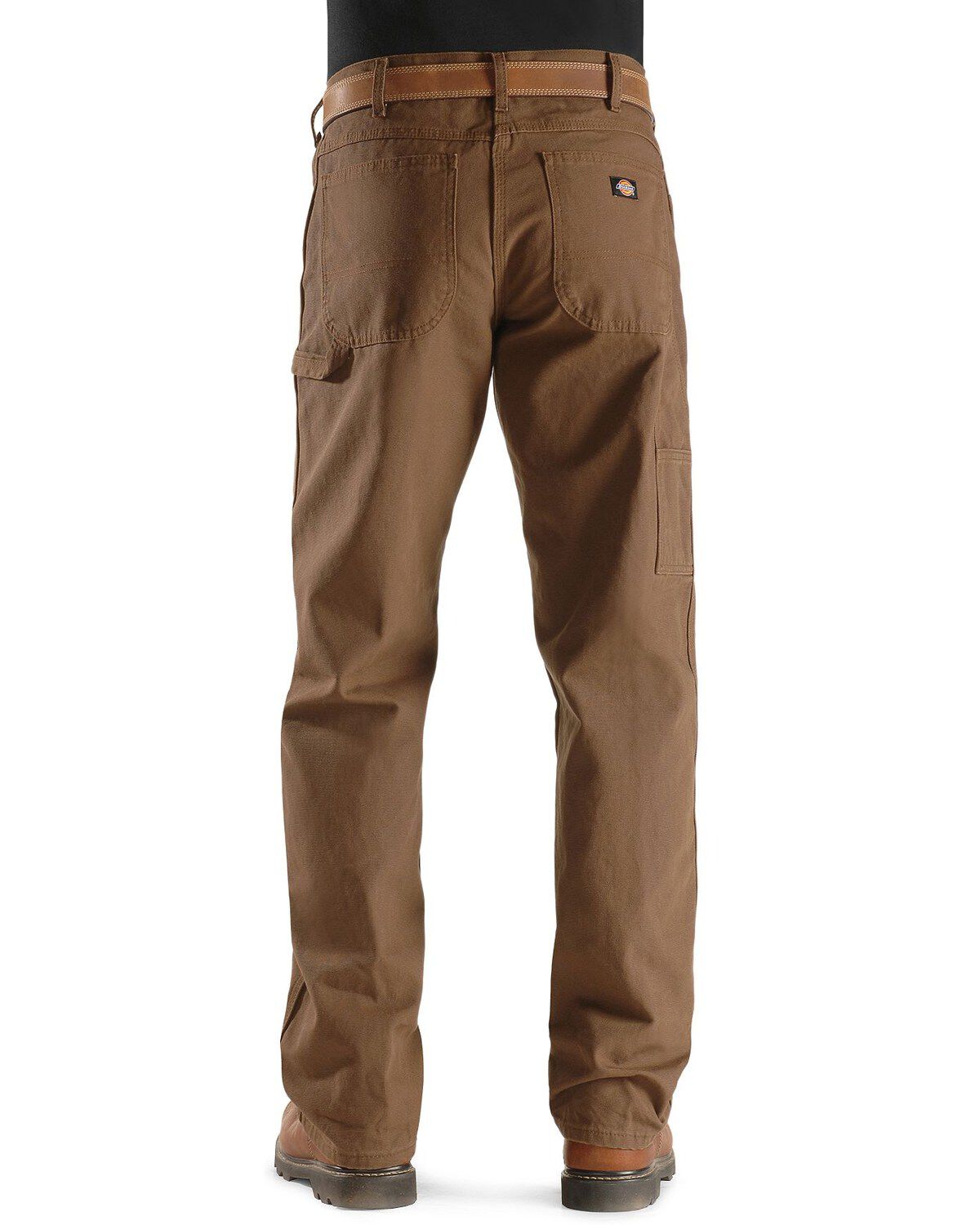
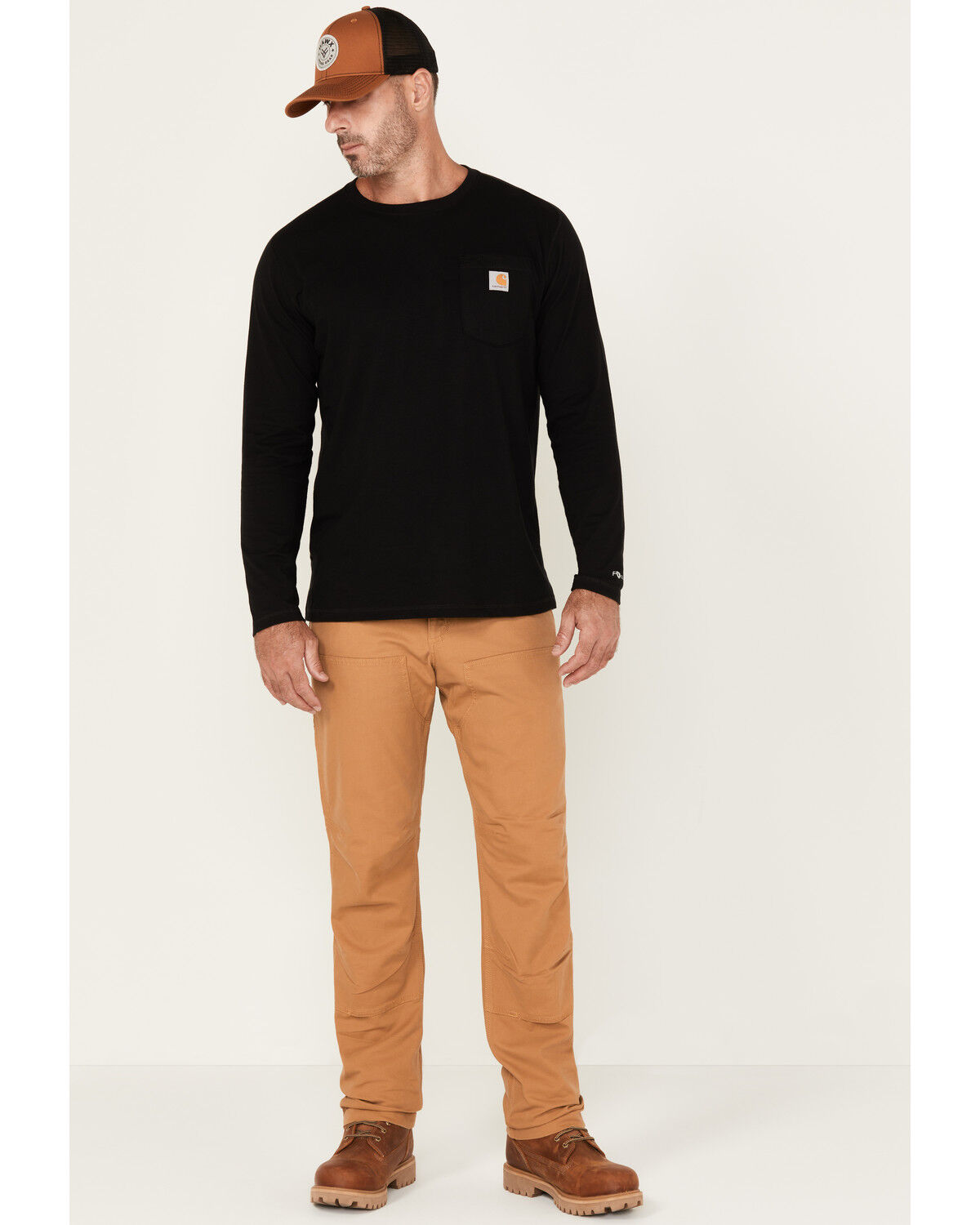
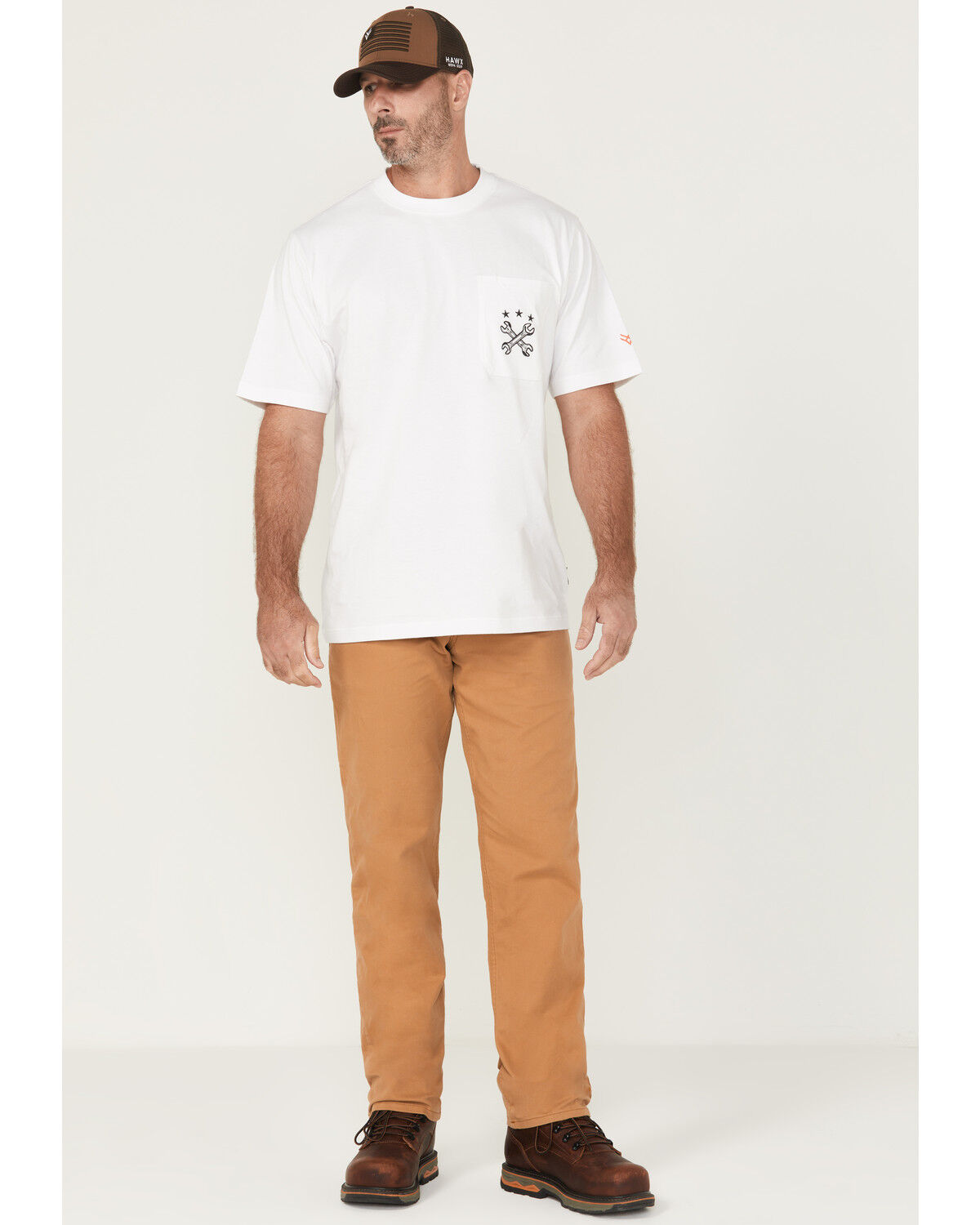
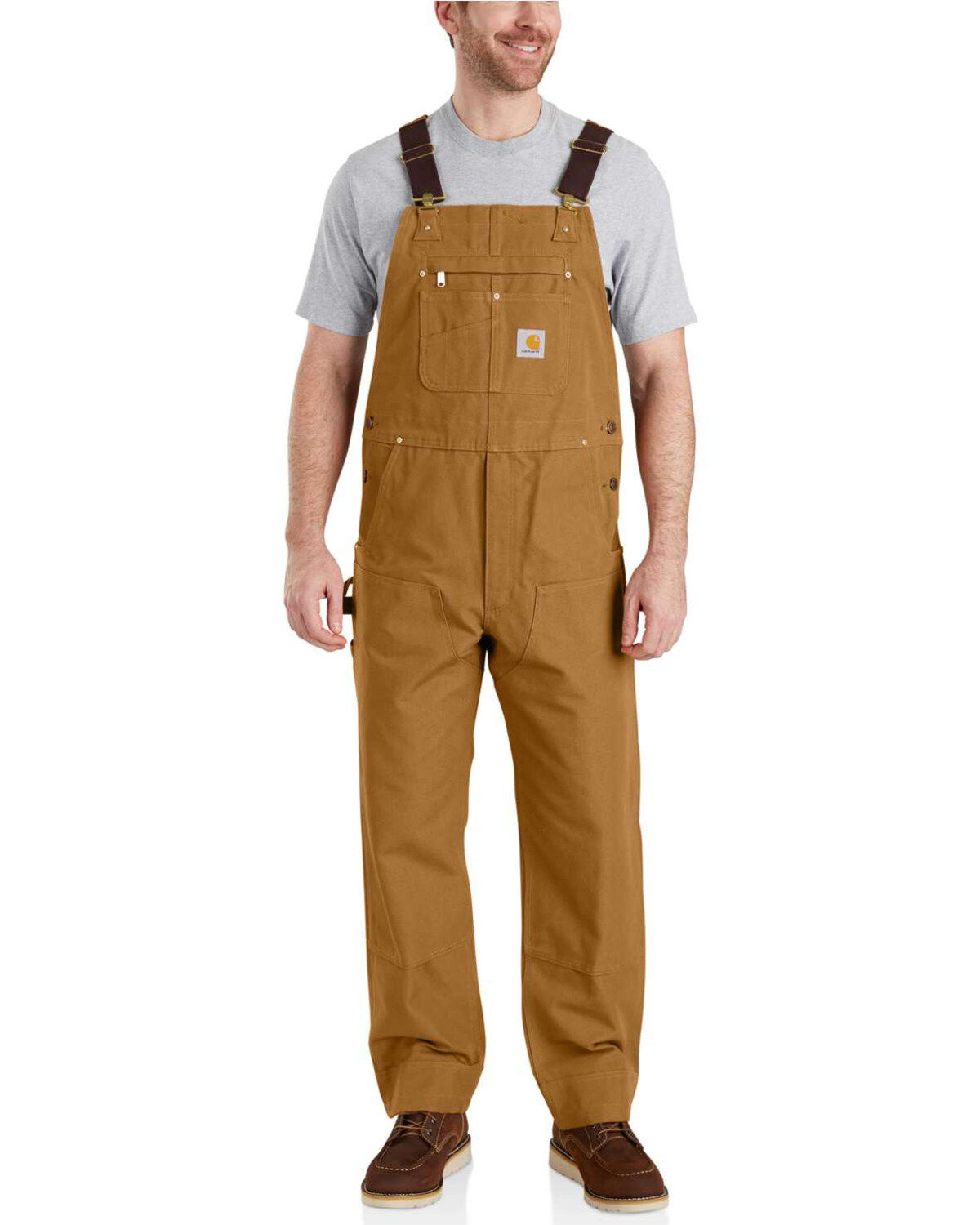
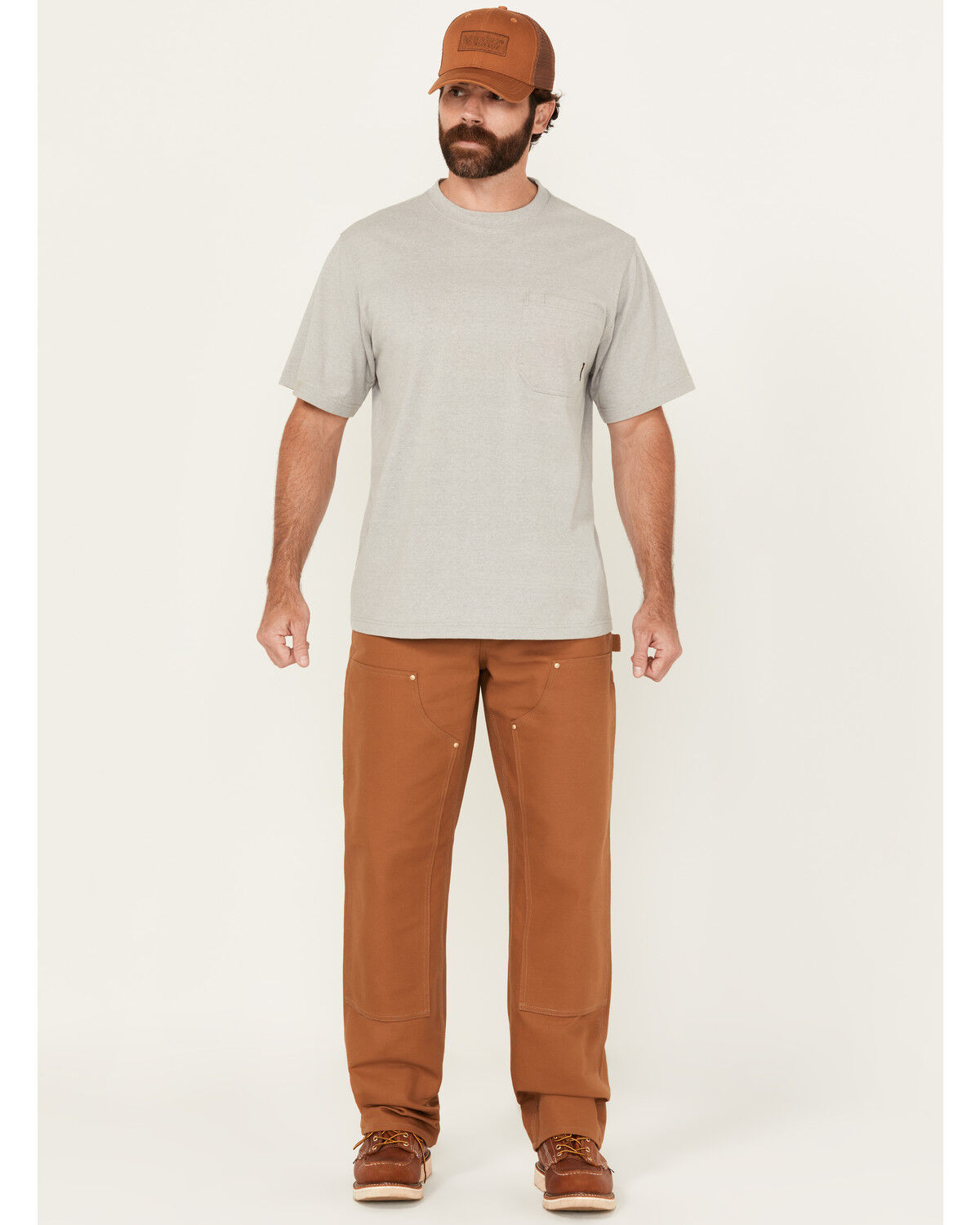
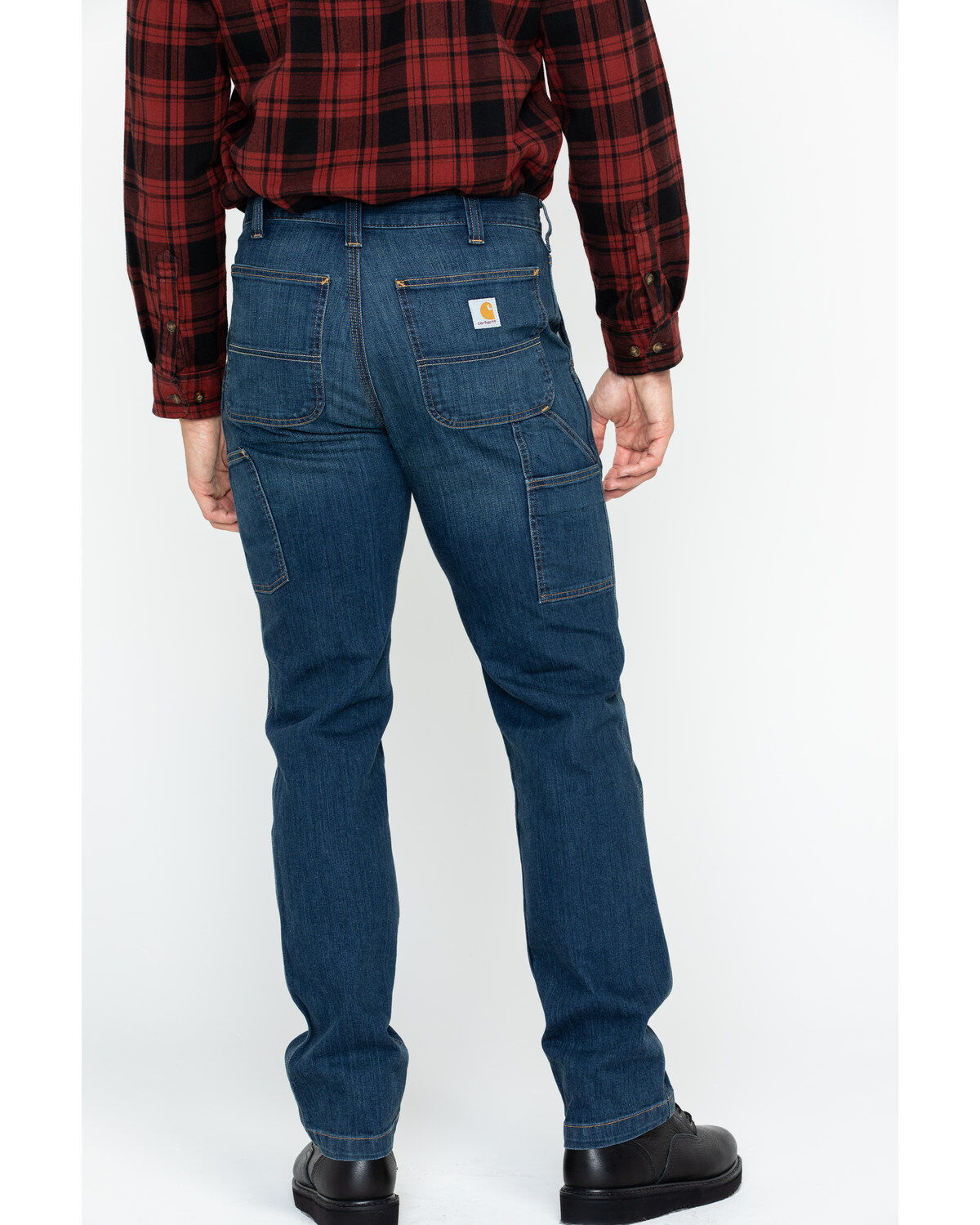
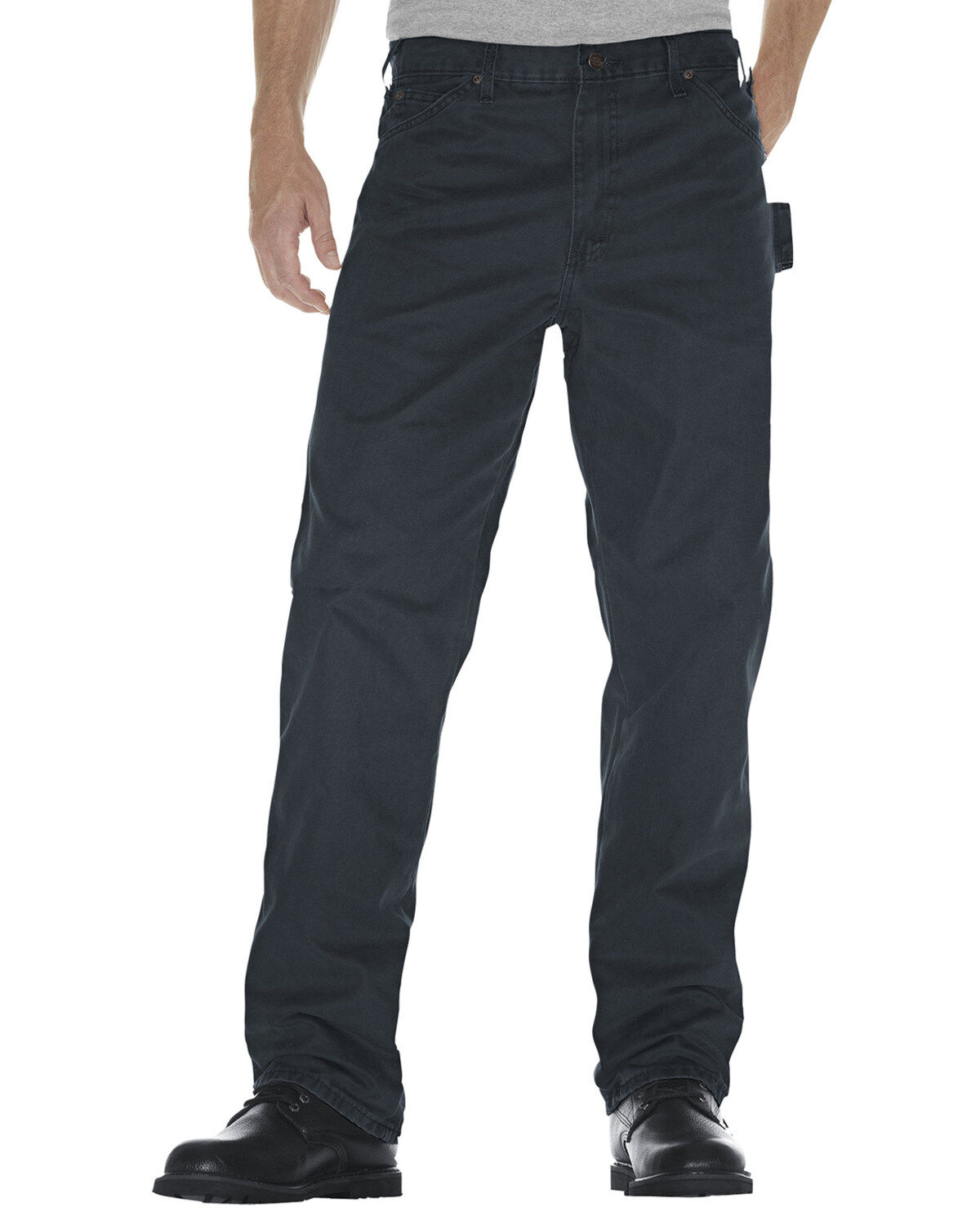
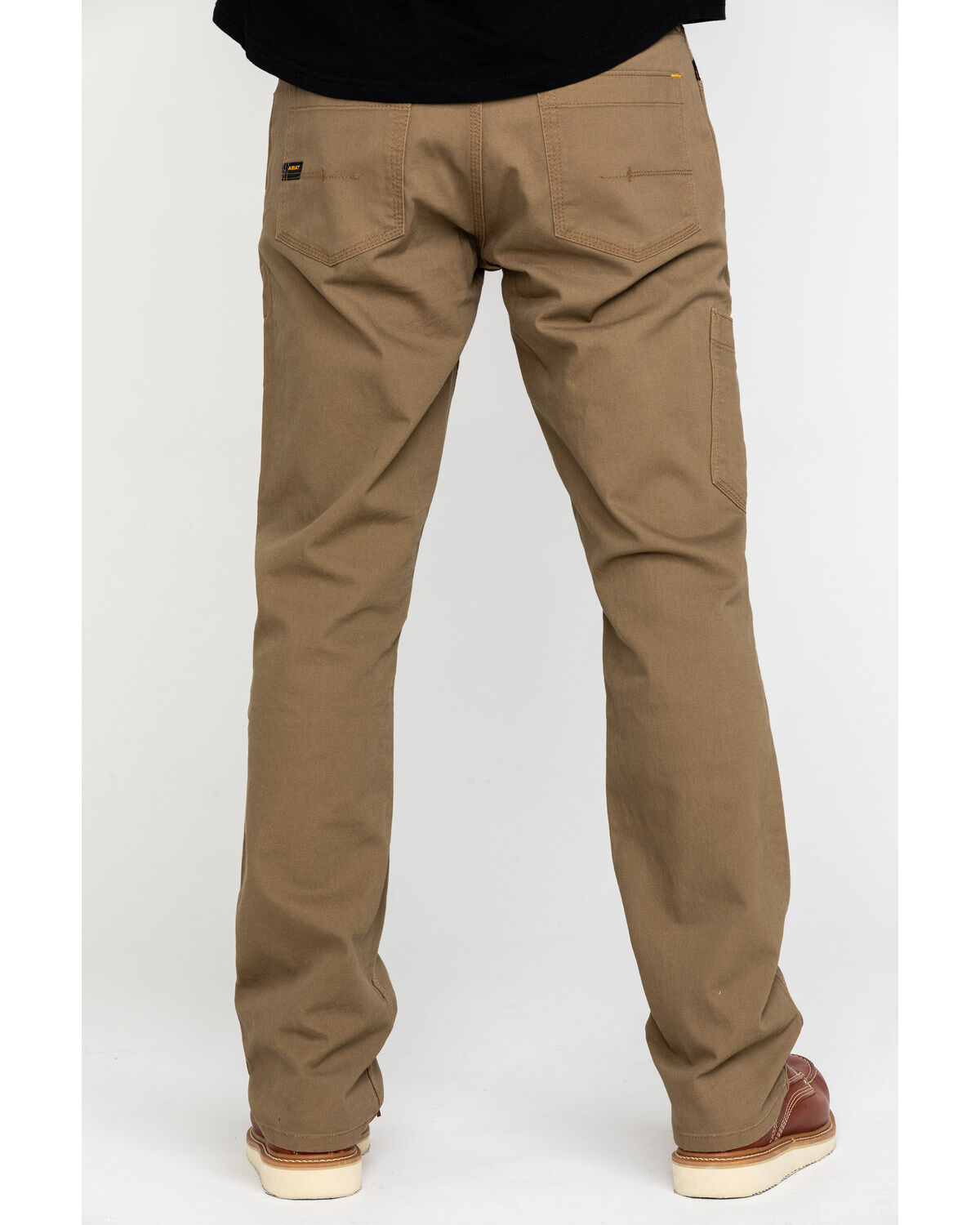
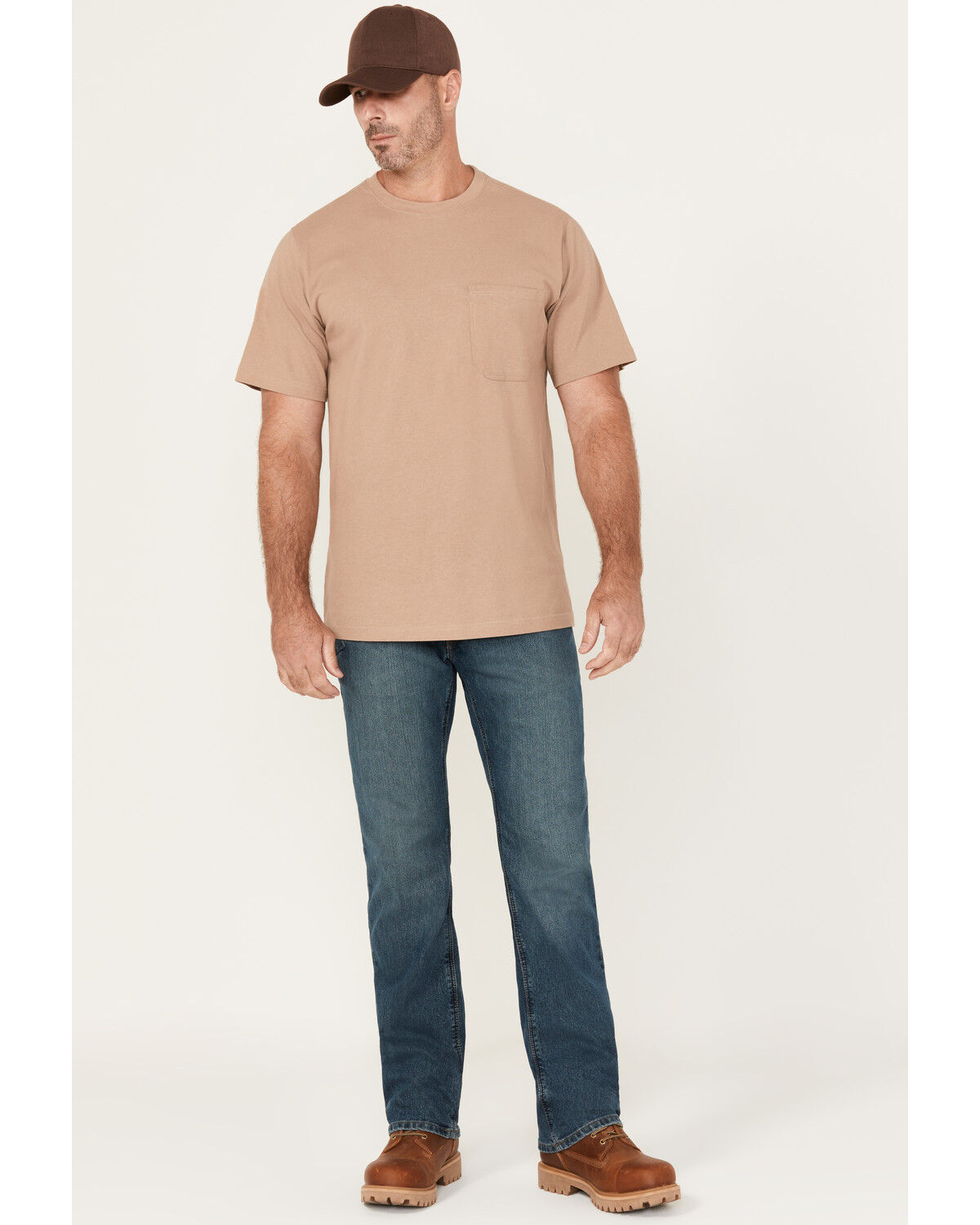
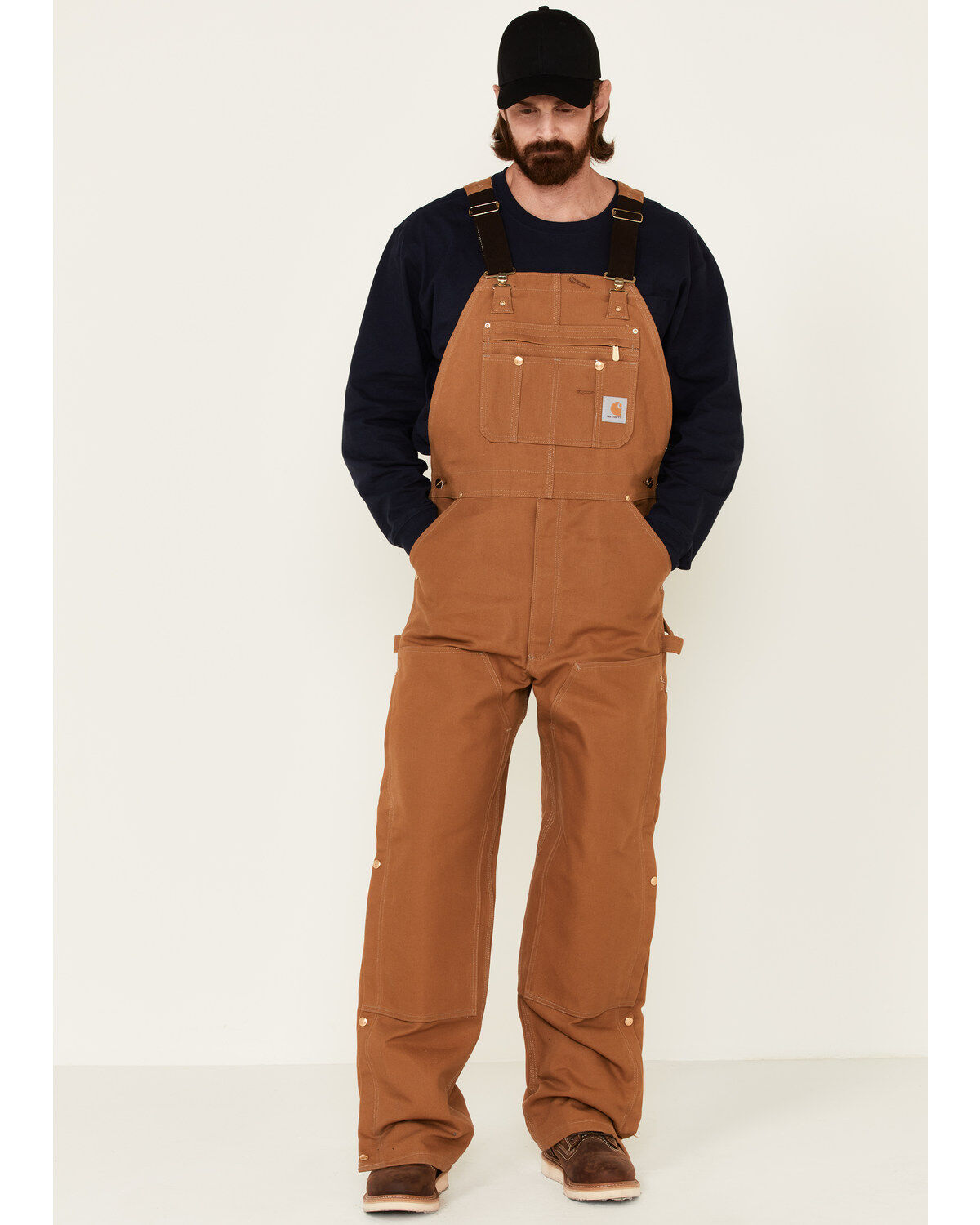
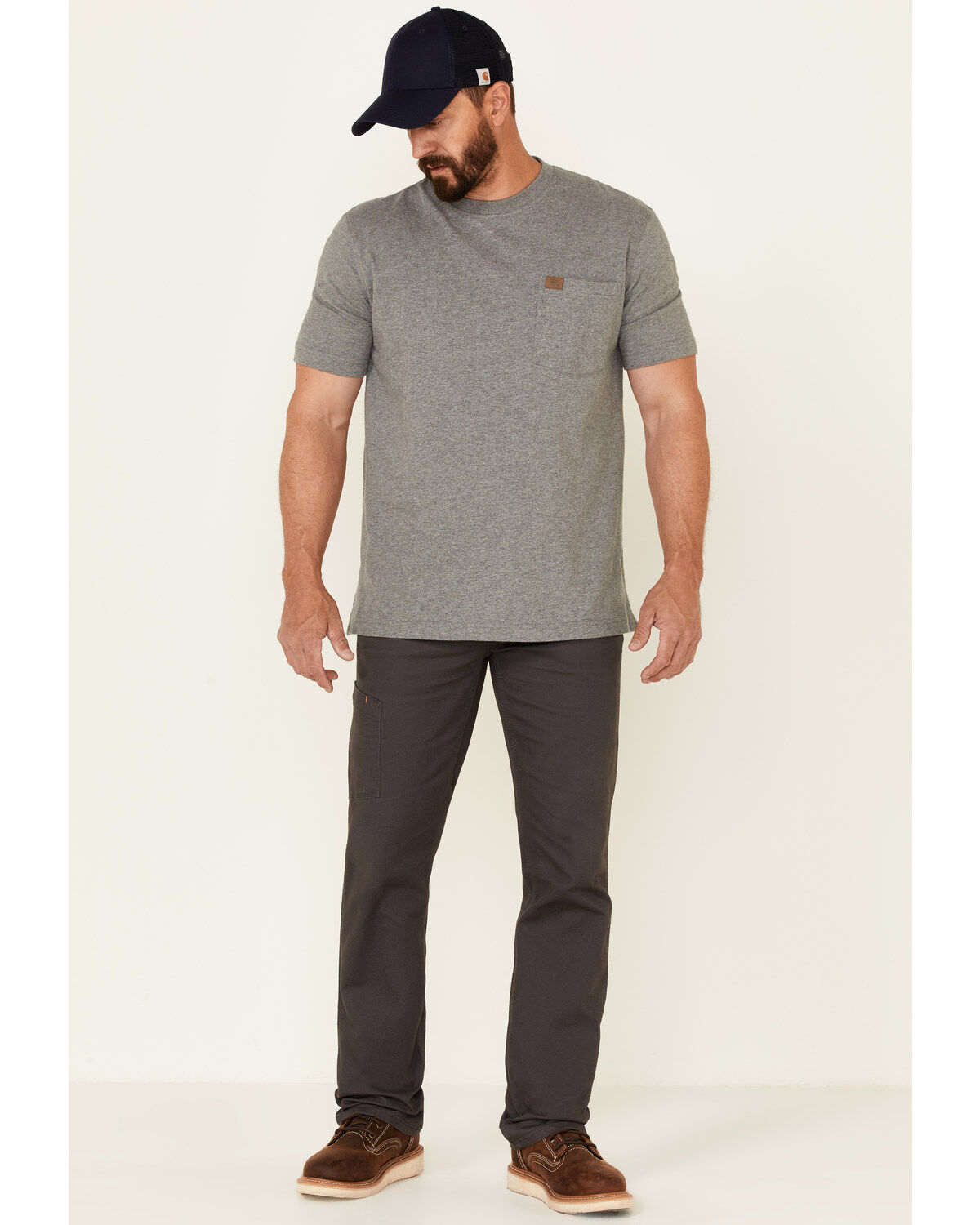
Durable work pants for construction workers need to handle more than a long shift. Kneeling on unfinished floors, carrying lumber, climbing ladders, and working around rough surfaces all put different demands on fabric and stitching. A dependable pair balances resistance to wear with enough room to move through those tasks without constant adjustment. Heavy cotton duck and canvas are common choices for their firm structure and ability to stand up to repeated contact with abrasive surfaces. Denim brings a familiar feel and sturdy construction, while blended fabrics can add flexibility or help pants hold their shape through regular wear. Fabric weight matters, but weight alone does not tell the whole story. A tightly woven cloth, strong seams, and reinforcement where the pants take the most strain can make a meaningful difference over time. Double-front designs add another layer across the thighs and knees, areas that often meet framing lumber, concrete edges, and subflooring. Reinforced pocket openings help address friction from tape measures and frequently handled tools. Bar tacks at stress points can strengthen pocket corners and belt loops, where pulling and repeated movement tend to work stitching loose. Carpenters, electricians, plumbers, equipment operators, and general construction crews may all wear work pants, but the best construction for each job depends on how the day is spent. Someone setting cabinets spends time kneeling and crouching, while an equipment operator may need a comfortable seat and less bulk behind the knees. A worker moving materials across a site may put greater emphasis on abrasion resistance and secure storage. These differences make durable construction only part of the picture. Pants also need to suit the work itself, with a fabric and layout that remain practical from the first measurement to the final cleanup. The strongest pair is not necessarily the heaviest one; it is the pair built to handle repeated use without getting in the way.

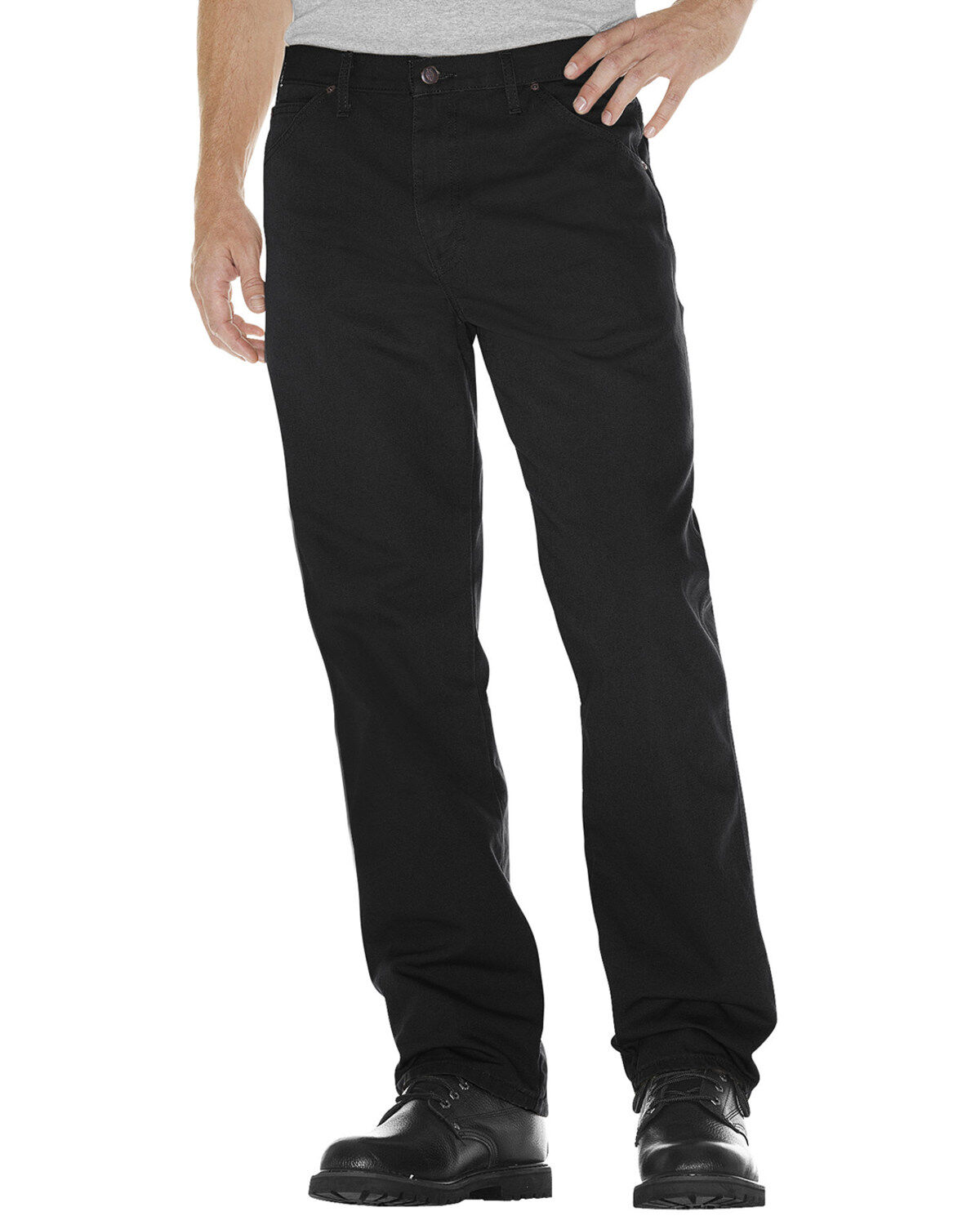
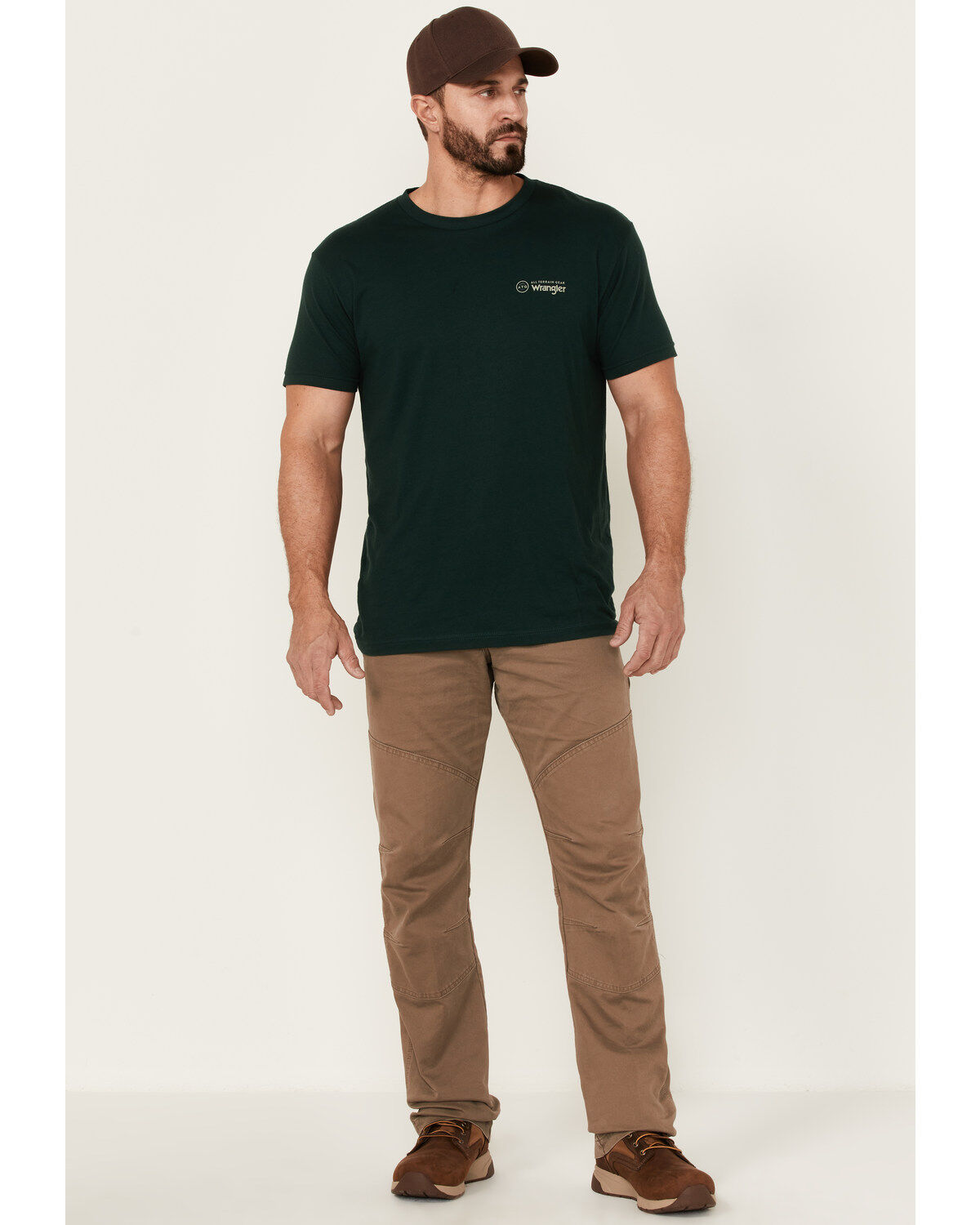
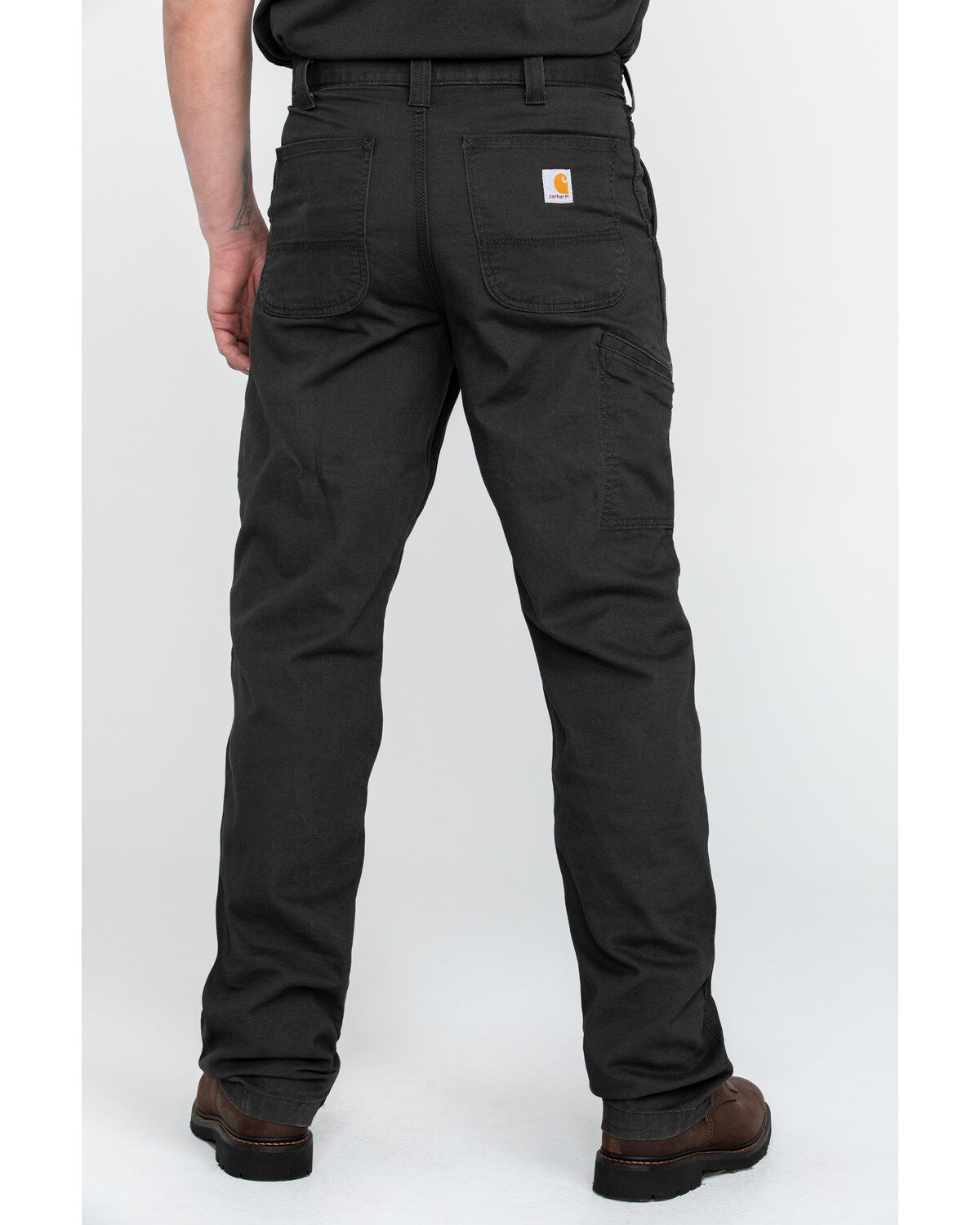
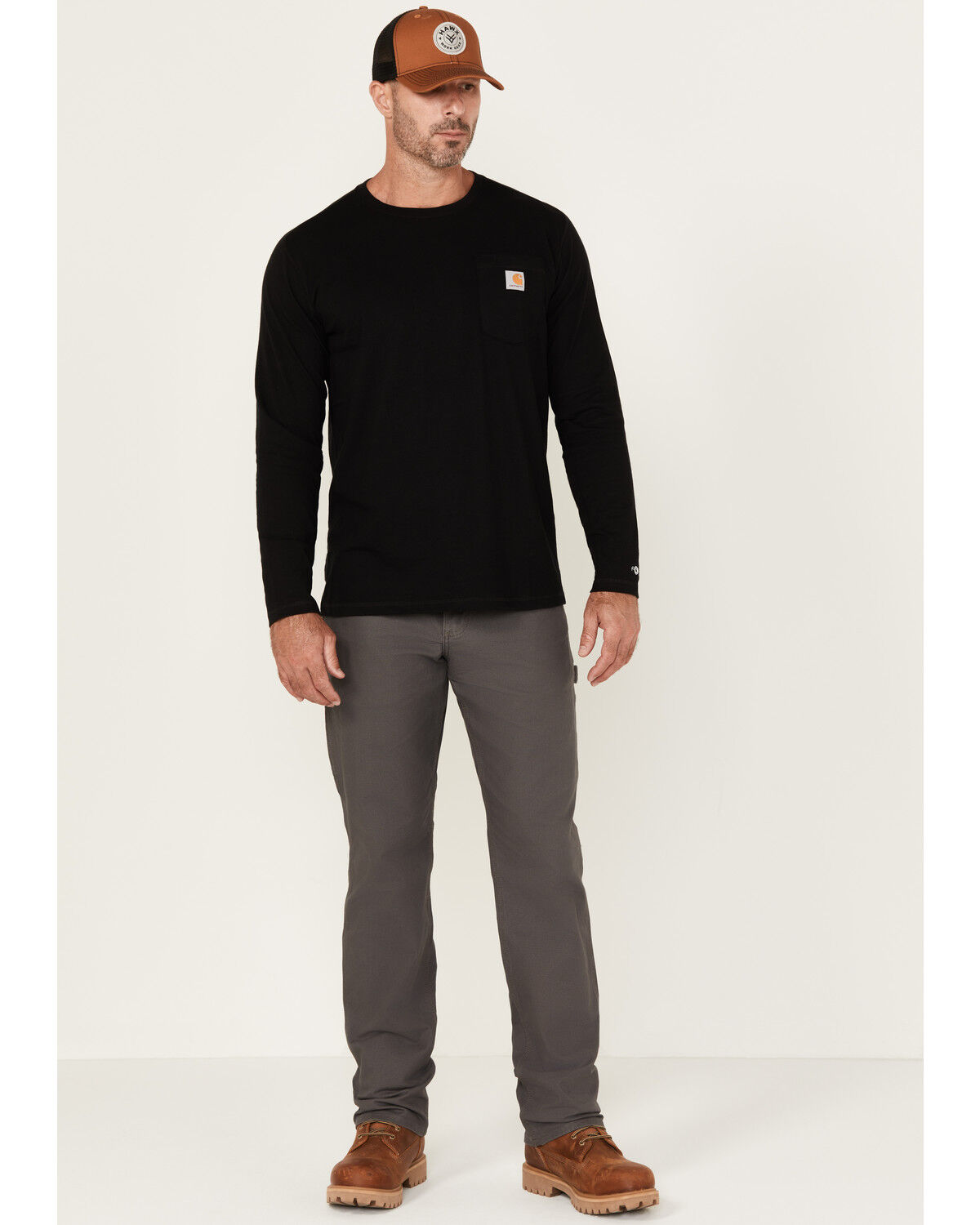
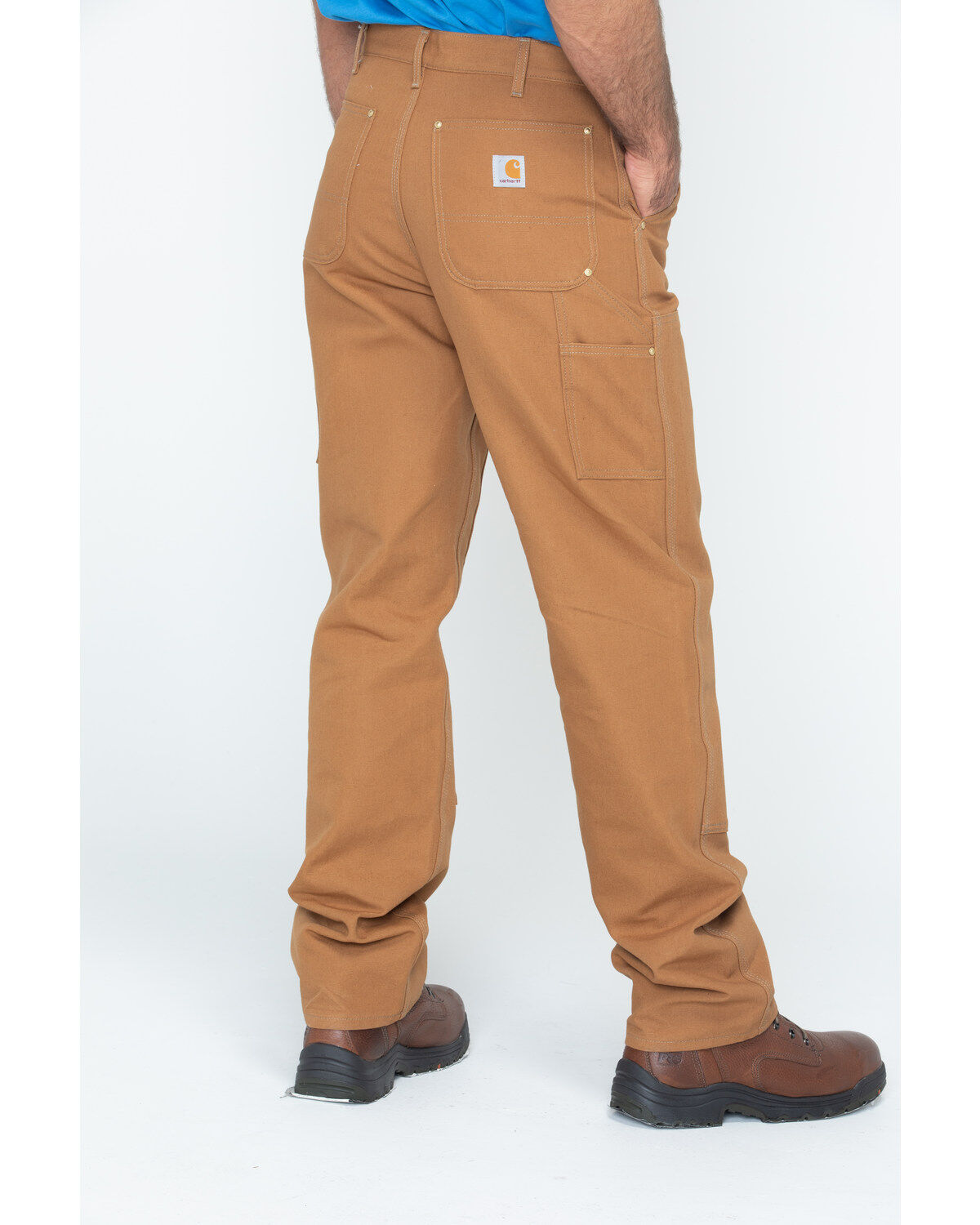
Fit has a direct effect on how work pants perform throughout the day. A waistband that feels right while standing can pull tight when bending to lift a toolbox or reaching across a workbench. Enough room through the seat and thighs allows movement without putting unnecessary strain on the seams. Relaxed fits can provide that space, while straighter cuts may suit workers who prefer less loose fabric around the legs. Neither should restrict a full step onto a ladder rung or bunch heavily beneath a tool belt. A gusseted crotch adds fabric where several seams meet, helping accommodate a wider range of movement. Shaped knees can reduce pulling when crouching, and a small amount of stretch can make repeated bending more comfortable. Stretch is useful, but it does not replace a sound fit or strong construction. Leg openings should work with the boots worn on the job, and hems should clear the ground rather than drag across debris or catch under a heel. Pocket design deserves the same attention as cut. Deep front pockets can keep small essentials accessible, while cargo pockets offer separate storage without filling the seat pockets. A dedicated phone pocket can keep a device away from screws, fasteners, and sharp tool edges. Utility pockets and hammer loops may be useful for some trades, though extra storage is only helpful when its placement matches the task. Bulky pockets can press against the leg while kneeling or become uncomfortable during long periods in a vehicle. For work close to machinery, a controlled fit without excess loose fabric is especially important, along with following site rules for clothing and tool storage. Pants with knee-pad pockets can accommodate compatible inserts for tasks that involve frequent kneeling, but the placement needs to line up with the knee in a working position. Those details are easiest to appreciate during ordinary movements: stepping up, squatting down, sitting, and reaching. A practical fit lets those motions happen without the waistband slipping or the cuffs riding too high over the boots.

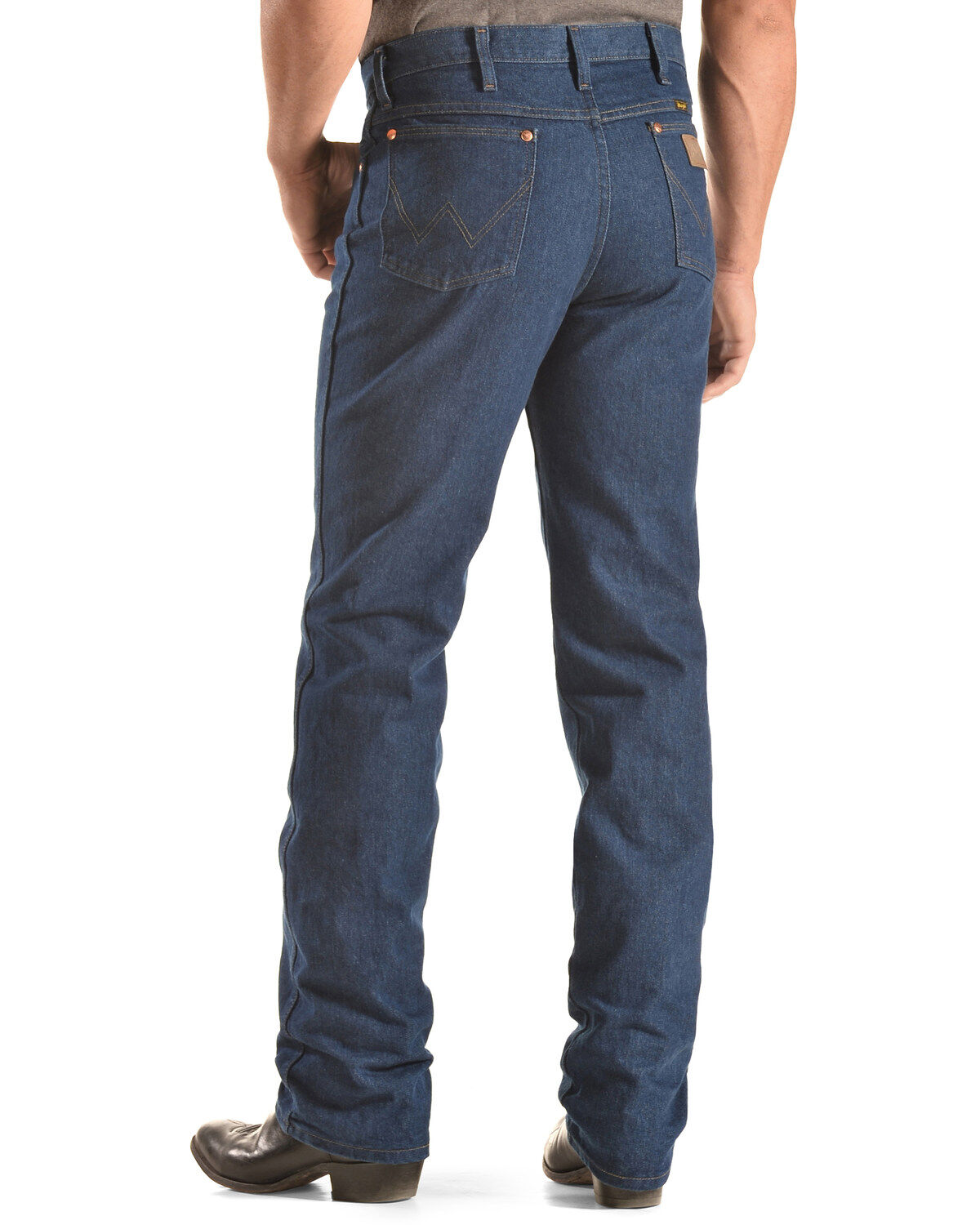
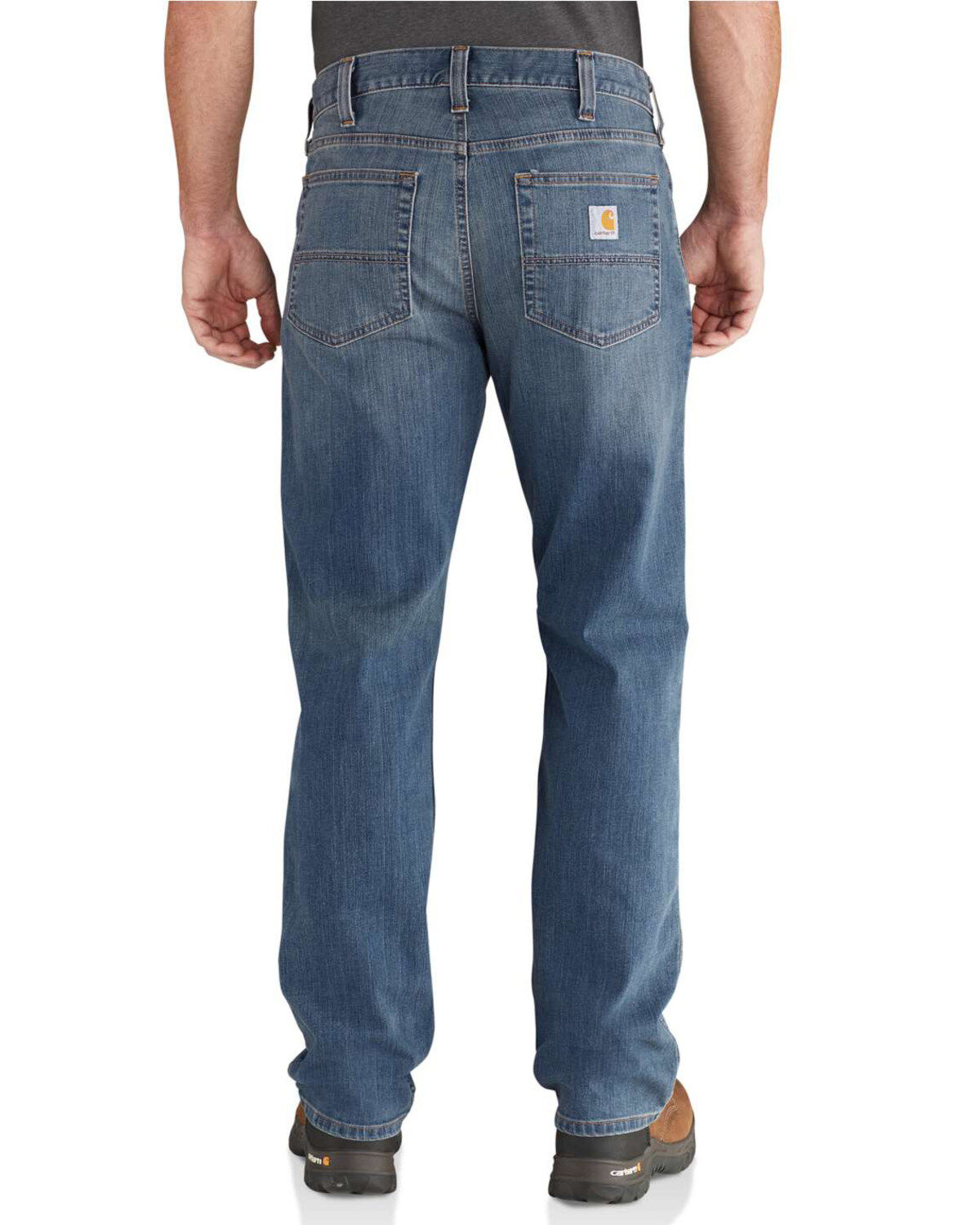
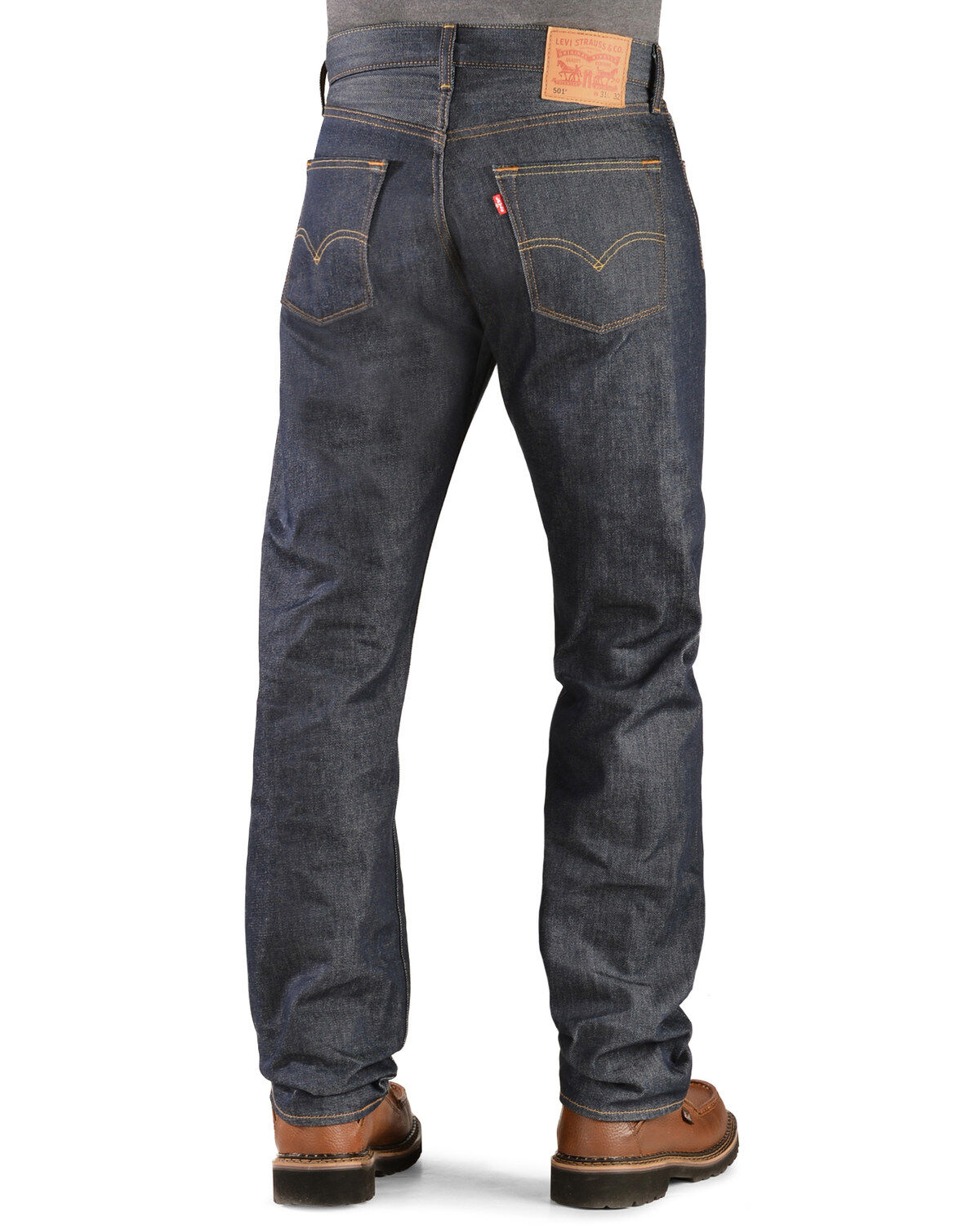
Long-term durability also depends on how work pants are used and cared for between shifts. Ground-in grit can wear at fibers, especially around knees, cuffs, and pocket edges, so regular cleaning is part of keeping the fabric in working condition. Care labels matter because cotton, stretch blends, and fabrics with special finishes do not all respond the same way to washing and drying. Excessive dryer heat can affect fit and elastic fibers, while certain cleaning agents may damage finishes or compromise protective properties. Empty pockets before washing to keep stray screws, nails, and other hardware from scraping fabric or damaging the machine. Heavy soil may need pretreatment with a method suitable for the material rather than repeated harsh washing. Small problems are worth noticing early. A loose belt loop, worn pocket corner, or opening seam can become a larger failure when it keeps taking the same strain. Repairs may extend the useful life of ordinary work pants, but protective garments require care and repair methods that preserve their specified performance. Standard canvas, denim, and reinforced knees do not make pants flame-resistant, cut-resistant, or suitable for every jobsite hazard. Work involving sparks, electrical hazards, or other specific exposures calls for clothing that meets the employer’s requirements and the applicable safety standards. For jobs where denim is appropriate, Durable Work Jeans offer another direction for workers who prefer a familiar five-pocket layout or a utility-focused denim design. Whether the choice is denim, duck, canvas, or a flexible blend, a useful pair combines dependable fabric with a fit that supports the actual work. That same attention makes work pants a practical gift for someone entering a trade or replacing well-worn jobsite clothing, provided the size, preferred cut, and workplace requirements are known. Strong stitching, useful pockets, manageable bulk, and straightforward care add up to pants built for repeated wear, not just a sturdy first impression.
Read More

FAQs