Denim Sleeveless Tops

Find denim sleeveless tops for warm days and layering under a jacket. Compare fit, length, and neckline to choose the shape and coverage you prefer, whether you pair yours with jeans or a skirt.

Shop Your Store: Shop Your Store: Find a Store

(Turn off Shop Your Store to see all items)

(Turn off Shop Your Store to see all items)

close
  • Recommended
  • Lowest Price
  • Highest Price
Skip pass products

End of products

Denim Sleeveless Tops

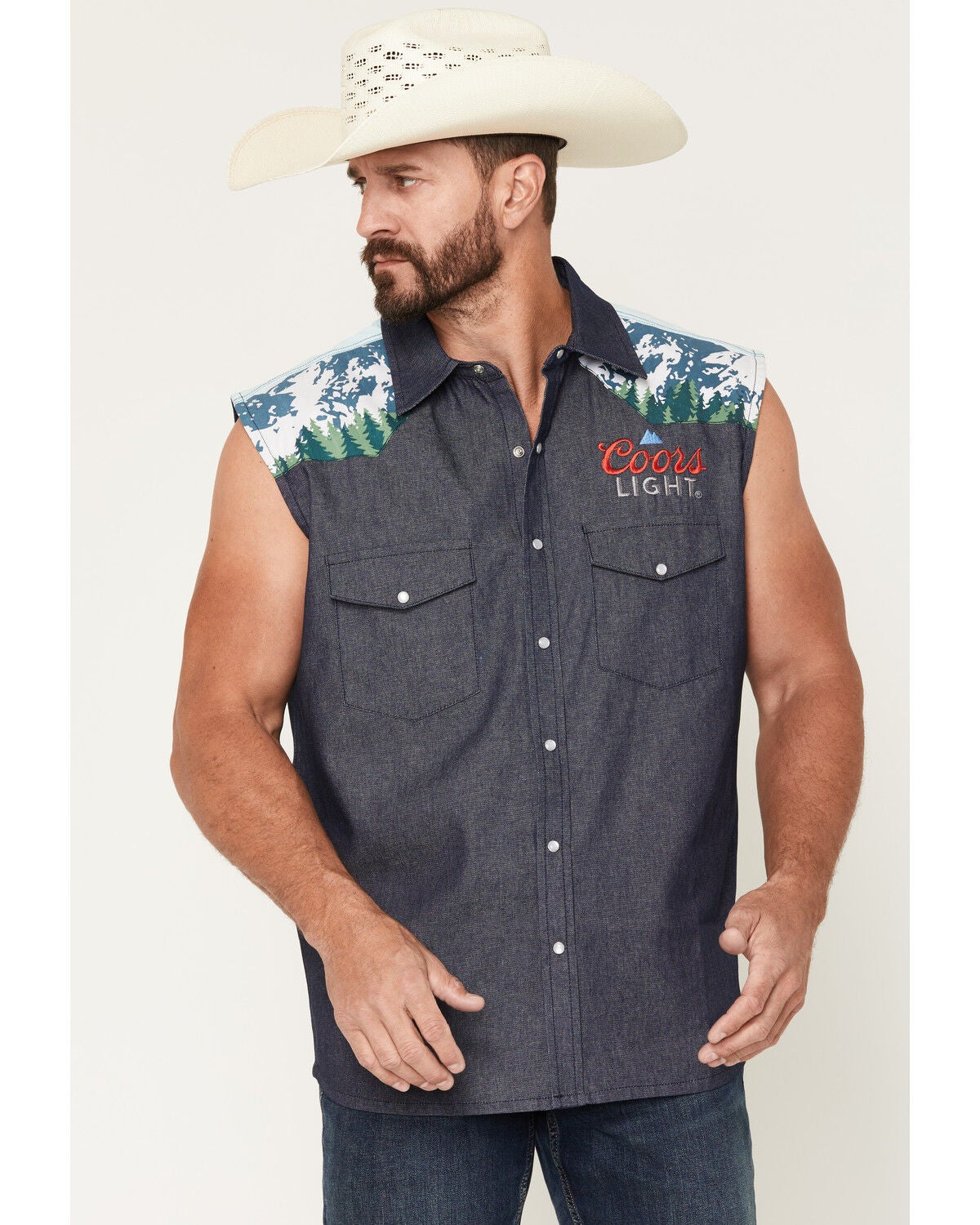
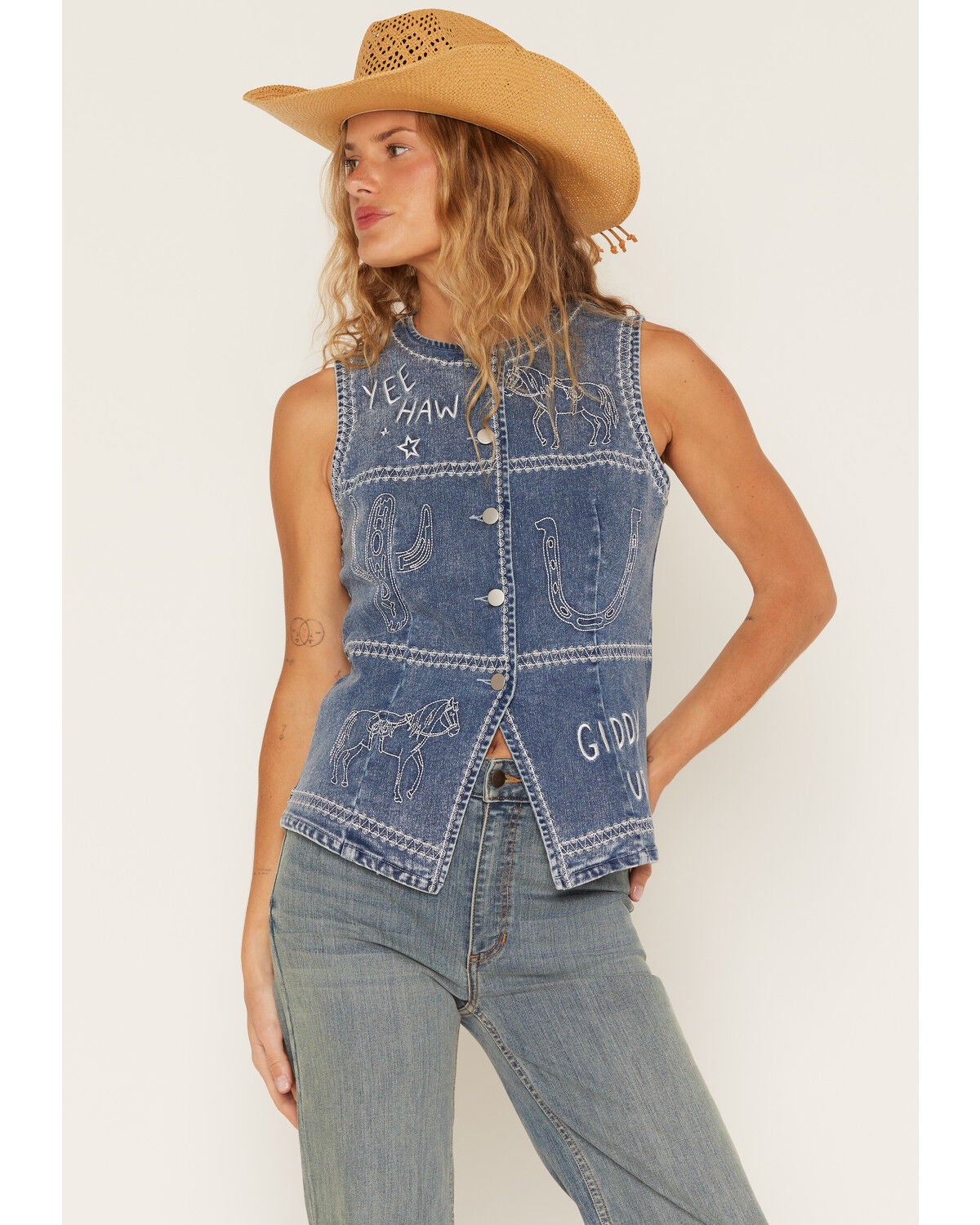
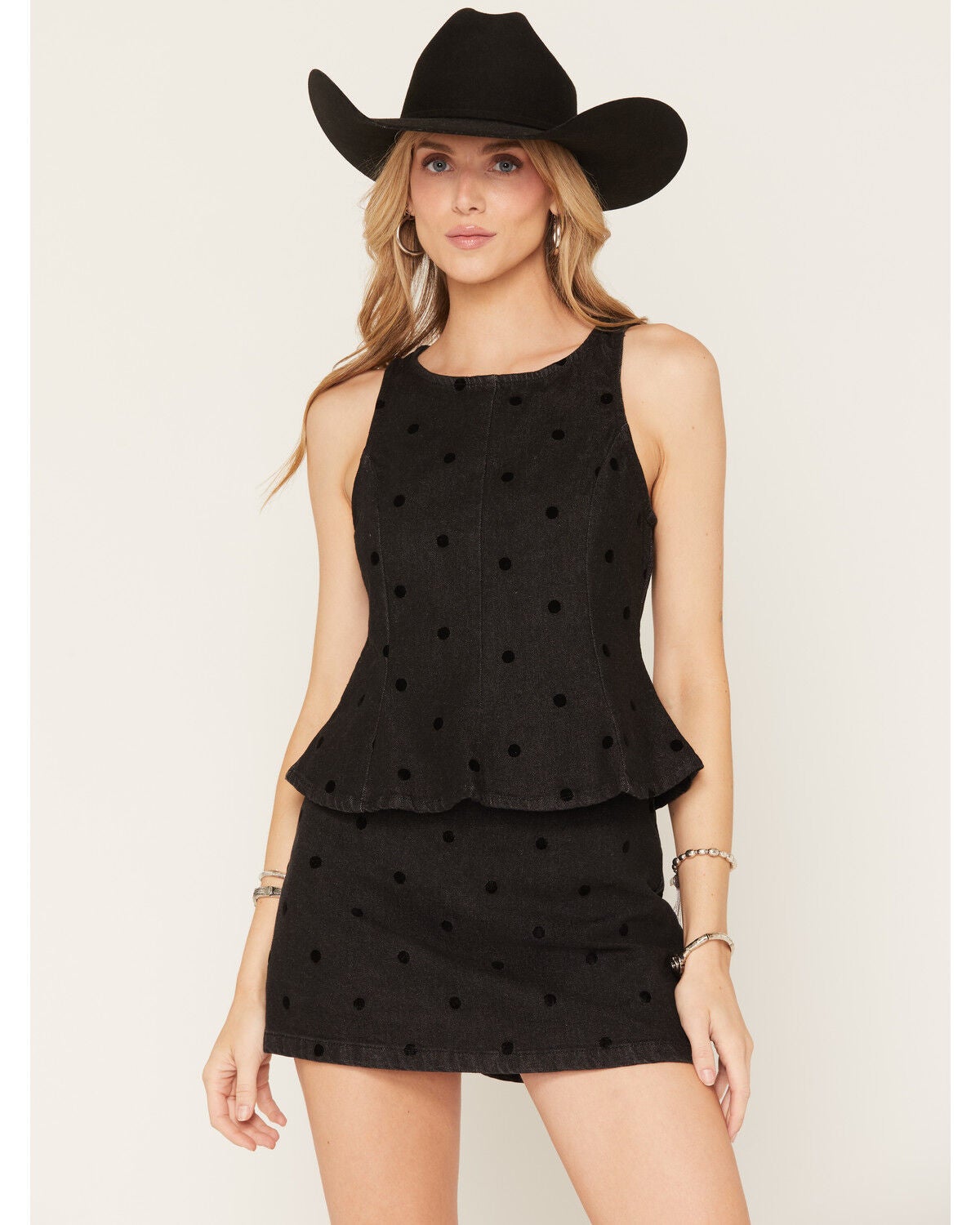
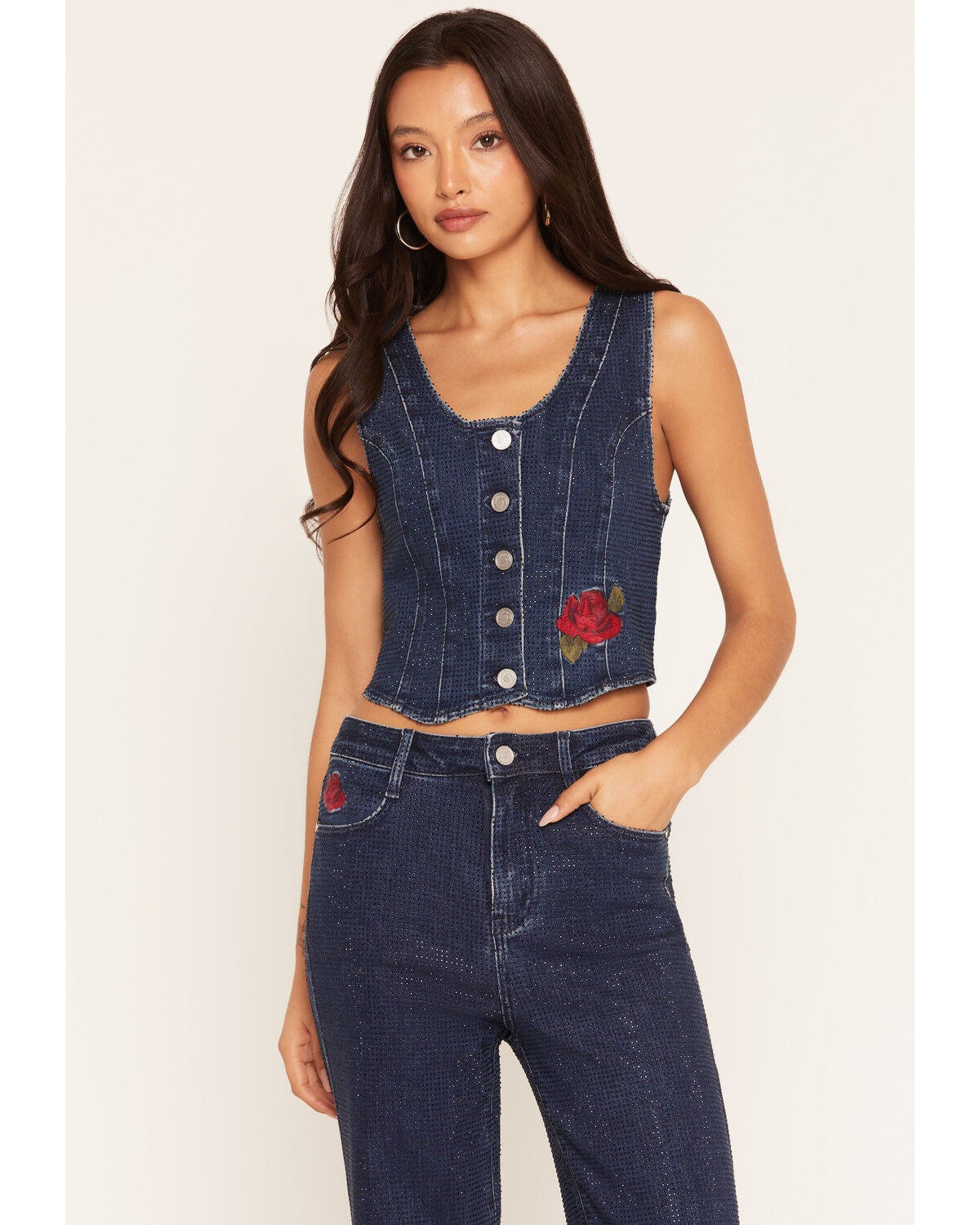
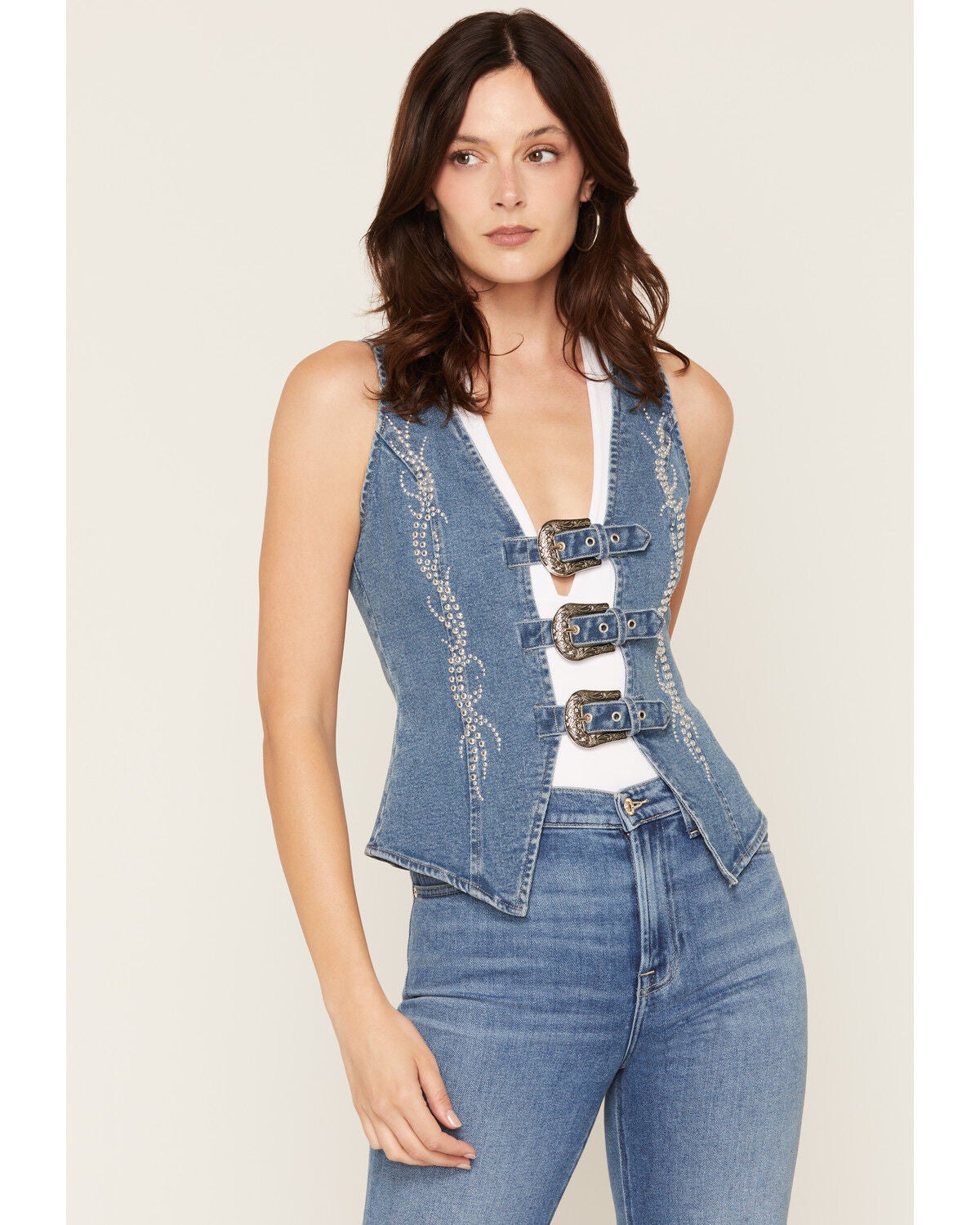
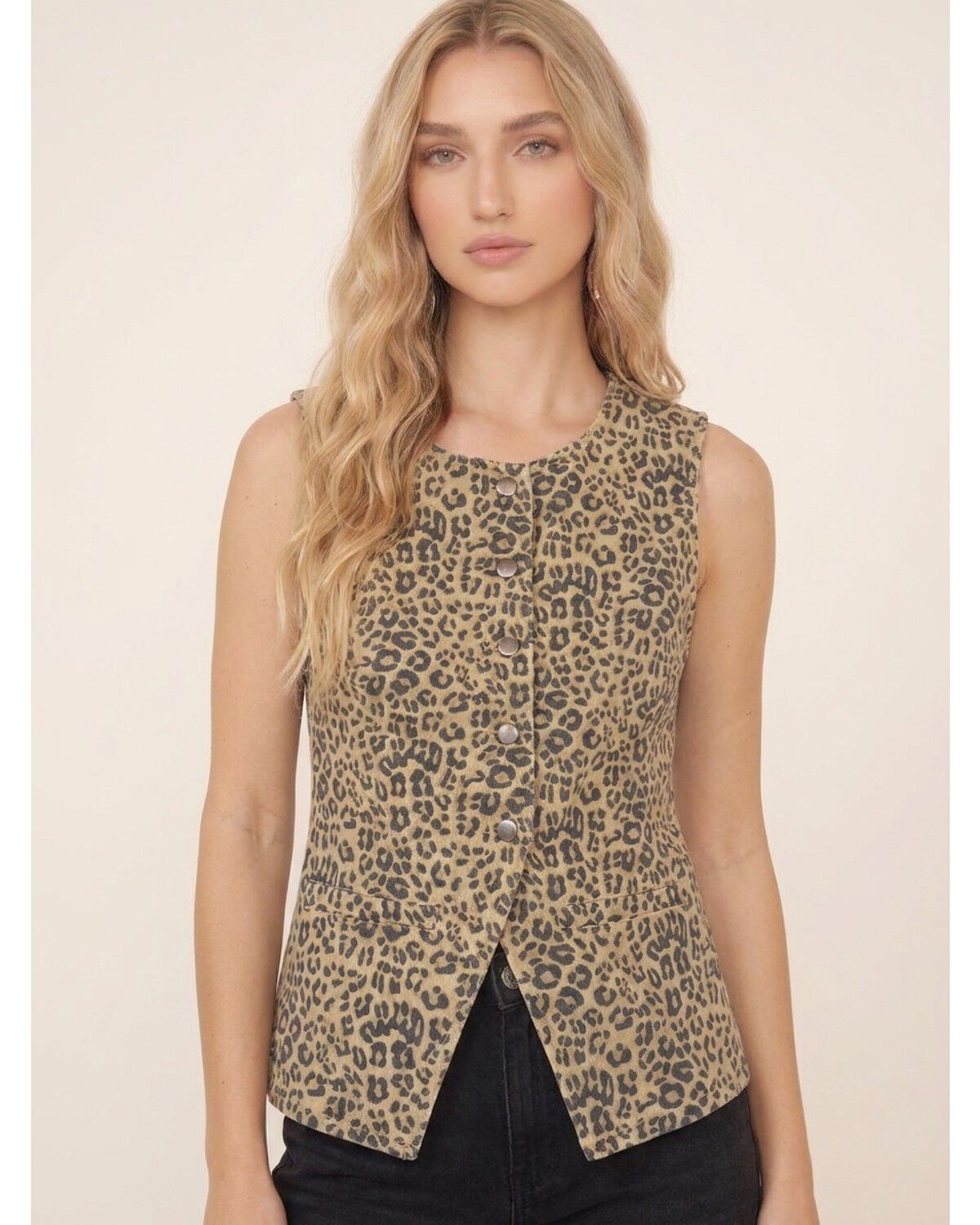
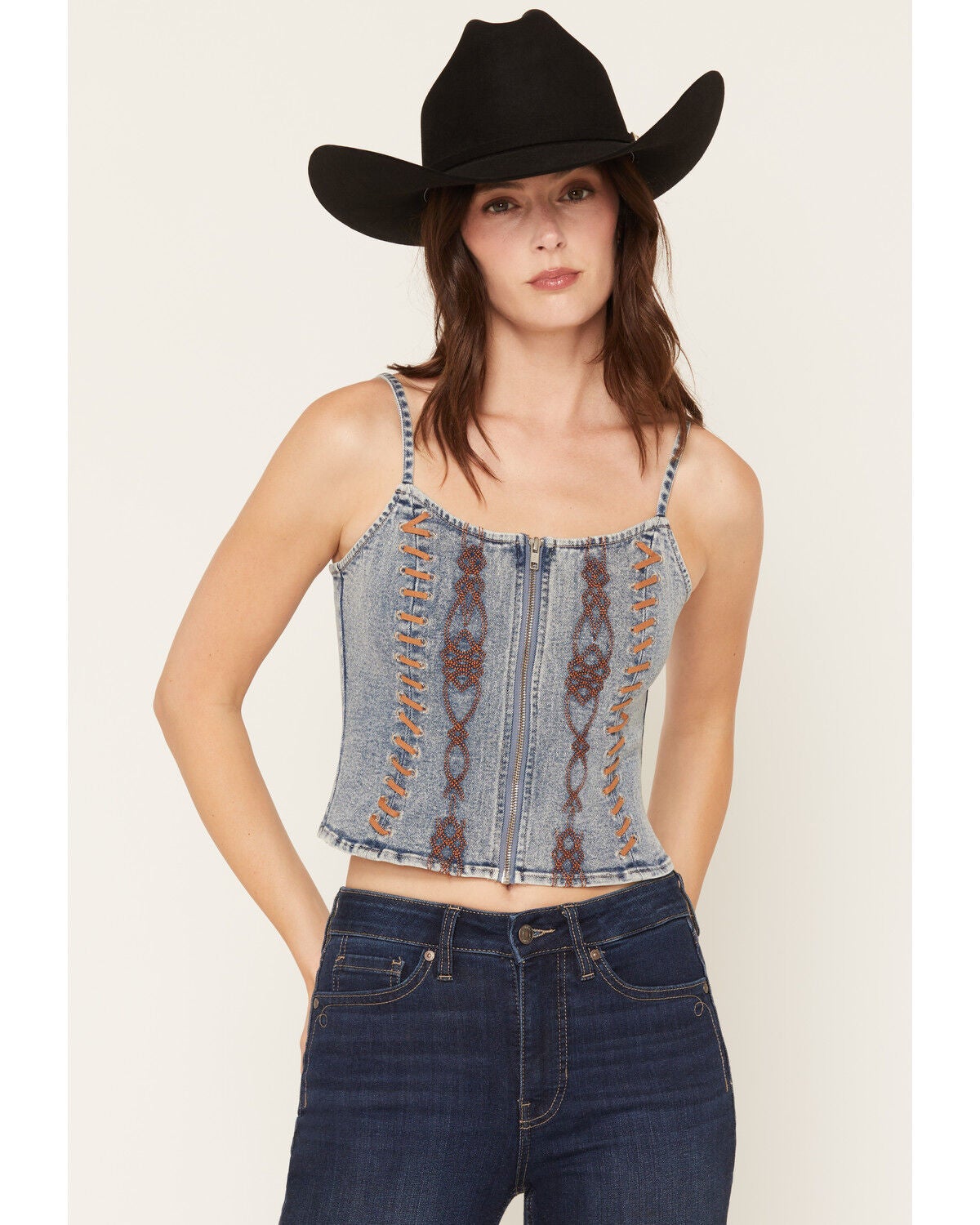
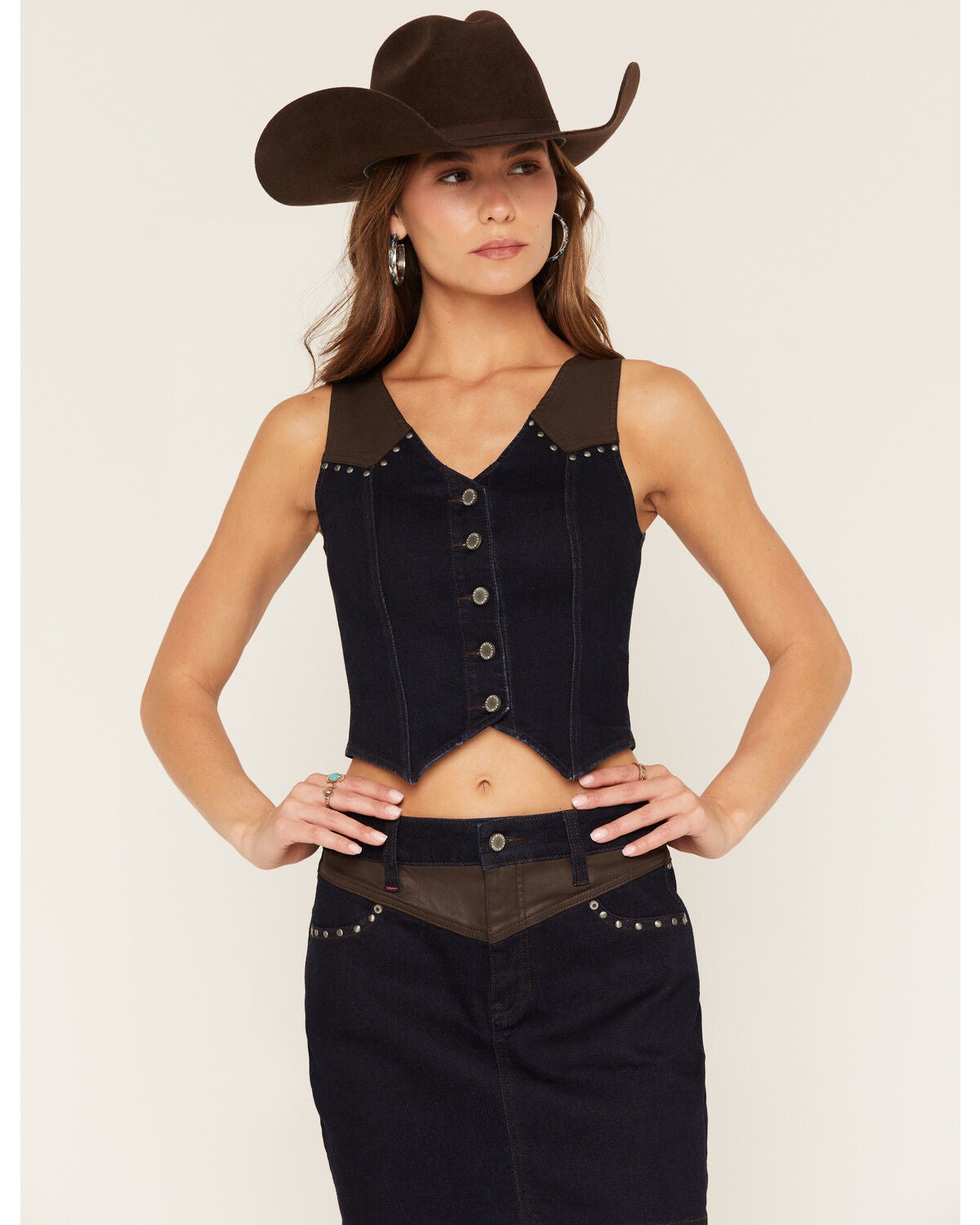
Denim sleeveless tops bring the familiar texture of jeans to shirts, tanks, shells, and vest-style silhouettes. The main differences are in the neckline, closure, fabric weight, and shape through the body. A button-front denim shirt has a classic, practical look, while a fitted shell creates a cleaner line with fewer details. A denim vest adds structure and can serve as a top when its cut, coverage, and closure support wearing it on its own. Western details often include pointed yokes, chest pockets, snap closures, and shaped seams. These features give a sleeveless top definition without requiring much else in an outfit. Light washes tend to show more variation across seams and edges, while dark washes generally create a more uniform appearance. Faded finishes bring a worn-in look; clean, even finishes put more attention on the silhouette. Neither finish determines comfort or durability by itself. Fabric construction and the quality of the seams matter more. For everyday wear, a sleeveless denim shirt works with straight-leg pants, a simple skirt, or jeans in a different wash. Matching denim can create a more continuous look, especially when the pieces have similar undertones. Contrast works just as well: a pale blue top against dark jeans keeps the separate shapes clear. A tucked hem gives a belt and waistband more definition, while an untucked hem changes the proportions depending on its length. Cropped styles meet higher waistbands with less fabric to tuck. Longer shirts offer more coverage and can sit neatly over fitted pants. For a concert, a casual dinner, or time spent browsing local shops, the same basic top can take on a different character through boots, a belt, or understated jewelry. The strongest combinations give the denim room to stand on its own. A pronounced yoke, distinct wash, or shaped neckline often provides enough detail without adding several competing accessories.

Material and fit determine how a denim sleeveless top feels through a full day of wear. Cotton denim can range from light and flexible to firm and structured, so the word denim alone does not establish the weight or feel. All-cotton fabric often has less give at first and may soften with repeated wear and proper washing. Blends containing stretch fibers can allow more movement, though the amount of stretch and how well the fabric returns to shape vary by construction. A soft drape suits a relaxed shell or loose shirt, while firmer denim can support a defined waist, upright collar, or tailored vest shape. Lining is another separate consideration. Unlined construction removes an additional fabric layer, but it does not automatically mean the denim itself is lightweight or stretchy. Unlined Denim Summer Tops focuses on that construction detail. Across sleeveless silhouettes, a comfortable fit leaves enough room through the chest and upper back for sitting, reaching forward, and crossing the arms. Pulling between buttons, horizontal strain lines, or an opening that spreads at the chest can indicate that the cut is too narrow in that area. Armholes deserve equal attention. An opening that presses into the underarm can restrict movement, while a deeper opening may reveal more of an underlayer than intended. Necklines also affect coverage when leaning forward, not just when standing upright. Shaped seams and darts can create definition without relying on a tight fit throughout the torso. For vest-style tops, the front closure and the length below the last button influence coverage when seated. For pull-on shells, the neckline or another opening needs to allow comfortable dressing without putting excess strain on the seams. These details are especially useful when comparing a close-fitting silhouette with a relaxed one. A size label is only part of the picture; garment measurements and the intended cut give a clearer sense of how the top will sit.

Good construction helps denim sleeveless tops hold their shape through repeated wear. Even stitching, secure buttons or snaps, and neatly finished seams are useful details, particularly around armholes and closures that receive regular strain. Finished armholes usually create a cleaner edge, while raw edges are intended to show fraying and may change with washing. Neither treatment is a substitute for sound stitching. Chest pockets add visual weight and may provide space for small essentials, but overfilled pockets can pull at the front of a lightweight top. Care requirements depend on the fabric, finish, trim, and construction, making the garment label the starting point for washing and drying. When machine washing is permitted, turning denim inside out and washing with similar colors can help limit visible abrasion and color transfer. Dark denim may release dye, particularly during early wear and laundering, so contact with pale upholstery, light bags, and contrasting garments deserves attention. High heat can affect dimensions, finishes, and stretch fibers; the care label should determine the drying method. A top with metal closures also benefits from careful handling around delicate fabrics that could catch on hardware. Between wears, hanging or folding the garment neatly helps prevent unnecessary creasing. Structured styles generally retain their intended shape better when they are not crowded or crushed. As a gift, a denim sleeveless top makes the most sense for someone whose preferred fit and usual clothing size are known. Neckline, torso length, and comfort with fitted clothing are more useful clues than wash alone. A person who regularly wears button-front shirts may appreciate a familiar closure, while someone who favors simple tanks may prefer fewer pockets and a plain front. The lasting appeal is straightforward: recognizable denim texture, a choice of relaxed or defined shapes, and enough character to work with clothing already worn often. Well-matched fabric, fit, and construction make the difference between a top that merely looks right and one that earns regular wear.

FAQs