Dancing Boots For Men

Browse dancing boots for men with western style for two-stepping, line dancing, and nights out. Explore men’s cowboy boots and compare fit, heel height, and sole details to find a pair that suits your feet and the way you dance.

Shop Your Store: Shop Your Store: Find a Store

(Turn off Shop Your Store to see all items)

(Turn off Shop Your Store to see all items)

close
  • Recommended
  • Lowest Price
  • Highest Price
Skip pass products

End of products

Dancing Boots For Men

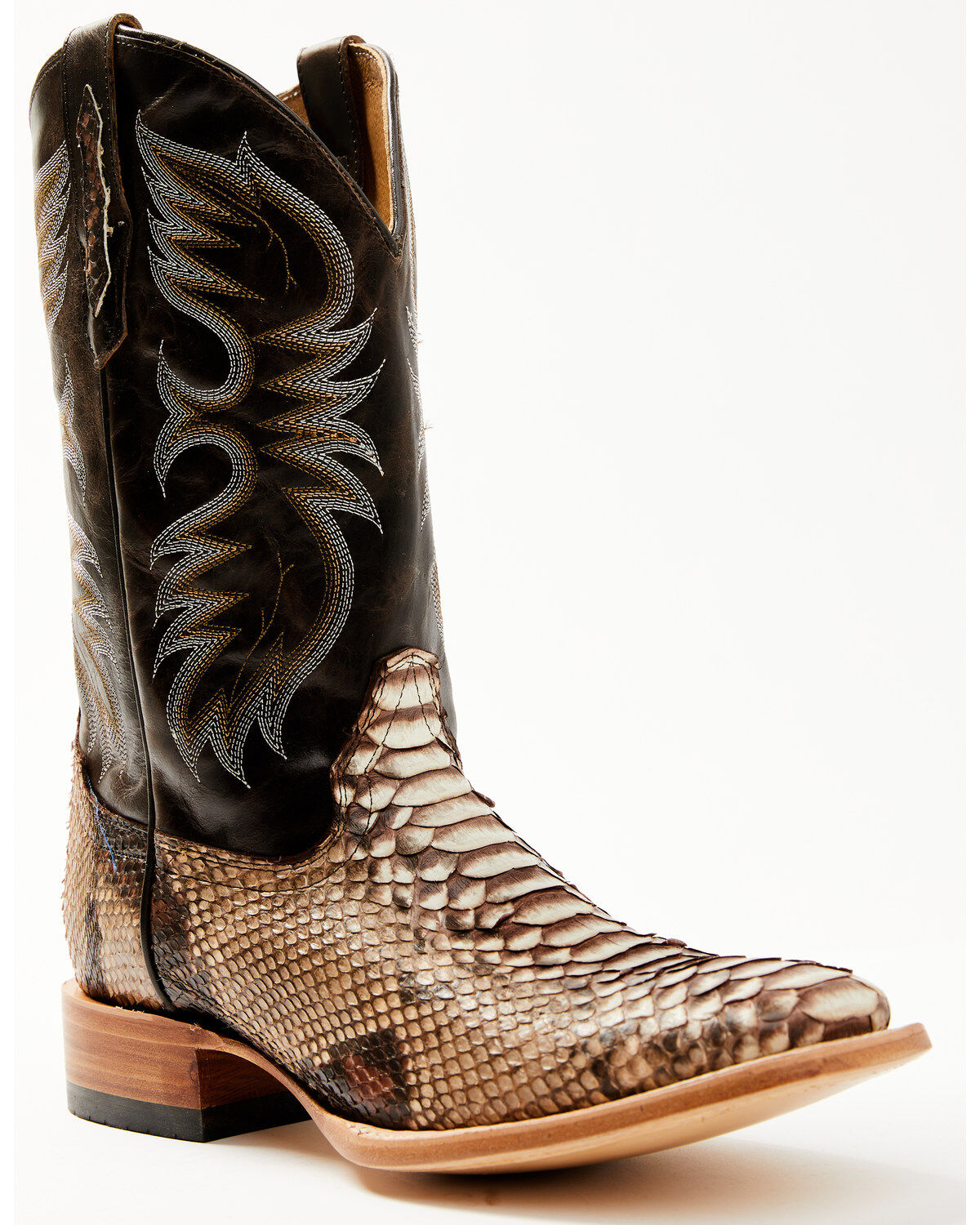
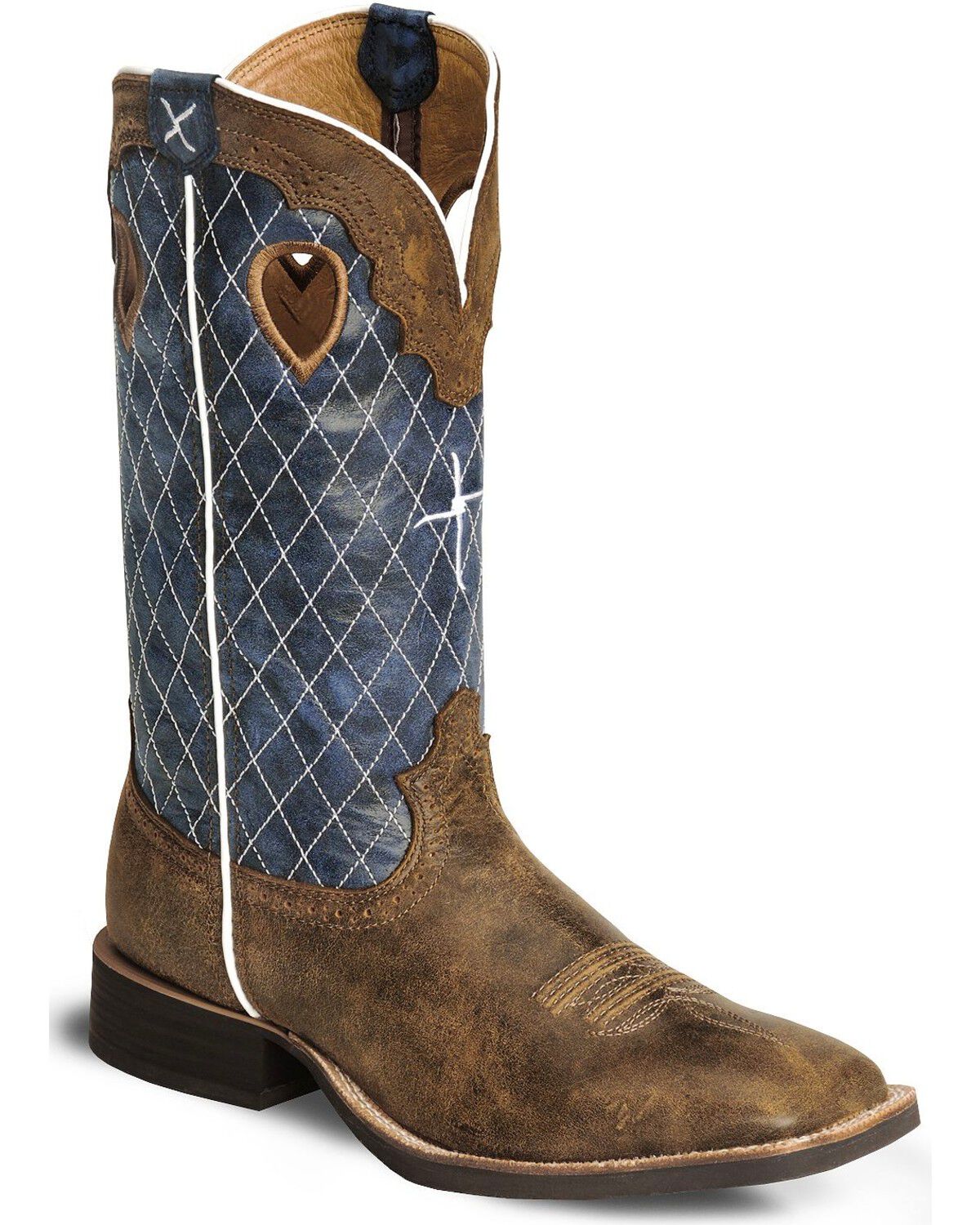
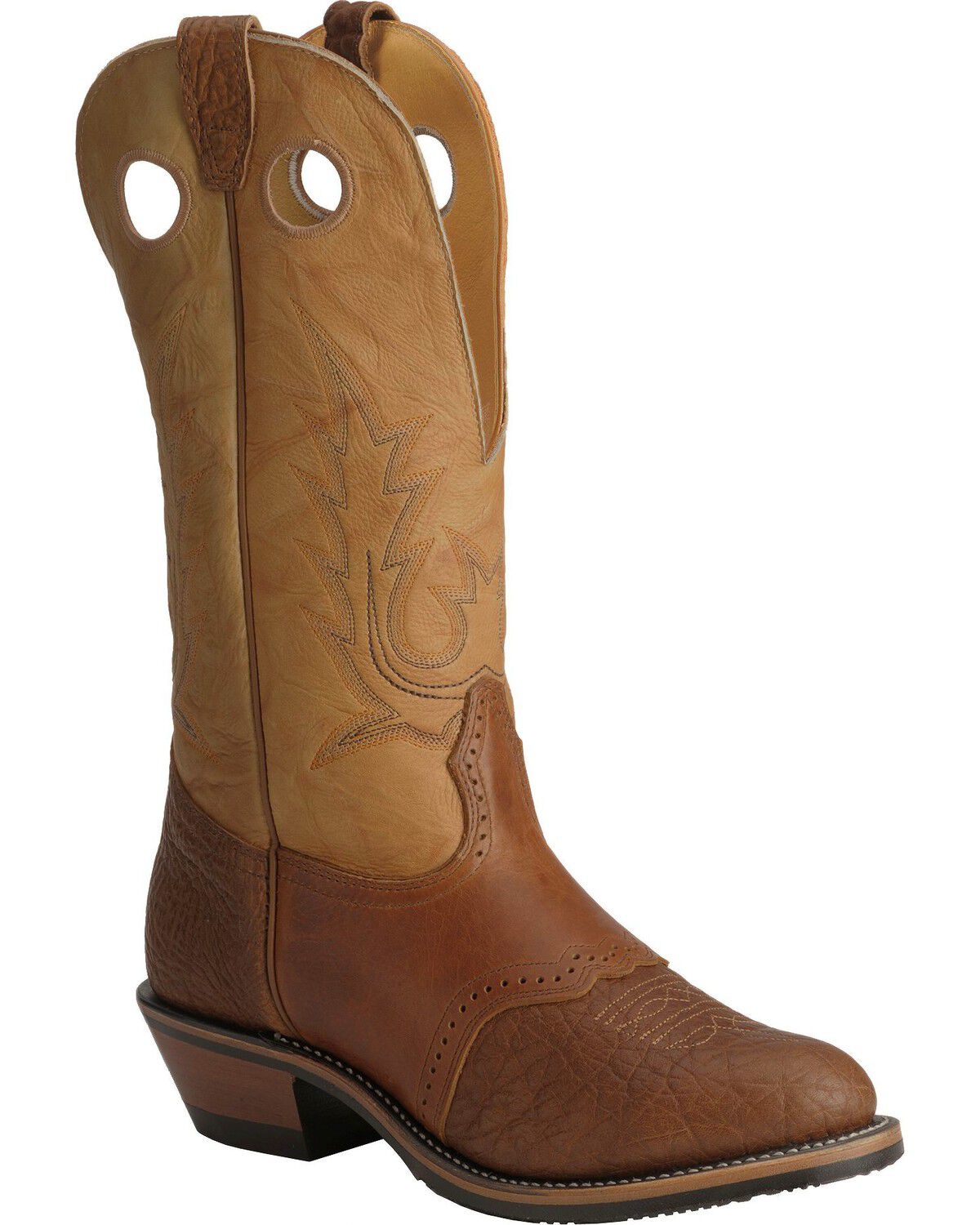
Dancing boots for men are often western boots chosen for a secure fit, a suitable sole, and a heel that feels steady through country two-stepping and line dancing. The right pair supports movement without making every step feel heavy or restricted. On a dance floor, outsole material matters as much as appearance. Traditional leather soles can allow smoother turns on suitable finished wood floors, while rubber soles generally provide more traction. Neither material behaves the same on every surface. Floor finish, dust, moisture, and outsole wear all affect how a boot moves, so a leather sole is not automatically the best choice for every venue. Some rubber compounds and outsole designs allow more movement than others, while deep tread built for uneven ground can feel cumbersome during a pivot. A smooth transition from the ball of the foot through a turn matters more than simply having the least possible grip. Heel shape also changes the feel underfoot. A broad, relatively low heel provides a different base than a taller, angled western heel, and personal comfort matters more than choosing a particular look. Boots worn for dancing should feel stable when shifting weight, stepping backward, or standing between songs. The heel and outsole need to work with the floor rather than force the wearer to fight it. Country dancing also puts different demands on footwear than tap or other stage disciplines that require specialized construction. For a dance hall, wedding reception, or an evening of line dancing, western boots offer a familiar combination of structure, coverage, and style. Their usefulness depends on the whole boot, not just a pointed toe or decorative shaft. A well-matched pair feels secure through repeated steps and remains comfortable when the music stops. Familiarity with the boots and the dance surface helps make movement more predictable, whether the wearer is learning a basic pattern or spending several hours on the floor.

Fit is central to that experience because dancing includes sideways movement and changes in direction that ordinary walking may not reveal. Men's western dancing boots should hold the foot securely across the instep without pinching, with the ball of the foot resting at the boot's widest area. Toes need room to lie naturally rather than curl or press against the end. A small amount of heel lift can occur in a new pull-on boot as the sole begins to flex, but excessive movement can leave the foot sliding inside during turns. A close fit should not mean numbness, sharp pressure, or the expectation that leather will stretch enough to correct the wrong size. Leather can soften and conform with wear, but it does not reliably turn an undersized boot into a properly fitted one. Width, instep volume, and heel shape are just as important as the size marked inside. The socks worn for dancing also affect that fit, particularly when moving between thinner dress socks and thicker boot socks. Toe shape is partly a matter of style, though the usable space inside matters more than the outline. Square, round, and pointed profiles can all work when the foot sits correctly within the boot. Materials influence both comfort and appearance. Full-grain leather can develop character with wear, while softer leather may feel more flexible from the start; actual break-in depends on construction as well as the hide. Linings, seams, footbeds, and shaft edges deserve equal attention because repeated movement can expose a rough spot that goes unnoticed during a brief try-on. Cushioning can ease pressure, but a thick footbed is not a substitute for proper support and fit. Shaft height should work comfortably with the lower leg and pant opening. Jeans that fall over the shaft create a familiar western profile, while a clean finish and restrained stitching can also suit dressier occasions. The strongest choice is a boot that matches the wearer's foot, clothing, and usual setting without requiring adjustments throughout the evening.

Durability matters when boots move regularly from everyday wear to the dance floor. Sound stitching, a secure heel attachment, and an outsole in good condition help a pair hold up to repeated use. Some construction methods allow worn soles or heels to be replaced by a qualified repair shop, though repair options depend on the individual boot. Uneven heel wear, loose stitching, or a separating sole can change how the boot feels during a step and should not be treated as appearance issues alone. Care also depends on the material. Smooth leather generally benefits from gentle cleaning and a conditioner intended for that finish, while suede and roughout need products and tools suited to their textured surfaces. Too much conditioner can alter color or leave leather overly soft, and products intended for the upper should not be assumed suitable for the outsole. Oil or dressing on the bottom can change traction in unpredictable ways. After wear, boots need time to air out away from direct heat, with dirt removed before it becomes ground into seams and creases. Leather soles deserve particular attention after contact with moisture, and outdoor debris should be cleared away before stepping onto a dance floor. Dancing is one reason to explore Boots For Men, but a pair chosen mainly for the dance hall may have different priorities than one intended for a worksite or rough ground. That distinction also matters when choosing a gift. For a man who enjoys country music, wedding dances, or regular evenings at a dance hall, western boots can be a useful and personal choice. Knowing his usual size is helpful, but knowing his preferred width, toe shape, and fit is better. A first pair often benefits from a straightforward design that works with familiar clothes, while an experienced wearer may have firm preferences about sole feel and heel height. Whether worn occasionally or often, men's dancing boots earn their place through comfort, dependable construction, and movement that feels natural.

FAQs