Cowgirl Jeans

Find cowgirl jeans that fit your style and work with your boots. Browse women’s western jeans for everyday wear, and compare the fit, rise, and leg opening to find the right pair.

Shop Your Store: Shop Your Store: Find a Store

(Turn off Shop Your Store to see all items)

(Turn off Shop Your Store to see all items)

close
  • Recommended
  • Lowest Price
  • Highest Price
Skip pass products
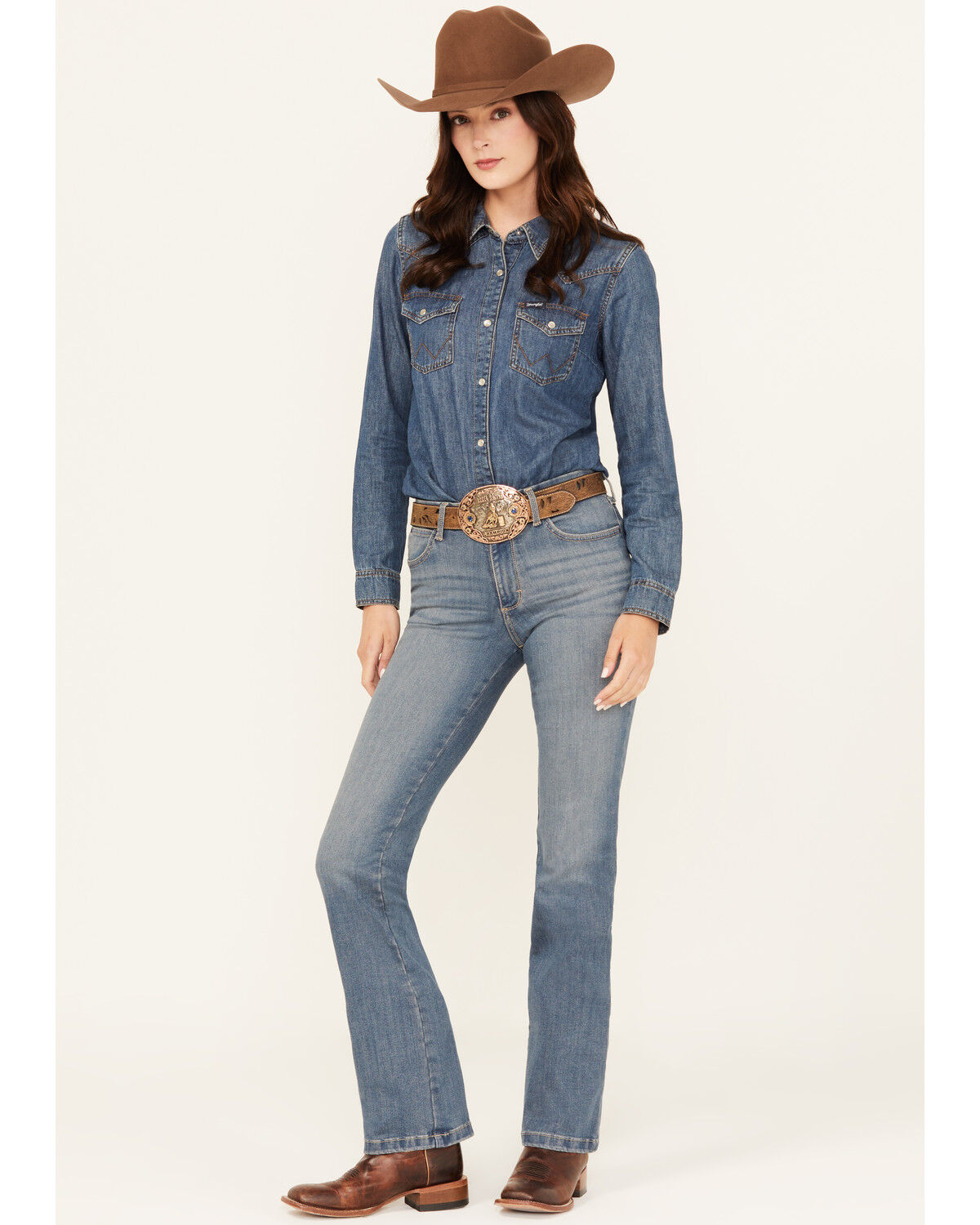
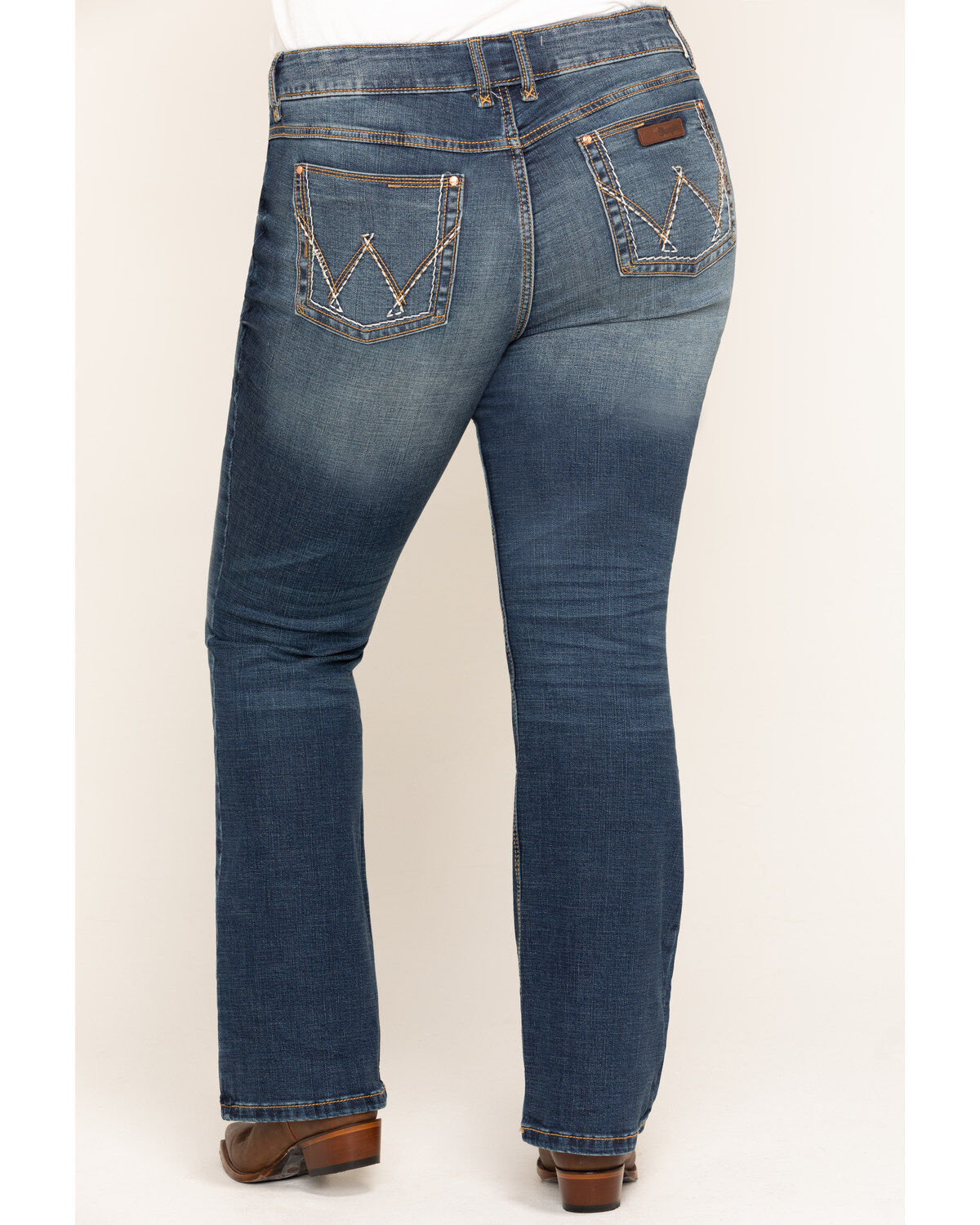
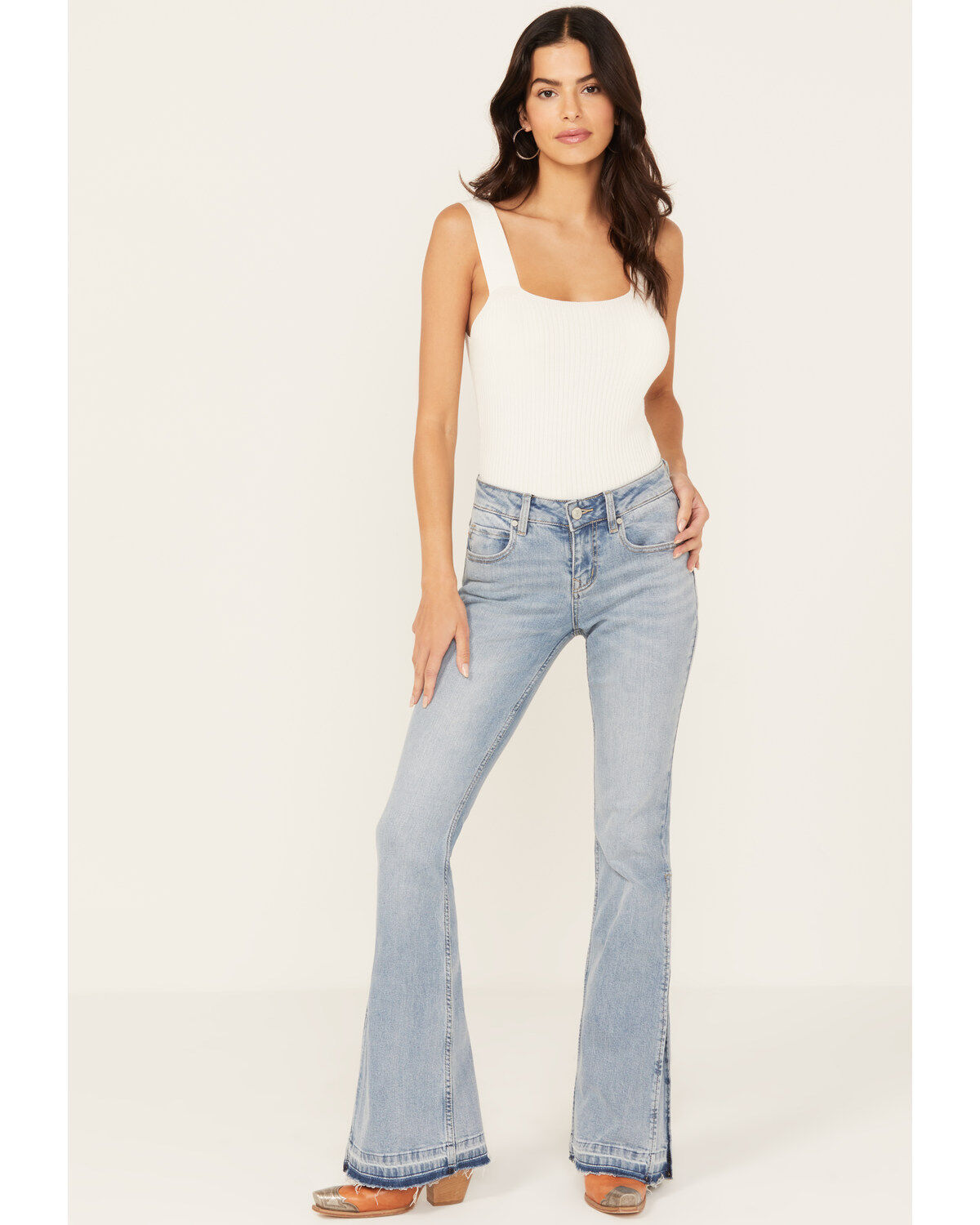
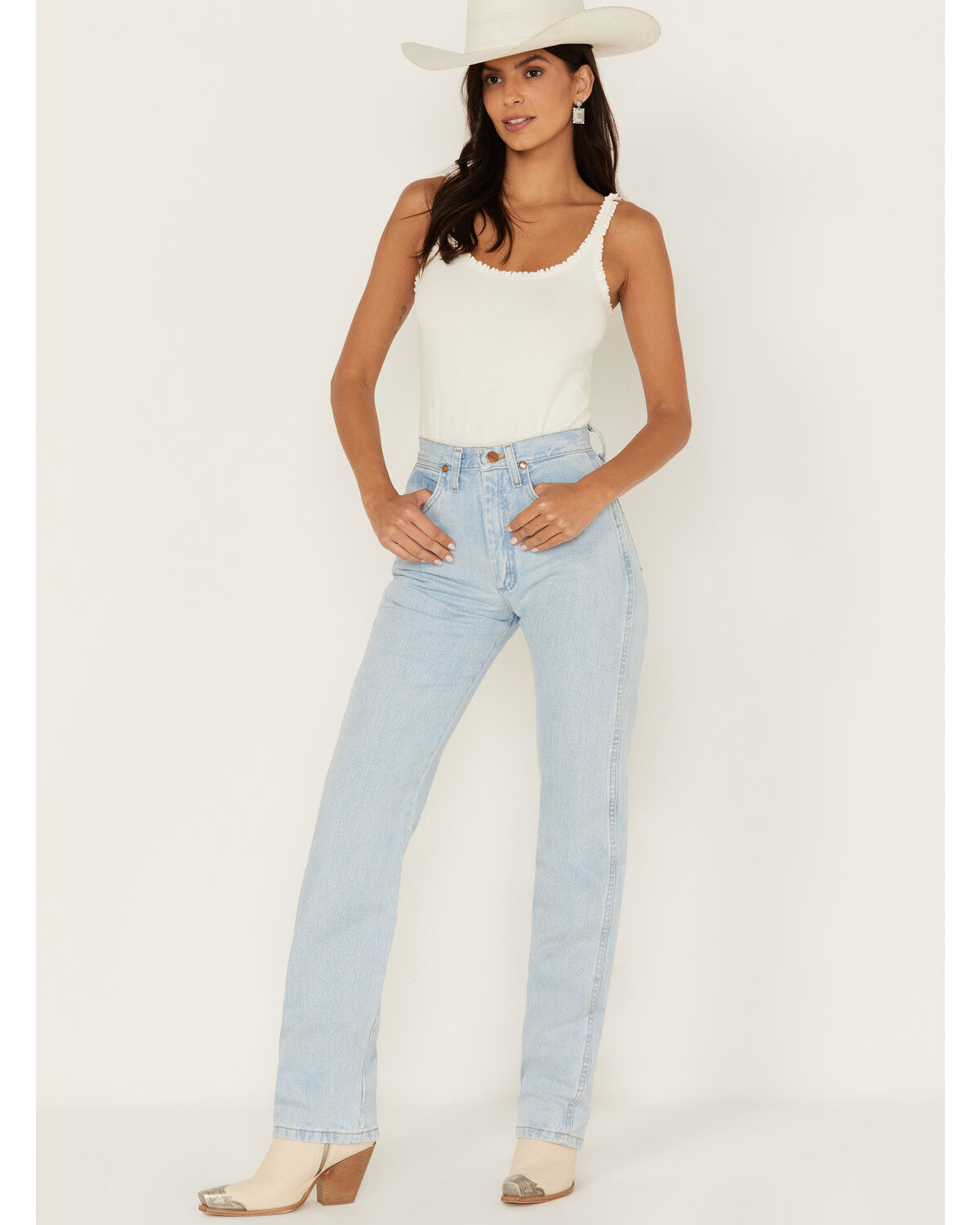
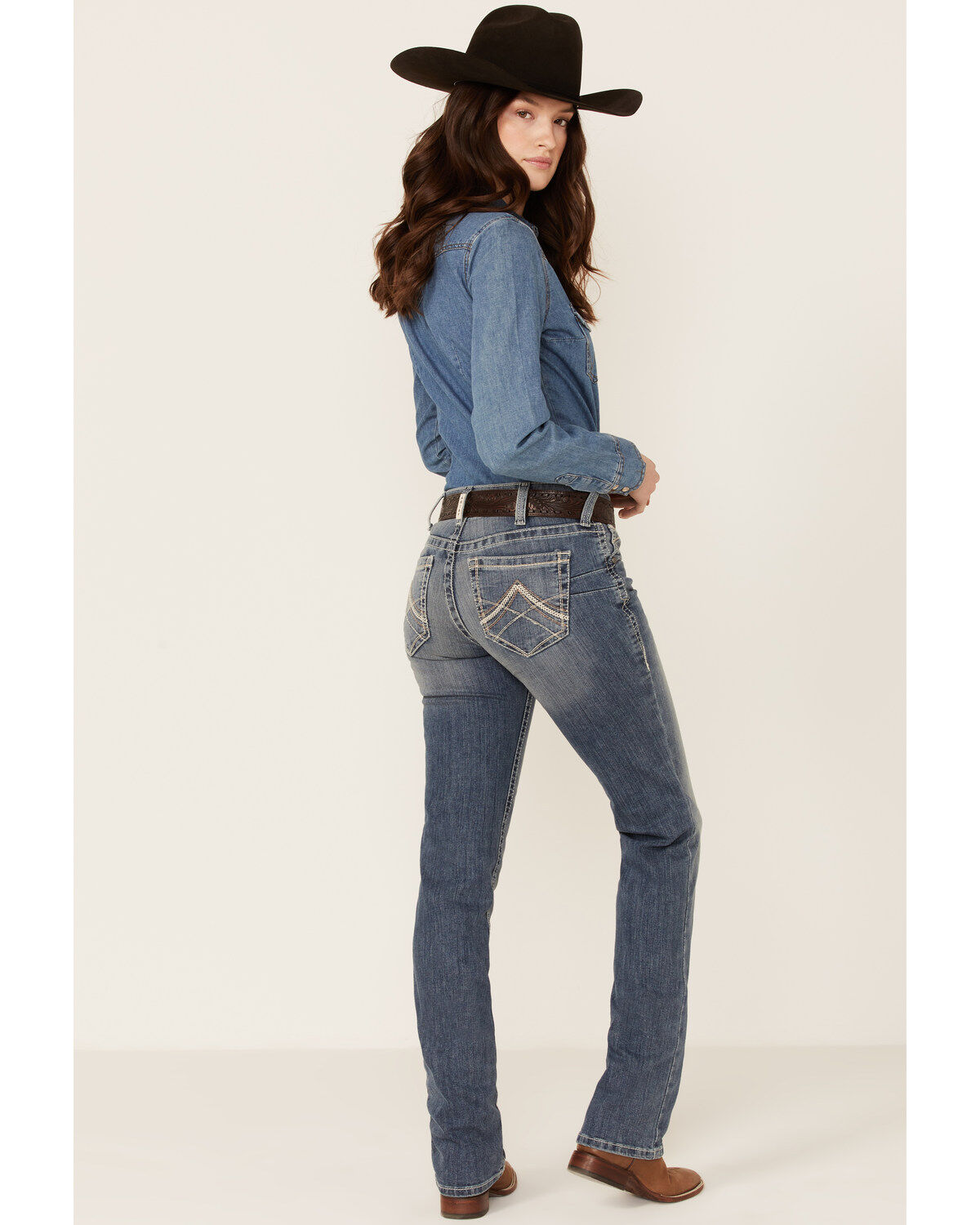
  • Women's Wrangler Willow Lovette Ultimate Riding Bootcut Jeans
    Original Price $69.99 $47.97
    31% Total Savings
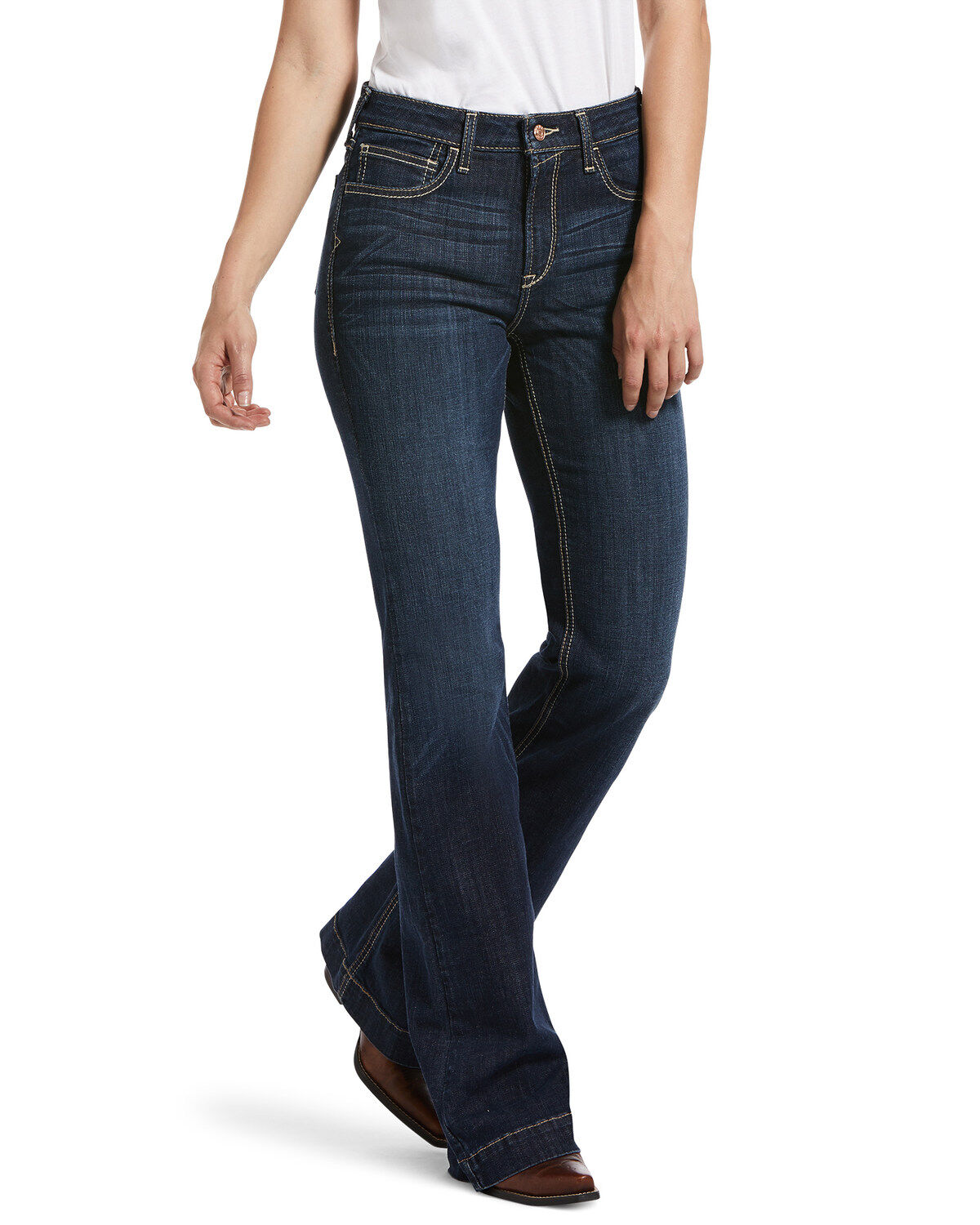
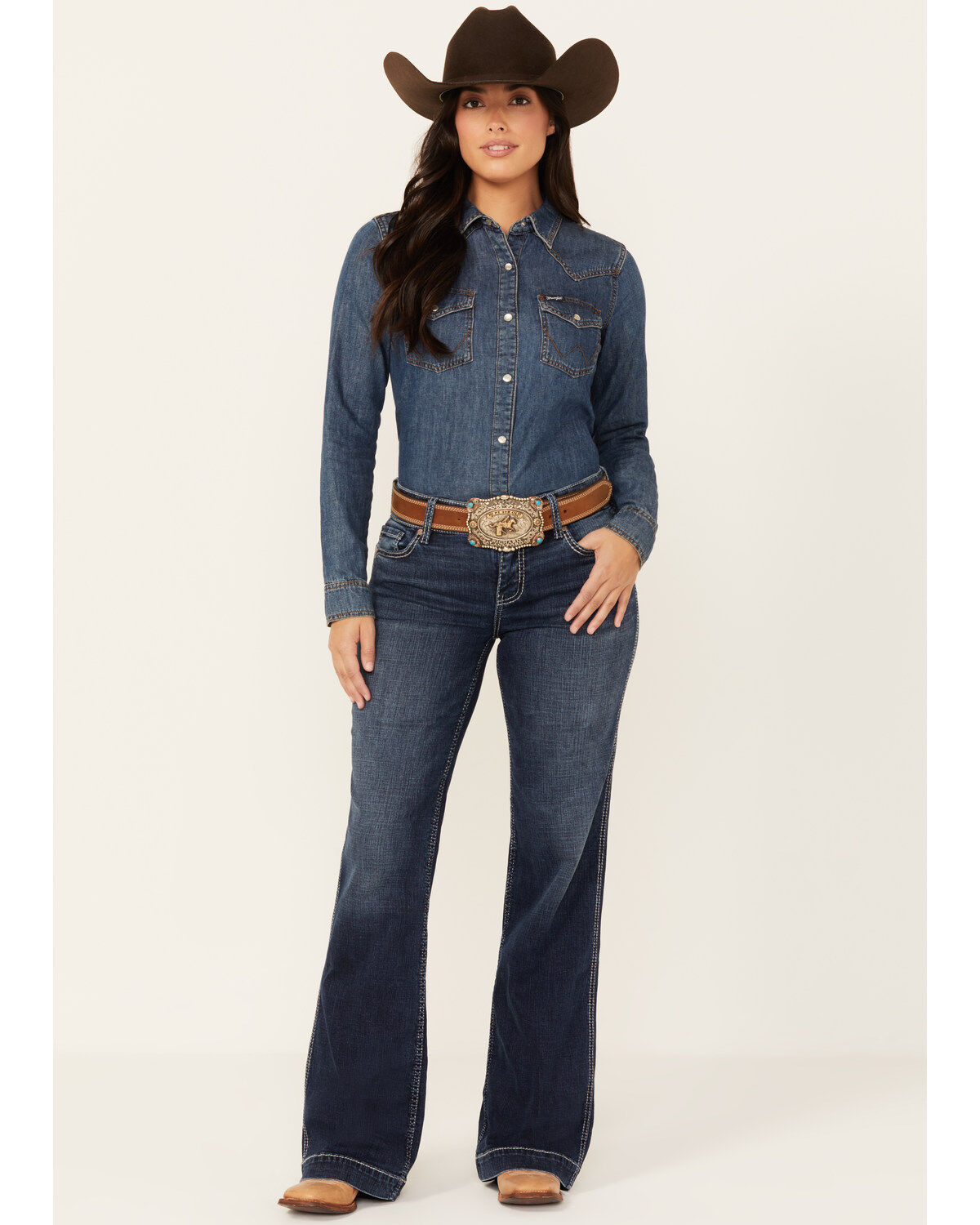
  • Women's Wrangler Q Baby Ultimate Riding Jeans
    Original Price $64.99 $44.97
    31% Total Savings
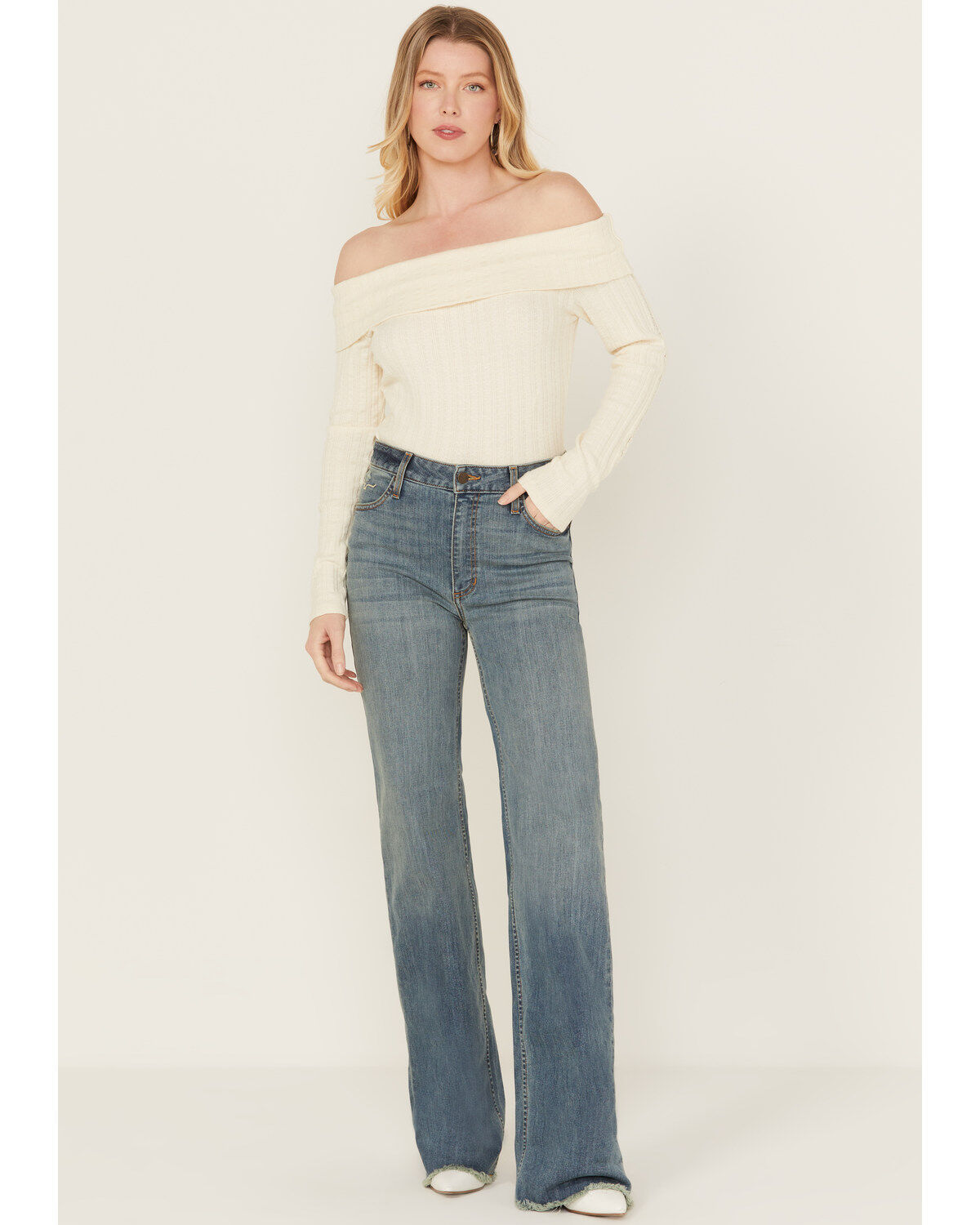
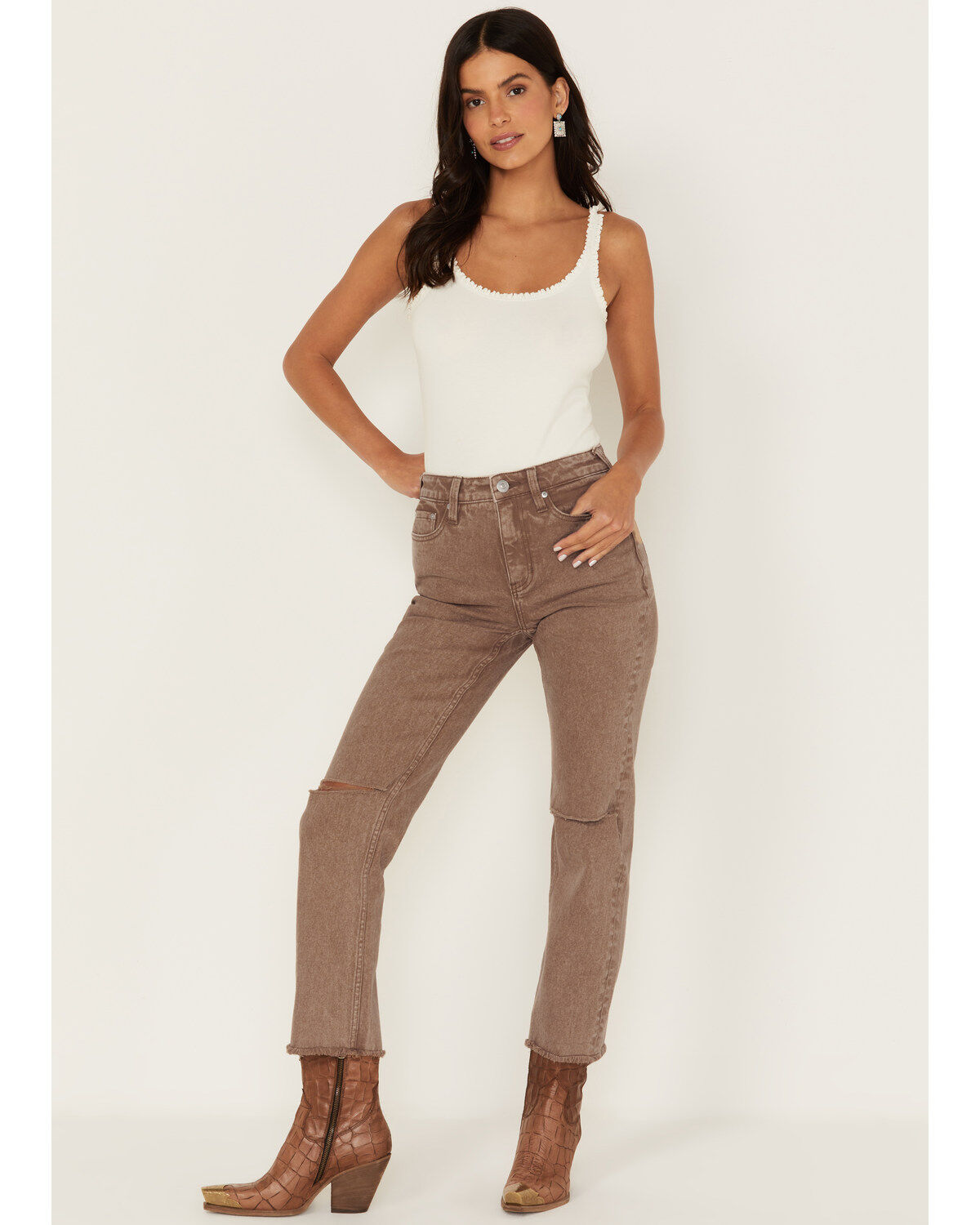
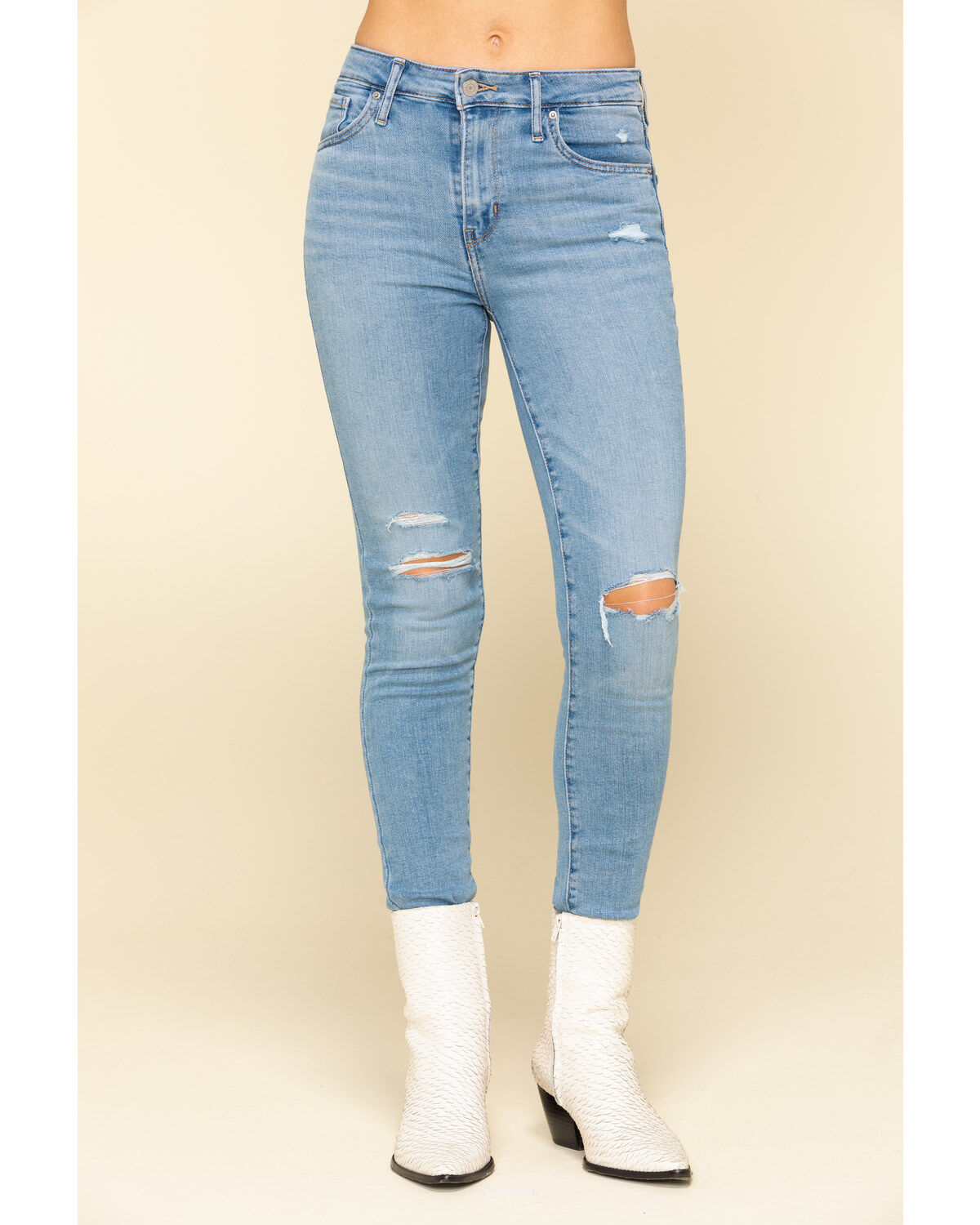
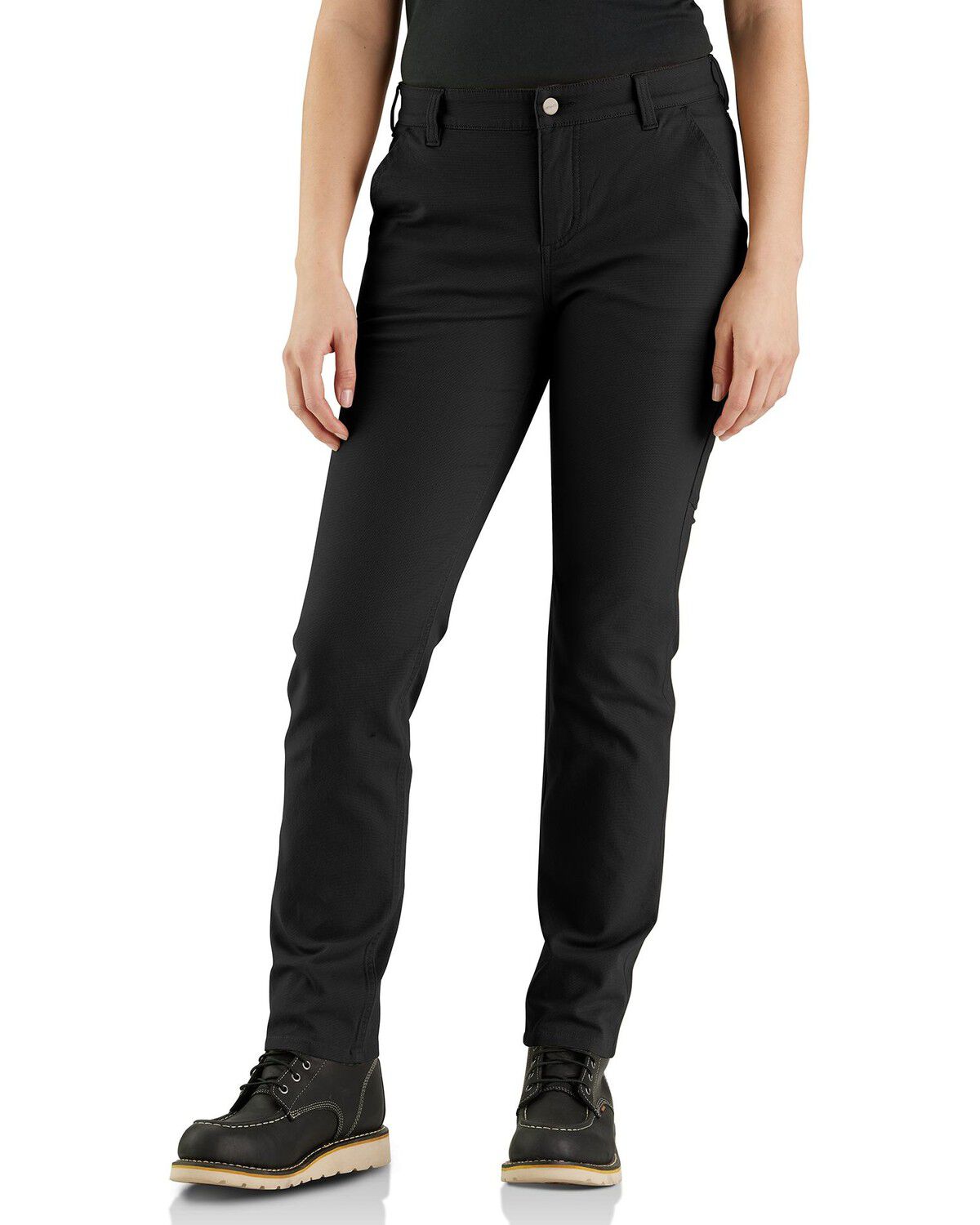
  • Women's Cleo + Wolf High Rise Ankle Straight Jeans
    Original Price $74.99 $24.97
    67% Total Savings
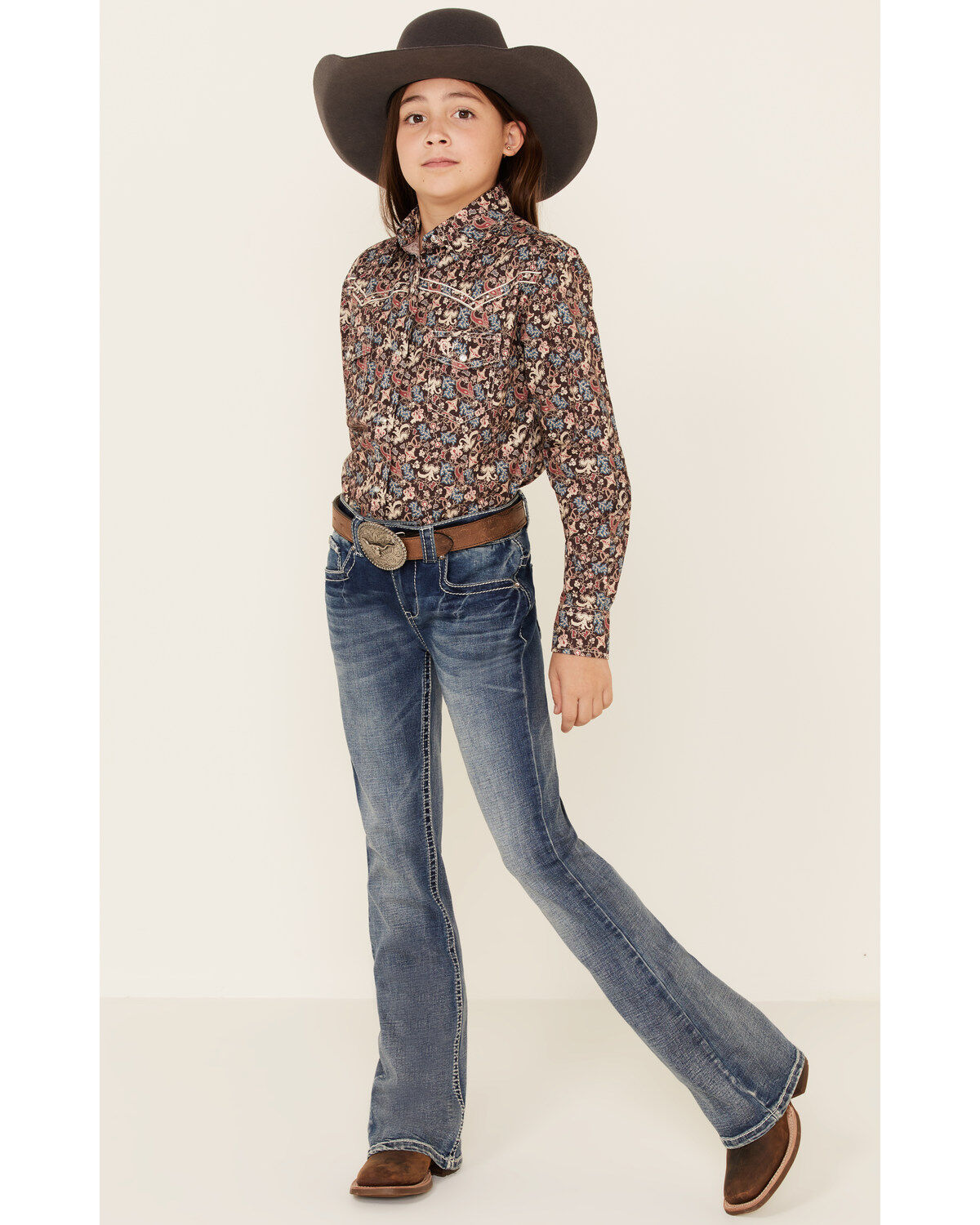
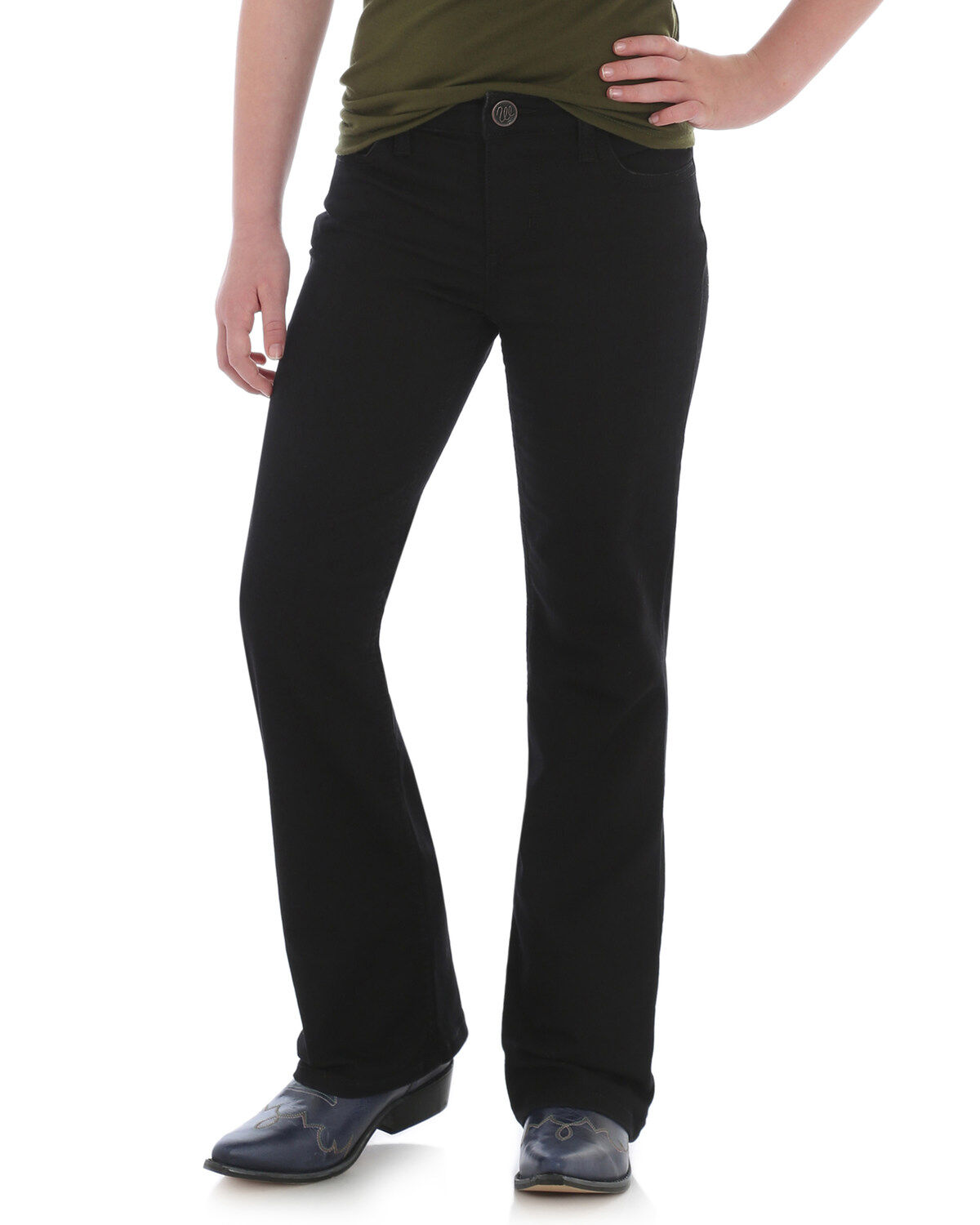
  • Girls' Shyanne Light Embroidered Faux Flap Pocket Bootcut Jeans
    Original Price $44.99 $26.97
    40% Total Savings
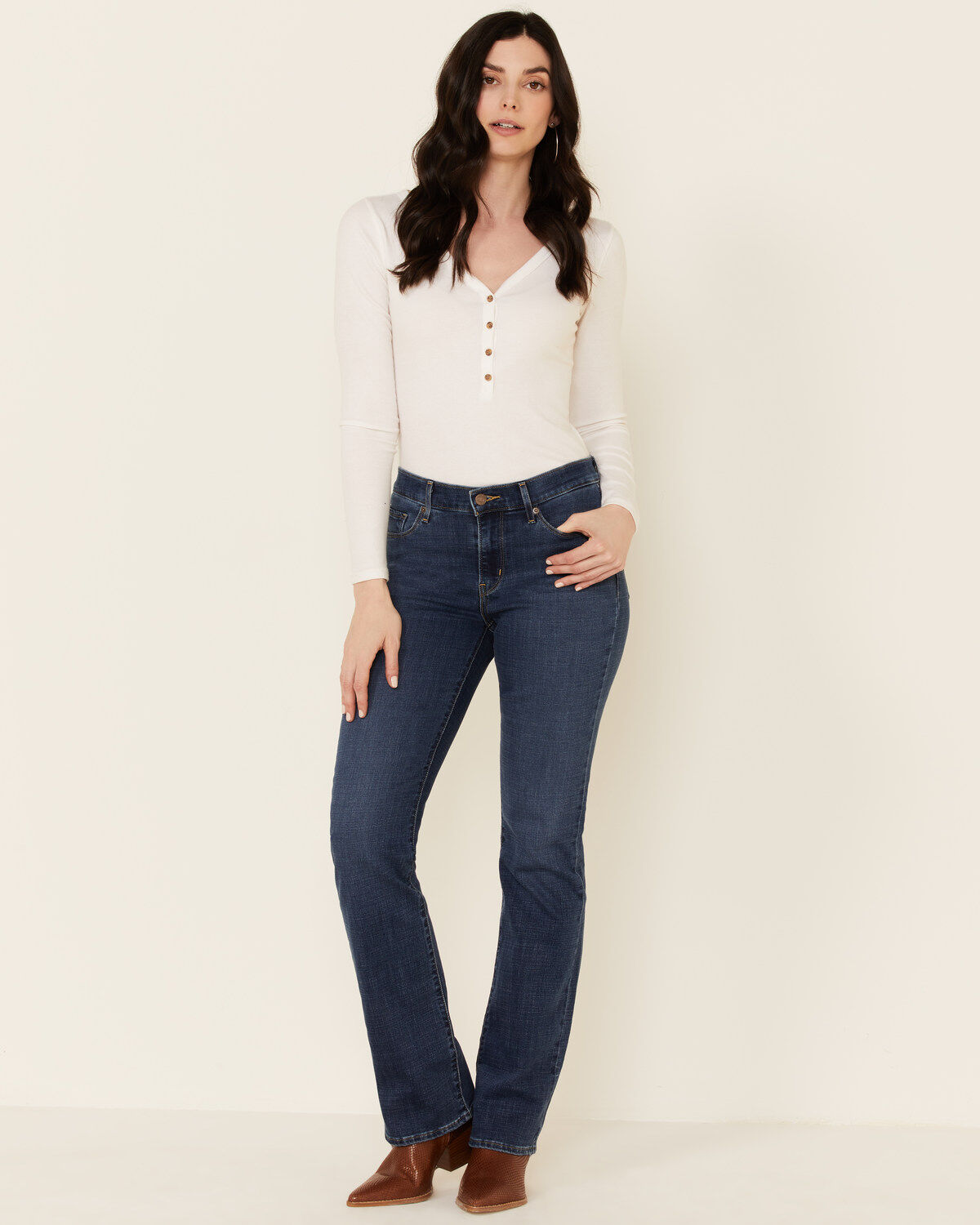
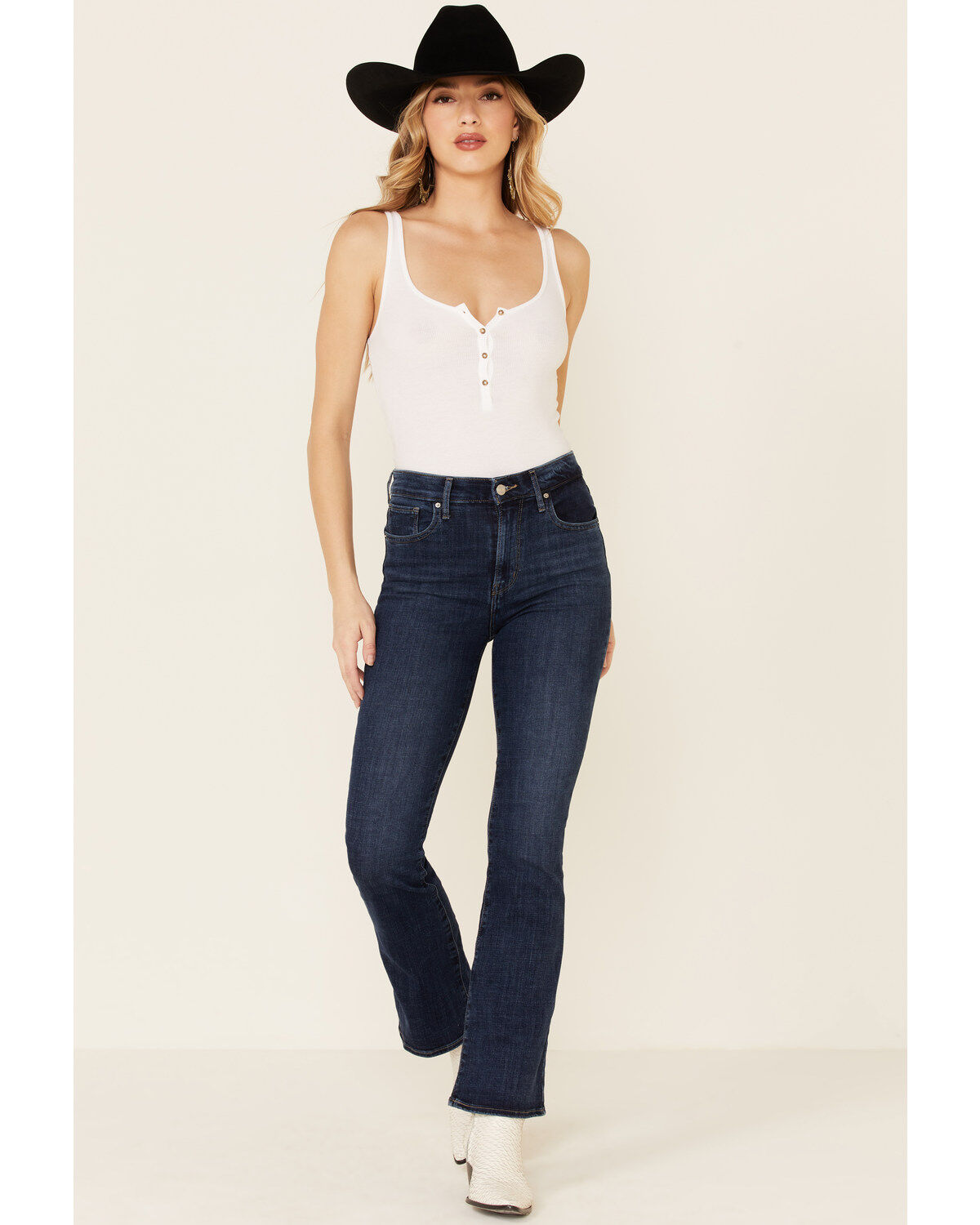
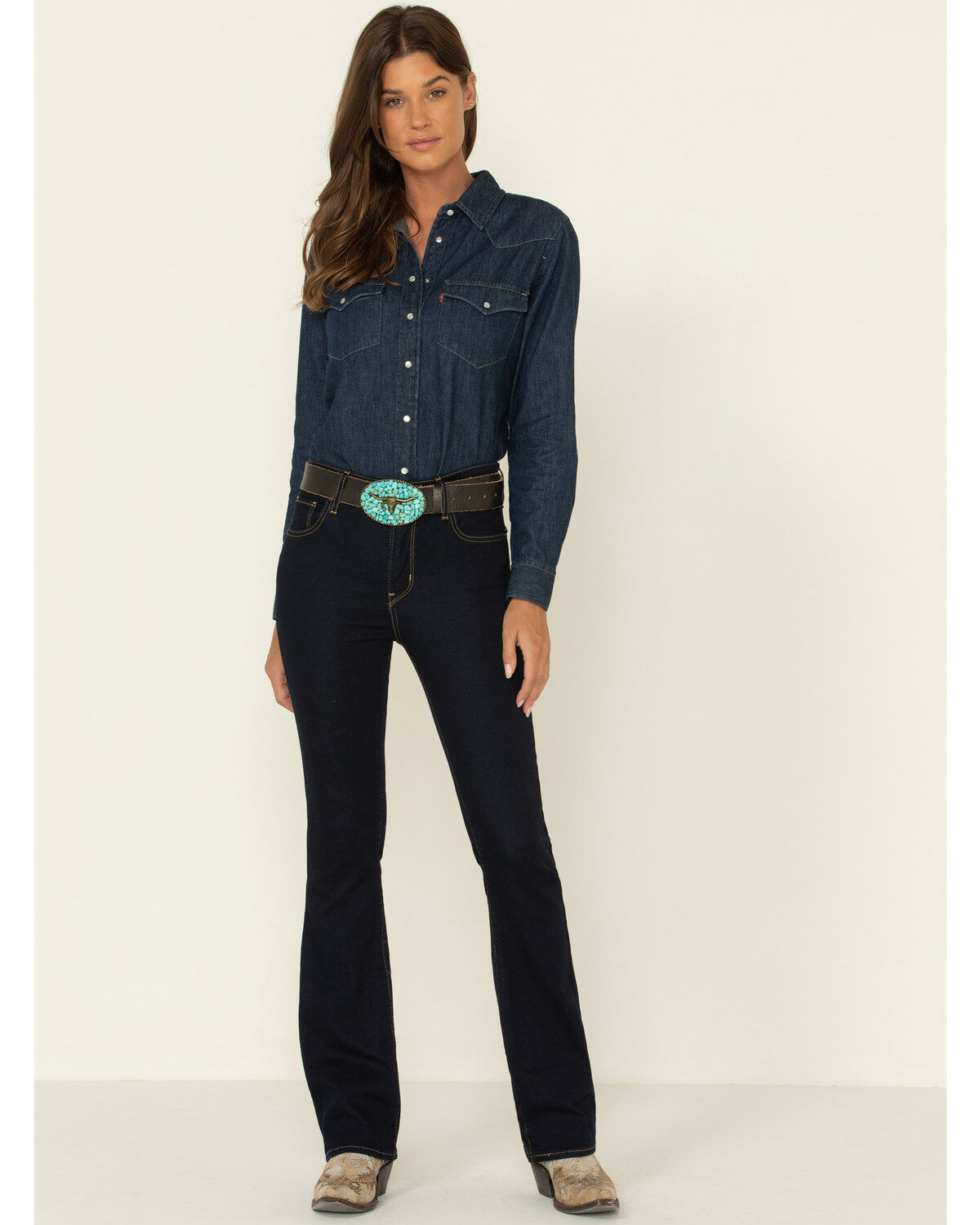
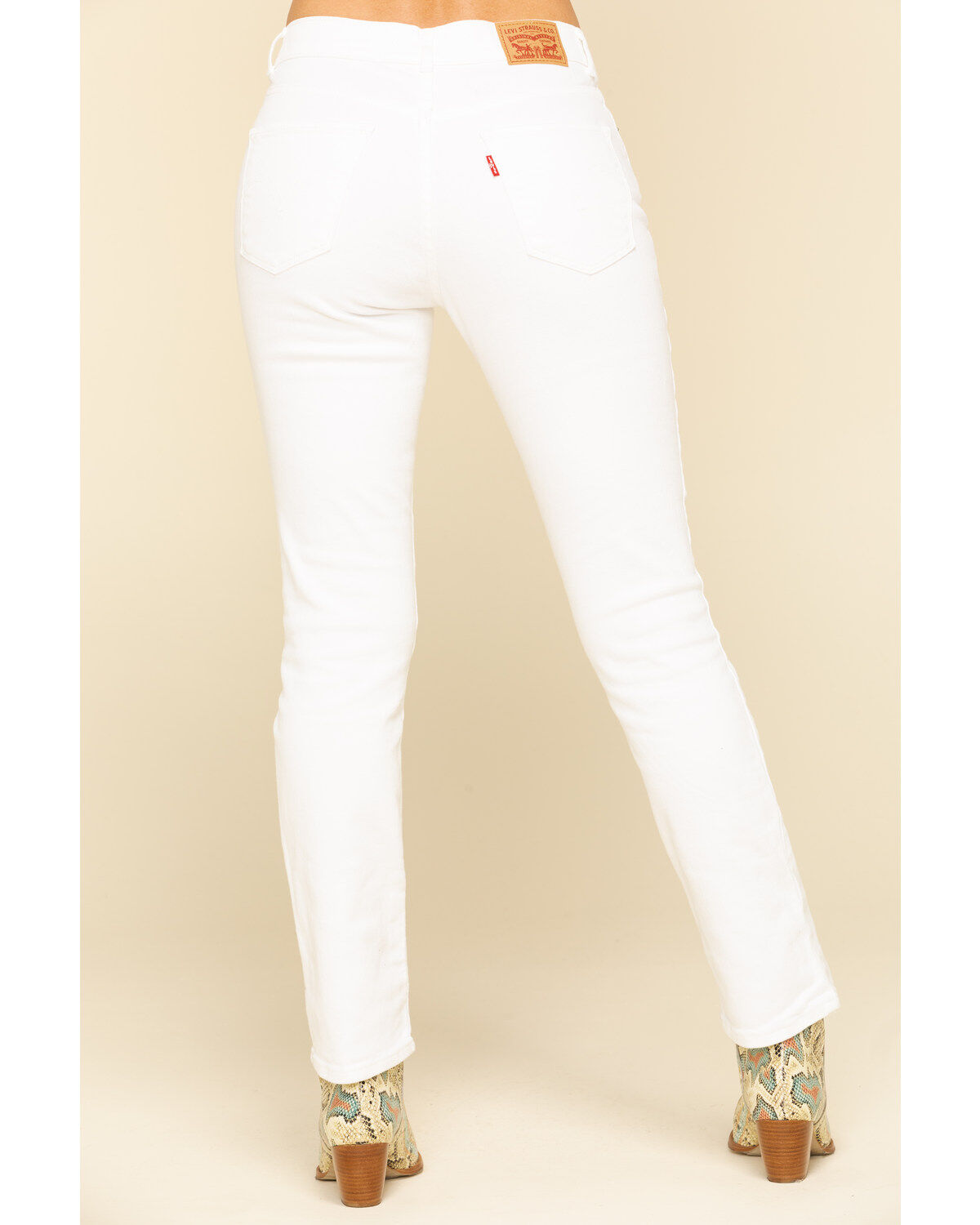
  • Women's Levi's 725 Lapis Dark Horse Bootcut Jeans
    Original Price $59.99 $40.97
    32% Total Savings
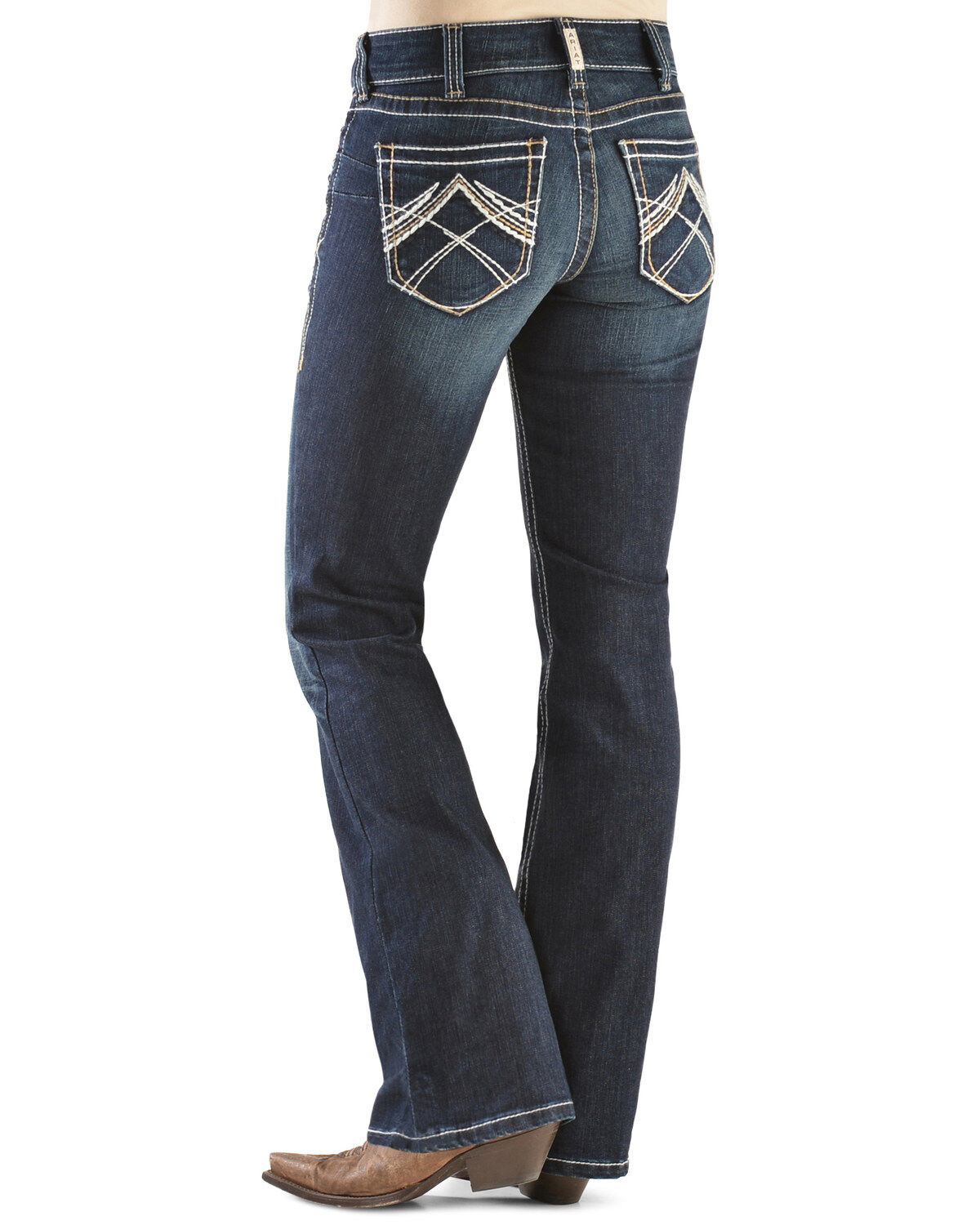
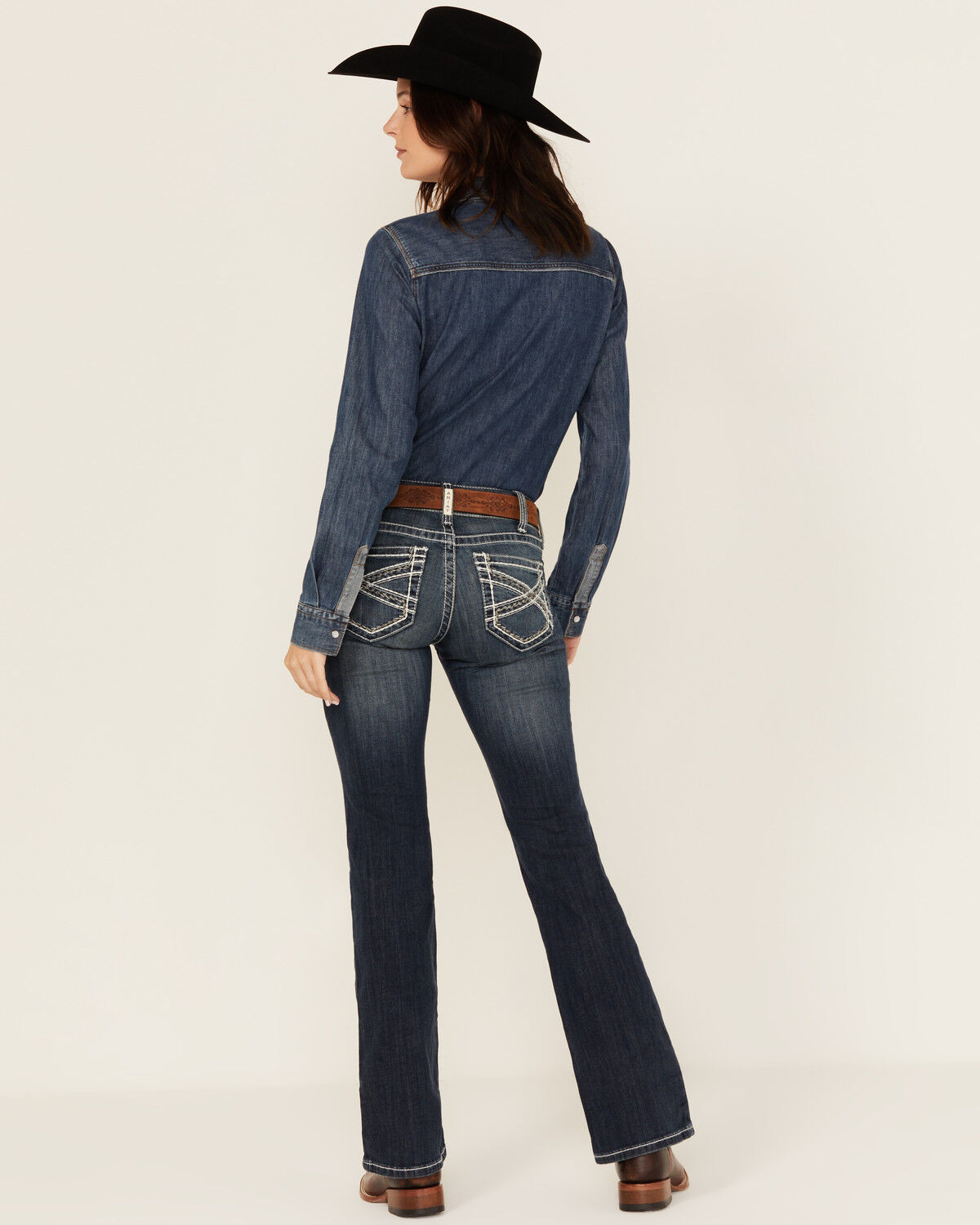
  • Women's Shyanne Saguaro Mid Rise Stretch Bootcut Jeans
    Original Price $74.99 $51.97
    31% Total Savings
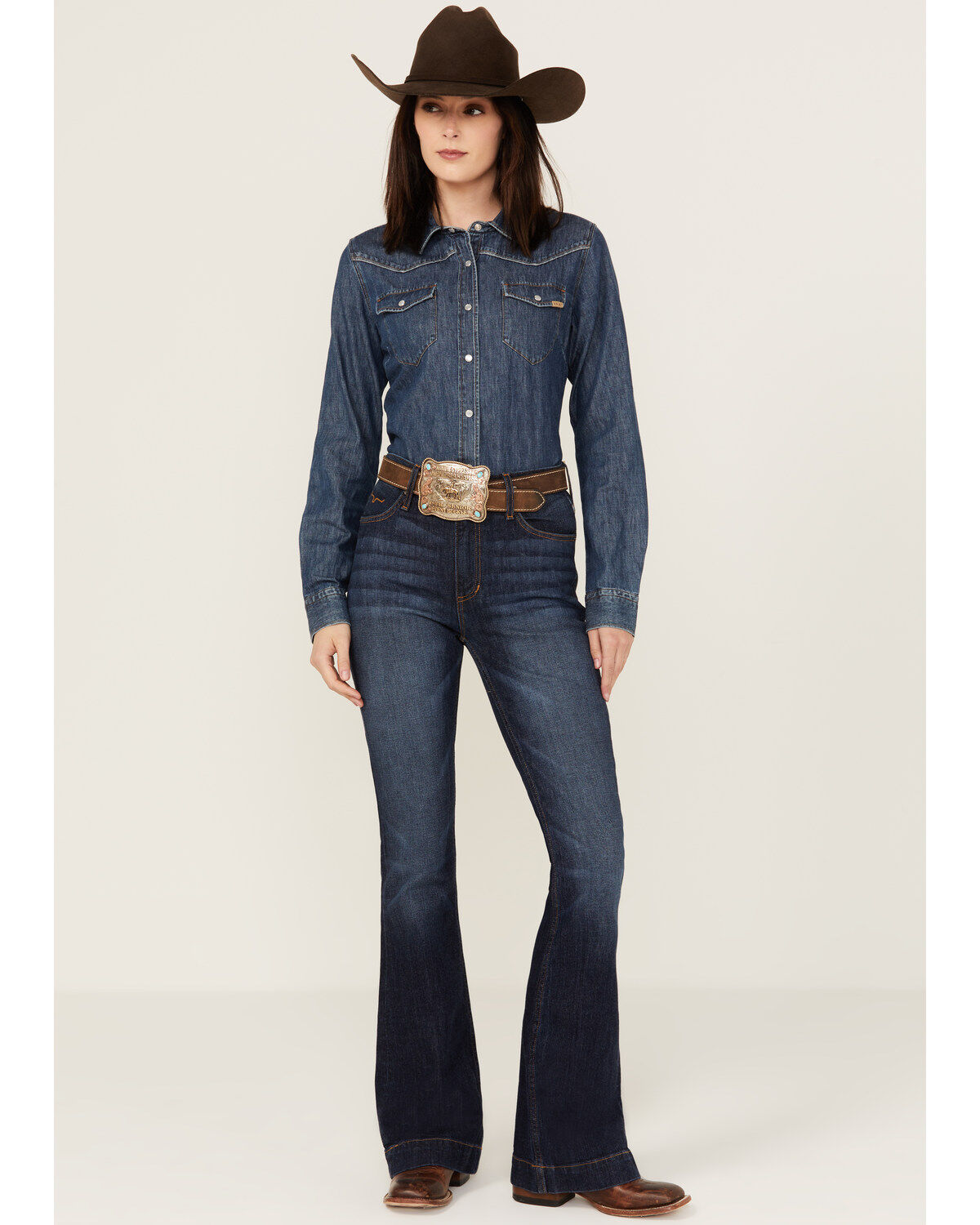
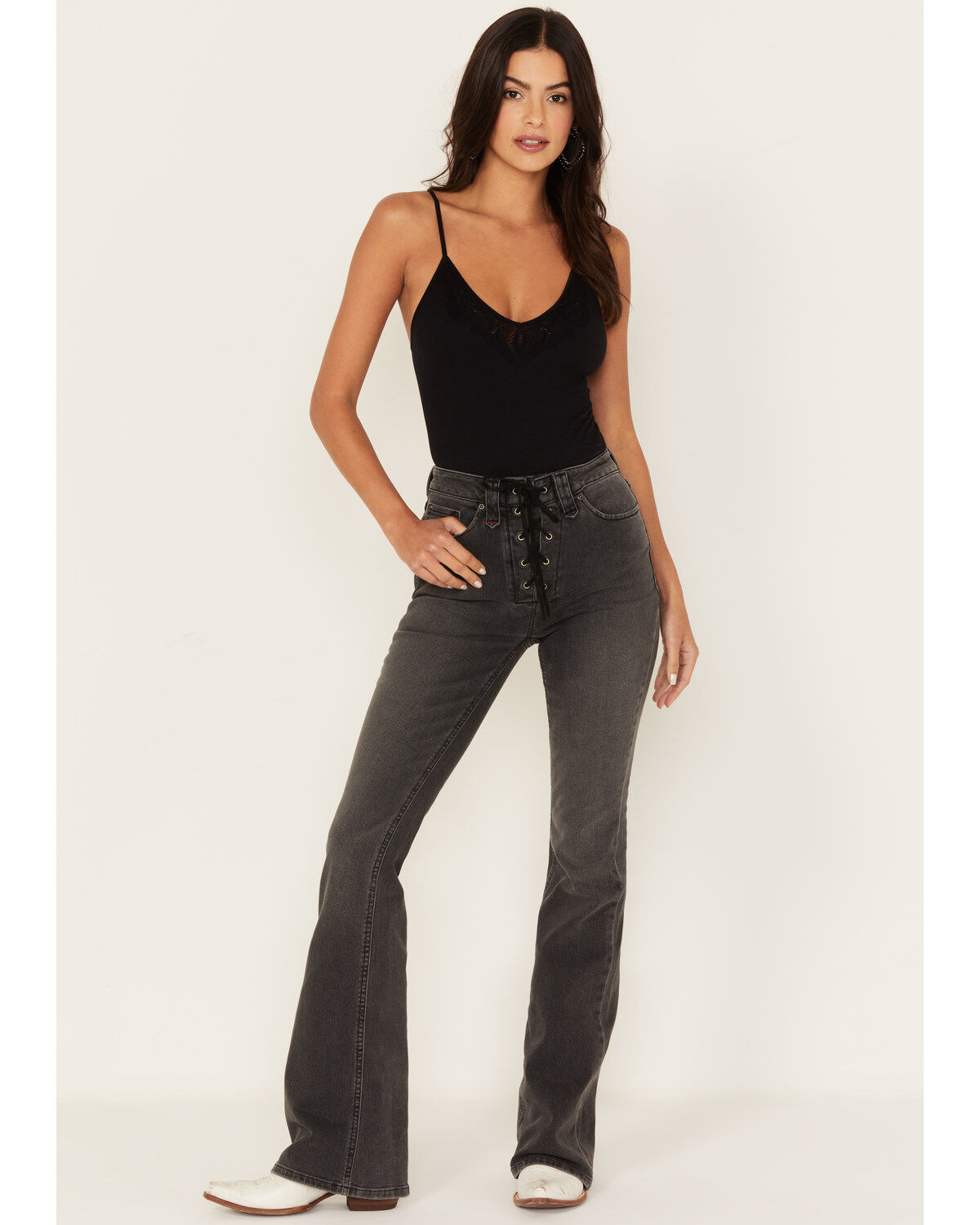
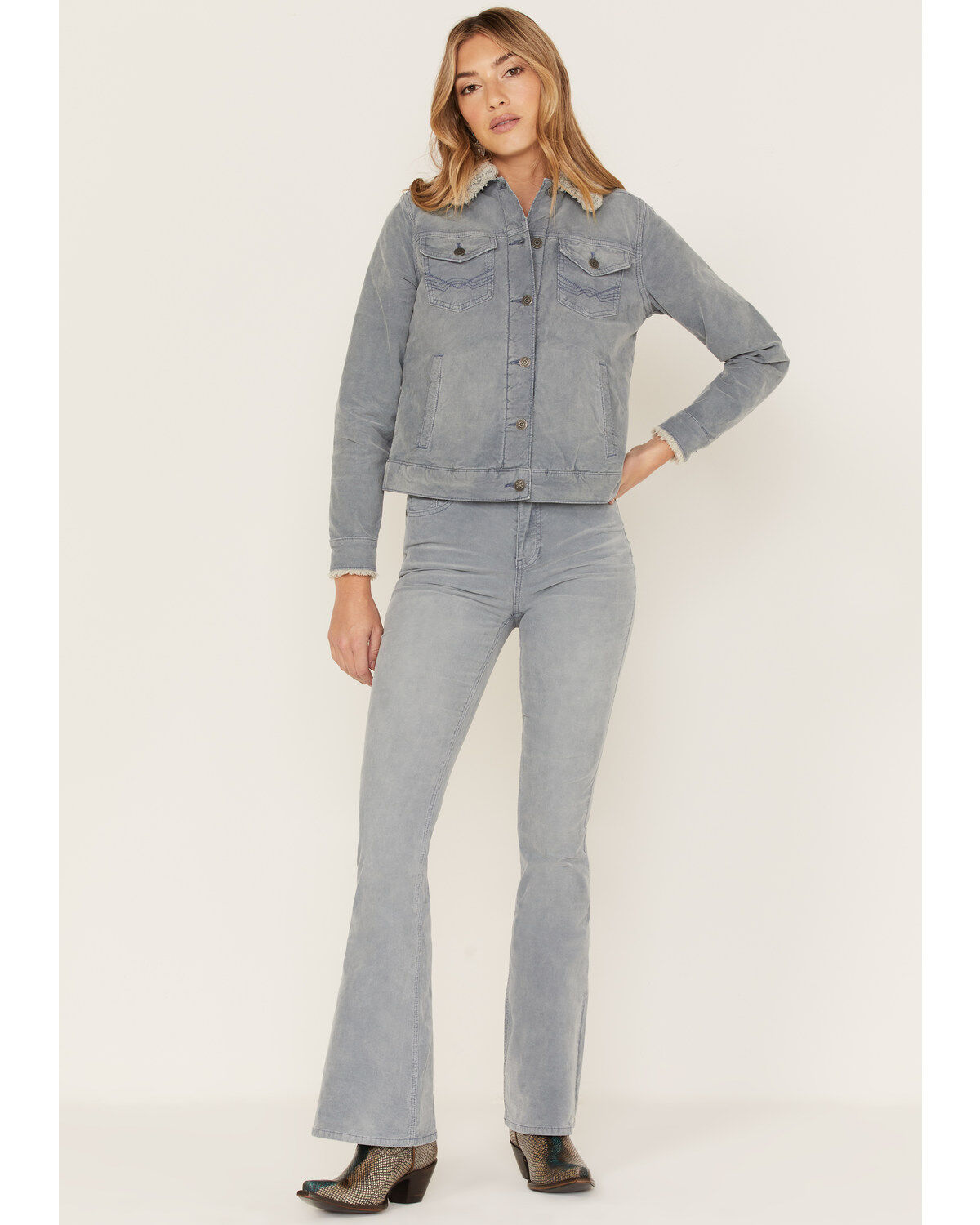
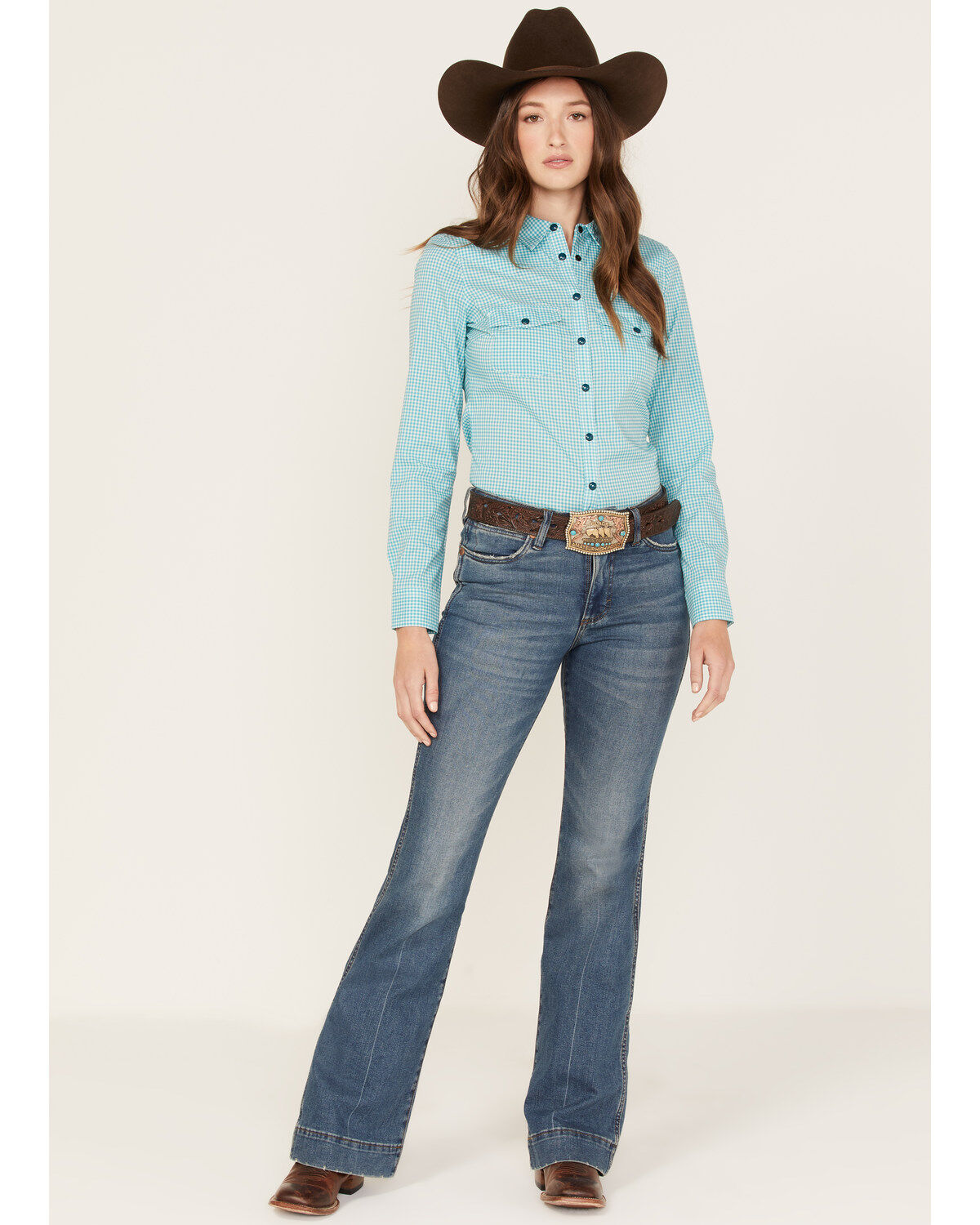
  • Women's Idyllwind High Risin' Corduroy Flare Jeans
    Original Price $79.99 $54.97
    31% Total Savings

End of products

Cowgirl Jeans

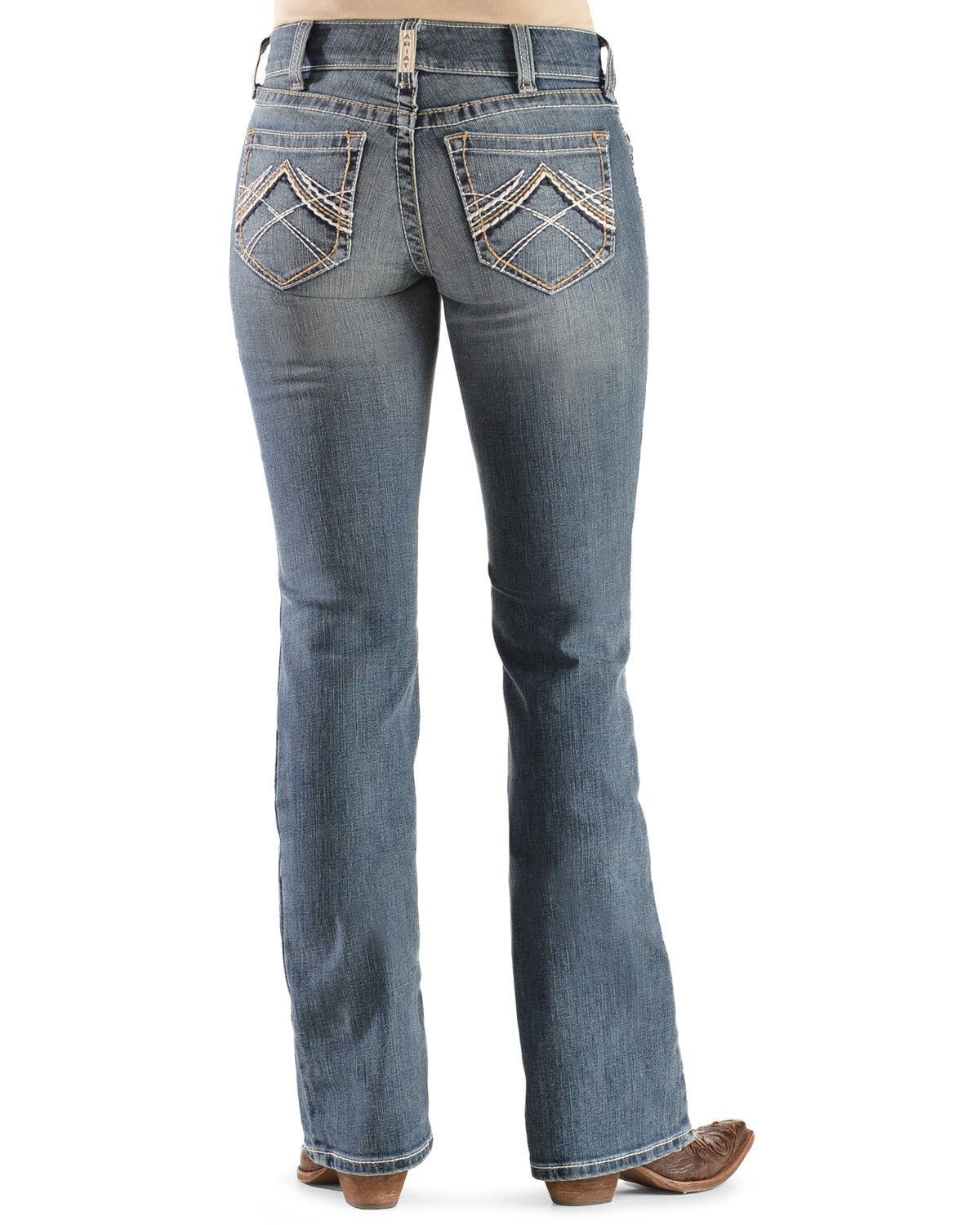
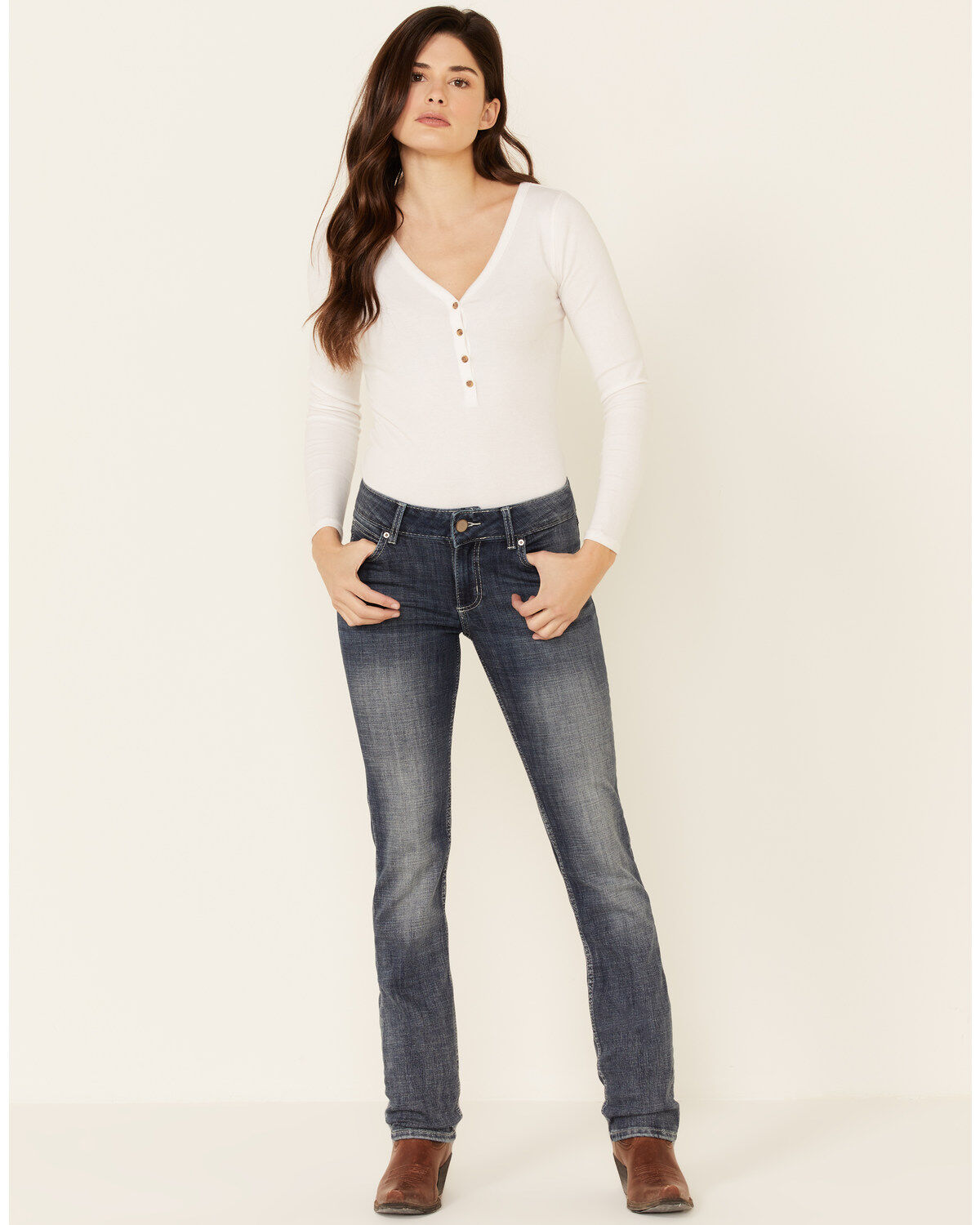
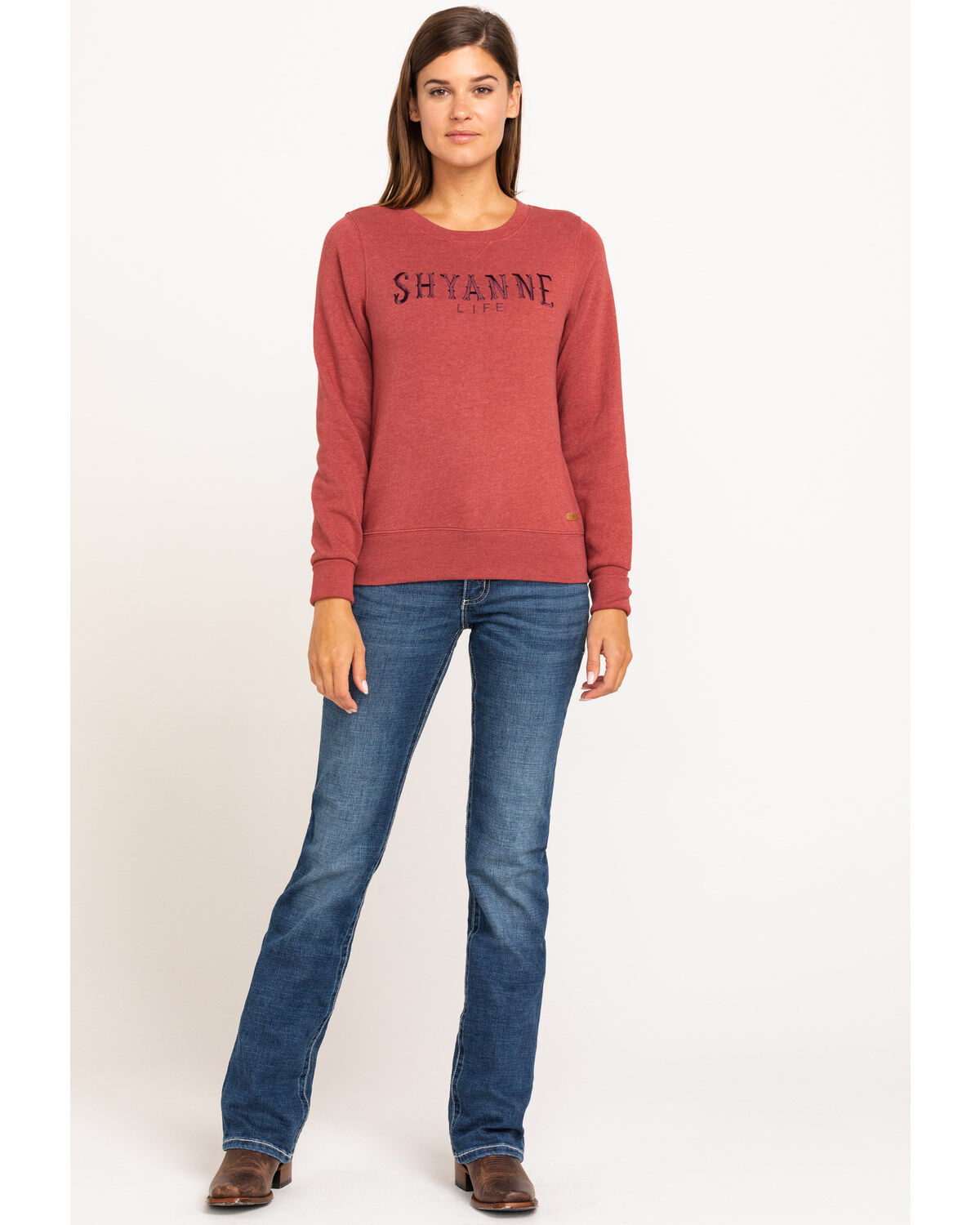
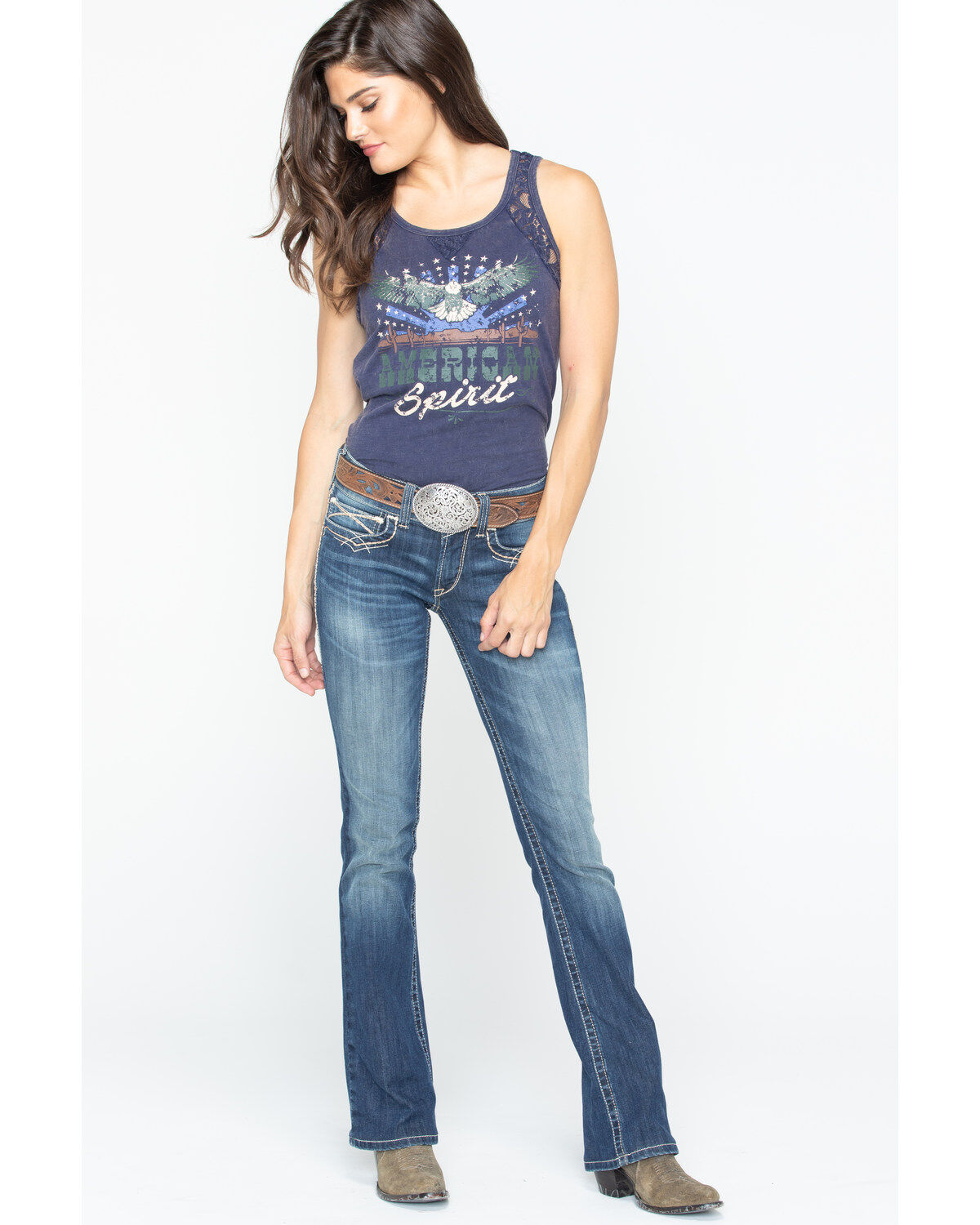
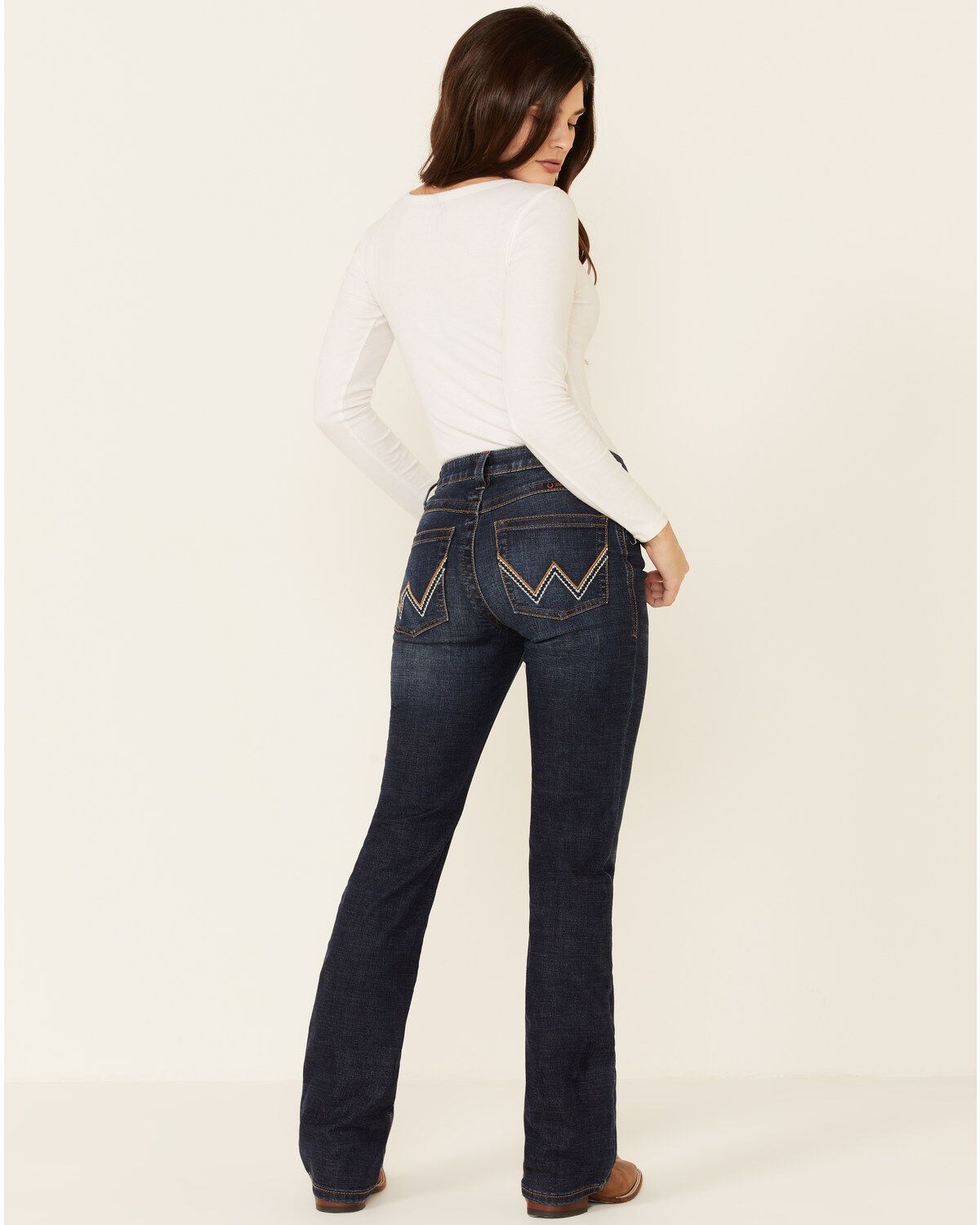
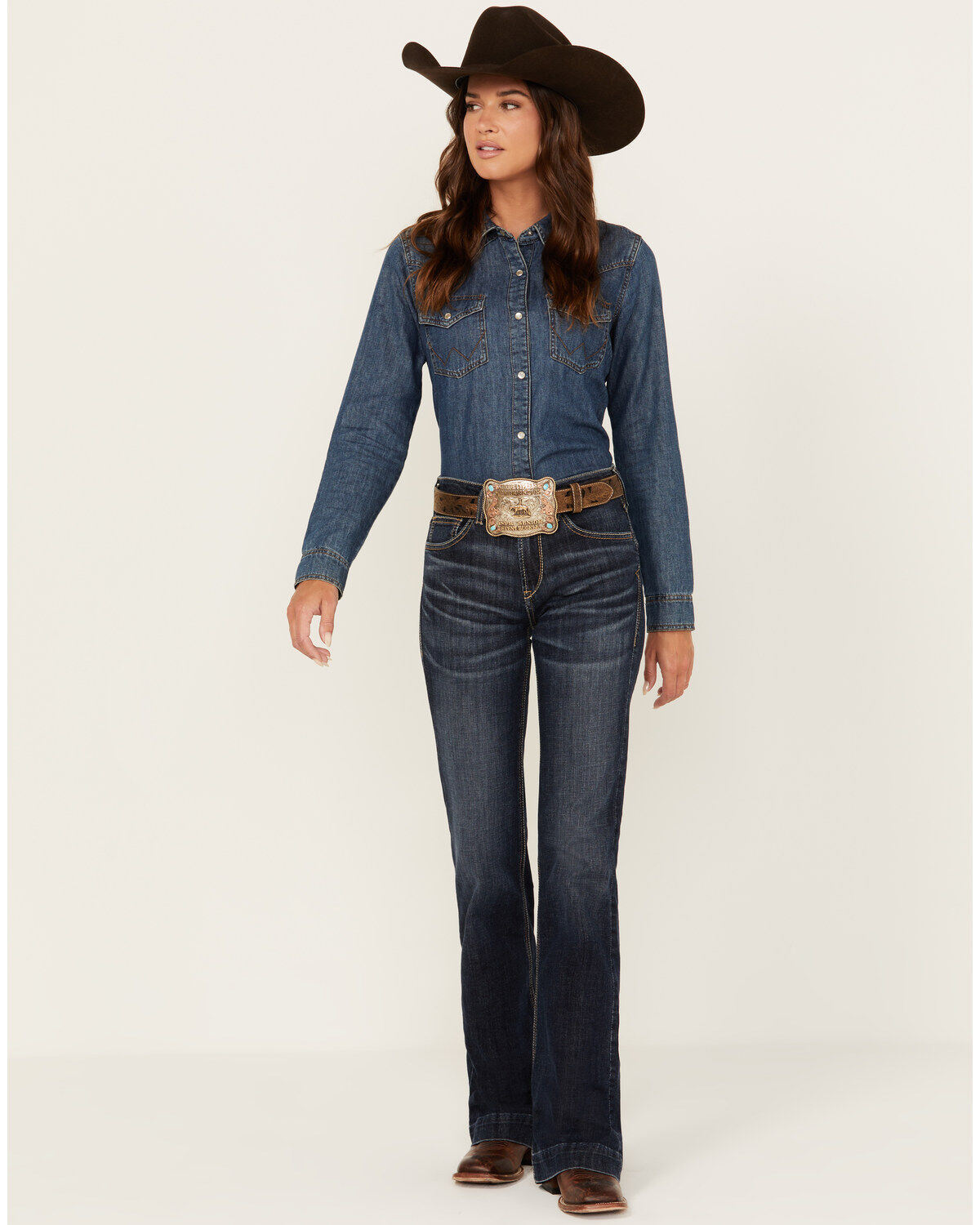
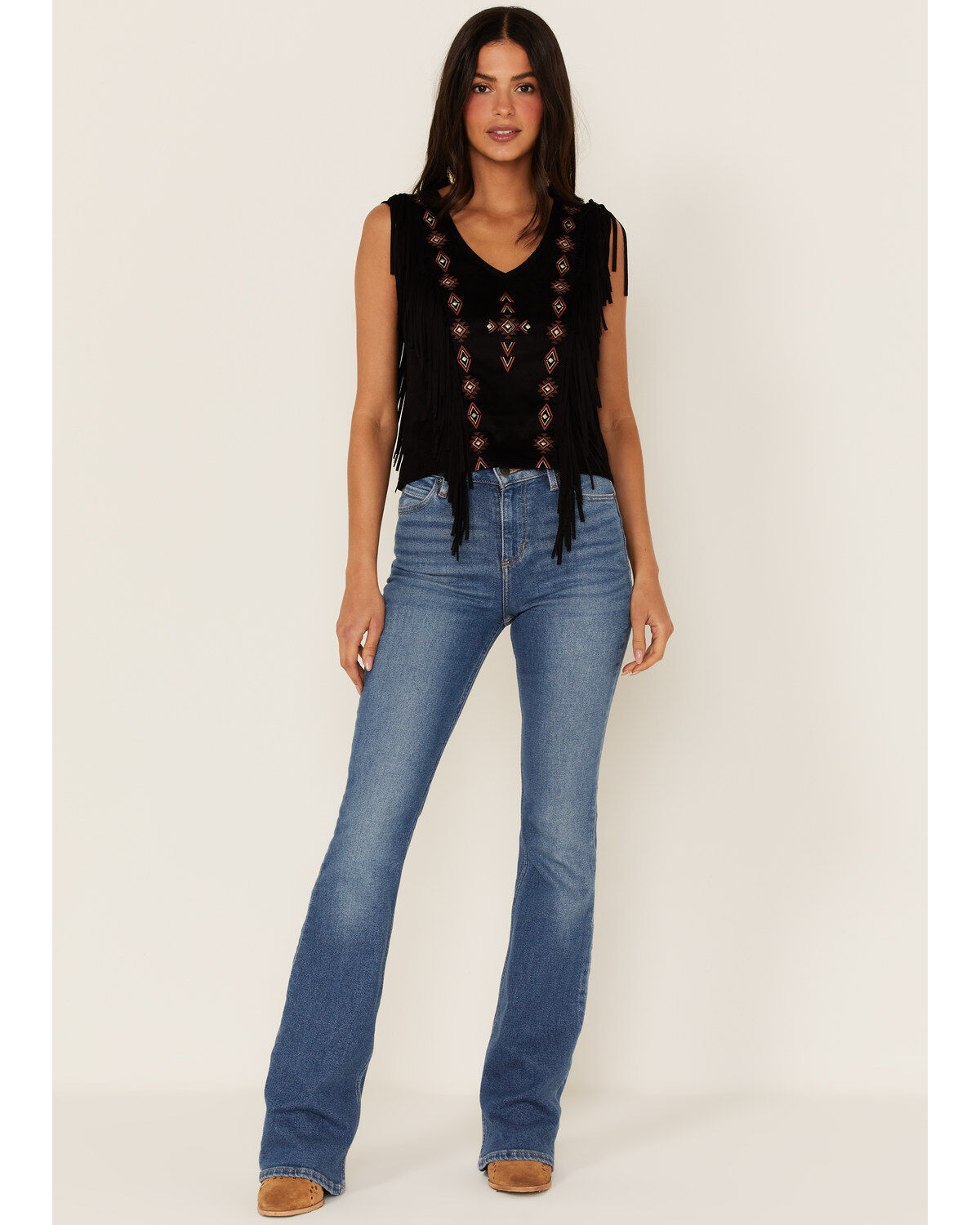
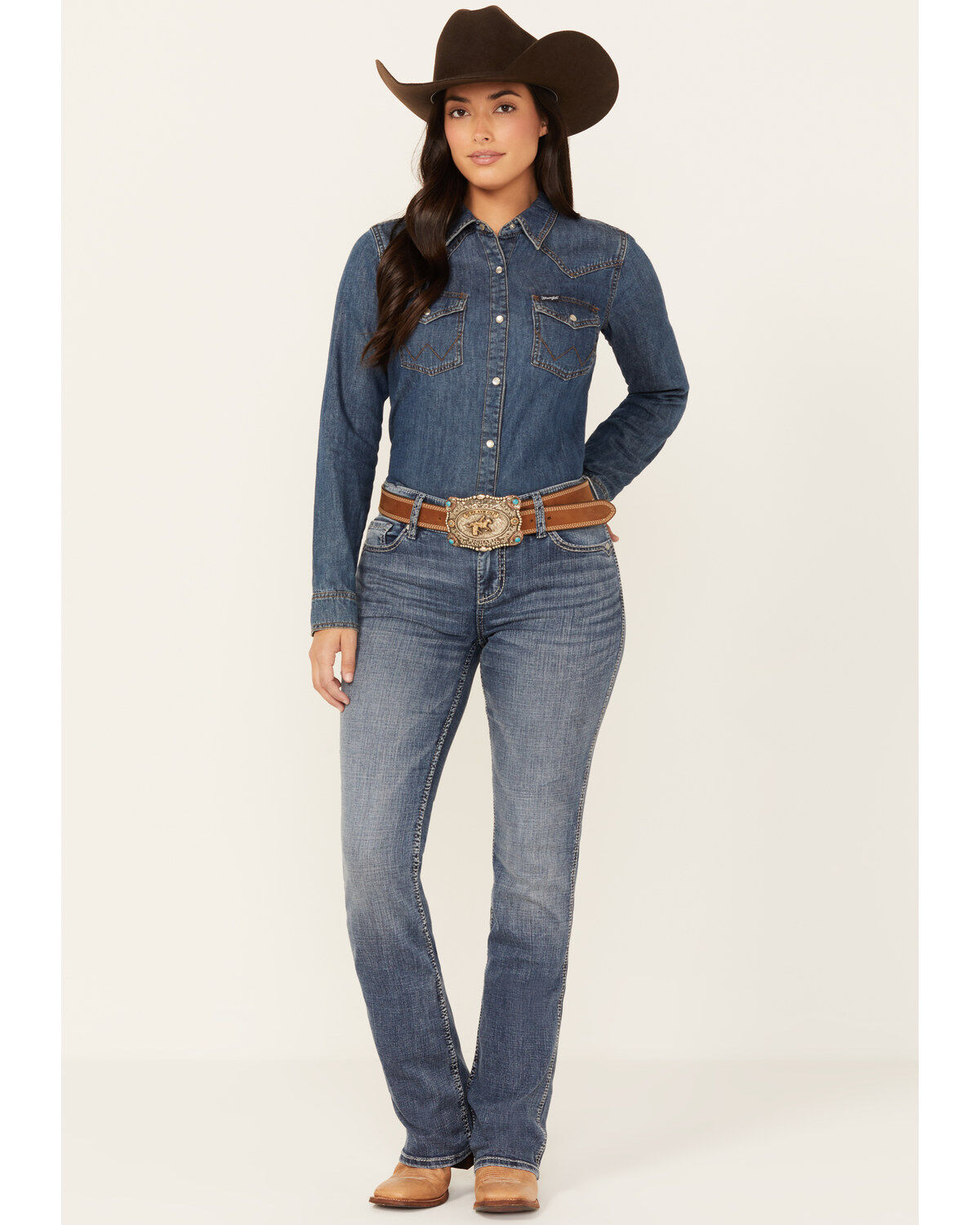
Cowgirl jeans are western denim made to pair with cowboy boots, with cuts and details suited to riding, ranch chores, and everyday wear. Their character comes from the combination of a practical fit, a boot-friendly leg opening, and western touches such as shaped back pockets, contrast stitching, or a worn-in wash. Bootcut cowgirl jeans stay closer through the thigh and knee before widening slightly at the hem, giving a boot shaft room without adding much volume. Flare jeans open more noticeably below the knee, creating a stronger silhouette that works well with a fitted shirt or a tucked-in blouse. Straight-leg styles offer a cleaner line, though their opening needs enough room for the boots worn underneath. The difference matters when a narrow leg catches on a boot shaft instead of falling smoothly over it. Rise is another defining part of the fit. Mid-rise jeans generally sit below the natural waist, while high-rise jeans sit closer to it and provide more coverage through the middle. Exact placement depends on the cut and the person wearing them; a rise label alone does not tell the whole story. A comfortable waistband stays in place when sitting, bending, or reaching without digging in or leaving a large gap at the back. Through the seat and thighs, a good fit allows movement without pulling sharply across the hips or gathering into heavy folds. Length deserves equal attention. A hem that looks right with flat shoes may sit too high over a taller boot heel, while excess length can drag underfoot and wear away. Riding can also pull the leg upward as the knee bends, so the intended use helps determine the right inseam. Together, rise, leg shape, and length give cowgirl jeans their balance of western style and everyday function, whether they are worn for time in the saddle, a day around town, or a casual evening out.

Denim fabric has as much influence on comfort as the cut. Cotton gives cowgirl jeans their familiar texture and substantial feel, while different blends change how the fabric moves and holds its shape. All-cotton denim generally has less give and may feel firm at first, gradually softening with wear. Denim containing spandex or elastane adds stretch, which can make sitting in a saddle, stepping into a truck, or crouching beside a fence easier. Some blends also contain polyester, which can contribute to strength and shape retention depending on the fabric construction. Stretch content is only part of the picture: fabric weight, weave, and cut all affect how a pair feels after several hours. Jeans should have room for movement without relying on the fabric to stretch constantly across the waist or thighs. Heavier denim often feels more substantial for chores and frequent wear, while lighter denim can feel less restrictive for errands and casual use. Neither fabric weight nor stretch alone guarantees durability. Secure seams, well-finished hems, and sound construction around pockets and belt loops matter where jeans face repeated pulling and friction. Reinforcement at stress points can help, but features vary by style. For riding, smooth contact areas are especially useful. Bulky seams, raised pocket decorations, or thick stitching can become noticeable against a saddle during a long ride. A secure waistband and enough room through the hips and knees help the jeans move with the rider rather than pull against each change in position. For barn chores or hands-on tasks, intact denim and practical pockets may matter more than decorative finishes. Distressed areas create a casual look, but an opening at the knee or thigh leaves that area uncovered and can widen with repeated wear. Everyday fashion styles have a different job. Embroidered pockets, pronounced fades, and wider flares can add detail when the jeans are worn with a simple shirt and boots. The strongest choice is the one whose construction, fit, and finish match the way it will actually be worn, rather than a pair chosen by appearance alone.

Cowgirl jeans also offer plenty of room for personal style without needing a complicated outfit. Dark washes tend to look more uniform and pair easily with a crisp western shirt, a leather belt, and boots for dinner or a casual gathering. Medium-blue denim has a familiar, broken-in appearance that works with tucked tees and button-front shirts. Lighter washes and visible fading give the surface more variation, while pocket stitching can supply detail without changing the overall shape. A tucked shirt makes the rise and belt visible; an untucked shirt puts more attention on the leg line and hem. With flared jeans, enough length to fall over the boot helps preserve the intended shape, but the fabric should not trail beneath the heel. Bootcut styles offer a more restrained opening that can suit both everyday outfits and riding, depending on their construction. The same attention to rise, leg opening, and boot fit also applies to Modern Cowboy Jeans, another expression of everyday western denim. Care helps preserve both appearance and fit. The garment label provides the right washing and drying directions for the fabric, finish, and any decoration. Turning jeans inside out can help limit surface abrasion during washing, and washing with similar colors reduces the risk of dye transfer. Excessive heat can affect dimensions and stretch fibers, so drying should follow the label rather than habit. Mud, dust, and repeated friction around the cuffs make hems worth checking, particularly when jeans are worn for chores. Small seam repairs made early can keep damage from spreading. As a gift, cowgirl jeans make the most sense when the recipient’s preferred rise, inseam, leg cut, and stretch level are known. Someone who rides regularly may value a smooth seat and dependable fit, while someone who wears western denim casually may care more about the wash and pocket detail. Those preferences turn a familiar wardrobe staple into a useful, personal choice.

FAQs