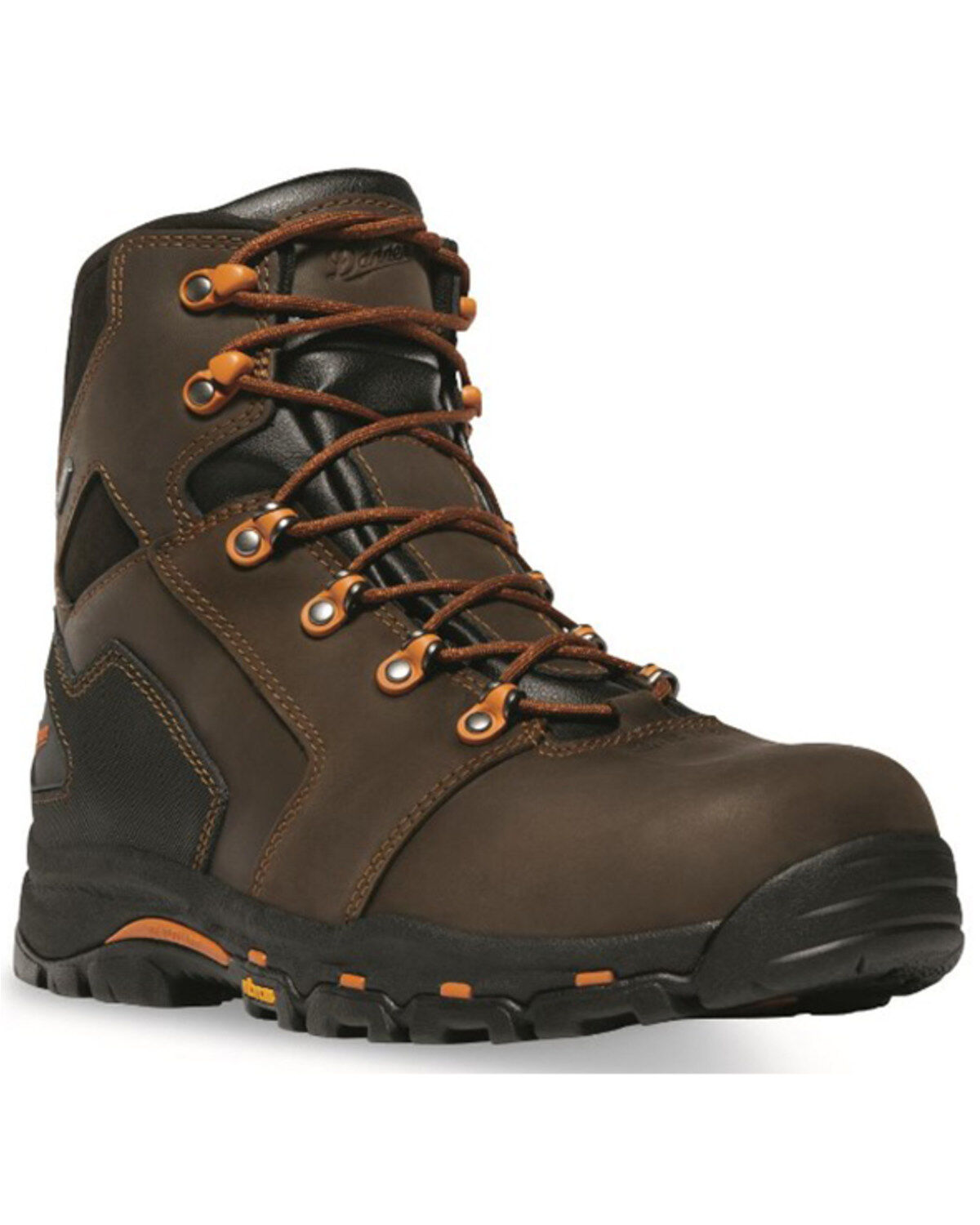
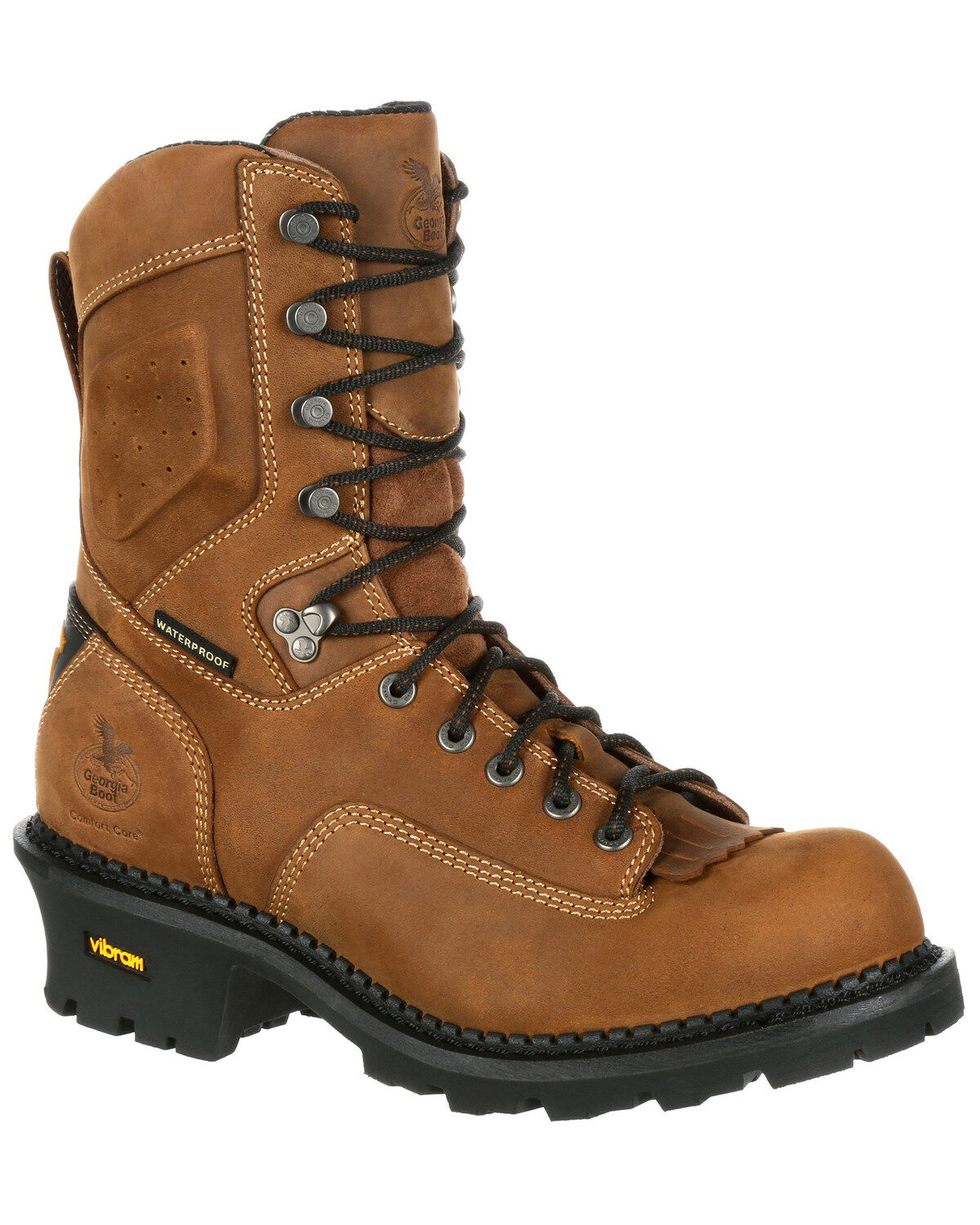
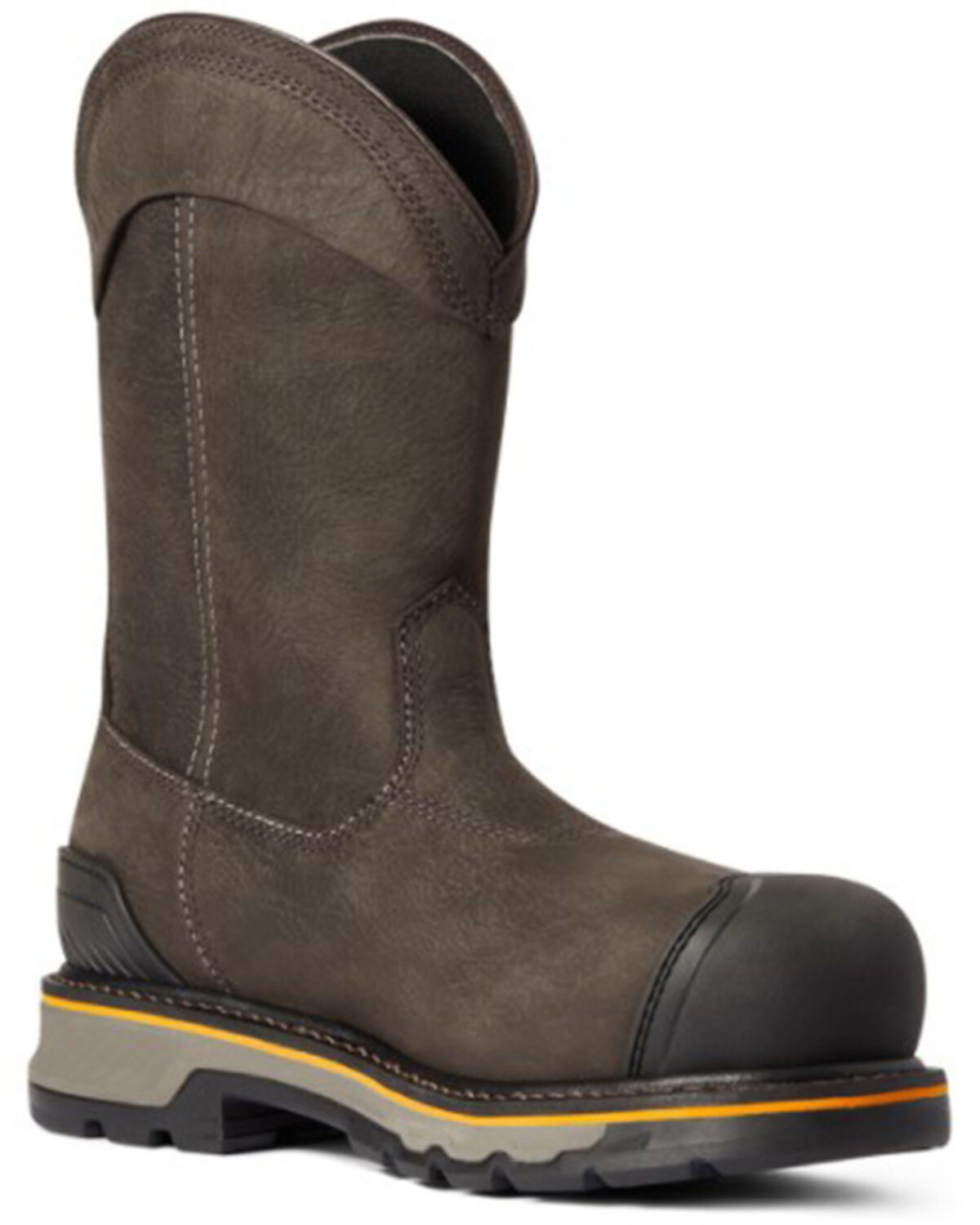
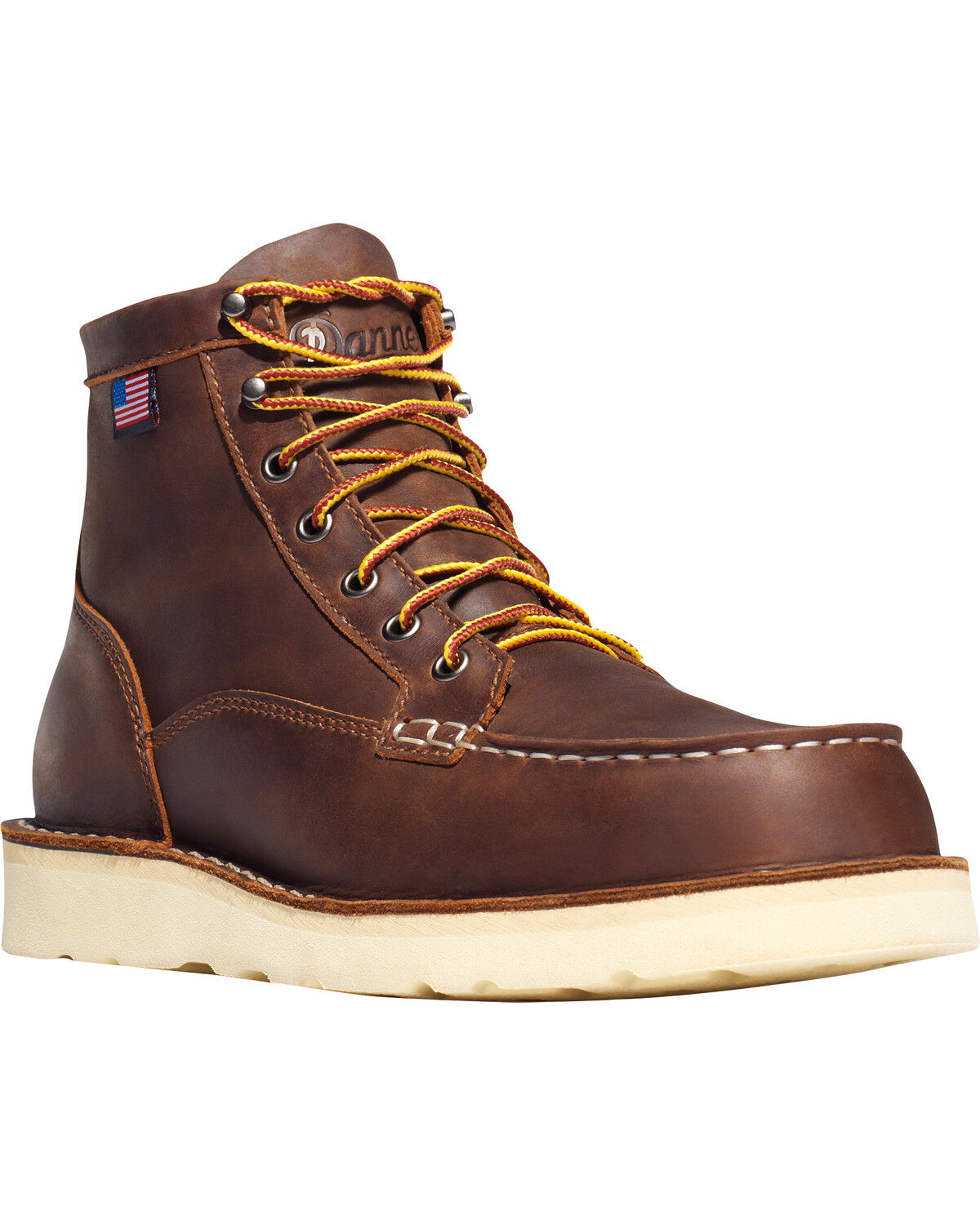
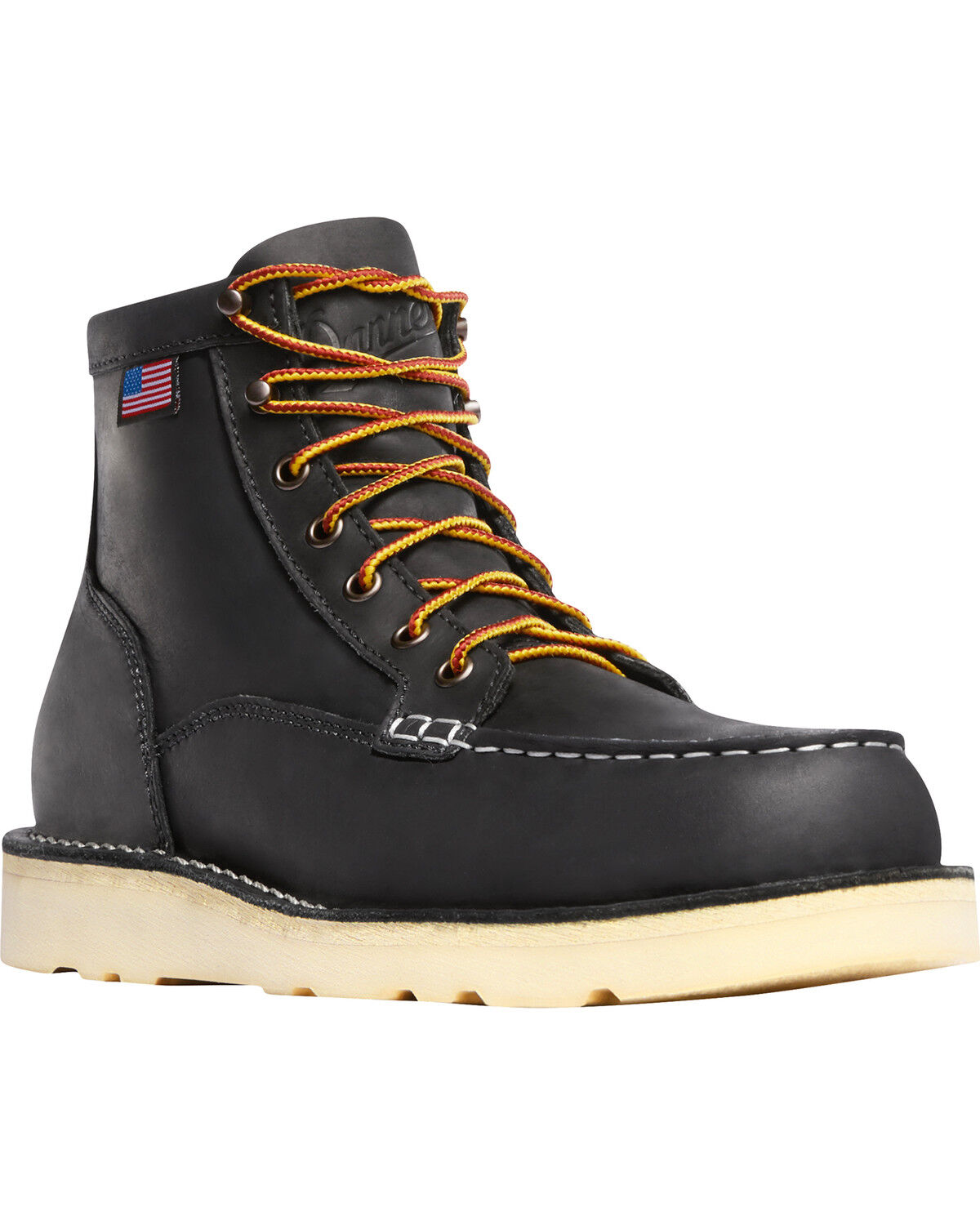
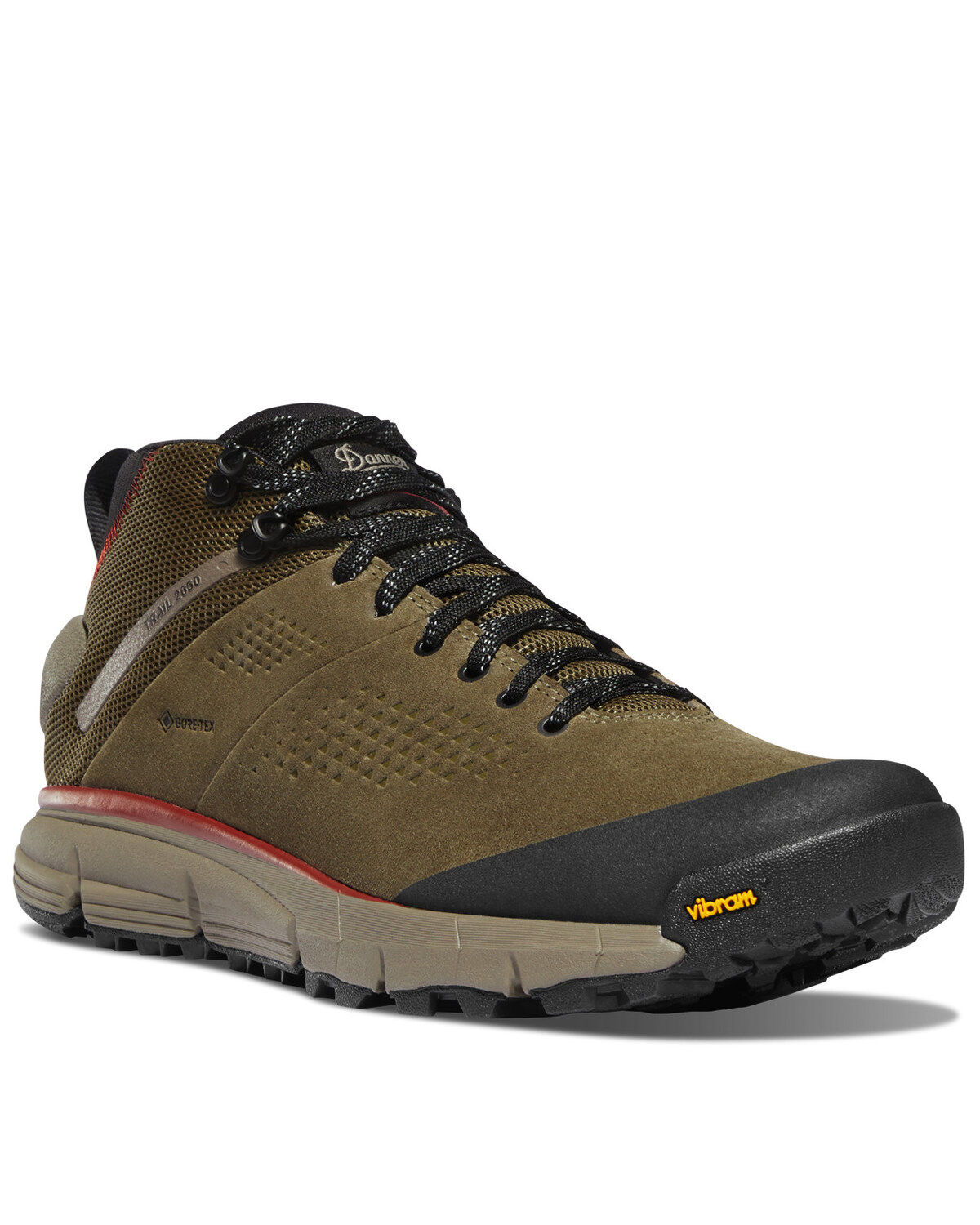
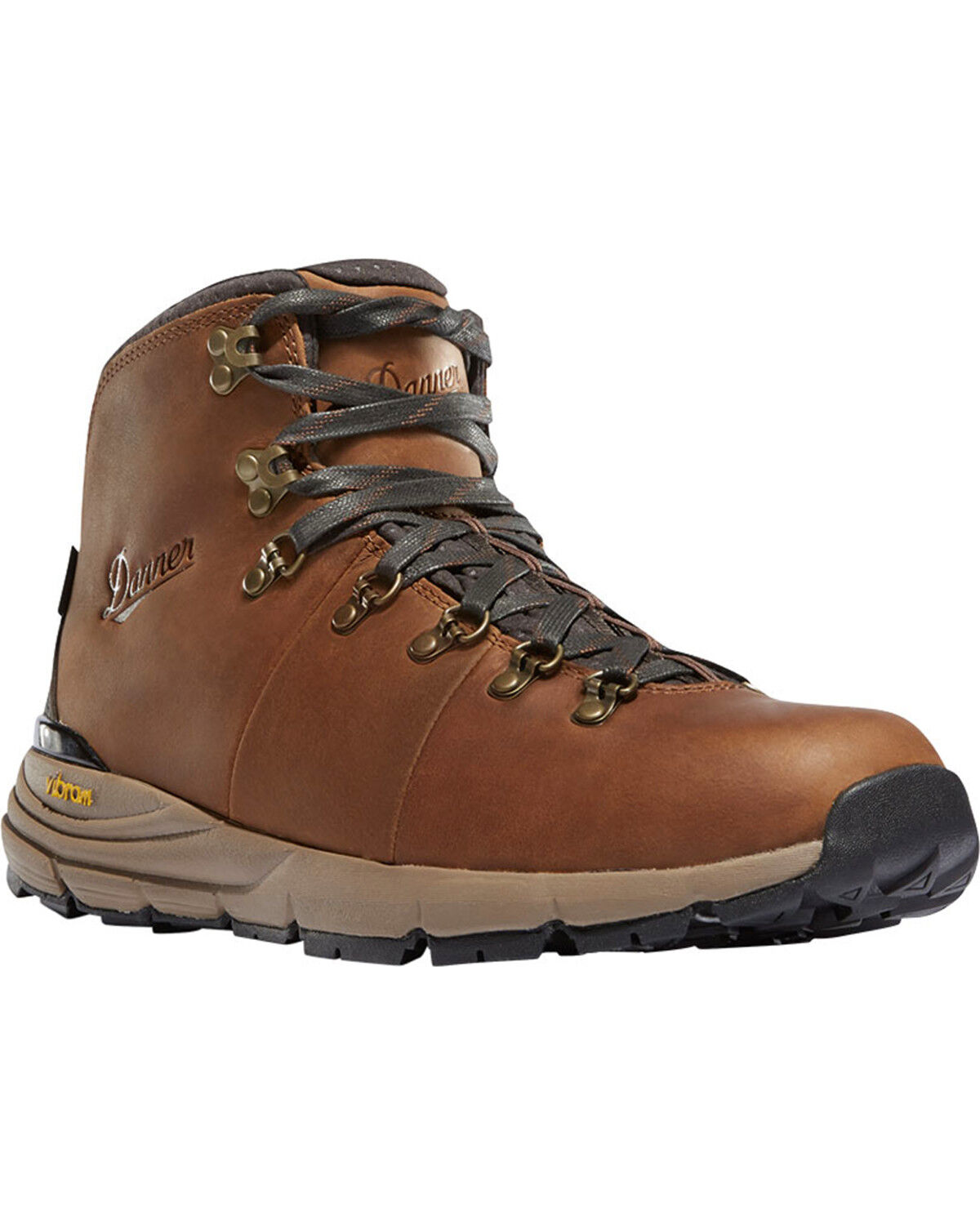
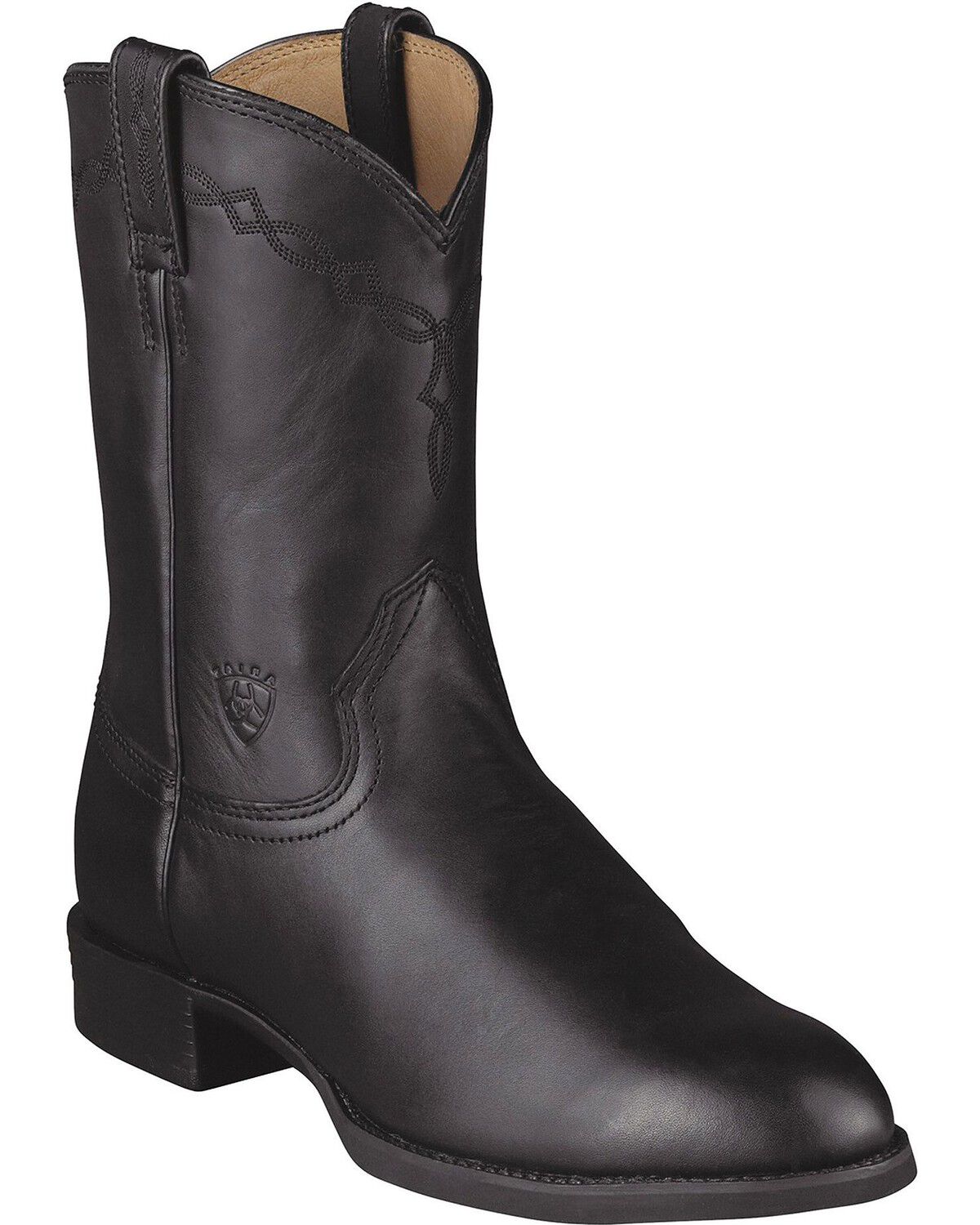
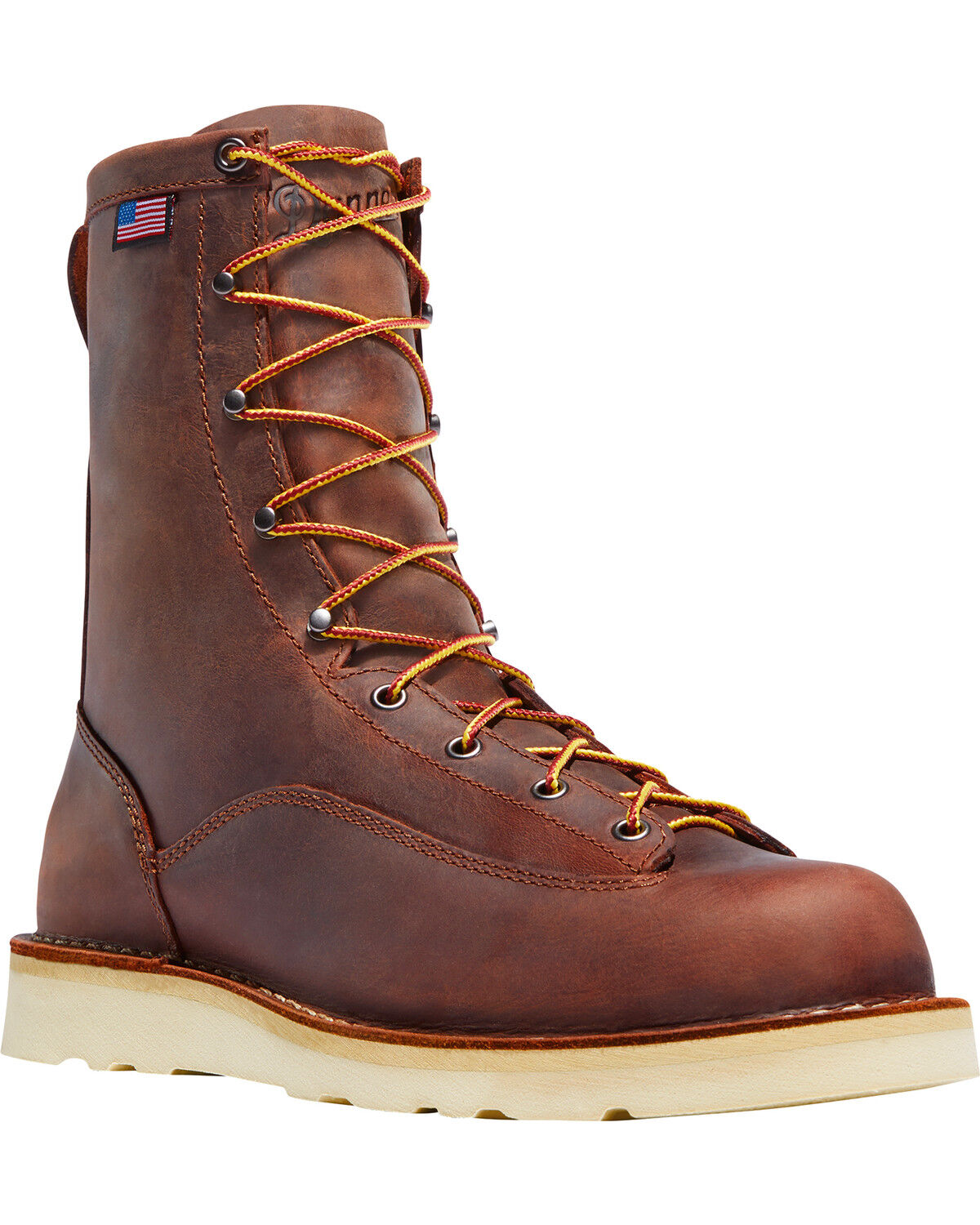
Composite Boots

Shop composite boots for work when you need an alternative to steel toe protection. Compare composite toe work boots by fit and listed safety features, and check each pair’s ratings against your workplace requirements before choosing.

Shop Your Store: Shop Your Store: Find a Store

(Turn off Shop Your Store to see all items)

(Turn off Shop Your Store to see all items)

close
  • Recommended
  • Lowest Price
  • Highest Price
Skip pass products

End of products

Composite Boots

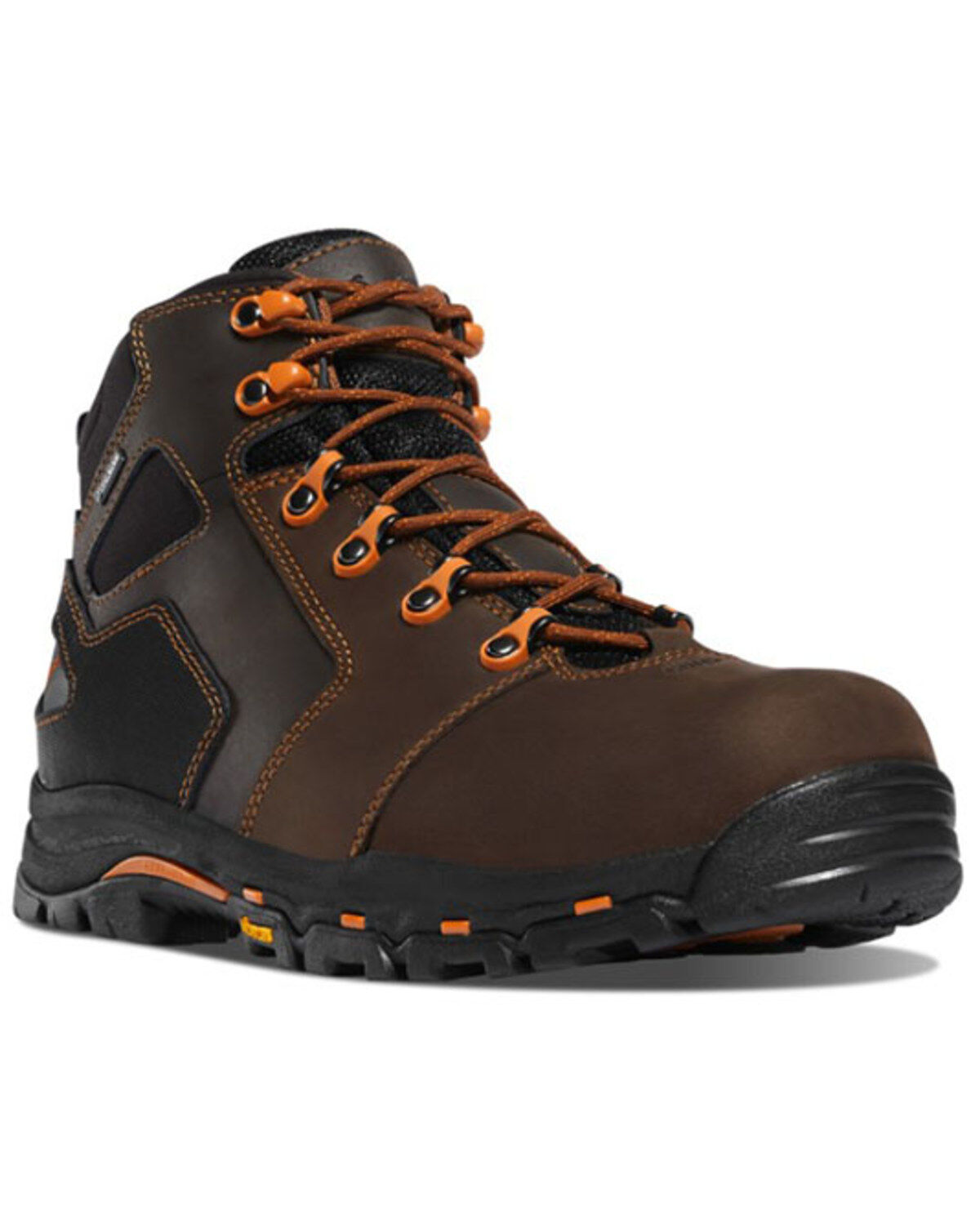
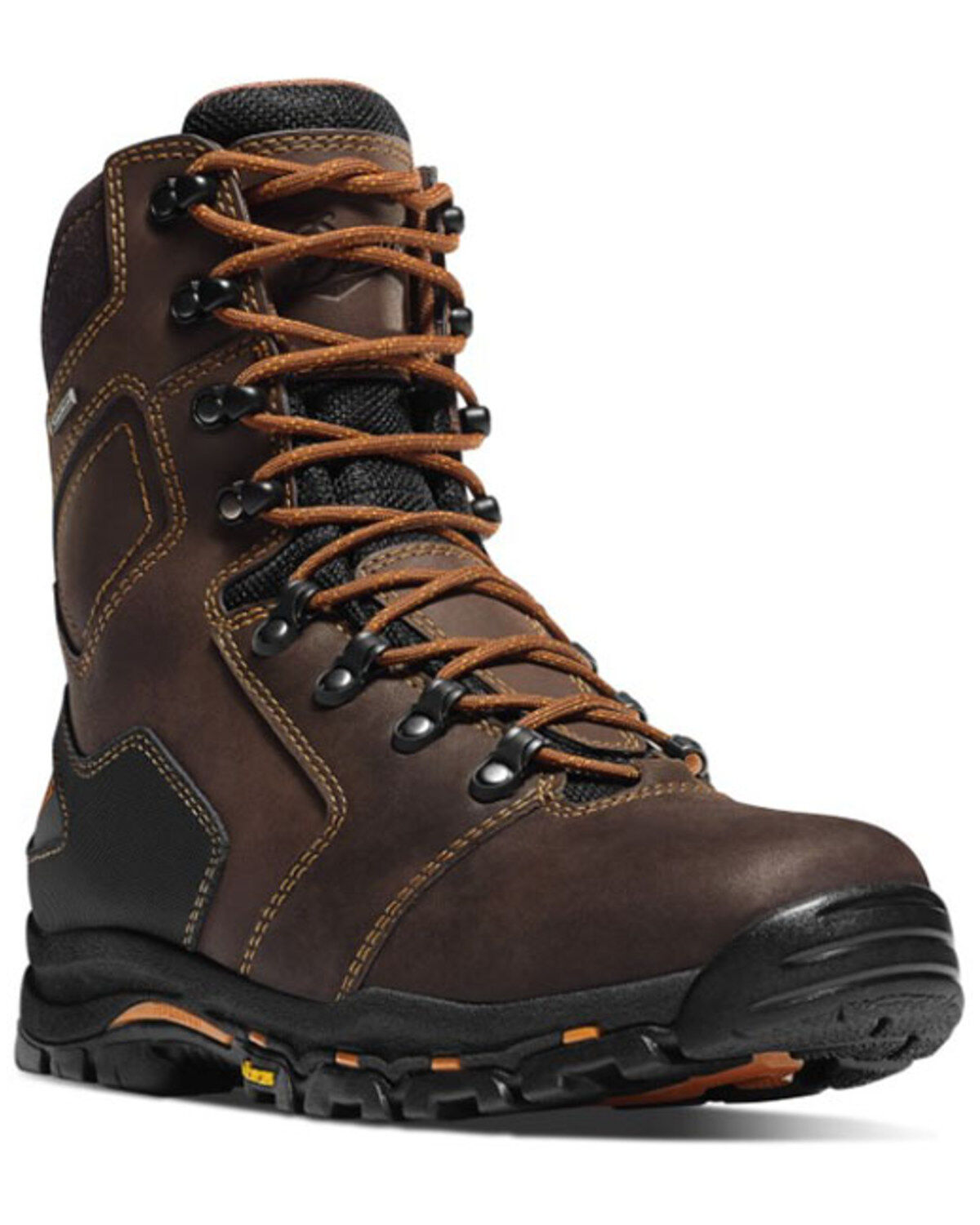
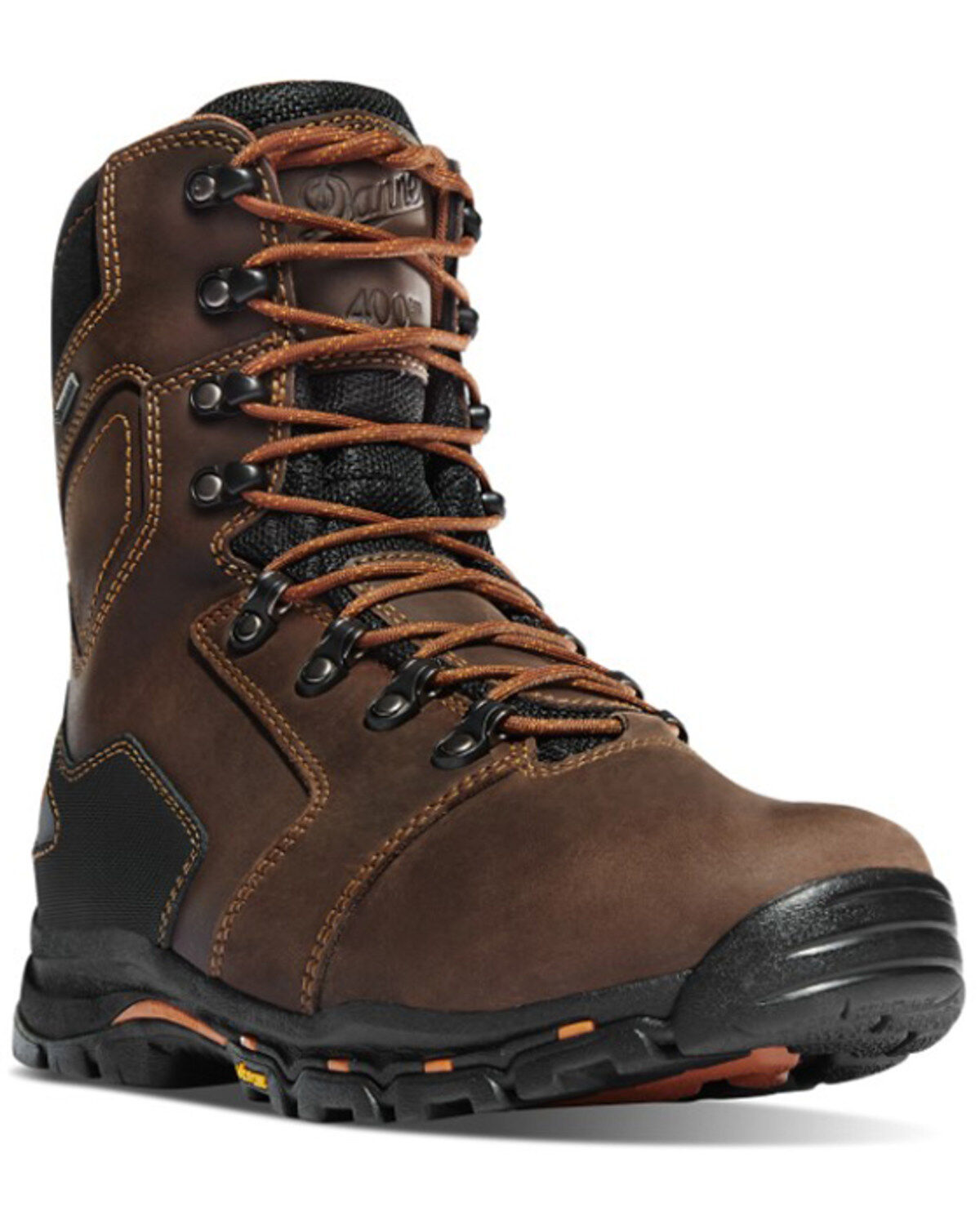
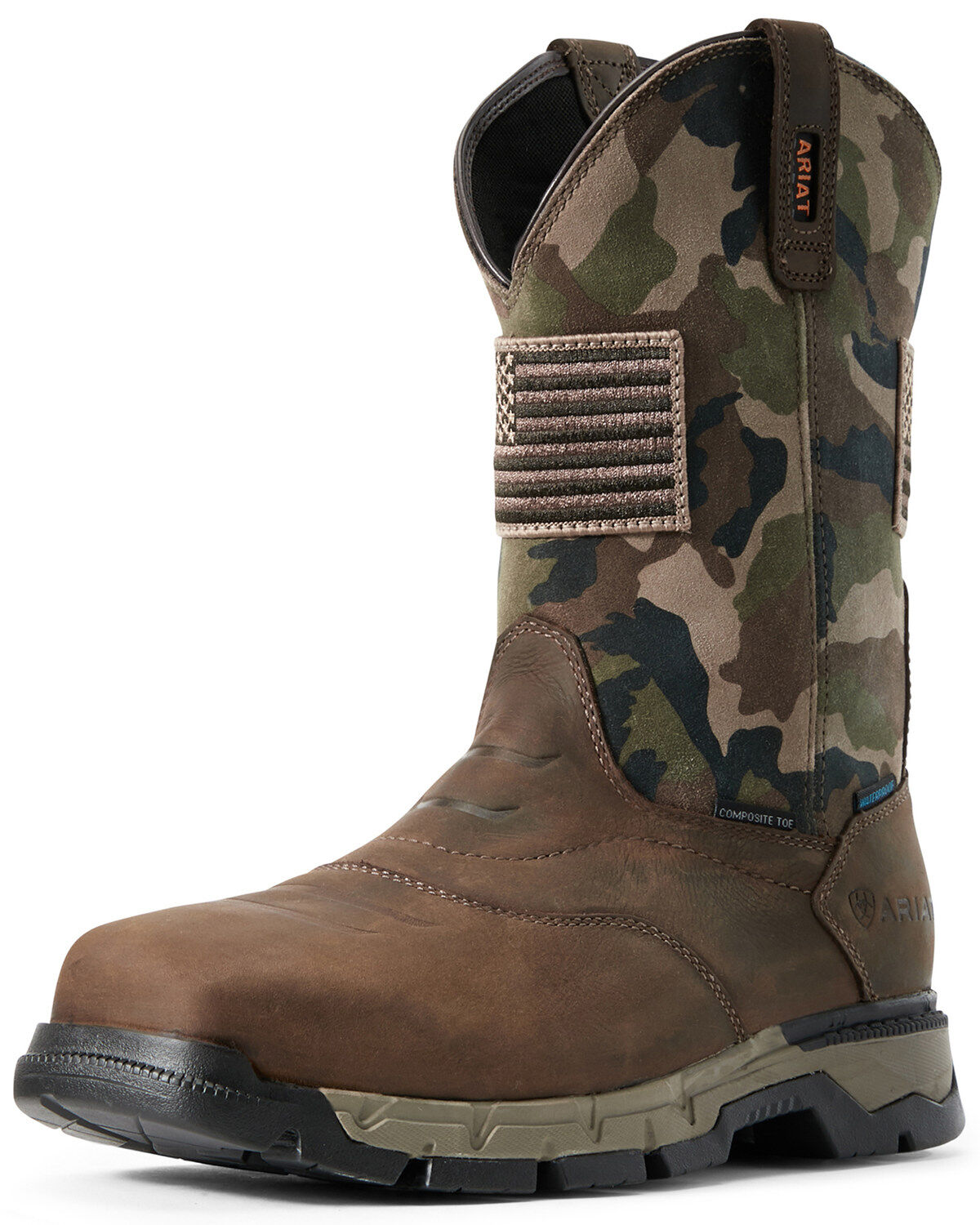
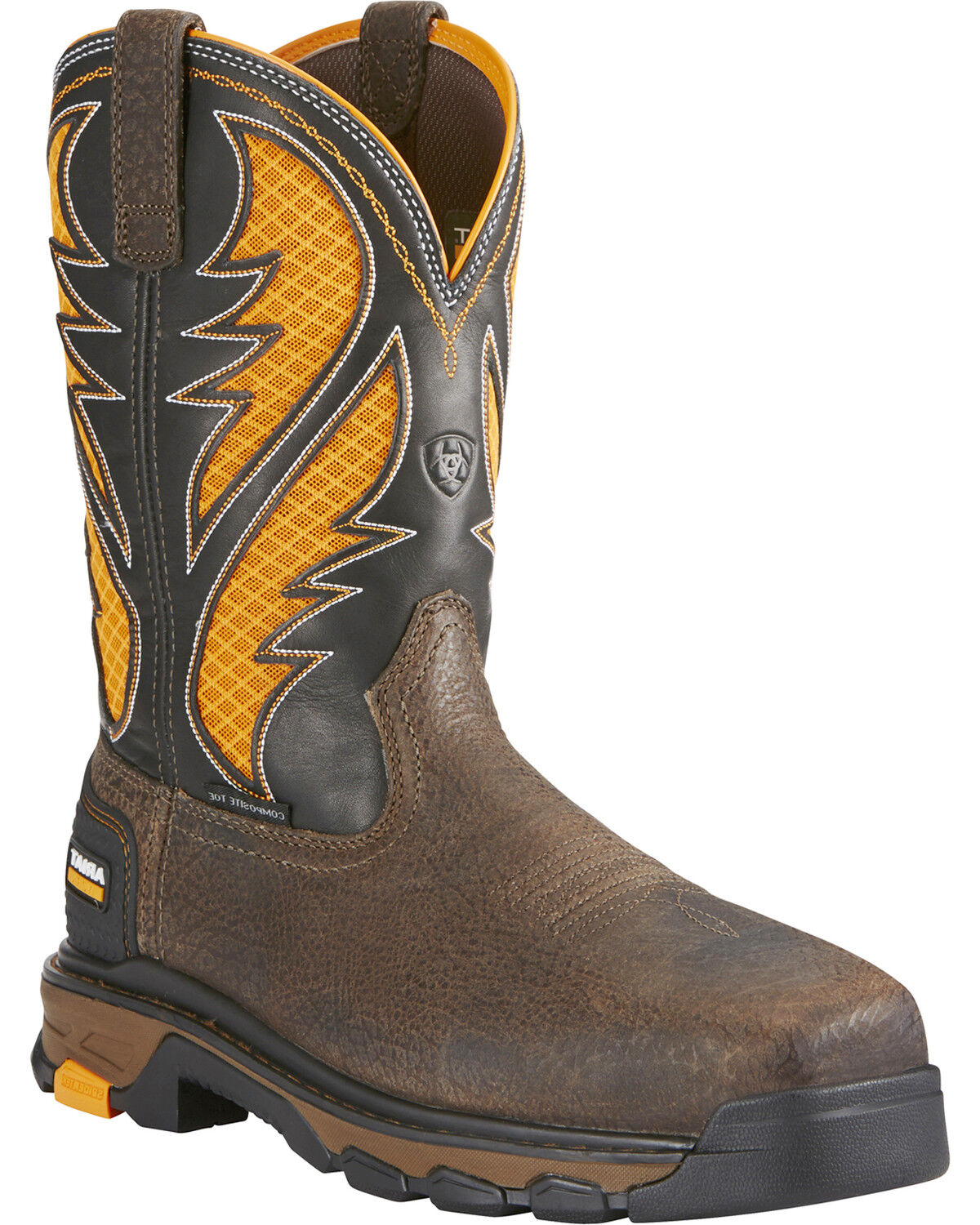
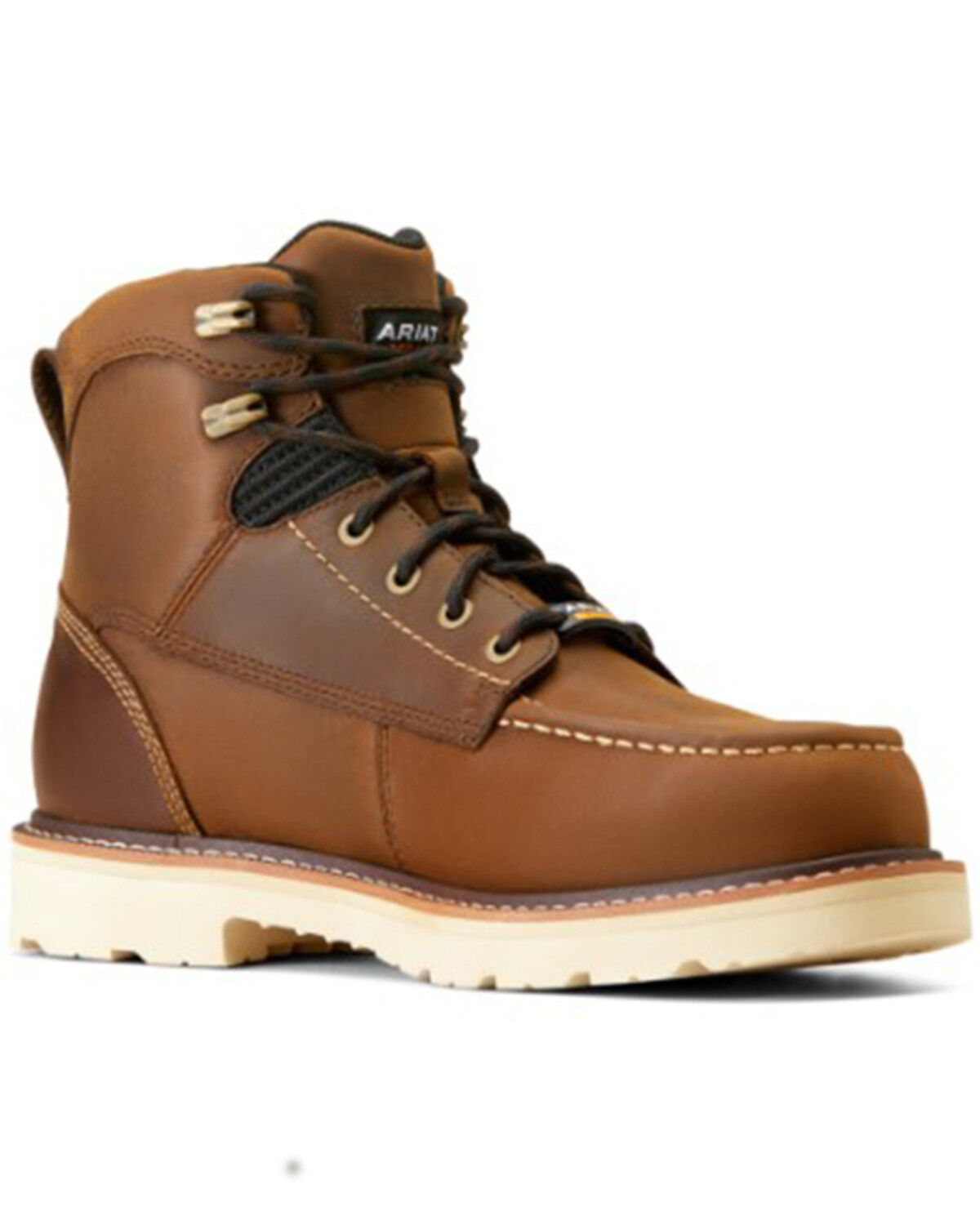
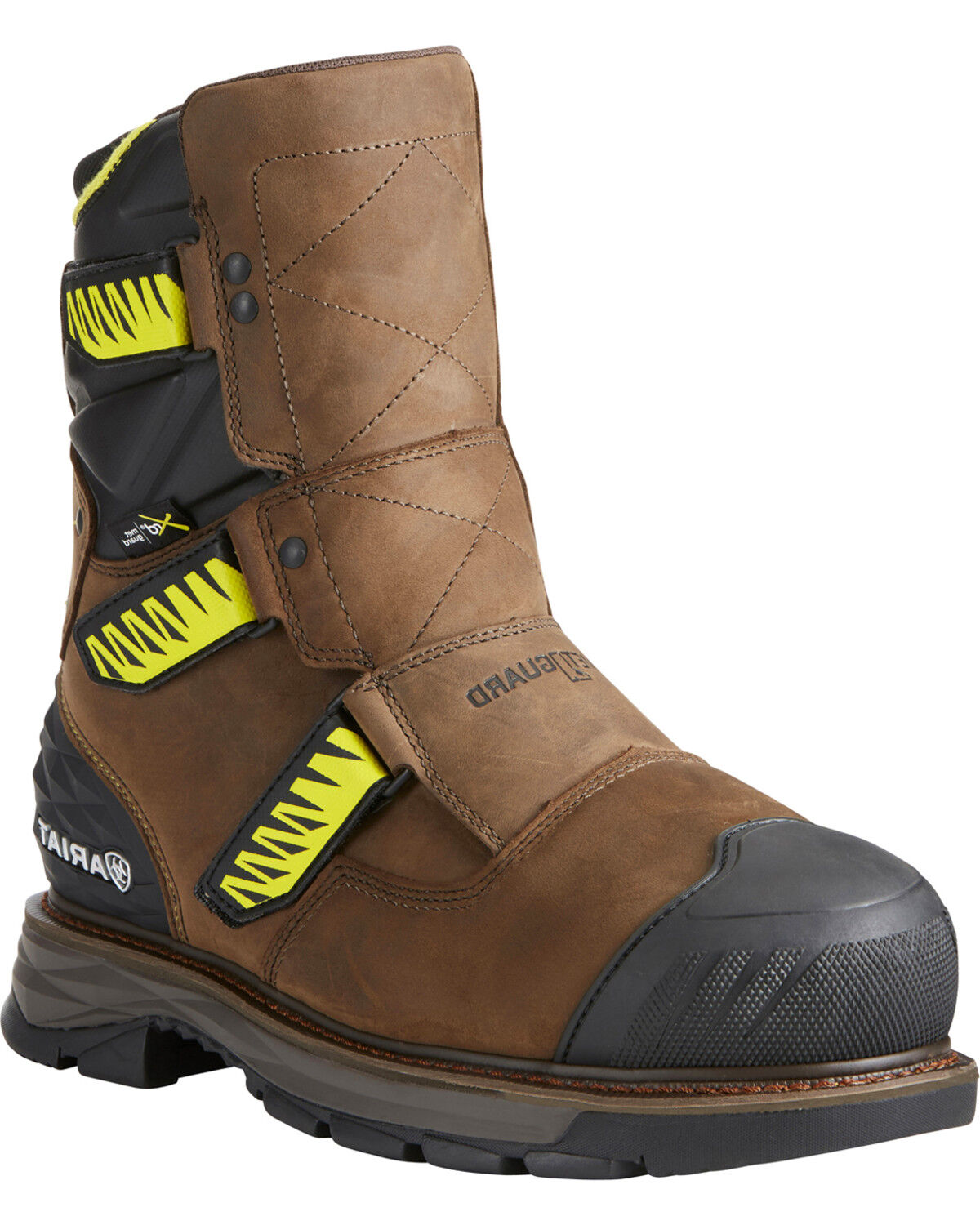
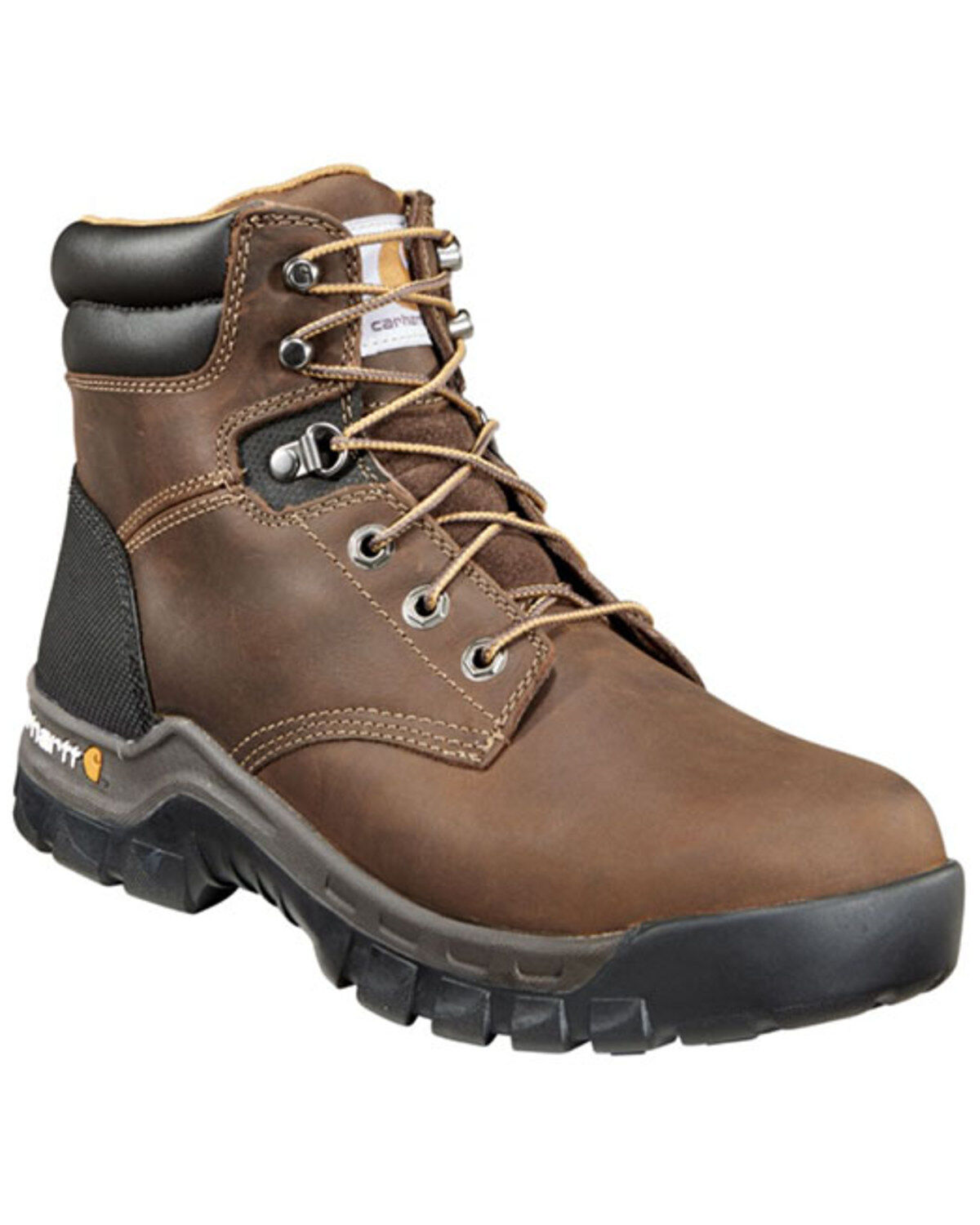
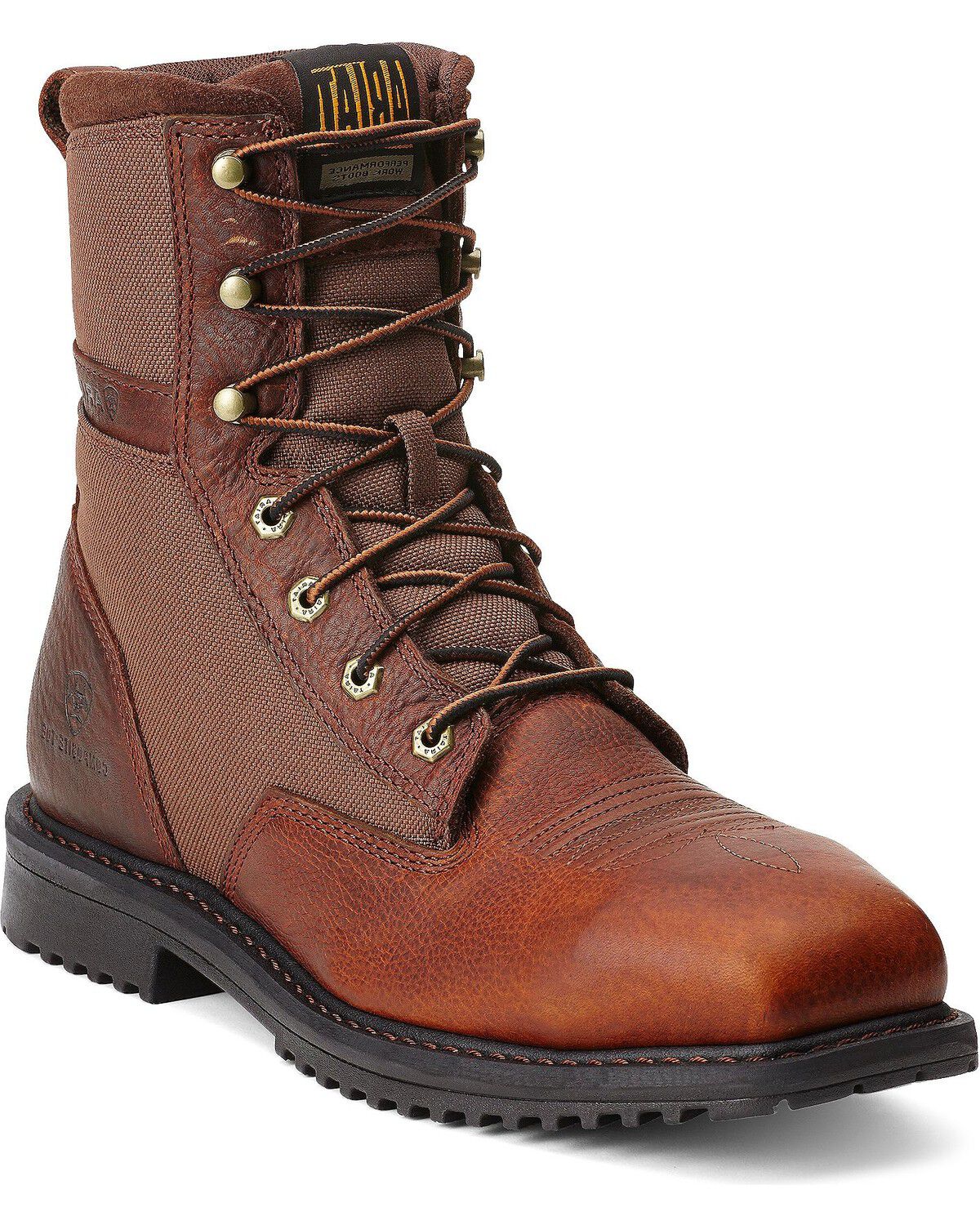
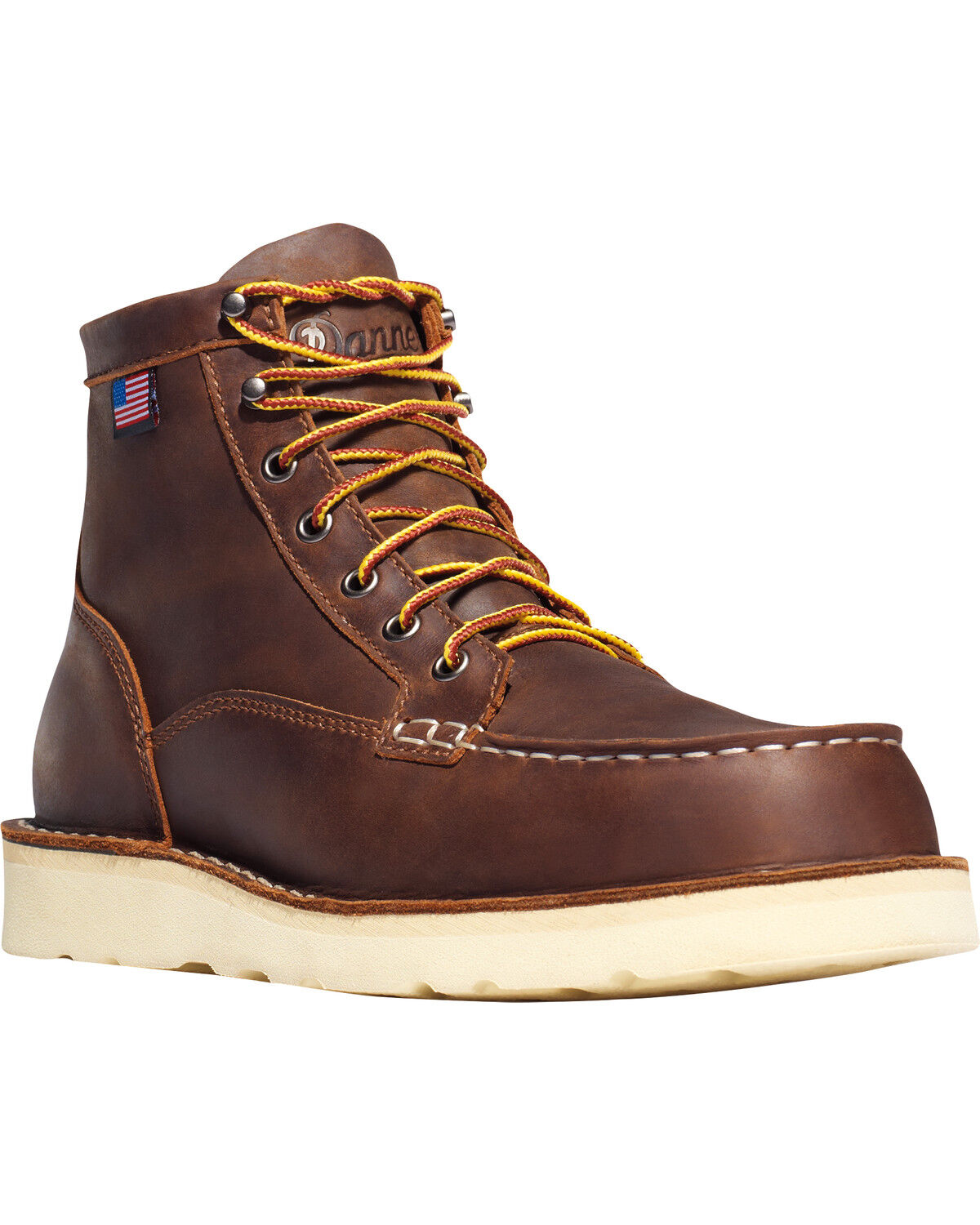
Composite boots are work boots built with nonmetallic safety toe caps, commonly made from fiberglass, carbon fiber, reinforced polymers, or aramid fibers. The cap sits beneath the upper at the front of the boot, creating a protective barrier around the toes without using a steel toe cap. Composite toe work boots are worn in construction, manufacturing, warehouse operations, maintenance, and other jobs where falling objects or compression hazards make protective footwear necessary. When tested and marked to the applicable ASTM F2413 requirements, they meet specified impact and compression requirements, just as properly rated steel toe boots do. The material alone does not establish that protection; the footwear’s markings and the employer’s requirements are what matter. Composite toe caps can contribute to a lighter boot, although the upper, outsole, shaft, and other components also affect total weight. That difference can be noticeable on a shift spent walking concrete aisles, climbing stairs, or moving between workstations. A nonmetallic toe does not mean the entire boot is metal-free. Shanks, eyelets, hooks, and other hardware may still contain metal, so metal-detector compatibility depends on the complete construction. Electrical protection also requires a separate rating. An electrical hazard rating identifies footwear designed to provide supplemental protection against accidental contact with energized electrical sources under specified dry conditions. A composite toe by itself does not make a boot electrically protective, and rated footwear does not replace required electrical safety procedures or equipment. Static-dissipative footwear serves a different purpose and is not interchangeable with electrical hazard footwear. Likewise, protection at the toe does not establish puncture resistance beneath the foot. Workers handling pallets, moving heavy materials, or working around exposed fasteners may need several protective features in the same pair. The right combination depends on the hazards of the job, not simply whether the toe cap is composite or steel.

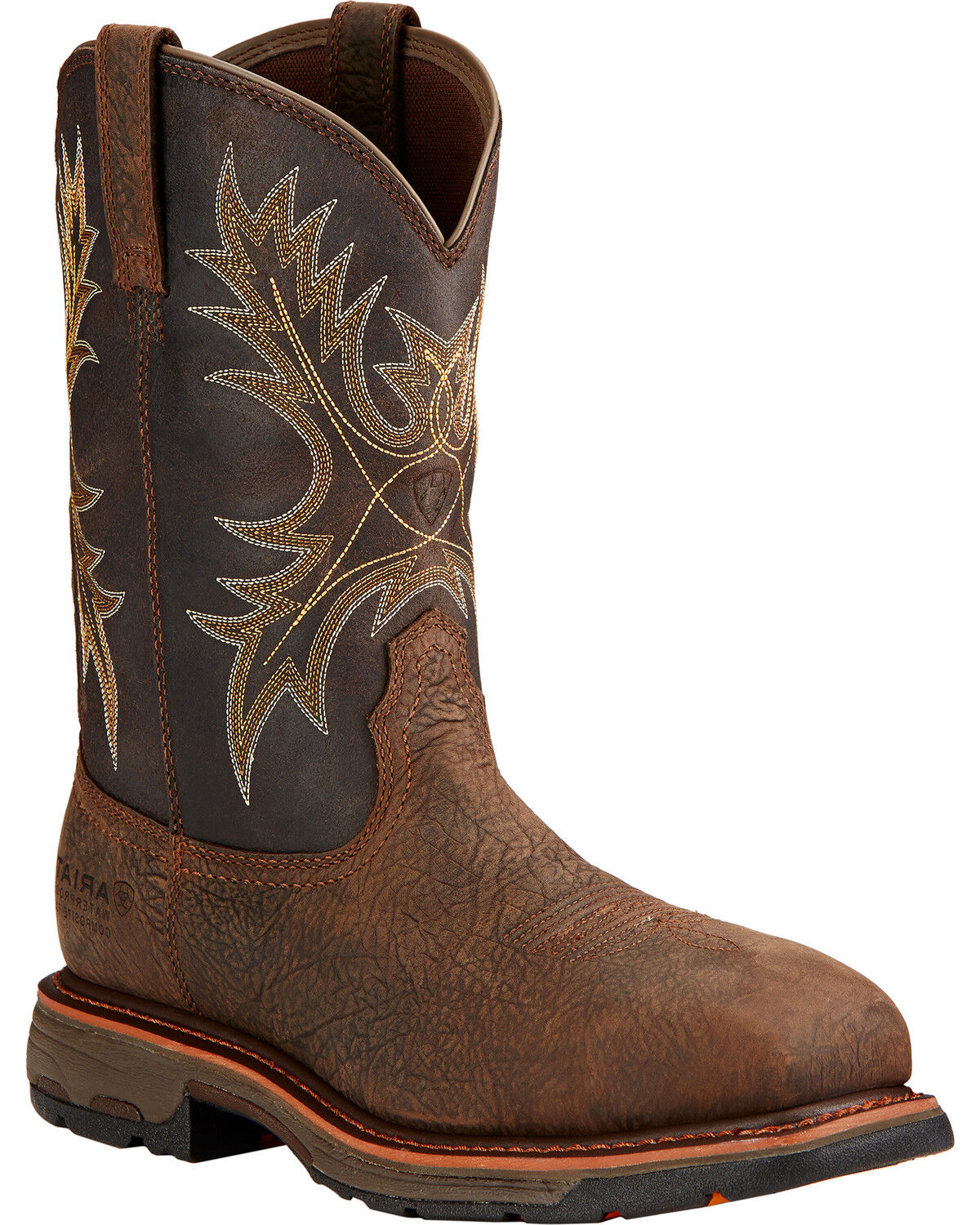
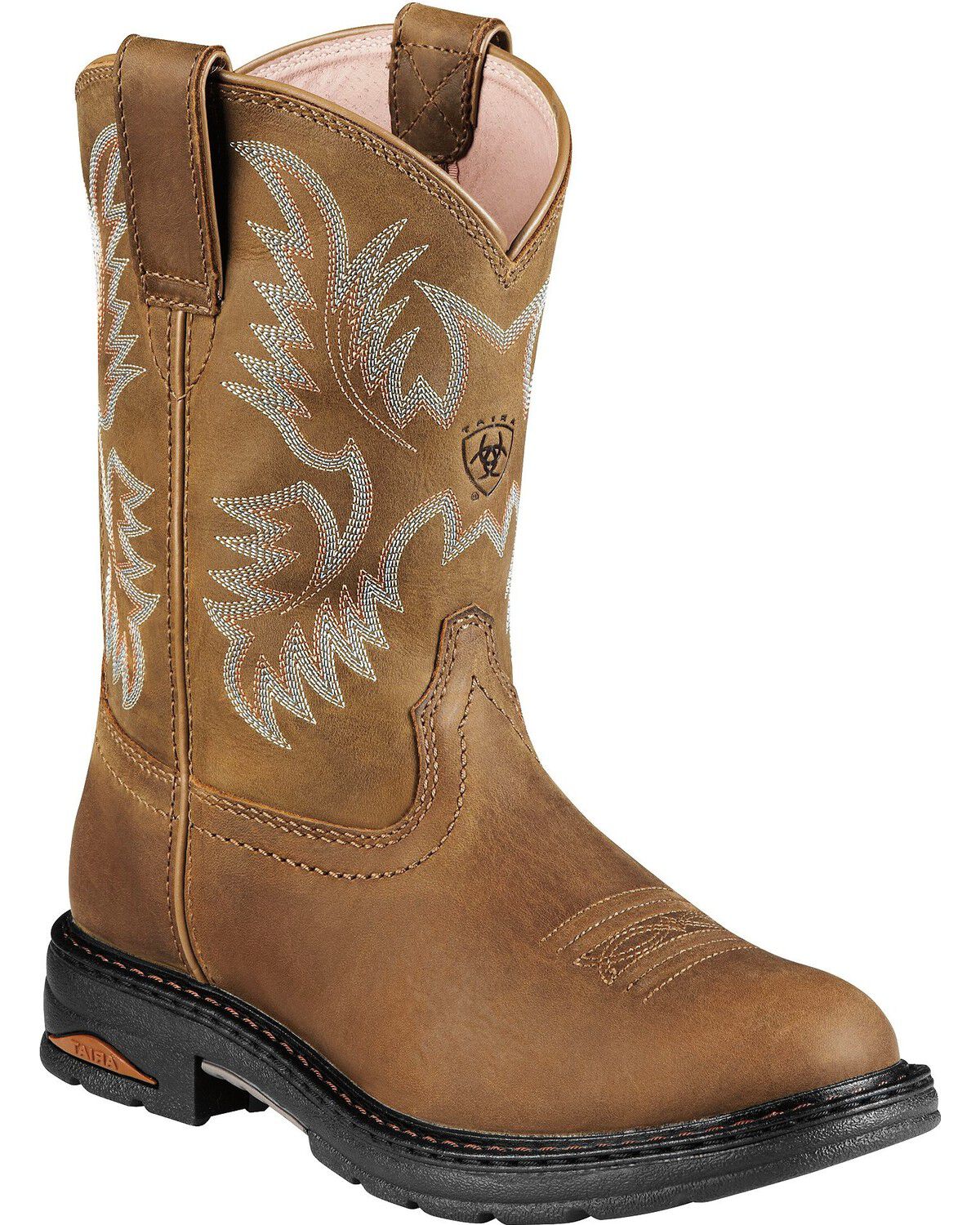
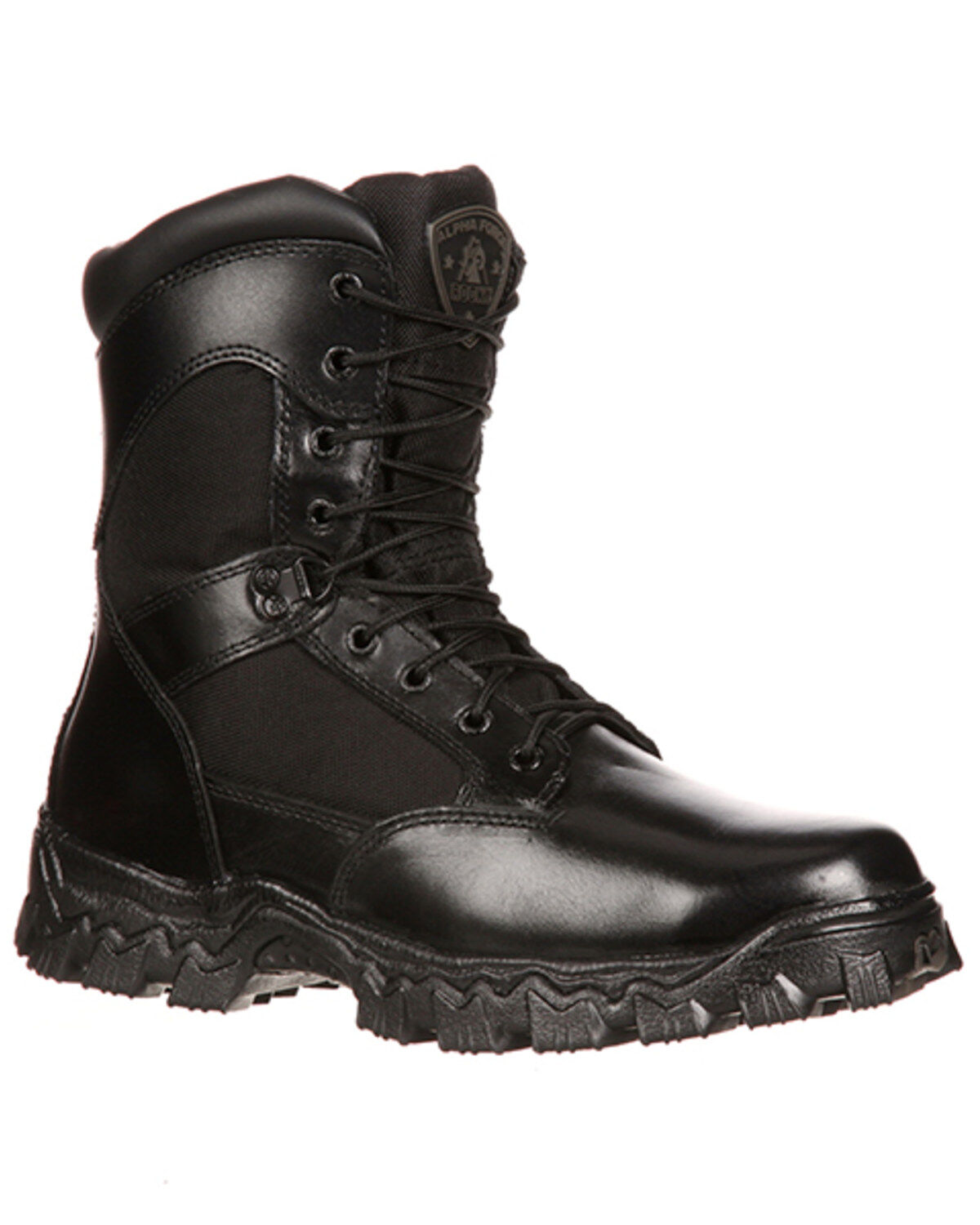
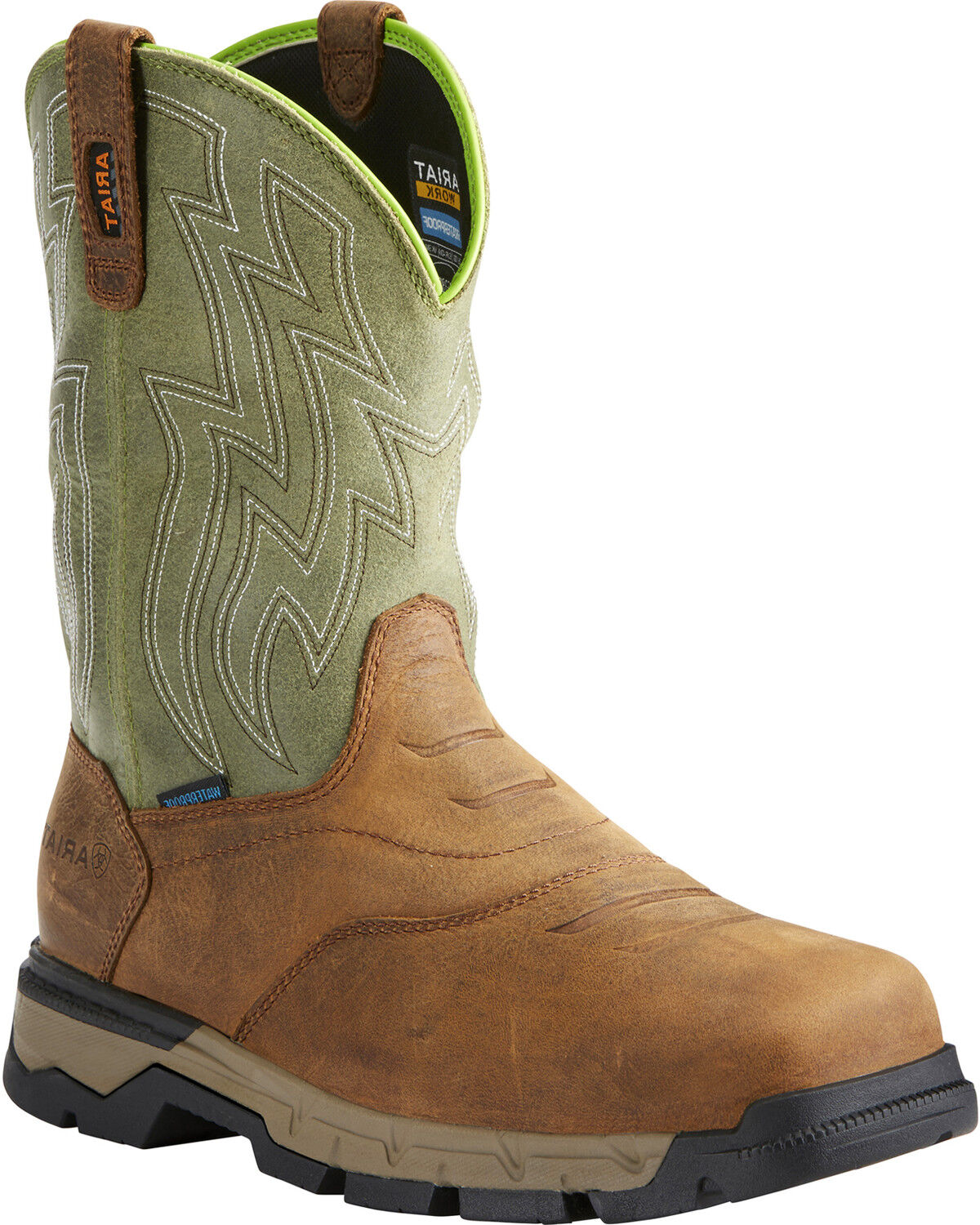
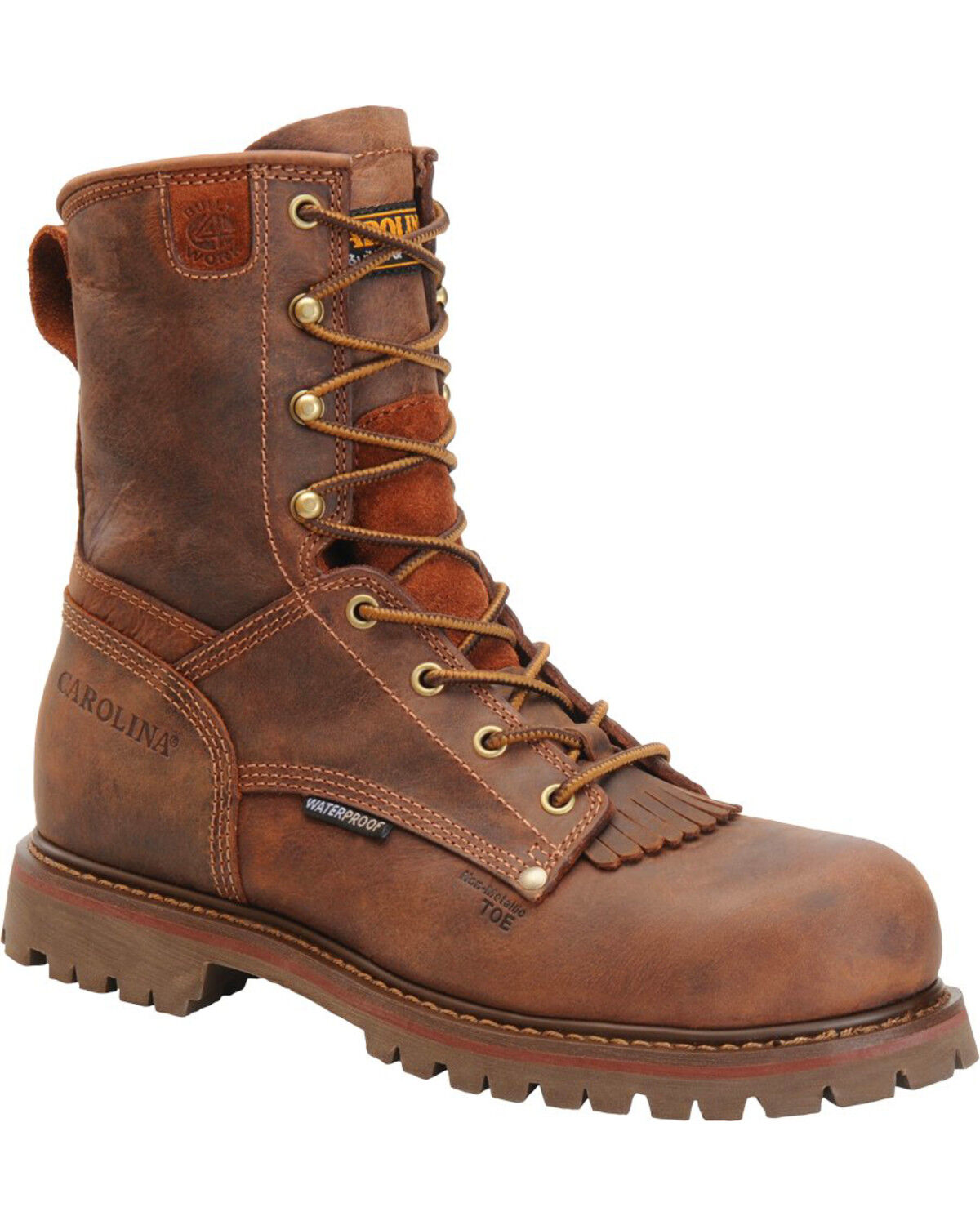
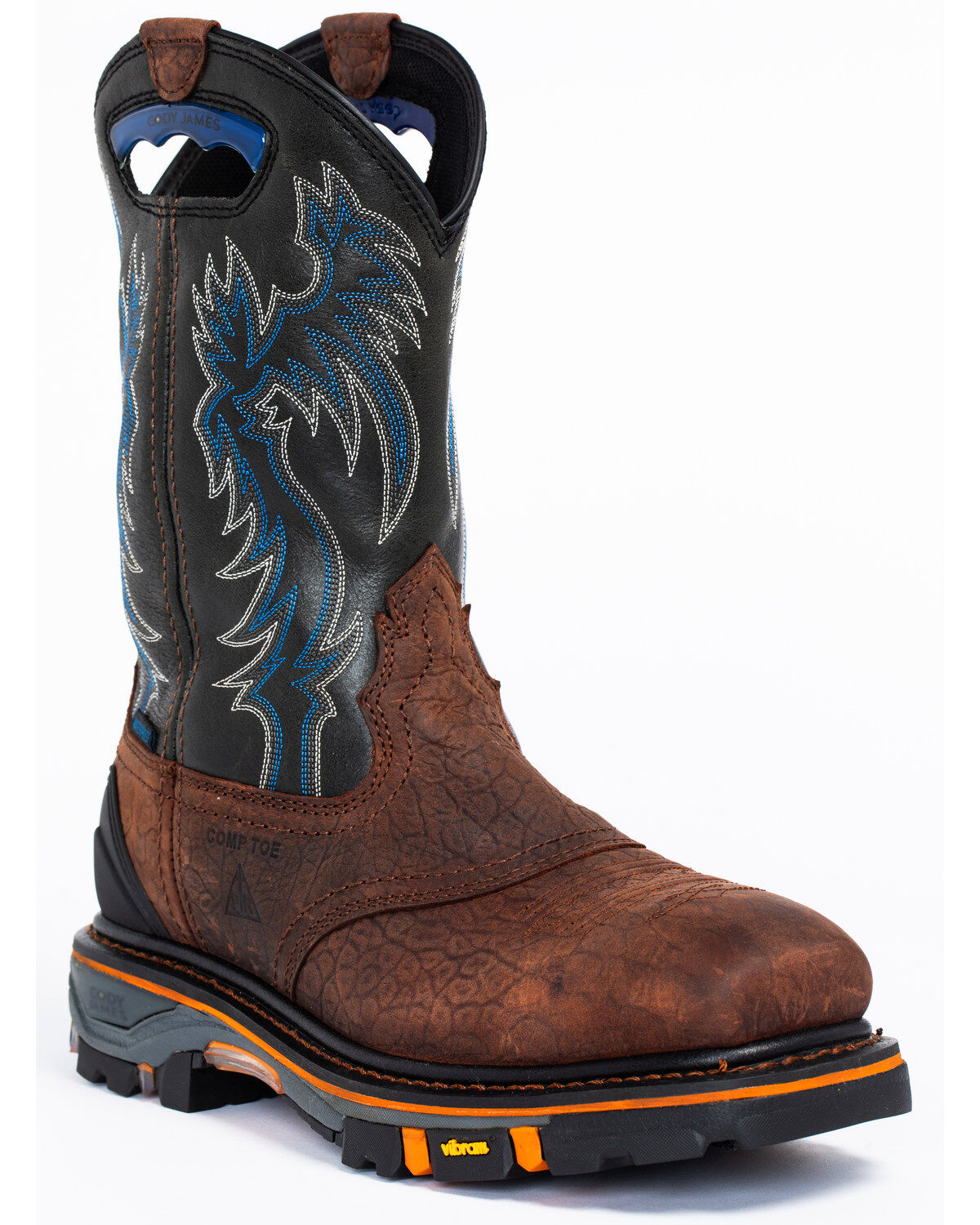
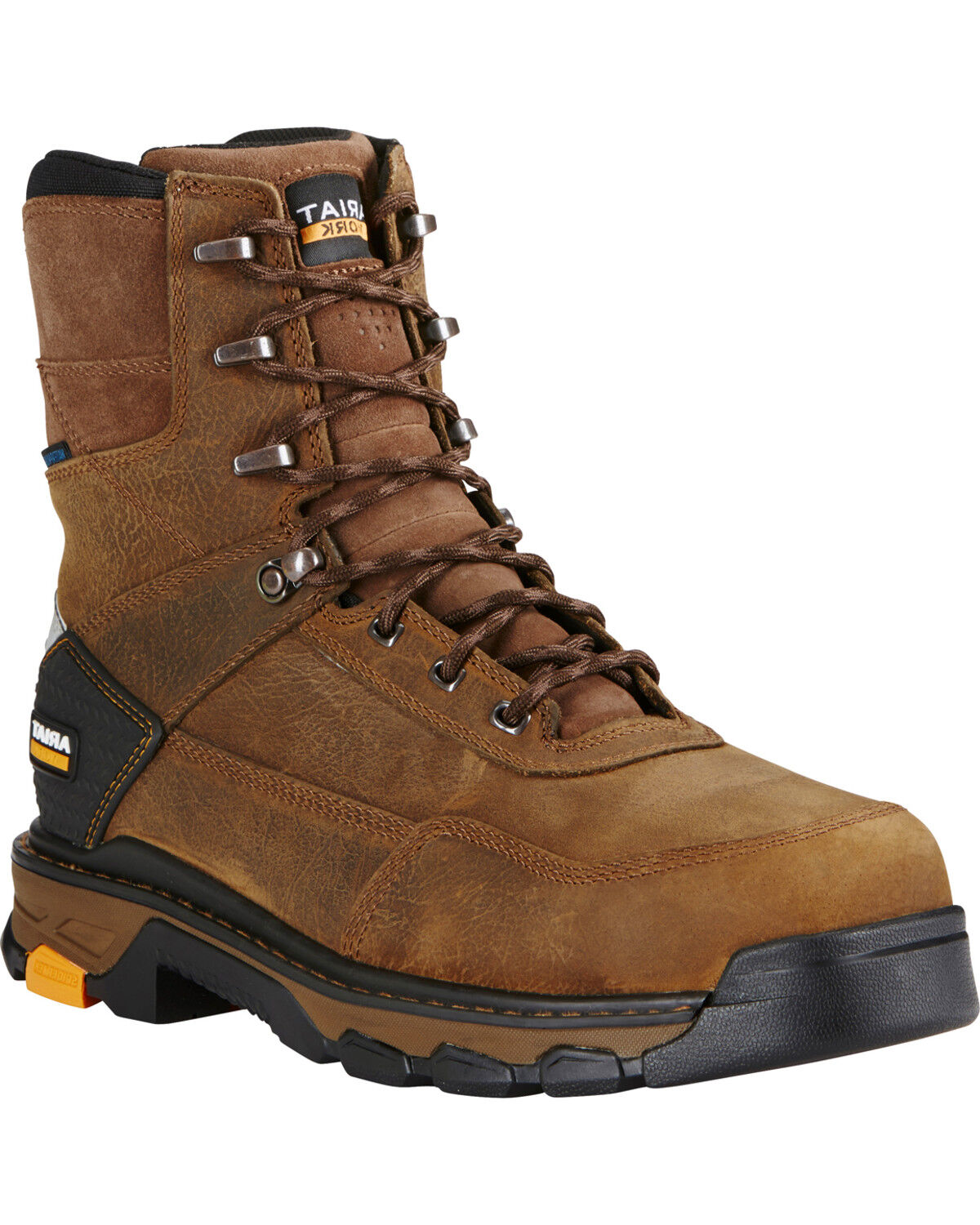
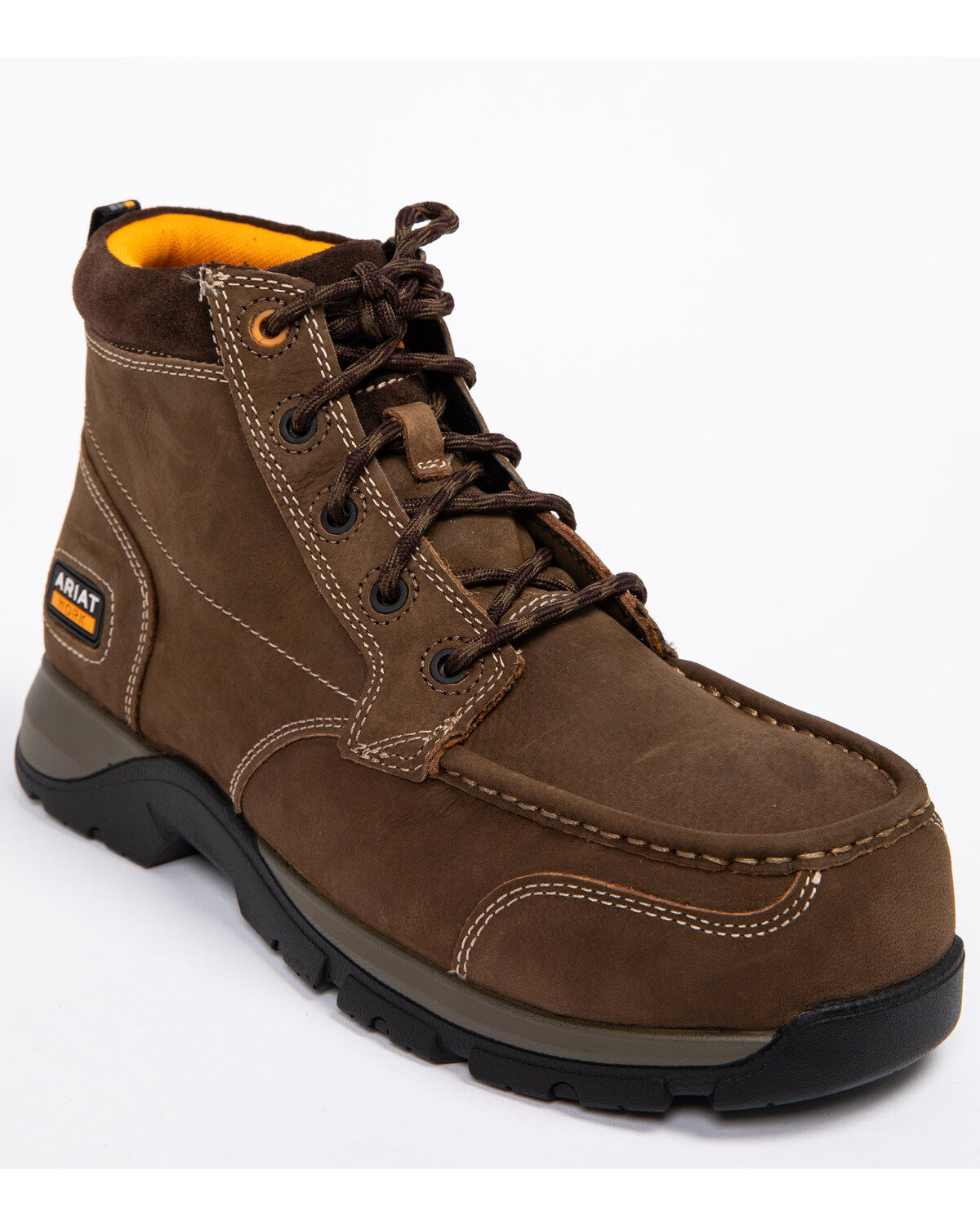
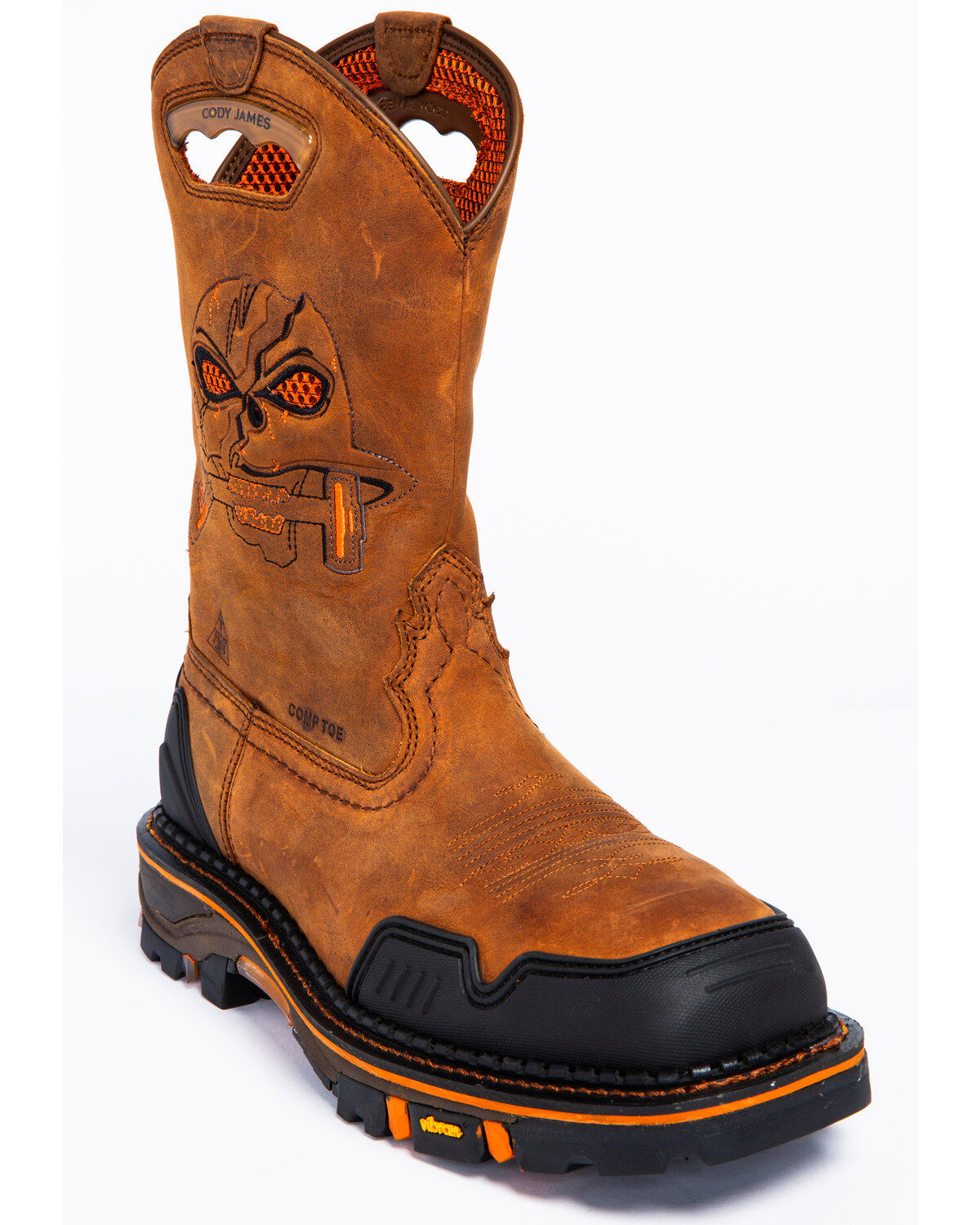
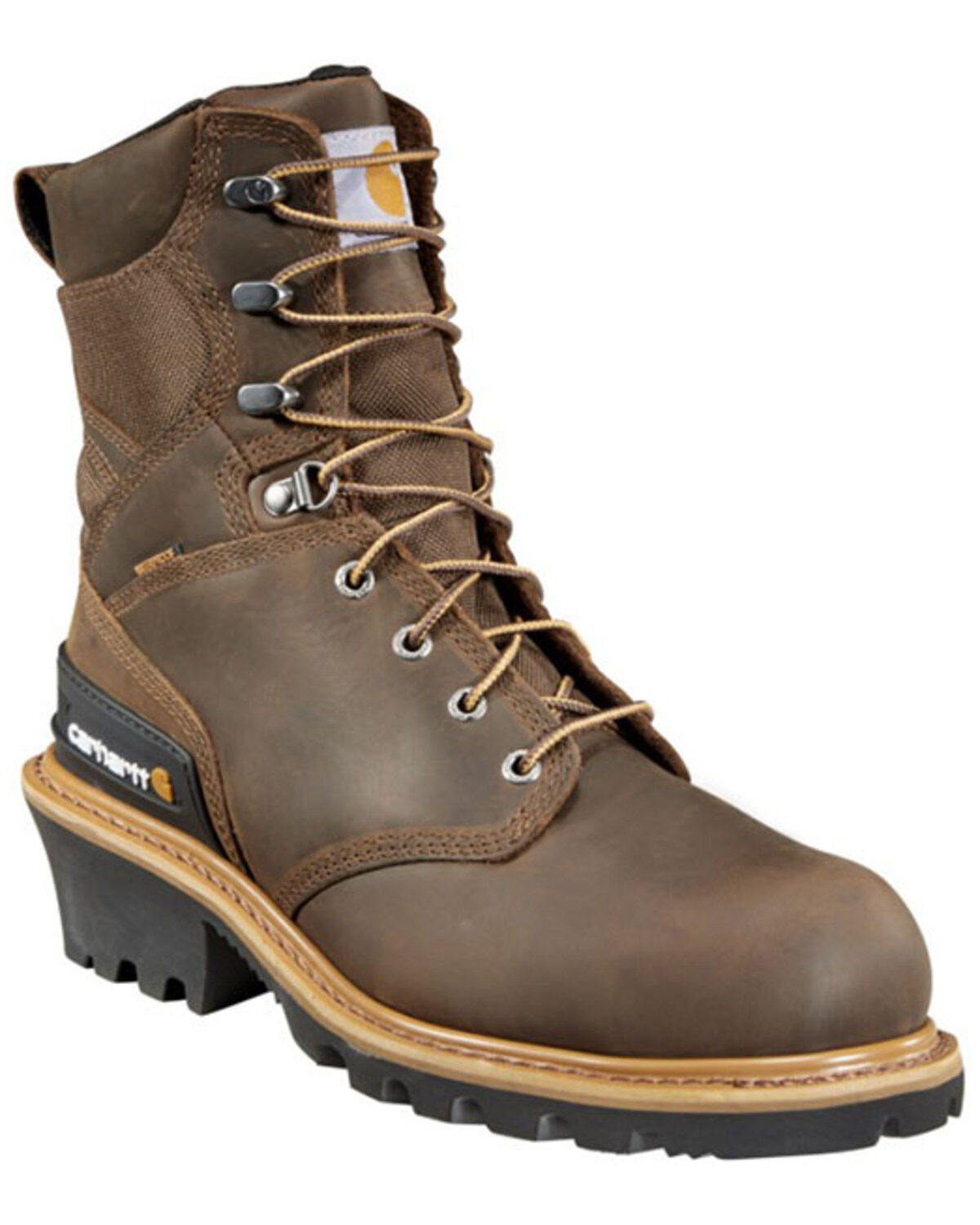
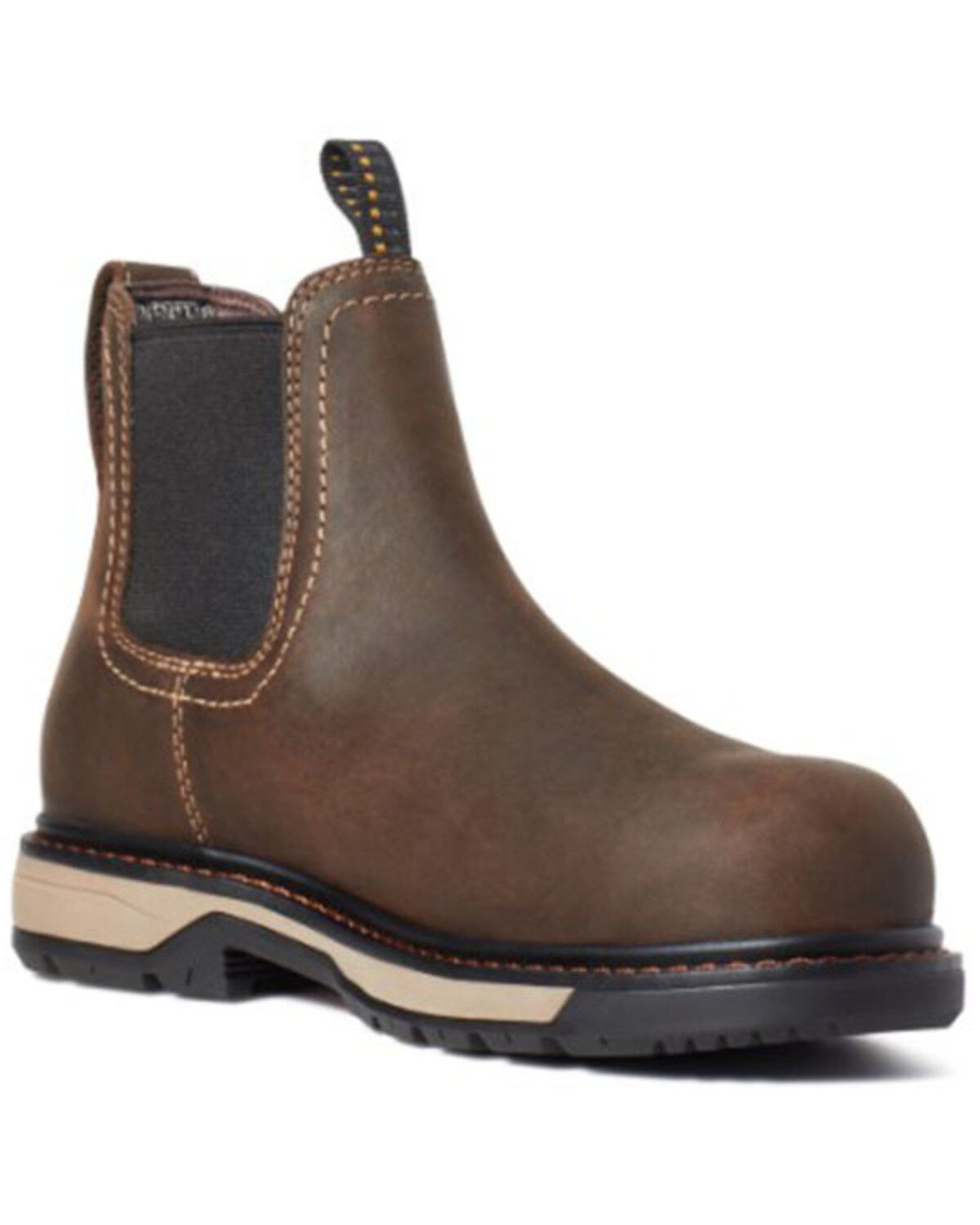
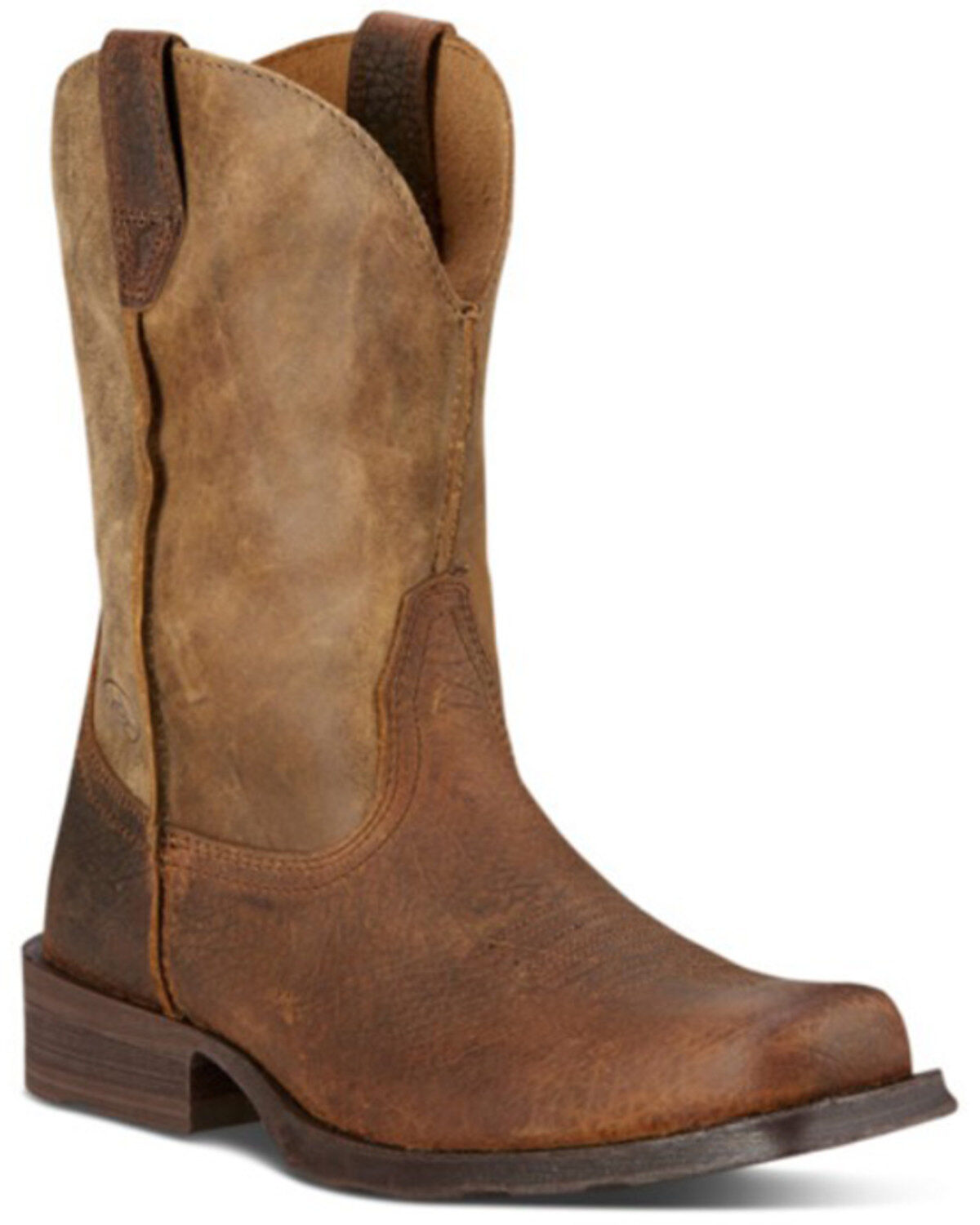
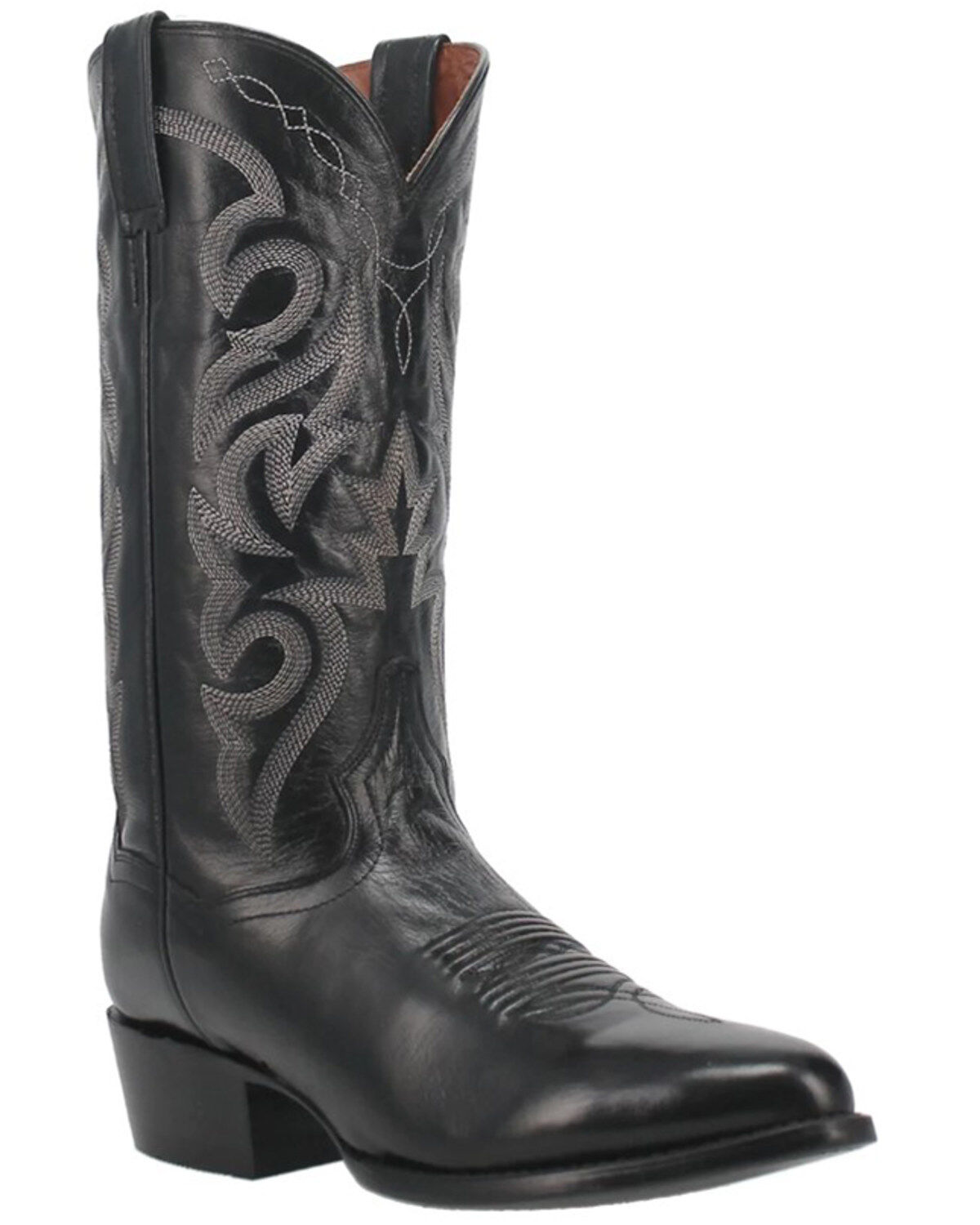
The rest of a composite work boot has as much influence on daily use as the protective cap. Leather uppers provide a sturdy exterior that can soften with wear, while textile panels can reduce weight and add flexibility. Reinforced stitching, protected seams, and abrasion-resistant sections help in areas that repeatedly rub against equipment or rough surfaces. A worker who kneels beside machinery puts different stress on a boot than someone who spends the day walking a warehouse floor. Toe bumpers can help limit scuffing on the upper, but they are separate from the internal safety toe. Underfoot, outsole material and tread shape affect how the boot handles its surroundings. Deeper lugs can suit loose ground, while other tread patterns are designed for contact with smoother work surfaces. Slip-resistant construction can improve traction, but no outsole eliminates slipping on every surface or contaminant. Oil resistance describes the sole’s resistance to deterioration from certain substances; it does not automatically mean better grip on an oily floor. Cushioned footbeds can soften repeated steps, and supportive midsoles or shanks help give the boot structure. Comfort comes from how those components work together, rather than thickness alone. Waterproof construction may be useful where routine tasks involve standing water, washdown areas, or damp ground, while water-resistant leather offers a different level of protection. Lace-up composite boots allow adjustment across the instep and around the ankle. Pull-on work boots offer a simpler shape without laces, though the fit through the heel and instep remains important. Welted construction may allow some boots to be resoled, while other construction methods emphasize flexibility or lower weight; repair options depend on the design. Western profiles can combine work features with familiar stitching and shaft shapes. For another take on that appearance, overlay boots feature layered detailing. Decorative construction remains separate from the safety markings required for work.

A dependable fit leaves room for the toes without allowing the foot to slide around inside the boot. The longest toe should not press against the protective cap, and the sides of the forefoot should not feel pinched. Unlike leather, the toe cap will not stretch to create extra space. Width matters as much as length, especially when the foot spreads under load during a long shift. Work socks, prescribed orthotics, and any intended replacement footbeds affect the space inside the boot, so fit is best assessed with the same setup used on the job. Walking, bending, and kneeling can reveal pressure that is not obvious while standing still. A small amount of initial heel movement can occur in some pull-on boots, but repeated rubbing or substantial slipping can signal a poor fit. Break-in may soften the upper; it should not be expected to fix painful pressure from the safety toe. Care supports comfort and service life. Loose dirt can be brushed away, and cleaning products should suit the upper material and the manufacturer’s instructions. Leather may benefit from appropriate conditioning, while textile panels and waterproof components can require different treatment. Packed tread should be cleared so the outsole can make proper contact with the ground. Boots that become wet inside need time to dry thoroughly in a ventilated space before being worn again. Regular inspection can reveal worn tread, separating soles, damaged stitching, or exposed protective components. A boot that has taken a significant impact or shows structural damage may need replacement even if the toe cap looks intact from the outside. Composite boots can also be a practical gift for someone starting a trade or replacing a worn work pair, provided the recipient’s size, fit preferences, and required safety ratings are known. Whether worn beside a loading dock, at a service bench, or across a jobsite, their value comes from the combination of verified protection, sound construction, and a fit that remains comfortable through the workday.

FAQs