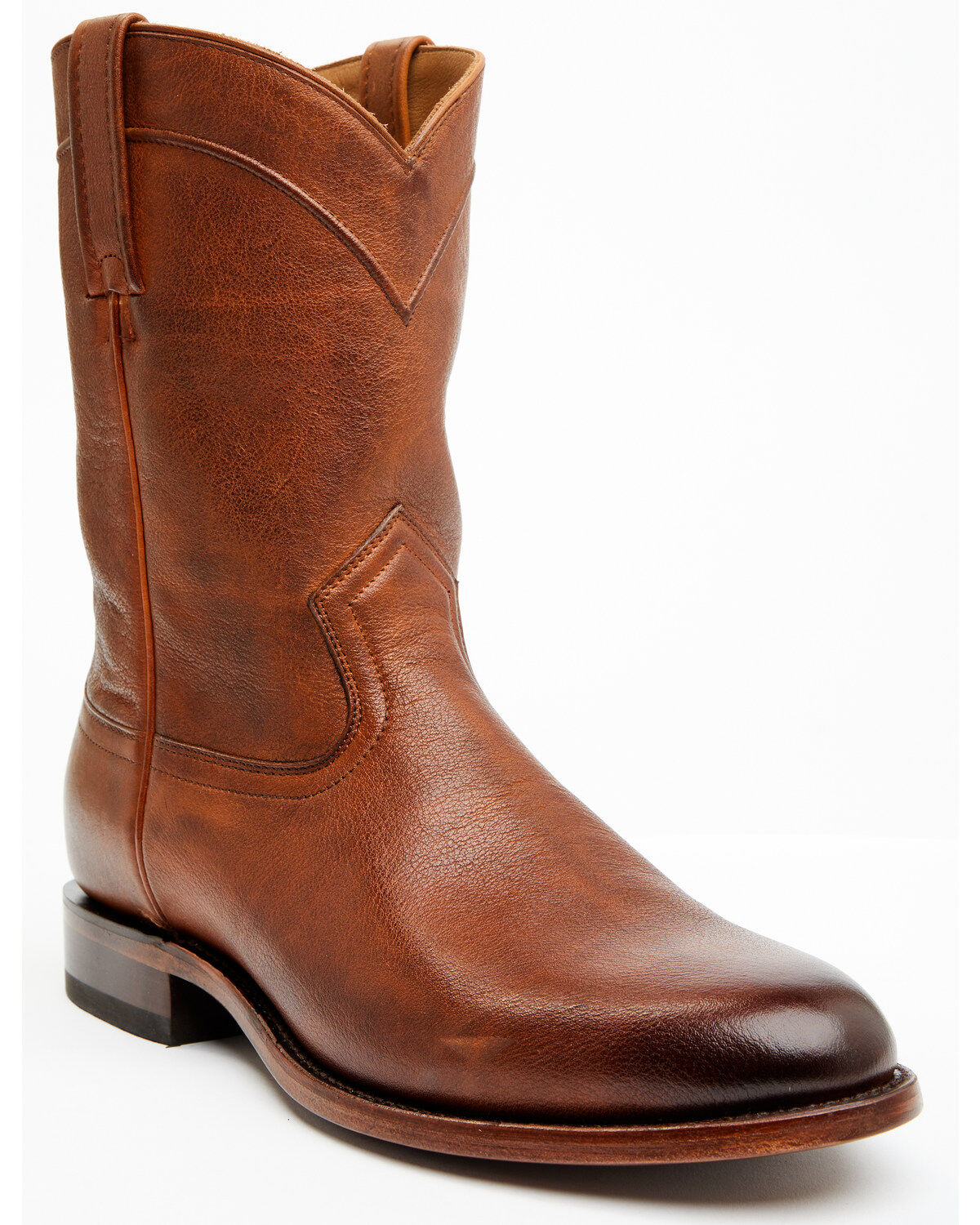
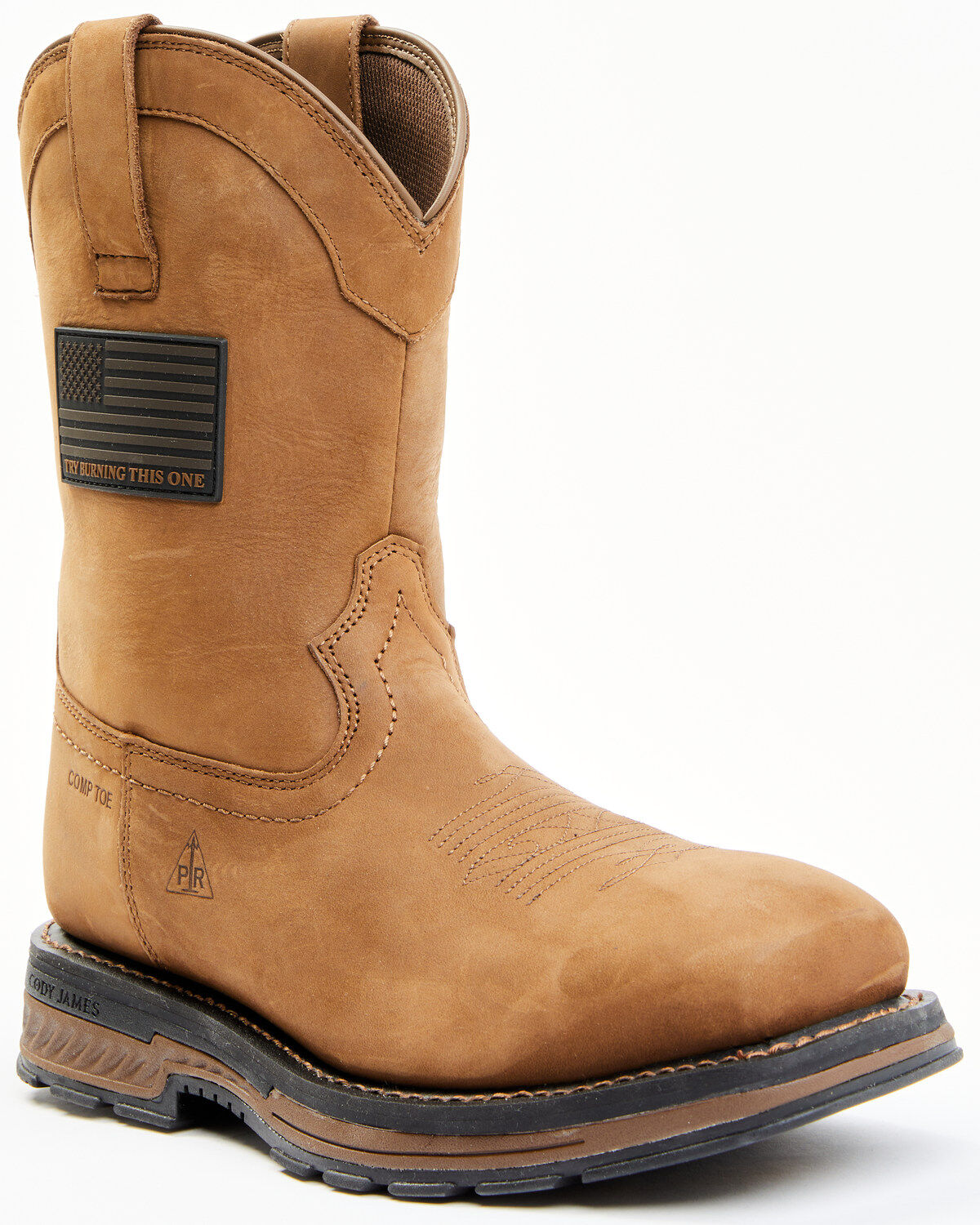
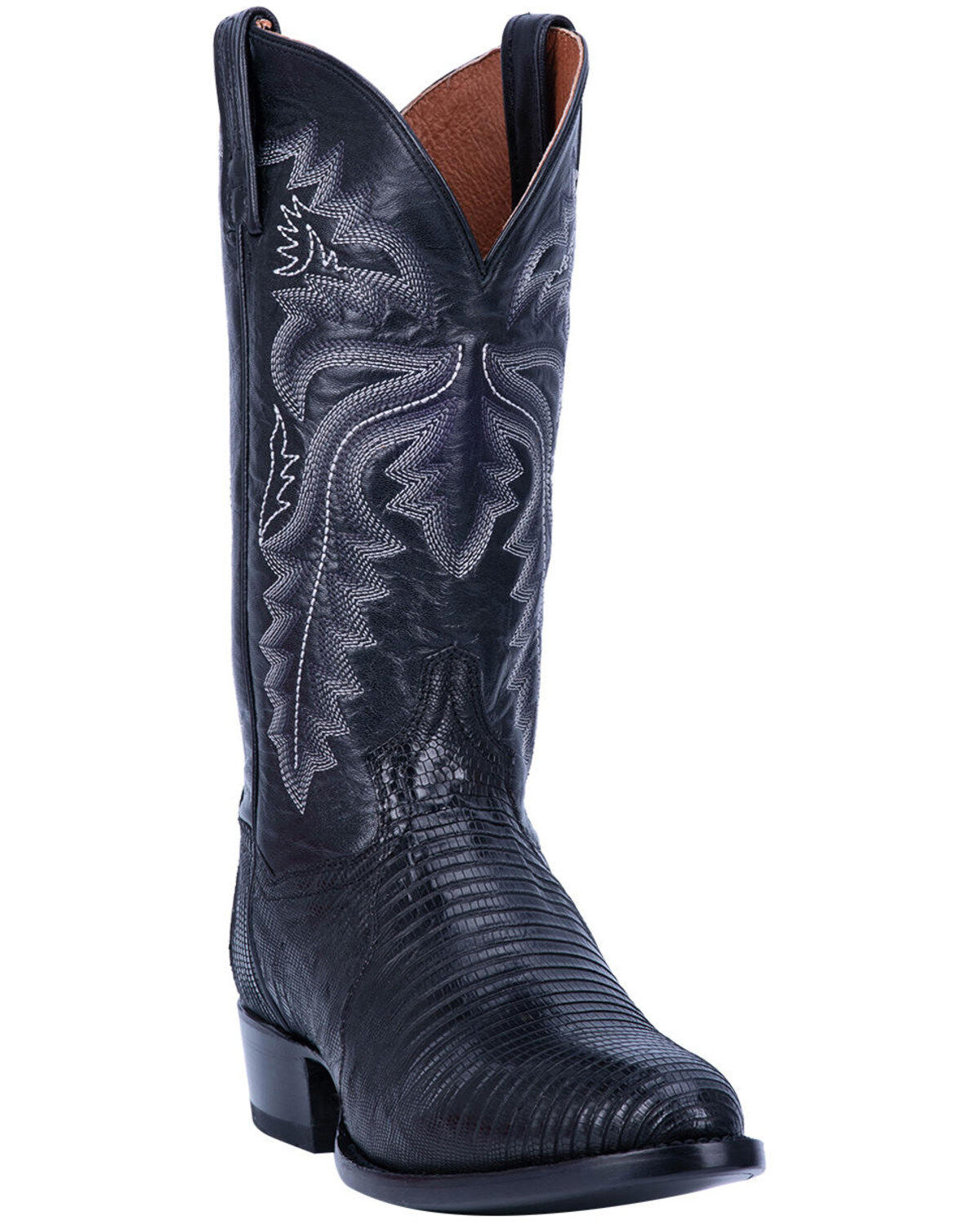
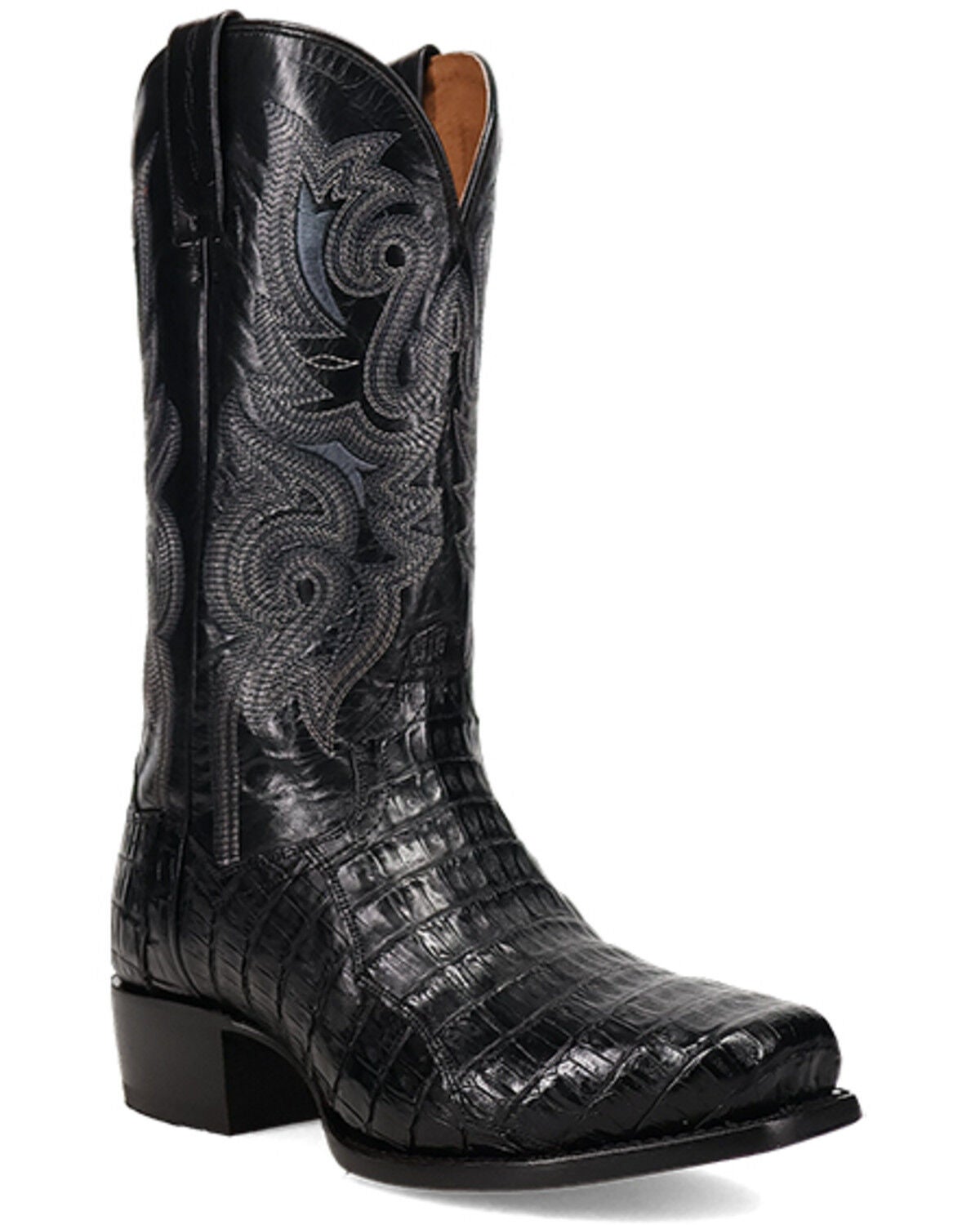
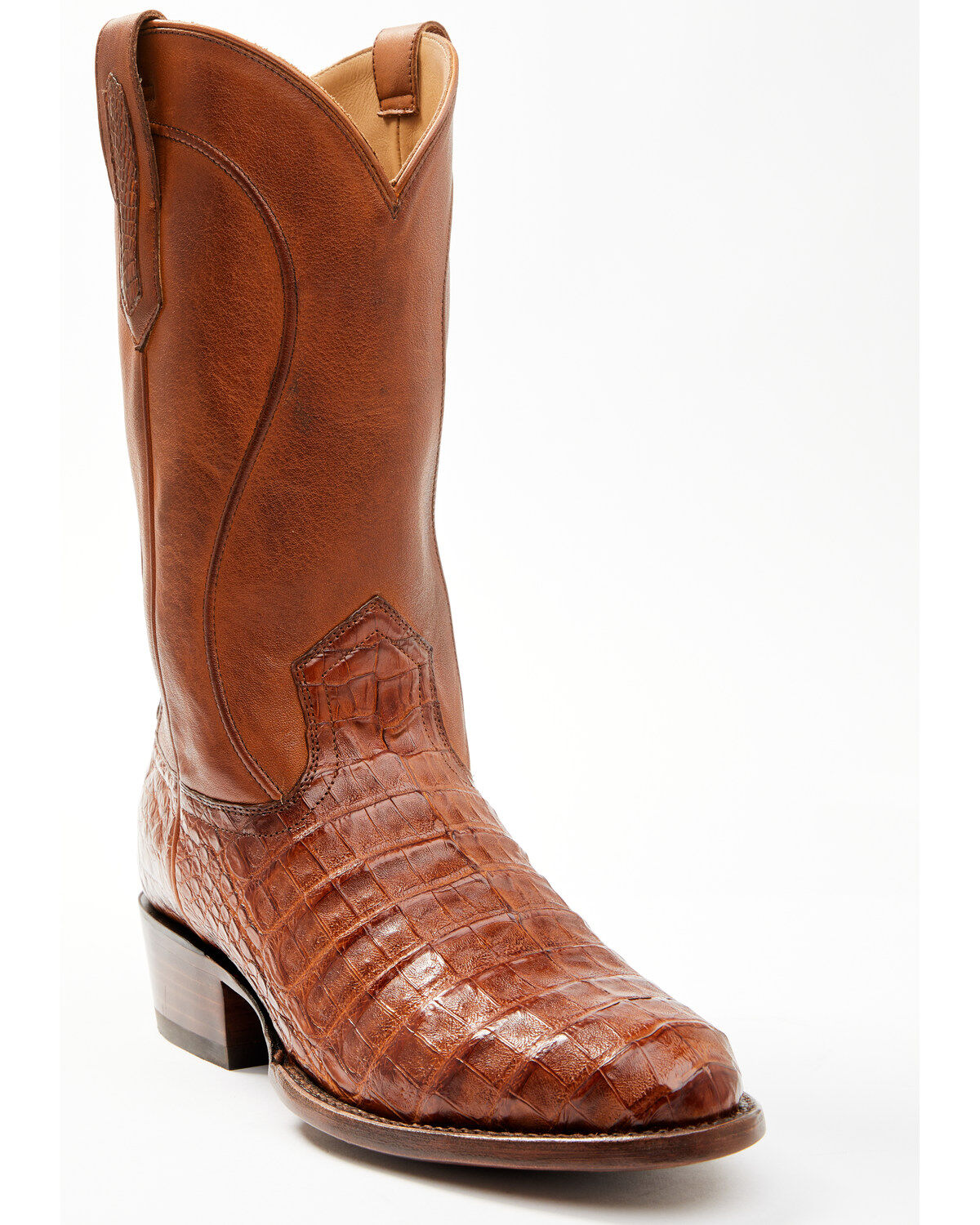
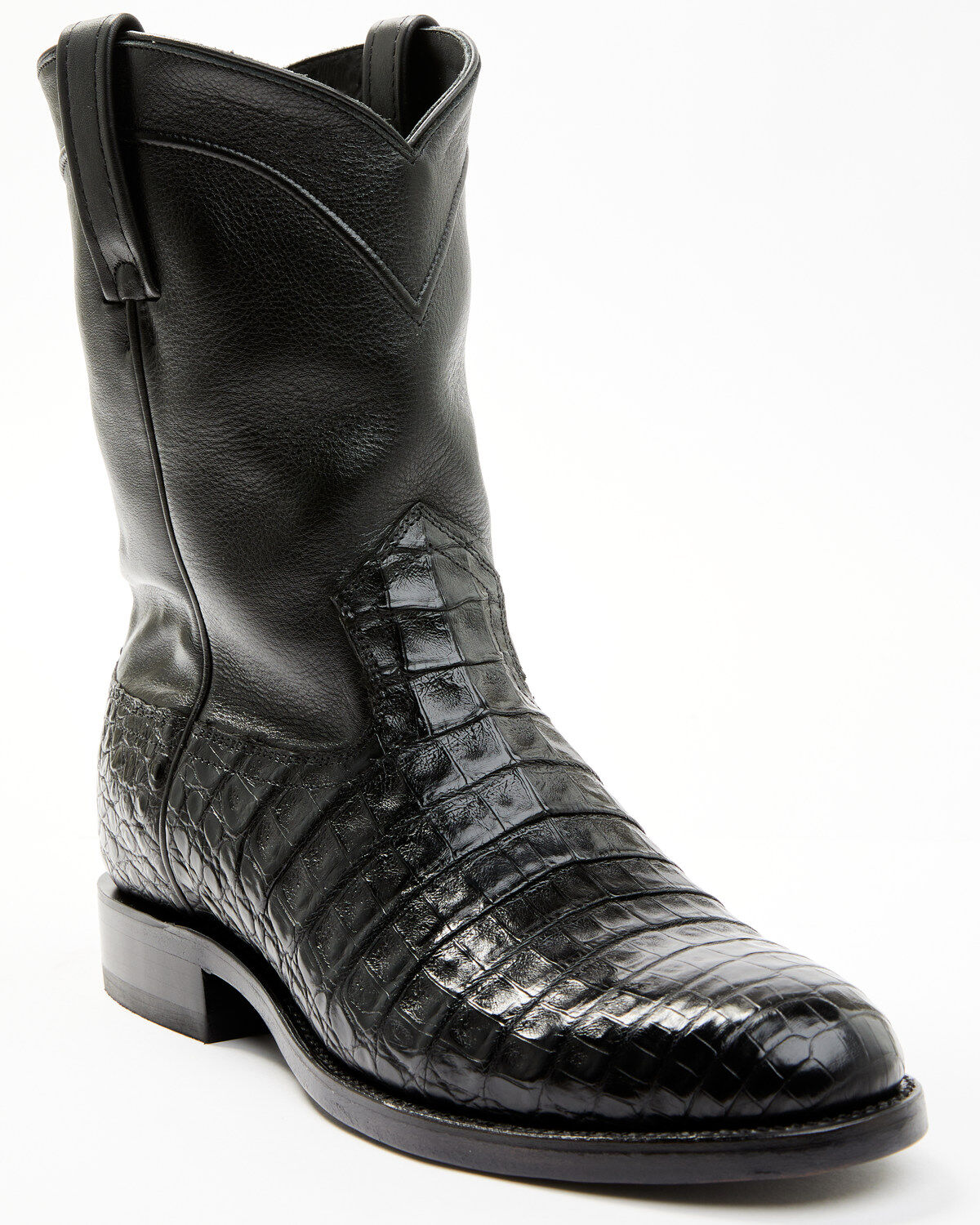
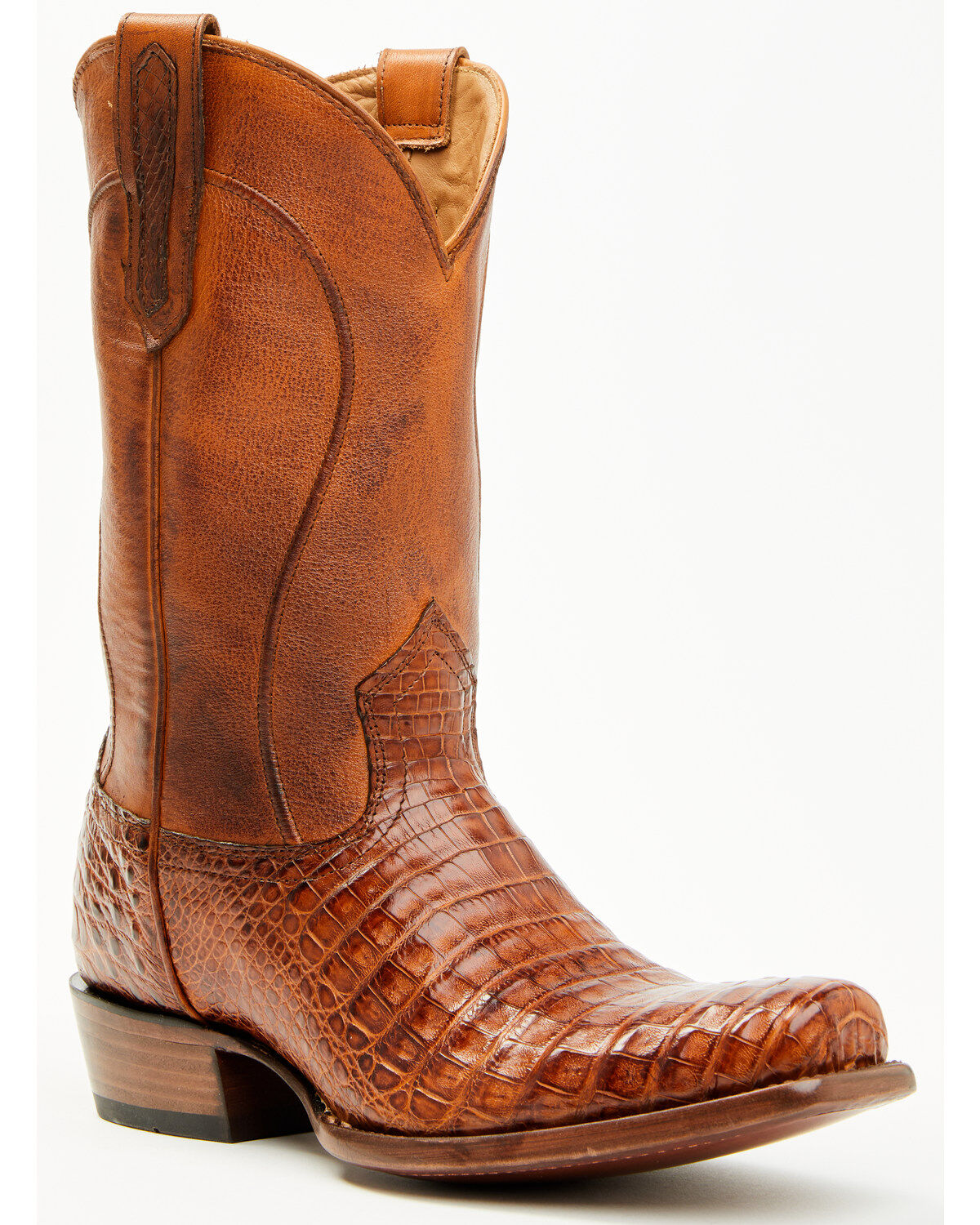
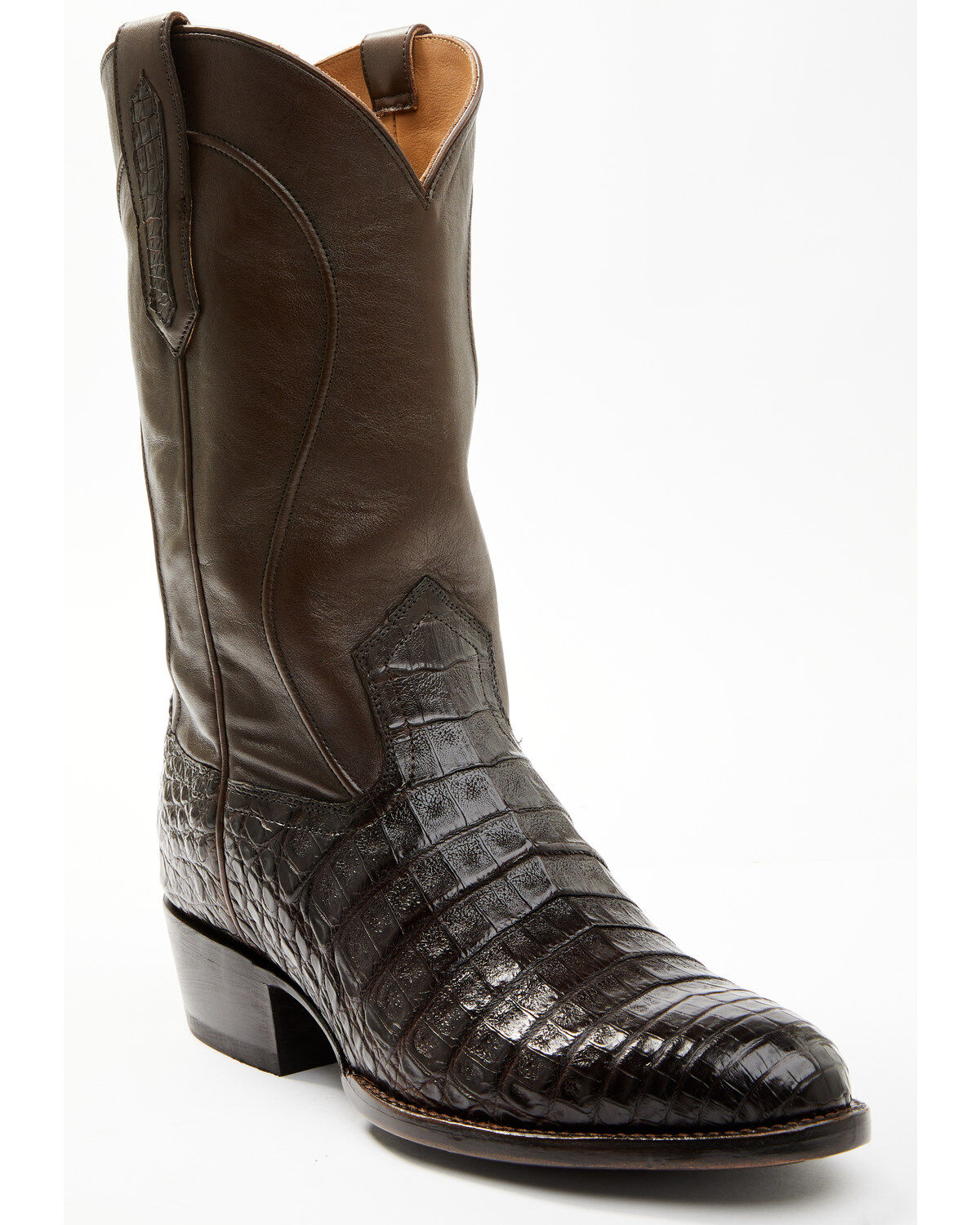
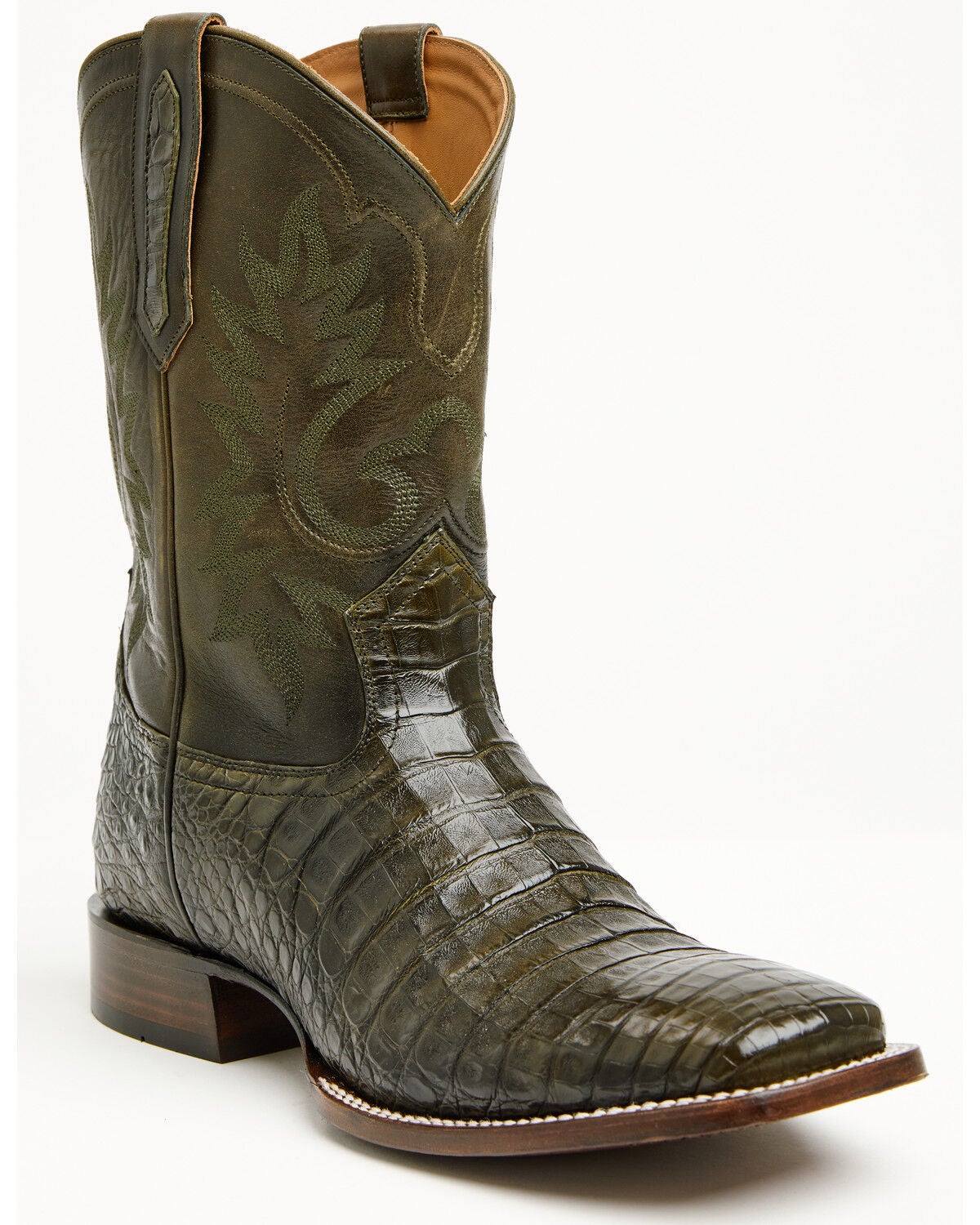
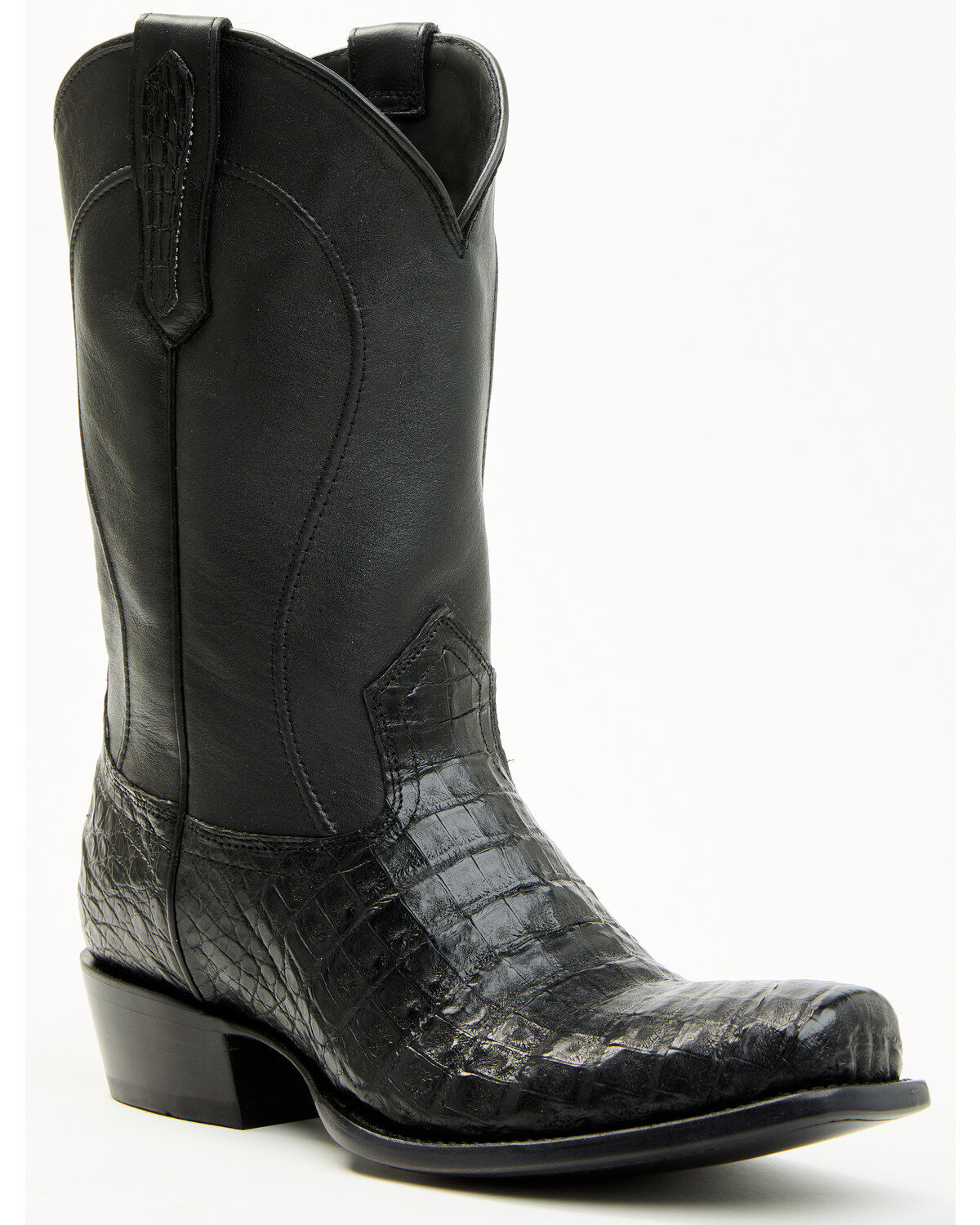
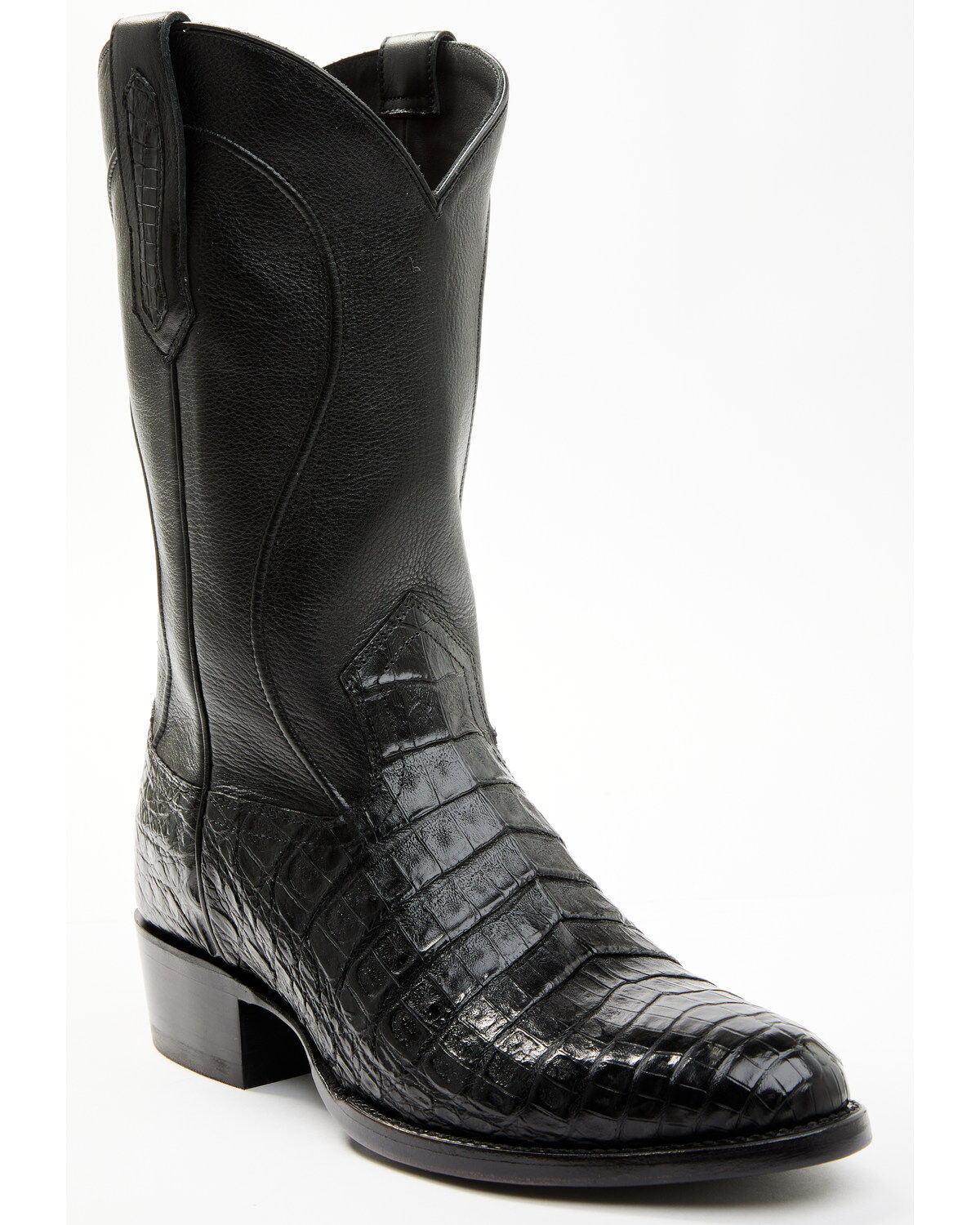
Cody James Black 1978 Exotic Caiman Belly Boots bring a bold statement to any western wardrobe. Crafted for those who appreciate distinctive style and... exceptional quality, these boots offer a striking look that stands out in any setting. Whether you're headed to the ranch or stepping out for a night on the town, Cody James Black 1978 Exotic Caiman Belly Boots are designed to elevate your ensemble with timeless western flair. Explore the unique appeal and sophisticated presence these boots add to your collection.
Read more
Cody James Black 1978 Exotic Caiman Belly Boots
Cody James Black 1978 Exotic Caiman Belly Boots bring a bold statement to any western wardrobe. Crafted for those who appreciate distinctive style and... exceptional quality, these boots offer a striking look that stands out in any setting. Whether you're headed to the ranch or stepping out for a night on the town, Cody James Black 1978 Exotic Caiman Belly Boots are designed to elevate your ensemble with timeless western flair. Explore the unique appeal and sophisticated presence these boots add to your collection.
Caiman belly boots bring a distinct look to western footwear, with the natural scale pattern running across the vamp in a way that makes every pair individual. The pattern is often tighter and more structured than standard leather, giving the boots a polished appearance without relying on loud decoration. These boots are made for someone who notices materials, construction, and proportion. They work with denim and a western shirt for a traditional outfit, but they can also sharpen a simple combination of dark jeans, a plain button-down, and a jacket during the cooler months. Many styles pair the exotic vamp with a smooth leather shaft, which keeps the profile balanced and lets the caiman do the talking. Shaft height, toe shape, heel height, and stitching can vary, so it is worth looking closely at each listing before choosing a pair. A taller shaft offers the familiar western silhouette and stays neatly under most boot-cut jeans, while a lower or more understated design may suit someone who wants an exotic finish without making the boots the center of every outfit. Toe shape also affects the overall feel. A rounded toe has a traditional profile, while a square or broad square toe gives the boot a roomier appearance and may provide more space across the forefoot. A stacked leather heel adds height and structure, and a rubber heel cap can improve traction and help reduce wear when boots are used on hard floors, sidewalks, or packed ground. Leather outsoles have a firm, refined feel and tend to settle with use, though they can be slick on smooth surfaces when new. Walk carefully during the first few outings and allow the sole to pick up some natural texture before wearing the boots for a long day. A proper fit should feel secure at the instep, with the heel lifting slightly as the boot flexes. That initial heel movement is normal; it should decrease as the leather conforms to the foot. Your toes should not press against the front, and the ball of your foot should sit at the widest part of the boot. Because exotic leather can vary in flexibility, do not assume that a familiar size in another boot will fit the same way here. Measure both feet later in the day, when they are at their largest, and compare those measurements with the maker’s sizing information. Socks matter as well. A medium-weight boot sock can change the fit more than expected, especially across the instep and shaft.
Exotic leather boots are often chosen for occasions that call for something more considered than an everyday pair. They suit receptions, dinners, dances, weddings, concerts, and gatherings where a clean western silhouette fits the setting. They can also become reliable wardrobe pieces for someone who attends livestock events, spends time around ranch or farm work away from heavy mud, or simply prefers well-made boots with a stronger point of view. They are a thoughtful gift for a partner, parent, sibling, or friend who already wears western boots and appreciates fine leather. If the boots are a gift, start with the recipient’s actual size, preferred toe shape, and usual sock thickness rather than guessing from a dress shoe size. It also helps to check whether they prefer a traditional heel or a lower walking heel and whether they typically wear a narrow, regular, or broad fit. A gift recipient may enjoy the distinctive caiman pattern, but personal taste still matters. Some people prefer subtle natural color variation, while others look for darker finishes or more visible contrast between the vamp and shaft. Keep the rest of the outfit straightforward. The texture of caiman leather has enough presence on its own, and clean denim, a tucked shirt, and a restrained belt usually create a more confident result than several competing statement pieces. These boots are not typically the first choice for wet job sites, deep mud, snow, or rough daily labor. Water, salt, chemical exposure, and repeated abrasion can damage exotic leather and shorten the life of the finish. If your main need is a pair built around jobsite durability, safety features, or long hours on concrete, explore Cody James Work Boots instead. For occasional outdoor wear, keep caiman boots on clean, stable ground and give them time to dry naturally if they become damp. Never place them beside a heater or use a heat gun. Rapid drying can pull moisture from the leather, causing stiffness, cracking, or changes in shape.
Care begins before the first wear. Brush away dust with a soft horsehair brush, paying attention to the seams and the edge of the sole, then apply only a conditioner approved for exotic leather. Standard boot oils and heavy waxes can darken the leather, fill the scale pattern, or leave the surface dull. Test any product on a hidden area first and follow the care instructions supplied with the boots. Caiman belly has a raised texture, so aggressive brushing can catch the edges of the scales. Use light strokes that follow the pattern instead of scrubbing across it. After wearing the boots, wipe away surface dust with a clean, dry cloth and let them rest before the next outing. Cedar boot trees can help absorb moisture and hold the shape of the vamp, particularly when the boots are worn several days in a row. Avoid storing them in a damp closet, a sealed plastic container, or a place where direct sunlight can fade the finish. Rotate them with another pair when possible. That simple habit gives the lining and leather time to air out and helps preserve the shape. Over time, the vamp may develop a deeper tone and a softer hand, while small variations in color and scale remain part of the character of natural leather. Inspect the heel cap, outsole, pull straps, and stitching from time to time. Replacing a worn heel cap early is usually simpler than waiting until the heel is uneven. A skilled boot repair professional can also assess the outsole and construction before a small issue becomes a larger one. With a sound fit, sensible use, and measured care, caiman belly western boots can move from special-occasion footwear to a dependable part of a well-built wardrobe.

 $259.99
 $259.99
 $138.97
 $229.99
 $169.95