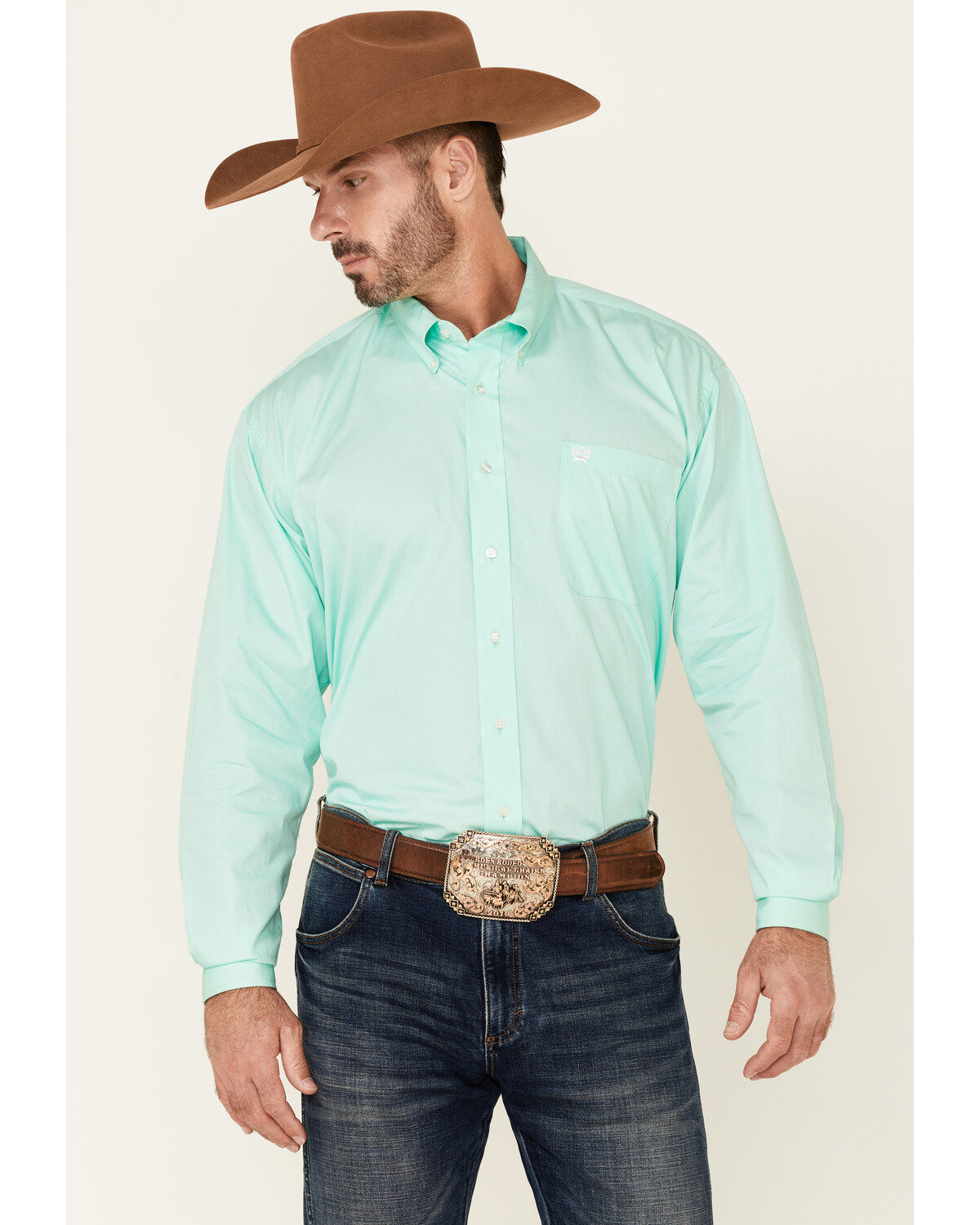
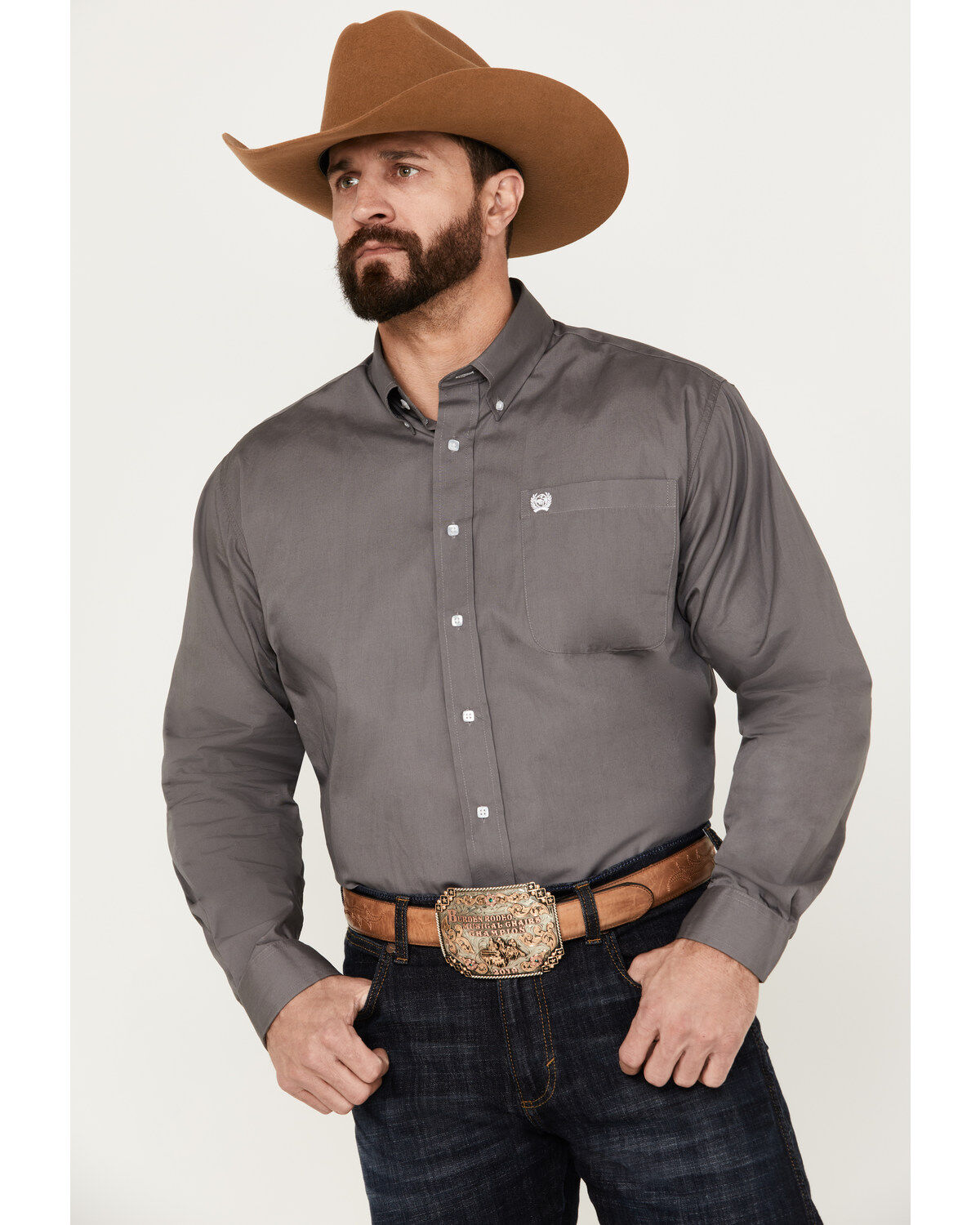
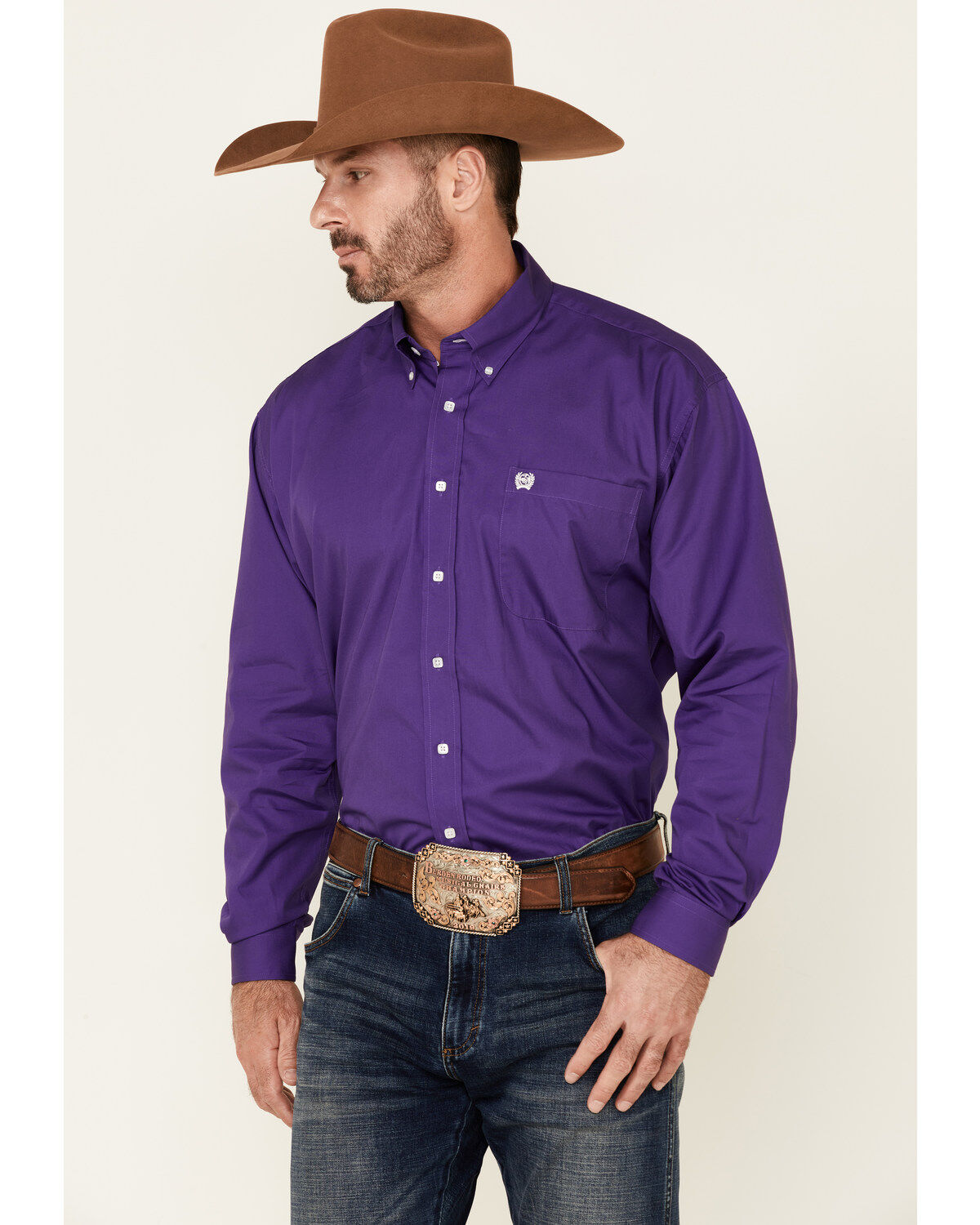
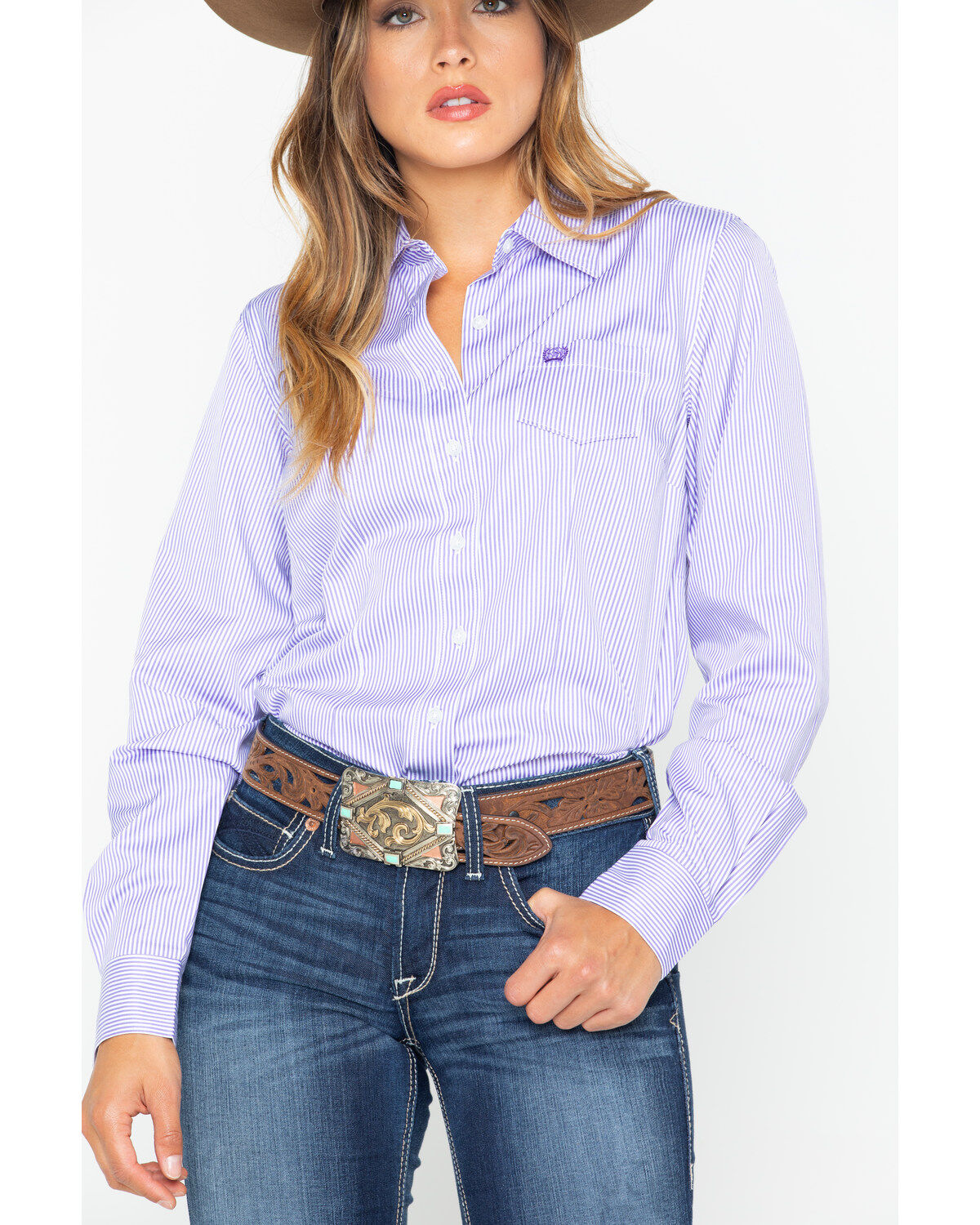
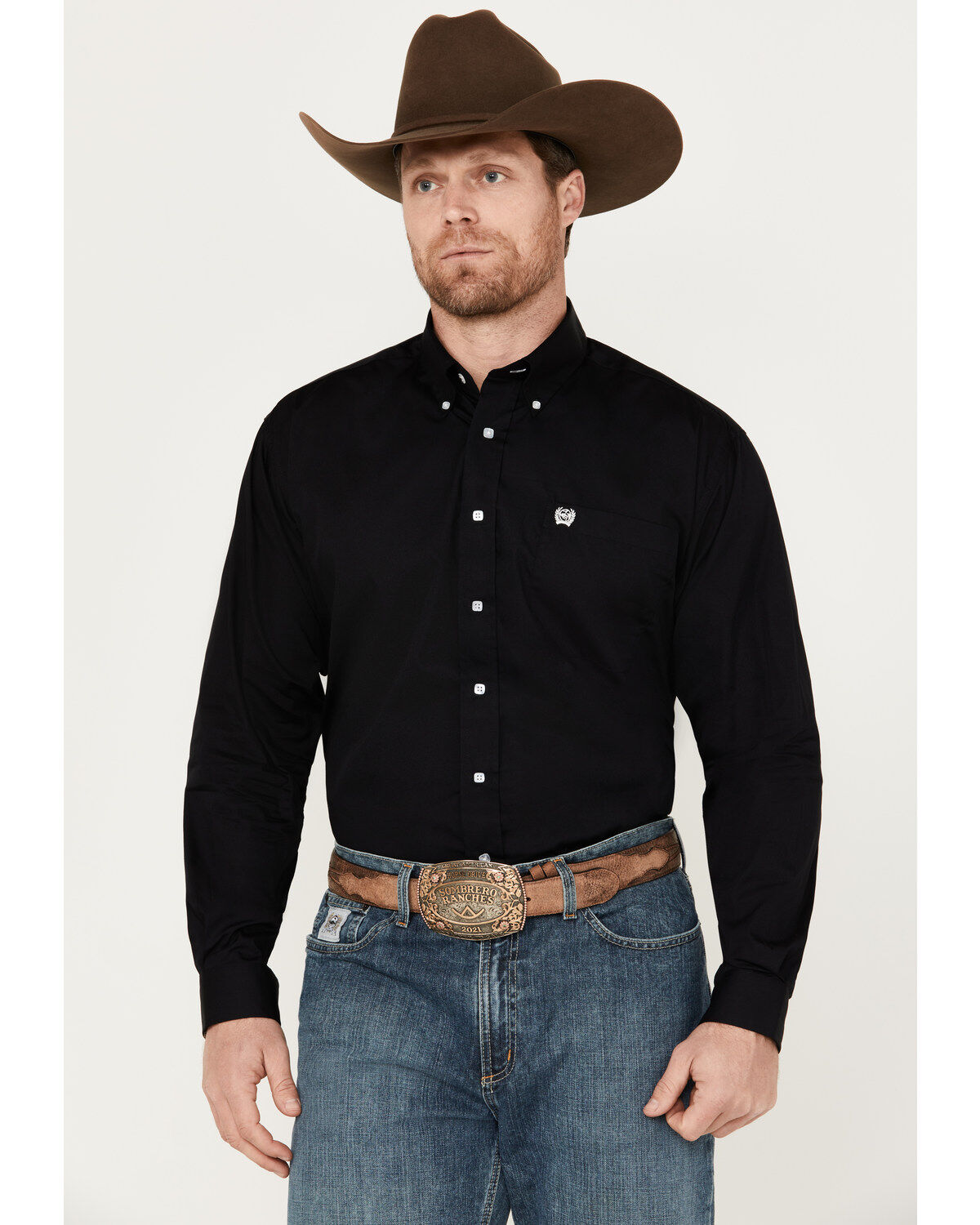
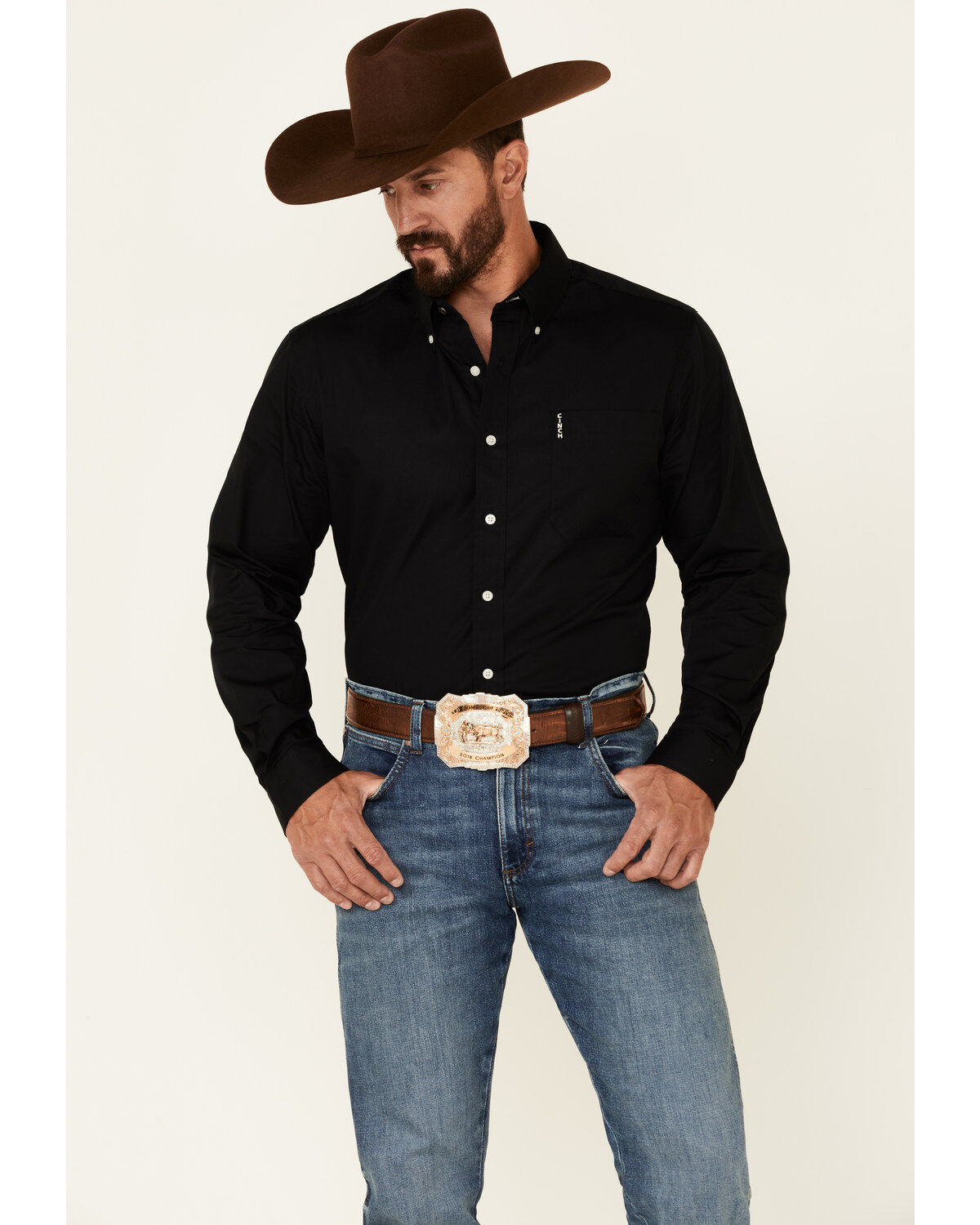
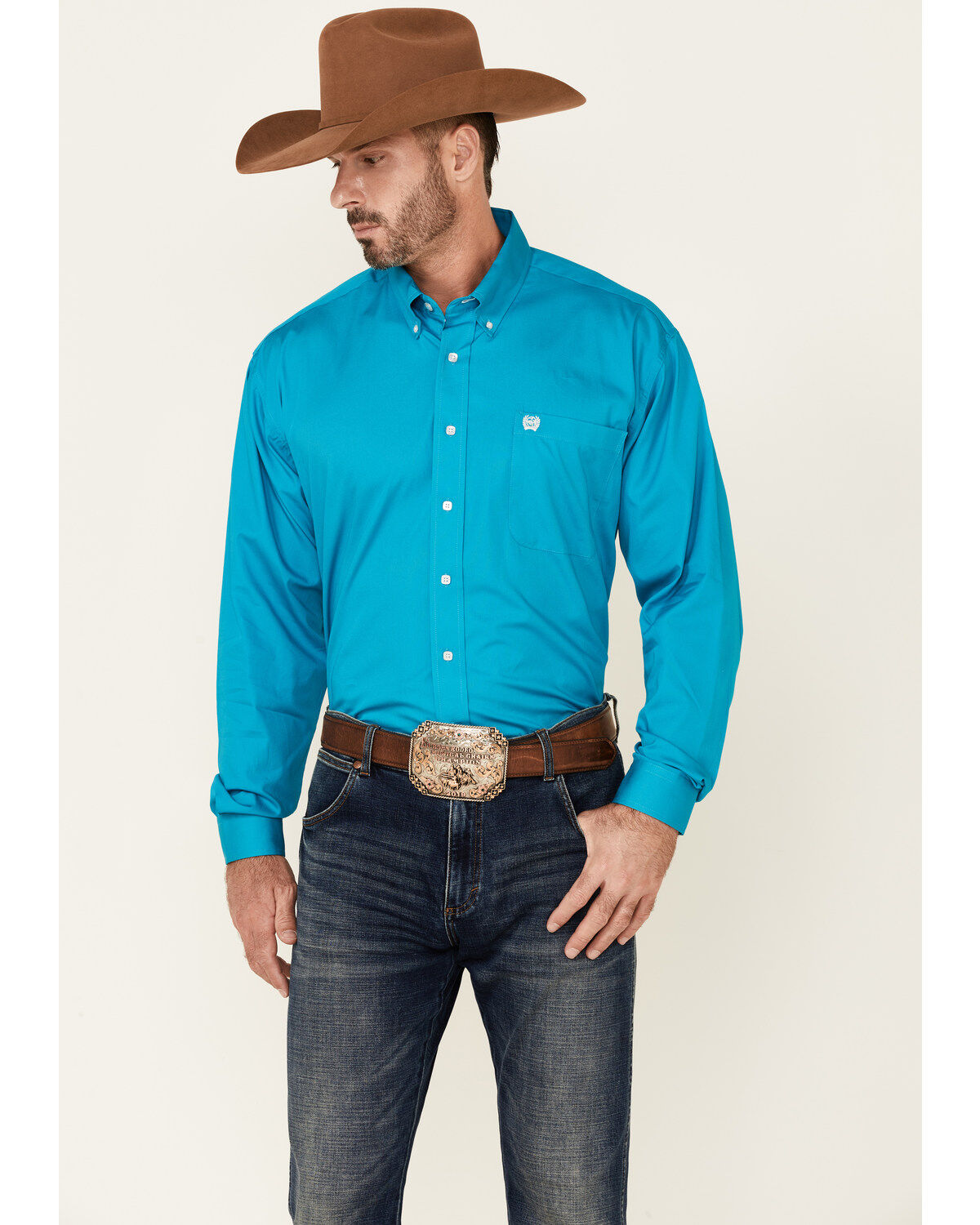
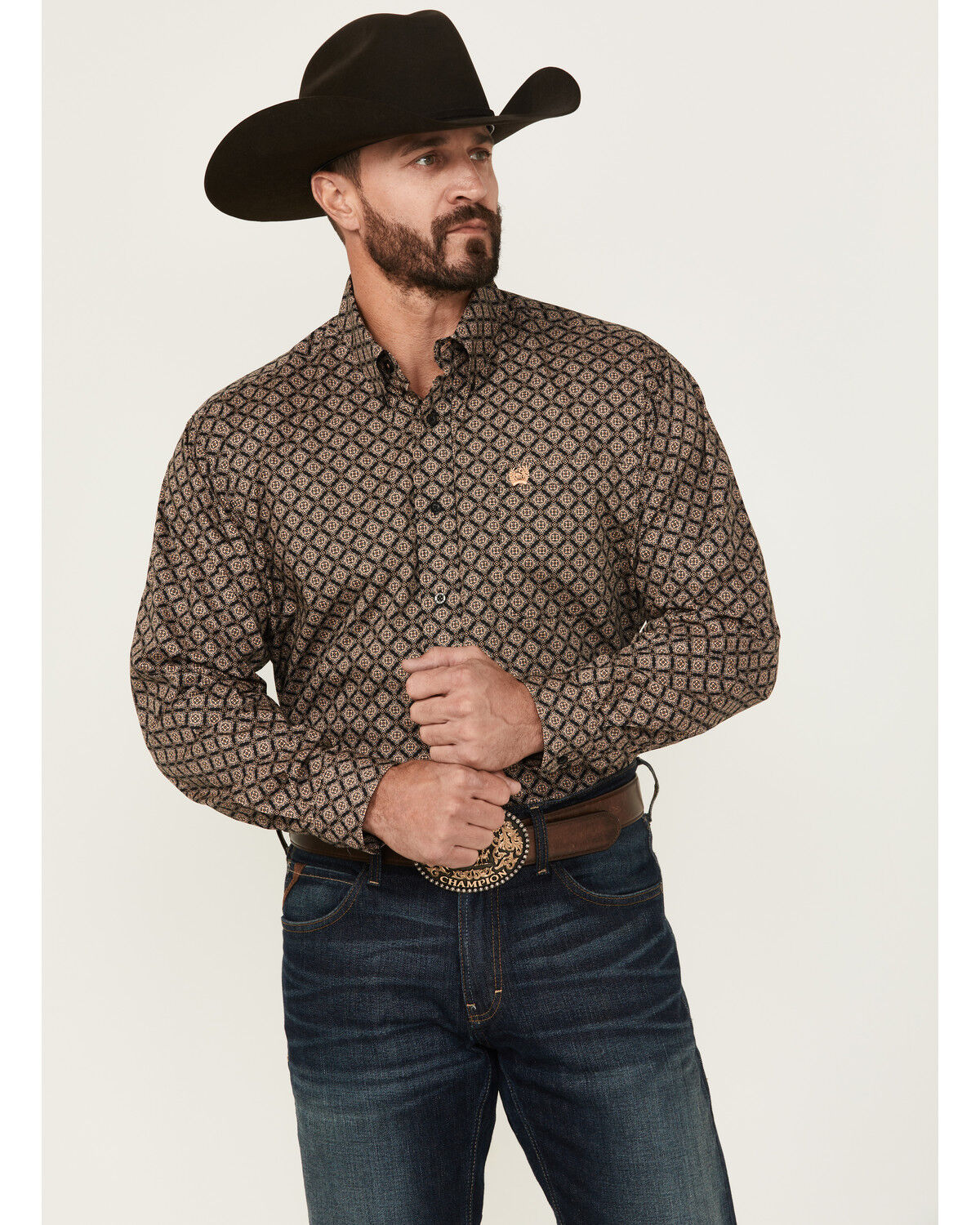
Cinch Shirts

Shop Cinch shirts for western style that pairs naturally with jeans and boots. Browse the available styles for work or everyday wear, and check each shirt’s fit, sizing, and care details to find the right option for your routine.

Shop Your Store: Shop Your Store: Find a Store

(Turn off Shop Your Store to see all items)

(Turn off Shop Your Store to see all items)

close
  • Recommended
  • Lowest Price
  • Highest Price
Skip pass products

End of products

Cinch Shirts

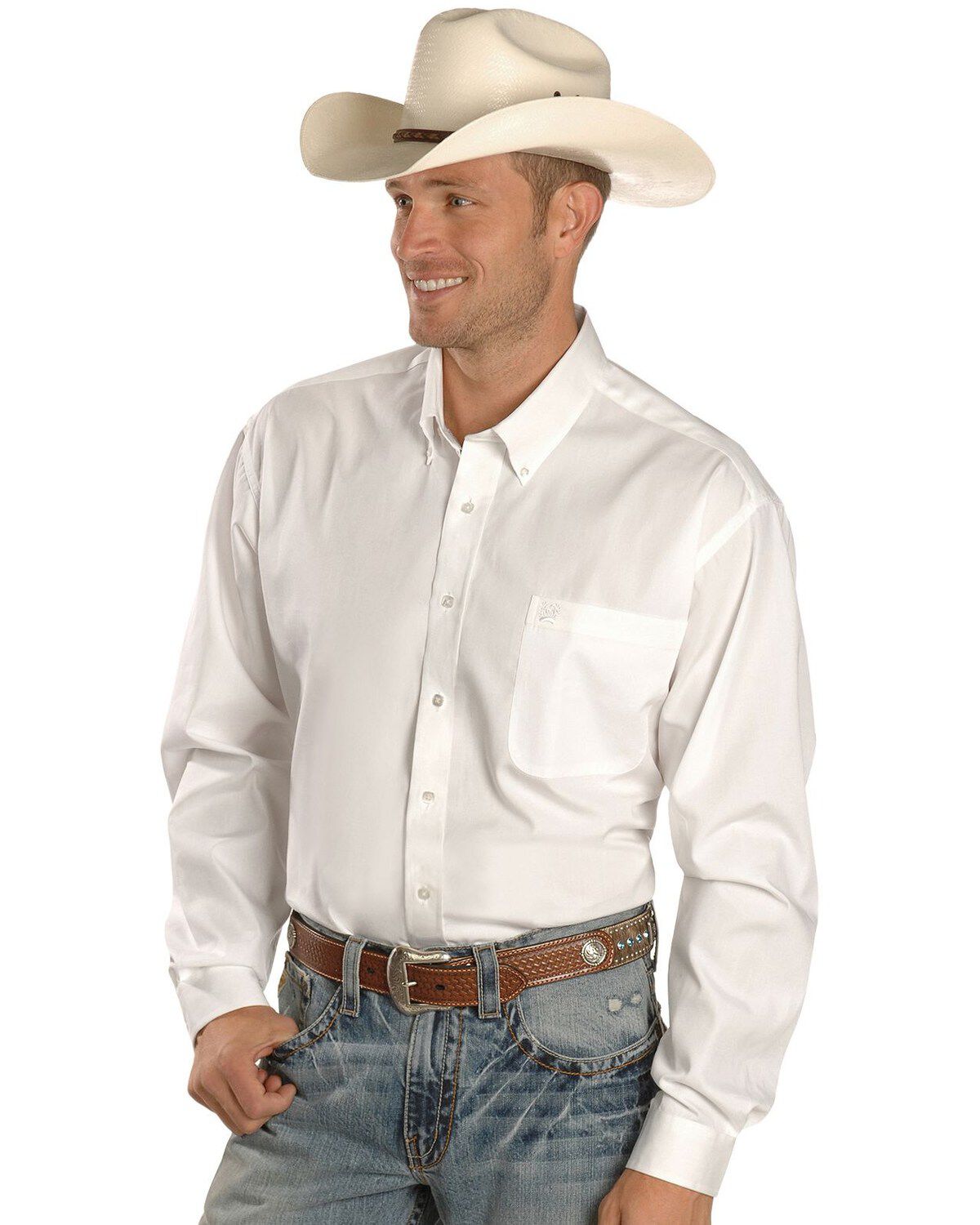
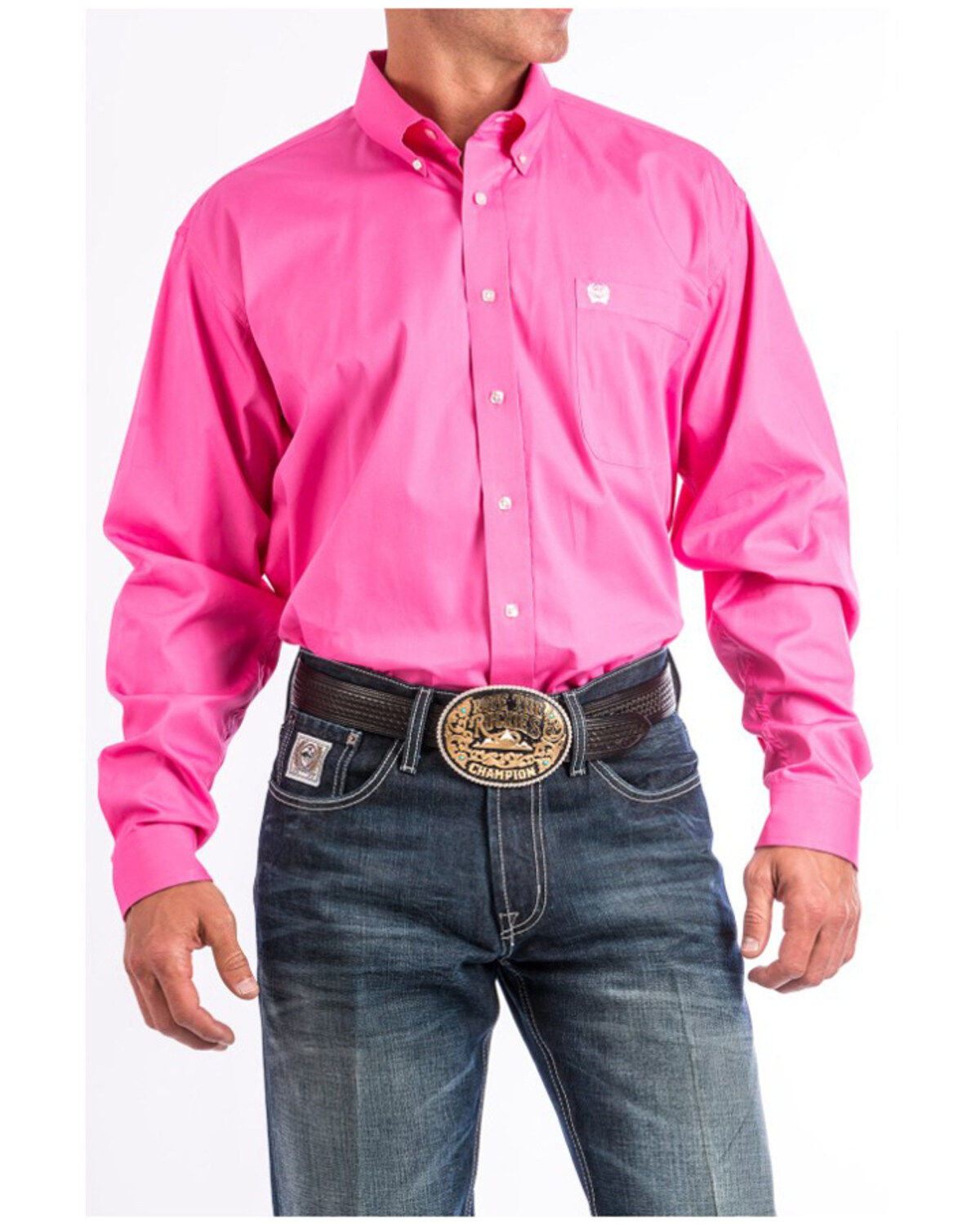
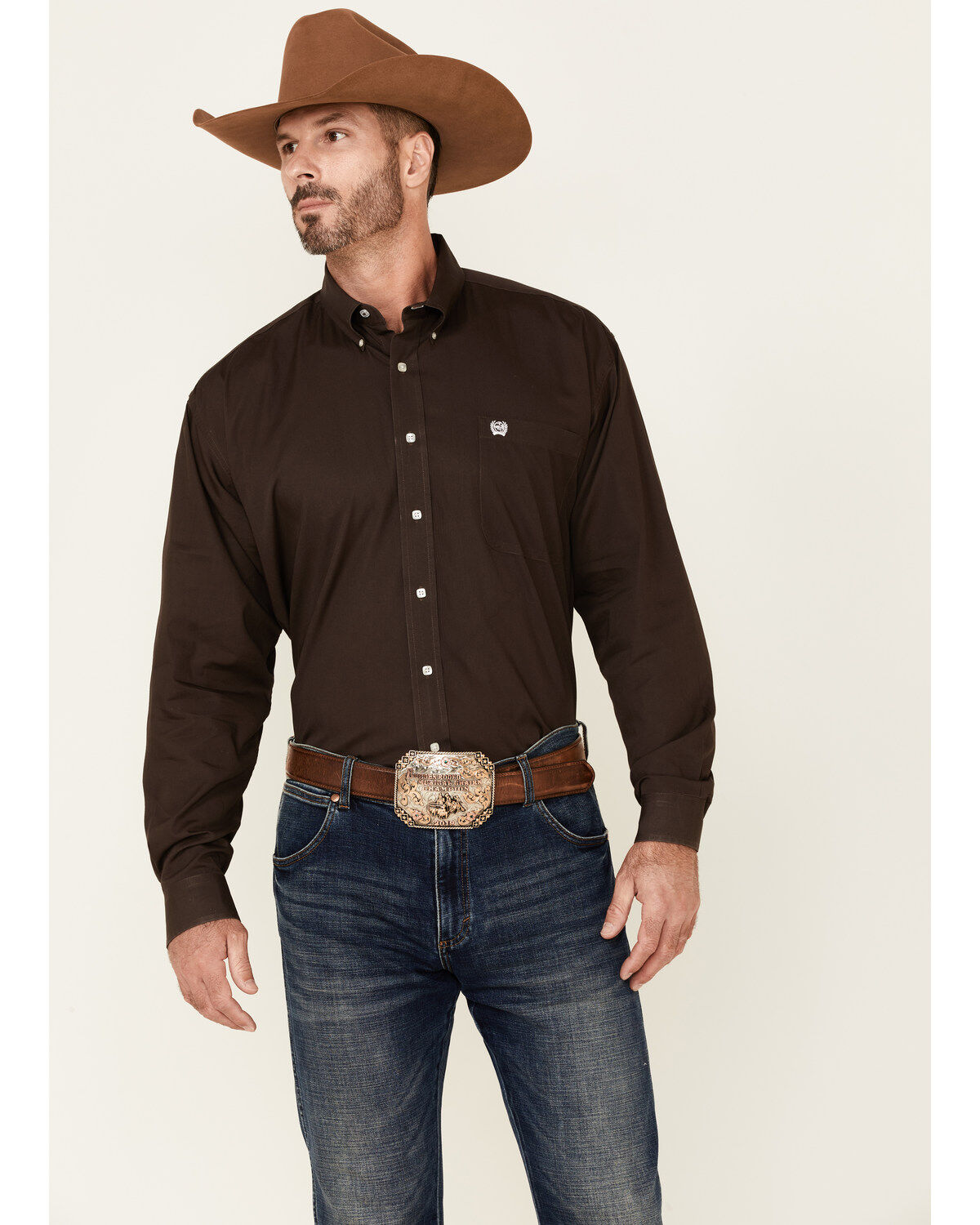
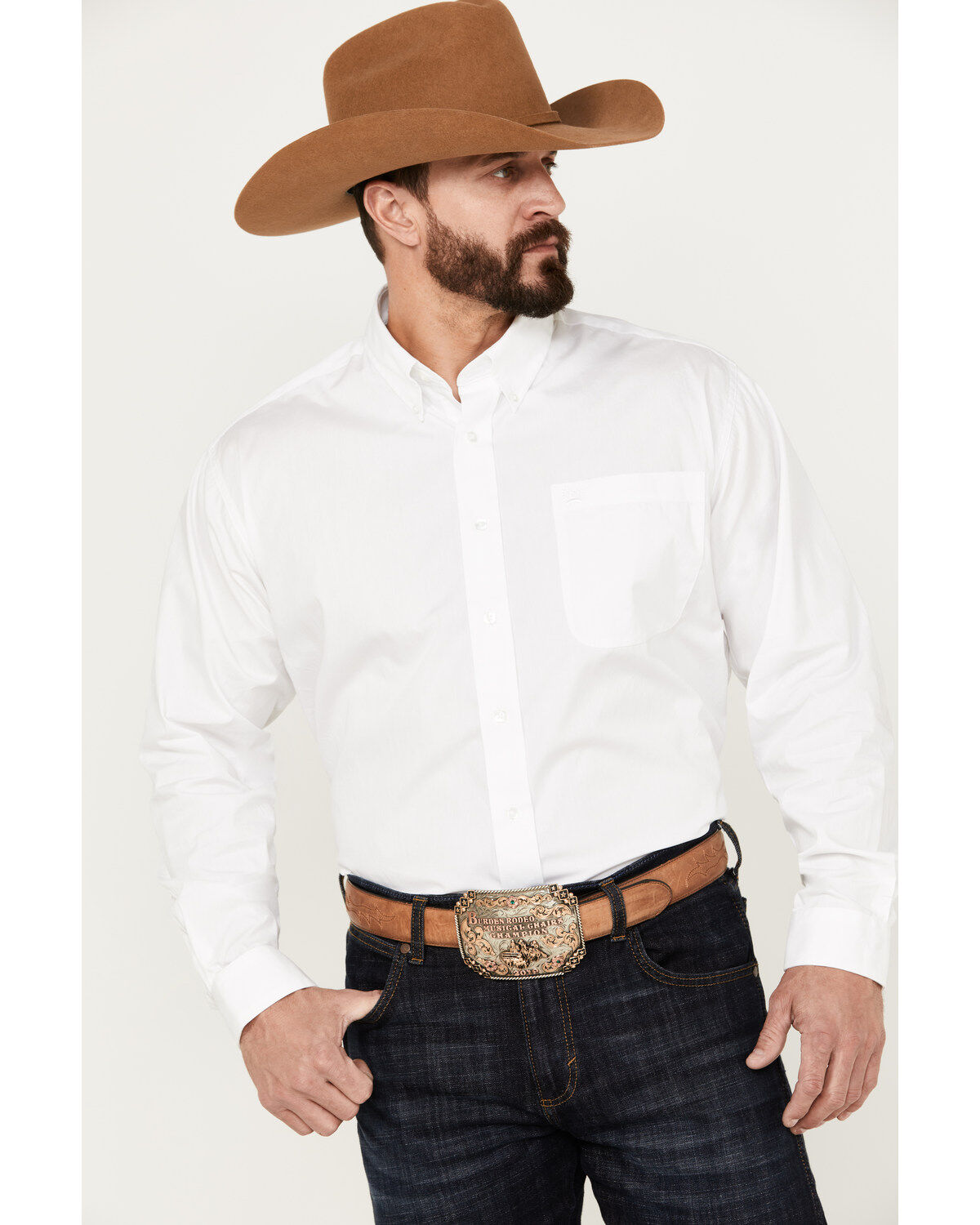
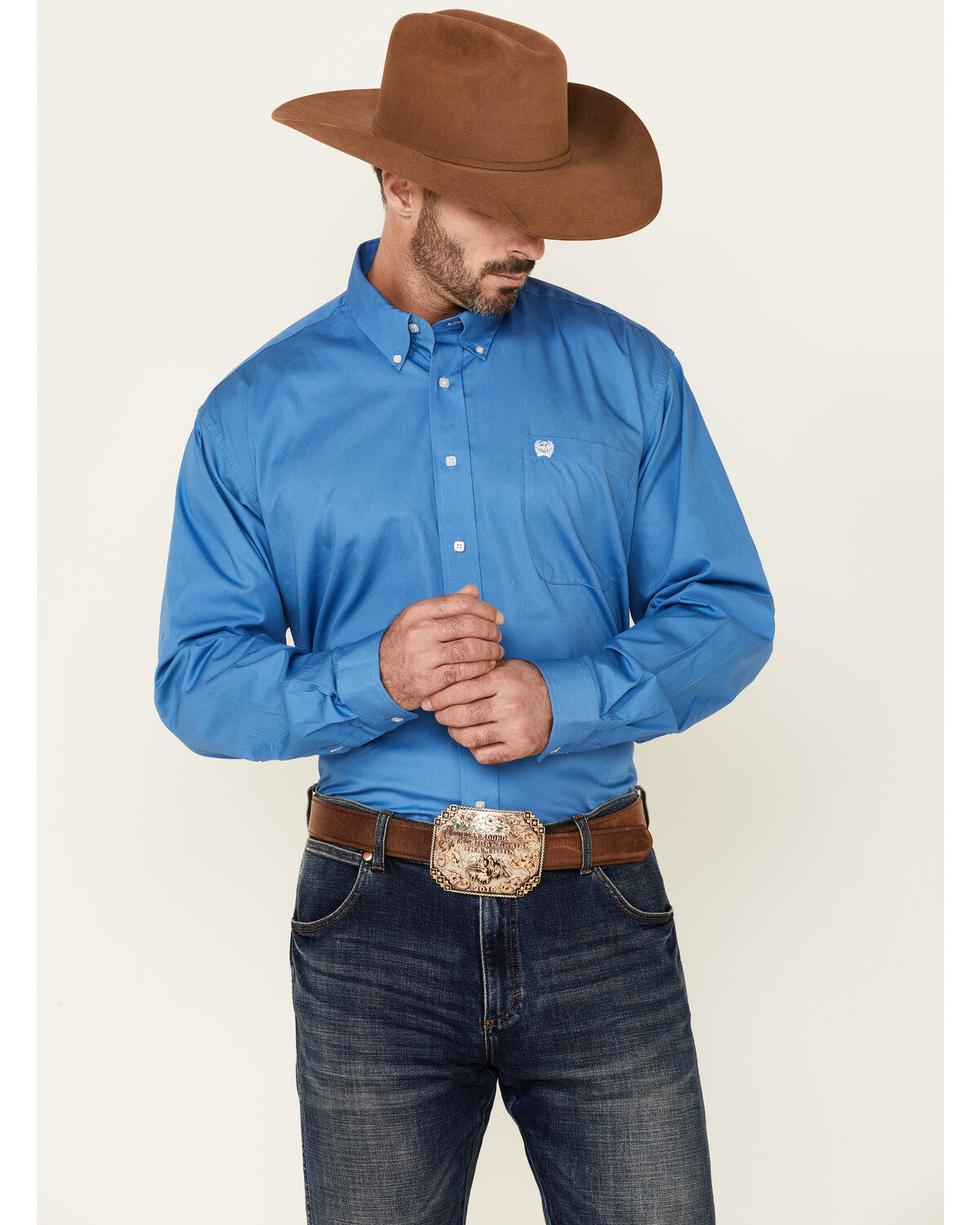
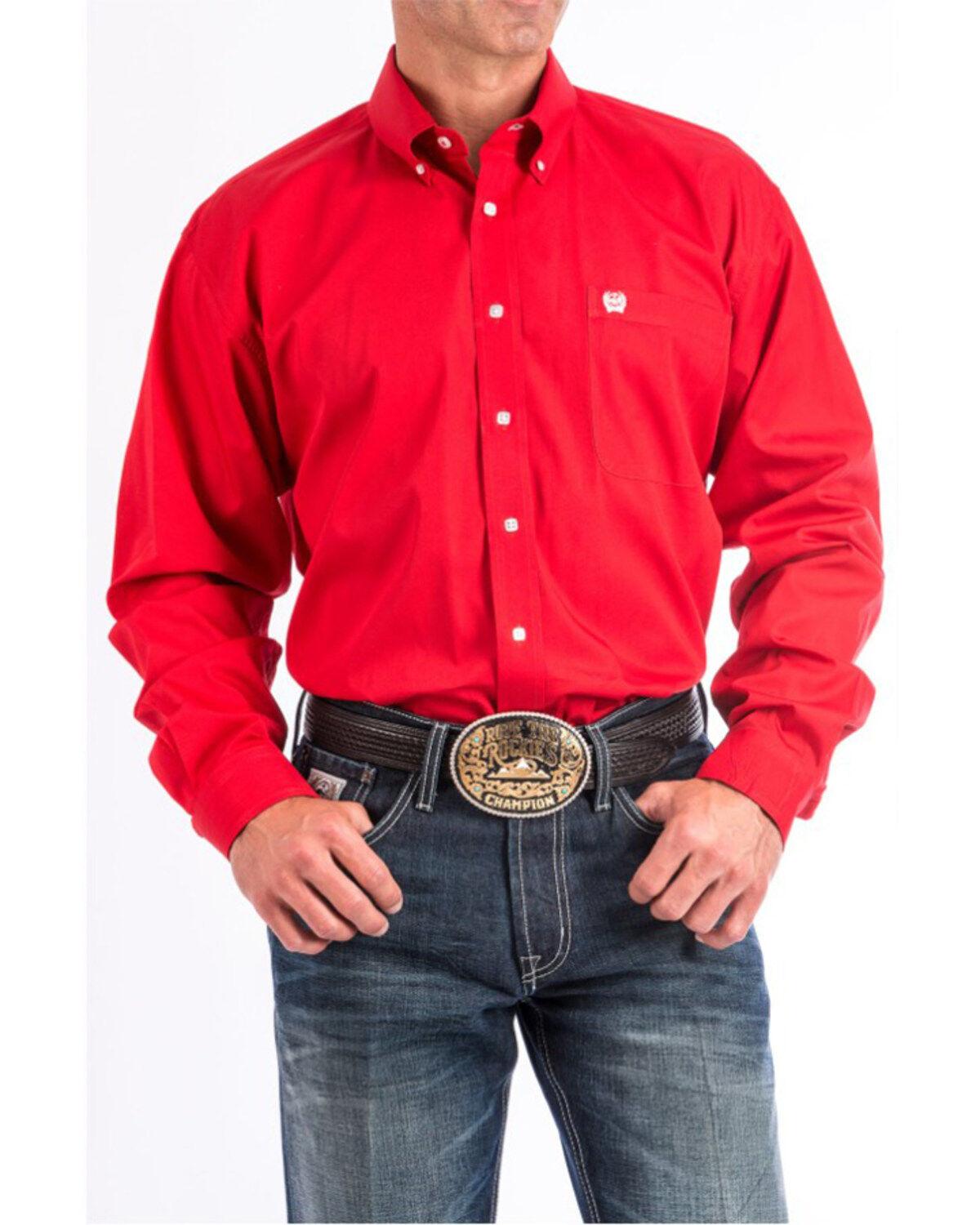
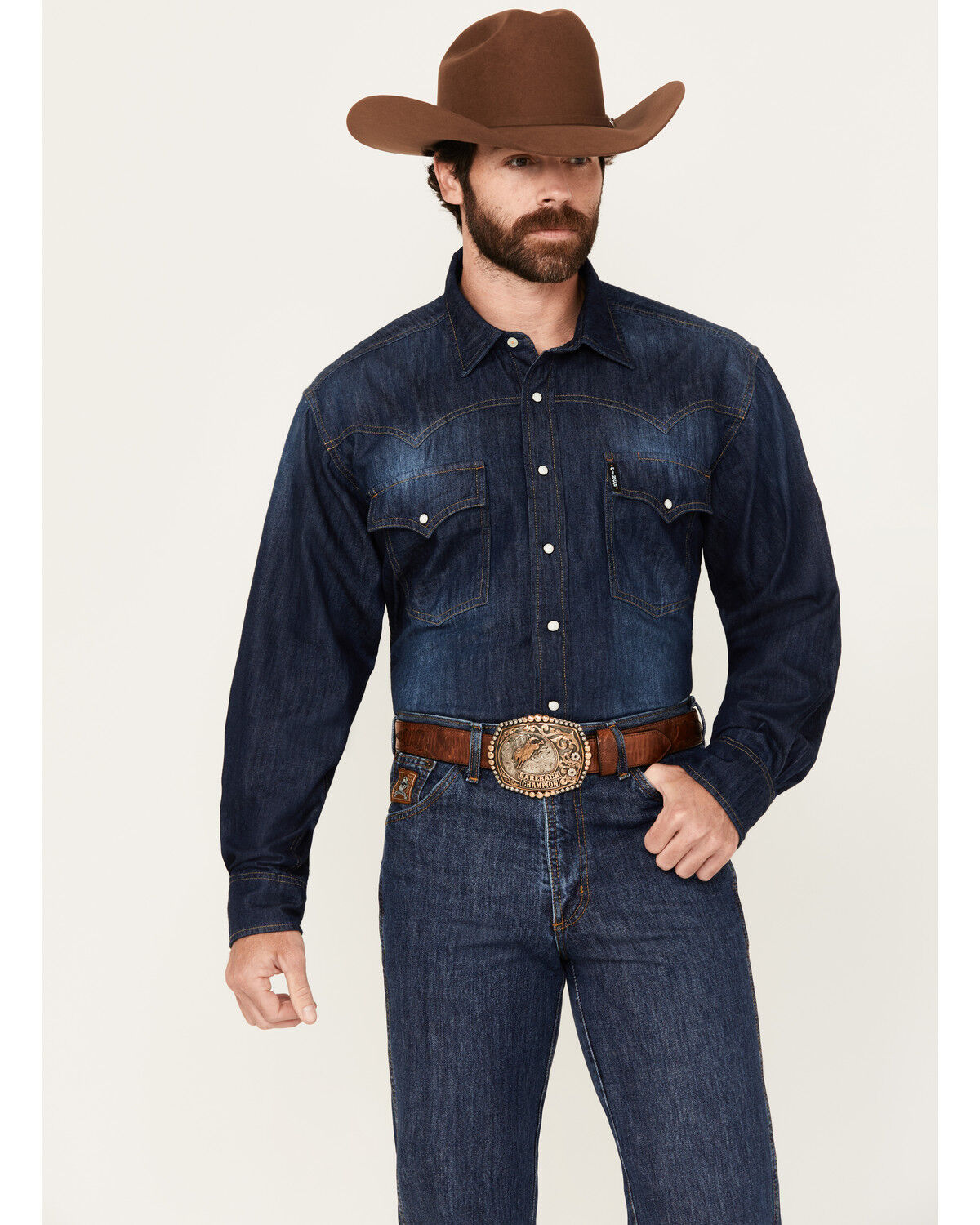
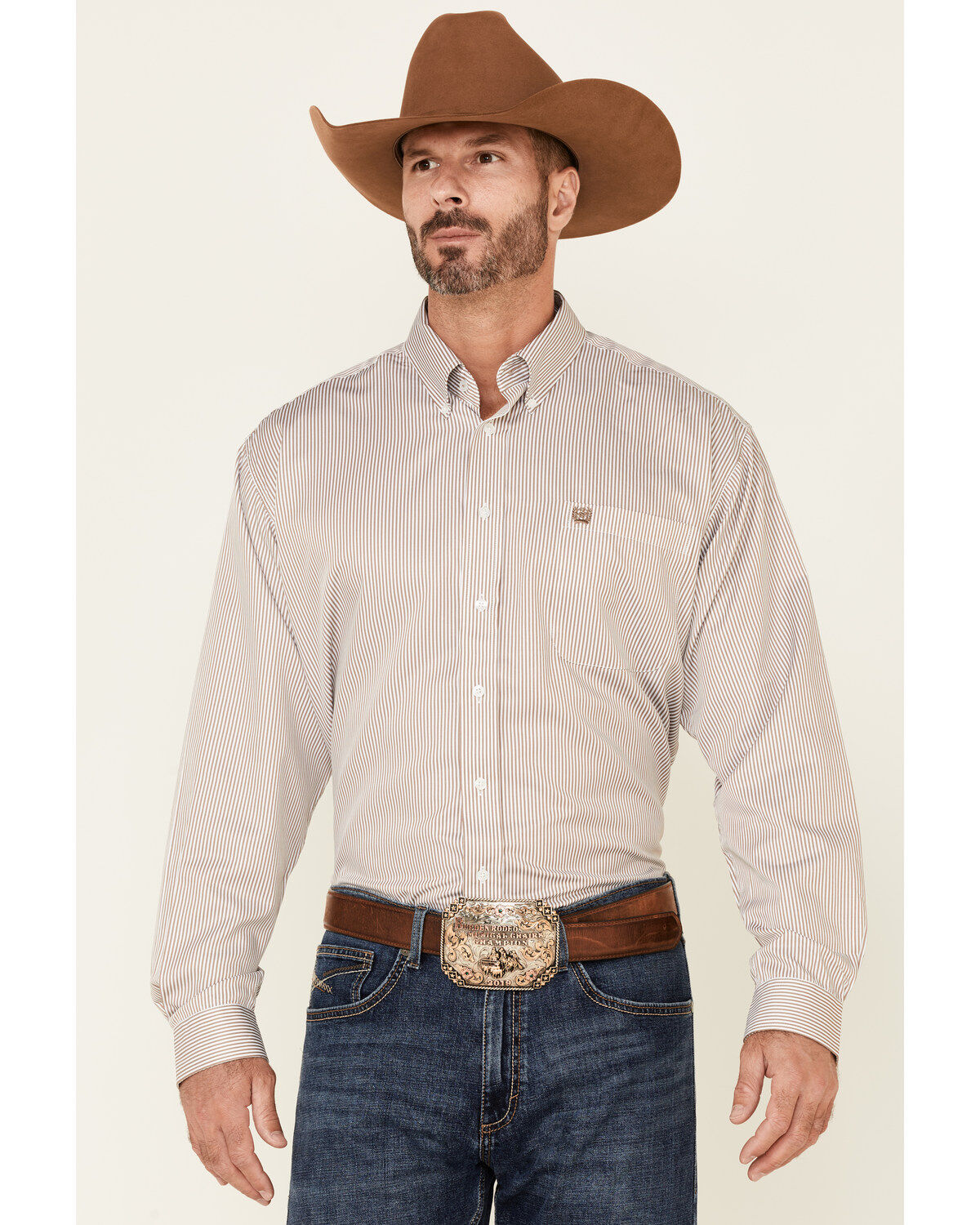
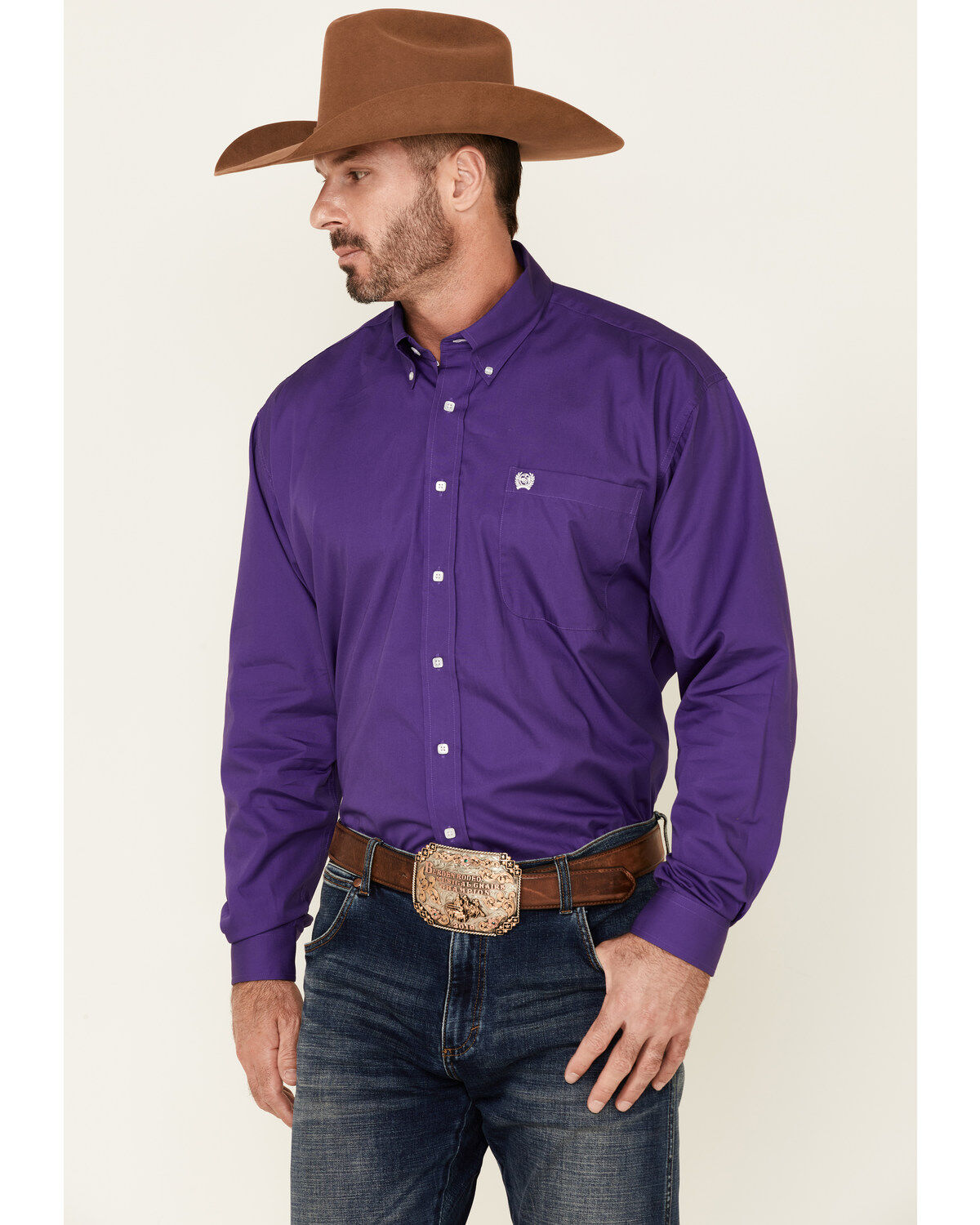
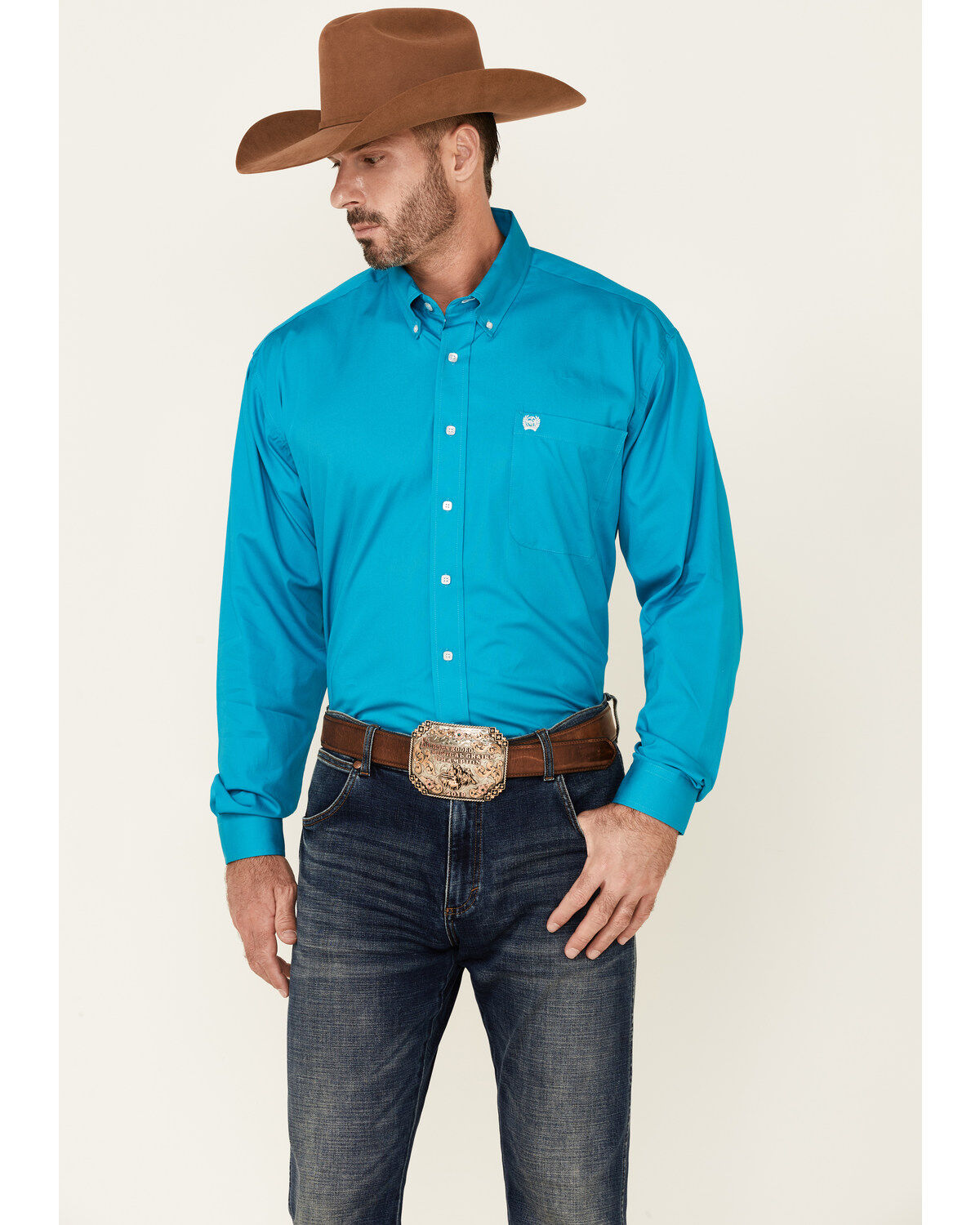
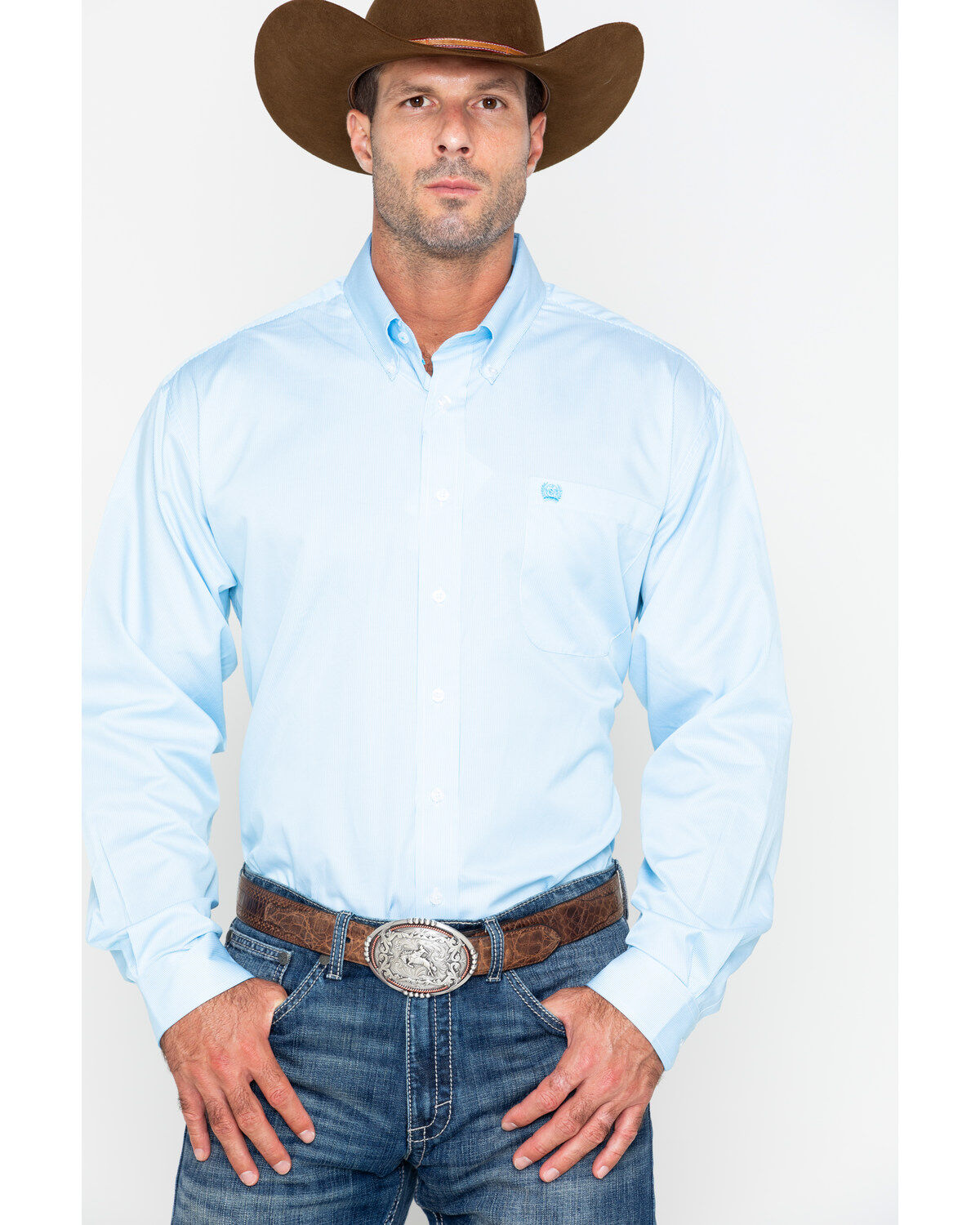
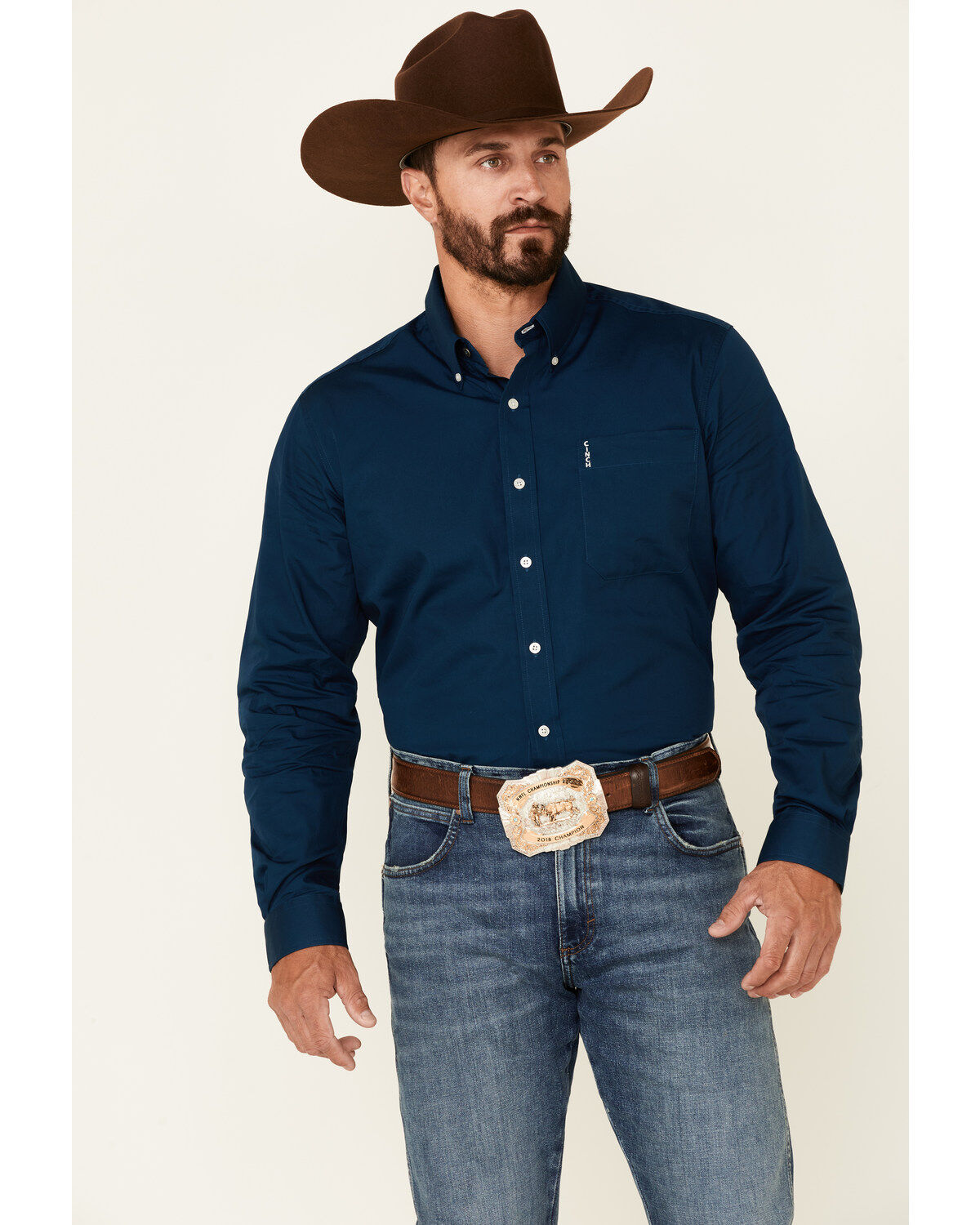
Western shirts have a place wherever a clean appearance needs to hold up to a full day. A button-down worn with jeans and boots can move from checking fences to an afternoon appointment without looking out of place. The appeal comes from straightforward details: a structured collar, a dependable front closure, sleeves that sit comfortably at the wrist, and enough room to move without excess fabric getting in the way. Plaids, stripes, small geometric prints, and solid colors each give the same basic shape a different character. A narrow stripe reads more understated, while a larger plaid makes a stronger impression against plain denim. Fabric matters just as much as pattern. Cotton has a familiar feel and breathability that suit regular wear, though its weight and weave affect how substantial or crisp a shirt feels. Cotton blends can offer easier care or better shape retention, depending on the fibers used. Fabrics with stretch may allow more movement through the shoulders and elbows, but stretch does not replace a proper fit. A lightweight woven shirt generally drapes differently from a denser fabric, which can feel more structured and stand farther away from the body. Smooth seams, firmly attached buttons, and even stitching contribute to a shirt that handles repeated wear. A reinforced pocket or sturdy cuff adds practical value where fabric gets handled often. Chest pockets can hold a folded note or another small everyday item, although overloading them can pull the front out of shape. Button-down collars help keep collar points in place, while other collar styles create a less restrained outline. These are useful distinctions for men who spend time around livestock, work in an office, attend agricultural events, or simply prefer the familiar pairing of a western shirt and jeans. A shirt does not need elaborate trim to look finished. Clear proportions, sound construction, and a pattern that works with the rest of the outfit usually do more.

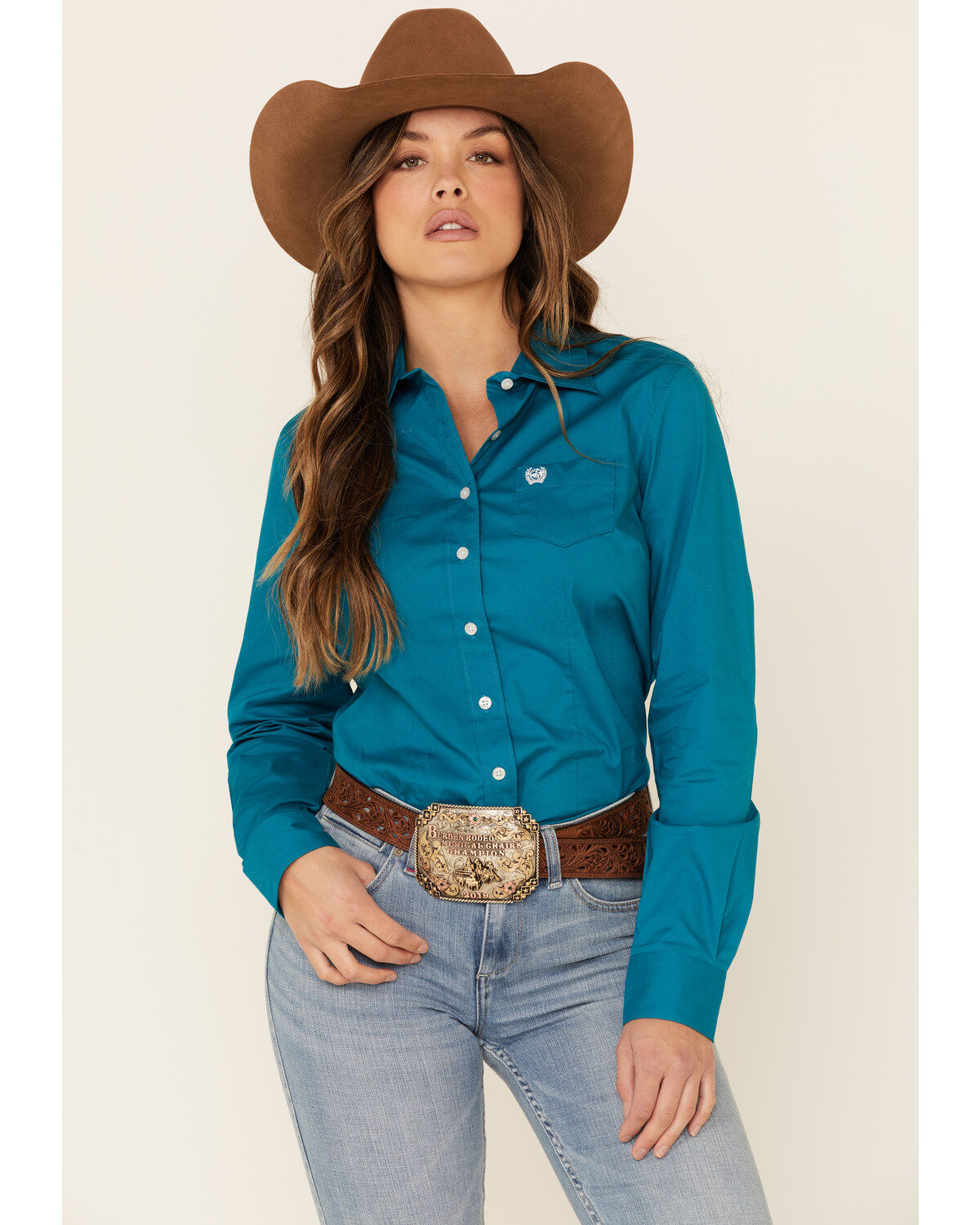
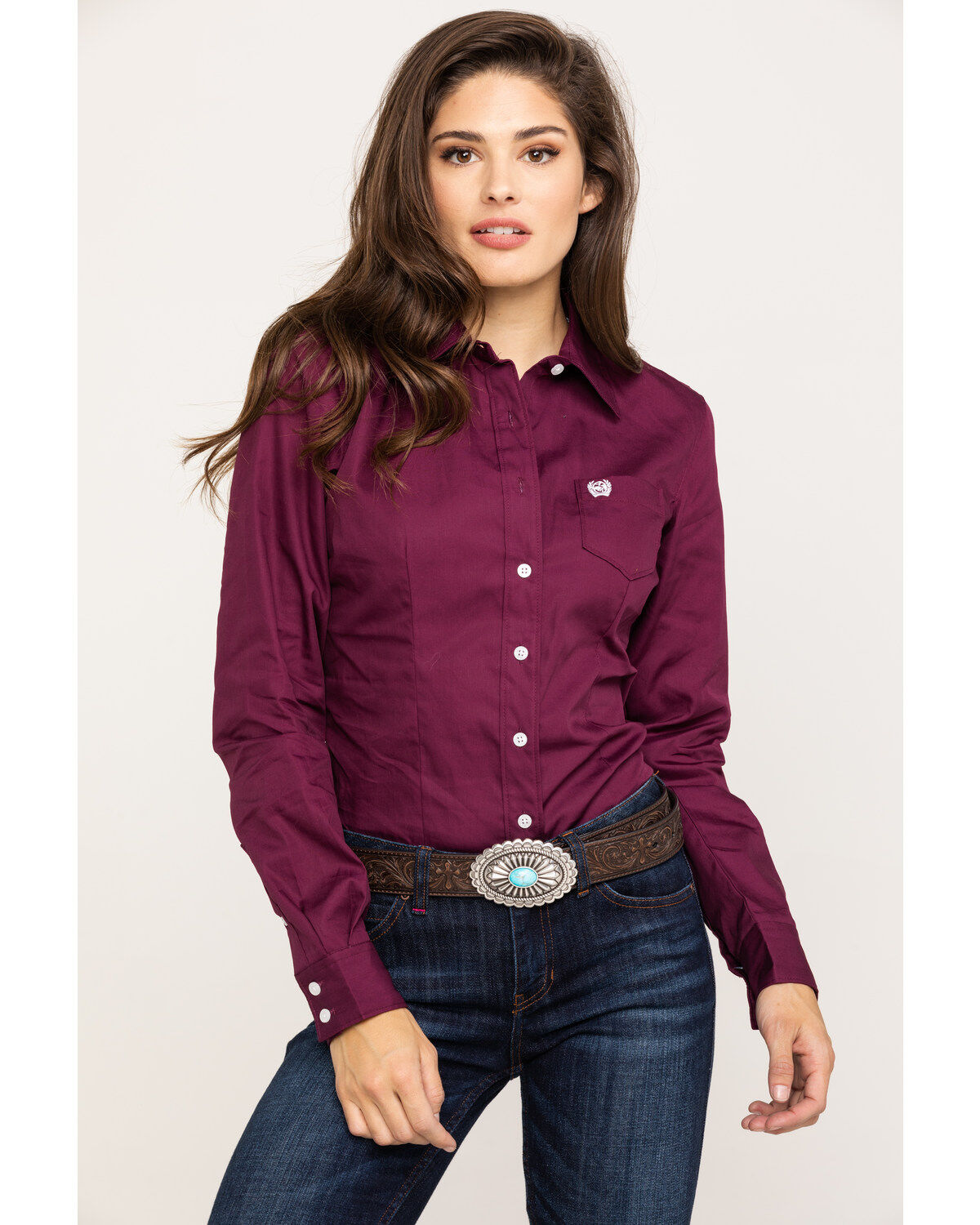
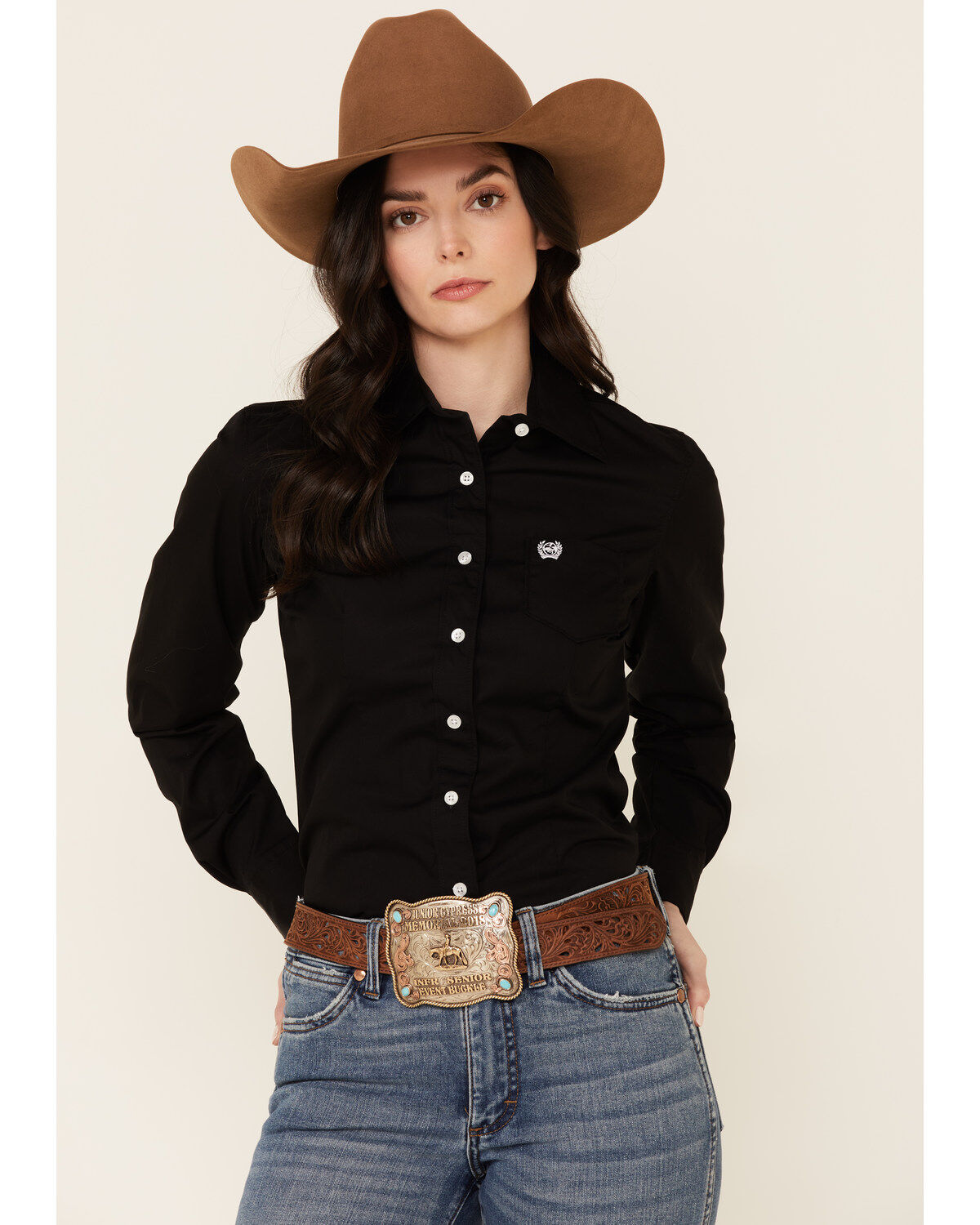
Fit determines whether that shirt feels comfortable after several hours, not just when it is first buttoned. The shoulder seams should sit close to the natural shoulder line, with enough space across the upper back for reaching forward or lifting an arm. Fabric that pulls across the chest or forms gaps between buttons is often too snug, while deep folds around the waist can indicate more room than needed. A trim cut gives a closer outline under a jacket or vest. A fuller cut provides additional room through the body, which some wearers prefer for active days or a less fitted appearance. Neither shape is automatically better; the right choice depends on build, movement, and how the shirt will be worn. Sleeve length deserves attention when the hands are extended, since a cuff that seems right at rest can ride too high when reaching for a steering wheel or working at a desk. A cuff should close comfortably without slipping far over the hand. Longer shirttails help a tucked shirt stay in place when bending or sitting, while an untucked shirt needs a hem that looks proportionate rather than oversized. Collar size matters for anyone who wears the top button fastened, especially with a tie. Enough room for comfortable movement is more useful than a collar that looks sharp but feels restrictive. For everyday wear, an open collar and straight-leg jeans create a simple combination. Dark denim, a leather belt, and polished boots give that same shirt a more deliberate appearance for dinner, a family gathering, or an event where casual dress still calls for some care. A solid or small-scale pattern is often easier to pair with a patterned jacket, while a bolder shirt works well with quieter layers. For women who wear western button-downs, room through the bust, shoulder placement, and overall length help determine whether a relaxed or shaped cut feels right. Those who prefer a defined waist can also explore Xl Cinched Tops for a different silhouette.

A shirt built for regular use still benefits from care suited to its fabric and construction. The care label is the best reference for washing, drying, and ironing because cotton, blended fibers, stretch fabrics, and decorative details do not all respond the same way. Excessive heat can contribute to shrinkage, affect certain fibers, or leave a collar and cuffs looking worn before the rest of the shirt. Prompt attention to a stain often gives better results than letting it settle into the fabric, and a treatment should be appropriate for both the material and the stain. Separating strongly contrasting colors helps protect lighter shirts from color transfer. Removing a shirt from the dryer promptly, when machine drying is permitted, can reduce set-in wrinkles. Hanging it with the collar and front placket straight helps it keep a tidy shape between wears. Some fabrics need pressing for a crisp finish; others are intended to look more relaxed. Easy-care features can reduce routine maintenance, but they do not mean a shirt will stay smooth regardless of how it is washed or stored. Durability also depends on the job. An everyday western shirt can be suitable for general ranch routines or casual work settings, but it is not a substitute for required protective clothing. Tasks that call for flame-resistant garments, high-visibility clothing, or other safety equipment require apparel designed and rated for that purpose. For a gift, a familiar size is a starting point rather than a guarantee of fit, since cuts and measurements vary. A shirt the recipient already wears comfortably can provide a useful comparison for chest width, sleeve length, and body length. Pattern preference matters, too. Someone who regularly wears solids may get more use from an understated color than a bold print, while a wearer with a closet full of plaid may appreciate another variation. Whether chosen for a birthday, a milestone, or a practical addition to everyday clothing, a western shirt earns its place through comfortable fit, reliable construction, and details that suit the person wearing it.

FAQs