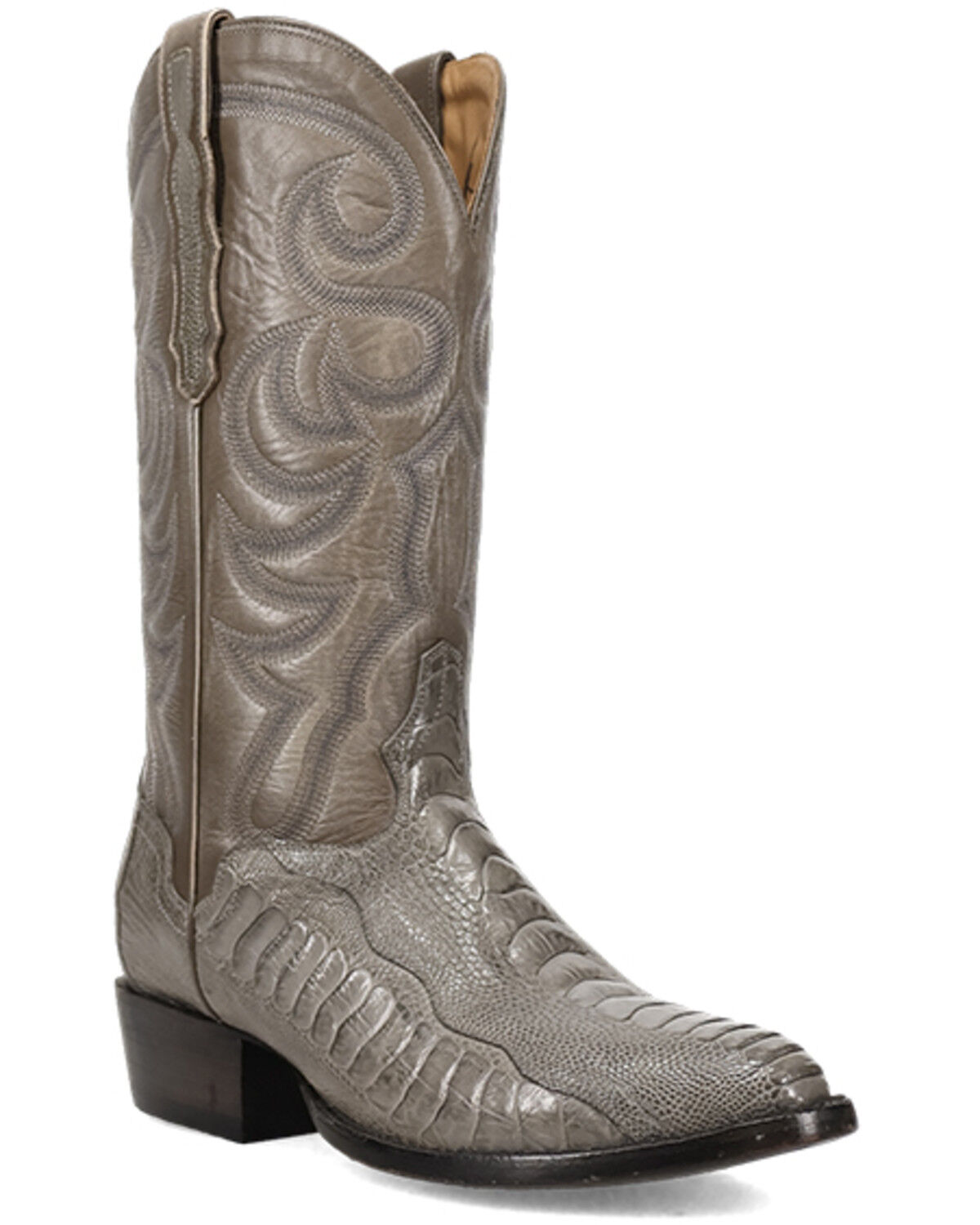
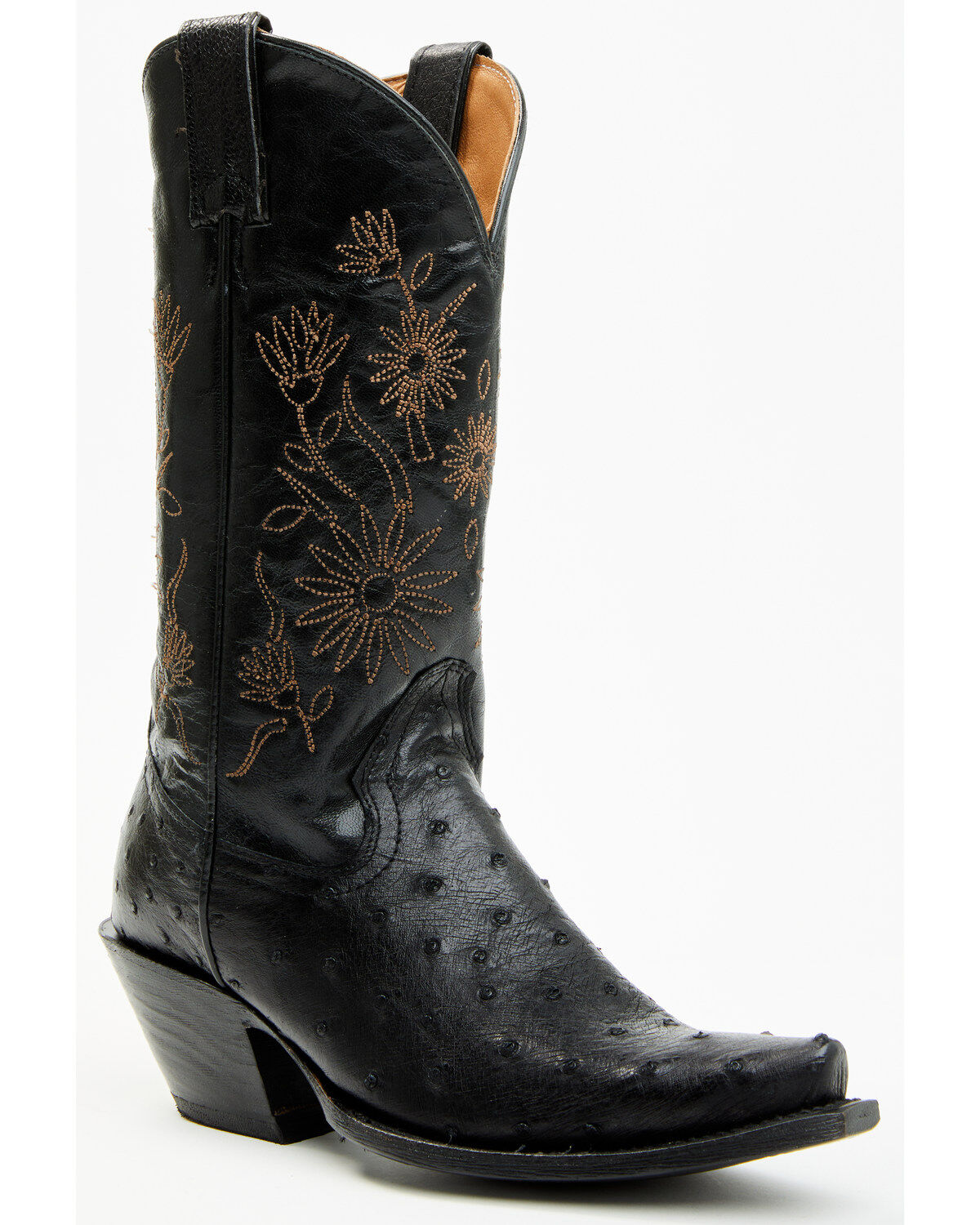
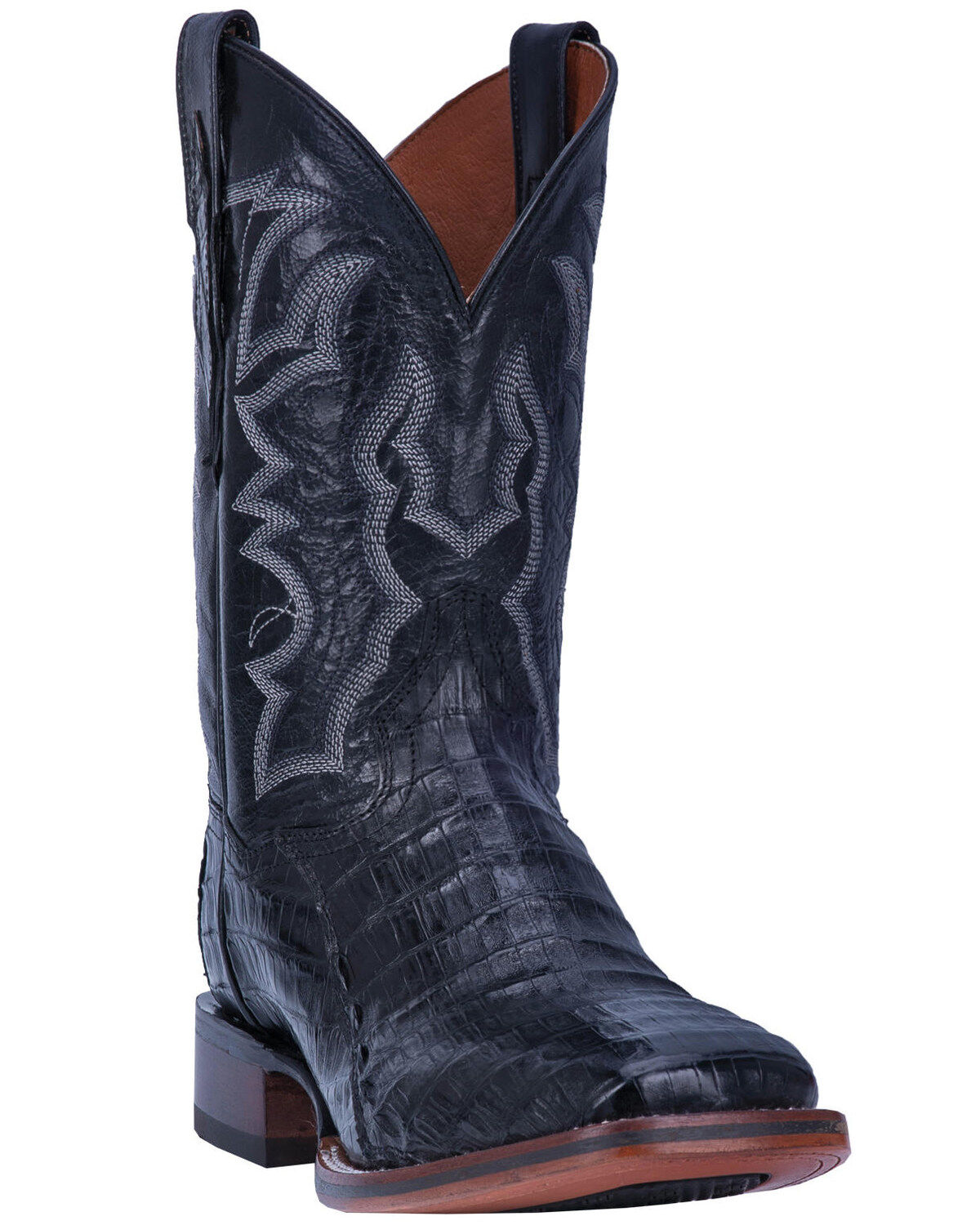
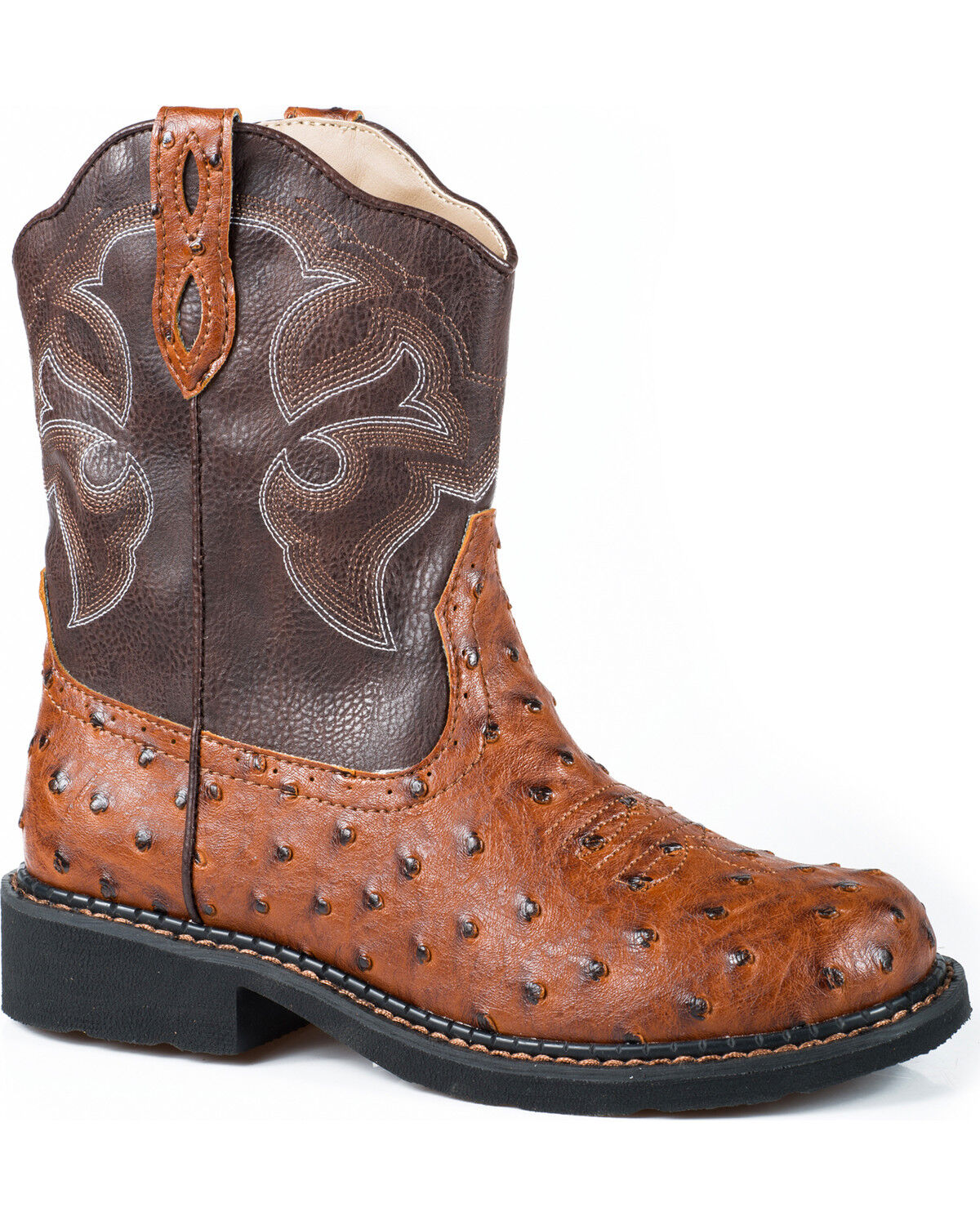
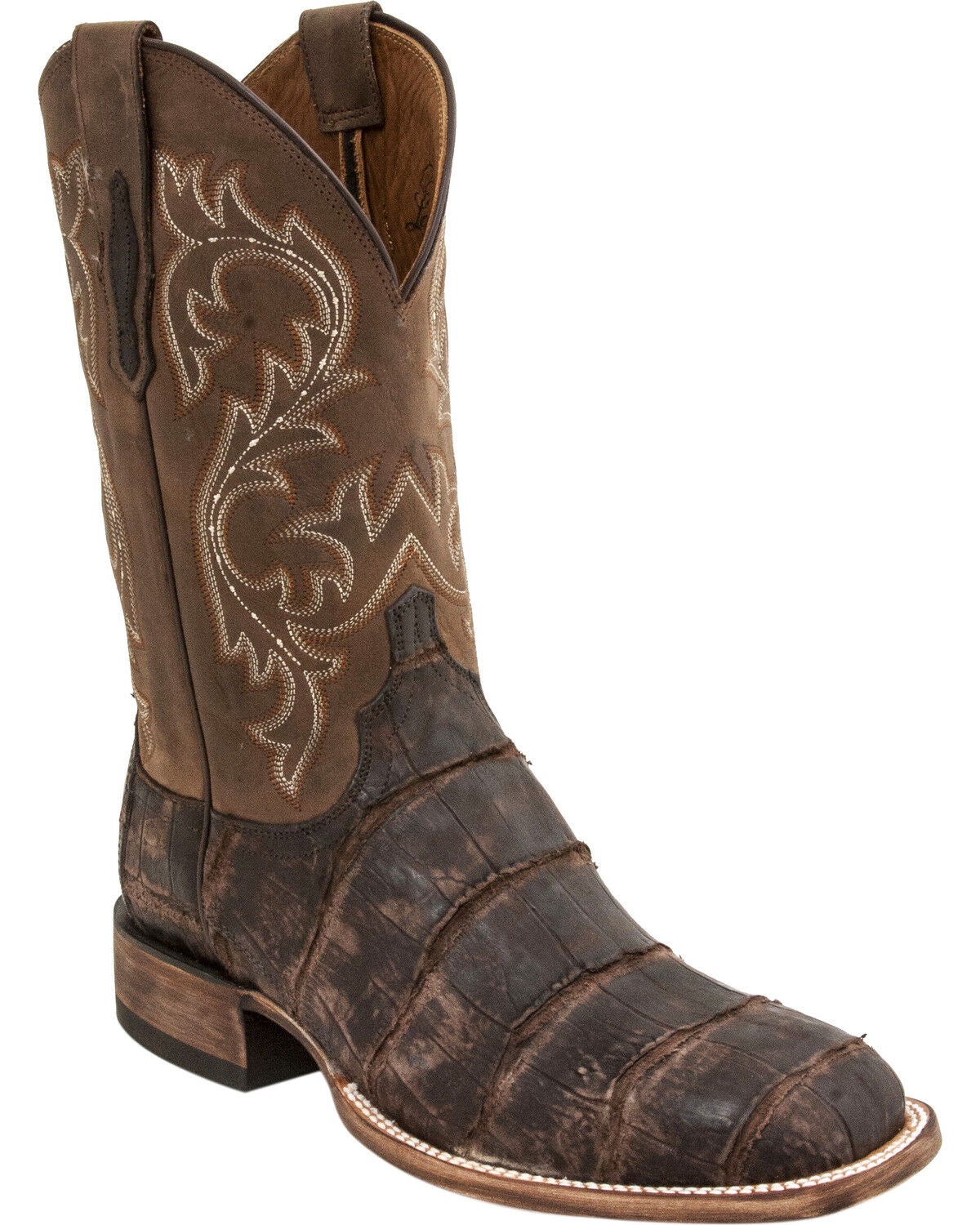
Step into the world of unique western style with our collection of chocolate exotic boots. Perfectly blending traditional craftsmanship with a touch of... the extraordinary, these boots are designed to make a statement. Whether you're heading out for a night on the town or working hard on the ranch, chocolate exotic boots offer both durability and flair. Discover the rich textures and deep hues that define this collection, ensuring you stand out in any crowd. Embrace the essence of western elegance and elevate your wardrobe with these striking pieces.
Read more
Chocolate Exotic Boots
Step into the world of unique western style with our collection of chocolate exotic boots. Perfectly blending traditional craftsmanship with a touch of... the extraordinary, these boots are designed to make a statement. Whether you're heading out for a night on the town or working hard on the ranch, chocolate exotic boots offer both durability and flair. Discover the rich textures and deep hues that define this collection, ensuring you stand out in any crowd. Embrace the essence of western elegance and elevate your wardrobe with these striking pieces.
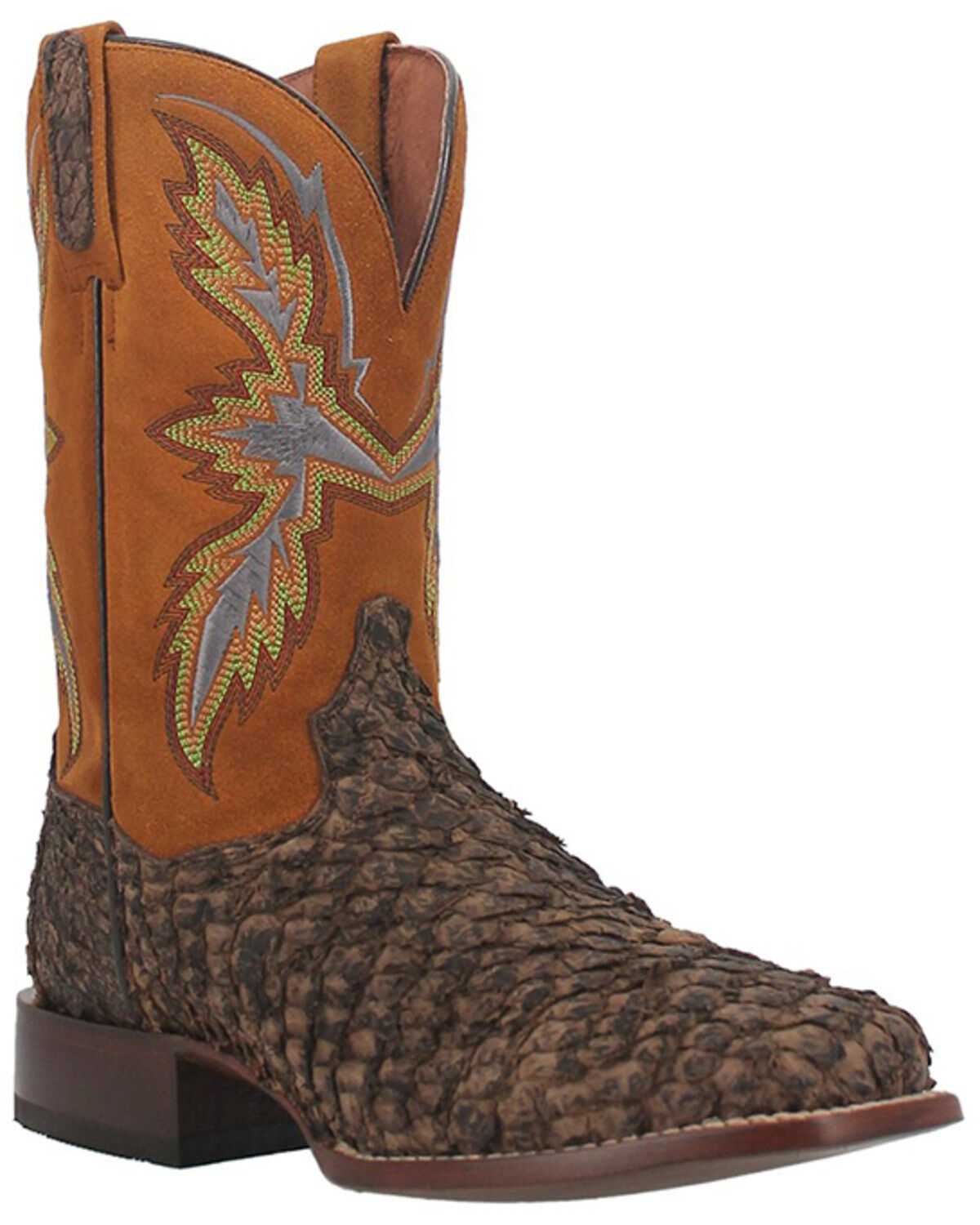
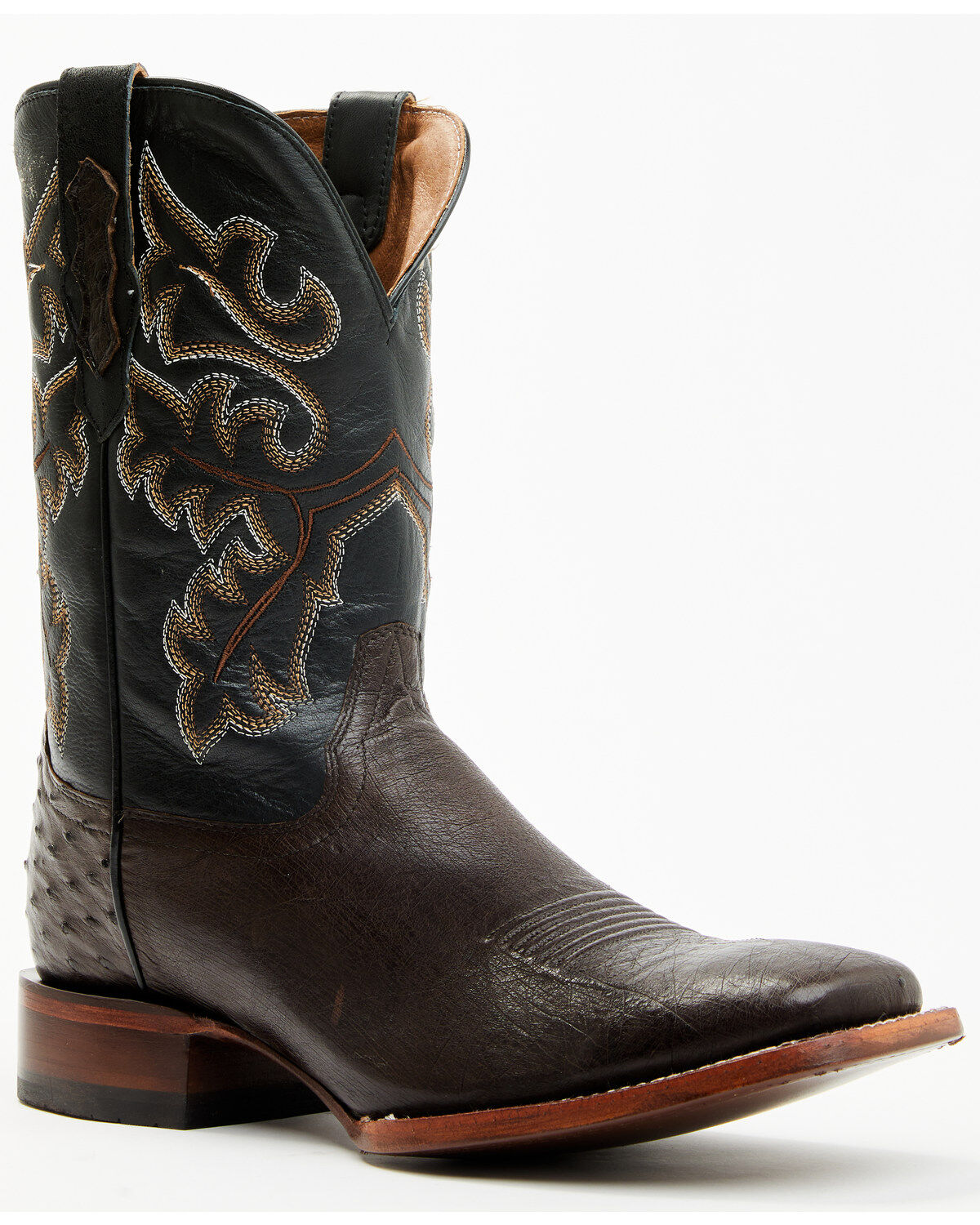
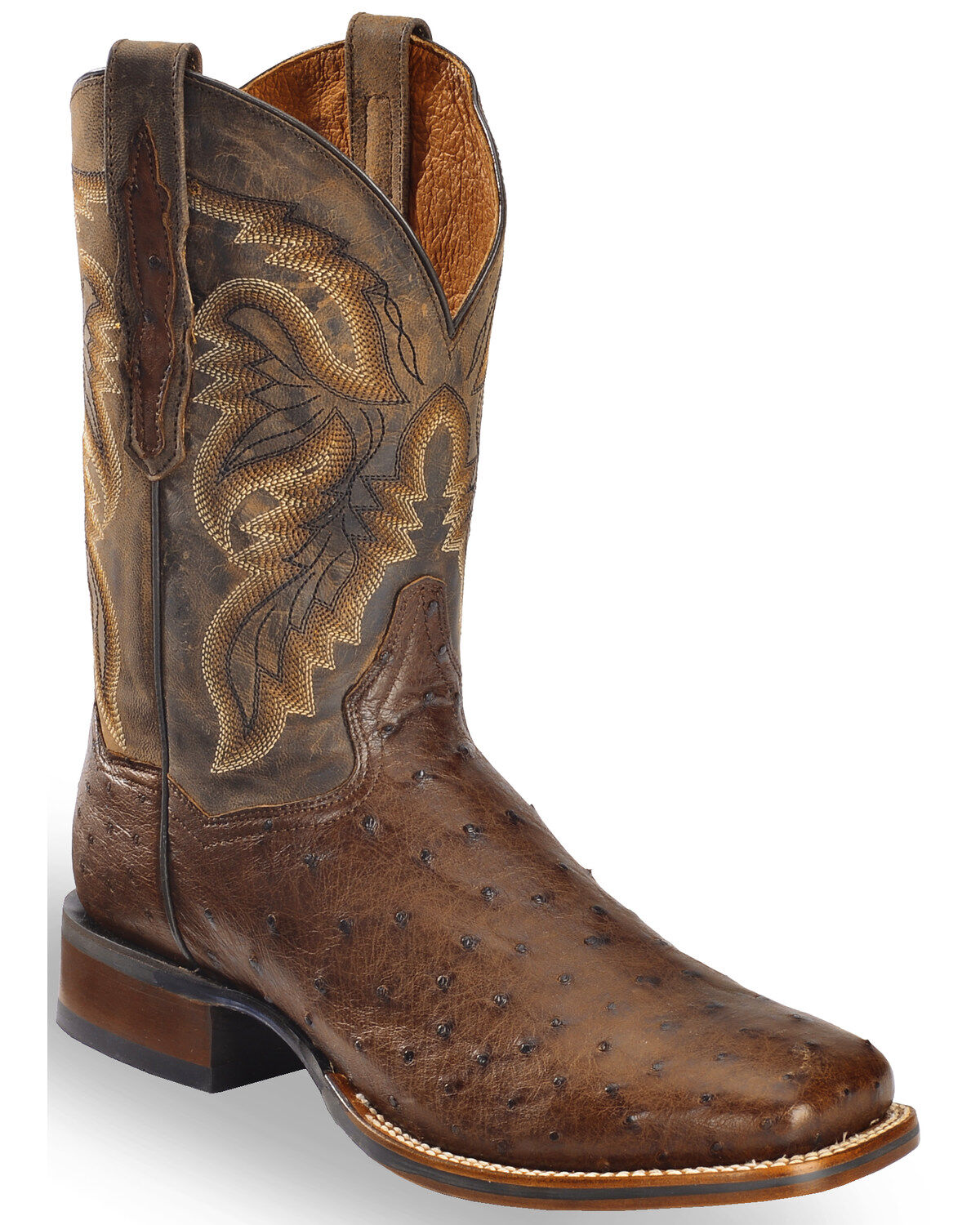
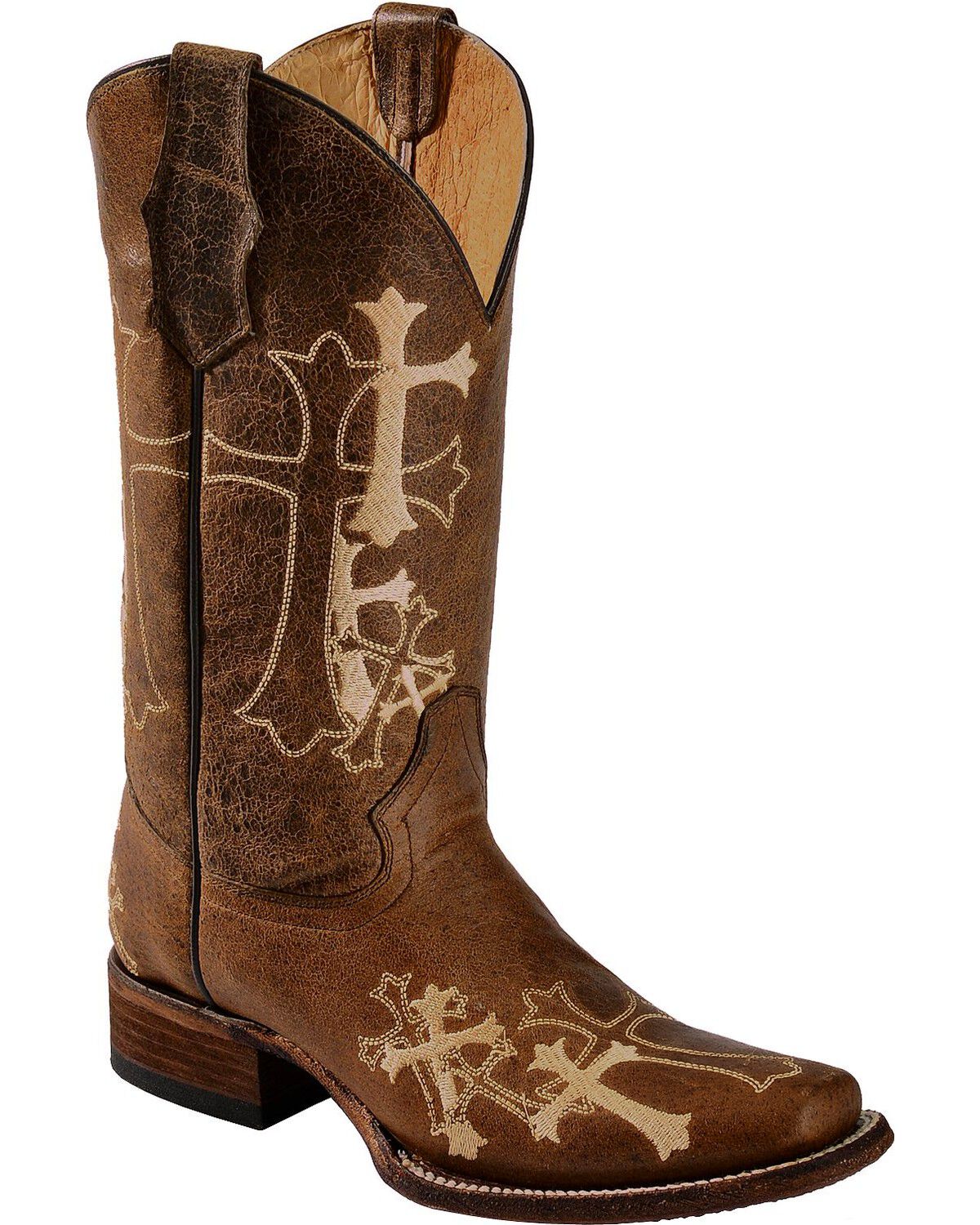
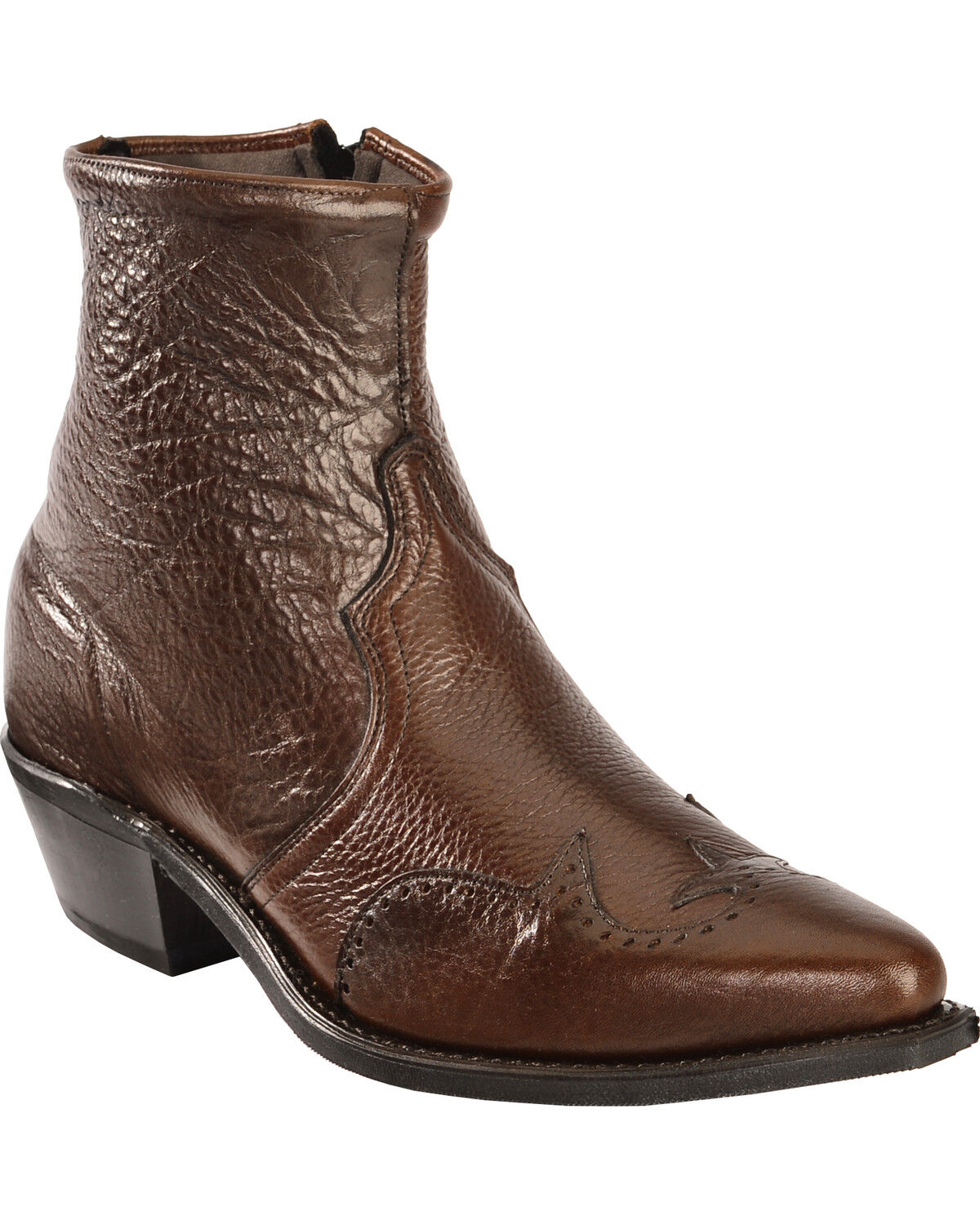
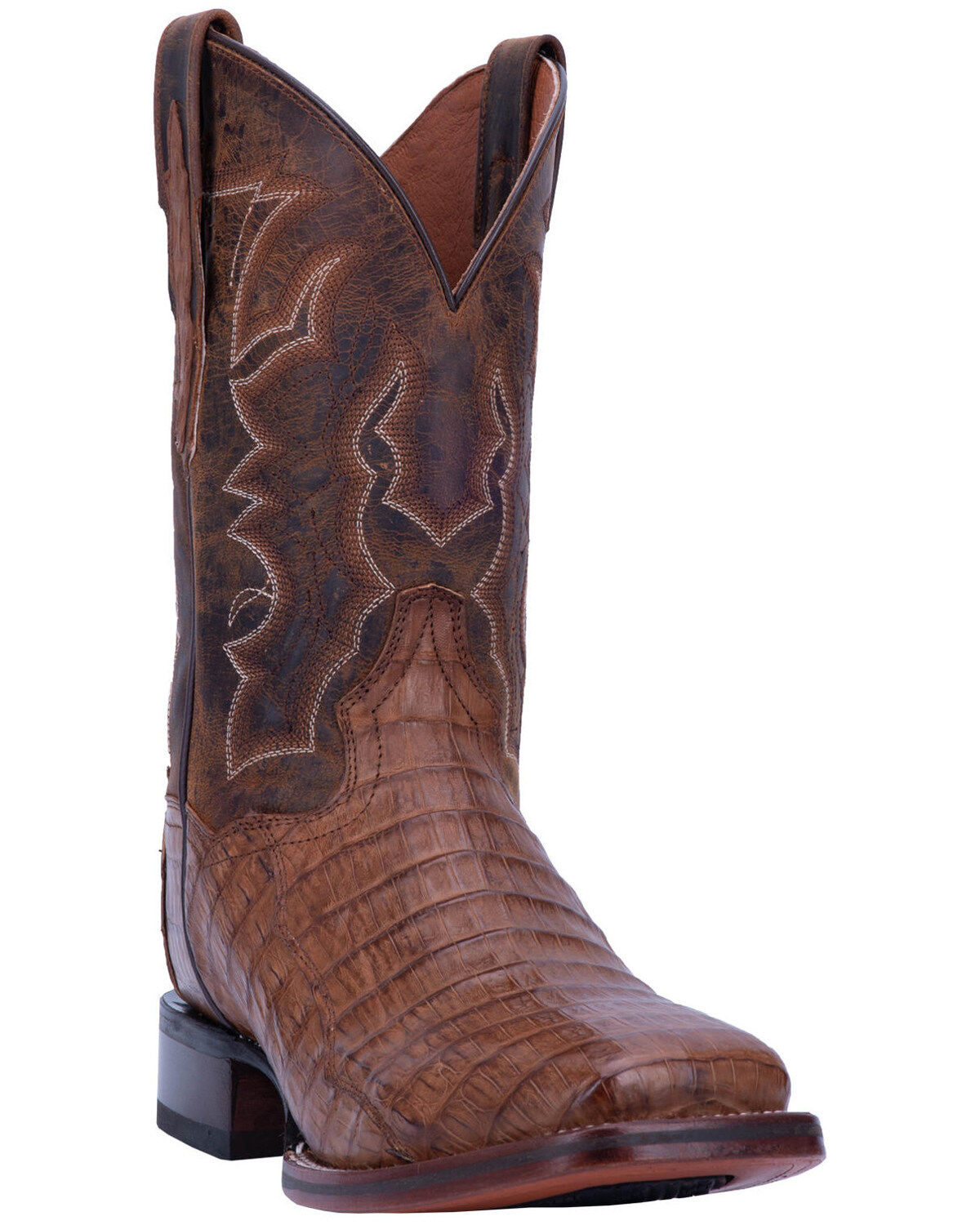
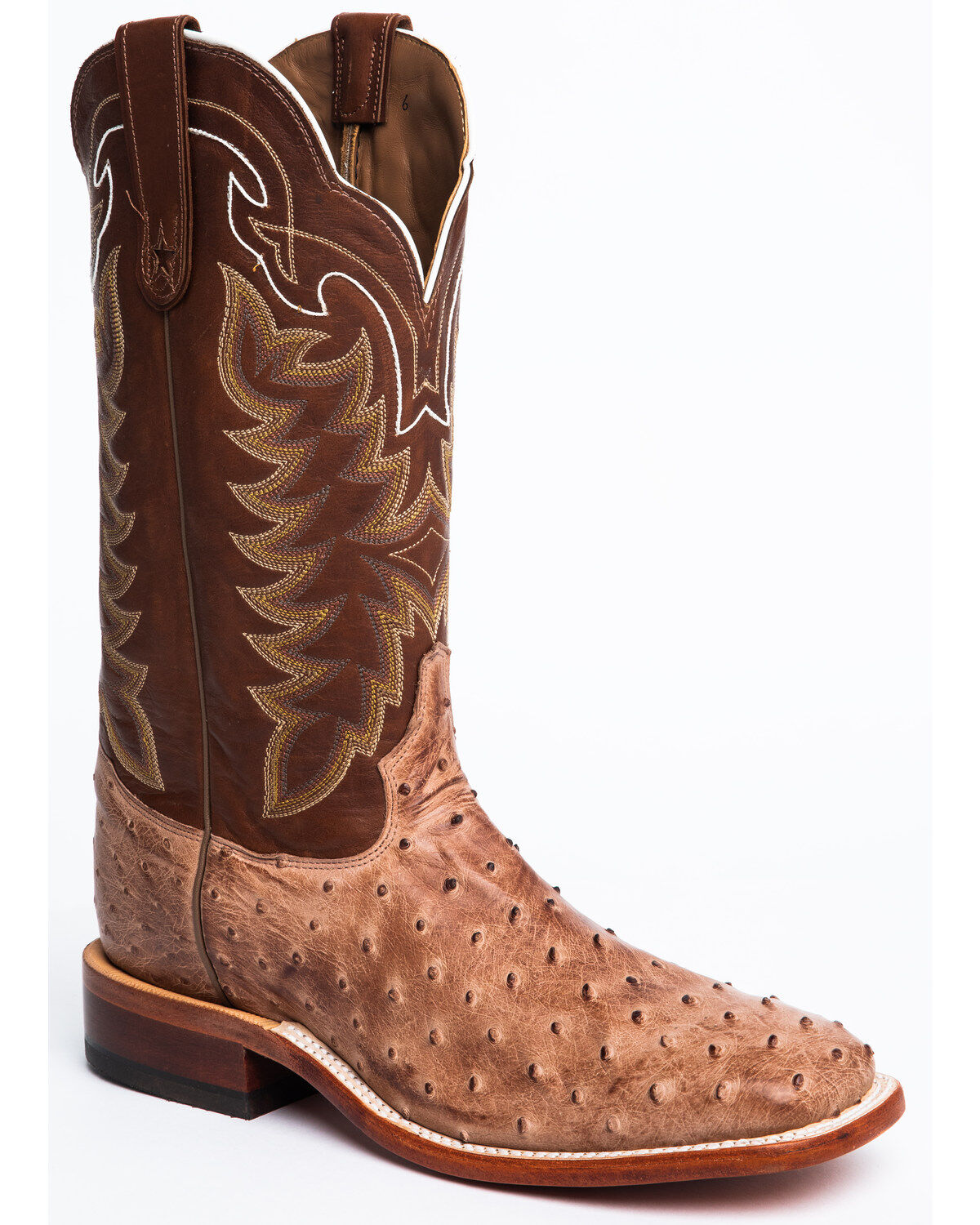
Chocolate exotic boots bring together a deep brown color and the distinct grain of specialty leather. The result is a refined western boot that works with denim, canvas, wool, and other durable fabrics without looking ordinary. In this color, the leather can show warm coffee, cocoa, or near-espresso tones, depending on the finish and lighting. Exotic boots may be made with ostrich, caiman, lizard, or fish leather, and each type has its own pattern, feel, and care needs. Ostrich is known for its rounded quill follicles, which create a raised, even texture across the vamp. Full-quill ostrich usually has the most pronounced pattern, while smooth ostrich offers a more understated look. Caiman can show defined scales and a stronger natural texture, with tail-cut patterns often creating a bold, symmetrical appearance. Lizard tends to have smaller, more regular scales and a dressier profile. Pirarucu and other fish leathers bring a distinctive scale pattern that can look rugged without the heavier texture of traditional reptile leather. Genuine exotic leather should have a clear, natural pattern rather than a printed surface, though variation is part of the appeal. No two hides will look exactly alike, and small differences in scale shape, quill placement, color, or texture are normal. Chocolate tones are especially versatile during the cooler months because they pair naturally with dark denim, stonewash jeans, tan jackets, flannel shirts, and heavier overshirts. A clean pair can handle dinners, gatherings, ceremonies, and evenings out, while a more pronounced texture adds character to everyday western wear. For those who prefer a quieter look, a chocolate shaft with a textured vamp offers a balanced way to wear exotic leather without making the boot the only thing people notice.
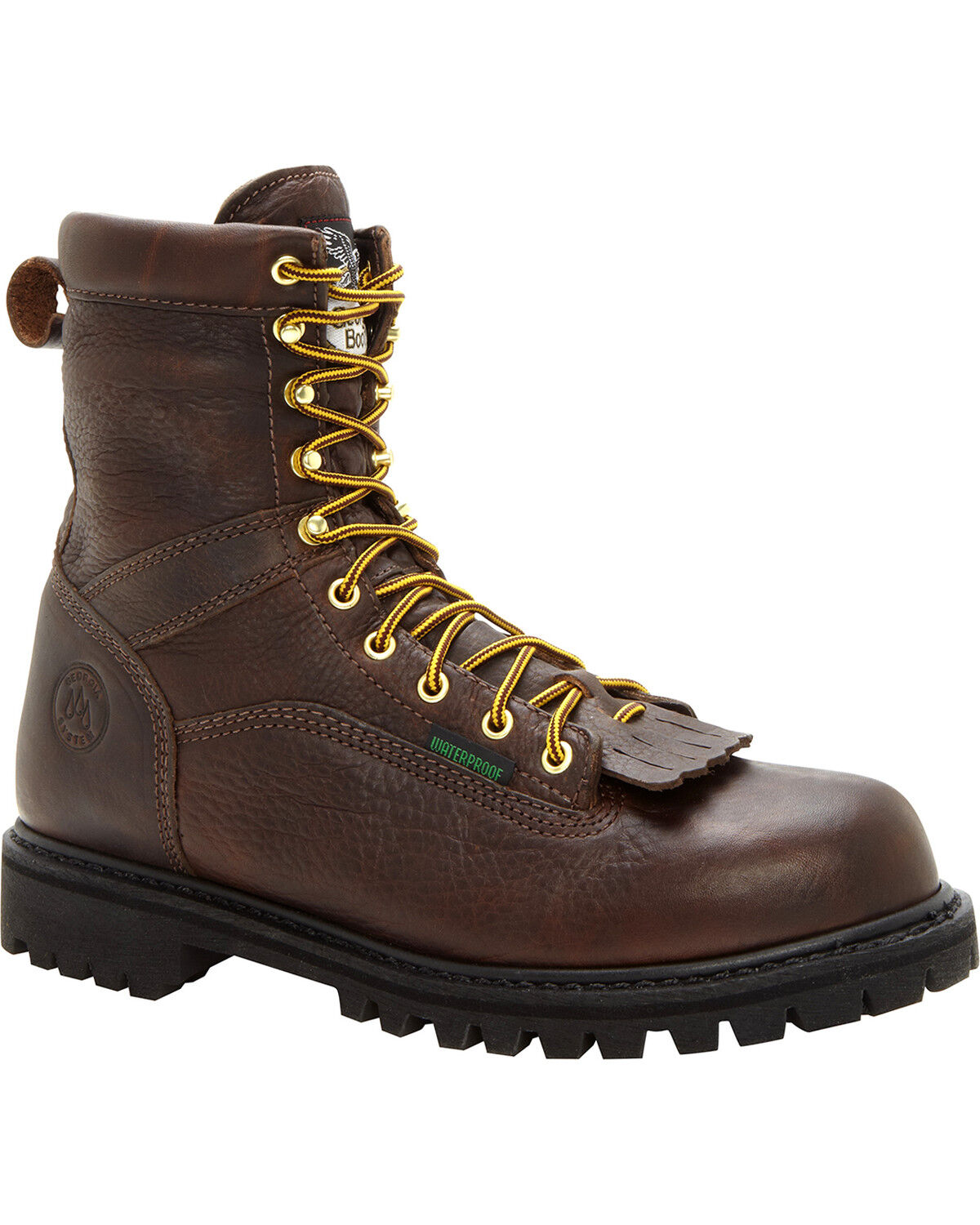
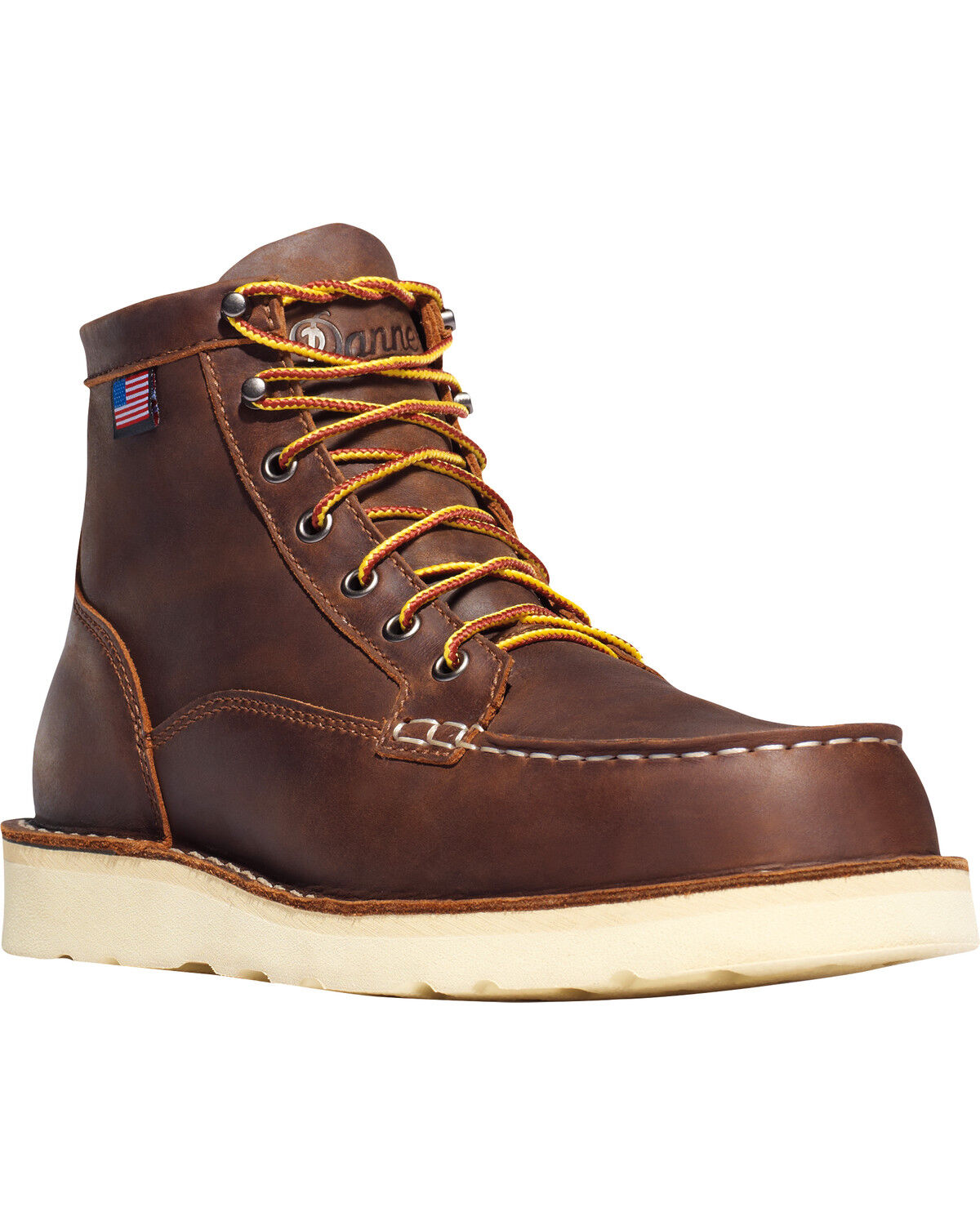
Fit deserves as much attention as the leather. Start with the size you normally wear in western boots, then account for the boot’s toe shape, footbed, and construction. A wide square toe gives the toes more room from side to side and can suit people who prefer a broader forefoot. A traditional or narrower toe may create a more streamlined profile but should never pinch the toes. The instep should feel secure without pressure, and the heel may lift slightly when the boot is new. A small amount of heel movement is expected until the sole and footbed settle, but the foot should not slide forward with each step. Look for a cushioned or orthotic footbed if you spend long hours standing, traveling, or walking on hard floors. Leather soles can offer a smooth, tailored appearance, while rubber or hybrid soles may provide more traction for outdoor paths, wet pavement, and changing conditions. These boots are generally best suited to western wear, social occasions, and daily use where appearance and comfort matter. They are not a substitute for purpose-built safety footwear when a job requires protective toes, electrical hazard protection, puncture resistance, or other certified features. If the goal is a brown boot for demanding work, compare the construction and safety rating of Chocolate Work Boots instead of relying on color alone. When buying chocolate exotic boots as a gift, focus on the recipient’s usual boot size, preferred toe shape, and regular wardrobe. Someone who wears dark jeans and leather belts may appreciate a rich chocolate shade that fits easily into an existing closet. Someone who favors distinctive western styling may prefer a stronger caiman, quill, or fish-scale pattern. A gift receipt or flexible exchange option is useful because western boot fit is personal, particularly around the instep and heel.
Care will help preserve the color, texture, and shape of chocolate exotic boots. Before wearing them outdoors, inspect the leather and follow the care instructions provided for that specific hide. Exotic skins do not all respond to the same conditioner, polish, or oil. Use products made for the leather type, and apply a small amount to an inconspicuous area first. A soft cloth or horsehair brush can remove dust without flattening the natural pattern. Do not saturate the vamp, soak the boots, or place them beside a heater to dry. If they become damp, wipe away surface moisture, let them dry at room temperature, and use boot trees or clean paper to help maintain their shape. Avoid heavy oils designed for rough work leather unless the manufacturer specifically approves them, since the wrong formula can darken the finish, soften the structure, or leave scales and quills looking dull. Rotate the boots with other footwear when possible. Resting a pair between wears gives the leather time to release moisture and helps the footbed recover, especially after a long day. Store them upright in a cool, dry place away from direct sunlight, which can change a chocolate finish over time. A simple maintenance routine is enough: brush off dust after wear, condition sparingly when the leather begins to feel dry, and have significant scuffs or finish concerns handled by a professional who understands exotic hides. With the right fit and reasonable care, chocolate exotic boots can become a dependable part of a western wardrobe, adding texture and polish through cooler seasons without losing the practical character expected from well-made boots.

 $259.99
 $259.99
 $138.97
 $229.99
 $169.95