Discover the perfect blend of comfort and style with our collection of children's low-waisted jeans. Ideal for both playtime and special occasions, these... jeans are crafted to provide a trendy look that kids love. With a variety of washes and fits, they offer the flexibility needed for any adventure. Whether paired with a favorite t-shirt or a cozy sweater, these jeans are designed to keep up with your child's active lifestyle while ensuring they look their best. Explore options that cater to every personality and let your little ones express themselves with confidence.
Read more
Childrens Low Waist Jeans
Discover the perfect blend of comfort and style with our collection of children's low-waisted jeans. Ideal for both playtime and special occasions, these... jeans are crafted to provide a trendy look that kids love. With a variety of washes and fits, they offer the flexibility needed for any adventure. Whether paired with a favorite t-shirt or a cozy sweater, these jeans are designed to keep up with your child's active lifestyle while ensuring they look their best. Explore options that cater to every personality and let your little ones express themselves with confidence.
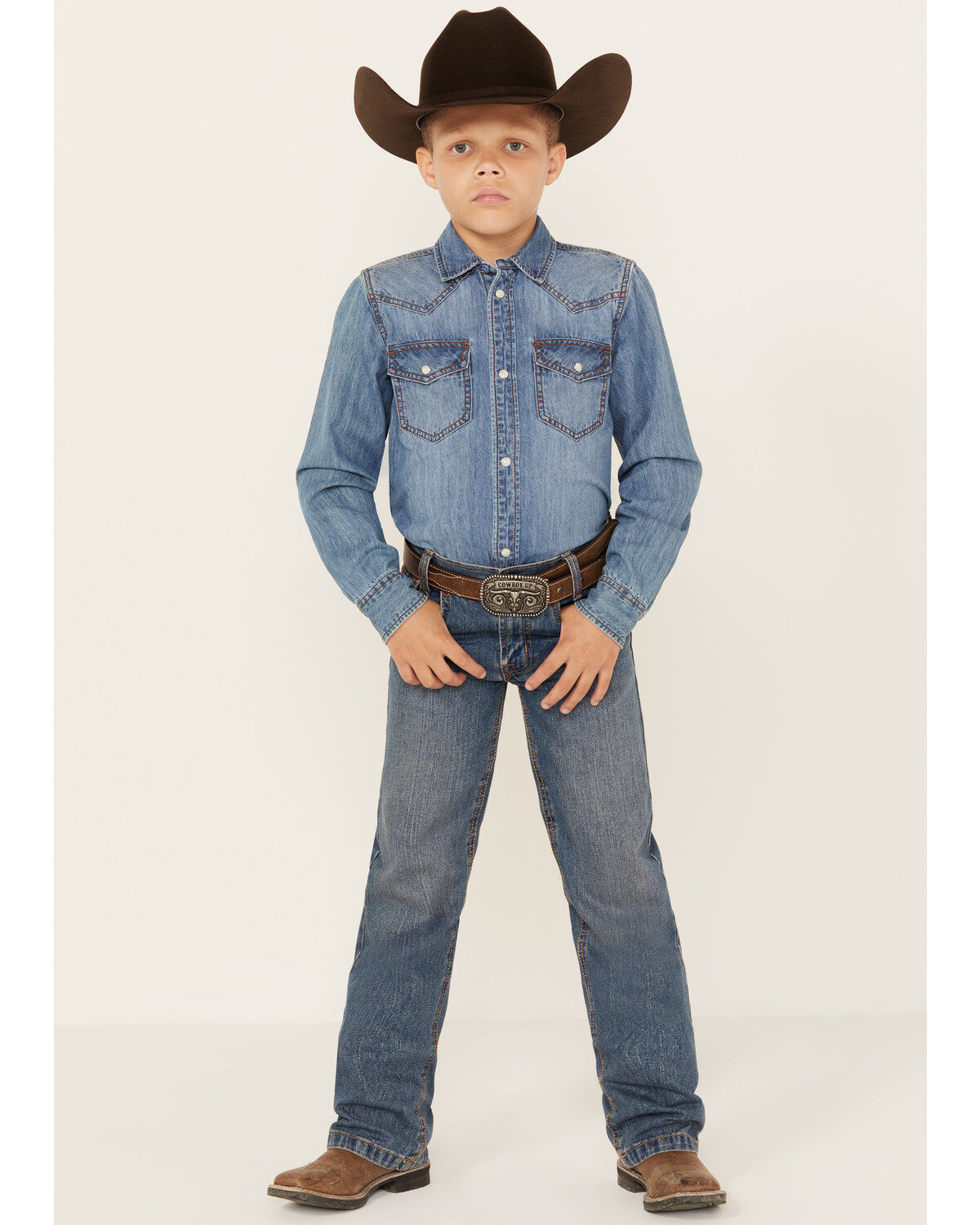
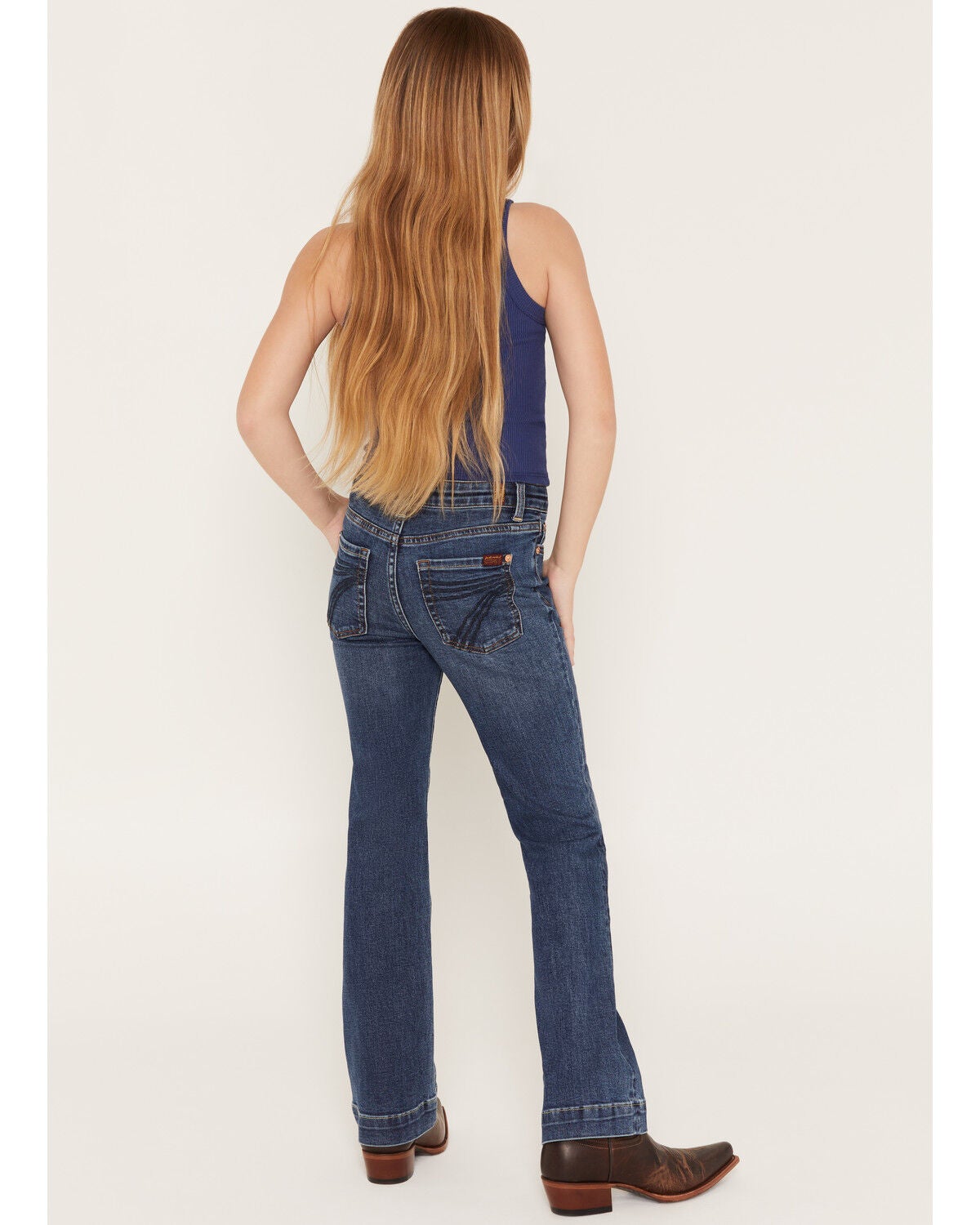
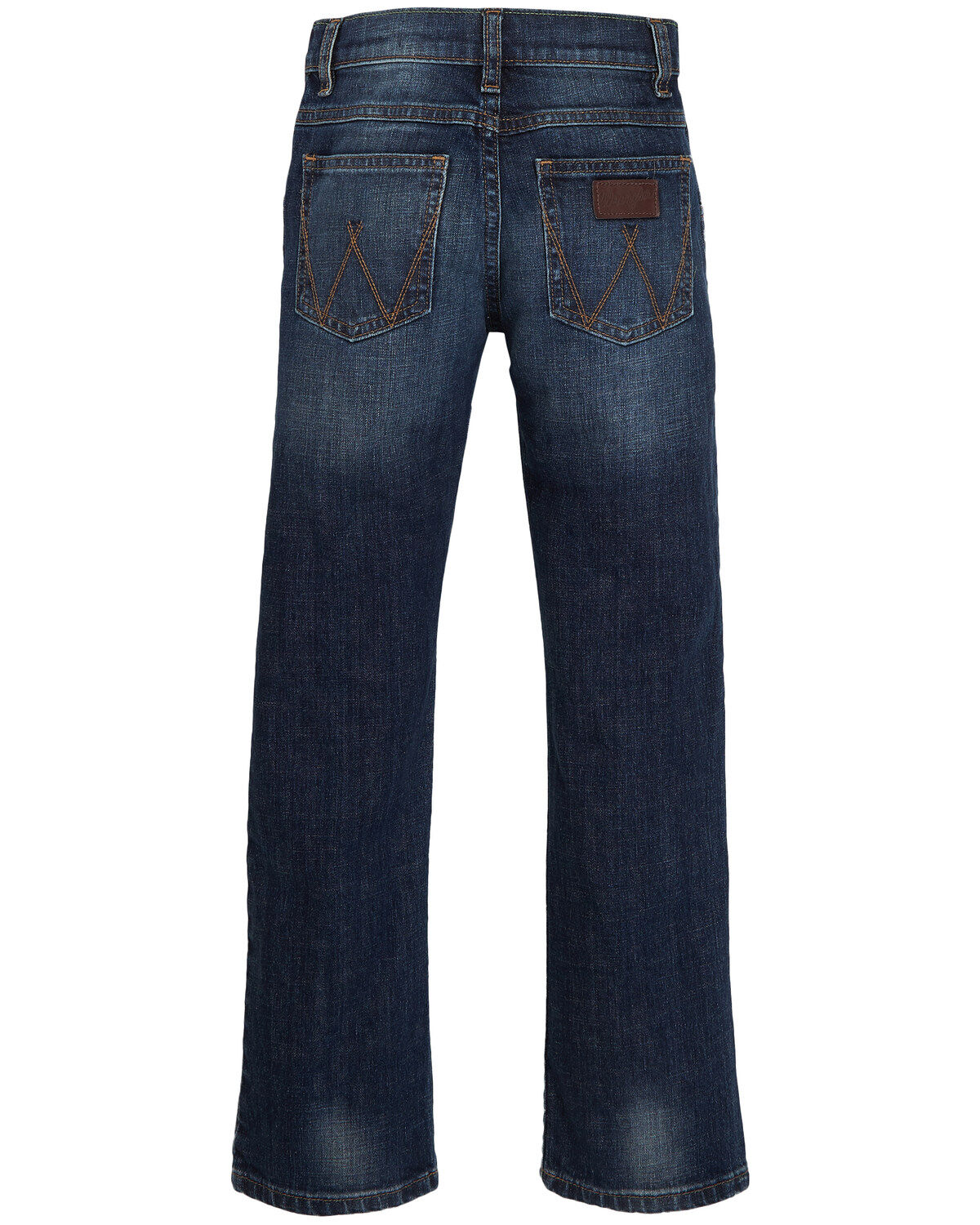
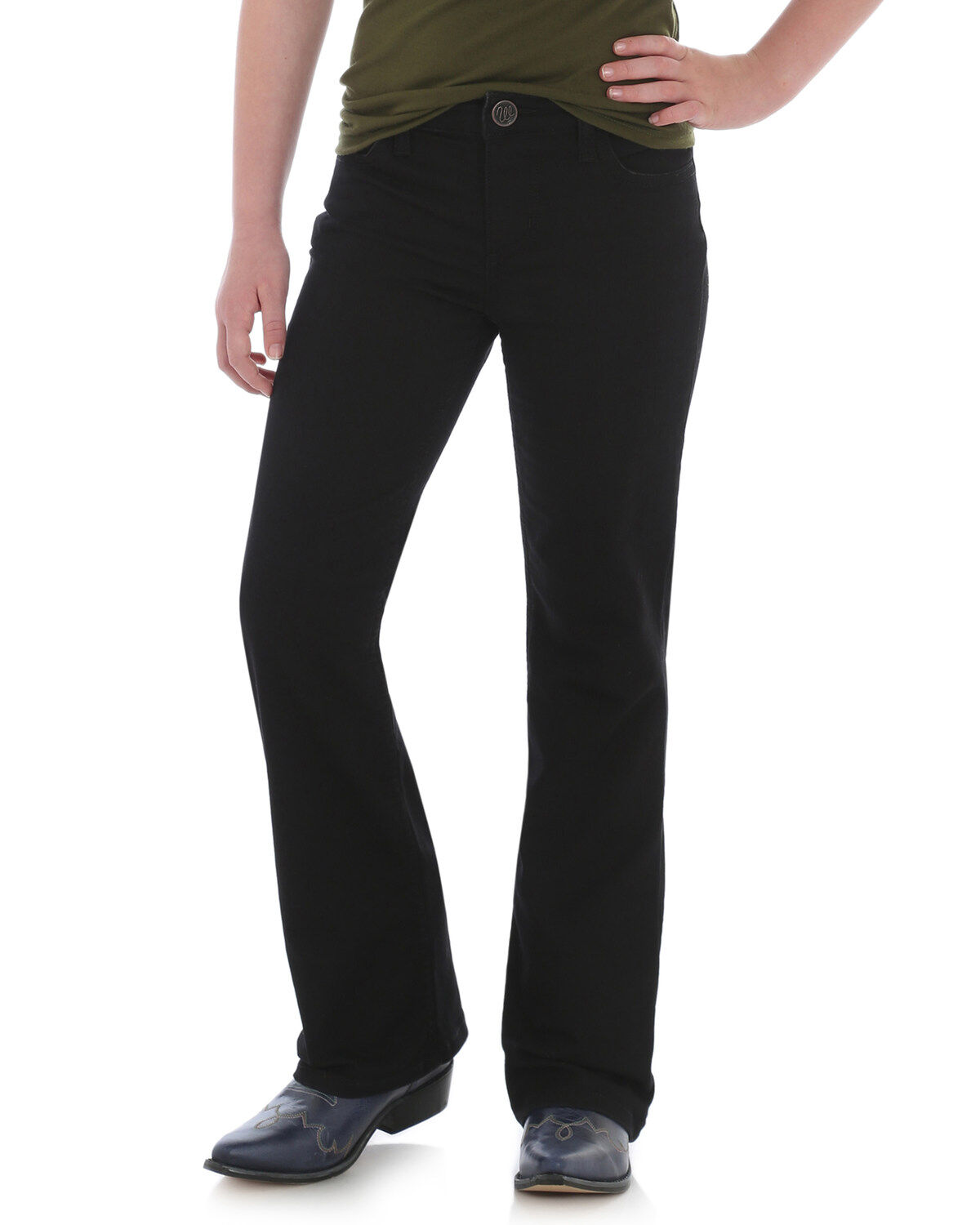
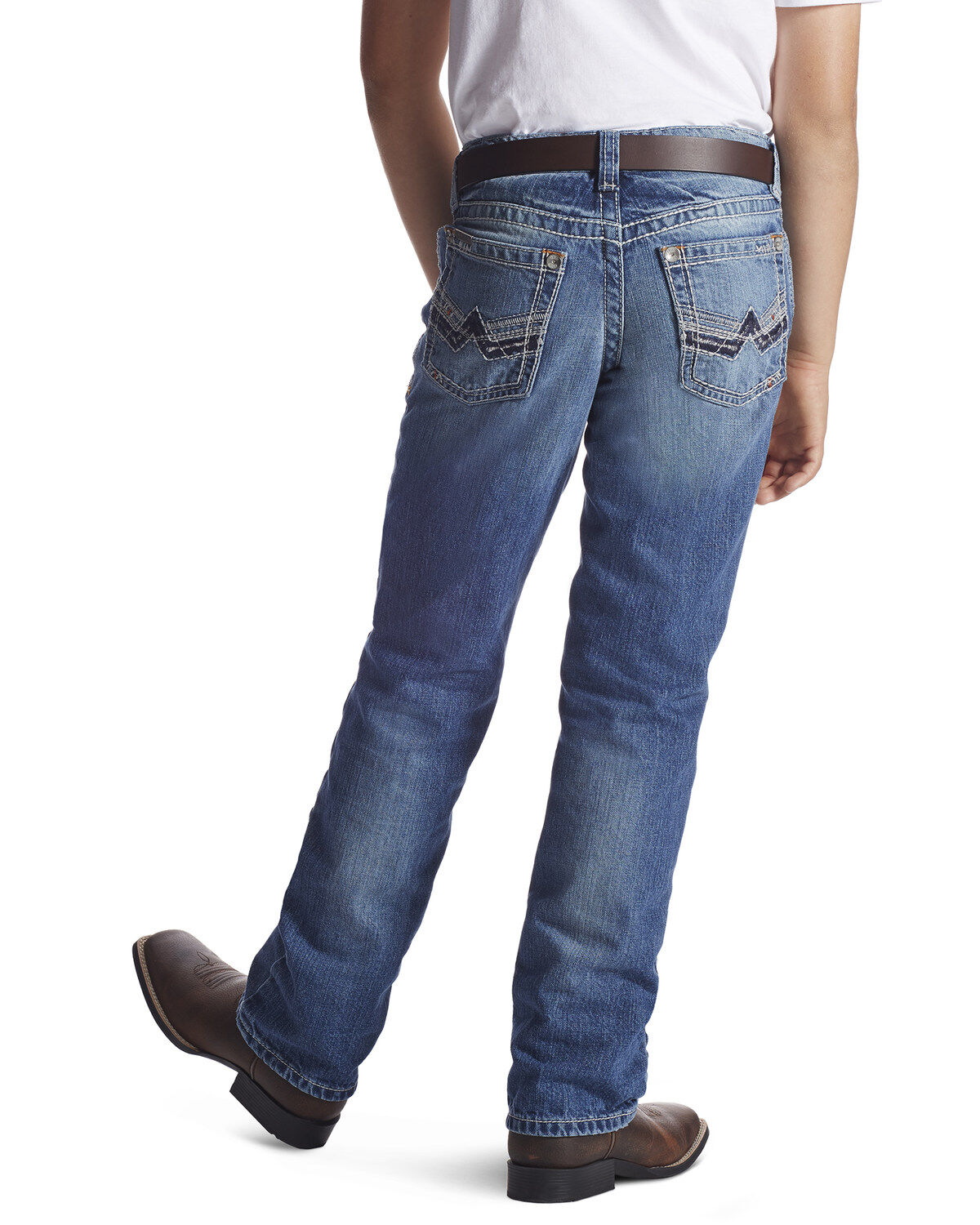
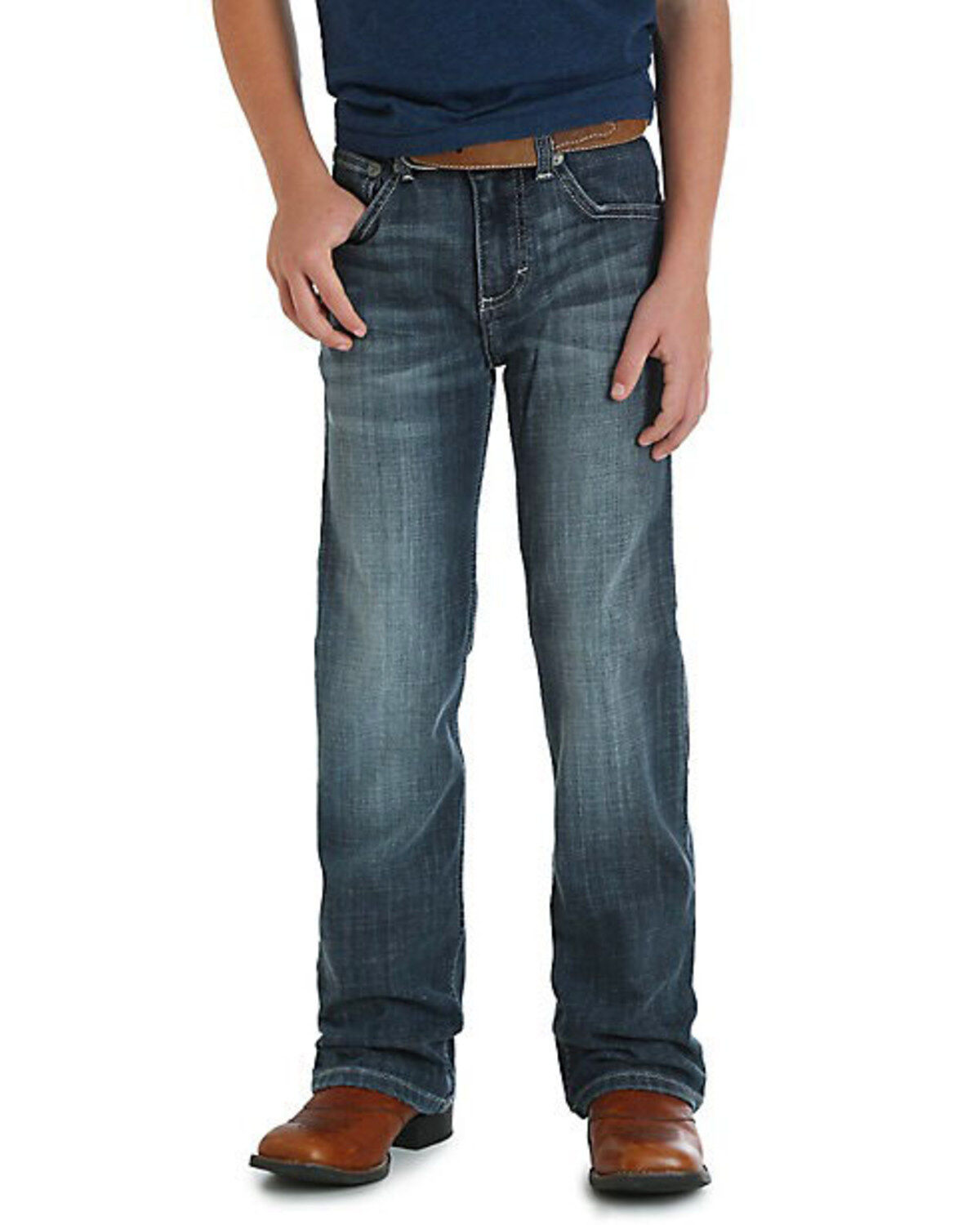
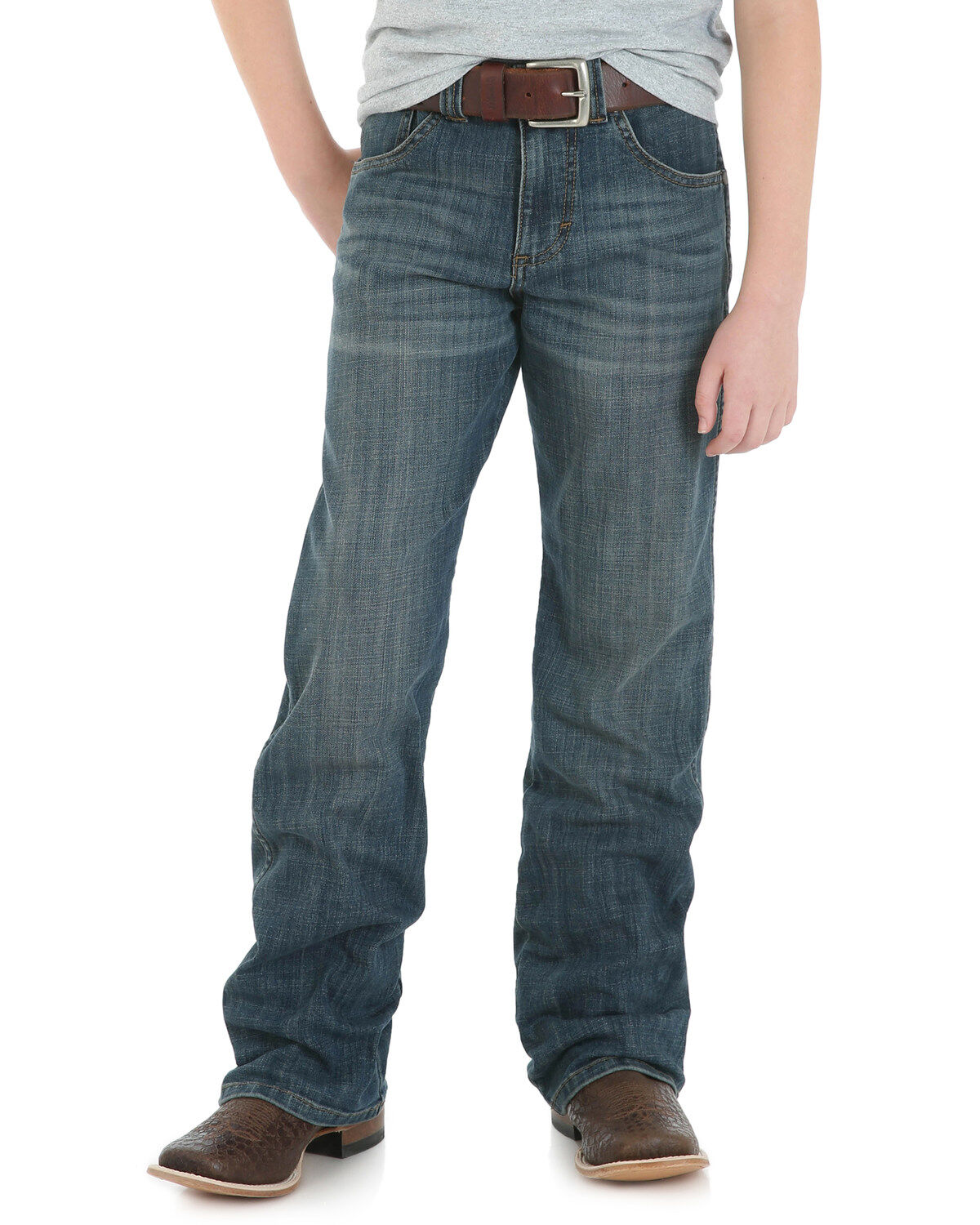
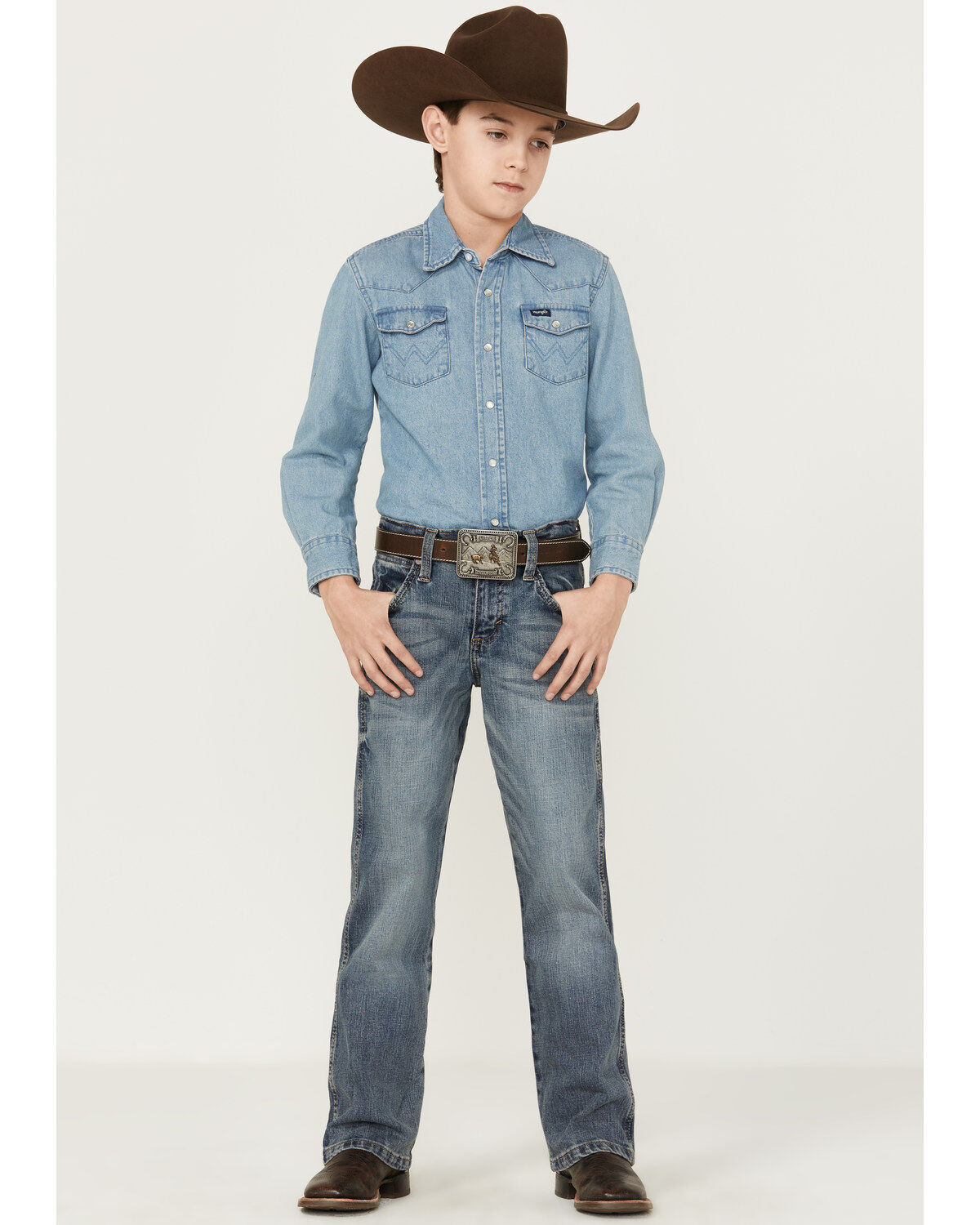
Children's low-waist jeans sit below the natural waist, giving everyday denim a lower waistband position without determining how the rest of the jeans fit. Also called low-rise jeans, they can have a close, straight, relaxed, bootcut, or flared leg, depending on the cut. Rise and leg shape describe different parts of the garment: rise affects where the waistband rests, while leg shape affects the room through the thigh, knee, and opening. That distinction matters for children who like a lower waist but still need space to sit at a desk, climb playground steps, or bend down to pull on boots. A comfortable pair rests securely at the hips without digging in, sliding down, or pulling across the front when the child moves. The waistband should stay in place when seated as well as standing, with enough coverage for ordinary activity. Because sizing and rise measurements vary between makers, an age label alone does not tell the whole story. Waist, hip, and inseam measurements give a clearer picture of fit, especially when compared with jeans the child already wears comfortably. Where provided, a rise measurement helps show how low the waistband will sit. Adjustable waistbands can help fine-tune the fit for children whose waist and leg measurements fall into different sizes, while belt loops allow another way to secure the waist. Neither feature makes up for a cut that is too tight through the seat or too long underfoot. For school days, family visits, and everyday wear, low-waist denim works best when the child can move naturally without repeatedly tugging at the waistband. Shirt length also affects comfort and coverage. A longer T-shirt, an untucked western shirt, or a shirt that stays tucked while reaching can pair well with a lower rise. The result should feel easy to wear, not like something that needs constant adjustment.
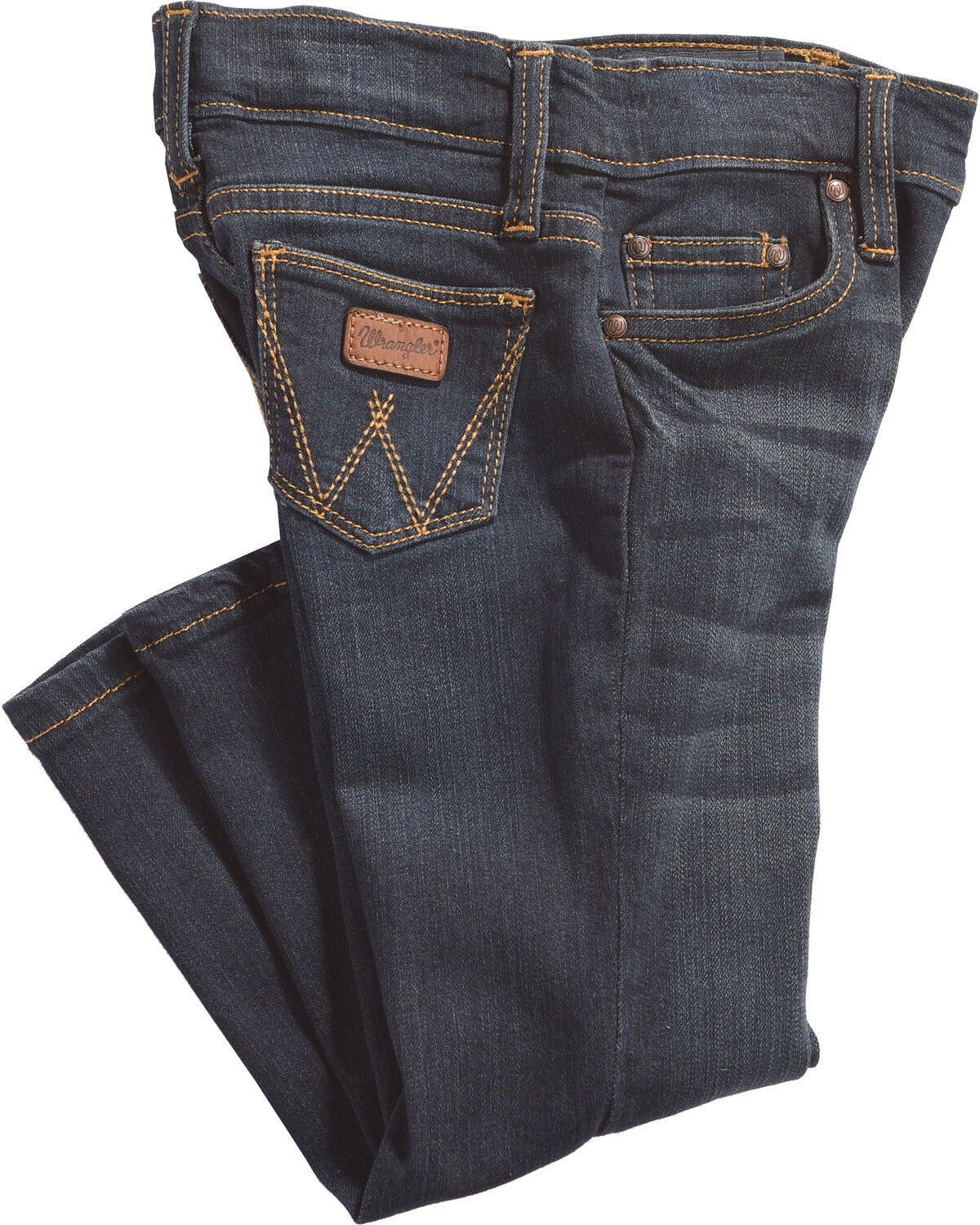
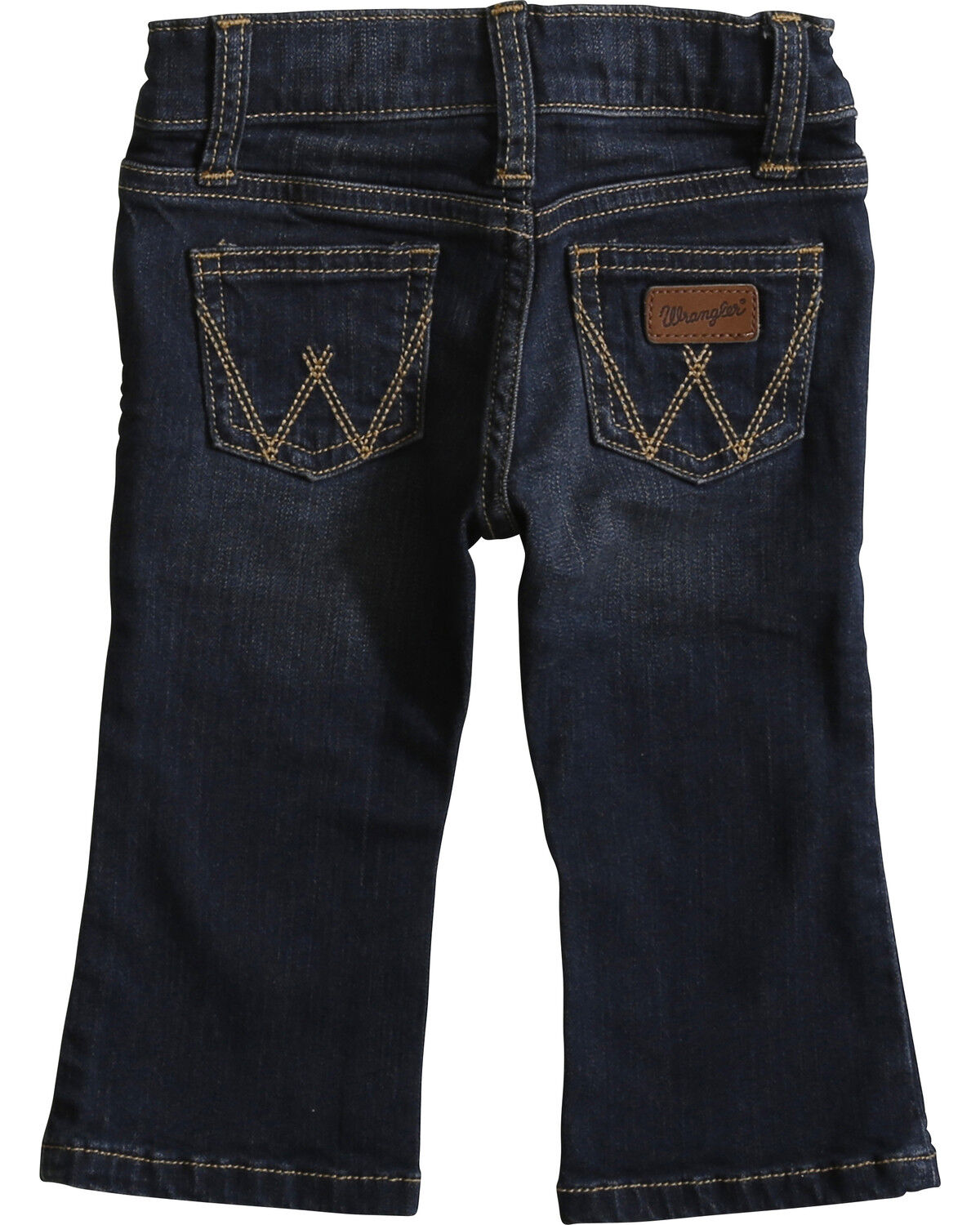
Denim construction has as much influence on children's low-rise jeans as the shape of the waistband. Cotton gives denim its familiar texture, and all-cotton fabric generally feels more structured than denim blended with stretch fibers. It can soften with wear, though the amount of change depends on the weave, weight, and finish. A small amount of elastane or spandex adds give, which can make sitting cross-legged, kneeling, and stepping up easier in a closer fit. Stretch content alone does not establish comfort or durability; the fabric construction and overall cut matter, too. Good stretch recovery helps denim return toward its original shape rather than staying loose at the knees or seat after a full day. Lighter-weight denim can feel less bulky, while heavier denim often has a firmer feel. Neither weight guarantees longer wear, particularly at points that receive repeated friction. Knees, pocket corners, belt loops, and the inner legs are useful areas to examine for sound stitching and construction. Reinforced seams or rivets may support stress points, but they do not make jeans resistant to every scrape or tear. Soft interior seams and a smooth waistband are especially important for children who notice rough fabric against their skin. Closures deserve attention as well. A button, snap, or zipper should be manageable for the child wearing the jeans, particularly during independent dressing or a busy school day. Pockets add practical storage for small everyday belongings, although pocket depth and placement vary with the design. A lower rise can also change how front pockets feel when sitting. Washes and finishes contribute to the look without changing the basic purpose of the jeans. An even dark wash gives a more uniform appearance, while faded areas create a worn-in look. Intentional distressing leaves less fabric in those spots, a consideration for children who spend plenty of time on their knees building, drawing, or playing. The most useful details support the way the jeans will actually be worn.
Leg shape brings another layer of choice to low-waist denim. Straight-leg jeans have a relatively consistent line below the knee and pair easily with many everyday shoes. Bootcut jeans widen toward the hem to leave room around a boot shaft, while flared cuts have a more pronounced opening. The fit through the thigh can still vary within each of those shapes. For a roomier silhouette, children's trouser leg jeans offer a related style to consider, with the waistband position checked separately from the leg description. Footwear helps determine the right length. Jeans that sit neatly over cowboy boots may drag when worn with flatter shoes, and fabric caught beneath a heel wears down quickly. Enough length to meet the footwear without pooling underfoot keeps the hem out of the way on stairs and playground equipment. Extra growing room is useful only when it does not interfere with walking or leave the waist unsecured. Low-waist jeans can make a practical gift for a child who already likes the fit, particularly when the giver knows the child's measurements and preferred leg shape. Matching those preferences is more reliable than choosing by age alone. Care also plays a part in how denim fits and wears over time. The garment's care label takes priority because fiber blends, dyes, and finishes respond differently to washing and drying. Turning jeans inside out and washing them with similar colors can help limit surface abrasion and dye transfer. Cooler wash settings, when permitted by the label, and avoiding unnecessary high dryer heat can help reduce shrinkage and protect stretch fibers. Mud, food, and grass marks are easier to address with a treatment suited to the fabric before they become set. Checking loose threads, worn hems, and small seam openings gives caregivers a chance to handle minor repairs before damage spreads. With a secure waistband, comfortable movement, and care matched to the fabric, children's low-waist jeans can serve as dependable everyday denim.

 $29.99
 $74.99
 $74.99
 $69.99
 $69.99