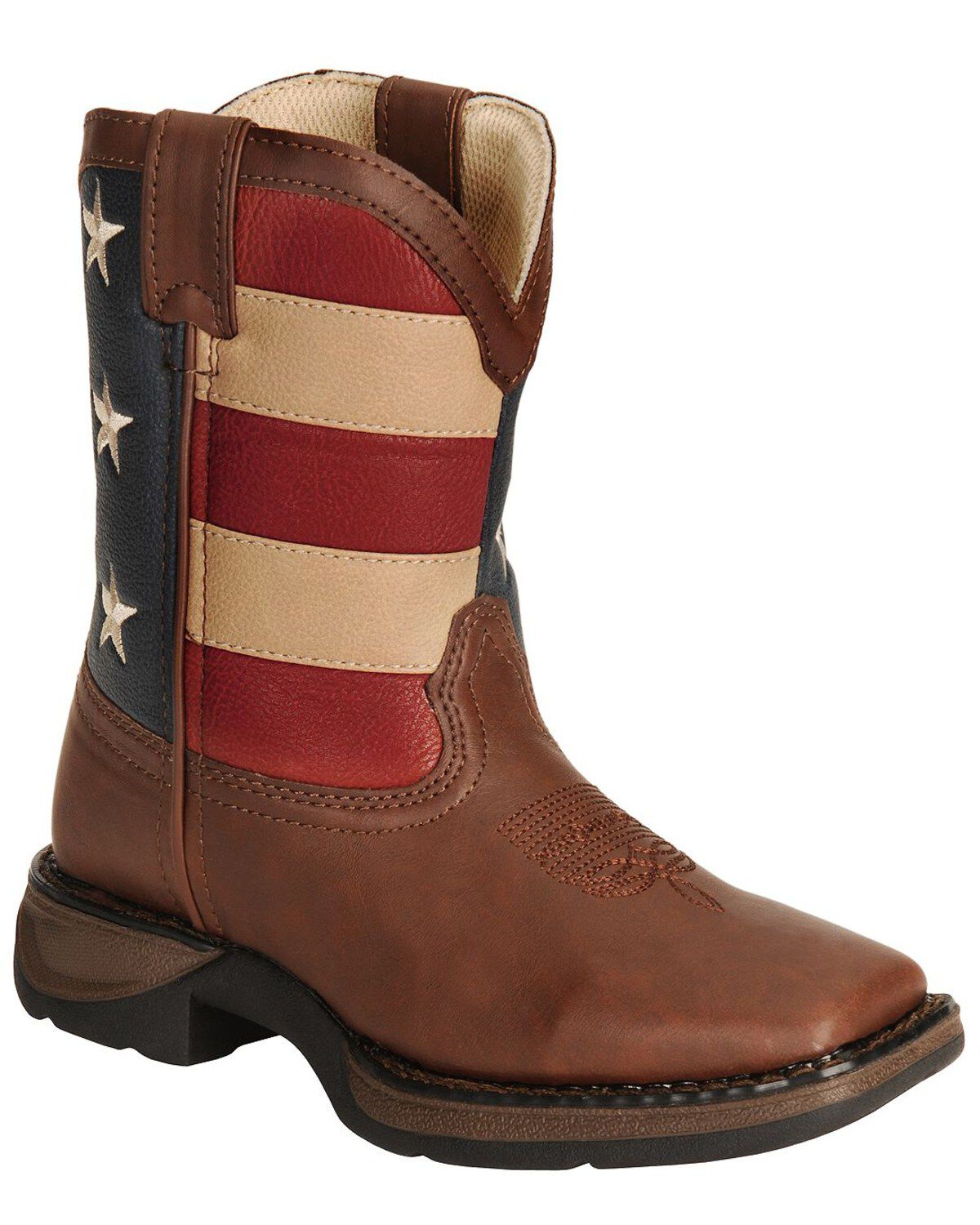
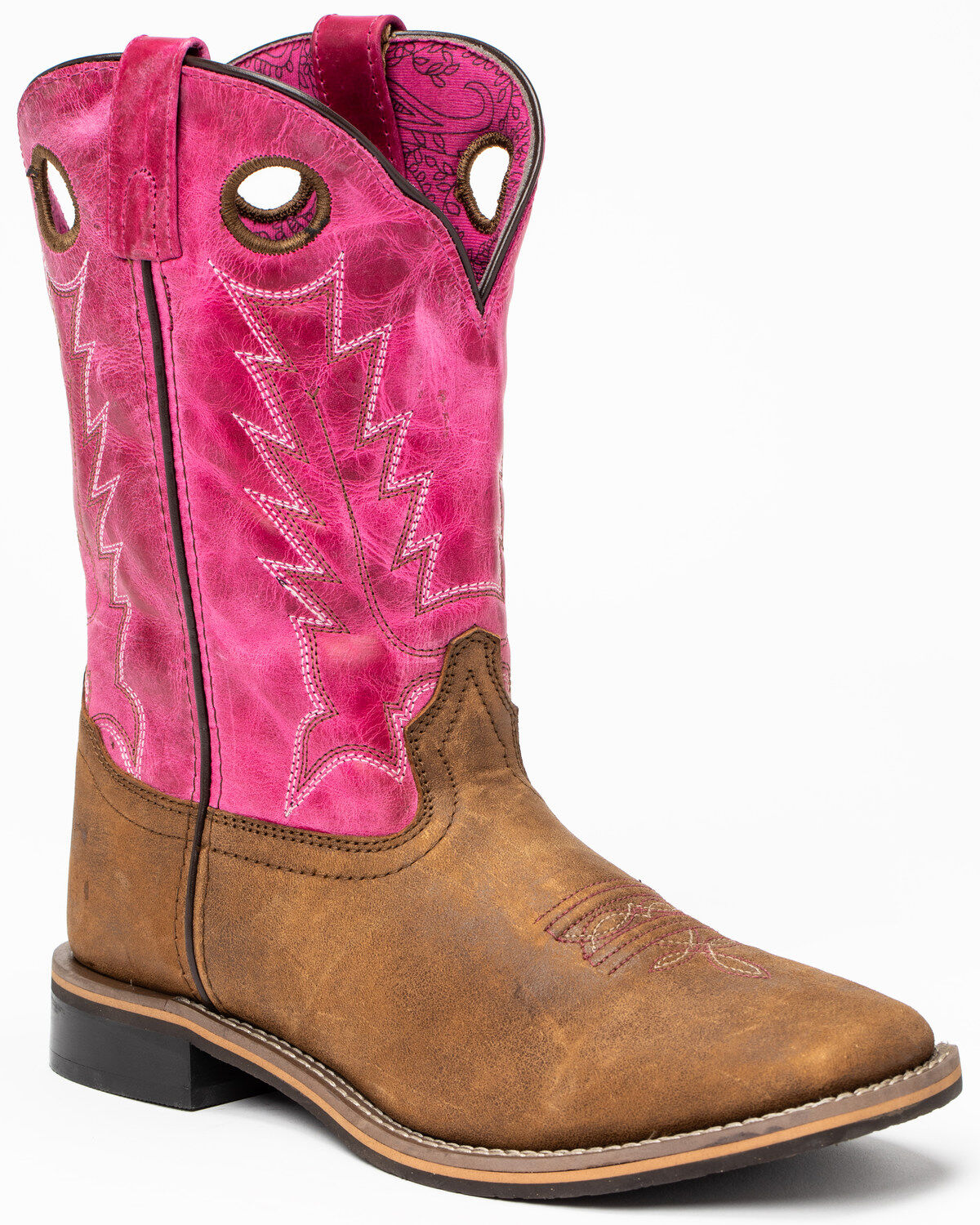
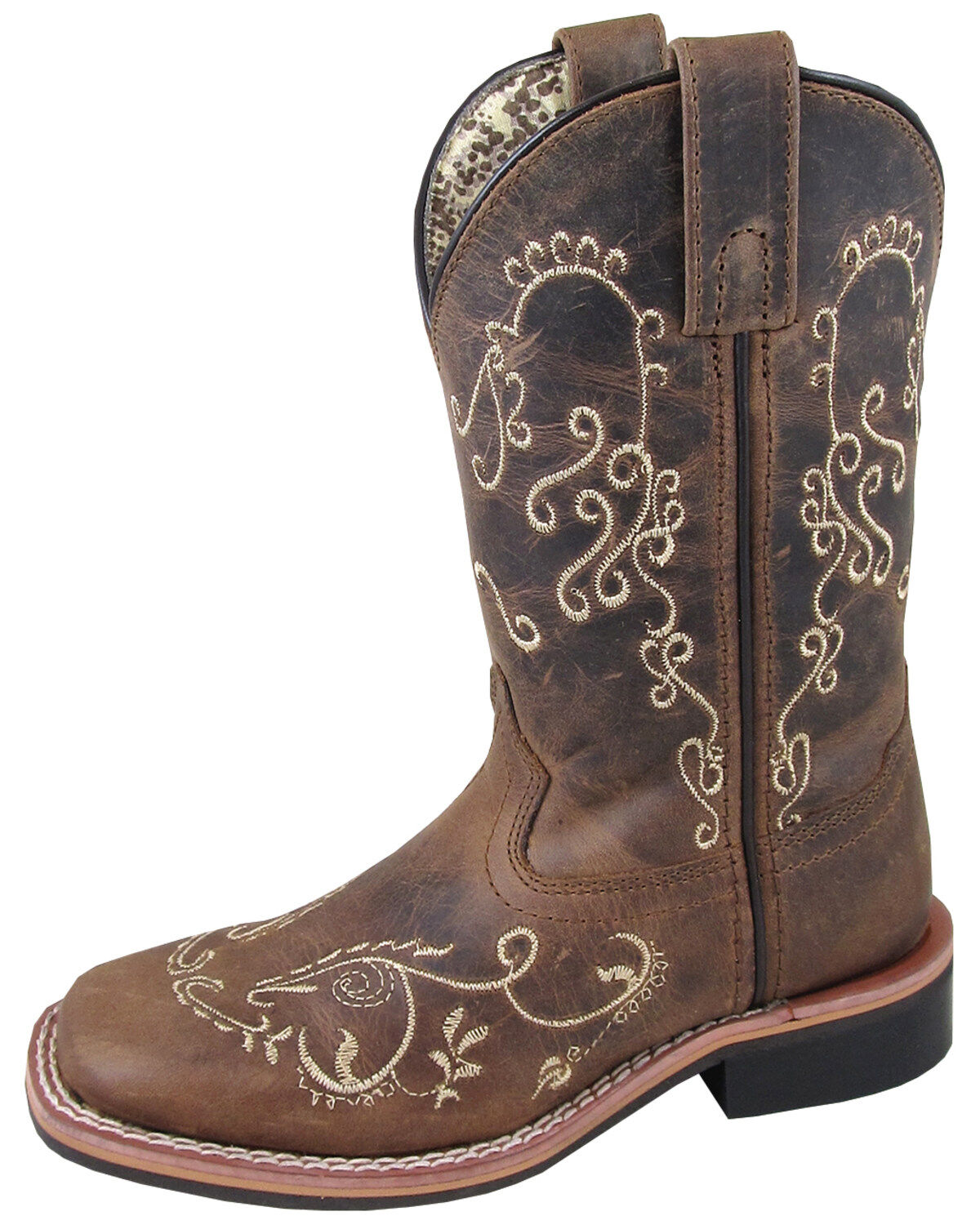
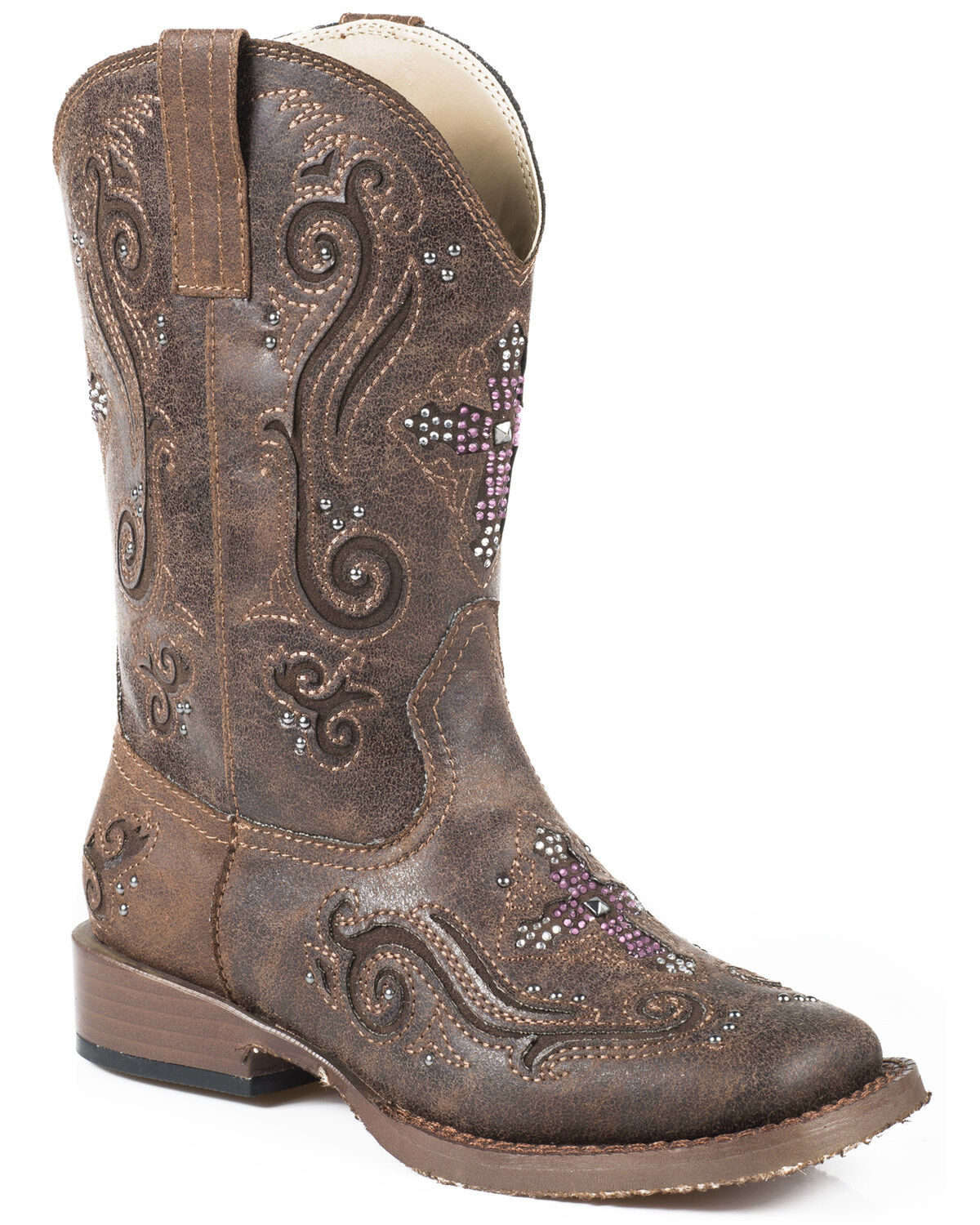
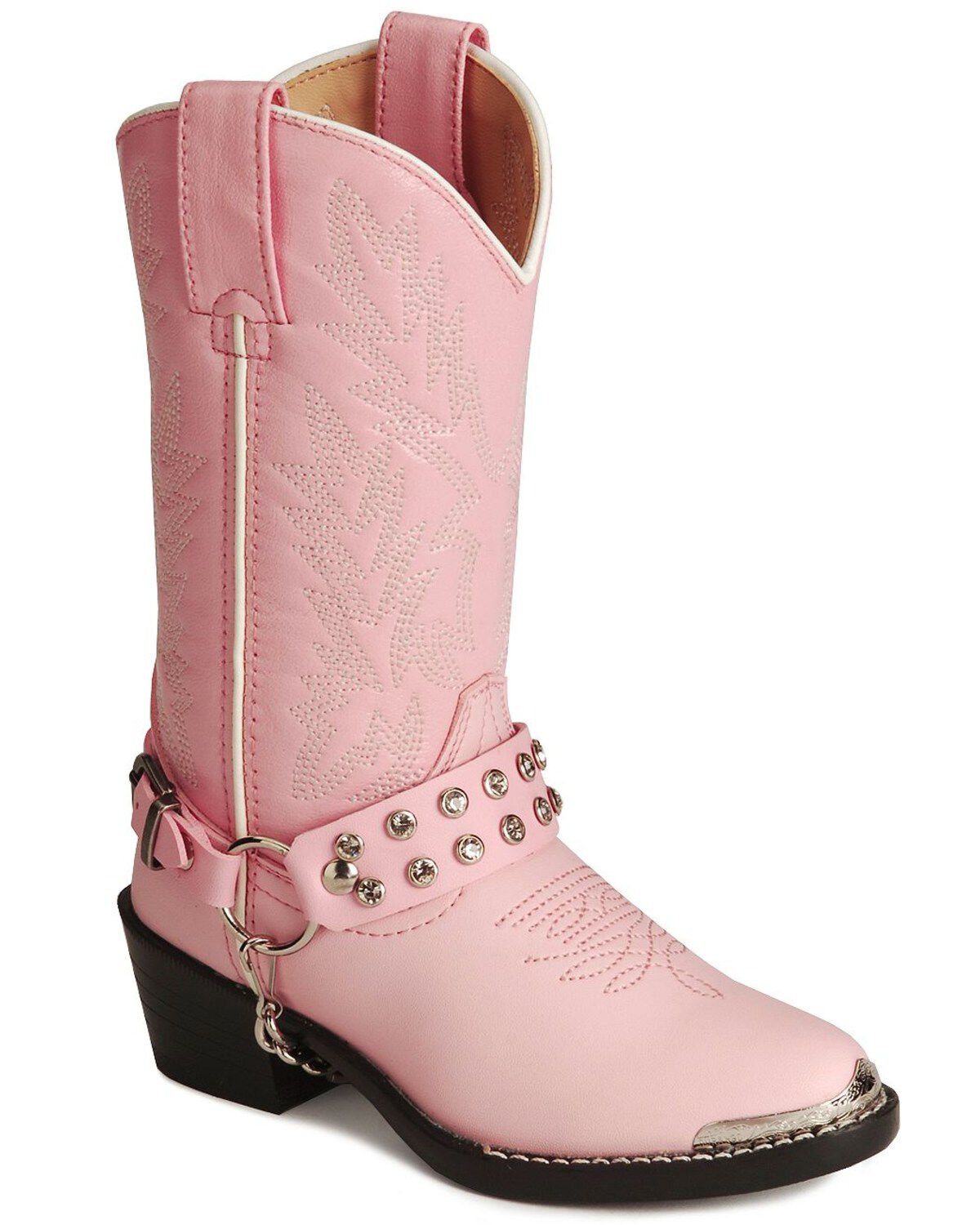
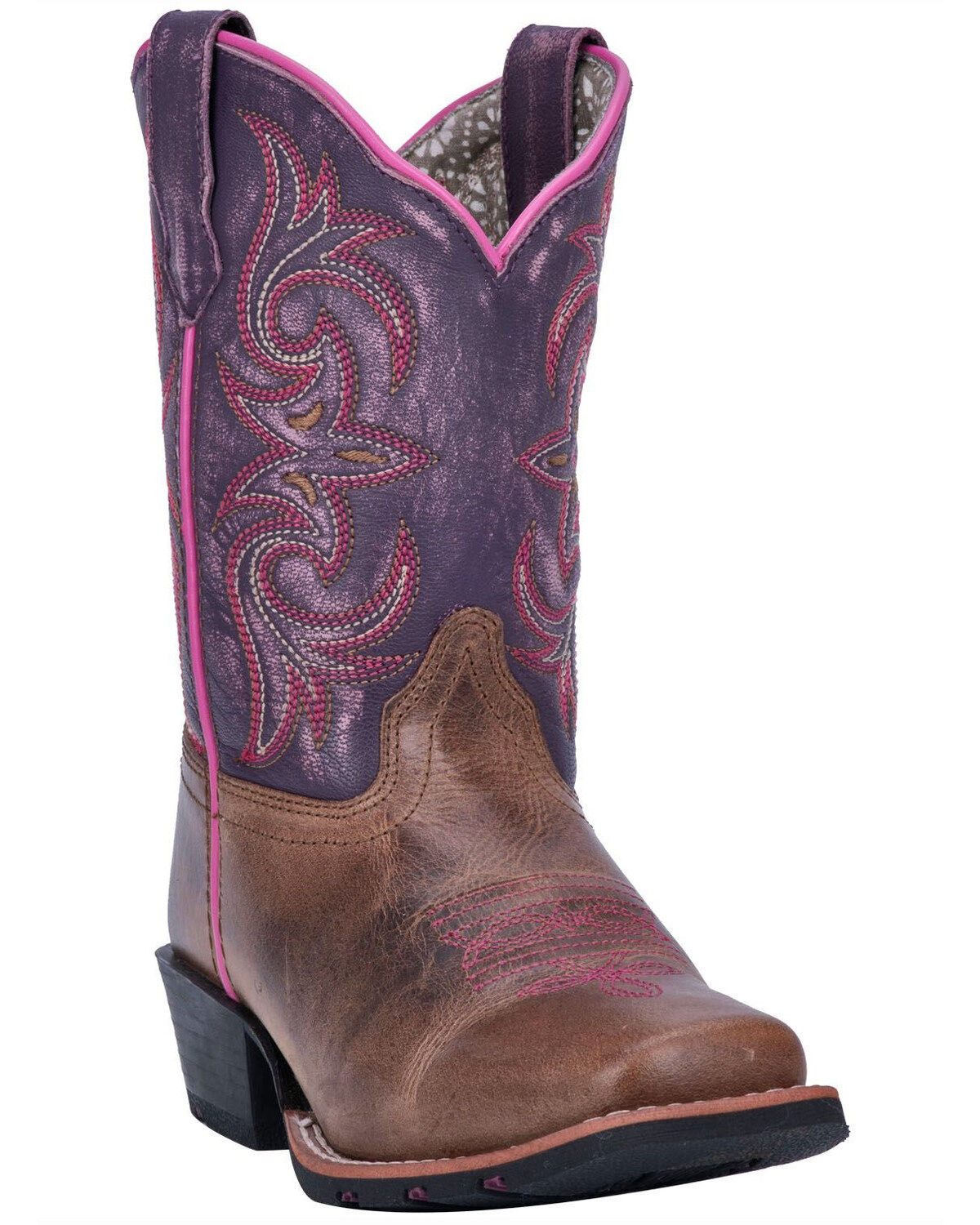
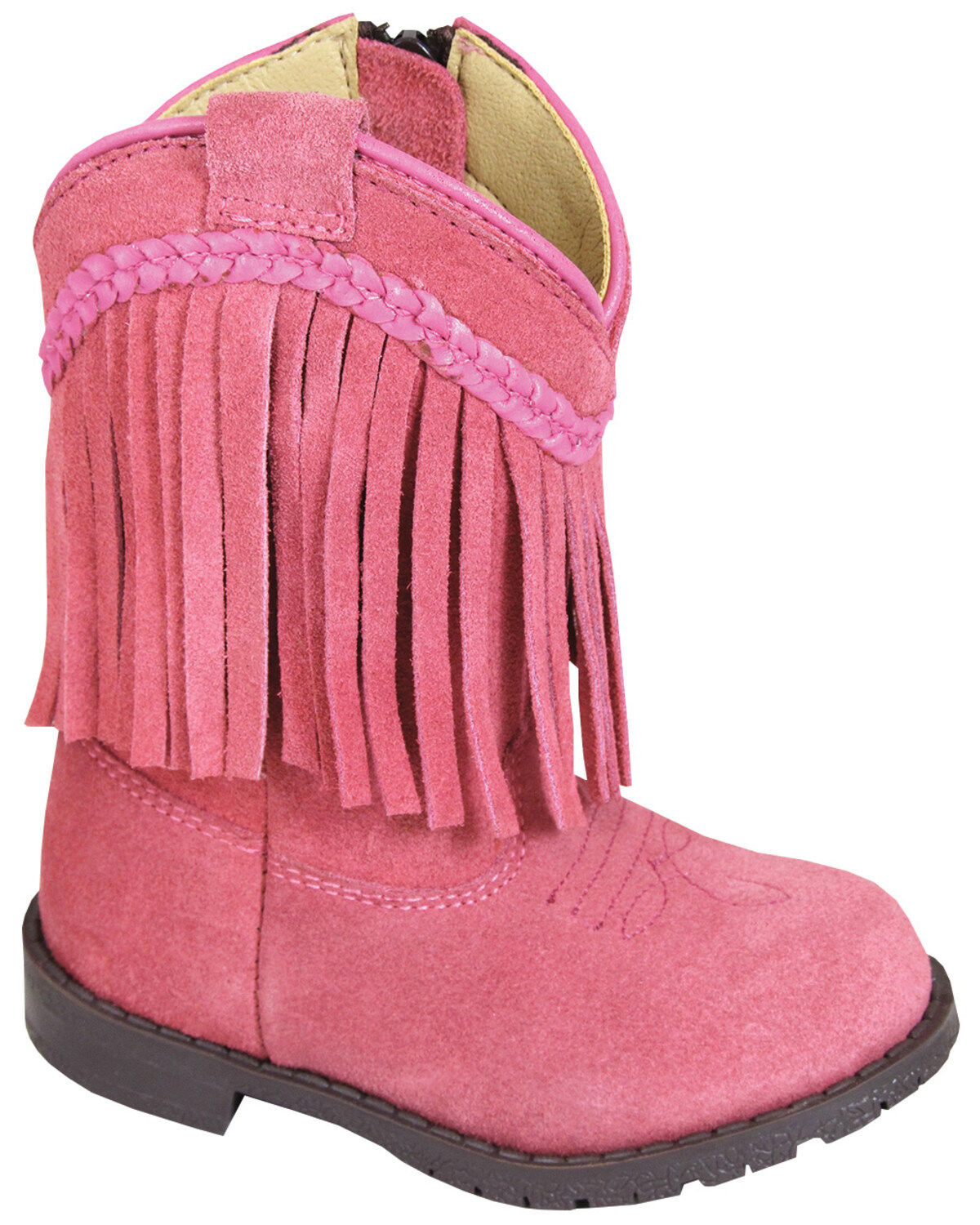
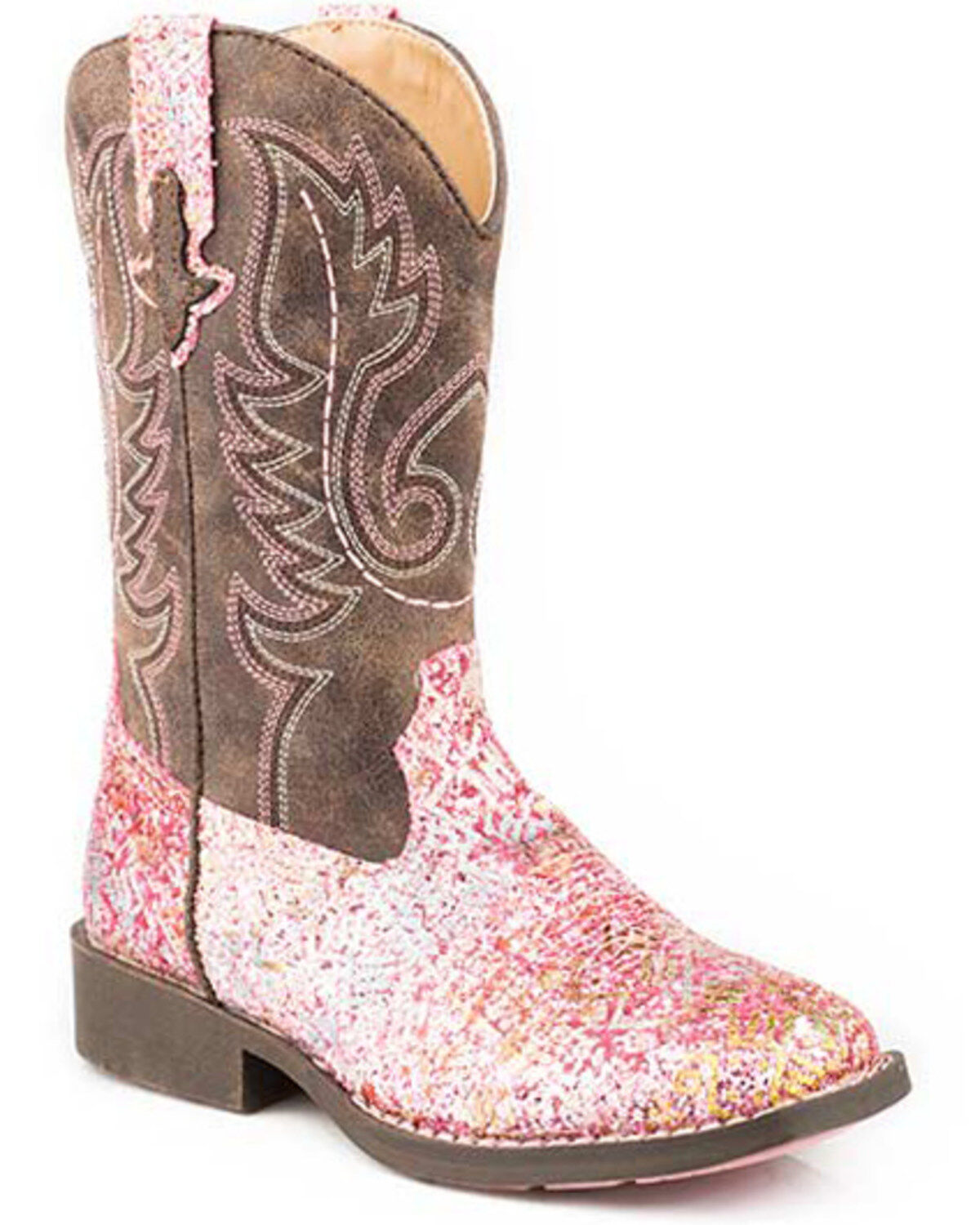
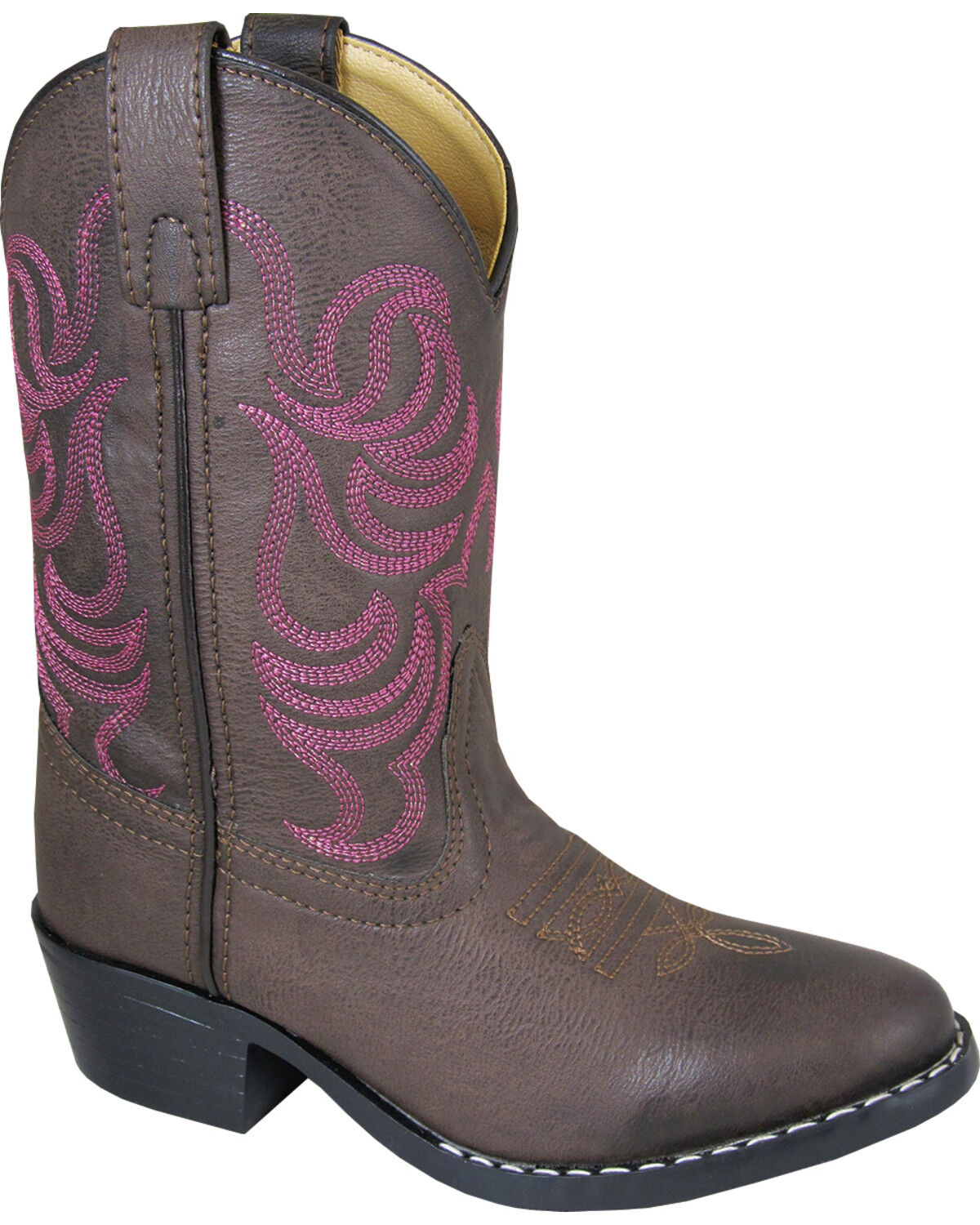
Children's Boots

Shop children's boots with western style for everyday wear and special occasions. Browse the available sizes and styles, and check each pair’s fit and care details to find kids’ boots that suit their needs.

Shop Your Store: Shop Your Store: Find a Store

(Turn off Shop Your Store to see all items)

(Turn off Shop Your Store to see all items)

close
  • Recommended
  • Lowest Price
  • Highest Price
Skip pass products
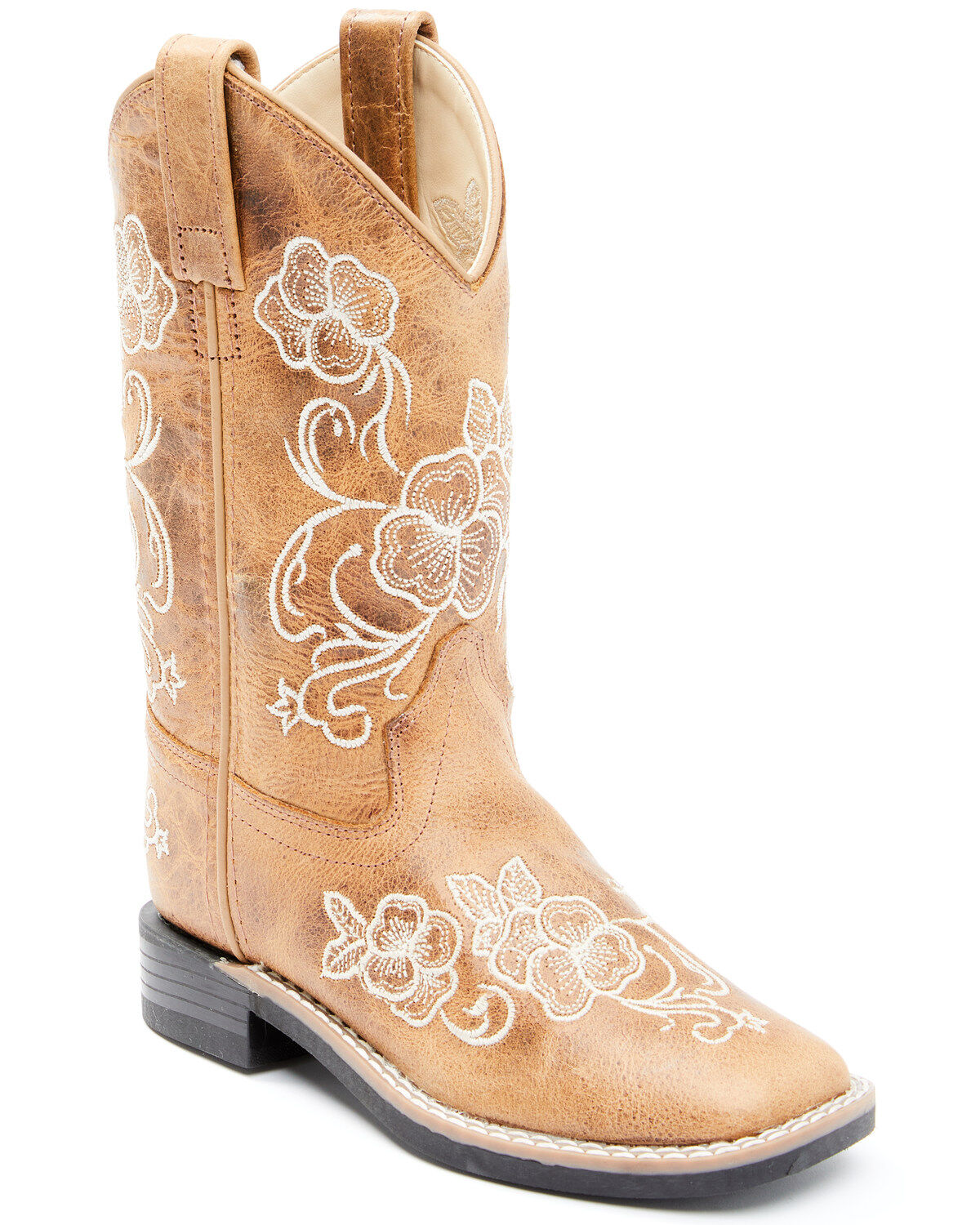
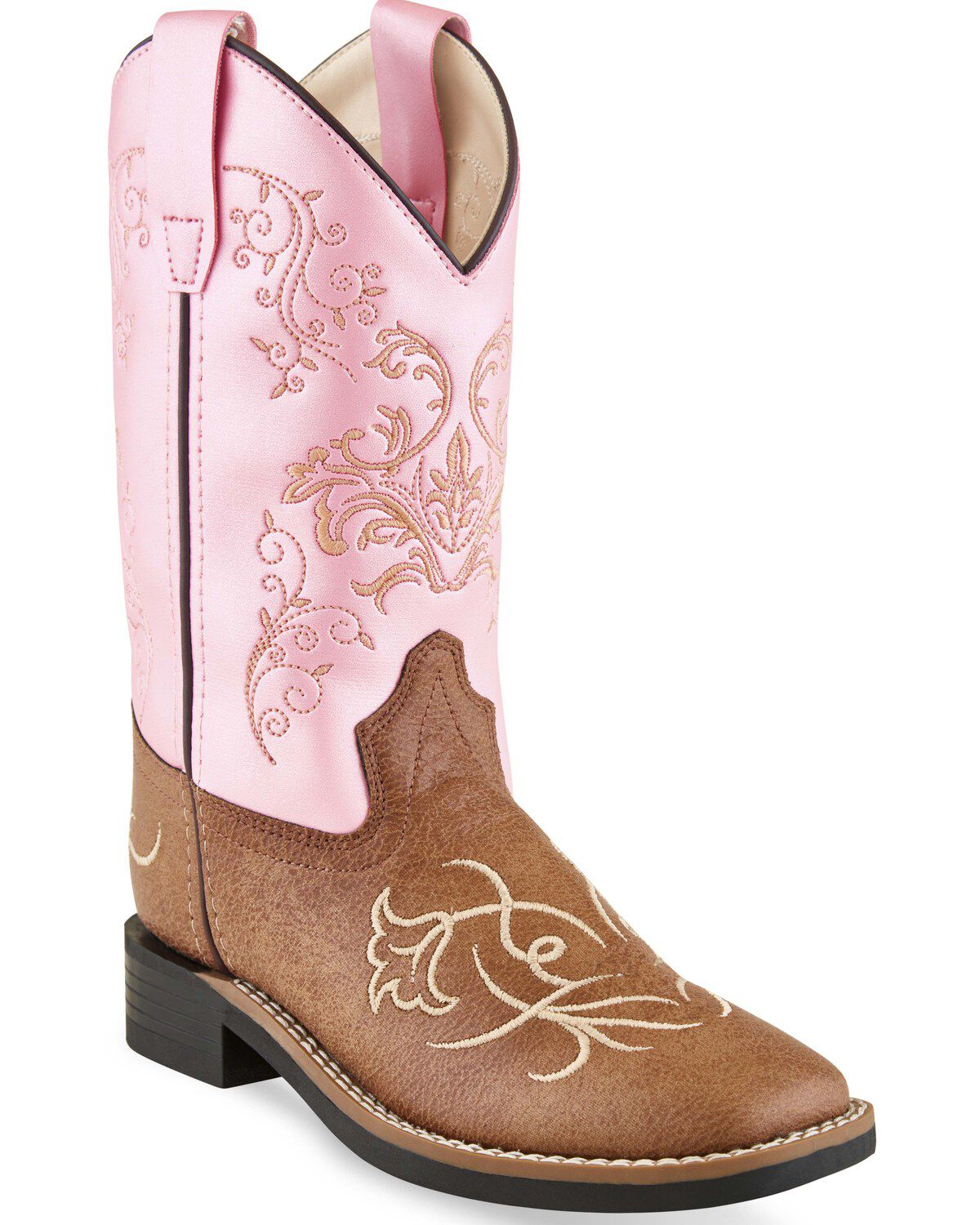
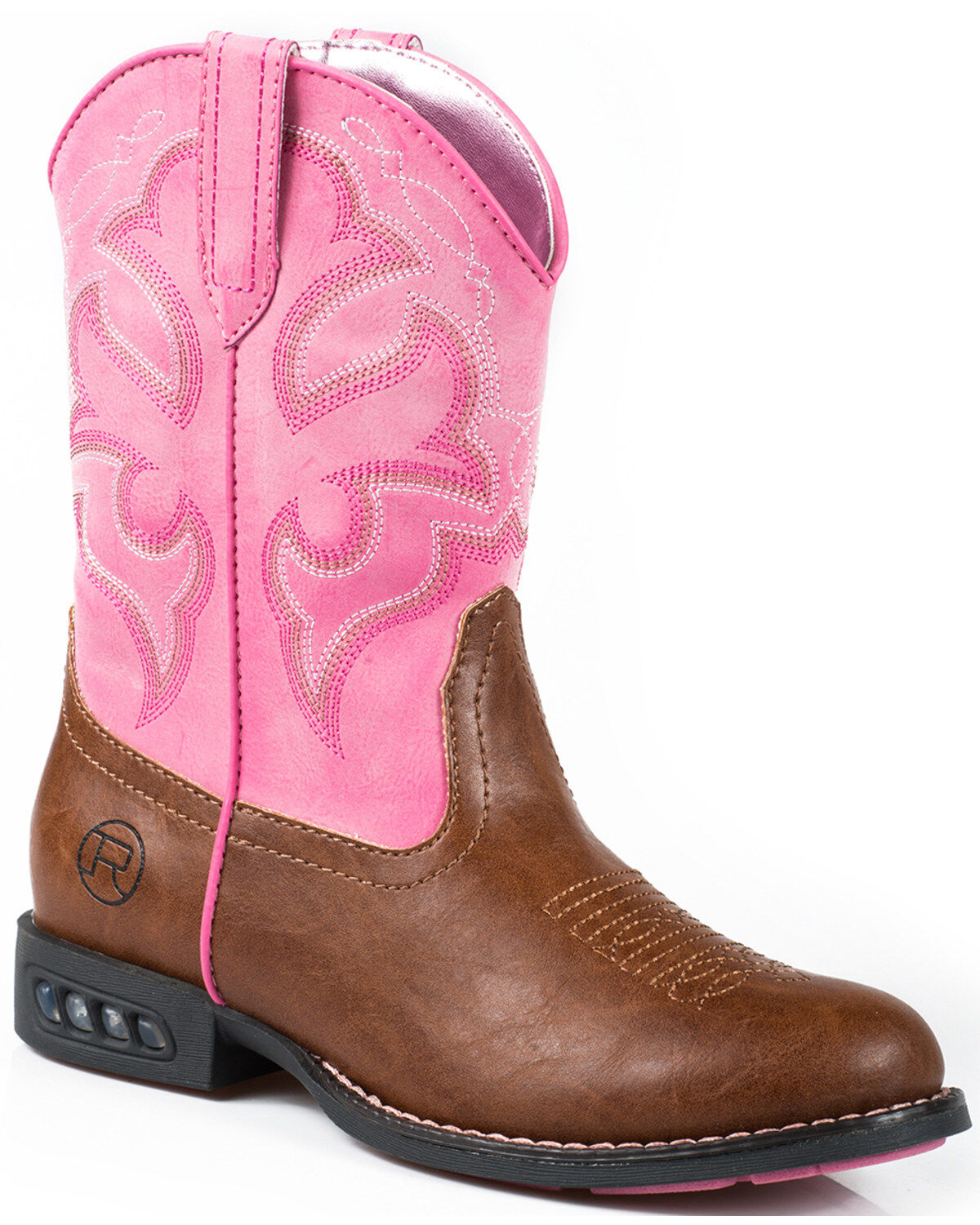
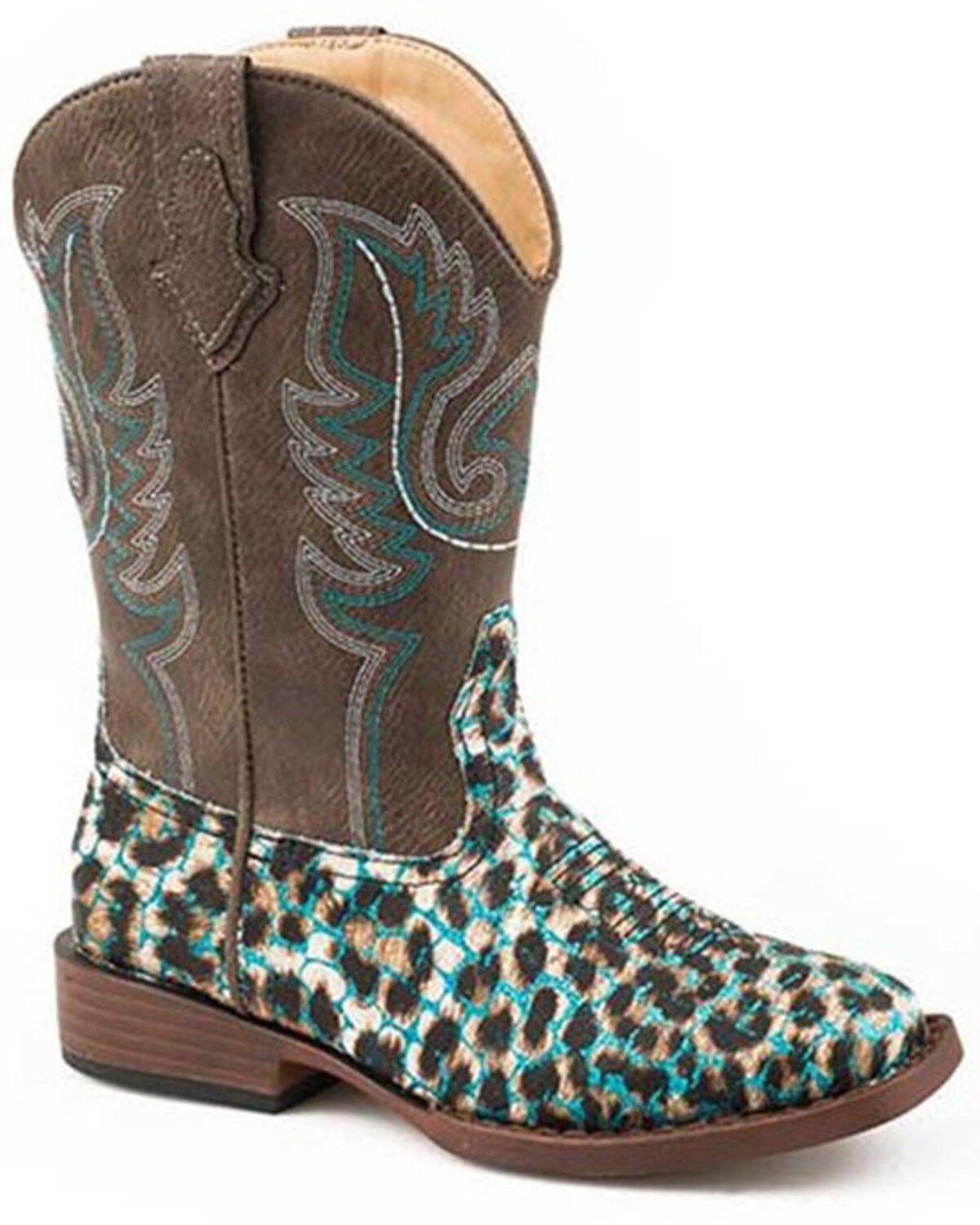
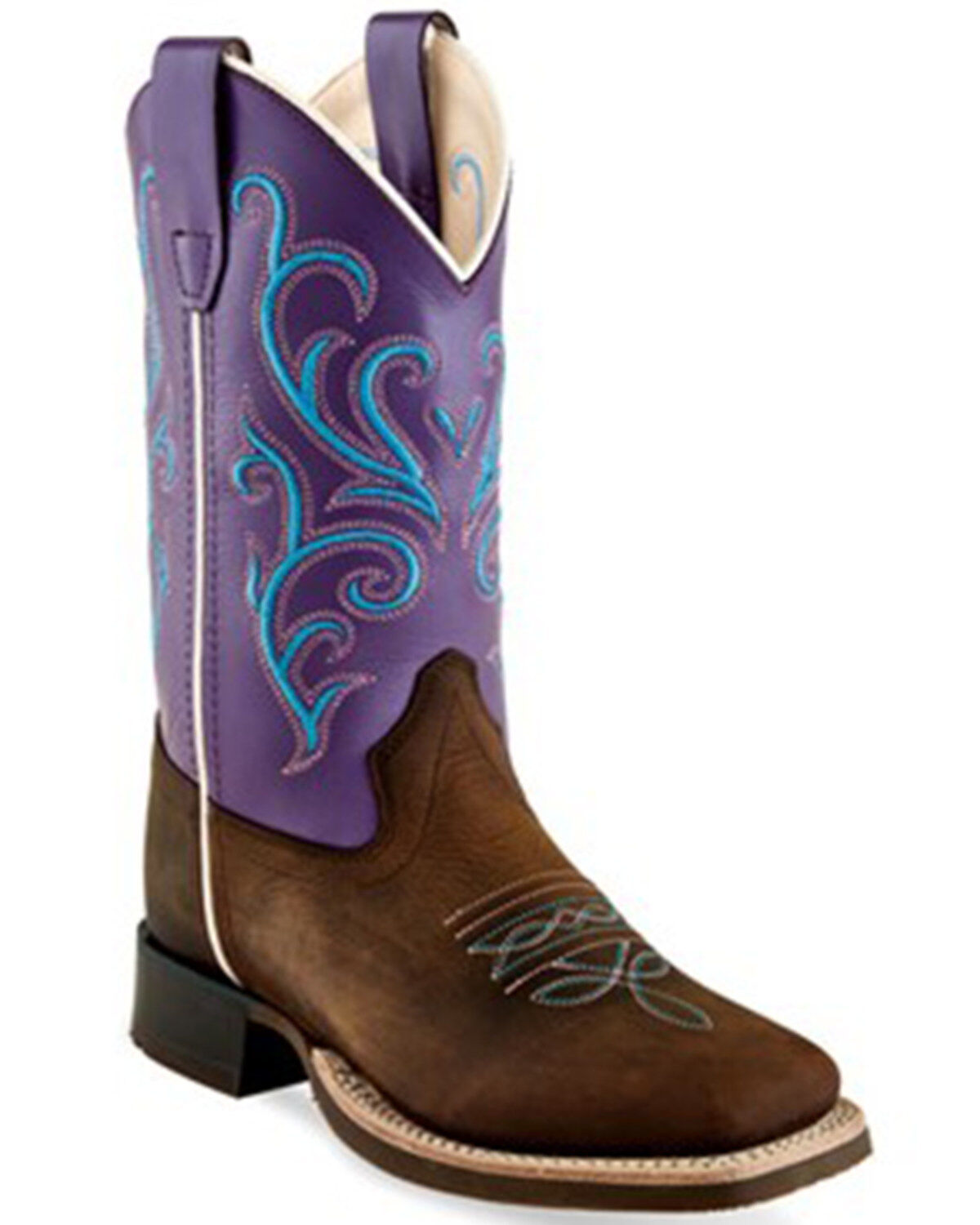
  • Girls' Shyanne Aria Faux Leather Western Boots - Square Toe
    Original Price $59.99 $39.97
    33% Total Savings
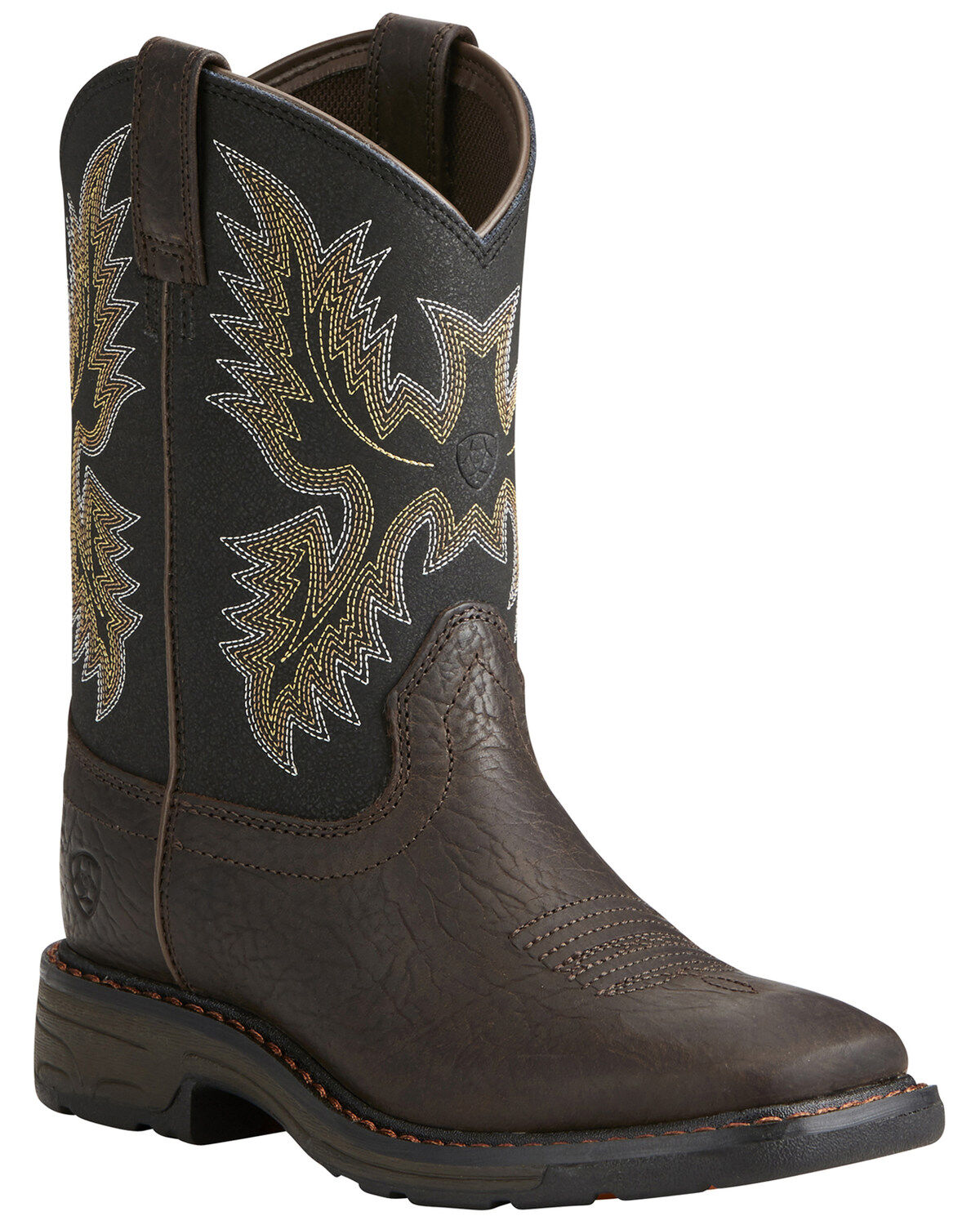
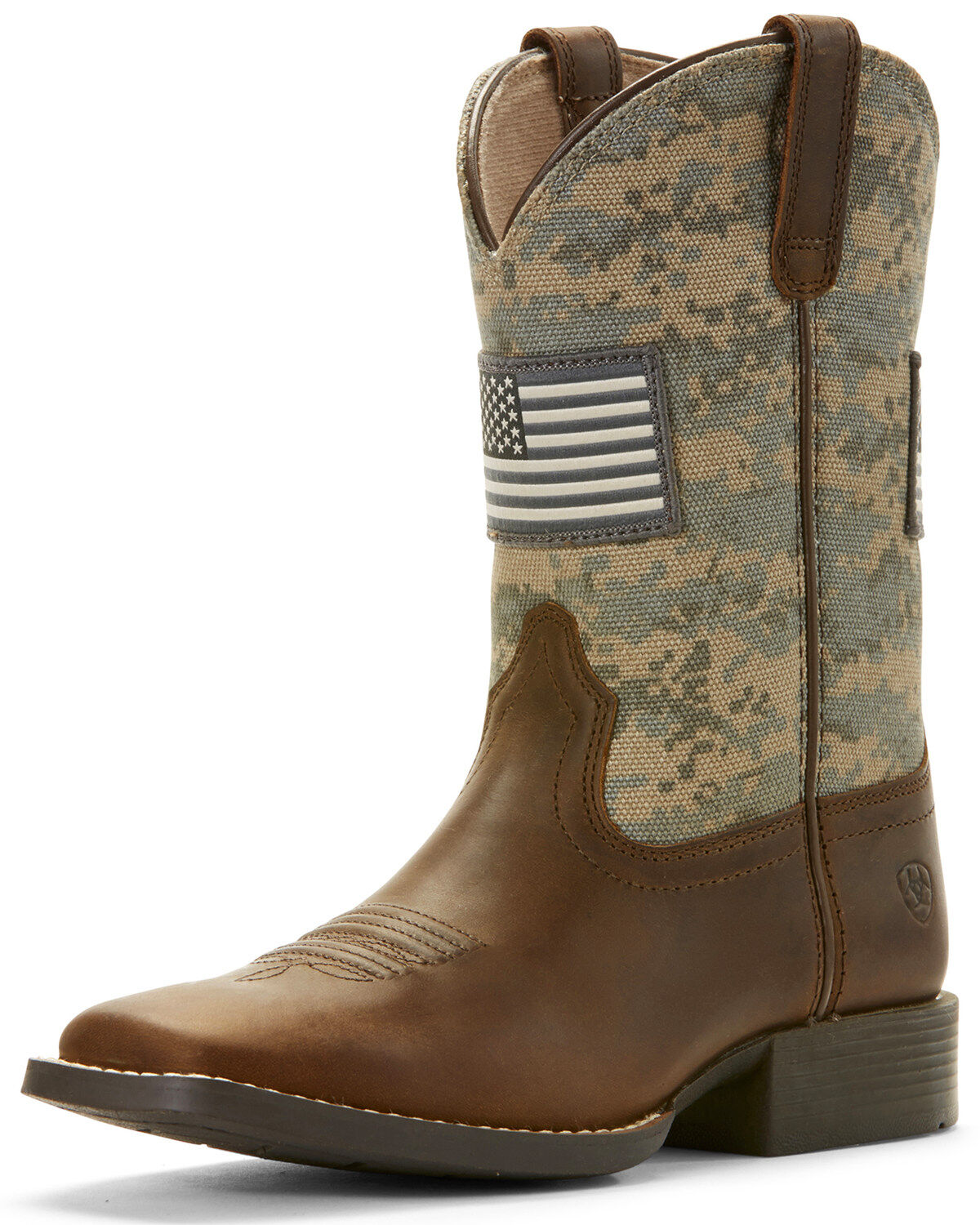
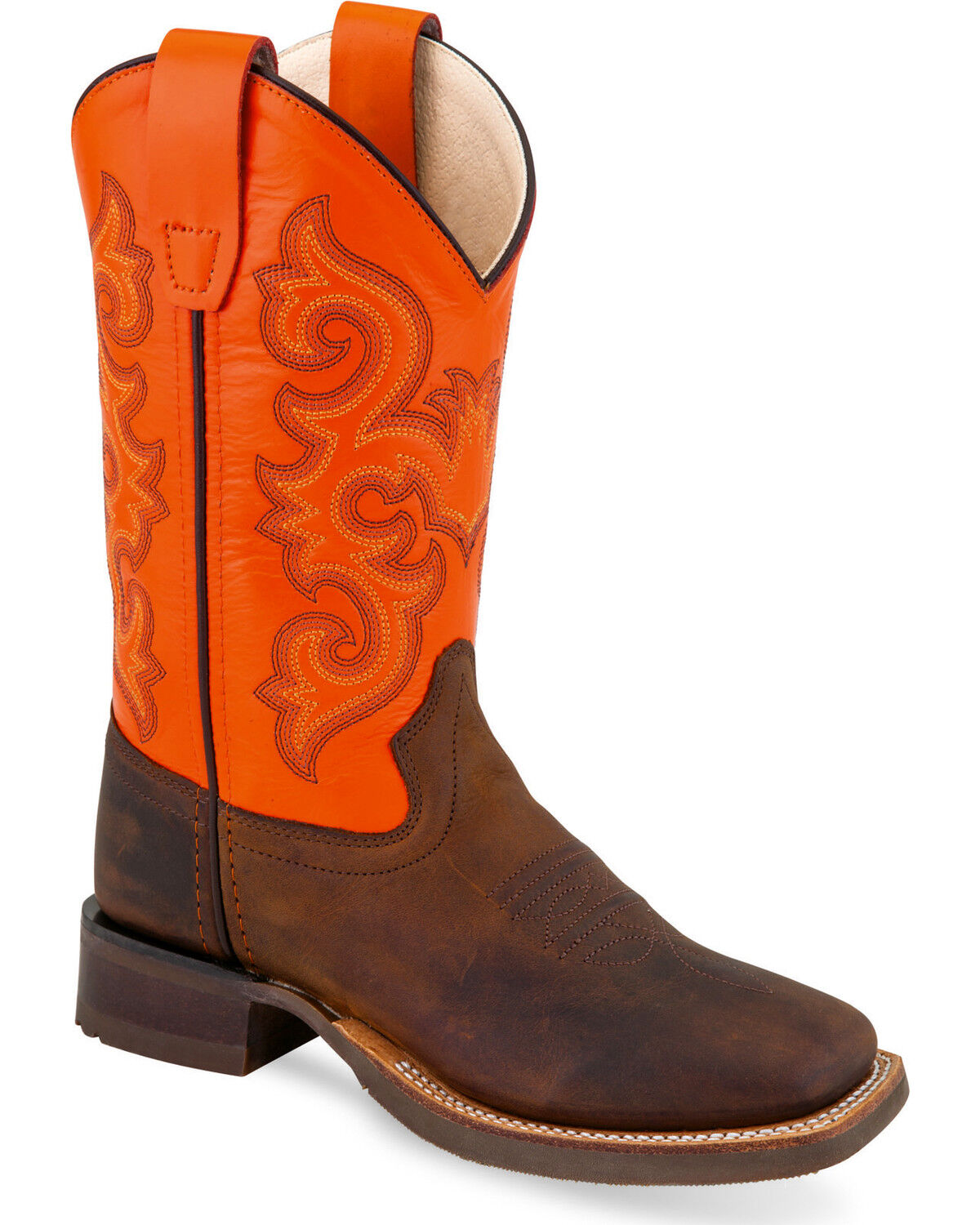
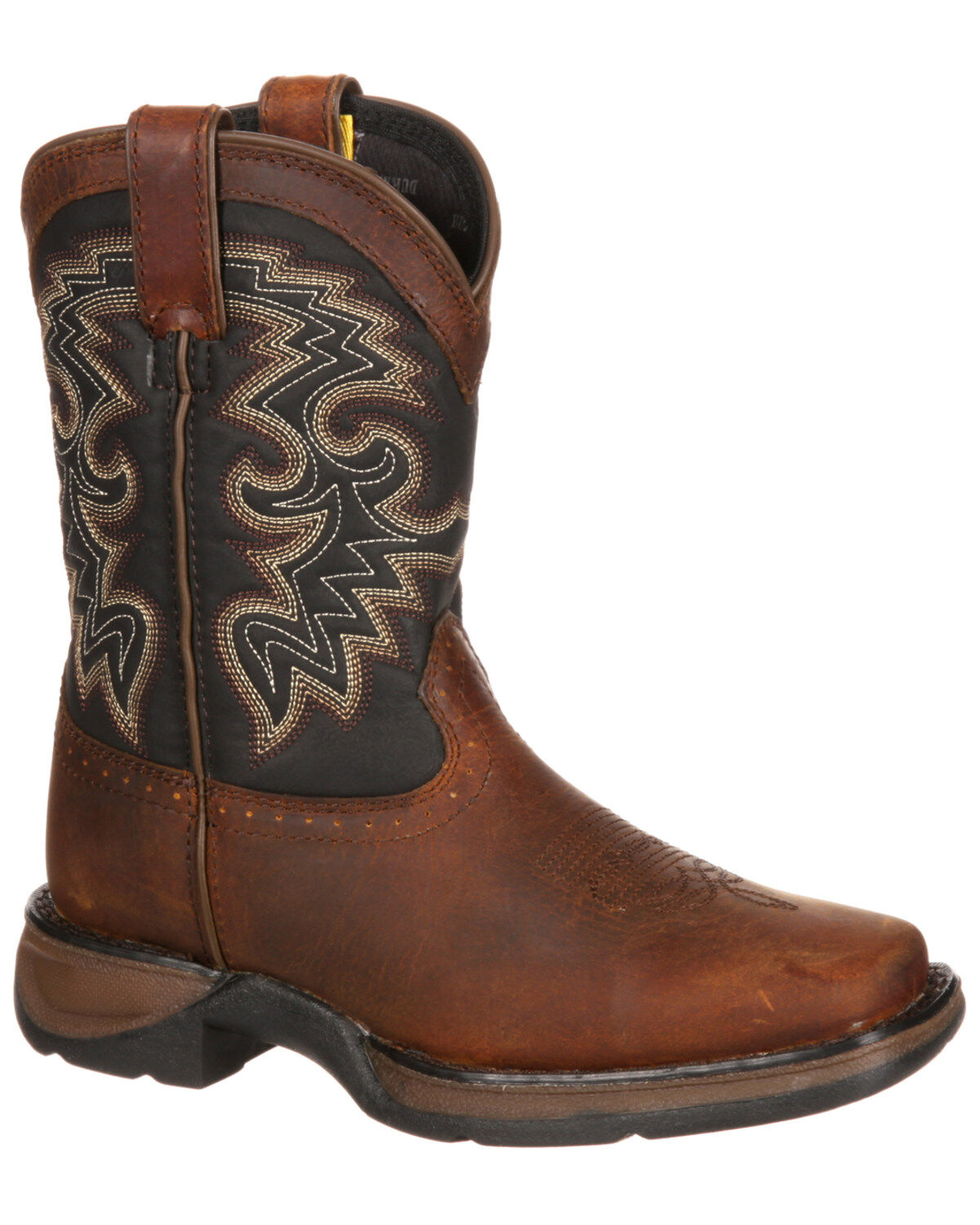
  • Boys' Ariat WorkHog Bruin Western Boots - Square Toe
    Original Price $119.99 $84.97
    29% Total Savings
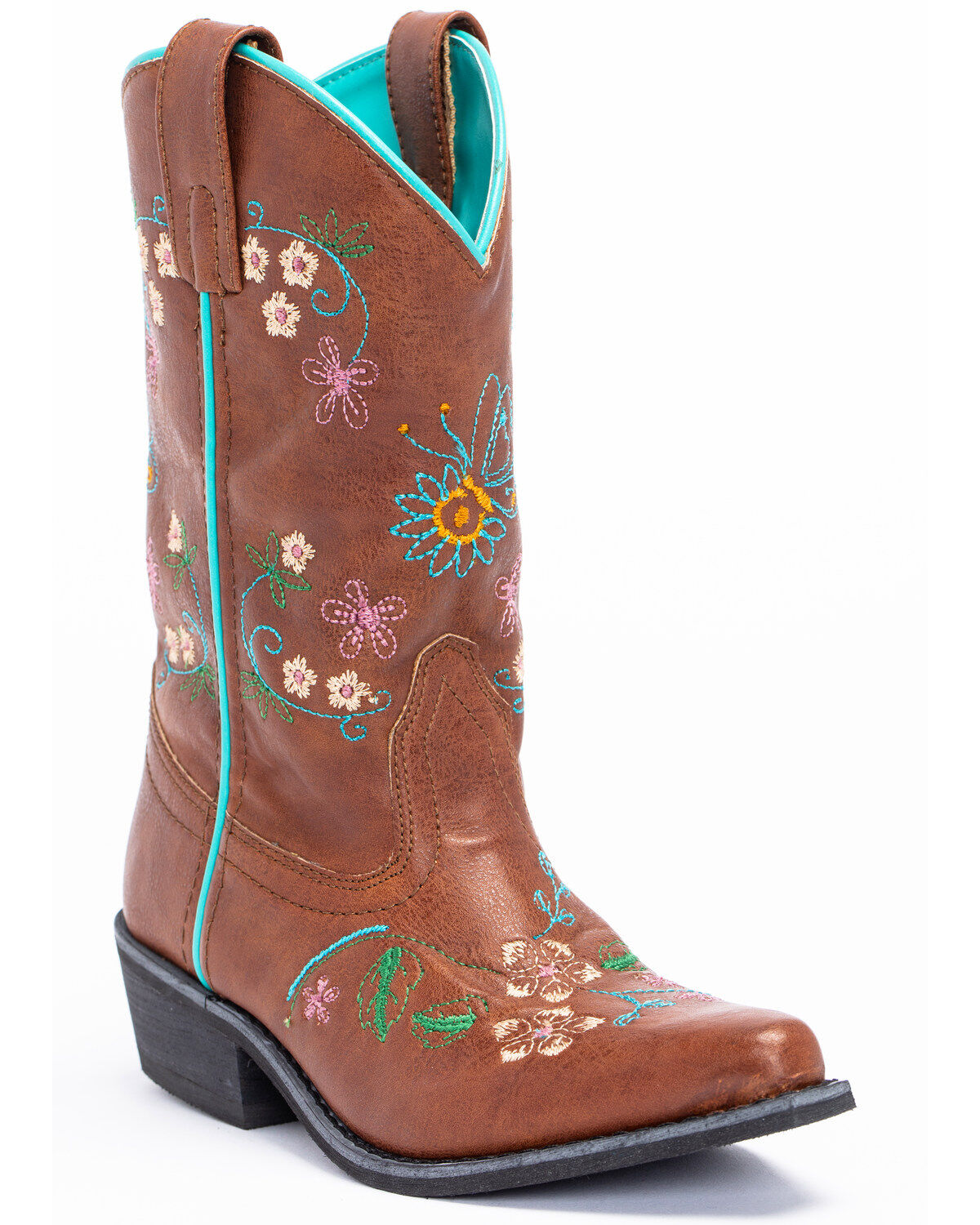
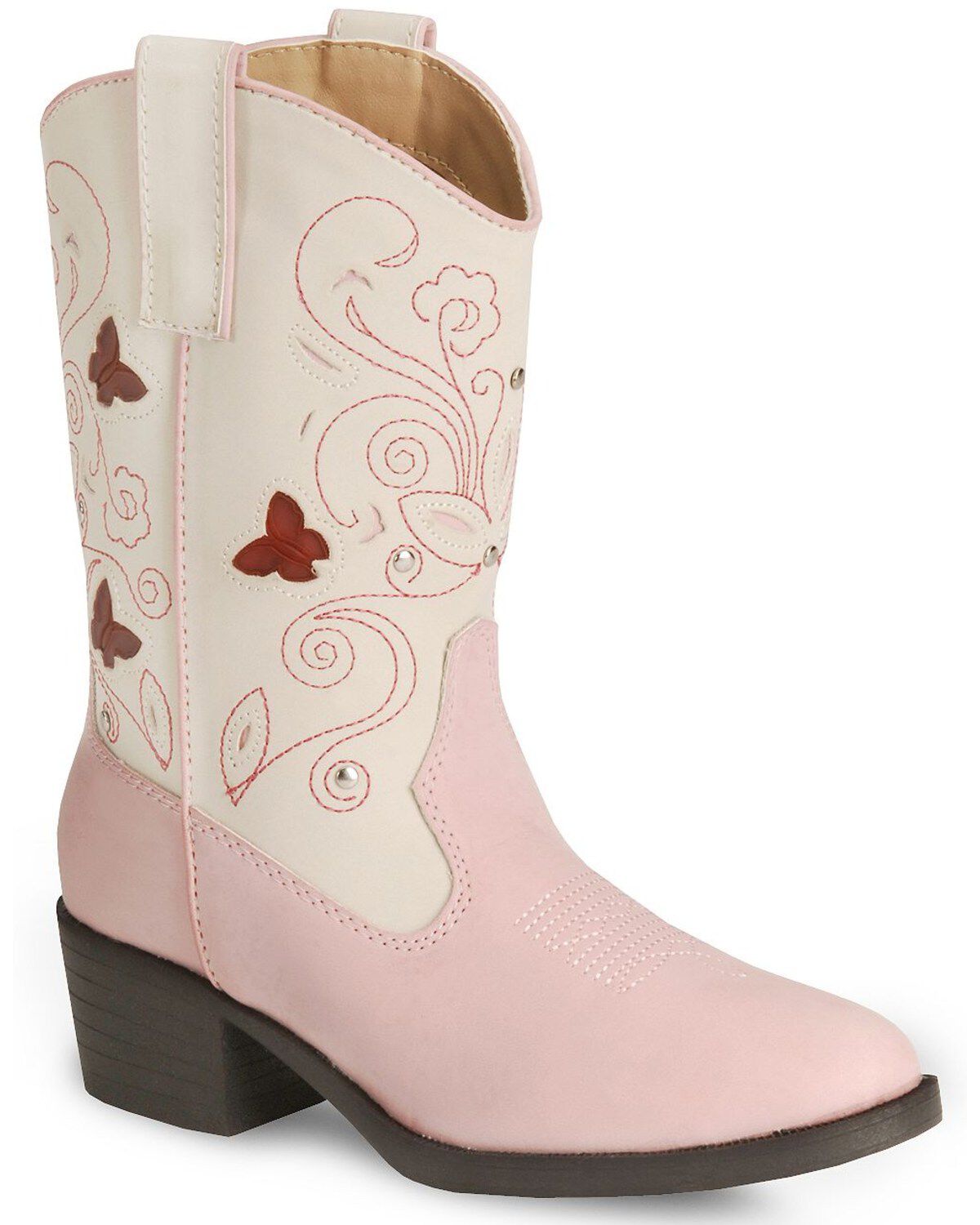
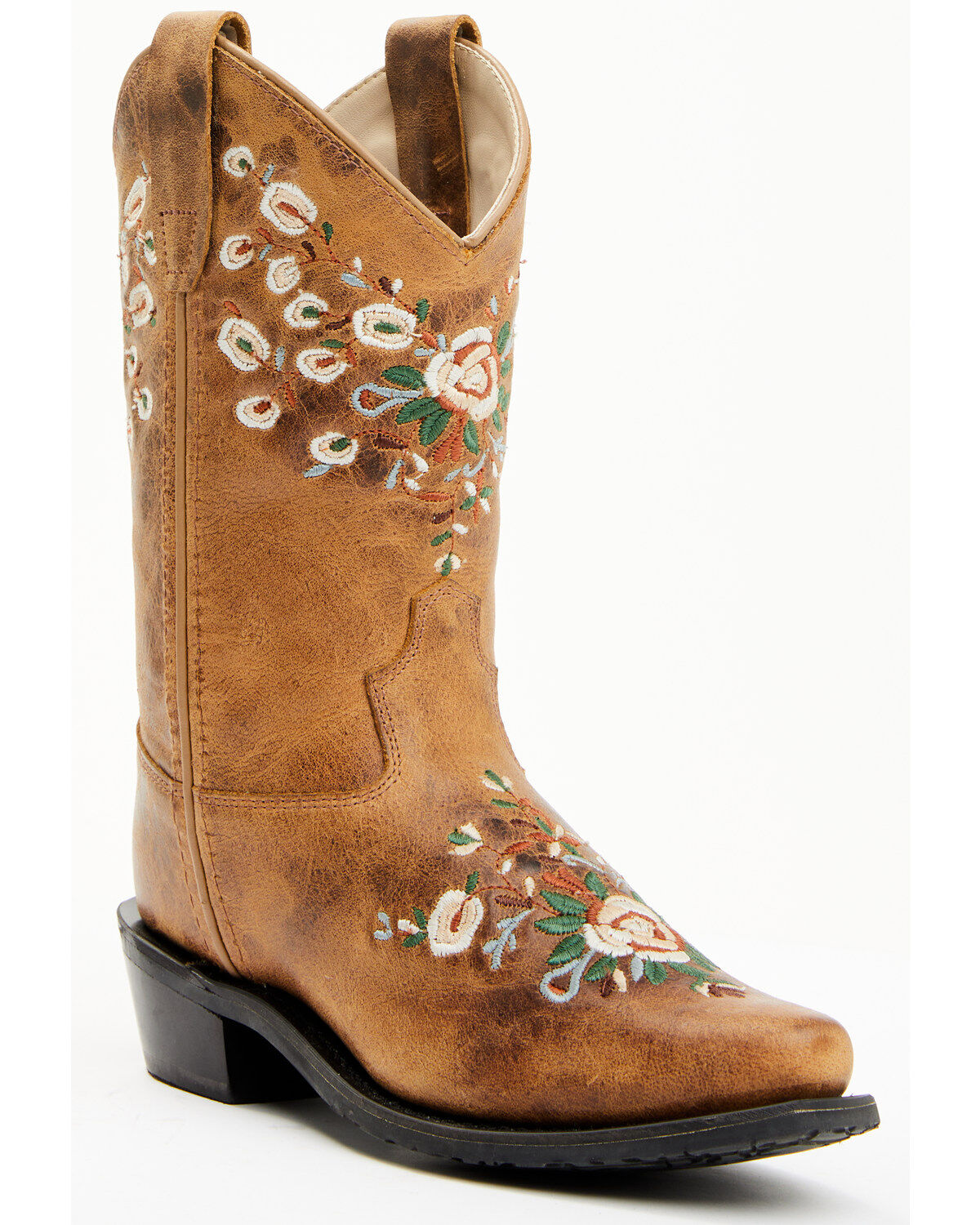
  • Girls' Shyanne Floral Embroidery Western Boots - Snip Toe
    Original Price $64.99 $44.97
    31% Total Savings
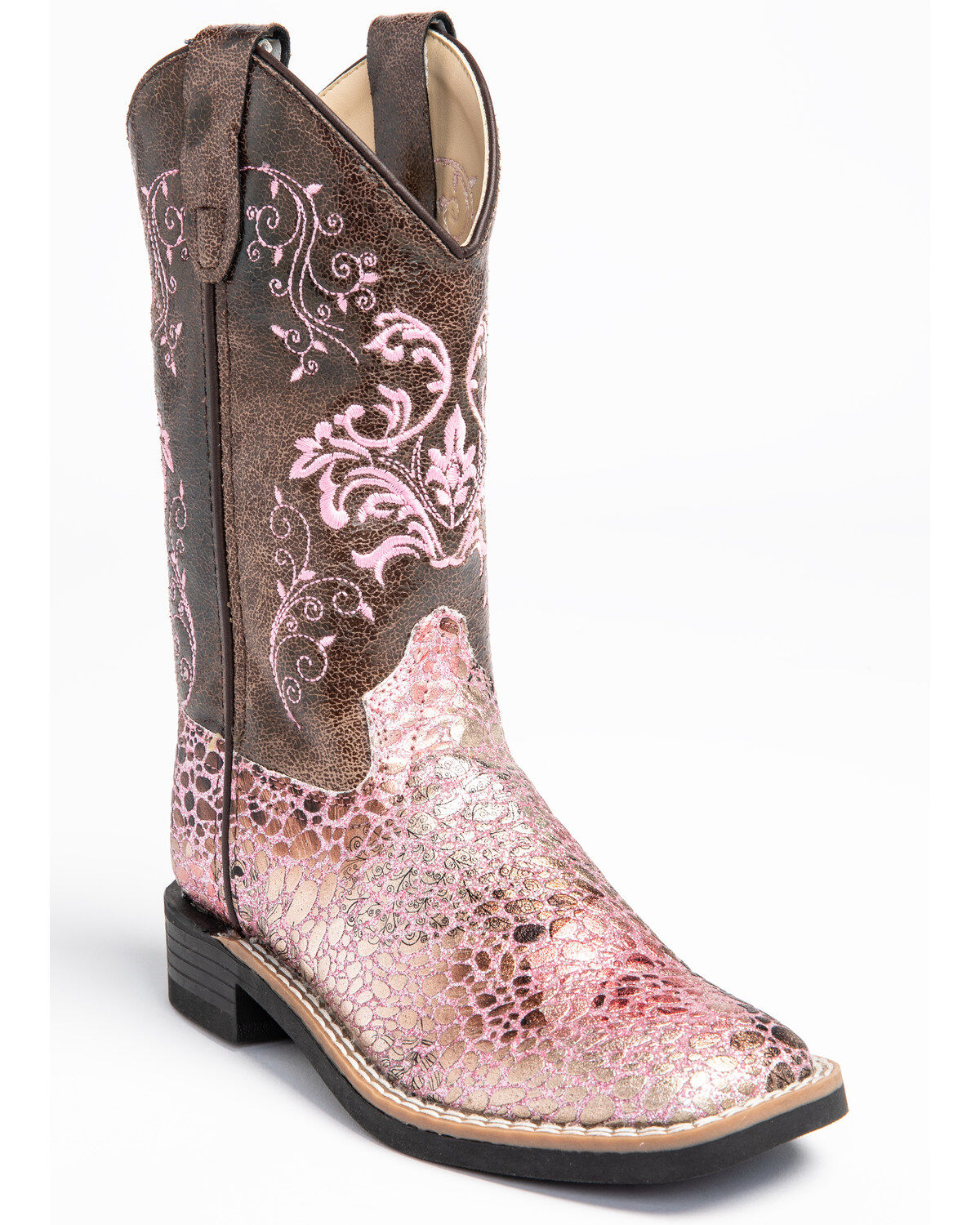
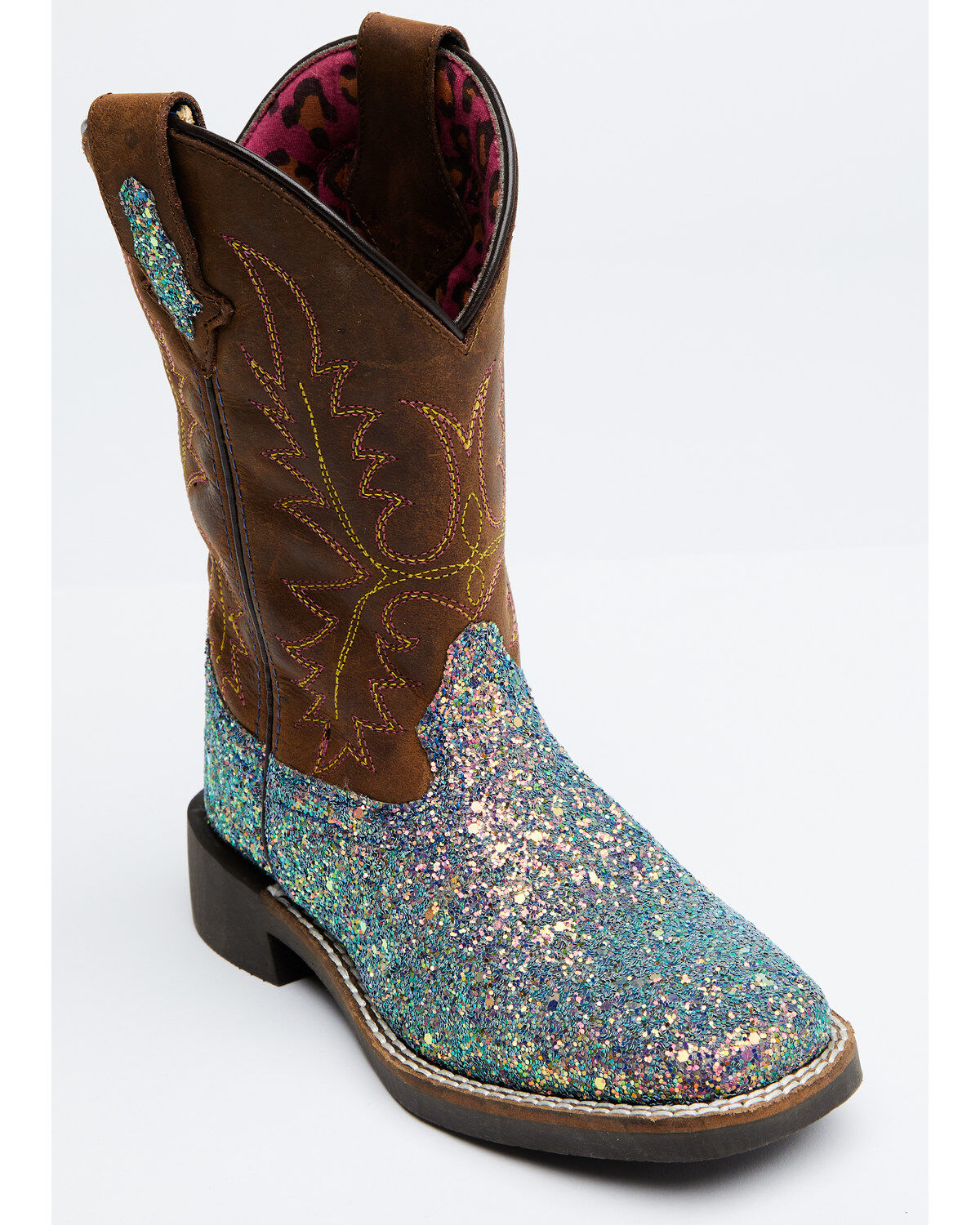
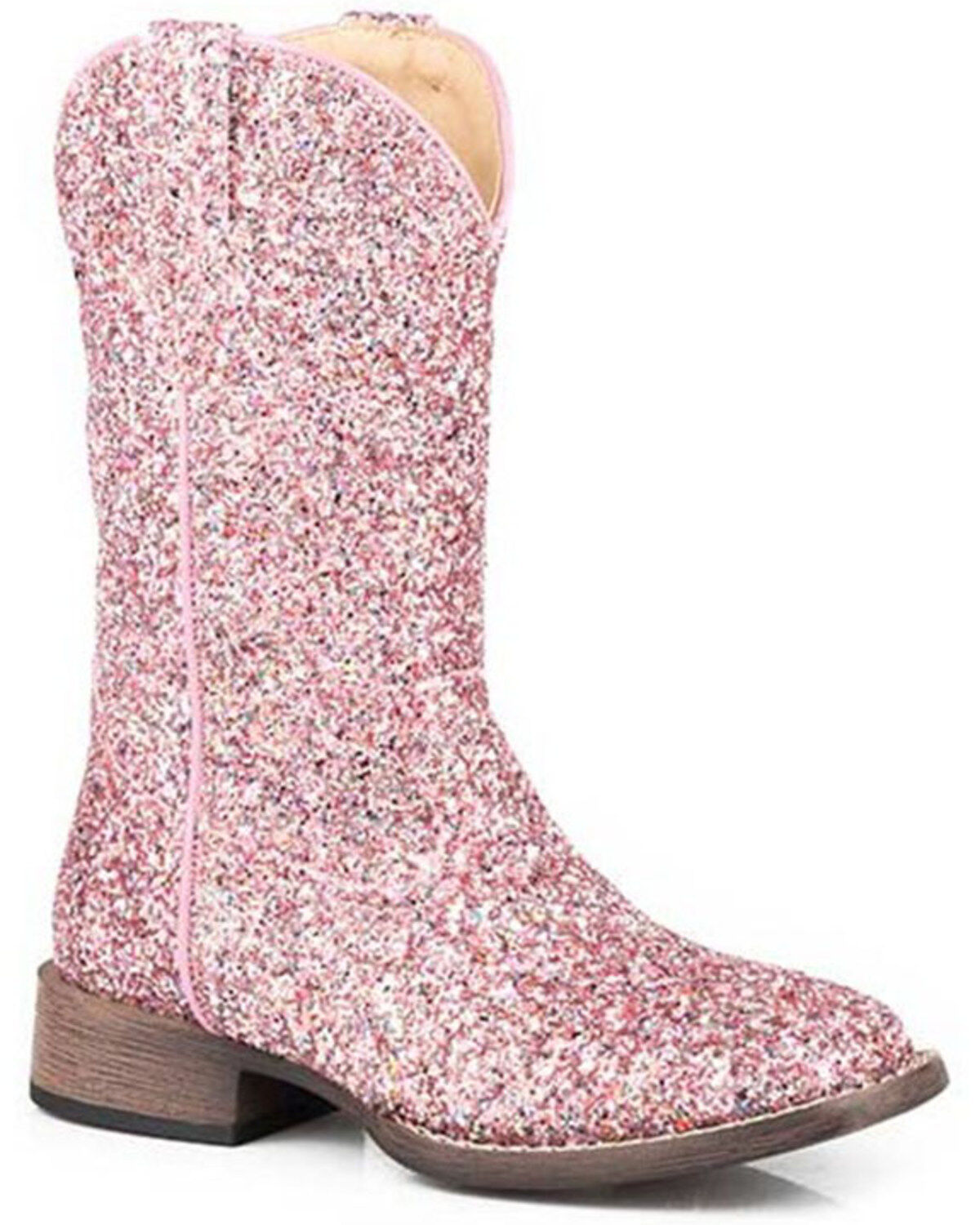
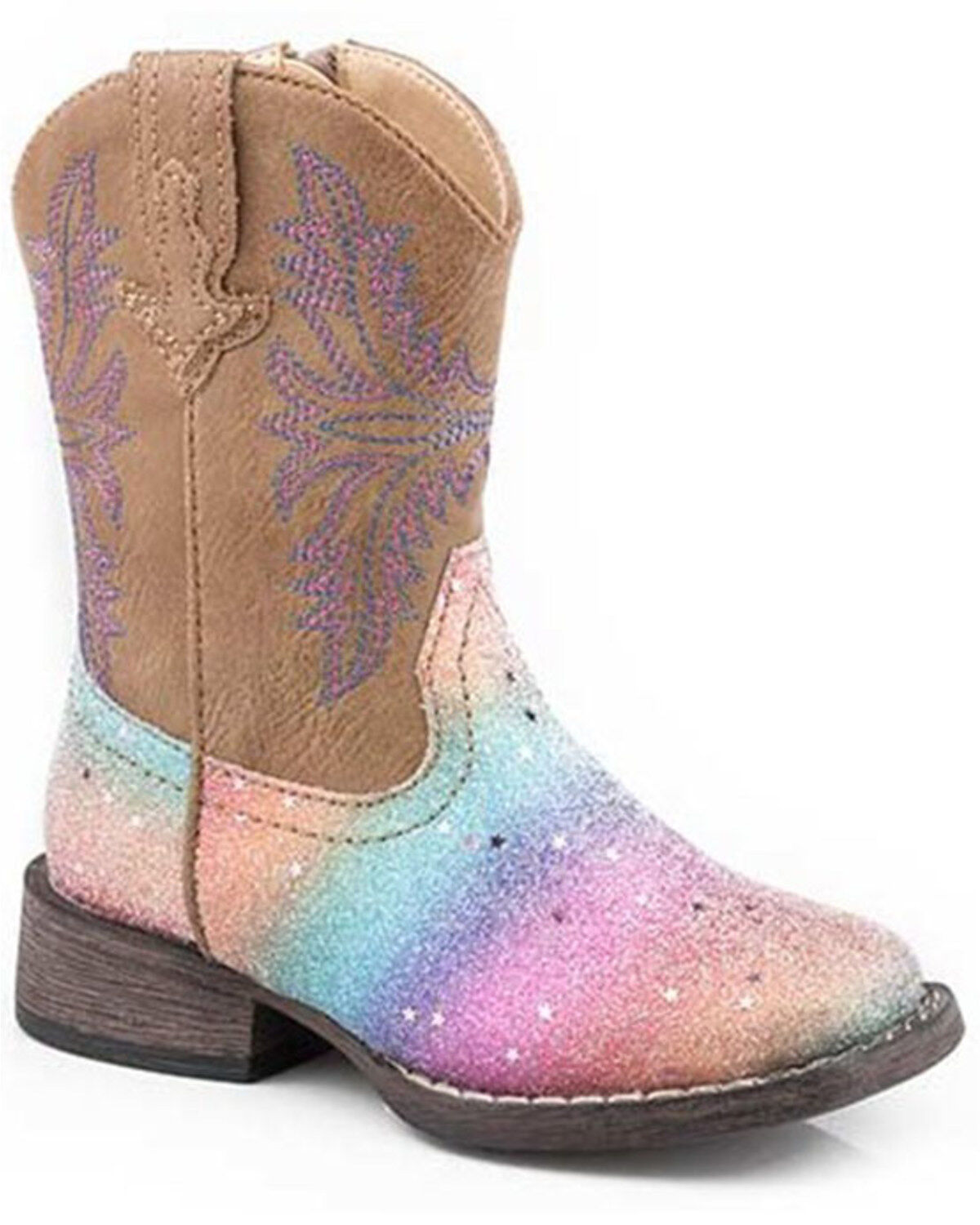
  • Girls' Shyanne Glitterama Western Boots - Broad Square Toe
    Original Price $64.99 $44.97
    31% Total Savings
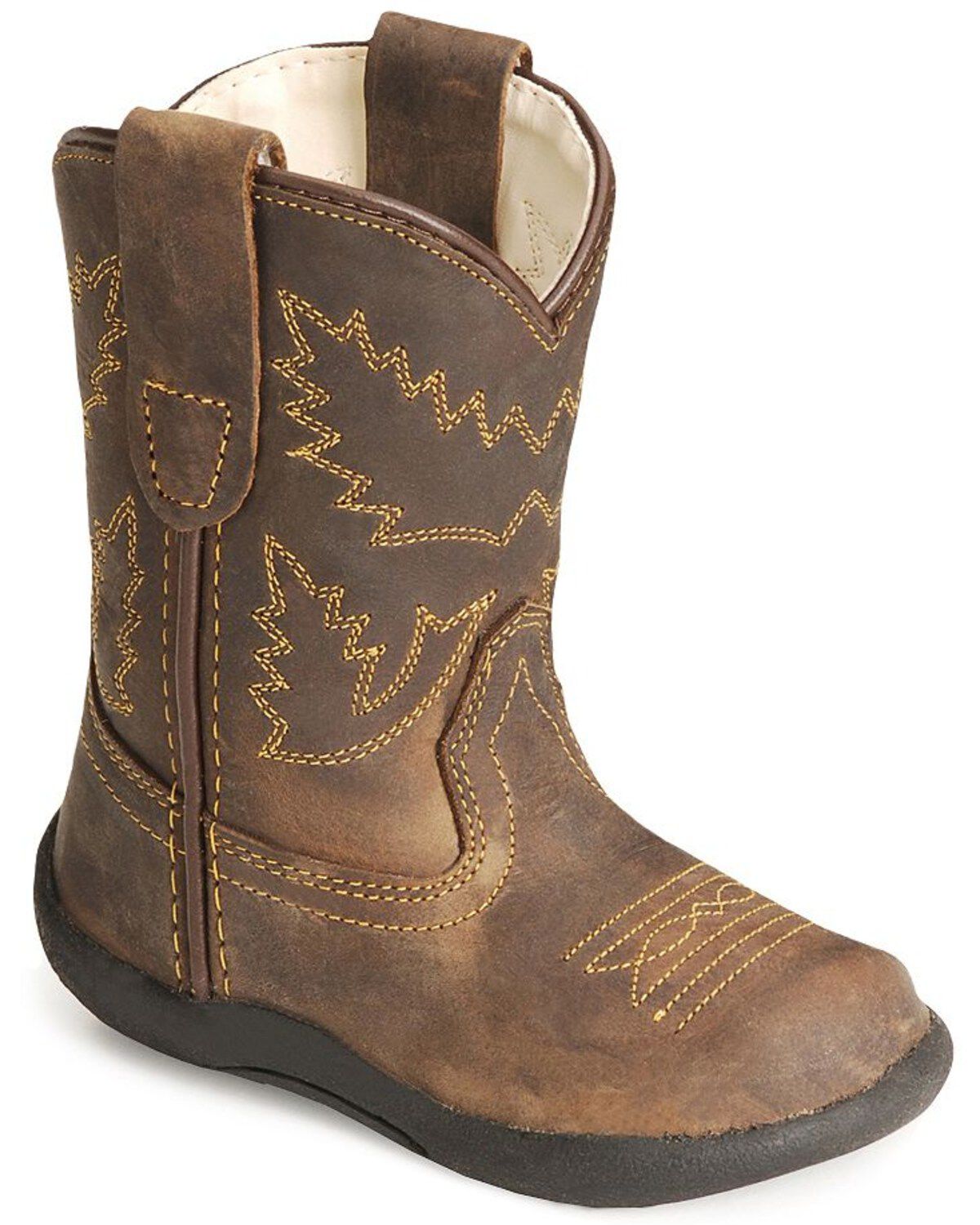
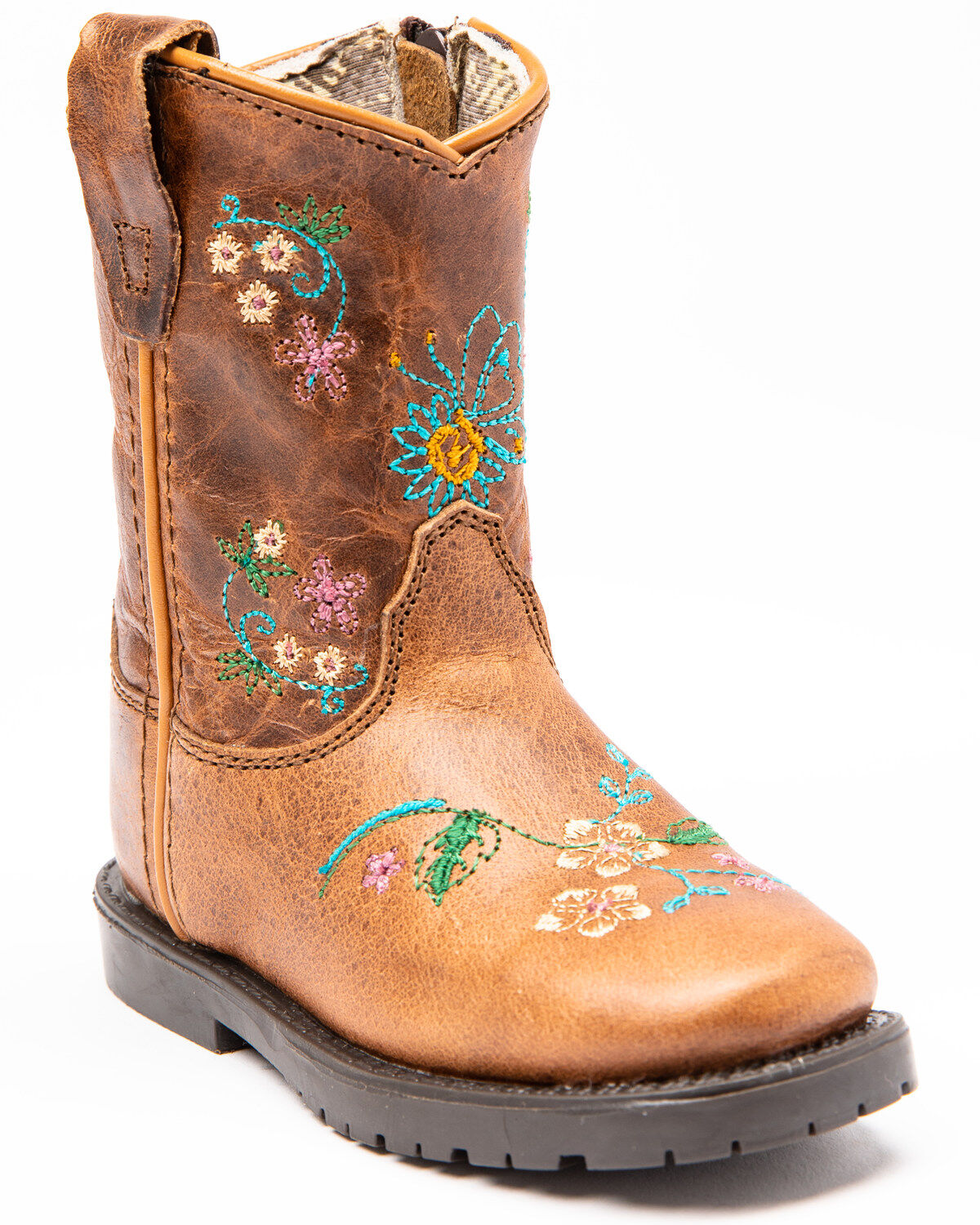
  • Girls' Shyanne Toddler Floral Western Boots - Square Toe
    Original Price $54.99 $39.97
    27% Total Savings
  • Girls' Shyanne Little Maisie Western Boots - Snip Toe
    Original Price $84.99 $59.97
    29% Total Savings

End of products

Children's Boots

Children’s boots bring sturdy construction and familiar western style to everyday outfits, family gatherings, and time spent around horses or livestock. The category includes cowboy boots, casual pull-on boots, lace-up styles, and work-inspired designs, with different shapes and features suited to different activities. A child walking between classrooms needs comfortable footwear that stays secure through a full day. A child learning to ride needs a boot chosen for that activity, not simply one that looks western. Traditional cowboy boots usually have a taller shaft, a defined heel, and pull tabs that help with getting dressed. Shorter shafts can feel less restrictive, while lace-up designs allow more adjustment across the top of the foot. Leather is a common choice for its durability and ability to soften with wear. Synthetic materials offer another option, with performance and care requirements that depend on the construction. Linings, seams, and cushioning matter just as much as the outer material, especially when boots will be worn for several hours at a time. Smooth leather, textured finishes, stitched patterns, and contrasting shafts give children room to choose a look they enjoy without changing the basic purpose of the boot. A square toe creates a broad-looking front, while round and pointed toes give a different profile; actual toe room depends on the interior shape and correct size. Children’s cowboy boots pair naturally with jeans and western shirts, but simple styles also work with everyday clothing or a dress for a family occasion. For younger children, manageable weight and easy closures can matter more than elaborate stitching. For older children, comfort during longer walks and a style they want to wear often become bigger considerations. Boots can also make a thoughtful birthday gift or mark a first riding lesson, provided the size and intended use are known. The best choice is one a child can move in comfortably, rather than a pair selected for appearance alone.

Fit deserves close attention because children’s feet change, and boot sizing does not always match the size printed inside their other shoes. Measure both feet while the child is standing, use the larger measurement, and compare it with the sizing information for the style being considered. Width matters along with length. A boot that is long enough can still squeeze the forefoot or press across the instep. Have the child try boots with the socks they will normally wear, then walk, turn, and bend their knees rather than judging the fit while seated. The toes should have room to move without hitting the front, and the foot should not slide forward with each step. Some slight heel movement can be normal in a new pull-on cowboy boot, but the heel should not lift enough to cause repeated rubbing or make the boot feel loose. The instep should hold the foot securely without painful pressure. A small allowance for growth is useful; buying substantially oversized boots can make walking awkward and allow unnecessary movement inside the boot. Where an insole is removable, checking the child’s foot against it can help assess length, though it does not replace checking the fit while wearing the boot. Thick socks are not a reliable fix for a poor fit. Pull tabs give small hands something to grasp, side zippers can simplify dressing, and laces provide adjustment when tied securely. Check that zippers move freely and do not catch socks or skin. Children who are still learning to put on footwear may benefit from a simpler closure, but the boot still needs to stay firmly on the foot. For riding, confirm that the heel, sole, and overall shape are appropriate with the riding instructor, since not every fashion boot belongs in a stirrup. Around a barn, footwear should match the activity and the supervision provided. Leather may soften during normal wear, but breaking in a boot should not mean tolerating pinching, numbness, or blisters. Recheck fit regularly, particularly when a child starts resisting a previously comfortable pair or develops marks where the boot presses.

Durability comes from the whole boot, not just a tough-looking upper. Consistent stitching, secure sole attachment, a stable heel, and materials suited to the intended use all affect how well children’s boots hold up. Rubber outsoles can be practical for everyday walking, while traction depends on the tread pattern and the surface underfoot. A deeply patterned sole and a smoother western sole serve different purposes, so choose with the child’s usual activities in mind. Flexibility also matters: a boot should allow natural movement without feeling flimsy or forcing the child to shuffle. Scuffed toes are common when children kneel, climb, or sit on the floor, and finish choice influences how noticeable those marks become. Dark shades offer a straightforward look with denim and patterned shirts; children’s black boots also pair well with dressier clothing when a family gathering calls for a more polished outfit. Care should follow the material instructions rather than treating every pair alike. Brush away loose dirt before wiping smooth leather with a lightly damp cloth, and use a suitable leather conditioner sparingly when needed. Suede and roughout leather need products and brushes intended for their textured surfaces. Synthetic uppers should be cleaned according to their care directions, since leather treatments may not be appropriate. Let boots dry naturally away from direct heat, which can damage materials and adhesives. Empty out grit, check inside for folded linings or worn spots, and allow the interior to air out between wears. Clean socks and an unobstructed interior help keep boots comfortable through repeated use. Look over heels, soles, stitching, and closures periodically, especially after frequent wear. Uneven heel wear, a separating sole, or a broken closure can affect how securely a child walks. Whether boots are worn to school, for supervised barn activities, or on family outings, sound construction, proper fit, and routine care make a practical difference every time they are pulled on.

FAQs