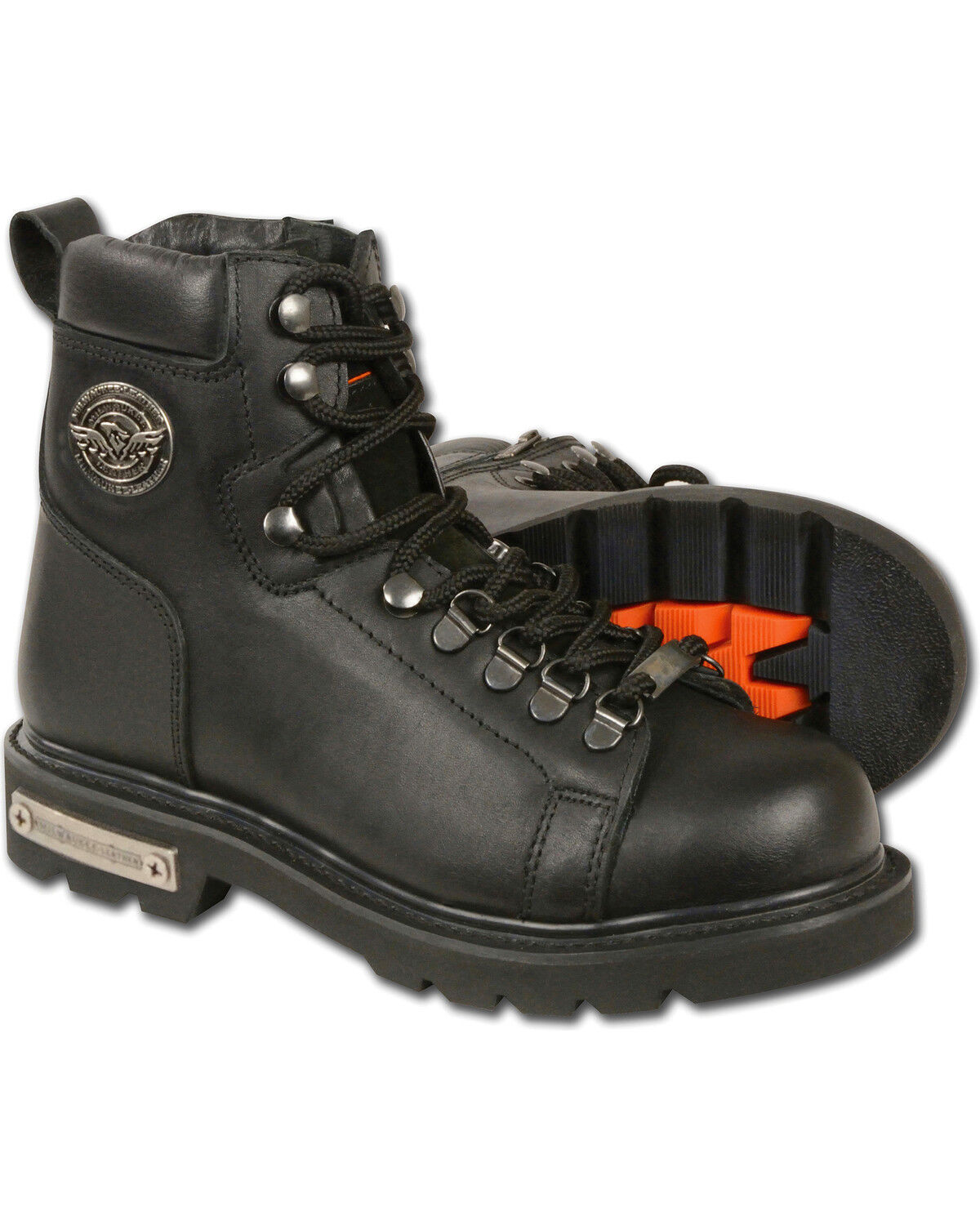
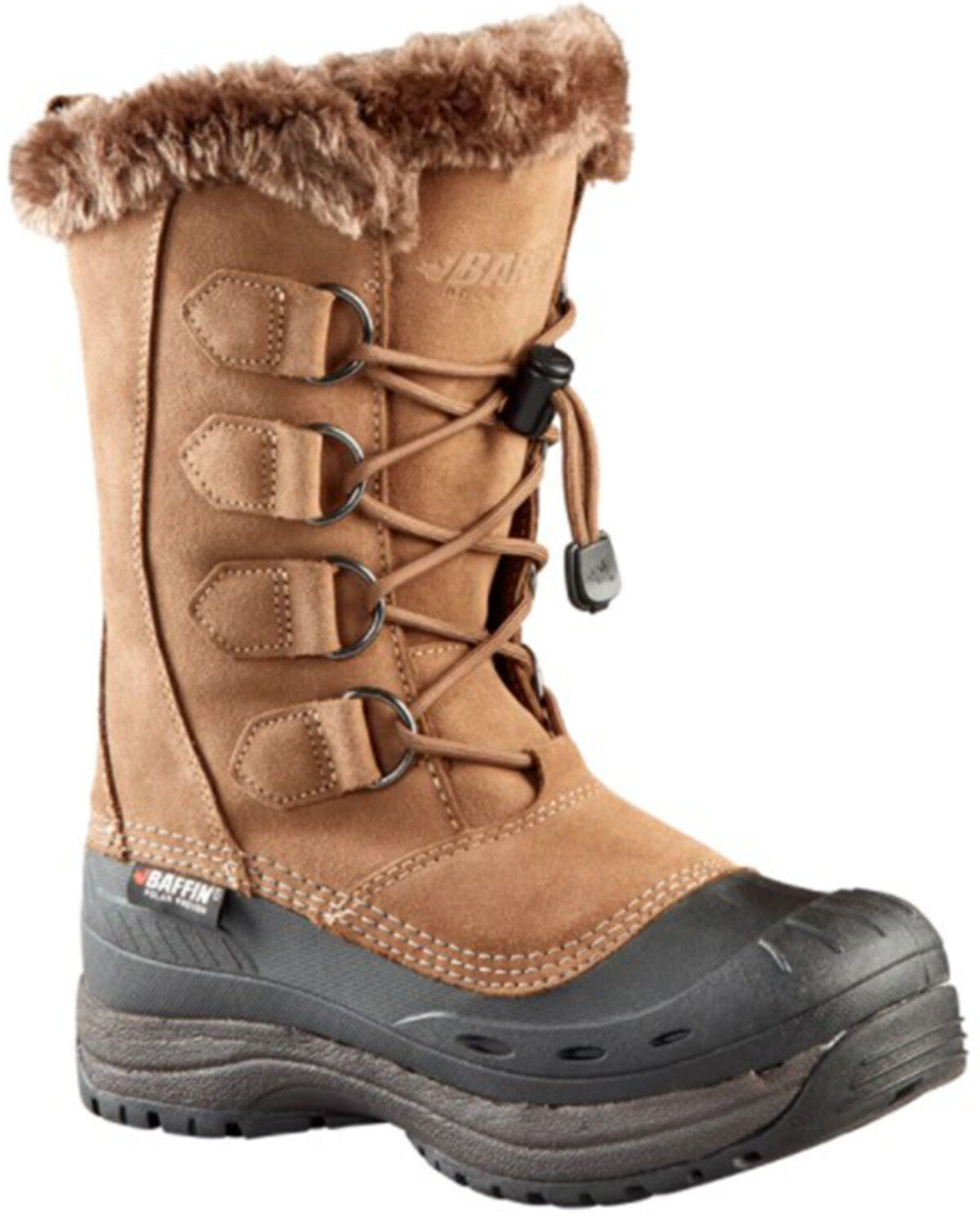
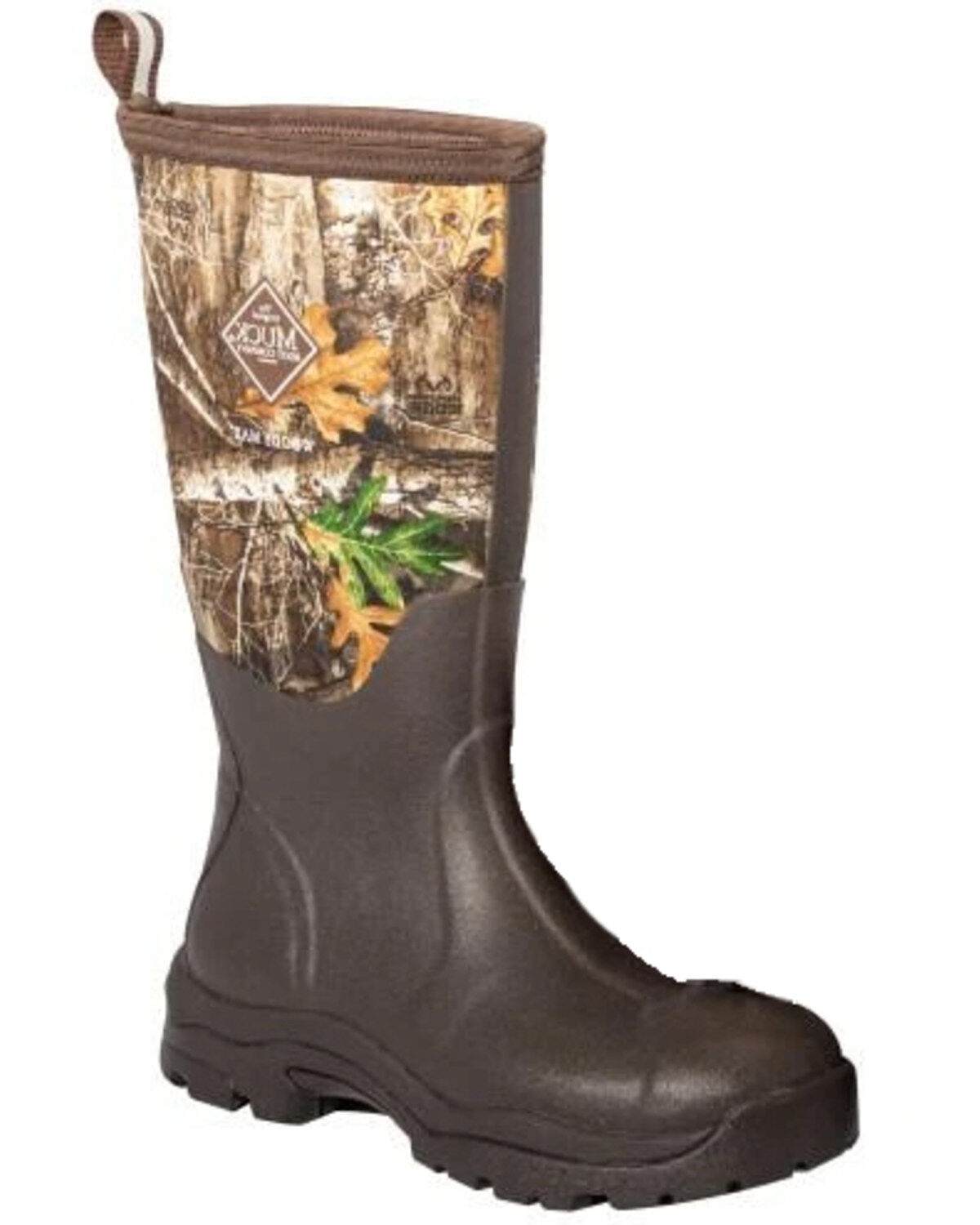
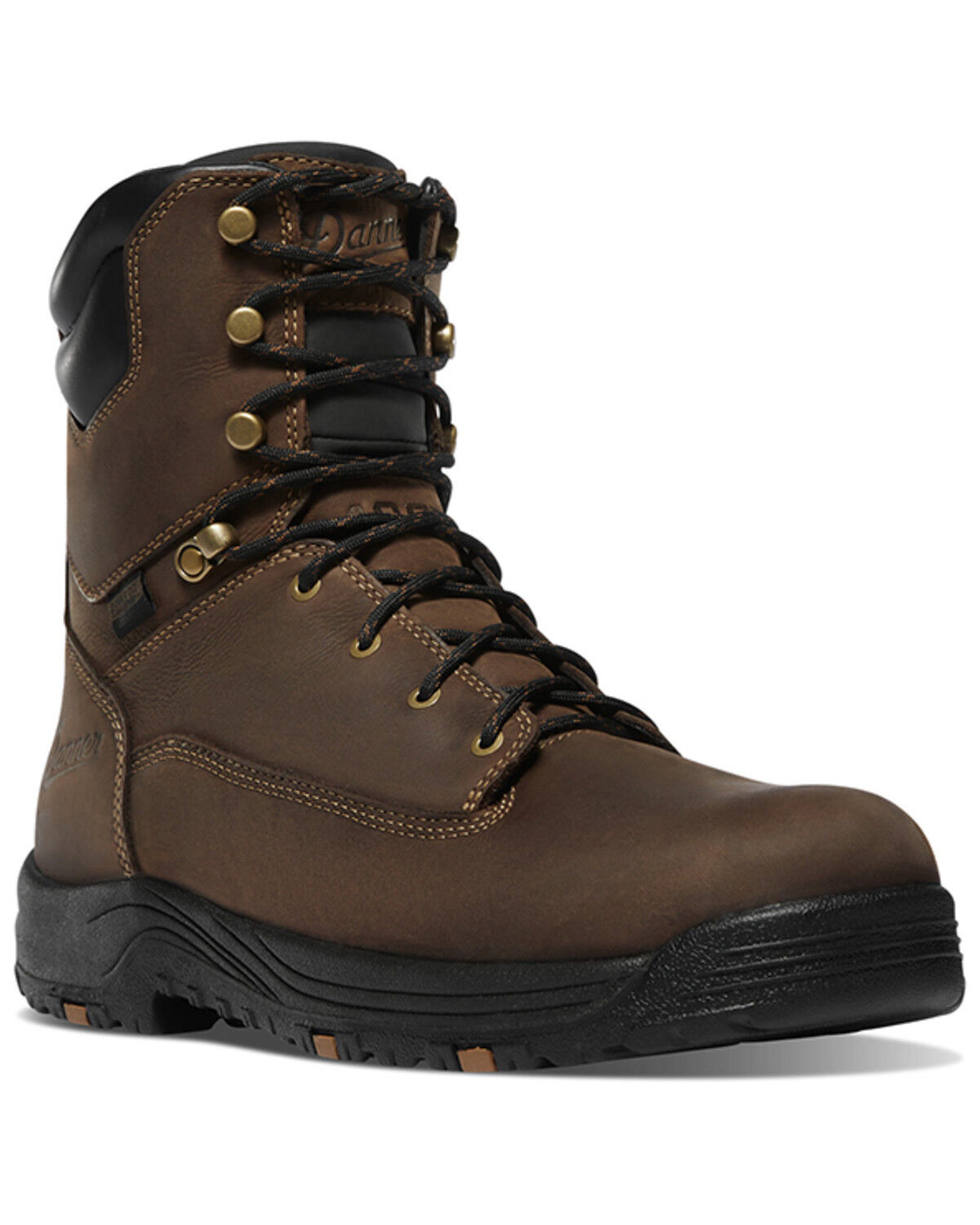
Discover the perfect blend of rugged style and practical functionality with our collection of camo lace-up boots. Ideal for those who embrace both adventure... and fashion, these boots offer a unique twist on classic outdoor footwear. Whether you're trekking through the wilderness or navigating urban landscapes, camo lace-up boots provide the versatility and durability you need. Explore our selection to find a pair that suits your lifestyle, combining comfort and style in every step.
Read more
Camo Lace Up Boots
Discover the perfect blend of rugged style and practical functionality with our collection of camo lace-up boots. Ideal for those who embrace both adventure... and fashion, these boots offer a unique twist on classic outdoor footwear. Whether you're trekking through the wilderness or navigating urban landscapes, camo lace-up boots provide the versatility and durability you need. Explore our selection to find a pair that suits your lifestyle, combining comfort and style in every step.
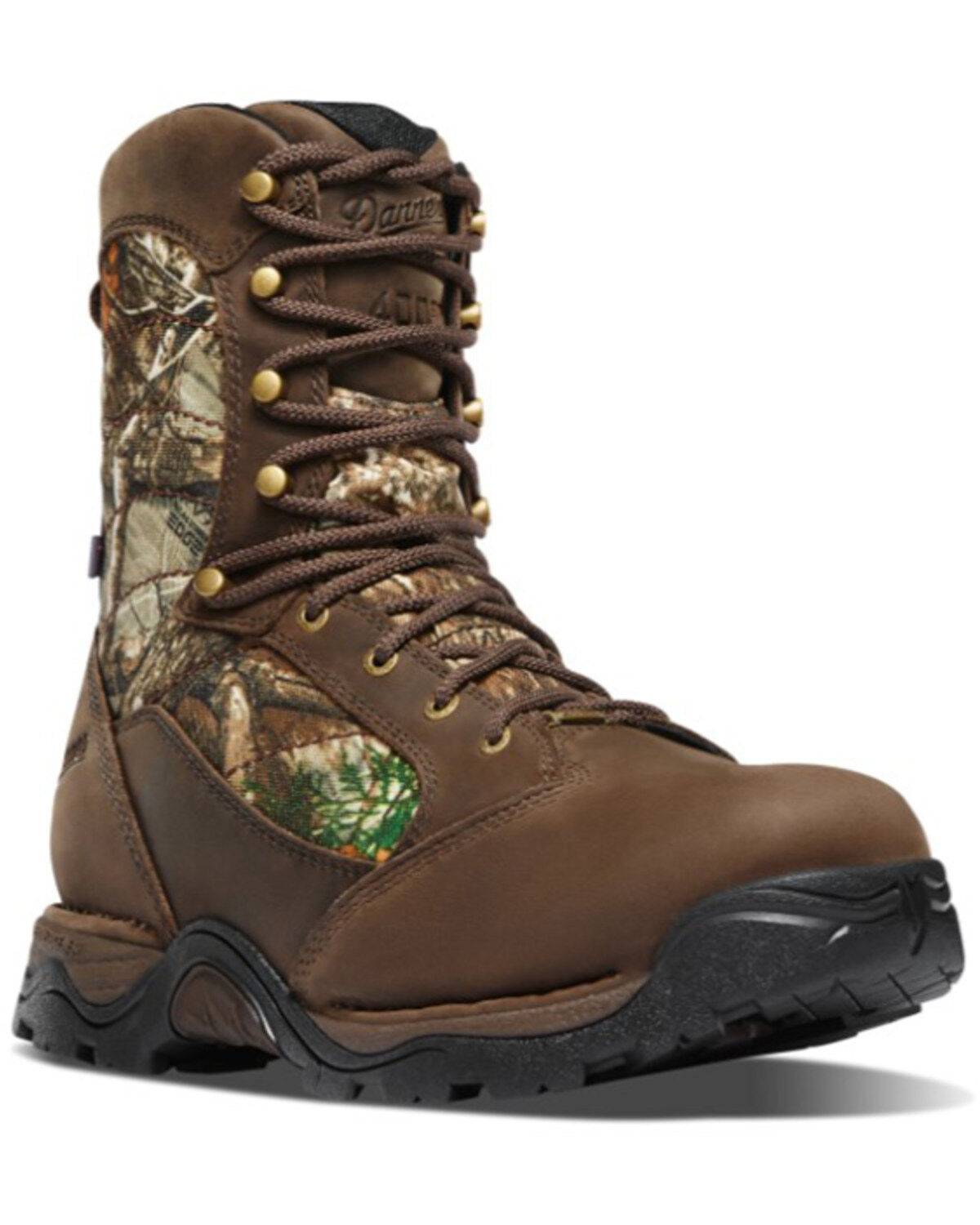
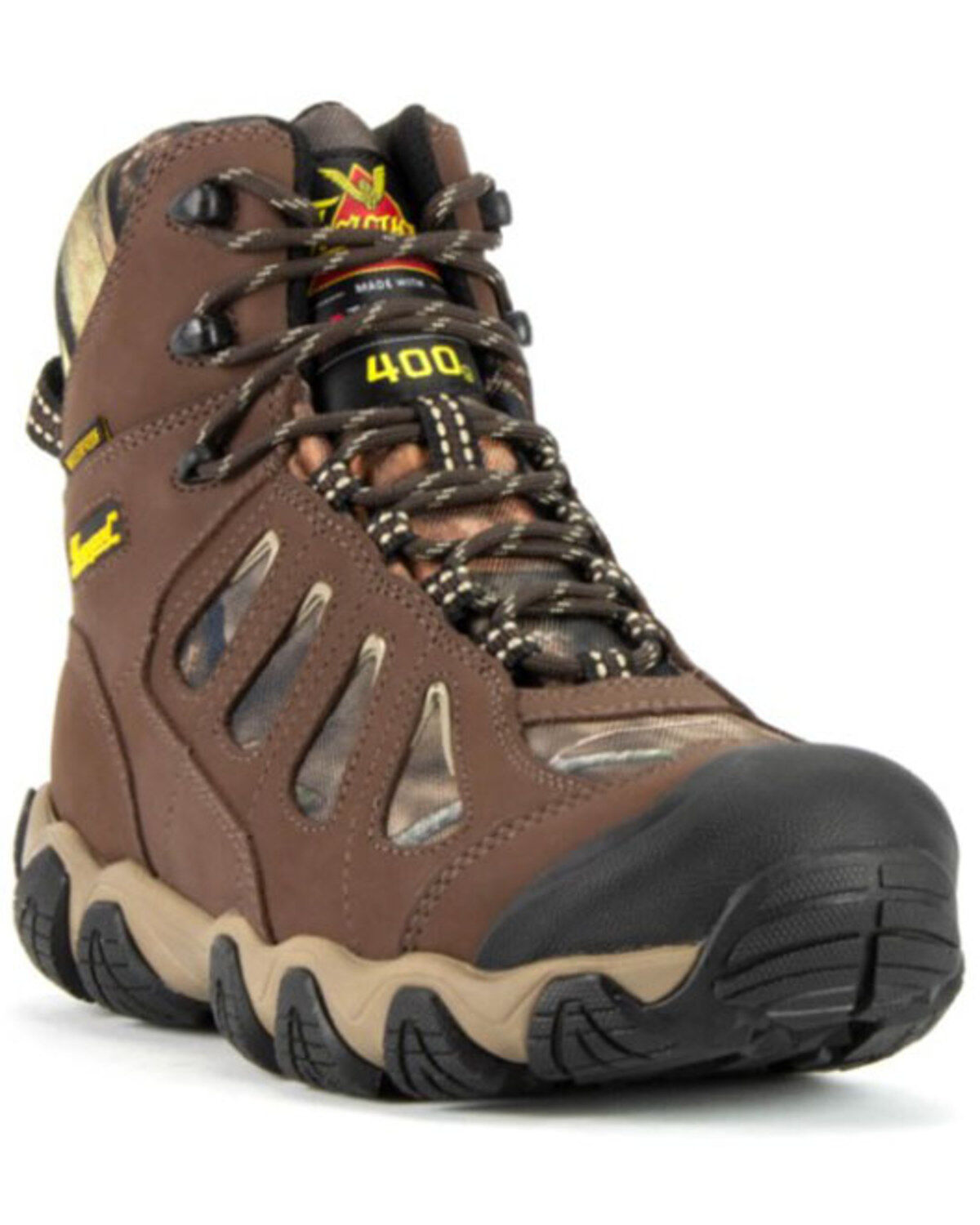
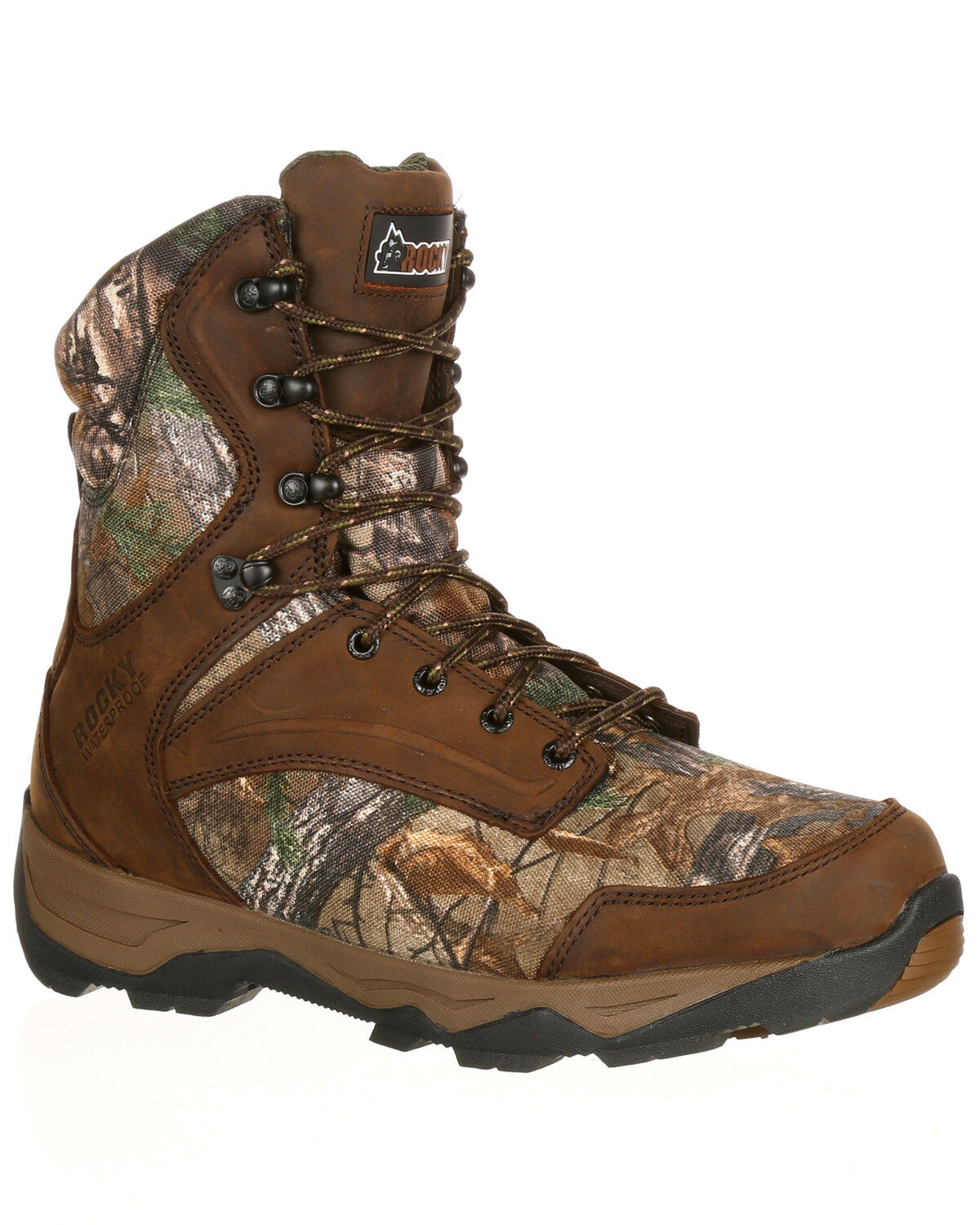
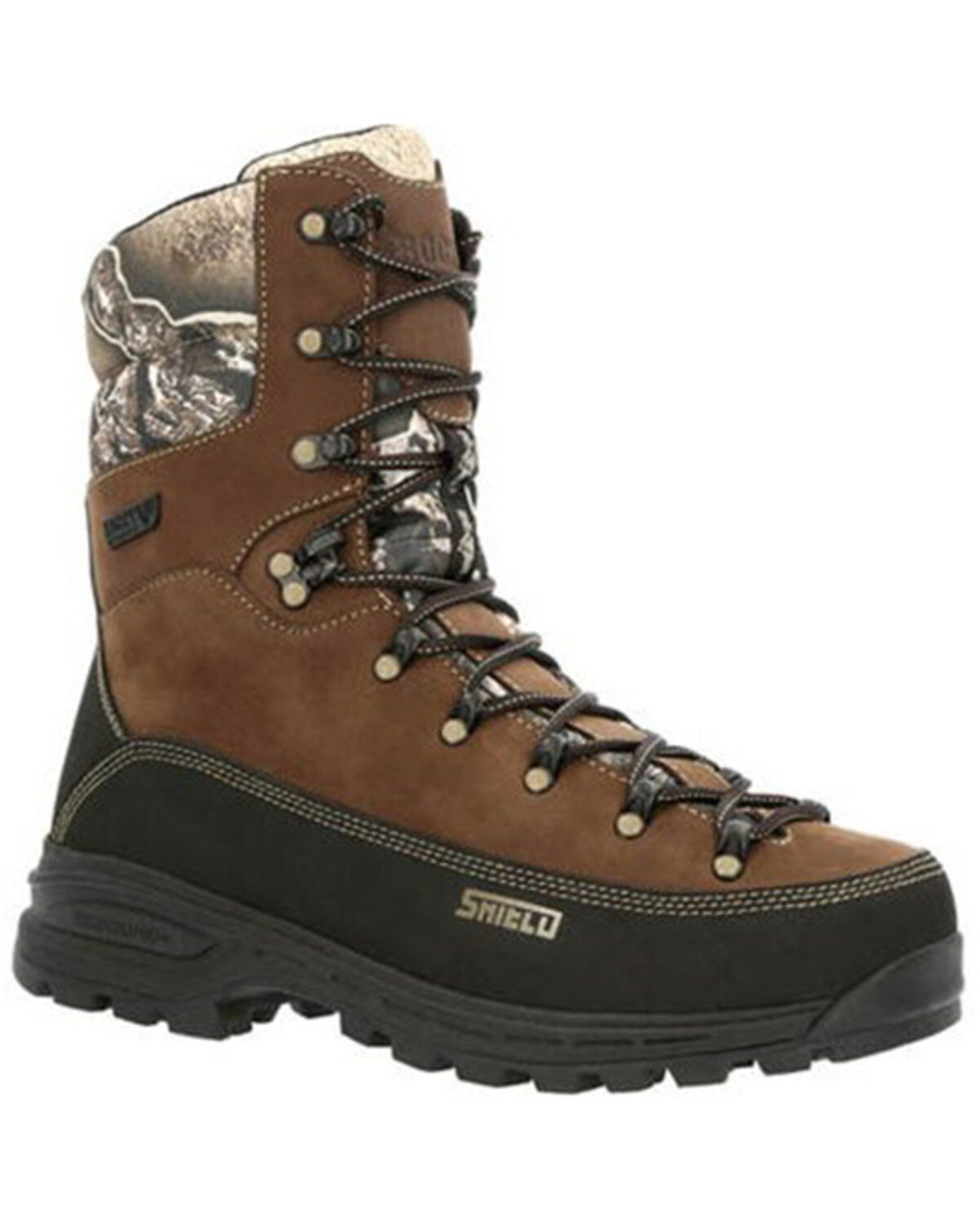
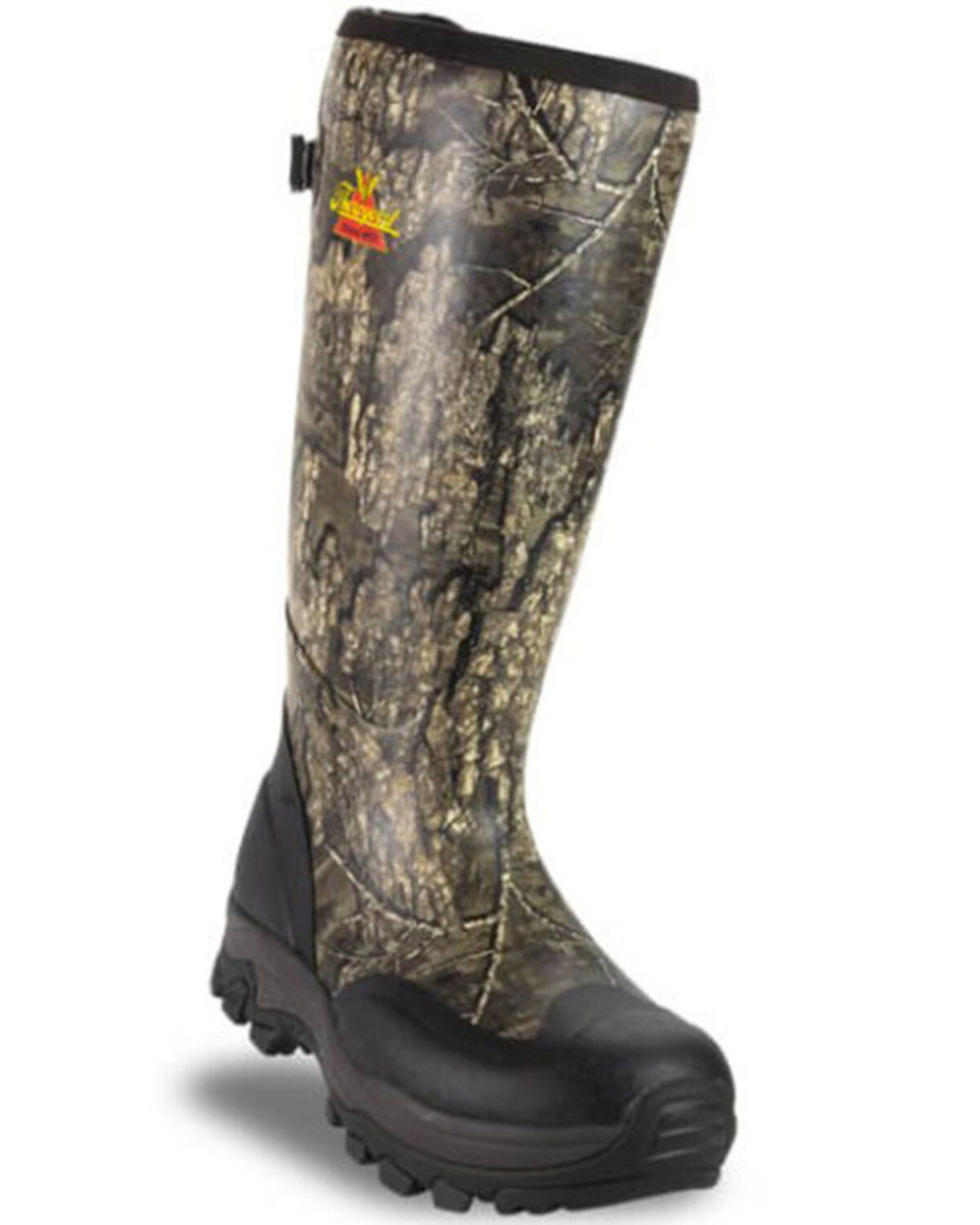
Camo lace-up boots pair camouflage uppers with an adjustable lacing system, bringing an outdoor pattern to footwear built for hunting, work, or everyday wear. Their purpose depends on construction, not just appearance. A hunting boot may emphasize underfoot traction, coverage above the ankle, and a secure fit for walking uneven ground. A work-oriented design may have reinforced wear points and protective features suited to particular job requirements. Casual styles put more emphasis on shape, weight, and how the boot wears with jeans or utility pants. Camouflage itself ranges from woodland-inspired branches and leaves to larger blocks of green, brown, gray, and black. Some patterns cover most of the upper; others appear in fabric panels alongside solid leather around the toe and heel. That difference changes the look without necessarily changing performance. Leather can provide structure and abrasion resistance, while woven nylon or other textile panels can reduce bulk and allow more flexibility. Mixed-material uppers often place tougher sections where boots rub against brush, equipment, or the opposite foot. Stitching, panel placement, and the connection between the upper and sole matter as much as the material names. A reinforced toe overlay can help limit surface wear, but it is not the same as a protective safety toe. Likewise, a substantial-looking sole does not establish that a boot meets workplace requirements. For someone walking fence lines, spending time in a hunting blind, or wearing camouflage as part of an everyday outfit, the useful details are different. Camo lace-up boots cover that range because the pattern is a design element rather than a single type of footwear. The strongest match comes from pairing the boot’s actual construction with the ground, movement, and demands it will face. A rugged profile can suit all three settings, but appearance alone cannot tell the full story.
The laces are a defining part of both the look and the fit. Unlike a pull-on shaft, a lace-up upper allows tension to change across the instep and around the ankle. That adjustment can help accommodate different foot shapes, though it cannot correct a boot that is too narrow, too short, or built on an unsuitable shape. A secure heel, comfortable space across the ball of the foot, and room for the toes to move all matter during a long stretch on foot. On a downhill path, toes should not repeatedly strike the front of the boot. While stepping over a log or climbing stairs, the heel should remain reasonably settled rather than sliding enough to create friction. The socks worn with the boots affect that fit, as do any regularly used inserts. Removable footbeds can make room for an appropriate replacement, but added thickness may reduce interior space. Padding around the collar and tongue can soften contact, while a tongue attached along its sides can help limit the entry of loose debris. Taller shafts provide more coverage; lower profiles may feel less restrictive during frequent bending and walking. Neither height guarantees ankle protection. Underfoot, cushioning, flexibility, and sole shape influence how a boot feels across a full day. Deep, widely spaced lugs can help on loose ground, while a broad contact area may feel more settled on firm surfaces. Traction still depends on the outsole material and the surface beneath it. Slip resistance is a stated performance feature, not something to assume from an aggressive tread pattern. For work use, required safety-toe or electrical-hazard ratings need to be confirmed in the footwear specifications. Protective features should match the job rather than serve as a substitute for proper fit. The same distinction applies to waterproof construction: a camouflage upper does not establish it, and a protective membrane or sealed construction must be identified separately. These details separate a boot suited to extended outdoor use from one intended mainly for casual wear.
Durability in camo lace-up boots comes from how the materials and construction hold up together. Repeated flexing across the forefoot, friction around the heel, and contact at the toe place different demands on the upper. Firmly attached eyelets, even stitching, and reinforcement around high-wear areas contribute to a dependable build. Laces are wear parts, and fraying near a hook or eyelet can signal a rough contact point as well as the need for replacement. Outsoles also deserve attention as tread wears down, particularly when the boots are used on uneven ground. Care varies with the materials. Smooth leather generally needs a suitable cleaner and, when directed by the manufacturer, conditioner to maintain flexibility. Suede, nubuck, and printed textiles need treatments intended for those surfaces; a product meant for smooth leather can darken a textured finish or alter the appearance of camouflage panels. Removing packed dirt with a soft brush helps keep grit from lingering around seams, while a lightly damp cloth can handle surface marks on materials that permit it. Boots should dry away from direct heat, with the tongue opened and removable footbeds taken out when appropriate. Storage with enough space to preserve the shaft shape also keeps the uppers from being crushed beneath other footwear. Beyond function, camouflage works well with straightforward clothing: solid denim, canvas pants, and plain shirts let the pattern stand on its own. A slimmer boot profile fits differently beneath a pant leg than a heavily padded shaft, and bulky cuffs can interfere with lace hooks. Shoppers comparing pattern placement and silhouettes can also explore Women's Camouflage Boots for a related view of the category. As a gift, camo footwear is most useful when the recipient’s size, preferred fit, and intended use are known. Someone who wears camouflage for hunting may value a different sole and shaft than someone who likes the pattern for everyday outfits. Across those uses, the lasting appeal is straightforward: a familiar outdoor look, adjustable coverage, and construction chosen for the way the boots will actually be worn.


 $259.99
 $259.99
 $138.97
 $229.99
 $169.95