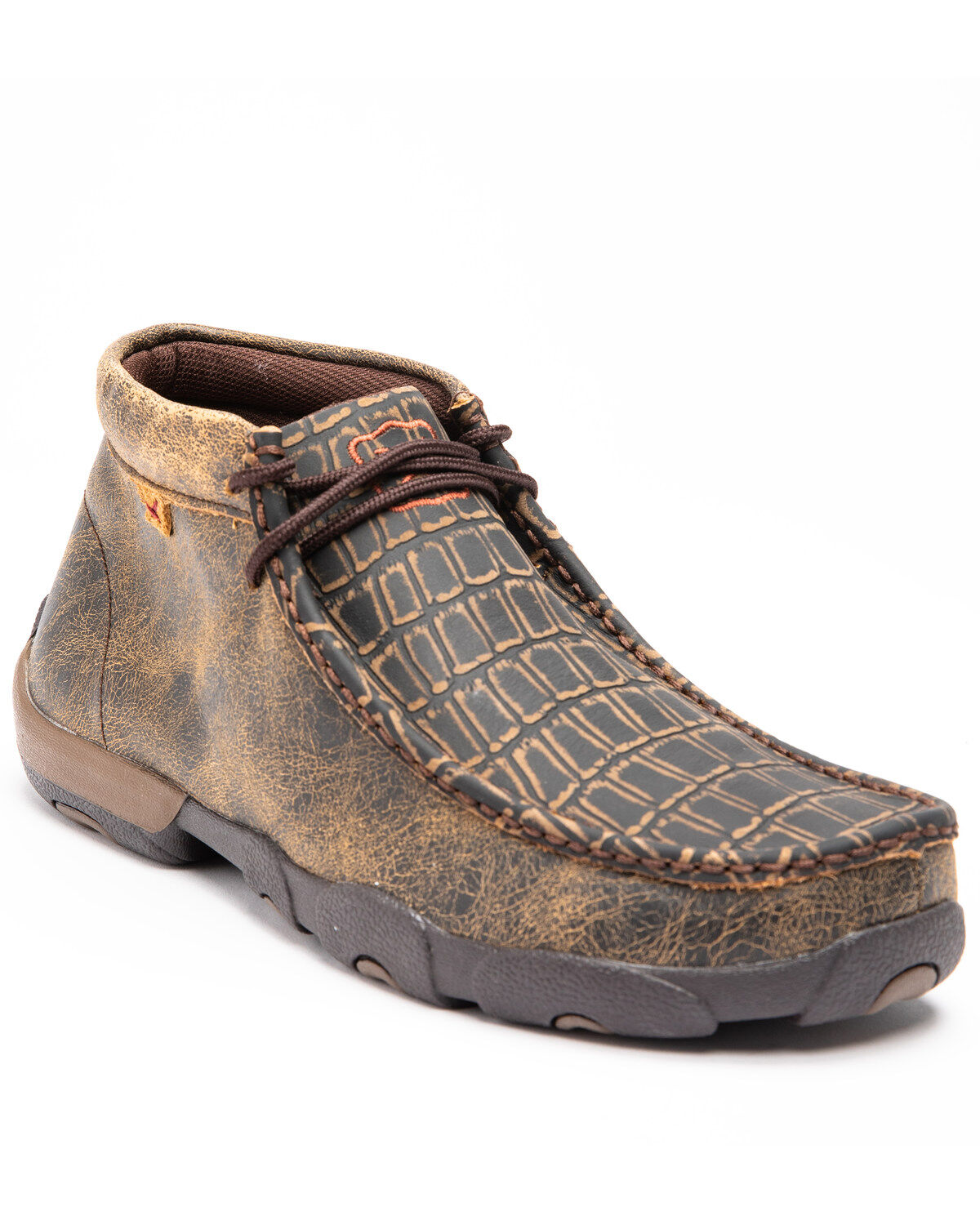
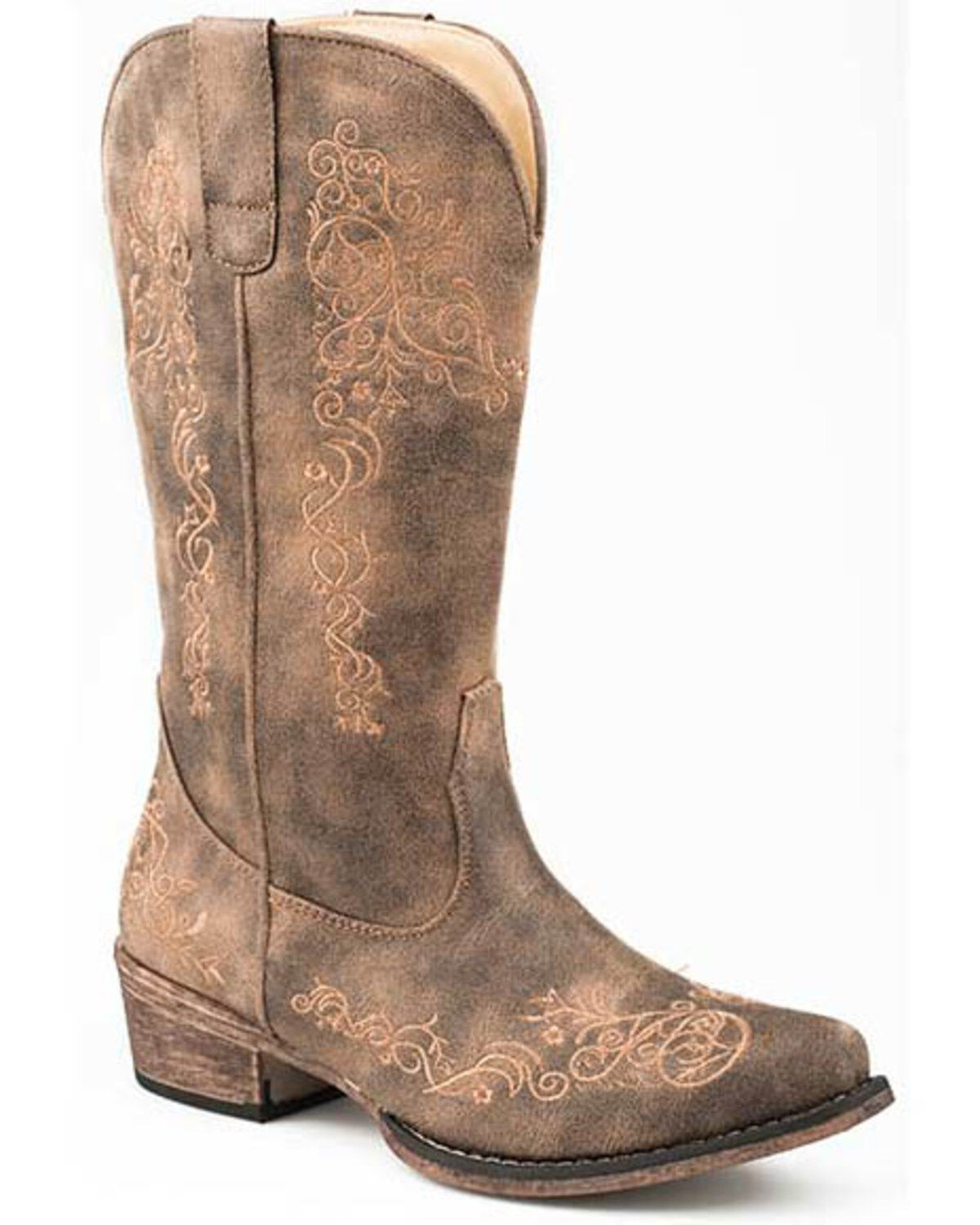
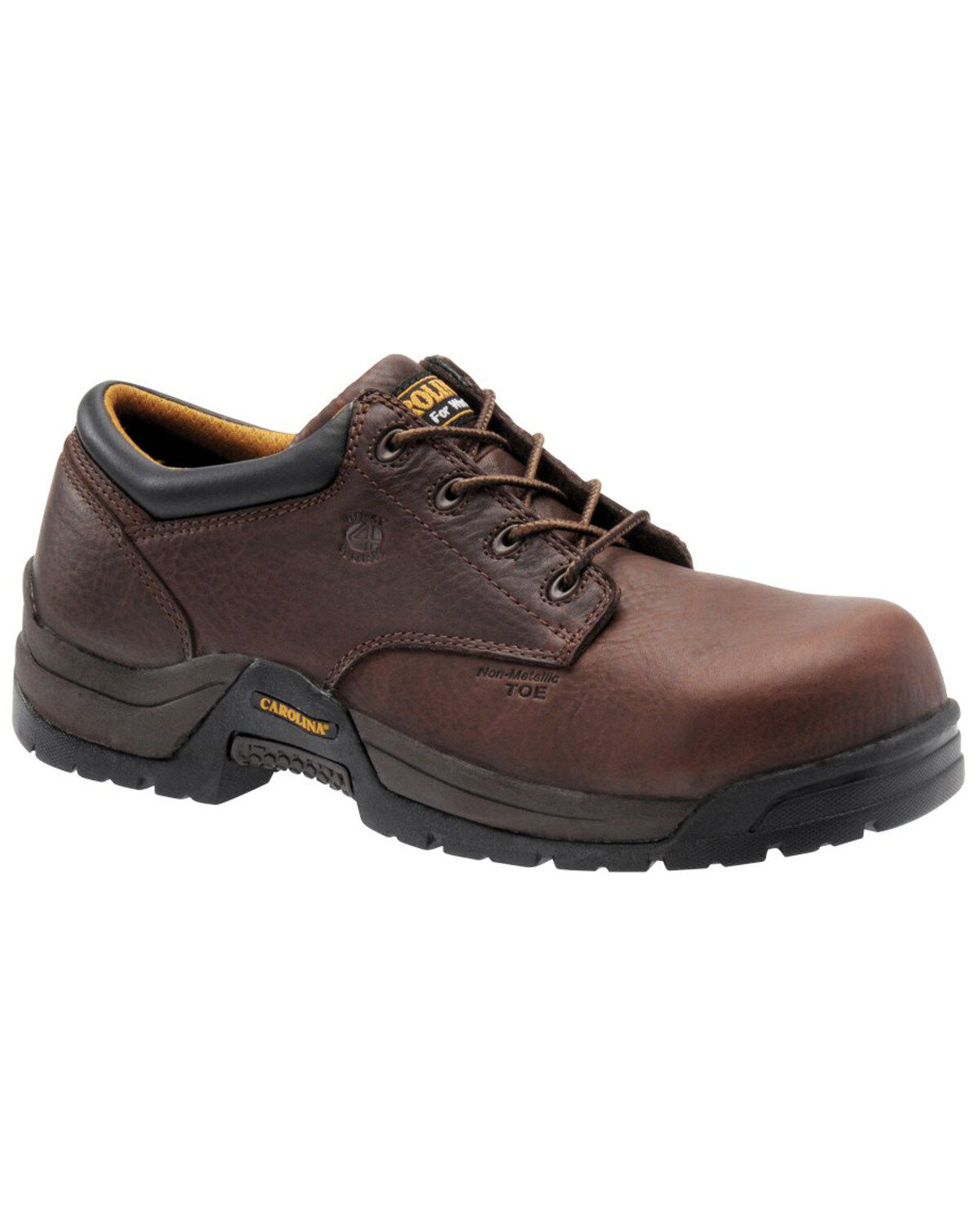
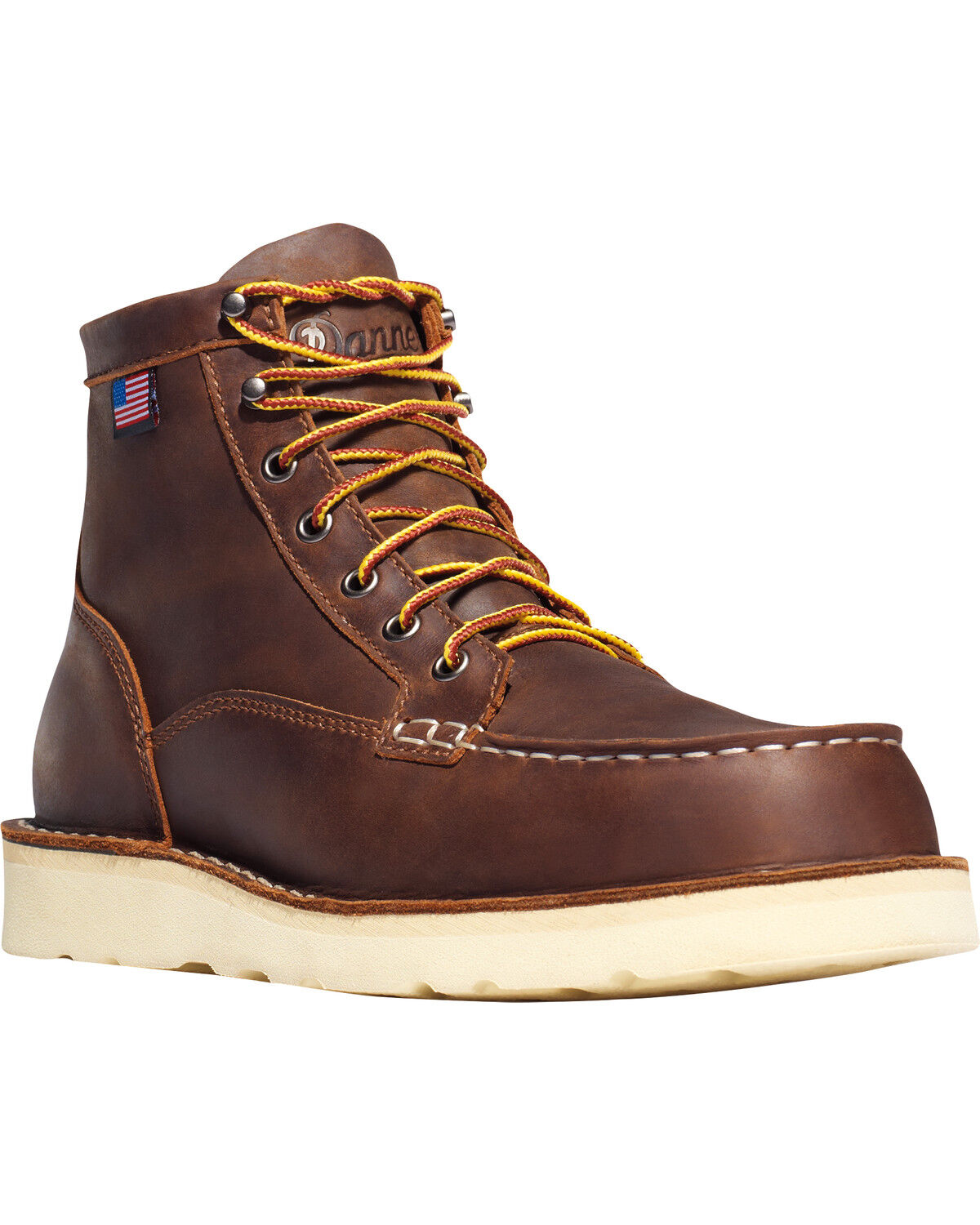
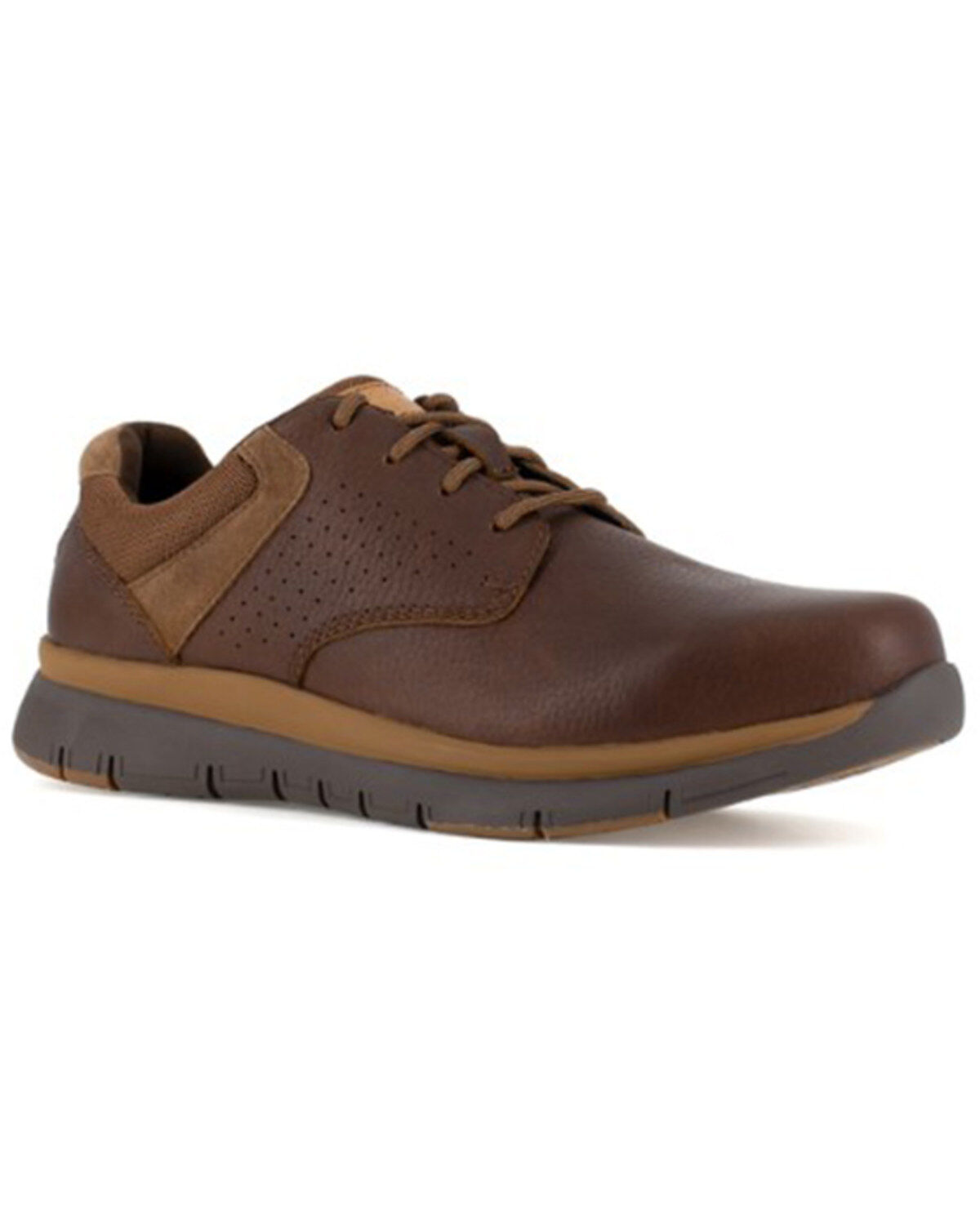
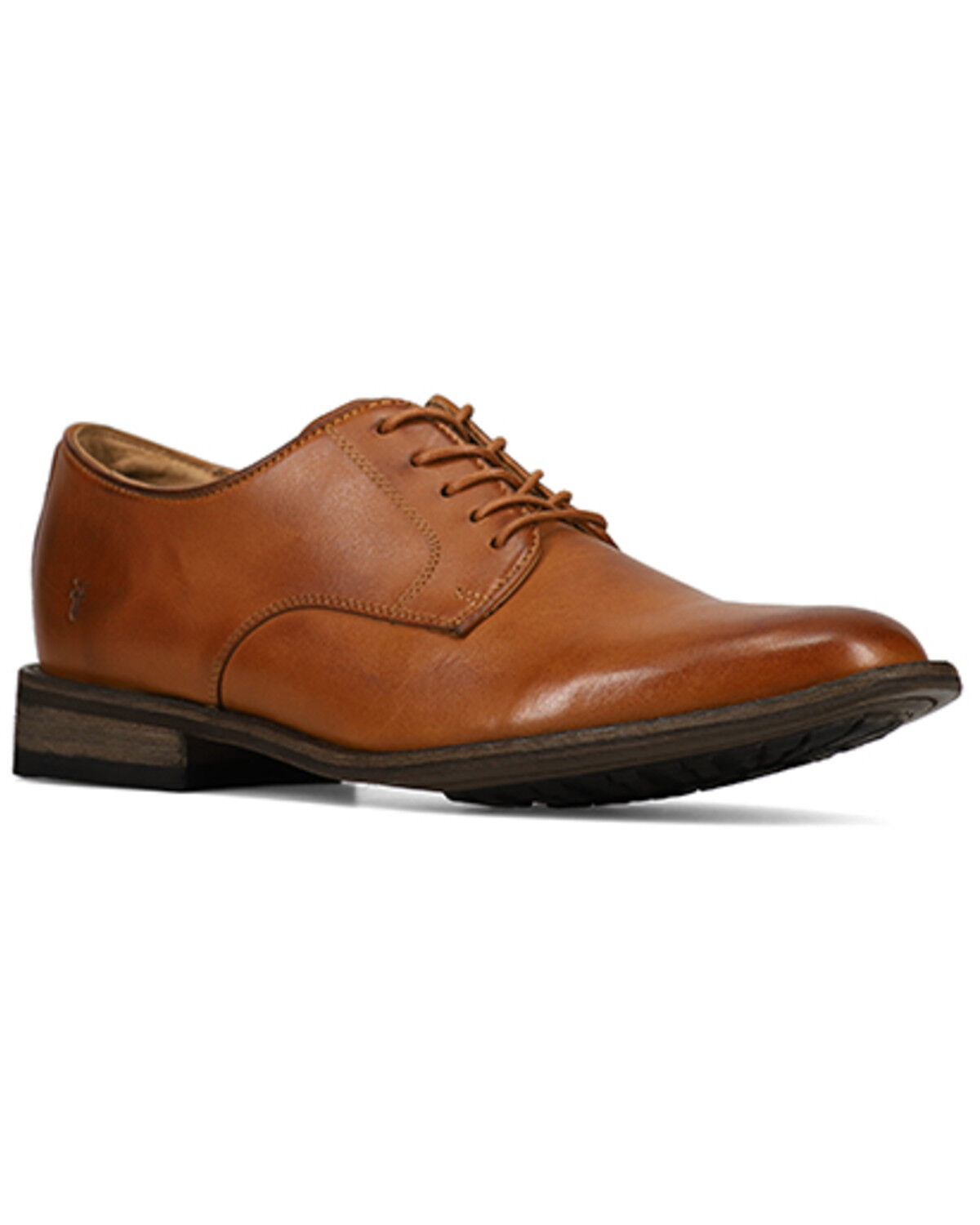
Discover the perfect blend of timeless style and versatility with this collection of brown oxford shoes. Ideal for both formal occasions and everyday wear,... these shoes offer an elegant touch to any outfit. Crafted with attention to detail, each pair exudes sophistication while ensuring comfort and durability. Whether you're dressing up for a special event or looking to elevate your daily ensemble, our selection of brown oxfords provides a classic choice that never goes out of fashion.
Read more
Brown Oxford Shoes
Discover the perfect blend of timeless style and versatility with this collection of brown oxford shoes. Ideal for both formal occasions and everyday wear,... these shoes offer an elegant touch to any outfit. Crafted with attention to detail, each pair exudes sophistication while ensuring comfort and durability. Whether you're dressing up for a special event or looking to elevate your daily ensemble, our selection of brown oxfords provides a classic choice that never goes out of fashion.
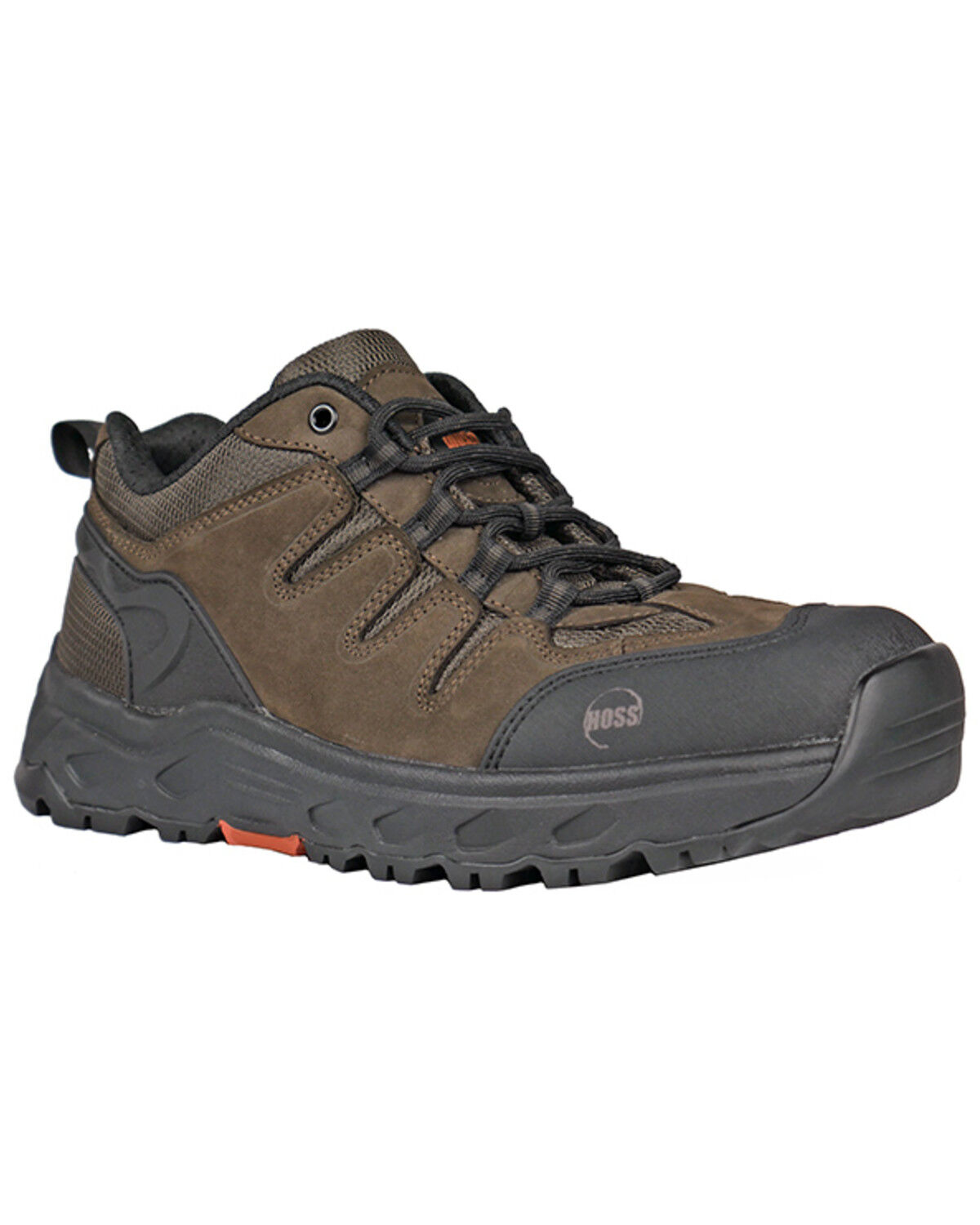
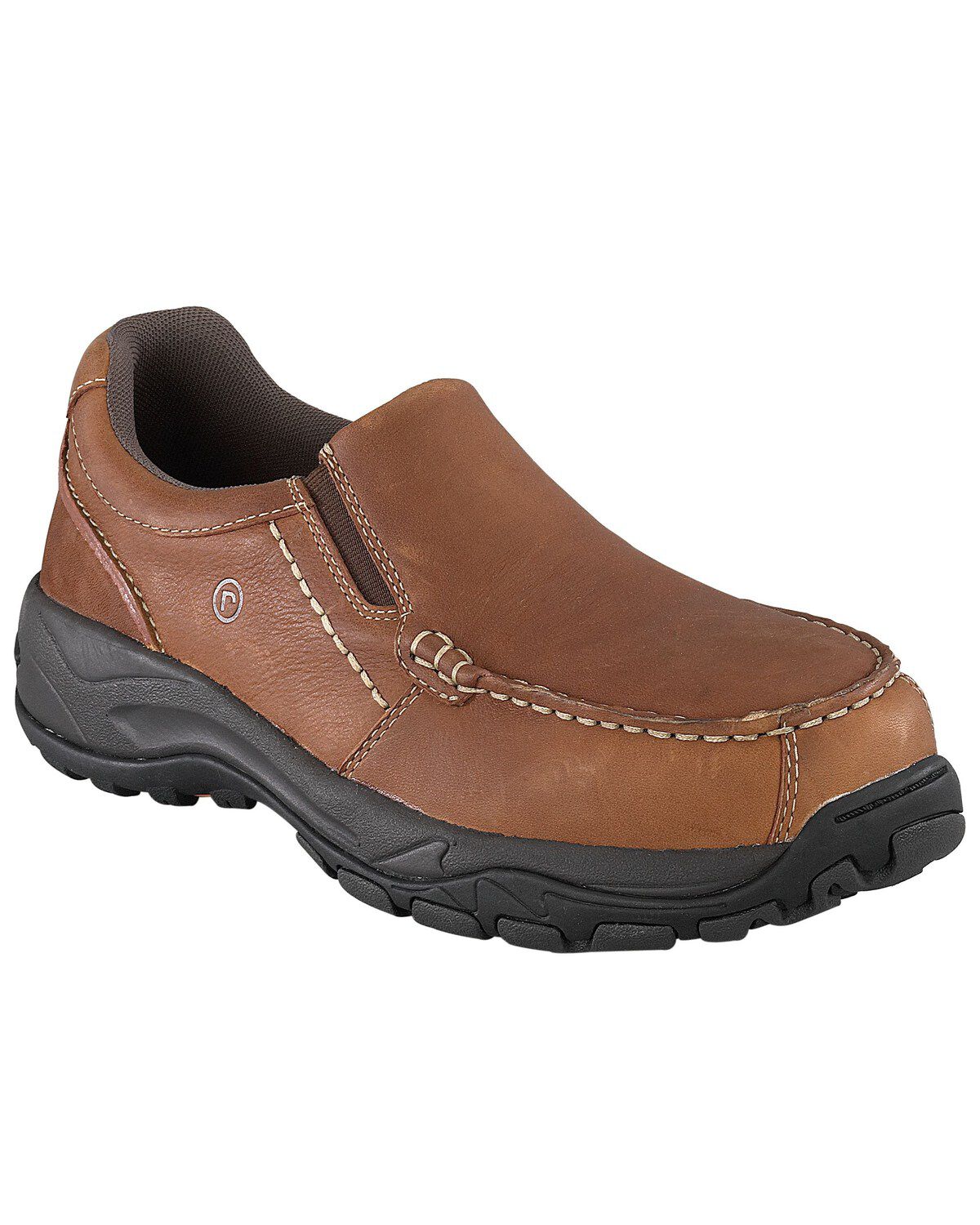
Brown oxford shoes bring a clean, finished look to work clothes, dress pants, and well-kept denim. Brown gives the leather depth without the sharper contrast of black, with shades ranging from light tan and reddish brown to dark chocolate. Traditional oxfords use closed lacing, meaning the sections that hold the eyelets are sewn beneath the front of the upper. That construction creates a close, neat appearance across the foot. The oxford name is also used more broadly for some low-cut casual and work shoes, so the shape, construction, and intended use deserve attention alongside the label. Plain-toe designs keep the front simple, while cap toes add a seam across the forefoot. Wingtips and decorative perforations give the leather more detail and generally feel less formal than a smooth, understated dress shoe. Dark brown leather with restrained stitching works well with navy or charcoal trousers for an office, a dinner, or a wedding where brown footwear suits the dress code. Lighter brown shades show more contrast against dark denim and pair naturally with khakis and button-down shirts. A smooth finish usually reads dressier than a textured or brushed surface. Toe shape matters, too: a rounded or gently tapered profile offers a different appearance and fit from a broad, square front. The best match is a shoe that fits the setting without asking the wearer to sacrifice comfort. Someone moving between a desk and customer appointments may want a refined upper with a flexible sole, while a person spending much of the day standing may place more weight on cushioning and support. Low-cut work oxfords serve another purpose, often emphasizing practical construction over a narrow dress profile. A work-style appearance alone does not establish protective performance. Requirements such as a safety toe, electrical hazard protection, or tested slip resistance need to be verified in the footwear specifications rather than assumed from the leather, tread, or color. These distinctions help separate shoes meant for occasional dress wear from footwear built for repeated daily use.
Materials and fit have a direct effect on how brown leather oxfords feel after several hours on foot. Full-grain leather retains its natural surface and can develop creases and variations in tone with wear. Other leather finishes may provide a more uniform appearance or a different feel, depending on how the hide is processed. Suede has a soft, textured surface that gives brown shoes a more casual character, but it needs different cleaning tools from smooth leather. Synthetic uppers and mixed-material construction have their own care requirements; leather conditioner is not suitable for every surface. Inside the shoe, lining material, seam placement, and the shape of the footbed can matter as much as the outer leather. Cushioning softens the feel underfoot, but it does not correct a poor fit or replace a supportive structure. A removable footbed can be useful for someone who wears an orthotic, provided the shoe has enough depth for it. Fit should leave room for the toes to lie naturally without pressing against the front or sides. The heel should feel secure, and the widest part of the foot should sit comfortably in the widest part of the shoe. Laces can adjust the hold across the instep, but they cannot make a narrow toe box wider. Closed-lace oxfords may feel snug over a high instep, making width and upper shape especially important. Trying shoes with the socks intended for daily wear gives a more useful sense of fit than trying them with unusually thin or thick socks. Walking on a clean indoor surface can reveal rubbing at the heel, pressure over the instep, or an awkward bend across the toes. Leather may soften with use, but painful pressure is not a reasonable break-in plan. Underneath, rubber soles can provide cushioning and practical traction, while leather soles offer a traditional dress finish and a different feel underfoot. Tread pattern, sole flexibility, and the surface underfoot all affect performance. No outsole should be treated as slip-proof, especially around oil, grease, or polished flooring.
Regular care helps brown oxford shoes hold their appearance and remain comfortable through repeated wear. Dust and grit should be brushed away before they settle into creases or collect along the edge of the sole. Smooth leather generally benefits from a soft cloth, a suitable cleaner when needed, and occasional conditioning according to the manufacturer’s directions. Too much conditioner can leave residue or alter the finish, so a light application and a test on a hidden area are sensible precautions. Brown polish should closely match the leather when color restoration is the goal; neutral polish may be appropriate when adding shine without introducing another shade. Suede needs a brush and cleaner made for its textured surface rather than ordinary shoe cream. If shoes become damp, they should dry naturally away from direct heat, which can stiffen or damage leather. Shoe trees can help maintain shape between wears, and a shoehorn reduces strain on the heel when putting shoes on. Rotating pairs allows the interiors time to air out. Durability also depends on construction, wear patterns, and timely repairs. Some stitched designs can be resoled, while other constructions have more limited repair options; a shoe repair professional can assess the individual pair. Worn heel edges, loose stitching, and thinning tread deserve attention before they affect footing or damage surrounding material. For time in the saddle, consider Brown Riding Shoes and confirm that the heel, sole, and overall design suit the riding activity rather than treating a dress oxford as riding footwear. As a gift, brown oxfords can be a practical choice for someone starting an office job, attending dress occasions, or replacing a well-worn everyday pair. Knowing the recipient’s size, width, usual socks, and preferred shape matters more than choosing a striking finish. For everyday ownership, the strongest choice is straightforward: a suitable construction, comfortable fit, and brown leather that works with the clothes already in the closet.

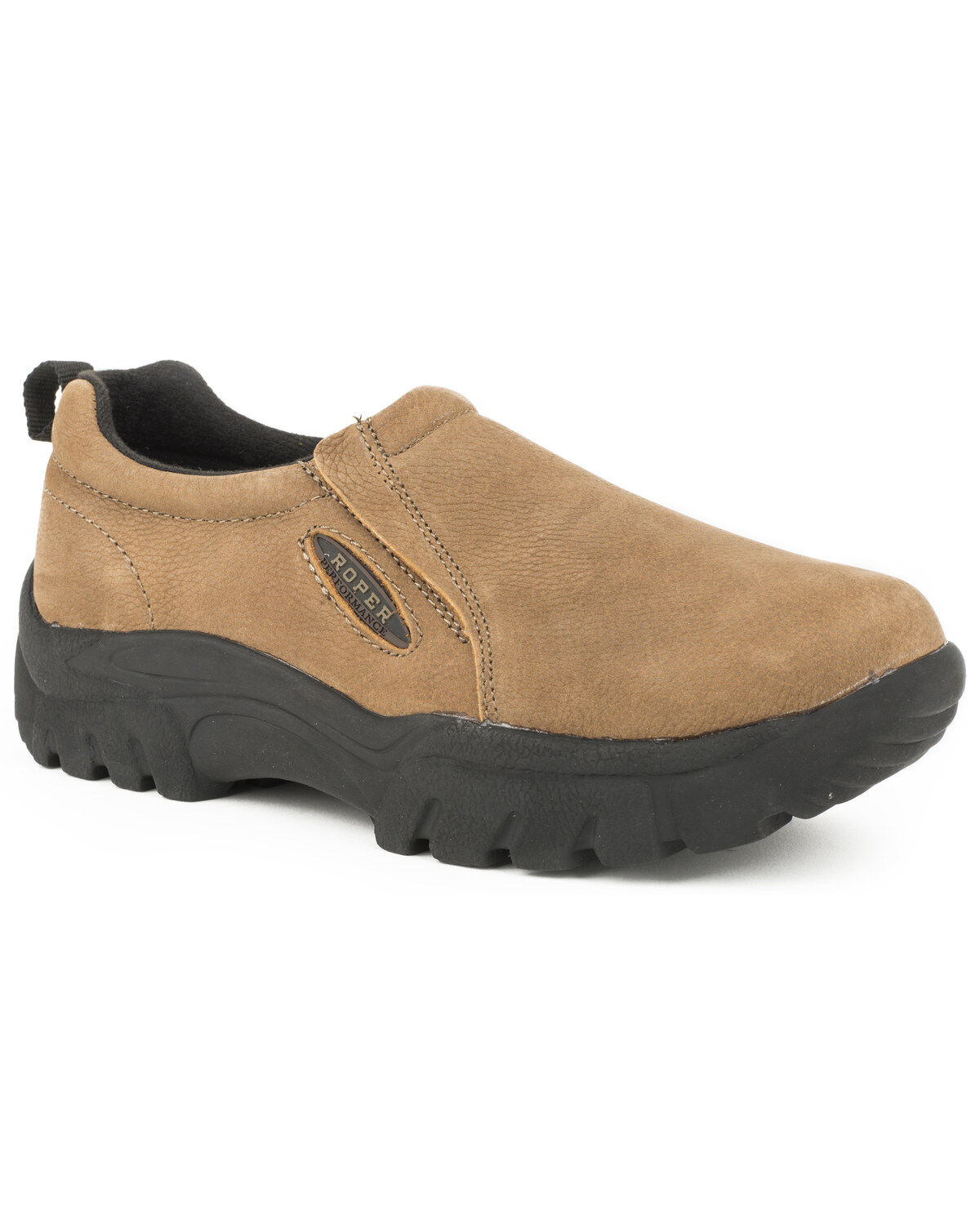
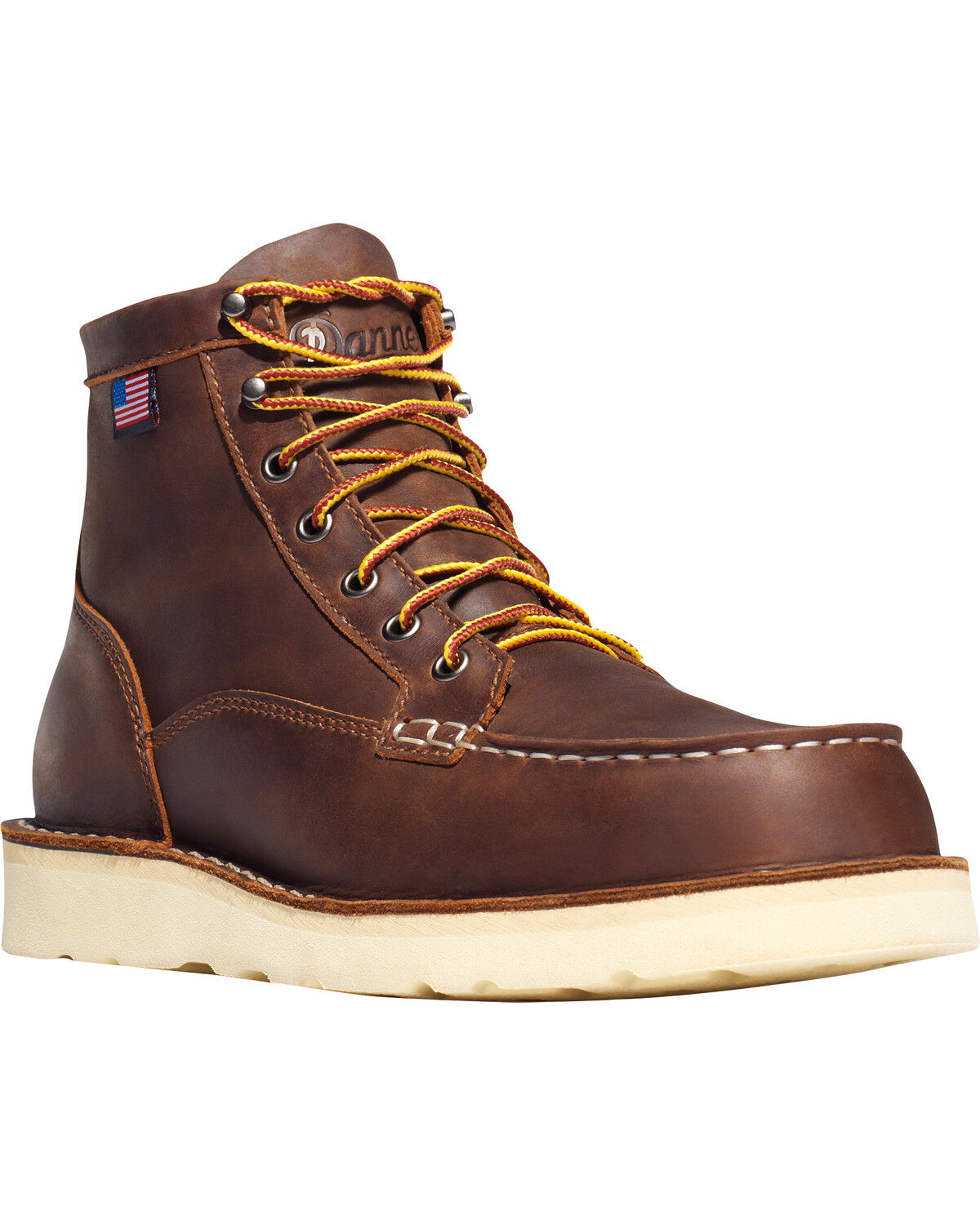 $259.99
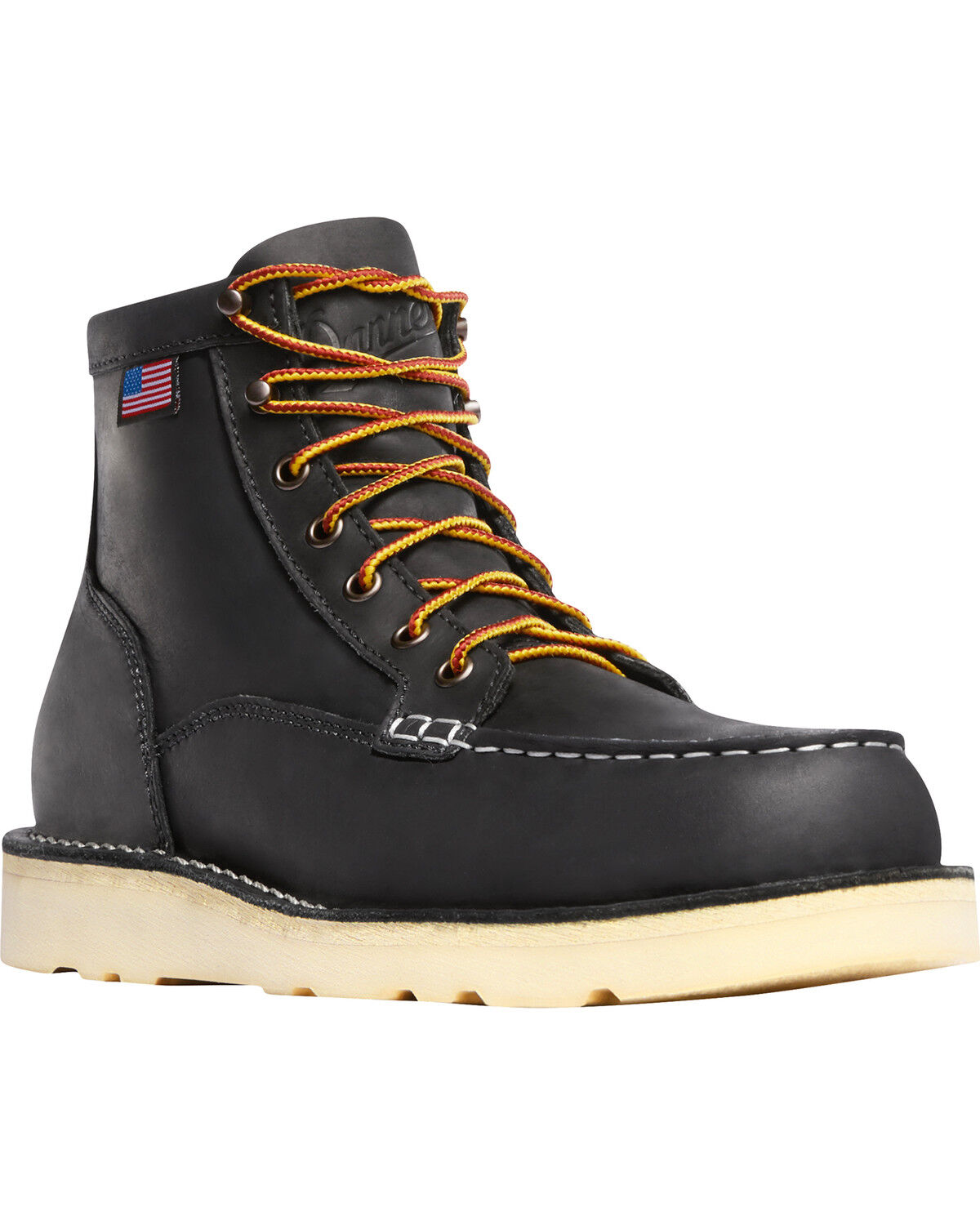 $259.99
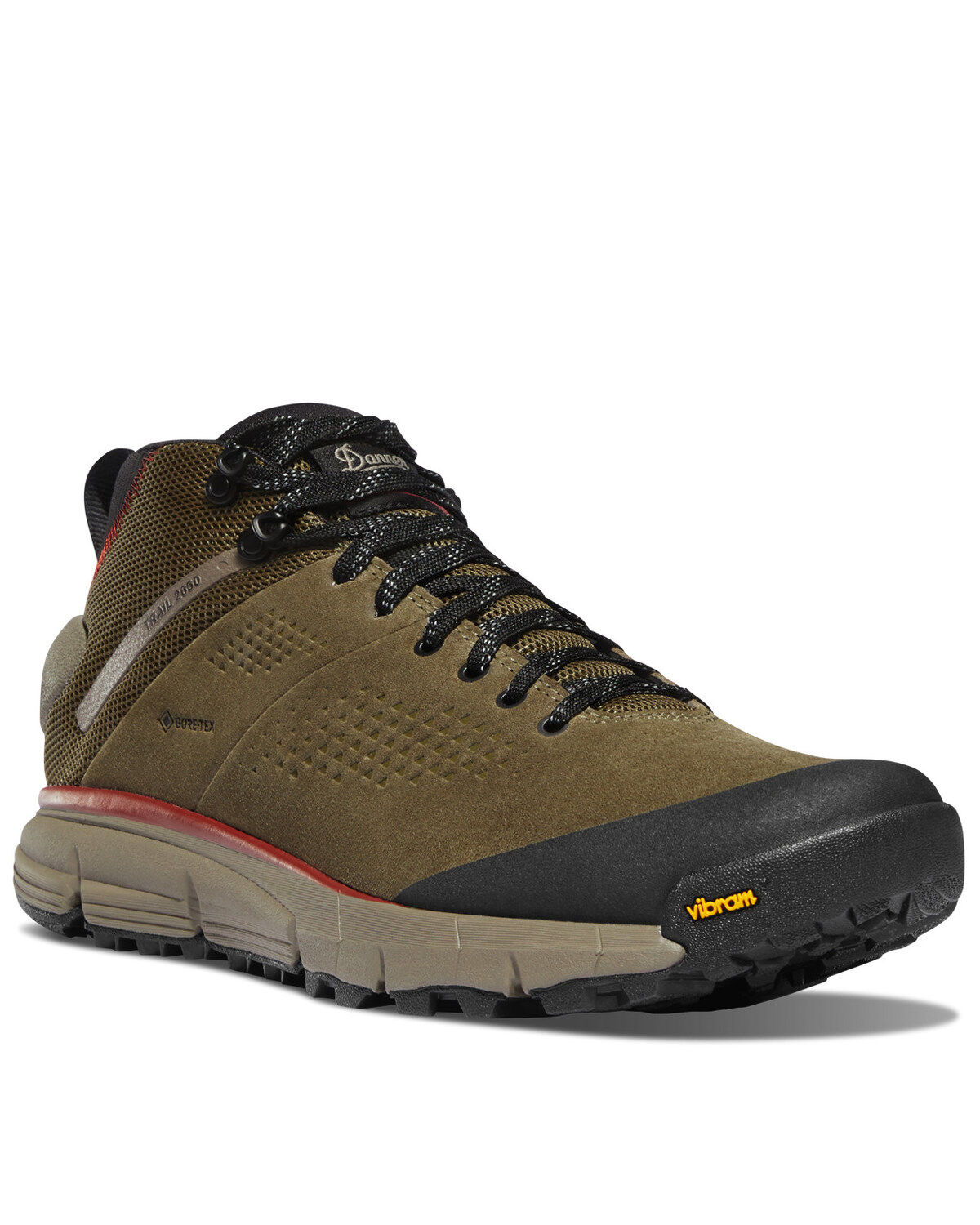 $138.97
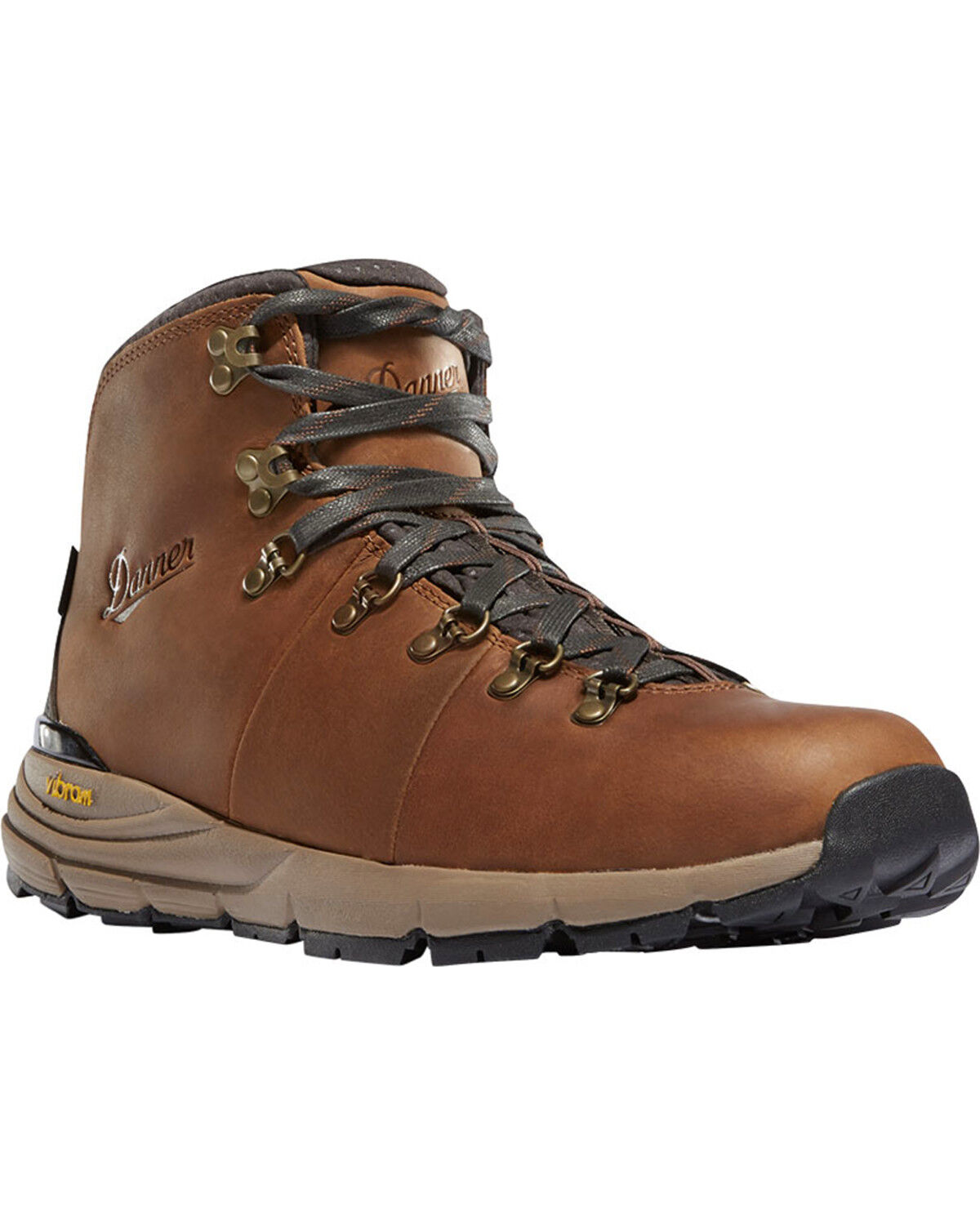 $229.99
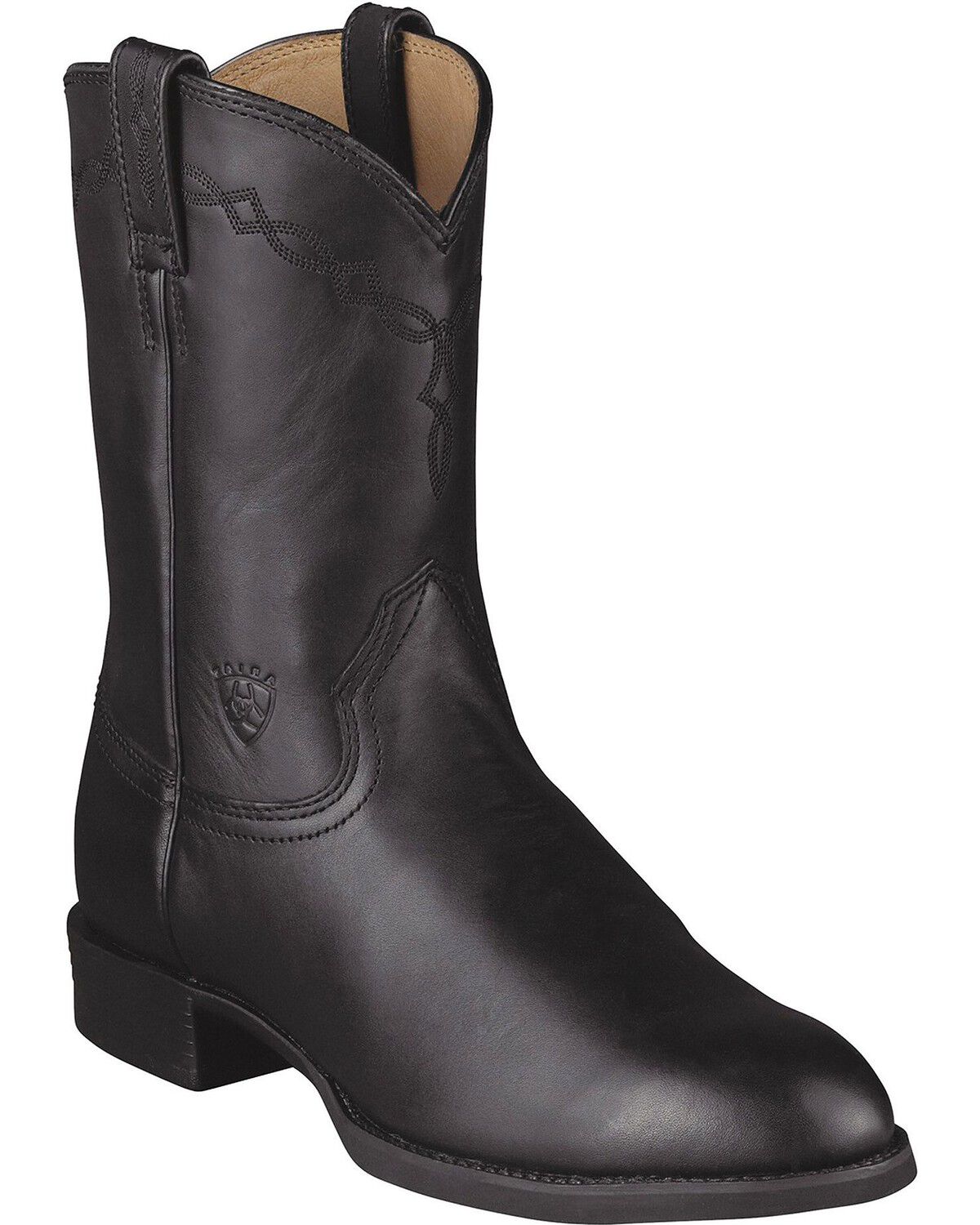 $169.95