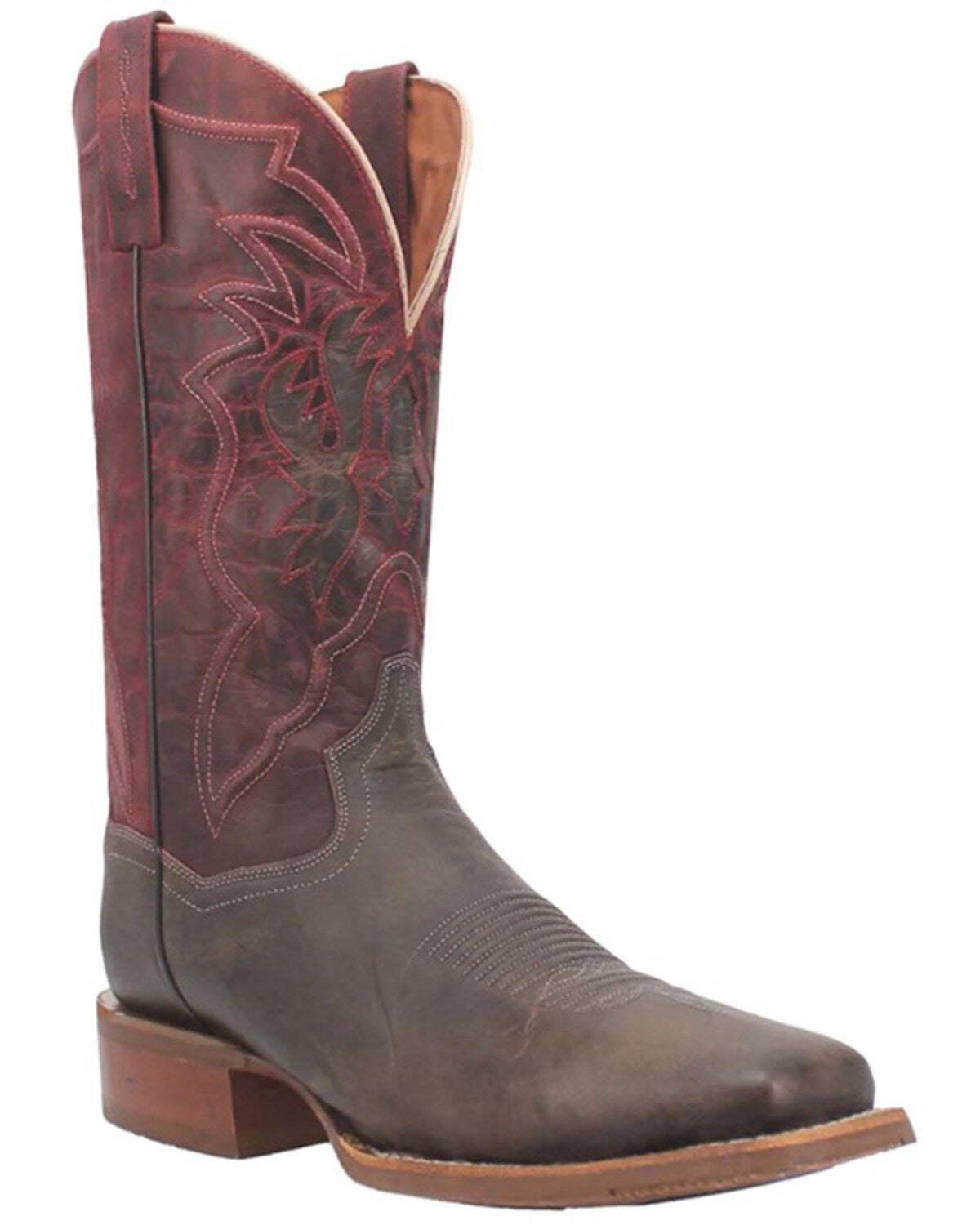
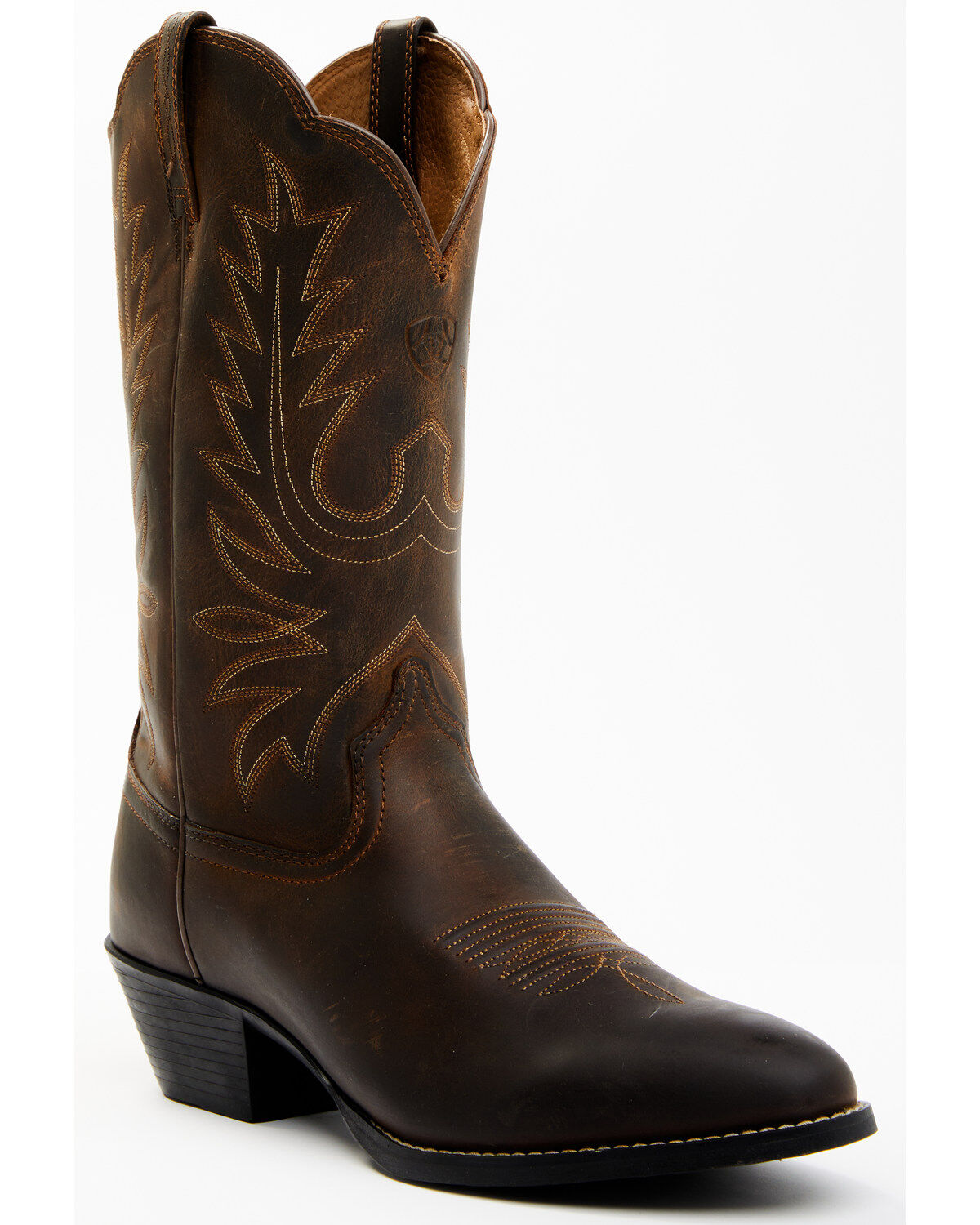
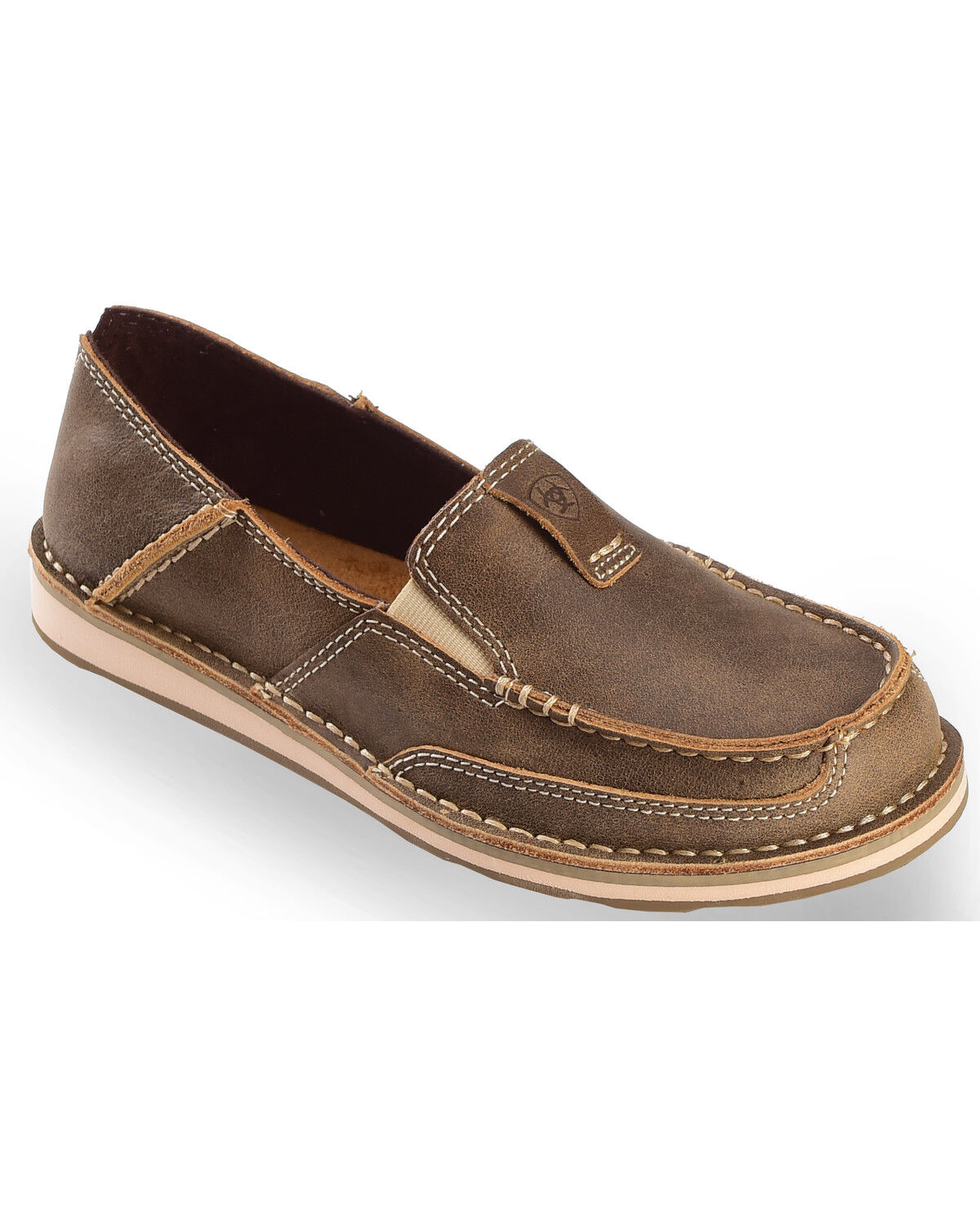
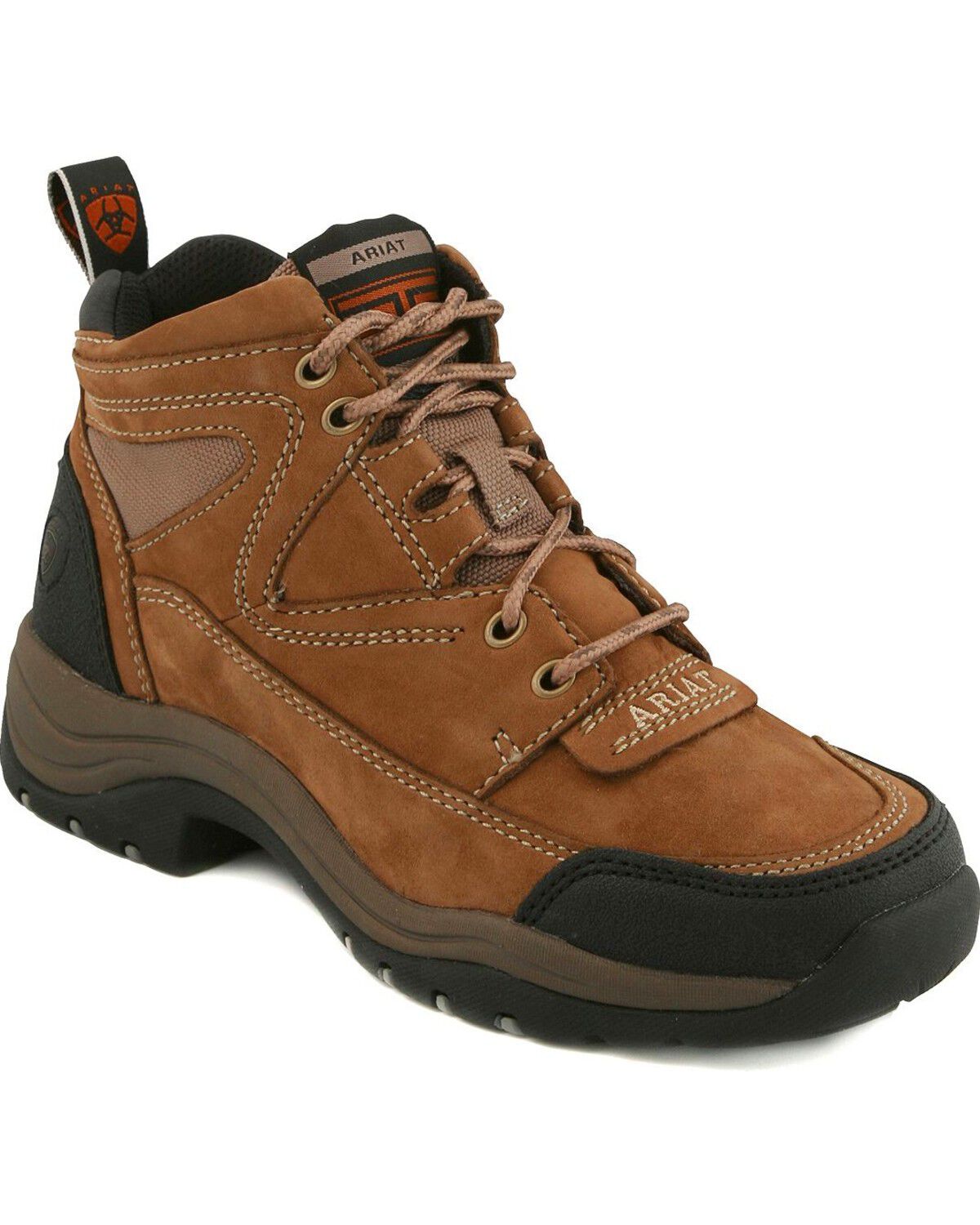
Brown And Red Boots

Shop brown and red boots to find the right color combination for your western wardrobe. Whether you prefer a brown foot with a red shaft or red accents on brown leather, compare available styles and sizes to narrow your search.

Shop Your Store: Shop Your Store: Find a Store

(Turn off Shop Your Store to see all items)

(Turn off Shop Your Store to see all items)

close
  • Recommended
  • Lowest Price
  • Highest Price
Skip pass products

End of products

Brown And Red Boots

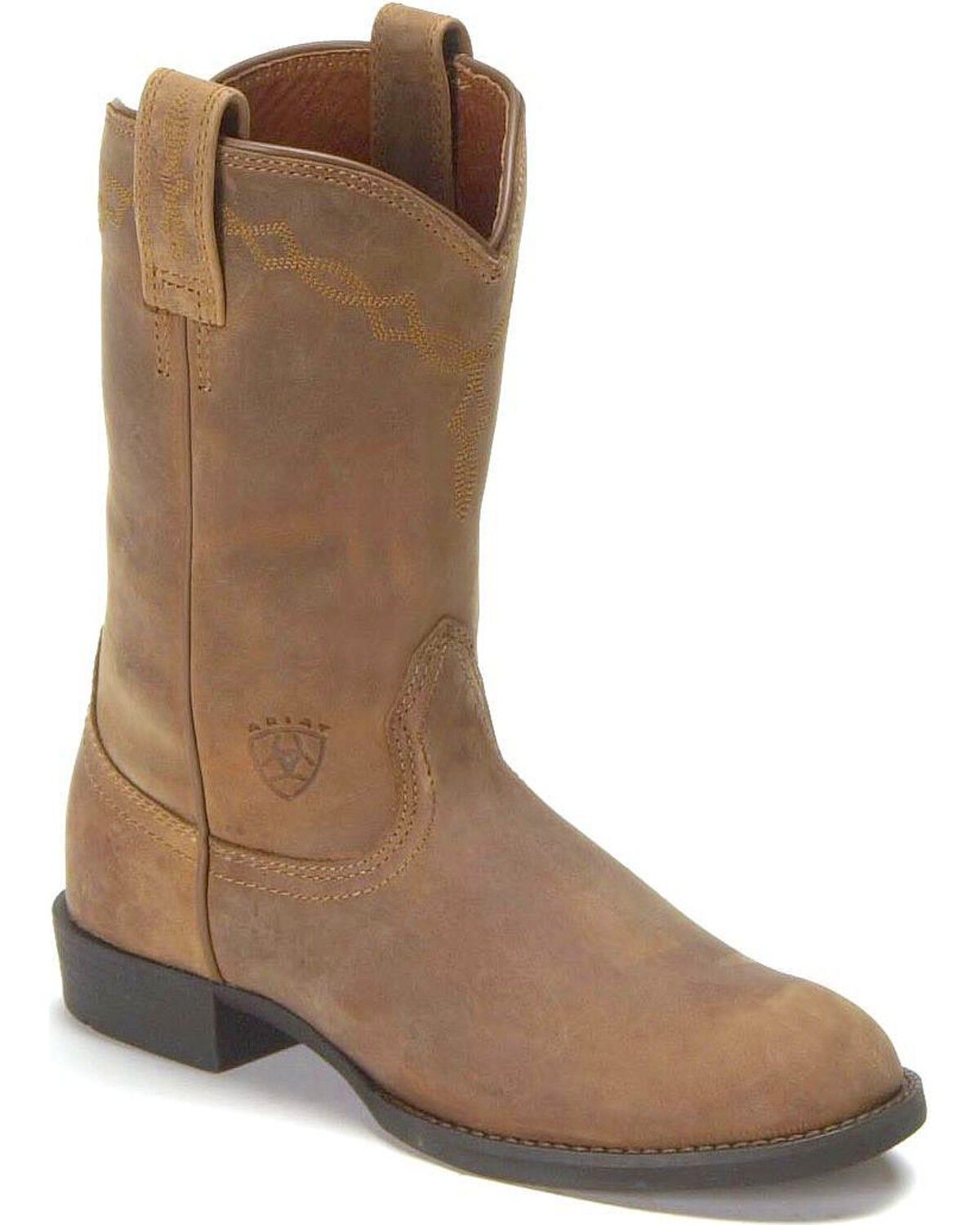
Brown and red boots bring warm leather tones and a strong color contrast to western footwear. A brown foot with a red shaft is a familiar combination, giving the boot a grounded look below the ankle and a distinct flash of color above it. Other designs carry red through stitching, piping, inlays, or panels against a brown background. The balance matters: a narrow red accent reads differently from a full red upper, especially when the boots are worn with jeans tucked in. Brown shades can range from light tan and copper to chestnut and dark chocolate, while red can lean toward brick, burgundy, or a brighter, clearer tone. The deeper burgundy and oxblood shades associated with Dark Red Boots create a quieter contrast with brown than a vivid red shaft. Smooth leather gives those colors a clean finish, while distressed leather adds variation across the foot and upper. Suede and roughout have a textured surface that changes the way light catches the color. Full-grain leather retains the hide’s natural grain and can develop character with wear, though leather quality, thickness, tanning, and construction all affect how a boot holds up. A dark finish does not make one pair tougher than a lighter pair, and a worn-in appearance does not tell the whole story about construction. Even stitching, secure seams, a stable heel, and a well-attached outsole matter more than color alone. Lining materials also influence how the boot feels against the foot and leg. Leather linings can feel different from fabric linings, and cushioning varies by design. Together, those details determine whether a pair feels suited to long days on foot, time in the saddle, or occasional wear. The color draws attention first, but the materials and build are what make the boots useful beyond the first outing.

The right fit gives brown and red boots a purpose beyond their appearance. Western boots should hold the foot securely through the instep without squeezing it, with enough room for the toes to rest naturally. The widest part of the foot should sit at the widest part of the boot. A small amount of heel movement can be normal in a new pull-on leather boot, but excessive lifting, sliding, or rubbing can point to the wrong fit. Leather may soften with use; a boot that pinches the toes or puts sharp pressure across the foot should not be treated as a break-in project. Trying boots with the socks intended for regular wear gives a more useful sense of fit than switching to a thinner pair just to make them work. Shaft height and circumference matter as well, particularly for a fuller calf or for anyone who prefers to tuck jeans inside the boot. Toe shape changes both the outline and the feel. Square, round, and pointed profiles can fit differently across designs, so the shape alone does not guarantee more room. Heel height, cushioning, and outsole flexibility also affect the walking experience. For someone who spends hours standing at a counter or walking across a large property, support and traction deserve as much attention as the leather finish. Rubber outsoles often suit everyday walking and work settings, while leather outsoles have a traditional western feel; performance depends on the actual construction and surface underfoot. Riding calls for footwear designed for stirrup use, including an appropriate heel and sole profile. Jobsite use requires a separate look at the stated safety features. A western shape does not automatically mean a boot has a safety toe, electrical hazard protection, or a slip-resistant outsole. Required protection should match the workplace rules and the boot’s specifications. Brown and red can fit into a working wardrobe, but the intended job should determine the construction rather than the color doing that work.

Regular care helps preserve the contrast that makes brown and red boots stand out. Dust collects around the welt, stitching, and creases across the foot, where a soft brush or cloth can remove surface dirt before it works deeper into the material. Smooth leather generally benefits from a cleaner and conditioner suited to its finish, used according to the maker’s directions. Too much conditioner can change the feel or darken the leather, so a small test in a less visible spot is worthwhile, particularly on light brown panels or rich red finishes. Suede and roughout need products and brushes made for their texture rather than a routine intended for smooth leather. Colored polish also needs care around contrasting panels and stitching; brown polish on a red shaft can alter the look instead of simply restoring it. Boots should dry naturally away from direct heat, and they should be stored clean with enough support to keep the shafts from folding sharply. Checking heels and soles for uneven wear can catch repair needs before they affect the rest of the boot. Some stitched constructions may allow resoling, though repair options depend on the design and condition. For everyday outfits, brown feet sit naturally under straight-leg or bootcut denim, with the red shaft partly hidden until the wearer sits or moves. Tucked jeans put more of the upper on display, while a simple shirt keeps the color combination from competing with the rest of the outfit. That flexibility makes brown and red boots a practical choice for people who want familiar western styling with a visible difference. They can also make a thoughtful gift for someone who already wears western boots, provided the size, width, shaft fit, and intended use are known. Matching those details to the recipient matters more than choosing the boldest shade. A pair that fits the person’s routine has a better chance of becoming part of it.

FAQs