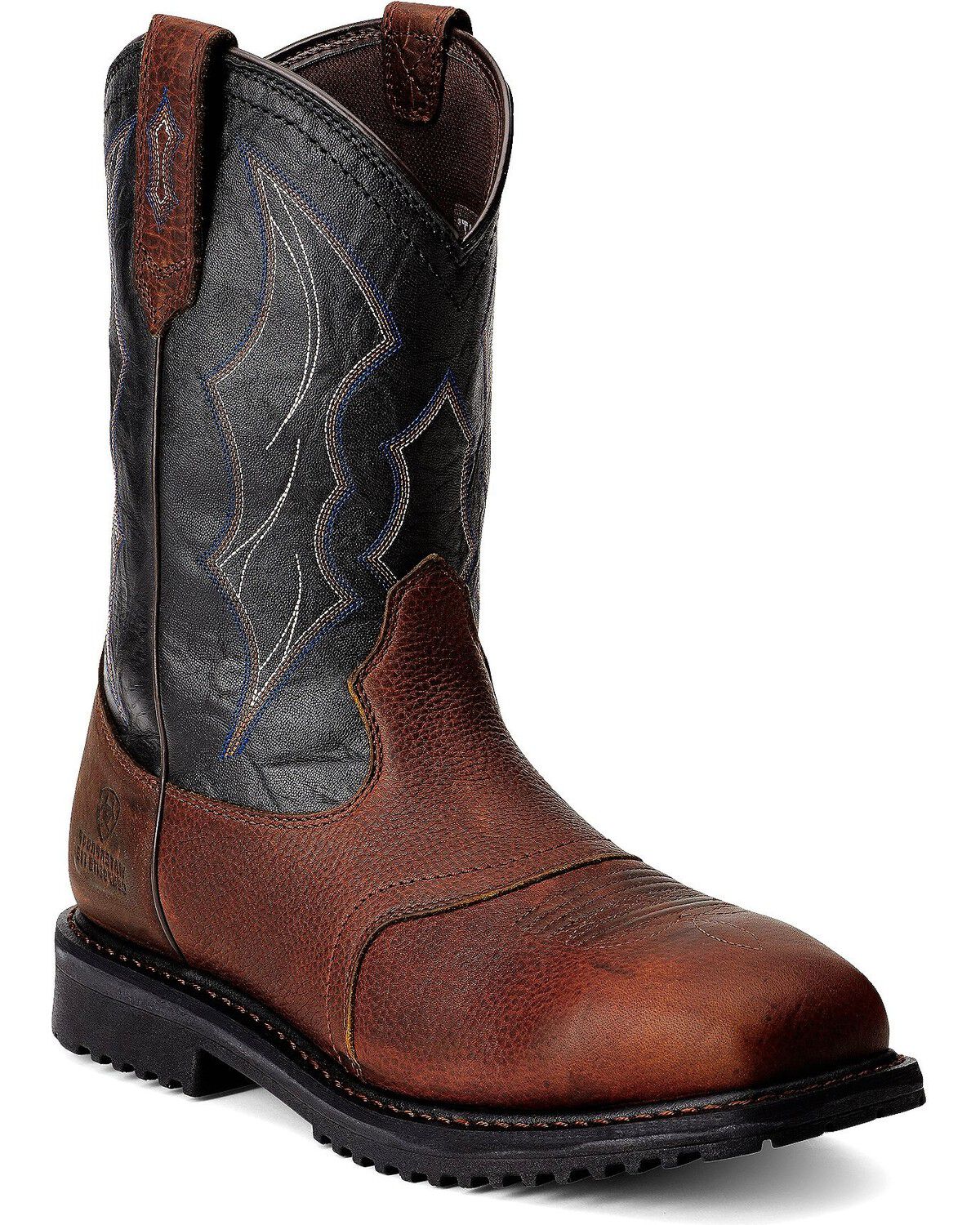
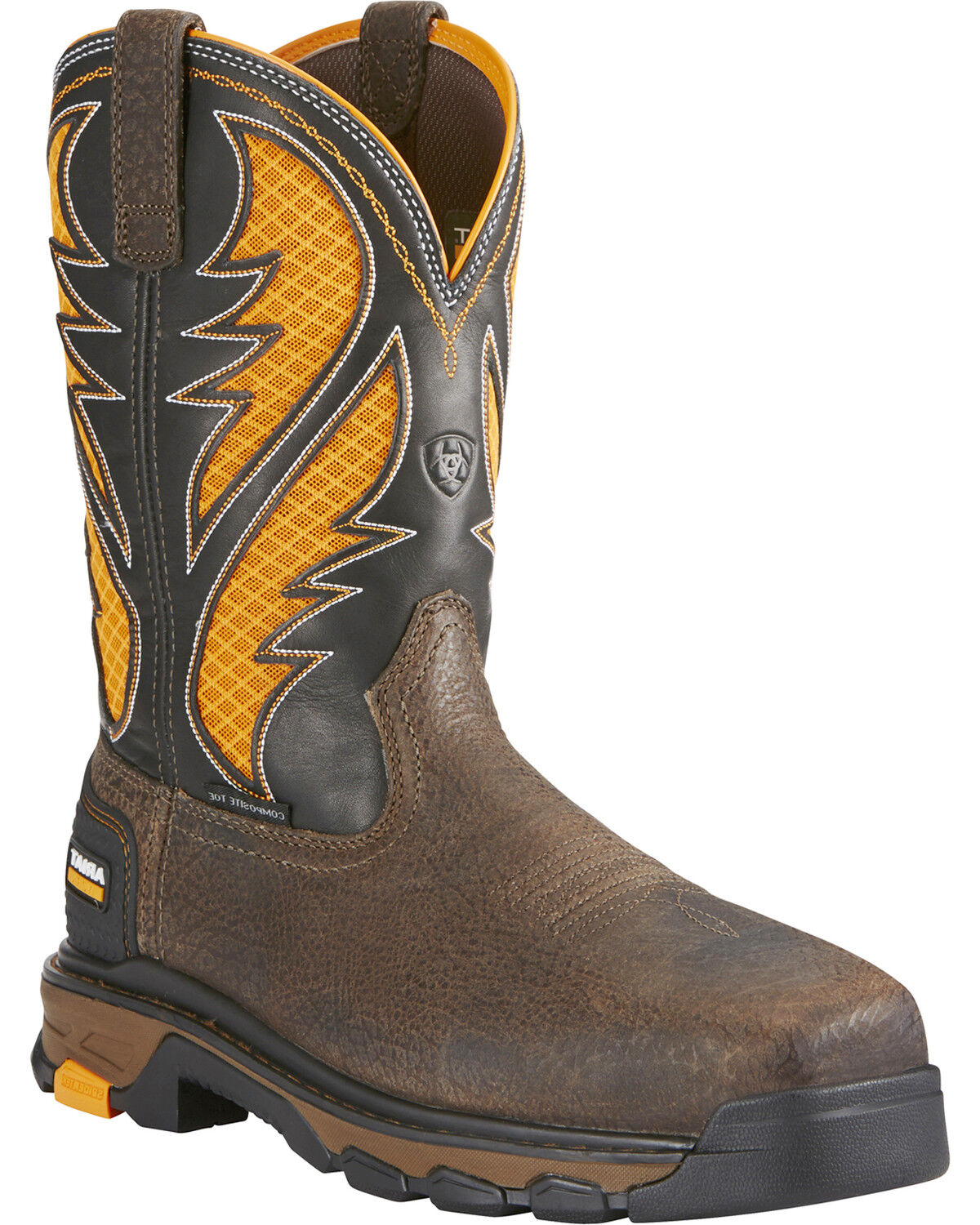
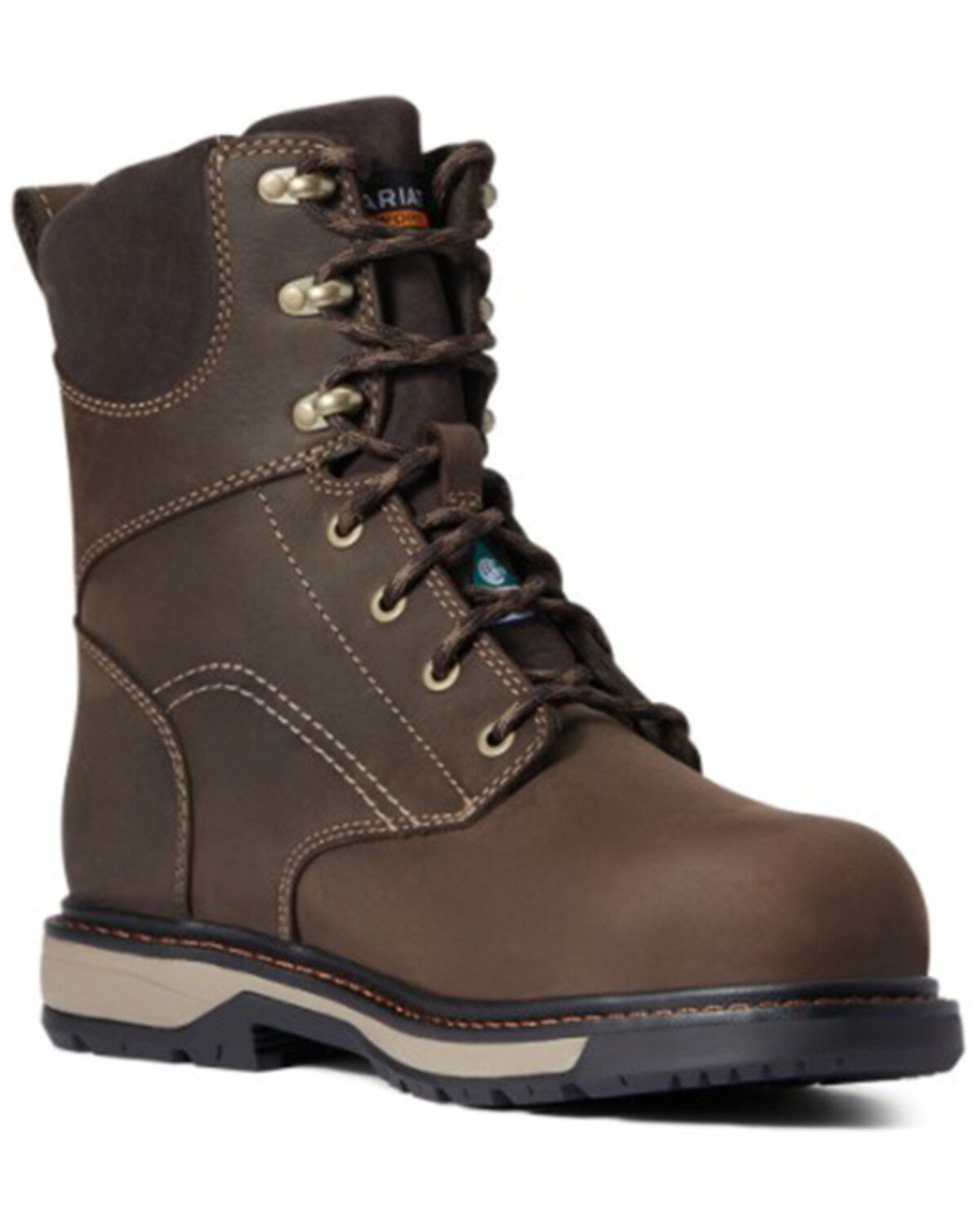
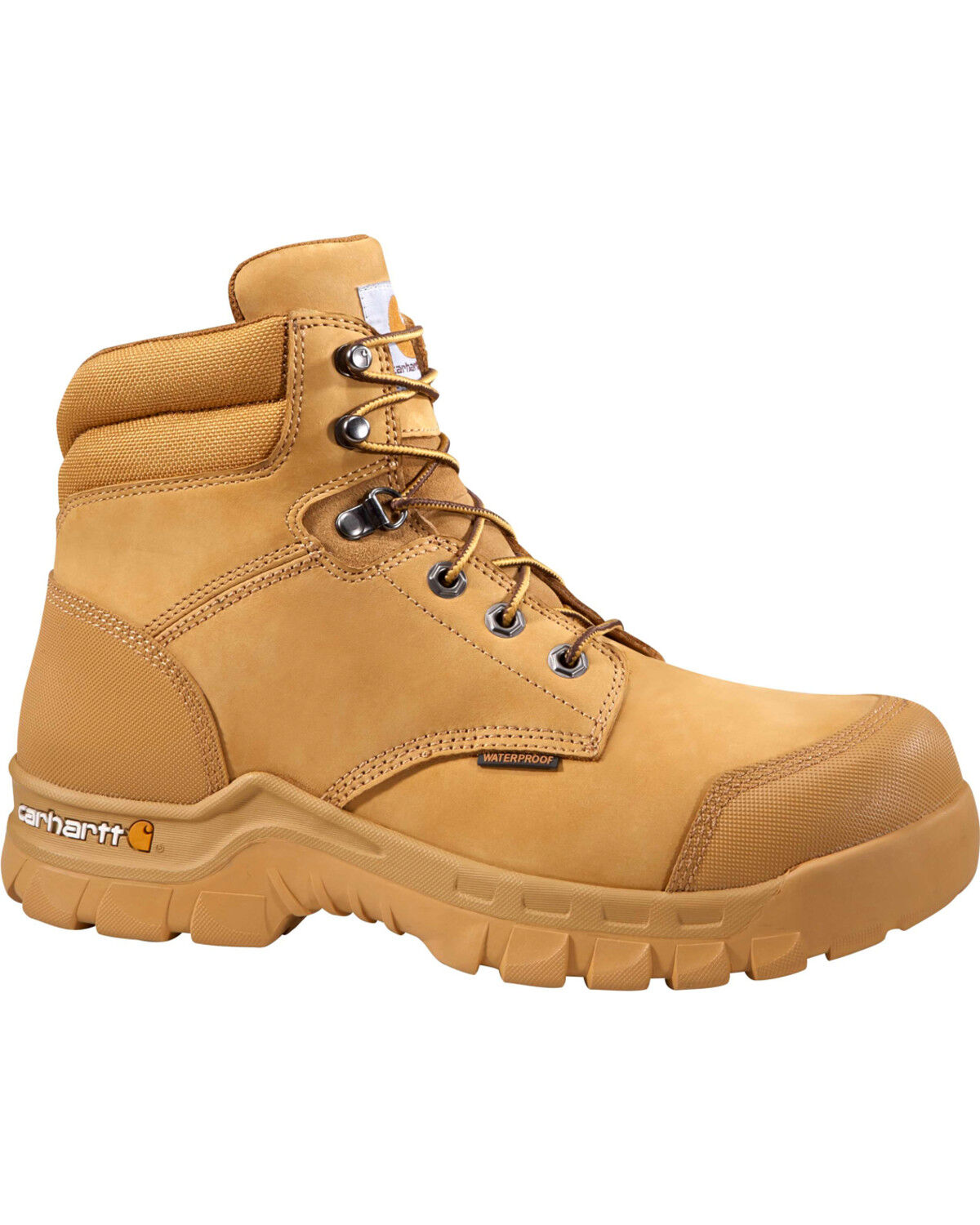
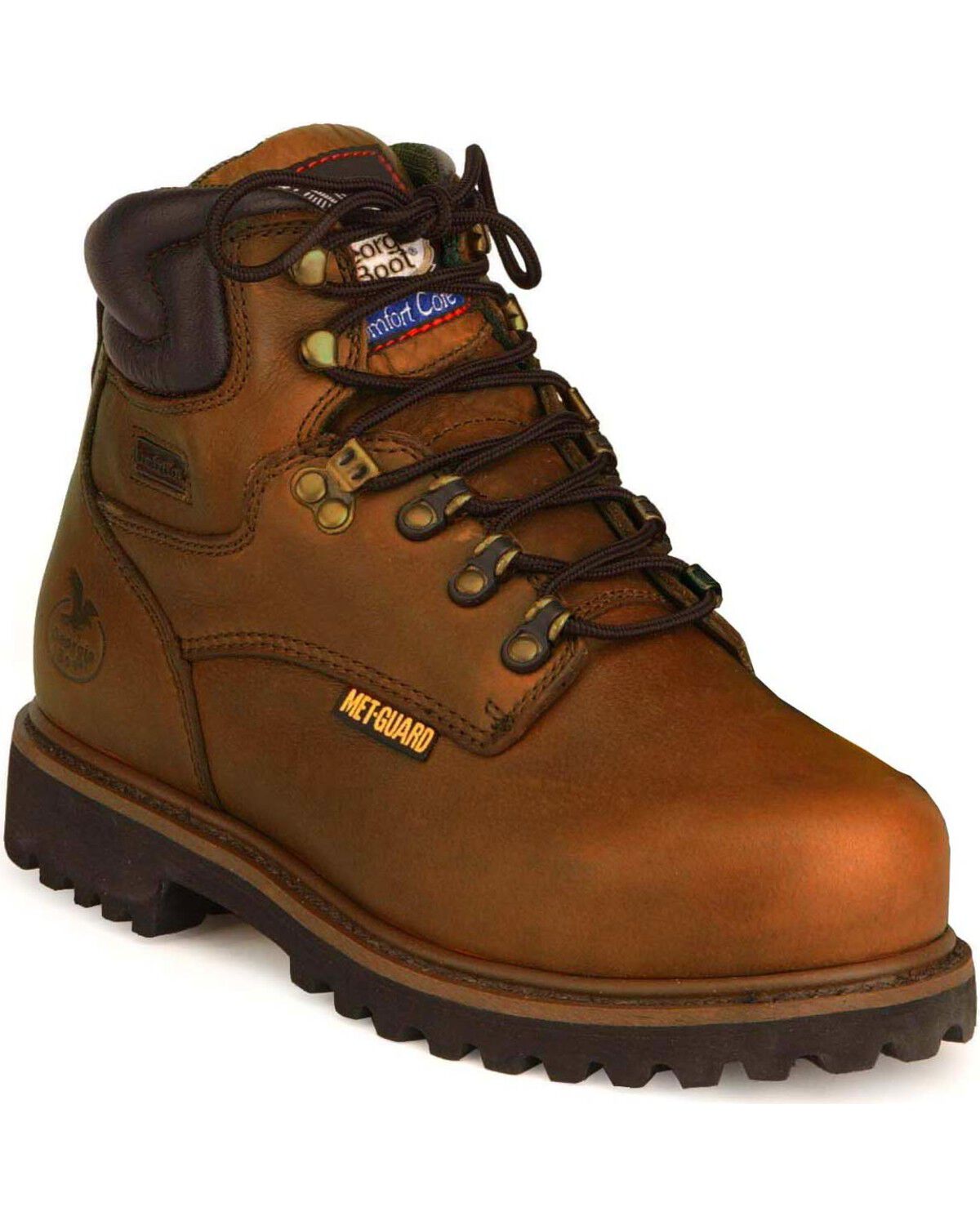
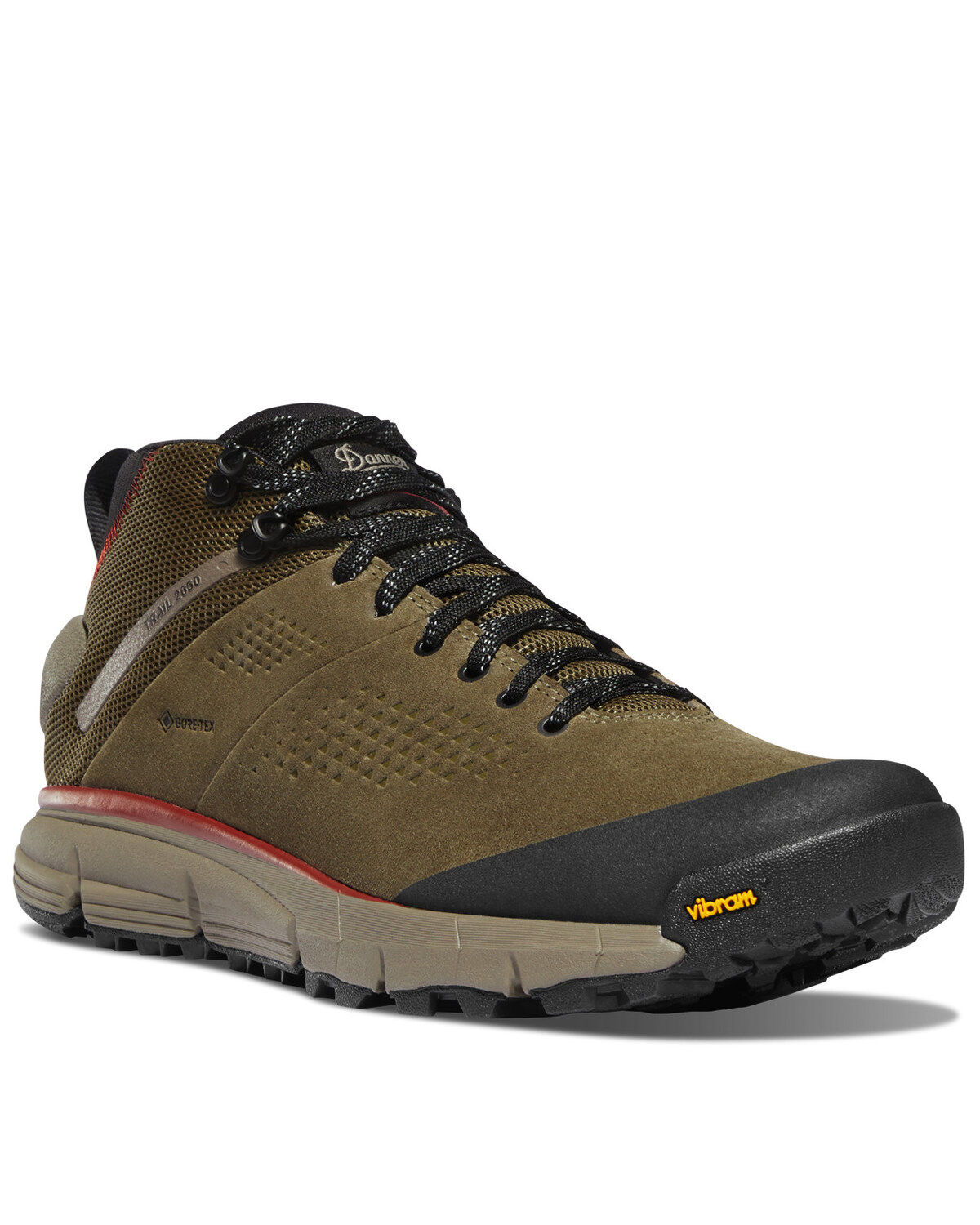
Breathable Safety Toe Boots

Find breathable safety toe boots for workdays that call for airflow and toe protection. Browse work boot styles with your job in mind, comparing each pair’s listed features and fit. Check product details against your workplace’s safety requirements before choosing a pair.

Shop Your Store: Shop Your Store: Find a Store

(Turn off Shop Your Store to see all items)

(Turn off Shop Your Store to see all items)

close
  • Recommended
  • Lowest Price
  • Highest Price
Skip pass products

End of products

Breathable Safety Toe Boots

Breathable safety toe boots bring together two jobsite needs: protection at the front of the foot and a construction that helps manage moisture through a full shift. For warehouse crews walking concrete aisles, maintenance workers moving between tasks, and tradespeople spending hours on their feet, that balance matters. Breathability comes from the whole boot, not just a panel of mesh. Textile uppers, perforated sections, moisture-wicking linings, and the way those materials work together can affect how readily perspiration moves away from the foot. Leather brings abrasion resistance and structure, while leather-and-textile combinations can add flexibility and airflow without leaving every part of the upper exposed to wear. Reinforced toes and heels are useful where boots repeatedly brush against pallets, equipment, or rough surfaces. The protective toe itself may be steel, alloy, or composite, with differences in weight, shape, and construction depending on the boot. No single toe material automatically makes a boot more breathable or more comfortable. The lining, footbed, upper, and fit all play a part. Protection also needs to match the work. Safety markings identify the standards a boot meets, and impact and compression protection should not be confused with separate features such as electrical hazard protection or puncture resistance. Workplace requirements remain the deciding factor. Breathable construction also does not automatically mean waterproof construction. Open mesh can allow airflow but may not suit tasks involving frequent liquid exposure, while a waterproof membrane can change how a boot handles moisture from inside. A worker moving cartons across a dry warehouse floor has different needs from someone washing equipment or working around standing water. These differences make the upper material and lining just as important as the safety toe designation. The most useful combination is one that suits the surfaces, hazards, and movement a job requires, rather than a list of features that adds weight without serving a purpose.

Fit determines how well those materials and protective features work over the course of a shift. A safety toe cap creates a fixed space around the toes; it will not stretch the way some leather uppers can. Toes need room to move without pressing against the cap, while the heel and midfoot need enough hold to limit rubbing and sliding. A boot that feels roomy at the front but loose through the middle can cause friction with every step. A boot that squeezes across the forefoot can become difficult to wear long before the work is finished. Width, toe shape, instep height, and the thickness of work socks all affect that balance. Trying boots with the socks normally worn on the job gives a more useful sense of fit than trying them with a much thinner pair. Feet can also change in volume after hours of standing and walking, so comfort needs to extend beyond the first few minutes. Lace-up construction allows adjustment through the instep and ankle, while pull-on designs rely more heavily on the relationship between the foot, heel, and shaft. Neither style replaces a proper fit. Underfoot, cushioning can soften repeated contact with hard floors, but cushioning alone is not the same as support. A stable platform, secure heel, and suitable arch support help keep the foot settled as tasks change from walking to standing or climbing stairs. Removable footbeds can be useful for drying and cleaning, though replacement insoles must leave enough space beneath the protective cap. Socks matter here, too. A moisture-managing work sock can support a breathable lining, while a bulky or poorly fitted sock can create pressure and bunching. For work that permits a lower-cut option, Breathable Composite Toe Shoes offer another construction to consider alongside boots. The choice still depends on required protection, fit, and whether the job calls for the additional coverage of a boot shaft.

Durability comes from matching the boot to the way it will be used, then keeping its materials in working condition. Repeated kneeling can wear down the toe area, ladder work places different demands on the sole than level walking, and rough concrete can wear tread faster than a smooth indoor floor. Outsole design deserves attention beyond its appearance. Tread patterns, rubber compounds, and heel shapes influence how a boot handles particular surfaces, but no outsole eliminates the chance of slipping. Oil resistance and slip resistance are different claims, and neither should be treated as a guarantee on every floor. A flexible boot may suit steady walking, while another job may call for a firmer platform or a defined heel. Weight matters over distance, but a lighter boot is only useful when it still meets the demands of the work. Regular care helps preserve both comfort and service life. Loose dirt left in textile panels can restrict airflow, and grit around seams can contribute to wear. A soft brush can lift dry debris, while cleaning methods should suit the materials and the maker’s care directions. Leather may need an appropriate conditioner; textile panels and protective membranes may require different treatment. Heavy coatings applied indiscriminately can interfere with the performance of breathable sections. After wear, opening the boots and removing removable footbeds helps the interior dry between shifts. Direct, concentrated heat can damage leather, adhesives, and other components, so drying should follow the care instructions. Rotating between pairs, when practical, gives each pair more time to dry fully. Worn tread, separating soles, damaged stitching, and exposed or damaged protective components are signs that a boot needs attention or replacement. A safety toe boot that has taken a substantial impact may need replacement even when the damage is not obvious. Breathable safety toe boots earn their place through dependable protection, a secure fit, and materials suited to the task. Those details matter most when the shift runs long and there is still work to finish.

FAQs