Blue carpenter jeans bring together classic western style and rugged durability, making them a staple for both work and everyday wear. Their timeless blue... hue pairs effortlessly with everything from graphic tees to flannel shirts, while the functional design adds a practical edge to your wardrobe. Whether you're on the job site or heading out for the weekend, blue carpenter jeans offer comfort and versatility that fit right into any lifestyle. Explore our selection to find the perfect pair for your next adventure.
Read more
Blue Carpenter Jeans
Blue carpenter jeans bring together classic western style and rugged durability, making them a staple for both work and everyday wear. Their timeless blue... hue pairs effortlessly with everything from graphic tees to flannel shirts, while the functional design adds a practical edge to your wardrobe. Whether you're on the job site or heading out for the weekend, blue carpenter jeans offer comfort and versatility that fit right into any lifestyle. Explore our selection to find the perfect pair for your next adventure.
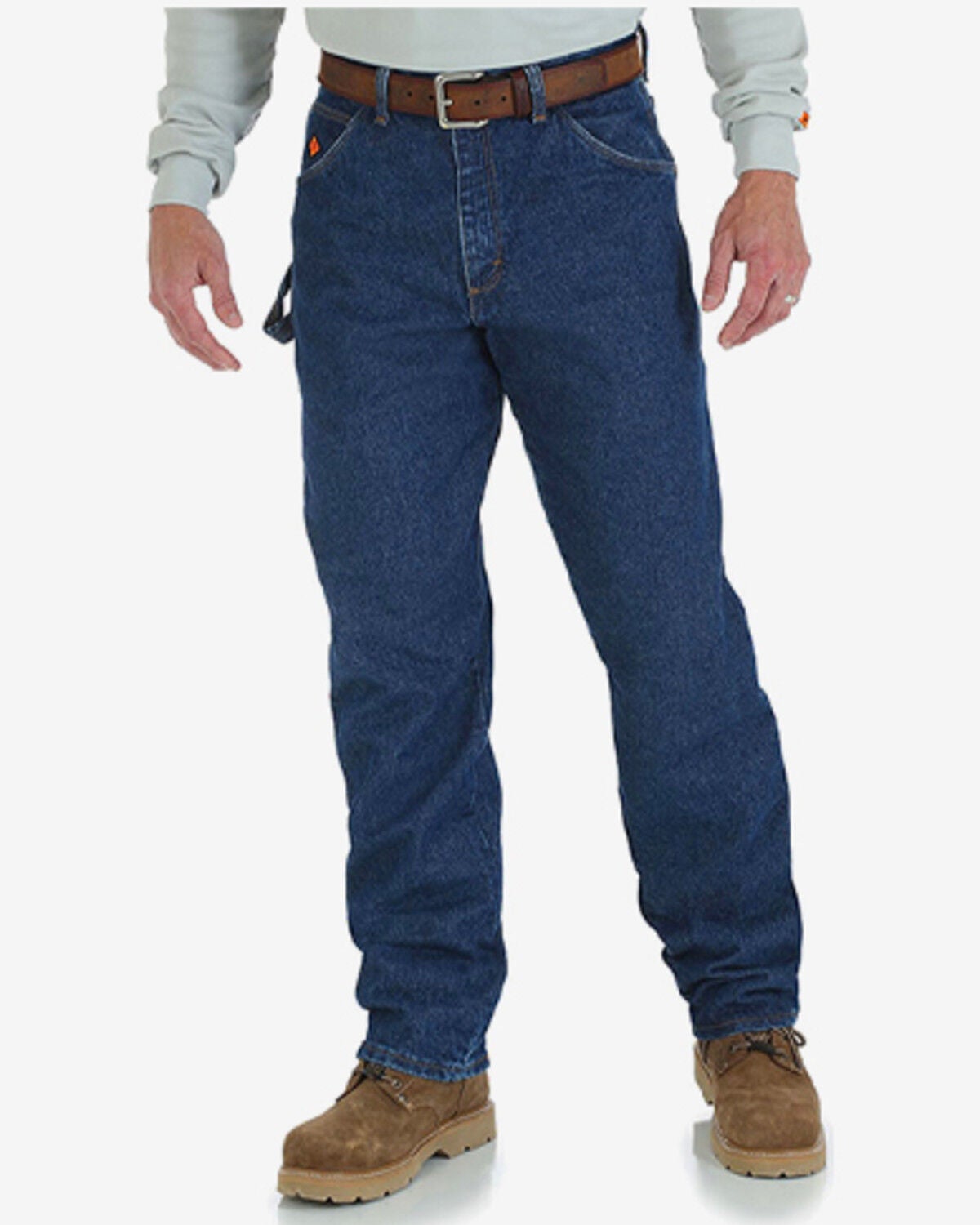
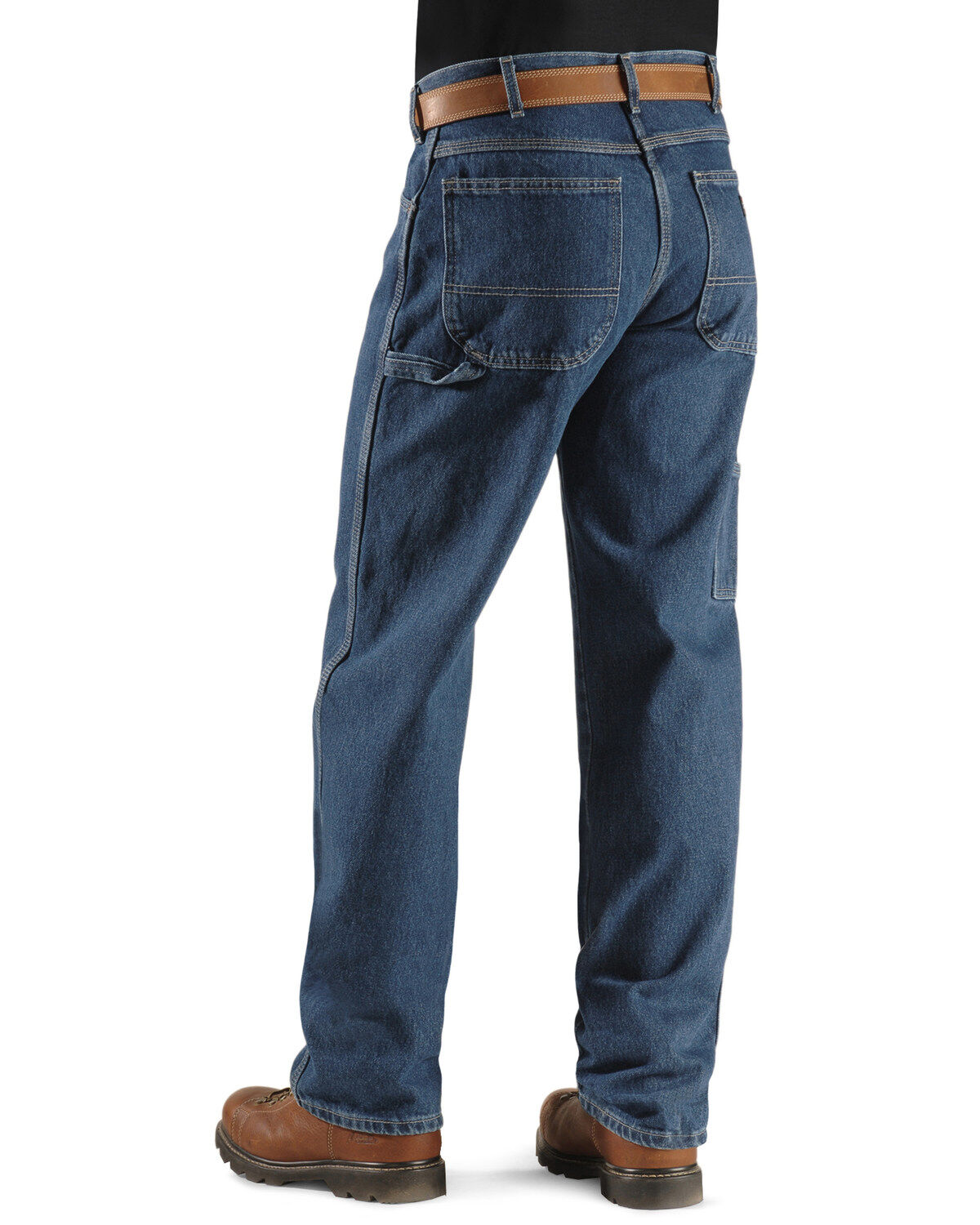
Blue carpenter jeans are denim pants with utility-focused details, commonly including a hammer loop, side tool pockets, and a cut that leaves room through the seat and thighs. Their roots are in hands-on work, where a pocket for a folding rule or pencil can be more useful than a slimmer silhouette. That practical layout also makes them a familiar choice for shop projects, property maintenance, and everyday wear. Blue denim keeps the look straightforward, whether the finish is a deep indigo or a lighter, washed blue. The color alone does not determine how tough the fabric will be. Fiber content, fabric weight, stitching, and construction all play a part. All-cotton denim generally has a firmer feel at first and softens with repeated wear and washing. Denim blended with a small amount of stretch fiber can offer more give when kneeling beside a cabinet, climbing a step, or reaching across a workbench. Heavier denim often feels more substantial, while lighter denim can feel less bulky during movement. Neither weight nor stretch replaces a proper fit. A sturdy pair should allow normal movement without pulling hard across the seat or binding behind the knees. Reinforcement at pocket corners, secure belt loops, and well-finished seams are useful details because these areas take repeated stress. Multiple rows of stitching can support construction, but thread quality and placement matter alongside the number of rows. Carpenter styling also varies: some jeans have larger utility pockets and a prominent hammer loop, while others keep those details closer to the leg. Pocket size and position affect how useful the jeans feel during a task. A narrow side pocket may suit a carpenter pencil, while a deeper pocket may hold a small measuring tool more comfortably. The right layout keeps frequently used essentials within reach without turning every pocket into a place for extra weight.
Fit makes a noticeable difference in how blue carpenter jeans work with the rest of a daily outfit. Relaxed cuts typically provide more space through the seat and thigh, while straight legs maintain a fairly consistent line toward the hem. Those descriptions are useful starting points, but cuts vary, and a familiar waist size does not guarantee the same feel across different jeans. The waistband should stay comfortable when sitting, and the rise should provide enough coverage when bending. A belt can help hold jeans in place, but it should not have to gather a large amount of excess fabric. Length matters just as much. Jeans worn over work boots need enough room at the opening to settle over the boot shaft without catching, yet the hem should not drag under the heel. Excess fabric at the ankle can wear down quickly and get in the way. A comfortable standing fit should also leave room for a full step, a squat, and a kneeling position. Stretch denim may help with movement, but it should not be used to compensate for a cut that is too tight. Construction details matter in durable work carpenter jeans, particularly where pockets attach and where seams take strain during repeated bending. Utility features are most useful when they match the task. A hammer loop can keep a tool close during suitable work, while an empty loop simply remains part of the carpenter design. Loose tools and projecting handles can catch on surrounding objects, so the work setting matters. Ordinary denim should not be treated as a substitute for protective clothing required by an employer or a particular hazard. Away from the job, the same roomy shape works with a plain T-shirt, a button-front work shirt, or a simple overshirt. Blue washes pair easily with leather boots and straightforward clothing without requiring a work-focused outfit. The result is a practical denim style that can move between a workshop, an afternoon of repairs, and regular daily errands.
Care helps preserve both the fit and the useful details of blue carpenter jeans. The care label is the best starting point because all-cotton denim and stretch blends can have different washing and drying requirements. Cotton can shrink, particularly with heat, while excessive heat can also affect stretch fibers over time. Washing with similar colors helps limit problems from dye transfer, especially with darker indigo denim. Turning jeans inside out can reduce surface abrasion during washing, though visible dirt and stains still need attention. Emptying every pocket matters with carpenter styles: a forgotten screw can damage fabric, and a pencil or marker can leave more than a small stain. Loose grit should be brushed off before laundering, and stains should be treated with a method suited to both the fabric and the substance involved. Jeans exposed to hazardous materials need handling appropriate to that exposure rather than an ordinary household wash routine. Following the recommended drying method helps protect the original fit; pulling jeans into shape before drying can also help keep legs and pockets lying properly. Regular wear will bring changes to blue denim, including lighter areas at the knees, pocket edges, and folds. That fading is different from structural damage. Fraying at a pocket corner, a loose belt loop, or an opening seam deserves attention before a small repair becomes a larger one. For someone buying jeans as a gift, known measurements and preferred cuts are more useful than guessing from appearance. A person who wears relaxed denim with work boots may not want a narrower leg, even in the same waist size. Familiar fabric preferences matter, too: some people like firm cotton denim, while others prefer a little stretch. Blue carpenter jeans make the most sense for someone who values practical pockets, a comfortable working fit, and denim that feels at home in everyday use.



 $74.99
 $74.99
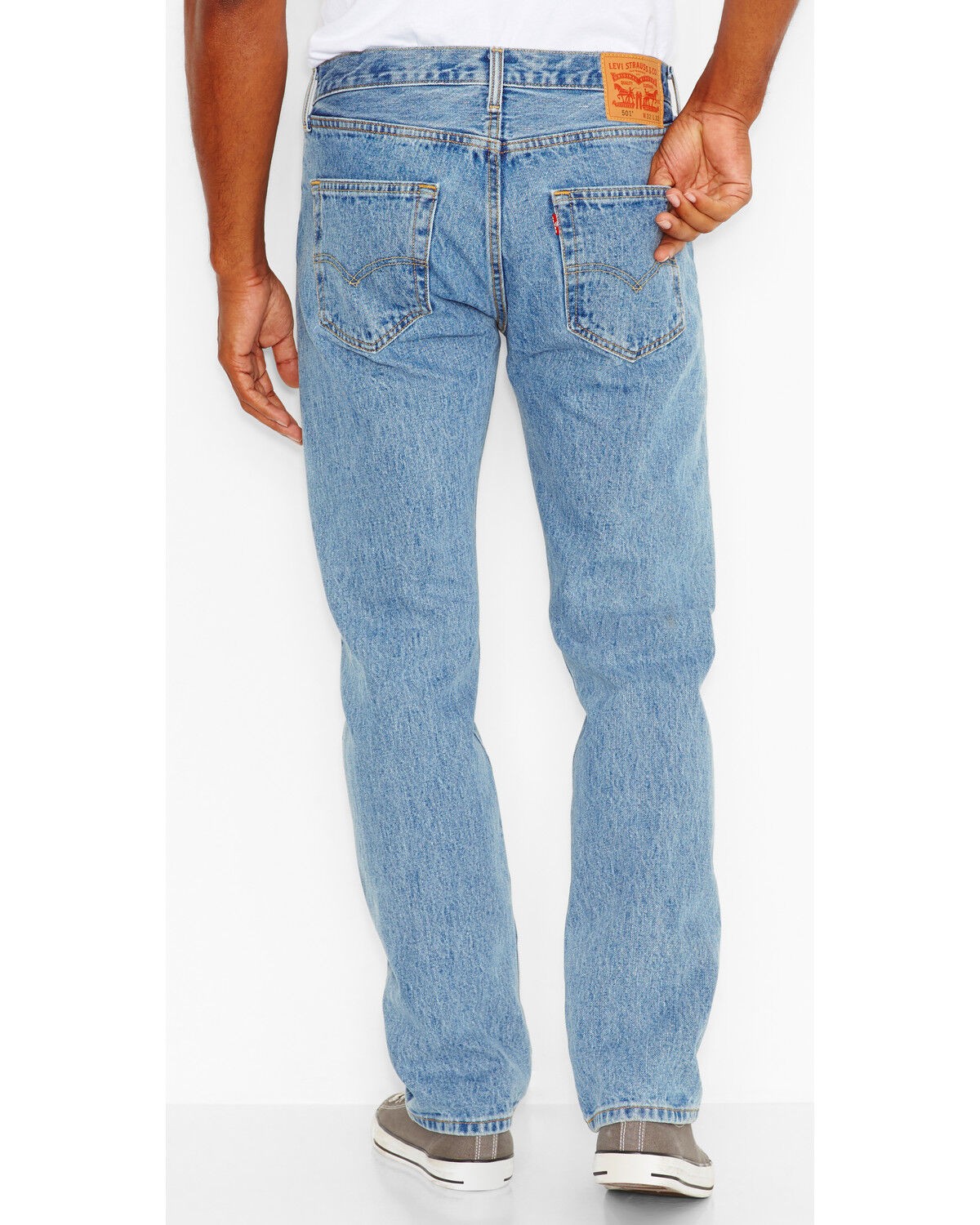 $69.99
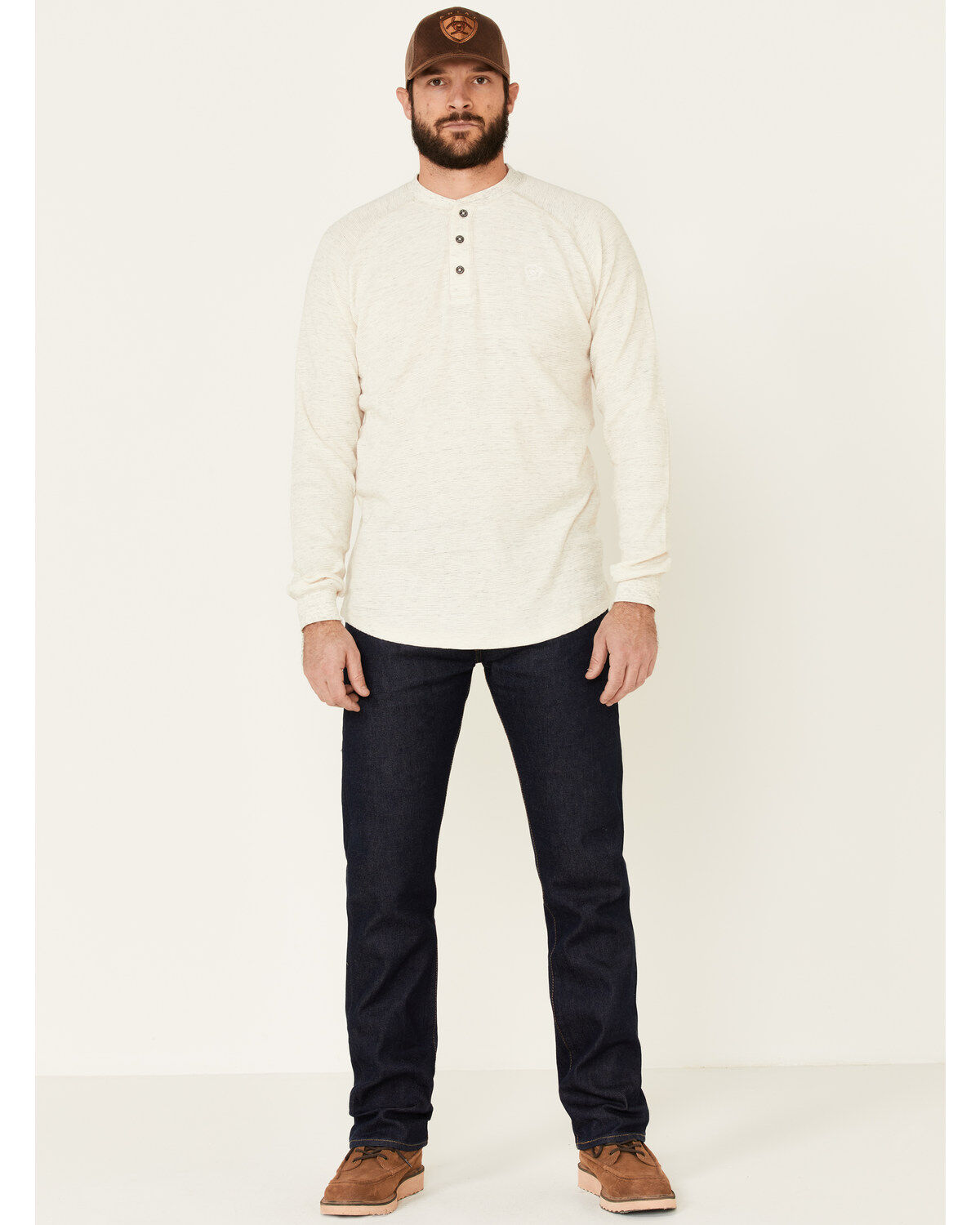 $69.99
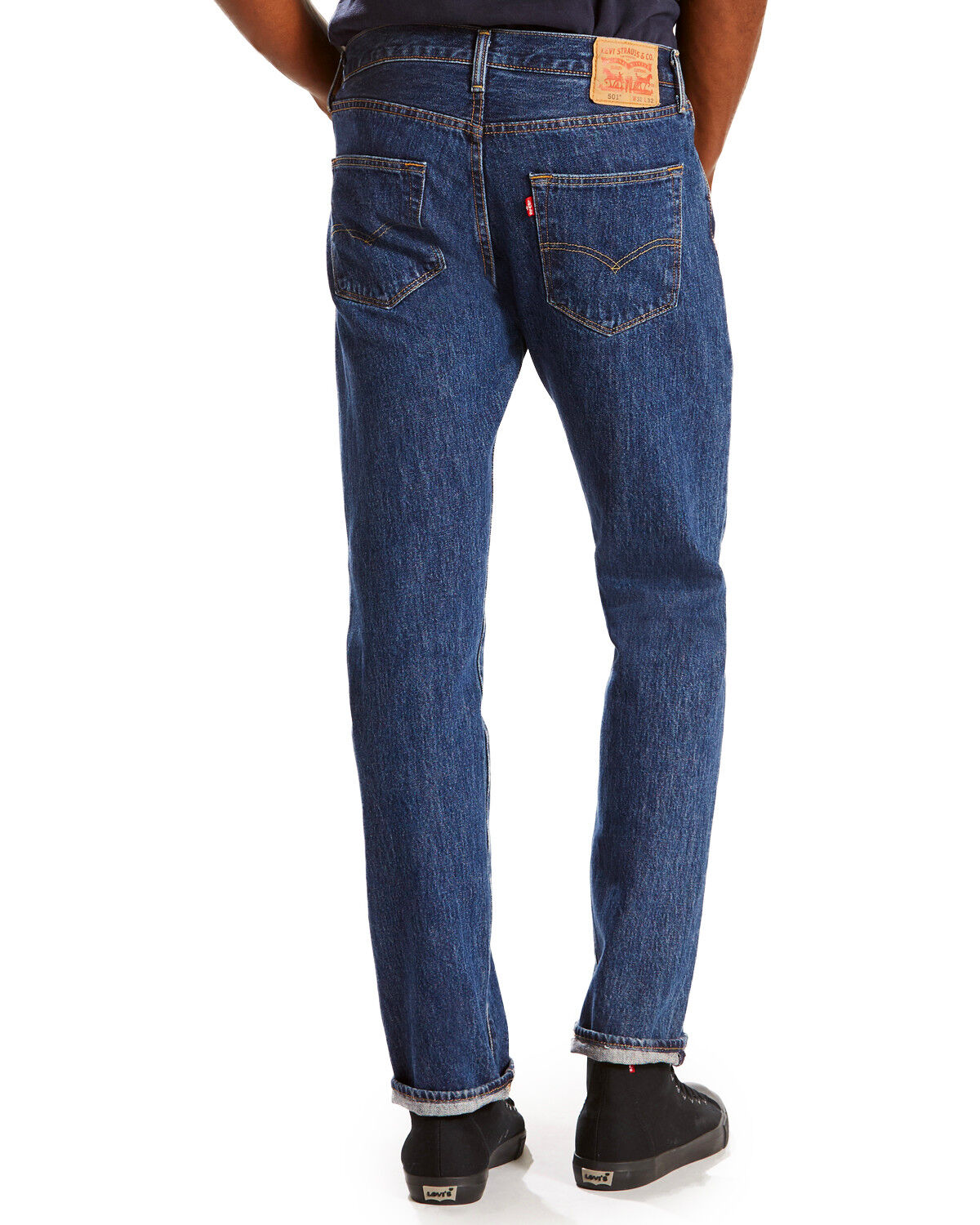 $69.99


