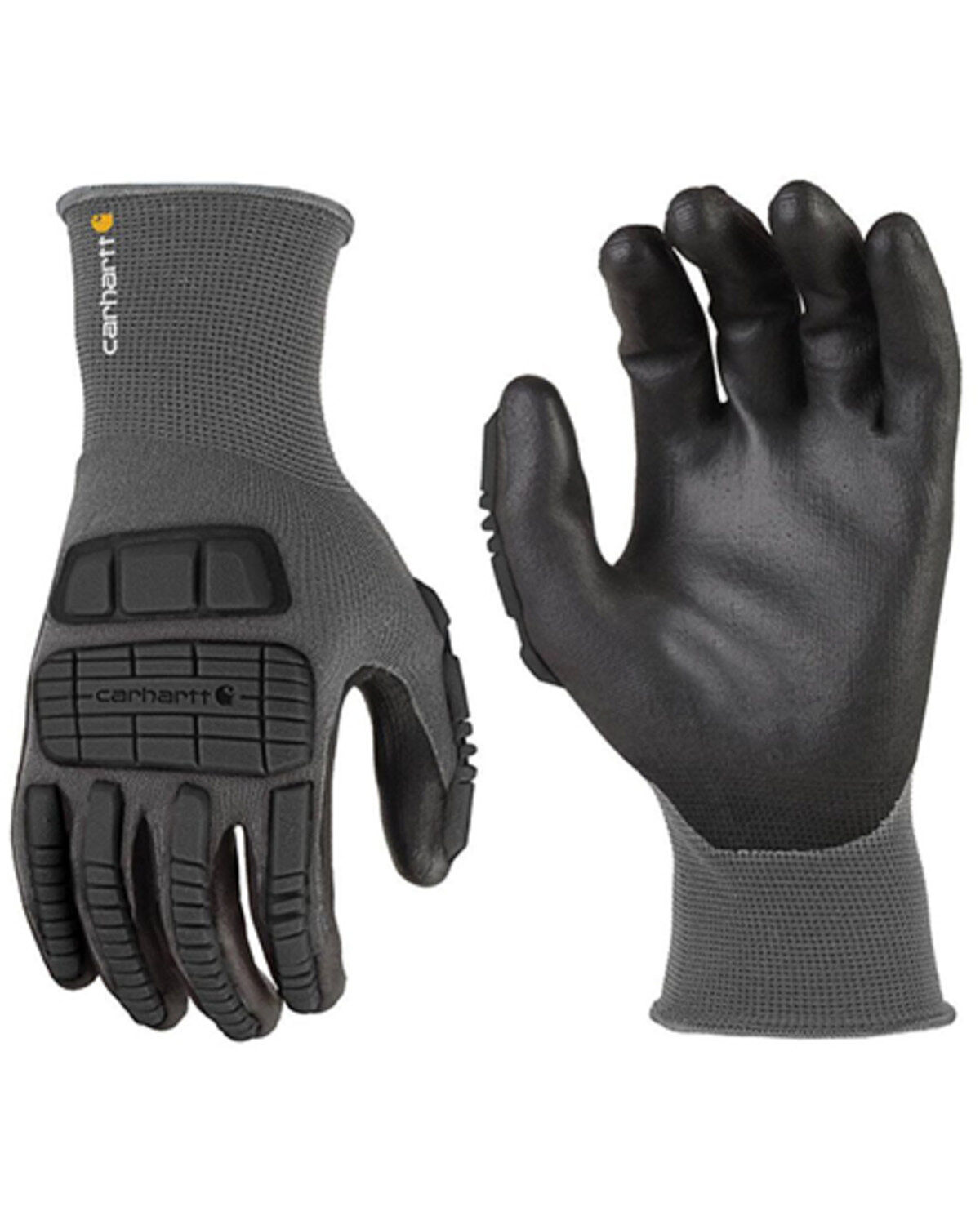
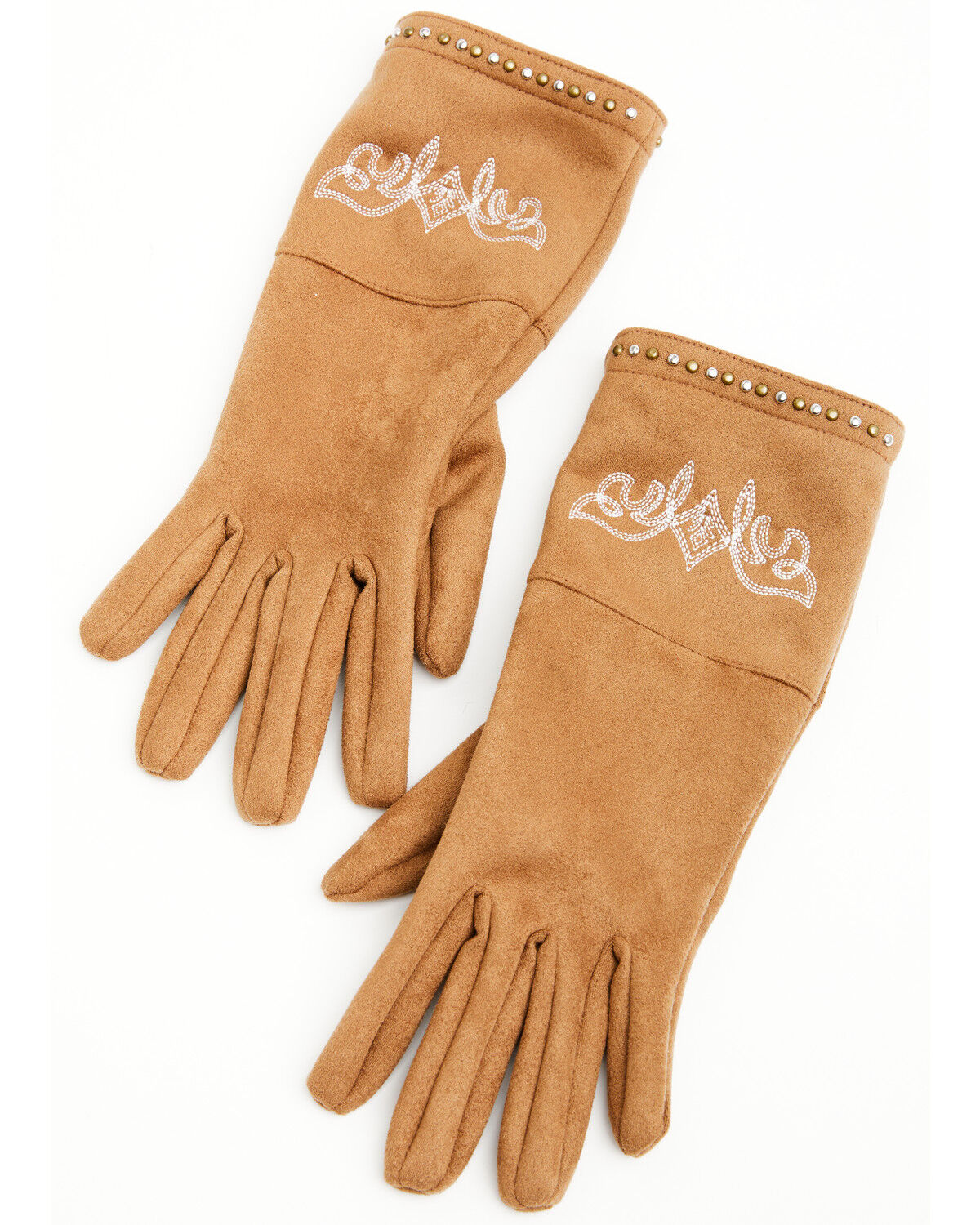
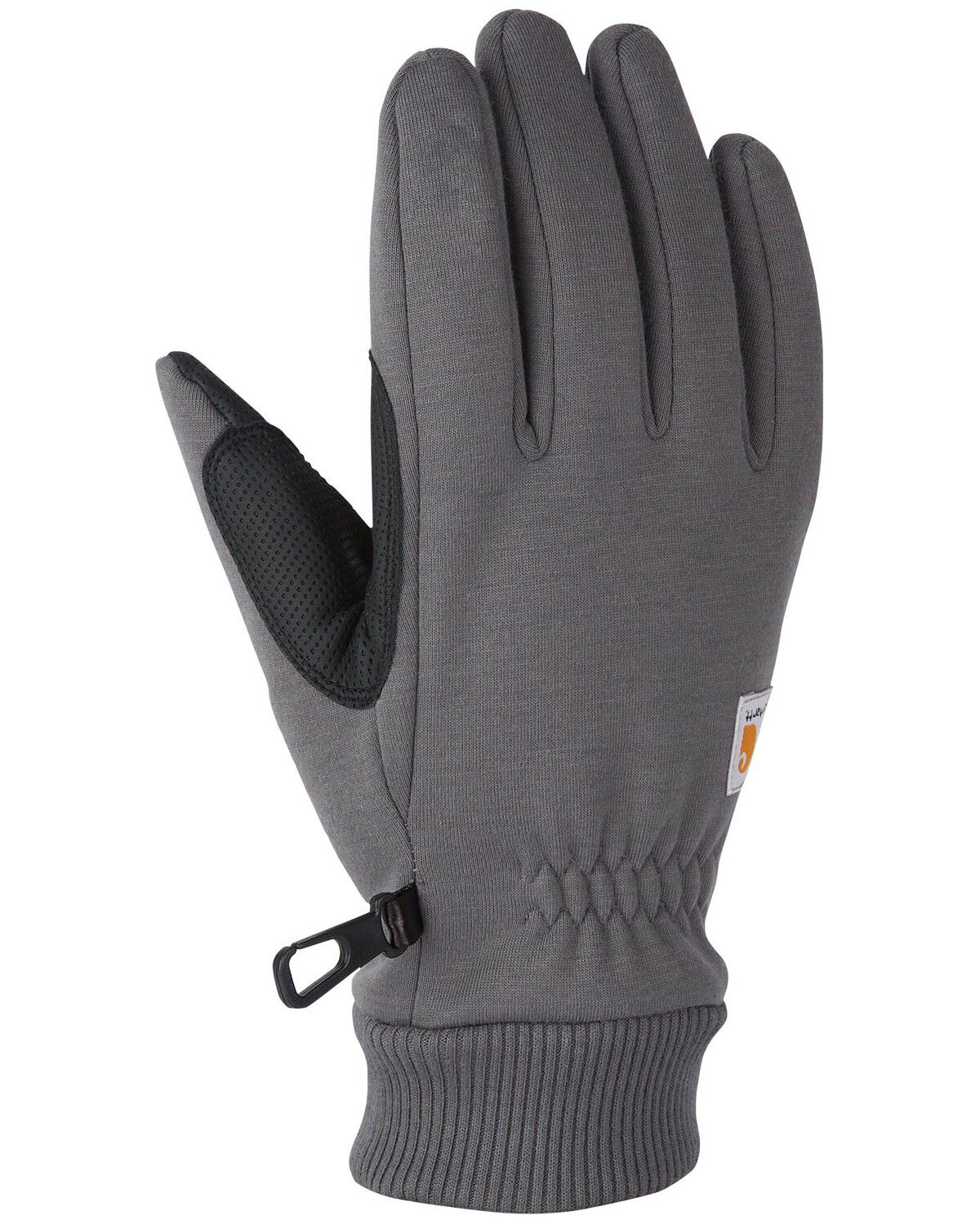
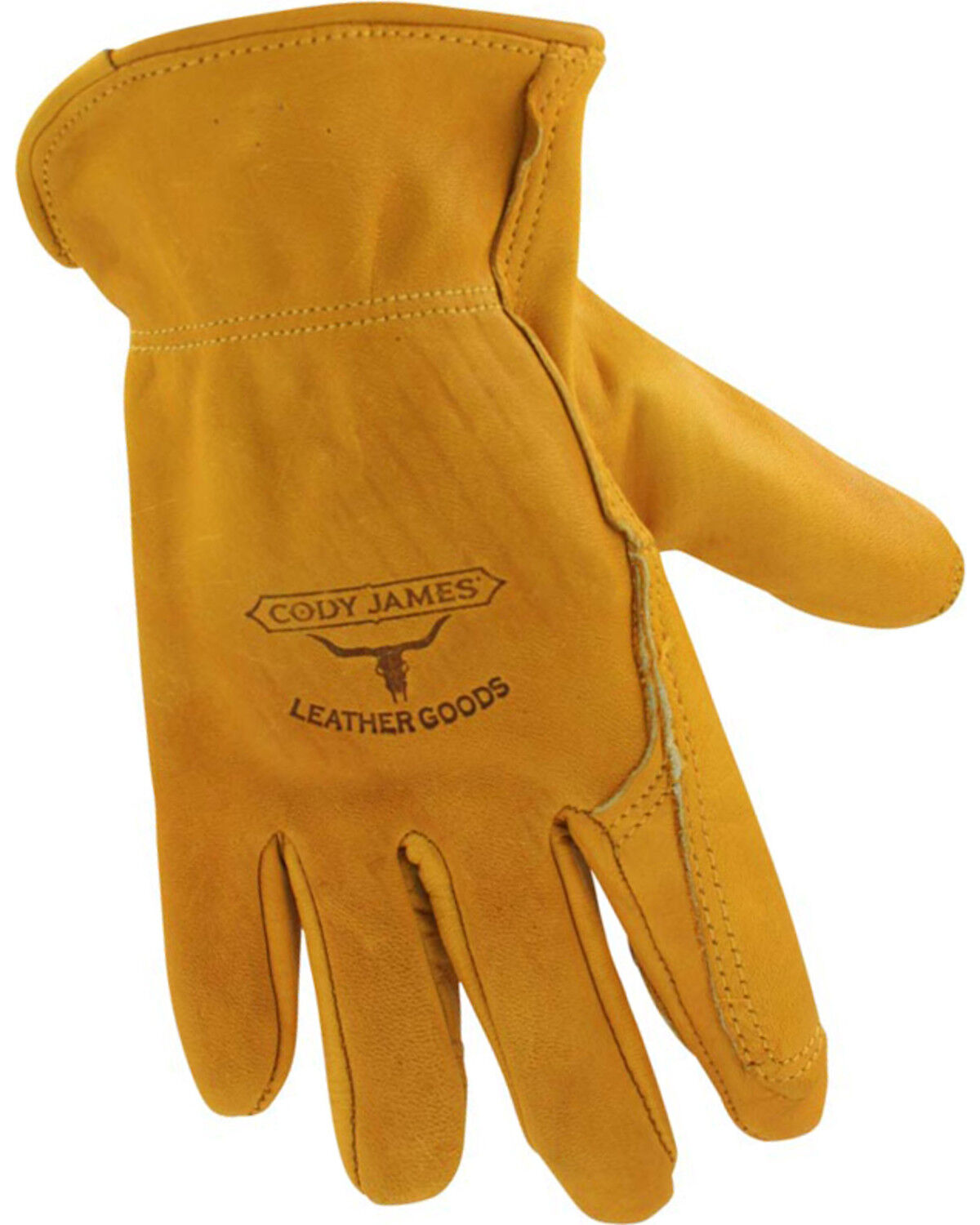
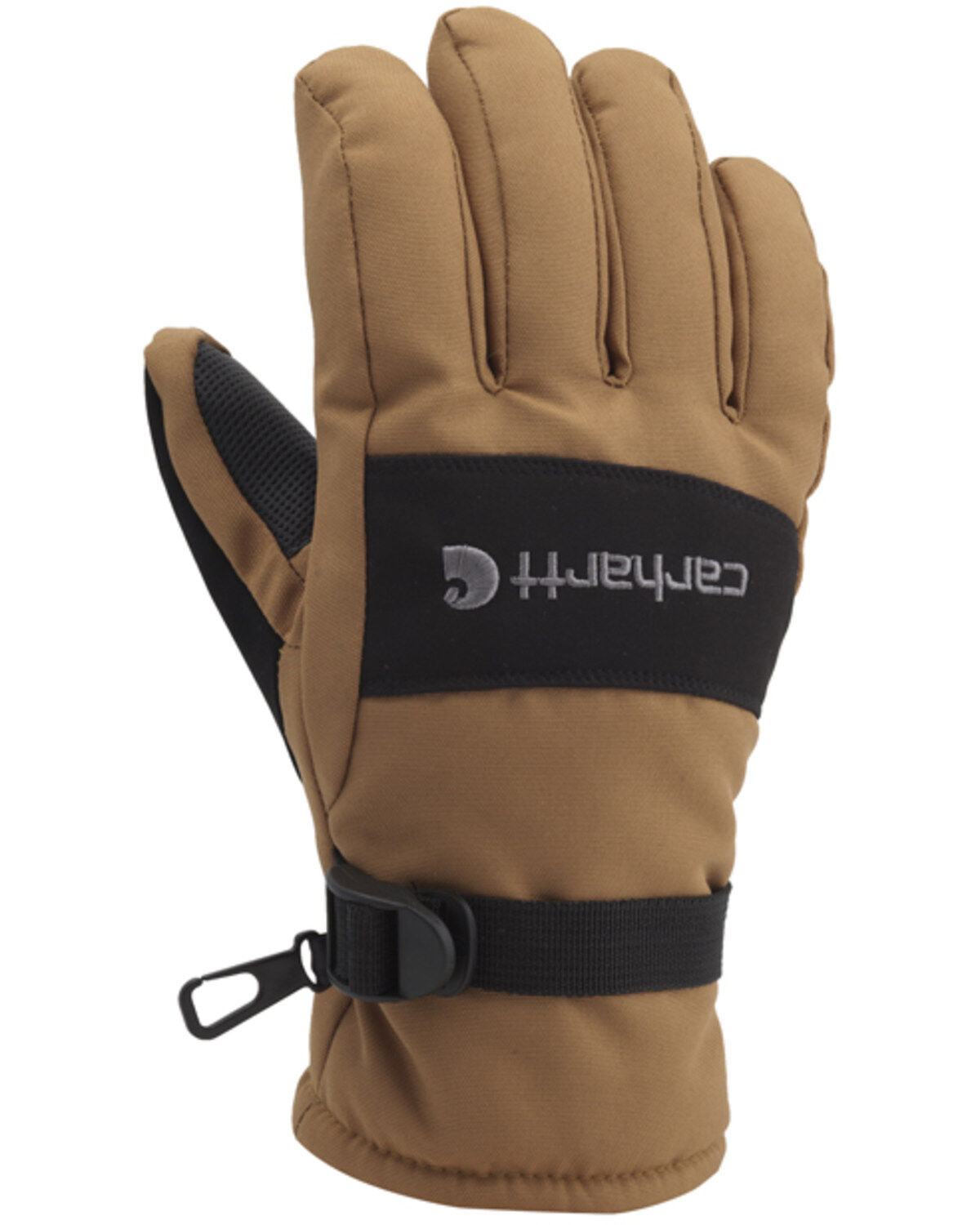
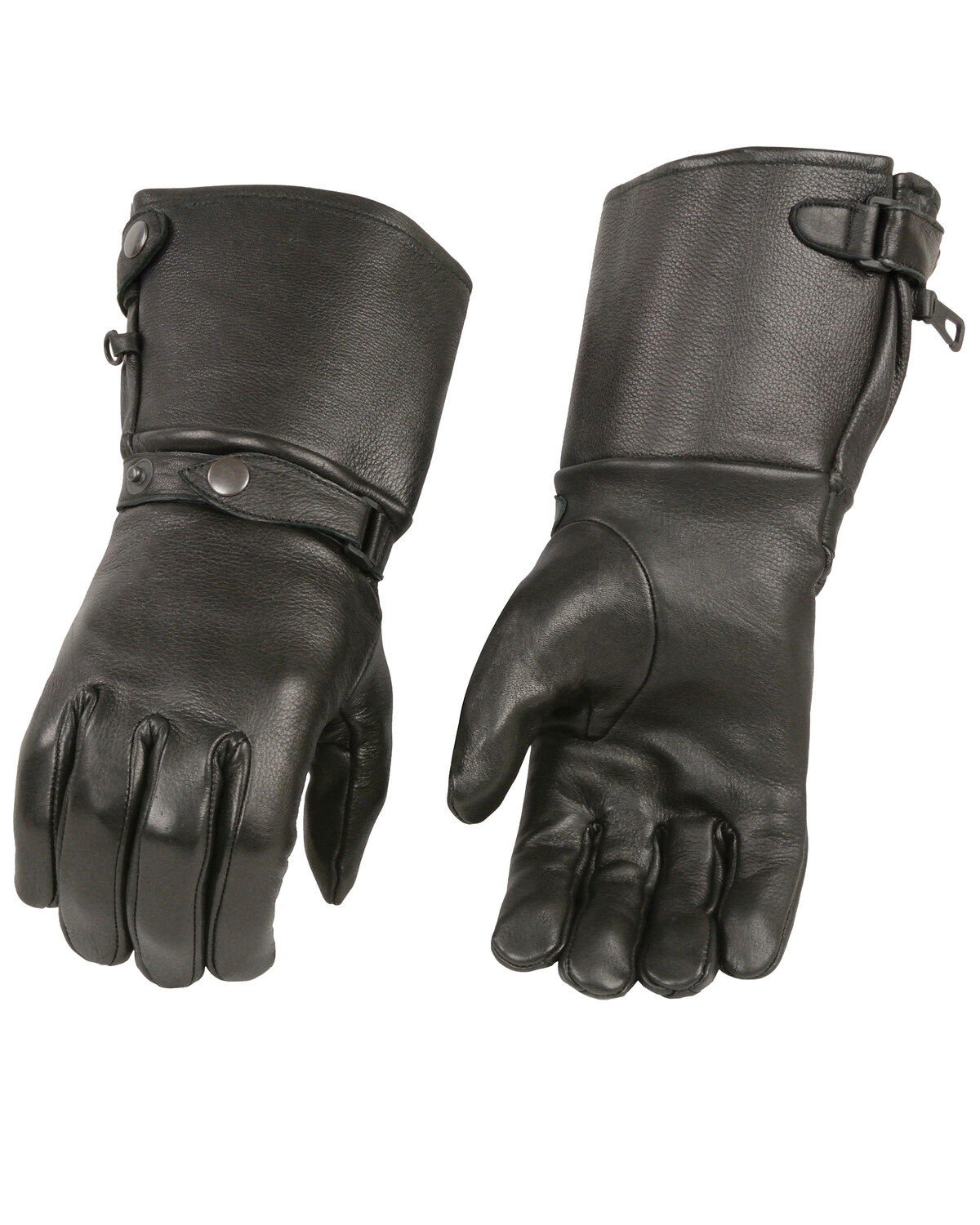
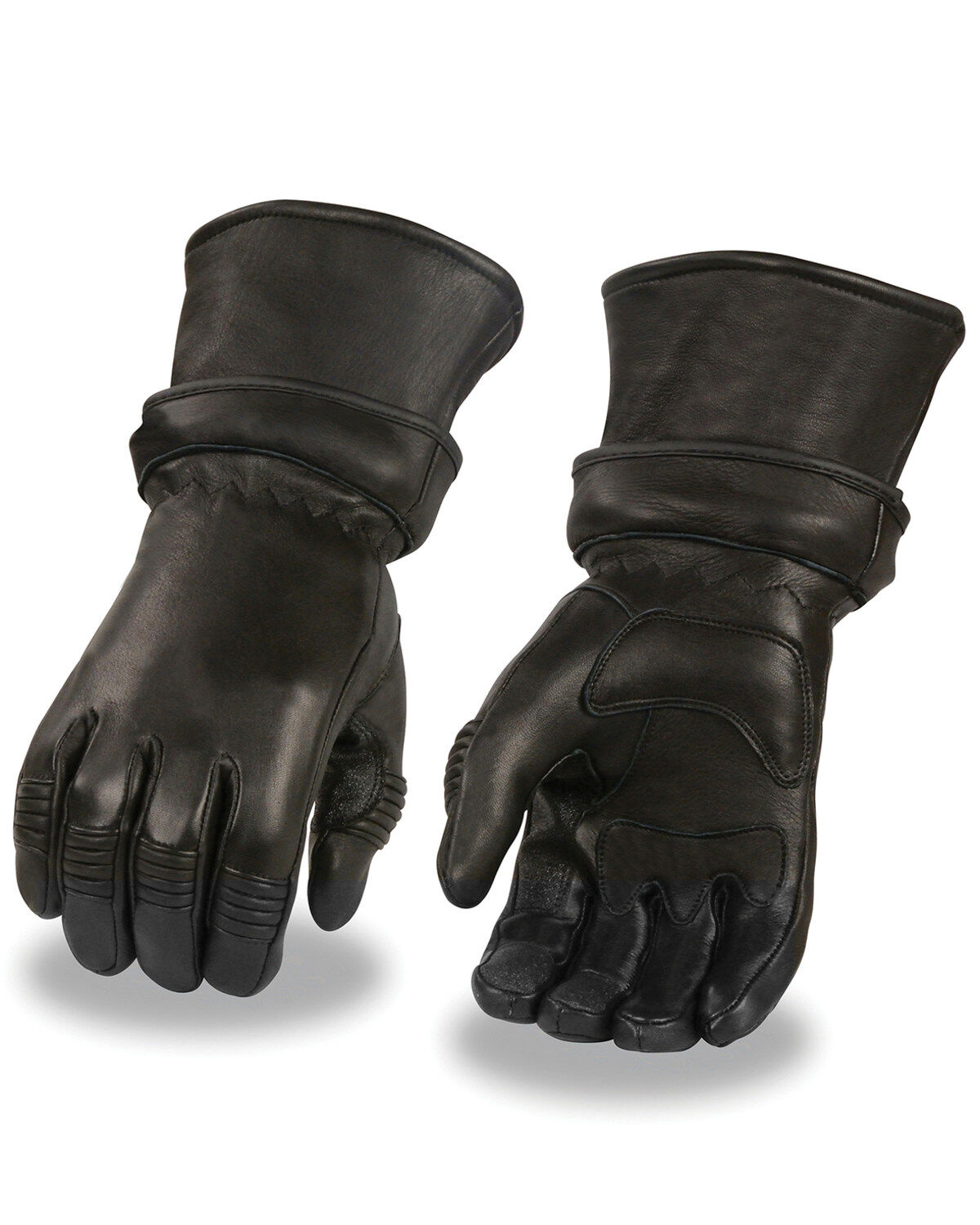
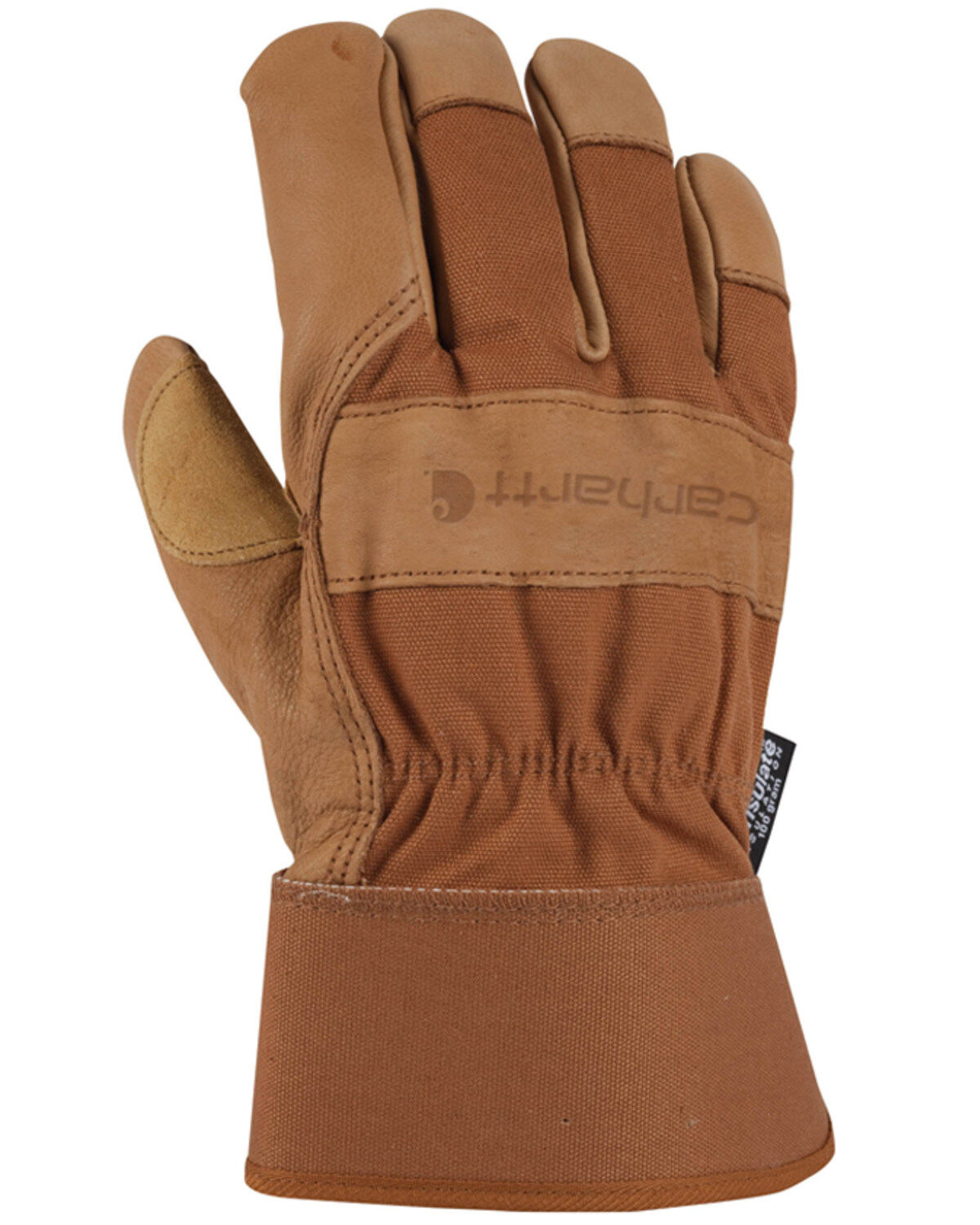
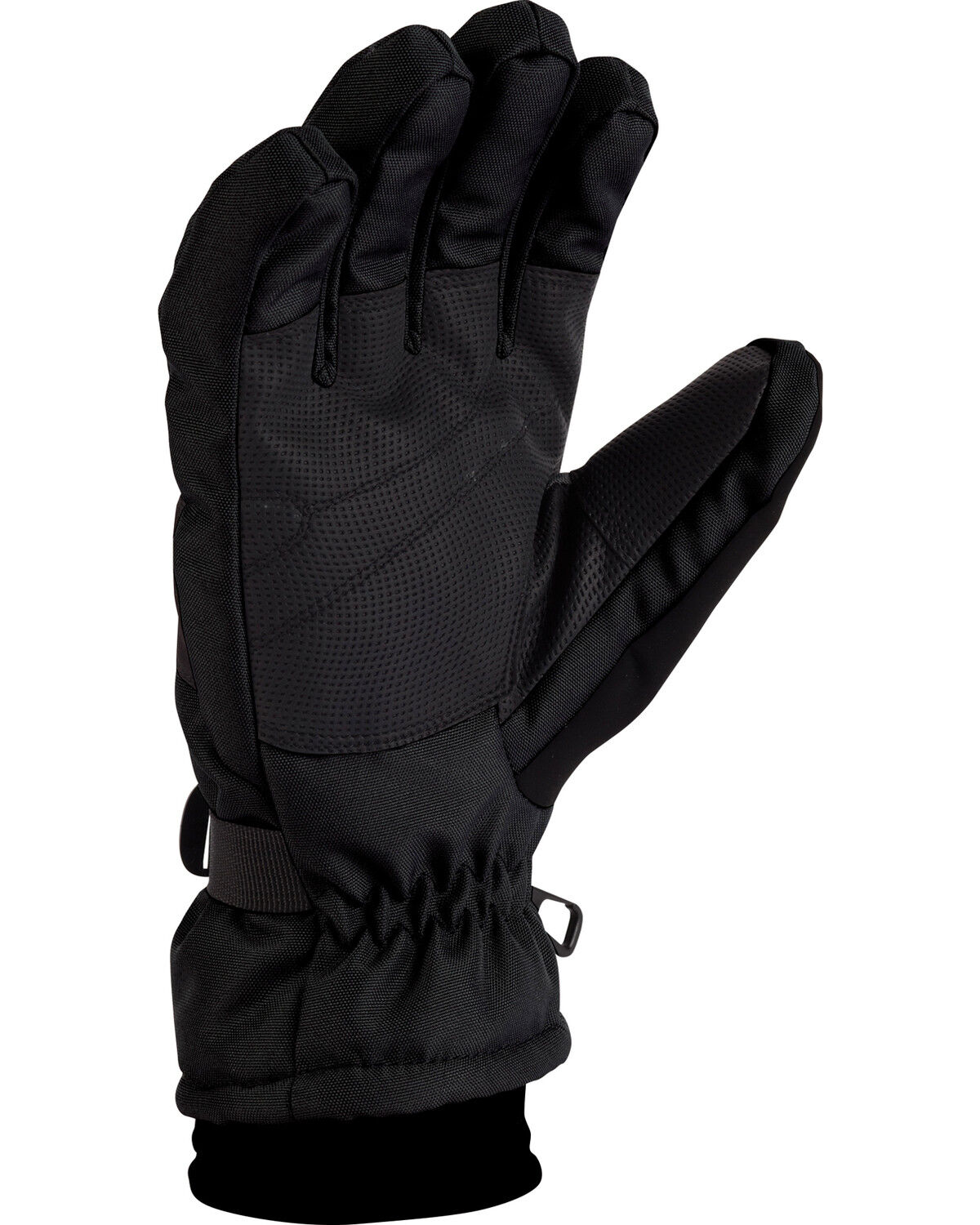
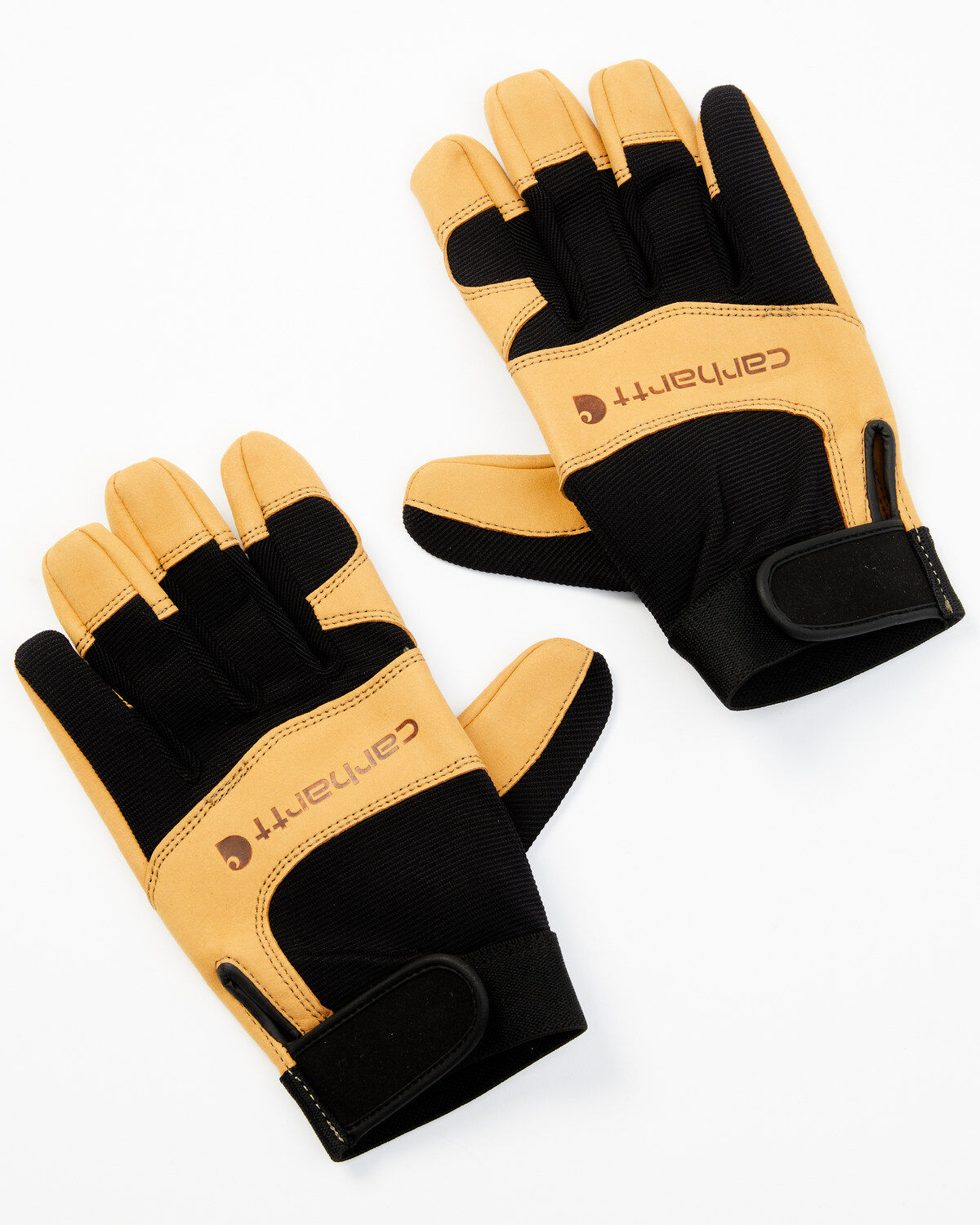
Shop Black Friday deals on gloves at Boot Barn and compare available styles, sizes, and prices. Check each pair’s materials, sizing, and intended use to find the right fit for your needs.
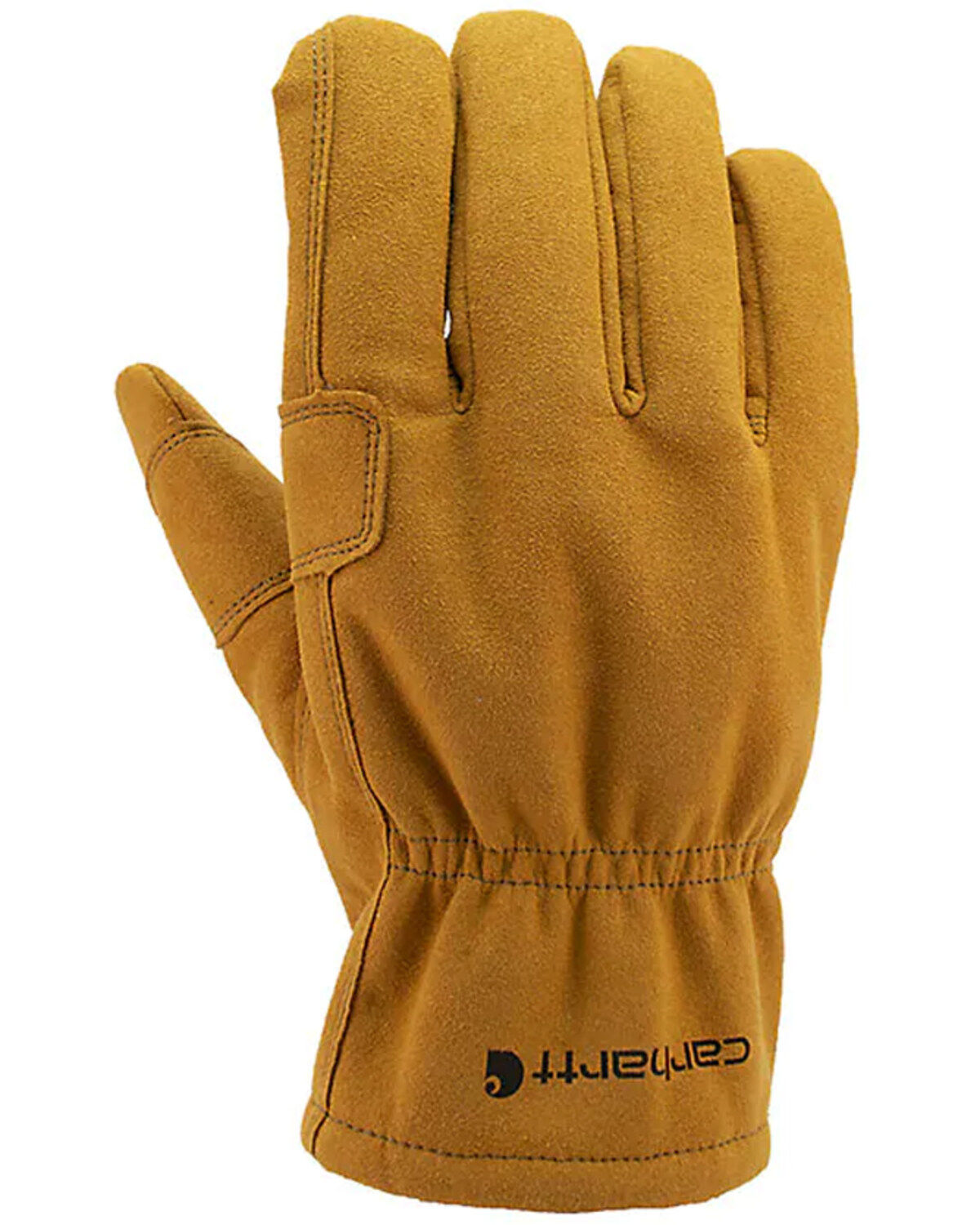
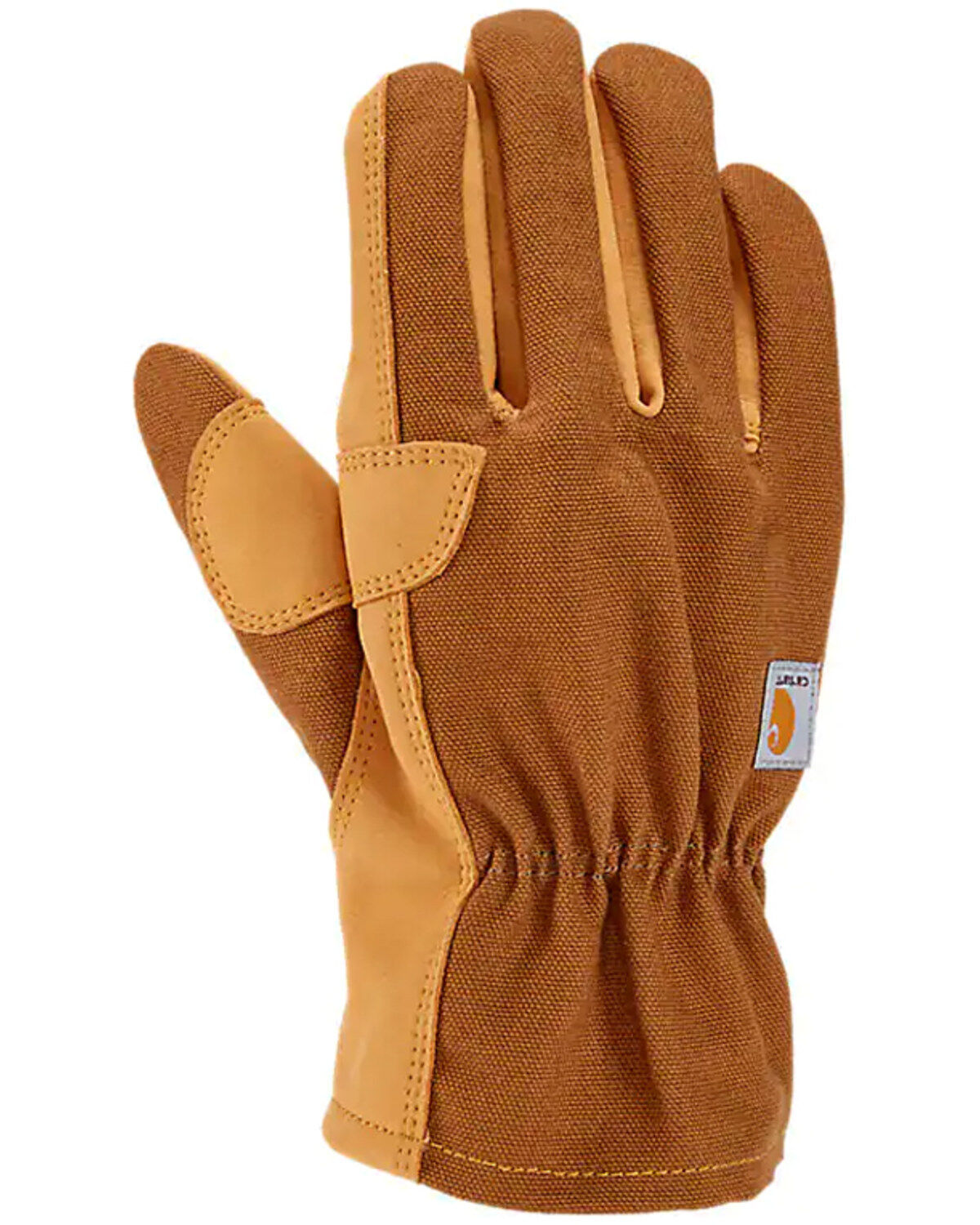
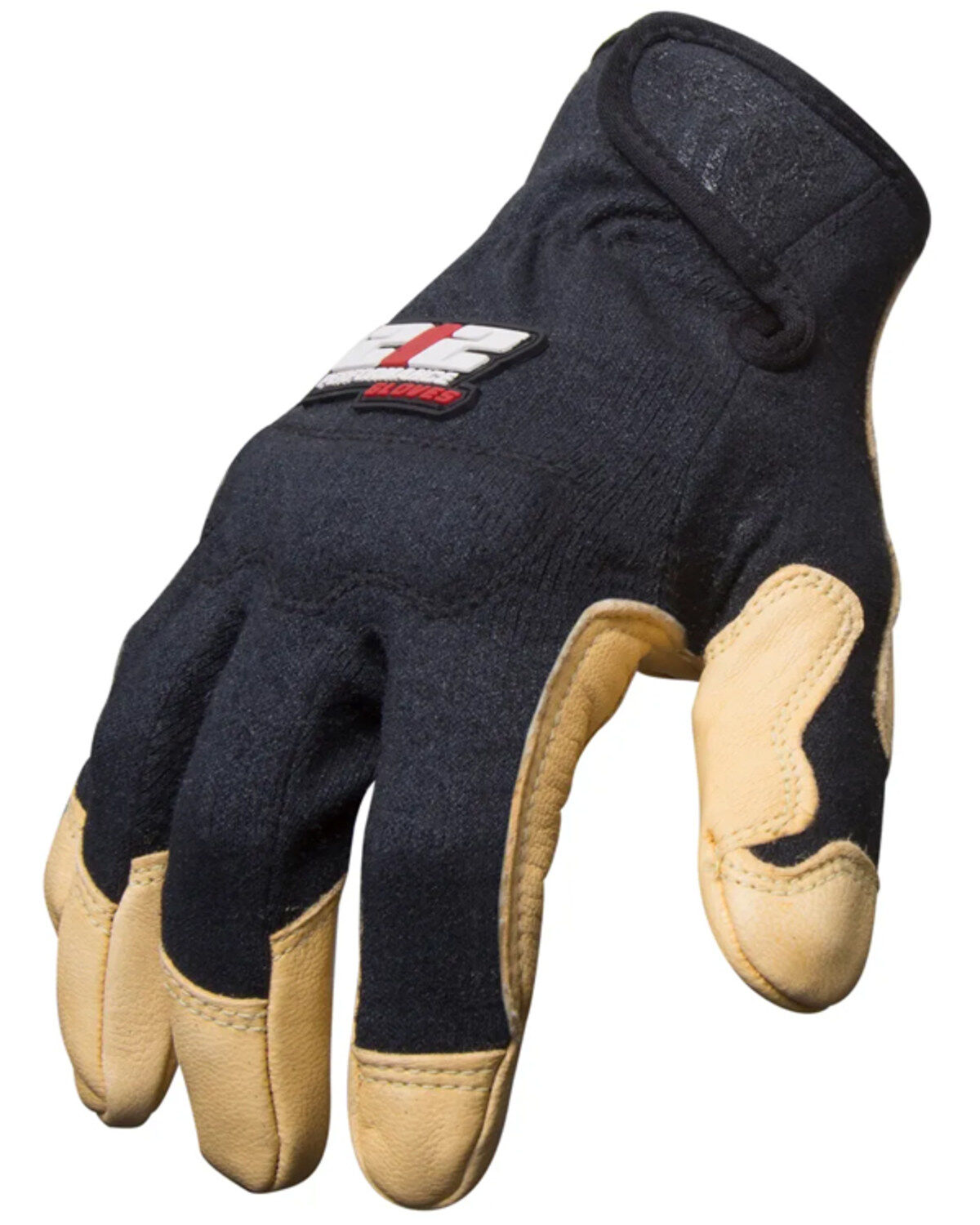
Gloves earn their place through the work they do, whether that means handling fence wire, carrying firewood, holding reins, or keeping a steady grip on the steering wheel. The right pair balances coverage with enough flexibility to close a hand comfortably and handle small tasks without constant removal. Materials make a noticeable difference. Cowhide is a common choice for work gloves because of its sturdy feel and resistance to everyday abrasion. Goatskin is generally supple, making it useful when finger movement and a close grip matter. Split leather has a textured surface and a substantial feel, while smooth leather offers a different balance of flexibility and finish. Canvas and other woven fabrics can provide breathable coverage for lighter chores, and synthetic materials can add stretch or reinforcement where hands bend and rub. Palm construction matters as much as the back of the glove. Reinforced palms and fingertips add material in high-wear areas, though extra layers can reduce sensitivity when sorting hardware or fastening a buckle. Seams placed away from pressure points can make a difference over several hours of holding a shovel or gripping a tool handle. A secure wrist helps keep a glove in place, while an extended cuff provides more coverage around the wrist and lower forearm. Those details serve different purposes, so a heavy work glove and a close-fitting riding glove should not be expected to feel alike. Durability also depends on matching the glove to the task. Rough lumber, repeated rope handling, and general property maintenance place different demands on leather, stitching, and palm reinforcement. Everyday work gloves are not automatically suitable for chemical handling, electrical work, or tasks requiring rated cut resistance. Any protective claims need to match the manufacturer’s stated ratings and the requirements of the job. Around moving machinery, workplace safety procedures also determine whether gloves are appropriate at all.
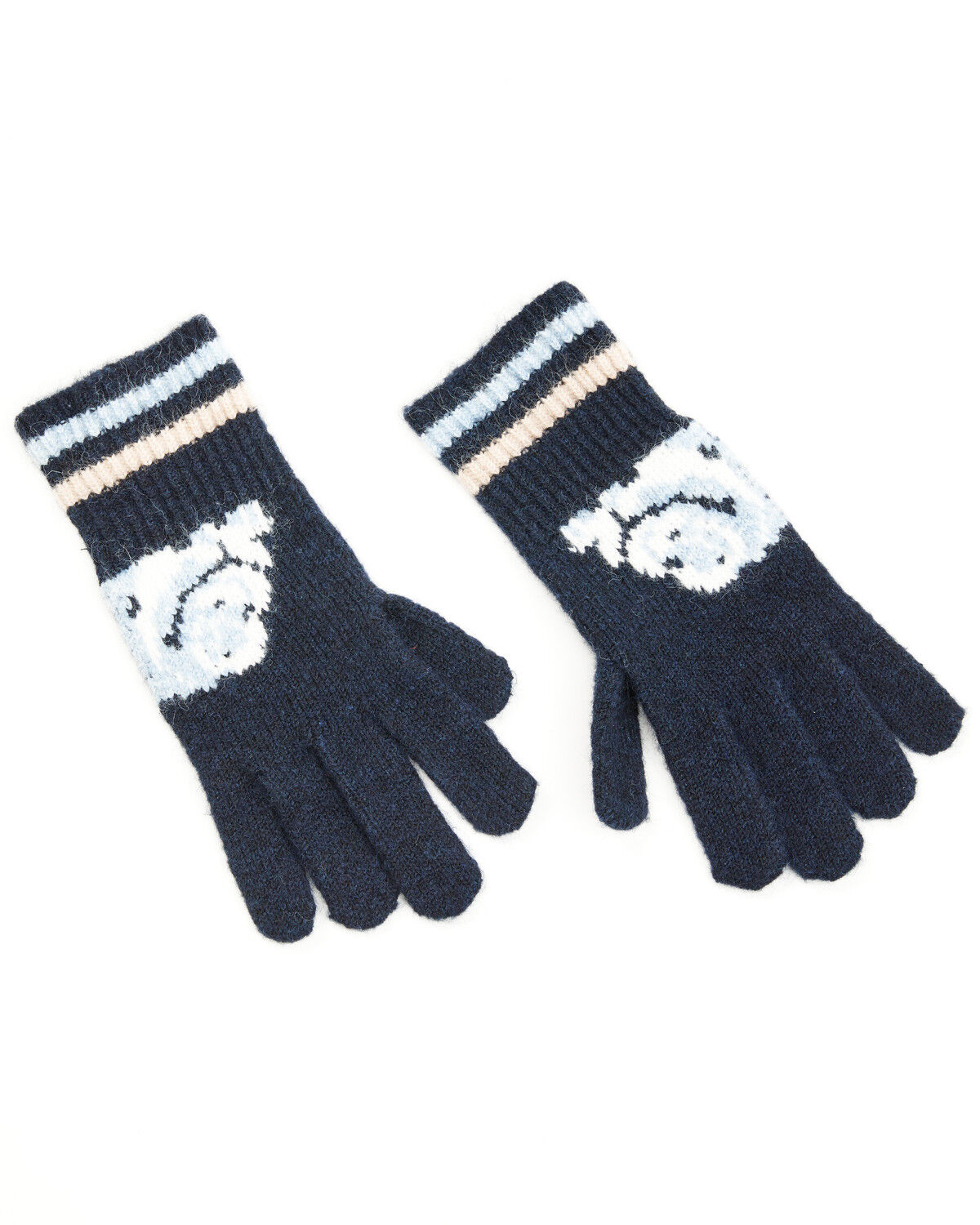
For cold-weather use, warmth depends on more than a thick lining. The outer material, insulation, cuff, and fit all affect how a glove feels through a long stretch outdoors. Fleece linings offer a soft interior, while wool and wool blends can provide warmth and help manage moisture. Synthetic insulation adds warmth with varying amounts of bulk. A dense, heavily insulated glove may suit time spent carrying supplies across a property, but a slimmer construction can be more practical for handling keys, adjusting tack, or working a small latch. Wind-resistant materials help limit the chill that passes through an open knit, and a waterproof construction serves a different purpose from a surface treatment that sheds light moisture. Leather alone does not guarantee waterproof protection. Wet snow, damp rails, and repeated contact with wet surfaces make those distinctions worth understanding. A cuff that fits comfortably under or over a jacket sleeve can reduce exposed skin without bunching at the wrist. Fit remains important in both lined and unlined gloves. Fingers should reach naturally toward the ends without being pressed against them, and the palm should not pull tight when the hand closes. Too much extra material can fold under a tool handle; too little room can strain seams and restrict movement. Insulation also needs space to retain its loft rather than being compressed by an overly tight fit. Hand shape varies, so finger length, palm width, and thumb placement all contribute to comfort beyond the size printed on a label. For driving and riding, a smooth palm and controlled feel often matter more than heavy padding. Touchscreen-compatible fingertips can be useful for brief phone use, though their performance depends on the glove construction and the device. These small details become more noticeable with repeated wear, especially when gloves stay on through several different tasks.
Good care helps gloves retain their shape, flexibility, and useful life. Leather generally benefits from having loose dirt brushed away and surface soil wiped off with a lightly damp cloth, provided the care label allows it. Saturating leather or leaving it beside a heater can cause stiffness and damage, so drying at room temperature with gentle airflow is usually the better approach. A leather conditioner suited to the material can help maintain suppleness, but treatments may darken the surface or change its feel. Suede and specialty finishes need their own care methods rather than a general leather treatment. Fabric and knit gloves may allow washing, but lining, insulation, coatings, and leather trim can change the instructions. The care label takes priority over assumptions based on the outer fabric. Gloves also last better when stored dry and away from direct heat, with enough space to avoid crushing insulated linings. A glance at worn fingertips, thinning palms, and loose stitching can reveal when a pair no longer suits demanding work. For gifting, the most useful details often come from the recipient’s routine: early starts at the barn, weekends maintaining a fence, regular driving, or daily tasks that call for warm hands and a dependable grip. A familiar glove size is a helpful starting point, but an existing pair can also reveal preferences for cuff length, lining weight, and flexibility. Someone who handles small fasteners may value dexterity over thick padding, while someone who spends long periods outside may place more importance on insulation and wrist coverage. Neutral colors and straightforward construction can fit easily into an established work wardrobe without requiring a change in personal style. Related gift ideas include Black Friday Deals on Wallets for someone who appreciates practical accessories used every day. With gloves, the strongest choice is grounded in the wearer’s actual routine: a comfortable fit, suitable materials, and construction that supports the task without getting in the way.
Read More
FAQs
Common glove materials include leather, suede, fleece, and knit fabrics. Compare the texture, lining, and care requirements to find a pair that suits your everyday wardrobe.
Lined gloves have an inner layer made from materials such as fleece, wool, or brushed fabric. Unlined gloves do not have that added layer. Check the product description for the outer material and lining details.
Common styles include straight cuffs, rib-knit cuffs, and extended gauntlet cuffs. Some gloves also feature snap closures, adjustable straps, or elastic at the wrist.
Leather gloves pair well with denim, canvas, and leather jackets. Knit gloves work with flannel and quilted outerwear. Match your gloves to your boots or belt for a consistent look.
Follow the care label, since cleaning methods vary by material. Use leather care products only as directed, and wash fabric gloves only when the label allows it. Let damp gloves air-dry away from direct heat.