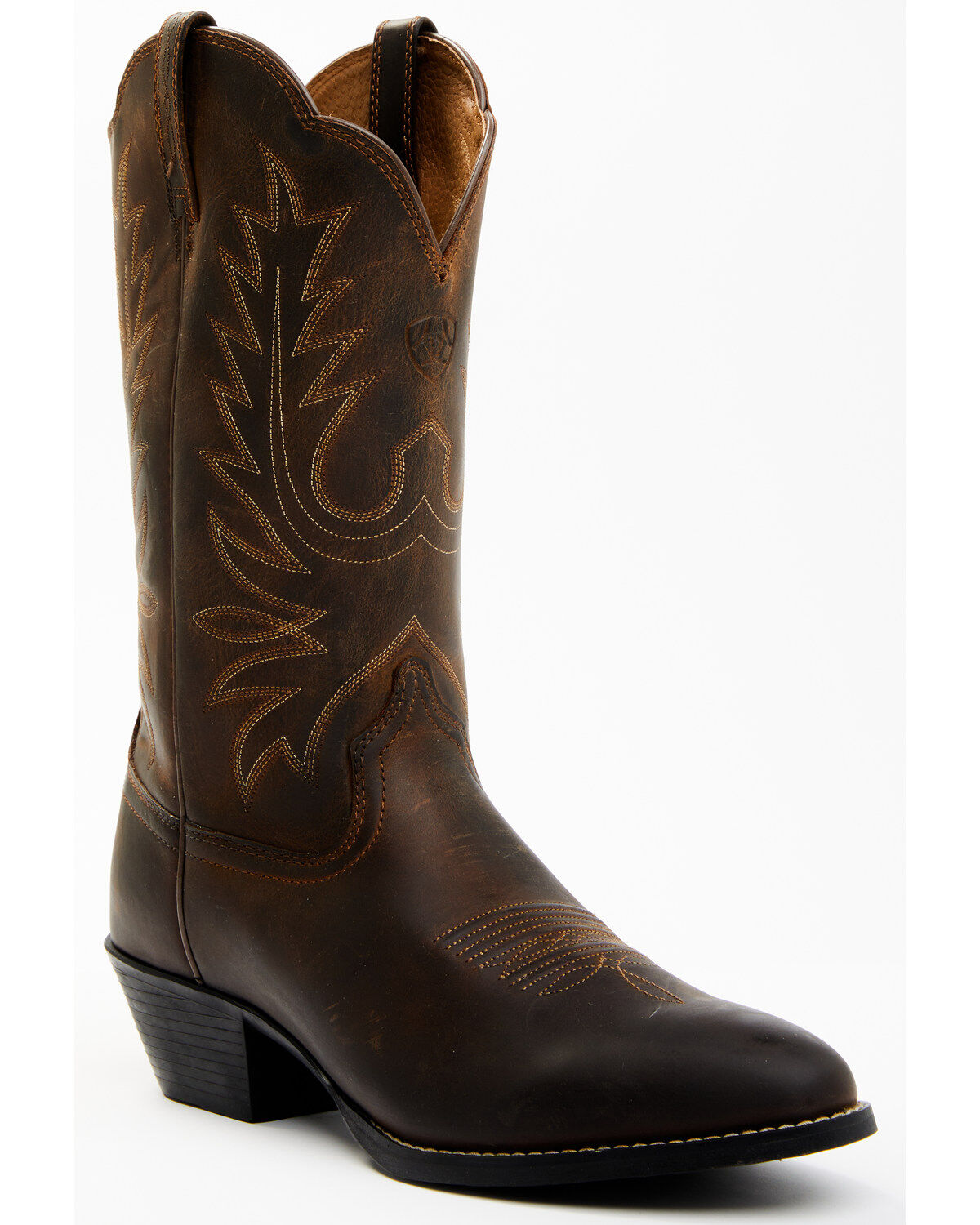
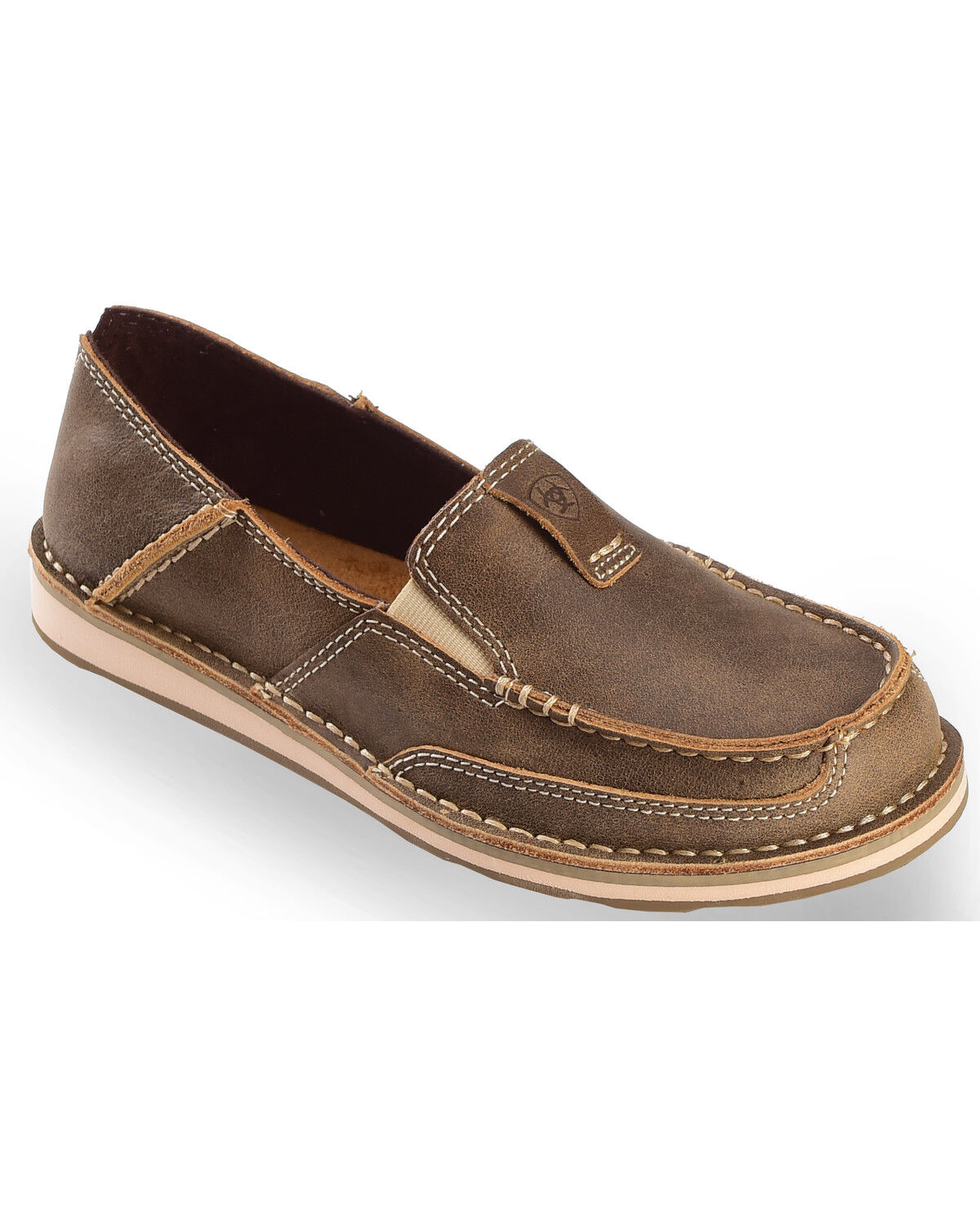
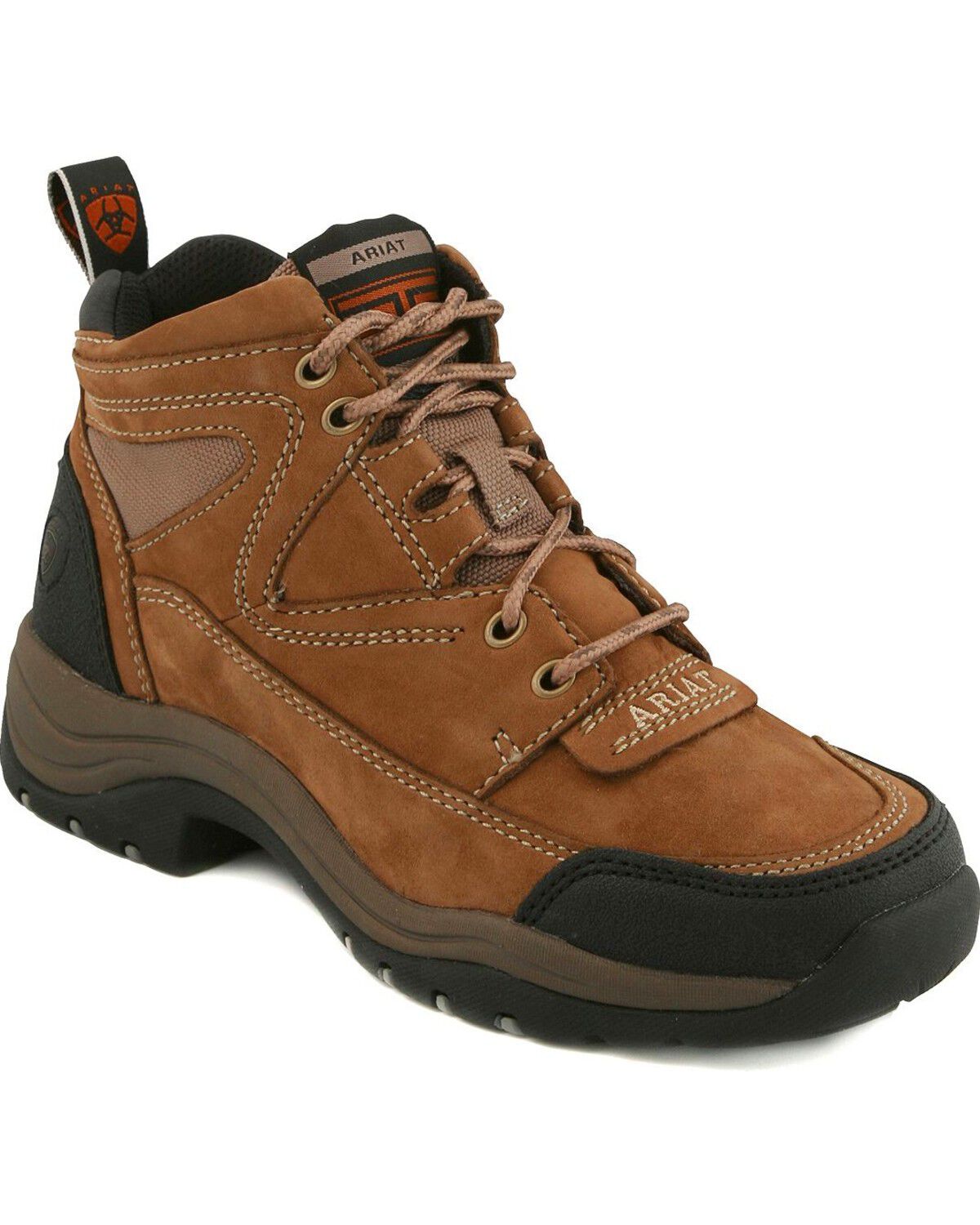
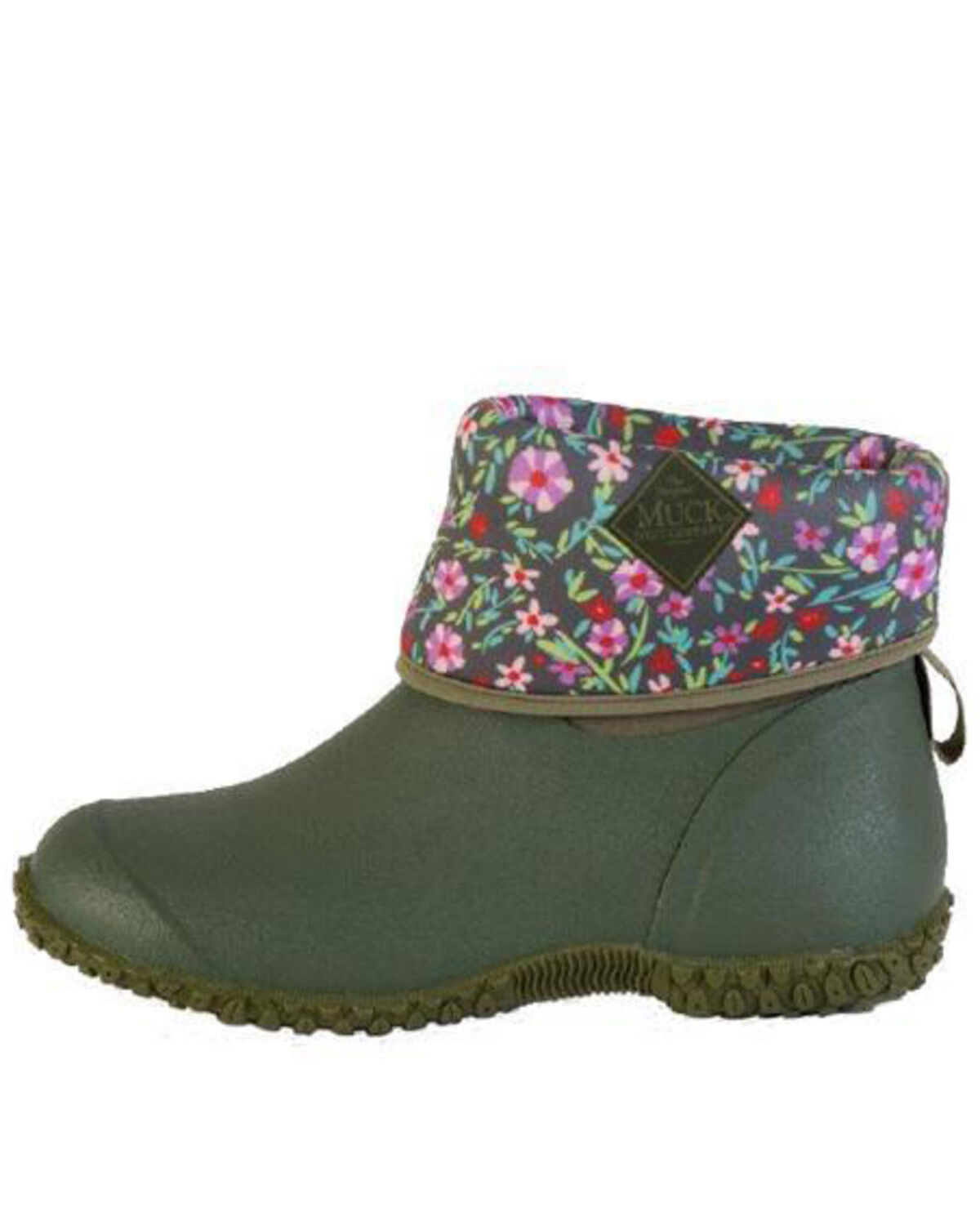
Black Cowgirl Booties

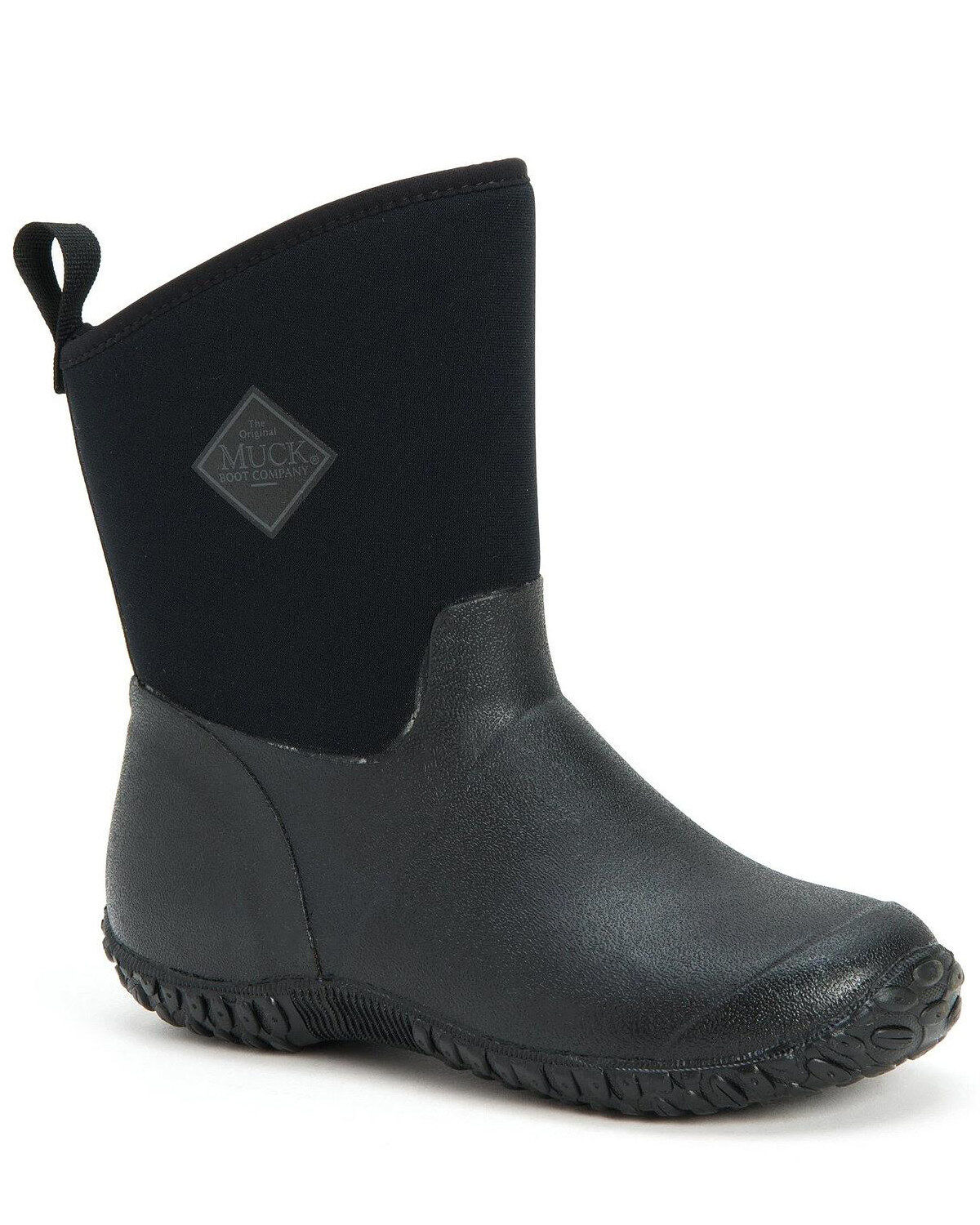
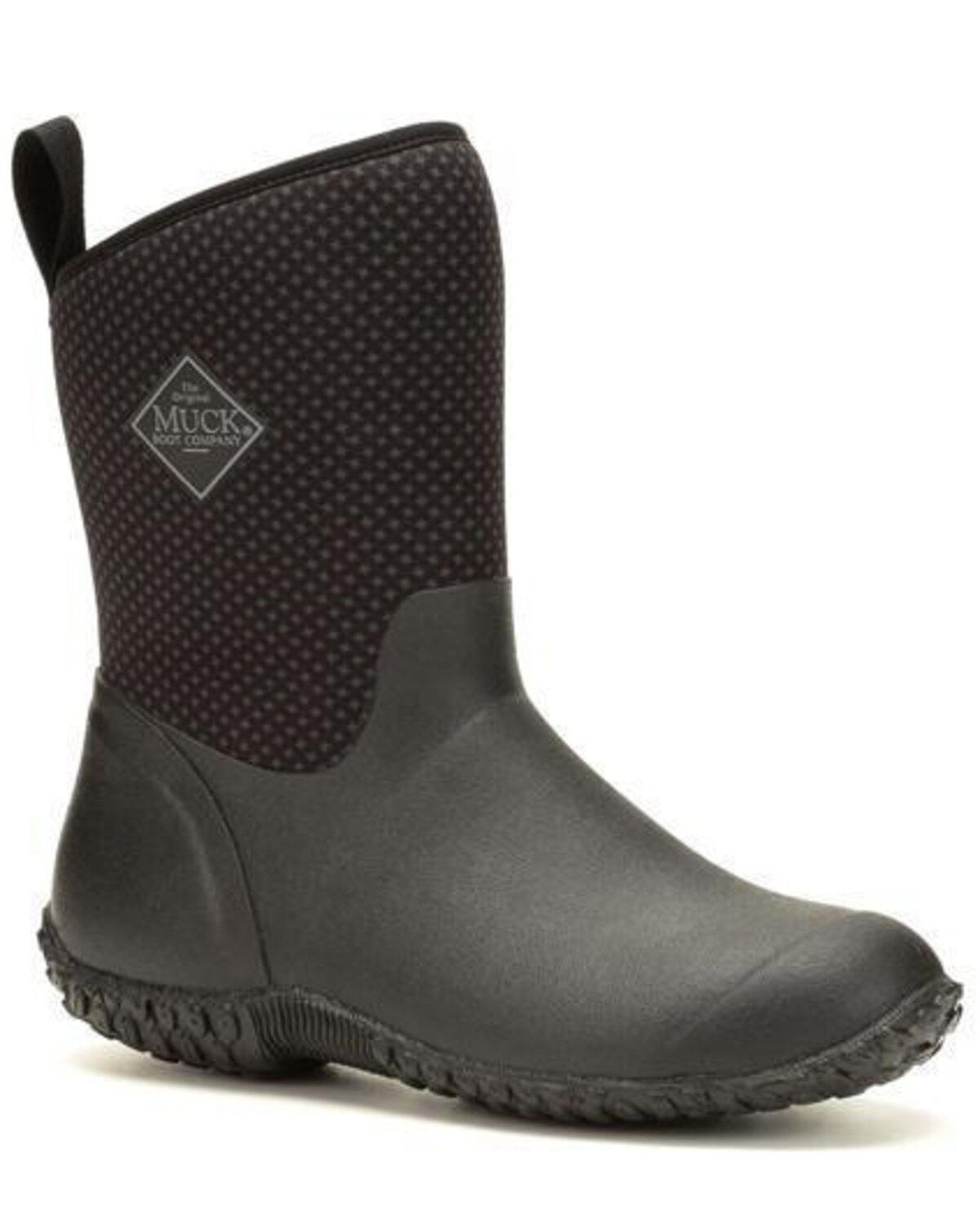
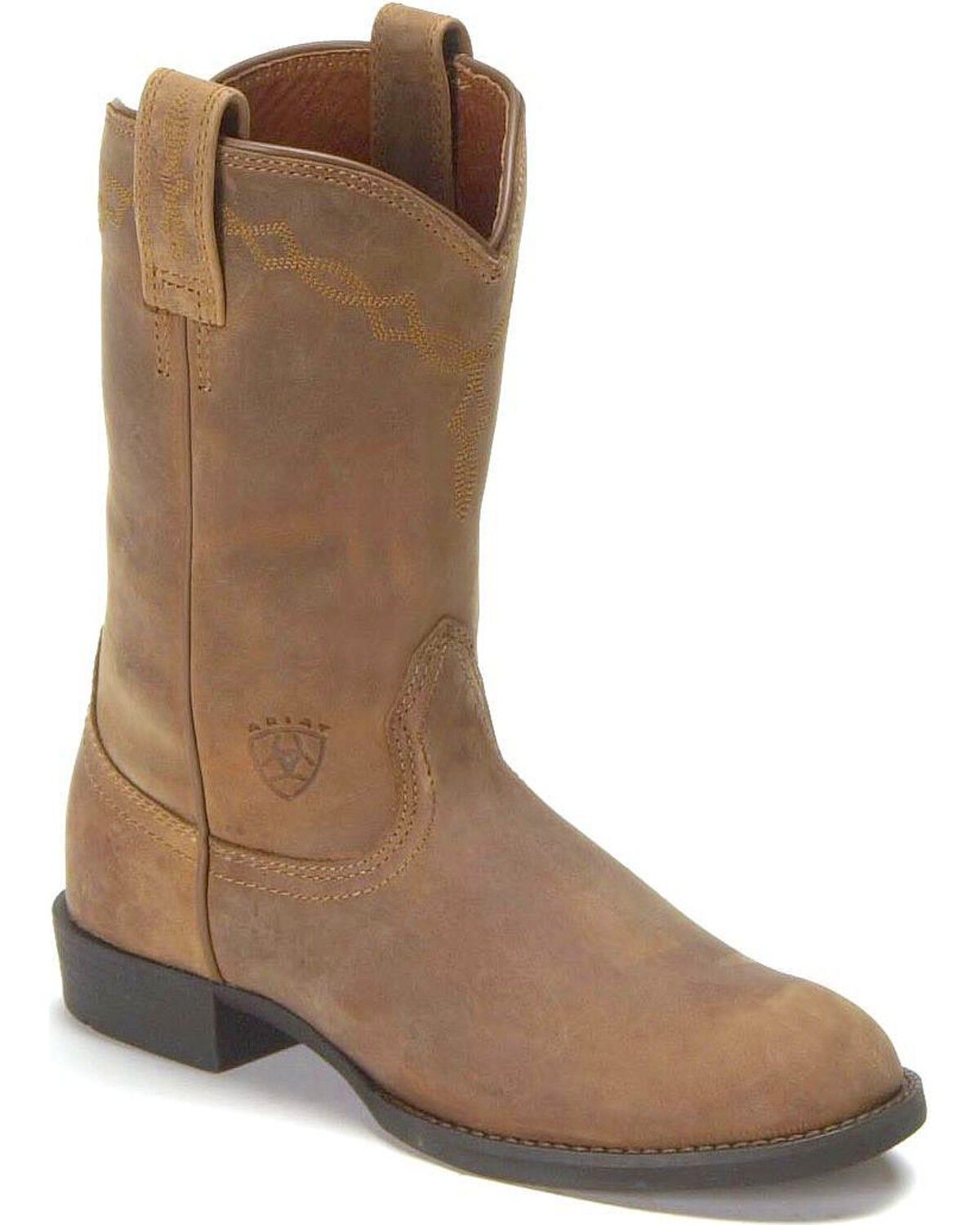
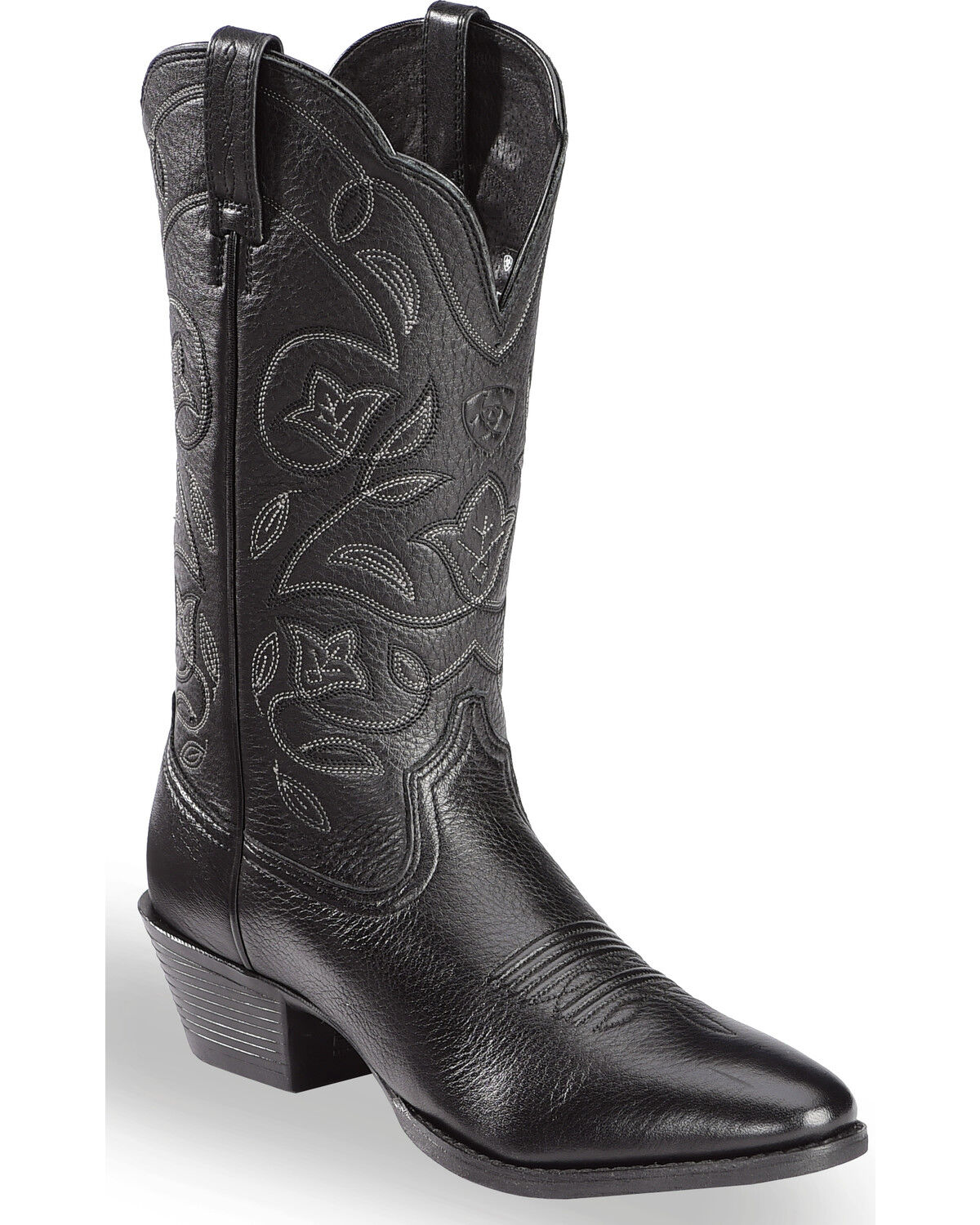
Find black cowgirl booties for western style in a shorter silhouette. These western ankle boots pair naturally with jeans, skirts, and dresses, offering an alternative to tall cowgirl boots that keeps the focus on your outfit.

Read More

Shop Your Store: Shop Your Store: Find a Store

(Turn off Shop Your Store to see all items)

(Turn off Shop Your Store to see all items)

close
  • Recommended
  • Lowest Price
  • Highest Price
Skip pass products

End of products

Black Cowgirl Booties

Black cowgirl booties are ankle-height western boots that pair a shorter shaft with details such as decorative stitching, shaped toes, and angled heels. They offer the character of a traditional cowgirl boot with less coverage around the lower leg, making them easy to wear with jeans, skirts, and dresses. Exact shaft heights vary, so the opening may sit near the ankle or extend a few inches above it. Side cutouts, pull tabs, elastic panels, and zippers can change both the appearance and the way a boot goes on. Within the broader category of Cowgirl Booties For Women, black styles offer a straightforward foundation for everyday outfits and more dressed-up occasions. Smooth black leather keeps the shape and stitching clearly defined, while suede has a softer, matte surface. Embossed finishes add texture without introducing another color, and contrasting thread makes western patterns more visible. Tonal stitching gives a quieter look that works with tailored pants as well as denim. Materials deserve a close look because appearance alone does not explain how a boot will wear. Leather can develop creases and soften with use, while suede needs care that preserves its raised surface. Synthetic uppers have their own cleaning requirements and should not automatically receive leather conditioner. Upper material, lining, and construction all affect how a boot feels against the foot and how it holds up to repeated wear. Toe shape also changes the overall profile. A snip toe has a narrow, squared-off end, a pointed toe creates a sharper outline, and round or broader square toes give a different look across the front. Heel shape matters just as much. A lower western heel provides less elevation, while a taller heel adds height and changes how weight rests on the foot. A stacked-looking heel describes an appearance, not necessarily its material, so construction details are worth checking.

The right fit leaves room for the toes without allowing the foot to slide forward with every step. A pointed silhouette does not mean the toes should reach the narrow tip; that space is part of the boot’s shape. Width through the ball of the foot, pressure across the instep, and heel movement are more useful fit checks than the outline alone. Leather may soften, but a boot that pinches or crowds the toes should not be counted on to stretch into the correct size. Trying on black western booties with the socks intended for regular wear gives a more accurate sense of comfort. Walking on a clean indoor surface can reveal rubbing at the ankle opening, pressure from seams, or a heel height that feels different in motion than it does while standing. Pull-on designs need enough room for the foot to pass through the opening, while zippered designs should close without strain. A close-fitting ankle opening creates a different silhouette from a wider opening, particularly with cropped jeans or a skirt. Straight-leg denim can fall over the shaft, while a shorter hem leaves stitching and cutouts visible. With a dress, a simple black bootie adds structure without requiring matching western accessories. For an office with a relaxed dress code, understated stitching and a lower heel can work with dark trousers and a button-front shirt. Dinner plans or a concert may call for a more pronounced toe or decorative finish, but comfort still matters when several hours of standing are involved. Underfoot details deserve the same attention as appearance. Cushioning, arch shape, sole flexibility, and heel stability all influence how a pair feels over time. Rubber outsoles and tread patterns can provide grip, although traction depends on the surface and the sole’s design. A fashion bootie is not a substitute for footwear with required workplace protection, and an angled heel alone does not establish that a boot is suitable for riding.

Durability comes from the whole boot, not just the thickness of the upper. Secure stitching, neatly finished seams, a firmly attached heel, and an outsole suited to the intended use all contribute to dependable wear. Frequent walking puts different demands on footwear than occasional dinner outings, so the sole and heel should match the routine. Black leather can show pale scuffs and dust, especially around the toe and heel, but regular attention helps maintain an even finish. For smooth leather, removing surface dirt with a soft cloth before applying a material-appropriate cleaner keeps grit from being worked into the surface. Conditioner should be used only where the care instructions allow it, and any cleaner or polish should first be tested on a discreet area. Black polish may suit some finished leathers, but it is not appropriate for every upper, particularly those with contrasting stitching or special finishes. Suede calls for a suitable brush and suede-specific cleaning methods rather than ordinary leather cream. Gentle brushing helps lift the nap without flattening its texture. After cleaning, boots should dry naturally away from direct heat. Storing them upright without crushing the shafts helps preserve their shape, and giving each pair time to air out between wears supports lining care. Pull tabs and zippers also last better when used without excessive force. Worn heel tips, loose stitching, or separating soles deserve attention before the damage spreads; a footwear repair professional can assess what the construction allows. For a birthday or another personal milestone, black cowgirl booties can be a thoughtful gift for someone who already wears western footwear or favors ankle boots. Knowing the recipient’s usual size, preferred toe shape, comfortable heel height, and favorite pants makes the choice more personal. A woman who spends hours on her feet may value cushioning and a steady heel, while someone dressing for evenings out may favor detailed stitching or a sharper profile. The strongest choice balances that individual style with a fit and construction suited to regular wear.
Read More

FAQs