Big and Tall Long Sleeve Pearl Snap Shirts

Find big and tall pearl snap shirts with long sleeves and western styling for everyday wear, ranch chores, and riding. Compare big and tall fits, fabric details, and colors to choose a shirt with the room and length you need.

Shop Your Store: Shop Your Store: Find a Store

(Turn off Shop Your Store to see all items)

(Turn off Shop Your Store to see all items)

close
  • Recommended
  • Lowest Price
  • Highest Price
Skip pass products

End of products

Big and Tall Long Sleeve Pearl Snap Shirts

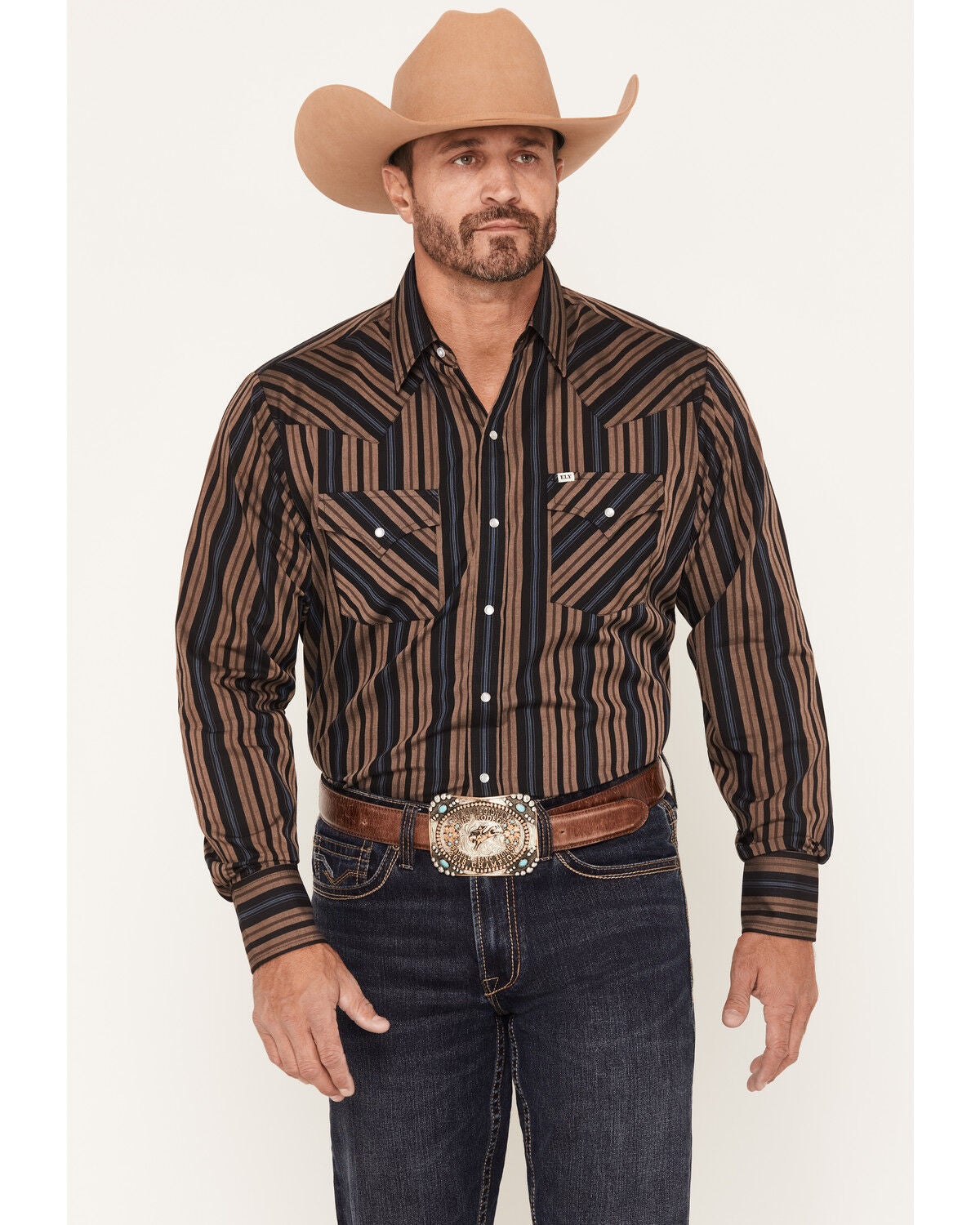
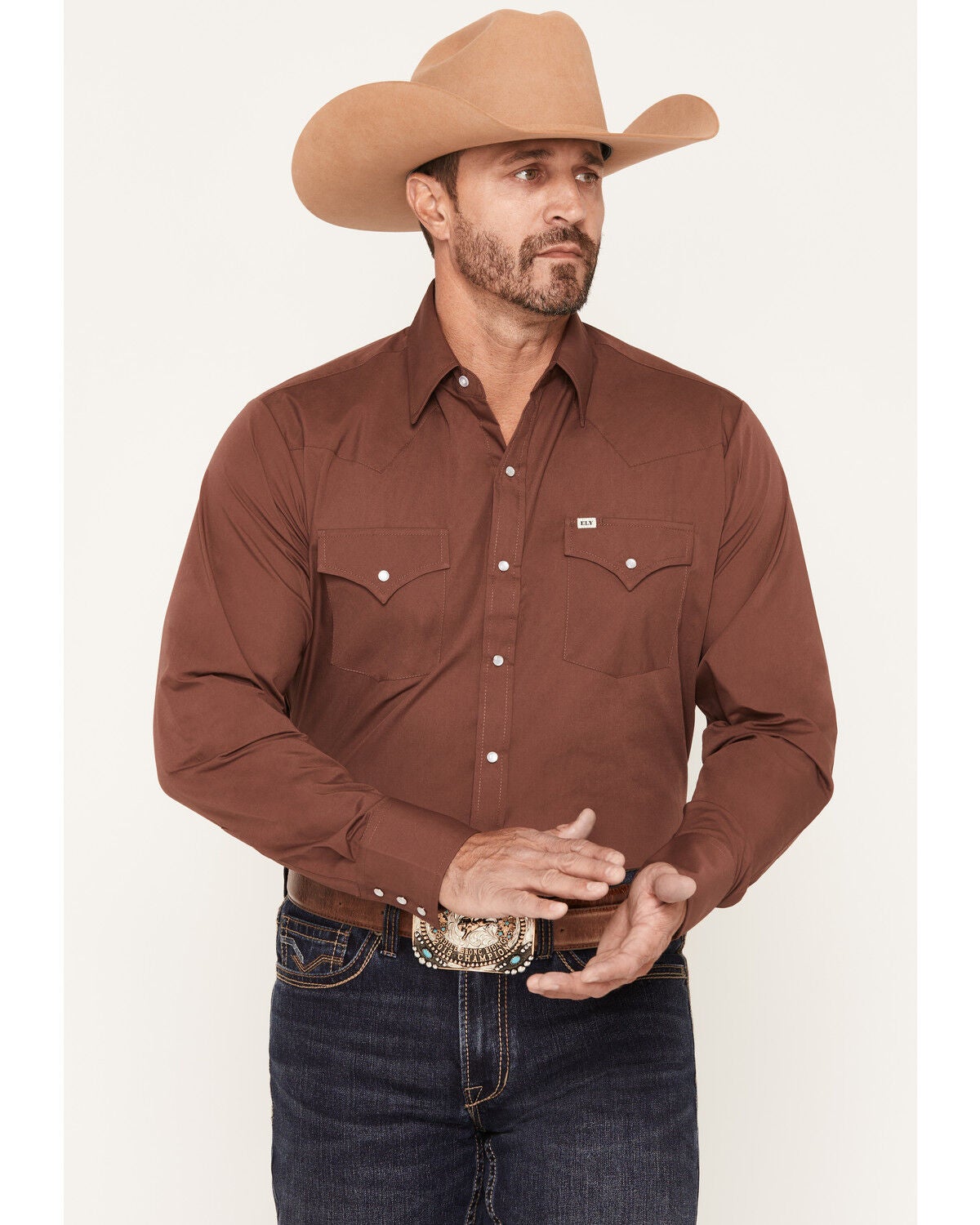
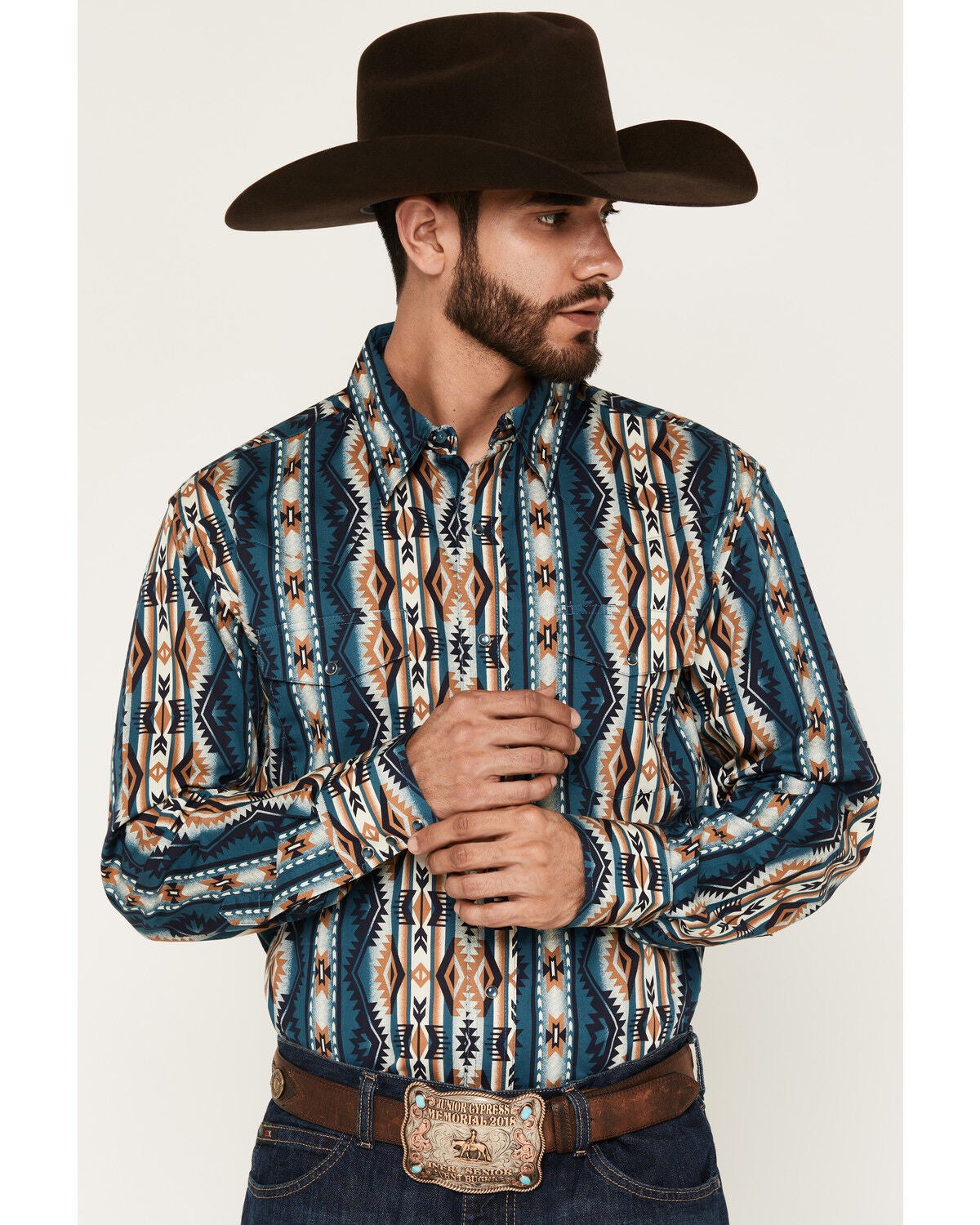
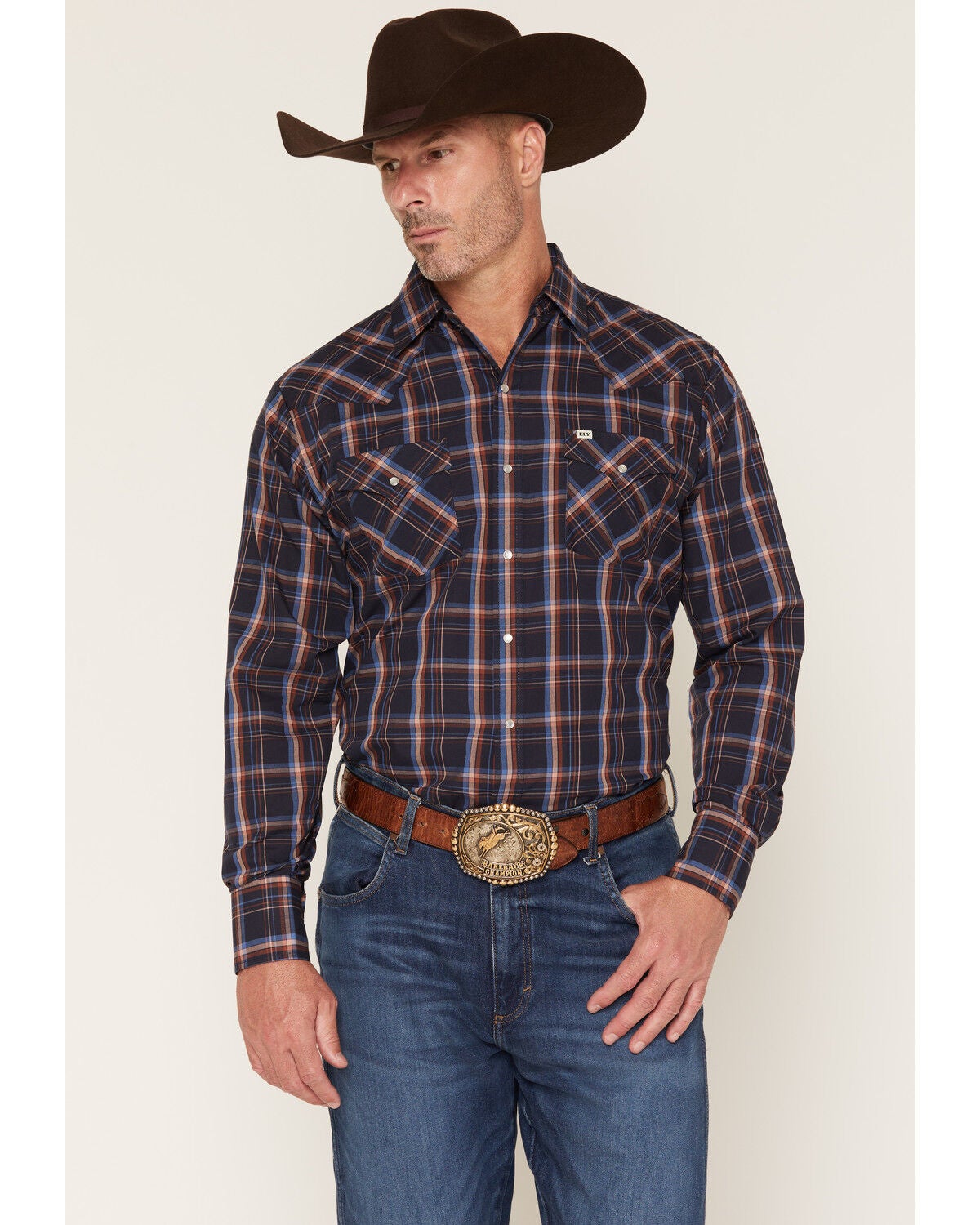
Big and tall long sleeve pearl snap shirts pair traditional western details with proportions suited to broader builds, greater height, or both. Their defining feature is a snap-front closure with pearl-style caps, often paired with a pointed collar, western shoulder yokes, and chest pockets. The pearl description refers to the appearance of the snap caps, not necessarily their material. These details give the shirts a distinct look without requiring a full western outfit. A solid shirt with dark jeans works for a family dinner, while a plaid or striped pattern adds variety to an everyday rotation. Long sleeves provide coverage through the arms, and snap cuffs let the wrist opening sit neatly over the hand. Pocket flaps and yoke shapes vary, so those details can make a difference even when two shirts have a similar color. Someone who carries a small notebook may value a usable chest pocket more than an elaborate pattern. Someone dressing for a gathering may prefer a smooth fabric and a collar that sits cleanly beneath a jacket. Big and tall cuts bring the familiar styling of Long Sleeve Pearl Snap Western Shirts to men who need more room, more length, or a combination of the two. They suit everyday wear, ranch routines, casual workplaces, and occasions where a T-shirt feels too informal. A pearl snap shirt can also make a practical gift for someone who already wears western clothing. The most useful starting point is a shirt he wears often: note its size, sleeve length, fabric, and fit rather than relying on height alone. A familiar solid color or a restrained pattern can fit easily into an established wardrobe. The goal is a shirt that gets worn, with enough room to move and the right length to stay where it belongs.

Fit matters more than the size printed on the label. Big sizing generally provides additional room through the chest, waist, and body, while tall sizing typically adds sleeve and torso length. A taller man does not always need a wider shirt, and a broader man does not always need extra sleeve length. Some builds need both adjustments. Compare body measurements with the size chart for the shirt, since sizing and cut can differ between makers. Measure the chest around its fullest point with the tape level, and follow the chart’s directions for neck and sleeve measurements. Sleeve length is often measured from the center back of the neck, across the shoulder, and down a slightly bent arm, but the stated method should take priority. A shirt that fits well should lie smoothly across the upper back without pulling the front placket open. The shoulder seams should sit near the shoulders rather than hanging far down the upper arms, unless the cut is intentionally relaxed. Try reaching forward as if gripping a steering wheel, then bend at the elbows and sit down. Those ordinary movements reveal tightness that is easy to miss while standing still. The cuffs should reach the wrists without leaving excessive fabric bunched above the hands. When worn tucked in, the hem needs enough length to stay inside the waistband while sitting, reaching, or bending. For untucked wear, check the hem shape and overall length; a longer tail intended for tucking may hang lower than desired. Leave room for a usual undershirt without choosing so much extra volume that fabric gathers heavily at the belt. If the top snap will be fastened, check that the collar feels comfortable at the neck. A clean fit follows the body without binding across the chest or stretching the snaps. That balance gives a long sleeve western shirt a finished appearance whether it is worn with work jeans, straight-leg denim, or casual pants.

Fabric and construction determine how a shirt feels through a full day and how it responds to repeated wear. Common materials include cotton and cotton-polyester blends, with differences in weave and weight affecting texture, drape, and care. Cotton often has a familiar, soft feel, while polyester blends may offer improved wrinkle resistance and shape retention. Neither fiber content nor thickness alone tells the whole story. A tightly woven fabric can feel different from a looser weave at a similar weight, and a twill surface has a different character from a smooth plain weave. For frequent wear, look closely at stitching around the armholes, pocket corners, cuffs, and snap attachments. These areas take regular strain when reaching, carrying, and fastening the shirt. Snaps should line up evenly, and the placket should lie flat rather than twist. For hands-on tasks, match the shirt to the work instead of assuming that western styling signals protective performance. A standard pearl snap shirt is not a substitute for clothing specifically rated for workplace hazards. Everyday durability also depends on care. Read the sewn-in label before washing, especially when a shirt combines fibers, stretch material, embroidery, or contrasting trim. Follow the stated water temperature and drying method rather than treating every western shirt the same way. Separate colors as directed, avoid unnecessary dryer heat, and remove the shirt promptly when the cycle finishes to help limit wrinkles. Cotton can shrink under unsuitable washing or drying conditions, which matters when sleeve and body length are already close to the right fit. Open snaps by holding the fabric near each fastener instead of pulling hard from the hem or collar. If ironing is permitted, use the recommended setting and avoid pressing directly over snap caps. With suitable fabric, sound construction, and consistent care, a big and tall pearl snap shirt can serve as a dependable part of an everyday wardrobe. The right choice earns its place through comfortable movement, useful details, and a fit that holds up from the first task to the last stop.

FAQs