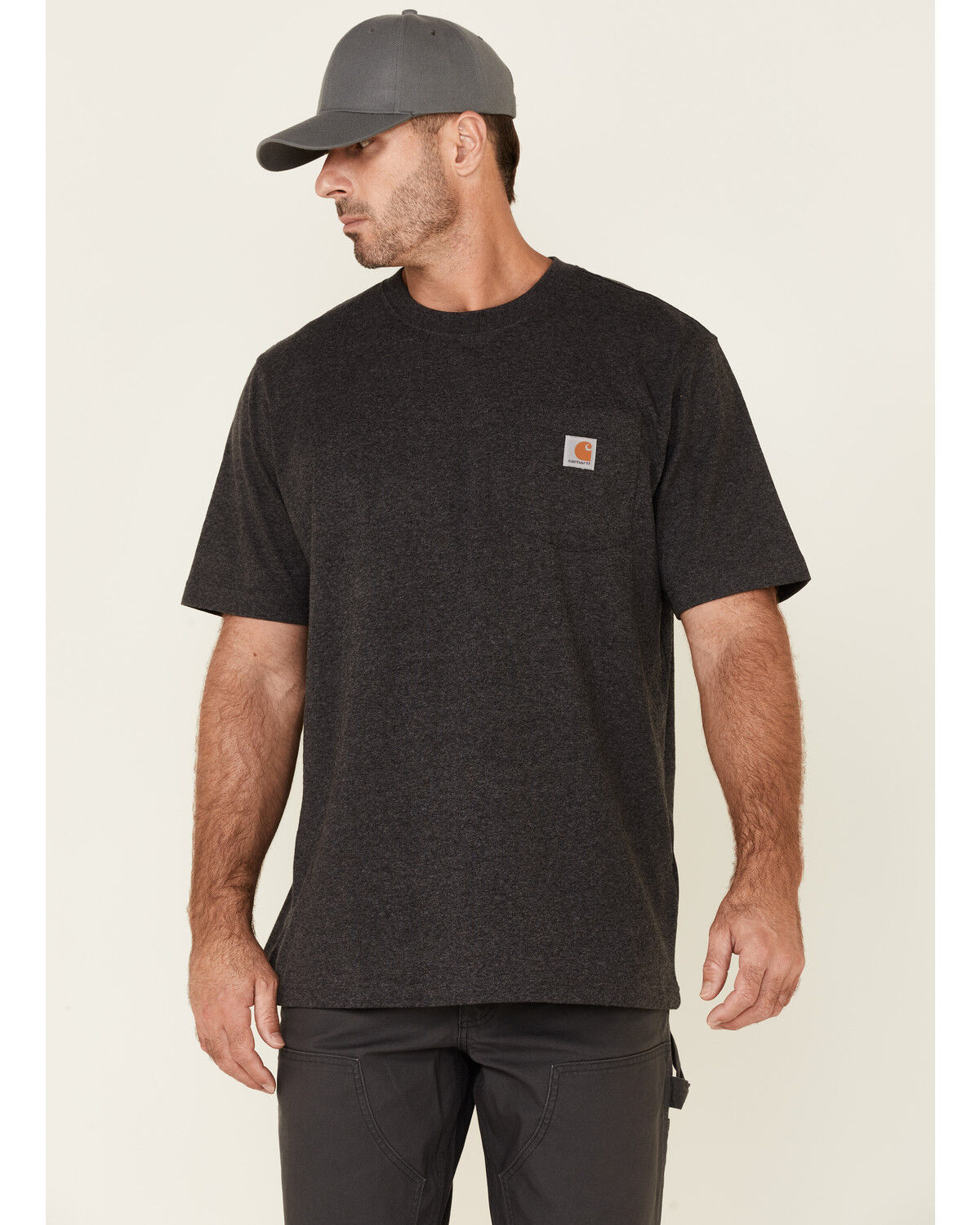
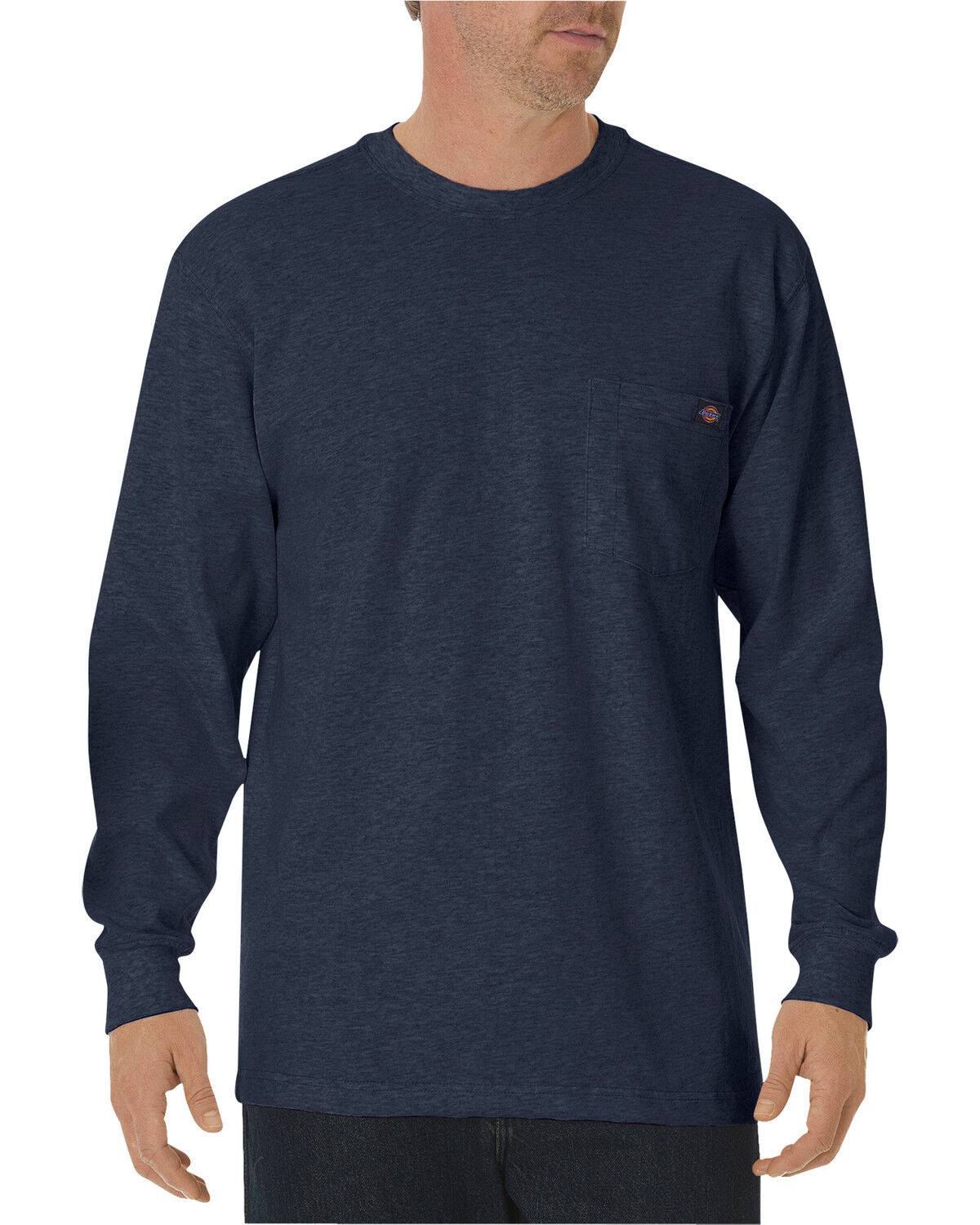
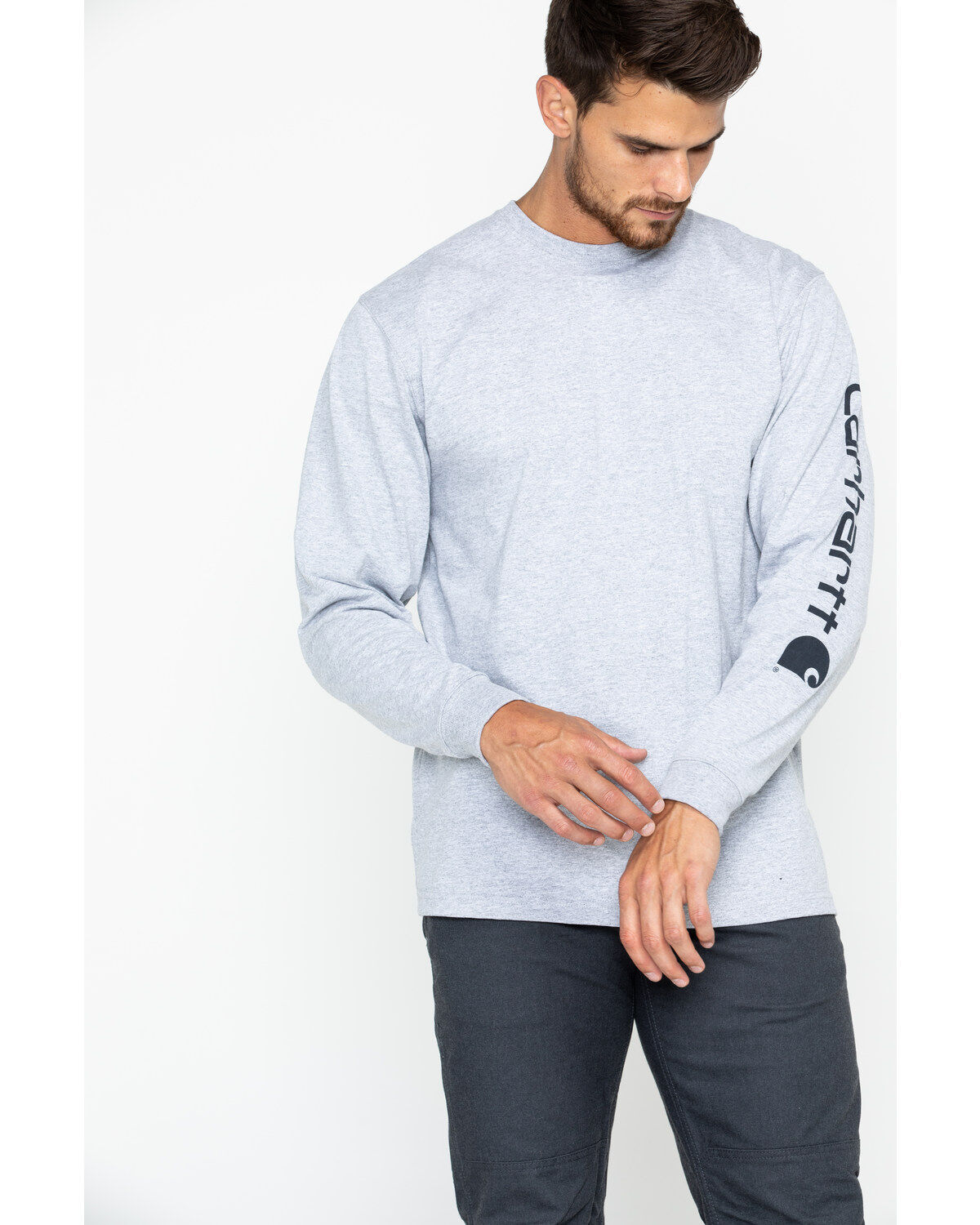
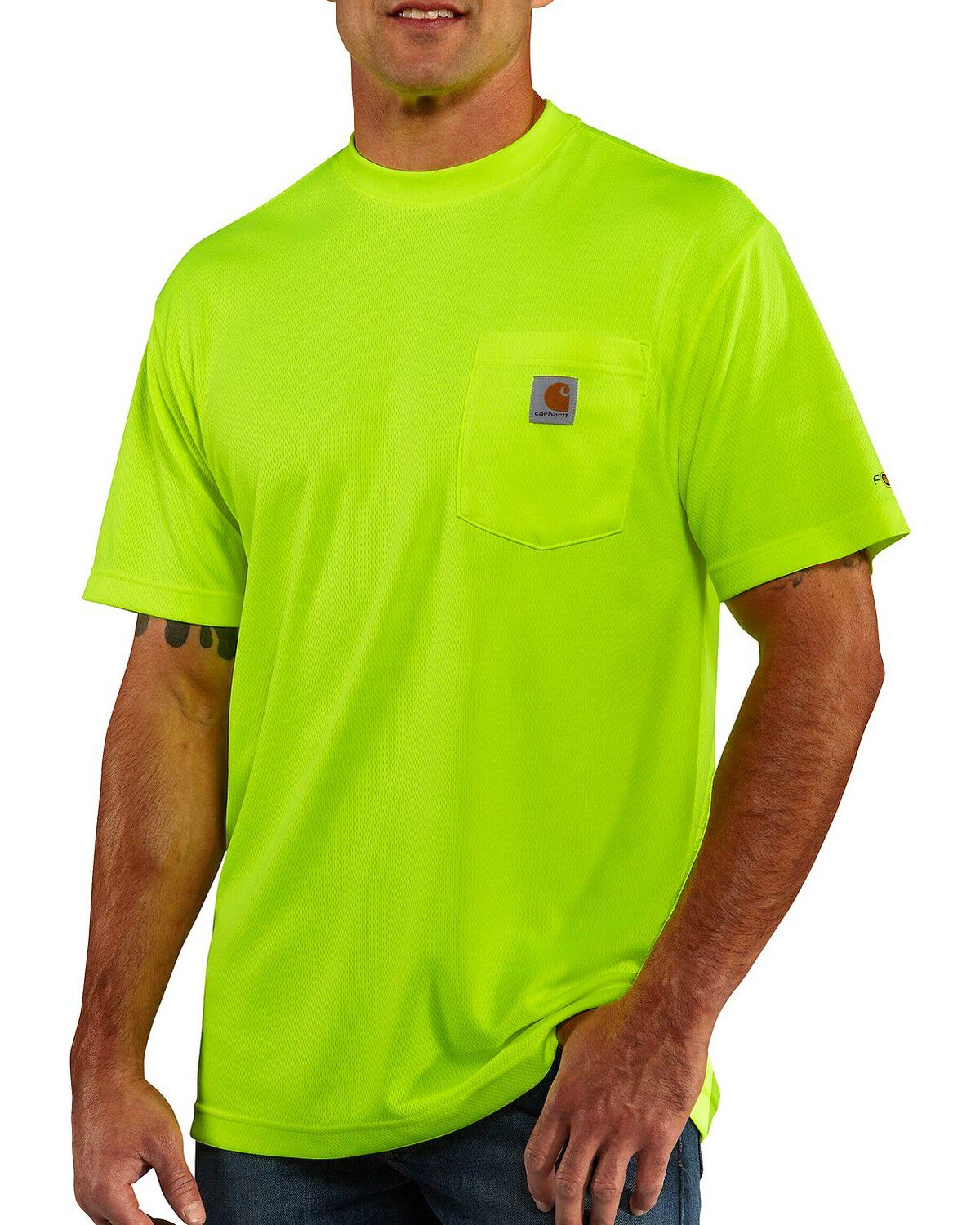
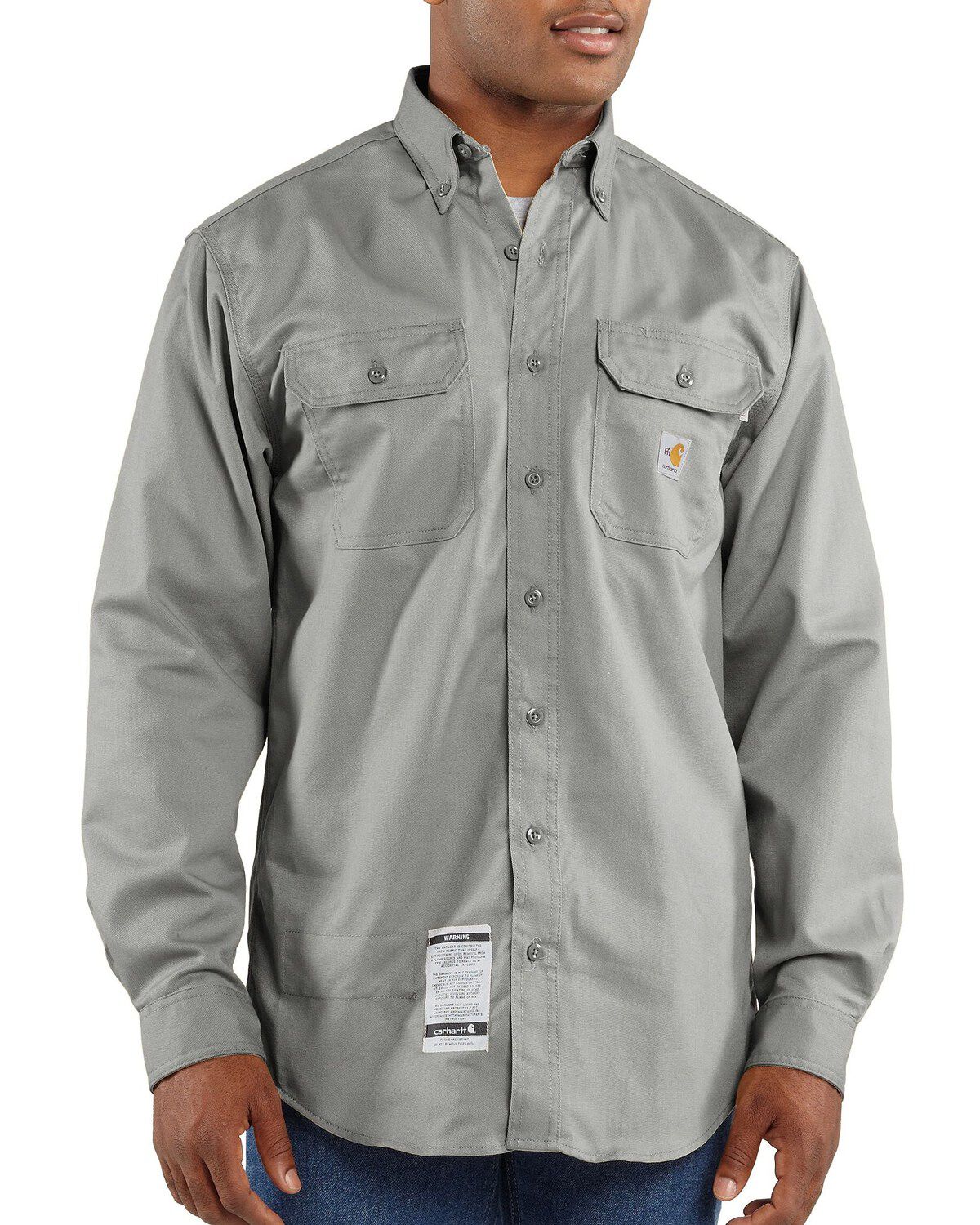
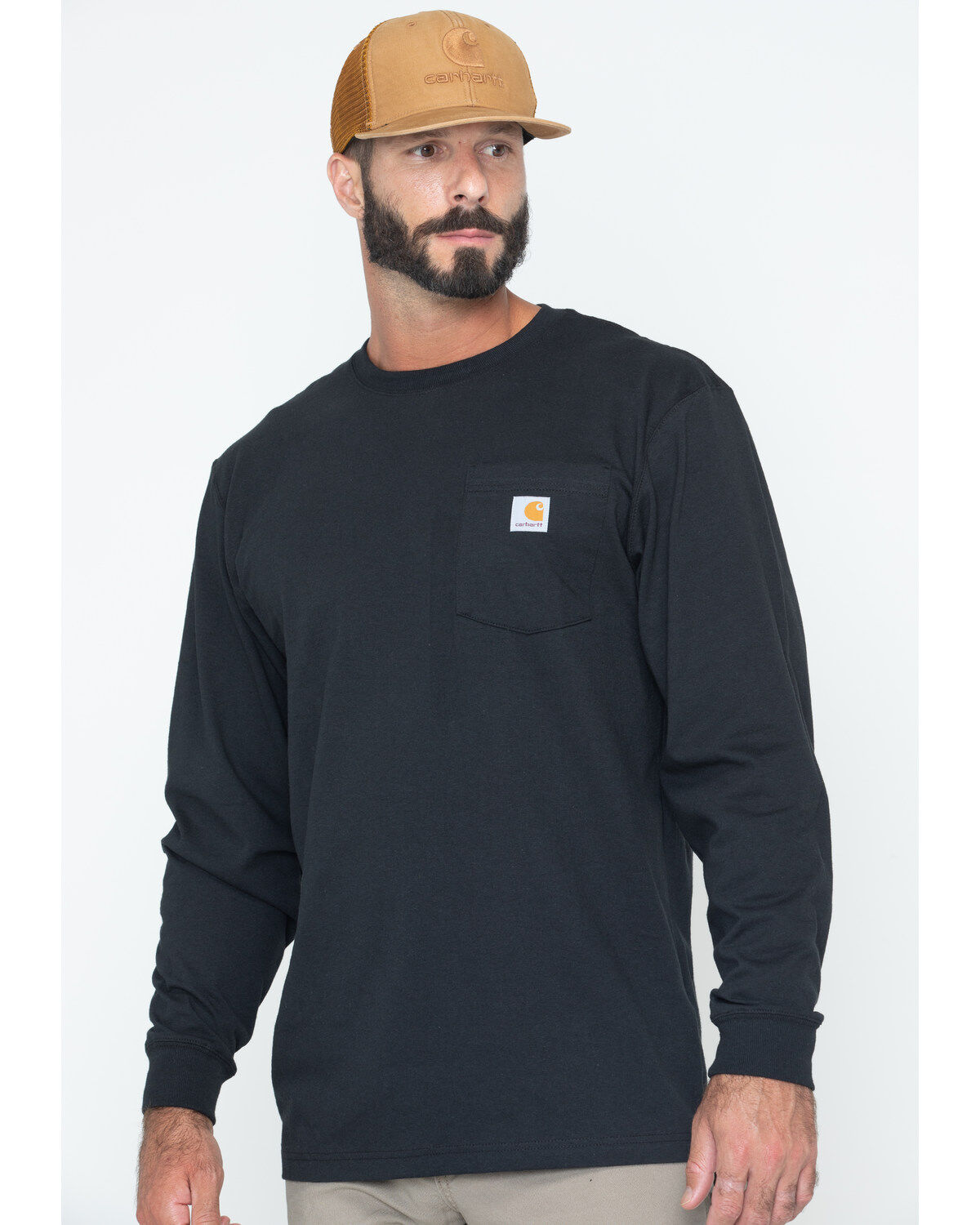
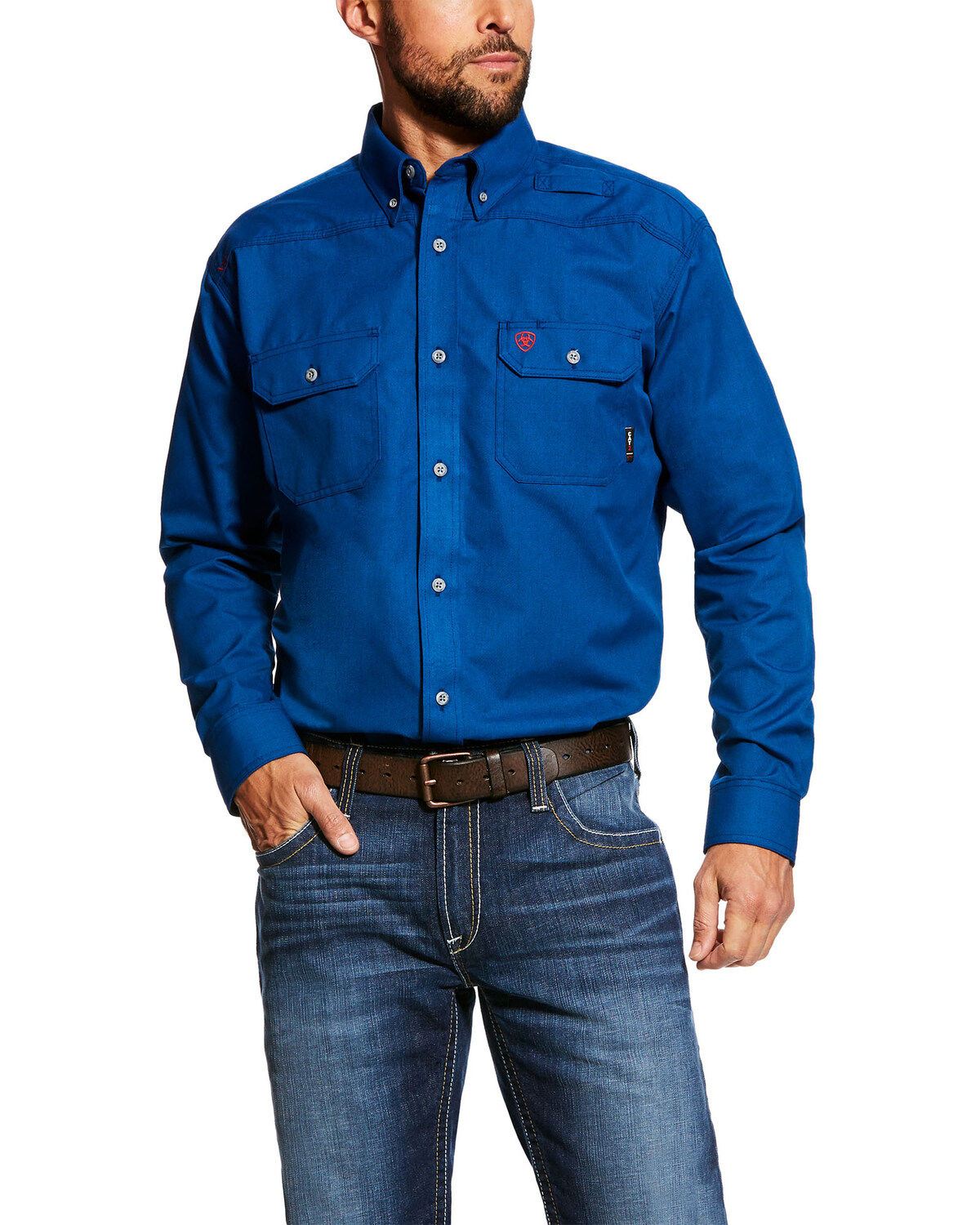
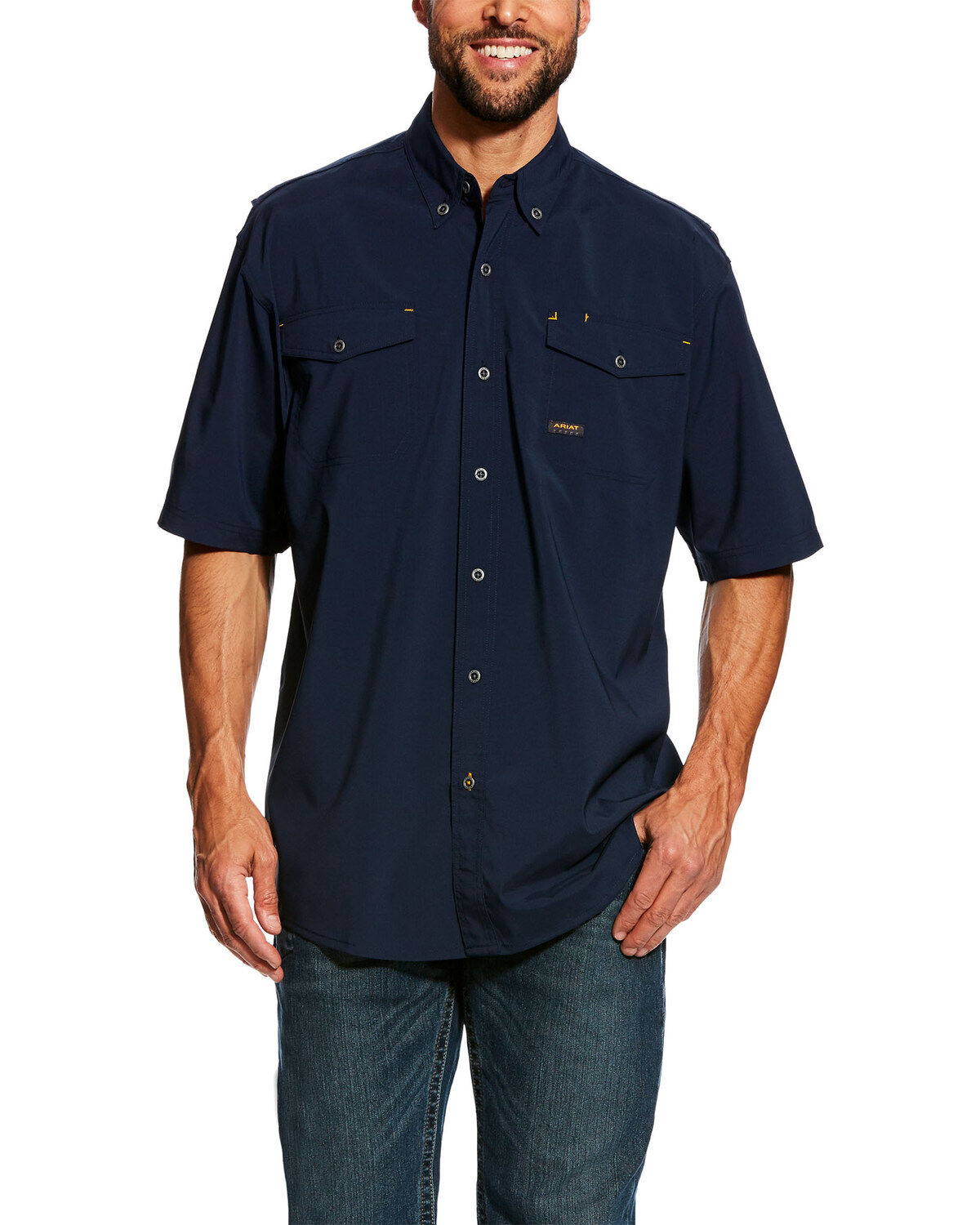
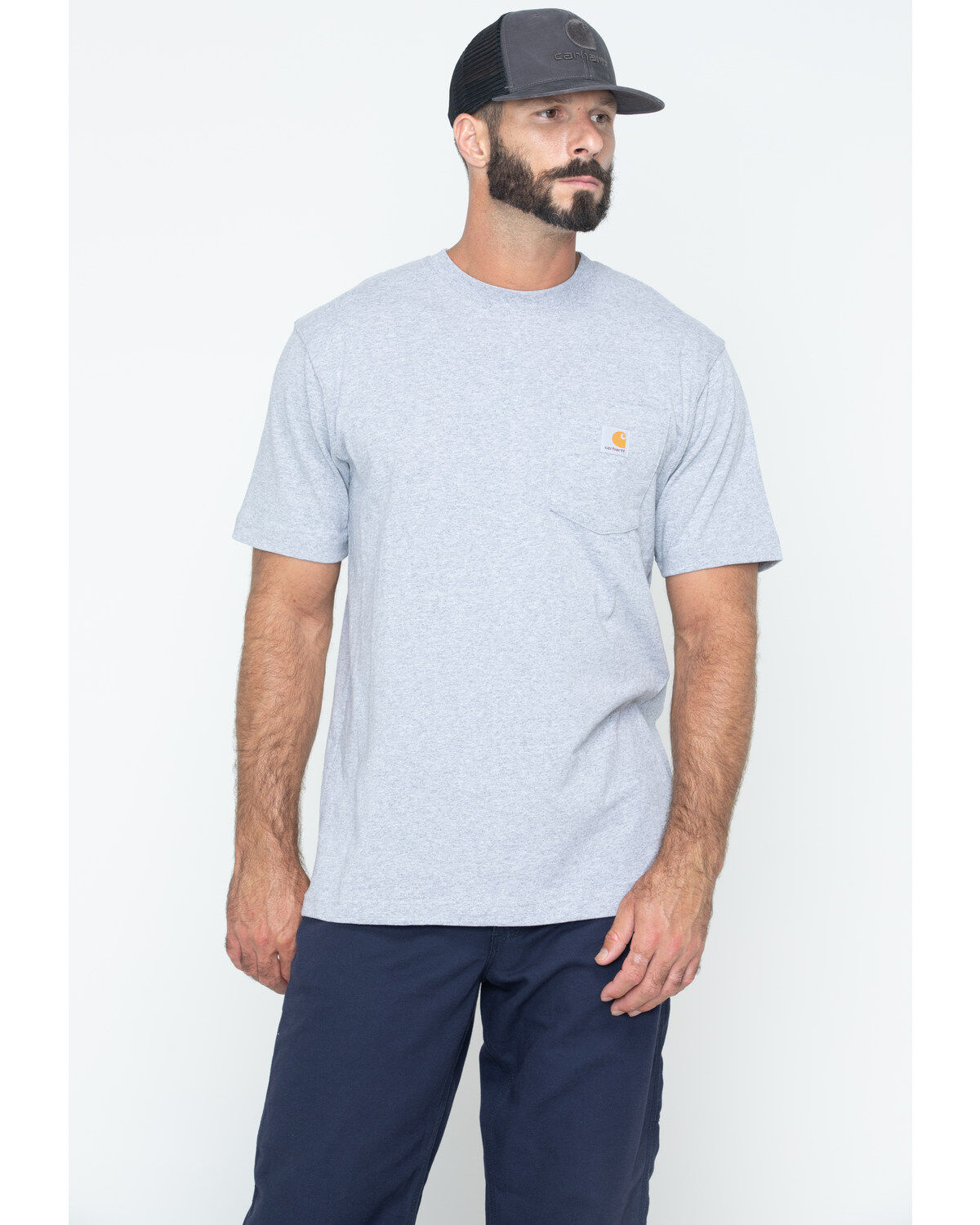
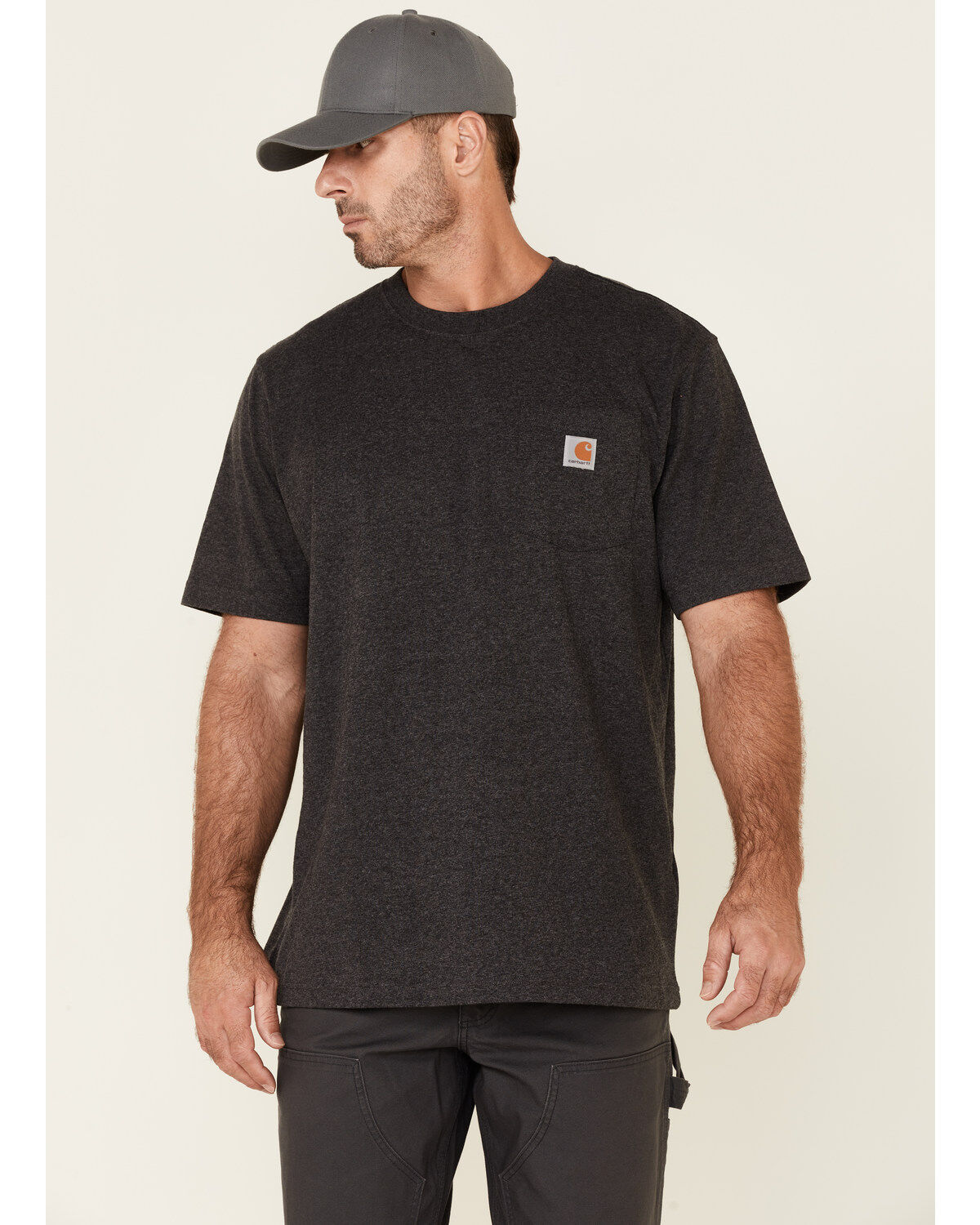
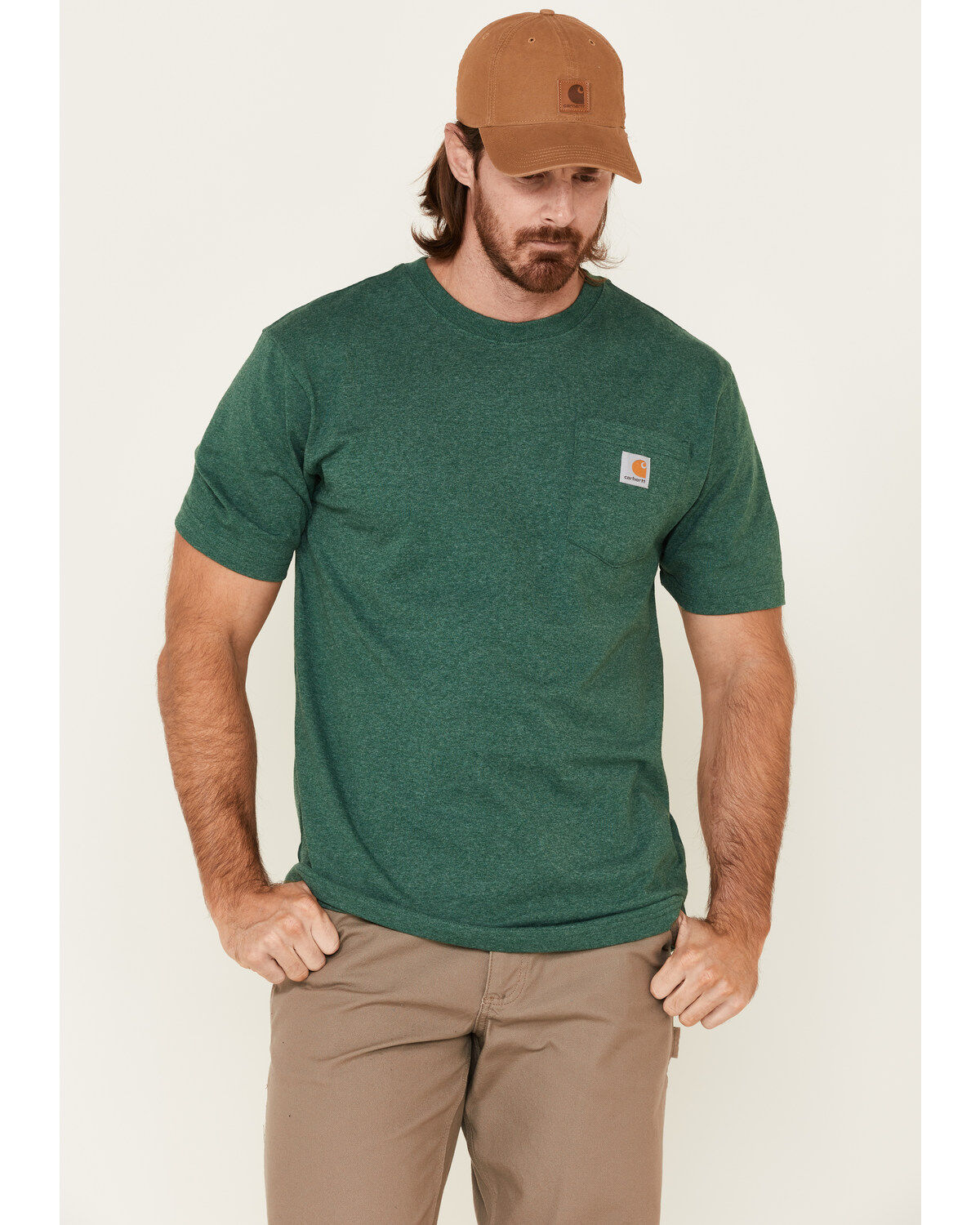
Big And Tall Construction Shirts

Find big and tall construction shirts sized for your workday. Browse work shirts in big and tall sizes, and compare each style’s fit and sizing details to find the room and coverage you need on the job.

Shop Your Store: Shop Your Store: Find a Store

(Turn off Shop Your Store to see all items)

(Turn off Shop Your Store to see all items)

close
  • Recommended
  • Lowest Price
  • Highest Price
Skip pass products
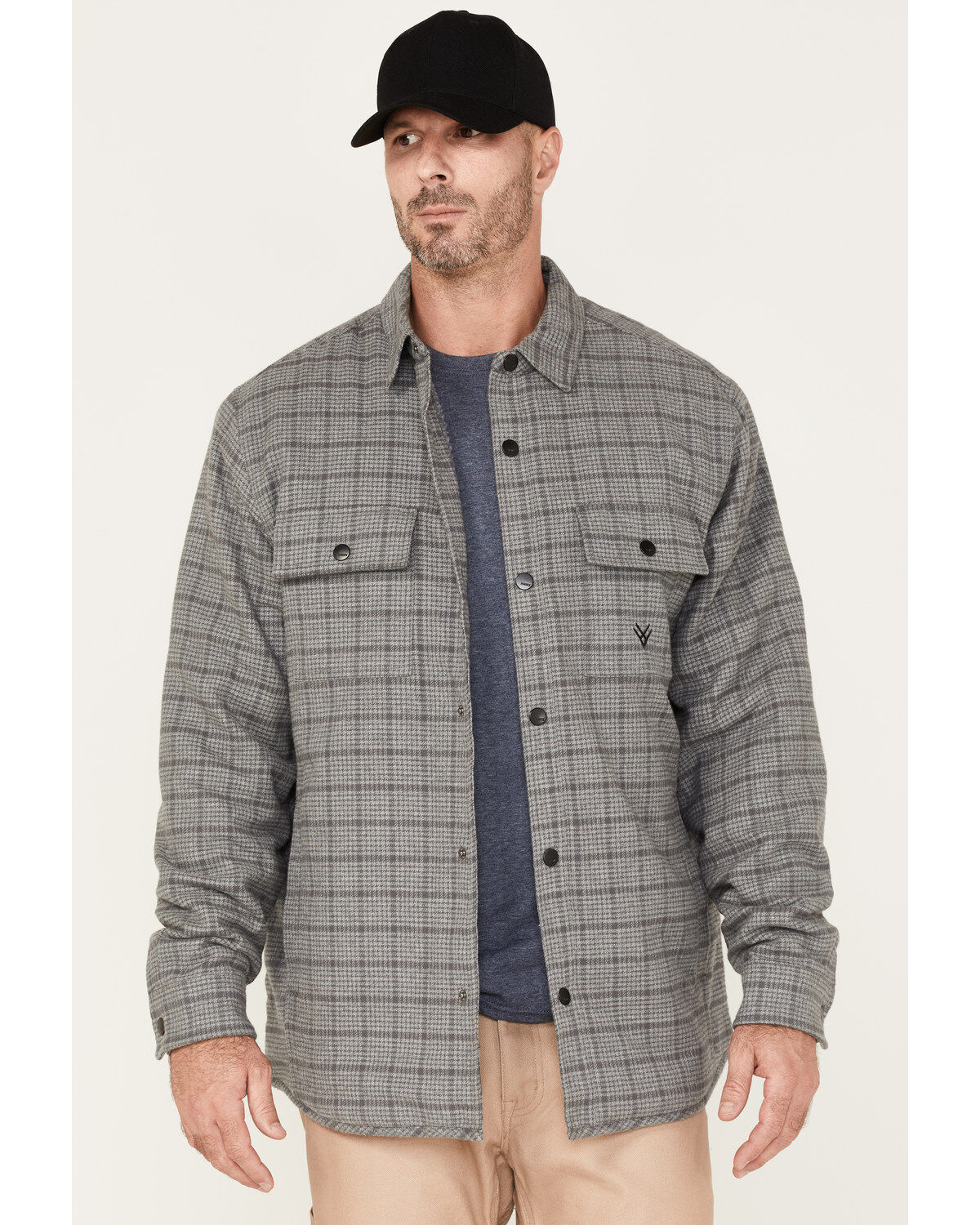
  • Men's Hawx Sherpa Lined Shirt Jacket - Big & Tall
    Original Price $84.99 $59.97
    29% Total Savings
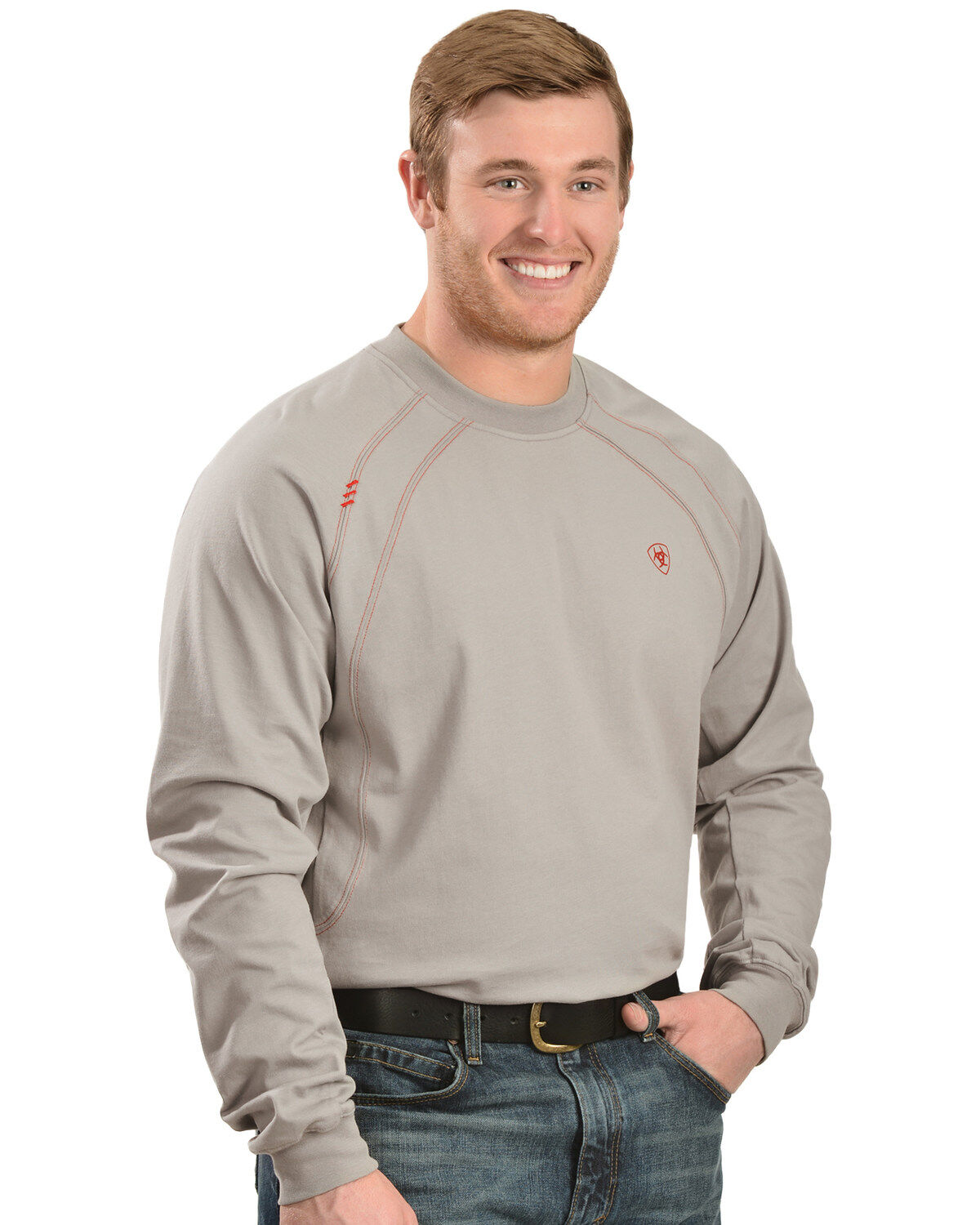
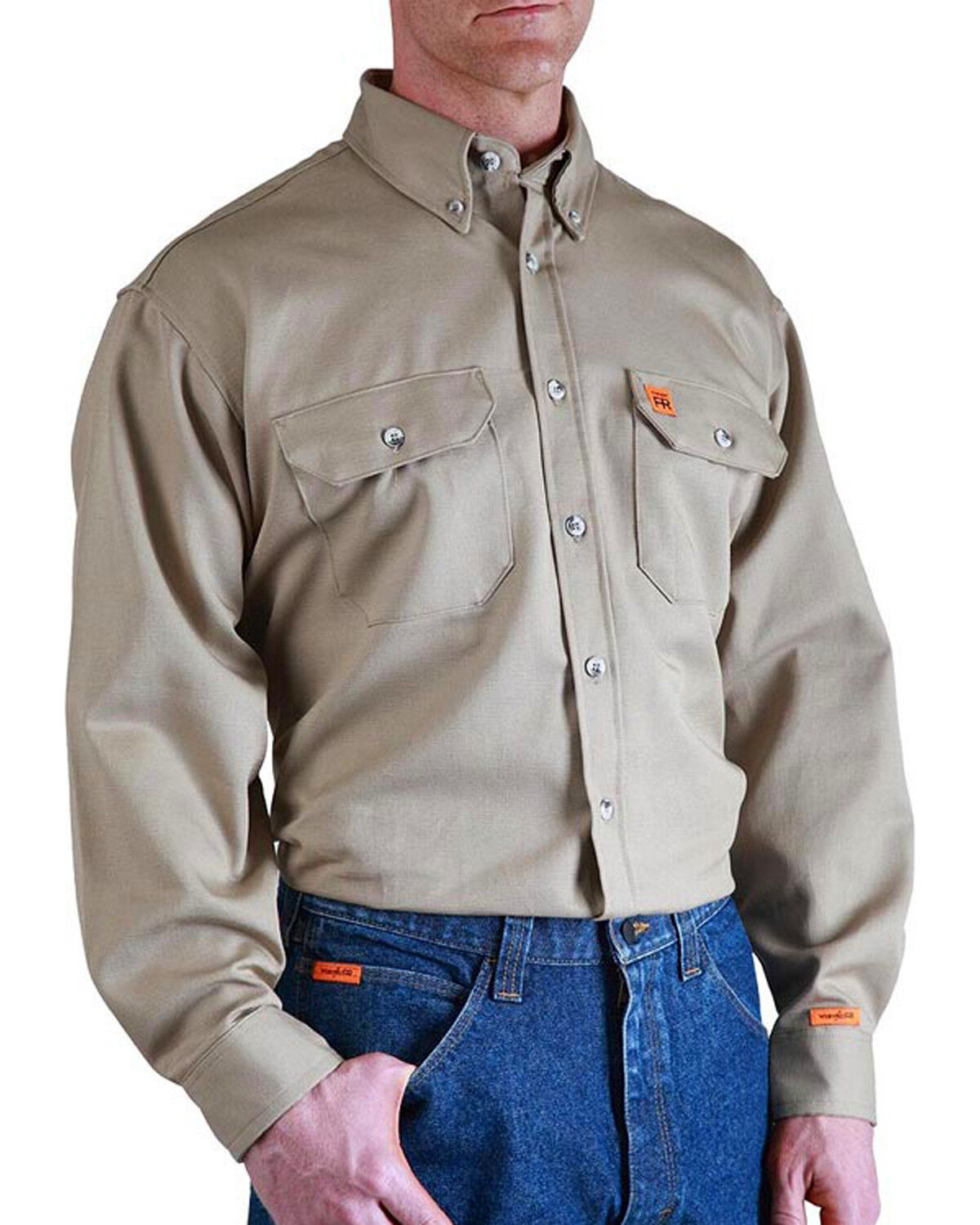
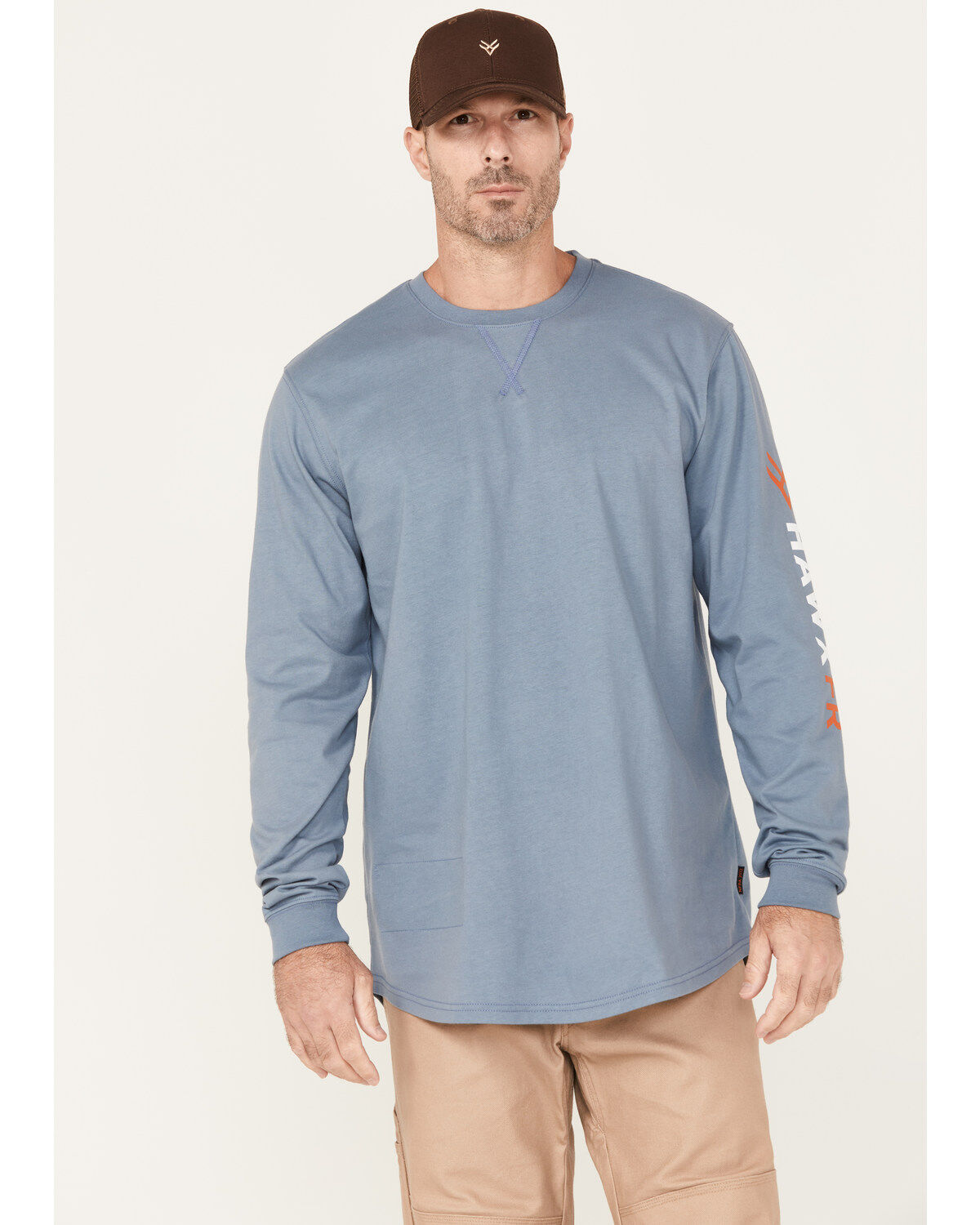
  • Men's Hawx FR Logo Long Sleeve Work T-Shirt - Big & Tall
    Original Price $94.99 $49.97
    47% Total Savings

End of products

Big And Tall Construction Shirts

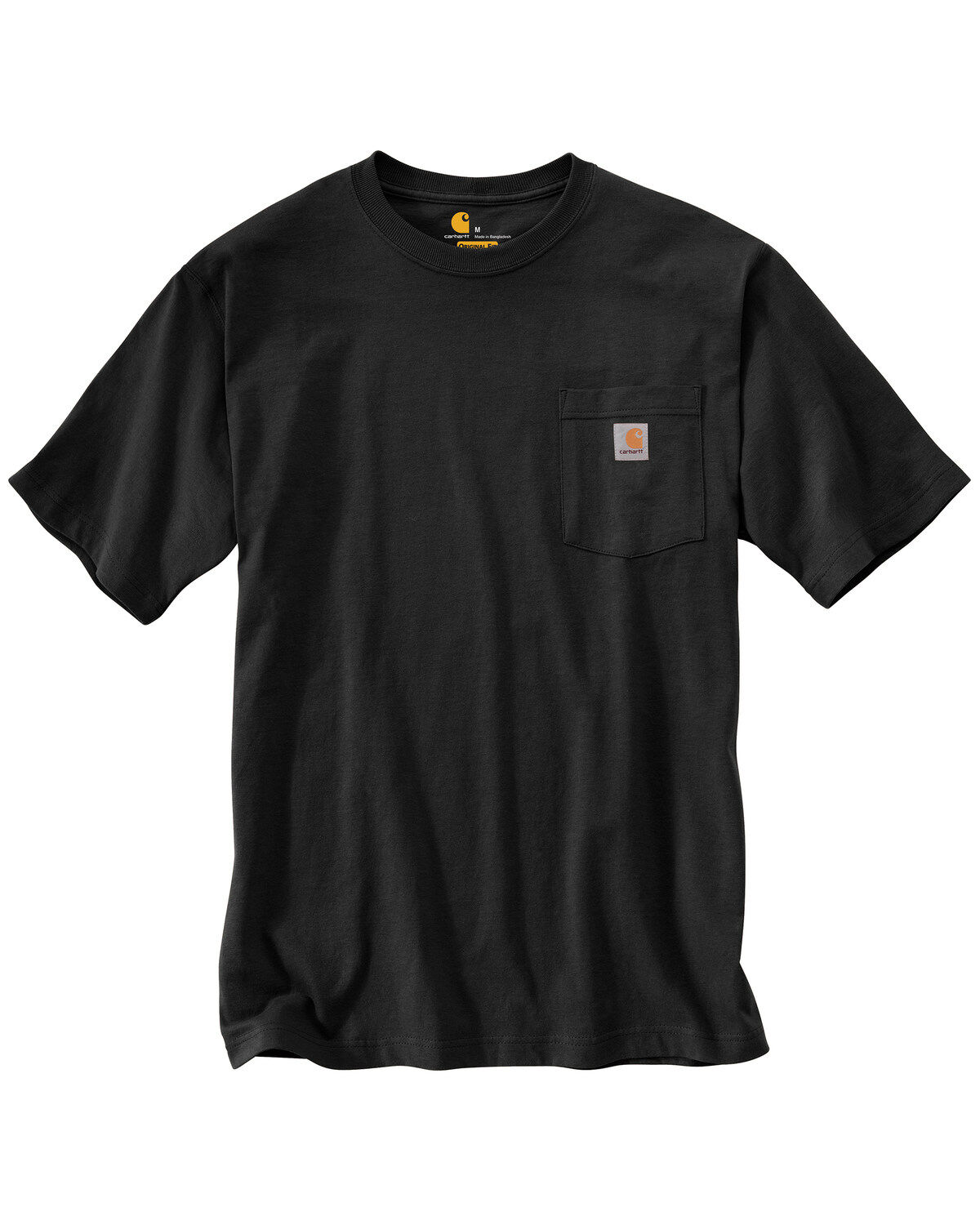
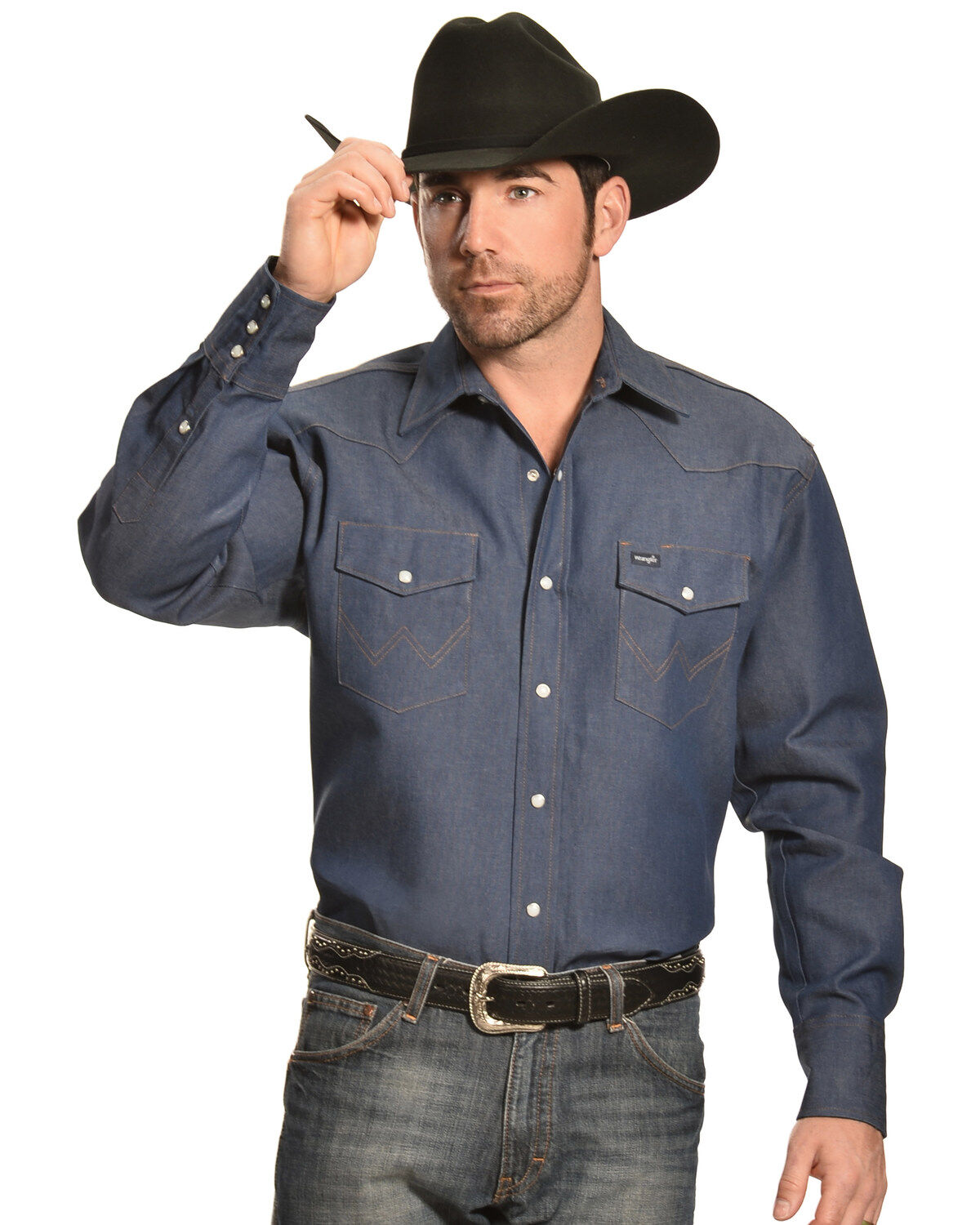
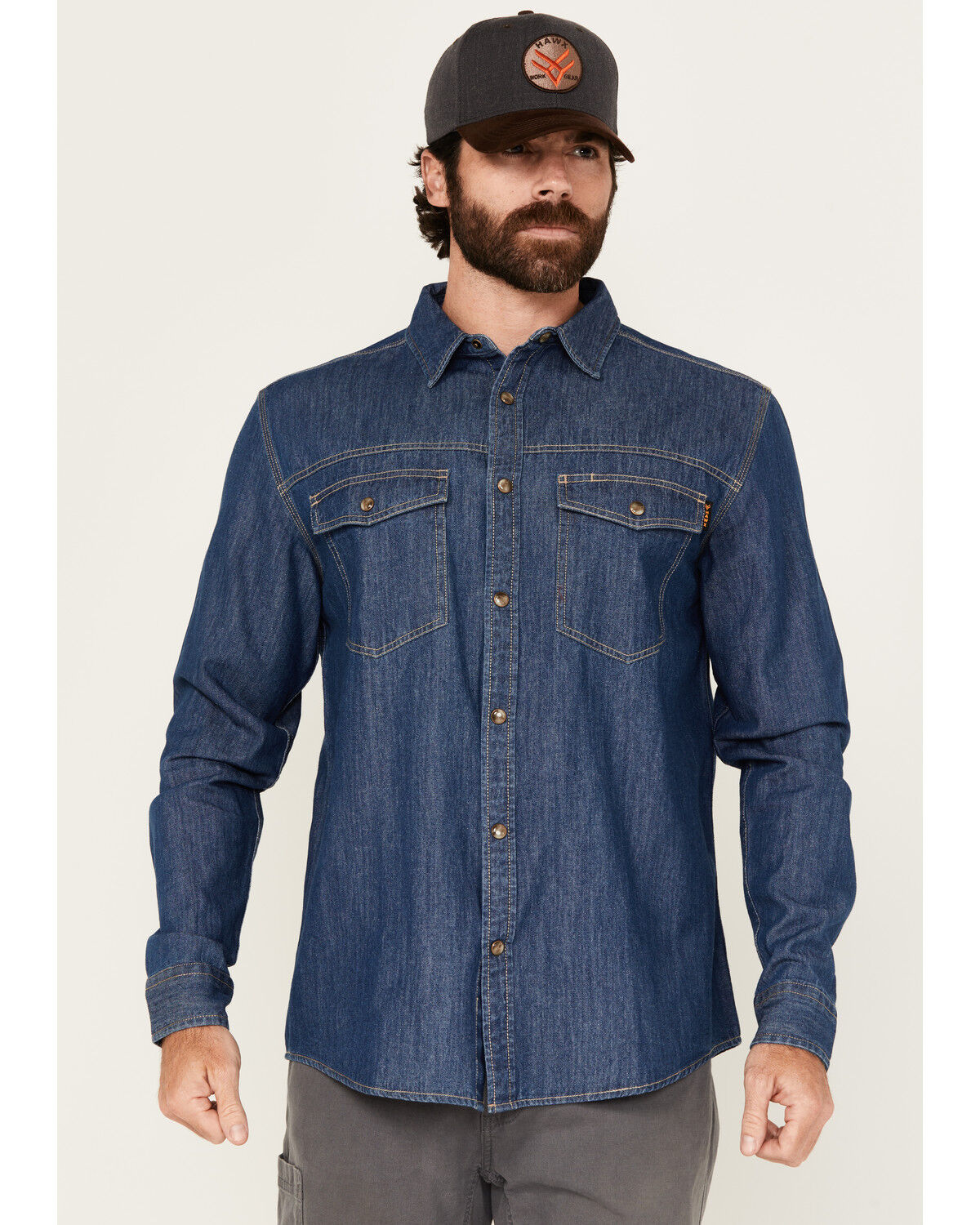
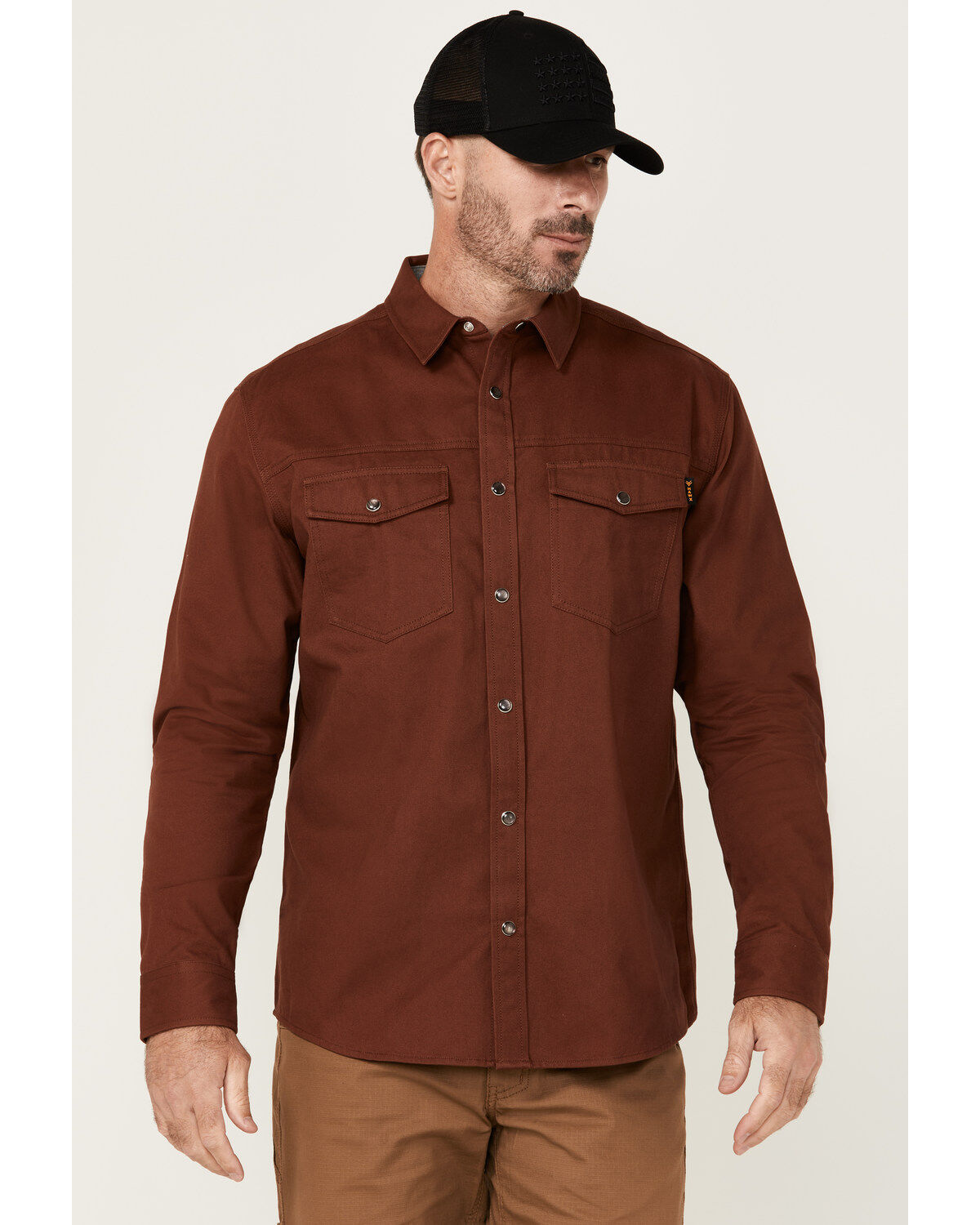
Big and tall construction shirts bring work-ready design to a fit that gives larger builds and longer frames the room they need. Construction work involves more than standing upright with arms at rest. Reaching overhead to set framing, bending to mark a cut, and carrying materials across a jobsite all put a shirt’s proportions to the test. A good fit allows those movements without pulling hard across the shoulders, riding up at the waist, or leaving excess fabric where it can catch on equipment. Big sizes generally provide more room through the chest and body, while tall sizes generally add length through the torso and, on long-sleeve styles, the sleeves. Those differences matter because simply choosing a larger standard size can leave the shoulders too wide while the hem remains too short. Measurements and garment size charts provide a better starting point than the size printed on a familiar shirt from another maker. Chest room should account for normal movement, not just how the shirt looks when standing still. Sleeve length matters when reaching forward, and the hem should stay where it belongs when bending or lifting. For workers who tuck their shirts into work pants, adequate body length helps keep the shirt tucked through repeated movement. Untucked styles still need enough coverage without hanging unnecessarily low. A shoulder seam that sits near the natural shoulder helps the sleeves move comfortably, while a collar should allow comfortable head movement when fastened as intended. Fit also needs to work with required equipment. A tool belt, safety vest, or properly fitted harness can change how a shirt sits across the body. Fabric that bunches beneath a belt or pulls beneath a vest can become a distraction over a full shift. Big and tall proportions help address these practical details, whether the wearer is setting forms, installing fixtures, handling deliveries, or moving between a job trailer and active work areas. The goal is straightforward: enough room to work, enough length to stay covered, and a shape that does not get in the way.

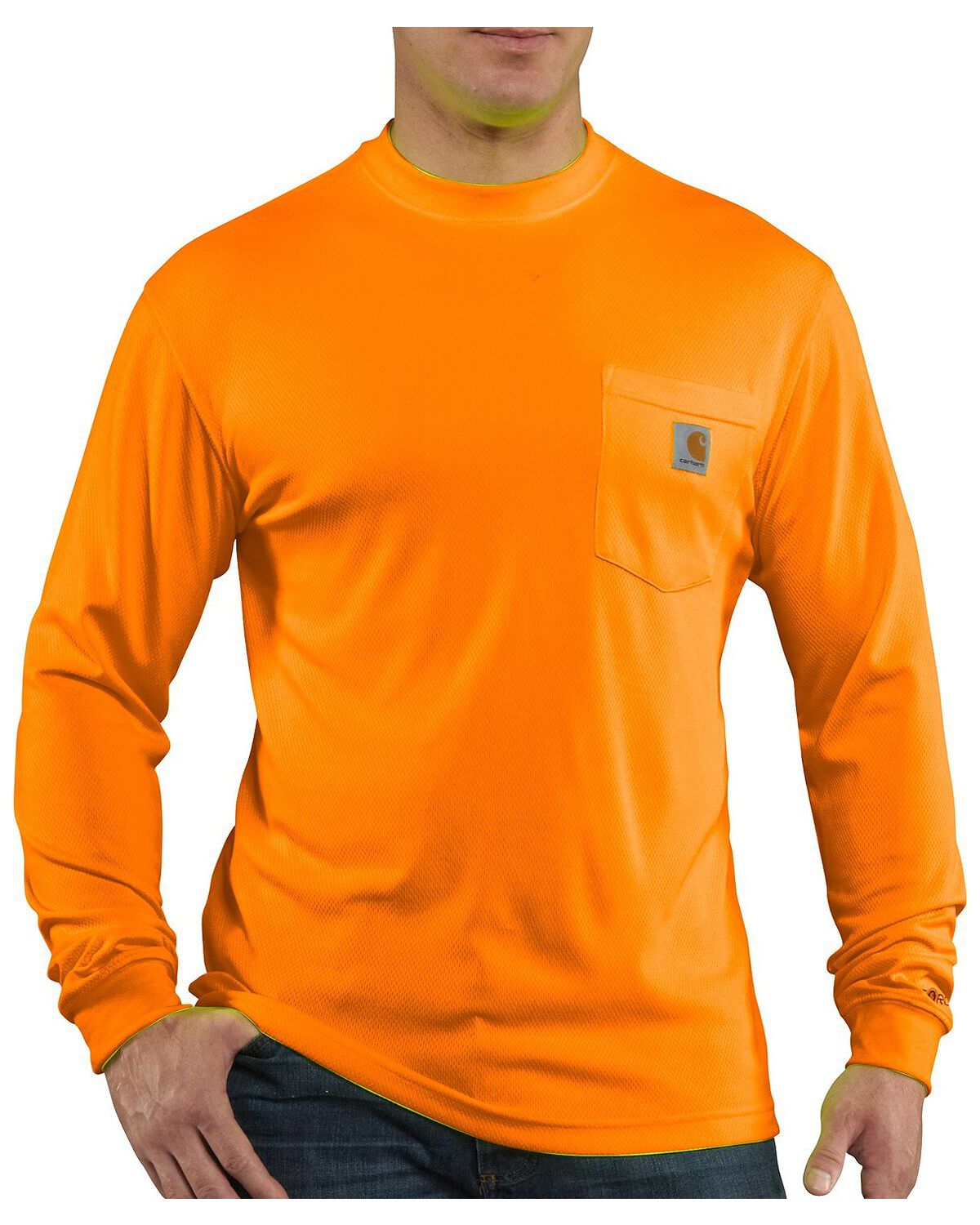
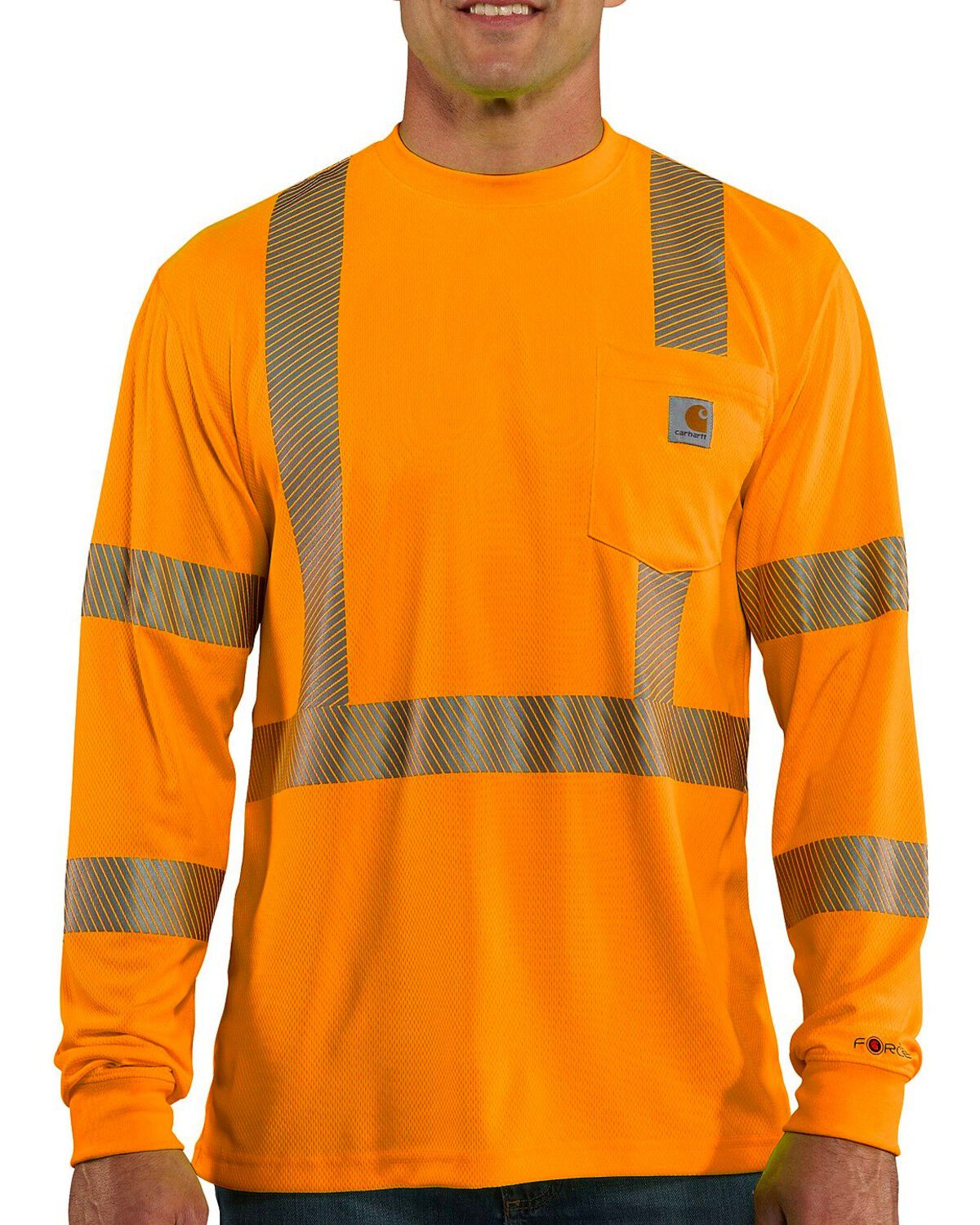
Materials and construction determine much of how a work shirt feels and holds up. Cotton offers a familiar feel against the skin, with fabric weight and weave affecting its softness, structure, and resistance to everyday wear. Cotton blends can combine that feel with other qualities, such as easier care, quicker drying, or better shape retention, depending on the fibers and fabric design. Knit shirts generally offer a less structured feel, while woven shirts can provide a firmer surface and a more defined fit. Stretch fabric can help accommodate reaching and bending, but it does not replace proper sizing. A shirt that is too narrow across the back will still feel restrictive, even with some give in the material. Fabric weight is another useful distinction. A heavier fabric may feel more substantial against repeated contact with rough materials, while a lighter fabric may be less cumbersome during physically demanding tasks. Neither weight alone nor a rugged appearance establishes protective performance. Seams, pocket attachment, cuffs, and closures also deserve attention because these are areas that see repeated pulling and contact. Reinforcement at stress points can support durability, and well-finished seams help limit irritation beneath equipment. Button-front shirts allow the collar and cuffs to be adjusted, while pullover styles have fewer front closures to manage. Chest pockets can keep a pencil or folded notes close at hand, provided their use does not interfere with the task or required equipment. Long sleeves provide more arm coverage; short sleeves leave the forearms unrestricted. The right choice depends on the work and the employer’s requirements. High-visibility and flame-resistant clothing have specific purposes, and an ordinary construction shirt should not be treated as a substitute. Bright color alone does not establish high-visibility compliance, and a fabric description alone does not establish flame resistance. When protective clothing is required, the garment’s stated ratings and intended use need to match the jobsite’s rules. A construction shirt belongs within the full work setup, alongside the required footwear, head protection, eye protection, and other equipment.

Daily care has a direct effect on the service life of big and tall construction shirts. Fine dust can settle into fabric and seams, while repeated contact with lumber, masonry, and tool belts can wear down the same areas over time. Washing according to the garment’s care label helps remove routine soil without exposing the fabric to treatment it was not designed to handle. Drying instructions matter as well, especially when maintaining body length and sleeve length is part of getting a dependable fit. Excessive dryer heat can contribute to shrinkage in some fabrics, and a shirt that loses length may no longer stay tucked during work. Prompt attention to stains can make routine cleaning easier, but heavily contaminated work clothing may require handling beyond a normal household wash. Protective garments also need their own care requirements followed; laundry products or repairs that are suitable for an ordinary shirt may not be suitable for a rated garment. Between wears, loose buttons, open seams, and worn pocket corners are worth addressing before repeated movement makes the damage worse. Shirts with significant tears or compromised protective features should be evaluated against the requirements of their intended use rather than kept in service solely because they still fit. For carpenters, electricians, equipment operators, maintenance crews, and other construction workers, a dependable shirt is part of a work wardrobe that earns its place through regular use. It can also be a practical gift when the recipient’s measurements, preferred fit, and workplace clothing requirements are known. Broader wardrobe needs can be considered through Men's Big And Tall Clothing, with attention to how shirts fit alongside work pants and required gear. Consistent proportions across that wardrobe make everyday dressing simpler. The most useful construction shirts combine the right coverage, manageable care, and freedom of movement for the tasks ahead. A proper fit should remain comfortable from the first reach for a tool through the last load carried off the site.

FAQs