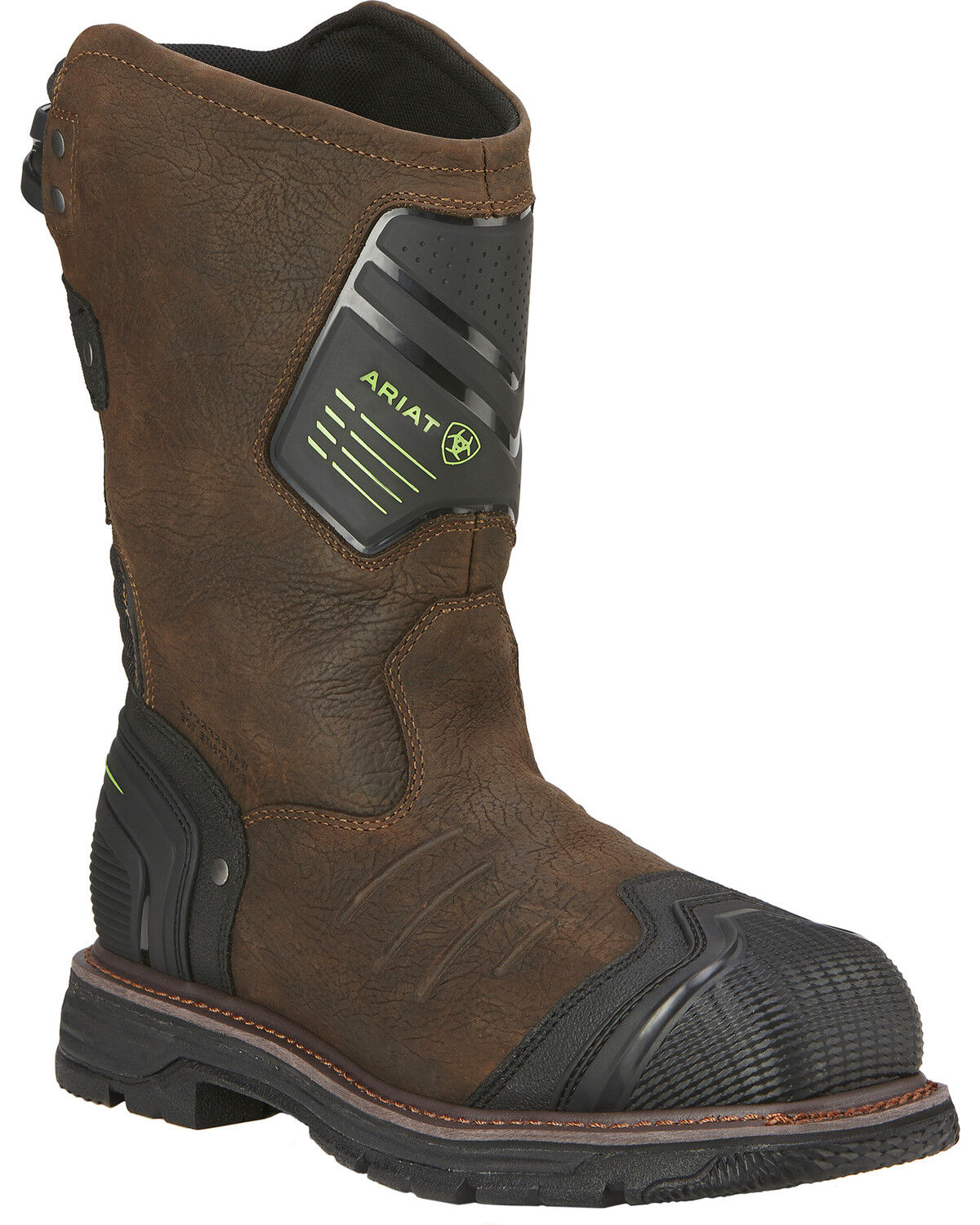
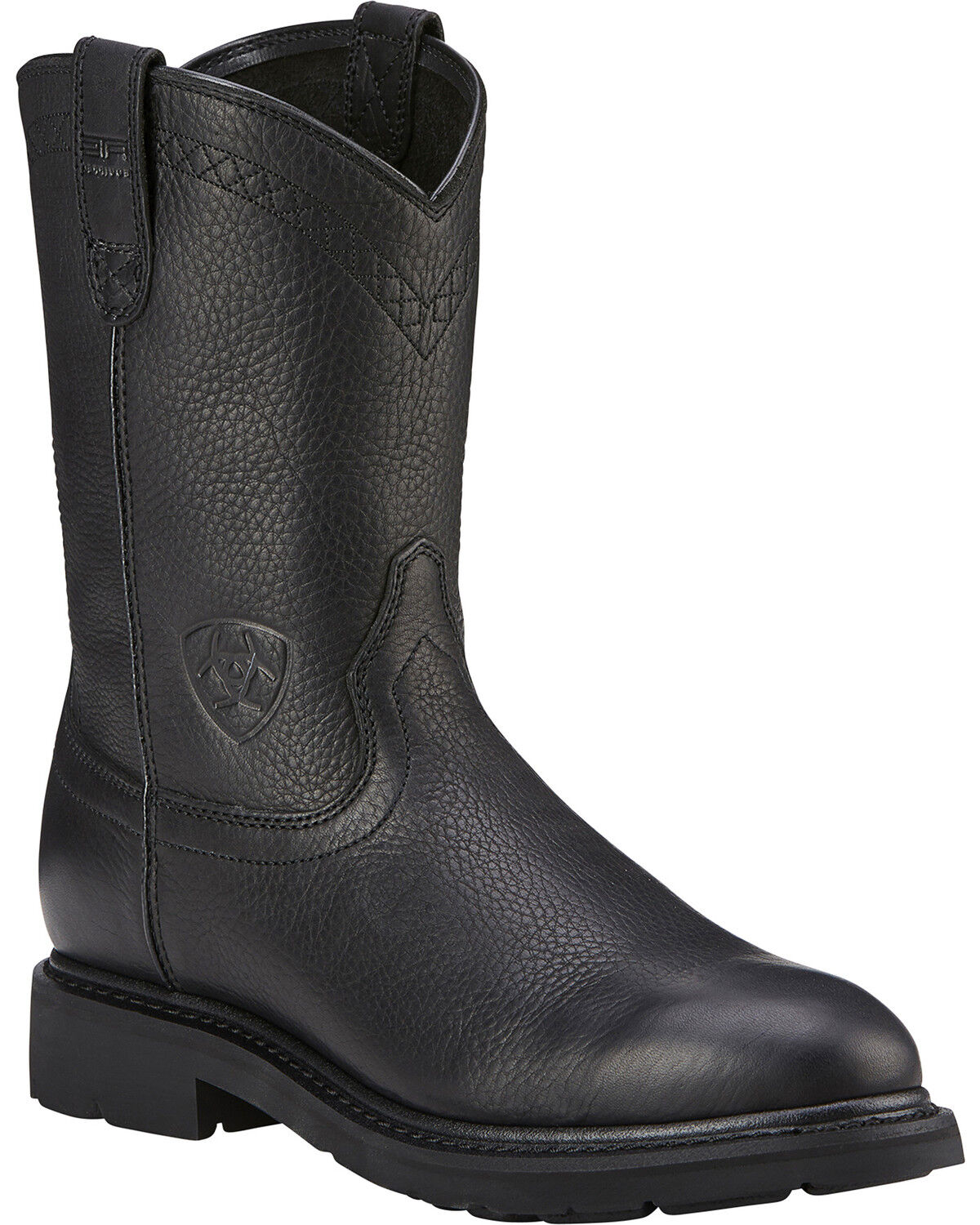
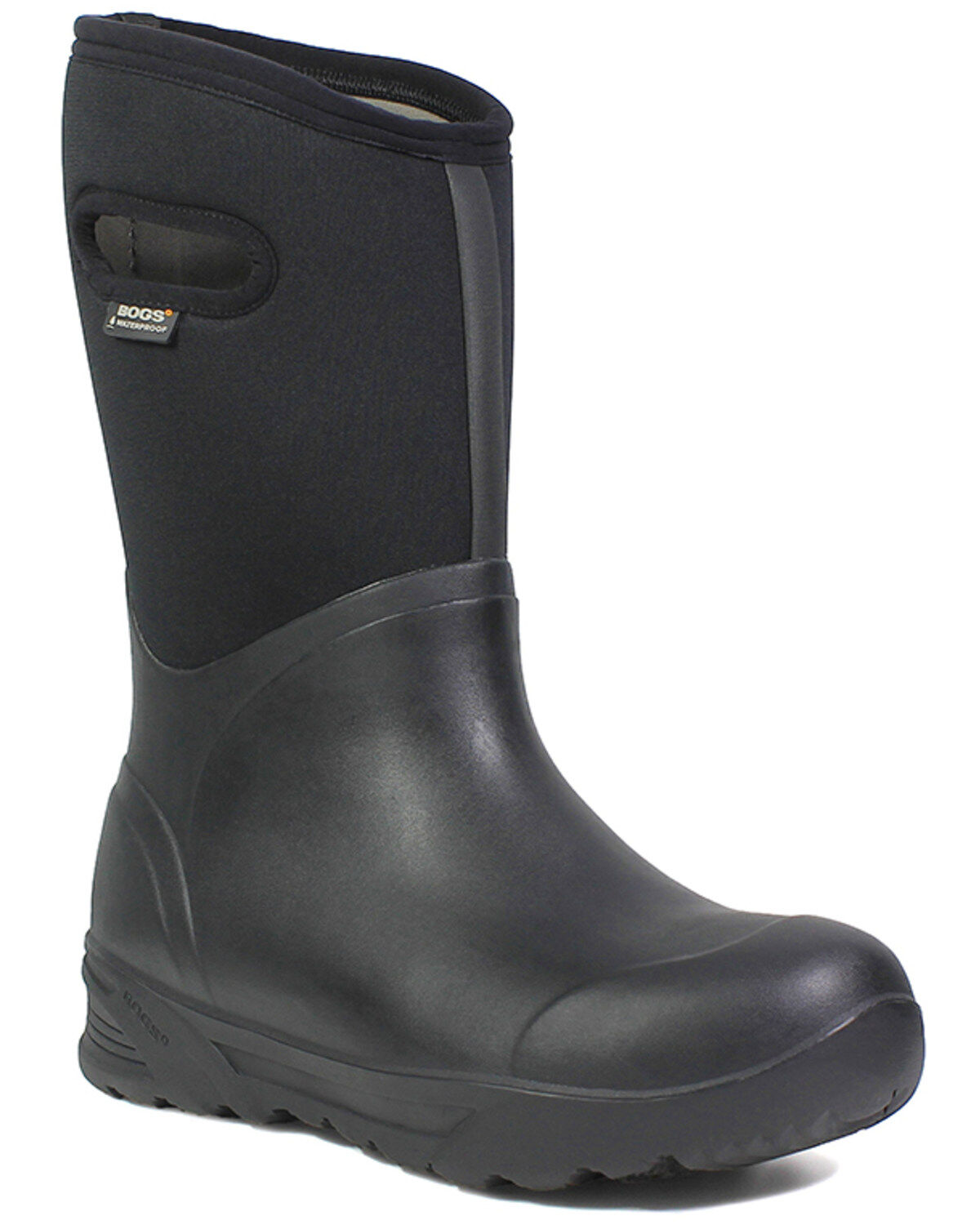
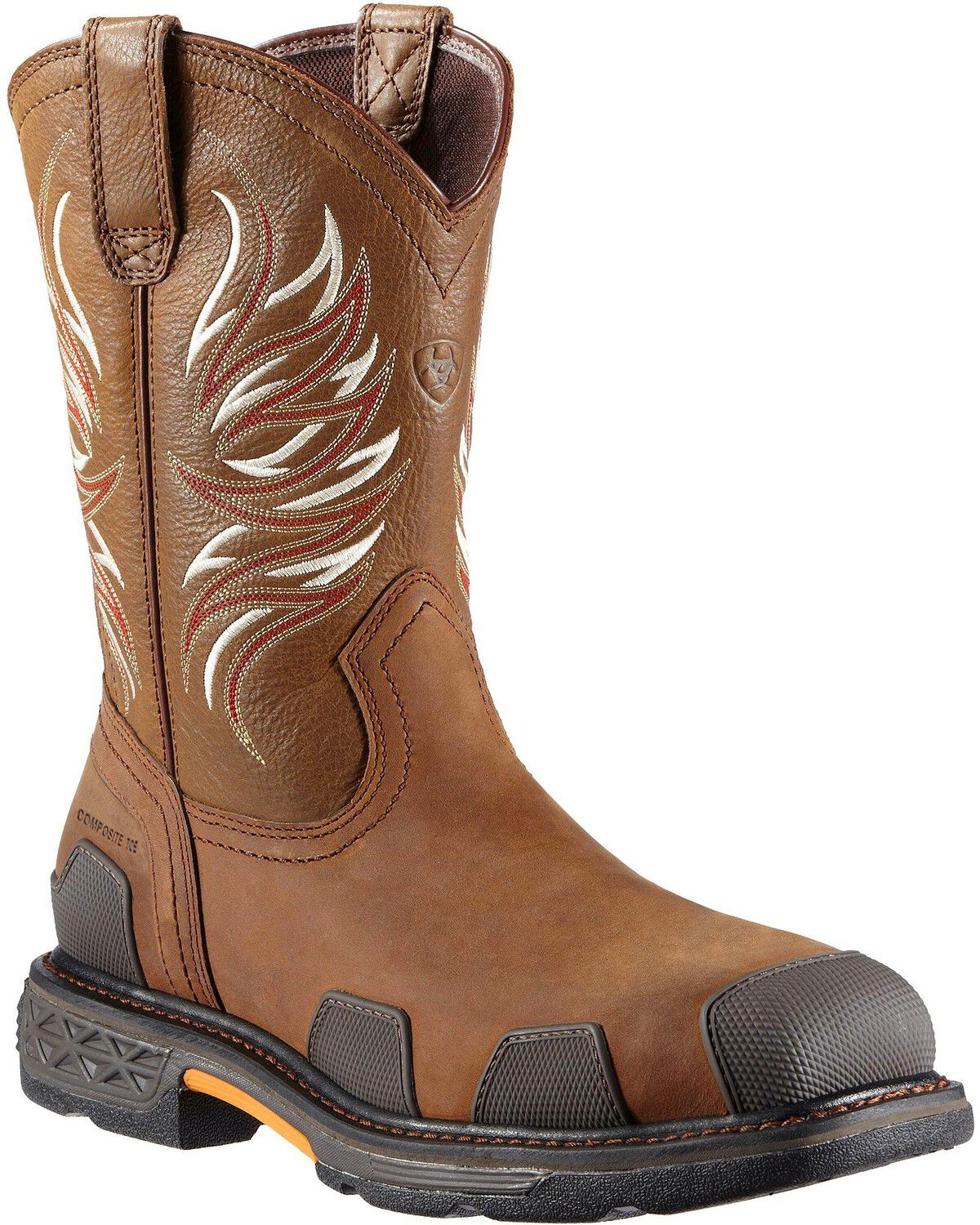
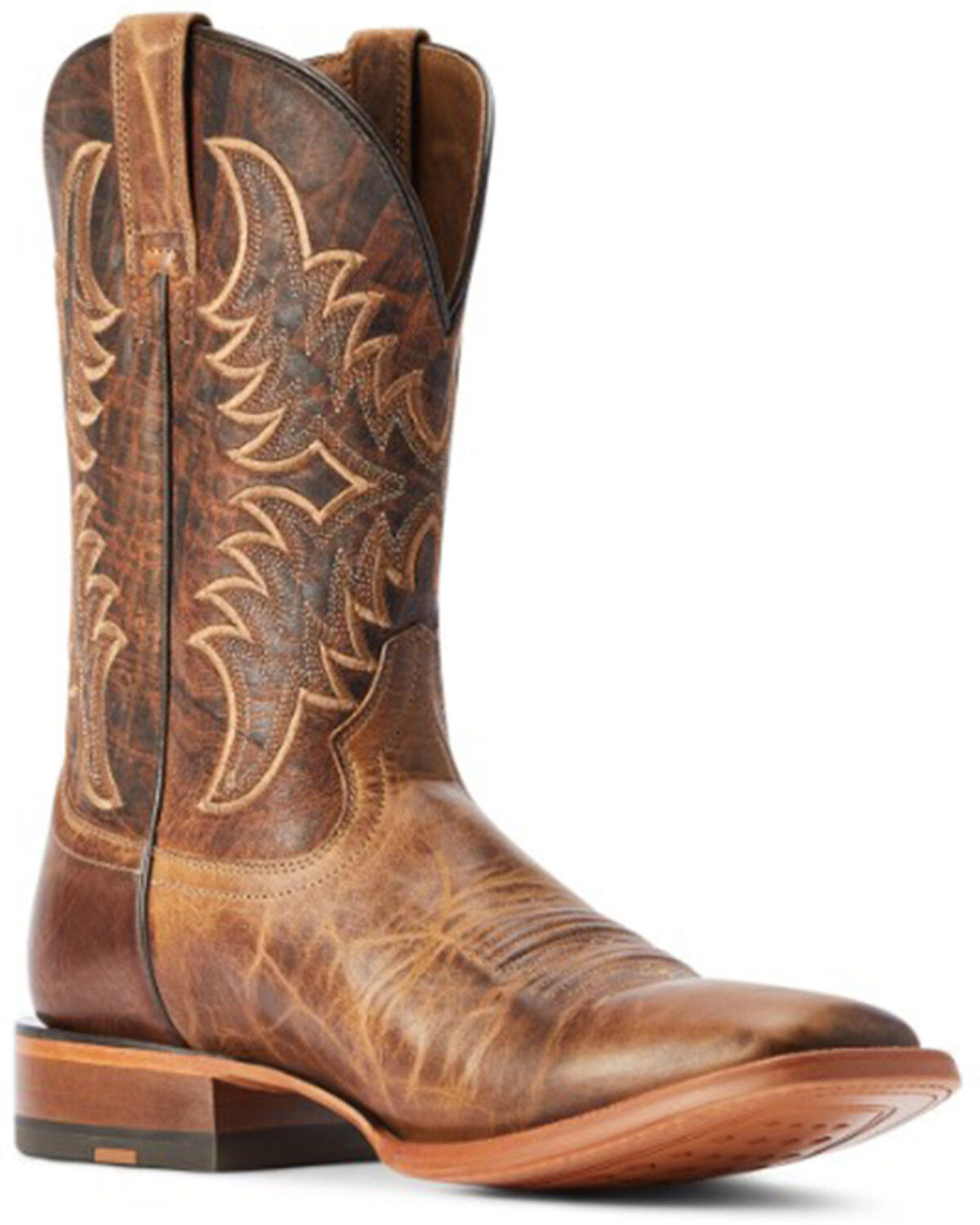
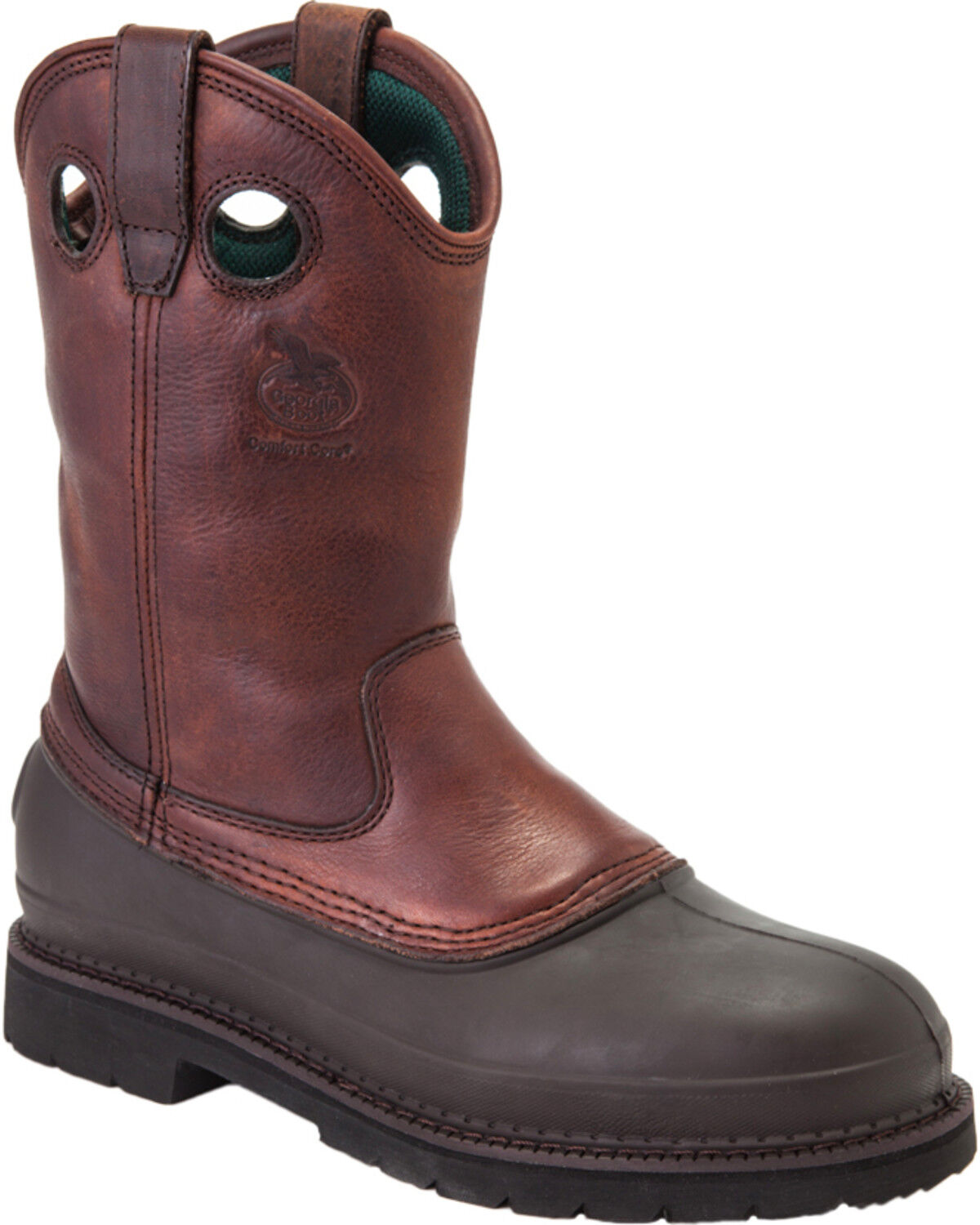
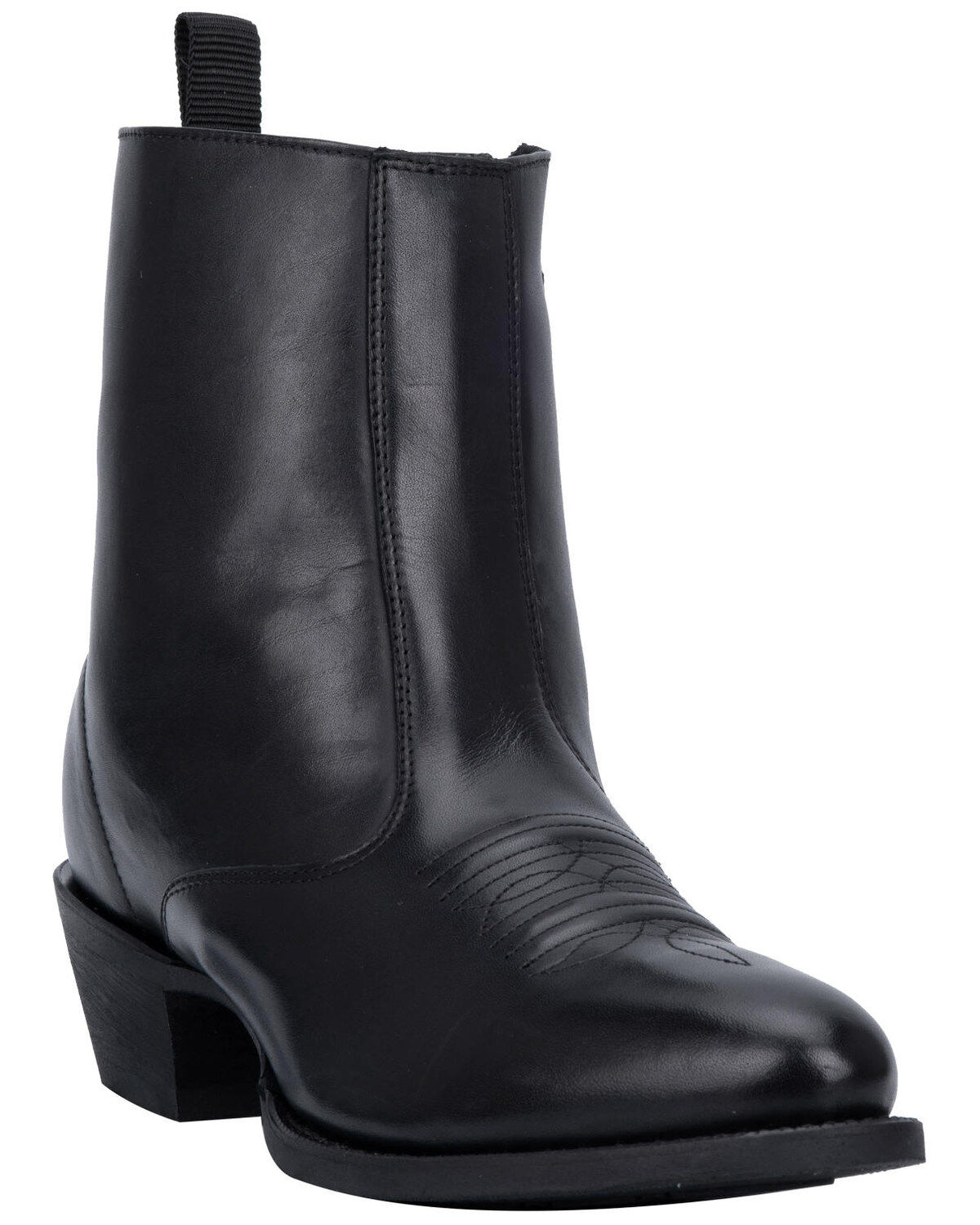
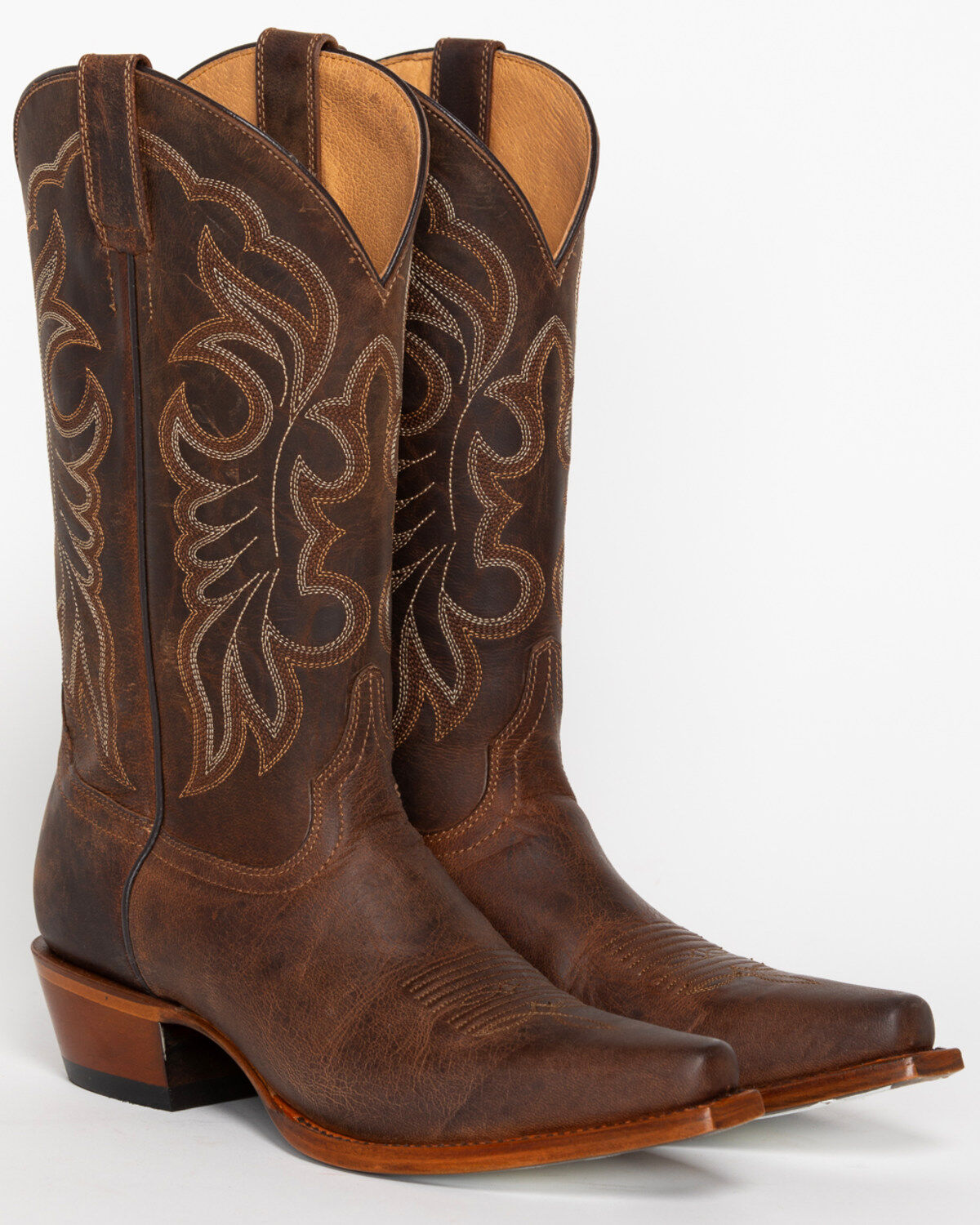
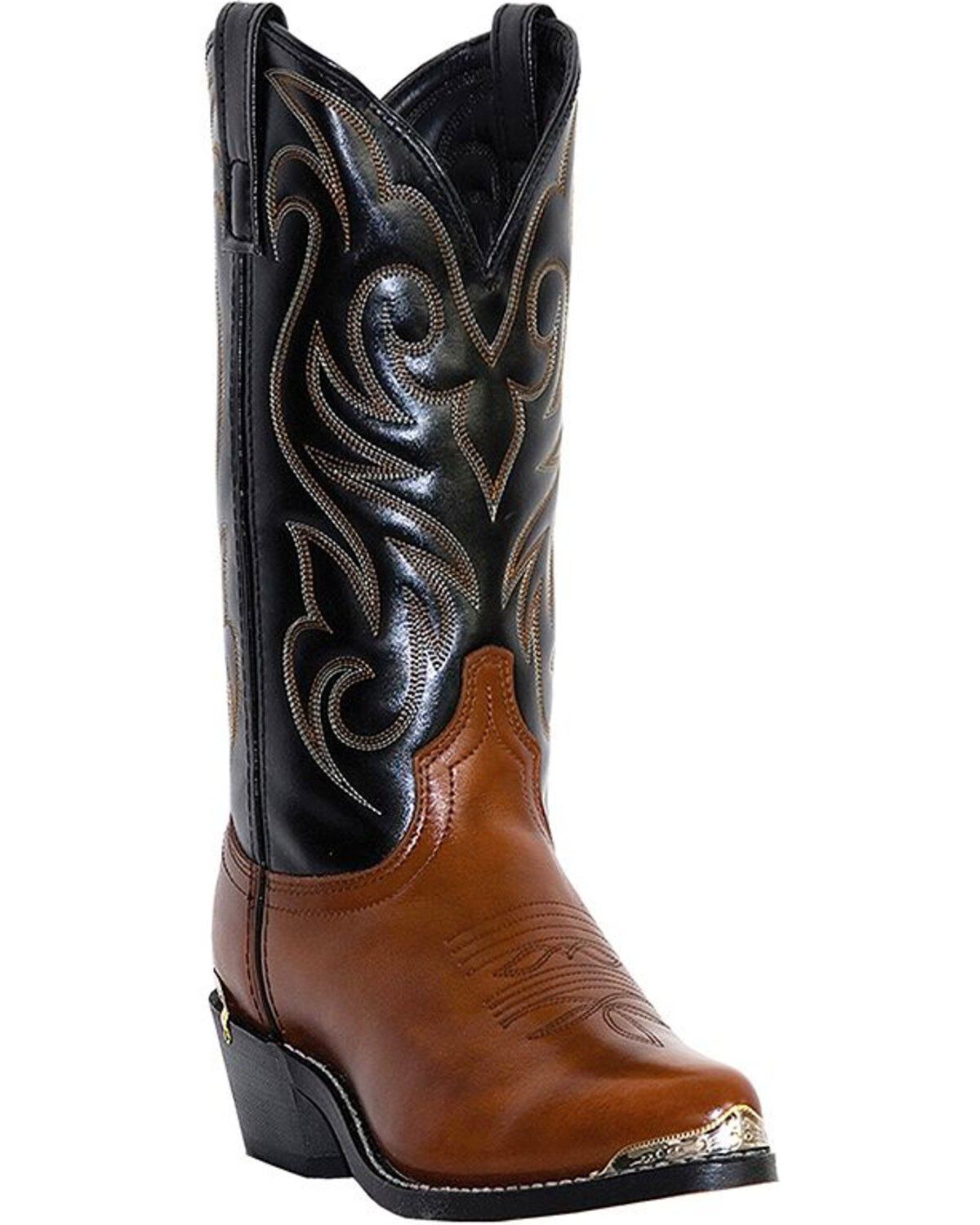
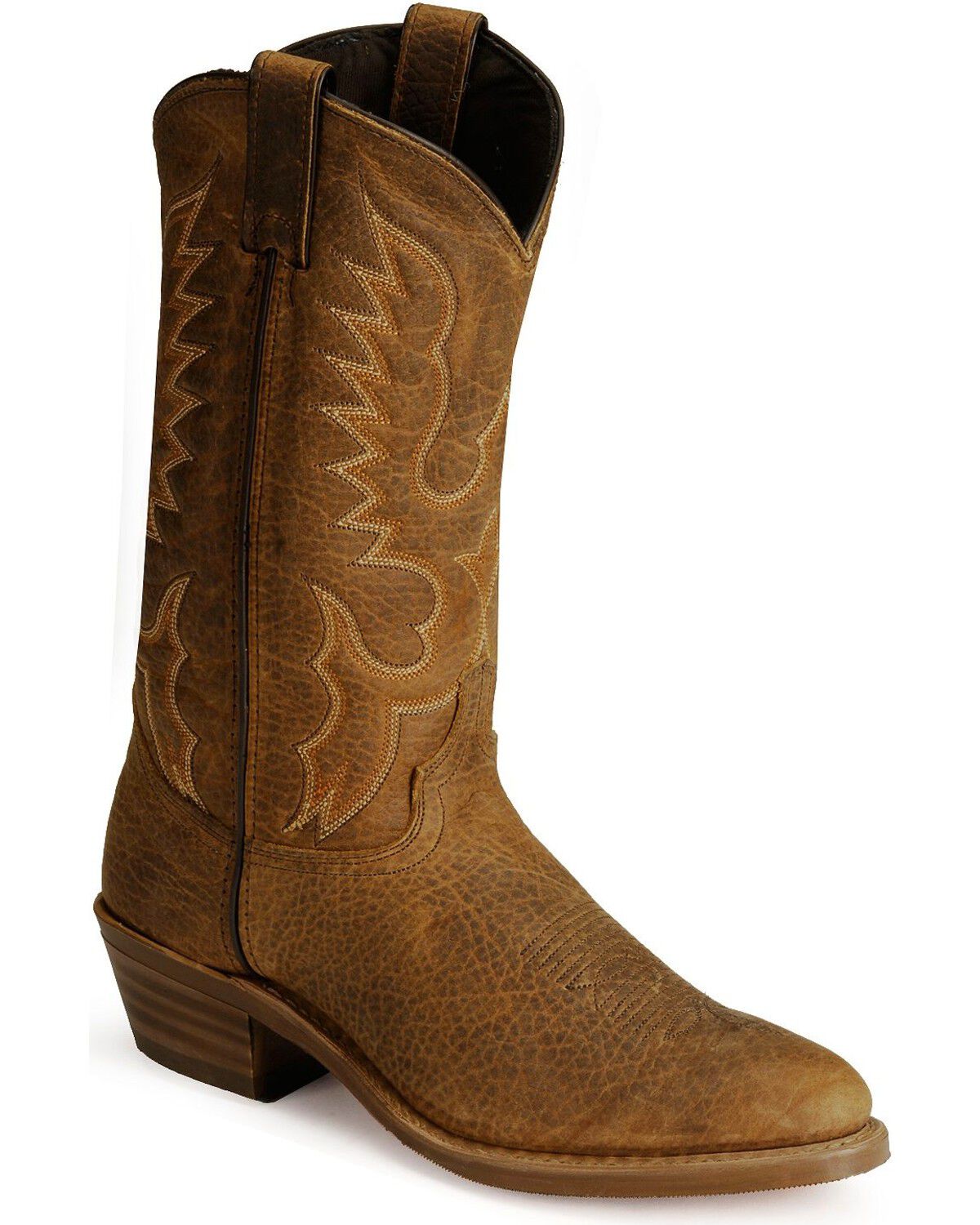
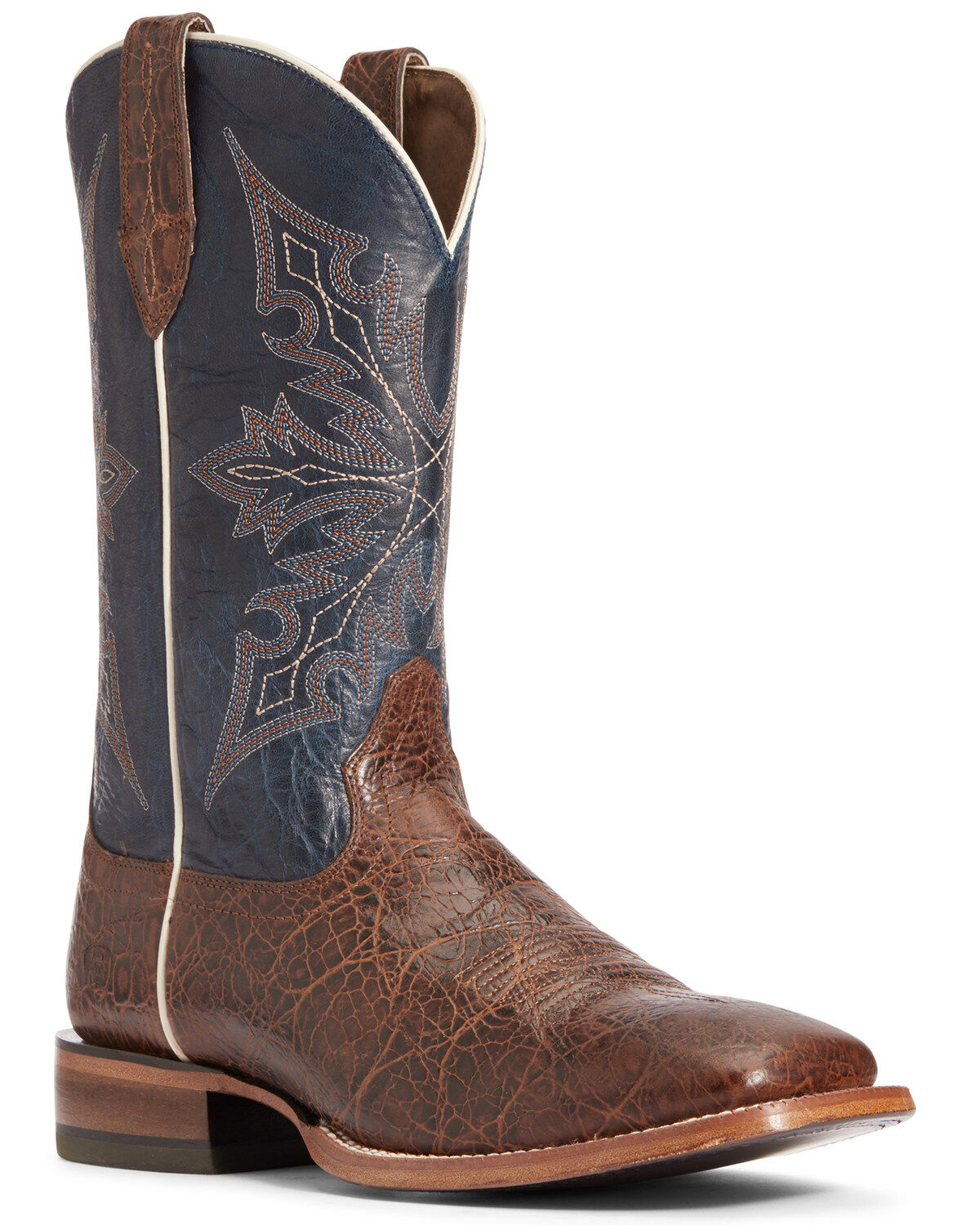
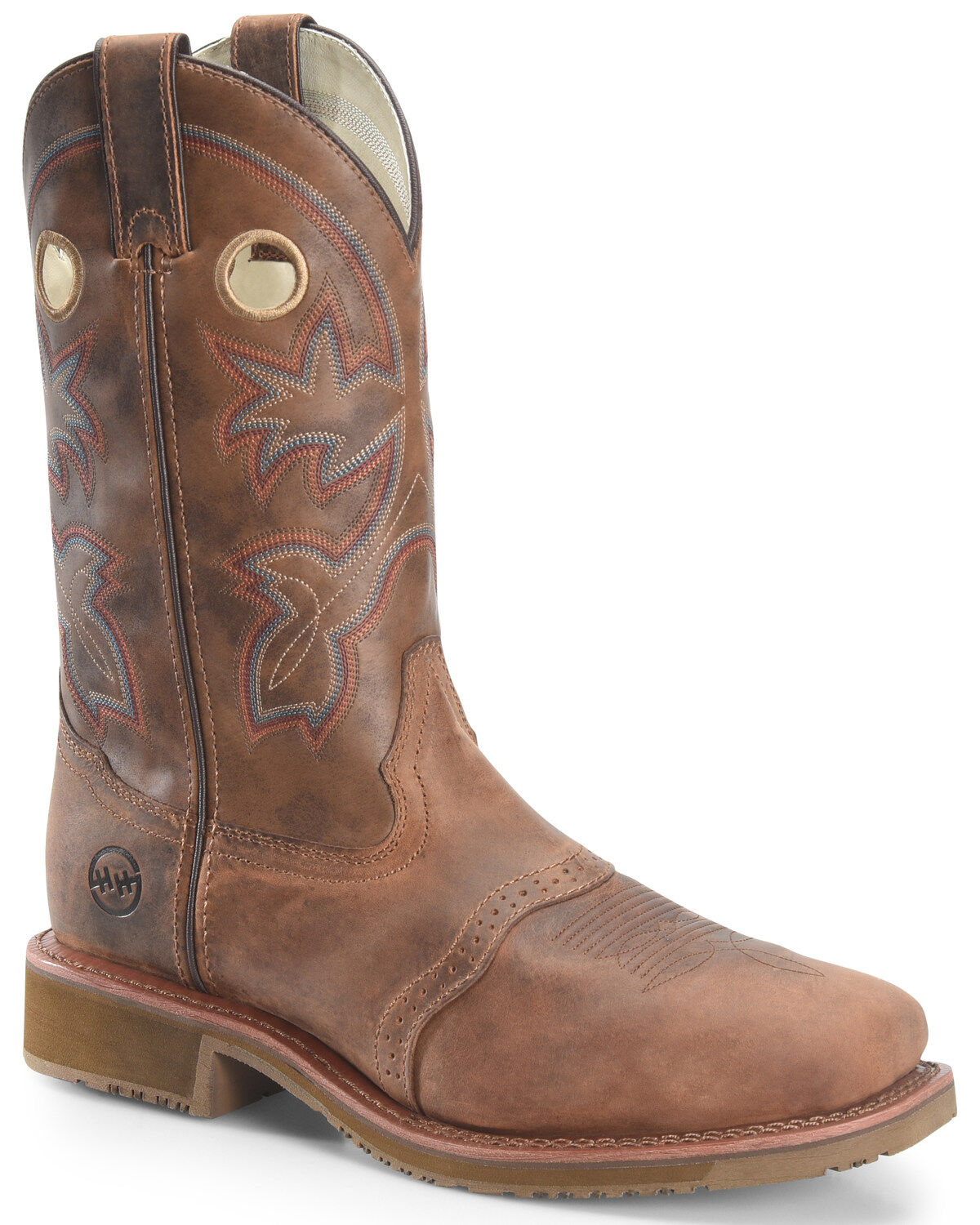
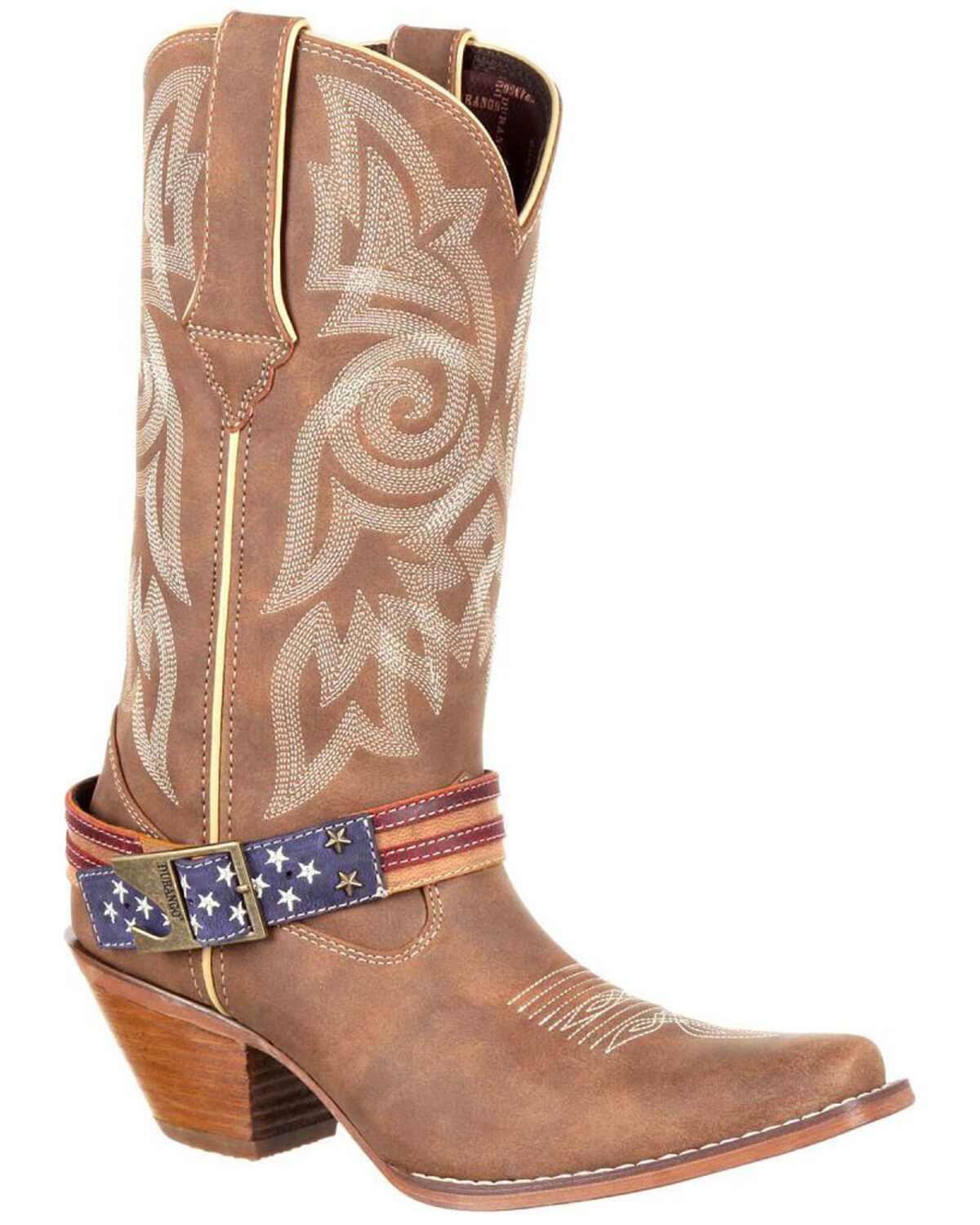
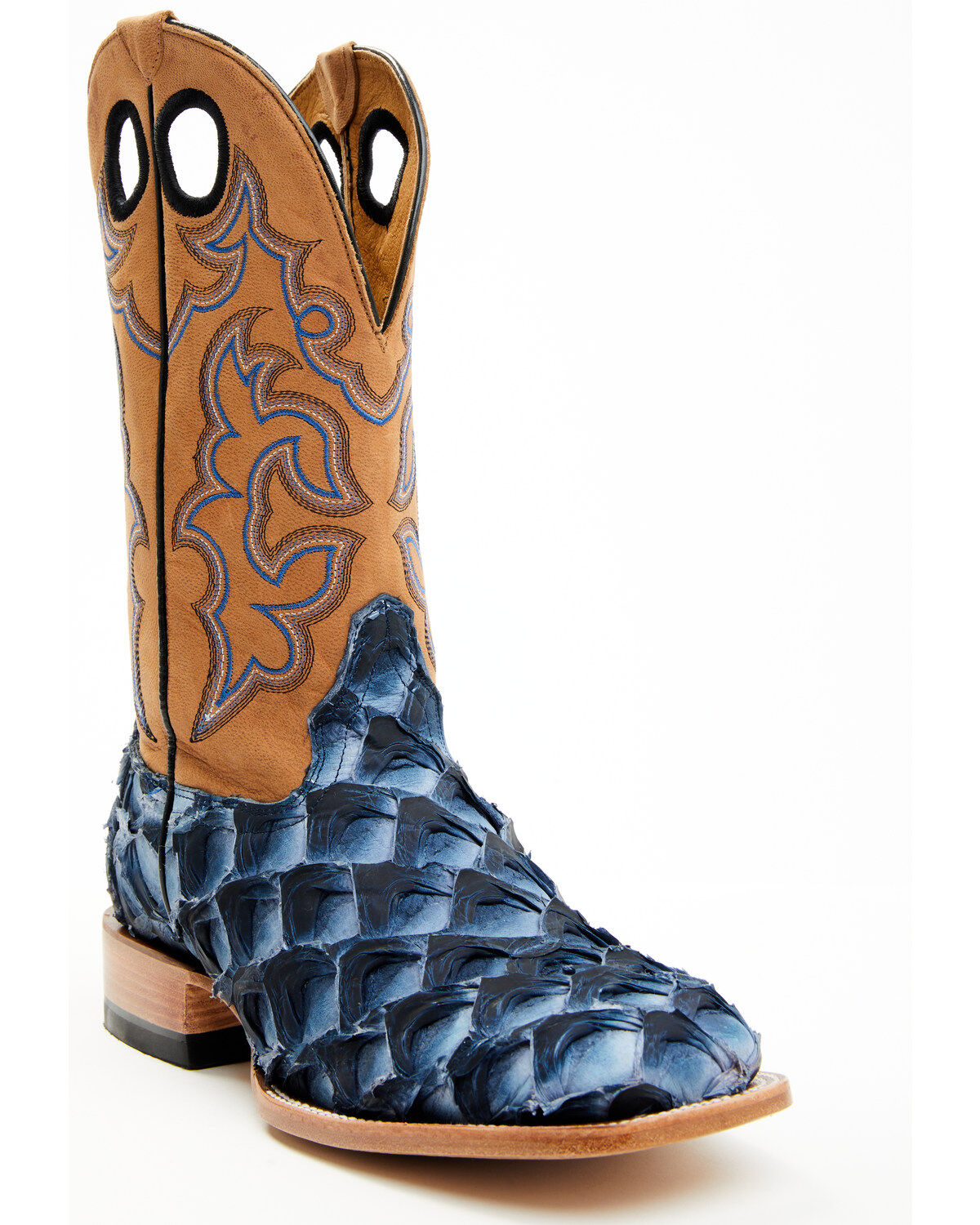
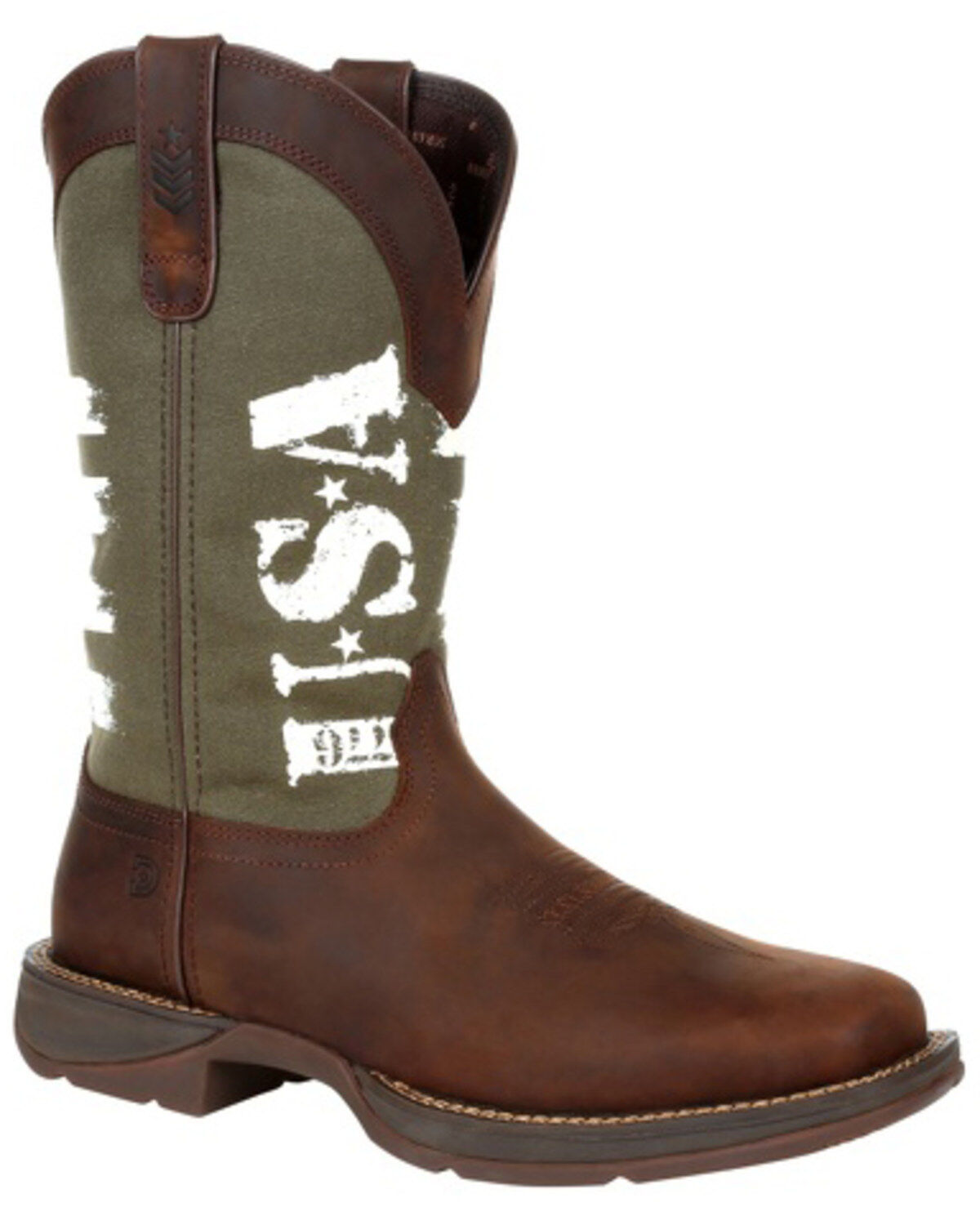
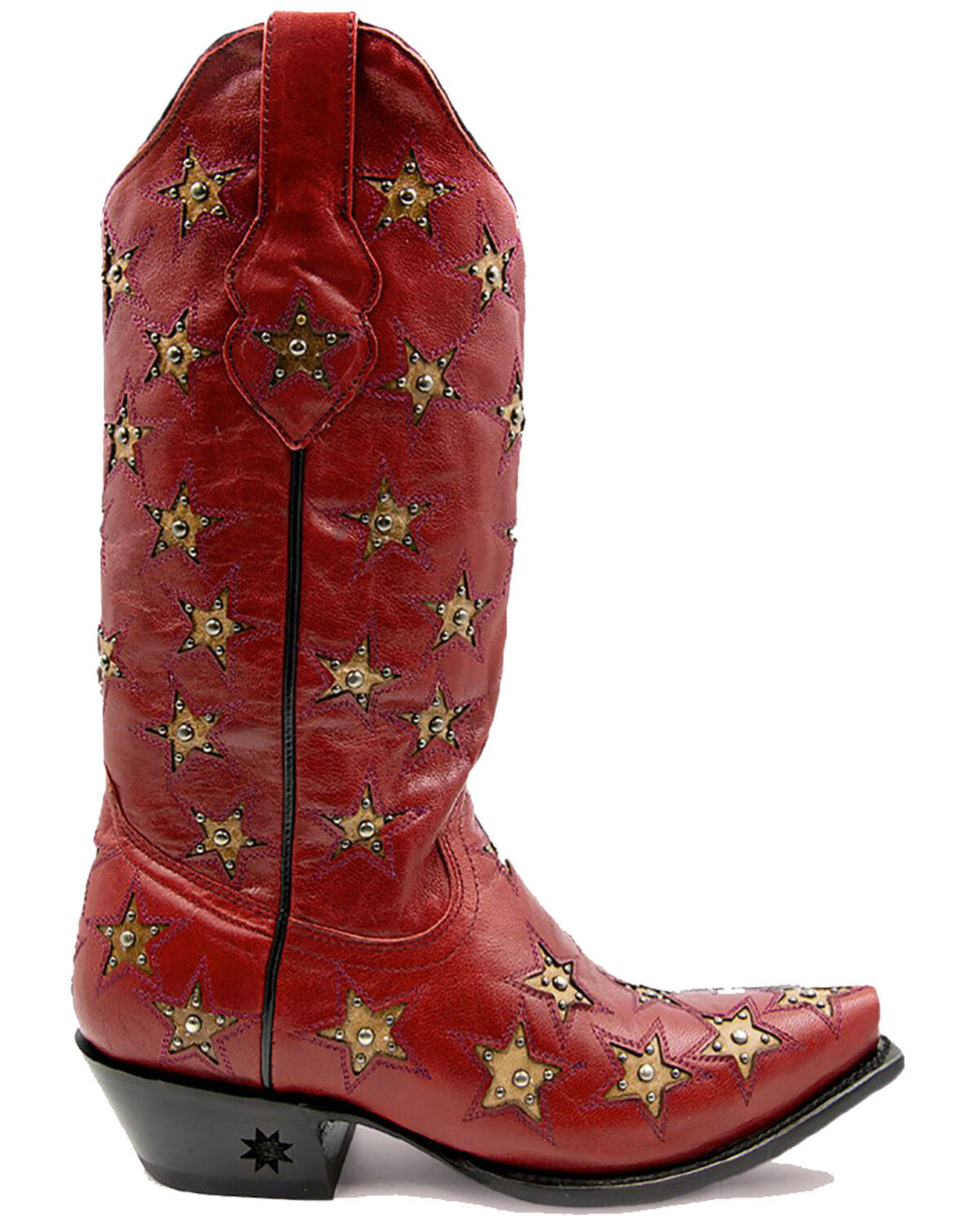
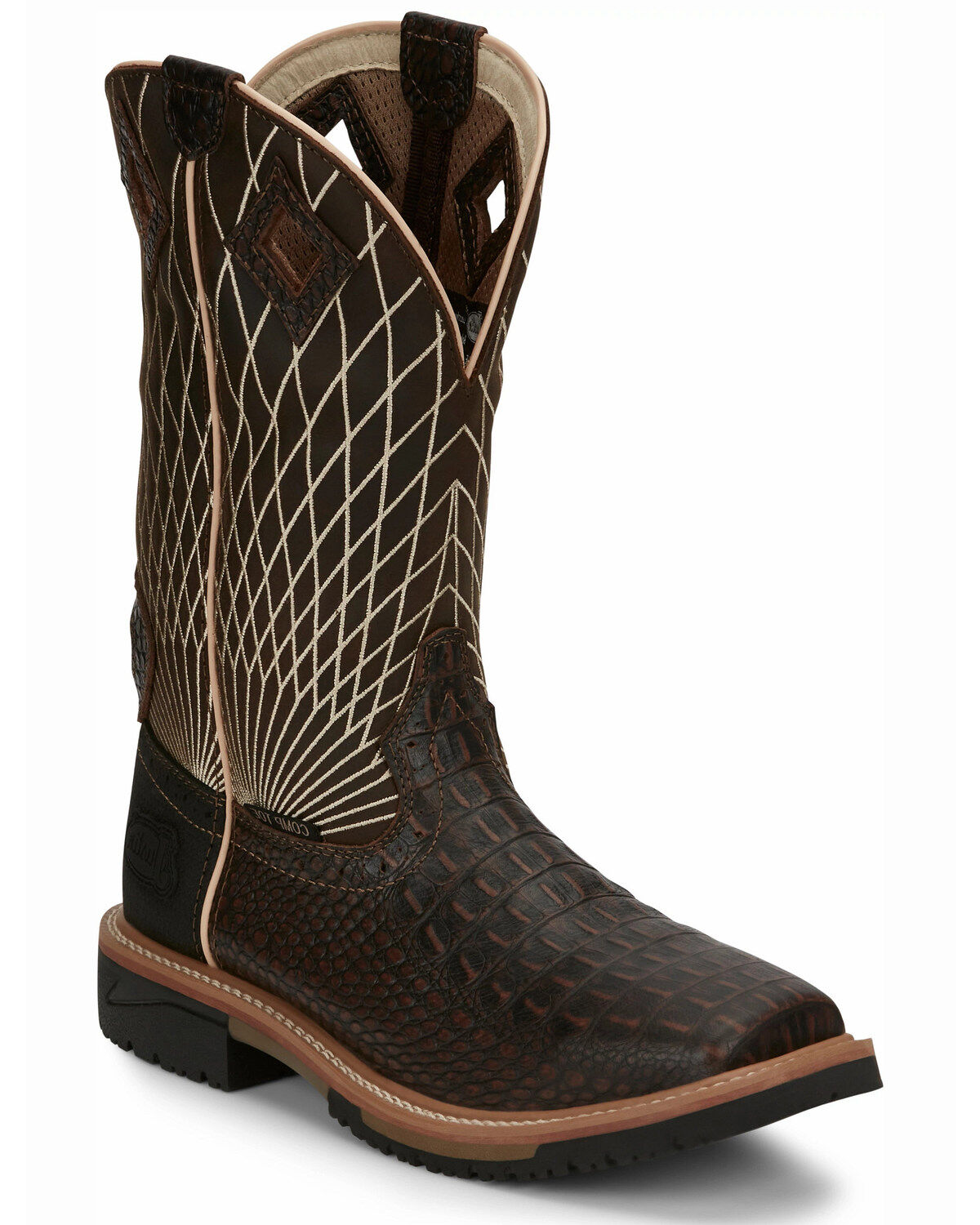
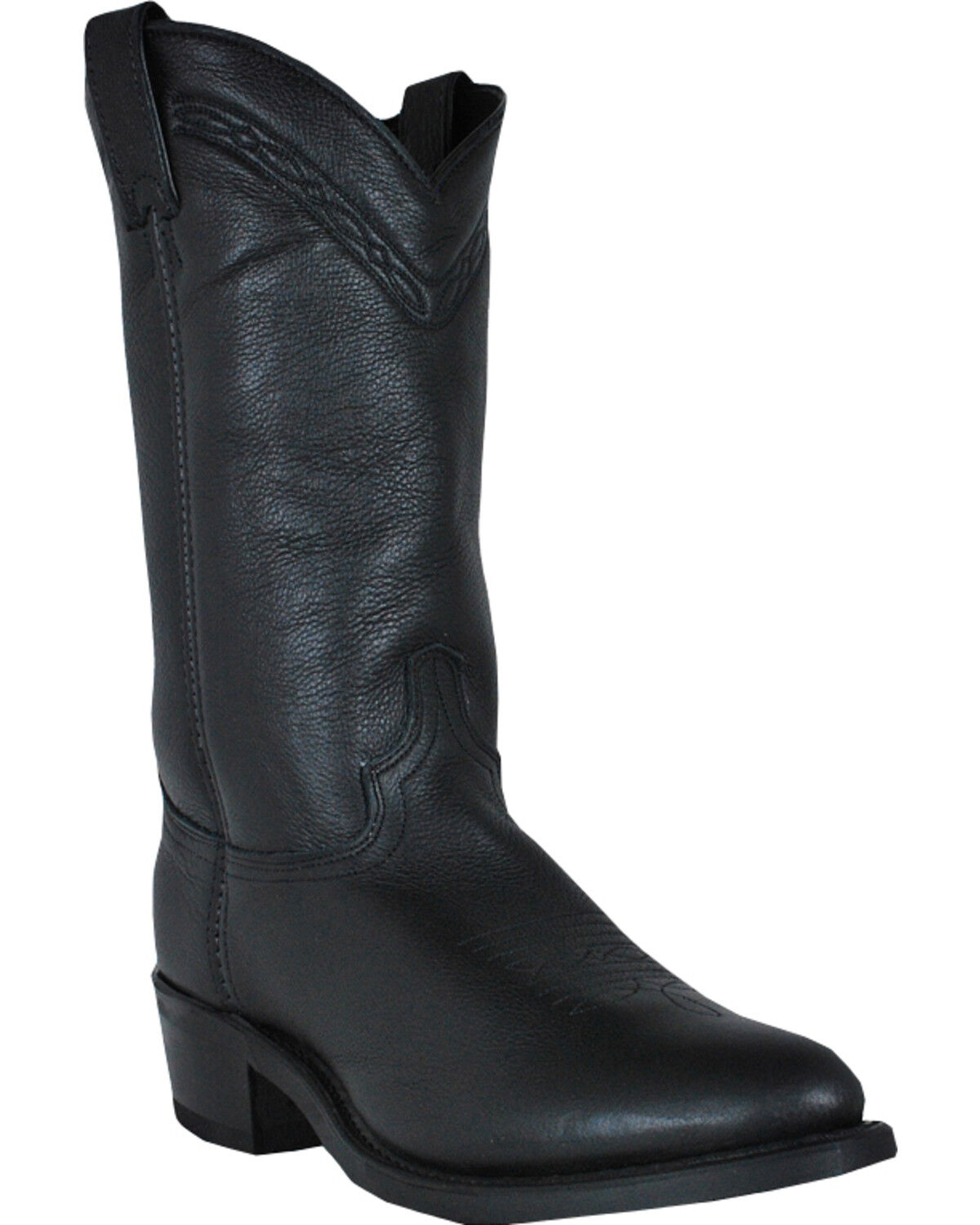
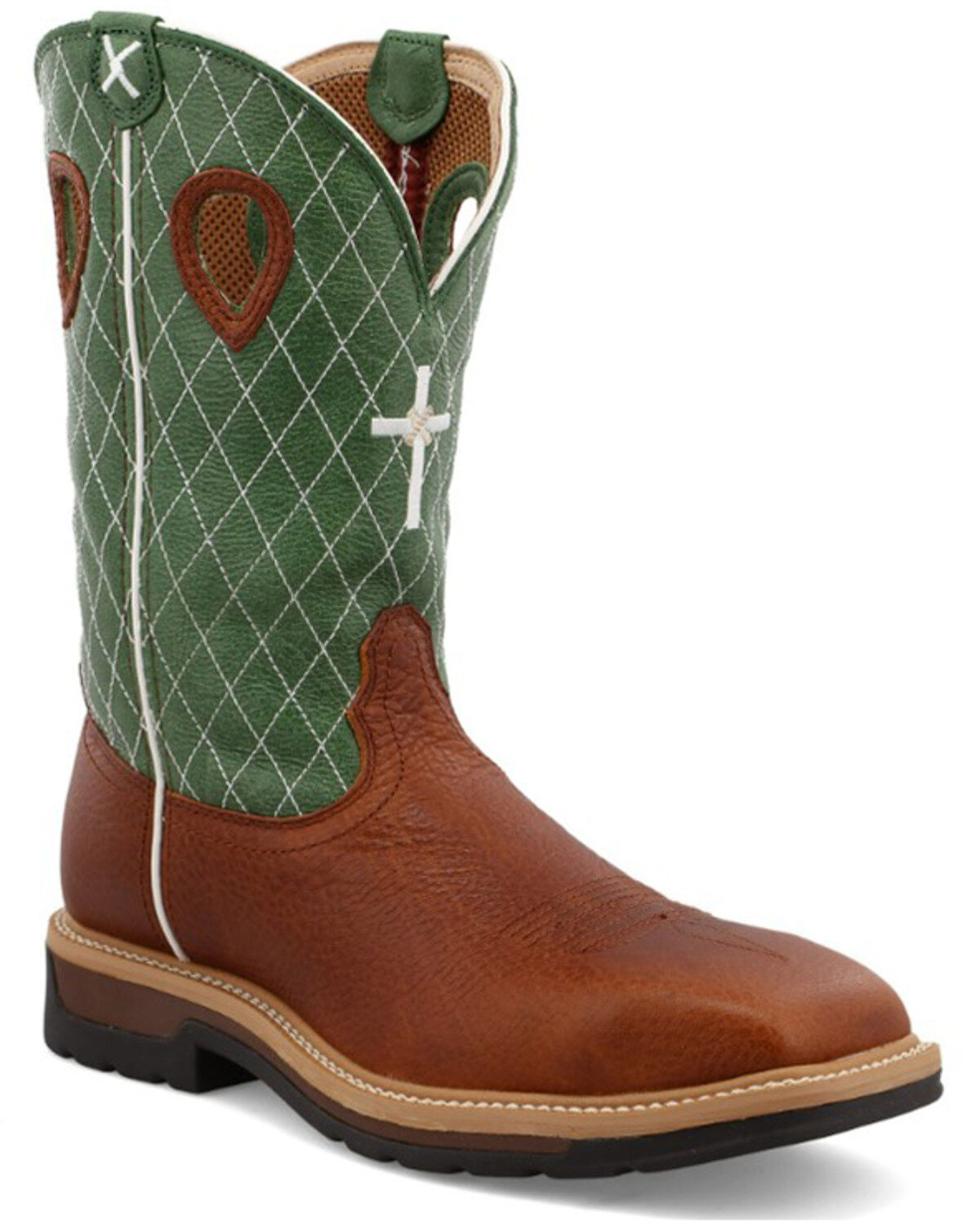
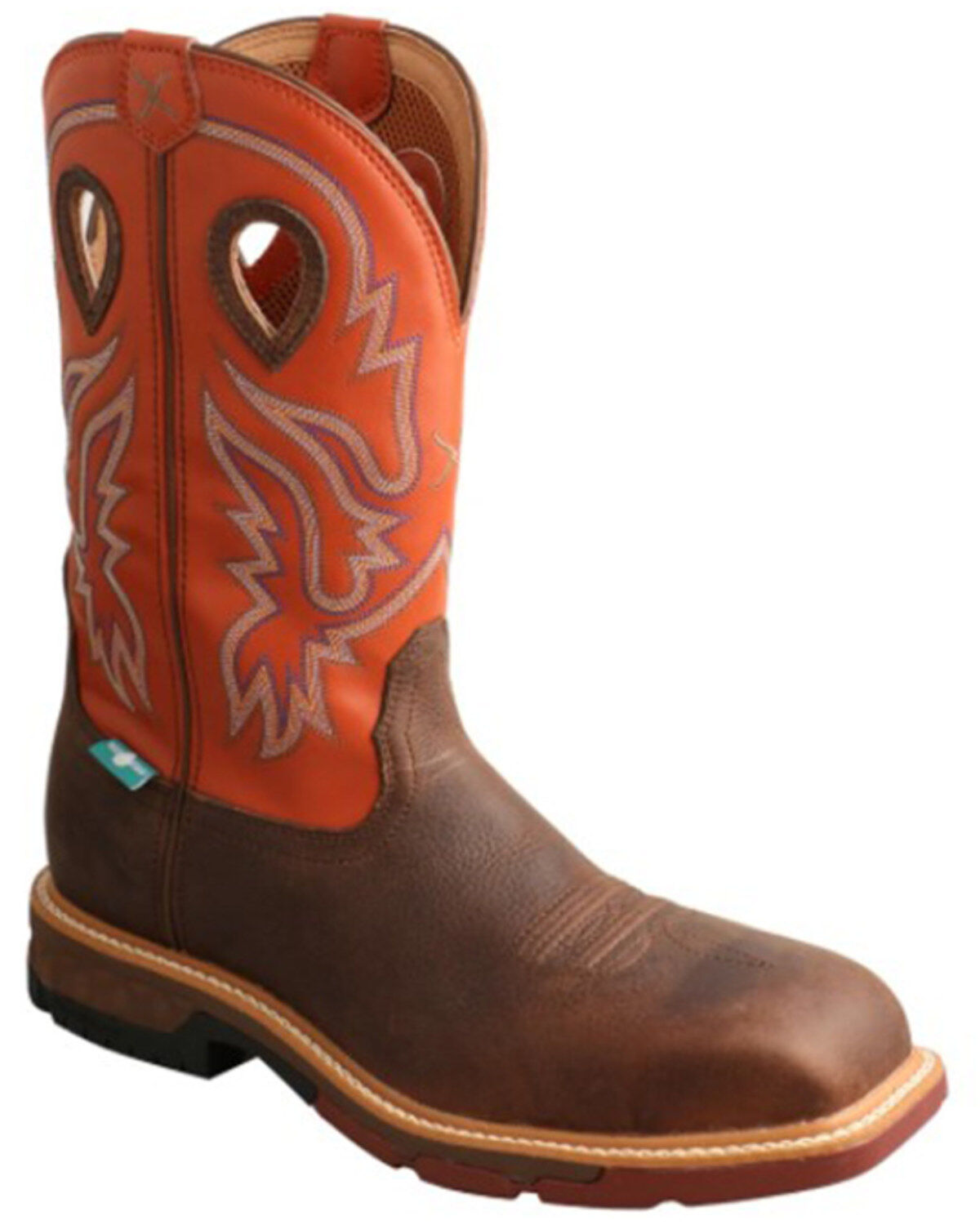
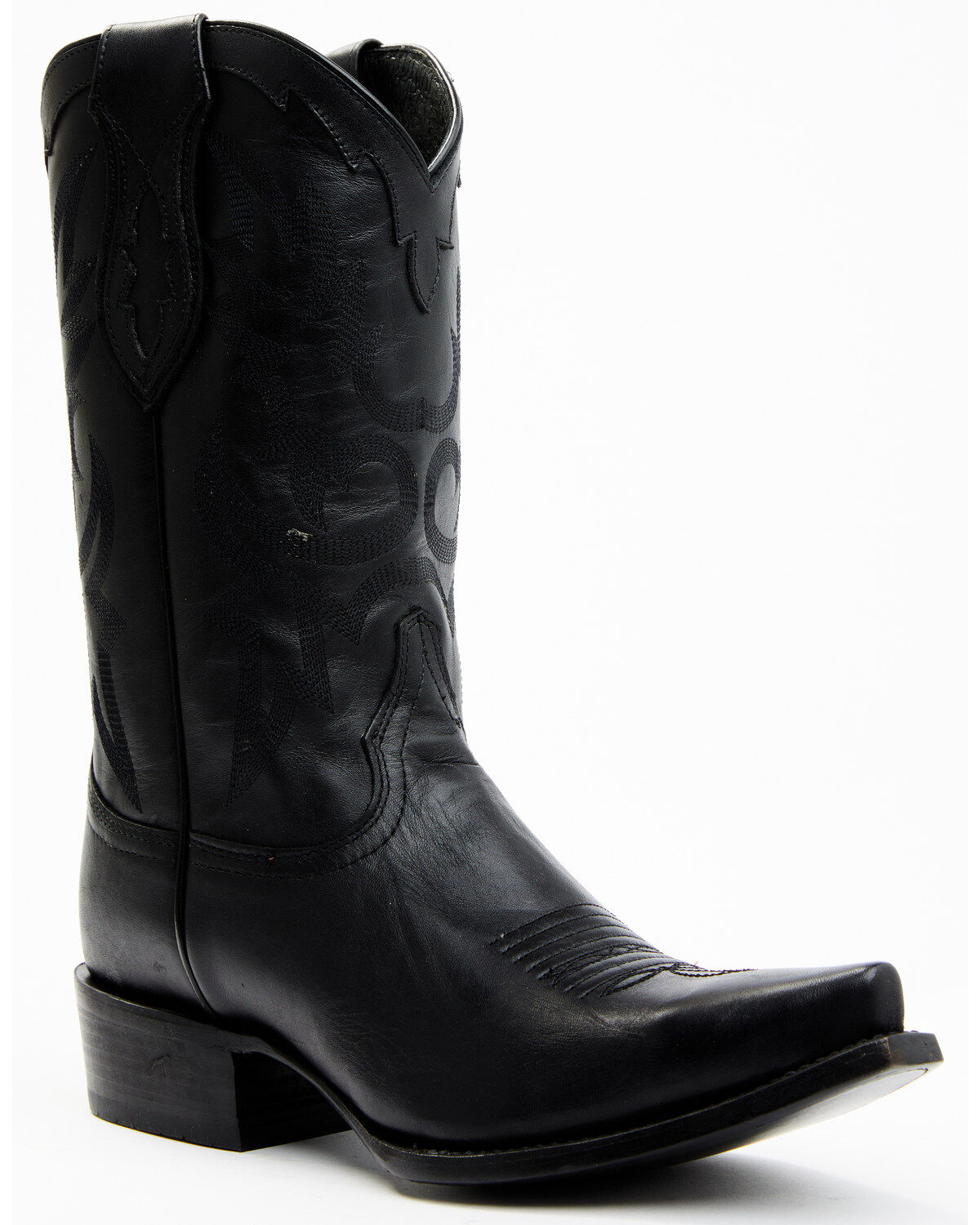
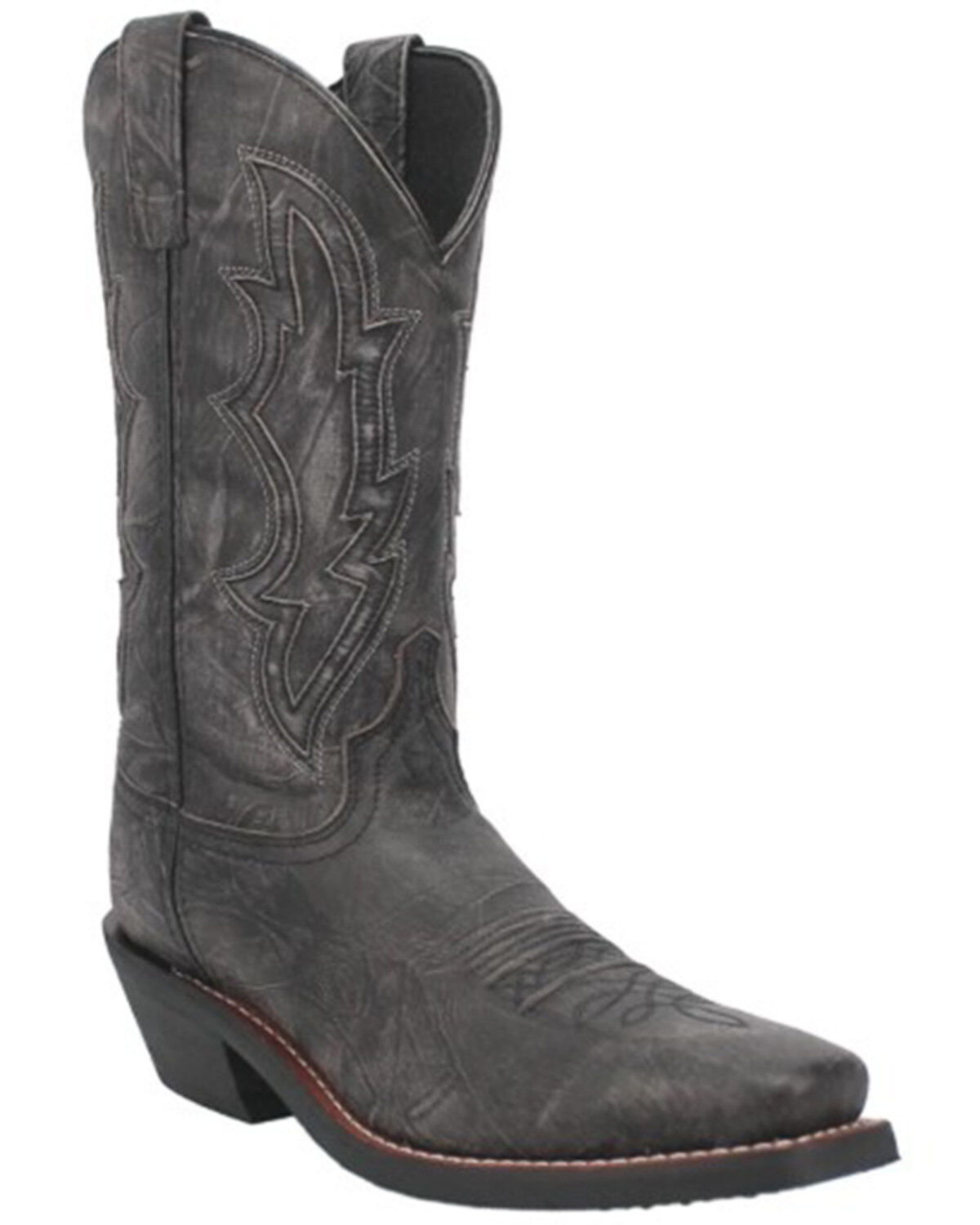
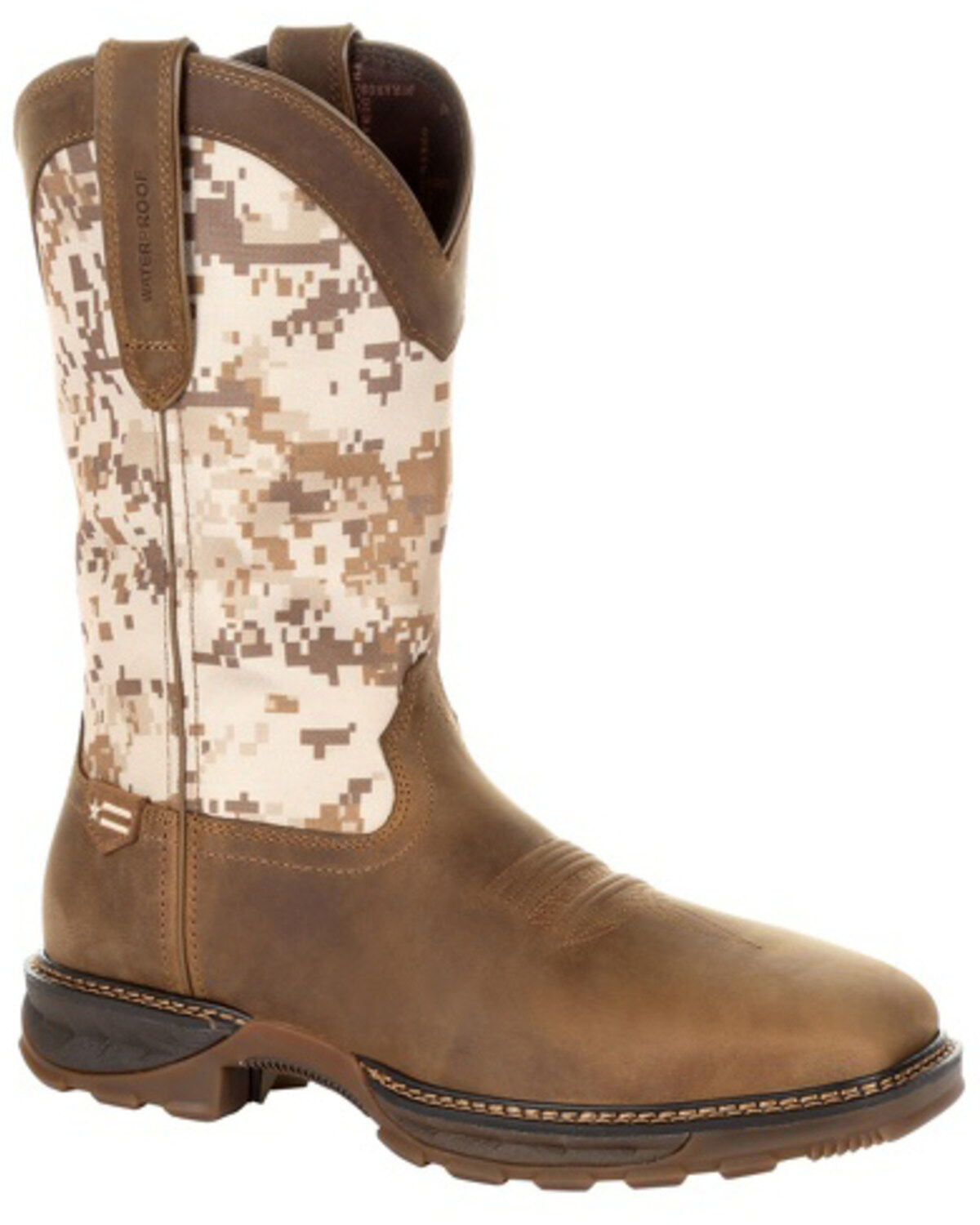
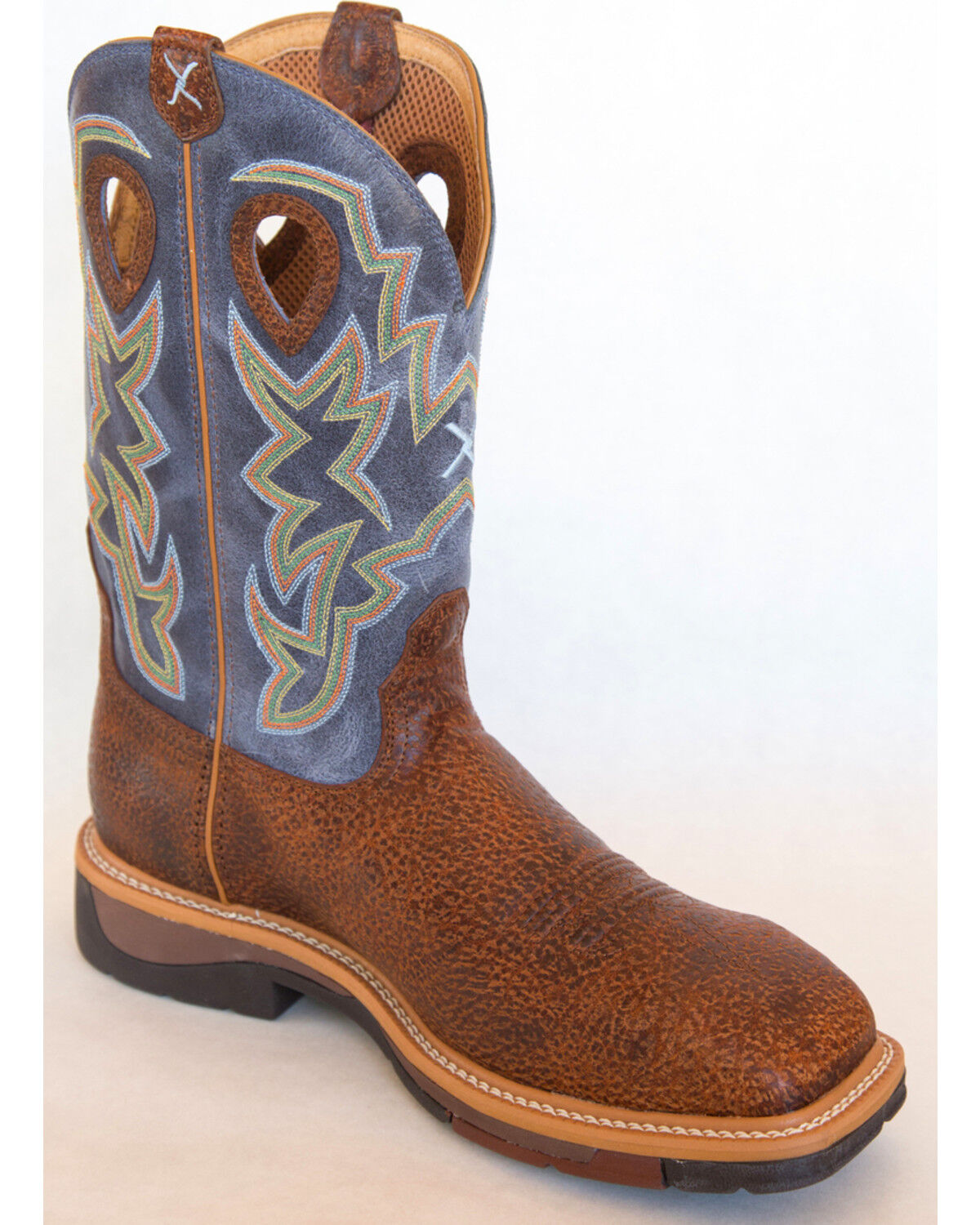
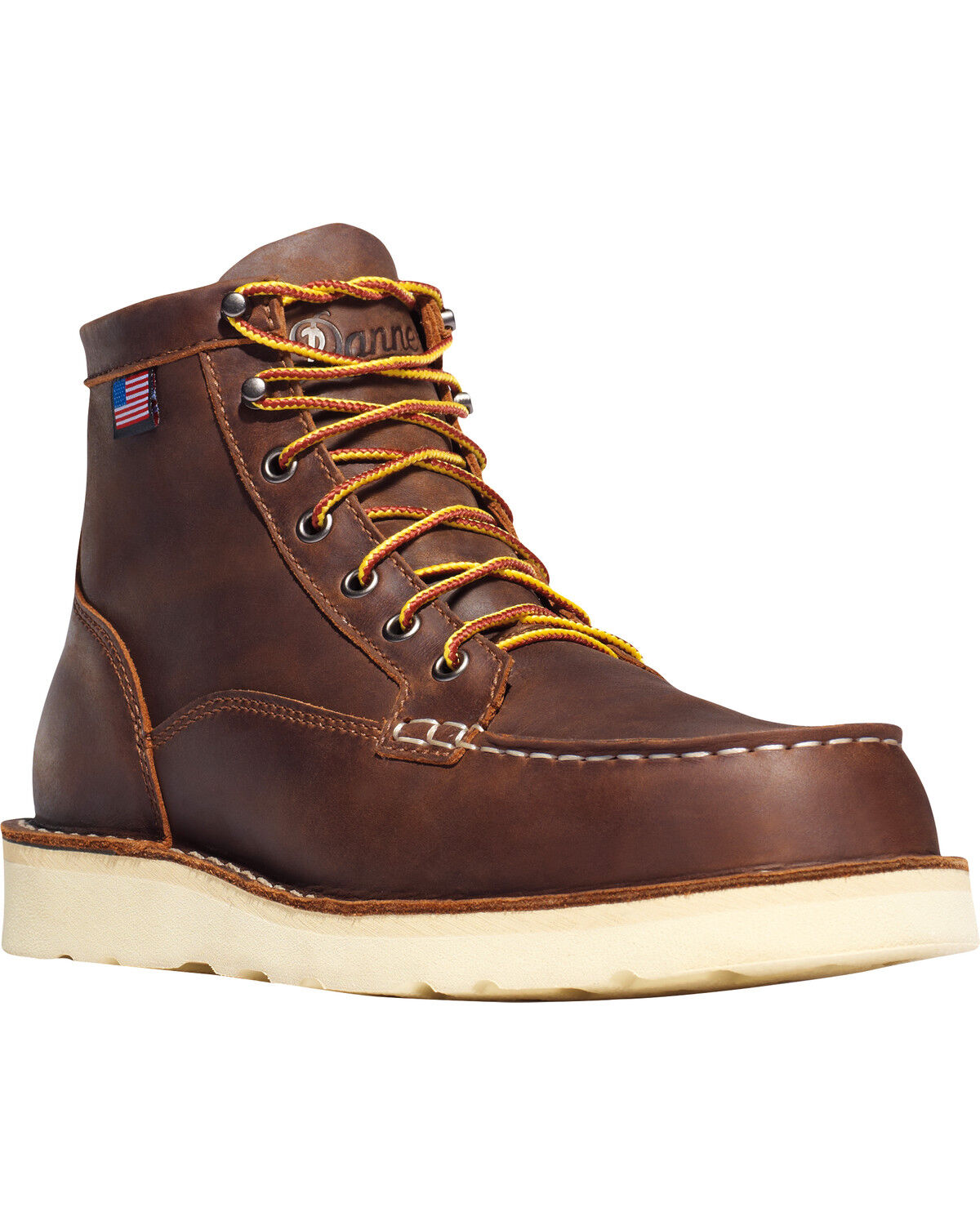
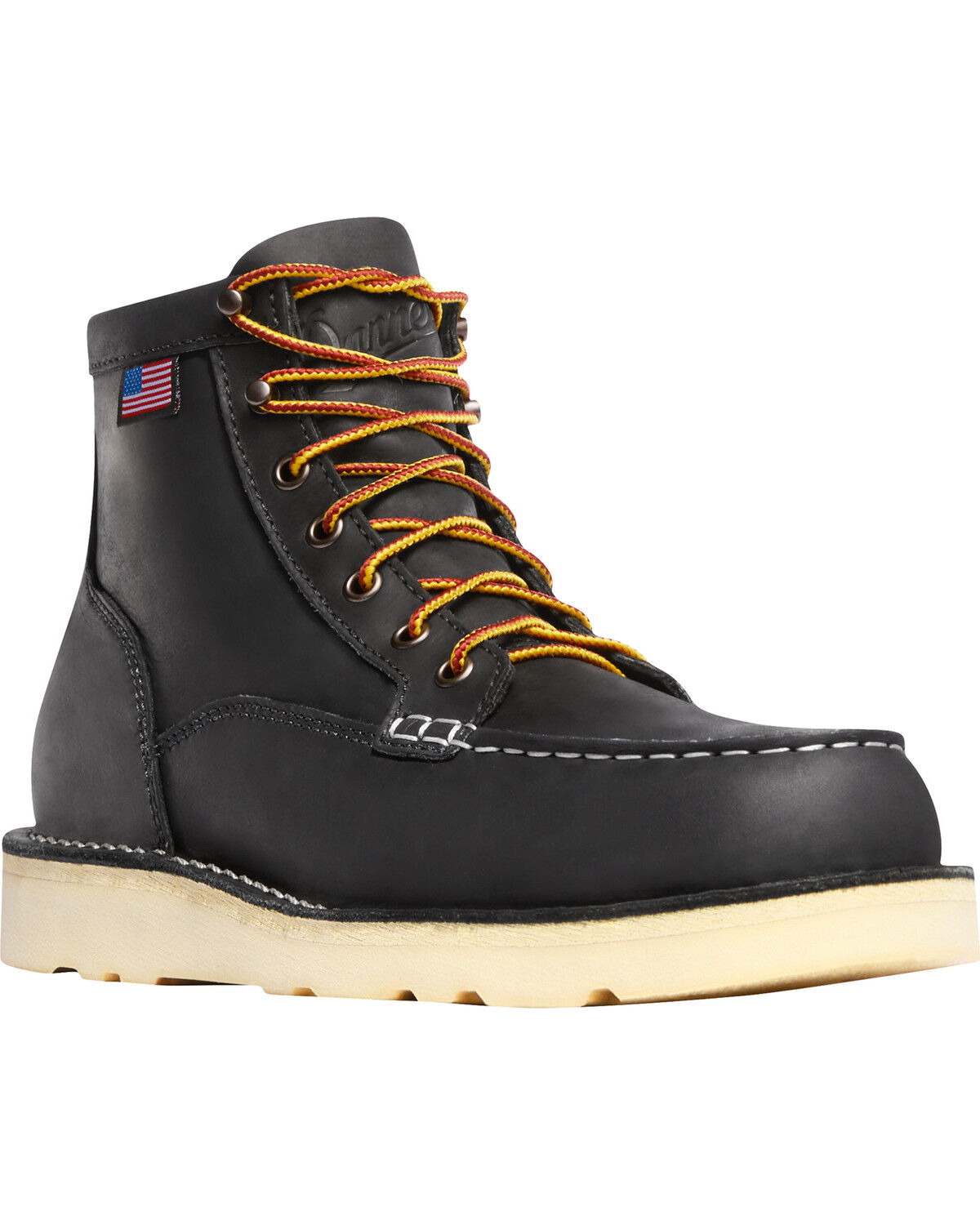
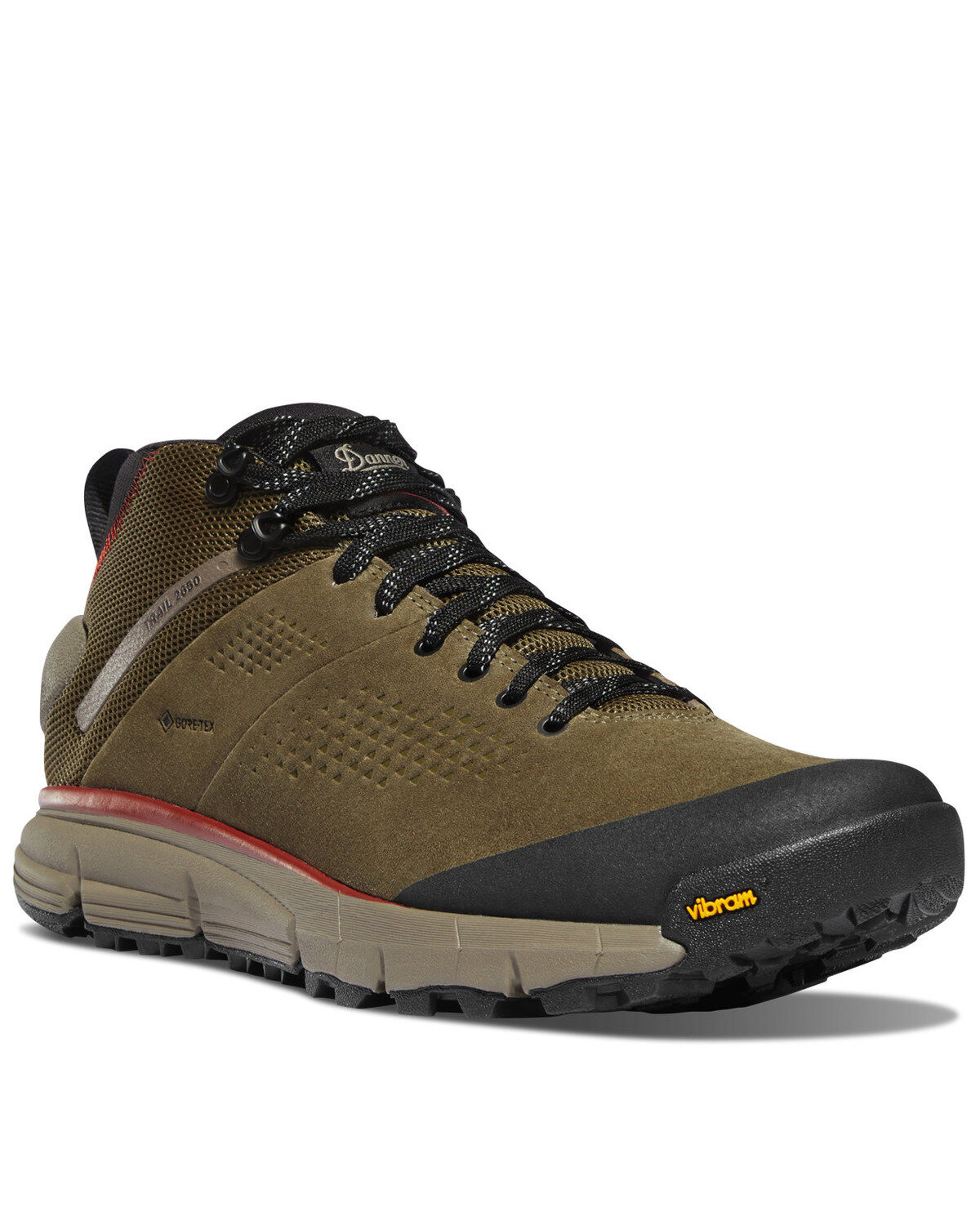
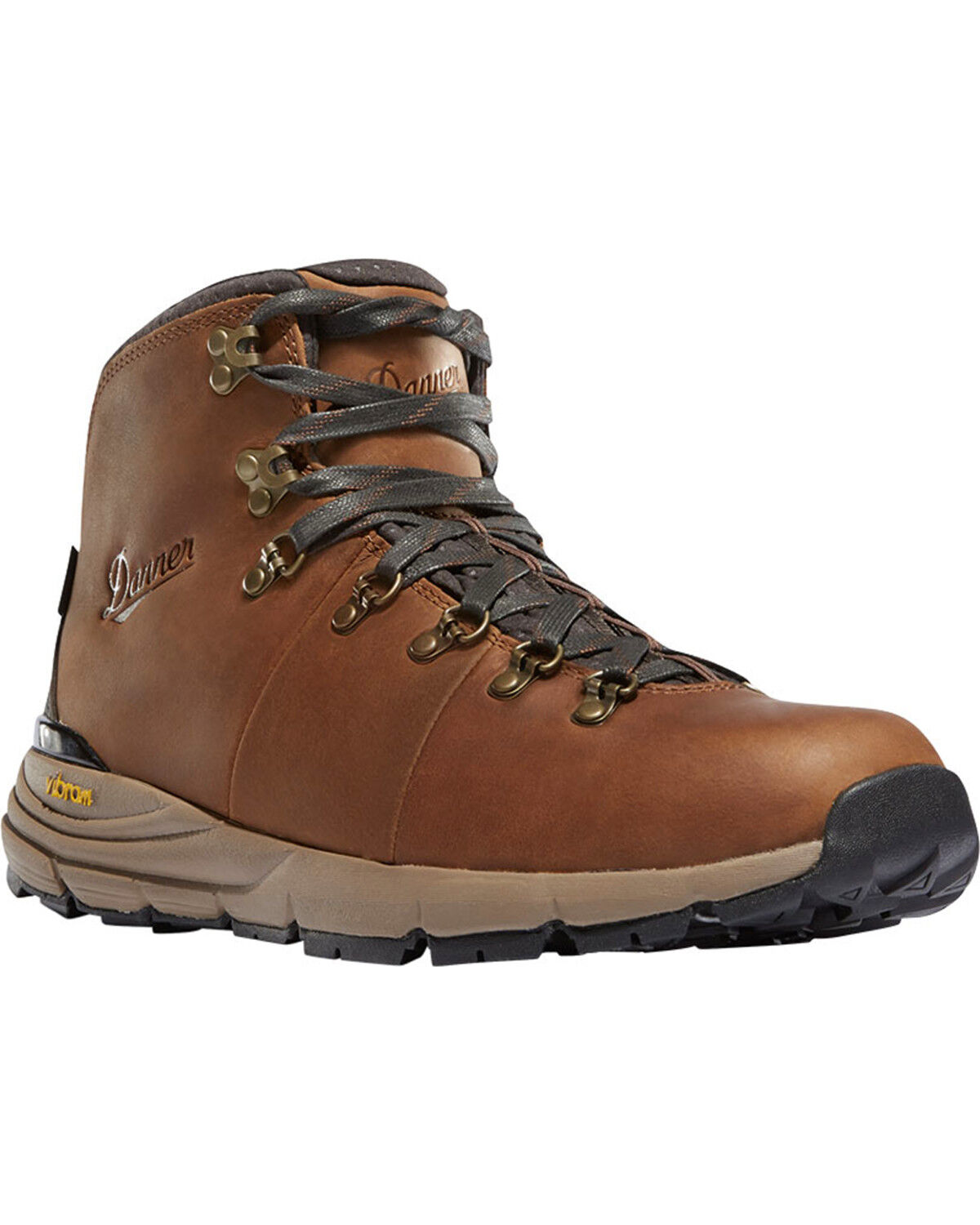
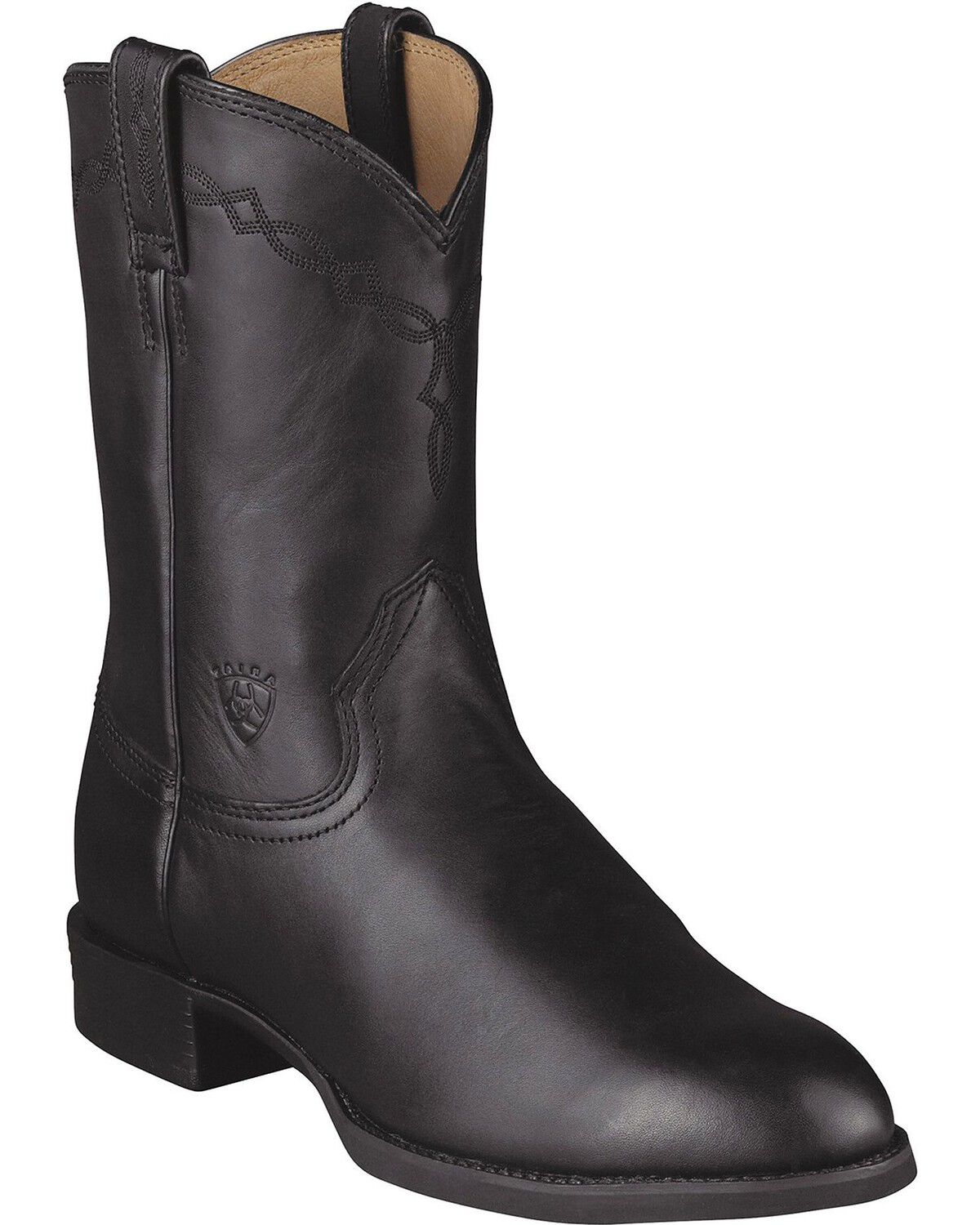
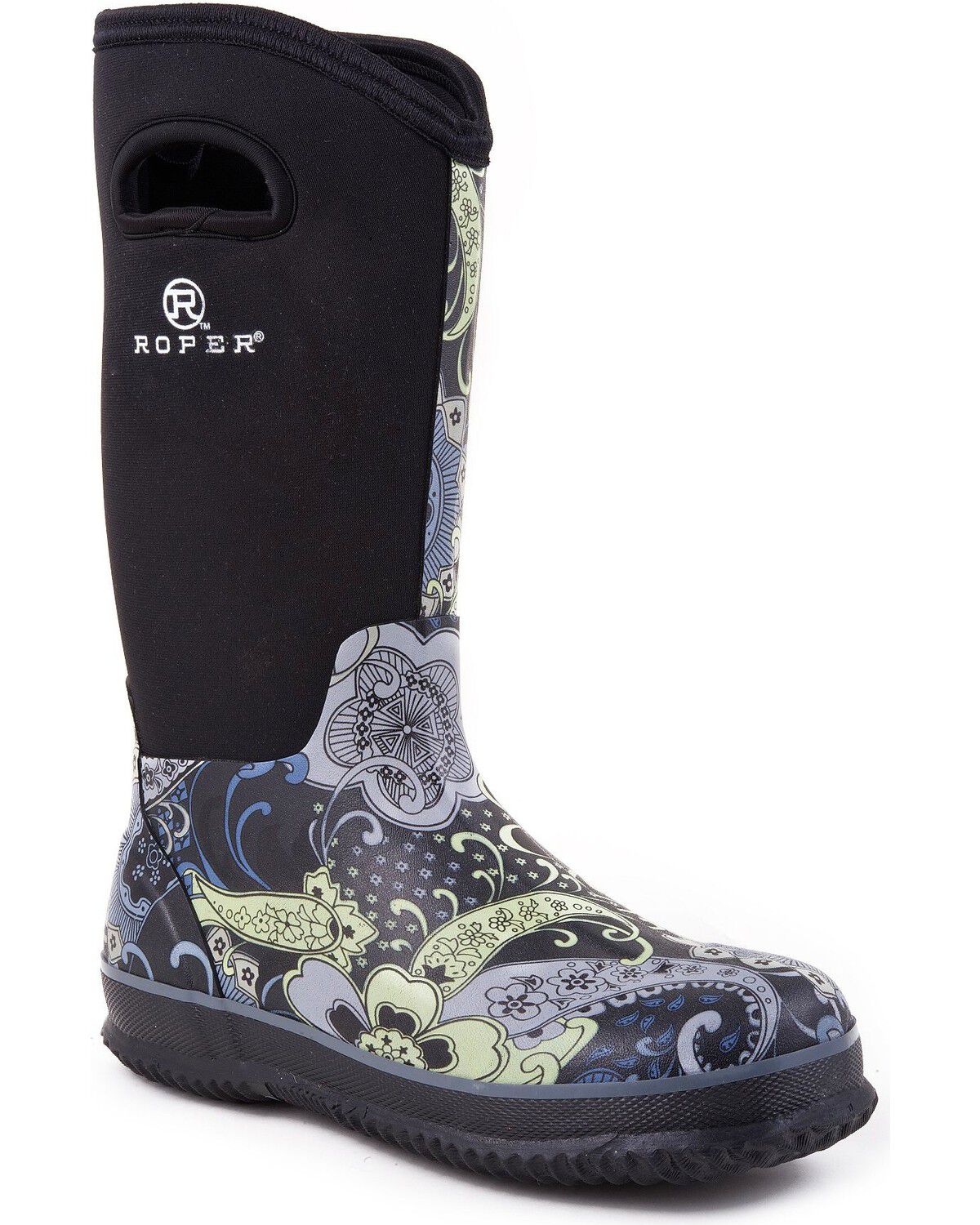
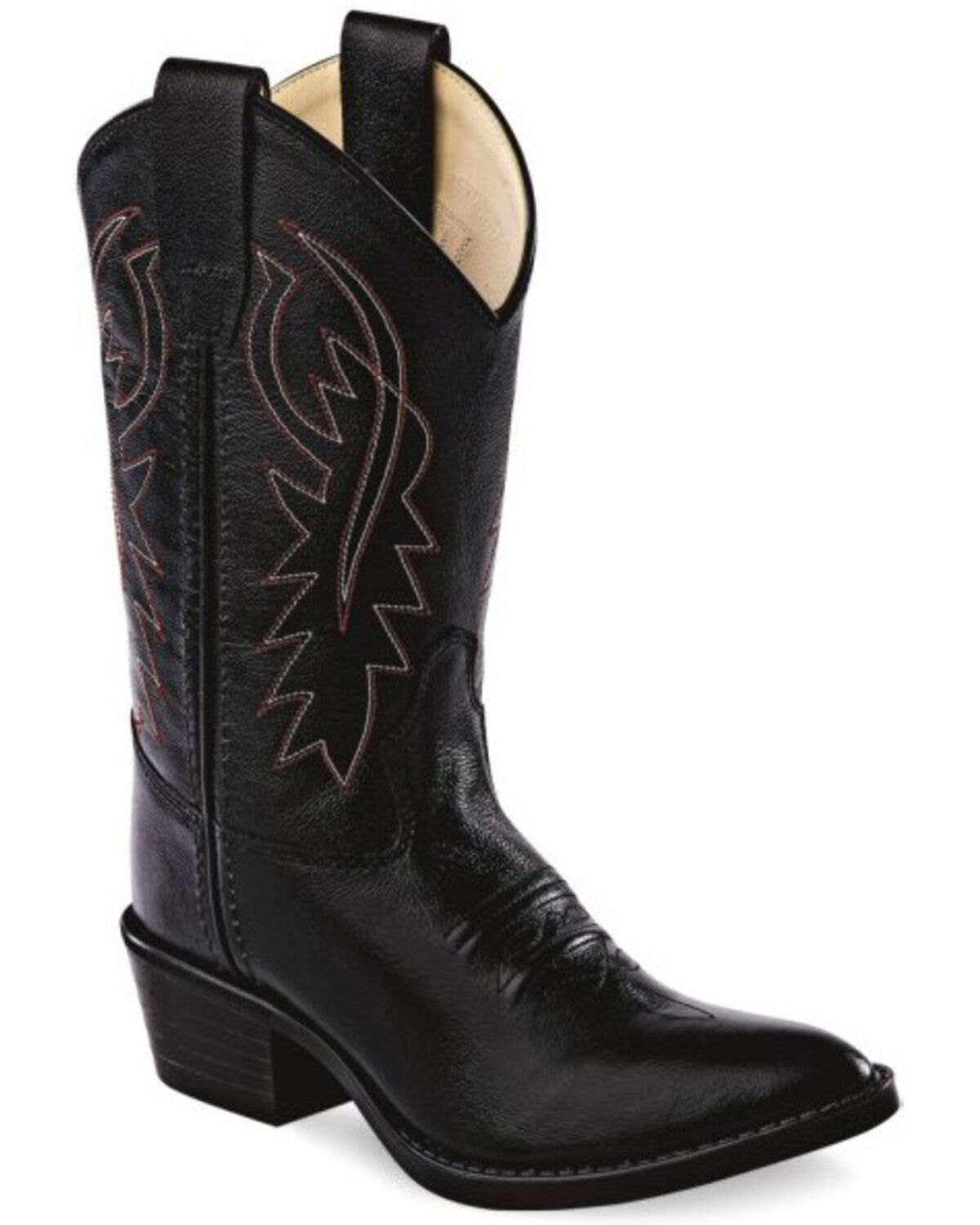
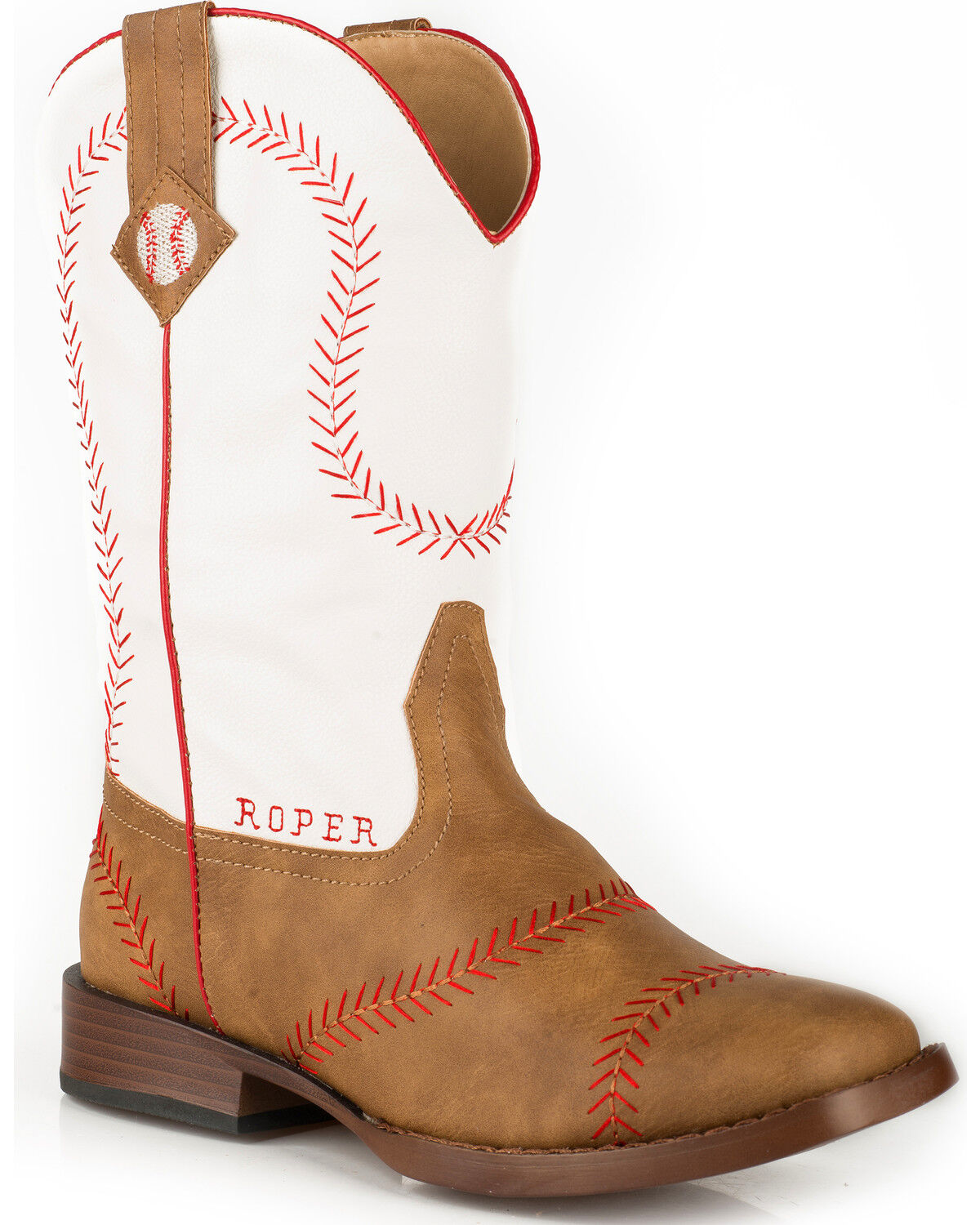
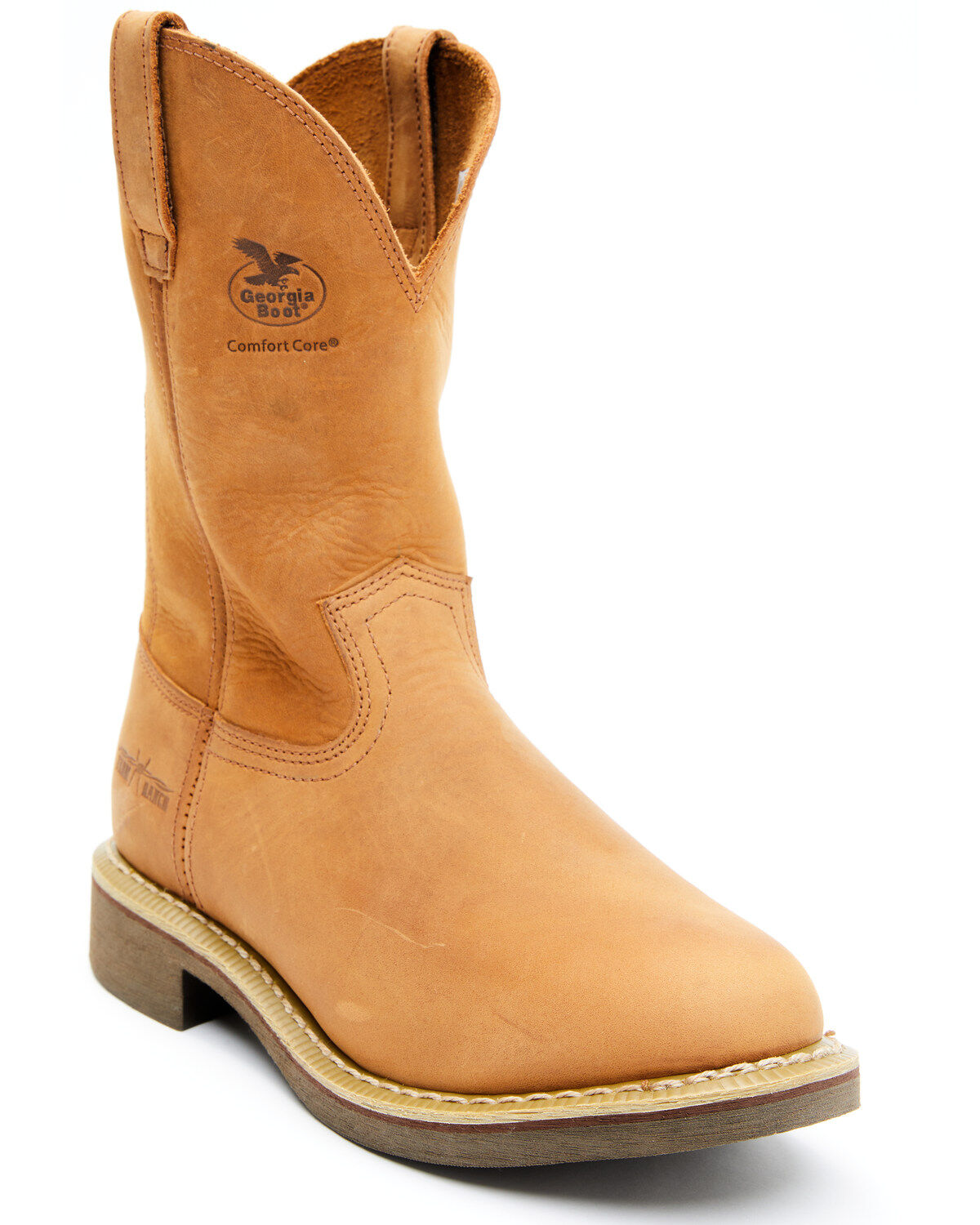
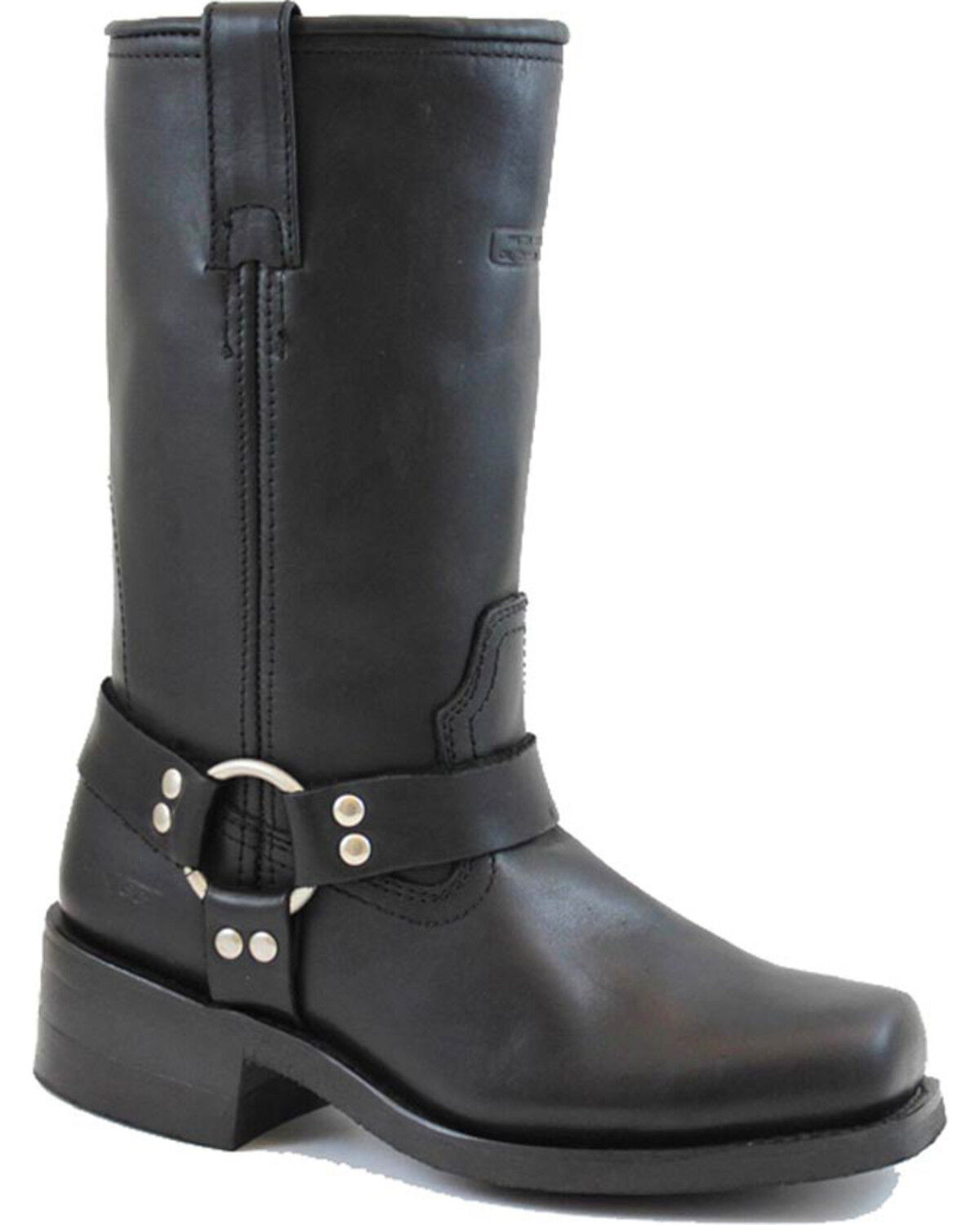
Explore a diverse range of 12 inch footwear that seamlessly blends style, durability, and comfort. Perfect for those who appreciate quality craftsmanship,... our selection caters to a variety of tastes and needs. Whether you're gearing up for a day on the ranch or stepping out for a night in town, these boots offer the perfect balance of function and fashion. With an array of designs and materials to choose from, finding the ideal pair to complement your western wear has never been easier. Discover the exceptional versatility and timeless appeal of 12 inch footwear today.
Read more
12 Inch Footwear
Explore a diverse range of 12 inch footwear that seamlessly blends style, durability, and comfort. Perfect for those who appreciate quality craftsmanship,... our selection caters to a variety of tastes and needs. Whether you're gearing up for a day on the ranch or stepping out for a night in town, these boots offer the perfect balance of function and fashion. With an array of designs and materials to choose from, finding the ideal pair to complement your western wear has never been easier. Discover the exceptional versatility and timeless appeal of 12 inch footwear today.
12-inch footwear typically refers to the height of a boot’s shaft, not the size of the foot it fits. A 12-inch shaft reaches several inches above the ankle and provides added coverage for work, outdoor tasks, wet ground, brush, mud, and changing weather. It does not mean the boot is made for a size 12 foot. Shoe size describes the length and width of the foot, while shaft height measures the boot from the top of the sole or heel area to the opening. This distinction matters when comparing styles online. A person who wears a size 12 may need 12-inch boots, but the two measurements are not related. Tall work boots and outdoor boots in this height are often chosen by ranch hands, construction workers, farmers, hunters, grounds crews, and anyone who spends long hours on uneven or damp ground. They can also suit people who prefer more protection around the lower leg than a low-cut work shoe provides. During warmer weather, the extra height helps keep grass, gravel, and loose soil out of the boot. As conditions turn cooler and wetter, a taller shaft can help block wind, rain, and splashes when paired with the right waterproof materials and a secure fit.
Start with the work the boots need to handle. Leather 12-inch boots can offer dependable structure, a traditional feel, and a fit that gradually conforms to the foot with regular wear. Waterproof leather or treated leather may be useful in wet conditions, but waterproofing is not the same across every construction. Look for clear information about the membrane, gusseted tongue, sealed seams, and the height to which the boot is waterproof. Rubber and rubber-like materials are commonly selected for muddy areas, standing water, wash-down work, and exposure to some harsh conditions because they are easy to clean and resist moisture. Neoprene panels can add flexibility and insulation, which is useful when boots need to pull on over work clothing or stay comfortable during long periods outdoors. For demanding jobs, review the safety features instead of judging a boot by appearance alone. A slip-resistant outsole can provide better footing on smooth, wet, or oily surfaces, while a defined heel can help with stability on ladders and equipment. Electrical hazard protection, puncture resistance, chemical resistance, and protective toe construction each address a different risk, and they should be chosen according to the requirements of the job. No single feature makes a boot suitable for every worksite. Check employer standards and the manufacturer’s specifications before relying on a boot for regulated protection. Outsole tread also deserves close attention. Deep, open lugs can help release mud, while a tighter tread pattern may feel more stable on hard floors. A heavier sole can improve durability but may require more effort over a full shift. The right balance depends on the surface, the weather, and how much walking the day involves.
Fit is just as important as height and protection. Try tall boots with the socks normally worn for work or outdoor use, and leave enough room for the toes to move without allowing the heel to lift excessively. The instep and calf should feel secure without pressure that becomes uncomfortable after several hours. A tall shaft that is too loose may let in debris and rub the leg; one that is too tight can restrict movement and make it difficult to tuck in work pants. Some pull-on styles are designed for quick changes, while lace-up constructions allow more adjustment through the ankle and shaft. A boot should flex where the foot naturally bends, sit firmly around the heel, and remain stable when walking on an incline. Break-in time varies by material and construction. New leather may feel firm at first, but sharp pressure points are not something to ignore or simply endure. Wear new boots for shorter periods before taking them into a full day of work, and keep the interior dry between uses. Remove loose dirt after each outing, allow wet boots to dry away from direct heat, and use care products suited to the material. Excessive heat can damage leather and adhesives, while storing rubber boots folded or compressed can affect their shape. For someone starting a trade, working outdoors, or preparing for the cooler months, 12-inch footwear can be a practical gift when the recipient’s size, preferred material, and work requirements are known. It can also be a useful addition to a family’s outdoor gear, especially for yard work, property maintenance, travel through wet terrain, and seasonal chores. Keep the intended use in mind, compare shaft height with overall coverage, and select the construction that matches the ground and conditions ahead. For a shorter shaft with a similar focus on everyday coverage, see Girls 9 Inch Footwear.