How to Clean Cowboy Boots

How to Clean Cowboy Boots starts with regular care and the right cleaning routine. Remove dirt, address stains, condition the leather, and let your boots dry properly to help keep them ready for the road, the job, or everyday wear. Find the boot care supplies you need to clean and maintain your pair.

Read More

Shop Your Store: Shop Your Store: Find a Store

(Turn off Shop Your Store to see all items)

(Turn off Shop Your Store to see all items)

close
  • Recommended
  • Lowest Price
  • Highest Price
Skip pass products

End of products

How to Clean Cowboy Boots

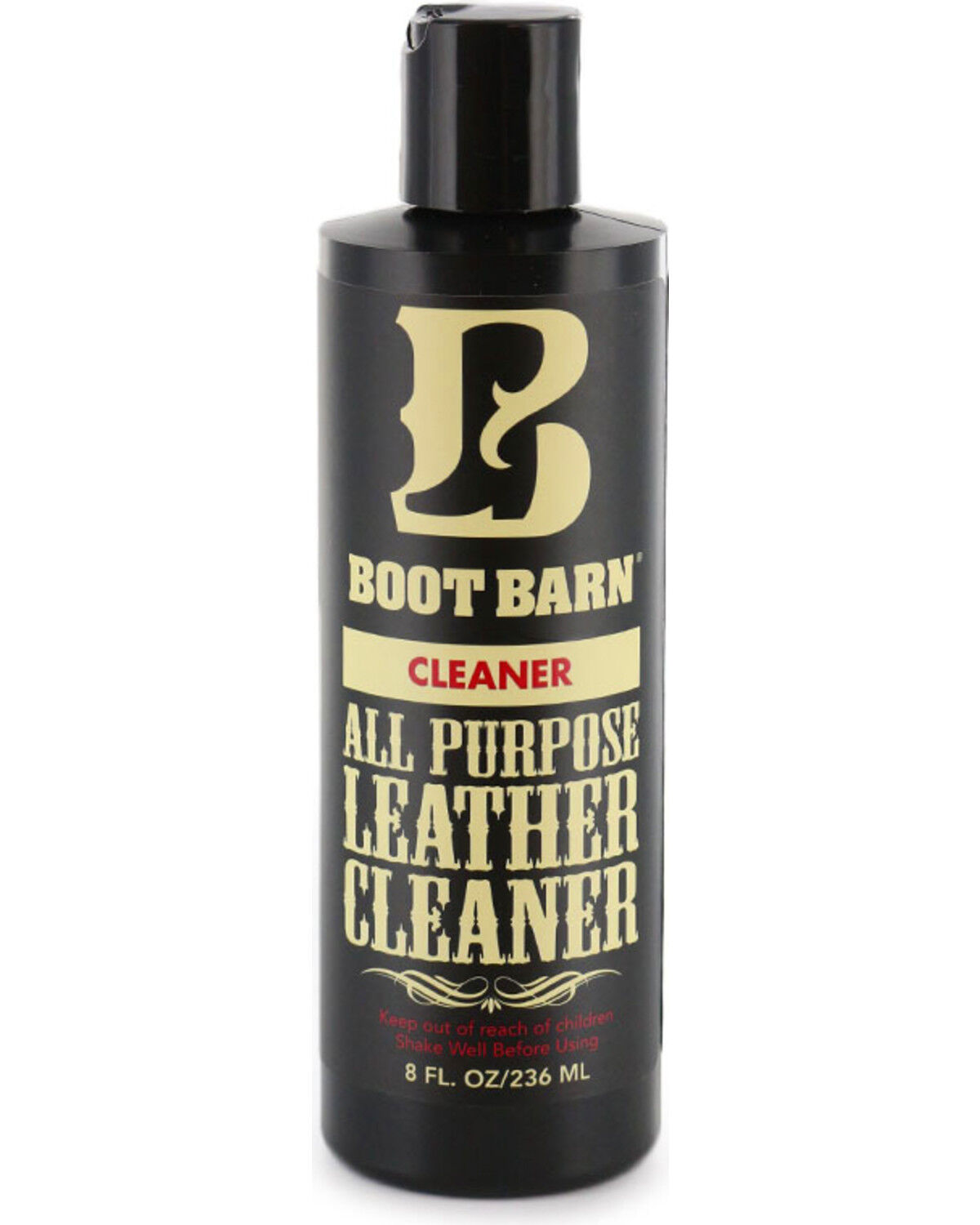
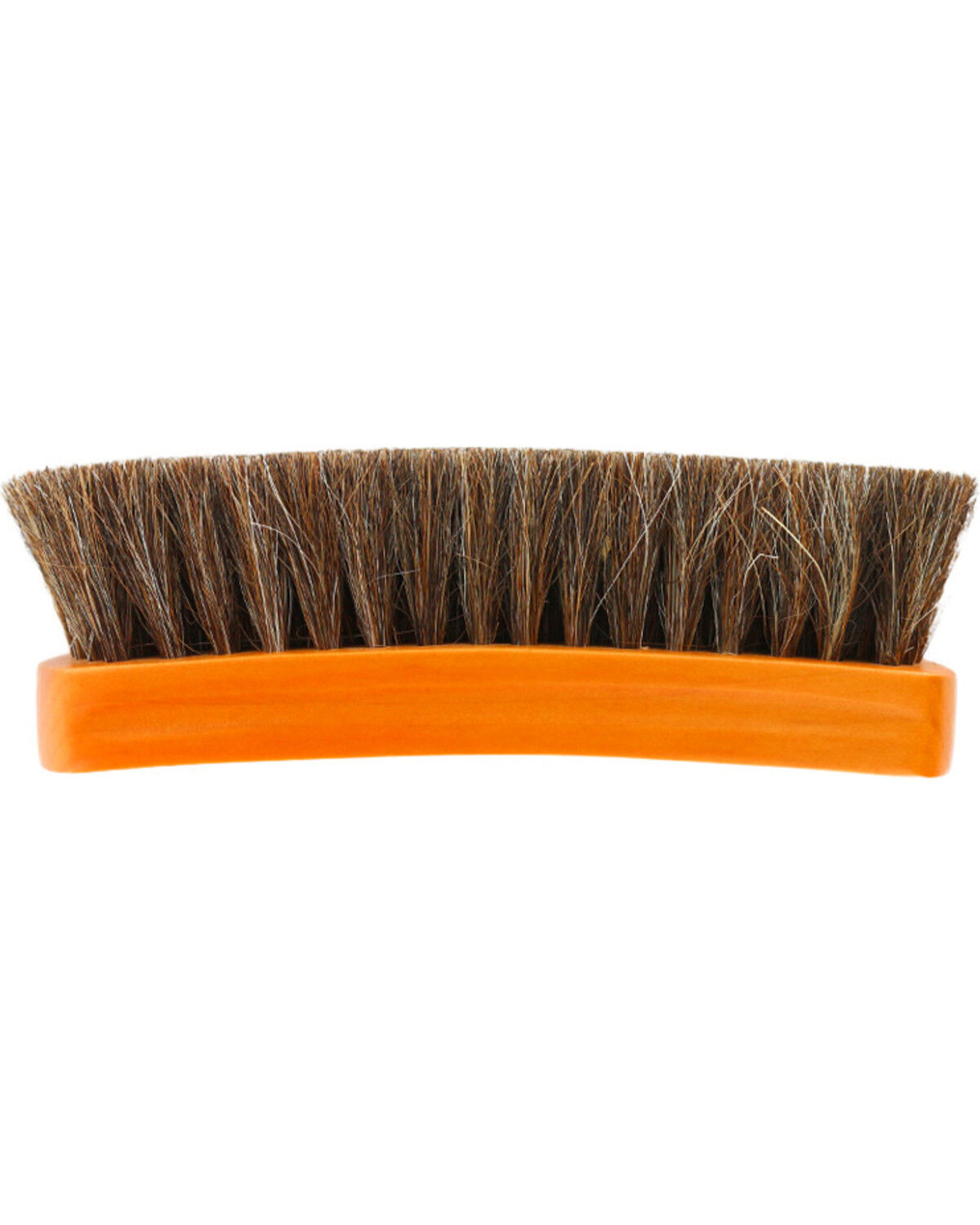
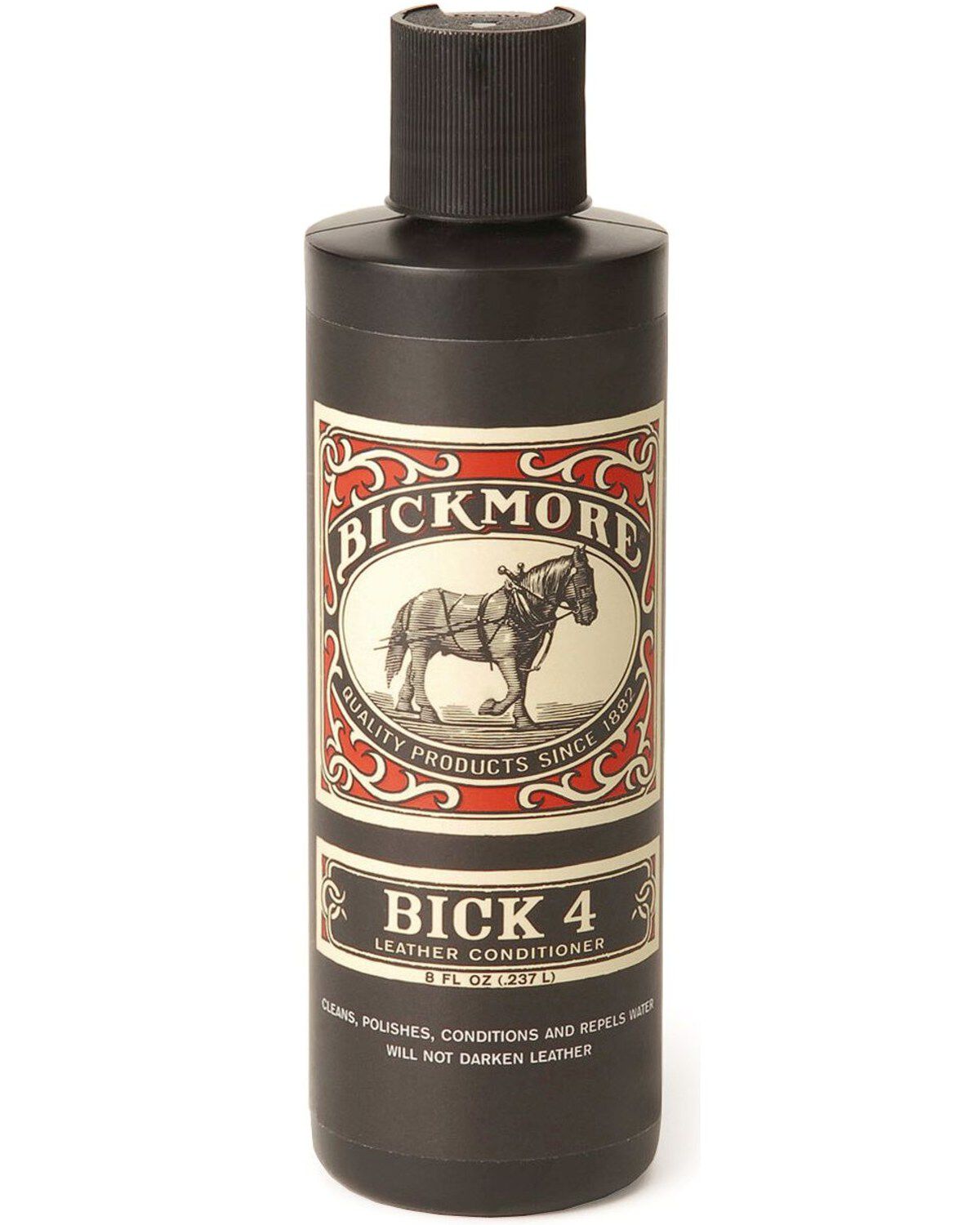
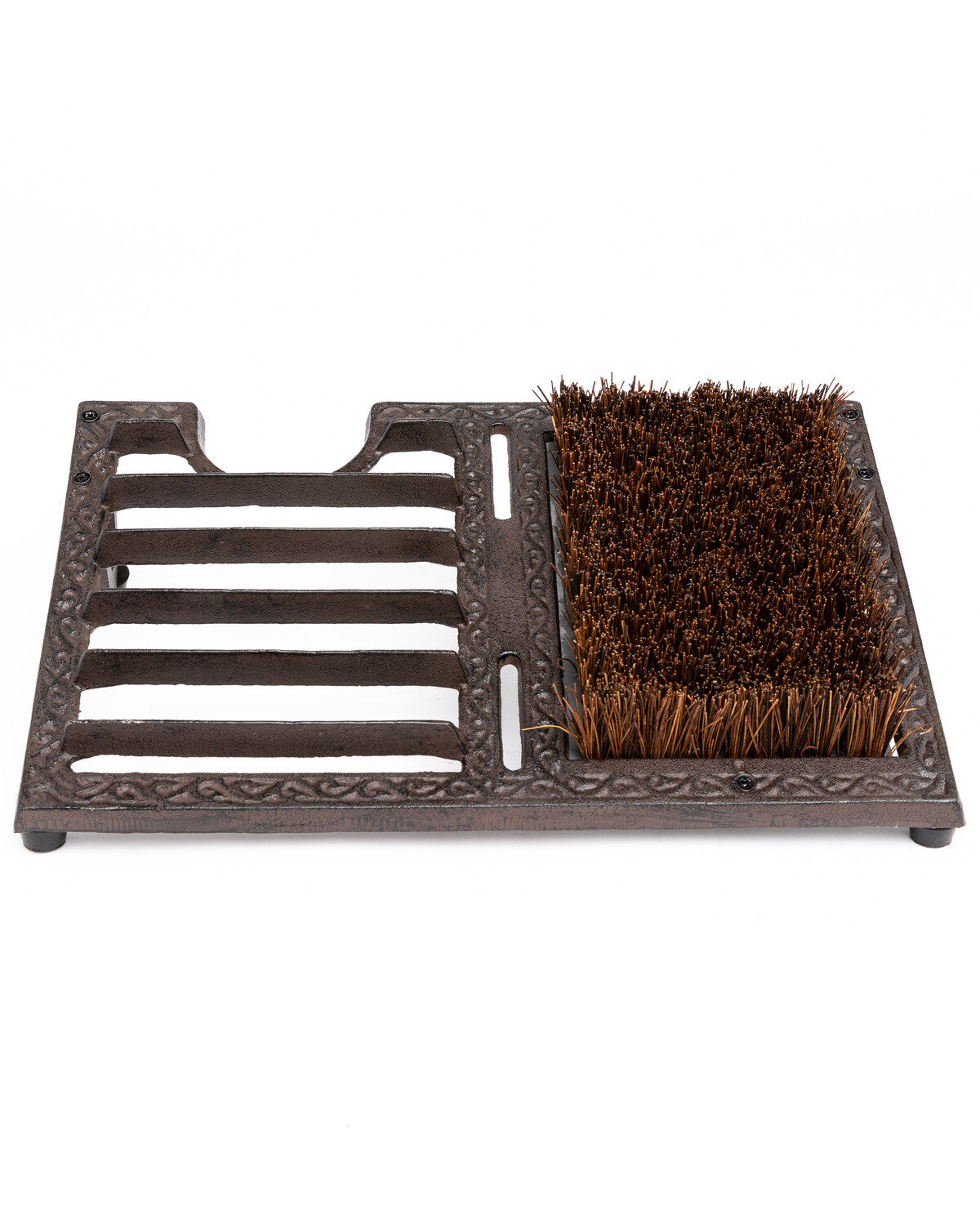
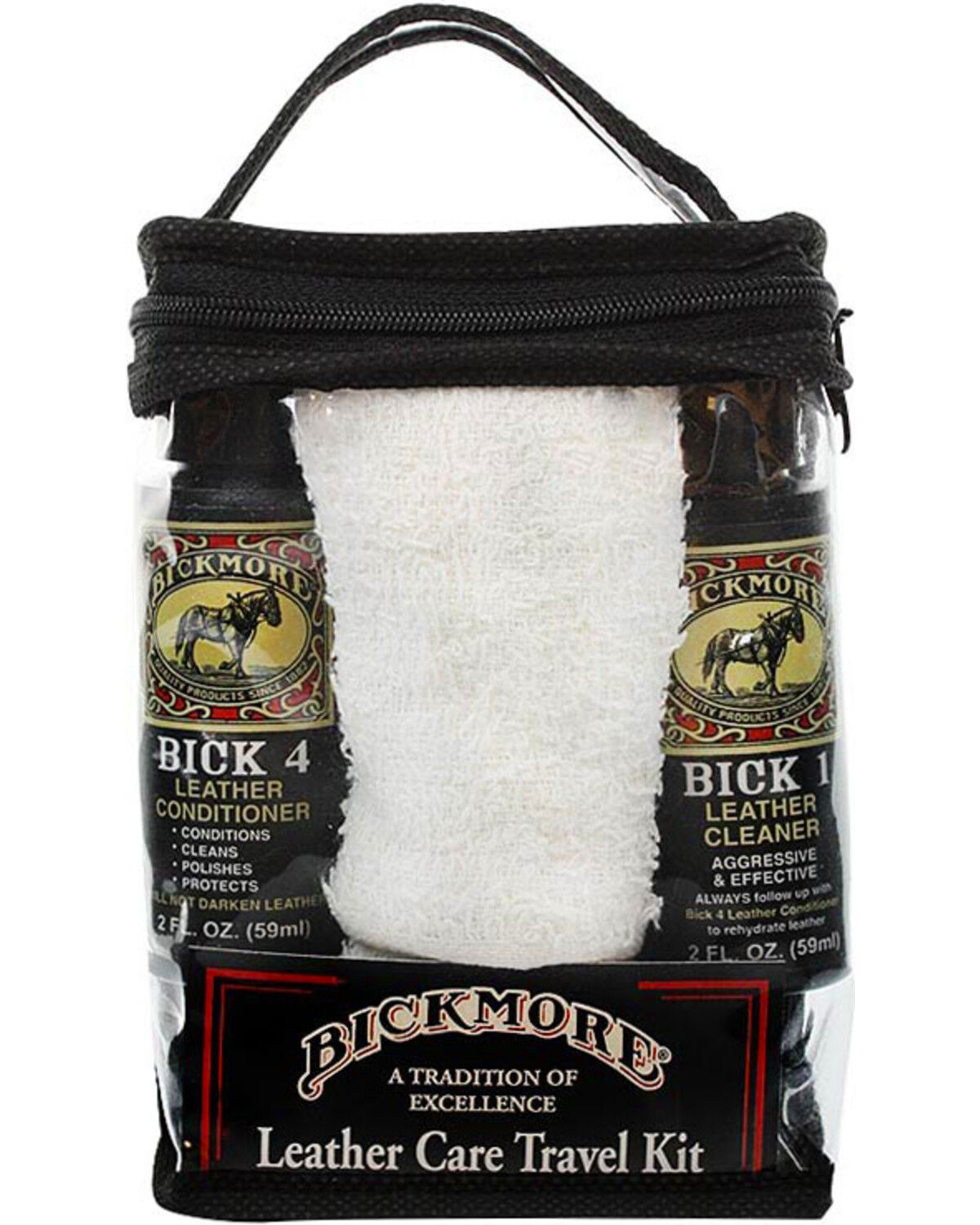
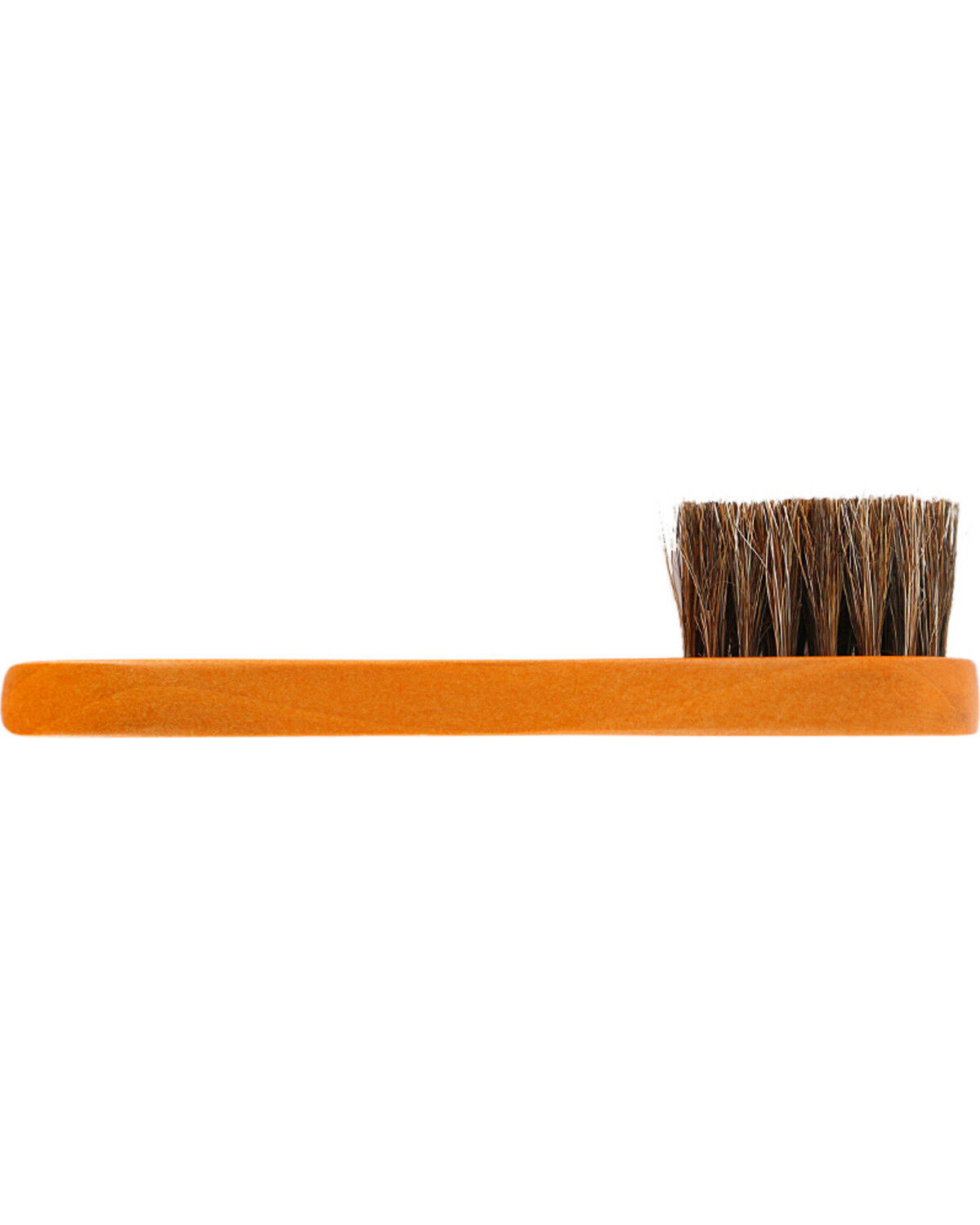
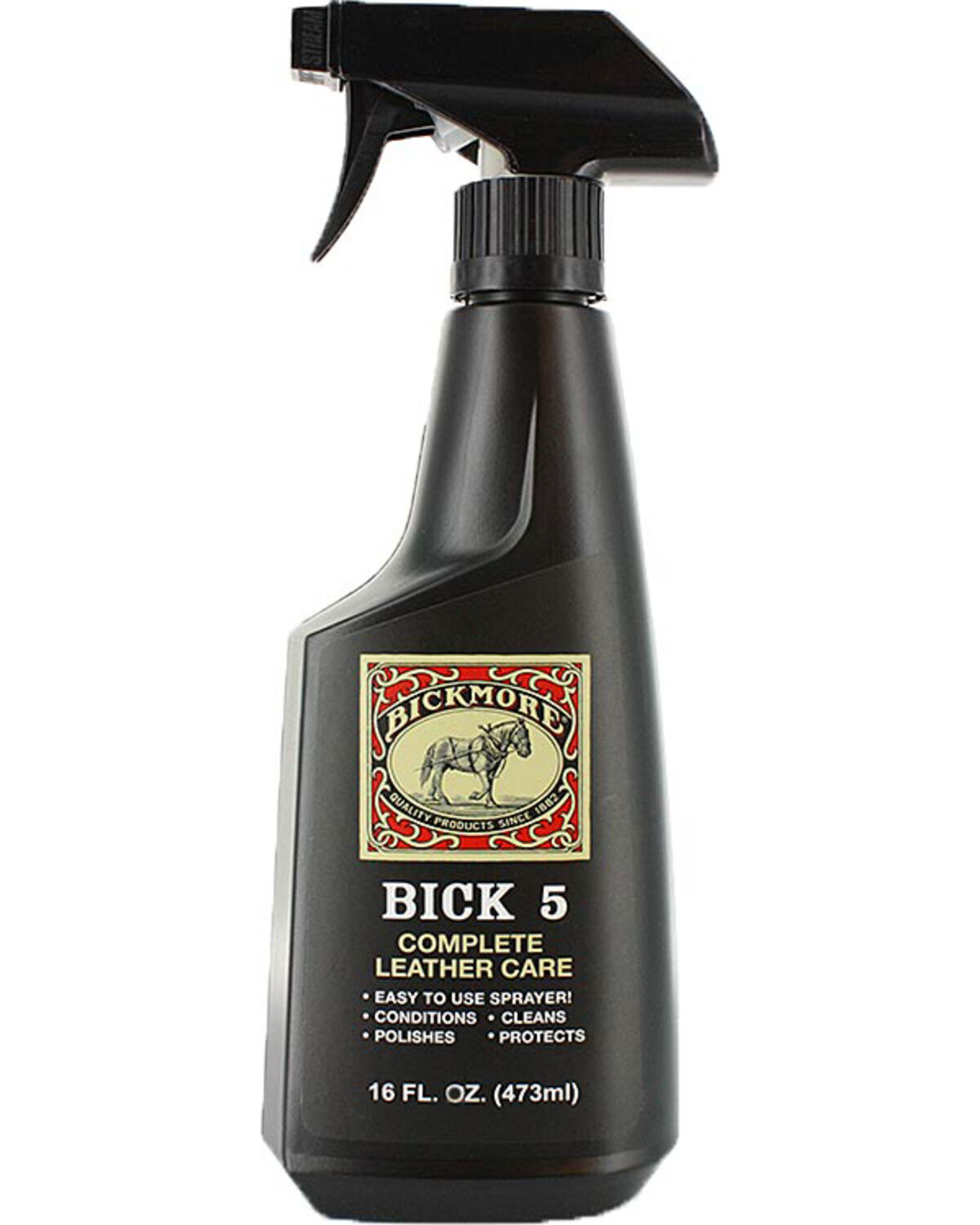
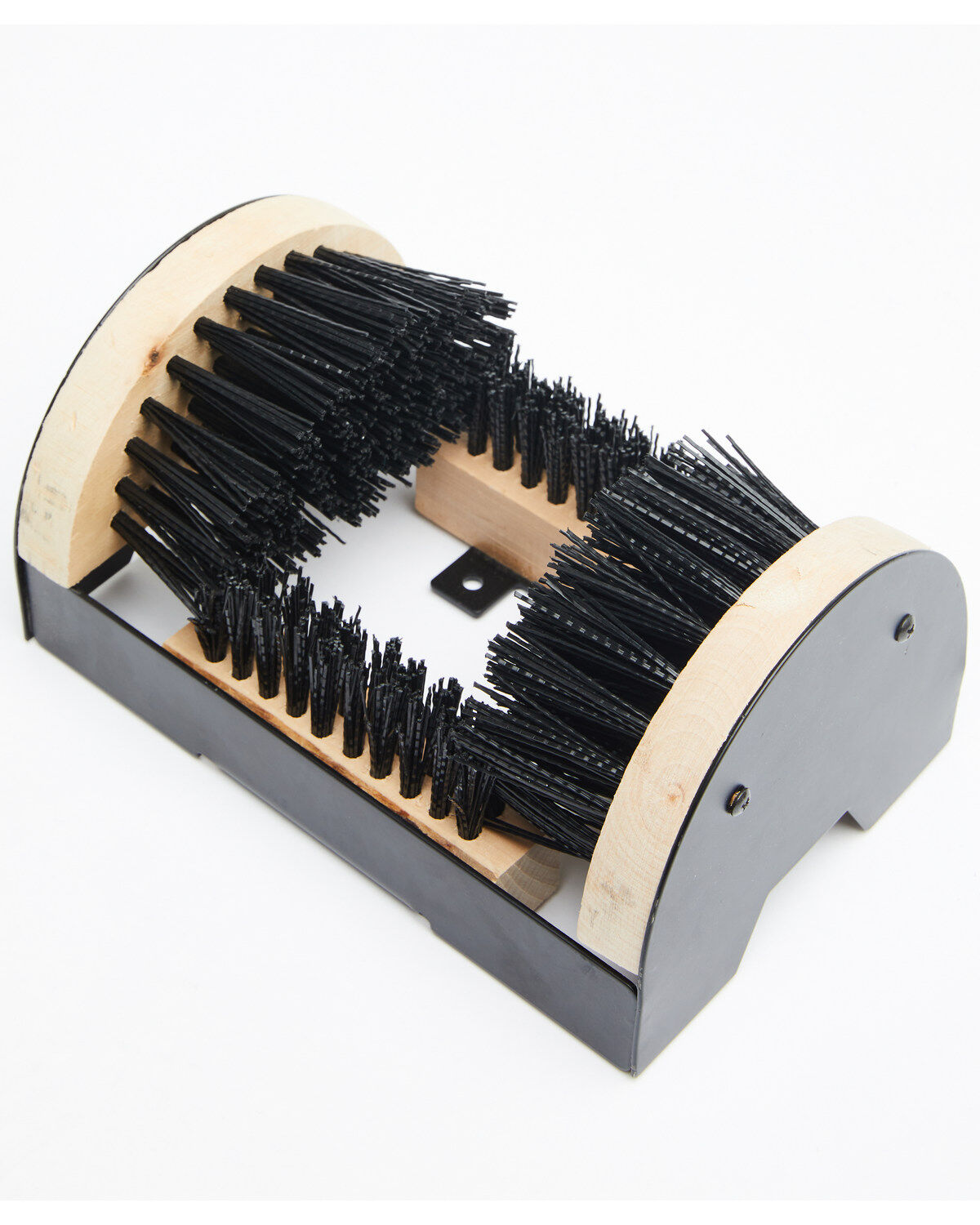
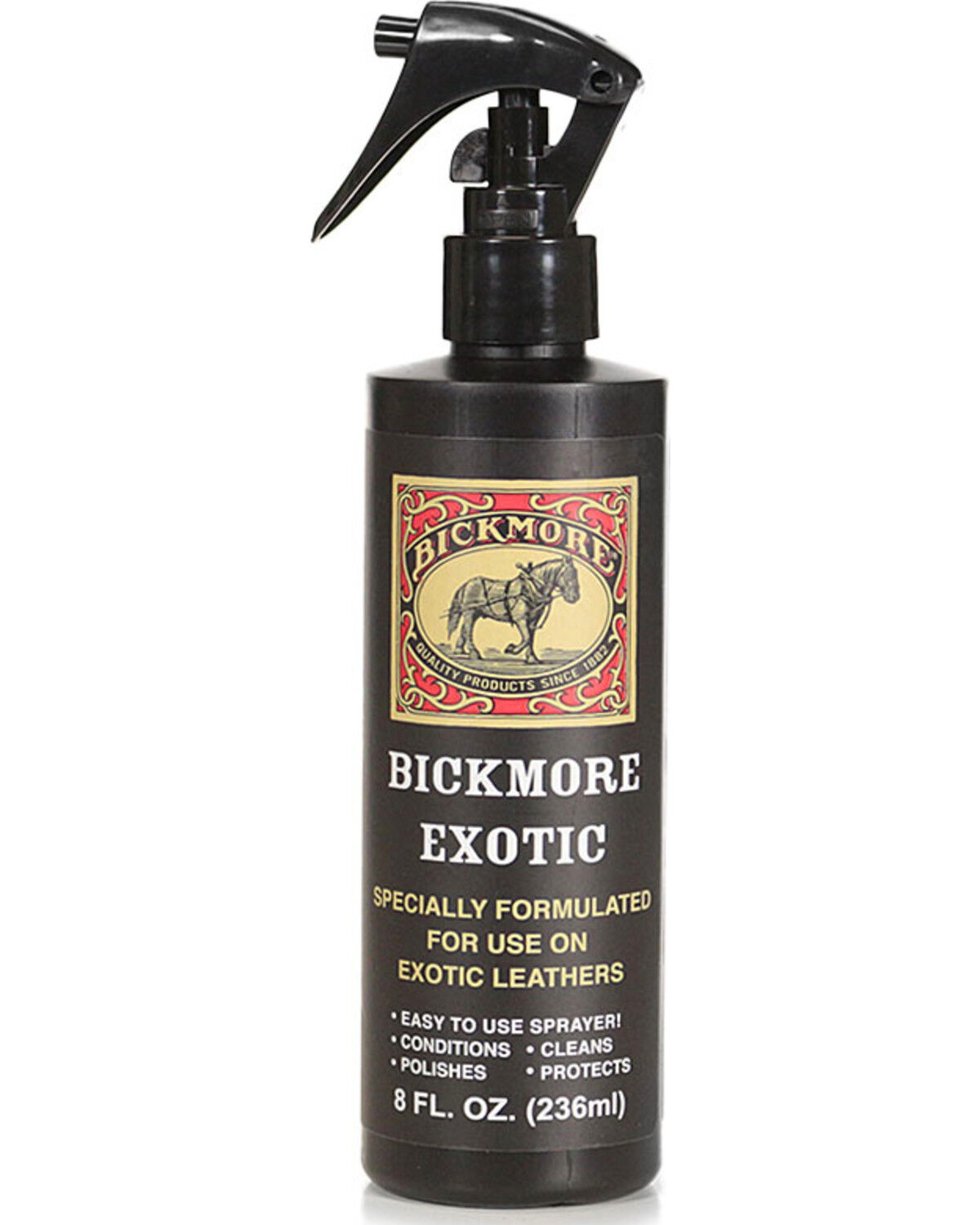
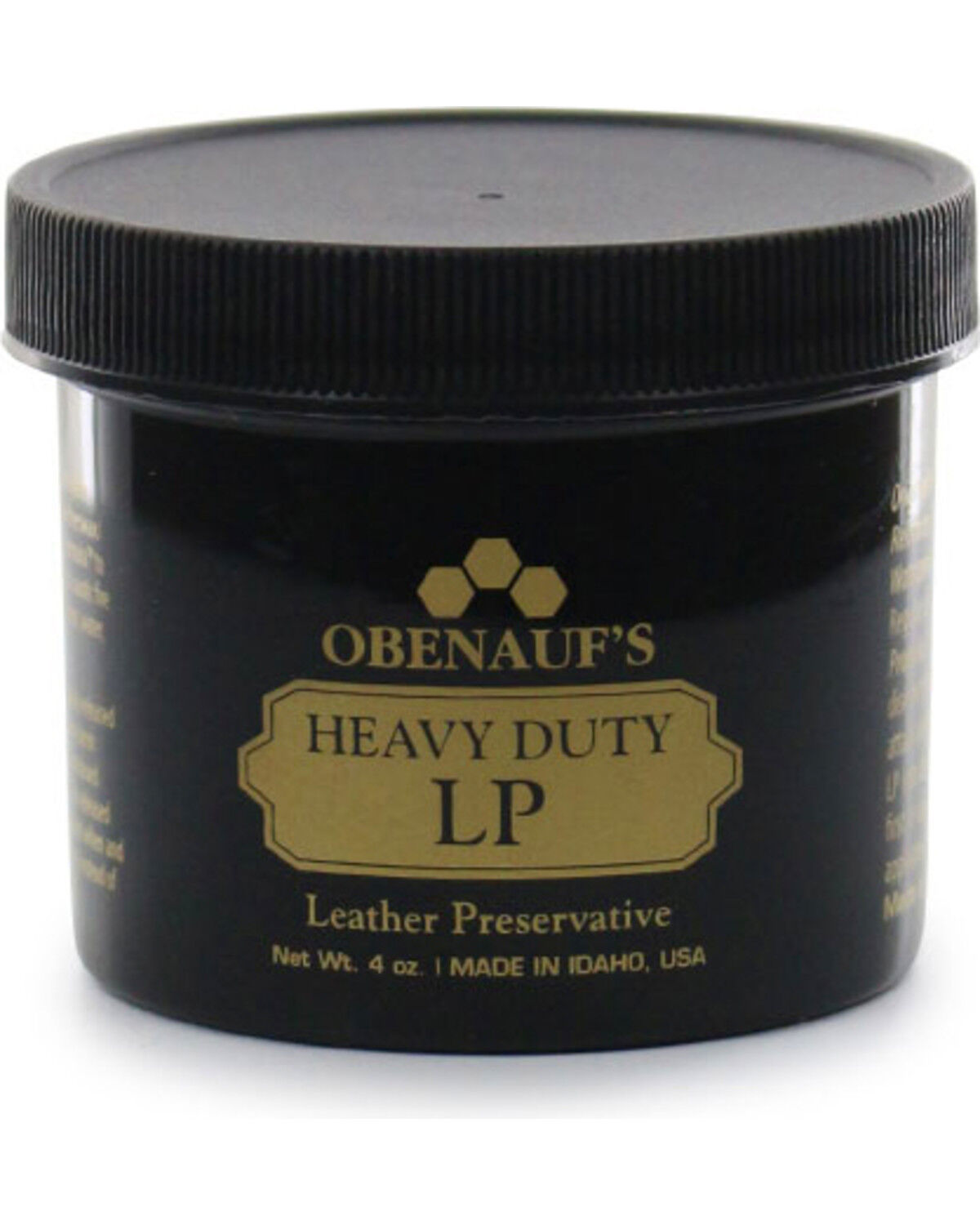
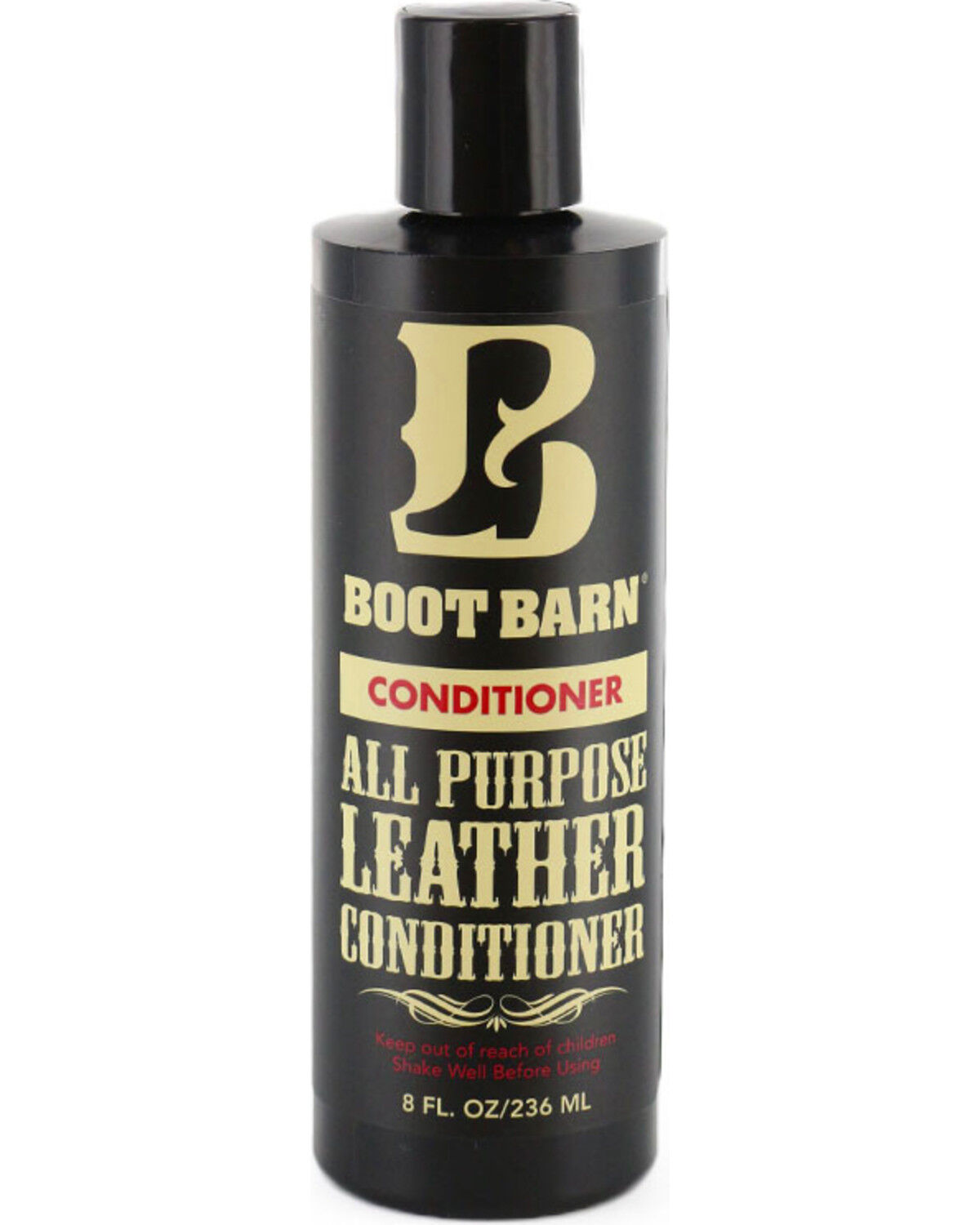
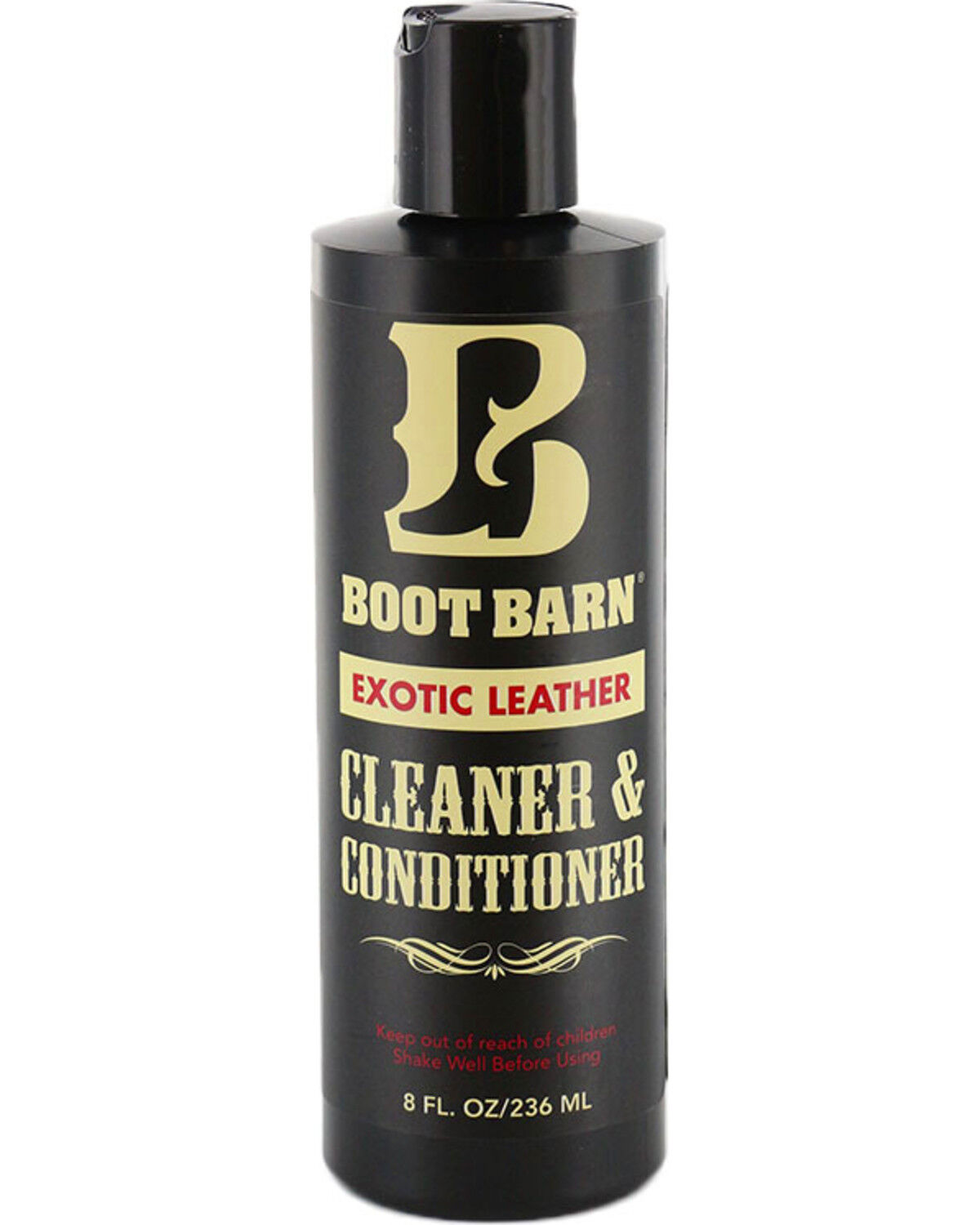
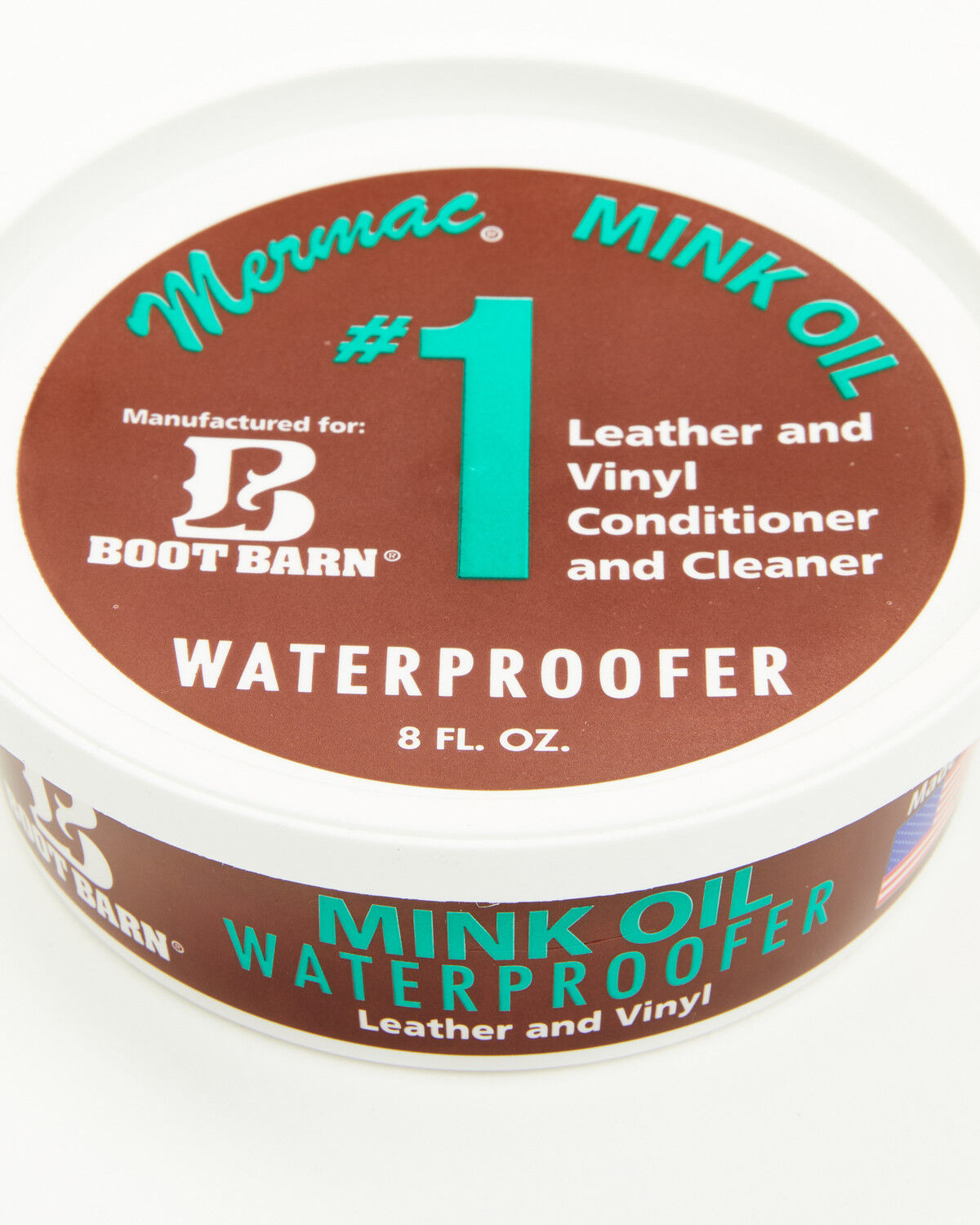
Keeping cowboy boots clean is part of wearing them well. Dust, dried mud, road salt, grass stains, and everyday grime can settle into seams, stitching, and the crease above the vamp, where they slowly wear against the leather like fine sandpaper. Cleaning and conditioning products help remove that buildup before it dulls the finish or leaves the leather dry and brittle. A basic care setup may include a soft cloth, a horsehair brush, a gentle leather cleaner, a conditioner, and a dry cloth for buffing. Each has a separate job. A brush lifts loose dirt from the shaft, welt, sole edge, and stitching without grinding it further into the surface. A damp cloth handles light dust and surface marks. Leather cleaner helps with more stubborn grime, while conditioner restores some of the moisture that leather loses through regular use. Boot care products are useful for anyone who wears cowboy boots to work, rides, spends time outdoors, or simply wants a well-kept pair for everyday wear. They also make a practical gift for someone buying their first pair of western boots, replacing an old favorite, or building a more complete boot-care routine. A small amount of regular attention can keep a pair looking presentable through long days, changing weather, and repeated trips in and out of the truck.

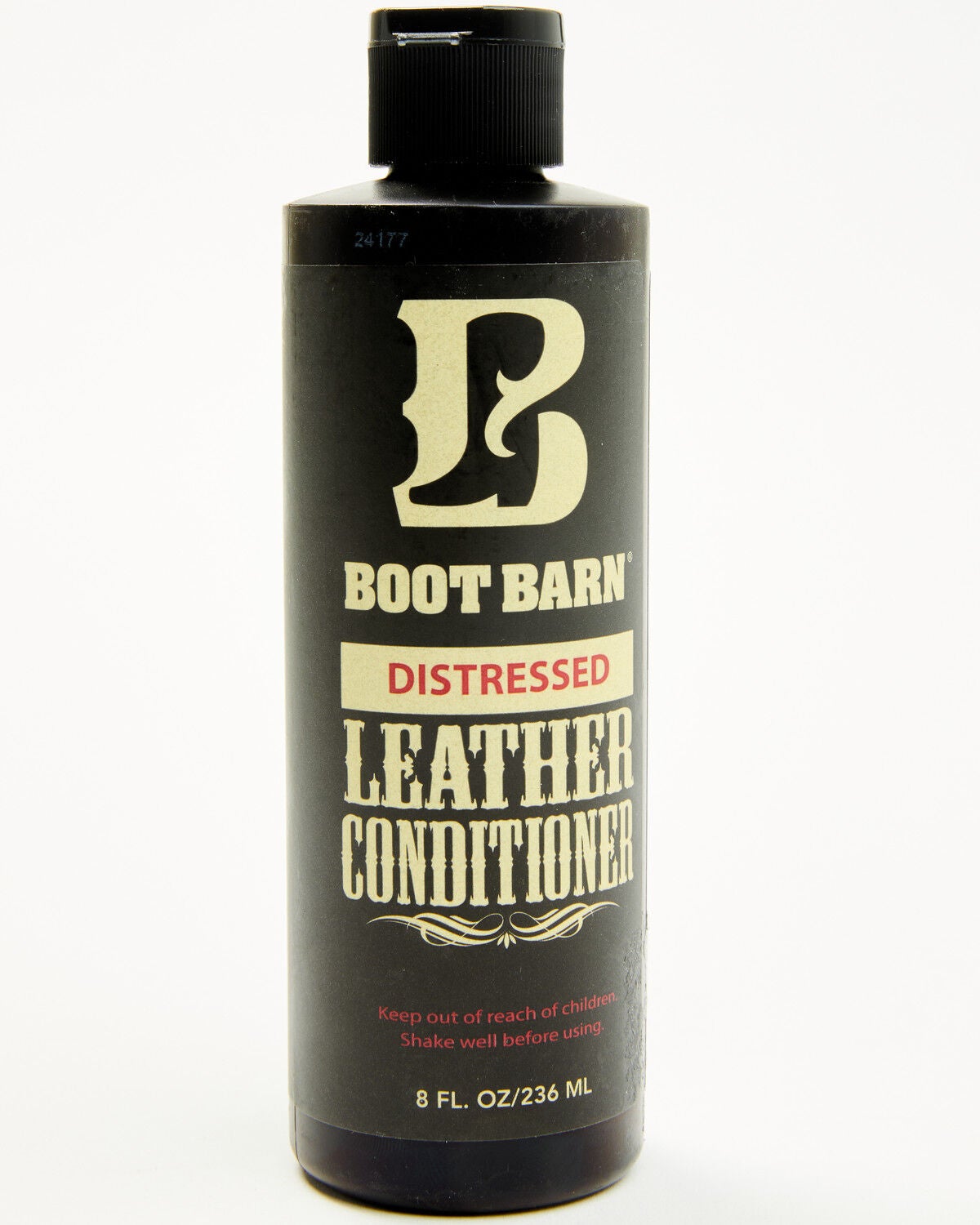
Before choosing a cleaner or conditioner, consider the boot material and finish. Smooth leather, distressed leather, suede, nubuck, roughout, and exotic skins do not all respond to the same formulas or tools. Products made for smooth leather may darken or flatten the nap on suede and nubuck, while a conditioner intended for ordinary cowhide may not be suitable for delicate or textured exotic skins. Read the care instructions from the boot manufacturer when available, and test any cleaner or conditioner on a hidden area first. This is especially important with light-colored leather, distressed finishes, hand-burnished toes, and materials with a noticeable grain. For smooth leather boots, start with dry removal of loose dirt, then use a lightly damp cloth and a small amount of appropriate cleaner. Avoid soaking the leather. Pay attention to the places that collect grit, including the welt, stitching, pull straps, and the folds where the shaft meets the foot. After cleaning, remove residue with a separate damp cloth and allow the boots to dry naturally at room temperature. Direct heat from a heater, vent, hair dryer, or strong sunlight can cause leather to shrink, harden, or crack. Once the boots are fully dry, apply conditioner sparingly with a clean cloth, let it absorb, and buff away any excess. Too much product can leave the surface greasy and attract more dirt. A clean brush or dry cloth can bring back a quiet, even sheen without making the boots look overworked.

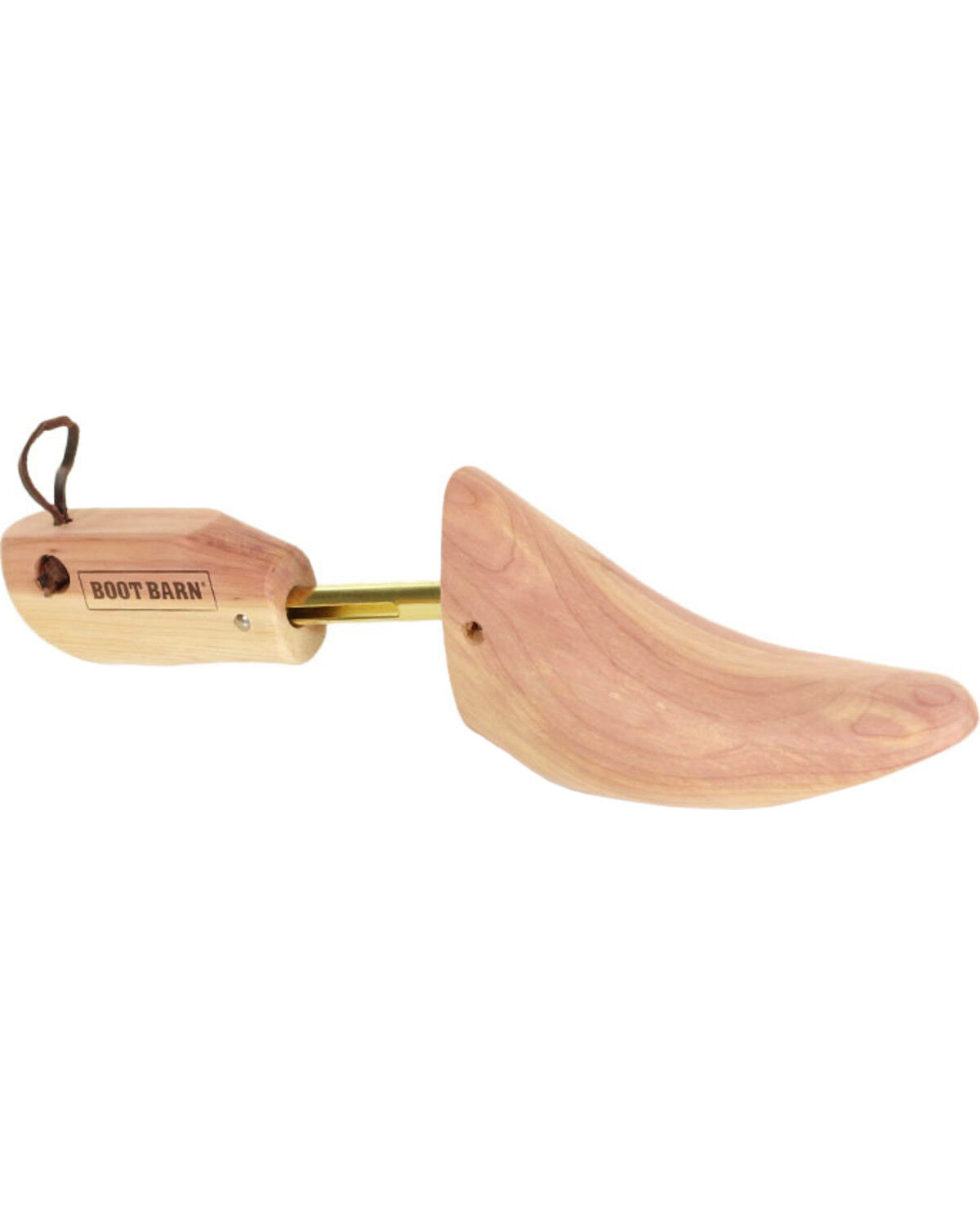
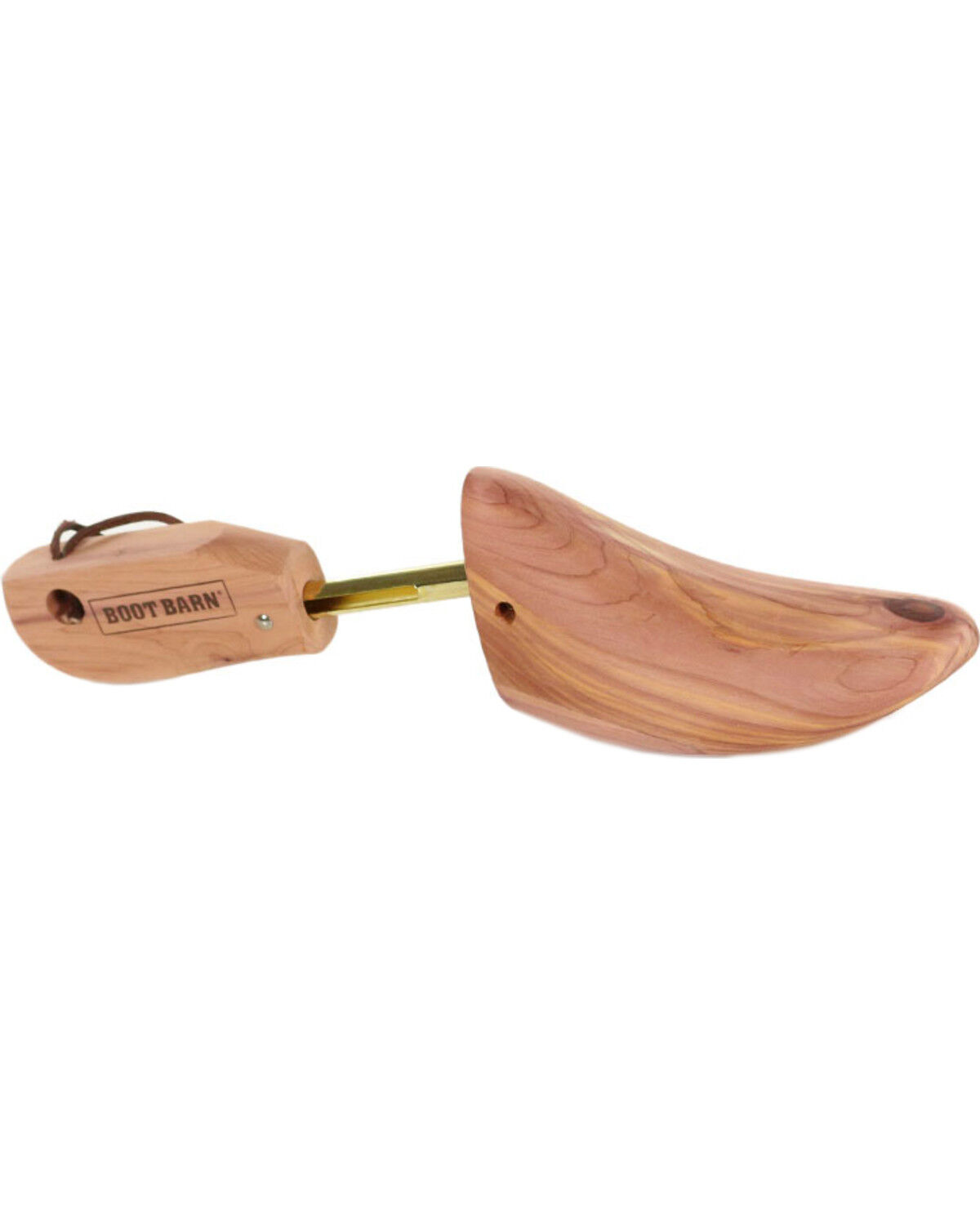
The right care products also depend on how and where the boots are worn. A pair used around livestock, job sites, fields, or dusty roads may need frequent brushing and occasional deeper cleaning, while boots worn indoors or on short outings may need only light maintenance. Mud should be allowed to dry enough to brush away rather than being rubbed deeper into wet leather. Salt and winter residue deserve prompt attention because they can leave pale marks and draw moisture from the surface. During the cooler months, boots often move between cold sidewalks, damp ground, and heated rooms, so natural drying and regular conditioning matter more than a heavy application done once in a while. Store clean boots upright in a dry place, away from direct heat, and use boot trees or clean paper to help the shafts and foot keep their shape. Do not use household cleaners, harsh detergents, or unapproved oils in place of a product designed for boots. They may strip finish, change the color, soften the structure too much, or leave a residue that attracts dust. For anyone who prefers less maintenance, washable construction can be a practical choice for everyday wear. Explore Washable Western Boots when easy cleanup is a priority. Whether the goal is preserving a dependable work pair, keeping a favorite western style ready for weekends, or giving a useful gift to someone who takes pride in their boots, thoughtful care starts with choosing products suited to the material and using them with restraint.
Read More

FAQs