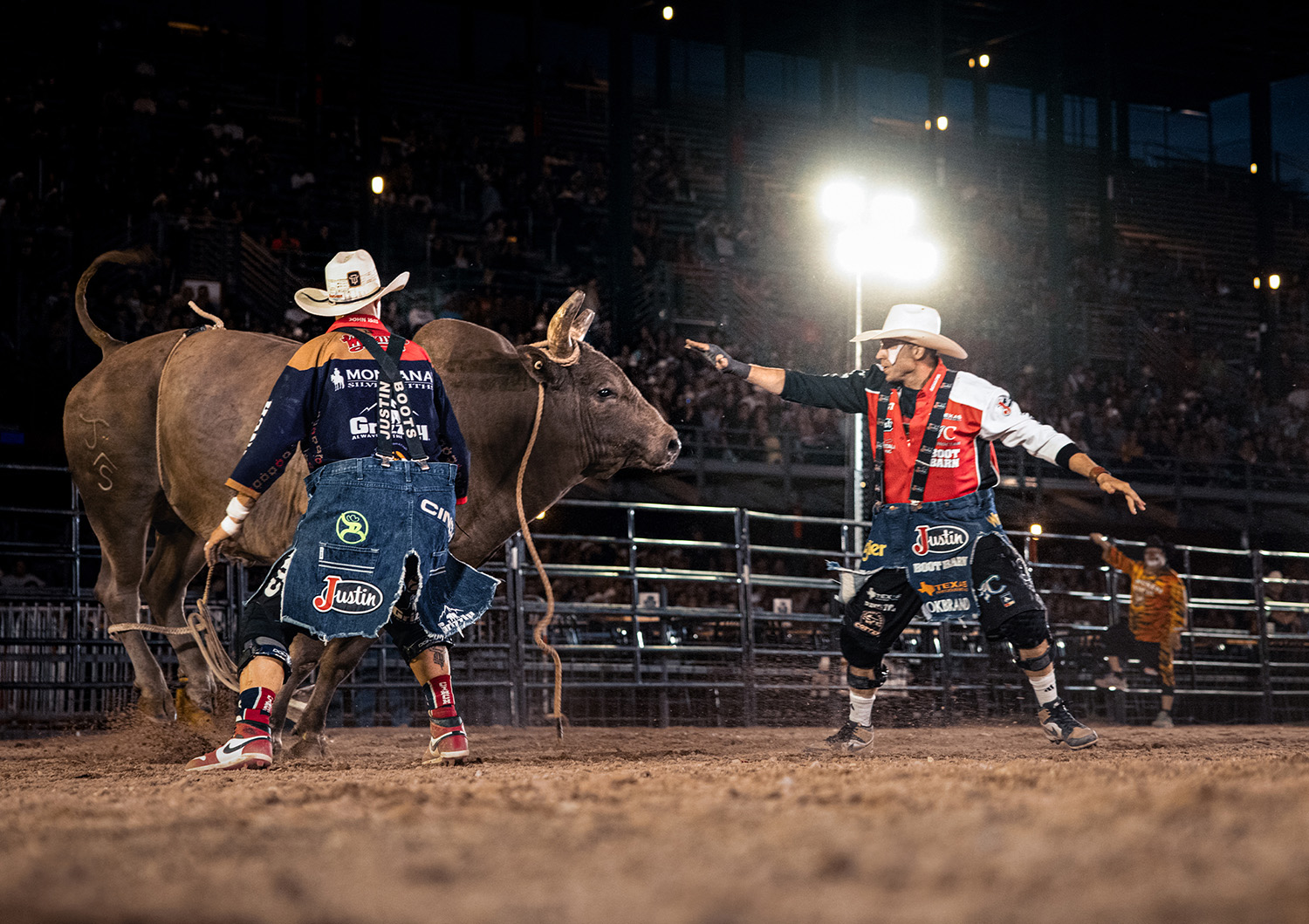
Western Icons: The Unseen Heroes of Cheyenne Frontier Days
What would America be without rodeo? A timeless piece of Western tradition and heritage, one of America’s largest and most renowned rodeos is Cheyenne Frontier Days, where athletes dazzle spectators with age-old, death-defying skills. Every year
on the last week of July, nearly 200,000 people gather at Frontier Park in Cheyenne, Wyoming for a ten-day rodeo and celebration of the Western lifestyle that has been taking place since 1897. With more sections of bull riding, saddle bronc riding, and bareback bronc riding than any other rodeo, it takes a village to keep Cheyenne Frontier Days running smoothly. A village that, despite the thousands of eyes on the rodeo each year, few have the full understanding of who all brings a rodeo to life.
While the crowds have their sights set on the animals and rodeo athletes taking center stage in the dirt arena, a whole team
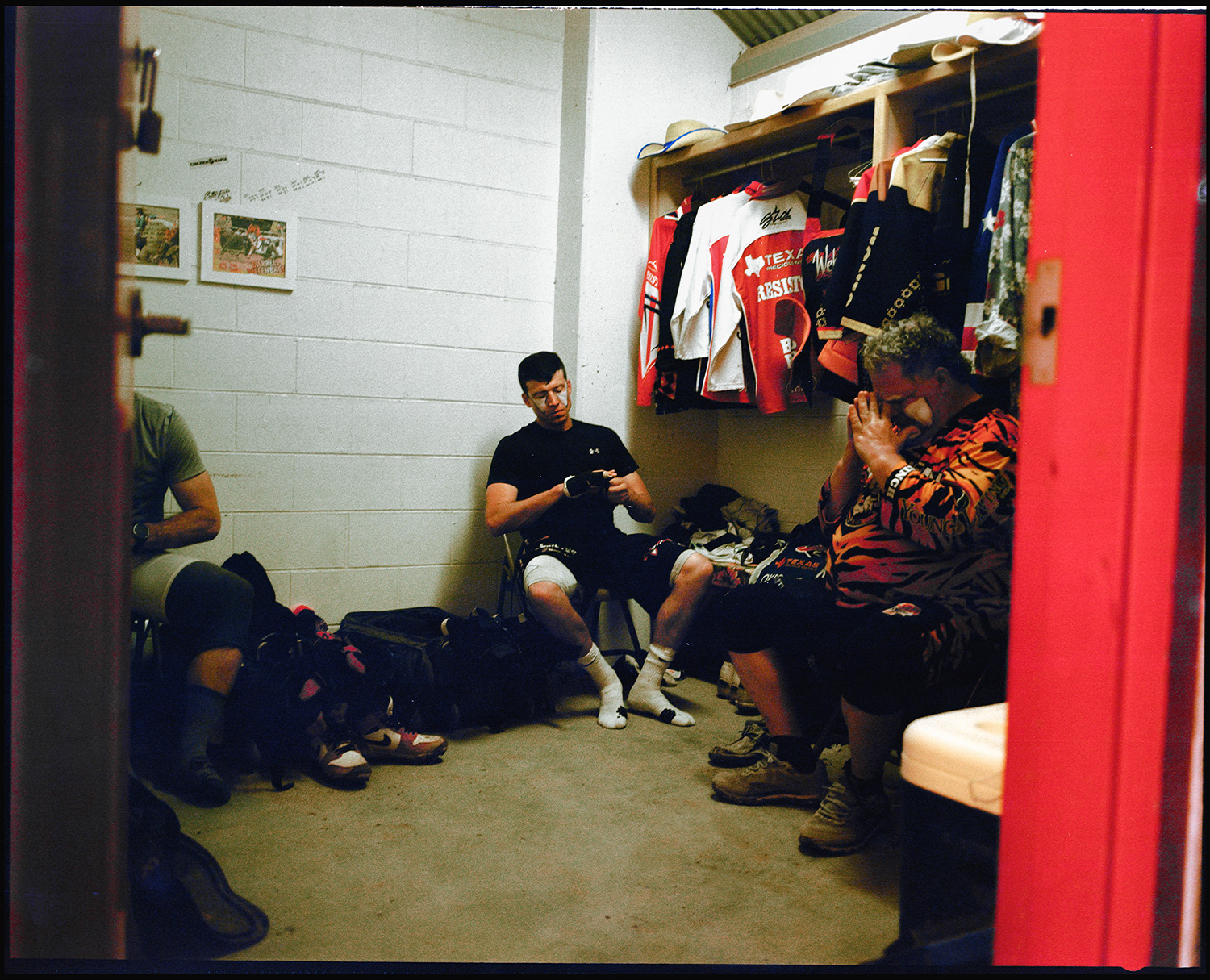
of cowboys is working behind the scenes to ensure every event of the rodeo can take place safely and keep in time with the schedule of events. While their names may never appear in the arena lights, the bullfighters, rodeo clowns, and pickup riders are the unknown heroes of the rodeo, who put everything on the line to look out for their fellow cowboy and keep the iconic traditions of the rodeo alive and thriving.
The Bull Rider’s Protector
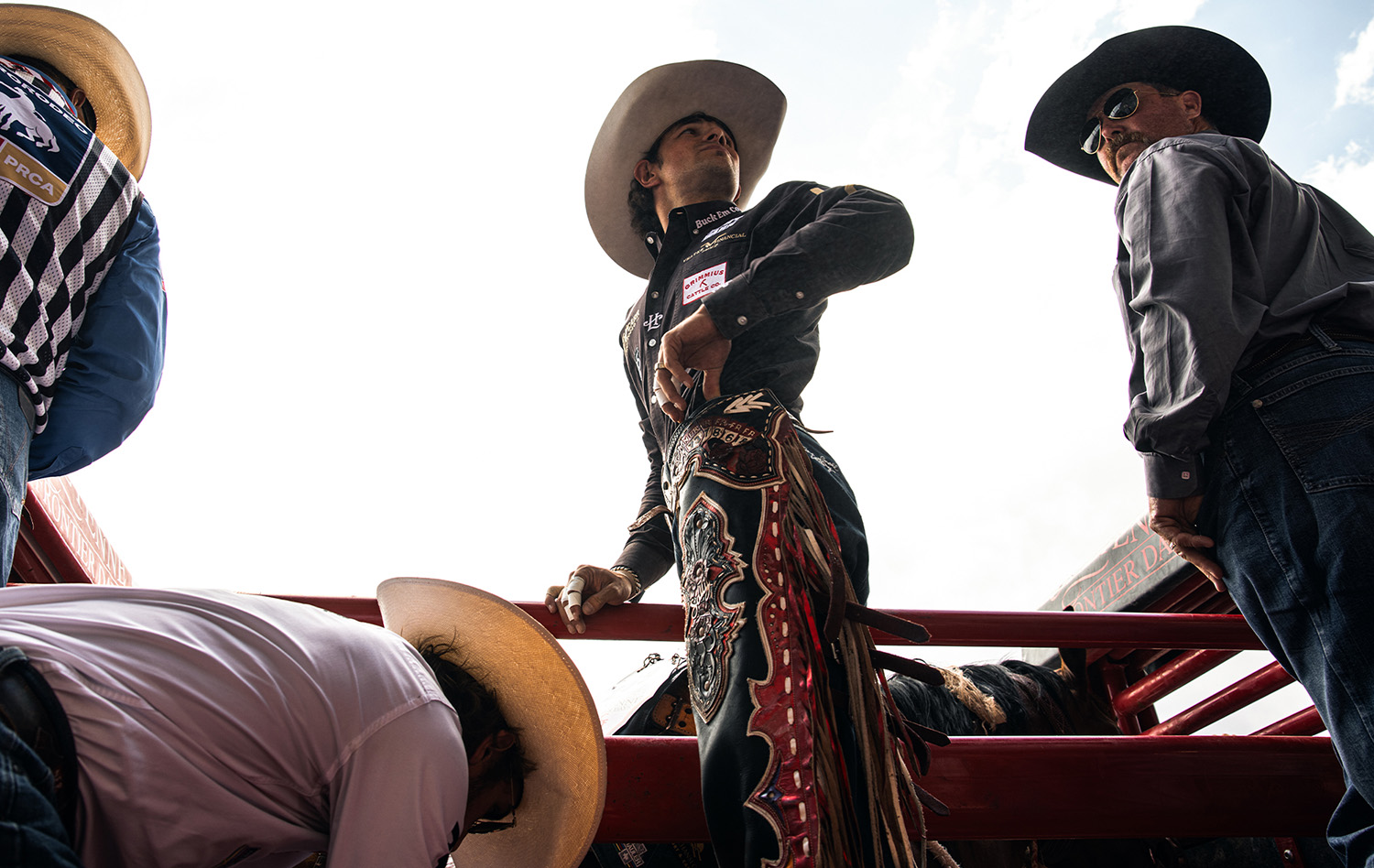
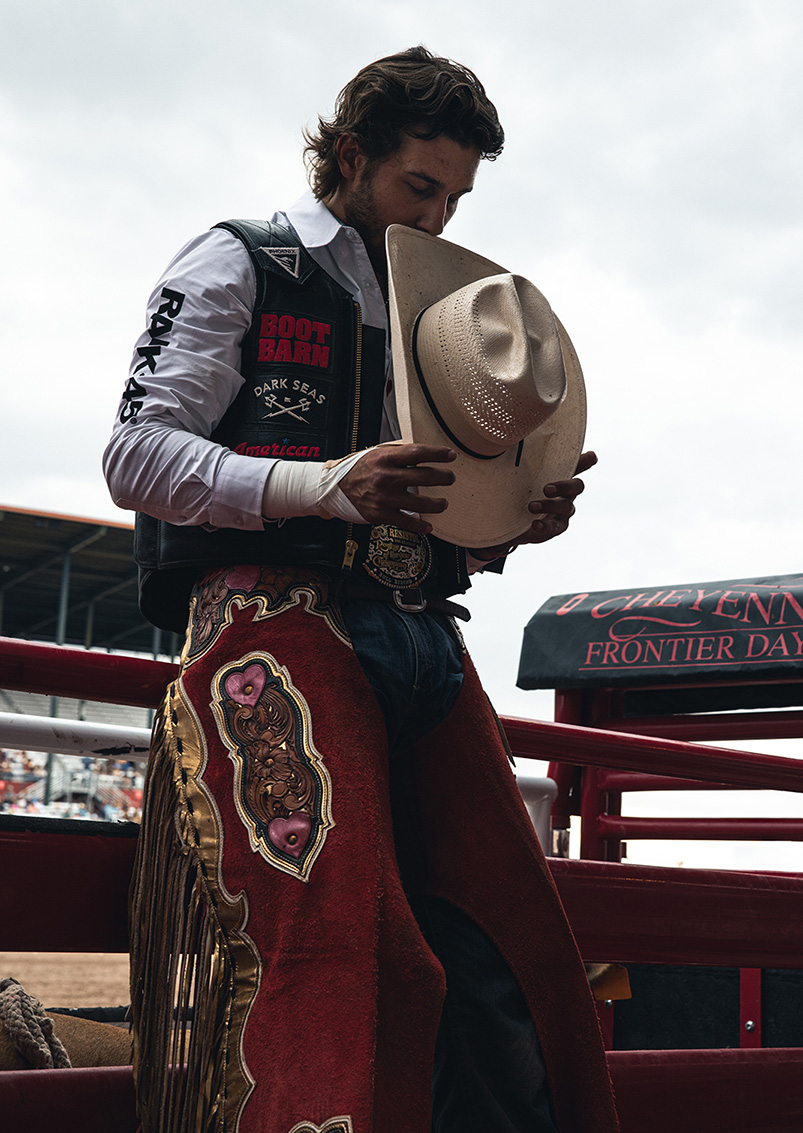
The bull is eager in his pen, ready for a chance to buck the cowboy off his back.
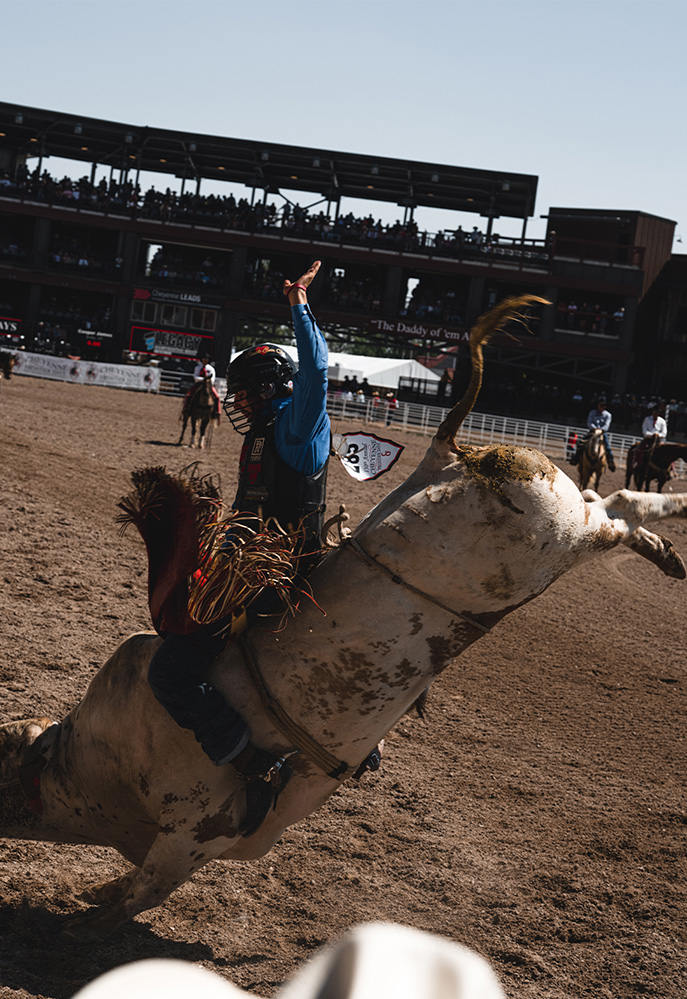
The chute opens, and the bull lets loose. For a few seconds, the rider hangs on with all his strength, but a twist catches him by surprise, and he falls to the ground in a moment of heart-wrenching agony. Without missing a beat,
Cody Webster rushes onto the scene. He stares the bull down, anticipating his next move with precision and accuracy. The bull now sets his target on Webster, but he stands at the ready. With the agility and fearlessness only a bullfighter possesses, he dodges out of the way just as the bull charges him, in turn providing the bull rider with a chance to safely leave the dirt arena.
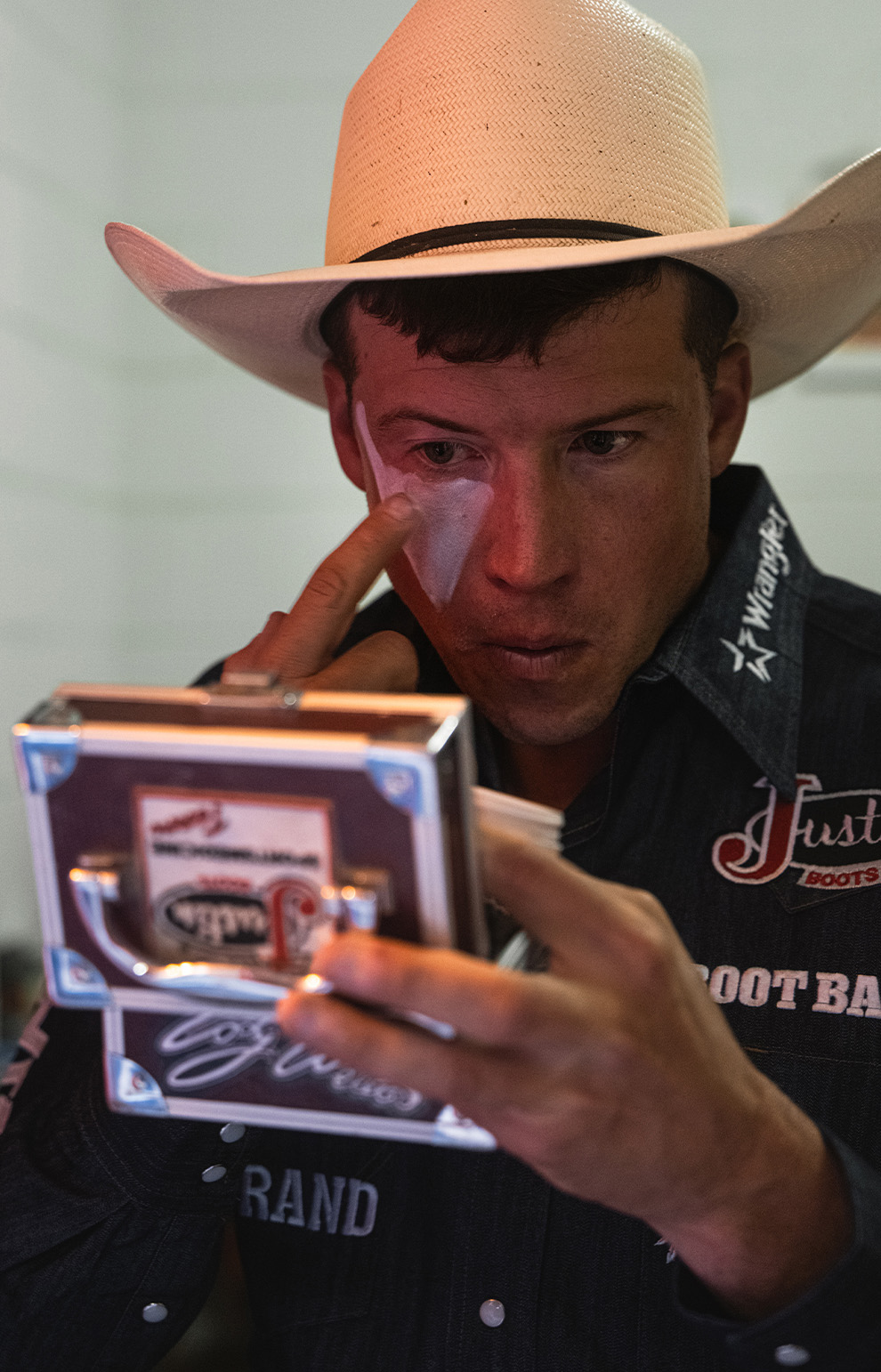
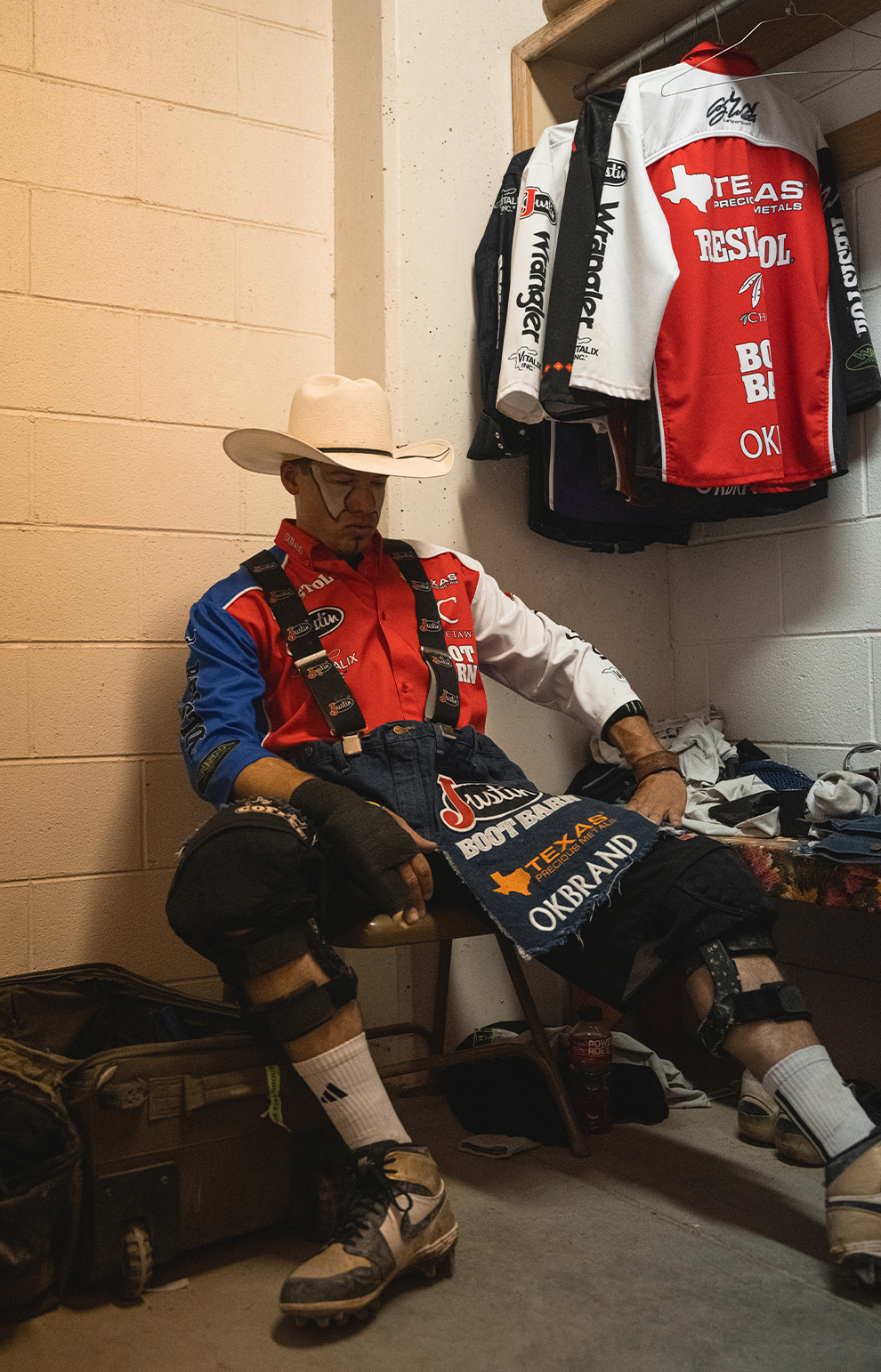
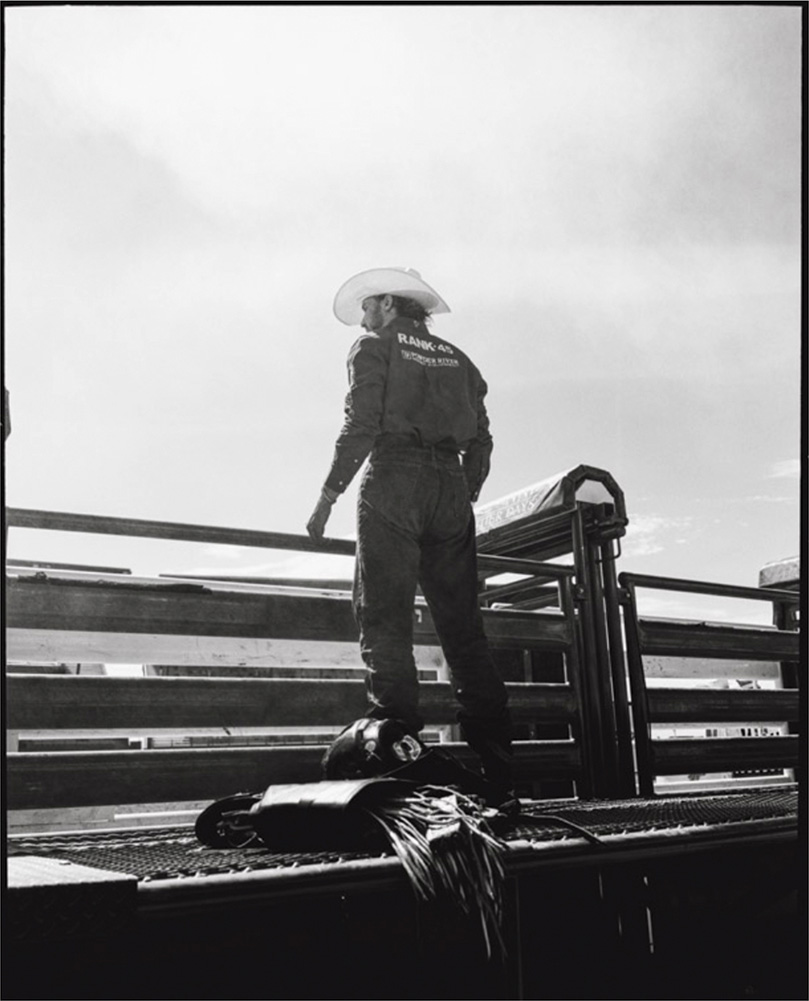
As a world champion bullfighter, Cody Webster is the ultimate protector of the cowboy. For over 20 years, Webster has been stepping into the arena as a bullfighter or rodeo clown with his brightly painted face to distract the bull and safeguard rodeo athletes at the end of a bull riding round or in the event that a rider is thrown off. Webster has earned multiple distinguishments in bull fighting, including 2025 Bullfighter of the Year, and is a 13-time NFR Bullfighter and
12-time PBR World Finals Bullfighter.
Despite his many accolades, however, Webster always enters the arena prepared to do his job with the utmost humility. My main focus when I step through the gates on that dirt is no matter what's going on during the day, I've got to check myself and my emotions because these guys are relying on me for their safety. They're trusting that 100%, no matter what goes down in that arena, they're going to have me there giving everything that I've got to keep them safe,
says Webster.
Webster takes his job as seriously as life and death, because in many cases, lives are in fact on the line. While that bull's bucking, you've got to be lasered in. I can literally see the particles of dirt coming off that bull's hoof. You’ve got to be taking in the data and reacting because if I'm a step late, somebody could get badly hurt or potentially die,
he shares.
In addition to the high level of strength and skill needed to be a bullfighter, the job is also a testament to the selfless and humble values that cowboys live by. Webster explains that despite holding one of the rodeo’s most important responsibilities, it is also his job to go unnoticed. When we're on our best days, you probably really won't even notice us,” he shares. “We've already picked and defused a bomb, a big wreck before it could get to the point of being something bad.
While Webster’s moments in the arena are not the rodeo’s main event, knowing that he’s working to protect the rodeo cowboys along with his bull fighting teammates and ensuring the rodeo is operating smoothly is all the glory that Webster needs. Twenty-four years into the game, my body and my reactions are saving wrecks, taking a situation and defusing it before my brain even knows what we did. And when you're in the zone that tight, you're that keyed in, man, it's a hell of a rush.
The Iconic Pickup Riders of the Rodeo
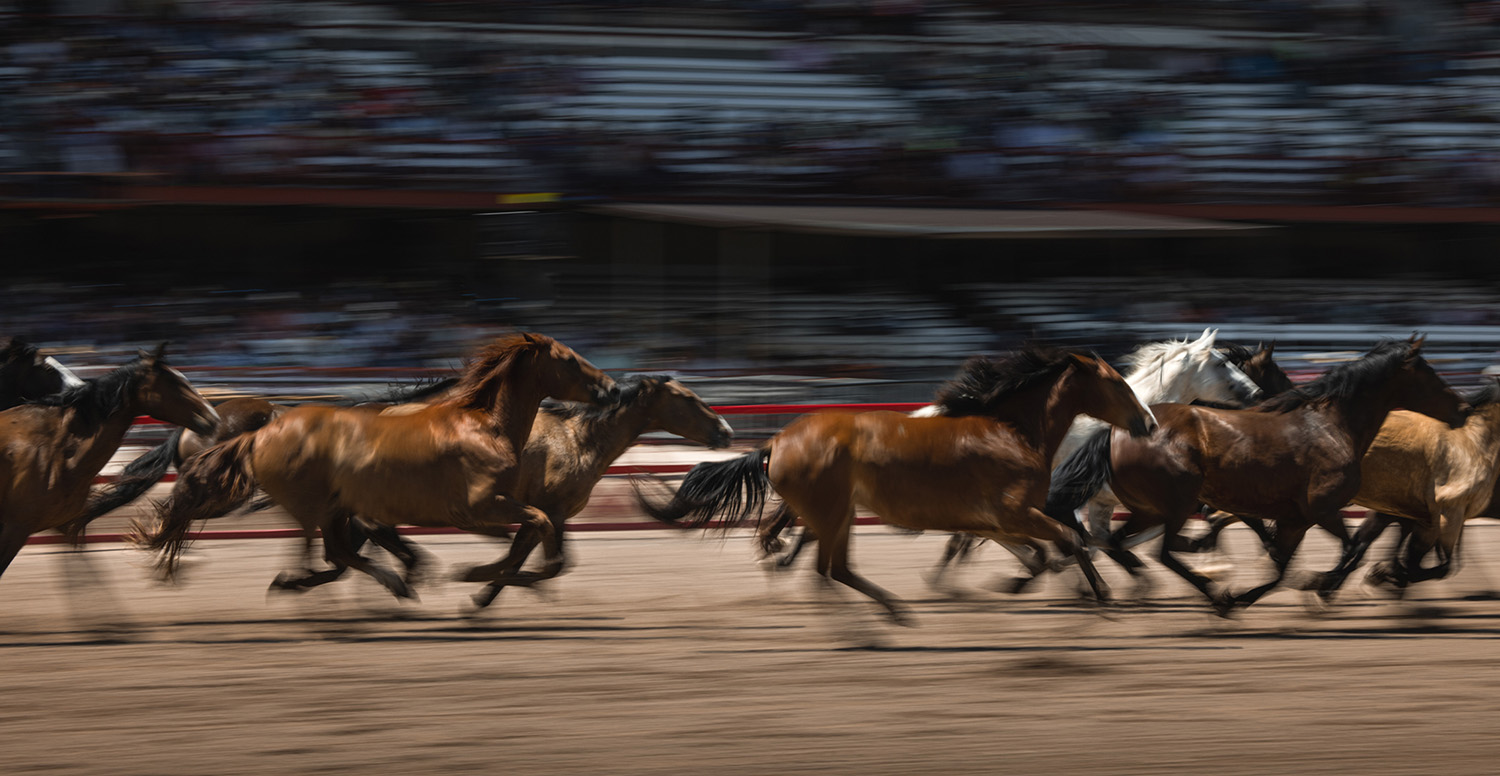
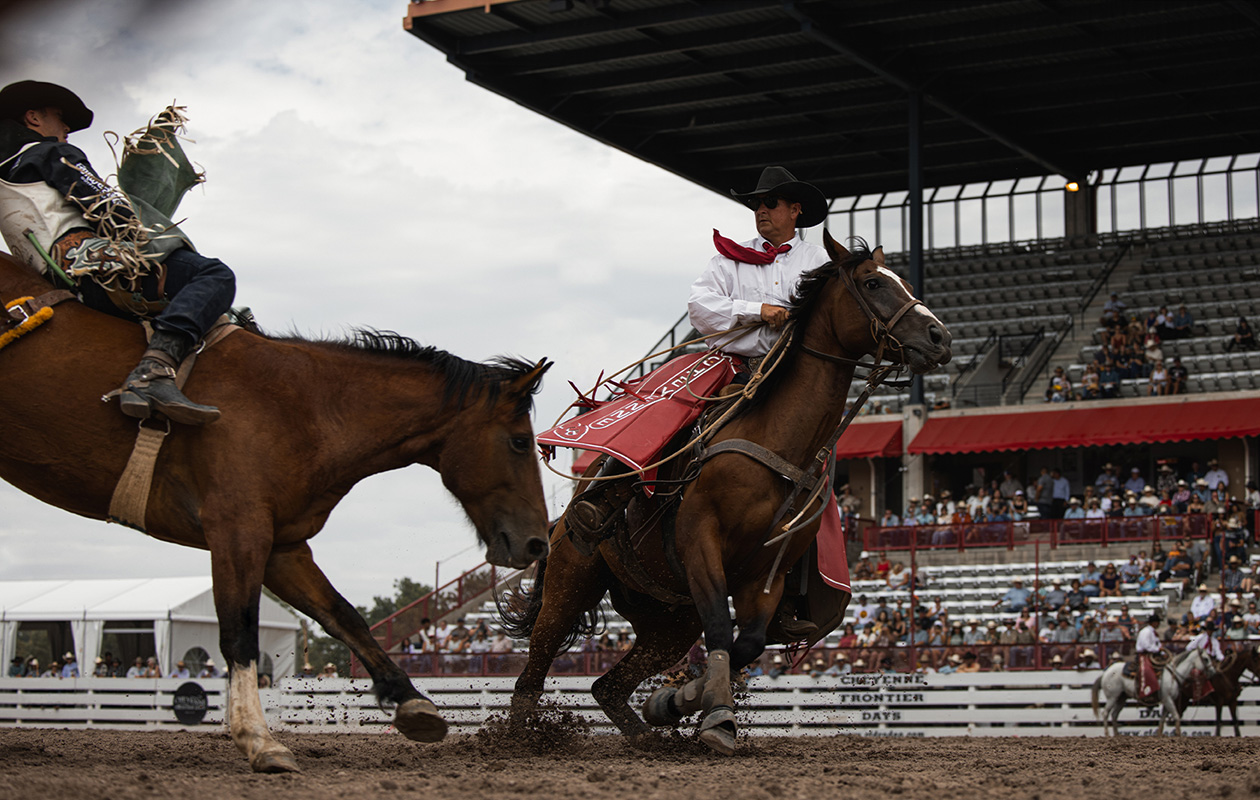
In another arena at Cheyenne Frontier Days, the dust is settling after a thrilling round of a bareback riding competition. The rodeo cowboy is ready to dismount the bucking horse, but to do so, he needs a team of pickup riders on either side of him for stability as he jumps off. Once dismounted, the pickup riders handle the task of herding the bucking horse back to the chutes safely and securely.
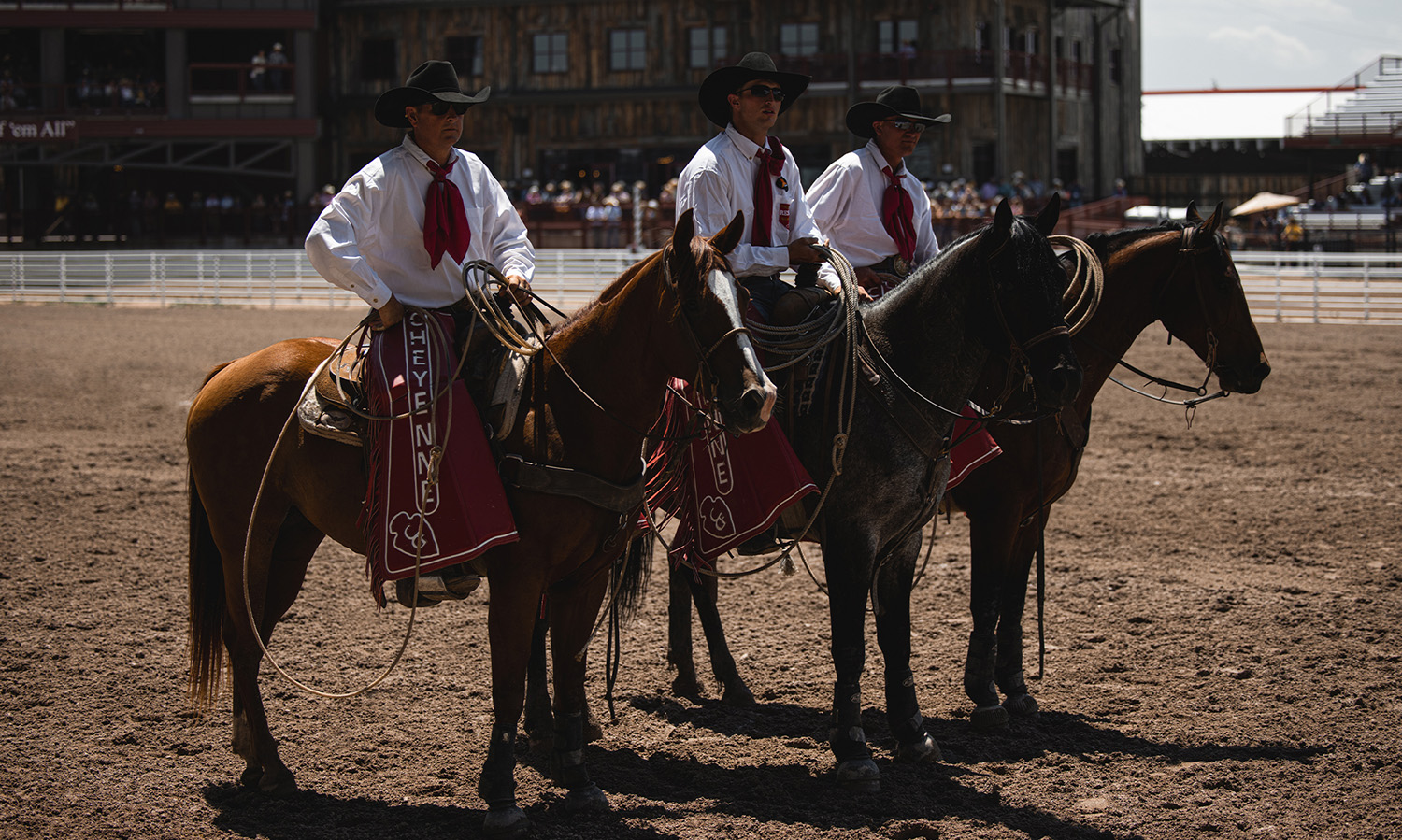
Tommy Pettit has been offering his skills and horsemanship as a pickup man at Cheyenne Frontier Days for over ten years. Like Webster, Pettit plays an integral role in continuing the rodeo’s centuries-old legacy. He is also a passionate advocate for the animals of the rodeo. At every event he works from roping to bronc riding, Pettit is focused on the safety of the animals as well as the athlete. We make sure all the cattle get out of the arena safely and then go to saddle bronc. And it's about the same. We get the rider off safely and get the horse out safely.
In addition to protecting the animals and athletes of the rodeo, Pettit’s job is deeply rooted in the cowboy heritage that rodeo was founded on, as pickup riders are also highly skilled horse trainers. Pettit’s important work in the arena begins months in advance of the rodeo circuit. I start all my own horses,
he explains. We have trust going into it. I have a good idea of how they're going to act when I get in there. A great pickup horse is fast but listens. If you need to change something up, they do what you ask them immediately.
From training horses to spending long hours at each rodeo to keep athletes safe, Pettit embodies the hardworking values of the cowboy. But, like Webster, perhaps the way he epitomizes the cowboy most is through his selflessness. We just try to keep everything going as quickly as possible. And be unnoticed,
shares Pettit. People shouldn't really see what we're doing. We just need to do our job quick and get out.
Keeping the West Alive
Nothing is more American than rodeo. Fueled by dust-covered optimism, the
cowboy, an enduring symbol of rugged individualism and unapologetic
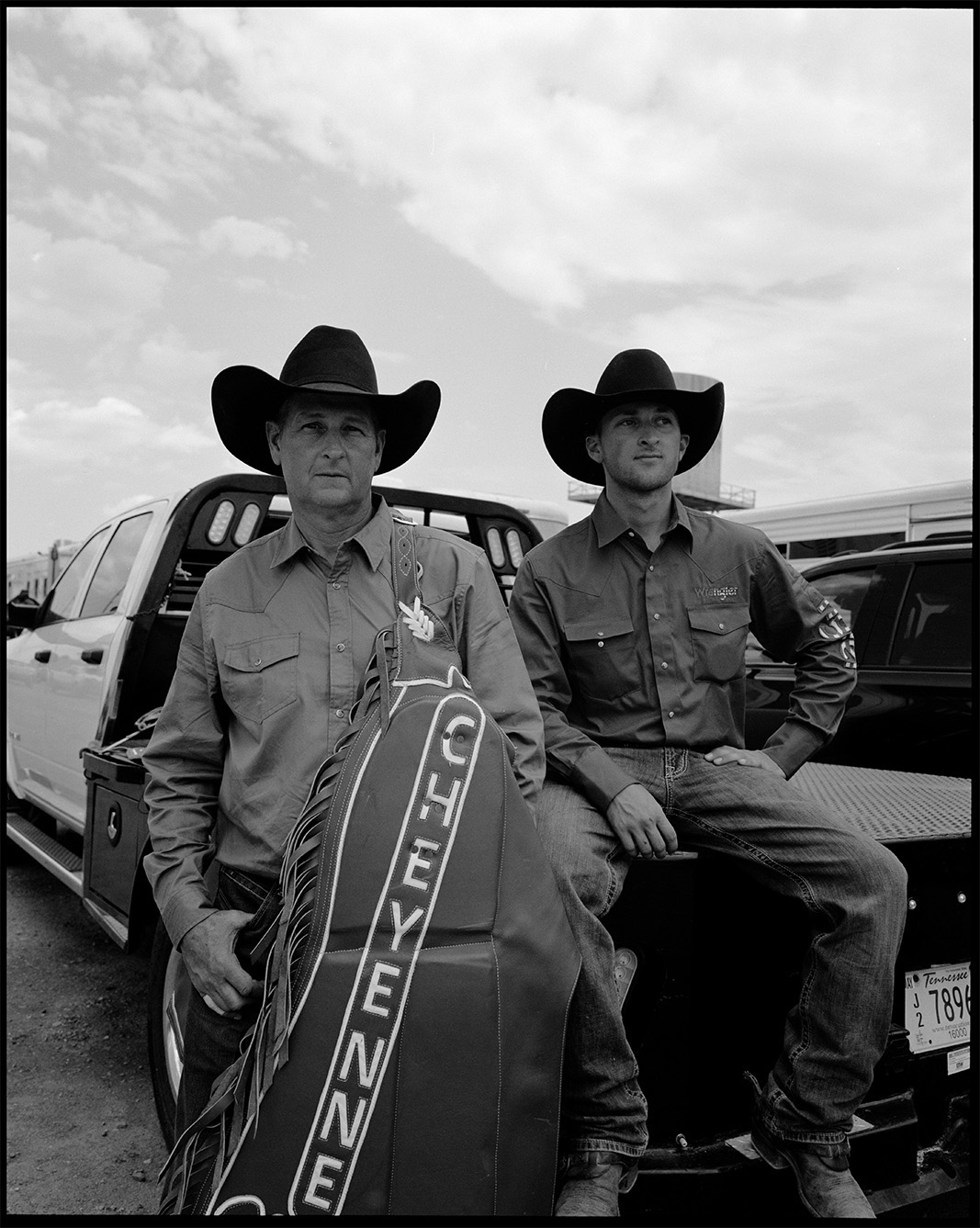
self-determination, keeps the rodeo thriving. From the rodeo athletes in the arena spotlight to the bullfighters, rodeo clowns, and pickup riders safeguarding them, the rodeo is a cherished piece of cowboy heritage because of the Western icons working in front of and behind the scenes to keep the spirit and traditions of the West alive. But they don’t do it for glory. It’s not the fame or recognition they seek. It’s a calling, a sense of responsibility to their Western heritage and the legacy they breathe life into.
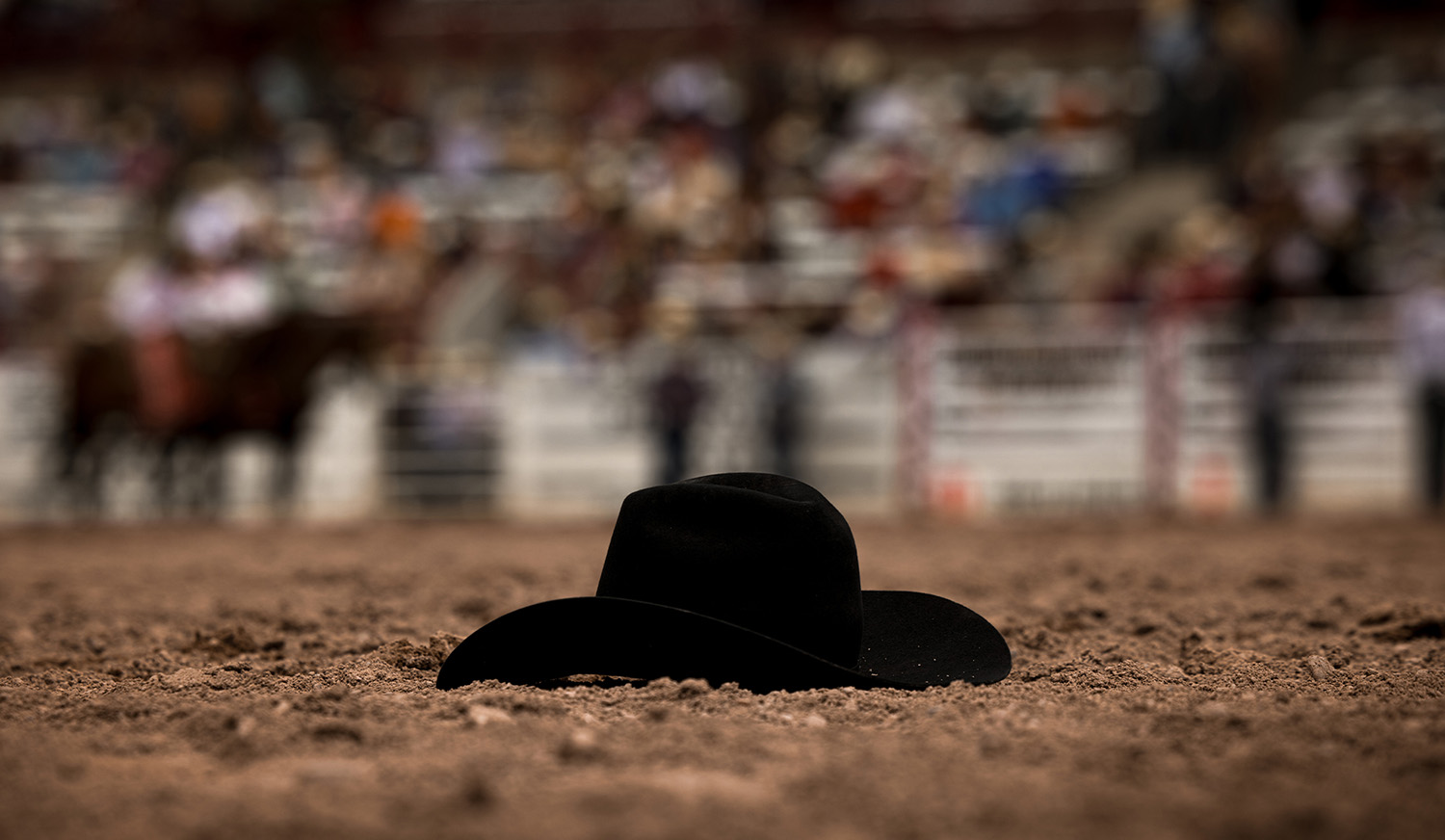
I think the legacy of the cowboy and what we carry on, putting on the cowboy hat carries a lot of weight. I just thank God every day that I get to wake up and be a cowboy.
– Cody Webster, Bullfighter
I'm proud and blessed to be a part of the rodeo.
– Tommy Pettit, Pickup Man